
Category: Blog

Your blog category

  • SECRE technology paves the way for new therapies for autoimmune diseases

    SECRE technology paves the way for new therapies for autoimmune diseases

    shutterstock 390538711 6b3c40fdd32742caa54307db3553cab1

    Scientists have developed a potentially transformative new technique that could help in the discovery and development of new therapies for a number of globally prevalent autoimmune diseases.

    Conditions such as lupus, rheumatoid arthritis and inflammatory bowel disease (IBD) – as well as malfunctions in transplanted cells – are all caused by altered cytokine secretion from immune cells in the human body.

    To find treatments for such diseases, experts must identify the genetic regulators of secretion so they can explore the most effective ways to inhibit them.

    An international team of researchers has developed a new method called Secretion-Enabled Cell Ranking and Enrichment (SECRE), which is detailed in a study published in Nature Biomedical Technology.

    They have shown that the method is accurate in sorting hundreds of millions of CRISPR-edited cells based on their secretion patterns, and in identifying the genetic regulators of cytokine secretion in an autoimmune disease. In addition, the method takes into account the detailed profiles of approved treatments and treatments in development to determine whether pre-existing therapies can be repurposed in new ways.

    In the study, the researchers describe how they validated their approach against the cells known to play an essential role in the development and severity of IBD, and how they proved that this approach has the potential to find new ways to treat conditions that affect millions of people worldwide. .

    The research is the result of a project lasting about four years between scientists from Great Britain, the United States and Canada, leading experts in the field of developing new tools for the diagnosis and treatment of diseases, led by Professor Shana Kelley, chairman of the Chan-Zuckerberg Institute and professor at Northwestern University.


    This is an incredibly new approach that has the potential to deliver enormous benefits to patients, doctors and pharmaceutical companies working to develop new treatments. It gives us the opportunity to sort large numbers of cells based on their secretion patterns and identify therapeutic targets that can be applied to help people with conditions for which few therapeutic options currently exist. “Through our existing work we have shown that it has the potential to help identify ways to treat various autoimmune diseases, but my work is now also expanding to types of cancer, including some of the most aggressive types of brain tumors.”


    Dr. Mahmoud Labib, a lecturer at the Peninsula Medical School of the University of Plymouth, and the key inventor of the approach


    A possible treatment for inflammatory bowel disease?

    Inflammatory bowel disease (IBD) is a long-term health condition estimated to affect approximately 7 million people worldwide. It is characterized by chronic inflammation of the digestive tract, which can result in severe abdominal pain and diarrhea, and there is currently no known cure.

    As part of their work to validate their approach, the researchers examined the effect of various kinase inhibitors on CD4+ T cells, which are known to produce interferon-gamma, a protein widely implicated in several autoimmune diseases, including IBD. The inhibitors studied included XMU-MP1, a small molecule previously studied as a treatment for heart failure, hair loss and a number of other medical conditions.

    In this case, the researchers used XMU-MP1 to treat mice with a form of colitis that has a similar cell secretion profile to that in people with IBD. They found that the mice experienced significantly less weight loss and reduced symptoms of colitis, while their colons appeared almost normal and showed no significant loss of intestinal stem cells.

    Based on these findings, the researchers say their results suggest that using XMU-MP1 as a means to inhibit the production of interferon-gamma in the intestines may be an ideal means of controlling IBD. They also say it offers a promising future strategy for the therapeutic molecular targeting of the condition, although extensive clinical trials would be needed before it could be considered as a treatment.

    How the SECRE technique works

    The Secretion-Enabled Cell Ranking and Enrichment (SECRE) technique captures the secreted cytokine on the surface of the cell. These cytokines are then labeled with magnetic nanoparticles and sorted at high resolution in a microfluidic device fabricated using scaled three-dimensional printing.

    The SECRE technique allows rapid and rapid sorting of cells based on their secretion patterns, making it amenable to large-scale functional genetic screening. This approach also links the functional signature of the cell to its phenotype, allowing selective sorting of specific subsets of immune cells based on specific cell surface markers and the secretion-specific factors.

    Source:

    Magazine reference:

    Labib, M., et al. (2023). Identification of druggable regulators of cell secretion via a kinome-wide screen and high-throughput immunomagnetic cell sorting. Nature Biomedical Technology. doi.org/10.1038/s41551-023-01135-w.

    Source link

  • Stratasys is collaborating with Siemens Healthineers in a Landmark Research Project to advance medical imaging

    Stratasys is collaborating with Siemens Healthineers in a Landmark Research Project to advance medical imaging


    The use of 3D printing can improve outcomes by providing 3D modeling to physicians with real-world scenarios to practice and reference.

    EDEN PRAIRIE, Minnesota & REHOVOT, Israel, November 27, 2023–(BUSINESS WIRE)–Stratasys Ltd. (NASDAQ: SSYS), a leader in polymer 3D printing and additive manufacturing solutions, today announced it is partnering with Siemens Healthineers to conduct a groundbreaking research project designed to develop new state-of-the-art solutions develop for the advancement of medical imaging phantoms for computed tomography (CT) imaging.

    CT phantoms are a crucial tool in medical imaging and a nearly universal resource in hospitals around the world. They are specialized devices used to evaluate and ensure the performance of CT scanners. Phantoms are designed to simulate certain characteristics of the human body and enable the assessment of several key metrics, including radiation dose and image quality, facilitating calibration and ensuring consistent scanner performance. The joint development uses Stratasys’ PolyJet™ technology in combination with Siemens Healthineers’ unique RadioMatrix™ technology and advanced algorithm, aimed at translating scanned patient images into specific radiopacity material characteristics of the human anatomy. The solution enables custom phantom production and the creation of ultra-realistic human anatomy characteristics with complete radiographic accuracy of patient-specific pathology that was previously not possible.

    This joint project will transform the way phantoms can be used in the medical field, and in some cases even allow device manufacturers and academic institutions to replace human cadavers with 3D printed structures. Having this capability enables critical efficiency and minimizes unavoidable human variability. This work will also generate a critical amount of research data, providing important insights for advancing CT system algorithms, driving materials development and unlocking potential new application areas – and identifying future research opportunities.

    “The current limitations of phantoms have long been a challenge for the radiology community,” said Erez Ben Zvi, Vice President of Medical at Stratasys. “This collaboration with Siemens Healthineers will allow us to jointly explore the tremendous potential of our radiopaque materials and 3D printing technologies to overcome these barriers.”

    Starting with the production of 3D printed phantoms for smaller scale anatomies of the head and neck region, the research will include the production of increasingly larger and more complex anatomies – leading to the Phase One endpoint of 3D printing a heart model and a complete human torso with full radiographic accuracy.

    “The knowledge gained from this project represents a breakthrough in medical imaging that will open new possibilities for 3D printing and imaging applications,” said Lampros Theodorakis, Head of Computed Tomography Product & Clinical Marketing at Siemens Healthineers. “We are excited about the opportunities that await us as a result of this collaboration and believe it will have long-term implications for medical and academic applications.”

    About Stratasys

    Stratasys is leading the global shift to additive manufacturing with innovative 3D printing solutions for industries such as aerospace, automotive, consumer products, healthcare, fashion and education. Through smart and connected 3D printers, polymer materials, a software ecosystem and on-demand parts, Stratasys solutions deliver competitive advantages at every stage of the product value chain. The world’s leading organizations turn to Stratasys to transform product design, make manufacturing and supply chains more agile, and improve patient care.

    For more information about Stratasys, visit www.stratasys.com, the Stratasys blog, X/Twitter, LinkedIn or Facebook. Stratasys reserves the right to use any of the foregoing social media platforms, including the Company’s websites, to share material, non-public information pursuant to the SEC’s Regulation FD. To the extent necessary and required by applicable law, Stratasys will also include such information in its public disclosure filings.

    Note to editors: High-resolution images and additional information are available upon request from the appropriate media contacts listed.

    Contacts

    Investor and media contacts

    Stratasys Business &
    North America
    Chris Reese
    chris.reese@stratasys.com
    +1 6651 357 0877

    Investor Relations
    Jonah Lloyd
    Yonah.Lloyd@stratasys.com
    +972 74 745 4919

    Europe, the Middle East and Africa
    Jonathan Wake / Samantha White,
    Incus Media
    stratasys@incus-media.com
    +44 1737 215200

    Brazil, Central America and South America
    Erica Massini
    Erica.Massini@stratasys.com
    +55 (11) 2626-9229

    Stratasys Corporate & Israel
    Erik Snider
    Erik.Snider@stratasys.com
    +972 74 745 6053

    Asia
    Kalyani Dwivedi
    Kalyani.Dwivedi@stratasys.com
    +91 80 6746 2606

    Source link

  • Pristine Surgical Announces Full Market Launch of Summit™ 4K Single-Use Surgical Arthroscope in the US

    Pristine Surgical Announces Full Market Launch of Summit™ 4K Single-Use Surgical Arthroscope in the US


    The pinnacle of minimally invasive surgical visualization, Summit™ is the first-of-its-kind 4K single-use surgical arthroscope designed to simplify endoscopy

    MANCHESTER, NH, November 27, 2023–(BUSINESS WIRE)–Pristine Surgical, a medical device company committed to making endoscopy more efficient, consistent and safer, has accelerated the launch of its Summit™ 4K single-use surgical arthroscope – the first of its kind. After an overwhelmingly positive response during its limited market launch, Summit™ is now available to hospitals and ambulatory surgery centers across the United States.

    “Summit™ is a fully integrated, single-use scope with 4K resolution that simplifies arthroscopic procedures and packs the latest in minimally invasive visualization technology into a sterile, cost-effective, ready-to-use package,” said Bryan Lord, CEO of Pristine Surgical. “I am pleased with the feedback we have received and we are excited to make this groundbreaking arthroscope available nationwide to help surgeons and their teams innovate their endoscopy suite.”

    Summit™ is a brand new, 100% sterile 4K scope for every patient and is ready to use right out of the box, eliminating the time-consuming operating room set-up and tear-down process and device reprocessing required for reusable arthroscopes. It comes pre-installed with Pristine Connect™ software for seamless cloud-connected surgical image and video storage and automated inventory management.

    “We developed Summit to address the challenges inherent in conventional surgical visualization – which relies on reusable arthroscopes that are becoming outdated, difficult and expensive to maintain, and prone to wear, damage and potential infections,” said Dr. Stephen J. Snyder, a pioneer in shoulder arthroscopy and Chief Medical Officer of Pristine Surgical. “It’s a major leap forward in an area that hasn’t changed much in my 40-plus years of practice, and when we saw the positive response and impact it had on our limited market launch, we were convinced that it was time to fully commercialize Summit.”

    Summit integrates with a surgery center’s existing endoscopy tower, allowing ASCs to upgrade to 4K without major capital investments. It is delivered through a unique subscription scope business model and has transparent pricing to make this groundbreaking medical device cost-effective and practical. Through sustainability partnerships, Pristine Surgical will also offer recycling options to its customers.

    Summit™ is available through select distributor partners in the United States. For more information or to learn how you can bring Summit to your facility, please contact info@pristinesurgical.com.

    About pristine surgery

    Pristine Surgical is a medical device company on a mission to simplify endoscopy. The company combines single-use endoscopes with cloud-based software to make minimally invasive visualization more efficient, consistent and safe. Pristine Surgical offers a subscription business model with transparent pricing and automated inventory management, delivering improved workflow and lower costs for the endoscopy suite. For more information, visit pristinesurgical.com or search for the company on LinkedIn.

    Contacts

    Dia Kalakonas
    GM, Marketing Communications
    Pristine surgical procedure
    603-496-5493
    dkalakonas@pristininesurgical.com

    Photo: Business Wire

    Source link

  • Activity affected urinary incontinence;  Let’s talk about it!

    Activity affected urinary incontinence; Let’s talk about it!


    Prevalence and normalization of stress urinary incontinence in female strength athletes.

    Mahoney K, Heidel RE, and Olewinski LJ Good luck Cond2023 [epub ahead of print].

    Full text freely available

    Take home message

    Seven in ten female strength training athletes report stress urinary incontinence (SUI) in some aspect of their lives. However, fewer than 2 in 10 athletes talk to their doctor or seek treatment for SUI.

    Background

    Very intensive physical activity can increase the risk of SUI, an involuntary loss of urine due to increased intra-abdominal pressure. Up to 2 in 5 women may experience SUI throughout their lives, which can negatively impact an individual’s quality of life. Pelvic floor training can treat SUI. Although female strength training athletes may be at greater risk for SUI, it remains unclear how many of these athletes experience SUI and seek treatment, as well as how they would prefer to learn about SUI.

    Study aim

    The researchers conducted a cross-sectional study to assess female strength training athletes’ understanding and normalization of SUI, including how often female strength training athletes sought treatment for SUI.

    Methods

    The researchers developed a new study, which was expertly reviewed, to share on various social media platforms. The survey asked respondents about demographic information, risk factors for SUI, experience with SUI, favorite sources of information about SUI, and whether the respondent had sought treatment for SUI. Respondents to the survey were women over the age of 18 who considered powerlifting, weightlifting or strongman as their main activity.

    Results

    Of the 425 respondents, 69% reported experiencing SUI in some aspects of their lives. Of the athletes who experienced SUI, 61% reported that they first experienced SUI after starting their sport. About two-thirds of athletes thought SUI was a normal part of their sport. Only 17% of respondents reported talking to their doctor about SUI, and 9% sought treatment. Nearly 30% of respondents reported seeking advice about SUI from videos and articles on the internet, 23% spoke to friends and 13% spoke to their coach about SUI.

    Viewpoints

    Overall, the results of this study indicated that SUI is common among female strength training athletes, and most consider it a normal part of their sport. However, very few athletes turn to healthcare to address their SUI. It would be interesting to see this study replicated by asking athletes to complete the survey during competitions, as it is unclear whether women with SUI are more likely to complete the online survey. So the online survey may overestimate how many women have SUI, but the answers about engaging the health care system and where they seek advice are still likely to be informative.

    Clinical implications

    Clinicians who work with athletes who are at high risk for developing SUI should educate athletes about effective treatments. It can also be helpful to educate strength and conditioning coaches about SUI and available treatments.

    Questions for discussion

    How do you talk to your athletes about SUI? Have you noticed that other athletes have high SUI rates?

    Written by Kyle Harris
    Reviewed by Jeffrey Driban

    related posts

    Check the lights before you check that urine!
    Throw away your strips for better urine density results
    Altered hydration status may impact concussion assessment
    Cheers! The more you exercise, the more you should drink

    9 EBP CEU courses

    Source link

  • Many patients with autoimmune diseases struggle with diagnosis, costs, and inattentive care

    Many patients with autoimmune diseases struggle with diagnosis, costs, and inattentive care


    After years of debilitating bouts of fatigue, Beth VanOrden thought she finally had an answer to her problems in 2016 when she was diagnosed with Hashimoto’s disease, an autoimmune disease.

    For her and millions of other Americans, that’s the most common cause of hypothyroidism, a condition in which the thyroid, a butterfly-shaped gland in the neck, doesn’t produce enough of the hormones the body needs to regulate metabolism.

    There is no cure for Hashimoto’s or hypothyroidism. But VanOrden, who lives in Athens, Texas, started taking levothyroxine, a widely prescribed synthetic thyroid hormone used to treat common symptoms such as fatigue, weight gain, hair loss and sensitivity to cold.

    Most patients do well on levothyroxine and their symptoms resolve. But for others, like VanOrden, the drug isn’t as effective.

    For her, that meant traveling from doctor to doctor, test to test, and treatment to treatment, spending about $5,000 a year.

    “I look and act like a pretty energetic person,” said VanOrden, 38, explaining that her symptoms are not visible. “But there’s a hole in my gas tank,” she said. And “stress widens the gap.”

    Autoimmune diseases arise when the immune system mistakenly attacks and damages healthy cells and tissues. Other common examples include rheumatoid arthritis, lupus, celiac disease, and inflammatory bowel disease. There are more than 80 such diseases, affecting an estimated 50 million Americans, disproportionately women. Overall, the cost of treating autoimmune diseases in the US is estimated at over $100 billion per year

    Despite their frequency, finding help for many autoimmune diseases can be frustrating and expensive. Getting diagnosed can be a major hurdle because the set of symptoms is very similar to those of other medical conditions, and there are often no definitive identifying tests, says Sam Lim, clinical director of the Division of Rheumatology at Emory University School of Medicine in Atlanta . . In addition, some patients feel like they have to fight to be believed, even by a doctor. And after a diagnosis, many autoimmune patients rack up big bills while they explore treatment options.

    “They’re often upset. Patients feel rejected,” Elizabeth McAninch, an endocrinologist and thyroid expert at Stanford University, says of some patients who come to her for help.

    Inadequate medical education and a lack of investment in new research are two factors hindering the general understanding of hypothyroidism, according to Antonio Bianco, an endocrinologist at the University of Chicago and leading expert on the condition.

    Some patients become angry when their symptoms don’t respond to standard treatments, either levothyroxine or that drug in combination with another hormone, said Douglas Ross, an endocrinologist at Massachusetts General Hospital in Boston. “We’re going to have to remain open to the possibility that we’re missing something here,” he said.

    Jennifer Ryan, 42, said she has spent “thousands of dollars out of pocket” looking for answers. Doctors did not recommend thyroid hormone medication for the Huntsville, Alabama, resident, who was diagnosed with Hashimoto’s after years of fatigue and weight gain, because her levels appeared normal. She recently changed doctors and is hoping for the best.

    “You don’t walk around in pain all day and there’s nothing to worry about,” Ryan said.

    And health insurers typically deny coverage for new treatments for hypothyroidism, says Brittany Henderson, an endocrinologist and founder of the Charleston Thyroid Center in South Carolina, which treats patients from all fifty states. “Insurance companies want you to use the generics, even though many patients don’t do well with these treatments,” she said.

    Meanwhile, the extent of America’s thyroid problems is reflected in drug sales. Levothyroxine is among the five most prescribed medications in the US each year. Yet research suggests the drug is overprescribed to people with mild hypothyroidism.

    A recent study paid for by AbbVie – maker of Synthroid, a branded version of levothyroxine – found that a database of medical and pharmacy claims found that the prevalence of hypothyroidism, including milder forms, has risen from 9.5% of Americans in 2012 to 11.7%. in 2019.

    The number of people diagnosed will increase as the population ages, McAninch said. Endocrine disruptors — natural or synthetic chemicals that can affect hormones — could explain some of that increase, she said.

    In their search for answers, patients sometimes connect on social media, where they ask questions and describe their thyroid hormone levels, drug regimens and symptoms. Some online platforms provide information that is questionable at best, but overall, social media has increased patients’ understanding of difficult-to-resolve symptoms, Bianco said.

    They also encourage each other.

    VanOrden, who has been active on Reddit, has this advice for other patients: “Don’t give up. Keep standing up for yourself. There is a doctor somewhere who will listen to you.” She has started an alternative treatment — desiccated thyroid medication, an option not approved by the FDA — plus a low dose of the addiction drug naltrexone, although data is limited. She feels better now.

    Research into autoimmune thyroid diseases receives little funding, so the underlying causes of immune dysfunction are not well studied, Henderson said. The medical establishment has not yet fully recognized difficult-to-treat patients with hypothyroidism, but greater recognition of them and their symptoms would help fund research, Bianco said.

    “I would like a very clear, solid acknowledgment that these patients exist,” he said. “These people are real.”


    Kaiser health newsThis article was adapted from khn.org, a national newsroom that produces in-depth journalism on health issues and is one of the core operating programs at KFF – the independent source for health policy research, polling and journalism.

     

    Source link

  • Sports managers need sports trainers for a better heat policy

    Sports managers need sports trainers for a better heat policy


    Exercise-induced heat illness: policy adoption and influence on contextual factors reported by athletic administrators

    Scarneo-Miller SE, Adams WM, Coleman KA, Lopez RM. Sports Health. Mar 5, 2023: 19417381231155107. doi: 10.1177/19417381231155107. E-publishing prior to printing. PMID: 36872595.

    https://journals.sagepub.com/doi/10.1177/19417381231155107

    Take home message

    Most high school athletic administrators reported having a written heat illness policy in place, but they were often missing key components. The presence of an athletic trainer helped create a written policy that included more components.

    Background

    Sports administrators play an important role in policy acceptance. Policy measures such as addressing acute heat illness are critical as improper management can lead to poor outcomes. Unfortunately, we know little about the factors that promote and hinder the implementation of heat illness policies.

    Study aim

    The authors surveyed high school athletic administrators in the United States to describe the adoption of exertional heat illness policies and to examine factors that influence the adoption of these policies.

    Methods

    During the 2018-2019 academic school year, the research team emailed nearly 7,000 athletic administrators inviting them to complete a questionnaire asking about 1) demographics, 2) exercise-related illness policies, 3) monitoring and modification of written policy, and 4) enablers and barriers to policy development. The researchers used the precautionary adoption process model to assess an athletics administrator’s willingness to adopt policies. The adoption model is based on 8 phases, from not being aware to maintaining a written policy for more than 6 months.

    Results

    Of 466 athletics administrators (~48 years old, 82% male, 77% worked in the field for more than 15 years), 78% reported having a written policy on the prevention and treatment of exertional heat illness. Only 6% adopted all eleven essential elements of an exertional heat illness policy. Almost half of the managers indicated that they adopted fewer than 5 essential elements.

    Older athletics administrators, those who had previously dealt with heat illness, or those with an athletic trainer on their staff were more likely to have a written policy. Additionally, state mandates and having a medical professional were the most commonly cited facilitators for adopting policies on exertional illness prevention and use of a rectal thermometer. Similarly, the most commonly reported barrier to comprehensive heat illness management was the lack of a full-time athletic trainer (11). Administrators also recognized budget constraints that limited the use of a cold water immersion pool (23%), and the top barriers to using a rectal thermometer were discomfort using the thermometer (32%), parent/guardian resistance (30 %), resistance from parents/guardians (30%). coaches (30%) and liability issues (27%).

    Viewpoints

    Nearly 80% of athletics administrators surveyed reported that they had a written policy on exertional heat illness. Few integrated or were aware of all the necessary components to meet best clinical practices. The authors found that access to athletic training services was associated with better adoption of exercise health policies. This finding is consistent with it being an athletic trainer who would implement such a policy. It’s worth recognizing that only 7% of administrators contacted completed the survey. Therefore, these results may not accurately reflect what is happening in high schools across the country. One possibility is that people more interested in policy or heat illness completed the survey. So these results may show us the best-case scenario for written policies (78%) that include all components (6%) – which is a worrying sign.

    Clinical implications

    Encouraging state mandates and schools to hire athletic trainers can ensure that there are written policies to address heat illness. Clinicians may also want to consider strategies to educate coaches and parents/guardians about the reasons for this policy, such as rectal thermometers and cold water plunge pools.

    Questions for discussion

    Are you having trouble adding rectal temperature to your exercise heat illness protocol? Do you communicate with your athletics administrator regarding the approval, implementation and annual review/practice of your emergency policy?

    related posts

    1. Management of exertional heat stroke still leaves something to be desired
    2. A little more education about heat stroke due to exertion could go a long way
    3. Clinical Pearl: prevention and treatment of exertional heat stroke
    4. Tag us! What do coaches know about heat stroke during exertion and the role of the athletic trainer?
    5. Follow guidelines to prevent exertional heat illness? Let’s reconsider these guidelines

    Written by Jane McDevitt
    Reviewed by Jeffrey Driban

    9 EBP CEU courses

    Source link

  • Efficacy of ultrasound versus shortwave diathermy in the treatment of chronic low back pain in patients with lumbar disc herniation: a prospective randomized control trial  BMC Sports sciences, medicine and rehabilitation

    Efficacy of ultrasound versus shortwave diathermy in the treatment of chronic low back pain in patients with lumbar disc herniation: a prospective randomized control trial BMC Sports sciences, medicine and rehabilitation


    • Meucci RD, Fassa AG, Faria NM. Prevalence of chronic low back pain: systematic review. Rev. Saude Publica. 2015;49:1. https://doi.org/10.1590/S0034-8910.2015049005874.

      Article PubMed PubMed Central Google Scholar

    • Ay S, Evcik D. Depression and quality of life in patients with chronic low back pain. Department of Physical Medicine and Rehabilitation. Ankara New Medical Journal. 2008; 25:228–31.

      Google Scholar

    • Bogduk N. On the definitions and physiology of back pain, referred pain and radicular pain. Pain. 2009;147(1–3):17–9. https://doi.org/10.1016/j.pain.2009.08.020.

      Article PubMed Google Scholar

    • van Tulder M, Becker A, Bekkering T, Breen A, del Real MTG, Hutchinson A, Bart Koes B, Laerum E, Malmivaara A. Chapter 3 European guidelines for the treatment of acute non-specific low back pain in primary care. Eur Spine J. 2006; 15:169–91. https://doi.org/10.1007/s00586-006-1071-2.

      Article Google Scholar

    • Hayden JA, Ellis J, Ogilvie R, Malmivaara A, van Tulder MW. Exercise therapy for chronic low back pain. Cochrane Database System Rev. 2021;28(9):CD009790. https://doi.org/10.1002/14651858.CD009790.pub2.

      Article Google Scholar

    • Allen RJ. Physical agents used by physiotherapists in the treatment of chronic pain. Phys Med Rehabil Clin N Am. 2006; 17:315–45. https://doi.org/10.1016/j.pmr.2005.12.007.

      Article PubMed Google Scholar

    • Qaseem A, Wilt TJ, McLean RM, Forciea MA, Clinical Guidelines Committee of the American College of Physicians, Denberg TD, Barry MJ, Boyd C, Chow RD, Fitterman N, Harris RP, Humphrey LL, Vijan S. Noninvasive treatments for Acute, Subacute, and Chronic Low Back Pain: A Clinical Practice Guideline from the American College of Physicians. Ann Intern Med. 2017;166(7):514–30. https://doi.org/10.7326/M16-2367.

      Article PubMed Google Scholar

    • KramerJF. Ultrasound: evaluation of its mechanical and thermal effects. Arch Phys Med Rehabilitation. 1984; 65:223–7.

      CAS PubMed Google Scholar

    • Maxwell L. Therapeutic ultrasound: its effects on the cellular and molecular mechanisms of inflammation and repair. Physiotherapy. 1992; 78:421–6. https://doi.org/10.1016/S0031-9406(10)61528-3.

      Article Google Scholar

    • Kitchen S, Partridge C. Review of continuous and pulsed shortwave diathermy patterns. Physiotherapy. 1992; 78:243–52. https://doi.org/10.1016/S0031-9406(10)61434-4.

      Article Google Scholar

    • Unlu Z, Tasci S, Tarhan S, Pabuscu Y, Islak S. Comparison of 3 physiotherapy modalities for acute pain in lumbar disc herniation measured by clinical evaluation and magnetic resonance imaging. J Manipulative physiotherapy. 2008;31(3):191–8. https://doi.org/10.1016/j.jmpt.2008.02.001.

      Article Google Scholar

    • Ebadi S, Henschke N, Forogh B, Nakhostin Ansari N, van Tulder MW, Babaei-Ghazani A, Fallah E. Therapeutic ultrasound for chronic low back pain. Cochrane Database System Rev. 2020;7(7):CD009169. https://doi.org/10.1002/14651858.CD009169.pub3.

      Article PubMed Google Scholar

    • Seco J, Kovacs FM, Urrutia G. The efficacy, safety, effectiveness and cost-effectiveness of ultrasound and shock wave therapies for low back pain: a systematic review. Rug J 2011;11:966–77. https://doi.org/10.1016/j.spinee.2011.02.002.

      Article PubMed Google Scholar

    • Kreiner DS, Hwang SW, Easa JE, Resnick DK, Baisden JL, Bess S, Cho CH, DePalma MJ, Dougherty P 2nd, Fernand R, et al. North American Spine Society. An evidence-based clinical guideline for the diagnosis and treatment of lumbar disc herniation with radiculopathy. Rug J 2014;14(1):180–91. https://doi.org/10.1016/j.jmpt.2008.02.001.

      Article PubMed Google Scholar

    • Chapman JR, Norvell DC, Hermsmeyer JT, Bransford RJ, DeVine J, McGirt MJ, Lee MJ. Evaluation of common outcomes for measuring treatment success for chronic low back pain. Spine. 2011;36:S54–68. https://doi.org/10.1097/BRS.0b013e31822ef74d.

      Article PubMed Google Scholar

    • Chiarotto A, Maxwell LJ, Terwee CB, Wells GA, Tugwell P, Ostelo RW. Roland-Morris Disability Questionnaire and Oswestry Disability Index: which has better measurement properties for measuring physical functioning in non-specific low back pain? Systematic review and meta-analysis. Phys Ther. 2016;96(10):1620–37. https://doi.org/10.2522/ptj.20150420.

      Article PubMed Google Scholar

    • Yakut E, Düger T, Oksüz C, Yörükan S, Ureten K, Turan D, Frat T, Kiraz S, Krd N, Kayhan H, Yakut Y, Güler C. Validation of the Turkish version of the Oswestry Disability Index for patients with low backache. Spine. 2004;29(5):581–5.

      Article PubMed Google Scholar

    • True JEJ, Sherbourne CD. The MOS 36-item short health survey (SF-36). I. Conceptual framework and item selection. Medical care. 1992;30:473–83.

      Article PubMed Google Scholar

    • Demiral Y, Ergor G, Unal B, Semin S, Akvardar Y, Kivircik B, Alptekin K. Normative data and distinctive properties of short form 36 (SF-36) in Turkish urban population. BMC Public Health. 2006;6:247.

      Article PubMed PubMed Central Google Scholar

    • Ansari NN, Ebadi S, Talebian S, Naghdi S, Mazaheri H, Olyaei G, Jalaie S. A randomized, single-blind, placebo-controlled clinical trial of the effect of continuous ultrasound on low back pain. Electromyogr Clin Neurophysiol. 2006;46(6):329–36.

      CAS PubMed Google Scholar

    • Saghaei M. Random assignment software for parallel-group randomized trials. BMC Med Res Method. 2004;4:26. https://doi.org/10.1186/1471-2288-4-26.

      Article PubMed PubMed Central Google Scholar

    • Schulz KF, Altman DG, Moher D, CONSORT group. CONSORT 2010 Statement: Updated Guidelines for Reporting Randomized Parallel Group Trials. BMJ. 2010;2010(340):332. https://doi.org/10.1136/bmj.c332.

      Article Google Scholar

    • Robertson VJ, Baker KG. A review of therapeutic ultrasound: effectiveness studies. Phys Ther. 2001;81(7):1339–50.

      Article CAS PubMed Google Scholar

    • Miller DL, Smith NB, Bailey MR, Czarnota GJ, Hynynen K, Makin IR. Bioeffects Committee of the American Institute of Ultrasound in Medicine. Overview of therapeutic ultrasound applications and safety considerations. J Echo Med. 2012;31(4):623–34. https://doi.org/10.7863/jum.2012.31.4.623.

      Article PubMed PubMed Central Google Scholar

    • Noori SA, Rasheed A, Aiyer R, Jung B, Bansal N, Chang KV, Ottestad E, Gulati A. Therapeutic ultrasound for pain management in chronic low back pain and chronic neck pain: a systematic review. Pain Med. 2020;7(21):1482–93. https://doi.org/10.1093/pm/pny287.

      Article Google Scholar

    • Haile G, Hailemariam TT, Haile TG. Effectiveness of ultrasound therapy in the treatment of chronic nonspecific low back pain: a systematic review. J Pain Res. 2021;14:1251–7. https://doi.org/10.2147/JPR.S277574.

      Article PubMed PubMed Central Google Scholar

    • Goats GC. Continuous shortwave diathermy (radio frequency). Br J Sports Med. 1989;23(2):123–7. https://doi.org/10.1136/bjsm.23.2.123.

      Article CAS PubMed PubMed Central Google Scholar

    • Benincá IL, de Estéfani D, Pereira de Souza S, Weisshahn NK, Haupenthal A. Tissue heating in different shortwave diathermy methods: a systematic review and narrative synthesis. J Bodyw Mov Ther. 2021;28:298–310. https://doi.org/10.1016/j.jbmt.2021.07.031.

      Article PubMed Google Scholar

    • Dos Reis do Nascimento DM, Raab FGC, Silva GLH, de Andrade AM, Ferreira PML, Silveira GAR, Brandt de Macedo AC. Immediate analgesic effect of two forms of short-wave diathermy in chronic low back pain: study protocol for a randomized controlled trial. Pain management. 2022;12(2):131–9. https://doi.org/10.2217/pmt-2021-0026.

      Article CAS PubMed Google Scholar

    • Abdulla FA, Alsaadi S, Sadat-Ali M, Alkhamis F, Alkawaja H, Lo S. Effects of pulsed low-frequency magnetic field therapy on pain intensity in patients with chronic low back musculoskeletal pain: study protocol for a randomized double-blind placebo-controlled trial. BMJ opened. 2019;9(6):e024650. https://doi.org/10.1136/bmjopen-2018-024650.

      Article PubMed PubMed Central Google Scholar

    • Shields N, Gormley J, O’Hare N. Shortwave diathermy: a review of existing clinical trials. Phys Ther Rev. 2001;6(2):101–18. https://doi.org/10.1002/pri.259.

      Article Google Scholar

    • Paladini LH, Almeida N, Korelo RIG, Michel de Macedo R, Guarita-Souza LC, Zotz TGG, Brandt de Macedo AC. Shortwave therapy in patients with chronic low back pain: a systematic review. Column/Column. 2020;19(3):218–22. https://doi.org/10.1590/S1808-185120201903219301.

      Article Google Scholar

    • Karasel S, Oncel S, Sonmez I. The effect of shortwave diathermy and exercise on depressive feelings in patients with chronic low back pain. Med Arch. 2021;75(3):216–20. https://doi.org/10.5455/medarh.2021.75.216-220.

      Article PubMed PubMed Central Google Scholar

    • Shakoor MA, Rahman MS, Moyeenuzzaman M. Effects of deep heat therapy on patients with chronic low back pain. Mymensingh Med J. 2008;17(2):32–8.

      Google Scholar

    Source link

  • Catalyst OrthoScience announces Amy Ables, Ph.D.  as Chief Strategy Officer

    Catalyst OrthoScience announces Amy Ables, Ph.D. as Chief Strategy Officer


    Amy Ables Headshot2

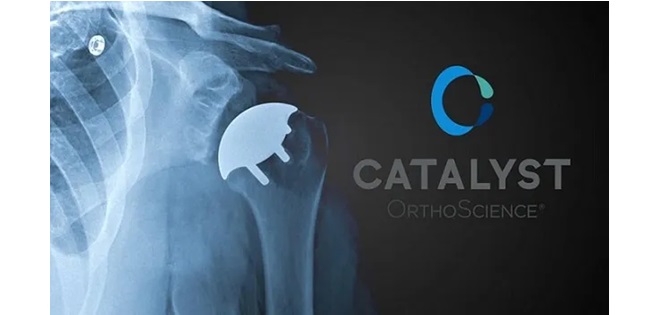
    NAPLES, FL, November 20, 2023–(BUSINESS WIRE)–Catalyst OrthoScience Inc. (Catalyst), a medical device company focused on the upper extremity orthopedics market, has appointed Amy Ables, Ph.D. as the organization’s Chief Strategy Officer, effective immediately.

    “The board and I are pleased that an executive with the experience and leadership of Dr. Ables is joining our team at Catalyst OrthoScience,” said Carl O’Connell, CEO and president of Catalyst. “We are committed to building a world-class organization focused on the success of our customers and our impact in the marketplace. The leadership of Dr. Ables will help make that vision a reality and guide us as we build greater capabilities and organizational competence to accelerate growth and scale our operations.”

    “I am grateful and excited to embrace this opportunity with the Catalyst team and return to my professional roots in shoulder orthopedics,” said Ables. “I look forward to contributing with strength and vision and driving our efforts toward growth and excellence with strategies that are both responsive to the present and aligned with the necessary investments for our future success.”

    Ables brings nearly 20 years of medical device experience to Catalyst, including more than a decade in upper extremity orthopedics. She held leadership positions in sales, marketing, medical education and sales training at Tornier and Wright Medical before joining ATEC Spine.

    Most recently, Ables served as Vice President of Customer Engagement and Sales Excellence at Cutera, a medical aesthetics organization. Before Cutera and during the peak of the COVID-19 pandemic, Ables served as Chief Learning Officer at Vyaire Medical, a global organization focused on respiratory care.

    Throughout her career, Ables has built a reputation as a strong customer-focused leader with an incomparable energy for continuous learning, strategy development and execution. Ables is a highly skilled, relatable leader who is driven to deliver results through team performance. She is a culture bearer who believes credibility is key and always leads by example.

    Ables earned a Bachelor of Science in Sports Medicine from the University of Charleston, a Masters in Biomechanics and a Ph.D. in human performance from Texas Woman’s University in 2003.

    About Catalyst OrthoScience Inc.

    Naples, Florida-based Catalyst OrthoScience was founded in 2014 by orthopedic surgeon Steven Goldberg, MD, who saw the need to make shoulder replacements less invasive, with fewer complications and a more natural-feeling shoulder after surgery. Catalyst disrupts the traditional approach to shoulder replacement surgery. Our total shoulder systems provide precision and accuracy in shoulder restoration, while preserving the patient’s bone and soft tissue. Catalyst has a growing portfolio of patents and patents pending on its distinctive offerings, which are available in the US. For more information, visit www.catalysstortho.com.

    Contacts

    Nancy McCarroll, CAO
    570.335.7417
    nmccarroll@catalystortho.com

    Source link

  • Ginger Collagen Latte |  GF, DF |  BoneCoach™ Recipes – BoneCoach™

    Ginger Collagen Latte | GF, DF | BoneCoach™ Recipes – BoneCoach™


    Craving a comforting drink that’s perfect for any season?

    Try this!

    Our Ginger Collagen Latte recipe is a soothing drink that combines the warmth of a traditional ginger latte with the added benefits of collagen.

    Ginger may be beneficial for digestion, while collagen promotes skin elasticity and joint and bone health.

    Treat yourself to a cup of our Ginger Collagen Latte recipe today!

    Bone Coach Recipes | Ginger Collagen Latte | Bone loss Bone Healthy diet Nutrients Osteoporosis

    SERVES: 1

    TOTAL TIME: 5 minutes

    Ingredients

    1 1/2-inch piece fresh ginger, peeled and broken

    1 cup (250 ml) water

    1 scoop (26 g) collagen peptides

    1/4 teaspoon (1 ml) ground Ceylon cinnamon

    1-2 drops monk fruit sweetener

    1/2 cup (250 ml) non-dairy milk of your choice

    Directions

    1) Mix the ginger and water in a small pot. Bring to the boil and let it simmer for another 10 minutes. Remove the ginger root and whisk in the collagen, cinnamon and monk fruit.

    2) Froth the milk and pour the ginger tea over it. Sprinkle with extra Ceylon cinnamon and enjoy!

    Recipe created by BoneCoach™ Team Dietitian Amanda Natividad-Li, RD & Chef.

    Medical disclaimer

    The information shared above is for informational purposes only and is not intended as medical or nutritional therapy advice; it does not diagnose, treat or cure any disease or condition; it should not be used as a substitute or substitute for medical advice from physicians and trained medical professionals. If you are under the care of a healthcare professional or are currently taking prescription medications, you should discuss any changes in your diet and lifestyle or possible use of nutritional supplements with your doctor. You should not stop prescribed medications without first consulting your doctor.

    Source link

  • The effectiveness of phase I cardiac rehabilitation training based on augmented reality on the self-efficacy of patients undergoing coronary artery bypass surgery: a randomized clinical trial |  BMC Sports sciences, medicine and rehabilitation

    The effectiveness of phase I cardiac rehabilitation training based on augmented reality on the self-efficacy of patients undergoing coronary artery bypass surgery: a randomized clinical trial | BMC Sports sciences, medicine and rehabilitation


    Trial design

    This controlled pilot clinical study involved 60 patients admitted to Ghaem Hospital of Mashhad, Iran. These patients were specifically from the cardiac surgery intensive care unit and were admitted between May 2020 and January 2021 (Figure 1).

    figure 1
    Figure 1

    CONSORT Flowchart of participants

    Attendees

    The study included patients who met specific inclusion criteria. These criteria required that patients be between 18 and 60 years old and willing to undergo non-emergency coronary transplant surgery. On the other hand, the exclusion criteria included patients who experienced loss of consciousness until the day after surgery, those who did not have a smartphone, individuals with severe postoperative arrhythmias and hemodynamic disorders, and patients who were prohibited by their physicians from participating in rehabilitation.

    Intervention

    Software production

    Prior to the design of the software, extensive research was done to prepare its contents. This involved reviewing various texts, including articles, reference works, and gathering insights from experienced nurses in specialist care units. The content was then submitted to a panel of ten specialists for validation, and their suggested revisions were incorporated.

    The software’s educational content covered a range of topics, including breathing and diaphragm exercises, instructions on physical exercises and their proper performance, discussions and interactions with patients, and encouragement for patients to participate in routine activities. These concepts were presented primarily through instructional videos and engaging animations.

    Once the content was ready, it was handed over to the software development and information technology team for creating the software. After the initial software was developed, a specialized validation process was carried out by ten IT experts to ensure its functionality and effectiveness.

    To validate the software, both white-box and black-box testing methods were used. In black-box testing, users without knowledge of the software’s internal structure enter the desired items and verify the recorded information. The purpose is to ensure accurate data recording. White-box testing, on the other hand, requires users to have knowledge of the software’s internal structure and is typically performed by designers or experts. For example, to assess the speed of the software, several items were selected at different speeds and the accuracy of the selections was examined.

    The next phase included compatibility testing and security testing. Compatibility testing involved installing the application on multiple Android smartphones and tablets to assess performance on each device. In the security testing, a double confirmation method was implemented to ensure accurate recording of each patient’s problems. This required the patient to confirm the selected item by clicking again, which reduced the chance of inadvertent data entry errors.

    The augmented reality software is registered and approved within the electronic services system of the Information Technology Organization of Iran.

    To evaluate patient satisfaction with the augmented reality software, the Mobile Application Rating Scale (MARS) was used.

    This scale evaluates the quality and performance of the application on four dimensions: attractiveness (5 questions), functionality (4 questions), aesthetics (3 questions), information (7 questions) and subjective quality (4 questions). Each item in the scale was rated on a five-point scale. The maximum achievable score was 115, while the minimum acceptable score was set at 23. For a detailed presentation of the results, please refer to (Table 1).

    Table 1 Mean and standard deviation of dimensions of MARS questionnaire

    Phase I cardiac rehabilitation training based on augmented reality

    After establishing the necessary agreements with officials at Ghaem Hospital in Mashhad, Iran, the first author of the study initiated the sampling process. In the intervention group, rehabilitation program training began upon patient entry into the cardiac surgery intensive care unit and continued until the patient’s discharge.

    During several sessions, augmented reality software was used to train patients in physical activities, such as walking around the hospital ward and climbing stairs. These exercises were performed under the direct supervision of the researcher and were taught individually to each patient using the augmented reality software. The duration of physical activity varied depending on the patient’s condition and the length of hospital stay, ranging from 5 to 10 minutes. During the rehabilitation sessions, the ECG and perceived exercise intensity were closely monitored and controlled.

    In the control group, the rehabilitation training program was implemented using a routine method based on the Ministry of Health protocol. The researcher provided face-to-face training within the unit. Both the intervention and control groups completed the cardiac self-efficacy questionnaire upon admission and discharge to the special care cardiac surgery department.

    Results

    The data collection process used two demographic information questionnaires and a cardiac self-efficacy questionnaire.

    The cardiac self-efficacy questionnaire used in this study was the Cardiovascular Management Self-Efficacy Questionnaire, which was developed by Estka of Italy in 2015. This questionnaire consists of 9 questions, each rated on a 5-point Likert scale, ranging from ‘completely confident’ to ‘not at all confident’. The questionnaire consists of three subscales.

    The first four questions assess a person’s belief in their ability to quit smoking, maintain good nutrition, exercise, and avoid stressful situations. This subscale is called cardiac risk factor self-efficacy. Questions 5 and 6 relate to a person’s confidence in remembering to take medications correctly, which reflects self-efficacy for medication adherence. Finally, questions 7 through 9 evaluate a person’s belief in their ability to identify symptoms and signs of disease worsening, indicating self-efficacy in recognizing symptoms.

    Each answer is assigned a score, with ‘not at all confident’ given a score of one, ‘somewhat confident’ given a score of two, ‘somewhat confident’ given a score of three, ‘fairly confident’ given a score of four, and “completely confident” with a score of five. Total scores range from 9 to 45, with higher scores indicating greater self-efficacy in cardiovascular management [21]. Borzou et al. (2017) evaluated the validity and reliability of this tool in Iran [33]. Patients completed the Cardiovascular Management Self-Efficacy Questionnaire both before and after the intervention.

    Sample size and randomization

    The study involved the continuous and purposeful selection of patients who were then randomly assigned to one of two groups. After confirming that they met the inclusion criteria, eligible individuals were divided into intervention and control groups using a random sequence generated by SPSS software. This series was kept in a sealed envelope to ensure confidentiality. Although it was challenging to blind the participants in this study, the outcome assessors and statisticians were unaware of the type of intervention, ensuring a level of objectivity.

    Because no comparable study was found examining the effectiveness of phase I cardiac rehabilitation training based on augmented reality on the self-efficacy of patients undergoing coronary artery bypass surgery, a sample size of 10 participants was determined for each group. The sample size was calculated using the mean comparison formula, with a 95% confidence interval and 80% test power for each group, resulting in a total of 20 participants. To account for the potential dropout rate, an additional 30 participants were added to each group, representing a 10% increase over the values ​​calculated in the formula.

    $$N = \text \left( Z1 – \alpha /2\text + \text Z1 – \beta \right)2\text \left ( S12\text + \text S22 \right)/\left( X1 – X2 \right)2$$

    $$Z_1 – \alpha /2 = \text 196$$

    $$Z_1 – \beta = \text 0.85$$

    $$X_2 = \text 8.3$$

    statistical methods

    After data collection and sampling, the collected data was analyzed using SPSS 21. Various statistical tests were used, including the independent t-test, the Mann-Whitney test, the paired t-test, and the chi-square test. These tests were performed at a 95% confidence level to ensure statistical significance. Descriptive indicators such as mean, standard deviation and frequency were also used to provide a comprehensive overview of the data. Cohen’s d was also used to evaluate the magnitude of the effect size, calculated by standardized mean difference, with g > 0.2 to 0.5 = small effect size, g > 0.5 to 0.8 = medium effect size, and g > 0 .8 = large effect size [38].

    Source link