Knee Health Blog

Articles covering all aspects of knee pain, injuries, treatments, and recovery.

  • Sex after knee replacement

    Is it true that most people regain an active intimate life after major joint surgery? This question is on the minds of many, yet it’s rarely discussed in the doctor’s office. We believe honest information is the first step toward healing. Recent data shows a hopeful picture: 84% of people in the United States who have had this procedure are sexually active. sex after knee replacement recovery Chronic joint pain from conditions like arthritis can severely limit physical closeness. It often dampens desire and comfort. A successful knee replacement aims to remove that barrier. Our guide provides clear insights. We focus on how to safely resume activity while protecting your new joint. Understanding your recovery journey empowers you to move forward with confidence. You are not alone in your concerns. By addressing them early, you can better prepare for a return to comfort and connection with your partner. Key Takeaways Most patients successfully return to an active intimate life following their procedure. Open communication with your healthcare provider and partner is crucial for a smooth transition. Using careful positioning and taking things slowly helps protect your new joint. Relief from chronic pain can significantly improve overall comfort and libido. Planning and gradually resuming activities lead to safer and more satisfying outcomes. Addressing your questions and anxieties early in the process reduces stress. Improved physical well-being directly boosts your confidence and quality of life. Understanding the Impact of Knee Replacement on Sexual Health The connection between physical mobility and intimate well-being is profound, yet frequently overlooked in medical consultations. Chronic discomfort from conditions like arthritis doesn’t just hinder walking. It can make finding comfortable positions for closeness a real challenge. How Knee Replacement Affects Mobility and Pain Debilitating joint pain severely limits movement. A study in the Journal of Arthroplasty found knee pain and the inability to kneel are primary factors limiting physical intimacy. Research indicates 70% of individuals with osteoarticular knee problems report a loss of libido due to these issues. knee replacement mobility pain The main goal of a knee replacement is to eliminate this source of constant pain. Successful surgery aims to restore your range of motion. The Importance of Discussing Intimacy with Your Surgeon Having an open dialogue with your medical team is vital. Your surgeon can offer personalized advice on resuming intimacy based on your specific case. Some people worry their new joint might be damaged. Modern implant design makes dislocation during normal movements highly unlikely. Factor Before Procedure After Recovery Pain Level High, chronic Significantly reduced Mobility Limited, stiff Improved range of motion Comfort in Positions Difficult, painful More adaptable Libido Often decreased Typically improves Addressing these limitations helps you transition from a life dominated by pain. You can move toward enjoying physical connection without fear. Safe Strategies and Positions for Resuming Intimacy A careful approach to intimacy can protect your new joint while fostering closeness with your partner. We focus on gentle techniques and supportive setups. safe positions after knee surgery…
  • |

    What not to do after knee replacement

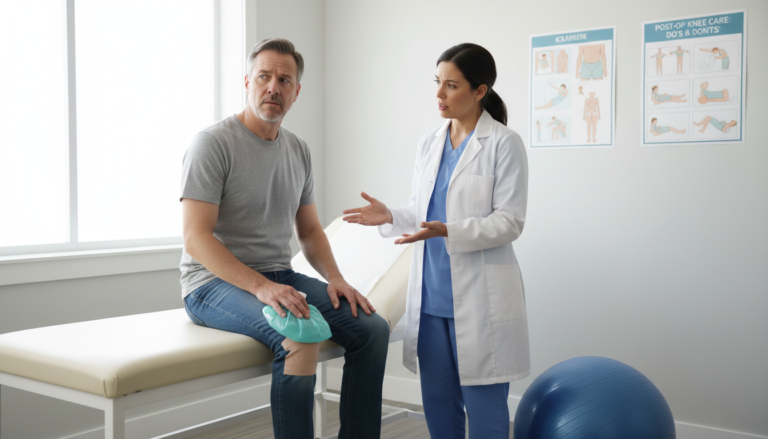
    Is your post surgery routine secretly working against your healing? Many believe the hardest part is over once they leave the hospital, but the real challenge often begins at home. Your stay after a knee replacement surgery is brief, typically just one to four days. This quick transition home makes your daily choices incredibly powerful for your recovery process. knee replacement recovery We see a common thread: patients who understand which activities to avoid experience fewer setbacks. They enjoy a smoother path back to mobility. Protecting your new joint requires more than just patience. It demands smart, informed action from the very start. Every person heals at their own pace. Setting realistic expectations is a cornerstone of a successful outcome. Our guide focuses on the crucial missteps that can delay your progress. We provide clear insights to help you navigate this important time confidently. Key Takeaways The initial weeks at home are critical for protecting your new knee joint. Knowing which specific actions to avoid is key to preventing pain and complications. Recovery speed varies; patience with your body’s timeline is essential. Informed choices during daily activities directly support a smoother rehabilitation. A successful outcome relies on more than just the surgery itself. Clear guidelines help you build confidence and regain mobility safely. Understanding Knee Replacement Recovery Recovering from joint surgery is as much a mental challenge as it is a physical one. The recovery process involves both your body’s healing and your emotional adjustment. This journey begins right after your procedure, often with a hospital stay of one to four days. knee replacement recovery journey Recognizing the Physical and Emotional Journey It is normal to feel some pain and discomfort as your body adapts. This is part of the healing process. Your mobility will improve gradually with time and consistent effort. Emotional ups and downs are common during this period. Staying positive and patient actively supports your rehabilitation. Every small step forward is a meaningful victory. The Role of a Multidisciplinary Care Team Your surgeon, physical therapist, and doctor form a dedicated care team. They work together to guide your joint health and overall recovery. Open communication with them is vital….

  • |

    Knee pain after sex

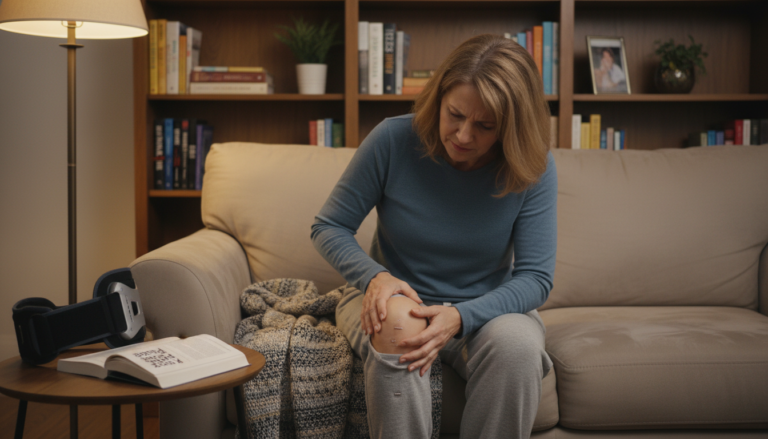
    What if a common physical sensation is quietly shaping the quality of our most private moments? This discomfort can feel isolating. It may make us pull back from our partner. The American Osteopathic Association notes that about one-third of Americans live with joint issues that hinder daily activities. knee pain after sex This statistic reflects a wider reality. When our bodies signal distress, it often echoes in our shared life. The ache isn’t just physical. It can create an invisible barrier to intimacy. We believe understanding is the first step toward change. By exploring the reasons behind this discomfort, we can make smart adjustments. Small changes to our routine can have a big impact. Our goal is to help you move from frustration to solution. Let’s look at how to protect your physical connection and ensure your experiences remain fulfilling and joyful. Key Takeaways Joint discomfort during intimate moments is a common issue that affects emotional and physical connection. Nearly one-third of adults in the U.S. report joint-related problems that impact their daily quality of life. This physical barrier can lead to avoiding closeness, which may strain a relationship. Identifying the root cause of the discomfort is a crucial proactive step toward improvement. Simple adjustments to routines and positions can help maintain a healthy and satisfying sex life. Open communication with your partner about physical limits is essential for mutual comfort. Seeking professional guidance can provide tailored strategies for long-term relief and enjoyment. Understanding Knee Pain After Sex It’s a reality for many: seeking closeness, only to be met with a sharp, distracting sensation. This discomfort has specific roots. Knowing them helps us adapt and find relief. Common Causes and Triggers Physical intimacy involves movement and pressure. These actions can strain the joint if it’s already sensitive. A sudden twist or prolonged kneeling might be the direct trigger. Interestingly, gentle motion can be helpful. Maiken Jacobs, an orthopedic patient educator, notes that moving a joint through its range of motion can release endorphins. This is good for your condition. Acute vs. Chronic Pain Explained We must distinguish between two main types. Acute discomfort often results from sudden injuries, like a sprain. It comes on quickly and usually fades with time and care. Chronic issues stem from long-term conditions. Osteoarthritis is a common example. This ongoing pain affects mobility and daily comfort for many people. Identifying which type you’re experiencing is the first step toward smart management. It guides our approach to maintaining a fulfilling connection. Preparing for Intimacy with Knee Sensitivity A little preparation can transform our intimate moments from a source of worry into a space of comfort and connection. We focus on simple, proactive steps that address physical sensitivity head-on. The Role of Warm Baths and Epsom Salts Starting with a warm bath is a powerful ritual. Adding Epsom salt helps soothe muscles and promotes deep relaxation. Taking a warm Epsom salt bath before intimacy can proactively ease joint discomfort and help you relax. Maiken Jacobs, Orthopedic Patient Educator This practice isn’t just solitary self-care. Turning it into a shared, sensual experience with our partner helps us both unwind and set the right mood. preparing for intimacy with knee sensitivity Pre-medicating and Managing Stress Stress tightens our bodies and can heighten our perception of discomfort. Managing tension is therefore a vital part of our preparation. If we’re concerned about potential aches, seeking information from a doctor is wise. They can advise on the ideal timing for taking an anti-inflammatory to maintain comfort. Proactive planning, like using a heating pad beforehand, ensures our focus stays on connection. Preparation Method Primary Benefit Key Consideration Warm Epsom Salt Bath Soothes muscles & promotes relaxation Can be a shared ritual with a partner Consulting a Doctor Personalized timing for medication Provides expert guidance for safety Stress Management Reduces tension that worsens discomfort Includes deep breathing or meditation…

  • Complete Soccer Player Knee Warm Up Routine: Protect Your Knees Before Every Match

    A proper soccer player knee warm up routine is one of the most important injury-prevention tools available to athletes at every level. Research shows that high adherence to the FIFA 11+ program results in a 57% lower injury risk compared to low-adherence teams, which proves that what you do before stepping onto the pitch directly…

  • |

    Discoid Meniscus in 2026: Symptoms, Causes, Diagnosis, and Treatment Options for Knee Pain

    In 2026, many clinicians are emphasizing tissue-preserving strategies for discoid meniscus because the treatment landscape keeps evolving, especially for active people who want durable outcomes. If you are dealing with knee pain, persistent knee hurt on the outside or locking sensations, it helps to understand how a discoid meniscus can change knee mechanics. Key Takeaways…