Category: Blog

Your blog category

  • My Personal Journey to Osteoporosis Care and Awareness in Underserved Communities – Bone Talk

    My Personal Journey to Osteoporosis Care and Awareness in Underserved Communities – Bone Talk

    IMG 20230830 WA0029

    My personal journey to osteoporosis care and awareness in underserved communities
    By Dr. Tasneem Hassan

    My name is Dr. Tasneem Hassan and I work as a general practitioner in Nairobi, Kenya. After graduating in 2019, I started working in a public hospital in Nairobi.

    Later I started working at Rayhaan Healthcare, where I met Dr. Mustafa Bhaiji, a consultant radiologist with a special interest in osteoporosis. I also learned about the DXA technology, which further sparked my interest in osteoporosis. As I learned more about my family’s history and observed many people with poor bone mass, I started to pay more attention to it.

    This is the story of my grandmother, who fell a few years ago and broke her hip, needing hip replacement surgery and leaving her bedridden for a while. All these difficulties contributed to her death. For starters, we know she had low bone mass, but the lack of a bone DXA scan in Mombasa, Kenya delayed early diagnosis and treatment. She also had dementia and her recovery was difficult. In addition, there is a lack of awareness in our system about osteopenia and osteoporosis, which hinders early diagnosis and prevention. If our thinking about osteoporosis had advanced significantly earlier at the time, she might not have died from the comorbidities associated with the fracture.

    Another interaction I had was with my mother, who had already suffered a fracture. She is currently going through menopause and a few months ago she broke her foot as a result of a fall. This could be a stress fracture. But given her age and menopause, higher risk of falls, and history of two fractures, I wouldn’t be shocked if she has poor bone mass, and thus osteopenia. Individualizing care is simple; we do it all the time. We shouldn’t allow people to walk around with untreated osteoporosis because they will eventually stop walking. It’s no longer the 1900s.

    Osteoporosis is a disease that roughly causes 8.9 million fractures per yearculminating in one osteoporosis fracture every 3 seconds. One in three women and one in five men those aged 50 and over will experience an osteoporotic fracture. Osteoporosis causes bones to become weak and brittle, causing them to break easily even after a minor fall, bump, sneeze, or quick movement. I have seen people who have fractures that damage them not only physically, but emotionally as well. It reduces their overall quality of life, sometimes resulting in despair and isolation as people reduce social connection or are no longer able to do the activities they used to do. The prolonged loss of freedom and freedom of movement has caused physical, emotional and financial hardship to patients as well as their relatives and friends.

    80% of it who have had at least one osteoporotic fracture are not diagnosed or treated for osteoporosis.

    As a GP, I tried to read as much as I could after recovering from my pity party, which I felt was tragically avoidable. Over the past few weeks I have been focusing on a study of the prevalence of osteoporosis in our organization, particularly as it relates to ethnicity, age, menopause and risk factors.

    Many women experience decreased bone mass after menopause and aging. I am very interested in following up on this group of patients and referring them to the best available care. We also conduct research based on the few DXA scans we have completed to help future generations.

    It is also overlooked as a health problem in Africa for several reasons, including:

    Overburdened by communicable diseases such as tuberculosis (TB) and human immunodeficiency virus (HIV).

    Not long ago there was a widespread belief that osteoporosis and resulting fragility fractures were uncommon among black Africans, but this is no longer the case.

    We have come across many people of all races affected by osteopenia. However, the problem remains that there is no African research. This brings the FRAX scoring guideline into conflict because it does not take African race into account.

    In our region, healthcare professionals also lack insights about osteoporosis.

    Despite advances in scientific research and available therapies and diagnostic techniques, osteoporosis remains a global health problem with potentially disastrous consequences for patients and enormous costs to healthcare systems.

    In this context, we can probably all agree that we need to improve osteoporosis treatment and raise awareness in underserved communities.

    My goal is for more physicians to be informed about this topic and for this disease to be prioritized alongside other chronic conditions.

    This story is part of a support initiative called Voices of Osteoporosis: Stories of Hope and Inspiration. If you have experienced osteoporosis as a patient or caregiver, we invite you to share your story. Your story can inspire others to learn how to protect their ability to live their best life and stay strong. click here learn more.

    Source link

  • A lockdown can lead to an increase in the number of injuries

    A lockdown can lead to an increase in the number of injuries


    Injury rates at an NCAA Division I institution following the COVID-19 lockdown.

    Angileri HS, Rosenberg SI, Tanenbaum JE, Terry MA, Tjong VK. Orthop J Sport Med. 2023;11(8). doi:10.1177/23259671231187917.
    Full text freely available

    Take home message

    Injury rates at one NCAA Division I institution have increased by more than 10% following the return of athletes from the COVID-19 pandemic. While the number of injuries increased, the total time lost due to injury decreased.

    Background

    The COVID-19 pandemic created an unprecedented event that dramatically impacted sports at all levels, causing athletic competitions and training to be suspended. Professional athletic organizations experienced an increase in injuries during the first season after the pandemic. Unfortunately, we know little about how the COVID-19 pandemic has affected injury rates among college athletes.

    Study aim

    The researchers completed an epidemiological study to evaluate injury rates in collegiate athletics at a single NCAA Division I institution following the COVID-19 pandemic using data collected from the institution’s injury surveillance database.

    Methods

    The authors extracted injury data from 18 sports during the three seasons before the pandemic (2017-2020) and one season after (2020-2021). The researchers defined an injury as an event that causes an athlete to miss practice or competition time or a problem that persists for more than 3 days. The total number of days the patient was unavailable and the anatomic area of ​​the injury were also recorded. The authors ruled out non-sports-related medical problems.

    Results

    Post-pandemic athletes experienced an 11% increase in overall injury incidence compared to pre-pandemic. While the overall injury rate increased, the reported number of days off work dropped from pre-pandemic to 21% post-pandemic.

    Viewpoints

    Overall, these findings among college athletes are consistent with previous evidence among professional athletes that more injuries occurred in the post-pandemic season. Other SMR posts have suggested that testing positive for COVID-19 increases an athlete’s risk of injury. Moreover, another explanation is that healthcare professionals were more vigilant in monitoring athletes after the pandemic, as they suspected that problems might arise when resuming sports after a long break. More studies with data from multiple institutions should investigate why athletes may experience more injuries post-pandemic (e.g., deconditioning, COVID-19 infections, better monitoring). Interestingly, athletes missed fewer days due to injuries after the pandemic, indicating that less severe injuries were driving the increase in injuries.

    Clinical implications

    Unfortunately, the COVID-19 pandemic may not be the last time we have to suspend sporting activities. The growing evidence suggests that we need to be cautious when returning to exercise after long-term exercise restrictions. During this time, it may be valuable to adapt current warm-up programs to include key components of injury prevention warm-up programs.

    Questions for discussion

    What changes have you made as a result of the pandemic? What was your reason for continuing these services years later?

    Written by Kyle Harris
    Reviewed by Jeffrey Driban

    related posts

    Tested positive for COVID? Be careful out there
    We need a better understanding of how COVID-19 has affected our athletes
    Use of cardiovascular magnetic resonance (CMR) imaging for return to athletic activities after COVID-19 infection: an expert consensus document on behalf of the American Heart Association Council on Cardiovascular Radiology and Intervention (CVRI) Leadership and endorsed by the Society for Cardiovascular Magnetic Resonance (SCMR)
    Adapted physical activity in subjects and athletes recovering from Covid-19: a position statement of the Società Italiana Scienze Motorie e Sportive

    9 EBP CEU courses

    Source link

  • 3 Ways to Categorize Bones – Biogennix

    3 Ways to Categorize Bones – Biogennix

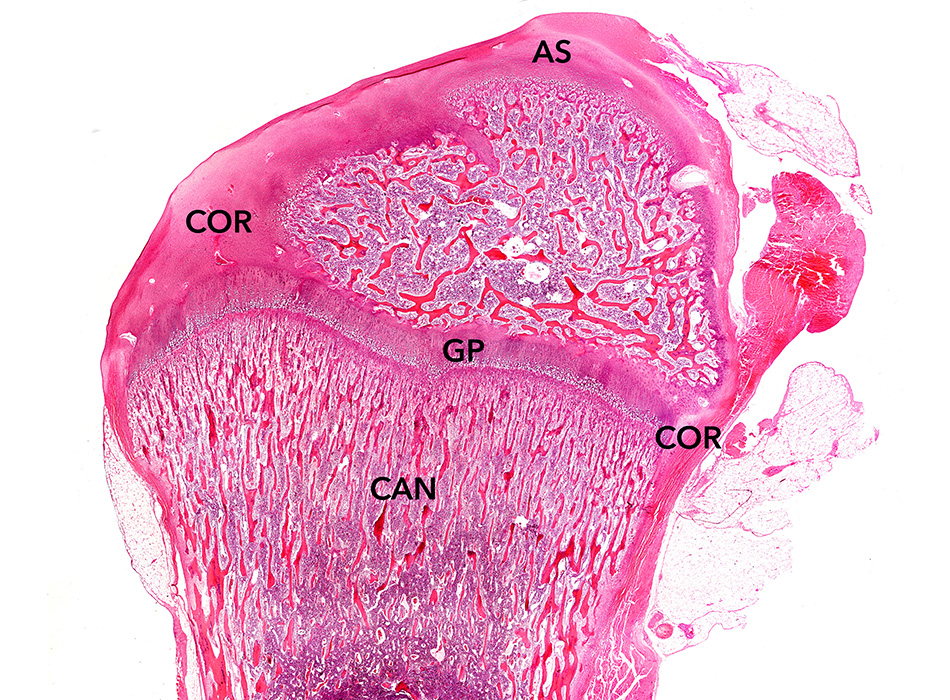
    Cross section of long bone showing both cancellous bone and compact bone.

    Cross section of a long bone showing the result of endochondral formation. Cortical bone (COR) and cancellous bone (CAN) form inferiorly and superiorly to the articular (joint) surface (AS) from the growth plate (GP).

    To understand what role bone graft products In the process of bone fracture repair, it is important to understand the architecture of the bone and the different bone categories involved in the healing process. As with most complex subjects, there are many ways to characterize bone. This blog describes the three main methods of bot categorization.

    1. Macroscopic appearance: cancellous bone versus cortical bone
    2. Degree of maturity: woven versus lamellar bone
    3. Embryological development: membrane versus endochondral bone

    Macroscopic appearance: cancellous bone versus cortical bone

    At the macroscopic level, bone can be classified as either cancellous bone or cortical bone. Synonyms for cancellous bone are trabecular or spongy bone. Cortical bone can be referred to as stretched or compact bone. When you look at bones with the naked eye, you can easily see distinct differences in porosity or density. Cancellous bone tissue is typically found on the inside of the bone, while cortical bone is found on the outside (Figure 1). In a serious bone fracture, both cortical and cancellous bone are often broken.

    Cancellous bone porosity typically ranges from 75-95% with an average pore size of 200-600 μm in diameter. This gives it a honeycomb-shaped, spongy appearance and light weight. It is found in the inner chamber of most bones, usually at the ends, near joints. This type of bone is made of beamsThese are curved beams or arches specially arranged to evenly distribute biomechanical loads across the articular surfaces of joints.

    The low density of cancellous bone makes it more fragile than cortical bone, but it is also more flexible. In technical terms it has a lower one elastic modulus. This cushioning effect prevents or delays arthritis of the more vulnerable and non-regenerative tissues, especially cartilage or intervertebral discs. The high porosity of cancellous bone also serves as a reservoir for bone marrow, which is essential for the regeneration of a variety of tissues. Finally, cancellous bone serves as a source of storing calcium and phosphorus for use throughout the body.

    Unlike cancellous bone, cortical bone is very dense and only 5-10% porous. Therefore, it is heavier in weight. The pores are very small, usually 10-100 μm in diameter. In fact, the pore size of the channels that feed the osteocytes is called channels, are less than 500 nm (0.5 μm). For the most part, the pores of cortical bone are not visible without magnification. These pores are just large enough in diameter to allow blood and lymphatic vessels, as well as nerves, to snake through the cortical bone and support all the osteocytes and other cells in the bone. Due to its high density, cortical bone serves as a hard protective layer around the internal bone marrow cavity and bears most of the biomechanical loads placed on our bones.

    Source link

  • Medicare enrollees can now switch coverage.  Here’s what’s new and what you should keep in mind.

    Medicare enrollees can now switch coverage. Here’s what’s new and what you should keep in mind.


    Consumers know it’s fall when stores start offering Halloween candy and flu shots — and the airwaves and mailboxes fill with ads for Medicare options.

    It’s annual open enrollment time again for the 65 million Americans covered by Medicare, the federal health program for the elderly and some people with disabilities.

    From October 15 to December 7, participants in the traditional program or Medicare Advantage plans, which are offered by private insurers, can change their coverage. (First-time enrollees typically sign up within a few months of their 65th birthday, whether during open enrollment season or not.)

    There are a few new features for 2024, including a lower out-of-pocket limit for some patients on expensive medications.

    Whatever happens, experts say, it’s a good idea for beneficiaries to examine their current coverage, because health and drug plans may have made changes, including to the pharmacies or medical providers in their networks and how much prescriptions cost.

    “The advice is to check, check and check again,” says Bonnie Burns, a consultant with California Health Advocates, a nonprofit Medicare advocacy program.

    But as anyone in the program or who helps friends or family members with coverage decisions knows, it’s complicated.

    Here are a few things to keep in mind.

    Know the Basics: Medicare vs. Medicare Advantage

    People in traditional Medicare can see any participating doctor or hospital (and most do participate), while those in Medicare Advantage must choose from an itemized list of providers – a network – that is unique to that plan. Some Advantage plans offer a broader network than others. Always check whether your preferred doctors, hospitals and pharmacies are covered.

    Because traditional Medicare does not cover prescriptions, members should also consider signing up for Part D, the optional drug benefit, which includes a separate premium.

    Conversely, most Medicare Advantage plans include drug coverage, but be sure to check before you enroll because some do not. These private plans are heavily advertised, often touting that they offer “extras” not available in traditional Medicare, such as dental or vision coverage. Read the fine print to see what restrictions, if any, are placed on such benefits.

    Those age 65 and older who are new to traditional Medicare can purchase a supplemental or “Medigap” policy, which covers many out-of-pocket costs, such as deductibles and copays, which can be significant. Generally, beneficiaries have six months after enrolling in Medicare Part B to purchase a Medigap policy.

    So switching from Medicare Advantage to traditional Medicare during open enrollment could pose problems for those who want to purchase a supplemental Medigap policy. That’s because private insurers offering Medigap plans, with some exceptions, can turn away applicants with health problems, or increase premiums or limit coverage of pre-existing conditions.

    Some states offer beneficiaries more guarantees that they can switch Medigap plans without answering health questions, although the rules vary.

    To make all this even more confusing, there is a second open enrollment period each year, but it is only for those with a Medicare Advantage plan. They can change their plans or return to traditional Medicare from January 1 to March 31.

    Drug coverage has changed – for the better

    Beneficiaries who have enrolled in a Part D drug plan or receive drug coverage through their Medicare Advantage plan know that there are many copays and deductibles. But by 2024, some of these expenses will disappear for those who need a lot of expensive medicines.

    President Joe Biden’s Inflation Reduction Act places a new annual cap on Medicare beneficiaries’ out-of-pocket costs for medications.

    “That policy is going to help people who are taking very expensive medications for conditions like cancer, rheumatoid arthritis and hepatitis,” said Tricia Neuman, senior vice president and head of KFF’s Medicare policy program.

    The cap will greatly help beneficiaries who fall into Medicare’s “catastrophic” coverage — an estimated 1.5 million Americans in 2019, according to KFF.

    Here’s how it works: The cap is triggered after patients and their drug plans together spend about $8,000 on medications. KFF estimates that this means about $3,300 in out-of-pocket expenses for many patients.

    Some people could reach the limit within one month, given the high prices of many drugs for serious conditions. After the limit is reached, beneficiaries will not have to pay anything out of pocket for their medications that year, saving them thousands of dollars annually.

    It is important to note that this new limit will not apply to medications administered to patients, usually in doctor’s offices, such as many cancer chemotherapeutics. These drugs are covered by Medicare Part B, which pays for doctor visits and other outpatient services.

    According to the Medicare Rights Center, next year Medicare will also expand opportunities for some low-income beneficiaries to qualify for low- or zero-premium drug coverage with no deductibles and lower copayments.

    Insurers offering Part D and Advantage plans may also have made other changes to drug coverage, Burns said.

    Beneficiaries should consult their plan’s “formulary,” a list of covered medications, and how much they will have to pay for the medications. Be sure to note whether prescriptions require a co-pay, which is a fixed dollar amount, or coinsurance, which is a percentage of the drug cost. In general, copayments mean lower out-of-pocket costs than coinsurance, Burns said.

    Help is available

    In many parts of the country, consumers can choose from more than 40 Medicare Advantage plans. That can be overwhelming.

    Medicare’s online plan finder provides details on the Advantage and Part D drug plans available by zip code. Allows users to view details about each plan’s benefits, costs, and healthcare provider network.

    Insurers are expected to keep their supplier directories up to date. But experts say enrollees should contact directly the doctors and hospitals they would most like to confirm that they are participating in a particular Advantage plan. People concerned about drug costs should “check to see if their pharmacy is a ‘preferred pharmacy’ and if it is in network” under their Advantage or Part D plan, Neuman said.

    “There can be a significant difference in out-of-pocket expenses between one pharmacy and another, even in the same plan,” she said.

    To get the most complete picture of estimated drug costs, Medicare beneficiaries should look up their prescriptions, dosages and their pharmacies, says Emily Whicheloe, education director at the Medicare Rights Center.

    “For people with specific drug needs, it’s also a good idea to contact the plan and say, ‘Hey, will you still cover this drug next year?’ If not, change to a plan,” she said.

    Additional enrollment assistance can be obtained for free through the State Health Insurance Assistance Program, which operates in all states.

    Beneficiaries can also ask questions through a toll-free Medicare hotline: 1-800-633-4227 or 1-800-MEDICARE.

    Insurance brokers can also help, but with a caveat. “Working with a broker can be fun for that personal touch, but know that they may not represent all plans in their state,” says Whicheloe.

    Whatever you do, avoid telemarketers, Burns said. In addition to TV and mail ads, many Medicare beneficiaries are inundated with phone calls promoting private plans.

    “Hang up,” Burns said.


    Kaiser health newsThis article was adapted from khn.org, a national newsroom that produces in-depth journalism on health issues and is one of the core operating programs at KFF – the independent source for health policy research, polling and journalism.

     

    Source link

  • Chronic pain and movement and why I went to my physiotherapist for help

    Chronic pain and movement and why I went to my physiotherapist for help


    woman lifting dumbbell
    Photo by Leon Ardho on Pexels.com

    Okay, so I wanted to get back into doing more resistance training. Currently my resistance training involves my dogs pulling on the leash when we go for walks. While that certainly gives me a solid upper body workout, it is neither consistent nor conducive to gradually building strength and capacity.

    I also do archery, which is also a great upper body workout. I usually shoot about 4 times a week with a recurve bow. It’s also a lot of fun. My bow weighs about 36 pounds, so I’m fairly strong. Possibly, more accurately, “fairly strong for someone living with multiple chronic illnesses.”

    Although I get tired quickly. Part of the reason I want to do a good resistance training program is to get stronger for archery so I can shoot longer and have longer archery sessions. To build my endurance and increase my strength. If it’s easier to pull back a 36-pound bow, I can do it longer. Maybe I can even go every day.

    So that was the idea.

    I started two weeks ago and created a very simple program for myself.

    This is what I did.

    Upper body exercises

    All exercises consist of 3 sets of 10 repetitions.

    Bench press – 15kg

    Curved dumbbell rows – 8 kg

    Seated shoulder press – 3 kg

    Biceps curls – 5 kg

    Overhead Triceps Extension – 5kg Plate

    Lateral raises – 3 kg

    Lower body exercises

    Goblet squats body weight to sitting level and stands up

    Dumbbell lunges bodyweight

    Romanian deadlifts 20kg

    Calf increases body weight

    Dumbbell increases body weight

    My upper body was fine. I hardly had any pain anymore. But it’s a very easy, lightweight start. That’s what I was aiming for, and I got it right for my upper body.

    Now my lower body was something completely different.

    I woke up that night around 1am in terrible pain. And I mean *terrible*. It was an electric, diffuse, terrible pain through my legs. I’ve heard others call it an “electric storm in my muscles” and that’s a good description. A painful electrical storm.

    I had no control over my legs, they wouldn’t do what I wanted. Or they would…eventually. The response was slow. Talk about ‘delay’. Standing was almost impossible and walking was almost impossible used to be impossible, until I discovered that my legs were responding, just very slowly.

    I sat on the steps and lowered myself onto my butt. I didn’t feel safe walking down. I scooted on my butt, but it was the slowest scoot you’ve ever seen! It was more of a painful, slow lowering of my body, step by step, with most of my weight on my arms.

    Thank the gods you still have good upper body strength!

    This was all a big shock to me. I didn’t expect to react this way…I guess this is what happens when you do it too much when you have CIDP. I know how inflammatory arthritis responds to exercise, and too much exercise. But this neuropathic pain? This is new. A surprise. And not a nice one. But it’s all a learning experience, right?

    I took my usual painkillers, opioids, and the pain subsided a bit. But it was still unbearable. I took another dose.

    Long story short, I was in pain all day and couldn’t do anything. The next day things got better, but I still spent most of the day lying down. I couldn’t work or deliver my orders. It was the first time that I received NO orders within 24 hours. I pride myself on getting my orders FAST, so that was a big hit for me. I will NOT do that again!

    Day 3 my legs started to feel more normal. I walked normally; my legs responded in the normal time. Previously I felt like my upper body was leaning forward and my legs were catching up, way back. Very strange sensation and very unpleasant. Now I felt like I was walking normally, albeit a little slower.

    Please note, this is NOT muscle pain due to overdoing it, due to a heavy training. I’ve been a gym junkie my entire adult life. I know what sore muscles in the gym feel like. I’ve had DOMs and the cliche ‘can’t lower yourself onto the toilet because it hurts too much’. I know what it feels like when you’ve been working hard in the gym and overtraining your muscles.

    This was NOT that.

    This was something completely different. Something I’ve never felt before.

    And it took three days for me to feel vaguely normal.

    Those three statements were incredibly painful, and I was completely disabled for most of that time. It was a wake-up call.

    I made a big mistake.

    So.

    Solution? Lighten the weight. Reduce the reps. And try again.

    I’ve tried. I have failed. I felt terrible. I felt depressed.

    So.

    I went to my physio because I need support with this. The whole experience was very disappointing, disturbing even. Frustrating too. And even though I knew what to do, I knew how to do it, I didn’t do it right.

    I realized I needed some advice, with a dose of support and encouragement. Quality advice. I knew my physio would give me all that.

    He gave me two options: do it the easy way. Return it immediately to a small load. Try to do 5 reps, one set of everything. And only increased once every two weeks. And then increase the tax by 10%.

    Or do it the hard way. Start with 5 reps, but do 2 sets. If that goes well, increase by 10-20% every week. Whatever makes sense with the weights I use. If things aren’t going well, reduce the weight. And look what happens.

    Option one has the advantage that it causes absolutely NO pain. Because I can certainly do very light loads. I know it won’t leave me on the couch for two to three days, it won’t disable me and it won’t hurt. But the downside is that it will be very slow. Working slowly to find my baseline could take weeks from now. Many weeks.

    As we know, I am a very impatient person.

    Option 2 can cause pain. It might be too much. It may mean that you have to lie on the couch again for a day or two. While this would be very disappointing, my natural optimism (and perhaps my habit of overestimating my abilities) tells me I want to do it this way. If it’s too much, I wait until the pain goes away and reduce it by 20%. And try again.

    So today I’m starting over.

    I’m going to do the same upper body. It was fine. I might even increase it a bit.

    However, the lower body will be much, much less. There will be 2 sets of each.

    Squats – 5 reps

    Lunges – 5 reps per leg

    Romanian deadlifts – 10 kg

    Calf raises – 5 reps

    Step-ups – 5 per leg

    And then I’ll see how I can handle it. This is about a quarter of what I was doing before, even less. So I hope this doesn’t cause me any severe pain. A little pain is fine. And to be expected. Maybe even appreciated as a sign of progress.

    But we’ll see.

    I keep notes on what’s happening and how I’m going. It should be interesting.

    Above all, I will be honest. This is a challenge, and I’ve messed up before. And now I’m trying again, with the support of my physiotherapist.

    I don’t want people to think this is a walk in the park, it’s not. It’s a serious undertaking and I hope it will help me maintain muscle strength in my arms and legs. It will take a lot of energy, it will reduce my upright hours, hours of which I currently have too little. And it may not help. But in the worst case even if it doesn’t help. At least I’ll feel like I did everything I could to avoid muscle wasting and further disability.

    In four weeks I will go back to the physio to see how I am doing. I will also post progress reports here.

    I don’t want people to think this is easy. It’s not. But it IS feasible. And it IS worth it.

    Buy me a coffee

    Source link

  • 8 exercises in the Accelerate ACL Prehab protocol

    8 exercises in the Accelerate ACL Prehab protocol


    Previous posts have discussed the importance of ACL prehab, the goals you should aim for in prehab, and different types of exercises you can expect in a quality ACL prehab program.

    This message will dive one step further and reveal the exact exercises used in the Accelerate ACL prehab protocol. Please note that within the Accelerate ACL protocol, the effects of these exercises are magnified by the Neubie and coaching by Accelerate ACL trainers.

    The exercises used by Accelerate ACL are chosen to train the muscles so that they are properly activated through a full range of motion. When muscles are activated properly, they create and absorb force efficiently, meaning minimal force goes to the joint or injury site.

    As the body realizes that the muscles are functioning properly and it is safe for the knee to move, pain decreases, range of motion increases, normal walking is restored, and strength is developed.

    With the help of our trainers, these exercises can easily be adapted to suit any stage of the prehab or ACL recovery process. As a general rule of thumb, we recommend staying within the guidelines of your doctor and/or physical therapist and never using a range of motion that causes >2/10 pain.


    Source link

  • Bone Talk

    Bone Talk

    shutterstock 327287249 1

    Guidelines for guest blog posts

    Thank you for your interest in contributing to the Bone Talk blog! We periodically collaborate with health experts to demonstrate thought leadership and provide valuable resources and insights to our readers. The guidelines below describe the submission specifications.

    Blog post themes and topic suggestions

    • Nutrition for bone health

    • Exercise and physical activity

    • Safe movement

    • Diagnosis and treatment

    • Mental health

    • … and more! Do you have a suggestion? We’d love to hear it!

    • .Contact: Carina May, cmay(@)bonehealthandosteoporosis.org

    Quality specifications

    Pictures: Each message should have at least one main image that adds value to the information presented. Additional images may also be included in the message, but this is not required. We often use an image of the guest writer or we can use an agreed upon stock photo.

    • Originality: All content must be original. We do not accept syndicated or duplicate content.

    • Bio: Authors are invited to submit a short biography, photo and social links.

    Source link

  • 3 common myths about physical therapy

    3 common myths about physical therapy

    Physiotherapy is an essential aspect of post-operative recovery, injury rehabilitation and overall musculoskeletal health. However, despite its effectiveness, there are several misconceptions surrounding physical therapy that often prevent people from seeking this treatment.

    Learn the truth about physical therapy by understanding the truth of three common myths debunked by bone and joint specialists.

    Myth 1: Physical therapy is only for athletes

    A common misconception is that physical therapy is only for athletes recovering from sports-related injuries.

    The truth is that physical therapy is not limited to athletes. It benefits individuals of all ages and activity levels. Physical therapists are skilled in treating a variety of conditions, including chronic pain, postoperative rehabilitation, work-related injuries, and non-surgical orthopedic injuries.

    Whether you are an athlete, a sedentary person, or somewhere in between, physical therapy can be tailored to meet your specific needs.

    Myth 2: Physical therapy is painful

    Another prevailing myth is that physical therapy is painful and involves long-term discomfort to achieve results. On the contrary, the physiotherapists at Bone and Joint Specialists always put the patient’s comfort and safety first.

    Although some therapeutic exercises may cause mild discomfort because they target weakened or injured areas, physical therapists adjust the intensity of the exercises to avoid excessive pain.

    In addition, physical therapy aims to relieve pain and promote healing – not to worsen discomfort. The goal is to gradually improve strength, flexibility and range of motion. This actually helps patients with long-lasting pain relief.

    Myth 3: It is only for patients after surgery

    Another common misconception is that physical therapy is only necessary for patients recovering from surgery.

    While it is certainly important for postoperative recovery, physical therapy can benefit a wide range of people, including those with overuse injuries such as tendinitis or bursitis.

    It is beneficial for anyone looking to improve flexibility, muscle strength and movement mechanics. It is also an essential part of recovery for many patients at Bone and Joint Specialists, helping them reduce the risk of future injuries.

    Schedule a consultation today

    At Bone & Joint Specialists in Merrillville, IN, experienced physical therapists provide you with expert care and guidance throughout your therapeutic journey.

    Schedule a consultation with them by calling (219) 795-3360 and take the first step toward a healthier and less painful lifestyle.

    Source link

  • How to Design a Dynamic Warm-Up to Help Female Athletes Prevent Injury, Improve Performance, and Catapult Their Careers (Part II) – ACL Strong

    How to Design a Dynamic Warm-Up to Help Female Athletes Prevent Injury, Improve Performance, and Catapult Their Careers (Part II) – ACL Strong


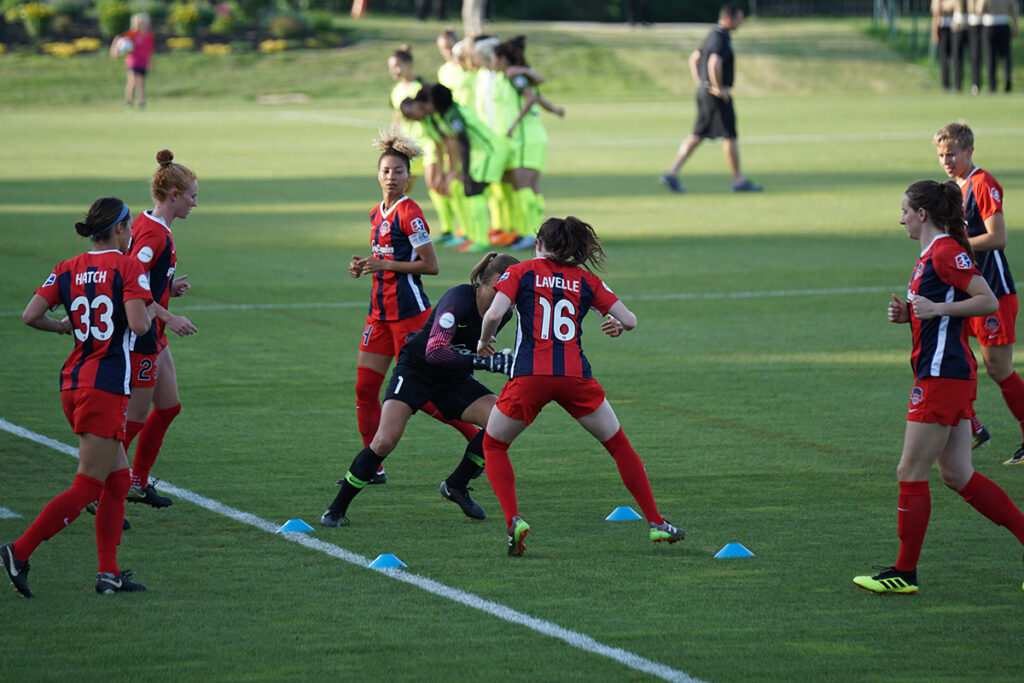
    If female athletes still start training with “two laps and static stretches,” it’s time to expand their warm-up routine and set them up for success, not injury. Discover how to prevent injuries and improve performance with a step-by-step dynamic warm-up, like professional coaches and trainers do with elite athletes.

    For years, the warm-up for football, basketball and soccer players was to jog a lap or two and then sit in a circle for static stretching. However, times have changed and research shows that relying solely on the traditional static stretching method can actually contribute to the high frequency of injuries in youth athletes. We are now in the age of dynamic warm-ups, which have been proven to improve performance and reduce injuries.

    Unfortunately, the value of a good warm-up is often underestimated or misunderstood. Most people don’t learn how to maximize the first 15-30 minutes of practice or pre-game, and the result can ultimately be detrimental to your athlete.

    In this article we are going to discuss

    • The difference between static and dynamic warm-ups
    • How warm-up activities affect game performance
    • How a warm-up can help prevent injuries
    • How to design a dynamic warm-up using an 8-point process
    • Tips for implementing a warm-up and maximizing time spent
    • How coaches and parents can help athletes go from struggling with adversity to charting their path to a dynamite college career

    Static vs. dynamic stretching

    Unlike static stretching, which stretches the muscles and holds them for an extended period of time, a dynamic warm-up involves continuous active movements that mimic the movements and intensity of the sport or activity to be followed. These movements typically involve a combination of stretches, bodyweight exercises, and exercises that improve mobility, increase blood flow, activate the central nervous system, and increase body temperature. Read more about the benefits of a dynamic warm-up here (available soon).

    Impact on gaming performance

    Athletes on a field or court are expected to give 100% in games, right? They sprint, jump, cut, spin, plant, accelerate, decelerate and react with full intensity during competition. So why not prepare their bodies for this level of play during the warm-up? First, those who don’t maximize their warm-up time may spend the first half of the game ramping up to full intensity, and in the meantime, they’ll fall behind on the leaderboard and have to play catch-up to have a chance at victory. . We’ve all seen that happen.

    A proper warm-up will not only prepare athletes to dominate from the first whistle, but their chances of sustaining a season-ending injury, such as a torn ACL, will also be significantly reduced.

    Injury prevention

    On practice or training days, maximizing “warm-up time” can effectively reduce the risk of injury, improve performance, build strength and resilience, and sharpen athletic focus without wasting time.

    Designing an effective warm-up involves creating a targeted series of exercises that target the specific movements and muscles used in the sport. As a direct result, athletes experience the benefits of increased blood flow, better flexibility, neuromuscular activation, and both physical and psychological preparedness.

    8-point process to amp up your warm-up, plus 4 bonus tips for dynamite results

    To enhance your warm-up, follow this 8-point process, using dynamic stretching and neuromuscular training elements, and watch your team rise to a higher level of play and achieve greater success as a result.

    1. Start with light cardio

    Start your warm-up with 5-10 minutes of light cardio exercise such as jogging, jumping rope or a sport-specific activity to increase heart rate, body temperature and circulation. This helps prepare the cardiovascular system for activity, prepares the muscles for movement and delivers an increase in blood and oxygen to the muscles for the performance ahead.

    2. Dynamic stretching exercises

    Keep moving! Perform dynamic stretches that continuously move the joints through a full range of motion, focusing on movements used in the specific sport you are preparing for. Examples include open/close ports, hip hugs, leg swings, walking lunges, arm circles, and trunk rotations. This improves muscle flexibility, lubricates the joints and prepares the tissues for sport-specific movements.

    3. Multi-directional movement

    Then incorporate movements that mimic the actions and demands of the sport, introducing movements in multiple directions. For example, lateral shuffles, zigzag movements and other changes in speed and direction, which are relevant in most field and field sports. This helps simulate sports-like scenarios in offensive and defensive plays and activates pathways from your brain to your muscles so that your body responds quickly and efficiently in a controlled environment. Remember, if you can’t move well in a controlled environment, you certainly won’t be able to move well in an unpredictable environment when the players and the ball are moving quickly.

    >> Now we get to more advanced elements that are usually overlooked. This is the strength and neuromuscular training phase. You don’t have to do this hard every session, but you can choose to put more emphasis on training days rather than competition days. <

    4. Strengthening

    Athletes need targeted strengthening for the hips, core and muscle groups relevant to the sport. The old-fashioned methodology didn’t value strengthening for female athletes, but we know better now. Because strength and stability in athletic movements come primarily from the core and hips, focus on glute activation or other strength-based exercises during this phase of your warm-up. As always, adjust this to your age, fitness level and sport. Resistance bands are convenient and easy to transport for extra resistance.

    5. Balance exercises

    Go deeper into the neuromuscular training phase and challenge balance and stability by balancing on one foot or using an unstable surface. This stimulates the neuromuscular system, improves proprioception and improves overall balance and coordination. You want to prepare the brain and muscles for a potentially awkward cut or landing so that the body can recover safely without getting injured. Focusing on reactive balance can facilitate faster communication pathways from your brain to your limbs.

    6. Plyometrics and landing mechanics

    As you delve deeper into sport-specific strength movements, add in some explosive exercises such as jumping and jumping as needed, as it will further prepare the muscles, tendons and nervous system for faster acceleration and better performance. ALWAYS check proper landing mechanics, especially with youth female athletes, to ensure they land with good form, which will reduce the risk of a torn ACL. Proper acceptance of force throughout the body is a key factor in preventing serious non-contact injuries.

    7. Agility exercises

    Speed ​​up now! Add agility, coordination or footwork activities to improve reaction time, speed and body control. Use tools such as agility ladders or cones to develop quick and precise movements in different directions. This improves the ability to reduce and produce force, which benefits overall athletic performance.

    8. Reaction and cognitive exercises

    This is groundbreaking stuff! Introduce an exercise that challenges rapid decision-making and cognitive processing. Use cues such as colors or numbers to indicate directions or actions, requiring athletes to think, make a decision, and execute in a moment of high intensity. This helps train the brain to process information quickly and improves reaction time and performance on the field. Have fun with this!

    Bonus Tips – Remember These Concepts for HOT HOT HOT Results:

    1. Good form and body control should be a priority during the warm-up.
    2. Encourage mental focus during the warm-up. Visualize successful passes, plays, attempts and what success looks like. Deep breathing and positive affirmations can support mental preparation, especially on game days when the stakes are higher.
    3. After a break (rest, sit-out, etc.) it may be necessary to repeat a mini warm-up on the sidelines before play resumes, especially if players have been out in the cold.
    4. Aim for 15-20 minutes for a standard warm-up, while this can be up to 30 minutes on days when more time is spent on strength, balance, plyometrics, agility or cognitive exercises (steps 4-8). You don’t have to get all these points during every warm-up. That’s where the art comes in. Balance art and science to maximize warm-up time and you’ll develop strong, resilient athletes.

    Coaches and Parents: How to Support Developing Athletes

    A well-designed dynamic warm-up can be a game-changer for your team and one of your best tools for preparing athletes mentally and physically while reducing injuries on the field or court.

    Most people don’t know what to do, especially with neuromuscular training exercises (4-8). It can be overwhelming and confusing because there are so many variations to choose from and it’s hard to know which is best. We’ve seen people struggle through this without being sure they’re doing their best for themselves or their players.

    To provide clarity and simplicity, we have drawn up a step-by-step plan so that you do not have to figure it out yourself. If you are a coach or parent of youth female athletes, these exercises can easily be performed at home in 15-20 minutes, or on the field or track during warm-ups, and will help take your athletes from good to excellent. to take. , and from battling injuries to paving their way to a dynamite college career.

    We hope you enjoyed reading this perspective on the value of a dynamic warm-up and how to maximize the first 15-30 minutes with your team.

    Coaches and Parents How You Can Support Developing Athletes 1

    Source link

  • Shaved Asparagus Salad |  GF |  BoneCoach™ Recipes – BoneCoach™

    Shaved Asparagus Salad | GF | BoneCoach™ Recipes – BoneCoach™


    Looking for a simple, yet refined way to enjoy asparagus?

    Check this out!

    Combined with a citrus dressing and a pinch of Parmesan cheese, this salad is highly recommended an adventure for your taste buds and a gift for your body.

    Asparagus brings a lot to the table both in terms of nutrients and taste.

    Rich in vitamin K, essential for bone health, and fiberfolic acid and various antioxidants, this simple salad offers a range of health and bone benefits.

    Try it combined with your favorite organic proteinsand you’ll have a well-rounded, delicious lunch or dinner.

    Bone Coach Recipes | Shaved Asparagus Salad | Bone loss Bone Healthy diet Nutrients Osteoporosis

    SERVES: 2

    TOTAL TIME: 10 minutes

    Ingredients

    454 g asparagus, ends cut off

    1/4 cup (60 ml) grated Parmesan cheese (look for Parmigiano-Reggiano or

    replaced by nutritional yeast).

    1 tablespoon (15 ml) fresh lemon juice or apple cider vinegar

    1 tablespoon (15 ml) hot water

    1 tablespoon (30 ml) freshly pressed extra virgin olive oil

    Directions

    1) Shave the asparagus into long, thin strips with a rotating peeler and place them in a large bowl.

    2) Whisk together the Parmesan cheese, lemon juice, water and oil. Pour over the asparagus and stir gently. Season with additional salt or black pepper if desired.

    Recipe created by BoneCoach™ Team Dietitian Amanda Natividad-Li, RD & Chef.

    Medical disclaimer

    The information shared above is for informational purposes only and is not intended as medical or nutritional therapy advice; it does not diagnose, treat or cure any disease or condition; it should not be used as a substitute or substitute for medical advice from physicians and trained medical professionals. If you are under the care of a healthcare professional or are currently taking prescription medications, you should discuss any changes in your diet and lifestyle or possible use of nutritional supplements with your doctor. You should not stop taking prescribed medications without first consulting your doctor.

    Source link