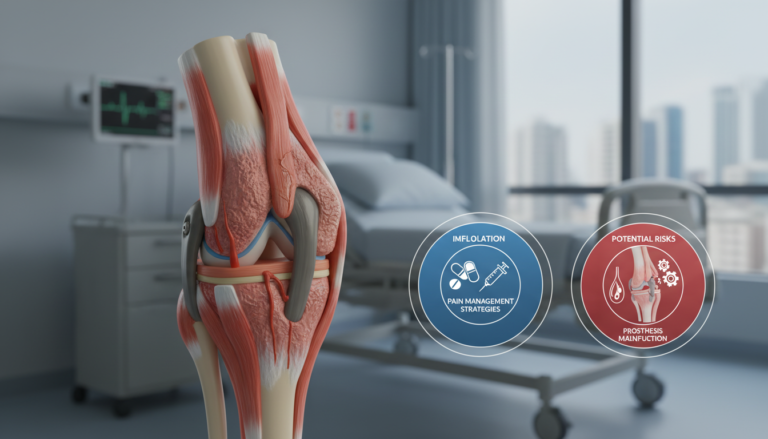
Knee Anatomy and Functions

Understanding knee anatomy, biomechanics, and how the joint works.

  • |

    Flying after knee replacement

    What if the freedom to travel by air after major joint surgery isn’t as far off as you think? We understand this is a common concern. Many people who have undergone this significant orthopedic procedure worry about their next trip. flying after knee replacement Research shows that managing mobility after an operation is crucial. For instance, data indicates 3-4% of total hip arthroplasty patients develop symptomatic blood clots within three months. Our guide provides essential information for navigating air travel following a successful procedure. We aim to help you feel confident and prepared for your journey. You may wonder when it is safe to resume your plans. We explore how to manage your healing while looking ahead. By following expert-backed advice, you can minimize potential issues. Our focus is on helping you enjoy your restored mobility with peace of mind. Key Takeaways Air travel is a major concern for individuals recovering from joint surgery. Proper planning is essential for a safe and comfortable journey post-operation. Understanding the risks, like blood clots (VTE), is a critical part of preparation. Timing your trip correctly is a key milestone in the overall recovery process. Expert guidance can help reduce complications and build confidence. The goal is to regain freedom of movement and enjoy travel without worry. Understanding the Risks and Benefits of Flying after Knee Replacement The decision to fly after a major joint procedure requires a careful look at safety data and personal mobility gains. We break down the key factors to consider. Assessing Venous Thromboembolism (VTE) Risk A primary concern is venous thromboembolism, which includes deep vein thrombosis (DVT). Research shows the risk of symptomatic VTE after long flights is 1.9 to 5.2 per million person-days. For individuals who have had joint surgery, this risk is heightened. Studies indicate 3-4% of patients develop symptomatic clots within three months of a procedure like total hip arthroplasty. Balancing Recovery and Mobility Benefits The significant improvement in movement is a major positive outcome. However, balancing this benefit with the inherent dangers of blood clots requires medical guidance. Understanding these risks empowers people to make informed choices about travel timing. For comprehensive safety tips, see our detailed guide on flying after knee replacement. Pre-Flight Preparation for Knee Replacement Patients A successful journey begins long before you reach the airport, especially following a significant orthopedic operation. Proper groundwork is essential for safety and comfort. This phase involves close collaboration with your medical team. It also requires a tailored strategy for your specific needs. Consulting with Your Surgeon and Healthcare Team Your first step is to get clear guidance from your orthopedic surgeon. They understand your unique situation best. Dr. Nathan Cafferky of The Steadman Clinic recommends a two-week recovery period near the surgical site before returning home. This allows for immediate post-operative care and monitoring. consulting surgeon for knee surgery travel plan We advise creating a personalized plan with your doctor. This consultation is vital for setting a safe timeline. Creating a Personalized Recovery and Travel Plan Dr. Cafferky also suggests avoiding nonessential trips for six weeks post-surgery. This waiting time helps ensure full healing. Your plan should coordinate support from your entire care team. Focus on rehabilitation during the initial weeks. This approach minimizes risks and builds a solid foundation for future mobility. A thoughtful strategy makes the transition back to daily life much smoother. Planning Your Travel Itinerary and Navigating Airline Requirements Understanding specific carrier policies can make or break your travel plans post-surgery. We guide you through this essential step. Your itinerary must account for unique airline rules. These rules directly impact individuals recovering from an operation. Reviewing Airline Policies and Certification Requirements Research reveals varied carrier stances. A UK study found five airlines restrict flying following arthroplasty. Seven carriers mandate a medical certificate from your doctor. One even requires a 14-day waiting period post-procedure. Always verify your airline’s specific policy before booking. This is a critical precaution for all patients. Policy Type Medical Certificate Required Typical Waiting Period Restricted (No travel allowed) N/A…

  • |

    DVT after knee surgery

    What if the biggest threat to your recovery isn’t the orthopedic procedure itself, but a silent complication that can strike without warning? Deep vein thrombosis is a serious medical concern. It affects approximately 600,000 Americans each year. We recognize that undergoing a major joint operation requires careful attention to potential complications. DVT after knee surgery prevention Our goal is to provide a clear guide on managing this specific risk. Understanding how a dangerous clot forms in the leg is the vital first step. This knowledge empowers you during the post-operative period. We emphasize that proactive management of your health is essential. By following expert-led advice, you can take control. This effort minimizes chances of a serious vascular issue and supports a smoother healing journey. Key Takeaways Deep vein thrombosis is a common but serious risk following major orthopedic procedures. Proactive health management is crucial for a safe post-operative period. Understanding how blood clots form is the first step in prevention. Expert guidance can help you minimize dangers and take control of your healing process. A smooth recovery involves being aware of potential complications from the start. Simple, informed actions can significantly reduce your personal risk. Understanding the Risk of DVT After Knee Surgery Why does a procedure focused on improving mobility simultaneously increase the chance of a dangerous blockage? We must explore the nature of the threat and the specific factors a major operation introduces. What is Deep Vein Thrombosis? This condition involves a blood clot forming in a deep vein, usually in the leg. If such a clot breaks free, it can travel to the lungs. This causes a life-threatening pulmonary embolism. We note that approximately 600,000 Americans are affected each year. It is a critical concern following any major joint replacement. deep vein thrombosis risk factors Why Knee Surgery Increases the Clot Risk Several factors converge during a knee replacement. The body’s natural healing response can make blood more likely to clot. Reduced mobility after the procedure slows circulation in the legs. The risk is highest from two to ten days post-operation. Patients remain at risk for about three months. Without preventative care, studies show blood clot rates of 40-60%. Even with modern care, 18-20% of joint replacement patients may still develop a clot. This highlights the need to watch for swelling in the leg. Timeframe Risk Level Key Data Initial High-Risk Period Highest 2 to 10 days after surgery Extended Risk Period Elevated Up to 3 months post-operation Without Prevention Very High 40-60% clot rate in major orthopedic surgery With Modern Protocols Significant 18-20% of knee replacement patients Prevention and Treatment Approaches Managing the threat of post-operative clots involves a dual strategy of medication and mechanical aids. We focus on keeping your circulation strong during the healing phase. This two-part defense significantly lowers your personal danger. Medication and Anti-Clotting Therapies We often prescribe specific drugs to reduce your body’s ability to form dangerous masses. Options include injections like Heparin or daily pills such as Warfarin. Newer direct oral anticoagulants offer convenient pill-based therapy. Your doctor selects the best type based on your health profile. anti clotting medication and compression…

  • |

    Anti-inflammatory diet for knee arthritis

    What if the key to easing your joint discomfort wasn’t in your medicine cabinet, but in your kitchen? This question is vital for millions. According to the CDC, arthritis affects 23% of all adults in the United States. That’s over 54 million people. Today, one in four American adults lives with this condition. Most experience pain that interferes with daily life. anti-inflammatory foods for joint health We recognize that managing chronic joint pain is a major priority. The choices we make at the grocery store can be a powerful tool. What we consume directly impacts our body and systemic inflammation. By focusing on the right foods, we can help our overall health. Our goal is to provide a clear, evidence-based path. We want to help you understand the complex link between your plate and your well-being. This approach aims to manage symptoms and improve quality of life through smart nutritional choices. Key Takeaways Arthritis is a common condition, affecting over 54 million adults in the U.S. Daily pain from this issue significantly impacts many people’s lives. The foods we eat play a direct role in our body’s inflammatory response. Making strategic nutritional choices can be a key part of managing discomfort. Evidence-based eating patterns aim to reduce systemic inflammation and support joint health. This guide provides a clear path to using your diet as a tool for better well-being. Understanding Knee Arthritis and Inflammation Our body’s defense system can sometimes turn against us, leading to persistent joint issues. This is the core of many joint health challenges. What is Knee Arthritis? We recognize two main forms. Rheumatoid is an autoimmune condition. The immune system mistakenly attacks joint tissues. Osteoarthritis involves mechanical wear. Protective cartilage wears down, causing bones to rub together. Type Primary Cause Key Characteristic Rheumatoid Arthritis Autoimmune response Systemic inflammation Osteoarthritis Mechanical wear Cartilage degradation understanding knee arthritis inflammation How Inflammation Affects Our Joints Nancy Oliveira, a dietitian at Brigham and Women’s Hospital, explains that inflammation is an essential part of our natural defense. However, chronic inflammation leads to joint pain. Certain foods can reduce this response. When we choose the right options, we influence inflammatory markers. This eating pattern, like the Mediterranean diet, offers significant benefits. It helps manage discomfort for many people. Our focus shows why whole dietary approaches work better than single nutrients for joint health. Anti-inflammatory diet for knee arthritis: Essential Foods Certain powerhouse foods act as natural allies in managing joint discomfort. Our focus shifts to specific categories that deliver potent nutritional support. These items form the core of a joint-friendly eating plan. They provide the building blocks our body needs. Omega-3 Fatty Acids and Fatty Fish Fatty fish are a premier source of omega-3 fatty acids. These essential fats are renowned for their ability to reduce inflammation. Health authorities like the American Heart Association advise eating three to four ounces of fatty fish at least twice weekly. Salmon, mackerel, and sardines are excellent choices. omega-3 fatty acids and fatty fish for…

  • |

    Knee replacement recovery week by week

    What if the key to a successful knee surgery wasn’t just the operation itself, but how you navigate the healing process afterward? Total joint arthroplasty is a life changing solution for chronic pain and limited mobility. This major procedure offers a new beginning. Yet, the path to regaining your active life is a unique journey for every patient. knee replacement recovery timeline We provide this ultimate guide to help you navigate your post-operative phase with confidence. Understanding the nuances of your operation is the first step. Our comprehensive resource covers every stage. We ensure you are prepared for the challenges and milestones ahead. Your personal healing timeline is influenced by individual health factors. By following a structured approach, you can better manage expectations. This focus is on achieving a successful long-term outcome. We are committed to supporting your transition back to favorite activities. This guide serves as your roadmap. It provides essential insights into the rehabilitation process. Being well-informed is the most effective way to reduce anxiety. Key Takeaways Total knee arthroplasty is a transformative procedure for ending pain and restoring movement. Every patient’s healing journey is personal and follows its own timeline. A clear, week-by-week guide can build confidence and reduce post-surgery anxiety. Understanding what to expect after the operation is crucial for a smooth rehabilitation. Proper preparation and information are your best tools for a successful outcome. The goal is a structured return to mobility and the activities you enjoy. Introduction to Our Knee Replacement Recovery Journey The foundation for a smooth rehabilitation is laid well before you enter the operating room. We recognize your decision to pursue this operation is a major step toward a life with less pain. Our goal is to demystify what comes next. The healing process can seem overwhelming at first. We are here to provide clarity and set the stage for your success….

  • |

    Knee replacement rehab timeline

    What if the most critical part of your joint procedure happens after you leave the operating room? We understand that navigating the path to healing can feel overwhelming. Our guide is here to provide the clarity you need for a successful journey. knee replacement rehab timeline Data shows that movement often starts very quickly. Physical therapy typically begins within 24 hours after your procedure. This early step is vital for promoting faster healing and restoring mobility. For most people, the complete process of regaining strength spans several months. It’s a journey from the initial post-operative phase to full recovery, often taking between six and twelve months. We aim to help you manage expectations about the time required to return to the activities you love. While every patient’s experience is unique, understanding the general phases can significantly reduce anxiety. By following a structured plan, you can improve function and regain the independence you enjoyed before joint pain began. Your commitment to rehabilitation directly influences the long-term success of your new joint and overall health. Key Takeaways Physical activity often starts within a day of your procedure to aid healing. The full recovery process generally takes between six months and a year. Your personal journey is unique, but knowing common stages reduces worry. A structured plan is crucial for regaining function and independence. Your dedication to the process directly impacts your long-term results. This guide provides clarity to navigate each stage with confidence. Understanding Knee Replacement Surgery We believe informed patients are empowered patients, starting with the details of the operation itself. Knowing which procedure is right for you is a crucial first step in preparing for your healing journey. Differences Between Total and Partial Knee Replacement A total knee replacement involves resurfacing the entire joint with an artificial structure. Surgeons cut away worn cartilage and bone to create a new surface. In contrast, a partial knee replacement focuses only on the damaged compartment. This targeted approach often leads to a quicker recovery process with less discomfort. What to Expect During Surgery and Initial Recovery During your replacement surgery, the medical team precisely aligns the new components. This careful work is done to restore smooth movement and function. Your personal recovery timeline is influenced by factors like your age and general health. Understanding these differences helps you set realistic goals for after your knee surgery. The ultimate goal of this joint procedure is to provide lasting relief from chronic pain and improve your mobility. Immediate Post-Surgery Recovery The journey to regain your mobility starts the moment you wake from anesthesia. Your active participation is vital from these first hours. immediate post surgery recovery We emphasize that structured support begins almost immediately. This early phase sets the foundation for your entire healing process. Day 1: Initiating Rehabilitation and Mobility Physical therapy often starts within 24 hours of your procedure. Your physical therapist will help you take those first, crucial steps. They guide you in standing and walking with a walker or crutches. These initial sessions focus on basic, safe movements. You’ll practice sitting at the bedside and transferring your weight. This early activity promotes circulation and helps prevent complications. Transitioning from Hospital to Home Your medical team must see you meet specific safety criteria before discharge. You need to manage pain well and demonstrate independent movement. Key goals include standing from a chair and using the bathroom alone. Navigating a short flight of stairs is also a common requirement. Some individuals may leave the hospital on the same day as their operation. This is possible if all safety boxes are checked. Your care team will provide clear instructions for protecting your new joint. They will also give you simple exercises to continue at home. The First Week: Early Rehabilitation Steps Navigating the initial week after your operation requires a clear focus on gentle movement and symptom management. We guide you through this period where your routine prioritizes restoring a natural walking pattern and improving joint flexibility. early rehabilitation steps Guided Physical Therapy Exercises for Range of Motion During the first 48 hours, the primary goal is achieving full extension and increasing flexion. Your physical therapist will recommend specific movements to help. These early exercises are designed to prevent stiffness and promote circulation. Your daily routine is crucial for maintaining flexibility in this joint. Managing Pain, Swelling, and Initial Activity Controlling discomfort is a priority. Your doctor may advise using ice packs, elevating your leg, and taking medication as directed. You must monitor your incision site closely. The American Association of Hip and Knee Surgeons suggests waiting 5 to 7 days before showering if non-waterproof dressings are used. We encourage gentle activity, like using a stationary bike. This helps the area regain strength without overexertion. If you experience severe pain or excessive swelling, stop and consult your physical therapist or surgeon immediately. Following a structured rehabilitation timeline is key for a successful recovery….