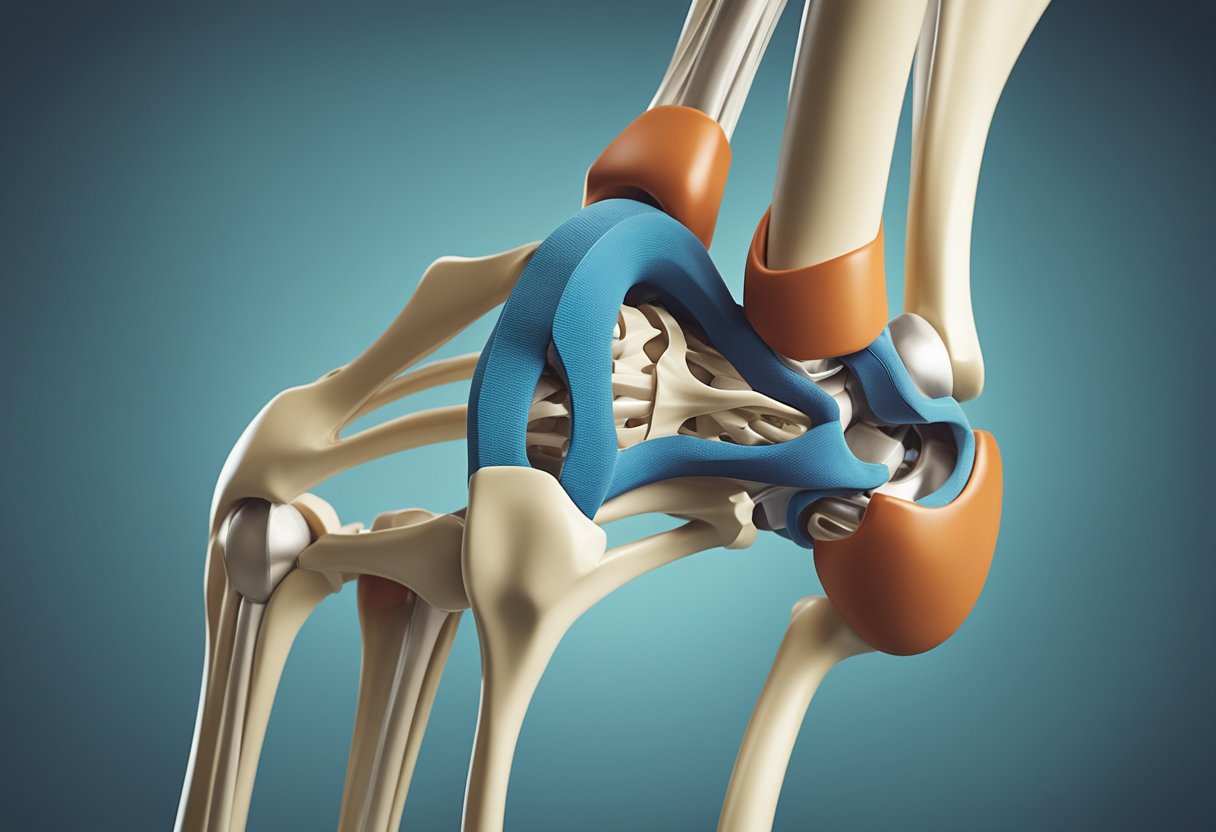
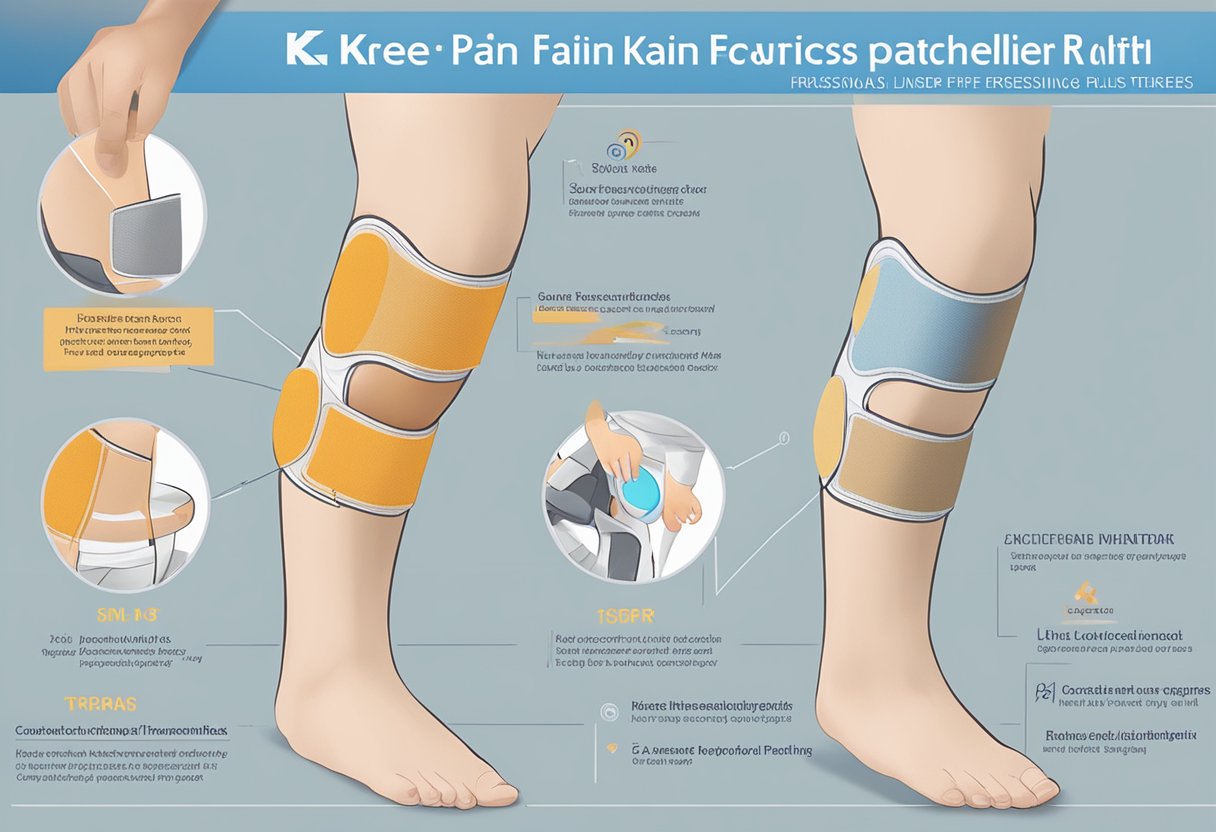
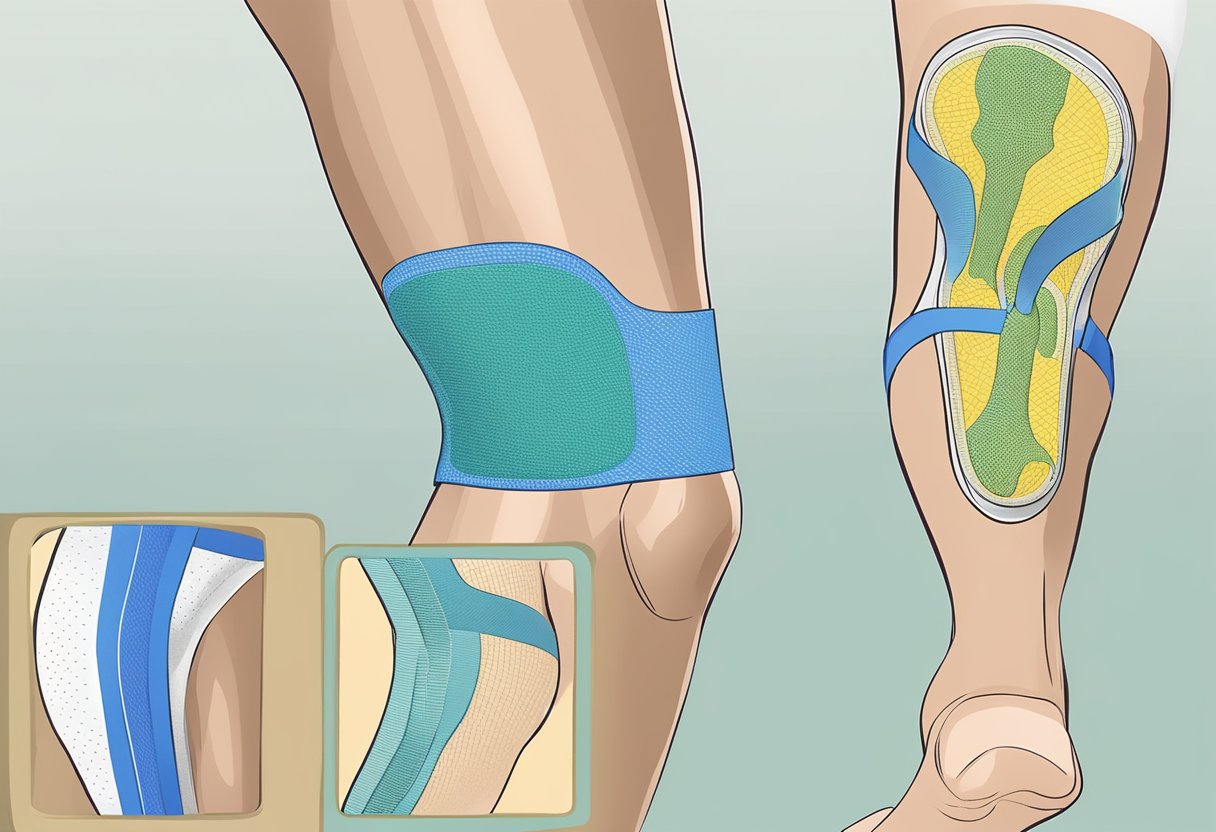
Category: Knee Anatomy and Functions

all about the amatomy and fonctions as articution with complex composition

  • How to Prevent Knee Replacement

    How to Prevent Knee Replacement

    As we age, our bodies become more susceptible to wear and tear, which can lead to a variety of health issues. One common issue that many people face is knee pain, often caused by osteoarthritis. In severe cases, knee replacement surgery may be necessary. However, there are steps we can take to prevent knee replacement and maintain knee health.

    v2 3lciu u4bcs

    Understanding Knee Health and Preventative Practices is the first step in preventing knee replacement. Maintaining a healthy weight and staying active are two of the most important things we can do to keep our knees healthy. Low-impact exercises such as walking, cycling, and swimming can help strengthen the muscles around our knees and reduce the risk of injury. Additionally, eating a balanced diet rich in vitamins and minerals can help keep our bones and joints healthy.

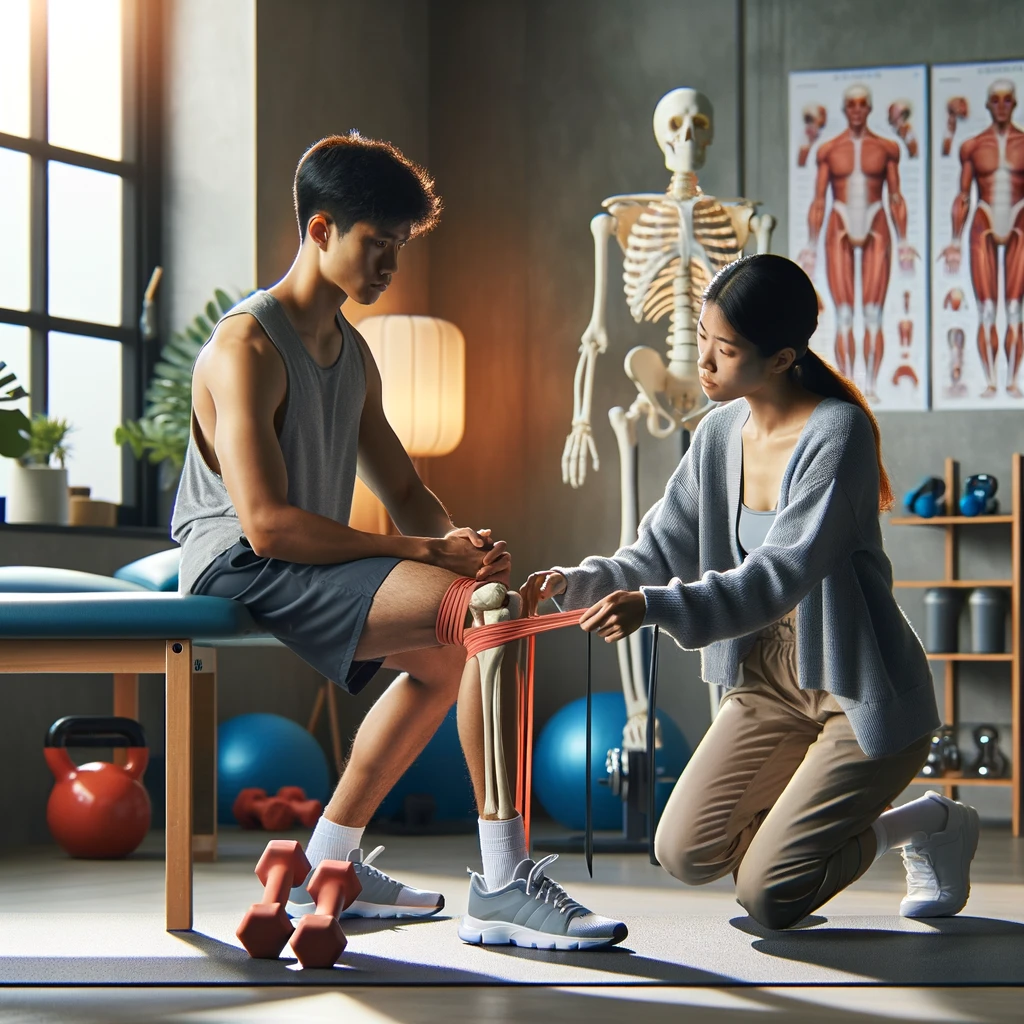
    Non-Surgical Treatment Options and Lifestyle Adjustments can also be effective in preventing knee replacement. Physical therapy, medications, and injections can help manage knee pain and inflammation. Simple lifestyle adjustments such as using a cane or knee brace, wearing supportive shoes, and avoiding high-impact activities can also help reduce the risk of knee injury. By taking these steps, we can maintain knee health and potentially avoid knee replacement surgery.
    309119f1 5484 4258 8cd2 dc3e48ddf6a9

    Key Takeaways

    • Maintaining a healthy weight and staying active are key to preventing knee replacement.
    • Non-surgical treatment options such as physical therapy and lifestyle adjustments can help manage knee pain and reduce the risk of injury.
    • Eating a balanced diet and avoiding high-impact activities can also help maintain knee health.

    Understanding Knee Health and Preventative Practices

    As we age, our knees can become more susceptible to wear and tear, leading to knee pain and potentially knee replacement surgery. However, there are many preventative practices that can help us maintain healthy knees and avoid surgery.

    Recognizing Early Symptoms of Knee Issues

    It is important to recognize early symptoms of knee issues, such as pain, stiffness, or swelling. If you experience any of these symptoms, it is important to seek medical attention and start preventative measures early on.

    Importance of Maintaining a Healthy Weight

    Maintaining a healthy weight is crucial for knee health. Excess body weight puts extra strain on the knees, which can lead to knee pain and joint damage. By maintaining a healthy weight, we can reduce the risk of knee injuries and osteoarthritis.

    Role of Exercise in Knee Strength and Stability

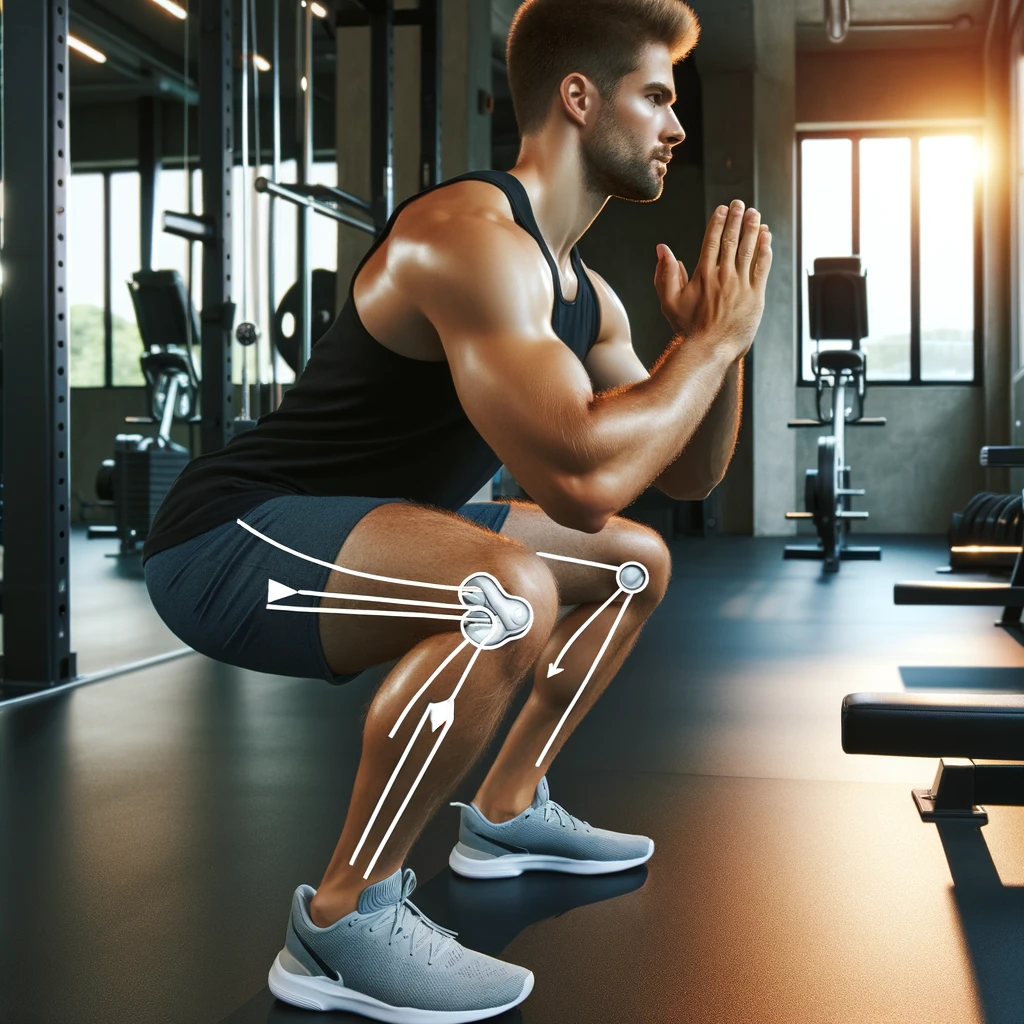
    Exercise is a key component in maintaining knee health. Regular exercise helps to strengthen muscles, tendons, and ligaments around the knee joint, which can improve knee stability and reduce the risk of injury. Incorporating exercises that focus on strengthening the quadriceps, hamstrings, and hip flexors can be particularly beneficial for knee health.

    In addition to strength training, stretching and flexibility exercises can also help to improve knee health. Physical therapy can be a helpful resource for developing an exercise plan that is tailored to your specific needs.

    While exercise is important for knee health, it is also important to engage in weight-bearing activities that are low-impact, such as walking, swimming, or cycling. These activities can help to improve joint mobility and flexibility without putting excessive strain on the knees.

    Dietary Supplements for Knee Health

    Dietary supplements such as glucosamine and chondroitin sulfate have been shown to have some benefits for knee health. These supplements can help to reduce inflammation and improve joint mobility. However, it is important to speak with a healthcare provider before starting any new supplements, as they may interact with other medications or have potential side effects.

    In addition to supplements, maintaining a healthy diet can also be beneficial for knee health. Eating a diet rich in fruits, vegetables, lean protein, and whole grains can help to reduce inflammation and support overall joint health.

    By incorporating these preventative practices into our daily lives, we can maintain healthy knees and reduce the risk of knee replacement surgery.

    Non-Surgical Treatment Options and Lifestyle Adjustments

    When it comes to preventing knee replacement surgery, non-surgical treatment options and lifestyle adjustments can be highly effective. Here are some of the most common non-surgical treatments and lifestyle adjustments that can help reduce knee pain and prevent the need for surgery.

    Incorporating Low-Impact Exercises and Activities

    Low-impact exercises and activities are great for strengthening the muscles around the knee joint without placing undue stress on the joint itself. Some of the best low-impact exercises include swimming, cycling, and using an elliptical machine. These activities can help improve joint mobility and flexibility, reduce inflammation, and promote weight loss, which can also help reduce knee pain.

    Effective Use of Knee Braces and Support

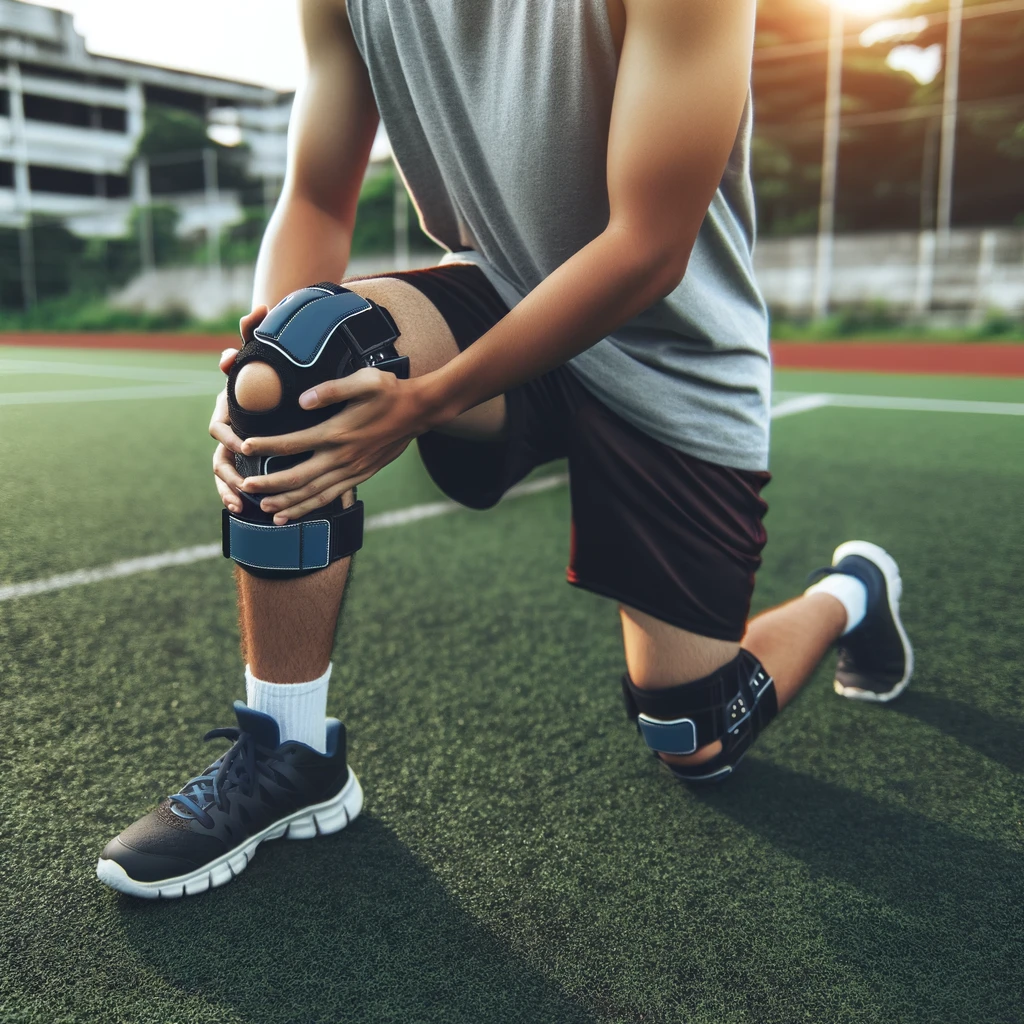
    Knee braces and supports can help provide stability and support to the knee joint, reducing pain and preventing further damage. There are many different types of knee braces and supports available, including compression sleeves, hinged knee braces, and unloader braces. Your doctor can help you determine which type of knee brace or support is best for your specific needs.

    Nutrition and Supplements for Joint Health

    Eating a healthy, balanced diet that is rich in nutrients can help promote joint health and reduce inflammation. Some of the best foods for joint health include fatty fish, leafy greens, nuts and seeds, and colorful fruits and vegetables. Additionally, certain supplements like glucosamine and chondroitin can help reduce joint pain and improve joint function.

    Advanced Non-Invasive Treatments for Pain Relief

    If non-surgical treatments like exercise, knee braces, and nutrition are not effective in reducing knee pain, there are a variety of advanced non-invasive treatments that can help. These treatments include corticosteroid injections, growth factor injections, and stem cell therapy. Your doctor can help you determine which treatment option is best for your specific needs.

    By incorporating these non-surgical treatment options and lifestyle adjustments into your daily routine, you can help reduce knee pain and prevent the need for knee replacement surgery. Remember to always consult with your doctor before starting any new exercise program or treatment plan.

    Frequently Asked Questions

    v2 3lcjf 3d6ej

    What are effective non-surgical treatments for knee pain?

    There are several non-surgical treatments that can be effective for knee pain. These include physical therapy, acupuncture, corticosteroid injections, and hyaluronic acid injections. Physical therapy can help strengthen the muscles around the knee, while acupuncture can help reduce inflammation and pain. Corticosteroid injections can help reduce inflammation and pain, while hyaluronic acid injections can supplement the naturally occurring lubricant in the joints and decrease pain.

    What exercises can strengthen the knee to avoid replacement surgery?

    Exercises that can strengthen the knee and help avoid replacement surgery include low-impact exercises such as swimming, cycling, and yoga. These exercises can help improve flexibility, strengthen the muscles around the knee, and reduce inflammation.

    What lifestyle changes can reduce the risk of needing knee replacement?

    Maintaining a healthy weight, eating a balanced diet, and avoiding high-impact activities can reduce the risk of needing knee replacement. Additionally, wearing comfortable and supportive shoes can help reduce stress on the knees.

    Are there any innovative medical devices that serve as an alternative to knee replacement?

    There are several innovative medical devices that can serve as an alternative to knee replacement. These include knee braces, unloader braces, and viscosupplementation injections. Knee braces can help provide support and reduce pain, while unloader braces can redistribute weight away from the damaged part of the knee. Viscosupplementation injections can supplement the naturally occurring lubricant in the joints and decrease pain.

    What risks should be considered before deciding on knee replacement surgery?

    Before deciding on knee replacement surgery, it is important to consider the risks involved. These include infection, blood clots, nerve damage, and joint stiffness. It is important to discuss these risks with your doctor and weigh the potential benefits against the risks.

    How does age affect the suitability of knee replacement alternatives?

    Age can affect the suitability of knee replacement alternatives. While there is no specific age limit for knee replacement surgery, older adults may have a higher risk of complications. However, there are several alternatives to knee replacement that can be effective at any age. It is important to discuss the best treatment options with your doctor based on your individual needs and circumstances.

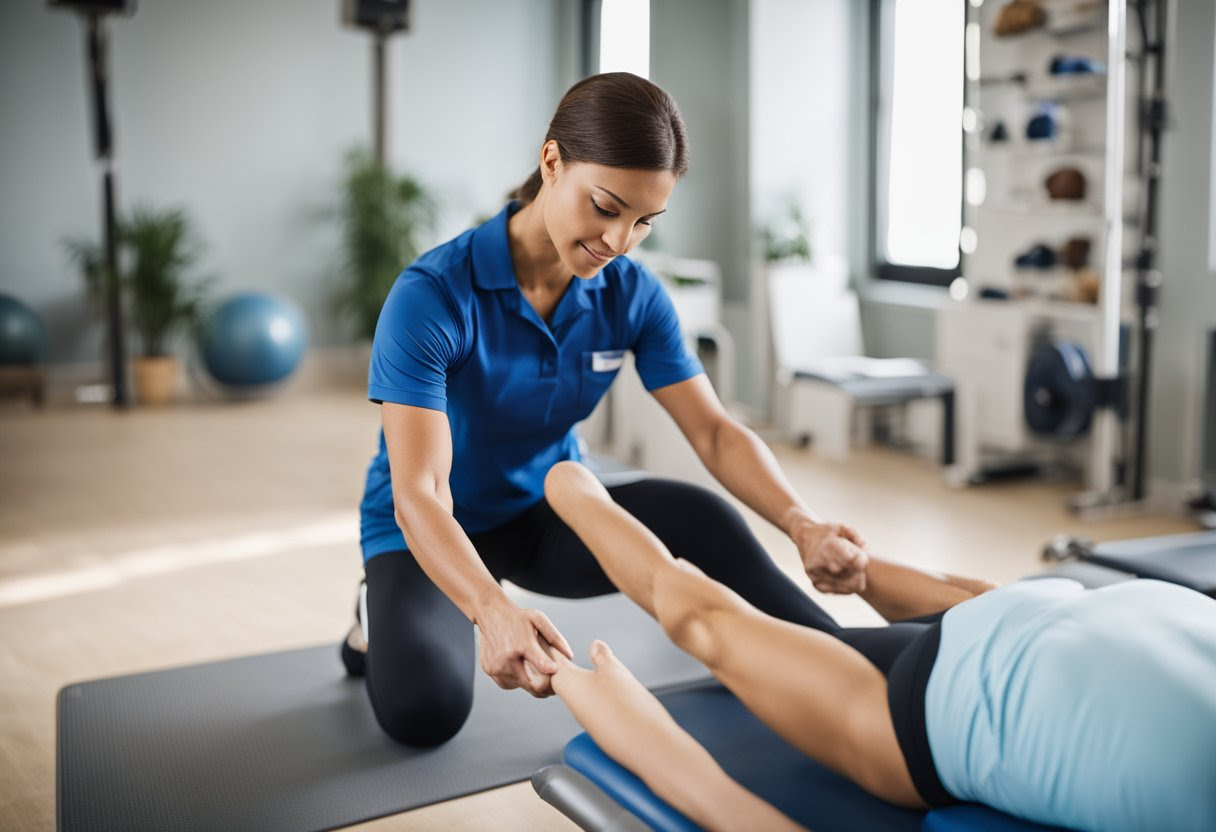
  • Physical Therapy Management for Various Symptoms and Diagnostics

    Physical Therapy Management for Various Symptoms and Diagnostics

    Physical therapy management is a crucial aspect of healthcare that involves the diagnosis and treatment of a wide range of musculoskeletal and neurological conditions. Physical therapists work with patients of all ages and backgrounds to help them recover from injuries, manage chronic pain, and improve their overall quality of life. With their expertise in anatomy, physiology, and movement, physical therapists are uniquely equipped to provide comprehensive care that addresses both the symptoms and underlying causes of a patient’s condition.

    v2 3hgeh dyd9j

    Physical therapy management involves a range of techniques and interventions that are tailored to the specific needs of each patient. This may include exercises to improve strength and flexibility, manual therapy to reduce pain and improve joint mobility, and modalities such as heat or ice to reduce inflammation and promote healing. In addition to these interventions, physical therapists also play an important role in educating patients about their condition and empowering them to take an active role in their own recovery.

    At its core, physical therapy management is about helping patients achieve their goals and improve their quality of life. Whether a patient is recovering from a sports injury, managing chronic pain, or rehabilitating after surgery, physical therapy can be an effective and empowering way to regain function, reduce pain, and improve overall health and wellbeing. With its focus on evidence-based practice and patient-centered care, physical therapy is an essential component of modern healthcare that can help patients of all ages and backgrounds achieve their full potential.

    Fundamentals of Physical Therapy Management

    As physical therapists, we are experts in the diagnosis and treatment of musculoskeletal and neuromuscular conditions. Our practice is based on clinical reasoning, which involves a thorough evaluation of the patient’s history, symptoms, physical examination, and diagnostic tests. We use this information to develop a differential diagnosis and classification of the patient’s condition. From there, we develop a treatment plan that is tailored to the patient’s individual needs.

    Physical Examination and Diagnosis

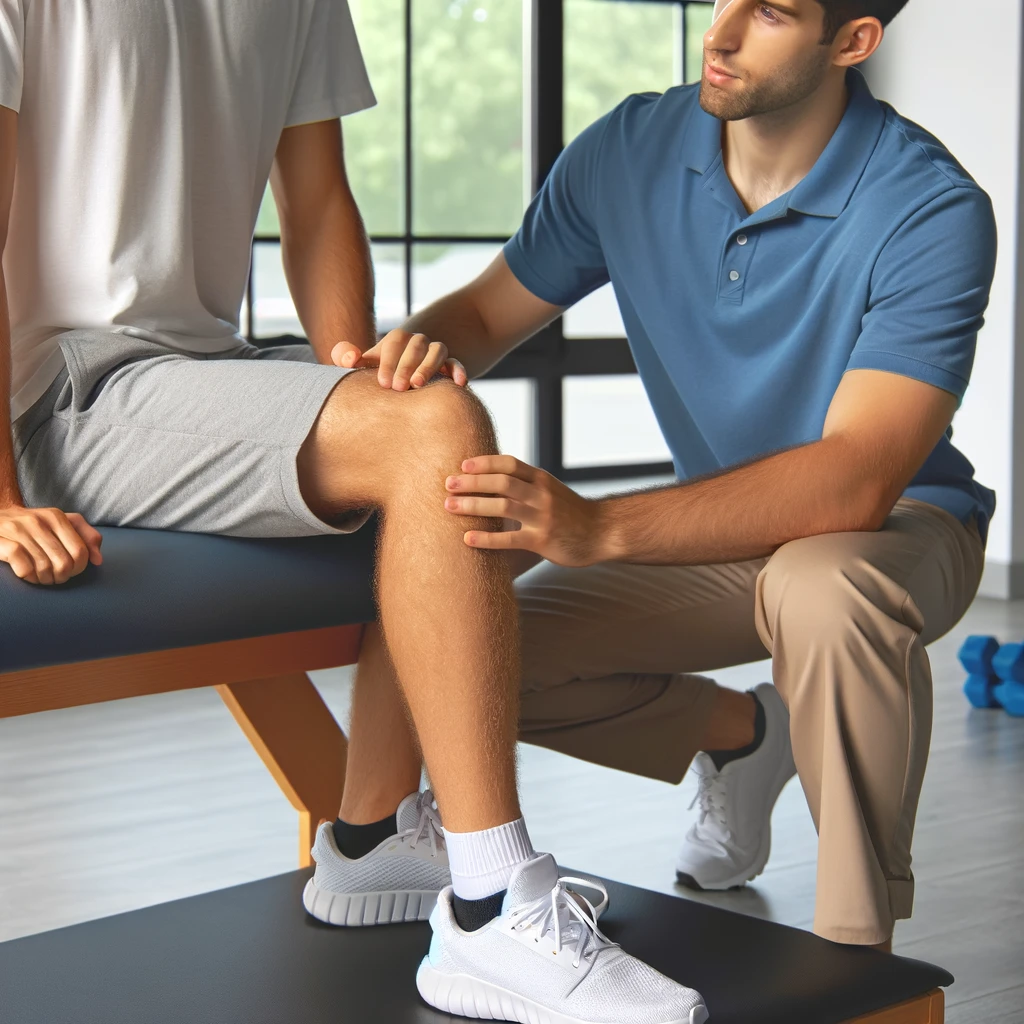
    The physical examination is a crucial component of our diagnostic process. We use a variety of techniques, including manual muscle testing, range of motion testing, and palpation, to assess the patient’s condition. We also review the patient’s medical history and conduct a review of systems to identify any red flags or other potential issues.

    Once we have completed the physical examination, we use our clinical reasoning skills to develop a differential diagnosis. This involves considering all possible causes of the patient’s symptoms and ruling them out one by one until we arrive at the most likely diagnosis. We also use classification systems to help us identify the specific type of condition the patient is experiencing.

    bc29df23 88f1 4c38 8522 89df979e421a

    Treatment Modalities and Techniques

    Once we have a diagnosis, we develop a treatment plan that is tailored to the patient’s specific needs. This may involve a combination of modalities and techniques, including mobilization, ultrasound, nerve conduction studies, and wrist splinting. We may also recommend medications or other interventions to help manage pain and other symptoms.

    Our goal is to help our patients achieve the best possible outcomes, including improved quality of life and functional ability. We use a variety of outcome measures to track our patients‘ progress and adjust our treatment plans as needed to ensure the best possible results.

    In conclusion, physical therapy management is a complex and nuanced process that requires a thorough understanding of the patient’s condition, as well as a variety of diagnostic and treatment techniques. As physical therapists, we are committed to providing the highest quality care to our patients and helping them achieve the best possible outcomes.

    Table for Different Treatments in 10 Clones

    v2 3hgev szow6

    As physical therapists, we are trained to diagnose and treat a wide range of conditions. In this section, we will provide a table of different treatments for 10 common diagnoses that physical therapists encounter. This table is meant to serve as a guide and is not exhaustive.

    DiagnosisTreatment
    Low back painManual therapy, therapeutic exercise, modalities (heat, ice, electrical stimulation)
    Knee osteoarthritisStrengthening exercises, range of motion exercises, manual therapy
    Shoulder impingement syndromeScapular stabilization exercises, rotator cuff strengthening, manual therapy
    Plantar fasciitisStretching exercises, foot orthotics, modalities (ultrasound, electrical stimulation)
    Ankle sprainBalance and proprioceptive exercises, manual therapy, taping
    ACL tearStrengthening exercises, balance and proprioceptive exercises, manual therapy
    Cervical radiculopathyCervical traction, manual therapy, range of motion exercises
    Rotator cuff tearStrengthening exercises, manual therapy, modalities (heat, ice, electrical stimulation)
    Total knee replacementRange of motion exercises, strengthening exercises, gait training
    StrokeGait training, functional mobility training, strengthening exercises

    It is important to note that each patient is unique and may require a personalized treatment plan. As physical therapists, we use our clinical judgment and evidence-based practice to create individualized treatment plans for each patient. The treatments listed in the table are commonly used and have been shown to be effective in treating these diagnoses, but they are not the only treatments available.

    In addition to the treatments listed in the table, we may also incorporate patient education, home exercise programs, and lifestyle modifications into our treatment plans. Our goal as physical therapists is to help our patients achieve their optimal level of function and improve their quality of life.

    Specific Conditions and Therapy Approaches

    Neurological and Musculoskeletal Disorders

    As physical therapists, we are trained to diagnose and manage a wide range of neurological and musculoskeletal disorders. We work closely with neurologists and other healthcare professionals to ensure that our patients receive the best possible care.

    When it comes to neurological disorders, we use a variety of diagnostic tools such as electromyography (EMG) and magnetic resonance imaging (MRI) to assess nerve function and identify any abnormalities. We also evaluate patients for peripheral neuropathy and nerve compression, which can cause numbness, weakness, and other symptoms.

    For musculoskeletal disorders, we perform a thorough physical examination to assess for any functional limitations, pain, or disability. We may also order x-rays or other laboratory testing to evaluate for conditions such as rheumatoid arthritis or other inflammatory disorders.

    Once a diagnosis has been made, we develop a comprehensive treatment plan that may include therapeutic exercises, manual therapy, and other modalities such as ultrasound or electrical stimulation. We also work with occupational and speech therapists to address any functional limitations or speech disorders.

    Management of Chronic Pain and Disability

    Chronic pain and disability can be challenging to manage, but our team of physical therapists is well-equipped to help patients achieve their goals. We work closely with patients to develop individualized treatment plans that address their specific needs and goals.

    Our approach to managing chronic pain and disability is multi-faceted and may include a combination of therapeutic exercises, manual therapy, and other modalities such as acupuncture or dry needling. We also work closely with patients to develop strategies for managing pain and improving function in their daily lives.

    Comprehensive Patient Care and Referral

    At our clinic, we believe in providing comprehensive patient care that addresses not only the physical aspects of a patient’s condition but also their emotional and social well-being. We work closely with patients to understand their unique needs and goals and develop treatment plans that are tailored to their specific needs.

    If a patient requires additional care beyond physical therapy, we work closely with other healthcare professionals to ensure that they receive the best possible care. This may include referral to a neurologist, orthopedic surgeon, or other specialist.

    Overall, our goal is to provide high-quality, evidence-based care that helps our patients achieve their goals and improve their quality of life. We strive to stay up-to-date with the latest research and clinical trials to ensure that our patients receive the most effective treatment possible.

  • Prevention Strategies for Knee Ligament Injuries

    Prevention Strategies for Knee Ligament Injuries

    Prevention Strategies for Knee Ligament Injuries: Professional Tips

    Knee ligament injuries are common among athletes and can be a frustrating setback for anyone who enjoys an active lifestyle. The knee joint is one of the largest and most complex joints in the body, making it vulnerable to various types of injuries. Understanding and identifying knee ligament injuries is crucial to prevent further damage and promote quick recovery.

    v2 32d9h 7v8oi

    The most common knee ligament injuries are the anterior cruciate ligament (ACL), medial collateral ligament (MCL), posterior cruciate ligament (PCL), and lateral collateral ligament (LCL). These injuries can occur due to direct trauma, such as contusions and strains, or from indirect trauma, such as sudden changes in direction. Symptoms of knee ligament injuries include pain, swelling, inflammation, and joint laxity. In this article, we will discuss five prevention strategies for knee ligament injuries to help maintain knee stability and prevent knee instability.

    professional tips for prevention strategies to help avoid knee ligament injuries:

    CategoryTips
    Strength & Flexibility Training– Emphasize hamstring, glute, quad, hip & core exercises<br>- Ensure muscle imbalances are addressed<br>- Use proper form/technique to prevent overstress
    Movement Control & Balance– Practice proper landing mechanics when jumping <br>- Enhance proprioception & body control<br>- Integrate deceleration drills
    Equipment & Environment– Wear supportive & appropriate footwear <br>- Tape or brace vulnerable knees if needed <br>- Ensure safe, even playing surfaces
    Loading & Recovery– Follow loading guidelines for ramping up intensity<br>- Avoid aggressive pivoting until tissues adapted<br>- Schedule adequate rest periods between sessions
    Body Composition & Nutrition– Prevent muscle loss during injury layoffs<br>- Maintain healthy BMI year-round<br>- Support exercise recovery nutritionally
    Mindset & Motivation– Foster positive, confident mentality<br>- Set smaller achievable goal steps <br>- Enlist social support structure

    The most effective ACL/knee ligament injury prevention programs take a comprehensive approach. Optimizing strength, movement mechanics, loading, and nutrition helps create resilience. Confidence in knee stability paired with caution towards unsafe mechanics allows for safer progression. Expert guidance tailoring programs is key for best injury deterrence.

    9c0fad6b da19 4bad 92cb dac1d9705c7d

    Key Takeaways

    • Understanding the anatomy of the knee joint and identifying knee ligament injuries can promote quick recovery.
    • Direct and indirect trauma can cause knee ligament injuries, leading to pain, swelling, inflammation, and joint laxity.
    • Five prevention strategies can help maintain knee stability and prevent knee instability, reducing the risk of knee ligament injuries.

    Understanding and Identifying Knee Ligament Injuries

    Knee ligament injuries are common among athletes and individuals who engage in physical activities that require jumping, pivoting, or sudden changes in direction. In this section, we will discuss the common types and causes of knee ligament injuries, how to identify symptoms and diagnose the injury, treatment and rehabilitation options, and the role of sex and age in knee ligament injuries.

    Common Types and Causes

    The most common types of knee ligament injuries are the anterior cruciate ligament (ACL) and medial collateral ligament (MCL) injuries. The ACL is usually injured during non-contact activities such as landing after a jump or sudden stops and changes in direction. On the other hand, the MCL is usually injured from a direct blow to the outer side of the knee, such as when playing football or hockey.

    Symptoms and Diagnosis

    The symptoms of knee ligament injuries include pain, swelling, bruising, and instability. The diagnosis of knee ligament injuries is usually made through a physical exam and imaging tests such as MRI or X-rays. It is important to seek medical attention if you experience any of these symptoms.

    Treatment and Rehabilitation

    The treatment and rehabilitation of knee ligament injuries depend on the severity of the injury. Treatment options include rest, ice, compression, and elevation (RICE), physical therapy, and surgery. Rehabilitation includes exercises to improve range of motion, strength, and mobility. It is important to follow the guidance of a physical therapist or orthopedic surgeon to ensure proper recovery.

    Role of Sex and Age

    Research shows that females are more prone to knee ligament injuries than males due to differences in anatomy, form, and hormones such as estrogen and relaxin. Additionally, age plays a role in knee ligament injuries, with individuals over 50 years old being at a higher risk due to decreased muscle strength and flexibility.

    Sports and Injuries

    Knee ligament injuries are common in sports that require sudden stops and changes in direction such as soccer, basketball, and football (soccer). Injury prevention programs that include warm-up, neuromuscular training, and proprioception exercises can reduce the frequency of knee ligament injuries by up to 50%. Coaches and athletes should also prioritize proper technique, posture, and fatigue management to prevent knee ligament injuries.

    In conclusion, knee ligament injuries are common among athletes and individuals who engage in physical activities. Understanding the common types and causes of knee ligament injuries, identifying symptoms and diagnosing the injury, and following proper treatment and rehabilitation options can help prevent long-term damage. Coaches, athletes, and individuals should prioritize injury prevention programs and proper technique to reduce the frequency of knee ligament injuries.

    Prevention Strategies for Knee Ligament Injuries

    When it comes to knee ligament injuries, prevention is key. Here are some effective strategies that we recommend:

    Strengthening and Conditioning

    Strengthening and conditioning exercises can help improve muscle strength and endurance, which can help reduce the risk of knee ligament injuries. Exercises that target the hips, ankles, and core can be particularly effective in improving stability and reducing the risk of injury.

    Injury Prevention Programs

    Injury prevention programs can be an effective way to reduce the risk of knee ligament injuries. These programs typically include a combination of warm-up exercises, neuromuscular training, and strength and conditioning exercises. They can be particularly effective for athletes who participate in high-risk sports, such as soccer, basketball, and football.

    Importance of Compliance and Frequency

    Injury prevention strategies are only effective if they are followed consistently and frequently. Compliance with injury prevention programs is essential for reducing the risk of knee ligament injuries. It is important to follow the program as prescribed and to make sure that exercises are performed correctly and with good form.

    In conclusion, preventing knee ligament injuries requires a combination of strategies that target strength, stability, and flexibility. Injury prevention programs that incorporate warm-up exercises, neuromuscular training, and strength and conditioning exercises can be particularly effective. However, compliance with these programs is essential for success. By following these strategies, we can help reduce the risk of knee ligament injuries and keep athletes healthy and active.

  • Rehabilitation Exercises for Knee

    Rehabilitation Exercises for Knee

    Rehabilitation Exercises for Knee Ligaments: Strengthening and Recovery Techniques

    As physical therapists, we often see patients with knee ligament injuries. Knee ligaments are strong bands of tissue that connect the thighbone to the shinbone and provide stability to the knee joint. Injuries to knee ligaments can result in pain, swelling, and decreased range of motion. Rehabilitation exercises for knee ligaments can help improve joint stability, reduce pain, and restore function.

    v2 32db6 rluua

    Understanding Knee Ligament Injuries is important for developing an effective rehabilitation plan. There are four main ligaments in the knee joint: the anterior cruciate ligament (ACL), posterior cruciate ligament (PCL), medial collateral ligament (MCL), and lateral collateral ligament (LCL). ACL and PCL injuries are more common in athletes and can occur during sports that involve sudden stops, changes in direction, or jumping. MCL and LCL injuries can result from a direct blow to the knee or from twisting the knee. Depending on the severity of the injury, surgery may be required to repair or reconstruct the damaged ligament.

    8cbc720a b396 47e0 b03a 307abbe136e3 1

    In this article, we will discuss 6 Rehabilitation Exercises for Knee Ligaments that can help improve joint stability, reduce pain, and restore function. These exercises are designed to strengthen the muscles that support the knee joint and improve biomechanical function. By following a structured rehabilitation program, patients can improve their recovery and return to their daily activities faster.

    Key Takeaways

    • Knee ligament injuries can result in pain, swelling, and decreased range of motion.
    • There are four main ligaments in the knee joint: the anterior cruciate ligament (ACL), posterior cruciate ligament (PCL), medial collateral ligament (MCL), and lateral collateral ligament (LCL).
    • Rehabilitation exercises for knee ligaments can help improve joint stability, reduce pain, and restore function.

    Understanding Knee Ligament Injuries

    Knee ligament injuries are common among athletes and individuals who engage in physical activities. These injuries can be caused by a wide range of factors, including trauma, overuse, and sports-related injuries. The most common types of knee ligament injuries include anterior cruciate ligament (ACL) injuries, medial collateral ligament (MCL) injuries, and posterior cruciate ligament (PCL) injuries.

    Causes and Types of Injuries

    ACL injuries are typically caused by a twisting motion or a direct blow to the knee. MCL injuries, on the other hand, are often caused by a direct blow to the outside of the knee. PCL injuries are usually the result of a direct blow to the front of the knee or a hyperextension injury.

    Ligament injuries can be classified as either partial or complete tears. Partial tears involve damage to a portion of the ligament, while complete tears involve a complete separation of the ligament from the bone. Overuse injuries, such as tendinitis, can also occur in the knee.

    Diagnosis and Assessment

    Diagnosis of knee ligament injuries involves a physical examination, imaging tests, and other diagnostic procedures. Physical examination involves assessing the knee for pain, swelling, and instability. Imaging tests such as magnetic resonance imaging (MRI), radiographs, and ultrasound can also be used to assess the extent of the injury.

    Treatment Options

    Treatment options for knee ligament injuries depend on the severity of the injury. Nonoperative treatment may involve rest, ice, compression, and elevation (RICE), physical therapy, and immobilization. Operative treatment may involve surgery, such as arthroscopy or ACL reconstruction.

    Post-Injury Challenges

    Post-injury challenges may include pain, swelling, and instability. Rehabilitation is essential for restoring full function and reducing the risk of future injuries.

    Understanding the Rehabilitation Process

    Rehabilitation is an essential part of the recovery process for knee ligament injuries. The rehabilitation process involves a series of exercises and other interventions designed to improve muscle strength, proprioception, and joint stability.

    Specific Rehabilitation Exercises

    Specific rehabilitation exercises may include exercises to improve muscle strength, such as knee flexion and extension exercises, as well as exercises to improve proprioception, such as balance training.

    Role of Imaging in Rehabilitation

    Imaging tests such as MRI and radiographs can be used to assess the extent of the injury and monitor progress during rehabilitation.

    Rehabilitation Exercises for Knee Ligament Recovery

    ExerciseDescriptionTarget Area
    Passive Range of MotionGentle movements of knee by therapist/device to improve flexion/extension early post-injury without overstressingRestore mobility; reduce stiffness
    Quad SetsContract quad muscles by pushing knees down into floor/table when in sitting/lying positionActivate quads; prevent atrophy
    Straight Leg RaisesTighten quads to lift straight leg up off floor/bed, keep knee lockedStrengthen quads; knee stabilization
    Hip Abduction/AdductionMove legs outward/inward against resistance or body weightStrengthen hip muscles supporting knee
    Calf RaisesRaise up onto ball/toes of foot, lower with controlStrengthen calves; improve balance/proprioception
    Wall SitsSlide down wall until knees/hips at 90 degree angle, hold positionStrengthen quads; improve endurance
    Terminal Knee ExtensionsSit with resistance band around foot, fully straighten kneeRegain full extension range of motion
    Hamstring CurlsFlex knees to pull heels toward buttress against resistance bandStrengthen hamstrings; decelerate knee extension
    Balance Board/Wobble BoardStand with knee slightly bent on unstable surfaceEnhance balance and knee proprioception
    Mini-SquatsPerform slight squatting motion within pain-free range of motionRegain quad control; restore movement pattern

    The exact exercises and progressions are tailored by physical therapists depending on injury specifics, graft type, and post-surgical timeline. The goal is to restore strength, mobility, proprioception and movement control safely based on healing constraints

    a7918c30 98ad 4e88 b5fa 3668ecb888b6 2

    Preventing Future Injuries

    Preventing future knee ligament injuries involves proper conditioning, warm-up, and cool-down exercises, as well as appropriate protective gear.

    In conclusion, knee ligament injuries are common among athletes and individuals who engage in physical activities. Proper diagnosis, treatment, and rehabilitation are essential for restoring full function and reducing the risk of future injuries.

  • Knee Ligaments

    Knee Ligaments

    Comprehensive Guide to Knee Ligaments: Anatomy, Function, and Injuries

    Knee ligament injuries can be painful and debilitating, affecting the quality of life of many individuals. Understanding knee ligament anatomy and associated conditions can help prevent injuries and ensure proper treatment. In this comprehensive guide, we will explore knee ligaments and their role in knee stability, common knee ligament injuries, and treatment and management strategies.

    v2 3299b pnn1f

    The knee joint is one of the most complex joints in the human body, consisting of bones, cartilage, tendons, and ligaments. Knee ligaments play a crucial role in providing stability and support to the joint. The four main knee ligaments include the anterior cruciate ligament (ACL), posterior cruciate ligament (PCL), medial collateral ligament (MCL), and lateral collateral ligament (LCL). These ligaments work together to control knee movement and prevent excessive rotation and translation.

    Knee ligament injuries are common among athletes and can occur due to sudden twisting or impact to the knee joint. These injuries can cause pain, swelling, and limited mobility, which can lead to disability if left untreated. Early diagnosis and proper treatment can help prevent long-term complications and improve outcomes.

    Understanding Knee Ligaments and Associated Conditions

    At the core of knee joint stability are the ligaments that connect the bones of the knee together. The knee joint is comprised of four major ligaments that connect the femur to the tibia and fibula: the anterior cruciate ligament (ACL), the posterior cruciate ligament (PCL), the medial collateral ligament (MCL), and the lateral collateral ligament (LCL).

    Anatomy of Knee Ligaments

    The ACL and PCL are located inside the knee joint, while the MCL and LCL are located on the outside of the joint. These ligaments are made up of collagen and elastic fibers that provide strength and stability to the knee joint. The ACL is responsible for preventing the tibia from moving too far forward, while the PCL prevents the tibia from moving too far backward. The MCL and LCL work together to prevent the knee from moving side to side.

    Common Injuries and Disorders

    Ligament injuries are a common cause of knee pain and can range from mild sprains to complete tears. ACL tears are one of the most common knee injuries and often occur in athletes who participate in high-impact sports. PCL injuries are less common and typically occur as a result of a direct blow to the front of the knee. MCL and LCL injuries are usually caused by a direct blow to the outer or inner knee, respectively.

    Osteoarthritis is another common disorder that affects the knee joint. It is a degenerative joint disease that is characterized by the breakdown of cartilage in the knee joint. Rheumatoid arthritis is an autoimmune disorder that can also affect the knee joint.

    Epidemiology and Risk Factors

    Knee ligament injuries are more common in athletes who participate in high-impact sports such as football, basketball, and soccer. Overuse injuries are also common in athletes who participate in running and jumping sports. Advancing age, sedentary lifestyle, smoking, and low income are all risk factors for knee osteoarthritis.

    Pain and Mental Health Considerations

    Knee pain can have a significant impact on an individual’s mental health and quality of life. Chronic pain syndromes, such as chronic musculoskeletal pain, can lead to anxiety, depression, and sleep disorders. Local pain, neuropathic pain, somatic pain, and visceral pain are all types of pain that can be associated with knee injuries and disorders. Insomnia and other sleep disorders are common in individuals with chronic pain and can further exacerbate the impact on quality of life.

    The Impact on Quality of Life

    Knee pain and associated conditions can have a significant impact on an individual’s quality of life. Disability, social interactions, and overall physical and mental health can all be affected by knee pain and related disorders.

    Diagnostic Tools and Techniques

    Diagnostic tools and techniques for knee injuries and disorders include X-rays, MRI scans, and physical examinations. Patient assessments are also important in determining the extent of the injury or disorder and developing an appropriate treatment plan.

    In conclusion, understanding knee ligaments and associated conditions is essential for maintaining knee joint health and preventing injury. By understanding the anatomy of knee ligaments, common injuries and disorders, epidemiology and risk factors, pain and mental health considerations, the impact on quality of life, and diagnostic tools and techniques, individuals can take steps to prevent knee injuries and manage knee pain and related disorders.

    Treatment and Management Strategies

    When it comes to knee ligament injuries, treatment and management strategies vary depending on the severity and type of injury. In this section, we will discuss the various treatment options for knee ligament injuries. We will divide the treatment options into five subsections: non-surgical interventions, surgical procedures, pharmacological approaches, interventional strategies, and prognosis and outcome measures.

    Non-Surgical Interventions

    Non-surgical interventions are often the first line of treatment for knee ligament injuries. These interventions include rest, ice, compression, and elevation (RICE), physical therapy, and neuromuscular training. Physical therapy and neuromuscular training are particularly effective for patients with moderate-to-severe chronic pain or brief episodes of knee pain. These interventions can help improve lower extremity kinematics, reduce patellofemoral pain syndrome, and prevent sarcopenia.

    Patient education is an essential component of non-surgical interventions. Patients need to understand the importance of proper posture, body mechanics, and preventive strategies. Patients should also be taught non-pharmacological pain control techniques like meditation, deep breathing exercises, and relaxation techniques.

    Surgical Procedures

    Surgical procedures are typically reserved for patients with severe knee ligament injuries that do not respond to non-surgical interventions. The most common surgical procedures include knee arthroplasty, total knee arthroplasty, hip arthroplasty, and total hip arthroplasty. Preoperative planning and surgical technique are critical to ensure successful outcomes.

    Pharmacological Approaches

    Pharmacological approaches are often used in conjunction with non-surgical and surgical interventions. The most common pharmacological therapies include corticosteroids, mesenchymal stem cells, nonsteroidal anti-inflammatory drugs (NSAIDs), and opioids. Pharmacological therapies can help reduce pain and inflammation, improve functional outcomes, and enhance the patient’s overall quality of life.

    Interventional Strategies

    Interventional strategies are minimally invasive procedures that can help manage knee ligament injuries. These strategies include interventional pain therapy, multimodal analgesia, and multidisciplinary intervention. Interventional strategies can help improve functional level, reduce pain, and enhance functional outcomes.

    Prognosis and Outcome Measures

    Prognosis and outcome measures are essential to assess the effectiveness of treatment and management strategies for knee ligament injuries. Outcome measures include functional outcomes, patient satisfaction, and quality of life. Prognosis is influenced by age and sex, pediatric population, manual labor, urban and rural populations, and rheumatologic problems.

    In conclusion, knee ligament injuries require a multidisciplinary approach to treatment and management. Non-surgical interventions, surgical procedures, pharmacological approaches, interventional strategies, and prognosis and outcome measures are all important components of a comprehensive treatment plan. With the right treatment and management strategies, patients can achieve improved outcomes and a better quality of life.

  • Knee Decreased Range of Motion

    Knee Decreased Range of Motion

    Knee Decreased Range of Motion: Causes and Treatment Options

    As we age, our bodies undergo various changes, including a decrease in joint mobility. Knee joint mobility, in particular, is crucial for performing daily activities such as walking, running, and climbing stairs. A decrease in knee range of motion can significantly impact our quality of life, making it difficult to perform even the simplest of tasks.

    image 114

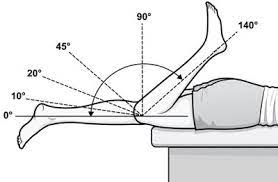
    Understanding the knee joint and its range of motion is essential to identify the cause of decreased mobility. The knee joint is a complex hinge joint that connects the femur (thigh bone) to the tibia (shin bone). It is made up of bones, cartilage, ligaments, and tendons that work together to provide stability and mobility. The normal range of motion for the knee joint is between 0-140 degrees, allowing for flexion and extension of the leg.

    Common conditions leading to decreased knee range of motion include arthritis, injury, and surgery. Arthritis is a degenerative joint disease that causes inflammation and pain in the knee joint, leading to decreased range of motion. Injury or trauma to the knee, such as a fracture or ligament tear, can also result in decreased mobility. Surgery, such as knee replacement or reconstruction, may cause temporary or permanent loss of knee range of motion.

    Understanding Knee Joint and Its Range of Motion

    The knee joint is a complex joint that connects the thigh bone (femur) to the shinbone (tibia). It is a hinge joint that allows for movement in two directions: flexion (bending) and extension (straightening). The knee joint also has a small amount of rotation, which allows for twisting movements of the leg.

    Normal Range of Motion

    The normal range of motion (ROM) for the knee joint is between 0 and 135 degrees. This means that the knee can fully extend (straighten) to 0 degrees and can flex (bend) up to 135 degrees. The normal ROM of the knee joint is essential for daily activities such as walking, running, and climbing stairs.

    download 2023 11 12T213856.418

    Factors Affecting Range of Motion

    Several factors can affect the ROM of the knee joint. These include:

    • Age: As we age, the knee joint can become stiffer, reducing the ROM.
    • Injury: An injury to the knee joint, such as a ligament tear, can limit the ROM.
    • Surgery: Knee surgery can also limit the ROM of the joint.
    • Arthritis: Arthritis can cause inflammation and damage to the knee joint, which can limit the ROM.

    Maintaining good knee health is essential to ensure proper knee ROM. Regular exercise, stretching, and maintaining a healthy weight can help improve knee ROM.

    In conclusion, understanding the knee joint and its ROM is crucial in maintaining good knee health. Knowing the normal ROM of the knee joint and the factors that can affect it can help individuals take steps to improve their knee health and prevent knee-related issues.

    Common Conditions Leading to Decreased Knee Range of Motion

    image 115

    Decreased knee range of motion can be caused by a variety of conditions, including injuries and diseases, as well as degenerative conditions. In this section, we will discuss some of the most common conditions that can lead to decreased knee range of motion.

    Injuries and Diseases

    Injuries and diseases are some of the most common causes of decreased knee range of motion. Knee injuries, such as meniscus tears, anterior cruciate ligament (ACL) injuries, and posterior cruciate ligament (PCL) injuries, can cause pain, stiffness, and swelling, which can limit your range of motion. Infections, inflammation, and autoimmune conditions can also cause knee swelling and stiffness, leading to decreased range of motion.

    Degenerative Conditions

    Degenerative conditions, such as osteoarthritis and rheumatoid arthritis, can cause joint pain, inflammation, and stiffness, which can limit your range of motion. Arthrofibrosis, a condition where scar tissue forms in the knee joint, can also cause decreased range of motion. Bone spurs and osteophytes, which are bony growths that can develop in the knee joint, can also limit your range of motion.

    Overall, there are many conditions that can cause decreased knee range of motion. If you are experiencing knee pain, stiffness, or swelling, it is important to see a healthcare provider to determine the underlying cause and develop an appropriate treatment plan.

    Diagnosis and Treatment of Decreased Knee Range of Motion

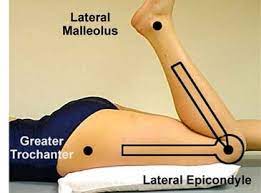
    When a patient presents with decreased knee range of motion, we must first diagnose the underlying cause before selecting an appropriate treatment plan. Diagnosis methods typically involve a physical examination, X-rays, and the use of a goniometer to measure the degree of motion.

    Diagnosis Methods

    During a physical examination, we assess the patient’s knee for any visible deformities, swelling, or misalignment. We also check for signs of muscle weakness or tearing, strain, sprain, or rupture. X-rays are used to visualize any fractures or dislocations, while a goniometer is used to measure the degree of motion in the knee joint.

    Treatment Options

    Once the underlying cause has been identified, we can select an appropriate treatment plan. Treatment options may include physical therapy, surgery, or medication. Physical therapy is often used to strengthen the muscles around the knee joint, improve alignment, and increase range of motion. Strengthening exercises can be used to improve muscle strength, while shock absorbers can be used to reduce impact on the knee joint during physical activity.

    In more severe cases, knee surgeries such as knee replacement may be necessary. Medication may also be prescribed to manage pain and inflammation. Rehabilitation is often required after surgery to aid in the healing process and restore full range of motion.

    In conclusion, decreased knee range of motion can be caused by a variety of factors, from muscle weakness to fractures or dislocations. Proper diagnosis and treatment are essential for restoring full function to the knee joint. By utilizing a combination of physical therapy, surgery, and medication, we can effectively manage this condition and help patients regain their mobility.

    Prevention and Rehabilitation

    image 114

    To prevent decreased range of motion in the knee, we recommend taking proactive steps to maintain knee health. This includes maintaining a healthy weight to reduce stress on the knee joint and ensuring proper movement and alignment during physical activities.

    Regular stretching and exercises to improve knee flexion and strengthen the muscles and tendons around the knee can also help prevent knee injuries and reduce the risk of decreased range of motion.

    If you are experiencing reduced range of motion or knee instability, rehabilitation exercises can help improve knee stability and flexibility. This may include exercises to strengthen the thigh and shin muscles, improve muscle stiffness, and reduce restriction and wear and tear on the knee joint.

    In addition to exercises, we may recommend the use of braces or other supportive devices to provide additional stability during physical activities. It is also important to avoid activities that exacerbate knee pain or instability, such as excessive bending or climbing stairs.

    Overall, taking proactive steps to maintain knee health and seeking rehabilitation when necessary can help prevent and treat decreased range of motion in the knee.

    Frequently Asked Questions

    image 116

    What limits the range of motion around a joint such that damage to the area is prevented?

    The range of motion around a joint is limited by the surrounding ligaments, tendons, and muscles. These soft tissues provide stability to the joint and prevent damage to the area.

    What are some of the most common causes of reduced range of motion?

    Reduced range of motion can be caused by injury, inflammation, or degeneration of the joint. Other factors that can contribute to reduced range of motion include muscle weakness or stiffness, poor posture, and lack of physical activity.

    How do I restore the range of motion in my knee?

    Restoring range of motion in the knee can be achieved through a combination of stretching and strengthening exercises. Physical therapy can also be helpful in restoring range of motion.

    What causes decreased knee flexion?

    Decreased knee flexion can be caused by a variety of factors, including injury, arthritis, or muscle weakness. In some cases, surgery may be necessary to restore knee flexion.

    What are the best exercises for knee range of motion?

    Some of the best exercises for knee range of motion include heel slides, knee extensions, and hamstring stretches. It is important to work with a physical therapist to develop an exercise program that is tailored to your specific needs.

    How to increase range of motion in knee after surgery?

    After knee surgery, it is important to follow a rehabilitation program that includes both stretching and strengthening exercises. Your physical therapist will work with you to develop a program that is appropriate for your specific needs and goals.

  • Knee Anatomy and Functions And the Key Components of Your Knee

    Knee Anatomy and Functions And the Key Components of Your Knee

    As a physical therapist, I have seen many patients with knee injuries and conditions. Understanding the anatomy and function of the knee joint is essential to prevent injuries, manage pain, and recover from surgery. In this article, I will explain the basic structure of the knee, the role of ligaments and tendons, and the muscles responsible for movement.

    v2 2i6y0

    The knee joint is the largest joint in the body and connects the thigh bone (femur) to the shin bone (tibia). The kneecap (patella) is a small bone that sits in front of the knee joint and protects the joint. The knee joint is a hinge joint that allows for flexion and extension of the leg. It also has some rotational movement, which is important for activities such as walking and running.

    The knee joint is supported by several ligaments and tendons. Ligaments are tough bands of tissue that connect bones to bones, while tendons connect muscles to bones. The ligaments and tendons around the knee joint work together to provide stability and support to the joint. In the next section, I will discuss the role of these structures in more detail.

    Key Takeaways

    • The knee joint is the largest joint in the body and allows for flexion, extension, and some rotational movement.
    • The knee joint is supported by ligaments and tendons that provide stability and support to the joint.
    • Understanding the basic structure and function of the knee joint is essential for preventing injuries, managing pain, and recovering from surgery.

    Basic Structure of the Knee

    As the largest joint in the body, the knee is a complex structure that allows us to walk, run, jump, and perform other physical activities. It is a synovial joint, meaning it contains a fluid-filled capsule that lubricates the joint and reduces friction during movement.

    Bones and Joints

    The knee joint is formed by the articulation of three bones: the femur, tibia, and patella. The femur, or thigh bone, is the longest bone in the body and forms the upper part of the knee joint. The tibia, or shin bone, is the larger of the two bones in the lower leg and forms the lower part of the knee joint. The fibula is the smaller bone in the lower leg and is not directly involved in the knee joint.

    The knee joint is actually two joints in one: the tibiofemoral joint and the patellofemoral joint. The tibiofemoral joint is the main joint between the femur and tibia, while the patellofemoral joint is the joint between the patella and the femur.

    Patella

    The patella, or kneecap, is a sesamoid bone that sits in front of the knee joint and helps to protect the knee and improve the leverage of the quadriceps muscle. The patella is unique in that it is not directly attached to any other bone in the body. Instead, it is connected to the quadriceps tendon and the patellar ligament.

    In summary, the knee joint is a complex structure that is formed by the articulation of three bones: the femur, tibia, and patella. The knee joint is actually two joints in one: the tibiofemoral joint and the patellofemoral joint. The patella, or kneecap, is a sesamoid bone that sits in front of the knee joint and helps to protect the knee and improve the leverage of the quadriceps muscle.

    Knee Ligaments and Tendons

    The knee joint is stabilized and supported by a network of ligaments and tendons. These structures work together to provide strength and stability to the knee joint, allowing us to perform various activities such as walking, running, and jumping.

    Collateral Ligaments

    The collateral ligaments are located on the sides of the knee joint. The medial collateral ligament (MCL) is located on the inner side of the knee, while the lateral collateral ligament (LCL) is found on the outer side. These ligaments help to prevent excessive side-to-side movement of the knee joint.

    Cruciate Ligaments

    The cruciate ligaments are located inside the knee joint and cross each other to form an “X” shape. The anterior cruciate ligament (ACL) is located in the front of the knee, while the posterior cruciate ligament (PCL) is located at the back. These ligaments help to prevent excessive forward and backward movement of the knee joint.

    Tendons

    The patellar tendon and quadriceps tendon are two important tendons that are located in the knee joint. The patellar tendon connects the patella (kneecap) to the tibia (shinbone), while the quadriceps tendon connects the quadriceps muscle to the patella. These tendons help to provide stability to the knee joint and allow us to perform various movements such as jumping and climbing stairs.

    In summary, the knee joint is stabilized and supported by a network of ligaments and tendons. The collateral ligaments help to prevent excessive side-to-side movement of the knee joint, while the cruciate ligaments help to prevent excessive forward and backward movement. The patellar and quadriceps tendons provide stability to the knee joint and allow us to perform various movements.

    Muscles and Movement of the Knee

    v2 2i6yj oazrc

    The knee joint is a hinge joint that allows for flexion and extension of the lower leg. The movement of the knee is controlled by a complex system of muscles, tendons, and ligaments that work together to stabilize and move the joint.

    9d23c210 985b 4333 a7fa ab54f1b02ac7

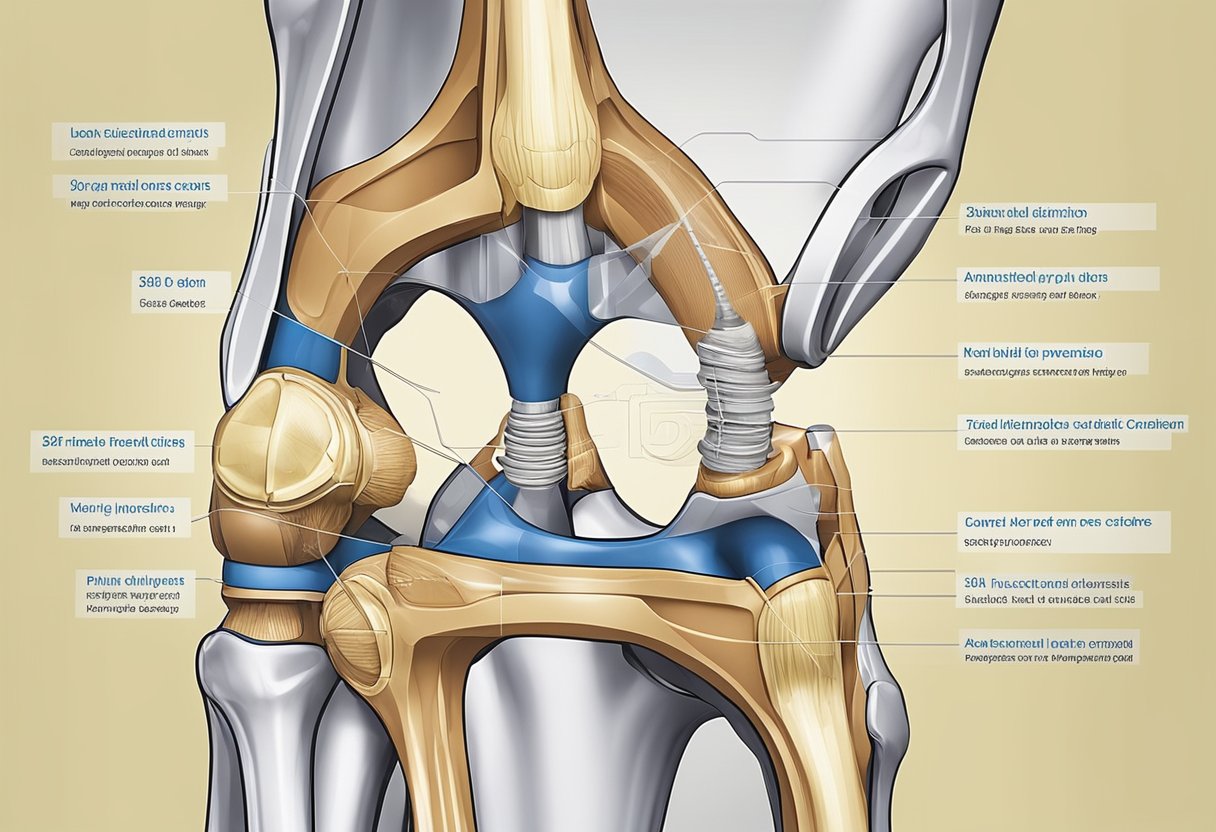
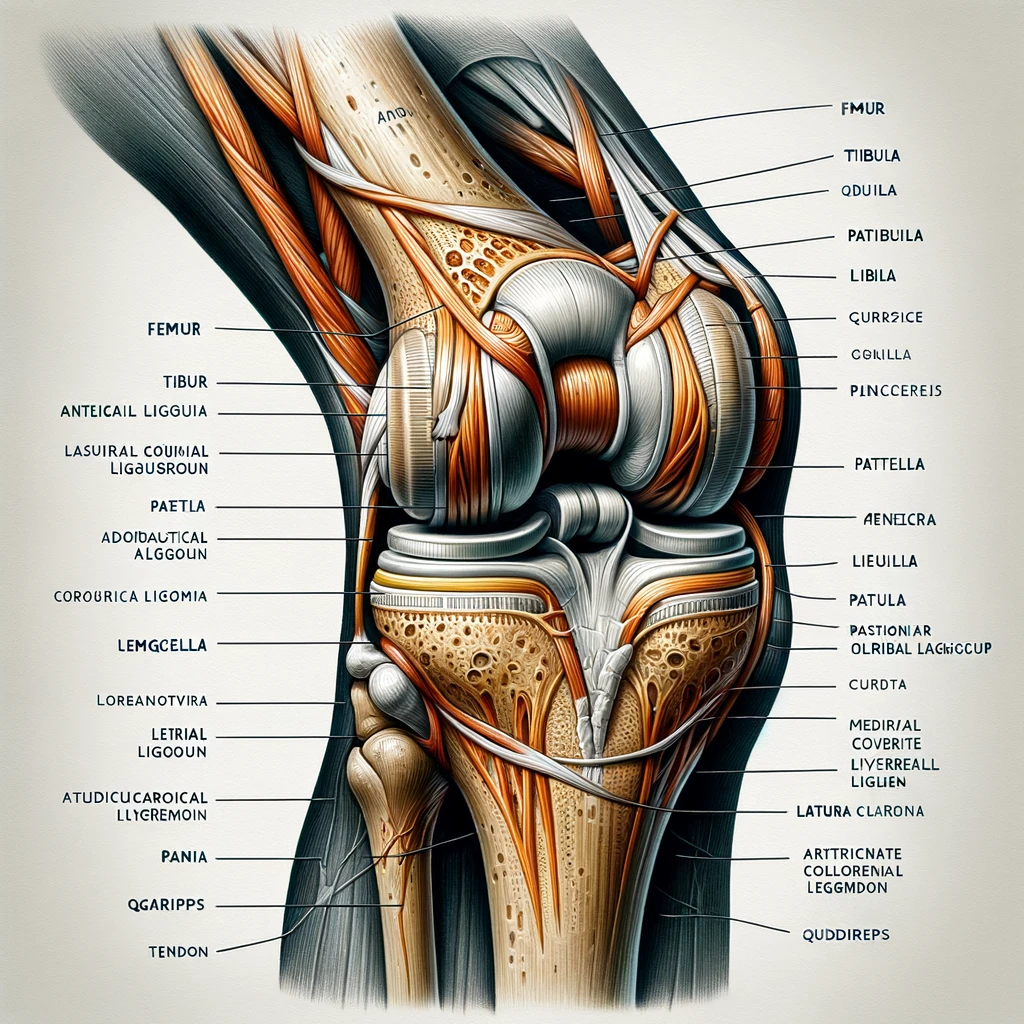
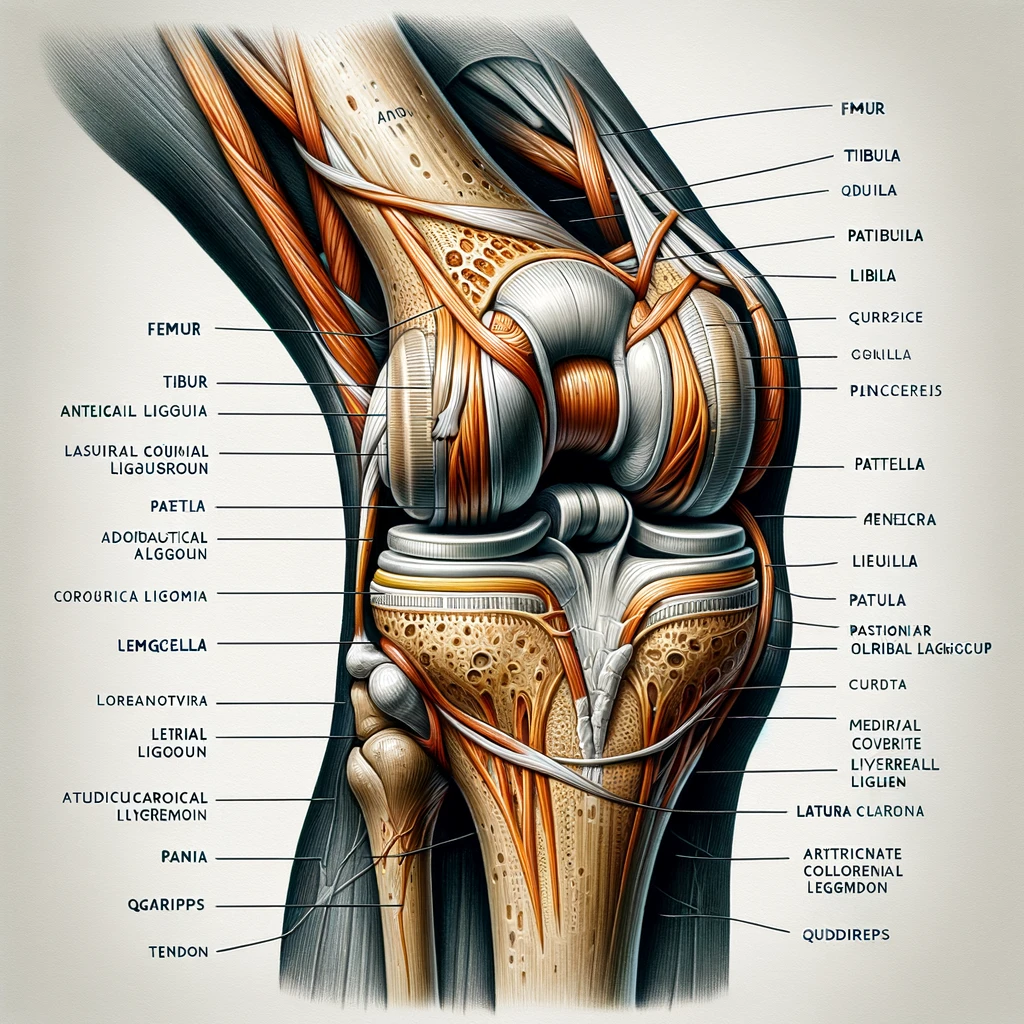
    Anatomical illustration of the human knee joint, showing all the components along with their names. This includes the bones, ligaments, cartilage, and tendons, with clear labels for each part such as the femur, tibia, fibula, patella, meniscus, and various ligaments and tendons.

    Quadriceps Muscles

    The quadriceps muscles are a group of four muscles located on the front of the thigh that work together to extend the knee joint. These muscles include the rectus femoris, vastus lateralis, vastus intermedius, and vastus medialis. The rectus femoris also works to flex the hip joint.

    Hamstring Muscles

    The hamstring muscles are a group of three muscles located on the back of the thigh that work together to flex the knee joint. These muscles include the biceps femoris, semitendinosus, and semimembranosus. The gracilis muscle also works to flex the knee joint.

    Movements of the Knee

    The knee joint allows for a variety of movements, including flexion, extension, lateral rotation, and medial rotation. Flexion is the movement that brings the heel towards the buttocks, while extension is the movement that straightens the leg. Lateral rotation is the movement that turns the lower leg outward, while medial rotation is the movement that turns the lower leg inward.

    The popliteus muscle is a small muscle located at the back of the knee joint that works to unlock the knee joint during flexion. The flexors and extensors of the knee joint work together to stabilize the joint during movement.

    The tibiofemoral joint is the main joint of the knee, while the patellofemoral joint is the joint between the kneecap and the femur. The articularis genus muscle is a small muscle located at the front of the knee joint that works to pull the synovial membrane of the joint upward during extension.

    The gastrocnemius and plantaris muscles are located at the back of the knee joint and work to plantarflex the ankle joint. Instability of the knee joint can lead to pain and difficulty with activities such as running and walking.

    Knee Injuries and Treatment

    v2 2i6yr 6vmiv

    Common Knee Injuries

    The knee is a complex joint that is susceptible to a variety of injuries. Some common knee injuries include:

    • Anterior Cruciate Ligament (ACL) Tear: This is a common injury that occurs when the ACL is stretched or torn. It can happen during sports that involve sudden stops or changes in direction, such as basketball or soccer. Symptoms include pain, swelling, and instability in the knee.
    • Meniscus Tear: The meniscus is a piece of cartilage that helps cushion the knee joint. A tear can occur when the knee is twisted or bent forcefully. Symptoms include pain, swelling, and difficulty moving the knee.
    • Patellar Tendinitis: This is an injury to the tendon that connects the kneecap to the shinbone. It is often caused by overuse and can result in pain and swelling in the front of the knee.

    how to prevent knee injuries and arthritis

    SectionDescription
    1.Maintain a healthy weight to reduce stress on the knee joint.
    2.Wear appropriate shoes for the activity you are doing.
    3.Warm up before exercising to increase blood flow to the muscles.
    4.Use proper technique when exercising to avoid unnecessary stress on the knee joint.
    5.Incorporate exercises that strengthen the muscles around the knee joint.
    6.Avoid activities that put excessive stress on the knee joint, such as jumping or running on hard surfaces.
    7.Take breaks during activities to rest and stretch the knee joint.
    8.Use knee pads or braces for added support during high-impact activities.
    9.Stay hydrated to help keep the joints lubricated.
    10.Consult with a healthcare professional before starting a new exercise program.

    Treatment and Rehabilitation

    Treatment for knee injuries varies depending on the severity and type of injury. Some common treatments include:

    • Rest: Resting the knee and avoiding activities that aggravate the injury can help reduce pain and swelling.
    • Ice: Applying ice to the knee can help reduce pain and swelling. Ice should be applied for 15-20 minutes at a time, several times a day.
    • Physical therapy: Physical therapy can help strengthen the muscles around the knee joint and improve flexibility and range of motion.
    • Medication: Over-the-counter pain relievers, such as ibuprofen or acetaminophen, can help reduce pain and swelling.

    In some cases, surgery may be necessary to repair a knee injury. Rehabilitation after surgery may include physical therapy and exercises to help regain strength and range of motion.

    Overall, it is important to take steps to prevent knee injuries and to seek treatment promptly if an injury does occur. With proper care and treatment, many knee injuries can be successfully treated, allowing individuals to return to their normal activities.

    Frequently Asked Questions

    v2 2i6yz bljme

    What is the knee joint called?

    The knee joint is a synovial joint that connects three bones: the femur, tibia, and patella. It is a complex hinge joint composed of two articulations: the tibiofemoral joint and patellofemoral joint.

    Is the knee a hinge joint?

    Yes, the knee is a hinge joint. It allows for flexion and extension, as well as a small degree of medial and lateral rotation.

    What are the 3 most commonly injured knee structures?

    The three most commonly injured knee structures are the anterior cruciate ligament (ACL), medial collateral ligament (MCL), and meniscus.

    What are the major anatomical features of the knee?

    The major anatomical features of the knee include bones (femur, tibia, and patella), cartilage, ligaments, tendons, and muscles.

    What is the functional anatomy of the knee?

    The knee joint is responsible for weight-bearing and movement, allowing for flexion and extension, as well as a small degree of medial and lateral rotation. The major muscles involved in knee movement include the quadriceps, hamstrings, and calf muscles.

    What are the symptoms of a torn ligament in your knee?

    Symptoms of a torn ligament in your knee include pain, swelling, instability, and difficulty bearing weight. Depending on the severity of the tear, surgery may be necessary to repair the ligament.

  • Knee Hurt from Walking

    Knee Hurt from Walking

    Knee Hurt from Walking: Causes and Treatment

    Knee pain is a common complaint that affects people of all ages, especially those who enjoy walking or running. Knee pain from walking can be caused by a variety of factors, including injury, overuse, or underlying medical conditions such as arthritis. It can be difficult to determine the exact cause of knee pain, but understanding the possible causes and treatment options can help manage the pain and prevent future discomfort.

    v2 21ol3 fci18

    If you experience knee pain from walking, it is important to seek medical attention to determine the underlying cause. Your doctor may recommend imaging tests, such as X-rays or MRI scans, to assess the extent of the damage or identify any abnormalities. Treatment options may include medication, physical therapy, or even surgery, depending on the severity of the injury or condition.

    Key Takeaways

    • Knee pain from walking can be caused by a variety of factors, including injury, overuse, or underlying medical conditions such as arthritis.
    • Seeking medical attention is important to determine the underlying cause of knee pain and to develop an appropriate treatment plan.
    • Treatment options may include medication, physical therapy, or surgery, depending on the severity of the injury or condition.

    Understanding Knee Pain from Walking

    When we walk, our knees bear the weight of our body and absorb the impact of each step. This repetitive motion can lead to knee pain, especially if we walk on hard surfaces or wear shoes that do not provide enough support. Knee pain can be caused by various factors, such as injury, overuse, or underlying medical conditions.

    The knee joint is made up of bones, cartilage, tendons, ligaments, and bursae. The kneecap, or patella, is a bone that protects the knee joint and helps to extend and flex the leg. The femur, or thigh bone, and the tibia, or shinbone, are the two major bones that make up the knee joint. Cartilage is a tough, rubbery tissue that covers the ends of the bones and provides a smooth surface for them to glide over each other. Tendons connect the muscles to the bones, and ligaments connect the bones to each other. Bursae are small sacs of fluid that cushion the joint and reduce friction.

    Knee injuries, such as a torn cartilage or an anterior cruciate ligament (ACL) injury, can cause knee pain. Overuse injuries, such as patellofemoral pain syndrome or iliotibial band syndrome, can also cause knee pain. Dislocated kneecap and knee bursitis are other common injuries that can cause knee pain. Knee pain can also be caused by underlying medical conditions, such as arthritis or gout, that damage the joint.

    To prevent knee pain from walking, it’s important to wear comfortable shoes that provide good support and cushioning. It’s also important to stretch before and after walking to warm up the muscles and reduce the risk of injury. If you experience knee pain from walking, it’s important to rest, ice, and elevate the knee to reduce swelling and pain. If the pain persists, it’s important to seek medical attention to determine the underlying cause and receive appropriate treatment.

    In conclusion, knee pain from walking can be caused by various factors, including injury, overuse, or underlying medical conditions. To prevent knee pain, it’s important to wear comfortable shoes, stretch, and rest when necessary. If knee pain persists, seek medical attention to determine the underlying cause and receive appropriate treatment.

    Common Causes and Conditions

    v2 21olg 688ng

    Knee pain from walking can be caused by a variety of factors, including aging, injuries, and excess weight. In this section, we will discuss the most common causes and conditions that can lead to knee pain when walking.

    Aging and Arthritis

    As we age, our joints naturally experience wear and tear, which can lead to arthritis. Osteoarthritis is the most common type of arthritis that affects the knee joint. It occurs when the cartilage that cushions the joint begins to break down, leading to pain, swelling, and stiffness. Rheumatoid arthritis is another type of arthritis that can affect the knee joint, causing inflammation and joint damage.

    Injuries and Overuse

    Knee injuries can occur from a variety of activities, including running, jumping, and other high-impact sports. Tendinitis and bursitis are common conditions that can occur from overuse of the knee joint. Patellar tendinitis, also known as jumper’s knee, is a condition that results from inflammation of the tendon that connects the kneecap to the shinbone. Bursitis occurs when the small fluid-filled sacs that cushion the knee joint become swollen and irritated.

    Torn meniscus is another common knee injury that can occur from twisting or turning the knee. The meniscus is a shock absorber in the knee joint, and a tear can cause pain, swelling, and stiffness.

    Weight and Knee Stress

    Excess weight can put stress on the knee joint, leading to pain and inflammation. Overweight individuals are at a higher risk of developing knee problems, including osteoarthritis. In addition, excess weight can cause the knee joint to become unstable, leading to an increased risk of anterior cruciate ligament (ACL) injuries and fractures.

    In conclusion, knee pain from walking can be caused by a variety of factors, including aging, injuries, and excess weight. It is important to consult with a doctor if you experience knee pain that does not improve with self-care measures, as it may be a sign of a more serious condition such as a torn meniscus or autoimmune condition like septic arthritis.

    Diagnosis and Treatment

    v2 21oln 4bvwn

    Diagnostic Procedures

    If you are experiencing knee pain after walking, it is important to see a doctor for a proper diagnosis. A physical exam and medical history review will be conducted by a healthcare professional to diagnose the underlying cause of the pain. Diagnostic procedures such as x-rays or MRI scans may be ordered to identify any swelling, inflammation, or torn meniscus.

    Treatment Options

    Once the underlying cause of your knee pain has been identified, there are several treatment options available. Self-care measures such as ice, rest, and warm compresses can help alleviate symptoms of knee pain. Over-the-counter pain relievers such as NSAIDs can also be helpful.

    Physical therapy can be an effective treatment option for knee pain caused by tendinitis or bursitis. Swimming can also be a low-impact exercise that can help alleviate knee pain. In more severe cases, knee surgery may be necessary to repair any damage or relieve pressure on the joint.

    Compression and elevation can also be helpful in reducing swelling and promoting healing. It is important to follow the treatment plan recommended by your doctor to ensure a full recovery.

    In summary, knee pain after walking can be caused by a variety of factors and it is important to seek medical attention for a proper diagnosis. Treatment options include self-care measures, physical therapy, and in severe cases, knee surgery. Following the recommended treatment plan can help alleviate symptoms and promote healing.

    Prevention and Self-Care

    v2 21olt s3g01

    If you experience knee pain from walking, there are several things you can do to prevent further discomfort and promote healing. Here are some self-care tips to help you get back on your feet:

    Exercise and Lifestyle

    Regular exercise can help strengthen the muscles around your knees, reducing the risk of knee injuries and tendinitis. Low-impact activities such as swimming, cycling, and walking are ideal for those with knee pain. It’s important to warm up before exercise and stretch afterwards to prevent muscle strain and injuries.

    Maintaining a healthy weight can also reduce the strain on your knees. Excess weight can cause instability and overuse, leading to knee pain and injuries.

    Weight Management

    If you are overweight, losing weight can help reduce knee pain and prevent further injuries. A healthy diet and regular exercise can help you shed excess weight and reduce the strain on your knees.

    Shoes and Inserts

    Wearing supportive shoes can help reduce knee pain while walking. Look for shoes with good cushioning and arch support. Inserts can also provide extra cushioning and support for your feet.

    Kneepads and Kneeling

    If you frequently kneel or crawl, wearing kneepads can help reduce the strain on your knees. When kneeling, keep your knees directly under your hips and avoid putting too much weight on your knees.

    Rest and Self-Care

    If you experience knee pain from walking, it’s important to rest and allow your knees to heal. Apply ice to the affected area to reduce swelling and pain. Elevating your legs can also help reduce swelling.

    Stretching and gentle range-of-motion exercises can help promote healing and prevent further knee pain. Avoid activities that cause pain, such as running or jumping, until your knees have fully healed.

    In conclusion, knee pain from walking can be prevented and managed with proper self-care and exercise. By maintaining a healthy weight, wearing supportive shoes, and taking care of your knees, you can reduce the risk of knee injuries and tendinitis.

    Frequently Asked Questions

    v2 21olz hwquf

    How can knee pain from walking be treated?

    If you experience knee pain from walking, there are several treatments that can help alleviate the pain. Resting, icing, compression, and elevation (RICE) can be effective in reducing swelling and inflammation. Over-the-counter pain relievers such as ibuprofen or acetaminophen can also help reduce pain. Physical therapy, stretching, and strengthening exercises can help improve knee function and prevent future injuries.

    What causes pain behind the knee when walking?

    Pain behind the knee when walking can be caused by a variety of factors, including injuries to the ligaments, tendons, or cartilage in the knee joint. Arthritis, muscle strains, or nerve damage can also cause pain behind the knee. In some cases, the pain may be due to a blood clot or other medical condition. If you experience persistent pain behind the knee, it is important to seek medical attention.

    What are common reasons for knee pain when lifting leg while walking?

    Knee pain when lifting your leg while walking can be caused by a variety of factors, including muscle strains, ligament sprains, or inflammation of the knee joint. Arthritis, tendonitis, or meniscal tears can also cause knee pain when lifting your leg while walking. In some cases, the pain may be due to an underlying medical condition. If you experience persistent knee pain when lifting your leg while walking, it is important to seek medical attention.

    How can knee pain from standing all day be relieved?

    If you experience knee pain from standing all day, there are several things you can do to relieve the pain. Wearing comfortable shoes with good arch support can help reduce pressure on the knees. Taking frequent breaks to sit down and stretch can also help alleviate knee pain. Resting, icing, compression, and elevation (RICE) can also be effective in reducing swelling and inflammation. Over-the-counter pain relievers such as ibuprofen or acetaminophen can also help reduce pain.

    What are some effective knee pain treatments?

    Effective knee pain treatments include rest, ice, compression, and elevation (RICE), over-the-counter pain relievers, physical therapy, stretching, and strengthening exercises. In some cases, corticosteroid injections or surgery may be necessary to alleviate knee pain. It is important to consult with a medical professional to determine the best course of treatment for your specific condition.

    When should I stop walking if my knee hurts?

    If you experience knee pain while walking, it is important to listen to your body and stop walking if the pain becomes too severe. Continuing to walk through the pain can exacerbate the injury and lead to further damage. Resting, icing, compression, and elevation (RICE) can be effective in reducing swelling and inflammation. If the pain persists, it is important to seek medical attention to determine the underlying cause of the pain.

  • Knee Pain Relief Patch Reviews

    Knee Pain Relief Patch Reviews

    Knee Pain Relief Patch Reviews: Top Products for Soothing Sore Joints

    Are you tired of knee pain interfering with your daily life? You’re not alone. Millions of people suffer from knee pain caused by arthritis, injuries, or other conditions. Finding relief can be challenging, but there are many options available, including knee pain relief patches.

    v2 21nia ol27y

    In this article, we will review some of the top knee pain relief patches on the market. We will compare their ingredients, effectiveness, and ease of use. We will also provide additional knee pain management strategies to help you find the relief you need.

    Key Takeaways

    • Knee pain is a common problem that affects millions of people.
    • Knee pain relief patches are a popular option for managing knee pain.
    • There are many different knee pain relief patches available, and it’s important to choose one that works for you.

    Understanding Knee Pain

    As we age, our joints and bones can start to show signs of wear and tear. Knee pain is a common issue that affects many people, particularly those who are overweight or have a history of knee injuries. Knee pain can be caused by a variety of factors, including arthritis, osteoarthritis, chronic knee pain, knee osteoarthritis, knee arthritis, and rheumatoid arthritis.

    Arthritis is a condition that causes pain, swelling, and inflammation in the joints. Osteoarthritis is the most common type of arthritis and is caused by the breakdown of cartilage in the joints. Chronic knee pain is pain that lasts for more than three months. Knee osteoarthritis and knee arthritis are both types of arthritis that affect the knee joint. Rheumatoid arthritis is an autoimmune disorder that causes inflammation in the joints.

    Pain, swelling, and inflammation are common symptoms of knee pain. Stiffness can also occur, making it difficult to move the knee joint. Pain and inflammation can be managed with medication, but exercise and weight loss can also help to reduce symptoms. Walking is a low-impact exercise that can help to strengthen the muscles around the knee joint and improve mobility.

    In some cases, knee pain can be caused by a meniscus tear or a bone spur flareup. Pain caused by a meniscus tear can be managed with rest, ice, compression, and elevation. A bone spur flareup can cause pain and inflammation in the knee joint, but can be managed with medication and rest.

    In severe cases, knee pain can be caused by a destroyed knee joint. In these cases, surgery may be necessary to repair or replace the joint. However, knee pain relief patches can provide temporary relief from pain and inflammation. These patches work by delivering medication directly to the affected area, providing targeted relief.

    Knee Pain Relief Patch: An Overview

    v2 21nil 6yy0e

    If you’re suffering from knee pain, you may have considered using a knee pain relief patch. These pain relief patches are designed to provide effective, safe, and lasting relief from knee pain. In this overview, we’ll take a look at some of the most popular knee pain relief patches on the market and what customers have to say about them.

    Patches are a popular choice for many because they are easy to use and can be applied directly to the affected area. Most patches contain natural ingredients such as wormwood and radix aconiti, which are known for their pain-relieving properties.

    When it comes to reviews, customers have reported mixed results with knee pain relief patches. Some have found them to be very effective, while others have not experienced much relief. It’s important to keep in mind that everyone’s experience with pain relief patches can be different.

    One of the most common complaints about knee pain relief patches is that they can be difficult to remove. Some customers have reported that the backing is hard to remove, especially for those with arthritis. However, others have found the patches to stay on well during regular activities.

    It’s important to note that while knee pain relief patches can provide relief, they are not a substitute for medical treatment. If you are experiencing severe or chronic knee pain, it’s important to consult with a healthcare professional to determine the underlying cause and appropriate treatment plan.

    In summary, knee pain relief patches can be an effective and safe option for those looking for relief from knee pain. However, it’s important to keep in mind that results can vary and they should not be used as a substitute for medical treatment. If you’re considering using a knee pain relief patch, be sure to do your research and consult with a healthcare professional if necessary.

    Comparing Topical Pain Relief Options

    v2 21nir

    When it comes to managing knee pain, there are several topical pain relief options available. These include creams, gels, patches, and sprays. Some of these options contain nonsteroidal anti-inflammatory drugs (NSAIDs) while others use counterirritants like menthol, camphor, and eucalyptus oil.

    Topical NSAIDs like Pennsaid and Voltaren Gel are available by prescription and are applied directly to the skin over the affected area. These medications work by reducing inflammation and relieving pain. However, they can cause side effects like skin irritation, allergic reactions, and hives in some people.

    Over-the-counter options like Icy Hot, Aspercreme, and Tiger Balm contain counterirritants that work by creating a cooling or warming sensation on the skin. These products can also contain other active ingredients like capsaicin, which is derived from chili peppers and can help relieve pain by blocking nerve signals.

    Lidocaine is another active ingredient found in some topical pain relief options. This anesthetic works by numbing the affected area to provide pain relief. However, it can also cause side effects like skin irritation and allergic reactions in some people.

    While topical pain relief options can be effective for managing knee pain, it’s important to talk to your doctor before using any new medications or treatments. They can help you determine which option is best for your specific needs and medical history.

    Additional Knee Pain Management Strategies

    v2 21nix

    In addition to using knee pain relief patches, there are several other strategies that can help manage knee pain. These strategies include pain management techniques, pain medications, physical therapy, exercise, knee braces, and natural remedies.

    Pain management techniques such as heat and ice therapy can help reduce inflammation and improve blood flow to the affected area. Applying heat to the knee can help soothe aches and pains, while applying ice can help reduce swelling and inflammation. Face the affected area with a heating pad or ice pack for 20 minutes at a time, several times a day.

    Pain medications such as acetaminophen and nonsteroidal anti-inflammatory drugs (NSAIDs) can help relieve knee pain. However, it is important to talk to your doctor before taking any pain medications, as some can have side effects and interact with other medications.

    Injections, such as corticosteroids or hyaluronic acid, can also help reduce knee pain by reducing inflammation and improving mobility. However, these treatments should only be used under the guidance of a healthcare professional.

    Physical therapy and exercises can also help manage knee pain by improving flexibility and strength. Tai chi, a gentle form of exercise, has been shown to be particularly effective for knee pain management.

    Knee braces can provide additional support and stability to the knee joint, which can help reduce pain and improve mobility.

    Natural remedies, such as glucosamine and chondroitin supplements, can also help relieve knee pain. Arthritis creams and patches can provide gentle soothing warmth to the affected area for long-term relief.

    Overall, there are many strategies that can be used to manage knee pain in addition to knee pain relief patches. It is important to talk to your doctor before trying any new treatments or remedies to ensure they are safe and effective for your individual needs.

    Frequently Asked Questions

    Are knee pain relief patches effective?

    Knee pain relief patches can be effective for some people. According to Wellnee, their pain relief patches are designed to naturally reduce inflammation and relieve various types of knee, neck, or back pain. However, the effectiveness of knee pain relief patches can vary depending on the individual and the severity of their pain.

    What are the side effects of knee pain relief patches?

    Like any medication or treatment, knee pain relief patches can have side effects. Common side effects of pain relief patches include skin irritation, redness, and itching. Some people may also experience an allergic reaction to the ingredients in the patch. If you experience any severe side effects, you should stop using the patch and seek medical attention immediately.

    Which knee pain relief patch is the most effective?

    There is no one-size-fits-all answer to this question, as the most effective knee pain relief patch will vary depending on the individual and their specific needs. Some popular options include Wellnee Pain Relief Patches and Flexiknee Natural Knee Pain Patches. It is important to consult with a healthcare professional before starting any new treatment.

    Are there any natural knee pain relief patches?

    Yes, there are natural knee pain relief patches available. Wellnee Pain Relief Patches contain natural ingredients, such as turmeric, ginger, and menthol, to help reduce inflammation and relieve pain.

    Can knee pain relief patches be used for bone-on-bone knee pain?

    Knee pain relief patches may provide some relief for bone-on-bone knee pain, but it is important to consult with a healthcare professional before using any new treatment. In some cases, surgery or other more invasive treatments may be necessary.

    Are there any well-reviewed knee pain relief patches available at Walgreens?

    Walgreens carries a variety of knee pain relief patches, but it is important to read reviews and consult with a healthcare professional before starting any new treatment. Some popular options include Icy Hot Medicated Patches and Salonpas Pain Relieving Patches.