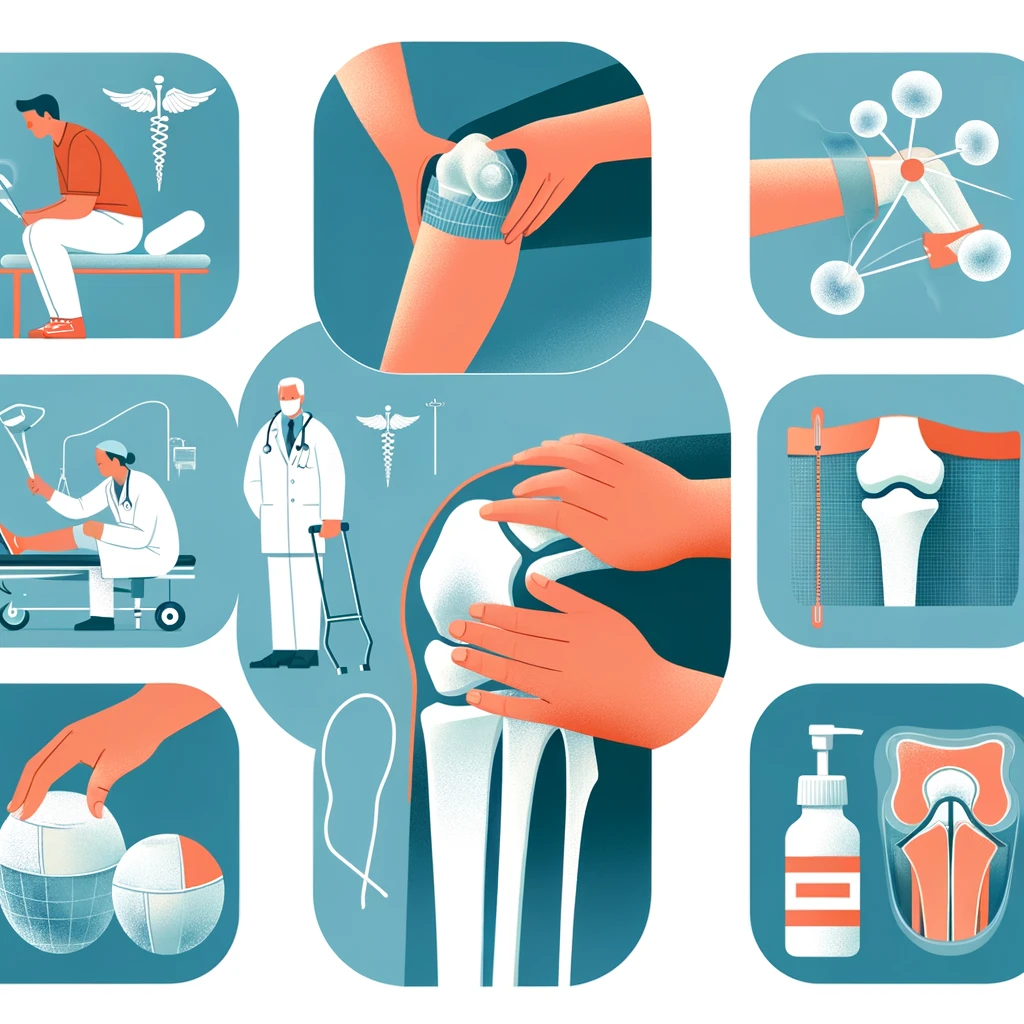
Category: Knee injury

  • Knee Ligament Injury Symptoms and Treatment

    Knee Ligament Injury Symptoms and Treatment

    As we all know, knee ligament injuries are common among athletes and people with an active lifestyle. These injuries can be caused by various factors such as sudden twisting or pivoting movements, direct impact, or overuse. Knee ligament injuries can be debilitating and may require immediate medical attention. In this article, we will discuss the symptoms and treatment of knee ligament injuries.
    v2 329cj 3ezlj

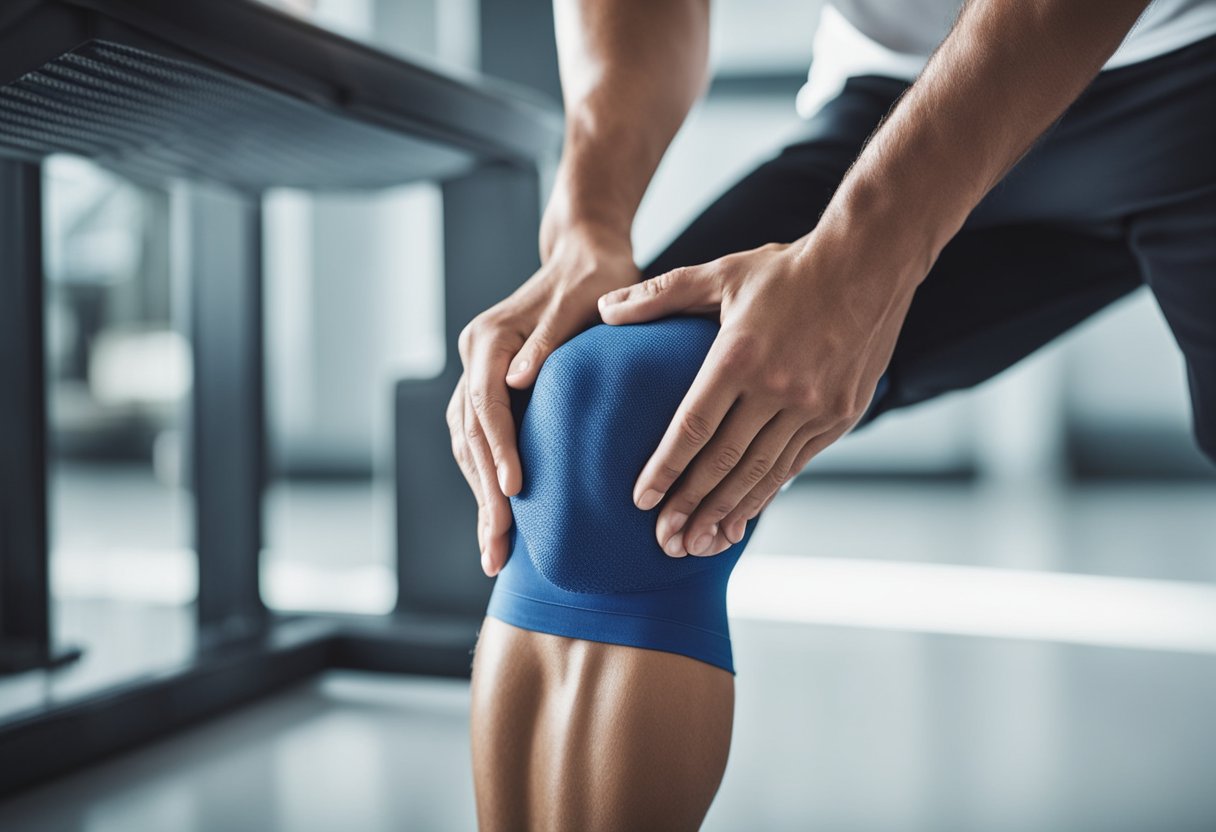
    Understanding Knee Ligament Injuries Knee ligament injuries are usually caused by a sudden twist or a direct impact on the knee joint. The most common types of knee ligament injuries are ACL (anterior cruciate ligament) and MCL (medial collateral ligament) injuries. Symptoms of knee ligament injuries include pain, swelling, instability, and difficulty walking. If you experience any of these symptoms, it is important to seek medical attention immediately.

    Diagnosis and Treatment The diagnosis of knee ligament injuries usually involves a physical examination, imaging tests such as X-rays and MRI, and arthroscopy. Treatment options for knee ligament injuries depend on the severity of the injury. Mild injuries can be treated with rest, ice, compression, and elevation (RICE) therapy, while more severe injuries may require surgery. Rehabilitation is also an important part of the treatment process, as it helps to restore strength and flexibility to the knee joint.

    knee ligament injury symptoms and treatment options:

    Ligament InjuredCommon SymptomsNonsurgical Treatment OptionsSurgical Treatment Options
    Anterior Cruciate Ligament (ACL)Instability of the knee, knee “giving way”, loss of full range of motion, swelling, pain with pivoting or decelerationRest, ice, compression, elevation, anti-inflammatory medication, bracing, physical therapy focusing on range of motion and strengtheningACL reconstruction surgery with autograft or allograft tissue
    Posterior Cruciate Ligament (PCL)Instability of the knee, swelling, pain with decelerationBracing, physical therapy, anti-inflammatory medicationPCL repair or reconstruction if symptoms do not improve with conservative treatment
    Medial Collateral Ligament (MCL)Pain along the inner knee, instability with valgus stress, swellingBracing, anti-inflammatory medication, physical therapySurgical repair or reconstruction for complete ruptures or severe instability
    Lateral Collateral Ligament (LCL)Pain along the outer knee, instability with varus stress, swellingBracing, anti-inflammatory medication, physical therapySurgical repair or reconstruction for complete ruptures or instability
    MeniscusCatching or locking of the knee, swelling, limited range of motionAnti-inflammatory medication, physical therapy, steroid injectionsMeniscectomy (removal of torn meniscus) or meniscal repair surgery

    The chosen treatment path depends greatly on injury severity, patient symptoms and functional limitations, and patient expectations. Many knee ligament injuries, especially mild sprains, can heal successfully without surgery. More severe instability often requires surgical reconstruction and extensive rehabilitation.

    Key Takeaways

    • Knee ligament injuries can be caused by sudden twisting or direct impact on the knee joint.
    • Symptoms of knee ligament injuries include pain, swelling, instability, and difficulty walking.
    • Treatment options for knee ligament injuries depend on the severity of the injury and may include RICE therapy, surgery, and rehabilitation.

    Understanding Knee Ligament Injuries

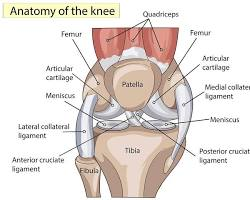
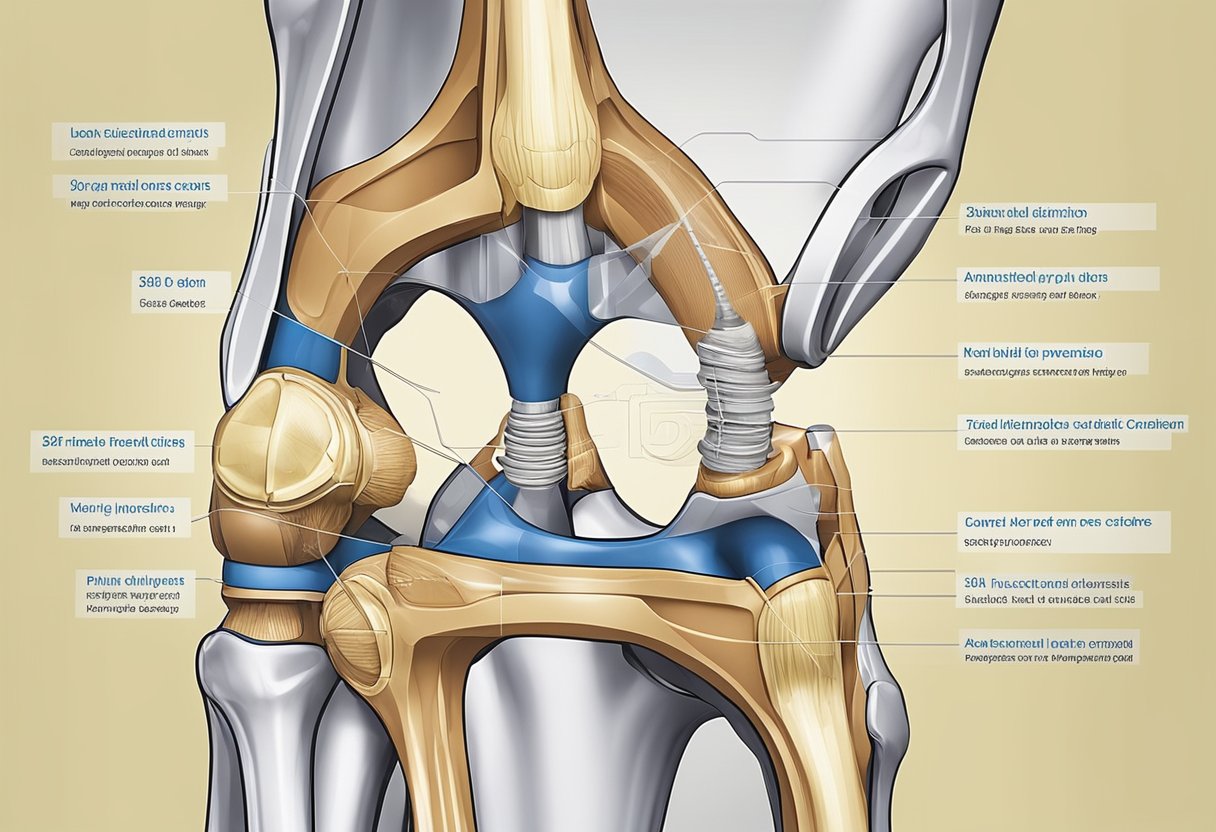
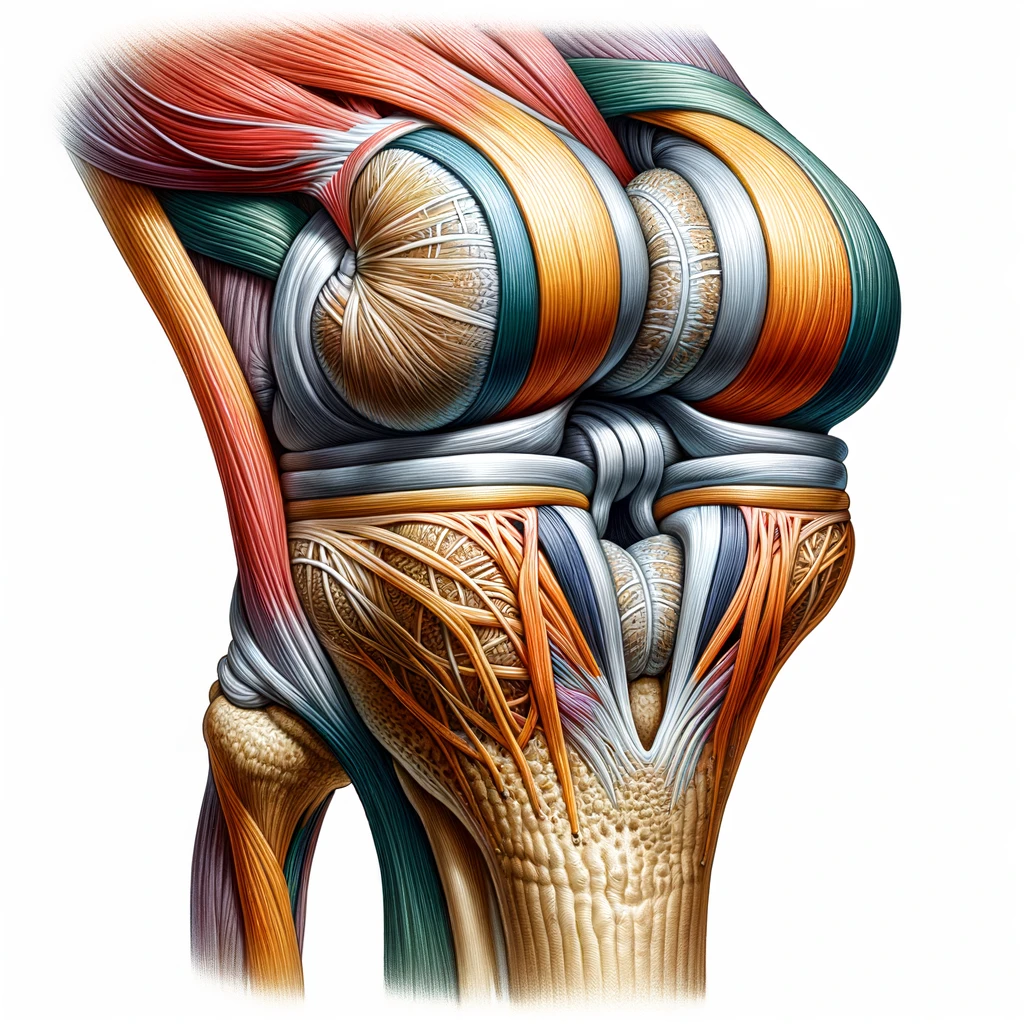
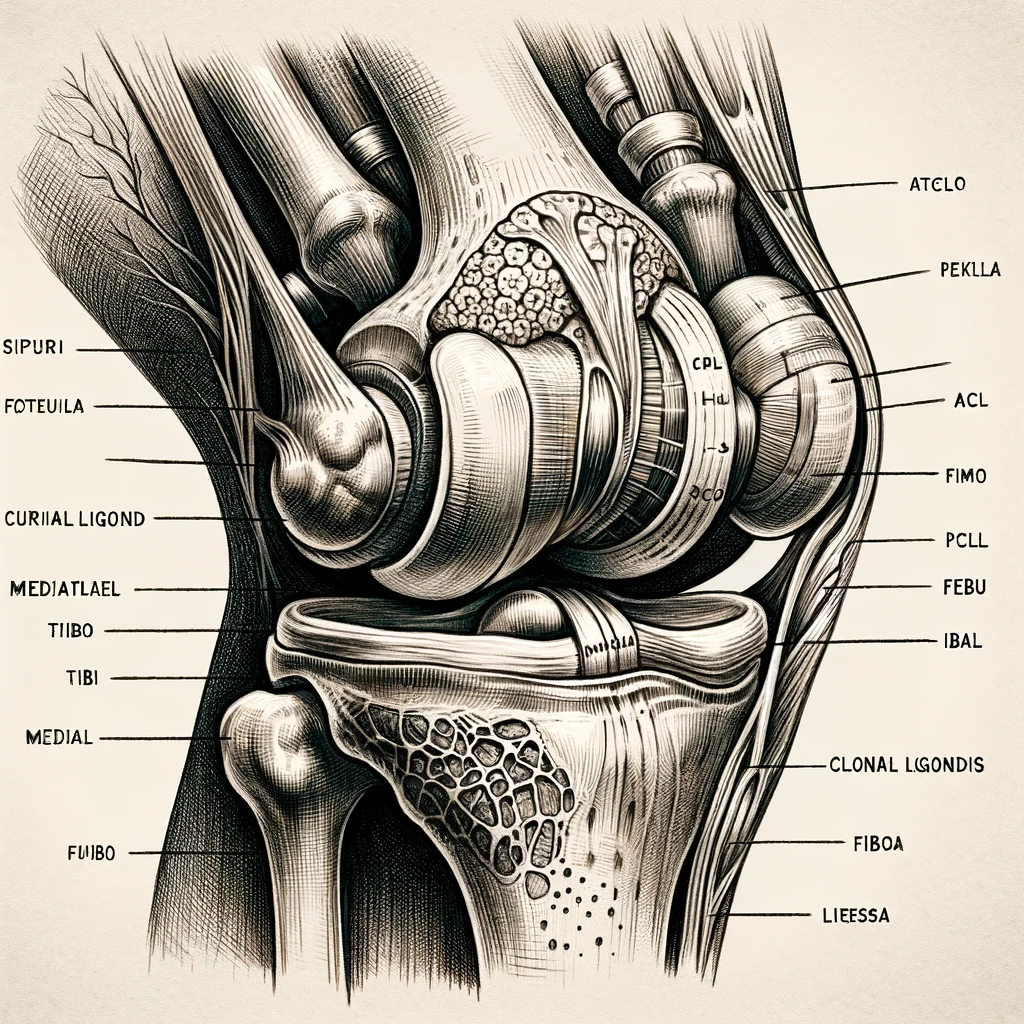
    Knee ligament injuries can be caused by trauma, such as a car accident or sports injuries. The knee has four major ligaments: the anterior cruciate ligament (ACL), the posterior cruciate ligament (PCL), the medial collateral ligament (MCL), and the lateral collateral ligament (LCL). These ligaments are elastic bands of tissue that connect the femur (thigh bone) to the tibia (shin bone) and provide stability and strength to the joint.

    Types of Knee Ligaments

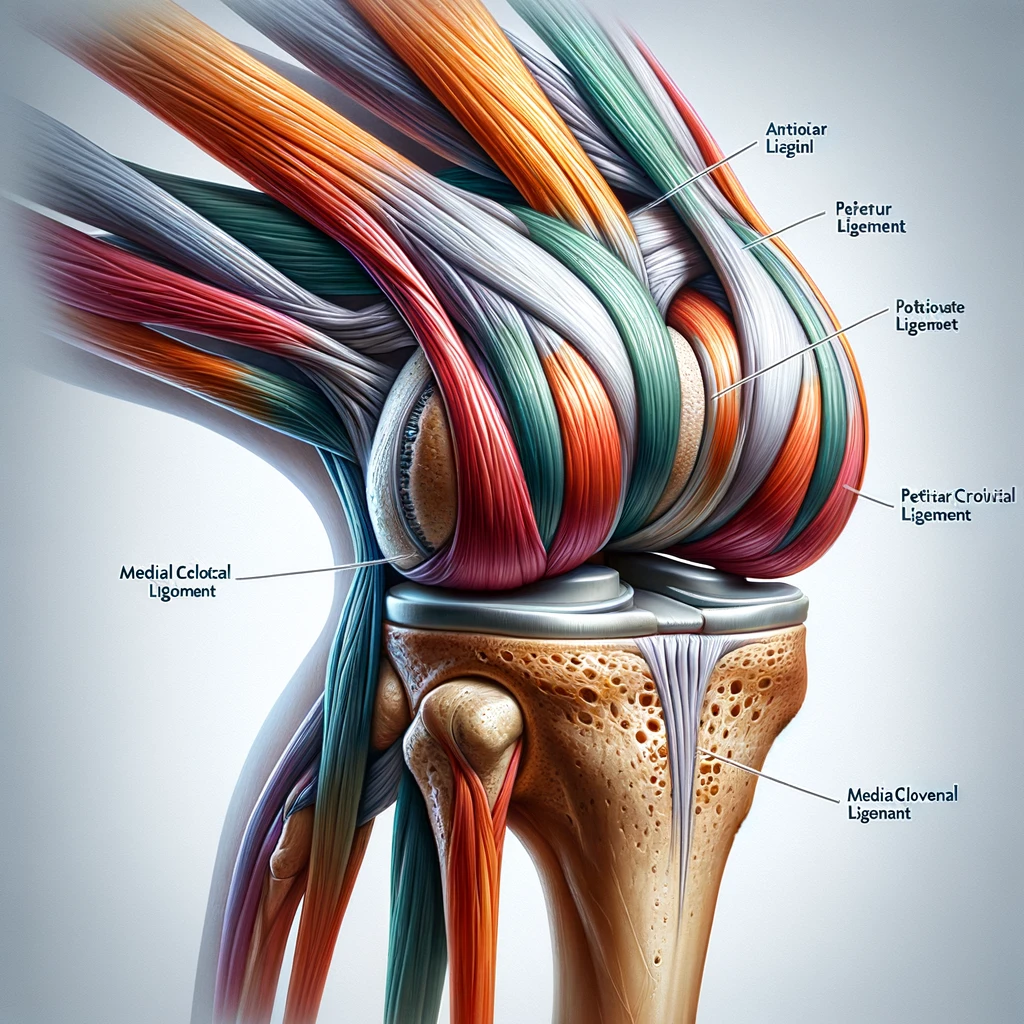
    The ACL is located in the center of the knee and controls rotation and forward movement of the tibia. The PCL is located in the back of the knee and controls backward movement of the tibia. The MCL is located on the inside of the knee and helps to prevent the knee from bending inward. The LCL is located on the outside of the knee and helps to prevent the knee from bending outward.

    Causes and Risk Factors

    Knee ligament injuries can occur due to a blow to the knee, a sudden twisting motion, or a direct impact to the knee. Sports injuries, such as those that occur in basketball, football, skiing, and hockey, are common causes of knee ligament injuries. Female athletes are also at a higher risk of experiencing knee ligament injuries due to differences in anatomy and function.

    Injuries to the knee ligaments can cause pain, swelling, and deformity of the knee joint. A torn ligament can result in the knee feeling unstable and may require surgery to repair. Treatment for knee ligament injuries may include rest, ice, compression, and elevation (RICE), physical therapy, and surgery in severe cases.

    In conclusion, knee ligament injuries can be caused by trauma or sports injuries and can result in pain, swelling, and deformity of the knee joint. Treatment for knee ligament injuries may include RICE, physical therapy, and surgery in severe cases. It is important to seek medical attention if you suspect you have a knee ligament injury to prevent further damage to the joint.

    Diagnosis and Treatment

    When it comes to knee ligament injuries, prompt diagnosis and treatment are crucial to prevent further damage and ensure a full recovery. In this section, we will discuss the identification of symptoms, diagnostic procedures, treatment options, and prevention and rehabilitation methods.

    Identifying Symptoms

    The most common symptoms of knee ligament injuries include pain, swelling, and instability in the joint. Patients may also experience a popping or buckling sensation, stiffness, and clicking sounds when moving the knee. These signs and symptoms can vary depending on the type and severity of the injury.

    Diagnostic Procedures

    To diagnose a knee ligament injury, a physical exam is usually the first step. During the exam, a doctor will assess the range of motion, stability, and overall function of the joint. Imaging tests such as X-rays or magnetic resonance imaging (MRI) may also be necessary to confirm the diagnosis and determine the extent of the damage.

    Treatment Options

    The treatment for knee ligament injuries depends on the severity of the injury. In some cases, rest, ice, compression, and elevation (RICE) may be sufficient to reduce pain and swelling. Other treatments may include medication, physical therapy, and rehabilitation exercises to strengthen the muscles around the knee.

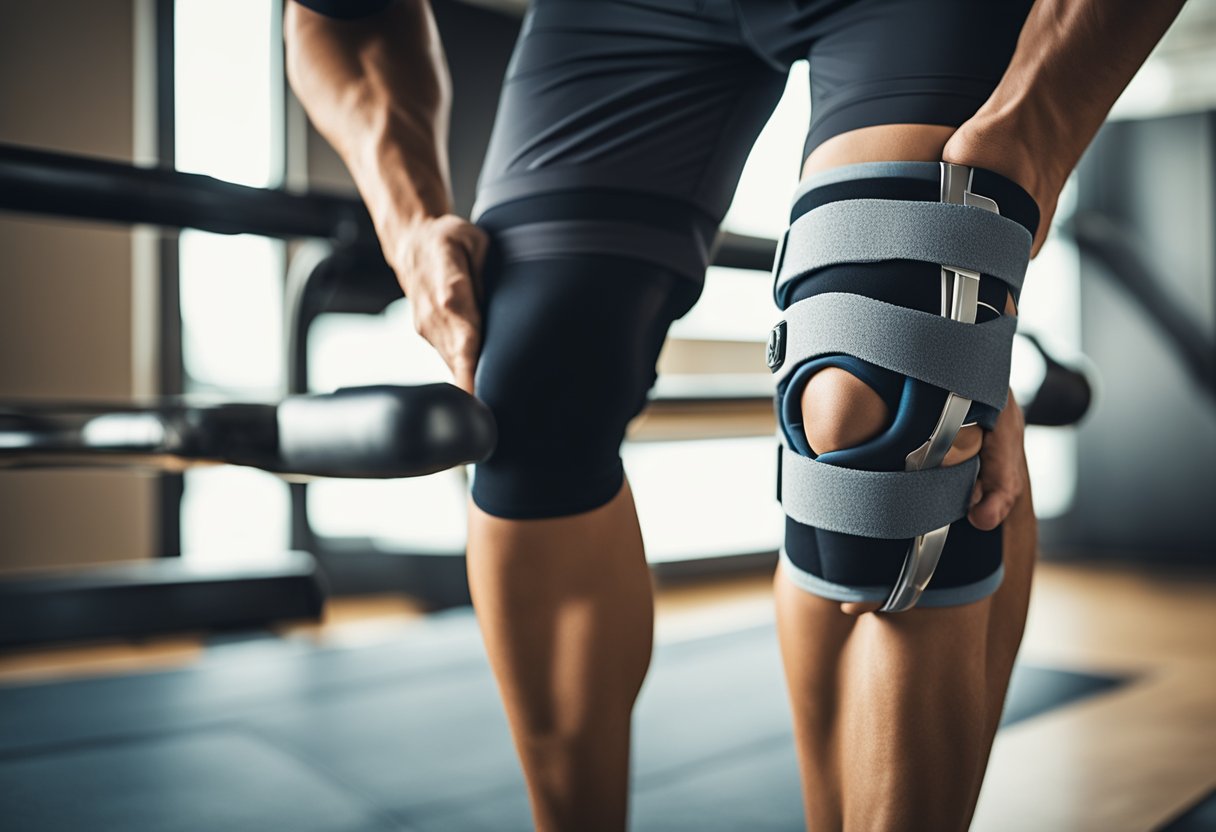
    For more severe injuries, knee surgery may be necessary. Arthroscopy is a minimally invasive surgical procedure that uses a small camera to view the inside of the knee joint and repair any damage. Knee surgery may also involve the use of a protective knee brace and grafts to replace damaged ligaments.

    Prevention and Rehabilitation

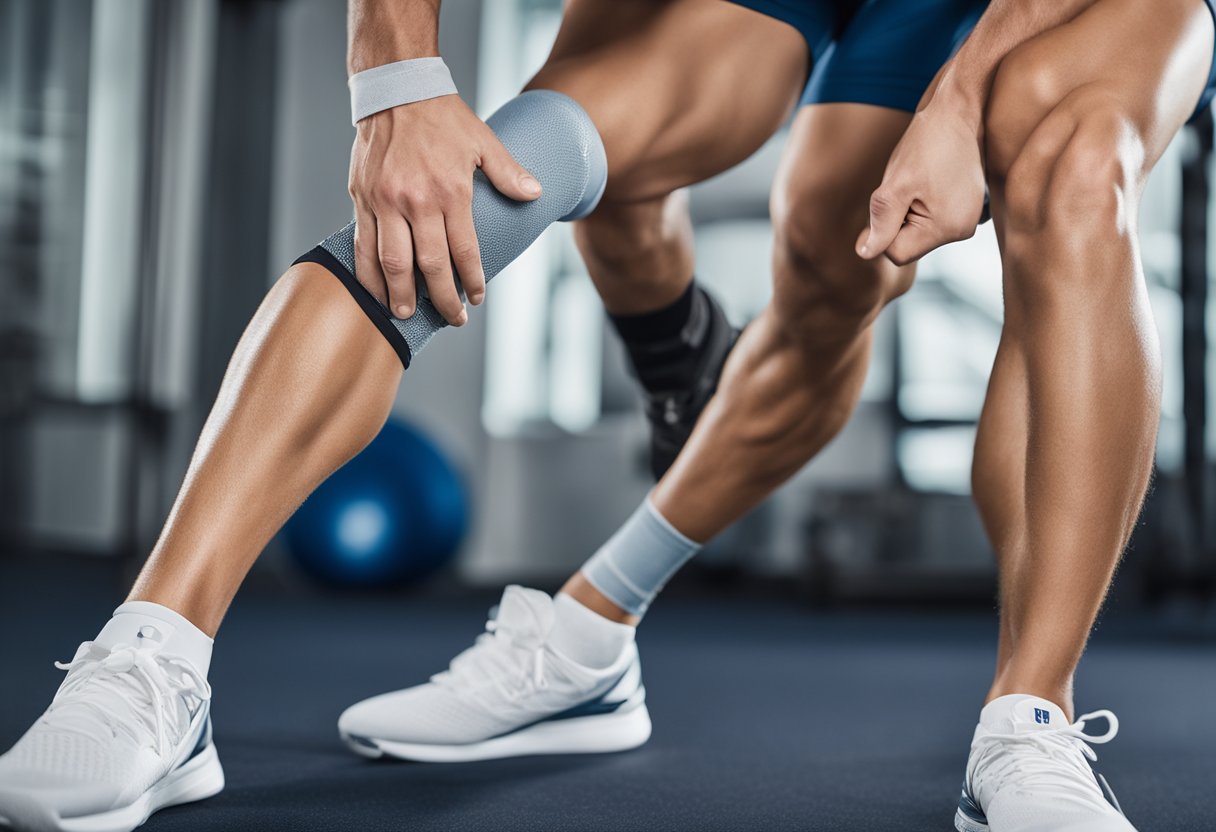
    Preventing knee ligament injuries involves taking precautions during physical activities and sports, such as wearing appropriate footwear and protective gear. Rehabilitation exercises and muscle-strengthening exercises can also help prevent future injuries and improve overall knee function.

    In conclusion, knee ligament injuries can be debilitating and require prompt medical attention. If you experience any signs or symptoms of a knee ligament injury, seek medical care from a qualified healthcare professional such as Dr. Andrew Cosgarea or Dr. Jay Lee. With proper diagnosis and treatment, most patients can recover fully and return to their normal activities.
  • Knee Ligament Damage

    Knee Ligament Damage

    Healing Process for Knee Ligament Damage: A Professional Guide

    As healthcare professionals, we understand the importance of knee ligaments in maintaining stability and mobility in the knee joint. Unfortunately, ligament injuries are common, especially in individuals who engage in physical activity. A ligament injury can be debilitating and may limit an individual’s ability to perform daily activities. In this article, we will discuss the three-step healing process for knee ligament damage.

    v2 329az t60t6

    Understanding Ligament Damage and Its Implications is the first step in the healing process. Knee ligaments are strong, fibrous tissues that connect the bones in the knee joint. When a ligament is damaged, it can result in pain, swelling, and instability in the knee joint. The severity of the injury can range from mild to severe, depending on the degree of damage to the ligament. It is crucial to diagnose and treat a ligament injury promptly to prevent further damage and complications.

    Treatment and Rehabilitation of Ligament Damage is the second step in the healing process. The treatment plan for a ligament injury depends on the severity of the injury. Mild injuries may require rest, ice, compression, and elevation (RICE) therapy, while severe injuries may require surgery. Rehabilitation is an essential aspect of the healing process, and it involves exercises and physical therapy to restore strength, flexibility, and mobility in the knee joint.

    Key Takeaways

    • Understanding the implications of ligament damage is crucial in the healing process.
    • Treatment plans for knee ligament damage vary based on the severity of the injury.
    • Rehabilitation is a vital aspect of the healing process and can help restore strength, flexibility, and mobility in the knee joint.

    Understanding Ligament Damage and Its Implications

    When it comes to knee injuries, ligament damage is one of the most common. Ligaments are the tough, fibrous bands of tissue that connect bones to each other and provide stability and strength to the joint. However, when these ligaments are damaged, it can lead to pain, tenderness, swelling, inflammation, stiffness, and a limited range of motion.

    Types of Ligament Injuries

    There are several types of ligament injuries that can occur in the knee, including sprains, ruptures, and strains. The most common type of knee ligament injury is an anterior cruciate ligament (ACL) tear, which can occur during sports or other physical activities that involve sudden stops or changes in direction.

    Signs and Symptoms

    The signs and symptoms of a knee ligament injury can vary depending on the severity of the injury. Common symptoms include pain, tenderness, swelling, inflammation, stiffness, and a limited range of motion. In more severe cases, the knee may feel unstable or give out when weight is placed on it.

    Diagnosis and Evaluation

    If you suspect that you have a knee ligament injury, it is important to seek medical attention from a specialist or physical therapist. They will perform a thorough evaluation to determine the severity of the injury and the best course of treatment. This evaluation may include X-rays or an MRI to assess the extent of the damage.

    Overall, understanding the implications of ligament damage is critical to properly diagnose and treat knee injuries. If you experience any symptoms or have any questions, it is important to seek medical attention as soon as possible.

    Treatment and Rehabilitation of Ligament Damage

    At times, knee ligament damage can be a painful experience that may require treatment and rehabilitation. We have put together a comprehensive guide to help you understand the treatment process and how to rehabilitate your knee ligament damage.

    Initial Treatment and Pain Management

    The initial treatment for knee ligament damage involves rest, ice, compression, and elevation (RICE). RICE helps reduce swelling, pain, and inflammation around the affected area. We recommend using nonsteroidal anti-inflammatory drugs (NSAIDs) such as ibuprofen or naproxen to manage pain and inflammation.

    different types of knee injuries, their typical healing times, and recovery notes:

    InjuryHealing TimeRecovery Notes
    Bone bruise2-4 weeksRest, ice, compression. Gradual return to activity over 1-2 months.
    Meniscus tear – minor4-6 weeksOften heals with conservative treatment.
    Meniscus tear – moderate/severe12+ weeksOften requires surgery. Multi-month recovery common.
    MCL tear – grade 1/23-6 weeksHealing progresses well if braced.
    MCL tear – grade 38-12 weeksOften requires surgical repair/reconstruction followed by extensive rehab.
    LCL sprain4-8 weeksBracing to stabilize knee throughout healing.
    ACL tear – partialUp to 8 weeksMay heal with rehab/bracing or require surgical reconstruction.
    ACL tear – complete30+ weeksRequires reconstructive surgery with graft. Months of rehab.
    Patellar dislocation6 weeksKnee immobilized in early recovery. Later rehab focuses on realignment.
    Patellar fracture6-8 weeksCast/brace to immobilize. Surgical fixation may be necessary.
    Arthritis flare up1-4 weeksResting the joint along with anti-inflammatory meds helps recovery.

    Recovery times are general estimates and can vary significantly depending on injury severity. Re-injury risks can persist even months after the acute healing phase

    Surgical Intervention and Post-Surgery Care

    In some cases, surgical intervention may be necessary to repair the damaged ligament. Surgery is typically followed by a period of rest, ice, compression, and elevation. Physical therapy and rehabilitation exercises may also be recommended to help regain range of motion and strength.

    Rehabilitation and Therapy

    Physical therapy and rehabilitation exercises are an essential part of the recovery process. Rehabilitation exercises help to strengthen the muscles around the knee and improve range of motion. We recommend working with a physical therapist to develop a personalized rehabilitation plan.

    Advanced Treatments and Techniques

    Advanced treatments and techniques such as tissue engineering, mesenchymal stem cells, and platelet-rich plasma may be used to promote healing and regeneration of the damaged ligament. We recommend discussing these options with your doctor to determine if they are appropriate for your specific condition.

    Prevention and Future Care

    Prevention and future care are essential to avoid re-injury and maintain healthy knee ligaments. We recommend engaging in regular physical activity and exercise to improve strength and flexibility. We also recommend wearing appropriate protective gear during sports activities to minimize the risk of injury.

    In conclusion, knee ligament damage can be a painful experience, but with proper treatment and rehabilitation, you can recover and regain your strength and mobility. Remember to always consult with your doctor and physical therapist to develop a personalized treatment plan that meets your specific needs.

  • Knee Ligaments

    Knee Ligaments

    Comprehensive Guide to Knee Ligaments: Anatomy, Function, and Injuries

    Knee ligament injuries can be painful and debilitating, affecting the quality of life of many individuals. Understanding knee ligament anatomy and associated conditions can help prevent injuries and ensure proper treatment. In this comprehensive guide, we will explore knee ligaments and their role in knee stability, common knee ligament injuries, and treatment and management strategies.

    v2 3299b pnn1f

    The knee joint is one of the most complex joints in the human body, consisting of bones, cartilage, tendons, and ligaments. Knee ligaments play a crucial role in providing stability and support to the joint. The four main knee ligaments include the anterior cruciate ligament (ACL), posterior cruciate ligament (PCL), medial collateral ligament (MCL), and lateral collateral ligament (LCL). These ligaments work together to control knee movement and prevent excessive rotation and translation.

    Knee ligament injuries are common among athletes and can occur due to sudden twisting or impact to the knee joint. These injuries can cause pain, swelling, and limited mobility, which can lead to disability if left untreated. Early diagnosis and proper treatment can help prevent long-term complications and improve outcomes.

    Understanding Knee Ligaments and Associated Conditions

    At the core of knee joint stability are the ligaments that connect the bones of the knee together. The knee joint is comprised of four major ligaments that connect the femur to the tibia and fibula: the anterior cruciate ligament (ACL), the posterior cruciate ligament (PCL), the medial collateral ligament (MCL), and the lateral collateral ligament (LCL).

    Anatomy of Knee Ligaments

    The ACL and PCL are located inside the knee joint, while the MCL and LCL are located on the outside of the joint. These ligaments are made up of collagen and elastic fibers that provide strength and stability to the knee joint. The ACL is responsible for preventing the tibia from moving too far forward, while the PCL prevents the tibia from moving too far backward. The MCL and LCL work together to prevent the knee from moving side to side.

    Common Injuries and Disorders

    Ligament injuries are a common cause of knee pain and can range from mild sprains to complete tears. ACL tears are one of the most common knee injuries and often occur in athletes who participate in high-impact sports. PCL injuries are less common and typically occur as a result of a direct blow to the front of the knee. MCL and LCL injuries are usually caused by a direct blow to the outer or inner knee, respectively.

    Osteoarthritis is another common disorder that affects the knee joint. It is a degenerative joint disease that is characterized by the breakdown of cartilage in the knee joint. Rheumatoid arthritis is an autoimmune disorder that can also affect the knee joint.

    Epidemiology and Risk Factors

    Knee ligament injuries are more common in athletes who participate in high-impact sports such as football, basketball, and soccer. Overuse injuries are also common in athletes who participate in running and jumping sports. Advancing age, sedentary lifestyle, smoking, and low income are all risk factors for knee osteoarthritis.

    Pain and Mental Health Considerations

    Knee pain can have a significant impact on an individual’s mental health and quality of life. Chronic pain syndromes, such as chronic musculoskeletal pain, can lead to anxiety, depression, and sleep disorders. Local pain, neuropathic pain, somatic pain, and visceral pain are all types of pain that can be associated with knee injuries and disorders. Insomnia and other sleep disorders are common in individuals with chronic pain and can further exacerbate the impact on quality of life.

    The Impact on Quality of Life

    Knee pain and associated conditions can have a significant impact on an individual’s quality of life. Disability, social interactions, and overall physical and mental health can all be affected by knee pain and related disorders.

    Diagnostic Tools and Techniques

    Diagnostic tools and techniques for knee injuries and disorders include X-rays, MRI scans, and physical examinations. Patient assessments are also important in determining the extent of the injury or disorder and developing an appropriate treatment plan.

    In conclusion, understanding knee ligaments and associated conditions is essential for maintaining knee joint health and preventing injury. By understanding the anatomy of knee ligaments, common injuries and disorders, epidemiology and risk factors, pain and mental health considerations, the impact on quality of life, and diagnostic tools and techniques, individuals can take steps to prevent knee injuries and manage knee pain and related disorders.

    Treatment and Management Strategies

    When it comes to knee ligament injuries, treatment and management strategies vary depending on the severity and type of injury. In this section, we will discuss the various treatment options for knee ligament injuries. We will divide the treatment options into five subsections: non-surgical interventions, surgical procedures, pharmacological approaches, interventional strategies, and prognosis and outcome measures.

    Non-Surgical Interventions

    Non-surgical interventions are often the first line of treatment for knee ligament injuries. These interventions include rest, ice, compression, and elevation (RICE), physical therapy, and neuromuscular training. Physical therapy and neuromuscular training are particularly effective for patients with moderate-to-severe chronic pain or brief episodes of knee pain. These interventions can help improve lower extremity kinematics, reduce patellofemoral pain syndrome, and prevent sarcopenia.

    Patient education is an essential component of non-surgical interventions. Patients need to understand the importance of proper posture, body mechanics, and preventive strategies. Patients should also be taught non-pharmacological pain control techniques like meditation, deep breathing exercises, and relaxation techniques.

    Surgical Procedures

    Surgical procedures are typically reserved for patients with severe knee ligament injuries that do not respond to non-surgical interventions. The most common surgical procedures include knee arthroplasty, total knee arthroplasty, hip arthroplasty, and total hip arthroplasty. Preoperative planning and surgical technique are critical to ensure successful outcomes.

    Pharmacological Approaches

    Pharmacological approaches are often used in conjunction with non-surgical and surgical interventions. The most common pharmacological therapies include corticosteroids, mesenchymal stem cells, nonsteroidal anti-inflammatory drugs (NSAIDs), and opioids. Pharmacological therapies can help reduce pain and inflammation, improve functional outcomes, and enhance the patient’s overall quality of life.

    Interventional Strategies

    Interventional strategies are minimally invasive procedures that can help manage knee ligament injuries. These strategies include interventional pain therapy, multimodal analgesia, and multidisciplinary intervention. Interventional strategies can help improve functional level, reduce pain, and enhance functional outcomes.

    Prognosis and Outcome Measures

    Prognosis and outcome measures are essential to assess the effectiveness of treatment and management strategies for knee ligament injuries. Outcome measures include functional outcomes, patient satisfaction, and quality of life. Prognosis is influenced by age and sex, pediatric population, manual labor, urban and rural populations, and rheumatologic problems.

    In conclusion, knee ligament injuries require a multidisciplinary approach to treatment and management. Non-surgical interventions, surgical procedures, pharmacological approaches, interventional strategies, and prognosis and outcome measures are all important components of a comprehensive treatment plan. With the right treatment and management strategies, patients can achieve improved outcomes and a better quality of life.

  • Different Types of Knee Ligament Injuries

    Different Types of Knee Ligament Injuries

    Different Types of Knee Ligament Injuries: A Professional Overview

    Knee ligament injuries are common among athletes and can result in significant pain and discomfort. Understanding the different types of knee ligament injuries can help individuals recognize the symptoms and seek appropriate treatment. Knee ligaments are strong, fibrous bands that connect the thigh bone to the lower leg bones, providing stability and support to the knee joint.

    v2 3297l oz8ee

    There are four primary ligaments in the knee: the anterior cruciate ligament (ACL), the posterior cruciate ligament (PCL), the medial collateral ligament (MCL), and the lateral collateral ligament (LCL). Each of these ligaments plays a critical role in the function of the knee joint and can be injured in a variety of ways. For example, ACL injuries are common among athletes who engage in high-impact sports like football and basketball, while MCL injuries are more frequently seen in skiing and other winter sports.

    Listing some common knee ligament injuries:

    LigamentInjurySymptoms
    Anterior cruciate ligament (ACL)Tear or ruptureInstability, knee giving out, swelling, difficulty walking
    Posterior cruciate ligament (PCL)Tear or ruptureInstability, swelling, knee pain
    Medial collateral ligament (MCL)Sprain or tearPain and swelling along inner knee, instability
    Lateral collateral ligament (LCL)Sprain or tearPain and swelling along outer knee, instability
    Patellar tendonStrain, inflammation, partial tearPain below kneecap, difficulty straightening knee
    MeniscusTearCatching, locking, swelling, knee pain

    Some common causes of these knee ligament and tendon injuries are sudden stops/twists, blows to the knee, hyperextension, and frequent overuse in sports. Treatment varies depending on severity but may involve RICE (rest, ice, compression, elevation), immobilization brace, physical therapy, medications, or surgery.

    1ee09c58 6f54 4668 9440 c8383d6987b4

    details on a few common knee ligament injuries and their typical treatments:

    ACL Tear:

    • Most commonly caused by sudden stops/change in direction, hyperextension, or direct blow
    • Can be partial or complete tears
    • Nonsurgical treatment may be used for partial tears or non-athletes: rehab to strengthen muscles around knee, bracing
    • But most ACL tears, especially complete tears or athletes, require reconstructive surgery using a tissue graft

    MCL Sprain:

    • Caused by direct blow or valgus stress (knee pushed inwards)
    • Minor sprains can heal with RICE, bracing, rehab
    • More severe Grade 3 sprains may require surgery to repair or reconstruct ligament

    Meniscus Tear:

    • Often caused by sudden twisting motion
    • Partial tears may heal with conservative treatment – physical therapy, brace, injections
    • Surgery usually required for complex, unstable tears or tears with mechanical symptoms (locking, catching, etc.)
    • Surgery removes damaged meniscus or repairs tears through suturing

    PCL Tear:

    • Most result from direct blow/force to flexed knee (dashboard injuries)
    • Nonsurgical treatment can be tried especially partial tears – rehab, bracing
    • Surgical options are PCL repair, reconstruction with tissue graft

    The specifics of treatment really depend on factors like location/severity of injury, patient age and activity level. But in general, mild sprains do well with conservative care, while severe ligament tears often require surgery. Let me know if you have any other questions!Copy

    knee ligament injuries and their treatments :

    InjuryCauseSymptomsNonsurgical TreatmentSurgical Treatment
    ACL TearSudden stops/change of direction, hyperextension, direct blowsInstability, knee giving out, swelling, difficulty walkingRehab, bracing (for partial tears or non-athletes)ACL reconstruction with tissue graft
    MCL SprainDirect blow, valgus stress (pushing knee inwards)Pain and swelling along inner knee, instabilityRICE, bracing, rehab (for minor sprains)Surgery to repair or reconstruct ligament (severe Grade 3 sprains)
    Meniscus TearTwisting motionCatching, locking, swelling, knee painPhysical therapy, brace, injections (partial tears)Removing or suturing damaged meniscus tissue
    PCL TearDirect blow or force to flexed kneeInstability, swelling, knee painRehab, bracing (partial tears or non-athletes)PCL repair or reconstruction with tissue graft

    Key Takeaways

    • Knee ligaments are strong, fibrous bands that connect the thigh bone to the lower leg bones, providing stability and support to the knee joint.
    • The four primary ligaments in the knee are the anterior cruciate ligament (ACL), the posterior cruciate ligament (PCL), the medial collateral ligament (MCL), and the lateral collateral ligament (LCL).
    • ACL injuries are common among athletes who engage in high-impact sports like football and basketball, while MCL injuries are more frequently seen in skiing and other winter sports.

    Understanding Knee Ligament Injuries

    As orthopedic specialists, we understand that knee injuries can be debilitating and painful. Knee ligament injuries are a common type of knee injury that can cause knee pain and limit passive range of motion. In this section, we will discuss two of the most common types of knee ligament injuries: Anterior Cruciate Ligament (ACL) Injuries and Meniscal Injuries.

    Anterior Cruciate Ligament Injuries

    The ACL is one of the four main ligaments in the knee that connects the femur to the tibia. It is responsible for controlling rotation and forward movement of the tibia. ACL injuries are a common type of knee injury, especially among athletes who engage in high-impact sports such as football, soccer, and basketball.

    An ACL tear can occur due to a traumatic injury, such as a sudden stop or change in direction, or due to degenerative changes in the knee over time. Symptoms of an ACL tear include knee pain, swelling, and instability. An ACL tear is typically diagnosed through a physical exam, imaging tests such as an MRI, and arthroscopy.

    Treatment for an ACL tear may involve nonsurgical options such as physical therapy and bracing, or surgical options such as ACL reconstruction. ACL reconstruction involves replacing the torn ACL with a graft, typically from the patellar tendon or hamstring tendon.

    Meniscal Injuries

    The menisci are two crescent-shaped pieces of cartilage in the knee that act as shock absorbers and help to distribute weight evenly across the knee joint. Meniscal injuries are a common type of knee injury, especially among athletes who engage in high-impact sports.

    Meniscal tears can occur due to a traumatic injury or due to degenerative changes in the knee over time. Symptoms of a meniscal tear include knee pain, swelling, and clicking or locking of the knee joint. A meniscal tear is typically diagnosed through a physical exam, imaging tests such as an MRI, and arthroscopy.

    Treatment for a meniscal tear may involve nonsurgical options such as physical therapy and bracing, or surgical options such as meniscal repair or meniscectomy. Meniscal repair involves suturing the torn meniscus back together, while meniscectomy involves removing the torn portion of the meniscus.

    In conclusion, knee ligament injuries such as ACL injuries and meniscal injuries can cause knee pain and limit passive range of motion. It is important to seek medical attention if you suspect you have a knee injury. Treatment options vary depending on the severity of the injury and may involve nonsurgical or surgical options.

    Treatment and Rehabilitation

    When it comes to treating knee ligament injuries, there are a few different options available. Depending on the severity of the injury, surgical procedures may be necessary. In less severe cases, non-surgical treatments such as physical therapy and rehabilitation exercises may be recommended.

    Surgical Procedures

    Surgical procedures for knee ligament injuries can include knee surgery or knee replacement. Knee surgery may involve arthroscopic lavage or debridement, which is the removal of damaged tissue from the knee joint. In more severe cases, surgical procedures may be necessary to repair or replace damaged ligaments or cartilage.

    Cartilage Regeneration Techniques

    Cartilage regeneration techniques are used to repair damaged cartilage in the knee joint. Techniques such as marrow stimulation and autologous chondrocyte implantation can be used to regenerate cartilage and promote healing. These techniques involve the use of chondrocytes, which are cells that produce and maintain cartilage tissue.

    It is important to note that post-traumatic osteoarthritis can develop after knee ligament injuries, especially if they are not treated properly. To prevent this, it is important to follow a rehabilitation program that includes exercises to strengthen the muscles around the knee joint and improve knee kinematics. Additionally, large animal models such as rabbits, sheep, goats, pigs, and dogs have been used for translational work in this field.

    In conclusion, there are various treatments available for knee ligament injuries, ranging from non-surgical options such as physical therapy to surgical procedures such as knee replacement. Cartilage regeneration techniques can also be used to promote healing and prevent post-traumatic osteoarthritis. It is important to follow a rehabilitation program to prevent further damage and promote healing.

  • December Events for Bone Health – Bone Talk

    December Events for Bone Health – Bone Talk

    shutterstock 255822241 3

    Posture strength

    Monday, December 4, 4:30 PM – 5:30 PM EST
    Peer educator Ellen Khalifa

    You have the power to prevent broken bones that can lead to disability and loss of independence. This free live virtual event will help you unlock this power. The secret is good body mechanics! You will learn the right and wrong ways to perform your daily activities to protect your spine from injury. Stand tall and get the most out of life!

    Register here: https://us06web.zoom.us/webinar/register/WN_AGdTxcc7Rz-ixNKWiGOWxg

    Posture Power™ is an ongoing program that addresses the importance of posture and body mechanics to prevent fractures, with quick techniques for safe movement. Postural changes affect our bones and bodies as we age. Knowing proper alignment and the right type of exercises can improve posture and help reduce the risk of fractures. In addition, you will learn how to properly perform your daily activities. So stand tall and get the most out of life!

    Going out strong

    Wednesday, December 13, 6:00 PM – 7:00 PM EST
    Host: Tampa General Hospital, Tampa, FL (virtual)
    Peer educator Beth Maberry

    Falls are the leading cause of hip fractures, so keep your balance in check and learn simple exercises you can do at home to improve your balance, strength and flexibility!

    Register here: https://us06web.zoom.us/webinar/register/WN_OX0RvfwOQrWeqkHWbirzfw

    Stepping Out Strong™ is a community-based fall prevention program to keep people on their feet. Every 13 seconds, an older adult is seen in the emergency room for a fall, and falls are the leading cause of hip fractures. So get your balance checked and learn simple exercises you can do at home to improve your balance, strength and flexibility!

    Source link

  • Save Our Bones Bulletin: Skeletal Stem Cells Control the Effects of Aging;  Pain management therapy offers an alternative to painkillers;  New dangers of aspartame discovered

    Save Our Bones Bulletin: Skeletal Stem Cells Control the Effects of Aging; Pain management therapy offers an alternative to painkillers; New dangers of aspartame discovered


    This month’s Save Our Bones Bulletin brings you the latest in stem cell research, mental approaches to physical pain and a shocking revelation about a commonly used sweetener.

    First, we’ll delve into a study conducted on mice that uncovered a pathway that regulates bone loss. The researchers believe this discovery may also revitalize bone regeneration in humans.

    Next, you’ll discover a therapeutic approach that uses brain education to reduce or eliminate back pain.

    Finally, we will discuss new disturbing findings about the artificial sweetener aspartame.

    Study in mice reveals pathway that regulates age-related bone loss

    Researchers from the NYU Grossman School of Medicine discovered that they could increase bone mass in mice by blocking the signaling pathway of skeletal stem cells.

    The signaling pathway being investigated is called Notch. This series of signals involves multiple compounds that interact in a specific order to determine the final shape that skeletal stem cells will take.

    The researchers studied RNA sequencing in young and old mouse bones to observe the relationship between activity in the Notch signaling pathway, aging and bone formation.

    Relevant excerpt

    “The researchers found that the Notch pathway becomes abnormally active, causing the cells to shift toward a fate that increases fatty degeneration of the bone marrow. When they genetically engineered mice to lack Nicastrin, a core part of the Notch signaling chain reaction, the stem cells were returned to the bone-making cell pathway, increasing bone formation “even beyond what is seen in young mice.”1

    This discovery sheds light on the ways in which stem cell signaling changes with age and can negatively impact bone health. Hopefully, with further research, we can learn how to naturally support this system to increase bone production.

    However, it is likely that the Notch pathway will be targeted by new anti-osteoporosis drugs.

    Short content

    Researchers found that blocking a connection in the skeletal stem cell signaling pathway could increase bone formation in mice. This change reversed the age-related decline in bone mass. It may become the target of new drug development.

    Back pain is not on your mind, but relief can be

    In a study on the impact of pain perception, two-thirds of participants reduced or eliminated their back pain after learning to interpret pain signals as less harmful.

    The study participants underwent pain coping therapy, which taught them to reinterpret pain signals to the brain. By understanding their brain’s role in creating the pain experience, they were able to reduce or end the pain they were experiencing.

    Relevant excerpt

    “This study is critical because patients’ pain attributions are often inaccurate. We found that very few people believed that their brains had anything to do with their pain,” says [lead study author] Dr. [Yoni] Ashar. “These results show that changing perspectives on the role of the brain in chronic pain can allow patients to experience better outcomes and outcomes.”

    The team hopes that these findings will encourage medical professionals to discuss possible non-biomedical causes of pain with their patients.”2

    This study is an excellent example of how research can help identify non-pharmaceutical interventions for common conditions.

    Chronic pain is a serious and widespread problem. New approaches to treating it, without resorting to harmful and potentially addictive painkillers, could pave the way for healthier relief options.

    Short content

    Research into pain management therapy has shown that participants can alleviate or completely eliminate their back pain by learning to reinterpret pain signals. These findings validate the effectiveness of a non-pharmaceutical approach to pain relief.

    Artificial sweetener aspartame linked to hereditary problems

    Researchers from the Florida State University College of Medicine linked the artificial sweetener aspartame to learning and memory problems in mice.

    In the study, the male mice were given aspartame in amounts considered safe by the FDA. However, not only did they show cognitive problems, but their offspring also showed problems with spatial learning and memory.

    Relevant excerpt

    ”The mice in the study were divided into three groups for 16 weeks. One group drank only water, the second group drank water with aspartame, equivalent to two diet soft drinks per day, and the third group drank water with aspartame, equivalent to four diet soft drinks per day.

    The mice’s learning ability was tested at different intervals using a Y-maze and a Barnes maze, where the mice had to find a ‘safe’ box among 40 options. Mice that were not given aspartame found the box quickly, while those that consumed the sweetener took significantly longer.”3

    This study should give diet soda drinkers pause. Clearly, the effects of artificial sweeteners are still emerging – and they are not positive.

    Instead of aspartame, opt for a natural sweetener such as stevia leaf or monk fruit extract as a sugar substitute.

    Although this substitution is simple, it is impossible to avoid every potentially toxic substance. In today’s world we are surrounded by chemicals and artificial compounds.

    You can give your body a break with the Osteoporosis Fresh Start Cleanse. It is a 7-day rejuvenating program designed to boost your body’s ability to maintain bone health.

    Short content

    A study on mice found that consuming aspartame reduced the mice’s learning ability. Furthermore, the effects were inherited by the mice’s offspring. This shows that aspartame, often used to sweeten diet soft drinks, can have a negative impact on the brain.

    What this means for you

    New research will likely result in another barrage of dangerous drugs, but other discoveries could help us learn healthy habits. Talk to your doctor about non-pharmaceutical pain management programs, and the next time you want something sweet, skip the aspartame.

    These helpful diversions may be small, but they add up to a huge difference in your well-being.

    The Osteoporosis Reversal Program uses a similar strategy. It’s not a one-time quick fix or a magic trick. The ORP is a collection of tools and strategies that include nutrition, physical activity, and daily habits. This holistic approach is the foundation of the ORP’s continued success.

    You don’t have to change everything in one day. But every day you can change something. Over time, you will find yourself turning into the healthy, vibrant, independent person you have always wanted to be.

    References

    1 https://www.geengnews.com/topics/translational-medicine/bone-loss-lessened-by-blocking-abnormal-stem-cell-signal/

    2 https://studyfinds.org/chronic-backpain-brain/

    3 https://studyfinds.org/aspartame-learning-memory/


    Source link

  • Catalyst OrthoScience announces Amy Ables, Ph.D.  as Chief Strategy Officer

    Catalyst OrthoScience announces Amy Ables, Ph.D. as Chief Strategy Officer


    Amy Ables Headshot2

    NAPLES, FL, November 20, 2023–(BUSINESS WIRE)–Catalyst OrthoScience Inc. (Catalyst), a medical device company focused on the upper extremity orthopedics market, has appointed Amy Ables, Ph.D. as the organization’s Chief Strategy Officer, effective immediately.

    “The board and I are pleased that an executive with the experience and leadership of Dr. Ables is joining our team at Catalyst OrthoScience,” said Carl O’Connell, CEO and president of Catalyst. “We are committed to building a world-class organization focused on the success of our customers and our impact in the marketplace. The leadership of Dr. Ables will help make that vision a reality and guide us as we build greater capabilities and organizational competence to accelerate growth and scale our operations.”

    “I am grateful and excited to embrace this opportunity with the Catalyst team and return to my professional roots in shoulder orthopedics,” said Ables. “I look forward to contributing with strength and vision and driving our efforts toward growth and excellence with strategies that are both responsive to the present and aligned with the necessary investments for our future success.”

    Ables brings nearly 20 years of medical device experience to Catalyst, including more than a decade in upper extremity orthopedics. She held leadership positions in sales, marketing, medical education and sales training at Tornier and Wright Medical before joining ATEC Spine.

    Most recently, Ables served as Vice President of Customer Engagement and Sales Excellence at Cutera, a medical aesthetics organization. Before Cutera and during the peak of the COVID-19 pandemic, Ables served as Chief Learning Officer at Vyaire Medical, a global organization focused on respiratory care.

    Throughout her career, Ables has built a reputation as a strong customer-focused leader with an incomparable energy for continuous learning, strategy development and execution. Ables is a highly skilled, relatable leader who is driven to deliver results through team performance. She is a culture bearer who believes credibility is key and always leads by example.

    Ables earned a Bachelor of Science in Sports Medicine from the University of Charleston, a Masters in Biomechanics and a Ph.D. in human performance from Texas Woman’s University in 2003.

    About Catalyst OrthoScience Inc.

    Naples, Florida-based Catalyst OrthoScience was founded in 2014 by orthopedic surgeon Steven Goldberg, MD, who saw the need to make shoulder replacements less invasive, with fewer complications and a more natural-feeling shoulder after surgery. Catalyst disrupts the traditional approach to shoulder replacement surgery. Our total shoulder systems provide precision and accuracy in shoulder restoration, while preserving the patient’s bone and soft tissue. Catalyst has a growing portfolio of patents and patents pending on its distinctive offerings, which are available in the US. For more information, visit www.catalysstortho.com.

    Contacts

    Nancy McCarroll, CAO
    570.335.7417
    nmccarroll@catalystortho.com

    Source link

  • Bone Biologics Announces Closing of Registered Direct Offering at Market Prices Under Nasdaq Rules

    Bone Biologics Announces Closing of Registered Direct Offering at Market Prices Under Nasdaq Rules


    Bone Biologics 79

    BURLINGTON, Mass., November 20, 2023–(BUSINESS WIRE)–Bone Biologics Corporation (NASDAQ: BBLG), a developer of orthobiology products for the spine fusion markets, today announced the closing of its previously announced registered direct offering at market-based prices under Nasdaq rules of an aggregate of 1,139,063 shares of its common stock at a purchase price of $0.64 per share. In a concurrent private placement, the Company also issued and sold unregistered warrants to purchase an aggregate of 1,139,063 shares of common stock. The unregistered warrants have an exercise price of $0.52 per share and are exercisable upon issuance and have a term of five and a half years from the date of issuance.

    HC Wainwright & Co. acted as exclusive placement agent for the offering.

    The gross proceeds to Bone Biologics from the offering were approximately $729,000, before deducting placement agent fees and other offering expenses payable by the Company. Bone Biologics currently intends to use the net proceeds from the offering to fund clinical trials, maintain and expand its patent portfolio and for working capital and other general corporate purposes.

    The shares of common stock offered in the registered direct offering (but excluding the unregistered warrants offered in the concurrent private placement and the shares of common stock underlying such unregistered warrants) were offered and sold by the Company pursuant to a shelf registration statement on Form S-3 (Registration No. 333-265872), including a base prospectus, previously filed with the Securities and Exchange Commission (SEC) on June 28, 2022 and declared effective by the SEC on 11 July 2022. The offering of the common shares issued in connection with the registered direct offering was made only by means of a prospectus supplement forming part of the registration statement. A final prospectus supplement and accompanying base prospectus relating to the registered direct offering have been filed with the SEC and are available on the SEC’s website at http://www.sec.gov. Electronic copies of the final prospectus supplement and the accompanying base prospectus may also be obtained by contacting HC Wainwright & Co., LLC at 430 Park Avenue, 3rd Floor, New York, NY 10022, by telephone at (212) 856-5711 or email to placements@hcwco.com.

    The offer and sale of the unregistered warrants in the private placement were made in a transaction not involving a public offering and have not been registered under Section 4(a)(2) of the Securities Act of 1933, as amended (the “ Securities Act “) and/or Rule 506(b) of Regulation D promulgated thereunder and, together with the shares of common stock underlying such unregistered warrants, have not been registered under the Securities Act or the applicable state securities laws. Accordingly, the unregistered warrants offered in the private placement and the underlying common stock may not be offered or sold in the United States except pursuant to an effective registration statement or an applicable exemption from the registration requirements of the Securities Act and such applicable government bonds. securities laws.

    This press release shall not constitute an offer to sell or the solicitation of an offer to buy these securities, nor shall there be any sale of these securities in any state or jurisdiction in which such offer, solicitation or sale would be unlawful prior to the registration. or qualification under the securities laws of any such state or jurisdiction.

    About bone biology

    Bone Biologics was founded to pursue regenerative medicine for bones. The company is working with select strategic partners that will build on the preclinical research on the Nell-1 protein. Bone Biologics is currently focusing its development efforts for its bone graft replacement product on bone regeneration in spinal fusion procedures, while also having rights to applications in trauma and osteoporosis. For more information, please visit www.bonebiologics.com.

    Forward-Looking Statements

    Certain statements in this press release, including but not limited to the expected use of proceeds from the offering, as well as statements containing the words “believes,” “anticipates,” “expects” and words of similar import, constitute “forward-looking statements.” statements” within the meaning of the Private Securities Litigation Reform Act of 1995. Such forward-looking statements involve known and unknown risks and uncertainties. The Company’s actual results may differ materially from those anticipated in the forward-looking statements as a result of a number of factors, including, but not limited to, market and other conditions and factors including the Company’s ability to deliver our flagship product to develop NELL-1. and other proposed products, its ability to obtain patent protection for its technology, its ability to obtain necessary financing to develop products and conduct necessary clinical testing, its ability to obtain Federal Food and Drug Administration approval for commercialize any product it may develop in the United States and to obtain any other regulatory approval necessary to market a product in other countries, its ability to commercialize any product it may develop market, its ability to create, sustain, manage or predict its growth; the ability to attract and retain key personnel; changes in the company’s business strategy or development plans; competition; business disruptions; adverse publicity and international, national and local general economic and market conditions and risks generally associated with an undercapitalized development company, as well as the risks contained under “Risk Factors” and “Management’s Discussion and Analysis of Financial Condition and Results of Operations” in the The Company’s Form S-1, Form 10-K for the year ended December 31, 2022, and the Company’s other filings with the Securities and Exchange Commission. Except as required by applicable law, we undertake no obligation to revise or update any forward-looking statements to reflect any event or circumstance that may arise after the date hereof.

    Contacts

    LHA Investor Relations
    Kim Sutton Golodetz
    212-838-3777
    kgolodetz@lhai.com

    Source link

  • 5 strength training exercises for golfers

    5 strength training exercises for golfers


    By Anthony Vergne, PTA, TPI certified, VRS certificate | Biltmore Foothills

    Strength training is an important part of any golfer’s fitness routine. It can help you improve your power, distance and accuracy and reduce your risk of injury. Here are a few strength training exercises for golfers that you can do to improve your back and leg strength:

    Back exercises to maintain posture during the swing

    • Years of stretch: This exercise helps improve the flexibility of your lat muscles, which are located on the sides of your back. To perform a lat stretch, stand with your feet shoulder-width apart and reach your right arm up and above your head. Bend at the waist and reach your right hand toward your left toes. Hold the stretch for 30 seconds and then repeat on the other side.
    • Resistance to a backswing: This exercise helps strengthen the muscles in your back that are used during the backswing. To perform a resistance backswing, stand with your feet shoulder-width apart and hold a resistance band or cable in each hand. Anchor the bands or bar at shoulder height. Hold the ends of the bars in your hands and start in the address position. Make a slow and controlled backswing, keeping the bands tight. Return to address position and repeat for 10-12 reps.
    • Resistance to downswing/follow-through: Hold the handle with both hands and adopt your golf grip. Transition into the downswing by shifting your weight from the back foot to the front foot. Turn your hips and torso aggressively toward the machine and pull the handle against the cable resistance with both hands. This movement strengthens the muscles used in the downswing, promoting a powerful and controlled swing. Fully extend your arms and rotate your upper body toward the machine as if you were completing the golf swing.
    Man lifting weights in the gym.

    Leg exercises for hip flexibility and strength

    • Anti-rotation lunge to SLS: This exercise helps improve your hip stability and strength. To perform an anti-rotation lunge to SLS, stand with your feet shoulder-width apart and hold a resistance band around your waist. Anchor the other end of the band around a sturdy object at shoulder height. Step forward with your right leg and lower your body into a lunge. Keep your back straight and your core engaged. Rotate your torso to the right and keep the resistance band tight. Return to the starting position and repeat on the other side.
    • Deadlift: This exercise is a compound exercise that works multiple muscle groups, including your hamstrings, glutes and back. To perform a deadlift, stand with your feet shoulder-width apart and a dumbbell in front of you. Bend over and grasp the barbell with an overhand grip, slightly wider than shoulder-width apart. Keep your back straight and your core engaged. Lift the barbell up to your hips and hold it close to your body. Drive through your heels and lift the barbell up toward your thighs. Pause at the top and then lower the barbell back to the starting position. Repeat for 10-12 reps.

    You can perform these strength training exercises for golfers 2-3 times a week, with at least one rest day between workouts. Start with a challenging weight that will help you maintain good form. As you get stronger, you can gradually increase the weight.

    If you have questions or concerns about strength training for golf, schedule a FREE assessment at a Foothills Sports Medicine location near you.

    Source link

  • When a joint replacement could be the right choice for you

    When a joint replacement could be the right choice for you


    Joint replacement
    Joint replacement

    More than 450,000 hip replacements and a total of more than 790,000 knee replacements are performed in the United States every year. Many patients choose this surgery to provide relief from the pain and suffering they experience due to the aging process. Determining whether you need a joint replacement is a big decision. Fortunately, there are a few ways you can determine if this is the right option for you.

    Determine the available options

    Many patients who undergo joint replacement surgery find that this procedure provides pain relief. It also helps improve their mobility while improving their quality of life.

    Knowing whether you can benefit from this surgery is crucial. In many cases, experiencing any of the following symptoms means that a joint replacement may be beneficial for you.

    • You experience frequent or intense pain in the joint
    • You have problems getting up, sitting or walking
    • You experience joint swelling or stiffness
    • You have osteoarthritis

    Any of these symptoms can be extremely disabling and affect your ability to perform various tasks. If you suffer from any of these symptoms, you may benefit from joint replacement.

    When is joint replacement suitable?

    When deciding whether joint replacement is appropriate, you will likely consider the severity of your condition. If you experience stiffness and soreness that cause you constant pain and limit your ability to perform various tasks, such as climbing stairs or walking, you may be a good candidate for this type of surgery.

    In addition to the amount of pain you experience, your doctor will consider whether there are other lifestyle adjustments, injections, medications, or even physical therapy that may be an effective alternative. Patients who do not experience relief from these treatments may conclude that joint replacement is a suitable alternative.

    Contact a joint replacement specialist today

    If you would like to speak with a specialist to determine if joint replacement can help you, contact the team at Bone & Joint Specialists by calling 219-795-3360. You can make an appointment at their office in Highland, Hobart or Valaspario, IN, to discuss your options.

    Source link