
Different Types of Knee Ligament Injuries
Different Types of Knee Ligament Injuries: A Professional Overview
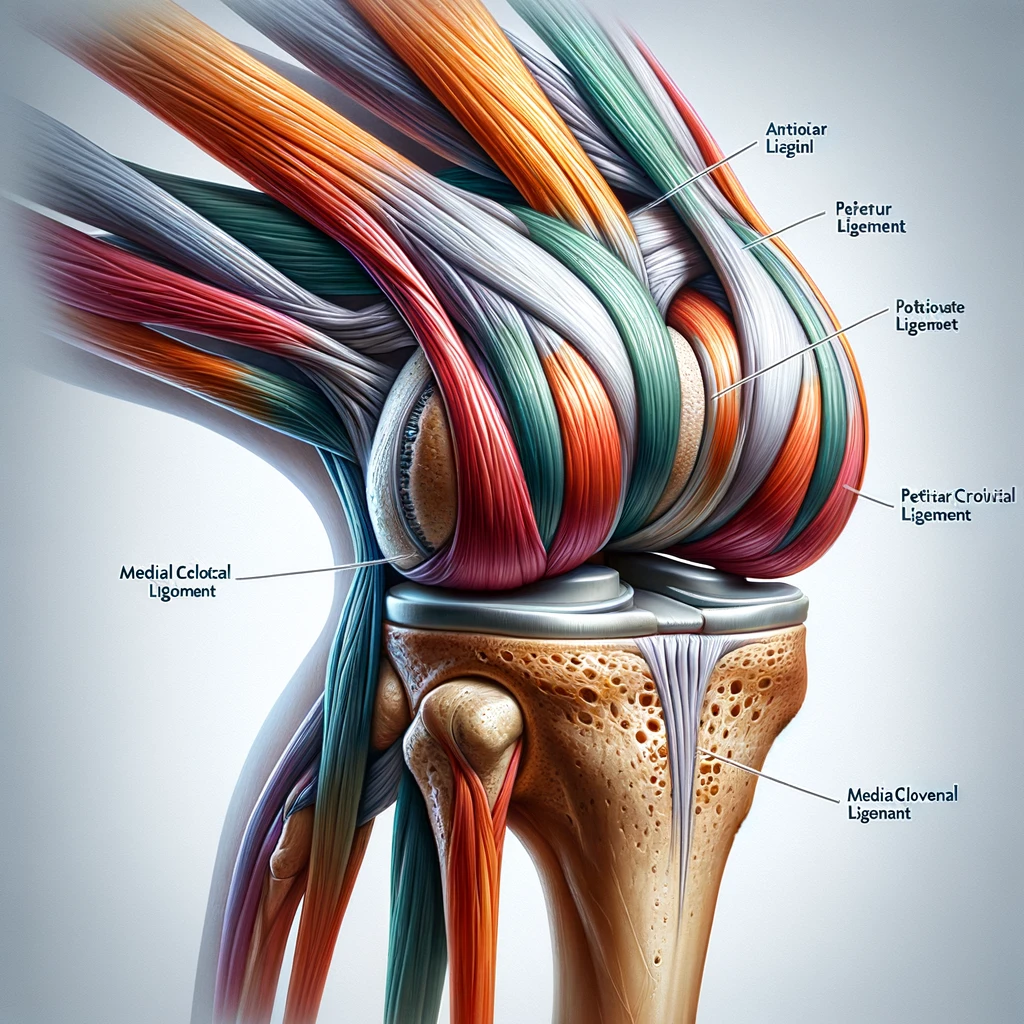
Knee ligament injuries are common among athletes and can result in significant pain and discomfort. Understanding the different types of knee ligament injuries can help individuals recognize the symptoms and seek appropriate treatment. Knee ligaments are strong, fibrous bands that connect the thigh bone to the lower leg bones, providing stability and support to the knee joint.
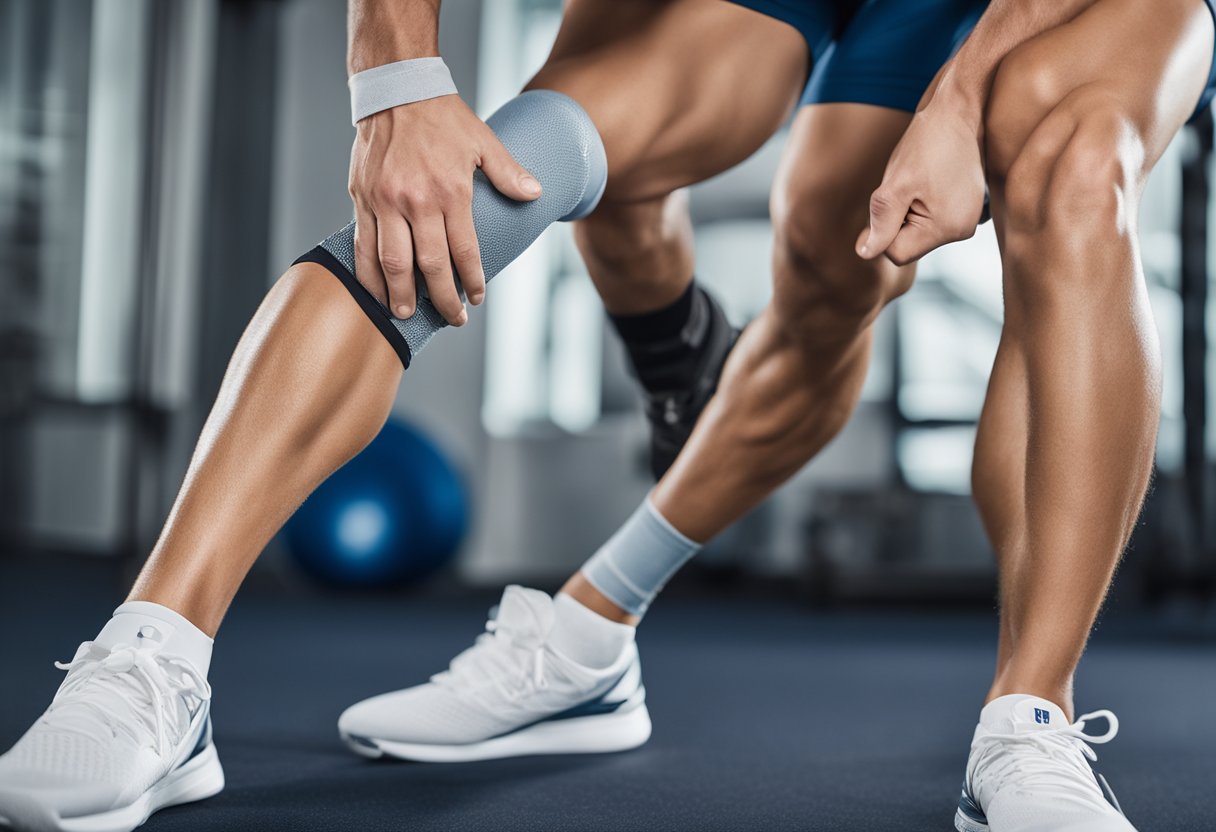
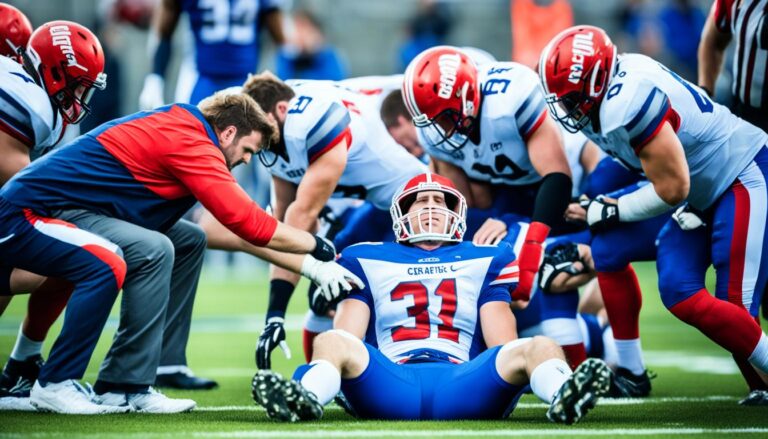
There are four primary ligaments in the knee: the anterior cruciate ligament (ACL), the posterior cruciate ligament (PCL), the medial collateral ligament (MCL), and the lateral collateral ligament (LCL). Each of these ligaments plays a critical role in the function of the knee joint and can be injured in a variety of ways. For example, ACL injuries are common among athletes who engage in high-impact sports like football and basketball, while MCL injuries are more frequently seen in skiing and other winter sports.
Listing some common knee ligament injuries:
| Ligament | Injury | Symptoms |
|---|---|---|
| Anterior cruciate ligament (ACL) | Tear or rupture | Instability, knee giving out, swelling, difficulty walking |
| Posterior cruciate ligament (PCL) | Tear or rupture | Instability, swelling, knee pain |
| Medial collateral ligament (MCL) | Sprain or tear | Pain and swelling along inner knee, instability |
| Lateral collateral ligament (LCL) | Sprain or tear | Pain and swelling along outer knee, instability |
| Patellar tendon | Strain, inflammation, partial tear | Pain below kneecap, difficulty straightening knee |
| Meniscus | Tear | Catching, locking, swelling, knee pain |
Some common causes of these knee ligament and tendon injuries are sudden stops/twists, blows to the knee, hyperextension, and frequent overuse in sports. Treatment varies depending on severity but may involve RICE (rest, ice, compression, elevation), immobilization brace, physical therapy, medications, or surgery.
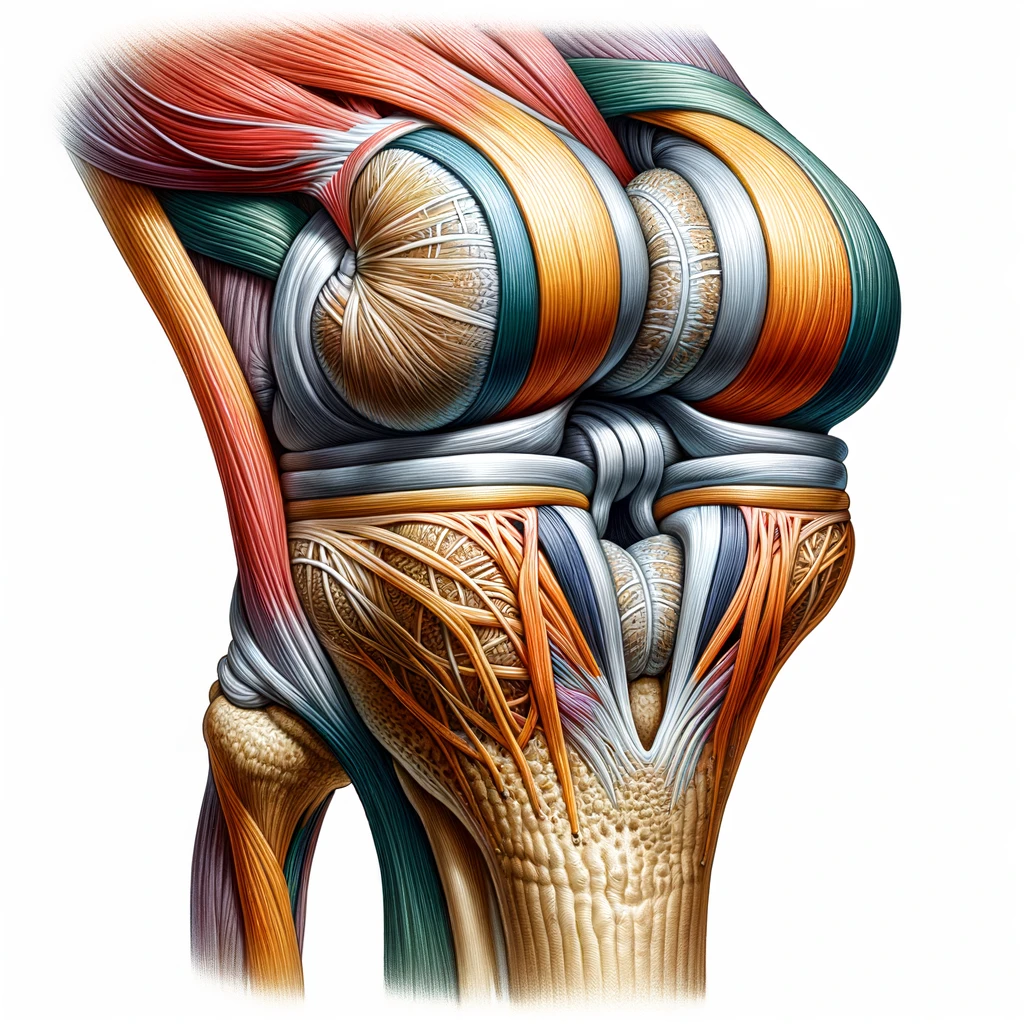
details on a few common knee ligament injuries and their typical treatments:
ACL Tear:
- Most commonly caused by sudden stops/change in direction, hyperextension, or direct blow
- Can be partial or complete tears
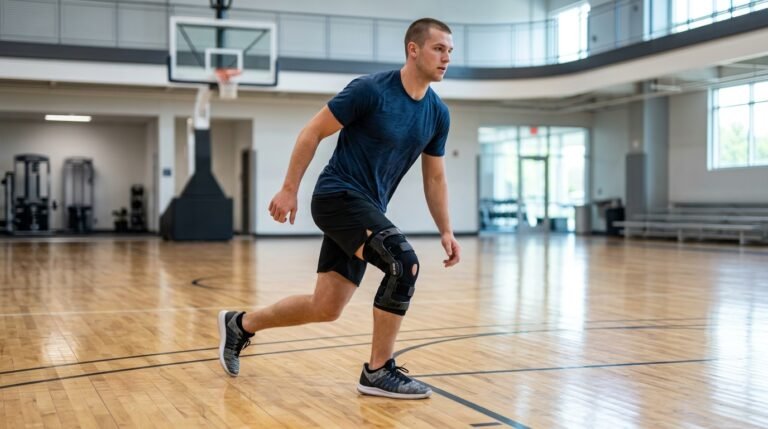
- Nonsurgical treatment may be used for partial tears or non-athletes: rehab to strengthen muscles around knee, bracing
- But most ACL tears, especially complete tears or athletes, require reconstructive surgery using a tissue graft
- Caused by direct blow or valgus stress (knee pushed inwards)
- Minor sprains can heal with RICE, bracing, rehab
- More severe Grade 3 sprains may require surgery to repair or reconstruct ligament
Meniscus Tear:
- Often caused by sudden twisting motion
- Partial tears may heal with conservative treatment – physical therapy, brace, injections
- Surgery usually required for complex, unstable tears or tears with mechanical symptoms (locking, catching, etc.)
- Surgery removes damaged meniscus or repairs tears through suturing
PCL Tear:
- Most result from direct blow/force to flexed knee (dashboard injuries)
- Nonsurgical treatment can be tried especially partial tears – rehab, bracing
- Surgical options are PCL repair, reconstruction with tissue graft
The specifics of treatment really depend on factors like location/severity of injury, patient age and activity level. But in general, mild sprains do well with conservative care, while severe ligament tears often require surgery. Let me know if you have any other questions!Copy
knee ligament injuries and their treatments :
| Injury | Cause | Symptoms | Nonsurgical Treatment | Surgical Treatment |
|---|---|---|---|---|
| ACL Tear | Sudden stops/change of direction, hyperextension, direct blows | Instability, knee giving out, swelling, difficulty walking | Rehab, bracing (for partial tears or non-athletes) | ACL reconstruction with tissue graft |
| MCL Sprain | Direct blow, valgus stress (pushing knee inwards) | Pain and swelling along inner knee, instability | RICE, bracing, rehab (for minor sprains) | Surgery to repair or reconstruct ligament (severe Grade 3 sprains) |
| Meniscus Tear | Twisting motion | Catching, locking, swelling, knee pain | Physical therapy, brace, injections (partial tears) | Removing or suturing damaged meniscus tissue |
| PCL Tear | Direct blow or force to flexed knee | Instability, swelling, knee pain | Rehab, bracing (partial tears or non-athletes) | PCL repair or reconstruction with tissue graft |
Key Takeaways
- Knee ligaments are strong, fibrous bands that connect the thigh bone to the lower leg bones, providing stability and support to the knee joint.
- The four primary ligaments in the knee are the anterior cruciate ligament (ACL), the posterior cruciate ligament (PCL), the medial collateral ligament (MCL), and the lateral collateral ligament (LCL).
- ACL injuries are common among athletes who engage in high-impact sports like football and basketball, while MCL injuries are more frequently seen in skiing and other winter sports.
Understanding Knee Ligament Injuries
As orthopedic specialists, we understand that knee injuries can be debilitating and painful. Knee ligament injuries are a common type of knee injury that can cause knee pain and limit passive range of motion. In this section, we will discuss two of the most common types of knee ligament injuries: Anterior Cruciate Ligament (ACL) Injuries and Meniscal Injuries.
Anterior Cruciate Ligament Injuries
The ACL is one of the four main ligaments in the knee that connects the femur to the tibia. It is responsible for controlling rotation and forward movement of the tibia. ACL injuries are a common type of knee injury, especially among athletes who engage in high-impact sports such as football, soccer, and basketball.
An ACL tear can occur due to a traumatic injury, such as a sudden stop or change in direction, or due to degenerative changes in the knee over time. Symptoms of an ACL tear include knee pain, swelling, and instability. An ACL tear is typically diagnosed through a physical exam, imaging tests such as an MRI, and arthroscopy.
Treatment for an ACL tear may involve nonsurgical options such as physical therapy and bracing, or surgical options such as ACL reconstruction. ACL reconstruction involves replacing the torn ACL with a graft, typically from the patellar tendon or hamstring tendon.
Meniscal Injuries
The menisci are two crescent-shaped pieces of cartilage in the knee that act as shock absorbers and help to distribute weight evenly across the knee joint. Meniscal injuries are a common type of knee injury, especially among athletes who engage in high-impact sports.
Meniscal tears can occur due to a traumatic injury or due to degenerative changes in the knee over time. Symptoms of a meniscal tear include knee pain, swelling, and clicking or locking of the knee joint. A meniscal tear is typically diagnosed through a physical exam, imaging tests such as an MRI, and arthroscopy.
Treatment for a meniscal tear may involve nonsurgical options such as physical therapy and bracing, or surgical options such as meniscal repair or meniscectomy. Meniscal repair involves suturing the torn meniscus back together, while meniscectomy involves removing the torn portion of the meniscus.
In conclusion, knee ligament injuries such as ACL injuries and meniscal injuries can cause knee pain and limit passive range of motion. It is important to seek medical attention if you suspect you have a knee injury. Treatment options vary depending on the severity of the injury and may involve nonsurgical or surgical options.
Treatment and Rehabilitation
When it comes to treating knee ligament injuries, there are a few different options available. Depending on the severity of the injury, surgical procedures may be necessary. In less severe cases, non-surgical treatments such as physical therapy and rehabilitation exercises may be recommended.
Surgical Procedures
Surgical procedures for knee ligament injuries can include knee surgery or knee replacement. Knee surgery may involve arthroscopic lavage or debridement, which is the removal of damaged tissue from the knee joint. In more severe cases, surgical procedures may be necessary to repair or replace damaged ligaments or cartilage.
Cartilage Regeneration Techniques
Cartilage regeneration techniques are used to repair damaged cartilage in the knee joint. Techniques such as marrow stimulation and autologous chondrocyte implantation can be used to regenerate cartilage and promote healing. These techniques involve the use of chondrocytes, which are cells that produce and maintain cartilage tissue.
It is important to note that post-traumatic osteoarthritis can develop after knee ligament injuries, especially if they are not treated properly. To prevent this, it is important to follow a rehabilitation program that includes exercises to strengthen the muscles around the knee joint and improve knee kinematics. Additionally, large animal models such as rabbits, sheep, goats, pigs, and dogs have been used for translational work in this field.
In conclusion, there are various treatments available for knee ligament injuries, ranging from non-surgical options such as physical therapy to surgical procedures such as knee replacement. Cartilage regeneration techniques can also be used to promote healing and prevent post-traumatic osteoarthritis. It is important to follow a rehabilitation program to prevent further damage and promote healing.


3 Comments