Category: Knee injury

  • Plowing on with gratitude on all fronts – Bone Talk

    Plowing on with gratitude on all fronts – Bone Talk

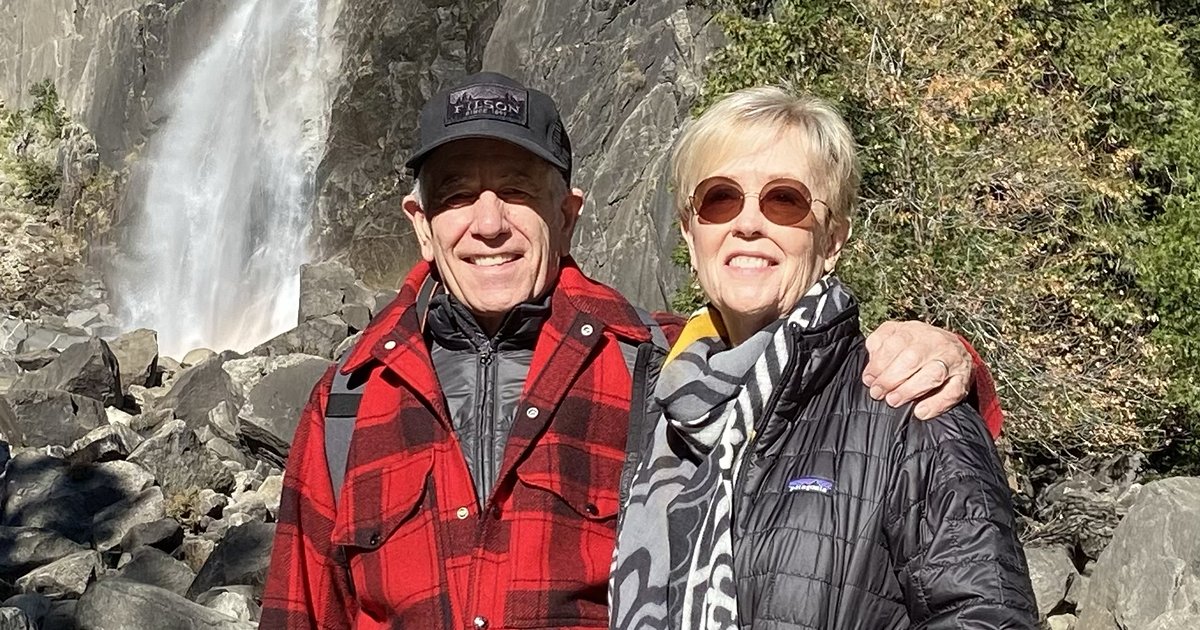
    Diane+Barry+Preston 2.2

    It’s fair to say that I’ve been a rule follower for most of my life. After all, I am an eldest child.

    I have always valued and protected my health, making sure I eat healthy foods and do many of my favorite exercises such as walking, yoga, swimming and cycling. I have been grateful for good health.

    So I was stunned when, at age 61, I learned that I had quite severe osteoporosis. I heard this after begging my doctor for one DXA scan. She said I didn’t have any risk to warrant the screening. I argued that I have a small frame, which puts me at risk. She finally gave in three years after my original request.

    After the shock of the diagnosis and the anger at the lack of prevention wore off, I had to do something – quickly, I thought. My grades were that bad. Two endocrinologists told me to take anti-resorptive medication immediately, and my doctor gave me a 25-year-old book on building bone.

    Of course I needed more than this. There was probably someone who could help me tackle this on all fronts. I never believed in taking a pill. But this search proved futile for quite some time.

    I took the medication and was fortunate that I had no side effects. But I was plagued by doubts about whether and how to lead an active life. How was I supposed to do yoga now? What about gardening; lifting my luggage, and most importantly – my grandchildren? How was I supposed to live my life? I hated thinking of myself as vulnerable.

    So many questions, so few answers. It was clear that the specialists I consulted did not have a holistic approach.

    A search for the Bone Health and Osteoporosis Foundation website led me to answers that made sense to me through a newly formed monthly virtual support group over three years ago. It’s called OsteoBoston and is led by an experienced facilitator who hosts expert presentations in all aspects of wellness to improve bone health. Over time, I have learned so much about the latest research and how diet, bone-building exercises, nutritional supplements, and medications can work together to improve this condition. Just as valuable is the second hour of our Zoom calls, in which the 30+ people (mainly women) learn from and support each other. And while I never got a one-stop-shop, one-place approach, OsteoBoston has been a lifesaver.

    As I reflected on my journey over the past six years, I realized that it wasn’t my doctor’s fault for not giving me a basic DXA screening. She was just following protocol. Why isn’t this done for bone health, just as baseline mammograms at age 40 detect and treat breast cancer? If it is common for women to lose significant bone in the years after menopause, should they not have a basic DXA scan before menopause to detect bone loss, treat it early, and prevent unnecessary suffering and mobility loss caused by fractures ?

    So today, I am still a rule follower, but I listen to a variety of sources and the wisdom of experience to determine which rules I follow. I know where to find the latest research. I have an endocrinologist I trust. I do bone-building exercises most days and eat a variety of calcium-rich foods. I am confident that I am doing everything I can to deal with this condition. The medications I have been taking have improved my bone strength. And I am also satisfied that this learning process has given me the tools to prevent further bone loss. I am forever grateful to this OsteoBoston support group, which includes people from all over the country. Thanks to the leadership’s dedication, we now have a YouTube channel sharing recordings of more than 25 recorded presentations and a website where we can share our resources at osteoboston.org.

    Finally, I now accept that this is a lifelong condition that must be managed. And as I do that, I want to focus on advocating for early screening and education to help others become aware of how important bone health is to our well-being.

    I hope to be around for a long time and I want a body that supports my dreams.

    This story is part of a support initiative called Voices of Osteoporosis: Stories of Hope and Inspiration. If you have experienced osteoporosis as a patient or caregiver, we invite you to share your story. Your story can inspire others to learn how to protect their ability to live their best life and stay strong. click here learn more.

    Source link

  • Injury awareness: does stretching prevent injuries?

    Injury awareness: does stretching prevent injuries?


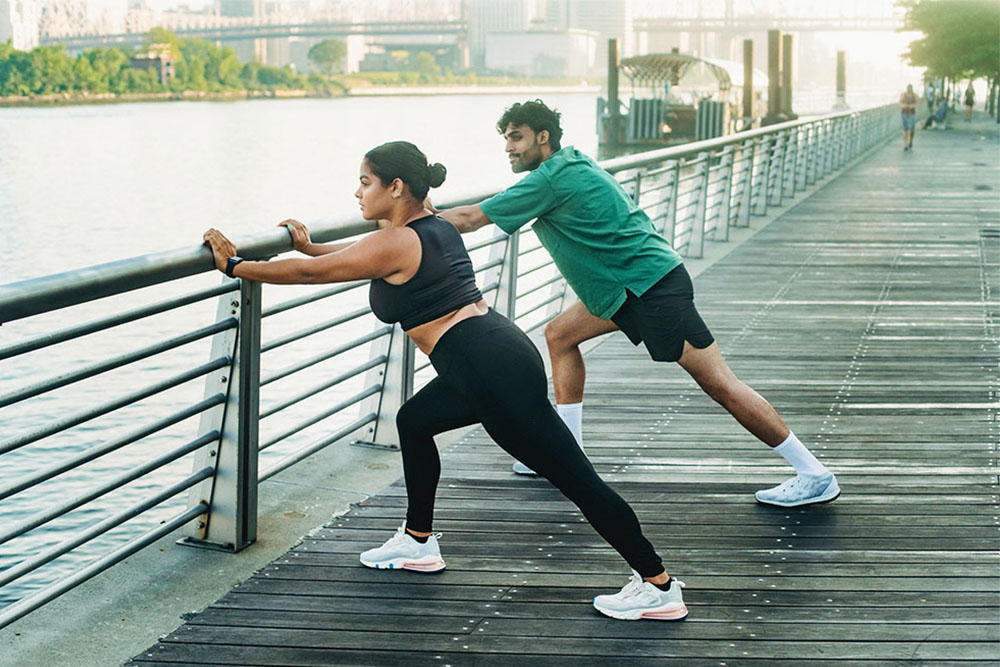
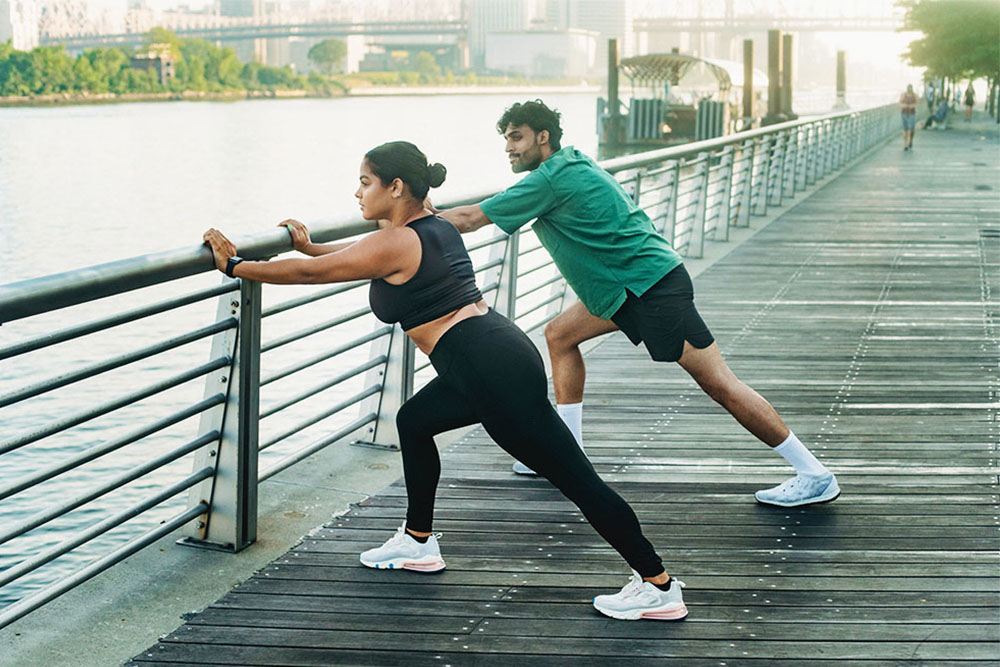
    FH Blog Stretch3 1

    It used to be believed that stretching before a workout was as important as eating breakfast before the start of a big day. If you want to minimize the risk of possible muscle tears, joint injuries or pain-free running, then stretching to prevent injuries is an essential part of your exercise regimen before you start training. But why do we need to think about stretching in terms of injury awareness? Does stretching before exercise reduce the risk of injuries? What was once considered the ideal precursor to our regular workouts has produced conflicting results.

    Current research has shown that stretching for injury prevention is a misconception and, at best, inconclusive about preventing injuries. It’s not that stretching is considered ineffective within the physical therapy community. Instead, what is essential to physical therapy is how stretching is applied and translates to the activity that is soon to follow. Essentially, one must do a warm-up in addition to stretching to perform a functional exercise. For example, if you want to increase the strength of your quadriceps and gluteus maximus by performing squats, it’s best to use light sets before adding heavier weights.

    Warm-up routine in addition to stretching

    Two women relax in a sauna.

    1. External heat: Heat pack, gel pack, sauna, etc.
    2. Massage
    3. Self-traction: Arm hangs, streamers etc.
    4. General or specific warm-ups
      1. Jumping jacks, cycling, short walk (general)
      2. Light activities before adding heavier weights (specific)
    5. Relaxation training

    This is a simple method to reduce and relieve pain, reduce muscle tension and minimize anxiety and stress. The definition of relaxation training is “a reduction in muscle tension throughout the body or region that is painful or limited by conscious effort and thought.”

    Related content >> Stretches for marathon runners

    Three types of relaxation training

    1. Autogenic training: Conscious relaxation through self-suggestion and promotion of exercises and meditation.
    2. Progressive relaxation: Using methodical, distal to proximal progression of voluntary contraction/relaxation of muscles. The sequence for the technique can be as follows:
    • Place yourself in a quiet area, in a comfortable position
    • Breathe deeply and relaxed
    • Contract the distal muscles in the hands/feet for at least 5-10 seconds, followed by consciously relaxing those muscles for 20-30 seconds
    • Get a feeling of reduced heaviness in the hands/feet, with a feeling of warmth in the muscles that have just relaxed.
    • Realize a feeling of relaxation and warmth in your limbs and then throughout your body
    1. Awareness through movement: Combination of sensory awareness, limb and trunk movements, deep breathing, conscious relaxation procedures and self-massage to alter postural abnormalities and muscle imbalances to reduce muscle tension and pain.

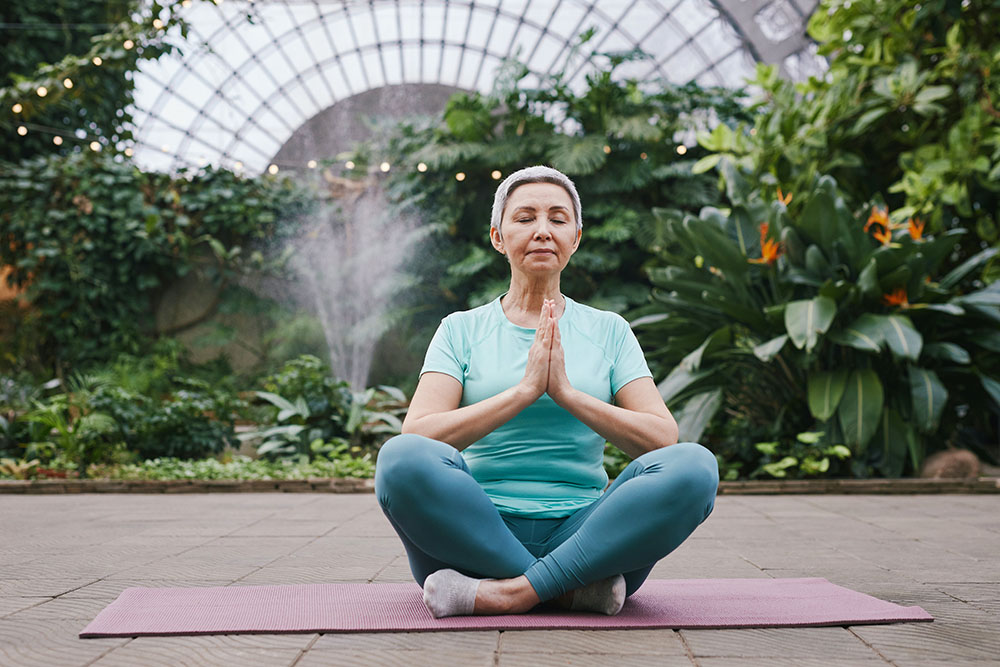
    Older woman meditating.

    If someone is truly relaxed, the following indicators may be present:

    • Decreased muscle tension
    • Decreased heart and breathing rate, decreased blood pressure
    • Increased skin temperature
    • Constriction of the pupil
    • Minimal to no exercise
    • Flat facial expression and closed eyes
    • Palms open with jaw and hands relaxed
    • Reduced distractibility

    When it comes to preventing injuries, there are numerous factors to consider:

    1. Warm up well
    2. Good technique and postural mechanics
    3. Duration, frequency and intensity of the stretch.

    The better prepared your body is, the less likely you are to get injured. Stretching is not a panacea and may not make as much of a difference as you might think in preventing injuries. But if it is to provide any benefit in terms of risk prevention, it must be carried out with other methods of rewarming.

    If you have any questions or would like a professional to evaluate your stretching and exercise routine, visit us at the Foothills location nearest you.

    Source link

  • Mineral water and bone health.  Not all water is the same

    Mineral water and bone health. Not all water is the same

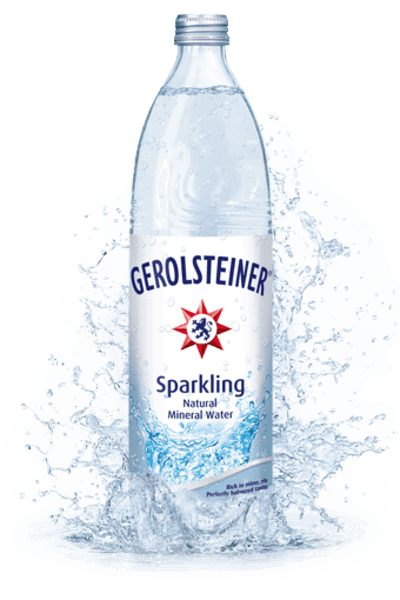
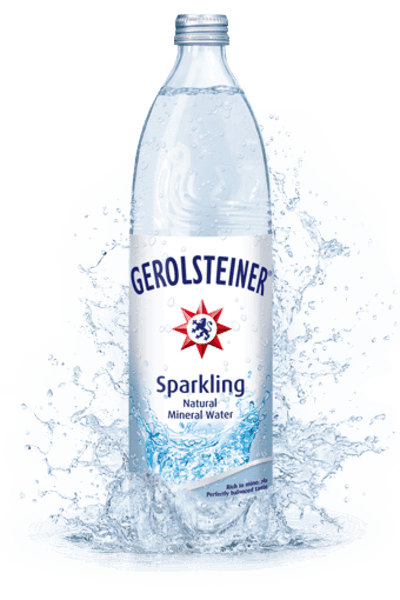
    Skelly and I like to quench our thirst. Instead of reaching for filtered water, we drink one bottle of Gerolsteiner Mineral Water of 750 mg. Not only because of the bioavailability of calcium and magnesium, but because mineral water compensates for a very acidic Western diet characterized by high grains and animal products. Drinking 1,500-2,000 ml of mineral water rich in bicarbonate (>1.8 g/l) can help reduce the net acid load in the diet. [1]

    Personally, I am a mostly grain-free animal protein eater. Animal proteins keep me grounded. Otherwise I float away and my brain doesn’t function properly. Not everyone eats this way, as we are all individuals with different nutritional needs. Vegetarians generally eat more grains, which are more acidic.

    gerolsteiner mineral water

    “Eating a diet high in acid can cause low-grade metabolic acidosis (LGMA) which is associated with long-term negative health effects including urolithiasis, bone lossand even cardiometabolic diseases. [1]

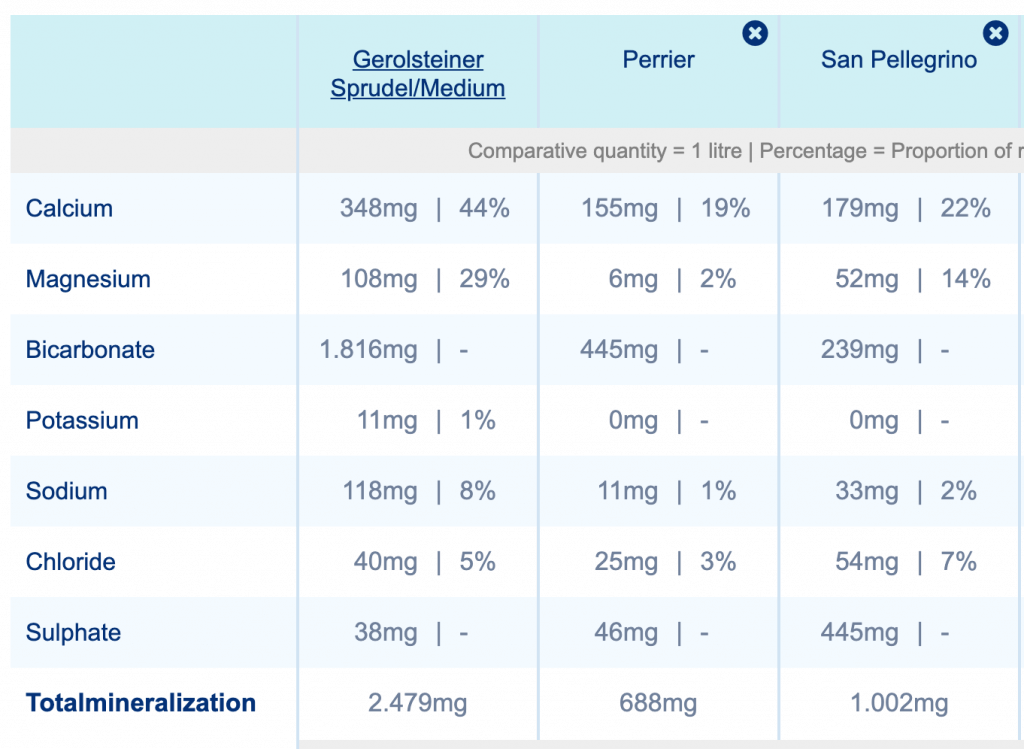
    Gerolsteiner sparkling mineral water contains 1800 mg bicarbonate (1.8 g/l). Please note: Each bottle of Gerolsteiner is 750 ml, which means you need to drink 2 bottles to equal this amount of bicarbonate.

    What is bicarbonate?

    “Bicarbonate (hydrogen carbonate) is not a mineral, but a component of the salts of carbonic acid. HCO3- is the chemical formula. Your body produces bicarbonate.

    Daily requirement: Unlike many essential nutrients, for example calcium and magnesium, your body can produce bicarbonate, but generally in insufficient amounts for optimal health and well-being. There is no recommended daily allowance.”[2]

    Balance – Our bones need balance

    According to Gerolsteiner’s website, “The unique balance of minerals in Gerolsteiner ensures their bioavailability. The minerals are already dissolved so your body can absorb them quickly.

    The ratio of minerals, especially calcium and magnesium, also allows maximum use. In mineral water, the bioavailability of calcium is 84% ​​and that of magnesium is 92%. By comparison, in a banana the bioavailability of calcium is only 38% and that of magnesium only 29%.”

    How is the mineral water Made

    “Over time, the water seeps through the mineral-rich layers of the dolomite rock and absorbs minerals and carbon dioxide, before collecting in deep aquifers as Gerolsteiner Mineral Water. From the depths of the Volcanic Eifel to every cell of your body: one liter of Gerolsteiner Sparkling Mineral water contains more than 2,500 mg of minerals and trace elements.

    Comparison of other mineral waters

    mineral water comparison

    Dressing your water

    When I add a slice of lemon, fresh berries, mint or even a drop of therapeutic orange essential oil, my refreshing drink suddenly changes. Pour your water into a beautiful glass, relax, drink and find yourself participating in conscious pleasure for your bones and your health.

    Type of calcium

    During the Natural Approaches to Osteoporosis Summit, the question arose as to what type of calcium is in Gerolsteiner water. The below is from the company.

    “All mineral waters are different from each other. The degree and type of mineralization of each mineral water depends on its composition and the rock layers through which the water has seeped. Germany’s most popular mineral water comes from a source in West Germany: the Volcanic Eifel region, which has a unique geological profile.

    Deep underground, as precipitation seeps down from the Earth’s surface, it absorbs the carbon dioxide present as a result of ancient volcanic activity. This water then flows through layers of dolomite, a limestone rock containing calcium and magnesium – this geology is specific to the Gerolstein region. The carbon dioxide dissolves valuable calcium and magnesium from the otherwise virtually insoluble dolomite – creating mineral water of exceptional quality.”


    Gerolsteiner USA

    For more information, please take a look at their website: Gerolsteiner USA –
    About Gerolsteiner (gerolsteiner-usa.com).

    What’s new?

    Easy Cooking Guide for Bone Health – 7 Day Meal Plan

    This 81-page interactive ebook (completely clickable to navigate to all the different sections) will deliver what you, my readers, have been asking for:

    • 7-day meal plan (animal protein and vegetable eaters)
    • 27 Bone-friendly recipes with bone-specific nutritional values
    • Printable recipes
    • Printable shopping list
    • Clickable “Table of Contents” so you can easily navigate to breakfast, lunch, dinner and snacks.
    • Shopping, storing and soaking tips to save you money
    • 5 Cooking Videos with Skelly
    • Why conscious eating is important
    • Cook One – Eat Twice… saves time, energy and money
    • Guidelines for antinutrients (oxalates and phytates) made simple
    • Why soaking nuts, seeds and beans matters
    • Everything available as a download to your computer, tablet or mobile, so you can refer to it again and again.

    From my bones to yours,

    Sharing this blog using the share buttons below helps significantly. Thank you.

    Irma Jennings, INHC

    Your holistic bot coach

    [1] https://www.ncbi.nlm.nih.gov/pmc/articles/PMC6901030/

    [2] https://www.webmd.com/a-to-z-guides/qa/wat-is-bicarbonate


    Let me support your bones

    Receive an in-depth, tailor-made private session

    Book a private coaching with Irma now


    Join our amazing Bone Tribe community

    Get the support and information you need to live fearlessly with your bone diagnosis

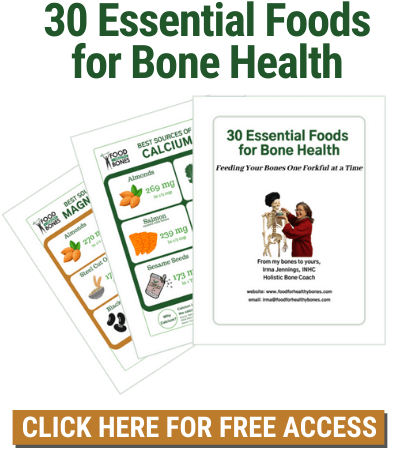
    FREE GIFT—-> 30 Essential Foods for Bone Health

    This handy infographic is great to stick on your fridge.

    Click on the image below 30 Essential Foods for Bone Health to get free access.

    30 Essential Foods for Bone Health

    Source link

  • Vertebral Fractures – Bone Discussion

    Vertebral Fractures – Bone Discussion

    shutterstock 2121207515

    To prevent future fractures, you will likely need to learn new ways to perform daily life tasks. Things like sweeping and carrying groceries can break a bone if not done mindfully. Good alignment is the key to safe movement. Aligning your head, shoulders, spine, hips, knees and ankles improves balance and centers the weight on your legs. Certain postures and movements are dangerous for people with fragile spines. These include: slouching; forward bending and twisting; movements that are abrupt or jerky; and lifting heavy objects, either from the floor or from above. You can find more information about safe exercise in BHOF’s Boning Up on Osteoporosis booklet, available on the BHOF website.

    What exercises should be avoided?

    Staying active is imperative for good health and longevity. However, for people with VCFs or osteoporosis, some exercises may do more harm than good. If you have low bone density, osteoporosis, or curvature of the spine, you should avoid exercises that require you to bend forward at the waist, such as:

    • Sit-ups
    • Abdominal (stomach) crunches. • Toe touches
    • Squats

    If you have one or more VCFs, you may need to make changes to your recreational activities. Yoga, pilates, tennis and golf require twisting and bending movements that can overload the weakened spine. If you have VCFs, it’s also a good idea to avoid anything that could result in a fall, a hard bump, a quick stop, or a severe twist. Horse riding, ice hockey and gymnastics would probably no longer be possible. On the other hand, golf can be great if you make the right changes to your swing. Work with a physical therapist or trainer to ensure spinal safety.

    Why is preventing falls so important?

    Falls are the leading cause of bone fractures in the elderly. If you prevent falls, you will prevent most fractures. There are many factors that contribute to falls in the elderly. These include poor vision, balance problems, weak legs, dizziness and slow reflexes. Much can be done to reduce the risk of falls. Keep your glasses prescription up to date. Work with your physical therapist on muscle strengthening and balance training. Tell your doctor right away if you feel dizzy. Dizziness is a common side effect of many medications and diseases. Stay as active as possible to build endurance and agility.

    Homes and workplaces can be made safer. Take an inventory of your environment. Remove loose carpets, slippery surfaces and tripping hazards. Make sure there are grab bars in your bathroom and strong handrails on your stairs. Provide brighter light, especially outdoors and in stairwells. Professional home security experts can help you assess, select, and install all necessary features.

    What can be done for severe VCF pain?

    Most patients with VCF feel better after a few weeks of rest, braces and painkillers. However, some VCFs cause extreme pain that persists. In these cases, there are options to consider. You may be able to achieve better pain control by working with a doctor who specializes in pain management. You can get relief from a combination of medications and physical treatments such as acupuncture or massage. Sometimes a VCF is still unbearably painful after a month of rest, medication and physiotherapy. Your doctor may refer you for further testing. In some cases, surgery may be recommended.

    When a vertebral bone is broken, bone fragments can rub against each other, causing severe pain
    pain. Preventing these fragments from moving usually relieves the pain. A surgery called vertebral augmentation is designed to do just that. A spinal augmentation is called a “minimally invasive” operation because it involves relatively less operating time and less recovery time. Unlike major surgery, only one or two small openings in the skin are required. Bone cement is injected into the fractured vertebra through a needle. Once the cement hardens, the bone fragments are cemented into place.

    There are two types of vertebral augmentation: vertebroplasty and kyphoplasty. Both use bone cement to stabilize broken vertebral bone. The difference is that in kyphoplasty the crushed vertebra is expanded using a balloon. This creates more space for cement and pushes the bone upward, returning it to its more natural shape.

    Spinal enlargement is reimbursed by many health insurers; However, you will need to confirm this with your specific insurance company.

    Resume

    A strong adult skeleton starts in childhood with optimal diet, exercise and sunshine. Even if you don’t reach your full skeletal potential, fractures can be prevented. Universal recommendations for bone health include adequate vitamin D and calcium, exercise, and avoiding smoking and excessive alcohol intake. Additional fracture prevention measures may be necessary. If you have a history of fractures, have a family history of fragility, or have been diagnosed with osteoporosis, you and your healthcare provider should discuss options for effective fracture treatment.

    Traditional first-line management for VCF focuses on bed rest, bracing, and pain management. Although this is effective for most patients, pain persists in some patients. For individuals who experience severe pain after four to six weeks of conservative treatment, minimally invasive spinal augmentation may offer hope for improvement.

    For more information, please visit the BHOF website: www.bonehealthandosteoporosis.org. There you’ll find newsletters, exercise and safe exercise guides, fracture medications, access to support groups, and more.

    click here to download the PDF version of this article.

    Source link

  • Why does my knee make strange noises after ACL surgery?  Is this normal?

    Why does my knee make strange noises after ACL surgery? Is this normal?

    It is not uncommon for your knee to make strange grinding and clicking noises after ACL surgery. The first thing people think is that there must be something wrong with my new ACL graft! This is rarely the case. Pain, swelling, and strange noises your knee makes after ACL surgery are all usually normal after surgery. Watch this short video to learn all about the grinding and clicking sounds your knee makes.

    Watch this short video to find out why your knee makes grinding and clicking noises after ACL surgery and why this may be completely normal!

    As you saw in the video above, there can be normal sounds your knee makes and abnormal sounds your knee makes after ACL surgery. I have summarized them below.

      1. Clicking of your kneecap or cracking sounds when you bend or straighten your knee is usually normal.
      2. If the joint chatters, makes a grizzly or grinding sound and is accompanied by a shift in the joint, this may be abnormal. These sounds will usually make you feel like your knee is giving way or feels unstable, and this can be a problem. In this case, it is best to have your knee joint assessed for stability by a healthcare provider.

    Most people need to worry less about the noises their knee makes after ACL surgery and focus more on their daily rehabilitation exercises. You can focus on your daily ACL rehabilitation by downloading Curovate from the links below. Curovate is a physiotherapy app that provides daily video-guided exercises for each day of your recovery. Curovate also tracks your progress and gives you the ability to measure your knee’s range of motion using just your phone.

    If you need more tailored help after your ACL surgery or ACL injury, check out our Virtual Physiotherapy page to book your 1-on-1 video session with a physiotherapist.

    app-store-badge-128x128-2 google-play-badge-128x128

    Other blogs related to ACL injuries:

    Source link

  • Save Our Bones Bulletin: Study Identifies Gene That Controls Bone Development;  How thyroid-stimulating hormone affects the risk of osteoporosis;  Meta-analysis concludes that walking can extend your life

    Save Our Bones Bulletin: Study Identifies Gene That Controls Bone Development; How thyroid-stimulating hormone affects the risk of osteoporosis; Meta-analysis concludes that walking can extend your life

    This month we explore studies on genes responsible for osteogenesis (bone development), the link between thyroid function and osteoporosis, and the life-saving benefits of walking.

    First, we will analyze new research that clarifies how certain bone cell precursors become bone-building cells. This discovery could point to new therapies for osteoporosis.

    Next, we’ll examine a review of studies delving into the relationship between osteoporosis risk and thyroid-stimulating hormone (TSH), providing new evidence on the limited efficacy of osteoporosis drugs.

    Finally, a comprehensive new study highlights the significant impact of daily walking on life expectancy, a finding that is sure to motivate you to lace up your walking shoes.

    Research suggests a new way to combat bone loss

    A new study published last August in the FASEB journal found that expression of a certain gene may help prevent bone loss associated with postmenopausal osteoporosis.

    The experiment studied laboratory rats to investigate how differentiation of precursor cells called bone marrow mesenchymal stem cells (BMSCs) influence bone remodeling. Researchers discovered genes that regulate the osteogenic differentiation of BMSCs. In other words, they identified which genes influence BMSCs to become bone-building cells.

    Ultimately, the study authors found a gene called AT-hook 1 (Hmga1) with high mobility group, which had a positive impact on bone loss.

    Relevant excerpt

    “Tests on rats showed an increase in Hmga1 expression during bone formation, but a decrease when the rats underwent ovariectomy, which simulated the conditions of menopause. Introducing more Hmga1 to these rats led to a remarkable recovery in bone resorption.
    Yihe Hu, PhD, from Zhejiang University in China, the lead author, noted: “Our study showed that Hmga1 prevents bone loss by promoting the osteogenic differentiation of BMSCs in osteoporosis rats, suggesting that Hmga1 could be an important therapeutic target for osteoporosis. are.”1

    Although the research was conducted on rats and not humans, the genetic processes are often similar, although we cannot be certain that all findings will apply directly to human biology.

    Unfortunately, this intriguing discovery about gene activation in bone remodeling could be primarily aimed at the development of new pharmaceutical interventions. If the drug is similar to other similar drugs on the market, it will use a man-made compound to artificially increase Hmga1 expression – with currently unknown side effects.

    Short content

    In a study in rats, researchers identified a gene called high mobility group AT-hook 1 (Hmga1), which had a positive impact on bone loss. In rats, introducing more Hmga1 prevented bone loss. Pharmaceutical companies will likely try to develop a new drug based on this discovery.

    Healthy thyroid function reduces the incidence of osteoporosis

    A meta-analysis recently published in the journal BMC Women’s Health found that levels of thyroid-stimulating hormone (TSH) at the high end of the normal range were associated with a reduced risk of osteoporosis in postmenopausal women.

    The study authors analyzed 19 observational studies that collectively included 23,960 participants. Those studies provided information about the participants’ TSH levels and bone mass.

    TSH is a hormone released by the pituitary gland that controls the thyroid gland, which in turn produces thyroid hormones. The hormones produced by the thyroid gland regulate energy expenditure and metabolism in all body systems.

    Relevant excerpt

    “According to the report, TSH was positively correlated with bone mineral density. After adjusting for confounding factors including age, body mass index (BMI) and bone mineral density, multivariate logistic regression showed that individuals with low TSH levels were almost twice as likely to have osteoporosis compared to individuals with high TSH levels. In addition, the risk of osteoporosis remained relatively similar among participants with low TSH who took anti-osteoporosis medications, compared to individuals who did not take the medications.”2

    The central finding of this study highlights the crucial link between thyroid health and bone health. The connectivity of these systems helps explain why a holistic approach to preventing and reversing osteoporosis is more effective than Big Pharma’s narrow and harmful approach.

    Furthermore, this study found that low TSH levels negated any potential benefit from anti-osteoporosis drugs. These data once again confirm how ineffective osteoporosis medications are.

    Short content

    A meta-analysis of 19 studies found that participants with thyroid-stimulating hormone (TSH) levels at the high end of the normal range were less likely to be diagnosed with osteoporosis. Additionally, they found that in participants with low TSH levels, there was no significant difference in bone mass between those who did and did not take osteoporosis medications. This shows how osteoporosis medications are ineffective.

    Walk further to live longer

    A large meta-analysis published in the European Journal of Preventive Cardiology found that walking at least 3,967 steps per day reduced the risk of death from any cause, and that walking 2,337 steps per day increased the risk of death reduced cardiovascular disease.

    These incredible results came from analyzing 226,889 participants in 17 different studies around the world. In addition to the minimum number of steps to achieve the basic benefits, the researchers noted that additional steps yielded more benefits. The participants’ mortality risk decreased significantly with every 500 to 1,000 additional steps.

    An increase of 1,000 steps per day was associated with a 15% reduction in the risk of death from any cause. An increase of 500 steps per day was associated with a 7% decrease in cardiovascular disease deaths. The benefits continued to accumulate up to the upper limit of steps observed in the study, which was 20,000 steps per day.

    Relevant excerpt

    “Maciej Banach, professor of cardiology at the Medical University of Lodz, says: “In a world where we have increasingly sophisticated medicines to tackle specific conditions such as cardiovascular disease, I think we should always emphasize that lifestyle changes, including diet and exercise, one of the main heroes of our analysis, could be at least as effective or even more effective in reducing cardiovascular risk and prolonging lives. “3

    These are powerful words from Professor Banach and they reflect the core principle of the Osteoporosis Reversal Program. Diet, exercise, and lifestyle changes are the most effective tools (and certainly the safest tools) for improving health, building bone, and prolonging life.

    You can take immediate action on this discovery by putting on your walking shoes and going for a walk. As Savers know, walking also benefits your bone health, which undoubtedly contributes to its power as a life extender.

    Short content

    A comprehensive meta-analysis of 17 studies found that walking at least 3,967 steps per day reduced the risk of death from any cause, and that walking 2,337 steps per day reduced the risk of dying from cardiovascular disease. The life extension benefits increased significantly with every additional 500 to 1,000 steps participants took, all the way up to the upper limit considered in the studies, 20,000 steps per day.

    What this means for you

    Staying healthy and independent requires a healthy diet, consistent exercise and wise lifestyle decisions. Current studies underline this truth, even as some indicate that new pharmaceutical products are in development.

    The Osteoporosis Reversal Program takes full advantage of the latest research to provide a drug-free path to stronger bones and a fuller, healthier life. As today’s studies show, nourishing your body with natural health practices, such as regular exercise, proves to be more effective than resorting to quick medications.

    Unlike medications, diet, exercise and lifestyle choices typically do not have negative side effects. In fact, you’ll find the opposite is true. As your bone health improves, so will your energy, your strength, and your overall well-being.

    Keep learning, keep getting stronger, and stay on your all-natural path to a long-lasting and independent future.

    References

    1 https://www.revyuh.com/news/lifestyle/health-and-fitness/how-to-avoid-the-risk-of-osteoporosis-study-suggests-a-new-way-to-fight-brittle- bone disease/

    2 https://www.endocrinologyadvisor.com/home/topics/androgen-and-reproductive-disorders/normal-tsh-levels-may-decrease-postmenopausal-osteoporosis-risk/

    3 https://www.eurekalert.org/news-releases/997859
     

    Source link

  • ALL IN THE FAMILY….  My Husband and I Are on a Journey Together to Osteoporosis – Bone Talk

    ALL IN THE FAMILY…. My Husband and I Are on a Journey Together to Osteoporosis – Bone Talk

    Rika 5

    When I was younger, I couldn’t have predicted that I would develop osteoporosis, and I certainly couldn’t have predicted that my husband and I would both be diagnosed within two years of each other.

    At the age of 64, I was at an art fair in a park when I tripped over a cord lying across the grass. It was a short, gentle fall into the grass, but when I got back up, my wrist hurt in a way I’d never experienced before. Since it was a simple fall, I wanted to shake it off and ignore it. But after about twenty minutes I told my husband I thought I should get it checked out. In the emergency room they put my broken wrist in a cast and the ER doctor sent me on my way. A hand/wrist specialist I consulted with the following week performed surgery and applied a titanium plate to stabilize the wrist. And later that month my doctor ordered one DXA scan which showed that I had osteopenia.

    Unfortunately, none of the three physicians involved in my care for the wrist fracture discussed osteoporosis with me. I was only vaguely familiar with the idea of ​​osteopenia. Today I know that someone with osteopenia and a fragility fracture needs follow-up for osteoporosis.

    My doctor waited over six years to order another DXA, and I’m ashamed to say I didn’t know enough to question that. The new DXA scan documented osteoporosis and I was eventually referred to an endocrinologist for further care.

    The endocrinologist looked at my history, DXA results, and bone turnover markers, and suggested one of the anabolic medications. The idea of ​​daily injections was a little scary for me, but I decided I could handle it and started my medication journey with minimal side effects.

    Once I was diagnosed, I started learning much, much more about osteoporosis and now I feel like I have the knowledge I need to stay on top of it. I feel optimistic and empowered by knowing so much more. My diet used to be good, but it has improved and focuses on bone-healthy eating with enough calcium and vitamin D. I started a bi-weekly online class “Better Bones and Balance” in addition to other exercises I was doing, and I have integrated osteoporosis into my way of thinking about how I live my life. I found the Bone Health and Osteoporosis Foundation (BHOF) to be a great source of information and I participate in one of BHOF’s online support groups which has enriched my knowledge of osteoporosis and put me in touch with some wonderful women and men who also have osteoporosis.

    After taking the anabolic medication for 18 months, I had a DXA that showed no improvement in my bone mineral density. That was obviously very disappointing, but I also felt positive because I had not lost bone density. After two years of anabolic treatment, I switched to an annual bisphosphonate infusion. A year after that previous DXA, I had another scan; my bone mineral density has improved and I feel like I’m on the right track!

    Now, about my husband…

    Source link

  • Shin Splints Causes, Symptoms and Physical Therapy Treatment

    Shin Splints Causes, Symptoms and Physical Therapy Treatment

    Medial tibial stress syndrome is one of the most common athletic injuries, especially among those who participate in high-impact activities. However, there are other risk factors for shin splints, and not all patients who complain of the characteristic pain along the shin are athletes.

    MTSS is a condition that often resolves on its own. Physical therapy can help relieve the pain and prevent it from returning.

    What causes shin splints?

    There are several muscles in the leg that attach to the shin bone, including the anterior and posterior tibialis muscles, the flexor digitorum longus muscle, and the soleus muscle. These muscles and their connective tissue can pull on the periosteum, a layer of tissue that covers the bone and allows the muscles to attach.

    Repeated stress can cause the periosteum to become inflamed, resulting in the pain of shin splints. There are several risk factors that can contribute to MTSS.

    FH Shin Splits Blog 1

    1. Physical activity

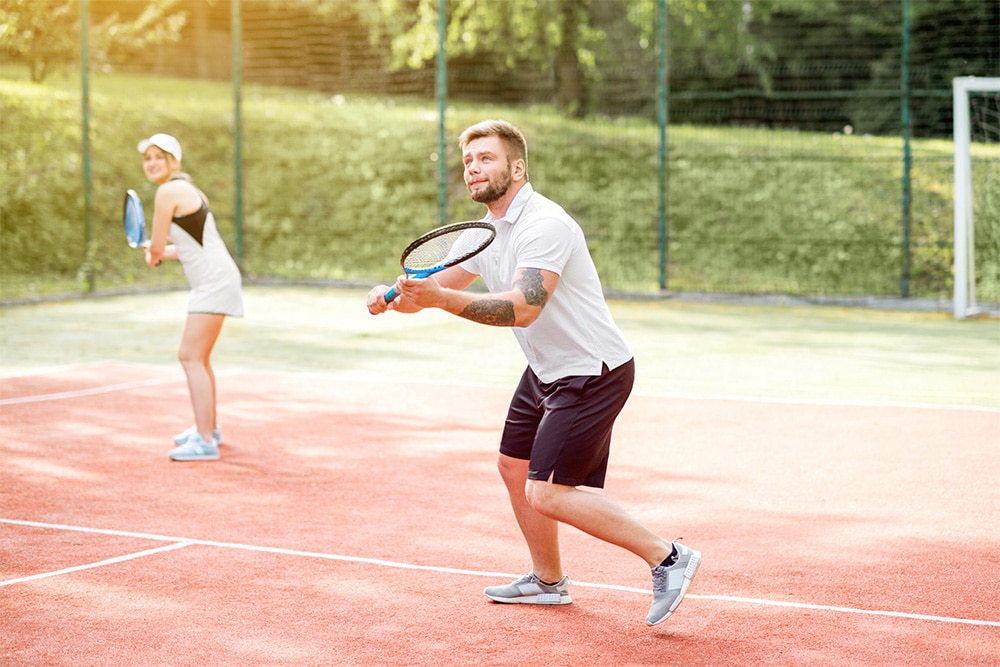
    Athletes who do a lot of running and jumping, such as gymnasts, basketball players, dancers, tennis players and sprinters, are at particular risk for shin splints. An estimated 35% of these athletes eventually develop MTSS.

    Due to frequent marching and other physically demanding tasks, soldiers are at risk of developing shin splints, with a incidence rate that can be as high as 35%.

    2. Weak bones

    MTSS may be more likely in people with underlying medical conditions that weaken the bones, such as osteoporosis or osteopenia. Other underlying medical conditions that can affect bone health and increase the risk of shin splints include eating disorders, vitamin D deficiencies, or hormonal changes in women that can also result in a loss of normal menstruation.

    FH Shin Splits Blog 2

    3. Flat feet

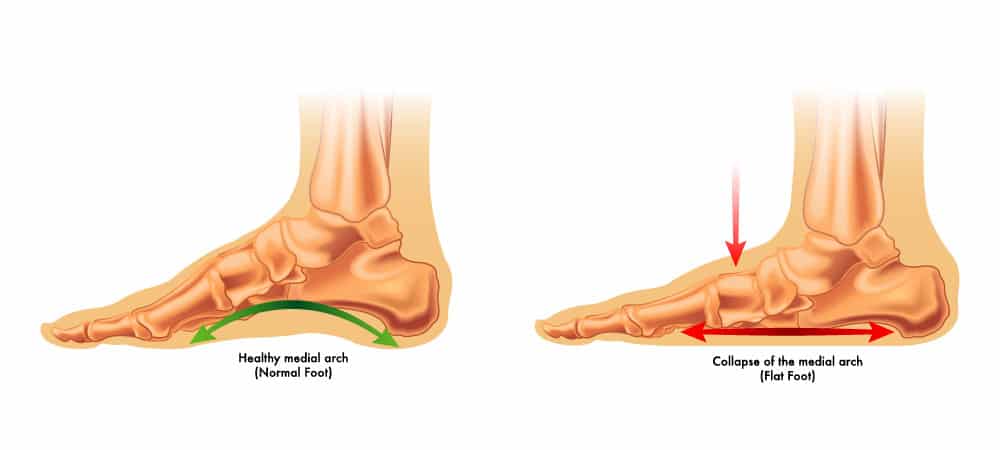
    Overpronation occurs when the arch of the foot collapses due to the impact of a step. This is colloquially known as having flat feet. If you often walk or run with flat feet, this can strain the tibial periosteum and lead to shin splints. You can also develop MTSS if your arches are stiff or high. Exercising or playing sports in shoes that do not provide adequate arch support can contribute to overpronation and increase the risk of shin splints.

    4. Overweight

    Carrying extra weight puts more strain on the lower extremities and increases the risk of shin splints. Maintaining a healthy weight is important for shin splint prevention and overall health, but you should begin an exercise program gradually. Demanding too much of the body at once can also contribute to shin splints.

    How can shin splints be prevented?

    Chances are you will develop MTSS at the start of your athletic season or a new training regimen. In your eagerness to get started, you may try to do too much too quickly, putting too much pressure on your lower legs.

    Starting with a gentle exercise program and progressing slowly is therefore important to prevent shin splints. Limiting activity increases to 10% per week helps prevent sudden changes that can trigger MTSS.

    If your muscles are not properly warmed up before physical activity, they can put pressure on your shin. Be sure to stretch your entire body, especially your legs, before beginning any exercise or athletic event.

    Supportive footwear helps prevent overpronation, so be sure to replace the shoes you use for exercise before they wear out. If you are a runner, replace your running shoes every 300 miles. If your shoes do not provide enough support, you can use arch supports that are specially designed to prevent overpronation.

    Try cross-training with low-impact exercises, such as cycling or swimming, to give your lower legs a chance to rest and recover. When participating in high-impact activities, try to avoid uneven, hilly terrain and hard surfaces.

    iStock 1225517111

    How can physical therapy help treat shin splints?

    The prognosis for shin splints is usually very good and most people recover completely. The key is to relieve pressure on the inflamed tissues so they have a chance to heal. There are several physiotherapy techniques that can help relieve stress in the superficial tissues:

    • Foam rolling
    • Massage
    • Tool-assisted therapy

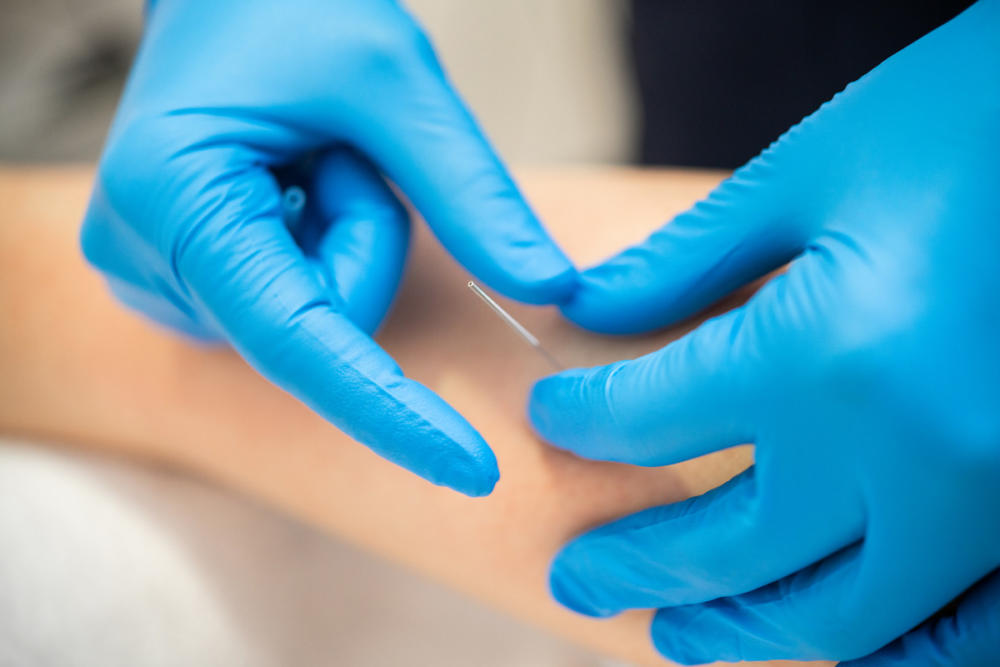
    If the tension is in the deeper tissues of the muscle, these techniques may not be enough to relieve it. However, trigger point dry needling is another technique that can reach beyond the superficial tissues to relieve tension in the fibers in the muscle belly. The goal is for the muscle fibers that are better equipped for the task to absorb the stress instead of the periosteum.

    In addition to helping relieve the pain of MTSS, physical therapy can also help prevent symptoms from coming back. You can learn exercises to prevent overpronation by strengthening the arch of your foot. Although it may seem counterintuitive at first, strengthening the muscles that control hip movement can help reduce tension in the lower leg.

    Your physical therapist may also suggest shoes that provide better support and adjustments to your activities to reduce stress on your lower leg and prevent shin splints from coming back.

    As you progress through therapy and eventually return to your previous activities, use pain as a guide and stop when it starts to hurt. Trying to push through the pain of shin splints only makes the problem worse. make an appointment today with a Foothills physical therapist.

    Source link

  • Celebrating Patient Recognition Week: the importance of keeping your bones and joints healthy

    Celebrating Patient Recognition Week: the importance of keeping your bones and joints healthy


    smiling woman sitting next to fitness ball and holding bottle of waterFebruary 1 marks the start of Patient Recognition Week, an annual event celebrating the important role of patients in the healthcare system. As the name suggests, this week is all about recognizing and honoring the hardworking patients who place their trust in the hands of medical professionals. But it’s not just about celebrating patients; it is also about promoting good health and well-being.

    Caring for our bones and joints is one of the most important aspects of maintaining good health. Our bones and joints play a crucial role in our daily lives, allowing us to move, work and play. Without healthy bones and joints, we wouldn’t be able to perform even the most basic tasks. That’s why it’s so important to take care of these vital parts of our body.

    What can we do to keep our bones and joints healthy? Here are a few tips:

    Exercise regularly to keep your bones and joints strong

    Exercise is one of the best things you can do to keep your bones and joints healthy. Regular exercise helps strengthen bones and improve joint flexibility.

    It’s important to find an exercise routine that you enjoy, whether it’s running, swimming or yoga. The key is to make sure you get at least 30 minutes of moderate-intensity exercise every day.

    Eat a healthy, balanced diet to support your bones and joints

    A healthy diet is essential for maintaining strong bones and joints. Calcium and vitamin D are crucial for bone health, so include plenty of dairy products, green leafy vegetables and oily fish in your diet. Getting enough protein is also vital as it helps repair and build body tissues.

    Don’t ignore pain or discomfort in your bones and joints

    If you experience pain or discomfort in your bones or joints, it is essential to seek medical attention. Ignoring these symptoms can lead to further problems down the road.

    At Bone & Joint Specialists Orthopedic Center of Indiana, our team of experienced orthopedic specialists are ready to help you with all your orthopedic needs.

    Contact us at 219-795-3360 to schedule an appointment or ask questions about your orthopedic concerns.

    Source link

  • Plums for your bones – Food for healthy bones

    Plums for your bones – Food for healthy bones

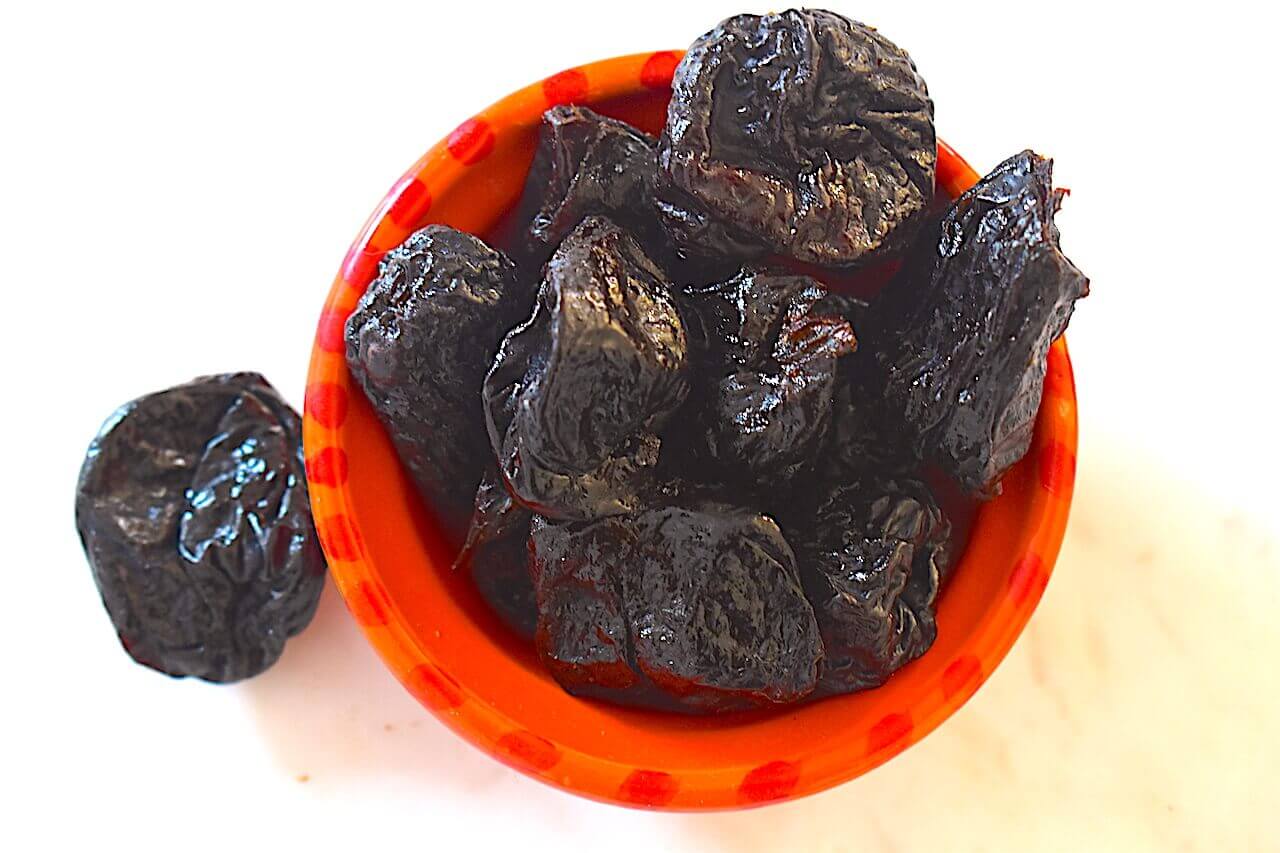
    Eating plums for your bones can help prevent or slow bone loss by reducing inflammation and oxidative stress. There are two delicious recipes on my plum blog.

    Skelly and I spend a lot of time promoting strong bones and how to nourish them. But many women we meet don’t think about it – until it’s too late.

    Some women are so concerned about preventing cancer and heart disease that they don’t bother to worry about their bones. But the thing is: as a woman, you have a 50/50 chance of breaking a bone as you get older. Those are pretty bad odds.

    Broken bones are even more common in women than heart attack, stroke and breast cancer combined. [1]

    And supporting your bones is easier than you think. You can do something good for your bones with every meal.

    Let me give you just one example of powerful bone food...

    I’m talking about plums

    Or as some people like to say, ‘dried plums’.

    As we age, lower estrogen levels can lead to inflammation and oxidative stress. These can increase bone loss and fractures.

    prunes for your bones bone health

    Plums rich in minerals

    Vitamin K, phenolic compounds and dietary fiber. These can all combat oxidative stress and inflammation.

    The evidence was recently published in the journal Advances in nutrition. [2]

    Researchers looked at 28 studies in both humans and animals. They found that women who ate about ten plums a day for a year improved bone mineral density in the forearm and lower back. They also found that eating just 5 to 10 plums per day for six months prevented loss of bone mineral density and reduced bone resorption.

    Plums help reduce bone loss because they are high in polyphenols. These are powerful antioxidants. Other fruits are also rich in polyphenols, including apples, blackberries, cherries, grapes, pears, pomegranates, raspberries and strawberries. [3]

    More antioxidants than any other fruit

    Plums also give you a boost of a little-known bone mineral called drill. It ensures that bones do not lose calcium and magnesium. It also helps your body produce and use vitamin D, which is crucial for bone formation.

    And of course, prunes have additional benefits for your colon and help you stay regular. Studies show they improve your gut microbiota (bacteria) and may help reduce your risk of colon cancer.[4]

    Low glycemic index

    If you’re worried about getting too much sugar from dried fruit, plums are still a good choice. One serving of about 60 grams or 6 plums is only 29 on the glycemic index. [5]

    Everything below 55 is considered low. That means they won’t give you a sugar rush thanks to their high fiber content. Just make sure that the plums you buy do not contain added sugars.

    Skelly and I are always looking for easy ways to sneak a little spice into our day. We like to chop up a few plums and throw them on our morning oatmeal. You can also add them to a healthy green smoothie (make sure these are pitted plums) or to your yogurt. Or just grab a few for an on-the-go snack.

    Osteoblasts – Bone building cell

    Last: “Animal and cell studies suggest that prunes and/or their extracts improve bone formation and inhibit bone resorption through their action on cell signaling pathways that influence the differentiation of osteoblasts and osteoclasts.” [6]

    From my bones to yours,

    Irma Jennings INHC,

    Your holistic bot coach


    [1] JA Cauley et al. “Incidence of Fractures Compared with Cardiovascular Disease and Breast Cancer: The Women’s Health Initiative Observational Study” Osteoporosis Int. 2008; 19(12): 1717–1723.

    [2] Janhavi et al., “The Role of Plums in Modulating Inflammatory Pathways to Improve Bone Health in Postmenopausal Women,” Advances in nutrition, 2022; nmab162, https://doi.org/10.1093/advances/nmab162

    [3] Jonny Bowden, “The 150 Healthiest Foods in the World, Revised Edition: The Surprising, Unbiased Truth About What You Should Be Eating and Why.”

    [4] Texas A&M AgriLife. “Plum good health benefits.” ScienceDaily. www.sciencedaily.com/releases/2015/09/150927120304.htm (accessed February 23, 2022).

    [5] What is the glycemic index of plums? https://www.livestrong.com/article/415499-glycemic-index-of-prunes/ (accessed February 25, 2021).

    [6] https://pubmed.ncbi.nlm.nih.gov/28422064/

    Want more bone-loving recipes?

    Below is the link to purchase mine downloadable guide:

    7 Day Meal Plan – Simple Cooking for Bone Health

    With 27 bone-loving recipes, shopping lists, nutrition plan, storage tips, weekly tips and much more.

    A fully clickable download guide to help you navigate through the recipes and all the information in this manual.

    The best $47 dollars you can spend on your bot.

    Below, my team created two plum recipes:

    1 for vegetarians/vegans and the other for animal protein eaters.

    I would appreciate giving these recipes a vote just below the description.

    Depositphotos 302288320 XL

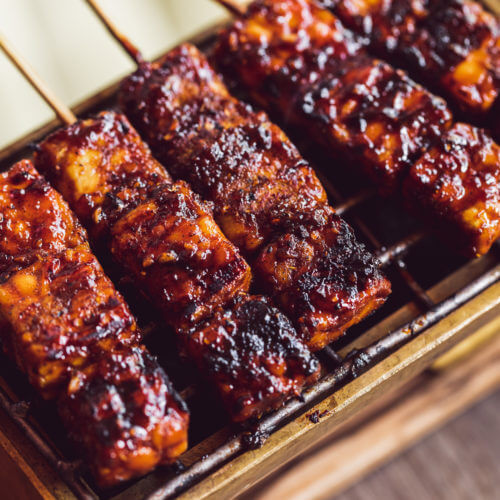
    Tempting Tempeh with Plums

    Plums can help you prevent or delay bone loss. As we age, lower estrogen levels can lead to inflammation and oxidative stress. These can increase bone loss and fractures. Plums are rich in minerals, vitamin K, phenolic compounds and dietary fiber. These can all combat oxidative stress and inflammation.


    Find more bone-loving recipes on my Comprehension Bone Health Program (CBHP) waiting list here!

    View all recipes here.

    Preparation time 2 o’clock 30 minutes

    Cooking time 20 minutes

    Total time 50 minutes

    Class Main dish

    kitchen American

    Portions 4

    Calories 119 kcal

    • 2 – 8 Oz Tempeh organic packages

    Marinade

    • 1 cup water
    • 8 plums
    • 1/4 cup syrup Black belt
    • 2 Tablespoon apple cider vinegar
    • 1 Tablespoon Dijon mustard
    • 3 clove garlic minced meat
    • 1 teaspoon thyme dry
    • 1/2 teaspoon ginger ground
    • 1/2 teaspoon turmeric
    • 1 teaspoon sea ​​salt
    • Make the marinade by combining the water, molasses, prunes, vinegar, mustard, garlic and spices in a high-speed blender.
    • Marinate the tempeh in the refrigerator for at least 2 hours or overnight.
    • Preheat the oven to 400 degrees F.
    • Place the marinated tempeh in a glass baking dish.
    • Bake at 400 degrees F for 15-20 minutes

    Cook once – eat twice

    The nutritional information is calculated automatically and may vary based on the ingredients and products used.

    Calories: 119kcalCarbohydrates: 30GEgg white: 23GFat: 1GSaturated fat: 1GPolyunsaturated fat: 1GMonounsaturated fat: 1GSodium: 636mgPotassium: 487mgFiber: 2GSugar: 23GVitamin A: 183IUVitamin C: 2mgVitamin K: 12µgCalcium: 64mgIron: 1mgMagnesium: 64mgPhosphorus: 31mgSelenium: 5µgZinc: 1mg

    Keyword Gluten-free, osteopenia, osteoporosis, vegan, vegetarian

    Depositphotos 21278359 XL

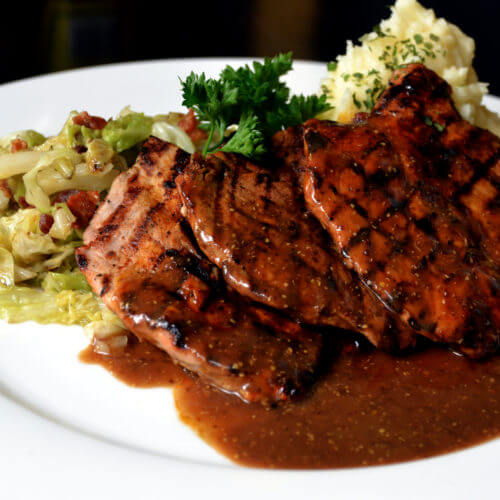
    Powerful pork chops with plums

    Plums can help you prevent or delay bone loss. As we age, lower estrogen levels can lead to inflammation and oxidative stress. These can increase bone loss and fractures. Plums are rich in minerals, vitamin K, phenolic compounds and dietary fiber. These can all combat oxidative stress and inflammation.


    Find more bone-loving recipes on my Comprehension Bone Health Program (CBHP) waiting list here!

    View all recipes here.

    Preparation time 2 o’clock 30 minutes

    Cooking time 15 minutes

    Total time 45 minutes

    Class Dinner, main course

    kitchen American

    Portions 4

    Calories 326 kcal

    • 1 Frying pan
    • 1 Meat thermometer
    • 1 covered bowl
    • 4 pork chops Bone-in pork tenderloins, about 6 oz each

    Marinade

    • 1 cup water
    • 8 plums coarsely chopped
    • 1/4 cup syrup
    • 2 Tablespoon apple cider vinegar
    • 1 Tablespoon Dijon mustard
    • 3 clove garlic minced meat
    • 1 teaspoon sea ​​salt
    • 1/2 teaspoon black pepper ground
    • 1 teaspoon thyme dry
    • 1/2 teaspoon ginger ground
    • 1/2 teaspoon turmeric

    Marinade

    • Using a high-speed blender, combine the water, molasses, prunes, vinegar, mustard, garlic and spices.

    Pork chops

    • Marinate the chops in a covered container in the refrigerator for at least 2 hours or overnight.
    • Preheat the oven to 400 degrees F.
    • Remove the pork from the marinade.
    • Heat a frying pan until hot.
    • Place the pork chops in the pan and sear on one side for 3-4 minutes.
    • Place the skillet in the oven and bake.
    • Chops are ready when a meat thermometer registers 140-145 degrees F.
    • Start checking the meat after 6 minutes – check again every minute (best to use the thermometer on the side of the chop).
    • Extra marinade: bring to a low boil, reduce and use as a dressing over the pork.

    Cook once – eat twice

    The nutritional information is calculated automatically and may vary based on the ingredients and products used.

    Calories: 326kcalCarbohydrates: 30GEgg white: 30GFat: 10GSaturated fat: 3GPolyunsaturated fat: 1GMonounsaturated fat: 4GTrans fat: 1GCholesterol: 90mgSodium: 700mgPotassium: 988mgFiber: 2GSugar: 23GVitamin A: 190IUVitamin C: 2mgVitamin D: 1µgVitamin K: 12µgCalcium: 74mgIron: 2mgMagnesium: 99mgPhosphorus: 333mgSelenium: 50µgZinc: 2mg

    Keyword Gluten free, osteopenia, osteoporosis, pork chops, prunes

    30 Essential Foods for Bone Health

    Source link