FH Blog Stretch3 1
| |

Injury awareness: does stretching prevent injuries?
 

FH Blog Stretch3 1

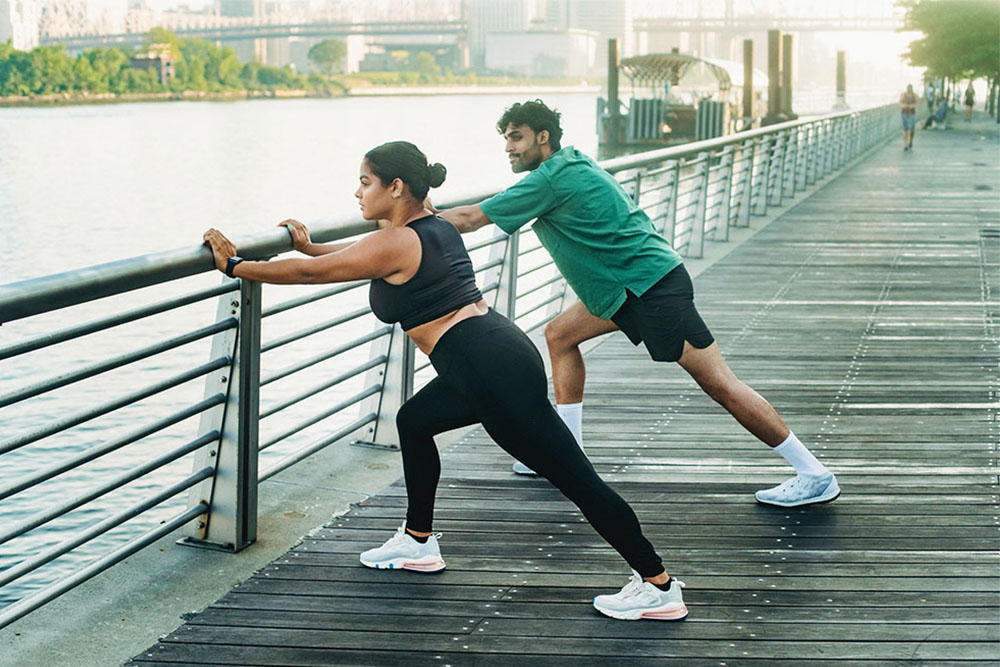
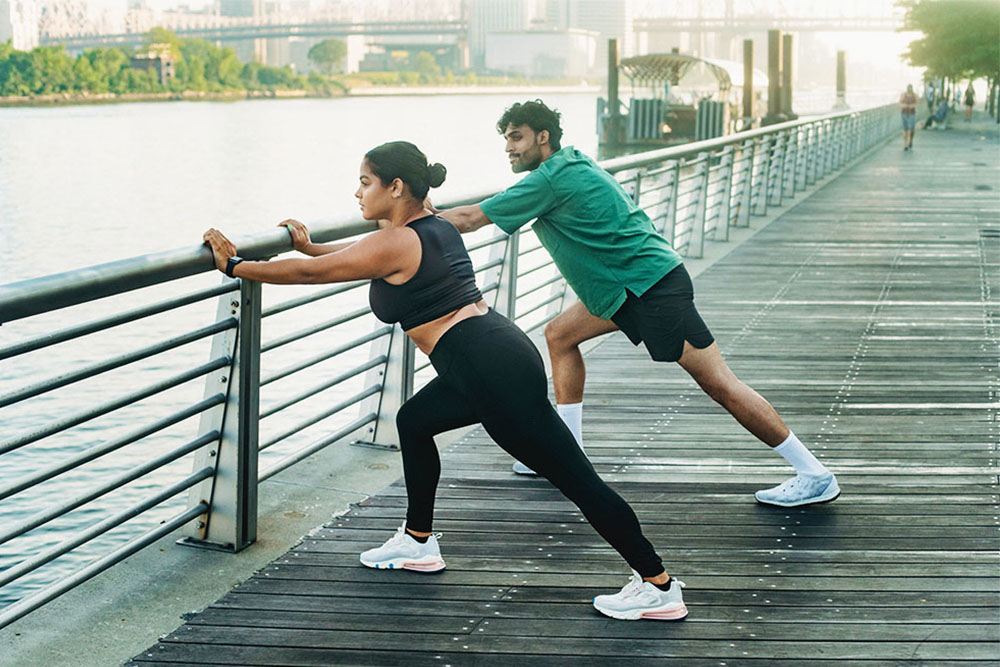
It used to be believed that stretching before a workout was as important as eating breakfast before the start of a big day. If you want to minimize the risk of possible muscle tears, joint injuries or pain-free running, then stretching to prevent injuries is an essential part of your exercise regimen before you start training. But why do we need to think about stretching in terms of injury awareness? Does stretching before exercise reduce the risk of injuries? What was once considered the ideal precursor to our regular workouts has produced conflicting results.

Current research has shown that stretching for injury prevention is a misconception and, at best, inconclusive about preventing injuries. It’s not that stretching is considered ineffective within the physical therapy community. Instead, what is essential to physical therapy is how stretching is applied and translates to the activity that is soon to follow. Essentially, one must do a warm-up in addition to stretching to perform a functional exercise. For example, if you want to increase the strength of your quadriceps and gluteus maximus by performing squats, it’s best to use light sets before adding heavier weights.

Warm-up routine in addition to stretching

Two women relax in a sauna.

  1. External heat: Heat pack, gel pack, sauna, etc.
  2. Massage
  3. Self-traction: Arm hangs, streamers etc.
  4. General or specific warm-ups
    1. Jumping jacks, cycling, short walk (general)
    2. Light activities before adding heavier weights (specific)
  5. Relaxation training

This is a simple method to reduce and relieve pain, reduce muscle tension and minimize anxiety and stress. The definition of relaxation training is “a reduction in muscle tension throughout the body or region that is painful or limited by conscious effort and thought.”

Related content >> Stretches for marathon runners

Three types of relaxation training

  1. Autogenic training: Conscious relaxation through self-suggestion and promotion of exercises and meditation.
  2. Progressive relaxation: Using methodical, distal to proximal progression of voluntary contraction/relaxation of muscles. The sequence for the technique can be as follows:
  • Place yourself in a quiet area, in a comfortable position
  • Breathe deeply and relaxed
  • Contract the distal muscles in the hands/feet for at least 5-10 seconds, followed by consciously relaxing those muscles for 20-30 seconds
  • Get a feeling of reduced heaviness in the hands/feet, with a feeling of warmth in the muscles that have just relaxed.
  • Realize a feeling of relaxation and warmth in your limbs and then throughout your body
  1. Awareness through movement: Combination of sensory awareness, limb and trunk movements, deep breathing, conscious relaxation procedures and self-massage to alter postural abnormalities and muscle imbalances to reduce muscle tension and pain.
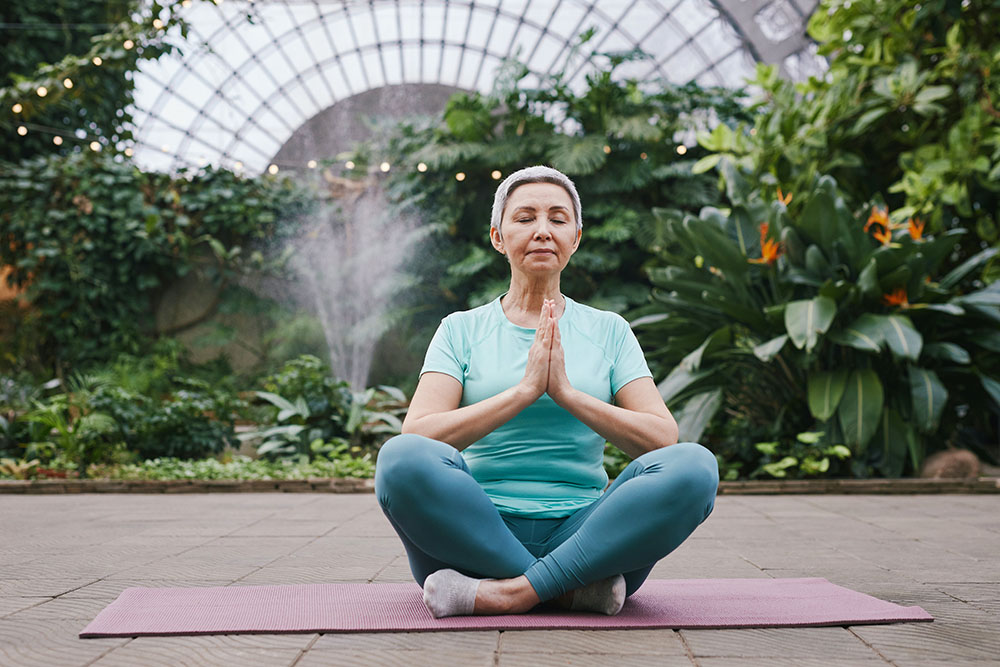
Older woman meditating.

If someone is truly relaxed, the following indicators may be present:

  • Decreased muscle tension
  • Decreased heart and breathing rate, decreased blood pressure
  • Increased skin temperature
  • Constriction of the pupil
  • Minimal to no exercise
  • Flat facial expression and closed eyes
  • Palms open with jaw and hands relaxed
  • Reduced distractibility

When it comes to preventing injuries, there are numerous factors to consider:

  1. Warm up well
  2. Good technique and postural mechanics
  3. Duration, frequency and intensity of the stretch.

The better prepared your body is, the less likely you are to get injured. Stretching is not a panacea and may not make as much of a difference as you might think in preventing injuries. But if it is to provide any benefit in terms of risk prevention, it must be carried out with other methods of rewarming.

If you have any questions or would like a professional to evaluate your stretching and exercise routine, visit us at the Foothills location nearest you.

Source link

Similar Posts

  • Knee Pain When Climbing Stairs: Causes And Relief

    When climbing stairs, many of us experience knee pain, which can be frustrating and limit our mobility. Understanding the causes of knee pain when climbing stairs is crucial for finding effective relief. In this article, we will explore the various factors that can contribute to knee pain while ascending stairs, such as chondromalacia patella, arthritis,…

  • |

    Sleeping after knee replacement

    What if the key to a faster recovery isn’t just what you do during the day, but how you rest at night? We understand that getting proper rest following an operation can be a major hurdle. In fact, research shows about half of all patients report significant discomfort when trying to find a comfortable position. sleeping after knee replacement This cycle of fatigue and increased sensitivity can slow down your progress. That’s why quality rest is not a luxury—it’s a critical part of the healing process, as emphasized by Christynne Helfrich, PT, DPT at Hinge Health. Our guide is designed to break this cycle. We provide expert-backed strategies for managing discomfort and improving your overall rest quality. This includes proven positions and techniques for the crucial first weeks. By addressing the root causes of post-operative disturbances, we aim to help you achieve the restorative rest your body needs. For a comprehensive plan, explore our detailed resource on how to sleep after knee replacement. Key Takeaways Quality rest is a powerful, non-negotiable part of the healing journey after surgery. Many individuals experience increased pain at night or struggle to find a comfortable sleep position. Targeted exercises and proper sleep hygiene can significantly improve your comfort and rest quality. Effective pain management, including techniques like icing, is crucial for uninterrupted sleep. Guidance from your physical therapist and surgical team is essential for a safe and effective recovery. Patience and consistency with your nightly routine are key to long-term success. Understanding Knee Replacement Recovery Your body begins a detailed repair process immediately after joint surgery. A nerve block often provides comfort for the first 18 to 30 hours post-procedure. This offers a valuable window before typical sensations begin. knee replacement recovery Post-Surgery Healing and Body Changes Significant changes occur as you heal from this operation. Natural inflammation and swelling around the new joint are common. Your system is working hard to integrate the artificial components. We note that many individuals report increased difficulty starting around day four. Challenges can persist for up to ten weeks in some cases. Discomfort may also travel to areas like the shin or hip at night. This is a normal part of the adjustment process. Your body is adapting to its new mechanics. How Sleep Supports Recovery Quality rest is vital for repair. Your body focuses on mending the joint and surrounding muscle tissue during deep rest. This is when the most intensive healing occurs. As healing progresses, your sleep quality should gradually improve. Research shows most people see significant progress by the three-month mark. The first month is often the most difficult. We encourage you to stay active during the day. Gentle movement promotes blood flow and prevents stiffness. This daily activity supports better rest at night. Understanding that your body is working hard post-operatively helps manage expectations. Consistency with your routine is key for long-term success. Common Sleep Challenges After Knee Replacement The quiet of the night often amplifies the physical sensations that accompany post-operative healing. We see that nearly half of all individuals report severe disturbances during this critical time. This makes addressing these hurdles a top priority. common sleep challenges after knee replacement Nighttime Pain and Discomfort Without daytime distractions, you may become more aware of persistent sensations. This heightened awareness can make falling asleep difficult. Anxiety about your new joint is also common. Worrying about movement can further disrupt your rest cycles. Dealing with Swelling and Stiffness Inflammation is a natural response to an operation. It often increases when you are lying down for extended periods. Limited mobility prevents natural position shifts. This lack of movement allows stiffness to set in by morning. Challenge Primary Cause Typical Effect Nighttime Pain Increased sensory awareness Difficulty initiating sleep Swelling Post-surgery inflammation Discomfort in bed Joint Stiffness Immobility during rest…

  • Maintaining Focus with Chronic Pain: Top Tips

    Living with chronic pain can be challenging, impacting our ability to concentrate and stay focused. The constant discomfort and physical limitations can make it difficult to perform daily tasks and maintain productivity. However, by implementing effective chronic pain management techniques, we can improve our concentration and reclaim control over our lives. In this article, we…

  • | |

    The Role of Physiotherapy in Alleviating Knee Pain

    Physiotherapy plays a crucial role in alleviating knee pain by focusing on rehabilitation and strengthening of the knee joint. This article explores the anatomy of the knee joint, the principles of physiotherapy for knee pain, and evidence-based approaches in physiotherapy interventions. Understanding the role of physiotherapy in knee pain management is essential for both patients…

3 Comments

Leave a Reply

Your email address will not be published. Required fields are marked *