Category: Knee ligaments

  • Tips for staying healthy during high school football season

    Tips for staying healthy during high school football season

    by Matt Midkiff PT, DPT,CSCS Gilbert Mesa Director of Sports Medicine Arizona Arsenal SC

    The transition from club to high school football and back to club is one of the most physically taxing times for our high school students. Staying healthy during high school football season is crucial to doing your best on the field and minimizing the risk of injury.
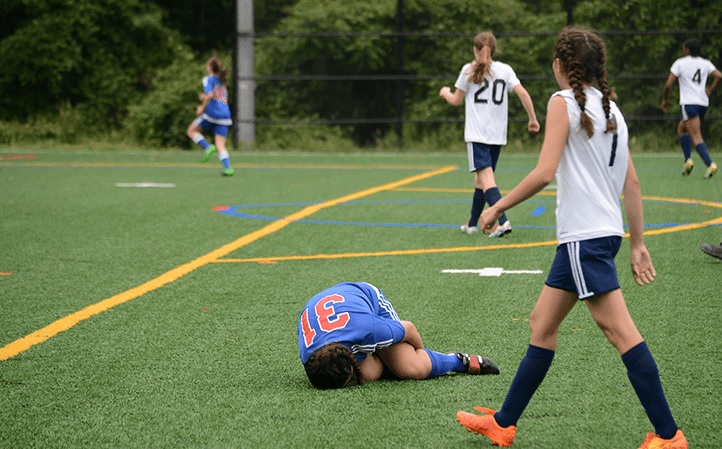
    soccer injury

    Year over year we see more injuries in this time frame due in large part to overuse with longer practice time in November and also a greater number of games in a shorter amount of time during the high school season.

    These injuries range from ACL injuries and ankle sprains to much less significant joint tendon pain.

    3 tips to minimize injuries

    There are several simple but important things players can do to minimize injuries and do their best to stay healthy during the high school football season.

    #1 Prioritize recovery. As practice times and game demands increase, it is so essential that our athletes get adequate sleep (at least 8 hours), eat regularly, meet their macronutrient needs, and continually hydrate. With less time for recovery, managing the recovery process is essential.

    FH BFR Recovery Blog 2

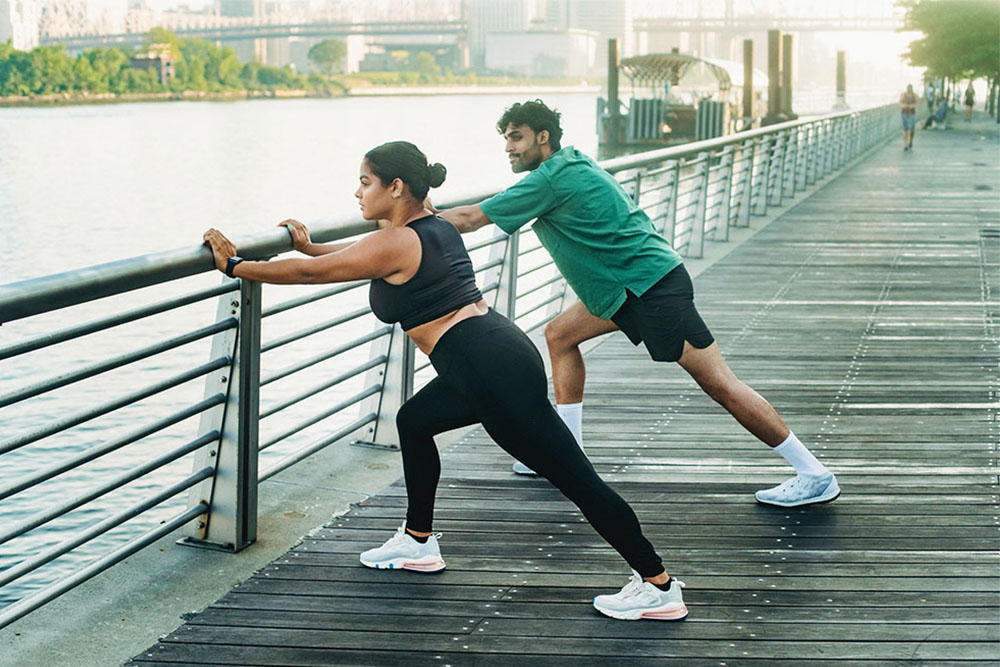
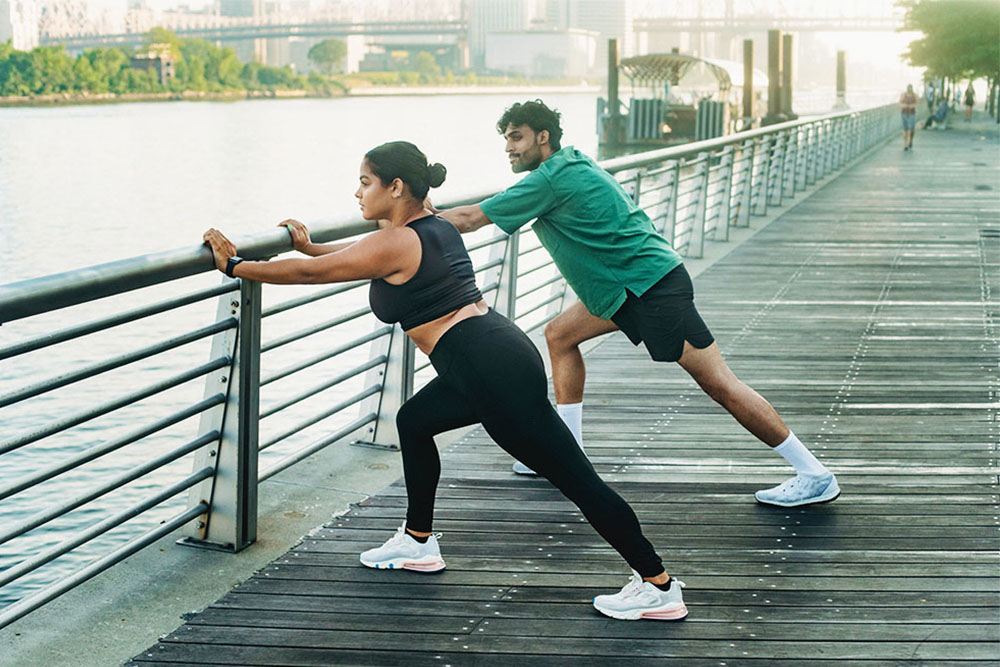
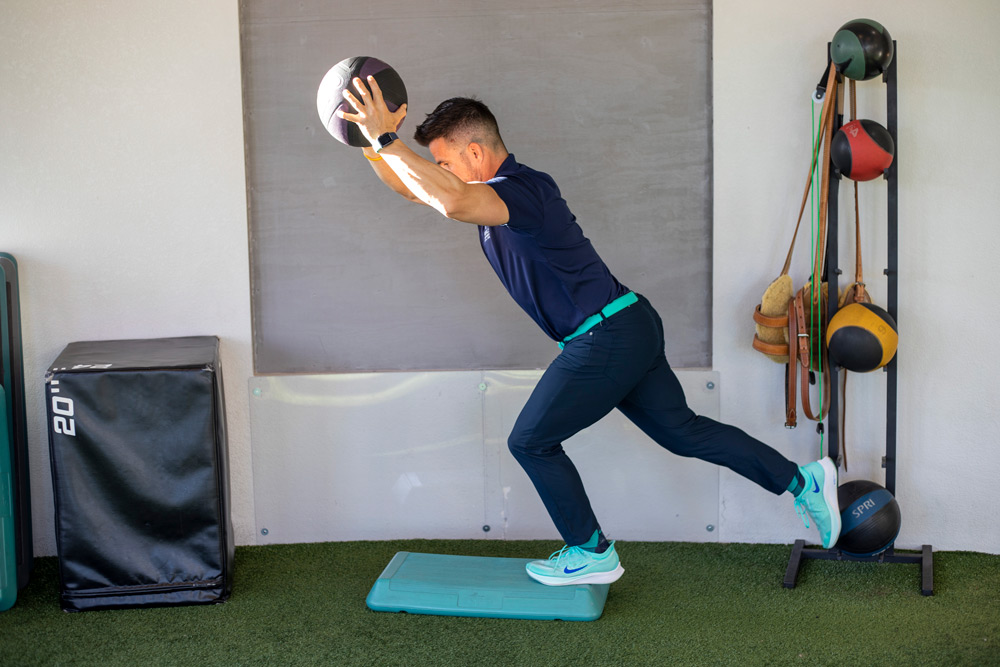
    #2 Work on mobility and flexibility. Overworked muscles become sore and tight, and muscles that maintain good flexibility and length are less likely to suffer from overuse injuries. It is essential to follow a mobility and flexibility program.
    0J1A8582

    #3 Work on functional strength. This is difficult due to the reduced time off, but maintaining lower body and core strength throughout the season is a win for injury prevention. Due to the reduced time and fatigue, muscle strengthening exercises are often neglected. Although maximum strengthening should not be performed during this time, it is incredibly important to take 20 minutes twice a week to do single leg strengthening and core exercises to reduce injuries.

    Stay tuned for more posts with a sample mobility program and a sample functional strengthening program that can easily be completed at home in 20 to 30 minutes during the high school season.

    Success equals staying on the field

    As always, athletes cannot be successful for their team if they are not available to be on the field. Injuries can deprive the athlete of time to do what they love, which can be extensive if the injury is severe. It is so important that our athletes take care of their bodies during the most stressful time of the year so that they have the best chance to stay healthy, perform for the high school team and come back even more vital for the second half of the club season . .

    Do you need physiotherapy due to a football injury? A licensed physical therapist from Foothills Sports Medicine can assess the problem with a free injury assessment and develop a treatment plan to prevent future serious damage. Request an appointment at one of our Valley-wide locations. We’re ready to get you back on the field and show you how to prevent future injuries.

    Source link

  • Winning combination for sports-related shoulder injuries

    Winning combination for sports-related shoulder injuries

    Initiating a robust exercise program earlier after surgery can prevent patients with dislocated shoulders from re-injuring and allow them to return to sports more quickly.

    Researchers from the University of Adelaide spent three years analyzing evidence from 3,600 existing studies and concluded that a tailored exercise program starting three to six weeks after surgery is the best approach to preventing a secondary shoulder dislocation.

    “Patients who dislocate their shoulder are at high risk of doing so again within six months, and may suffer from recurrent instability,” says Dr Timothy Lathlean from the University of Adelaide, an Accredited Exercise Physiologist (AEP) and postdoctoral researcher at the University of Adelaide. Adelaide Medical School and the South Australian Health and Medical Research Institute (SAHMRI).

    “Our analysis found that those who began a robust exercise program after surgery were twice as likely to avoid a recurrent injury than those who only exercised to recover from their injury.”

    The researchers found that starting a multimodal program — a combination of exercises aimed at strength, coordination, balance and muscle control — shortly after surgery produced better results than standard care programs that rely solely on strength training.

    The review focused on patients who were experiencing first-time shoulder dislocations that occurred in an anterior direction as a result of a direct blow to the shoulder. This type of injury often occurs during sports or work accidents.

    Shoulder dislocations are especially common in young men between the ages of 16 and 30, because they more often practice contact sports and perform physically challenging professions.

    “Shoulder dislocation can be disabling and is often accompanied by weakness, stiffness, pain and inability to participate in daily activities and sports,” said Dr. Lathlean.

    “People who have suffered this injury may have difficulty returning to work or exercise and there is an associated economic burden. This can be reduced with more effective treatment and timely, targeted rehabilitation.”

    This research was part of a collaborative project with a PhD student at the Texas Tech University Health Sciences Center and the University of Adelaide’s School of Allied Health.

    The findings have been published in the British Journal of Sports Medicine and could help both practitioners and researchers achieve the best outcomes from surgery and rehabilitation.

    “The results show that there is a real need for more advanced exercise programs in the rehabilitation phase to improve outcomes for patients and get them back to exercise faster,” said Dr Lathlean.

    “Similar approaches are already common in recovery from other types of surgery for spine or knee-related injuries and the evidence from this study shows that this would also be beneficial for patients with acute shoulder injuries.”

    Source link

  • We need more evidence to guide postoperative care for children after anterior cruciate ligament reconstruction

    We need more evidence to guide postoperative care for children after anterior cruciate ligament reconstruction

    Use of cryotherapy in the postoperative treatment of anterior cruciate ligament reconstruction in children: a prospective randomized controlled trial

    Wong JYS, Ashik MBZ, Mishra N, Lee NKL, Mahadev A, Lam KY. J Pediatr Orthop B. August 25, 2023. doi: 10.1097/BPB.0000000000001120. E-publishing prior to printing. PMID: 37669155.
    https://pubmed.ncbi.nlm.nih.gov/37669155/

    Take home message

    Young patients experienced minimal benefits in pain and range of motion with the use of an ice pack for the first six weeks after anterior cruciate ligament (ACL) reconstruction.

    Background

    ACL injuries and subsequent ACL complaints are becoming increasingly common among the young active population. However, we lack a consensus on the best treatment protocols after ACLRs within this population. For example, some physicians disagree on whether cryotherapy should be used acutely after ACLR.

    Study aim

    The authors sought to investigate the efficacy of cryotherapy in relieving postoperative pain and restoring knee range of motion after ACLR in pediatric patients for six weeks.

    Methods

    The authors randomized 42 pediatric patients (~15 years old; 55% female) who underwent ACLR from January 2019 to December 2020 to a postoperative ice group (n=21) or no ice group (n=21) and assessed pain at rest and movement via a visual analogue scale and range of motion of the knee at baseline (day 1 postoperatively) and then at 1, 4, and 6 weeks postoperatively. Patients in the ice group received an ice pack and applied the pack for 20 minutes three times a day with a minimum of 4 hours between ice treatments for six weeks. Patients were excluded from the data analysis if they missed more than two of six physical therapy visits.

    Results

    The ice treatments had minimal impact on knee extension range of motion and pain at rest or with movement. Immediately after surgery, the no-ice group had better knee flexion range of motion than those given ice (53 versus 31 degrees). The ice group subsequently showed greater improvements in range of motion during the first 6 weeks postoperatively compared to the no-ice group (99 vs. 65 degree improvement; final range of motion: 130 vs. 119 degrees). No one reported a cold injury or skin change.

    Viewpoints

    The authors suggest that adding cryotherapy during the acute phase after ACLR is a low-risk intervention that could improve range of motion. However, we must be careful as each group only had 21 participants and the groups started with different amounts of knee flexion range of motion. It would be useful to conduct larger studies examining these outcomes, medication use, adherence, and patient preferences/expectations. It would be interesting to know whether other strategies, such as cold water immersion or active recovery, would improve outcomes more than an ice pack. Additionally, it would be interesting to use newer assessment strategies to determine whether an ice pack provided pain relief immediately after treatment compared to before. The ice packs may provide minimal benefit for biweekly visits, but provide significant relief at that time. We need more evidence to determine the best way to treat young patients after an ACLR, but an ice pack is an inexpensive, low-risk treatment that can be used if a patient wishes.

    Clinical implications

    Medical professionals can continue to provide athletes with cryotherapy education and treatment options. However, they should note that the improvements in pain and range of motion are small. This information is important to communicate with patients so that they can make informed treatment decisions about whether to continue with ice.

    Questions for discussion

    Do you encourage your patients to use ice after surgery? What results have you seen from using ice? Within six weeks of surgery, will you use other alternative methods to reduce pain and increase range of motion?

    related posts

    1. Take a dunk if you want, but don’t expect more
    2. Cold water immersion for the prevention and treatment of muscle pain after exercise
    3. Colder may not be cool for recovery
    4. Delayed onset muscle soreness: freezing or warming?
    5. Whole body cryotherapy for proprioception and muscle damage

    Written by Jane McDevitt
    Reviewed by Jeffrey Driban

    9 EBP CEU courses

    Source link

  • Injury awareness: does stretching prevent injuries?

    Injury awareness: does stretching prevent injuries?

    FH Blog Stretch3 1

    It used to be believed that stretching before a workout was as important as eating breakfast before the start of a big day. If you want to minimize the risk of possible muscle tears, joint injuries or pain-free running, then stretching to prevent injuries is an essential part of your exercise regimen before you start training. But why do we need to think about stretching in terms of injury awareness? Does stretching before exercise reduce the risk of injuries? What was once considered the ideal precursor to our regular workouts has produced conflicting results.

    Current research has shown that stretching for injury prevention is a misconception and, at best, inconclusive about preventing injuries. It’s not that stretching is considered ineffective within the physical therapy community. Instead, what is essential to physical therapy is how stretching is applied and translates to the activity that is soon to follow. Essentially, one must do a warm-up in addition to stretching to perform a functional exercise. For example, if you want to increase the strength of your quadriceps and gluteus maximus by performing squats, it’s best to use light sets before adding heavier weights.

    Warm-up routine in addition to stretching

    Two women relax in a sauna.

    1. External heat: Heat pack, gel pack, sauna, etc.
    2. Massage
    3. Self-traction: Arm hangs, streamers etc.
    4. General or specific warm-ups
      1. Jumping jacks, cycling, short walk (general)
      2. Light activities before adding heavier weights (specific)
    5. Relaxation training

    This is a simple method to reduce and relieve pain, reduce muscle tension and minimize anxiety and stress. The definition of relaxation training is “a reduction in muscle tension throughout the body or region that is painful or limited by conscious effort and thought.”

    Related content >> Stretches for marathon runners

    Three types of relaxation training

    1. Autogenic training: Conscious relaxation through self-suggestion and promotion of exercises and meditation.
    2. Progressive relaxation: Using methodical, distal to proximal progression of voluntary contraction/relaxation of muscles. The sequence for the technique can be as follows:
    • Place yourself in a quiet area, in a comfortable position
    • Breathe deeply and relaxed
    • Contract the distal muscles in the hands/feet for at least 5-10 seconds, followed by consciously relaxing those muscles for 20-30 seconds
    • Get a feeling of reduced heaviness in the hands/feet, with a feeling of warmth in the muscles that have just relaxed.
    • Realize a feeling of relaxation and warmth in your limbs and then throughout your body
    1. Awareness through movement: Combination of sensory awareness, limb and trunk movements, deep breathing, conscious relaxation procedures and self-massage to alter postural abnormalities and muscle imbalances to reduce muscle tension and pain.

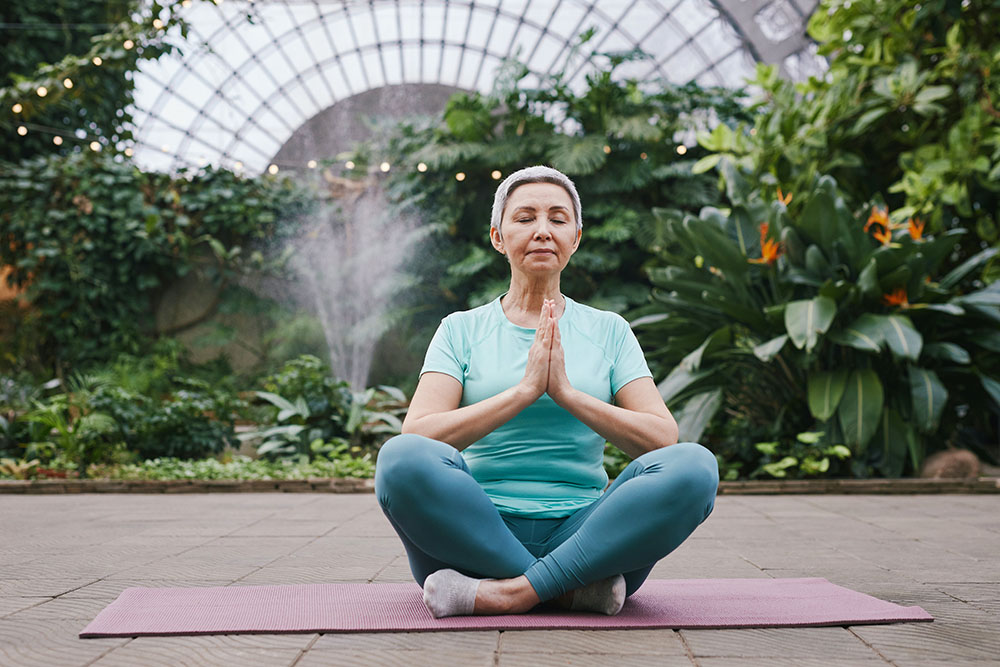
    Older woman meditating.

    If someone is truly relaxed, the following indicators may be present:

    • Decreased muscle tension
    • Decreased heart and breathing rate, decreased blood pressure
    • Increased skin temperature
    • Constriction of the pupil
    • Minimal to no exercise
    • Flat facial expression and closed eyes
    • Palms open with jaw and hands relaxed
    • Reduced distractibility

    When it comes to preventing injuries, there are numerous factors to consider:

    1. Warm up well
    2. Good technique and postural mechanics
    3. Duration, frequency and intensity of the stretch.

    The better prepared your body is, the less likely you are to get injured. Stretching is not a panacea and may not make as much of a difference as you might think in preventing injuries. But if it is to provide any benefit in terms of risk prevention, it must be carried out with other methods of rewarming.

    If you have any questions or would like a professional to evaluate your stretching and exercise routine, visit us at the Foothills location nearest you.

    Source link

  • Pedal power pays off: the benefits of mountain biking outweigh the risks, research shows

    Pedal power pays off: the benefits of mountain biking outweigh the risks, research shows

    New Curtin research into injuries suffered by trail users has found that mountain biking is not the dangerous, injury-ridden sport reserved for thrill seekers and that the health benefits outweigh the risks.

    Researchers analyzed data from dozens of studies around the world, including Australia, involving 220,935 injured mountain bikers and 17,757 injured hikers. The study aimed to identify the types of injuries and the body parts affected to understand the medical treatment of such cases.

    Lead author, PhD candidate Paul Braybrook, from Curtin’s School of Nursing, said mountain bikers were mainly injured to their upper limbs, usually resulting in bruises, scrapes and minor cuts, while walkers were prone to injuries to their legs and ankles and mainly suffered from blisters and ankle sprains. .

    “Mountain biking and hiking are among the fastest growing recreational activities in the world, so understanding the spectrum of injuries is critical to effective medical care,” Braybrook said.

    “Despite the common perception that mountain biking is an ‘extreme’ sport, we found that most reported injuries were of low severity. Although there were high rates of ankle sprains in hikers and arm fractures in mountain bikers, with one study of the latter reporting more than half suffered head injuries, highlighting the importance of a good quality helmet.

    “As the popularity of both pursuits has increased, so has the quality of trails, bikes, shoes and protective equipment, reducing the risk of serious injury.

    “In the case of mountain biking, there has also been a cultural shift away from the more extreme or ‘radical’ riding style that was synonymous with the sport when it first emerged decades ago in places like Colorado and California.”

    Mr Braybrook said the risk of injury from mountain biking or walking outweighs the significant benefits.

    “Mountain biking and hiking bring economic gains through tourism and the obvious health benefits of physical activity, including improvements in cardiovascular health and reducing the risk of high blood pressure, obesity, high blood cholesterol and diabetes type 2,” Braybrook said.

    “With spring weather just around the corner, people should take the opportunity to regularly head to the nearest trail for a run or walk – these are fun activities, great for fitness and with only the occasional scratch or bruise as result.”

    Source link

  • More proof that fresh air can improve performance

    More proof that fresh air can improve performance

    Air pollution, a worthy opponent? How pollution levels affect athletes’ physical, technical and cognitive performance.

    Beavan A, Härtel S, Spielmann J, Koehle M. Sci Total Environ. Jul 27, 2023;900:165707. doi: 10.1016/j.scitotenv.2023.165707. E-publishing prior to printing.

    https://www.sciencedirect.com/science/article/abs/pii/S0048969723043309

    Take home message

    High levels of nitrogen dioxide and coarse particulate matter in the air were associated with poorer athletic performance, technical skills and cognitive functioning.

    Background

    Air pollution harms athletic performance. Given that 99% of the world’s population is exposed to air that exceeds recommended pollution limits, we need to better understand how air pollution affects overall performance, including technical skills, physiological functioning and cognitive skills.

    Study aim

    The researchers investigated whether air pollution concentrations on the day of the performance tests were related to the physical, technical and cognitive performance of top football players.

    Methods

    The researchers collected data from 799 male and female elite football teams in Germany (U12 to professional). Players completed a series of tests to assess their physical (sprint test, change of direction, jumping and aerobic capacity), technical (the Footbonaut assessment tool) and cognitive performance (cognitive flexibility, assessment of response inhibition and working memory). The researchers then compared this data to the average daily concentrations of air pollutants from the area where the assessments took place. The air pollutants included natural particulate matter (PM10), ozone and nitrogen dioxide.

    Results

    Higher particulate matter concentrations were associated with lower sprint speed and change of direction tests. Particulate matter also negatively impacted technical performance as measured by the Footbonaut assessment, particularly impacting accuracy. Higher nitrogen dioxide concentrations are associated with poorer cognitive function and aerobic capacity.

    Viewpoints

    Overall, this study provided further evidence that air pollutants reduced performance while adding a new dimension to the literature: cognitive impact. These results also build on a previous study by these researchers which found that greater exposure to these air pollutants during training sessions or games was associated with reduced performance (for example, less total distance and higher perceived exertion) and led to poorer well-being the next morning . Although generalizability remains a challenge in conducting this research, it is clear that high levels of pollutants, particularly nitrogen dioxide, ozone, and coarse particulate matter, negatively impact an athlete’s physiological functioning, technical sports performance, and cognitive functions . It would be interesting to know if air pollution increases a person’s risk of injury. Furthermore, it would be interesting to know whether exposure to air pollution before testing affects these results or whether the reduced performance is mainly due to exposure while conducting the assessments, training sessions or games. This knowledge would help clarify whether moving training sessions indoors would solve some of the issues.

    Clinical implications

    Physicians should monitor local concentrations of air pollutants. They may rely on government-run monitoring/reporting websites/mobile apps or other weather-related sources. The Canadian Academy of Sport and Exercise Medicine and the Canadian Society for Exercise Physiology offer recommendations for personal strategies to reduce the impact of air pollution during exercise and exercise. This study also supports potential work to advocate for policies and the use of technology, such as air filtration systems, to protect athletes from additional exposure, which could be prevented.

    Questions for discussion

    Do you have experience with varying environmental conditions that affect performance? If so, how have you used that information in your clinical practice?

    Written by Kyle Harris
    Reviewed by Jeffrey Driban

    related posts

    Fresh air can help improve performance
    Personal strategies to reduce the effects of air pollution exposure during sport and exercise: a narrative review and position statement by the Canadian Academy of Sport and Exercise Medicine and the Canadian Society for Exercise Physiology

    9 EBP CEU courses

    Source link

  • Shin Splints Causes, Symptoms and Physical Therapy Treatment

    Shin Splints Causes, Symptoms and Physical Therapy Treatment

    Medial tibial stress syndrome is one of the most common athletic injuries, especially among those who participate in high-impact activities. However, there are other risk factors for shin splints, and not all patients who complain of the characteristic pain along the shin are athletes.

    MTSS is a condition that often resolves on its own. Physical therapy can help relieve the pain and prevent it from returning.

    What causes shin splints?

    There are several muscles in the leg that attach to the shin bone, including the anterior and posterior tibialis muscles, the flexor digitorum longus muscle, and the soleus muscle. These muscles and their connective tissue can pull on the periosteum, a layer of tissue that covers the bone and allows the muscles to attach.

    Repeated stress can cause the periosteum to become inflamed, resulting in the pain of shin splints. There are several risk factors that can contribute to MTSS.

    FH Shin Splits Blog 1

    1. Physical activity

    Athletes who do a lot of running and jumping, such as gymnasts, basketball players, dancers, tennis players and sprinters, are at particular risk for shin splints. An estimated 35% of these athletes eventually develop MTSS.

    Due to frequent marching and other physically demanding tasks, soldiers are at risk of developing shin splints, with a incidence rate that can be as high as 35%.

    2. Weak bones

    MTSS may be more likely in people with underlying medical conditions that weaken the bones, such as osteoporosis or osteopenia. Other underlying medical conditions that can affect bone health and increase the risk of shin splints include eating disorders, vitamin D deficiencies, or hormonal changes in women that can also result in a loss of normal menstruation.

    FH Shin Splits Blog 2

    3. Flat feet

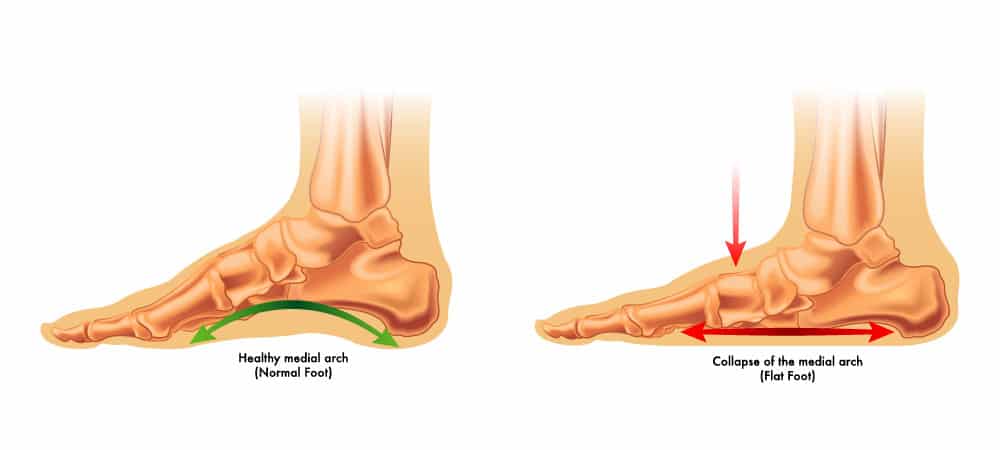
    Overpronation occurs when the arch of the foot collapses due to the impact of a step. This is colloquially known as having flat feet. If you often walk or run with flat feet, this can strain the tibial periosteum and lead to shin splints. You can also develop MTSS if your arches are stiff or high. Exercising or playing sports in shoes that do not provide adequate arch support can contribute to overpronation and increase the risk of shin splints.

    4. Overweight

    Carrying extra weight puts more strain on the lower extremities and increases the risk of shin splints. Maintaining a healthy weight is important for shin splint prevention and overall health, but you should begin an exercise program gradually. Demanding too much of the body at once can also contribute to shin splints.

    How can shin splints be prevented?

    Chances are you will develop MTSS at the start of your athletic season or a new training regimen. In your eagerness to get started, you may try to do too much too quickly, putting too much pressure on your lower legs.

    Starting with a gentle exercise program and progressing slowly is therefore important to prevent shin splints. Limiting activity increases to 10% per week helps prevent sudden changes that can trigger MTSS.

    If your muscles are not properly warmed up before physical activity, they can put pressure on your shin. Be sure to stretch your entire body, especially your legs, before beginning any exercise or athletic event.

    Supportive footwear helps prevent overpronation, so be sure to replace the shoes you use for exercise before they wear out. If you are a runner, replace your running shoes every 300 miles. If your shoes do not provide enough support, you can use arch supports that are specially designed to prevent overpronation.

    Try cross-training with low-impact exercises, such as cycling or swimming, to give your lower legs a chance to rest and recover. When participating in high-impact activities, try to avoid uneven, hilly terrain and hard surfaces.

    iStock 1225517111

    How can physical therapy help treat shin splints?

    The prognosis for shin splints is usually very good and most people recover completely. The key is to relieve pressure on the inflamed tissues so they have a chance to heal. There are several physiotherapy techniques that can help relieve stress in the superficial tissues:

    • Foam rolling
    • Massage
    • Tool-assisted therapy

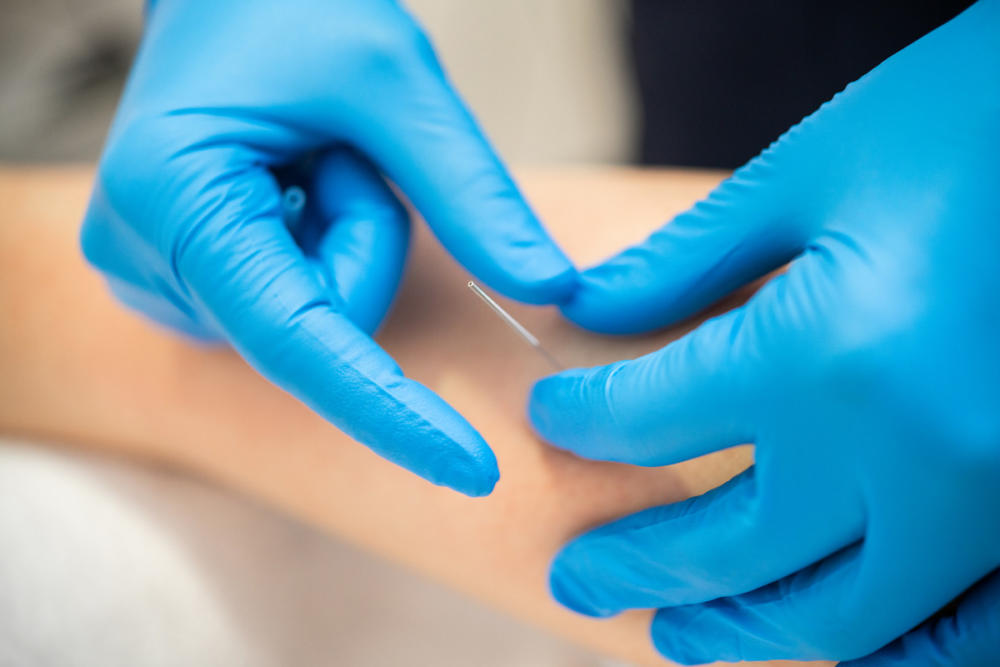
    If the tension is in the deeper tissues of the muscle, these techniques may not be enough to relieve it. However, trigger point dry needling is another technique that can reach beyond the superficial tissues to relieve tension in the fibers in the muscle belly. The goal is for the muscle fibers that are better equipped for the task to absorb the stress instead of the periosteum.

    In addition to helping relieve the pain of MTSS, physical therapy can also help prevent symptoms from coming back. You can learn exercises to prevent overpronation by strengthening the arch of your foot. Although it may seem counterintuitive at first, strengthening the muscles that control hip movement can help reduce tension in the lower leg.

    Your physical therapist may also suggest shoes that provide better support and adjustments to your activities to reduce stress on your lower leg and prevent shin splints from coming back.

    As you progress through therapy and eventually return to your previous activities, use pain as a guide and stop when it starts to hurt. Trying to push through the pain of shin splints only makes the problem worse. make an appointment today with a Foothills physical therapist.

    Source link

  • College athletes experience worse outcomes after injury due to concussions suffered outside of sport

    College athletes experience worse outcomes after injury due to concussions suffered outside of sport

    Researchers at the Children’s Hospital of Philadelphia (CHOP) found that college athletes had worse outcomes after injury due to concussions suffered outside of sports than those they experienced while playing sports. In addition, female athletes who sustained their injuries outside of exercise had more severe symptoms and more sports days lost due to injuries than male athletes. These findings suggest the need for improved recognition, reporting, and monitoring of concussions outside of sport.

    The study was recently published online by the Journal of Athletic Training.

    Concussions can affect the daily functioning and quality of life of those who sustain them. Prompt recognition of symptoms and early access to care can help minimize these effects. Most concussion research has focused primarily on injuries that occur during sports, but those studies often exclude concussions that can occur outside of sports, usually due to falls or car accidents. Some studies have shown that patients with non-sports-related concussions have worse outcomes, but research on these effects in college-age patients is very limited.

    “Patients who experience a concussion outside of sport may lack the resources that athletes who sustain their injury on the field have for concussion care, such as immediate access to health care providers such as athletic trainers,” said first author Patricia Roby, PhD, one of the researchers. injury scientist who conducted this study while she was a postdoctoral researcher at CHOP.

    To help address this gap in knowledge, researchers analyzed data from the National Collegiate Athletic Association-Department of Defense Concussion Assessment, Research, and Education (CARE) Consortium. A total of 3,500 college athletes participated in the study, including 555 who had suffered a non-sports-related concussion. More than 40% of participating athletes were female, allowing potential differences in recovery between men and women to be explored.

    The study found that athletes who had suffered non-sports related concussions were less likely to report their injuries immediately, possibly due to a lack of recognition of the symptoms outside the sporting environment or a hesitation to report the injury caused by unusual or careless mechanisms . Athletes who suffered non-sports-related concussions reported greater severity of their symptoms, more days with symptoms, and more days of sport lost due to injuries compared to patients who suffered sport-related concussions, and these findings were even more true in female patients compared with male patients.

    “Our findings demonstrate that non-athletic mechanisms of concussion injury are an important consideration in college-age young adults, something we had already described in our study in younger children. There is an opportunity to improve clinical outcomes by raising awareness and increasing concussion education. That happens outside of sports and also reduces barriers to healthcare reporting in this older age group,” said senior study author Christina L. Master, MD, clinical director of the Minds Matter Concussion Program at CHOP. “Additionally, our findings regarding gender differences in the trajectory of these injuries require additional research to see the extent to which reporting behavior and access to medical teams contribute to this disparity in outcomes.”

    This study was supported by the National Institute of Neurologic Disorders and Stroke of the National Institutes of Health, grants R01NS097549 and T32NS043126, and the Grand Alliance Concussion Assessment, Research, and Education (CARE) Consortium, funded in part by the National Collegiate Athletic Association. NCAA) and the Department of Defense (DOD). This work was also supported by the Office of the Assistant Secretary of Defense for Public Health Affairs, through the Combat Casualty Care Research Program, endorsed by the Department of Defense, through the Joint Program Committee 6/Combat Casualty Care Research Program – Psychological Health and Program for traumatic brain injury under award number W81XWH1420151.

    Source link

  • Few definitive CTE cases have been detected with and without history of brain injury and collision sports

    Few definitive CTE cases have been detected with and without history of brain injury and collision sports

    Chronic traumatic encephalopathy Neuropathological changes are uncommon in men who played amateur American football

    Iverson GL, Jamshidi P, Fisher-Hubbard AO, Deep-Soboslay A, Hyde TM, Kleinman JE, deJong JL, Shepherd CE, Hazrati LN, Castellani RJ. Anterior neurol. June 19, 2023; 14:1143882. doi:10.3389/fneur.2023.1143882. PMID: 37404944; PMCID: PMC10315537.

    Full text freely available

    Take home message

    Among the brain tissue of men over 50, none showed a definitive neuropathological change in chronic traumatic encephalopathy (CTE). However, three or more authors found that 5% of brains showed ‘signatures’ of neuropathological changes in CTE, arising from cases with and without a history of collision sports.

    Background

    Chronic traumatic encephalopathy (CTE) is a neurodegenerative disease that cannot be diagnosed until death. An update was recently published on defining cases. Rather than a general absence or presence, screeners may note the level of components or “signatures” of neuropathic CTE change.

    Study aim

    The authors evaluated brain tissue from the Lieber Institute for Brain Development Tissue Bank to examine CTE neuropathological changes in relation to a history of American football youth participation and suicide as a mode of death.

    Methods

    The authors assessed 186 donated male brains in a tissue bank enriched with samples from people with neuropsychiatric problems and suicide (~66 years old; 58 participated in a contact sport, 67 died by suicide). Two authors screened the brains. Five authors then examined the selected brains for signs of CTE using the 2016 and 2021 consensus definitions. The authors also reviewed clinical documents and interviewed relatives to determine their medical, social, demographic, family and psychiatric history. In addition, they took into account their history of head/brain trauma/injury and their personal history of participation and concussions in sports.

    Results

    No brain definitively met the criteria for neuropathic CTE change based on the 2016 or 2021 definition. Furthermore, the five authors never unanimously agreed on a case with “hallmarks” of neuropathic changes in CTE. However, three or more authors found 10 cases (5.4%) with “features” of one or both definitions for neuropathic change in CTE.

    The authors found no differences between CTE neuropathic change and personal history of playing American football or contact sports (contact sports = 9%, no contact sports = 4%). Furthermore, there was no difference between CTE tissue samples with neuropathic change and samples with a history of brain injury (brain injury = 4%, no brain injury = 6%), mood disorder (mood disorder = 6%, no mood disorder = 6.0%). ), or manner of death (suicide = 6%, non-suicide = 5%).

    Viewpoints

    Overall, no definitive case of CTE was identified in this sample. Some authors found ‘signatures’ of neuropathic changes in CTE in 1 in 20 brains. Therefore, this condition was very uncommon in men who played amateur football, in people with mood disorders during life and in people with suicide as the cause of death. One of the notable strengths of this study was that the authors used a different brain bank, focusing around the brain tissue donations on psychiatric conditions and not on sports history. The findings at this bank were consistent with low rates at other banks, such as 4% of cases at the Military Brain Tissue Bank. However, these former banks do not represent the general population. It remains unclear how common CTE and “signatures” of neuropathic changes in CTE occur in the general population. This is essential to understand how prevalent CTE is in society and to accurately assess who is at risk for CTE and what the “signatures” of CTE are.

    Clinical implications

    Medical professionals can reassure people that, despite recent media attention, the prevalence of CTE and its characteristics are relatively small. That said, we need to point out to our stakeholders (e.g. parents, patients) that the level of evidence in this area is weak and there is much for us to learn. Doctors should promote positive brain health by limiting repetitive head impacts by improving rules and regulations in contact sports and limiting contact during exercises.

    Questions for discussion

    Do you believe that there would be an increased risk of CTE pathology in those who have played contact sports in the past or have a history of repetitive brain injury? How do you inform your patients about CTE?

    related posts

    1. Treatable conditions should be explored in former athletes with CTE-like symptoms
    2. CTE found in people with no history of contact sports
    3. When it comes to Chronic Traumatic Encephalopathy (CTE), Mom may not know best
    4. Can playing contact sports in high school and college increase the risk of CTE?
    5. Disconnect between concussion education and CTE
    6. Most military members don’t have to worry about CTE

    Written by Jane McDevitt
    Reviewed by Jeffrey Driban

    Evidence-based assessment of concussion course - 5 EBP CEUs

    Source link

  • Walking tips for a happy and healthy trail

    Walking tips for a happy and healthy trail

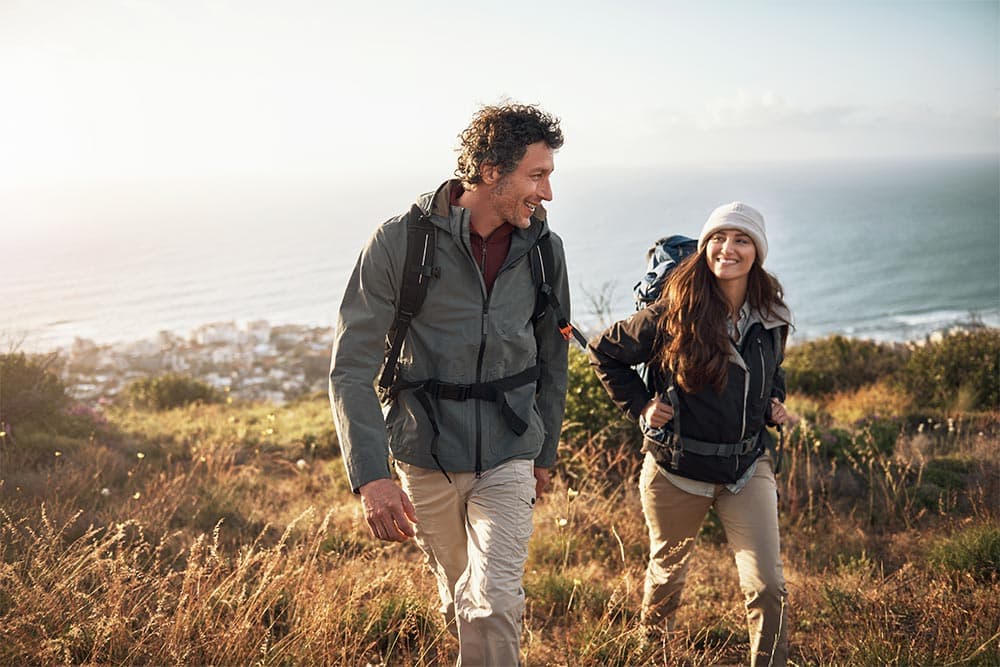
    Hiking in Arizona is a breathtaking experience, with its rugged landscapes, beautiful canyons and diverse flora and fauna. As the weather cools in Arizona, more people are hitting the trails for a hike. To maximize your hiking adventures and avoid injuries, follow our six hiking tips to trailblaze happily and healthily!

    6 essential walking tips

    1. Add dynamic warm-ups

    Incorporating dynamic warm-ups into your walking routine should be a non-negotiable practice. Preparing your body for a few minutes before heading out can significantly improve your hiking experience, improve your performance, and reduce your risk of injury. So before you embark on your next hiking adventure, take the time to warm up dynamically – your body will thank you for it.

    Related content >> Dynamic warm-up exercises

    2. Choose the right shoes for walking

    Choose a pair of walking shoes that suit your fitness level and needs. A sturdy sole to prevent slipping, ankle coverage to promote stability, and adequate arch support are critical to preventing injuries along the way.

    3. Start slowly

    It is crucial that you allow enough time for your walk to avoid rushing and fully immerse yourself in the outdoor experience. Hiking on uneven terrain requires unique skills, including balance and endurance, that take time to develop. Allow yourself to adjust to the rhythm of the trail, enjoy the sights and sounds of nature, and connect with the environment around you. Rushing a walk can lead to missed opportunities for exploration, discovery and appreciation.

    Woman with walking sticks.

    4. Carry a cane

    Carrying a walking stick or a trekking pole can greatly improve your hiking experience. These sticks provide stability and balance, reduce stress on the joints and increase strength and efficiency by activating the muscles of your upper body. They are cherished for navigating uneven terrain, steep slopes and stream crossings. In addition, trekking poles can serve as protection against wildlife, as support for makeshift shelters, and as an aid in measuring depth and distance. Whether you choose to use them depends on your personal preference and the specific demands of your trail adventure. Still, they can be valuable tools to improve safety and comfort on the road.

    5. Stay alert while walking

    It should go without saying, but walking is a highly involved physical activity. Even though the beauty of nature surrounds you, make sure you pay attention. Research the trail you plan to hike, including its difficulty, length, and potential hazards. Familiarize yourself with the rules and regulations of the area you are exploring. Take a break and pull over to the side of the trail to take photos, or just take it all in.

    6. Don’t ignore your pain

    Pain is certainly not gain in this case. It is a signal sent to your brain that something is wrong. If you start to feel pain during your walk, don’t ignore it and keep going. This can often worsen the injury, even if it is relatively minor.

    Physiotherapy benefits for walkers

    Physical therapy (PT) can be a game-changer for hikers, whether they are seasoned hikers or beginners. PT is crucial in preventing injuries, improving performance, and improving your overall walking experience. Consider consulting a physical therapist to optimize your walking.

    At Foothills Sports Medicine we offer physical therapy Rapid Recovery® Injury Assessments for anyone concerned about an injury and curious about whether physiotherapy should be used during treatment. Working with a physical therapist will ensure you are prepared and in the best shape for your next hiking adventure.

    Source link