
iStock 1299085386
| |

Tips for staying healthy during high school football season

by Matt Midkiff PT, DPT,CSCS Gilbert Mesa Director of Sports Medicine Arizona Arsenal SC

The transition from club to high school football and back to club is one of the most physically taxing times for our high school students. Staying healthy during high school football season is crucial to doing your best on the field and minimizing the risk of injury.
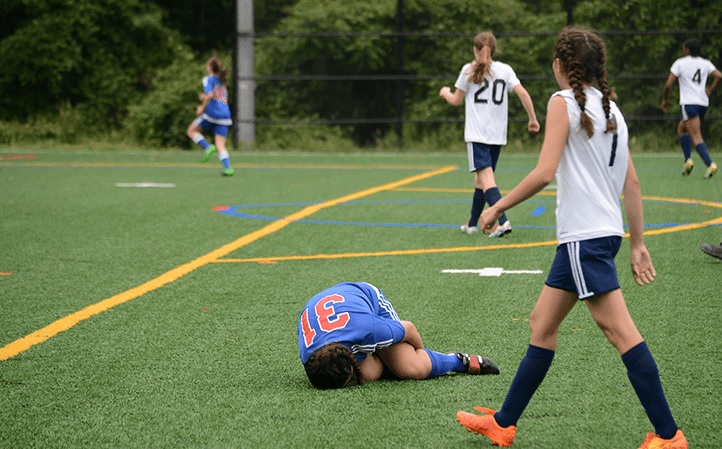
soccer injury

Year over year we see more injuries in this time frame due in large part to overuse with longer practice time in November and also a greater number of games in a shorter amount of time during the high school season.

These injuries range from ACL injuries and ankle sprains to much less significant joint tendon pain.

3 tips to minimize injuries

There are several simple but important things players can do to minimize injuries and do their best to stay healthy during the high school football season.

#1 Prioritize recovery. As practice times and game demands increase, it is so essential that our athletes get adequate sleep (at least 8 hours), eat regularly, meet their macronutrient needs, and continually hydrate. With less time for recovery, managing the recovery process is essential.

FH BFR Recovery Blog 2

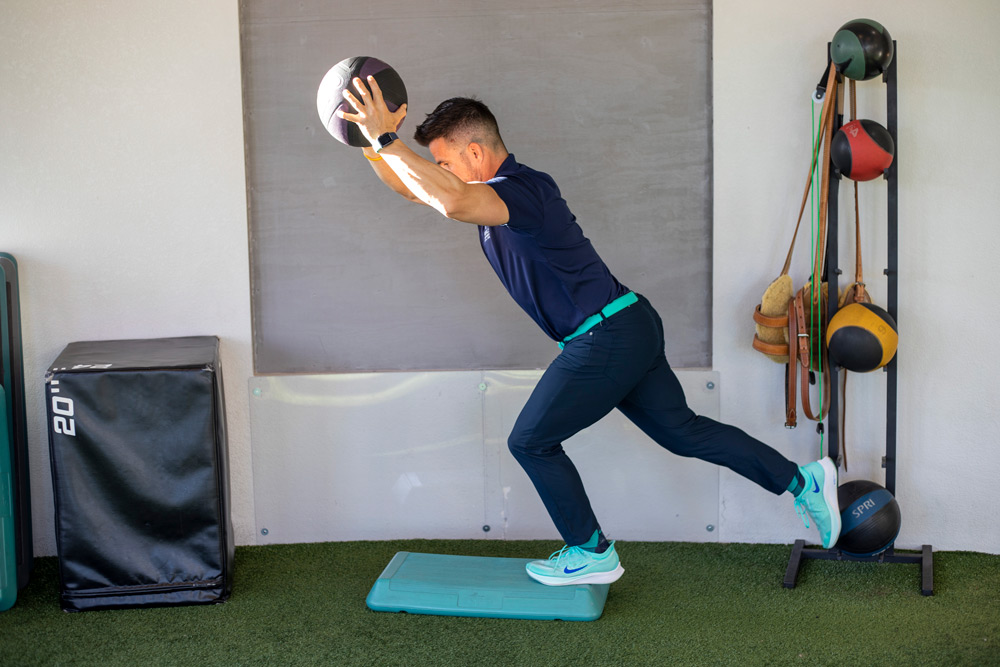
#2 Work on mobility and flexibility. Overworked muscles become sore and tight, and muscles that maintain good flexibility and length are less likely to suffer from overuse injuries. It is essential to follow a mobility and flexibility program.
0J1A8582

#3 Work on functional strength. This is difficult due to the reduced time off, but maintaining lower body and core strength throughout the season is a win for injury prevention. Due to the reduced time and fatigue, muscle strengthening exercises are often neglected. Although maximum strengthening should not be performed during this time, it is incredibly important to take 20 minutes twice a week to do single leg strengthening and core exercises to reduce injuries.

Stay tuned for more posts with a sample mobility program and a sample functional strengthening program that can easily be completed at home in 20 to 30 minutes during the high school season.

Success equals staying on the field

As always, athletes cannot be successful for their team if they are not available to be on the field. Injuries can deprive the athlete of time to do what they love, which can be extensive if the injury is severe. It is so important that our athletes take care of their bodies during the most stressful time of the year so that they have the best chance to stay healthy, perform for the high school team and come back even more vital for the second half of the club season . .

Do you need physiotherapy due to a football injury? A licensed physical therapist from Foothills Sports Medicine can assess the problem with a free injury assessment and develop a treatment plan to prevent future serious damage. Request an appointment at one of our Valley-wide locations. We’re ready to get you back on the field and show you how to prevent future injuries.

Source link

Similar Posts

  • Paragon 28 Adds Second Mobile Medical Education Lab, Significantly Expanding Hugely Successful Training Program for Foot and Ankle Surgeons

      ENGLEWOOD, CO, November 13, 2023–(BUSINESS WIRE)–Paragon 28, Inc. (NYSE: FNA) is pleased to announce the addition of a second trailer to its nationwide mobile laboratory training program, making it even easier for the company to facilitate on-site training and education of surgeons. Paragon 28’s new mobile laboratory is housed in a 40-foot tractor-trailer with…

  • Regular football training improves lung diffusion capacity in boys aged 6 to 10 years | BMC Sports sciences, medicine and rehabilitation

      Attendees The required sample size was calculated using G*Power (version 3.1, University of Düsseldorf, Germany) [21]. The a priori power analysis was calculated with an assumed power of 0.90, an alpha level of 0.01 and an effect size of Cohen’s f = 0.26 for pulmonary diffusion capacity (TL) [10]. The analysis showed that a…

  • Headgear can reduce concussion risk in high school lacrosse

      Association headgear mandate and concussion injury rates in girls high school lacrosse Herman DC, Caswell SV, Kelshaw PM, Vincent HK, Lincoln AE. Br J Sports Med. 2022;56:970-974. doi:10.1136/bjsports-2021-105031 https://bjsm.bmj.com/content/56/17/970.long Take home message Headgear can reduce the risk of concussions in high school lacrosse field players. Background Current regulations classify women’s lacrosse as a non-contact…

  • Knee Brace Benefits: Understanding Its Function

    Welcome to our comprehensive guide on the benefits of knee braces and how they function to provide support, relief, and protection for your knees. Whether you’re dealing with knee pain, instability, or looking to prevent injuries, a knee brace can be a valuable tool in improving your knee health and overall mobility. By wearing a…

  • |

    Knee replacement rehab timeline

    What if the most critical part of your joint procedure happens after you leave the operating room? We understand that navigating the path to healing can feel overwhelming. Our guide is here to provide the clarity you need for a successful journey. knee replacement rehab timeline Data shows that movement often starts very quickly. Physical therapy typically begins within 24 hours after your procedure. This early step is vital for promoting faster healing and restoring mobility. For most people, the complete process of regaining strength spans several months. It’s a journey from the initial post-operative phase to full recovery, often taking between six and twelve months. We aim to help you manage expectations about the time required to return to the activities you love. While every patient’s experience is unique, understanding the general phases can significantly reduce anxiety. By following a structured plan, you can improve function and regain the independence you enjoyed before joint pain began. Your commitment to rehabilitation directly influences the long-term success of your new joint and overall health. Key Takeaways Physical activity often starts within a day of your procedure to aid healing. The full recovery process generally takes between six months and a year. Your personal journey is unique, but knowing common stages reduces worry. A structured plan is crucial for regaining function and independence. Your dedication to the process directly impacts your long-term results. This guide provides clarity to navigate each stage with confidence. Understanding Knee Replacement Surgery We believe informed patients are empowered patients, starting with the details of the operation itself. Knowing which procedure is right for you is a crucial first step in preparing for your healing journey. Differences Between Total and Partial Knee Replacement A total knee replacement involves resurfacing the entire joint with an artificial structure. Surgeons cut away worn cartilage and bone to create a new surface. In contrast, a partial knee replacement focuses only on the damaged compartment. This targeted approach often leads to a quicker recovery process with less discomfort. What to Expect During Surgery and Initial Recovery During your replacement surgery, the medical team precisely aligns the new components. This careful work is done to restore smooth movement and function. Your personal recovery timeline is influenced by factors like your age and general health. Understanding these differences helps you set realistic goals for after your knee surgery. The ultimate goal of this joint procedure is to provide lasting relief from chronic pain and improve your mobility. Immediate Post-Surgery Recovery The journey to regain your mobility starts the moment you wake from anesthesia. Your active participation is vital from these first hours. immediate post surgery recovery We emphasize that structured support begins almost immediately. This early phase sets the foundation for your entire healing process. Day 1: Initiating Rehabilitation and Mobility Physical therapy often starts within 24 hours of your procedure. Your physical therapist will help you take those first, crucial steps. They guide you in standing and walking with a walker or crutches. These initial sessions focus on basic, safe movements. You’ll practice sitting at the bedside and transferring your weight. This early activity promotes circulation and helps prevent complications. Transitioning from Hospital to Home Your medical team must see you meet specific safety criteria before discharge. You need to manage pain well and demonstrate independent movement. Key goals include standing from a chair and using the bathroom alone. Navigating a short flight of stairs is also a common requirement. Some individuals may leave the hospital on the same day as their operation. This is possible if all safety boxes are checked. Your care team will provide clear instructions for protecting your new joint. They will also give you simple exercises to continue at home. The First Week: Early Rehabilitation Steps Navigating the initial week after your operation requires a clear focus on gentle movement and symptom management. We guide you through this period where your routine prioritizes restoring a natural walking pattern and improving joint flexibility. early rehabilitation steps Guided Physical Therapy Exercises for Range of Motion During the first 48 hours, the primary goal is achieving full extension and increasing flexion. Your physical therapist will recommend specific movements to help. These early exercises are designed to prevent stiffness and promote circulation. Your daily routine is crucial for maintaining flexibility in this joint. Managing Pain, Swelling, and Initial Activity Controlling discomfort is a priority. Your doctor may advise using ice packs, elevating your leg, and taking medication as directed. You must monitor your incision site closely. The American Association of Hip and Knee Surgeons suggests waiting 5 to 7 days before showering if non-waterproof dressings are used. We encourage gentle activity, like using a stationary bike. This helps the area regain strength without overexertion. If you experience severe pain or excessive swelling, stop and consult your physical therapist or surgeon immediately. Following a structured rehabilitation timeline is key for a successful recovery….

Leave a Reply

Your email address will not be published. Required fields are marked *