iStock 1299085386
| |

Tips for staying healthy during high school football season

by Matt Midkiff PT, DPT,CSCS Gilbert Mesa Director of Sports Medicine Arizona Arsenal SC

The transition from club to high school football and back to club is one of the most physically taxing times for our high school students. Staying healthy during high school football season is crucial to doing your best on the field and minimizing the risk of injury.
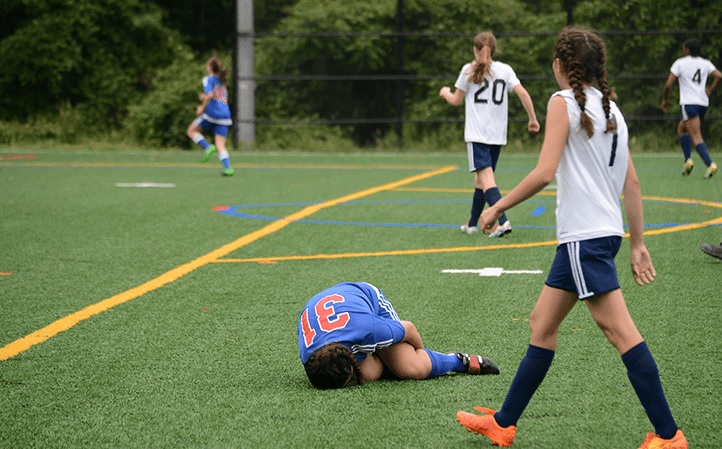
soccer injury

Year over year we see more injuries in this time frame due in large part to overuse with longer practice time in November and also a greater number of games in a shorter amount of time during the high school season.

These injuries range from ACL injuries and ankle sprains to much less significant joint tendon pain.

3 tips to minimize injuries

There are several simple but important things players can do to minimize injuries and do their best to stay healthy during the high school football season.

#1 Prioritize recovery. As practice times and game demands increase, it is so essential that our athletes get adequate sleep (at least 8 hours), eat regularly, meet their macronutrient needs, and continually hydrate. With less time for recovery, managing the recovery process is essential.

FH BFR Recovery Blog 2

#2 Work on mobility and flexibility. Overworked muscles become sore and tight, and muscles that maintain good flexibility and length are less likely to suffer from overuse injuries. It is essential to follow a mobility and flexibility program.
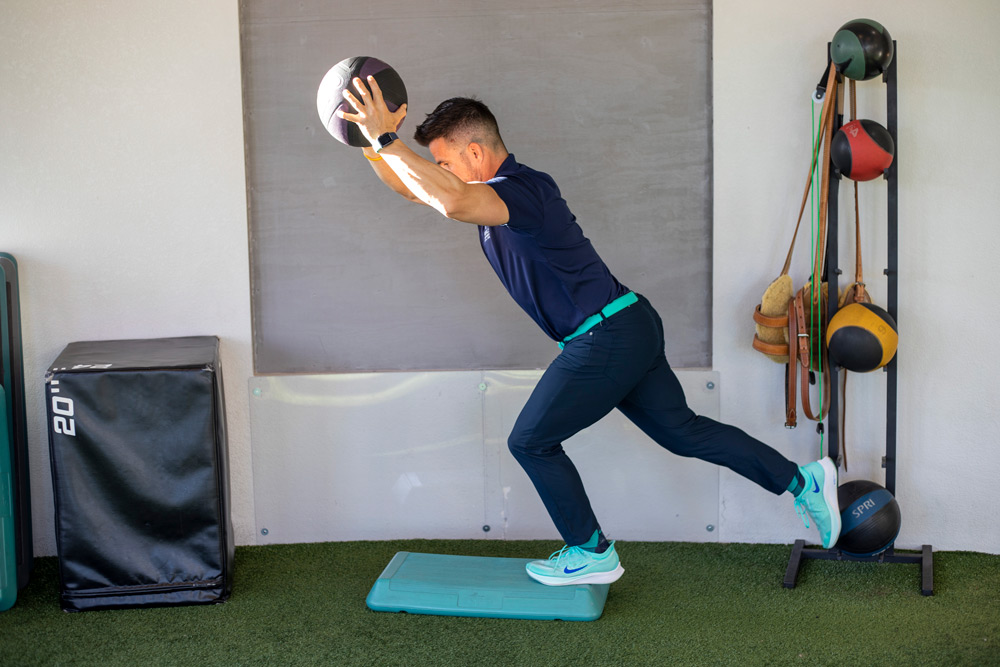
0J1A8582

#3 Work on functional strength. This is difficult due to the reduced time off, but maintaining lower body and core strength throughout the season is a win for injury prevention. Due to the reduced time and fatigue, muscle strengthening exercises are often neglected. Although maximum strengthening should not be performed during this time, it is incredibly important to take 20 minutes twice a week to do single leg strengthening and core exercises to reduce injuries.

Stay tuned for more posts with a sample mobility program and a sample functional strengthening program that can easily be completed at home in 20 to 30 minutes during the high school season.

Success equals staying on the field

As always, athletes cannot be successful for their team if they are not available to be on the field. Injuries can deprive the athlete of time to do what they love, which can be extensive if the injury is severe. It is so important that our athletes take care of their bodies during the most stressful time of the year so that they have the best chance to stay healthy, perform for the high school team and come back even more vital for the second half of the club season . .

Do you need physiotherapy due to a football injury? A licensed physical therapist from Foothills Sports Medicine can assess the problem with a free injury assessment and develop a treatment plan to prevent future serious damage. Request an appointment at one of our Valley-wide locations. We’re ready to get you back on the field and show you how to prevent future injuries.

Source link

Similar Posts

  • |

    8 ACL Prehab Goals – Speed ​​Up ACL

      If you’re working your way through the ACL prehab process, you may have heard a few ACL prehab goals to aim for before your doctor’s surgery. These goals often include goals such as: Normal gait Knee extension range of motion = 0 Knee flexion range of motion minimum 120 degrees Perform 20 straight leg…

  • |

    How to Fix Runner’s Knee Without Stopping Running?

    Every runner dreads that telltale pain front knee that signals something is wrong. The ache around kneecap intensifies with each step. Stairs become challenging. Yet stopping your training feels impossible. Runner’s knee affects millions of active individuals each year. The good news? You can treat this condition without sidelining your passion. This comprehensive guide reveals…

  • Protecting Your Knees: A Weight Lifter’s Comprehensive Guide to Pain-Free Performance

    Introduction As a weight lifter, you’re no stranger to pushing your body to its limits. The rush of adrenaline as you conquer a new personal record is unparalleled. However, one common issue that can derail your progress faster than a missed lift is knee pain. Whether you’re a seasoned powerlifter, an Olympic weightlifter, or a…

  • | |

    Neurological consequences of ACL injuries with Terry Grindstaff

      We know that after a lower extremity injury, such as an ACL tear, joint-related symptoms often occur, such as swelling, loss of motion and instability. But as we learn more about these injuries, there also appear to be several neuromuscular consequences. In this episode, I talk to Terry Grindstaff of Creighton University about his…

  • | |

    Shin Splints Causes, Symptoms and Physical Therapy Treatment

    Medial tibial stress syndrome is one of the most common athletic injuries, especially among those who participate in high-impact activities. However, there are other risk factors for shin splints, and not all patients who complain of the characteristic pain along the shin are athletes. MTSS is a condition that often resolves on its own. Physical…

  • |

    Knee pain after sex

    What if a common physical sensation is quietly shaping the quality of our most private moments? This discomfort can feel isolating. It may make us pull back from our partner. The American Osteopathic Association notes that about one-third of Americans live with joint issues that hinder daily activities. knee pain after sex This statistic reflects a wider reality. When our bodies signal distress, it often echoes in our shared life. The ache isn’t just physical. It can create an invisible barrier to intimacy. We believe understanding is the first step toward change. By exploring the reasons behind this discomfort, we can make smart adjustments. Small changes to our routine can have a big impact. Our goal is to help you move from frustration to solution. Let’s look at how to protect your physical connection and ensure your experiences remain fulfilling and joyful. Key Takeaways Joint discomfort during intimate moments is a common issue that affects emotional and physical connection. Nearly one-third of adults in the U.S. report joint-related problems that impact their daily quality of life. This physical barrier can lead to avoiding closeness, which may strain a relationship. Identifying the root cause of the discomfort is a crucial proactive step toward improvement. Simple adjustments to routines and positions can help maintain a healthy and satisfying sex life. Open communication with your partner about physical limits is essential for mutual comfort. Seeking professional guidance can provide tailored strategies for long-term relief and enjoyment. Understanding Knee Pain After Sex It’s a reality for many: seeking closeness, only to be met with a sharp, distracting sensation. This discomfort has specific roots. Knowing them helps us adapt and find relief. Common Causes and Triggers Physical intimacy involves movement and pressure. These actions can strain the joint if it’s already sensitive. A sudden twist or prolonged kneeling might be the direct trigger. Interestingly, gentle motion can be helpful. Maiken Jacobs, an orthopedic patient educator, notes that moving a joint through its range of motion can release endorphins. This is good for your condition. Acute vs. Chronic Pain Explained We must distinguish between two main types. Acute discomfort often results from sudden injuries, like a sprain. It comes on quickly and usually fades with time and care. Chronic issues stem from long-term conditions. Osteoarthritis is a common example. This ongoing pain affects mobility and daily comfort for many people. Identifying which type you’re experiencing is the first step toward smart management. It guides our approach to maintaining a fulfilling connection. Preparing for Intimacy with Knee Sensitivity A little preparation can transform our intimate moments from a source of worry into a space of comfort and connection. We focus on simple, proactive steps that address physical sensitivity head-on. The Role of Warm Baths and Epsom Salts Starting with a warm bath is a powerful ritual. Adding Epsom salt helps soothe muscles and promotes deep relaxation. Taking a warm Epsom salt bath before intimacy can proactively ease joint discomfort and help you relax. Maiken Jacobs, Orthopedic Patient Educator This practice isn’t just solitary self-care. Turning it into a shared, sensual experience with our partner helps us both unwind and set the right mood. preparing for intimacy with knee sensitivity Pre-medicating and Managing Stress Stress tightens our bodies and can heighten our perception of discomfort. Managing tension is therefore a vital part of our preparation. If we’re concerned about potential aches, seeking information from a doctor is wise. They can advise on the ideal timing for taking an anti-inflammatory to maintain comfort. Proactive planning, like using a heating pad beforehand, ensures our focus stays on connection. Preparation Method Primary Benefit Key Consideration Warm Epsom Salt Bath Soothes muscles & promotes relaxation Can be a shared ritual with a partner Consulting a Doctor Personalized timing for medication Provides expert guidance for safety Stress Management Reduces tension that worsens discomfort Includes deep breathing or meditation…

Leave a Reply

Your email address will not be published. Required fields are marked *