Understanding Knee Anatomy

Knee Ligaments

Anterior Cruciate Ligament (ACL)

The ACL crosses from the back of the femur to the front of the tibia, preventing hyperextension and excessive forward motion of the tibia. ACL tears are a common sports-related knee injury. Non-contact, sudden changes in speed and pivoting are frequent causes of ACL tears. Symptoms include knee instability or “giving way.” ACL reconstruction surgery is often needed to restore knee stability.

Lateral Collateral Ligament (LCL)

The LCL reinforcement on the outer knee connects the femur to fibula, providing lateral stability and resisting varus forces. LCL injuries cause pain and tenderness on the outside aspect of the knee. Grade 1 and 2 sprains may heal with bracing and rehab. Complete LCL ruptures require surgical repair or reconstruction.

Knee Muscles

Quadriceps

This four-part muscle group on the front of the thigh straightens and controls bending of the knee. The rectus femoris attaches to the iliac spine of the pelvis. The vastus medialis, lateralis, and intermedius connect the femur to the patellar tendon. The quadriceps must be balanced and flexible to prevent knee injuries.

Hamstrings

The biceps femoris, semimembranosus, and semitendinosus flex the knee and counterbalance the quadriceps. Hamstring strains are common in sports due to overuse or sprinting/jumping moves. Tight hamstrings contribute to knee pain and injuries, so regular stretching is key. Strengthening exercises are also important.
Similar Posts

  • |

    Flying after knee replacement

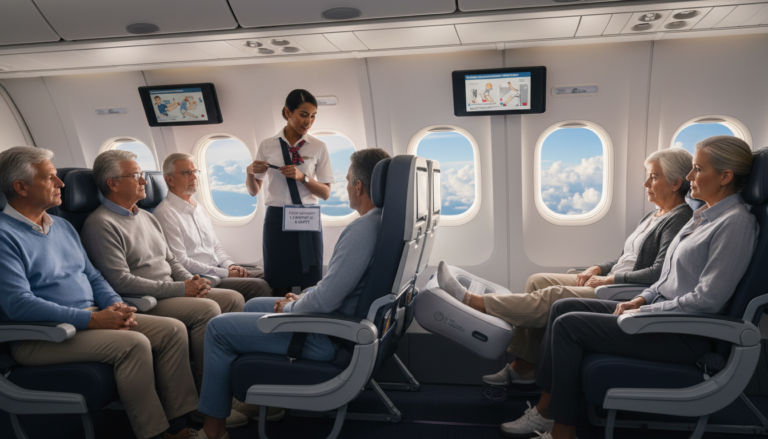
    What if the freedom to travel by air after major joint surgery isn’t as far off as you think? We understand this is a common concern. Many people who have undergone this significant orthopedic procedure worry about their next trip. flying after knee replacement Research shows that managing mobility after an operation is crucial. For instance, data indicates 3-4% of total hip arthroplasty patients develop symptomatic blood clots within three months. Our guide provides essential information for navigating air travel following a successful procedure. We aim to help you feel confident and prepared for your journey. You may wonder when it is safe to resume your plans. We explore how to manage your healing while looking ahead. By following expert-backed advice, you can minimize potential issues. Our focus is on helping you enjoy your restored mobility with peace of mind. Key Takeaways Air travel is a major concern for individuals recovering from joint surgery. Proper planning is essential for a safe and comfortable journey post-operation. Understanding the risks, like blood clots (VTE), is a critical part of preparation. Timing your trip correctly is a key milestone in the overall recovery process. Expert guidance can help reduce complications and build confidence. The goal is to regain freedom of movement and enjoy travel without worry. Understanding the Risks and Benefits of Flying after Knee Replacement The decision to fly after a major joint procedure requires a careful look at safety data and personal mobility gains. We break down the key factors to consider. Assessing Venous Thromboembolism (VTE) Risk A primary concern is venous thromboembolism, which includes deep vein thrombosis (DVT). Research shows the risk of symptomatic VTE after long flights is 1.9 to 5.2 per million person-days. For individuals who have had joint surgery, this risk is heightened. Studies indicate 3-4% of patients develop symptomatic clots within three months of a procedure like total hip arthroplasty. Balancing Recovery and Mobility Benefits The significant improvement in movement is a major positive outcome. However, balancing this benefit with the inherent dangers of blood clots requires medical guidance. Understanding these risks empowers people to make informed choices about travel timing. For comprehensive safety tips, see our detailed guide on flying after knee replacement. Pre-Flight Preparation for Knee Replacement Patients A successful journey begins long before you reach the airport, especially following a significant orthopedic operation. Proper groundwork is essential for safety and comfort. This phase involves close collaboration with your medical team. It also requires a tailored strategy for your specific needs. Consulting with Your Surgeon and Healthcare Team Your first step is to get clear guidance from your orthopedic surgeon. They understand your unique situation best. Dr. Nathan Cafferky of The Steadman Clinic recommends a two-week recovery period near the surgical site before returning home. This allows for immediate post-operative care and monitoring. consulting surgeon for knee surgery travel plan We advise creating a personalized plan with your doctor. This consultation is vital for setting a safe timeline. Creating a Personalized Recovery and Travel Plan Dr. Cafferky also suggests avoiding nonessential trips for six weeks post-surgery. This waiting time helps ensure full healing. Your plan should coordinate support from your entire care team. Focus on rehabilitation during the initial weeks. This approach minimizes risks and builds a solid foundation for future mobility. A thoughtful strategy makes the transition back to daily life much smoother. Planning Your Travel Itinerary and Navigating Airline Requirements Understanding specific carrier policies can make or break your travel plans post-surgery. We guide you through this essential step. Your itinerary must account for unique airline rules. These rules directly impact individuals recovering from an operation. Reviewing Airline Policies and Certification Requirements Research reveals varied carrier stances. A UK study found five airlines restrict flying following arthroplasty. Seven carriers mandate a medical certificate from your doctor. One even requires a 14-day waiting period post-procedure. Always verify your airline’s specific policy before booking. This is a critical precaution for all patients. Policy Type Medical Certificate Required Typical Waiting Period Restricted (No travel allowed) N/A…

  • Ethical Fashion Brands with Knee Braces Selection

    When it comes to finding knee braces that are functional and ethically produced, there are a number of ethical fashion brands that offer sustainable and eco-friendly options. These brands prioritize workers’ rights, minimize their environmental impact, and use cruelty-free and socially responsible materials. If you’re looking for knee braces that align with your values, we…

  • | |

    Injury awareness: does stretching prevent injuries?

      It used to be believed that stretching before a workout was as important as eating breakfast before the start of a big day. If you want to minimize the risk of possible muscle tears, joint injuries or pain-free running, then stretching to prevent injuries is an essential part of your exercise regimen before you…

One Comment

Leave a Reply

Your email address will not be published. Required fields are marked *