
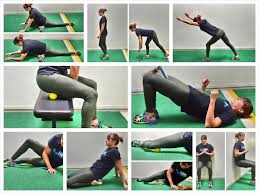
Knee Pain Relief Exercises
Knee Pain Relief Exercises: Effective Ways to Alleviate Discomfort
Knee pain is a common issue that affects people of all ages and activity levels. Whether you’re an athlete or someone who spends most of their day sitting at a desk, knee pain can be a frustrating and debilitating problem. Fortunately, there are exercises you can do to help relieve knee pain and improve your overall knee health.
In this article, we’ll explore various exercises and techniques that can help you find relief from knee pain. We’ll cover the causes of knee pain, lifestyle and dietary considerations that can help prevent knee pain, and various exercise and therapy techniques that can help alleviate knee pain. We’ll also discuss medical interventions that may be necessary in some cases and answer some frequently asked questions about knee pain.
Key Takeaways
- Knee pain is a common problem that can affect people of all ages and activity levels.
- There are many exercises and techniques that can help relieve knee pain and improve overall knee health.
- A combination of lifestyle changes, exercise, and medical interventions may be necessary to effectively manage knee pain.
Understanding Knee Pain
As we age, our joints, including the knee joint, can experience wear-and-tear, which can lead to pain and discomfort. Knee pain can also be caused by acute injuries, such as a fall or twist, or by chronic stress on the joint from activities like running or jumping.
One common cause of knee pain is arthritis, which is inflammation of the joint. Osteoarthritis, the most common type of arthritis, is caused by the breakdown of cartilage in the joint, leading to bone-on-bone rubbing and pain. Other types of arthritis, such as rheumatoid arthritis or gout, can also cause knee pain.
When experiencing knee pain, it is important to see a doctor, such as an orthopedic surgeon, who can perform a physical exam and order imaging tests like an X-ray or MRI to determine the cause of the pain. In some cases, knee pain can be caused by an infection or injury to the meniscus, ACL, or MCL.
Symptoms of knee pain can include tenderness, swelling, and inflammation. Treatment options for knee pain can vary depending on the cause and severity of the pain. In some cases, rest and ice can help alleviate pain and swelling. Physical therapy and low-impact exercises like cycling or swimming can also be helpful in improving knee function and reducing pain.
Research has shown that certain exercises can help relieve knee pain. For example, stretching and strengthening exercises can help improve flexibility and reduce stress on the knee joint. Low-impact exercises like cycling, walking, or using an elliptical machine can also help improve knee function and reduce pain.
Lifestyle and Dietary Considerations
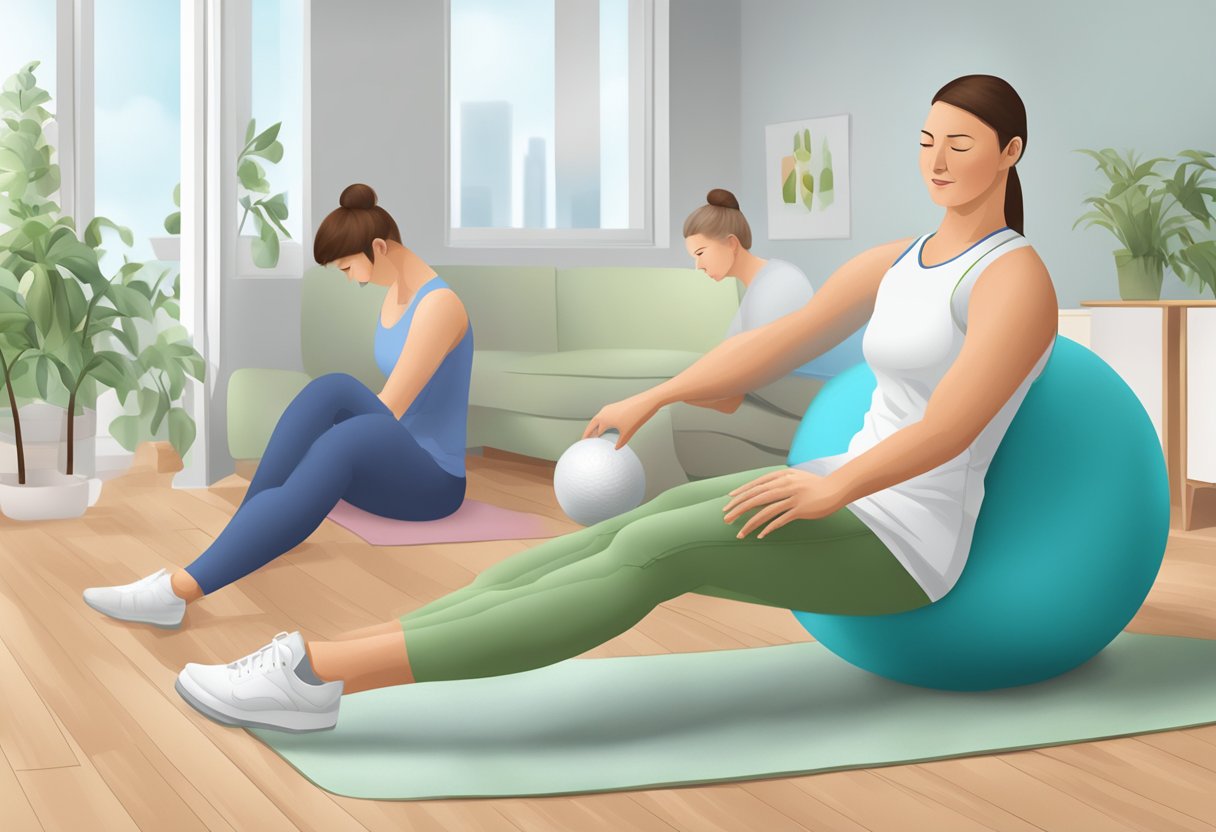
When it comes to managing knee pain, lifestyle and dietary changes can be just as important as exercise. Here are some important considerations:
Weight Management
Maintaining a healthy weight is crucial for reducing stress on the knees. Excess weight can put unnecessary pressure on the joints, exacerbating knee pain. If you are overweight or obese, losing weight can significantly improve knee pain and function. Even a modest weight loss of 5-10% can make a big difference.
Rest and Recovery
Rest is important for allowing the body to heal and recover from injury. If you are experiencing knee pain, it’s important to take a break from high-impact activities that can aggravate the condition. Instead, try low-impact exercises like swimming or cycling. It’s also important to get adequate sleep and to take breaks throughout the day to rest and stretch your legs.
Dietary Considerations
Eating a healthy, balanced diet can also help reduce knee pain. A diet rich in fruits, vegetables, and lean protein can help promote muscle mass and reduce inflammation. Some specific foods that may be beneficial for knee pain include:
- Omega-3 fatty acids: Found in fatty fish like salmon, omega-3s have anti-inflammatory properties that can help reduce knee pain.
- Vitamin C: This antioxidant vitamin is important for collagen production, which helps maintain healthy joints. Good sources of vitamin C include citrus fruits, strawberries, and kiwi.
- Vitamin D: This vitamin is important for bone health and may play a role in reducing knee pain. Good sources of vitamin D include fatty fish, egg yolks, and fortified foods like milk and cereal.
Daily Life Modifications
Making small modifications to your daily routine can also help reduce knee pain. For example, wearing supportive shoes can help reduce stress on the knees, while using a cane or crutches can help take pressure off of the affected joint. It’s also important to avoid sitting or standing for long periods of time, as this can exacerbate knee pain. Instead, try to take frequent breaks to move around and stretch your legs.
By incorporating these lifestyle and dietary considerations into your knee pain management plan, you can help reduce pain and improve function.
Exercise and Therapy Techniques
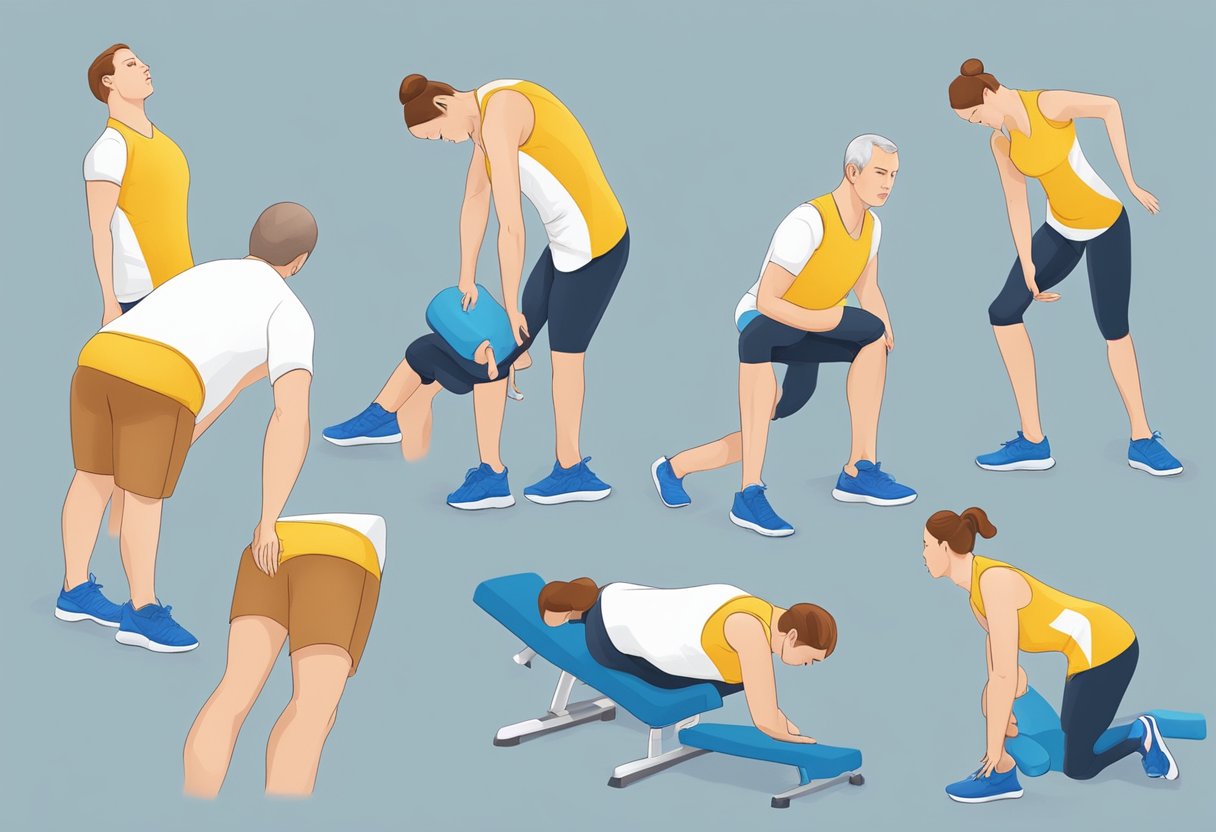
When it comes to knee pain relief, exercise and therapy techniques can be incredibly helpful. These techniques can help to strengthen the muscles around the knee joint, increase flexibility, improve balance, and increase range of motion.
Physical therapy is a great option for those dealing with knee pain. A physical therapist can help to create a personalized exercise plan that is tailored to your specific needs. They can also teach you proper stretching techniques and provide guidance on how to perform strengthening exercises correctly.
Strengthening exercises, such as leg extensions, straight leg raises, and glute bridges, can help to build up the muscles around the knee joint. Squats and half squats can also be effective for building strength in the legs.
Stretching exercises, such as the quadriceps stretch, calf stretch, and hamstring stretch, can help to increase flexibility and range of motion in the knee joint. Hamstring curls can also be helpful for improving flexibility in the legs.
Low-impact exercises, such as walking, cycling, swimming, and water aerobics, can be great options for those dealing with knee pain. These exercises are gentle on the joints and can help to improve cardiovascular health.
Yoga can also be a helpful practice for those dealing with knee pain. It can help to improve flexibility, balance, and strength in the legs.
It’s important to consult with a doctor or physical therapist before starting any new exercise program. They can help to determine which exercises are safe and effective for your specific needs. The American Academy of Orthopaedic Surgeons also provides helpful resources and information on knee pain relief exercises and sports medicine.
Medical Interventions
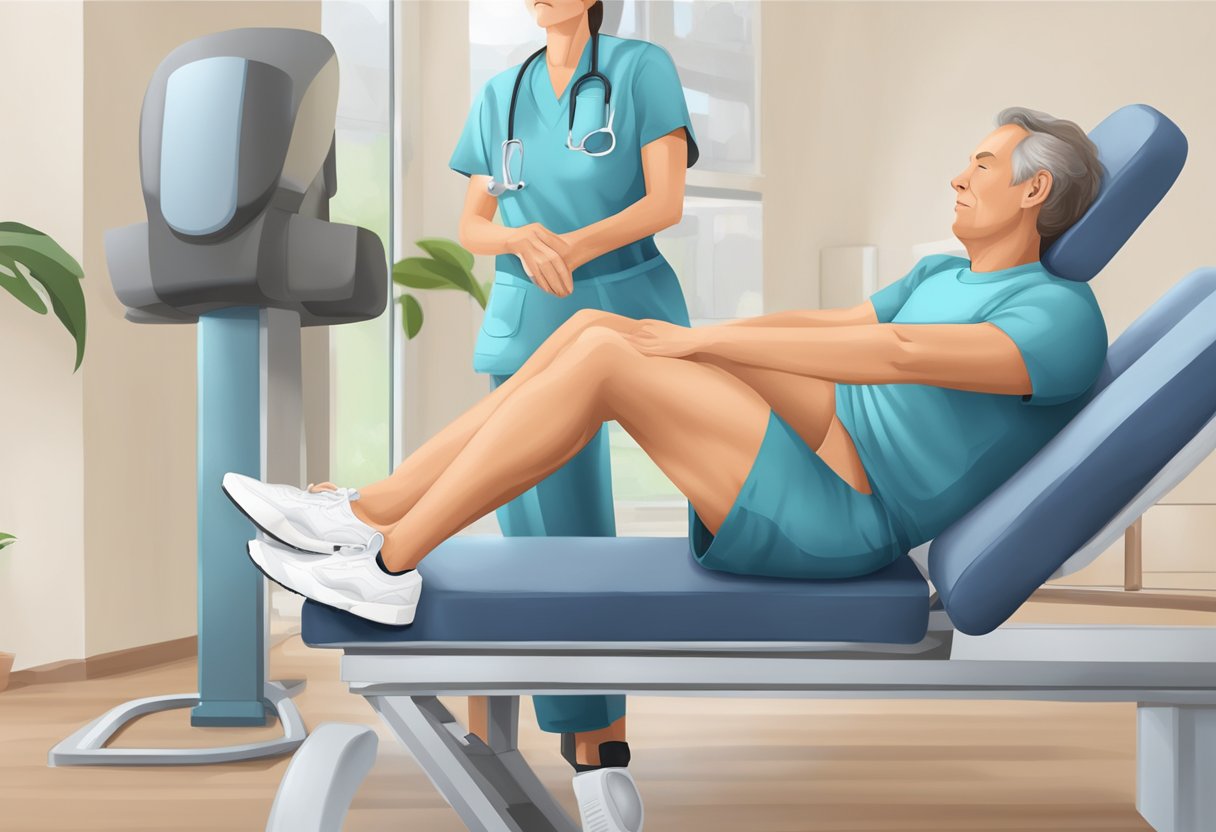
When it comes to knee pain relief, there are several medical interventions that can be considered. These interventions should be recommended and supervised by a healthcare professional, such as a rheumatologist.
Surgery
In some cases, surgery may be necessary to alleviate knee pain. This is typically reserved for cases of severe damage or injury to the knee joint. Knee replacement surgery, for example, may be recommended for individuals who have advanced osteoarthritis.
Medications
There are several medications that can be used to manage knee pain. Over-the-counter pain relievers such as ibuprofen can help reduce inflammation and alleviate pain. Prescription medications, such as corticosteroids and nonsteroidal anti-inflammatory drugs (NSAIDs), may also be recommended.
Heat and Compression
Applying heat to the affected area can help alleviate knee pain. This can be done through the use of a heating pad or warm compress. Compression, such as with a knee brace or compression bandage, can also help reduce inflammation and provide support to the knee joint.
It is important to note that while these interventions can be effective in managing knee pain, they should always be recommended and supervised by a healthcare professional. Additionally, it is important to follow any instructions provided by the healthcare professional to ensure the interventions are used safely and effectively.
Frequently Asked Questions
What are some effective knee strengthening exercises?
There are several exercises that can help strengthen your knees, including leg presses, squats, lunges, and leg extensions. These exercises can help build up the muscles around your knees, which can help support and stabilize your knee joint.
What are some helpful knee stretching exercises?
Stretching is crucial to maintaining flexibility and mobility in your knees. Some helpful stretches include hamstring stretches, quad stretches, and calf stretches. It’s important to stretch gently and gradually, and to avoid overstretching or pushing your joints beyond their limits.
Is it safe to exercise with knee pain?
It depends on the cause and severity of your knee pain. In general, it’s important to listen to your body and avoid exercises that cause pain or discomfort. However, gentle exercises like walking, swimming, or cycling can help improve circulation and reduce inflammation, which can help alleviate knee pain.
What are some recommended knee rehab exercises?
If you’re recovering from a knee injury or surgery, your doctor or physical therapist may recommend specific exercises to help rehabilitate your knee. These may include range of motion exercises, strengthening exercises, and balance and stability exercises.
How can I relieve knee pain?
There are several ways to relieve knee pain, including rest, ice, compression, and elevation (RICE), over-the-counter pain relievers, and physical therapy. In some cases, surgery may be necessary to repair or replace damaged knee joints.
What are some fast home remedies for knee pain?
Some fast home remedies for knee pain include applying ice or heat to the affected area, taking over-the-counter pain relievers, and resting and elevating your knee as much as possible. Additionally, incorporating anti-inflammatory foods into your diet, such as turmeric and ginger, can help reduce inflammation and alleviate knee pain.
Related Articles

About the author: Mokhtar Sahraoui
Mokhtar Sahraoui is the founder and editor of Knee Hurt. He researches and writes practical, easy-to-understand guides on knee pain, knee injuries, arthritis and recovery, based on trusted medical sources. Knee Hurt articles are general information and are not a substitute for advice from your doctor or physical therapist.




2 Comments