Blog

  • THINK Surgical’s TMINI System Receives Special 510(k) Clearance from the FDA for Use with Complementary Implants

    THINK Surgical’s TMINI System Receives Special 510(k) Clearance from the FDA for Use with Complementary Implants

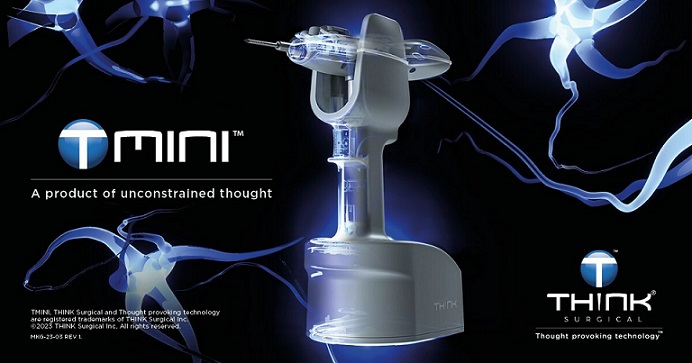
    FREMONT, Calif., Oct. 23, 2023 /PRNewswire/ — THINK Surgical, Inc., an innovator in orthopedic surgical robots, today announced that its TMINI™ Miniature Robotic System has received special 510(k) clearance from the U.S. Food and Drug Administration (FDA) for use with implants from three additional implant manufacturers.

    The TMINI system includes a wireless robotic handpiece that helps surgeons perform total knee replacements and received its first 510(k) clearance from the U.S. FDA in April 2023 for use with an implant from a single implant manufacturer.

    THINK Surgical is committed to an open implant library. The addition of the Classic® Knee System (Total Joint Orthopedics Inc.), Balanced Knee System (BKS®) and BKS TriMax® Knee System (Ortho Development Corporation) and U2™ Knee (United Orthopedic Corporation) to THINK Surgical’s Implant Data Hub (ID-HUB), a proprietary database of implant modules for use with the TMINI System, opens access and choice to surgeons.

    “We are excited to expand the number of implant modules supported by the TMINI system, giving more customers and patients access to robot-assisted technology for knee replacement.” said Stuart Simpson, president and CEO of THINK Surgical. “We are currently working on adding more implant modules to the TMINI system to continue our mission of an open implant library.”

    About THINK Surgical, Inc.

    THINK Surgical, Inc. is a privately held, US-based technology innovator that develops and commercializes orthopedic robots. THINK Surgical robots are open platforms that support implant brands from multiple manufacturers, allowing the surgeon to determine the implant choice.

    THINK Surgical actively works with healthcare professionals around the world to refine our orthopedic products to improve the lives of people suffering from advanced joint conditions with accurate, precise and intelligent technology. Refer to the TMINI Miniature Robotic System Instructions for Use for a complete list of indications, contraindications, warnings and precautions. For additional product information, please visit www.thinksurgical.com.

    THINK Surgical and TMINI are trademarks of THINK Surgical, Inc.

    Media contacts:

    THINK surgical
    Nick Margree
    nmargree@thinksurgical.com

    SOURCE THINK Surgical, Inc.

    rt

    Source link

  • Understanding the genetics of rheumatoid arthritis and its implications

    Understanding the genetics of rheumatoid arthritis and its implications


    Introduction

    Rheumatoid arthritis (RA) is an autoimmune disease that affects millions of people worldwide. Although the exact cause of RA remains unknown, research has shown that the genetics of rheumatoid arthritis play an important role in its development. In this article, we will delve deeper into the genetics of RA, examining the key genetic markers associated with the disease and their implications.

    genetics of rheumatoid arthritis

    Genetic markers associated with RA

    HLA-DR4: Revealing the dominant gene

    The HLA-DR4 human leukocyte antigen gene stands out as the gene most closely linked to RA. Individuals who possess this gene are more predisposed to developing the disease and often experience more severe symptoms. The HLA-DR4 gene encodes proteins responsible for distinguishing between self and foreign cellular materials, including viral and bacterial proteins.

    STAT4: The immune system regulator

    Another important genetic marker associated with RA is STAT4. This gene plays a crucial role in regulating and activating the immune system. Abnormalities in STAT4 function have been observed in individuals with RA, underscoring its significance in disease development.

    TRAF1 and C5: key players in chronic inflammation

    The genes TRAF1 and C5 have been identified as major contributors to chronic inflammation, a feature characteristic of RA. These genes play a crucial role in initiating and perpetuating the inflammatory response that leads to joint damage in individuals with RA.

    PTPN22: Influencing the progression of RA

    PTPN22 is a gene that influences the progression and expression of RA. Although the precise mechanisms by which it affects the disease are not yet fully understood, researchers have identified its involvement. Further studies are underway to unravel the complexity of PTPN22’s role in the development of RA.

    The complexity of genetic heredity and RA

    Although some of the genetics of rheumatoid arthritis are known and the above genetic markers are strongly associated with RA, it is essential to note that not everyone who possesses these genes will develop the disease, and conversely, not all individuals with RA have these genetic possess markers. This complexity suggests that other genetic and environmental factors may also contribute to the development of RA.

    The need for further research

    Although significant progress has been made in identifying genetic markers associated with RA, there is still much to learn. Researchers have discovered more than 100 regions in the genome that are linked to the risk of developing RA in different ethnicities. To understand why some individuals with these genetic markers develop the disease while others require no further investigation.

    Conclusion

    Genetics undoubtedly plays a crucial role in the development of rheumatoid arthritis. The HLA-DR4 gene is emerging as the primary genetic marker associated with RA, alongside other notable genes such as STAT4, TRAF1, C5 and PTPN22. However, the complexity of genetic inheritance suggests that additional factors contribute to the development of this debilitating autoimmune disease. Continued research in this area will provide valuable insights into the underlying mechanisms of RA, ultimately leading to improved diagnostic tools and targeted therapies for those affected.

    Source link

  • Dr.  Brown’s crystal ball predictions for 2023

    Dr. Brown’s crystal ball predictions for 2023

    1. Muscle testing will become as important as bone density testing as doctors understand the intertwined aging loss of both bone and muscle.
    2. Everything is energy” will become a well-known concept and the popularity of energy medicines will increase enormously. You’ll see more homeopathy, acupuncture, Qi Gong, Reiki and many other treatments including Chakra balancing and even alignment of the invisible energy fields around the body.
    3. Researchers will discover how to turn sound into bone by identifying the vibrational frequency capable of converting stem cells into osteoblast bone-building cells.
    4. Globally, there will be a push for universal vitamin D testing as the world absorbs the lessons from the recent flu epidemic.
    5. Government subsidies to the fossil fuel industry will be converted into subsidies for local fruit and vegetable production programs.
    6. The limitations of bone density testing by the current DEXA X-Ray system will become increasingly apparent, fueling a search for better ways to assess bone strength.
      The use of the new Italian ultrasound device for testing bone fragility will gain popularity in Europe. However, in the US, the medical industry will not embrace radiation-free ultrasound examination of bone, but will promote bone examination with CAT scans, despite the radiation exposure.
    7. In the world of bone drug therapy, this is the abbreviation NNT (Number needed to address) will be the question you ask. By popular demand, the marketing of pharmaceutical products will have to make the NNT public, that is, they will have to report the number of people treated to obtain one positive result.
      For example, they will have to report that 21 high-risk women need to be treated with Prolia for 3 years to prevent 1 vertebral fracture, and that 230 high-risk women need to be treated for 3 years to prevent 1 hip fracture.
    8. Scientists will highlight the link between the dangerous acidification of our environment (oceans, rivers, soils and air) and the health-threatening acidification of the human body.
    9. Bone health will be seen as both an indicator and a predictor of overall body health.
    10. “May I become as smart as my body” will become the new mantra as science explains to the public the great intelligence within each of us.
    11. Measuring the pH of urine the first morning will become as common as brushing your teeth as it becomes known that this simple measurement can reveal whether you are getting enough minerals or not.

    The message Dr. Brown’s Crystal Ball Predictions for 2023 appeared first on Better Bones, Better Body.

    Source link

  • Walking tips for a happy and healthy trail

    Walking tips for a happy and healthy trail

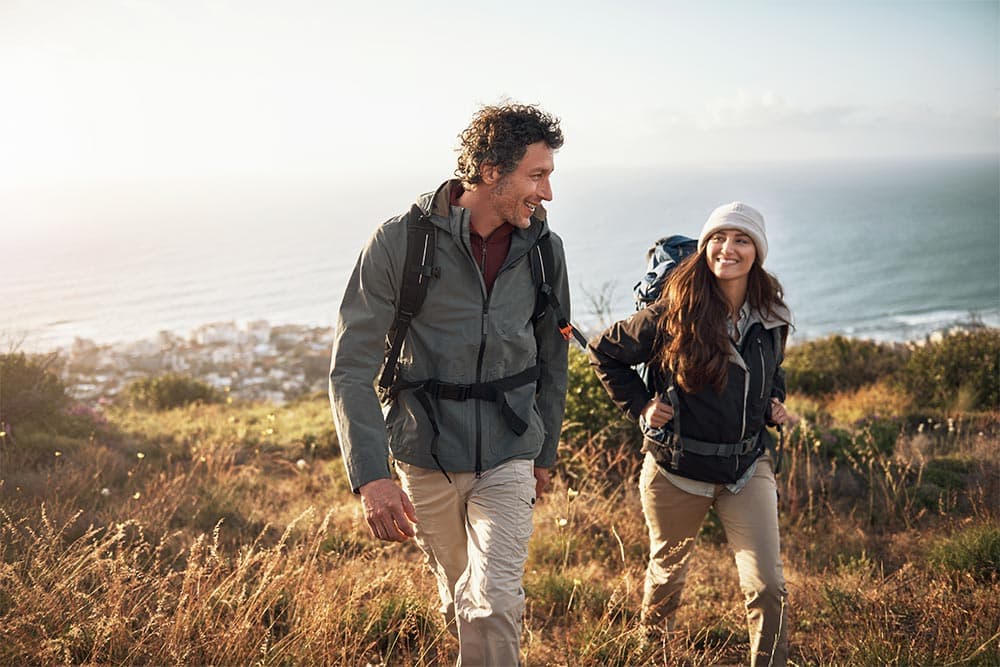
    Hiking in Arizona is a breathtaking experience, with its rugged landscapes, beautiful canyons and diverse flora and fauna. As the weather cools in Arizona, more people are hitting the trails for a hike. To maximize your hiking adventures and avoid injuries, follow our six hiking tips to trailblaze happily and healthily!

    6 essential walking tips

    1. Add dynamic warm-ups

    Incorporating dynamic warm-ups into your walking routine should be a non-negotiable practice. Preparing your body for a few minutes before heading out can significantly improve your hiking experience, improve your performance, and reduce your risk of injury. So before you embark on your next hiking adventure, take the time to warm up dynamically – your body will thank you for it.

    Related content >> Dynamic warm-up exercises

    2. Choose the right shoes for walking

    Choose a pair of walking shoes that suit your fitness level and needs. A sturdy sole to prevent slipping, ankle coverage to promote stability, and adequate arch support are critical to preventing injuries along the way.

    3. Start slowly

    It is crucial that you allow enough time for your walk to avoid rushing and fully immerse yourself in the outdoor experience. Hiking on uneven terrain requires unique skills, including balance and endurance, that take time to develop. Allow yourself to adjust to the rhythm of the trail, enjoy the sights and sounds of nature, and connect with the environment around you. Rushing a walk can lead to missed opportunities for exploration, discovery and appreciation.

    Woman with walking sticks.

    4. Carry a cane

    Carrying a walking stick or a trekking pole can greatly improve your hiking experience. These sticks provide stability and balance, reduce stress on the joints and increase strength and efficiency by activating the muscles of your upper body. They are cherished for navigating uneven terrain, steep slopes and stream crossings. In addition, trekking poles can serve as protection against wildlife, as support for makeshift shelters, and as an aid in measuring depth and distance. Whether you choose to use them depends on your personal preference and the specific demands of your trail adventure. Still, they can be valuable tools to improve safety and comfort on the road.

    5. Stay alert while walking

    It should go without saying, but walking is a highly involved physical activity. Even though the beauty of nature surrounds you, make sure you pay attention. Research the trail you plan to hike, including its difficulty, length, and potential hazards. Familiarize yourself with the rules and regulations of the area you are exploring. Take a break and pull over to the side of the trail to take photos, or just take it all in.

    6. Don’t ignore your pain

    Pain is certainly not gain in this case. It is a signal sent to your brain that something is wrong. If you start to feel pain during your walk, don’t ignore it and keep going. This can often worsen the injury, even if it is relatively minor.

    Physiotherapy benefits for walkers

    Physical therapy (PT) can be a game-changer for hikers, whether they are seasoned hikers or beginners. PT is crucial in preventing injuries, improving performance, and improving your overall walking experience. Consider consulting a physical therapist to optimize your walking.

    At Foothills Sports Medicine we offer physical therapy Rapid Recovery® Injury Assessments for anyone concerned about an injury and curious about whether physiotherapy should be used during treatment. Working with a physical therapist will ensure you are prepared and in the best shape for your next hiking adventure.

    Source link

  • Steamed Chicken Shiitake |  GF, DF |  BoneCoach™ Recipes – BoneCoach™

    Steamed Chicken Shiitake | GF, DF | BoneCoach™ Recipes – BoneCoach™

    Looking for a healthy alternative to your favorite takeaway meal?

    You’ve found it!

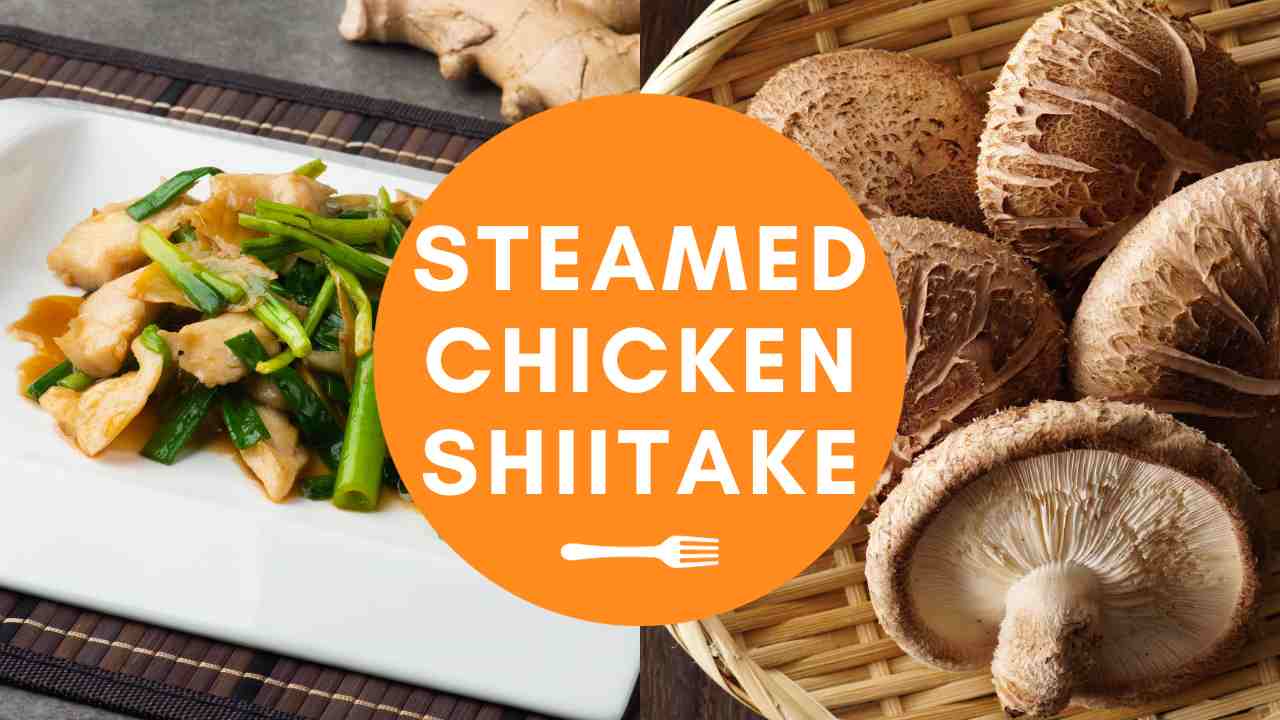
    Tender, flavorful and comforting, that’s what our steamed chicken shiitake recipe demands little effort deliver great taste.

    Plus, thanks to the shiitake mushrooms, this dish is a… nutritional powerhousepacked with essential vitamins and minerals, including potassium, copper, B vitamins and inflammation-fighting antioxidants.

    Our steamed chicken shiitake recipe is sure to become a favorite for your family.

    Treat yourself tonight!

    Bone Coach Recipes |  Steamed Chicken Shiitake |  Bone loss Bone Healthy diet Nutrients Osteoporosis

    SERVES: 2

    TOTAL TIME: 30 minutes

    Ingredients

    340 g skinless, boneless chicken thighs, cubed

    5 dried shiitake mushrooms, soaked in hot water for 2 hours

    1 teaspoon (5 ml) grated ginger root

    2 teaspoons (10 ml) arrowroot starch

    2 teaspoons (10 ml) coconut aminos

    1 teaspoon (5 ml) molasses

    Pinch of ground white pepper (optional)

    1 tablespoon green onions (15 ml), thinly sliced

    Directions

    1) Thinly slice the shiitake mushrooms and discard the stems. Reserve the water.

    2) Place the chicken pieces in a bowl. Add the sliced ​​mushrooms, ginger, arrowroot starch, coconut aminos, molasses, white pepper and 3 tablespoons mushroom water. Mix well. Place the chicken mixture in a shallow dish. Let it marinate for 15 minutes before steaming.

    3) Fill a steamer with enough water to steam continuously for 10 minutes without evaporating. Bring to the boil and steam the chicken for 10 minutes.

    4) Turn off the heat and leave the chicken in the steamer for another 2 minutes. Sprinkle with green onions and serve immediately with cauliflower rice.

    Recipe created by BoneCoach™ Team Dietitian Amanda Natividad-Li, RD & Chef.

    Medical disclaimer

    The information shared above is for informational purposes only and is not intended as medical or nutritional therapy advice; it does not diagnose, treat or cure any disease or condition; it should not be used as a substitute or substitute for medical advice from physicians and trained medical professionals. If you are under the care of a healthcare professional or are currently taking prescription medications, you should discuss any changes in your diet and lifestyle or possible use of nutritional supplements with your doctor. You should not stop prescribed medications without first consulting your doctor.

    Source link

  • What is a patient-reported outcome measure or PROM and the KOOS?

    What is a patient-reported outcome measure or PROM and the KOOS?


    Document

    A patient-reported outcome measure (PROM) is a self-reported questionnaire that you typically complete before and after surgery or treatment.[1] It allows you to report your symptoms, level of disability and your health-related quality of life, all from your perspective.[1]

    The Knee Injury and Osteoarthritis Outcome Score (KOOS) is a PROM specifically designed for people with various knee conditions, including those with ACL injuries, meniscal injuries, focal cartilage lesions, knee osteoarthritis, and many others.[2][3] It takes approximately 10 minutes to complete and rate five of the following dimensions: pain (nine items); symptoms (seven items); activities of daily living (17 items); sports and recreational function (five items); and knee-related quality of life (four items).[2]

    By completing the KOOS you will gain insight into the course of your knee injury and you and your healthcare provider can monitor the effects of the treatment over time.[4] For example, if you have just had total knee replacement surgery or ACL surgery, to help gauge your recovery progress and your level of disability at any given time, you can compare your preoperative KOOS scores to your postoperative scores. compare your KOOS scores with those of others who have undergone the same injury or surgery.[5]

    For more information about PROMs and the KOOS, check out our blog where we explain what a PROM is and what the KOOS is.

    Learn what a patient-related outcome measure or PROM is and why it is important for you to complete this form. Also learn what the Knee Injury and Osteoarthritis Outcome Score or KOOS is in this YouTube video presented by Joey Wong, kinesiologist.

    acl knee physical therapy 1080x1080 2
    Download it on Google Play


    Document

    Other recommended blogs

    References


    Source link

  • Positions in Sports Medicine and Shoulder Fellowships open AY 24-25 at TRIA Orthopedic Center in Minneapolis, MN

    Our fellows are exposed to a wide range of clinical, surgical and research opportunities, as well as exposure to sports team coverage and training room experiences. Our fellowship faculty maintain active clinical practices focused on the care of elite and recreational athletes. Our faculty includes team physicians for the Minnesota Twins (MLB), Minnesota Wild (NHL), Minnesota Whitecaps (NWHL), University of Minnesota Gopher Athletics and Gustavus Adolphus College. We are also closely involved in local and regional amateur and professional events. Research is also an important pillar of the program. Our faculty conduct research projects and scholarly work because we believe these are fundamental components in the training of the next generation of orthopedic surgeons.

    Graduates represent the full spectrum of orthopedic practice, from full-time academics to private practice physicians. Several serve as team physicians for high school, collegiate and professional sports teams. Finally, many of our former fellows assume leadership roles in our professional societies and serve as directors of Residency and Fellowship programs.

    Source link

  • 3 tips for achieving big life goals while living with a chronic illness

    3 tips for achieving big life goals while living with a chronic illness


    iStock 831498880

    The uncertainty associated with the diagnosis of a lifelong chronic disease can make it very difficult to make plans in advance. But living with a chronic illness shouldn’t mean giving up life goals that are really important to you… As an example of how to approach big life goals while living with a chronic illness, I’m going to use what seemed like: a pretty outrageous goal I set for myself in 2016: ride in the Arthritis Foundation’s California Coast Classic.

    Mary Leach

    In this article, I’ll share some of the strategies I used to achieve my goal of cycling 525 miles in the Arthritis Foundation’s California Coast Classic – and how you can apply the same strategies to achieve big life goals while dealing with a chronic illness lives.

    3 tips for achieving big life goals while living with a chronic illness

    Moms facing forward

    Source link

  • Feeding Your Bones – Interview with OsteoBoston

    Feeding Your Bones – Interview with OsteoBoston

    Shelly Gladstein, a peer leader for OsteoBoston, part of the Bone Health Osteoporosis Foundation (formerly NOF), invited me to answer submitted questions about Food for Healthy Bones.

    I discussed:

    • Oxalates
    • Your body is data
    • Pre- and probiotics
    • Natto
    • Protein Powders – Truvani Protein Powder
    • Beans
    • Gums – EDTA and more…..

    Chapters:

    Instructions for viewing chapters in the video player:

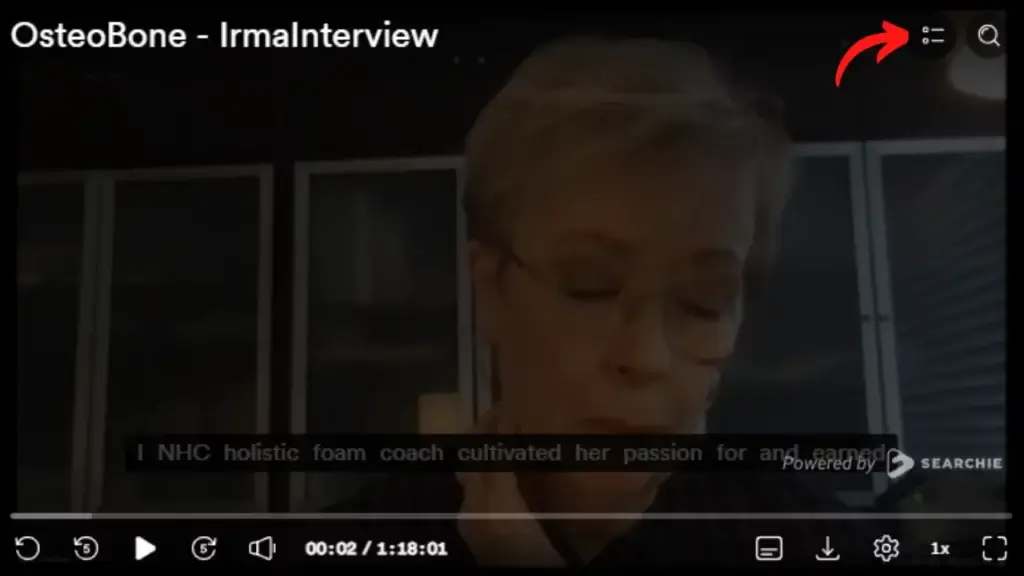
    You can pause the video by clicking the chapter icon (red arrow) and go to a specific topic in the video.

    OsteoBone Interview Video Instruction

    Chapter 1: High Oxalate Foods – Michael Leibman, Ph.D. oxalate work – Oxalate chart
    Chapter 2: Calcium in Vegetables – Calcium and Food Chart
    Chapter 3: Soaking Nuts – Why
    Chapter 4: Sardine Recipe
    Chapter 5: Matcha Tea and Calcium Absorption
    Chapter 6: Tea and Caffeine and Tannins – Impact on Bone Health
    Chapter 7: Benefits of Fermented Foods
    Chapter 8: Prebiotics
    Chapter 9: Calcium-Rich Non-Dairy Products
    Chapter 10: Protein Powders
    Chapter 11: Benefits of K1 and K2
    Chapter 12: Role of Probiotics
    Chapter 13: Mindful eating
    Question and answer session

    Want recipes that bones love?

    Below is the link for more information about my downloadable guide:

    Approved by Dr. – 7 Day Meal Plan – Simple Cooking for Bone Health

    With 27 bone-loving recipes, shopping lists, nutrition plan, storage tips, weekly tips, 5 videos and everything you need to nourish your bones. Everything in one place.

    A fully clickable guide to help you navigate through the recipes and all the information in this manual.

    The best $47 dollars you can spend on your bot.

    Thank you.

    From my bones to yours,

    Irma Jennings, INHC

    Your holistic bot coach

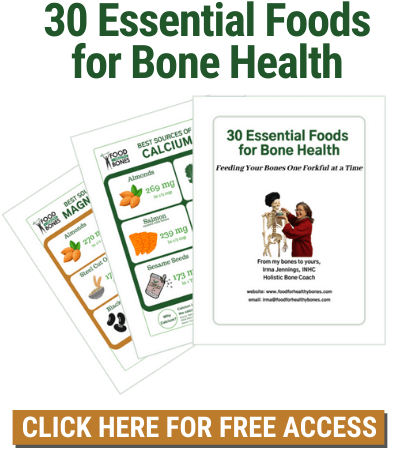
    30 Essential Foods for Bone Health

    Source link

  • Lunchbox Edition — Bone Talk

    Lunchbox Edition — Bone Talk

    shutterstock 1459820771

    The fall season offers a whirlwind of activity. The to-do list can seem endless as you buy school supplies, update your wardrobe, adjust to earlier alarms, and manage extracurricular activities. Preparing meals can be an added hurdle if you’re already burning the candle at both ends. But packing bone-healthy lunches doesn’t have to be overwhelming. With a little advance planning and creativity, you and your family can enjoy delicious, satisfying meals that are good for your bones.

    Knowledge is power: study evenings for lunch delicacies

    Learning the basic principles of bone health is the first step in creating meals that provide the essential nutrition to promote long-term vitality. Our bones provide structure, support and protection for our body. Beneath their tough exterior lies a dynamic process known as bone remodeling, which breaks down old bone and builds new bone. This cycle is highly dependent on the nutrients we consume. Good nutrition plays a crucial role in shaping the strength and density of our bones early in life, and maintaining this balance becomes even more important as we age.

    Lunch and Learn: Nutrition Stars for Bone Health

    Step into the spotlight: Calcium and vitamin D are the dynamic duo for bone health. Calcium is the building block of bones, while vitamin D helps our bodies absorb and use calcium effectively. But they are not alone on this stage. Magnesium contributes to the structural integrity of bones, while vitamin K plays a crucial role in bone mineralization. Potassium also works with other vitamins and minerals to promote good bone health. Each nutrient has its unique role and together they form a symphony that helps keep our bones strong.

    Bring a lunch to nourish and thrive

    Putting together a bone-boosting lunch box is an art that requires a little planning and creativity. Start by prepping ingredients in advance, from chopping vegetables to grilling proteins. Build your lunch box with a balance of whole grains, lean proteins and colorful produce. Add small portions of healthy fats and a sprinkle of seeds for an extra nutritional boost. Remember, variety is key to ensuring you get a full spectrum of bone-supporting nutrients. Here are some helpful tips to get you on the right track.

    You don’t have to start from scratch: Staring at a blank calendar and trying to figure out which meals to put in which room can be tricky to get started. Make it easier by keeping a record of the meals you typically cook over a few weeks, noting what you and your family like. When you sit down to make a plan, it practically writes itself!

    Take advantage of the weekend: Weekends provide the perfect opportunity to prepare for the week. Take a few hours and do all the chopping, roasting and cooking you can beforehand.

    Plan ahead for leftovers: Keep an inventory of what you have and plan your shopping so that nothing from your stash ever needs to be thrown away. Cook your meals with leftovers in mind. Prepare more than you immediately need so you always have a number of containers on hand.

    Buy High Quality Food Storage Containers: Containers of all sizes are indispensable for compactly storing leftovers, prepared ingredients, sauces and everything else you need to put together the perfect lunch box. Glass is also a good packaging material if you don’t like plastic, because you can immediately see what’s inside, it’s microwaveable, and it won’t affect the taste of food no matter how long it is stored. Glass has also been shown to retain the nutrients in food longer than plastic.

    A good breakfast: Eating a good breakfast gives you the best chance of eating healthy during the day, so don’t skip it!

    Cut yourself some slack: The best laid plans often fall apart, so don’t worry if you don’t always get things right. Practice and routine will win out in the end.

    Stock to: Fill your freezer with ingredients for different meals, such as peas, soups, berries, minced meat, seafood, and so on.

    Involve the whole team: By involving the whole family in preparing the meal and listening to their input, they will become more aware of their eating habits and more willing to go along with the plan.

    Plan on a full belly: Making a meal plan or grocery shopping should not be done on an empty stomach. In this state, we tend to overbuy food and lack the clear thinking to plan. Have a cup of tea and a snack before creating your meal plan and heading to the store.

    Improve Your Lunchbox Game: Bone Feeding Combos

    Making a nutrient-packed lunch box is so important to provide all the nutrients your brain, body, and bones need to succeed! Give yourself an A+ by balancing essentials like protein, dairy, whole grains and a spectrum of colorful fruits and vegetables. And let’s not forget the spice of life: mix things up to make your taste buds dance with excitement. Don’t forget to control your portions for a lunch that’s just right. Let’s put theory into practice with some of these simple and delicious bone-nourishing combinations.

    Mediterranean Quinoa Salad: A vibrant range of colors and flavors to delight your taste buds!

    Grilled Vegetable Wrap: Vegetables are the superstar of this summer show.

    • Whole wheat wrap

    • Grilled zucchini, pepper and eggplant

    • Hummus

    • Spinach leaves

    • A handful of fresh strawberries on the side

    Bowl with salmon and avocado: A powerful bowl to fuel your day!

    Greek bento box: A Mediterranean-inspired gathering that you are sure to enjoy.

    • Greek salad: cherry tomatoes, cucumber, feta cheese, black and green olives, fresh parsley

    • Side of the vinaigrette: extra virgin olive oil, lemon juice or vinegar

    • Whole wheat pita and hummus

    • Green and red grapes

    Italian classic: A great way to taste the sunny Italian summers in a simple lunch box!

    Protein box: Get your protein fix for the day!

    Energy boost: Pick yourself up for the rest of the day with this energetic lunch box.

    • Coconut or Greek yogurt

    • A drizzle of maple syrup or honey

    • Fresh berries

    • Mixed nuts: cashews, walnuts, almonds

    • Tablespoon of almond or peanut butter

    • Apple slices or extra fruit of your choice

    Vegan delight: A healthy, plant-based alternative.

    • Vegan salad – get creative: cherry tomatoes, bell pepper, cucumber, onions, chickpeas, brown rice, green and black olives, pepper, salt, extra virgin olive oil with vinegar or lemon juice

    • An avocado

    • Lemon wedges

    • Carrot or celery sticks with light vegan (cashew) cream cheese

    Let your lunch be a reminder that investing time and energy in your bone health is an investment in your future self. With thoughtful ingredient choices, creative recipes, fun combinations and dedication to conscious nutrition, you lay the foundation for a lifetime of strong and thriving bones.
    Source link