Knee pain can be a real problem, especially when it happens on the side of your knee while walking. This kind of pain can stop you from enjoying everyday activities and might make you worry about your health. Understanding the reasons behind this pain can help you find the right way to treat it and prevent it from coming back.
Key Takeaways
Side knee pain while walking can be caused by different issues like Iliotibial Band Syndrome, Lateral Meniscus Tear, or ligament injuries.
Look out for symptoms like sharp or dull pain, swelling, stiffness, and pain during certain activities.
Doctors use physical exams and imaging tests to figure out what’s causing your knee pain.
Treatment can include rest, physical therapy, medications, injections, or even surgery in some cases.
Wearing the right shoes, doing strengthening exercises, and stretching can help prevent knee pain.
Common Causes of Pain on the Side of the Knee
Iliotibial Band Syndrome
Iliotibial Band Syndrome (ITBS) happens when the iliotibial band, a thick band of tissue running from your hip to your shin, gets irritated. This can cause pain on the outer side of the knee, especially during activities like running or cycling. Rest and stretching can help ease the discomfort.
Lateral Meniscus Tear
A lateral meniscus tear is a common injury where the cartilage on the outer side of your knee gets torn. This can happen due to sudden twists or heavy lifting. Symptoms include pain, swelling, and difficulty moving the knee. Sometimes, you might even hear a popping sound when the injury occurs.
Ligament Injuries
Ligament injuries, such as a sprain or tear, can also cause pain on the side of the knee. These injuries often happen during sports or accidents. The pain can be sharp and intense, and you might notice swelling and instability in the knee. Proper diagnosis and treatment are crucial for recovery.
Symptoms to Watch For
Sharp vs. Dull Pain
When you feel pain on the side of your knee, it can be either sharp or dull. Sharp pain often means a sudden injury, while dull pain might be from overuse or a chronic issue. Pay attention to the type of pain you feel, as it can help in understanding the cause.
Swelling and Stiffness
Swelling and stiffness are common signs of knee problems. If your knee looks bigger than usual or feels tight, it could be a sign of an injury or inflammation. Swelling can make it hard to move your knee and might need medical attention.
Pain During Specific Activities
Notice if the pain gets worse during certain activities like walking, running, or climbing stairs. This can give clues about what might be wrong. For example, pain while walking might be linked to overuse or improper footwear.
If you experience any of these symptoms, it’s important to monitor them closely. Early detection can help in managing the condition better.
Diagnosis and Medical Evaluation
Physical Examination
When you visit a doctor for knee pain, they will start with a physical examination. This involves checking your knee for swelling, tenderness, and range of motion. The doctor may also ask you to walk or perform certain movements to see how your knee responds.
Imaging Tests
If the physical exam doesn’t provide enough information, your doctor might order imaging tests. Common tests include X-rays, MRI, or ultrasound. These tests help to get a clearer picture of the inside of your knee, showing any damage to bones, ligaments, or soft tissues.
When to See a Doctor
It’s important to know when to seek medical help. If you experience persistent pain, swelling, or if your knee pain impacts your daily life, it’s time to see a doctor. Additionally, if you notice any signs of complications, such as redness or warmth around the knee, you should get medical attention right away.
Early diagnosis and treatment can prevent further damage and help you get back to your normal activities sooner.
Treatment Options for Knee Pain
Rest and Physical Therapy
One of the first steps in treating knee pain is to rest the affected area. This helps reduce inflammation and allows the knee to heal. Physical therapy can also be very helpful. A therapist will guide you through exercises that strengthen the muscles around your knee, improving stability and reducing pain.
Medications and Injections
Over-the-counter pain relievers like ibuprofen can help manage knee pain. In some cases, doctors may recommend injections, such as corticosteroids, to reduce inflammation. These treatments can provide quick relief but are usually part of a broader treatment plan.
Surgical Interventions
When other treatments don’t work, surgery might be an option. Procedures can range from minimally invasive arthroscopy to more complex operations like knee replacement. Surgery is usually considered a last resort when other methods have failed to relieve pain.
If you experience persistent knee pain, it’s important to consult a healthcare professional for a proper diagnosis and treatment plan.
Preventing Knee Pain While Walking
Proper Footwear
Wearing the right shoes is crucial. Proper footwear provides the necessary support and cushioning to reduce stress on your knees. Make sure your shoes fit well and are designed for walking.
Strengthening Exercises
Strengthening the muscles around your knee can help prevent pain. Focus on exercises that target your quadriceps, hamstrings, and calves. These exercises can make your knees more stable and less prone to injury.
Stretching Techniques
Incorporate stretching into your routine to keep your muscles flexible. Stretching your legs before and after walking can help reduce the risk of knee pain. Pay special attention to your hamstrings and calves.
Consistent stretching and strengthening can make a big difference in preventing knee pain. Make these activities a regular part of your routine to keep your knees healthy.
Lifestyle Changes to Manage Knee Pain
Weight Management
Maintaining a healthy weight is crucial for reducing knee pain. Extra weight puts more stress on your knees, which can make the pain worse. Losing even a small amount of weight can make a big difference in how your knees feel.
Diet and Nutrition
Eating a balanced diet helps keep your joints healthy. Foods rich in omega-3 fatty acids, like fish and nuts, can help reduce inflammation. Make sure to drink plenty of water to keep your joints lubricated.
Activity Modification
Sometimes, you need to change the way you do certain activities to avoid knee pain. For example, if running hurts your knees, try swimming or biking instead. These activities are easier on your joints and can help you stay active without causing pain.
Making small changes in your daily routine can have a big impact on managing knee pain. Simple adjustments can lead to significant relief over time.
When to Seek Professional Help
Persistent Pain
If you have knee pain that doesn’t go away after a few days of rest and home care, it might be time to see a doctor. Pain that sticks around can be a sign of a more serious problem that needs medical attention.
Impact on Daily Life
When knee pain starts to mess with your everyday activities, like walking, climbing stairs, or even sleeping, it’s important to get it checked out. You shouldn’t have to change your life because of knee pain.
Signs of Complications
Look out for signs that something more serious might be going on. These can include severe swelling, redness, or a knee that feels hot to the touch. If you notice any of these, see a doctor right away.
Don’t ignore knee pain that affects your daily life or shows signs of complications. Getting help early can make a big difference in your recovery.
Conclusion
Feeling pain on the side of your knee when you walk can be worrying, but understanding the possible causes can help you find the right solution. Whether it’s due to an injury, overuse, or a medical condition, knowing what’s behind your pain is the first step to getting better. Always listen to your body and don’t ignore the pain. If it doesn’t go away or gets worse, it’s important to see a doctor. Taking care of your knees now can help you stay active and healthy in the long run.
Frequently Asked Questions
What can cause pain on the side of my knee when I walk?
Pain on the side of the knee can be caused by conditions like Iliotibial Band Syndrome, a lateral meniscus tear, or ligament injuries.
How do I know if my knee pain is serious?
If your knee pain is sharp, causes swelling, or affects your daily activities, it’s a good idea to see a doctor.
What are some common symptoms of knee pain?
Common symptoms include sharp or dull pain, swelling, stiffness, and pain during certain activities like walking or running.
How is knee pain diagnosed?
Doctors usually do a physical exam and may order imaging tests like X-rays or MRIs to find out what’s causing the pain.
What treatments are available for knee pain?
Treatment options can include rest, physical therapy, medications, injections, and in some cases, surgery.
How can I prevent knee pain when walking?
Wearing proper footwear, doing strengthening exercises, and stretching can help prevent knee pain while walking.
Experiencing pain in your right knee when walking can be frustrating and limit your daily activities. It is important to understand the possible causes and solutions to manage this discomfort effectively. This article will explore common causes, diagnosis methods, non-surgical treatments, surgical options, prevention tips, and home remedies for right knee pain.
Key Takeaways
Right knee pain when walking can result from various conditions like osteoarthritis, tendonitis, or meniscus tears.
A proper diagnosis often involves a physical exam, imaging tests, and reviewing your medical history.
Non-surgical treatments include physical therapy, medications, and lifestyle changes.
Surgical options, such as arthroscopy or knee replacement, may be considered for severe cases.
Preventive measures like wearing proper footwear, doing strengthening exercises, and managing weight can help avoid knee pain.
Common Causes of Right Knee Pain When Walking
Osteoarthritis
Osteoarthritis is a common reason for knee pain, especially in older adults. This condition happens when the cartilage in the knee joint wears down over time. This wear and tear can lead to pain and stiffness, making it hard to walk.
Tendonitis
Tendonitis occurs when the tendons around the knee become inflamed. This can happen due to overuse or repetitive movements. People who are very active or play sports are more likely to get tendonitis. The pain usually gets worse with activity.
Meniscus Tears
A meniscus tear is another common cause of knee pain. The meniscus is a piece of cartilage that acts as a cushion between your thigh bone and shin bone. Injuries or sudden twists can cause the meniscus to tear, leading to pain, swelling, and difficulty moving the knee.
Diagnosing Right Knee Pain
When dealing with pain in the right knee, it’s important to understand how doctors diagnose the issue. A thorough examination is key to identifying the cause of the pain. The process usually involves several steps:
Physical Examination: The doctor will check your knee for swelling, tenderness, and range of motion. They may ask you to walk or bend your knee to see how it feels.
Imaging Tests: If needed, the doctor might order X-rays or MRIs to get a clearer picture of what’s happening inside your knee. These tests help in spotting any damage or abnormalities.
Medical History: Your doctor will ask about your medical history, including any previous injuries or conditions that might affect your knee. This information is crucial for making an accurate diagnosis.
Test Type
Purpose
Physical Exam
Assess knee condition and movement
X-rays
Check for fractures or bone issues
MRI
Look for soft tissue damage
Understanding the diagnosis process can help you feel more prepared and informed about your knee pain.
If you ever find yourself on a page not found – knee hurt, remember that seeking medical advice is always a good step. Don’t ignore persistent pain, as it could lead to more serious issues.
Non-Surgical Treatments for Right Knee Pain
Physical Therapy
Physical therapy is a common way to help with knee pain. A therapist will guide you through exercises that strengthen the muscles around your knee. This can help reduce pain and improve movement. Regular sessions can make a big difference in how you feel.
Medications
Over-the-counter pain relievers like ibuprofen can help manage knee pain. Sometimes, doctors may prescribe stronger medications if needed. It’s important to follow the dosage instructions to avoid side effects.
Lifestyle Changes
Making changes in your daily habits can also help. Losing weight can reduce the stress on your knee. Wearing proper footwear can provide better support. Simple changes like these can go a long way in easing your pain.
Taking care of your knee now can prevent bigger problems later. Simple steps can lead to big improvements.
Surgical Options for Severe Knee Pain
Arthroscopy
Arthroscopy is a minimally invasive surgery where a small camera is inserted into the knee joint. This allows the surgeon to see inside the knee and fix any problems. This procedure often results in quicker recovery times compared to traditional surgery.
Partial Knee Replacement
In a partial knee replacement, only the damaged part of the knee is replaced with a metal or plastic part. This surgery is less invasive than a total knee replacement and can help maintain more of the knee’s natural movement.
Total Knee Replacement
Total knee replacement involves replacing the entire knee joint with an artificial one. This is usually recommended for severe cases where other treatments haven’t worked. While recovery can take longer, it often provides significant pain relief and improved function.
For those suffering from severe knee pain, surgical options can offer a new lease on life, helping them return to daily activities with less pain.
Preventing Right Knee Pain When Walking
Proper Footwear
Wearing the right shoes can make a big difference. Shoes with good arch support and cushioning help reduce stress on your knees. Avoid high heels and worn-out shoes as they can cause more pain.
Strengthening Exercises
Doing exercises that strengthen the muscles around your knee can help. Focus on your quadriceps and hamstrings. Strong muscles support your knee better and reduce pain. Simple exercises like leg lifts and squats can be very effective.
Weight Management
Keeping a healthy weight is important. Extra weight puts more pressure on your knees. Losing even a small amount of weight can help reduce knee pain. Eating a balanced diet and staying active are key steps.
Taking care of your knees now can prevent problems later. Simple changes in your daily routine can make a big difference.
When to See a Doctor for Knee Pain
Persistent Pain
If your knee pain doesn’t go away after a few days of rest and home care, it’s time to see a doctor. Persistent pain can be a sign of a more serious problem that needs medical attention.
Swelling and Redness
When your knee is swollen and red, it could mean there’s an infection or inflammation. This is especially true if the swelling and redness don’t go away or get worse over time.
Difficulty Walking
If you find it hard to walk or put weight on your knee, you should see a doctor. This could be a sign of a serious injury or condition that needs treatment.
It’s important to listen to your body. If something feels wrong, don’t ignore it. Seeing a doctor early can help prevent more serious problems later on.
Home Remedies for Right Knee Pain Relief
Rest and Ice
When your right knee hurts, it’s important to give it a break. Resting helps reduce pain and swelling. Applying ice packs for 15-20 minutes can also help. Make sure to wrap the ice in a cloth to avoid direct contact with the skin.
Compression and Elevation
Using a compression bandage can provide support and reduce swelling. Elevating your knee above heart level, especially when resting, can further help in reducing swelling.
Over-the-Counter Pain Relievers
For quick relief, you can use over-the-counter pain relievers like ibuprofen or acetaminophen. These medications can help manage pain and reduce inflammation. Always follow the dosage instructions on the package.
Taking care of your knee at home can make a big difference in how you feel. Simple steps like resting, icing, and using pain relievers can help you get back on your feet faster.
Conclusion
In summary, experiencing pain in your right knee while walking can be due to various reasons, from minor injuries to more serious conditions. It’s important to pay attention to your body and seek medical advice if the pain persists. Simple solutions like rest, ice, and over-the-counter pain relievers can often help. However, if the pain continues or worsens, seeing a doctor is crucial. Taking care of your knees now can help you stay active and healthy in the long run.
Frequently Asked Questions
What are the common causes of right knee pain when walking?
Right knee pain when walking can be due to conditions like osteoarthritis, tendonitis, or meniscus tears. These issues often arise from wear and tear, injury, or overuse.
How is right knee pain diagnosed?
Doctors diagnose knee pain through physical exams, imaging tests like X-rays or MRIs, and by reviewing your medical history. These methods help identify the root cause of the pain.
What non-surgical treatments are available for right knee pain?
Non-surgical treatments include physical therapy, medications, and lifestyle changes. These methods aim to reduce pain and improve knee function without surgery.
When should I consider surgical options for my knee pain?
Surgical options, such as arthroscopy or knee replacement, are considered when non-surgical treatments fail to relieve pain or when the knee damage is severe.
How can I prevent right knee pain when walking?
To prevent knee pain, wear proper footwear, do strengthening exercises, and maintain a healthy weight. These steps help reduce stress on your knees.
What home remedies can help relieve right knee pain?
Home remedies like resting, applying ice, using compression, elevating the knee, and taking over-the-counter pain relievers can help ease knee pain.
Knee pain under the kneecap can be a real problem for people of all ages. It can make everyday activities like walking, climbing stairs, or even sitting uncomfortable. This article will explore the common causes, symptoms, and treatments for this type of knee pain. We’ll also look at ways to prevent it and lifestyle changes that can help manage the pain.
Key Takeaways
Knee pain under the kneecap can be caused by many things, including injuries and overuse.
Symptoms to watch for include swelling, stiffness, and difficulty moving the knee.
Home remedies like rest, ice, and over-the-counter medications can help ease the pain.
Seeing a doctor is important if the pain is severe or doesn’t go away with home treatment.
Lifestyle changes like wearing proper footwear and maintaining a healthy weight can help prevent knee pain.
Understanding Knee Pain Under the Kneecap
Common Causes
Knee pain under the kneecap, also known as patellofemoral pain, can stem from various sources. Overuse injuries are a frequent cause, often seen in athletes or individuals who engage in repetitive activities like running or jumping. Other common causes include misalignment of the kneecap, weak thigh muscles, or direct trauma to the knee.
Symptoms to Watch For
Recognizing the symptoms early can help in managing the pain effectively. Common symptoms include a dull, aching pain under the kneecap, especially noticeable when climbing stairs, squatting, or sitting for long periods. Some people may also experience a grinding or clicking sensation in the knee.
When to See a Doctor
It’s important to know when to seek medical advice. If the pain is severe, persistent, or accompanied by swelling, it’s time to consult a healthcare professional. Additionally, if you notice any deformity or inability to bear weight on the affected leg, immediate medical attention is necessary.
Early diagnosis and treatment can prevent further complications and help you return to your normal activities sooner.
Home Remedies for Knee Pain Under the Kneecap
Rest and Ice
One of the simplest ways to ease knee pain is to rest and apply ice. Resting helps reduce stress on the knee, while ice can help decrease swelling and numb the pain. Try to keep your knee elevated when resting to further reduce swelling.
Over-the-Counter Medications
Over-the-counter medications like ibuprofen or acetaminophen can be effective in managing knee pain. These medications help reduce inflammation and provide pain relief. Always follow the dosage instructions on the package to avoid any side effects.
Stretching and Strengthening Exercises
Incorporating stretching and strengthening exercises into your routine can help improve knee function and reduce pain. Focus on exercises that target the muscles around the knee, such as quadriceps and hamstrings. Consistency is key, so try to make these exercises a regular part of your day.
Medical Treatments for Knee Pain Under the Kneecap
Physical Therapy
Physical therapy is often the first step in treating knee pain under the kneecap. A therapist will guide you through exercises that strengthen the muscles around your knee, improving stability and reducing pain. Consistency in these exercises is key to seeing improvement.
Prescription Medications
When over-the-counter medications aren’t enough, doctors may prescribe stronger pain relievers or anti-inflammatory drugs. These medications can help manage pain and reduce swelling, making it easier to perform daily activities.
Surgical Options
In severe cases, surgery might be necessary. Procedures can range from minimally invasive arthroscopy to more complex operations like knee replacement. Your doctor will discuss the best option based on the severity of your condition and your overall health.
If you’re experiencing severe or persistent knee pain, it’s important to consult a healthcare professional to explore the best treatment options for you.
Preventing Knee Pain Under the Kneecap
Proper Footwear
Wearing the right shoes can make a big difference in preventing knee pain. Supportive footwear helps to align your legs properly, reducing stress on your knees. Look for shoes with good arch support and cushioning.
Regular Exercise
Staying active is key to keeping your knees healthy. Focus on low-impact exercises like swimming or cycling to strengthen the muscles around your knees without putting too much pressure on them. Consistency is important; aim for at least 30 minutes of exercise most days of the week.
Weight Management
Maintaining a healthy weight can significantly reduce the strain on your knees. Extra weight increases the pressure on your knee joints, which can lead to pain and injury. Eating a balanced diet and staying active can help you keep your weight in check.
Keeping your knees healthy involves a combination of the right footwear, regular exercise, and maintaining a healthy weight. Small changes in your daily routine can make a big difference in preventing knee pain.
Lifestyle Changes to Manage Knee Pain Under the Kneecap
Dietary Adjustments
Eating a balanced diet can help manage knee pain. Maintaining a healthy weight reduces stress on your knees. Include foods rich in omega-3 fatty acids, like fish, to help reduce inflammation. Avoid processed foods and sugary drinks.
Stress Management
Stress can make pain feel worse. Practice relaxation techniques like deep breathing, meditation, or yoga. These activities can help you stay calm and manage pain better. Finding time to relax is important for your overall health.
Ergonomic Adjustments
Making changes to your workspace can help reduce knee pain. Use a chair that supports your back and keeps your feet flat on the floor. Adjust your desk height so you don’t strain your knees. Small changes can make a big difference in how you feel.
Simple lifestyle changes can greatly improve your knee health and reduce pain. Start with one change at a time and see how it helps.
Alternative Therapies for Knee Pain Under the Kneecap
Acupuncture
Acupuncture is a traditional Chinese medicine technique that involves inserting thin needles into specific points on the body. This method is believed to help reduce pain and improve healing by balancing the body’s energy flow. Many people find relief from knee pain through regular acupuncture sessions.
Chiropractic Care
Chiropractic care focuses on diagnosing and treating musculoskeletal disorders, especially those related to the spine. Chiropractors use hands-on spinal adjustments and other techniques to help alleviate knee pain. This approach can be particularly effective for those whose knee pain is linked to issues with their back or posture.
Massage Therapy
Massage therapy involves manipulating the muscles and soft tissues to relieve pain and improve circulation. For knee pain under the kneecap, targeted massage can help reduce inflammation and improve mobility. Regular massage sessions can be a beneficial addition to your pain management plan.
Exploring alternative therapies can provide additional relief and complement traditional treatments for knee pain under the kneecap.
Understanding the Role of Biomechanics in Knee Pain Under the Kneecap
Gait Analysis
Gait analysis involves studying how you walk to identify any unusual patterns that might be causing knee pain. Correcting these patterns can help reduce pain and prevent further injury. Sometimes, small changes in how you move can make a big difference.
Orthotics
Orthotics are special shoe inserts designed to support your feet and improve your posture. They can help distribute weight more evenly across your knees, reducing stress on the kneecap. Custom orthotics are often recommended for the best results.
Posture Correction
Good posture is crucial for keeping your knees healthy. Poor posture can lead to uneven stress on your knees, causing pain under the kneecap. Simple exercises and mindful habits can help you maintain better posture and alleviate knee pain.
Paying attention to how you move and stand can make a significant difference in managing knee pain. Small adjustments can lead to big improvements in your comfort and mobility.
Conclusion
Knee pain under the kneecap can be a real bother, but with the right steps, you can manage it well. Remember to always listen to your body and avoid pushing through pain. Simple changes like wearing the right shoes, doing specific exercises, and taking breaks can make a big difference. If the pain doesn’t go away, it’s important to see a doctor. They can help you find the best treatment. Taking care of your knees now can help you stay active and healthy in the future.
Frequently Asked Questions
What causes pain under the kneecap?
Pain under the kneecap can be due to various reasons like overuse, injury, or conditions like patellar tendinitis or chondromalacia patella.
What are the symptoms of pain under the kneecap?
Common symptoms include aching, swelling, and difficulty in bending or straightening the knee.
When should I see a doctor for knee pain?
You should see a doctor if the pain is severe, if there is swelling that doesn’t go away, or if you have trouble moving your knee.
Can I treat knee pain at home?
Yes, you can try resting, applying ice, taking over-the-counter pain relievers, and doing gentle stretching exercises.
What medical treatments are available for knee pain?
Medical treatments include physical therapy, prescription medications, and in some cases, surgery.
How can I prevent knee pain under the kneecap?
Wearing proper footwear, exercising regularly, and maintaining a healthy weight can help prevent knee pain.
Walking is a great way to stay healthy, but side knee pain can make it hard to enjoy. Knowing what causes this pain and how to treat it can help you keep moving without discomfort. This article will give you tips and treatments to manage side knee pain while walking.
Key Takeaways
Side knee pain while walking can be caused by various factors, including injuries, arthritis, or improper footwear.
Recognizing symptoms like swelling, stiffness, or sharp pain is crucial for early intervention and treatment.
Stretching and strengthening exercises can help alleviate knee pain and improve mobility.
Proper footwear and orthotics can provide support and reduce knee pain during walking.
Consulting a healthcare professional is important for persistent pain to explore advanced treatments or therapies.
Understanding Side Knee Pain While Walking
Common Causes of Side Knee Pain
Side knee pain while walking can stem from various sources. Injuries like ligament tears or meniscus damage are common culprits. Overuse from repetitive activities can also lead to pain. Sometimes, underlying conditions such as arthritis or bursitis might be the cause. It’s important to identify the root cause to treat it effectively.
Symptoms to Watch For
When experiencing side knee pain, look out for symptoms like swelling, stiffness, or a popping sensation. Pain might worsen with activity or improve with rest. If you notice any of these signs, it might be time to take action.
When to Seek Medical Advice
If your knee pain persists despite home treatments, it’s wise to consult a doctor. Seek medical advice if you experience severe pain, inability to bear weight, or if the knee looks deformed. Early intervention can prevent further damage and help you get back on your feet sooner.
Effective Stretches and Exercises
Stretching Routines for Knee Pain
Stretching is a great way to keep your knees flexible and reduce pain. Regular stretching can help improve your range of motion and prevent stiffness. Try to include stretches that target the muscles around your knee, like hamstring and calf stretches. Hold each stretch for about 30 seconds and repeat a few times on each leg.
Strengthening Exercises
Building strength in the muscles around your knee can provide better support and reduce pain. Focus on exercises that strengthen your quadriceps, hamstrings, and calves. Simple exercises like leg lifts, wall sits, and step-ups can be very effective. Aim to do these exercises a few times a week.
Low-Impact Activities
Low-impact activities are easier on your knees and can help you stay active without causing more pain. Activities like swimming, cycling, and walking on flat surfaces are good options. These activities help keep your joints moving and can improve your overall fitness without putting too much stress on your knees.
Consistency is key. Regularly doing these stretches and exercises can make a big difference in managing knee pain.
Footwear and Orthotics
Choosing the Right Shoes
Wearing the right shoes can make a big difference in managing knee pain. Proper footwear provides the support and cushioning your knees need. Look for shoes with good arch support and a comfortable fit.
Benefits of Orthotics
Orthotics can help align your feet and legs, reducing stress on your knees. They can be especially helpful if you have flat feet or high arches. Custom orthotics are made to fit your feet perfectly, but over-the-counter options can also be effective.
Custom vs. Over-the-Counter Options
When choosing between custom and over-the-counter orthotics, consider your specific needs. Custom orthotics are tailored to your feet, offering the best fit and support. Over-the-counter options are more affordable and can still provide good support for many people.
Finding the right footwear and orthotics can greatly improve your comfort and reduce knee pain while walking.
Pain Management Techniques
Over-the-Counter Medications
For quick relief from knee pain, many people turn to over-the-counter medications. Nonsteroidal anti-inflammatory drugs (NSAIDs) like ibuprofen can help reduce pain and swelling. Always follow the dosage instructions on the package to avoid any side effects.
Cold and Heat Therapy
Cold and heat therapy can be very effective for managing knee pain. Use a cold pack on your knee for 15-20 minutes to reduce swelling. After a few days, switch to a warm towel or heating pad to relax the muscles and improve blood flow.
Alternative Treatments
There are several alternative treatments that can help with knee pain. Some people find relief through acupuncture or massage therapy. Others use herbal supplements or essential oils. Always consult with a healthcare provider before trying new treatments.
If your knee pain persists despite these treatments, it may be time to seek advice from a medical professional. The [Johns Hopkins Medicine website](https://www.hopkinsmedicine.org) offers a range of medical services and can help you find the right treatment for your needs.
Preventing Side Knee Pain
Proper Walking Techniques
Using the right walking techniques can help you avoid side knee pain. Make sure to keep your posture straight and avoid slouching. Take shorter steps to reduce the impact on your knees. Also, try to walk on even surfaces to prevent unnecessary strain.
Maintaining a Healthy Weight
Keeping a healthy weight is important for your knees. Extra weight puts more pressure on your knees, which can lead to pain. Eating a balanced diet and exercising regularly can help you stay in shape. This will make it easier for your knees to support your body.
Regular Check-ups and Monitoring
It’s a good idea to have regular check-ups with your doctor. They can help you catch any problems early and give you advice on how to keep your knees healthy. If you notice any pain or discomfort, don’t wait to seek medical advice. Early treatment can prevent more serious issues later on.
Taking care of your knees now can save you from a lot of pain in the future. Simple steps like proper walking techniques, maintaining a healthy weight, and regular check-ups can make a big difference.
Professional Treatments and Therapies
Physical Therapy
Physical therapy is a common treatment for knee pain. Therapists use exercises and techniques to help improve movement and reduce pain. They might also teach you how to move in ways that protect your knee.
Surgical Options
Sometimes, surgery is needed to fix knee problems. This could include repairing torn ligaments or replacing the knee joint. Surgery is usually considered when other treatments haven’t worked.
Injections and Other Medical Interventions
Doctors might use injections to help with knee pain. These can include steroids or other medicines to reduce swelling and pain. Other medical treatments might also be used, depending on the cause of the pain.
It’s important to talk to your doctor about the best treatment for your knee pain. They can help you decide which option is right for you.
Conclusion
Dealing with side knee pain while walking can be tough, but with the right tips and treatments, you can find relief. Remember to listen to your body and take breaks when needed. Simple changes like wearing proper shoes and doing regular exercises can make a big difference. If the pain doesn’t go away, it’s important to see a doctor. They can help find the cause and suggest the best treatment. By taking care of your knees, you can keep enjoying your walks and stay active.
Frequently Asked Questions
What causes side knee pain when walking?
Side knee pain while walking can be caused by various reasons such as overuse, injury, or conditions like arthritis. It’s important to identify the cause to treat it effectively.
How can I relieve knee pain at home?
You can try resting, applying ice, and taking over-the-counter pain relievers. Stretching and strengthening exercises can also help.
When should I see a doctor for knee pain?
You should see a doctor if the pain is severe, lasts for more than a few days, or if you have trouble walking. Also, seek medical advice if you notice swelling or if the knee looks deformed.
Are there specific shoes that can help with knee pain?
Yes, wearing supportive shoes with good cushioning can help reduce knee pain. Orthotics can also provide additional support.
What are some effective exercises for knee pain?
Gentle stretching and strengthening exercises can help. Low-impact activities like swimming or cycling are also good options.
Can being overweight cause knee pain?
Yes, being overweight can put extra pressure on your knees, leading to pain. Maintaining a healthy weight can help reduce this pressure.
Squatting exercises are fundamental for building strength in the lower body and are a cornerstone of many fitness routines. Whether you’re a seasoned athlete or a fitness enthusiast, squats likely play a crucial role in your workout regimen. However, knee pain after squatting is a common issue that many individuals encounter, potentially hindering progress and causing discomfort in daily activities.
Understanding the causes, symptoms, and remedies for knee pain after squatting is essential for maintaining long-term joint health and improving exercise efficiency. This comprehensive guide will delve into the intricacies of knee pain related to squatting, providing you with the knowledge to prevent injuries and optimize your workouts.
The Importance of Squatting Exercises
Before we dive into the problems associated with squatting, it’s crucial to understand why this exercise is so valuable:
1. **Muscle Engagement**: Squats engage multiple muscle groups simultaneously, including quadriceps, hamstrings, glutes, and calves. 2. **Functional Strength**: The movement mimics everyday actions, improving your ability to perform daily tasks. 3. **Bone Density**: Weight-bearing exercises like squats can help increase bone density, reducing the risk of osteoporosis. 4. **Hormonal Benefits**: Compound exercises like squats can boost the production of growth hormone and testosterone, aiding in muscle growth and overall health. 5. **Versatility**: Squats can be modified to suit various fitness levels and goals, from bodyweight squats to heavy barbell squats.
Given these benefits, it’s clear why squats are often called the “king of exercises.” However, with great power comes great responsibility, and proper execution is crucial to reap these benefits without incurring injuries.
Causes of Knee Pain After Squatting
Understanding the root causes of knee pain after squatting is the first step in prevention and treatment. Let’s explore the primary factors contributing to this issue:
1. Improper Squatting Technique
The most common cause of knee pain after squatting is poor form. Proper squatting technique is essential for distributing weight evenly and preventing undue stress on the knee joints. Common errors include:
– **Knees Extending Beyond Toes**: This places excessive stress on the knee joint. – **Inward Knee Collapse**: Also known as “valgus collapse,” this misalignment can lead to ligament strain. – **Insufficient Depth**: Not squatting deep enough can increase shear forces on the knee. – **Back Not Straight**: A rounded back can lead to uneven weight distribution and knee strain.
2. Overuse and Excessive Training
While consistency is key in fitness, overtraining can lead to knee pain and other injuries. Factors contributing to overuse include:
– **High-frequency training** without adequate rest days – **Excessive volume** (too many sets and repetitions) – **Rapid increase in weight** without proper progression
3. Inadequate Warm-up and Cool-down
Neglecting proper warm-up and cool-down routines can leave muscles and joints unprepared for the stress of squatting. This increases the risk of injury and can exacerbate existing issues.
4. Muscle Imbalances and Weakness
Weakness or imbalances in the muscles surrounding the knee can lead to poor alignment during squats. Key muscle groups to consider include:
– Quadriceps – Hamstrings – Glutes – Calves – Hip abductors and adductors
5. Pre-existing Conditions
Certain pre-existing conditions can make individuals more susceptible to knee pain after squatting:
Sometimes, the problem isn’t with the squatter but with their equipment or environment:
– **Improper footwear**: Shoes without adequate support or stability can affect knee alignment. – **Uneven surfaces**: Squatting on an unstable or uneven surface can lead to improper form. – **Incorrect equipment setup**: For barbell squats, improper rack height or bar position can contribute to poor form.
Symptoms of Knee Pain After Squatting
Recognizing the symptoms of knee pain after squatting is crucial for early intervention and prevention of further damage. Common symptoms include:
1. **Sharp or Dull Pain**: This can occur in various parts of the knee, including the front, sides, or back. 2. **Swelling and Inflammation**: Visible swelling or a feeling of warmth around the knee joint. 3. **Limited Range of Motion**: Difficulty in fully bending or straightening the knee. 4. **Instability**: A feeling that the knee might give way during movement. 5. **Clicking or Popping Sounds**: Audible noises during knee movement, often accompanied by pain. 6. **Stiffness**: Especially noticeable after periods of inactivity or upon waking. 7. **Pain When Touching**: Tenderness when applying pressure to specific areas of the knee.
It’s important to note that the severity and combination of these symptoms can vary depending on the underlying cause of the knee pain.
Diagnosis
Proper diagnosis is crucial for effective treatment of knee pain after squatting. Here’s an overview of the diagnostic process:
Self-Assessment
Begin with a self-assessment to gather information about your symptoms:
1. **Pain Scale**: Rate your pain on a scale of 1-10 during and after squatting. 2. **Pain Location**: Identify specific areas of the knee where pain occurs. 3. **Timing**: Note when the pain starts (during the squat, immediately after, or hours later). 4. **Duration**: Track how long the pain lasts after squatting. 5. **Associated Symptoms**: Record any swelling, stiffness, or sounds accompanying the pain.
Professional Diagnosis
If pain persists or worsens, seek a professional diagnosis. A healthcare provider may perform the following:
1. **Physical Examination**: Assessing tenderness, swelling, and range of motion. 2. **Strength Tests**: Evaluating the strength of muscles around the knee. 3. **Imaging Tests**: – X-rays: To check for bone issues or arthritis – MRI: For detailed images of soft tissues, including ligaments and cartilage – CT Scan: If more detailed bone imaging is needed 4. **Arthroscopy**: In some cases, a minimally invasive procedure to directly visualize the inside of the knee joint.
Differential Diagnosis
Your healthcare provider will consider various conditions that can cause knee pain, including:
Treatment for knee pain after squatting depends on the underlying cause and severity of the symptoms. Here’s a comprehensive approach to managing and treating knee pain:
1. RICE Method
The RICE method is often the first line of treatment for acute knee pain:
– **Rest**: Avoid activities that exacerbate the pain, including squatting. – **Ice**: Apply ice for 15-20 minutes every 2-3 hours to reduce inflammation. – **Compression**: Use an elastic bandage to minimize swelling. – **Elevation**: Keep the affected leg elevated above heart level when possible.
2. Pain Management
Over-the-counter pain relievers can help manage pain and reduce inflammation:
– **NSAIDs**:(e.g., ibuprofen, naproxen): Reduce pain and inflammation. – **Acetaminophen**: Provides pain relief without anti-inflammatory effects.
Always consult with a healthcare provider before starting any medication regimen.
3. Physical Therapy
A physical therapist can design a tailored program to address your specific needs:
– **Strengthening exercises**: Target muscles supporting the knee joint. – **Flexibility exercises**: Improve range of motion and reduce stiffness. – **Balance training**: Enhance stability and proprioception. – **Manual therapy**: Hands-on techniques to improve joint mobility.
4. Corrective Exercises
Specific exercises can help address muscle imbalances and improve squatting technique:
Making changes to your daily routine can support recovery:
– **Weight management**: Reducing excess body weight can decrease stress on the knees. – **Low-impact activities**: Temporarily switch to exercises like swimming or cycling. – **Proper footwear**: Ensure you’re wearing supportive shoes appropriate for your activities.
6. Advanced Treatments
For more severe or persistent cases, your healthcare provider might recommend:
– **Corticosteroid injections**: To reduce inflammation in the short term. – **Hyaluronic acid injections**: To improve joint lubrication. – **Platelet-rich plasma (PRP) therapy**: Uses your own blood components to promote healing. – **Surgery**: In cases of severe injury or when conservative treatments fail. Options may include arthroscopy, ligament repair, or in rare cases, knee replacement.
Prevention
Preventing knee pain after squatting is always preferable to treating it. Here are comprehensive strategies to keep your knees healthy:
1. Perfect Your Technique
Proper squatting form is crucial for preventing knee pain:
– Keep your feet shoulder-width apart. – Point your toes slightly outward. – Keep your chest up and back straight. – Lower your body as if sitting back into a chair. – Ensure your knees track in line with your toes. – Descend until your thighs are parallel to the ground (or as low as you can maintain proper form).
Consider working with a certified fitness professional to refine your technique.
2. Gradual Progression
Avoid increasing weight, sets, or repetitions too quickly:
– Follow the 10% rule: increase your total volume or weight by no more than 10% per week. – Allow for adequate recovery between squat sessions.
3. Comprehensive Warm-up
A proper warm-up prepares your body for the demands of squatting:
– **Dynamic stretching**: Focus on hip flexors, quadriceps, hamstrings, and calves. – **Activation exercises**: Include bodyweight squats, lunges, and leg swings. – **Light cardio**: 5-10 minutes of jogging or jumping jacks to increase blood flow.
4. Strength and Flexibility Training
Develop a well-rounded lower body training program:
– **Strengthen supporting muscles**: Include exercises for quadriceps, hamstrings, glutes, and calves. – **Core strengthening**: A strong core helps maintain proper form during squats. – **Flexibility work**: Regular stretching helps maintain joint mobility and muscle flexibility.
5. Cross-training
Incorporate a variety of exercises to prevent overuse:
– **Low-impact activities**: Swimming, cycling, or elliptical training. – **Unilateral exercises**: Single-leg squats or lunges to address muscle imbalances. – **Upper body workouts**: Give your legs a break while maintaining overall fitness.
6. Proper Equipment
Ensure you have the right gear for squatting:
– **Supportive shoes**: Choose footwear with a stable base and good arch support. – **Appropriate surface**: Squat
Certainly, I’ll continue expanding the article on knee pain after squatting exercises.
6. Proper Equipment
Ensure you have the right gear for squatting:
– **Supportive shoes**: Choose footwear with a stable base and good arch support. Avoid running shoes for squatting, as their cushioning can create instability. – **Appropriate surface**: Squat on a flat, stable surface. Avoid uneven or slippery floors. – **Assistive devices**: Consider using knee sleeves or wraps for additional support, especially when lifting heavy weights.
7. Nutrition and Hydration
Proper nutrition and hydration play a crucial role in joint health and recovery:
– **Stay hydrated**: Adequate water intake helps maintain synovial fluid in the joints, reducing friction. – **Anti-inflammatory foods**: Incorporate foods rich in omega-3 fatty acids, such as fish, nuts, and seeds. – **Collagen support**: Foods high in vitamin C and protein can support collagen production, essential for joint health. – **Calcium and vitamin D**: Ensure adequate intake to support bone health.
8. Rest and Recovery
Allow sufficient time for your body to recover between workouts:
– **Sleep**: Aim for 7-9 hours of quality sleep per night to support tissue repair. – **Active recovery**: On rest days, engage in light activities like walking or gentle stretching. – **Periodization**: Incorporate deload weeks into your training program to prevent overuse.
9. Listen to Your Body
Pay attention to warning signs and adjust your training accordingly:
– **Pain vs. discomfort**: Learn to distinguish between normal muscle soreness and joint pain. – **Gradual onset**: Address minor discomfort before it develops into significant pain. – **Modify as needed**: Be willing to adjust your workout if you experience persistent discomfort.
When to Seek Medical Help
While many cases of knee pain after squatting can be managed with self-care and prevention strategies, there are situations where professional medical help is necessary. Consult a healthcare provider if you experience:
1. **Severe pain**: Pain that is intense, sharp, or prevents you from bearing weight on the affected leg. 2. **Persistent pain**: Discomfort that lasts more than a few days or worsens over time. 3. **Significant swelling**: Noticeable swelling that doesn’t subside with rest and ice. 4. **Instability**: A feeling that your knee might give way or inability to support your body weight. 5. **Reduced range of motion**: Difficulty fully bending or straightening your knee. 6. **Locking or catching**: Sensations of your knee locking in place or catching during movement. 7. **Visible deformity**: Any noticeable change in the appearance of your knee. 8. **Signs of infection**: Redness, warmth, fever, or chills accompanying knee pain.
Early intervention can prevent minor issues from developing into more serious conditions and help you return to your fitness routine more quickly.
Long-term Management and Rehabilitation
For those who have experienced knee pain after squatting, long-term management is crucial to prevent recurrence and maintain knee health. Here are strategies for ongoing care and rehabilitation:
1. Gradual Return to Squatting
After addressing the initial pain and its causes, reintroduce squatting exercises gradually:
– **Start with bodyweight**: Begin with unweighted squats to rebuild proper form and confidence. – **Progressive loading**: Slowly increase weight over several weeks, monitoring for any pain or discomfort. – **Varied squat types**: Incorporate different squat variations (e.g., box squats, goblet squats) to build overall strength and stability.
2. Ongoing Physical Therapy
Continue working with a physical therapist to:
– **Monitor progress**: Regular check-ins can help catch and address any recurring issues. – **Advance exercises**: Progressively challenge your knees with more complex movements. – **Maintain proper biomechanics**: Ensure you’re maintaining good form as you return to regular training.
3. Cross-training for Knee Health
Incorporate exercises that support knee health without the high impact of squatting:
– **Swimming**: Provides excellent cardiovascular benefits while being gentle on the joints. – **Cycling**: Strengthens leg muscles with less stress on the knees. – **Pilates**: Improves core strength and overall body alignment. – **Yoga**: Enhances flexibility and body awareness.
4. Regular Assessments
Schedule periodic assessments with a sports medicine professional or orthopedic specialist:
– **Functional movement screens**: Identify any lingering imbalances or weaknesses. – **Strength testing**: Ensure that supporting muscles are developing adequately. – **Gait analysis**: Address any walking or running patterns that may stress the knees.
5. Maintenance Exercises
Incorporate specific exercises into your routine to maintain knee health:
– **Single-leg balance**: Improves proprioception and stability. – **Hip abductor strengthening**: Supports proper knee alignment during squats. – **Calf raises**: Enhances lower leg strength and ankle stability. – **Foam rolling**: Helps maintain muscle flexibility and reduce tension.
6. Mental Health Considerations
Dealing with knee pain and the potential setbacks in your fitness journey can be mentally challenging. Consider these aspects of mental health:
– **Stay positive**: Focus on progress, no matter how small, and celebrate milestones in your recovery. – **Set realistic goals**: Adjust your fitness expectations to align with your current capabilities. – **Seek support**: Connect with others who have experienced similar challenges for advice and encouragement. – **Mindfulness and stress reduction**: Practices like meditation can help manage pain perception and reduce overall stress.
Advanced Considerations for Athletes and Fitness Enthusiasts
For those deeply invested in fitness or competitive sports, additional considerations may be necessary:
1. Sport-Specific Training
Tailor your rehabilitation and prevention strategies to the demands of your specific sport or fitness goals:
– **Plyometric training**: Gradually reintroduce jumping exercises for explosive power. – **Agility drills**: Incorporate quick direction changes to challenge knee stability. – **Sport simulation**: Practice movements specific to your sport under controlled conditions.
2. Biomechanical Analysis
Consider undergoing a detailed biomechanical analysis:
– **3D motion capture**: Provides insights into your movement patterns during squats and other exercises. – **Force plate testing**: Measures the force production and distribution during squatting movements. – **EMG analysis**: Evaluates muscle activation patterns to identify any imbalances.
3. Nutrition for Joint Health
Work with a sports nutritionist to optimize your diet for joint health and performance:
– **Supplements**: Consider joint-supporting supplements like glucosamine and chondroitin sulfate. – **Protein intake**: Ensure adequate protein for muscle repair and recovery. – **Micronutrient balance**: Focus on vitamins and minerals that support joint health, such as vitamin K and magnesium.
4. Recovery Technologies
Explore advanced recovery methods to support knee health:
– **Cryotherapy**: Whole-body or localized cold therapy for reducing inflammation. – **Compression therapy**: Use of pneumatic compression devices to enhance circulation and reduce swelling. – **Electrical stimulation**: TENS or NMES units for pain management and muscle activation.
Conclusion
Knee pain after squatting is a common but manageable issue that affects many fitness enthusiasts and athletes. By understanding the causes, implementing proper prevention strategies, and addressing pain promptly and effectively, you can maintain healthy knees and continue to enjoy the benefits of squatting exercises.
Remember that every individual’s journey is unique, and what works for one person may not work for another. Be patient with your body, listen to its signals, and don’t hesitate to seek professional help when needed. With the right approach, you can build strong, resilient knees that support your fitness goals for years to come.
Ultimately, the key to success lies in a holistic approach that combines proper technique, gradual progression, adequate recovery, and ongoing maintenance. By integrating these principles into your fitness routine, you’ll not only reduce the risk of knee pain but also enhance your overall performance and longevity in physical activities.
Stay committed to your knee health, and you’ll be well-equipped to tackle any squatting challenge that comes your way. Happy squatting!
If you’re reading this, chances are you or someone you love has dealt with the frustrating twinge of knee pain. You’re not alone. This common complaint affects people of all ages and walks of life. It’s a topic that doctors and researchers at renowned institutions like the Mayo Clinic study in-depth.
Knee pain can be particularly frustrating because it’s hard to ignore. Every step, every movement can serve as a reminder of your discomfort. This comprehensive guide is all about understanding why your knee might be acting up and what you can do about it. We’ll explore the causes, dive into the types of pain you might experience, and offer practical solutions to help you find relief.
Table of Contents:
Decoding Your Knee Pain: Common Culprits
The Usual Suspects: Injuries and Overuse
Arthritis: When Wear and Tear Takes Its Toll
Beyond the Obvious: Other Potential Causes of Knee Pain
Say What? Types of Knee Pain
When It’s Time to Call the Doc
Treatment Options: From Home Remedies to Medical Interventions
Prevention: Keeping Your Knees Healthy
FAQs About Knee Pain
Conclusion
1. Decoding Your Knee Pain: Common Culprits
Let’s face it: knee pain is rarely ever welcome. Sometimes, it feels like it appears out of nowhere. Other times, it builds gradually. But why does it happen? Understanding the root cause of your knee pain is the first step towards finding effective relief.
The knee is a complex joint, and pain can originate from various structures within it. The image above illustrates the basic anatomy of the knee, highlighting key components that are often involved in knee pain.
2. The Usual Suspects: Injuries and Overuse
Our knees go through a lot. They bear our weight, help us move, and sometimes, we ask a little too much of them. Think about the impact when you run, jump, or even just walk for extended periods. Over time, this can lead to wear and tear or sudden injuries.
Ligament Troubles
You’ve got these strong bands of tissue, like your anterior cruciate ligament (ACL), that hold your knee joint together. Sudden twists or impacts (common in sports) can lead to painful sprains or tears.
ACL Injuries: These often occur during sports that involve sudden stops or changes in direction, like basketball or soccer.
MCL Injuries: The medial collateral ligament can be damaged by a blow to the outer part of the knee.
PCL Injuries: While less common, posterior cruciate ligament injuries can occur from a direct blow to the front of the knee.
Recovery time for ligament injuries can vary widely. For instance, a minor sprain might heal in a few weeks with proper care, while a severe tear might require surgery and months of rehabilitation.
Meniscus Mishaps
That rubbery cushion in your knee, the meniscus, can get torn. Twisting movements, especially when your knee is under pressure, are often to blame. Meniscus tears are common in sports but can also occur during everyday activities, especially as we age and the meniscus becomes more prone to wear and tear.
Symptoms of a meniscus tear include:
A popping sensation
Swelling
Stiffness
Difficulty fully straightening the knee
Tendon Tantrums
Tendons, which attach muscle to bone, can become inflamed with repetitive activities. This is where conditions like runner’s knee (patellofemoral pain syndrome) and jumper’s knee (patellar tendinitis) come into play.
Runner’s Knee: This condition causes pain around the kneecap, especially when climbing stairs, kneeling, or sitting with bent knees for long periods.
Jumper’s Knee: Common in athletes who do a lot of jumping, this condition causes pain below the kneecap.
These conditions often develop over time due to overuse or improper form during activities. They can be particularly frustrating for athletes or active individuals, as they may require a period of rest and rehabilitation to resolve.
This common knee injuries we’ve discussed. Understanding these injuries can help you identify potential causes of your knee pain and seek appropriate treatment.
3. Arthritis: When Wear and Tear Takes Its Toll
Arthritis is a common cause of knee pain, especially as we age. It occurs when the joint becomes inflamed, leading to pain, stiffness, and sometimes swelling. There are several types of arthritis that can affect the knee:
Osteoarthritis
This is the most common form of arthritis affecting the knee. Think of it like this: remember those car commercials showing shock absorbers wearing down over time? Over the years, the cartilage that cushions our bones can wear away, making movement painful.
In the United States alone, knee osteoarthritis affects around 10 percent of men and 13 percent of women over the age of 60. That’s a significant portion of the population dealing with this type of knee pain.
Symptoms of knee osteoarthritis include:
Pain that increases with activity
Stiffness, especially in the morning or after sitting for long periods
Swelling
Decreased range of motion
A grinding sensation when moving the knee
Rheumatoid Arthritis
Unlike osteoarthritis, rheumatoid arthritis is an autoimmune condition where the body’s immune system attacks the joints. This can lead to inflammation, pain, and eventual joint damage if left untreated.
Rheumatoid arthritis often affects both knees simultaneously and may be accompanied by fatigue, fever, and weight loss.
Post-Traumatic Arthritis
This type of arthritis can develop years after a knee injury, such as a fracture or ligament tear. The initial injury can lead to changes in the knee joint that accelerate the breakdown of cartilage over time.
This image illustrates the difference between a healthy knee joint with smooth cartilage and an arthritic knee with worn, damaged cartilage. In the arthritic knee, you can see how the protective cartilage has deteriorated, potentially leading to bone-on-bone contact and pain.
4. Beyond the Obvious: Other Potential Causes of Knee Pain
While injuries and arthritis are common culprits, sometimes knee pain can be sneaky. It might be a clue that something else is going on. Think about your overall health and any other aches or pains you’ve noticed.
Referred Pain
You might actually have a hip problem or foot issue that’s changing the way you walk, putting extra stress on your knee. It’s like when your car’s tires are out of alignment; the wear and tear show up elsewhere.
For example, flat feet or high arches can alter your gait, potentially leading to knee pain. Similarly, tight hip flexors or weak gluteal muscles can change the mechanics of how you move, putting additional stress on your knees.
Infections
While less common, infections in the knee joint (like septic arthritis) can cause intense pain. This one needs prompt medical attention. Think of it as your body’s way of sounding the alarm.
Symptoms of a knee infection may include:
Severe pain
Swelling
Redness and warmth around the joint
Fever
Fatigue
If you suspect a knee infection, it’s crucial to seek medical attention immediately, as untreated joint infections can lead to permanent damage.
Underlying Conditions
Certain medical conditions can cause joint pain, including knee pain. Some of these include:
Gout: A type of arthritis caused by a buildup of uric acid crystals in the joint.
Lupus: An autoimmune disease that can cause inflammation in various parts of the body, including joints.
Lyme Disease: An infection caused by tick bites that can lead to joint pain and swelling.
Psoriatic Arthritis: A type of inflammatory arthritis that can occur in people with psoriasis.
These conditions often require comprehensive medical management beyond just treating the knee pain.
5. Say What? Types of Knee Pain
Pain relief is possible, but first, we need to determine what type of pain you are experiencing. The type of knee pain can give clues about what’s causing it.
Injury Type
Cause
Description
Pain Type
Example Scenario
Fracture
Direct impact or trauma
Break in one of the knee bones, usually the patella (kneecap)
Sharp, Intense Pain
Falling on a hard surface
Sprain (Entorse)
Sudden twist or wrenching movement
Stretching or tearing of ligaments in the knee
Sharp, Shooting Pain
Twisting the knee while pivoting
Rheumatism
Autoimmune or inflammatory response
Chronic inflammation of the joints, often affecting the knees
Dull, Aching Pain
Persistent knee pain with stiffness
Fall Down Injury
Falling or tripping
Impact injury leading to bruising or damage to knee structures
Overconsumption of sugar is bad for your bones and your health. So why does your body crave it?
In this article, you’ll learn about the science behind sugar cravings and the many ways they develop and persist. We’ll also examine a major systematic review of studies on the relationship between sugary drink consumption and bone loss.
You will also learn strategies to break the vicious cycle of sugar cravings and develop healthy habits without sacrificing your appetite.
Sugar Sugar Sugar
Sugar cravings are common among people who follow a standard Western diet. Even if you eat healthier and more balanced, it is easy to fall into a sugar habit.
Whether it’s everyday sugary desserts, sweet snacks or sugary drinks, the food industry makes sure that sugary foods are easily available and hard to resist.
One of the major negative effects of consuming foods high in added sugars is on blood sugar levels. When you eat refined sugar, your save our bones program blood sugar levels rise rapidly. However, this spike in blood sugar levels does not last long and creates a series of peaks and valleys that put a strain on your body’s regulatory system.
When sugar levels spike, the body is temporarily flushed with easy energy, but it burns the sugar quickly, causing a crash. To quickly solve the crash problem, you may experience a craving for more sugar. You see how a vicious circle is created.
This cycle can be created and maintained by several common issues and behaviors.
Eating pattern – Fiber, protein, and healthy fats all help regulate blood sugar levels by providing a slow, steady source of energy. A diet lacking these nutrients causes uneven blood sugar levels, which exacerbates the spikes and dips that fuel sugar cravings. Adjusting your diet to include healthy sources of these nutrients can help even out your energy levels and reduce cravings. These nutrients also boost bone health, both directly and indirectly. For example, protein supports muscle growth, which directly stimulates new bone formation.
To use – Sometimes cravings can come as regularly as a clock at a certain time of day. This can be the result of behavioral patterns, such as reaching for a sweet treat when you get home from work or choosing a sugary drink for lunch every day. Eating sweets at the same time every day can create a pattern that your brain and body expect, reinforcing the behavior and making it difficult to stop. You can break old habits and form new ones, but it takes effort.
Mineral deficiency – Iron deficiency can cause fatigue. Your body may try to compensate by craving a sugar-based energy boost. Calcium, zinc, and magnesium imbalances can also cause sugar cravings. These minerals are essential for metabolic processes and regulation in all body systems. That includes bone remodeling, which is why daily, targeted supplementation is part of the Osteoporosis Reversal Program.
Dehydration – Your body needs water to function. Without adequate hydration, you may feel tired or hungry, and your body can’t use important minerals properly. Try to drink water throughout the day to help reduce sugar cravings and stay hydrated. It’s also good for your bones. Dehydration causes an increase in the bone-damaging stress hormone cortisol.1
Short content
Sugar causes blood sugar spikes, which can lead to a vicious cycle of energy highs and lows that fuel sugar cravings. Poor diet, sugar consumption habits, mineral deficiencies, and dehydration can all cause fatigue and sugar cravings.
New research links loneliness to sugar cravings
A recently published study of 93 healthy premenopausal women found that social isolation is linked to altered processing of food signals by the brain.
Researchers showed participants images of sweet foods, savory foods, and pixelated non-food control images during MRI scans of their brains. Participants with higher levels of perceived social isolation were more likely to have a larger brain response to images of sweet foods.
“These findings indicate that increased loneliness may be associated with brain patterns indicating difficulties in motivation, control, and processing of internal states in response to food and increased changes in eating behavior, obesity, and psychological symptoms.”2
In this study, social isolation and loneliness were linked to a brain response that made it harder to resist sweets and the energy boost that sugar brings. Based on this finding, improving your social health may help reduce sugar cravings.
If you are experiencing social isolation and loneliness, create opportunities to form relationships and participate in social activities. Find local community centers, recreation facilities, or libraries that offer group programming. Sign up for a class at a local art studio, gym, or continuing education program. Enlist the help of family and friends to increase your social connectivity.
Better social well-being is also associated with better bone health. This can be partly attributed to better mental health and the positive habits and behaviors that good mental health enables.
Short content
A study of 93 women linked social isolation to the brain’s response to images of sweet foods, suggesting that loneliness is linked to sugar cravings and a reduced ability to resist them. Improving your social life can help you make better food choices and build other bone-healthy habits.
Sugary drinks and bone loss
A systematic review published in Nutrition Journal analyzed 26 studies with a total of 124,691 participants. The included studies compared participants’ sugary beverage (SSB) consumption with their bone mineral density (BMD).
The study found that there is a significant inverse association between SSB intake and bone mineral density (BMD) in adults.3
The studies included in the review used different methods to assess SSB intake and measure BMD, which strengthened the conclusions drawn from the analysis.
This study highlights the importance of resisting and preventing sugar cravings for Savers. Consider the strength of the study’s conclusion about sugar intake and bone health.
“The results of the qualitative review supported the finding that SSB intake was associated with bone health. There has been a global effort to reduce excessive SSB consumption through approaches such as nutrition education, campaigns and policy implementation. We confirmed that these efforts not only prevent obesity, diabetes and cardiovascular disease, but also have a beneficial effect on the bone health of the population.”3
Short content
A systematic review published in Nutrition Journal found a significant inverse association between sugary beverage intake and bone mineral density (BMD) in adults. This study illustrates the importance of resisting and preventing sugar cravings for bone health.
Strategies to Overcome Sugar Cravings
Knowledge is your first tool for overcoming sugar cravings, and you’ve learned a lot in this article so far. Being able to notice a craving and understand where it might be coming from is a powerful foundation for choosing different behaviors in response to a craving.
Try these additional strategies to change your choices. Over time, you may find that your cravings for sweets diminish.
Adjust your diet to include healthy proteins and fiber to ensure you have a steady supply of energy.
Notice what unhealthy habits you have built up and break them. Try replacing them with a less sugary snack, cut out the sweet food altogether, or try introducing a non-food based habit to replace the sugary snack.
Drink water throughout the day to stay hydrated. Try to drink half of your body weight in ounces per day. For example, if you weigh 160 pounds, drink 80 ounces of water throughout the day.
Take daily supplements to properly fuel your body’s systems. The Osteoporosis Reversal Program offers a full set of Foundation Supplement recommendations.
Prioritize quality sleep. Sugar cravings can be a result of a lack of energy, so consistent, quality sleep can help prevent daytime fatigue.
Short content
Knowing why sugar cravings may occur is a helpful step toward beating them. Try the strategies listed above to curb cravings and build bone-healthier habits.
What this means for you
You don’t have to let your sweet tooth rule you. Take action to interrupt your sugar cravings and build healthier habits. Eating less sugar can protect your bones and overall health, and reduce your risk of fractures.
That doesn’t mean your diet has to be bland and unsatisfying. Check out the bone-healthy desserts (and other dishes!) included in the Save Institute’s Bone Appétit cookbook and meal planner. You’ll love Chocolate Banana Pudding, Country Peach Cake, Apple Crisp Delight (to name a few), because the recipes in Bone Appetit offer sweet and indulgent dessert and snack options that you can incorporate into your 80/20 pH-balanced diet without compromising your bones.
Making the healthiest choice is only useful if it is sustainable. By making healthy choices that you enjoy, you can build good habits that will last a lifetime.
The use of stem cells in bone grafting applications continues to grow in popularity. This is partly due to aging patient populations that require more advanced materials for successful surgical outcomes. At the same time, surgeons are seeking more advanced technologies to treat these patients.
Stem cells are unique in that they can be stimulated by their environment to change, or “differentiate,” into bone cells. Some advanced synthetic bone graft materials even have the ability to stimulate stem cells to become bone cells. But what exactly is meant by the broad term “stem cells” and what benefits do they promise? This blog covers an introduction to the biology of stem cells and how stem cells can be used specifically for bone regeneration.
Introduction to stem cells
Although their clinical use remains controversial, embryonic stem cells have an astonishing power to transform into virtually any organ or tissue under specific chemical and physical conditions. These cells are called “pluripotentfrom the Latin root multi- meaning a lot of. Other types of stem cells, also called “multipotent” or “adult stem cells,” are more differentiated, meaning they can form into a more limited variety of tissues. For bone regeneration applications, adult stem cells are used can or are autologous stem cells (coming by the patient who is there treated, also known as autotransplant)or like a allograftwhich means, allogeneic stem cells(coming by another person, usually a corpse). Of course, any bone graft product containing donated allogeneic stem cells (cellular allografts) must comply with a number of FDA regulations and protocols to ensure its safety and assess its effectiveness. One type of adult stem cellOrdinaryly associated with bone grafting applications isa mesenchymal stem cellor MSC. This cellswere first identified in the middle–70s. MSCs are partially differentiated, which makes them capable of producing a variety of structural or stromal tissues, such as bones, cartilage, tendons, muscles,blood, and thick (Figure 1). They are limited to these tissue types becauseusand theyAre embryologicalderived from by the mesoderm, hence the term“monthsenchymal.“ In contrastthe ectodermis responsible for forms skin and the central nervous system,while the endoderm is responsible for the functional cells of the main internal organs, such as the liver, pancreas, and kidneys.
Figure 1: Differentiation potential of mesenchymal stem cells (MSCs).
MSCs are found throughout the body, particularly pericytes that are embedded in the structural components of microvascular walls. Therefore, bone marrow is particularly rich in MSCs. MSCs are spindle-shaped, but not particularly unique in their morphology. Because they replicate easily, they grow on tissue culture plates as “colony-forming units” or CFUs. They are best identified chemically by specific antigens, called “Clusters of Differentiation”, in their cell membranes, such as CD105 and CD44. MSCs are rare, accounting for less than 0.1% of nucleated cells in the body, and they continue to decline with age. Although MSCs can replicate more than 50 times, their doubling rate is slow, more than 1-3 days, and decreases with age.
Allogeneic MSCs can be used in patients because they are thought to immune privileged. This means that they do not contain important HLA (Human Leucocyte Antigens) antigenic components in their cell membranes that the patient recipient sees as foreign. Therefore, they are not detected by the patient’s immune system when they are implanted. In contrast, HLA compatibility Is required for every organ transplant to prevent rejection. MSCs can therefore theoretically be used to treat any patient without concerns about histocompatibility.
Mesenchymal Use of stem cells in bone transplantation
Bone is one of the most easily regenerated structural tissues, so it is no surprise that MSCs are readily available in bone marrow. For this reason, bone marrow aspirate (which is harvested from cancellous bone) is widely used in combination with other bone graft materials. Due to the popularity of bone marrow-derived stem cells, tissue banks eventually found a way to process allograft bone while keeping the donor MSCs alive. Today, both mesenchymal stem cells (MSCs) and more differentiated stem cells, osteoprogenitor cells (OPCs) (Figure 1) are harvested from cadaver bone. These MSCs and OPCs are then added to DBM (demineralized bone matrix) and/or cancellous bone chips from the same donor to create a variety of allograft stem cell products.
There is much debate about the efficacy of transplanted MSCs and OPCs. It is not clear whether these cells actually survive, let alone divide into viable cells, after transplantation. However, there is data to support that they act as paracrine cells (signaling cells) by releasing cytokines and other growth factors into their environment. In this way, they indirectly stimulate bone regeneration, rather than directly differentiating into osteoblasts.
The future of stem cells in bone regeneration
Modern process techniques have very extended access to stem cells for use in surgeryFor procedures requiring bone tissue graftsurgeons are expected to use mesenchymal Rod cells, osteoancestor cells, And related technologies to grow new bone andd patients help to heal more complete. While stem cell Their use remains a topic of debate, but these cells show promise in the field of bone regeneration and will likely continue to play a role infuture bone regeneration technologies.
A recent review in the magazine Nature Reviews Microbiology investigated the interactions between the oral and gut microbiomes and their joint effect on human health.
Authors Jack A. Gilbert of the University of California San Diego and Erica M. Hartmann of Northwestern University found that while oral microorganisms can invade the gastrointestinal tract and contribute to gut dysbiosis, the mechanisms and broader implications of these interactions require further investigation.
Review Article: The Inner Microbiome and Human Health. Image Credit: Lightspring / Shutterstock
The importance of the gut microbiome
The human body is home to a wide variety of microorganisms that play an essential role in health by supporting the immune system and defending against pathogens. However, they can also contribute to chronic diseases.
Dysbiosis, or disruptions in these microbial communities, has been linked to metabolic and autoimmune diseases and gastrointestinal problems. The gut and oral cavity are two important areas with dense microbial populations.
The oral microbiome is influenced by diet and environment and has been linked to oral diseases such as gingivitis and periodontitis. It affects the health of the entire body by influencing the microbial populations in the digestive and respiratory tracts.
The gut microbiome, shaped by genetics, diet and lifestyle, is crucial for immune responses and infection prevention. Understanding the interactions between the gut and oral microbiomes is essential to understanding their impact on diseases such as colorectal cancer (CRC) and inflammatory bowel disease (IBD).
The oral cavity is a gateway
The gastrointestinal tract begins at the mouth and extends to the anus, including organs such as the liver, pancreas, and gallbladder. The oral cavity, highly vascularized and home to diverse microbial communities, serves as the primary entry point for microbes into the body.
It hosts more than 770 bacterial species in various microenvironments, such as the buccal mucosa, tongue and dental plaque. Important genera include Streptococcus, VeillonellaAnd Meant to beThe gut microbiome, mainly anaerobic and consisting of species such as Bacteroides And Ruminococcishares some taxons with the oral cavity, but specific physical and chemical barriers generally prevent oral microbes from colonizing the intestines.
However, under conditions such as low stomach acidity or antibiotic use, oral bacteria can migrate to the gut, potentially contributing to disease. Understanding this microbial transfer from the mouth to the gut is crucial to investigating its role in health and disease.
The mouth-gut connection
The oral cavity, which is susceptible to conditions such as tooth decay, oral cancer, and periodontal disease (gingivitis and periodontitis), plays an important role in overall health. Periodontal disease involves the destruction of tissues around the teeth due to an inflammatory response to plaque and microbes.
Gingivitis, a reversible inflammation of the gums, can develop into periodontitis if left untreated, causing deeper tissue damage and bone loss. Research suggests a strong link between oral health and gut disease.
Periodontal pathogens, such as P. gingivalis And F. nucleatumcan migrate from the mouth to the intestines, contributing to conditions such as IBD. These bacteria promote inflammation and disrupt the microbial balance of the intestines.
Studies have found higher levels of oral bacteria in the guts of individuals with IBD, suggesting a role for the mouth-gut axis in these diseases. Additionally, the oral microbiome has been linked to CRC. Oral bacteria such as F. nucleatum may influence tumor growth and treatment resistance in colon cancer.
This connection underscores the importance of oral health in preventing and treating systemic diseases. Understanding these connections may lead to better prevention and treatment strategies for bowel diseases and cancers.
Oral health and general health
Poor oral health, especially periodontitis, can have a major impact on the entire body. Oral bacteria can travel through the gastrointestinal tract and bloodstream and contribute to various diseases.
Periodontitis causes low-grade systemic inflammation, which can disrupt the body’s health and promote diseases such as IBD and cardiovascular disease. It increases the levels of pro-inflammatory cytokines in the blood, indicating an ongoing inflammatory response.
Oral health affects the body through the bone marrow, among other things. The inflammation caused by periodontitis stimulates the production of immune cells, which leads to increased inflammatory responses elsewhere.
Another mechanism involves periodontal bacteria that directly affect distant organs by releasing toxins that promote inflammation and diseases such as rheumatoid arthritis and atherosclerosis. In addition, oral health directly affects the gut. Bacteria from the mouth can colonize the gut and worsen conditions such as IBD.
Treatment of periodontal disease can reduce systemic inflammation and improve symptoms of chronic disease, demonstrating the bidirectional relationship between oral health and systemic disease. Addressing oral health is therefore crucial for overall health and management of systemic disease.
Conclusions
Changes in oral bacteria can affect gut health, leading to systemic inflammation and various diseases. The relationship between the oral cavity and the gut is bidirectional, but the exact mechanisms remain unclear.
More research is needed to understand how oral bacteria influence chronic diseases and to develop better models to study these interactions. Future studies should resolve the oral-gut-microbiome axis at the strain level to confirm the role of oral bacteria in chronic diseases and investigate the role of translocated strains in gut-microbiome-related diseases via in vivo and in vitro models.
Now that summer has arrived, it’s time to take advantage of the free vitamin D that the sun offers. Sun exposure is the ideal way to help us reach the minimum vitamin D level of 32 ng/mL, with an optimum of 50 to 60 ng/mL.
I also encourage you to get outside as much as possible, because we are all part of nature. Being outside can bring our bodies into harmony with the natural world around us. I use this time of year to play golf and tennis, swim in the lake, bike, kayak, hike, grow vegetables, and get outside in any way I can. Even with all the benefits of being outside, I still get a lot of questions about sun exposure, so here are my recommendations, as well as some important information about sunscreen:
Better Bones Guidelines for Sun Exposure (Year-Round!)
• It is best to expose the entire body to the sun for short periods of 15-20 minutes each day (without sunscreen).
• People with very dark skin need 4 to 6 times more sunlight exposure than people with light skin.
• After this initial period, use sunscreen if necessary to prevent burning.
• The usable ultraviolet radiation is strongest between 10am and 2pm.
• In northern or southern latitudes, far from the equator, longer exposure is necessary, especially in spring and autumn.
• In climates at northern or southern latitudes, far from the equator, very little to no vitamin D is produced in the skin during the winter months.
• If your shadow is shorter than you, you can make vitamin D from sunlight. If your shadow is longer than you, you know you are not exposed to that small spectrum of ultraviolet radiation that makes vitamin D.
Protect yourself from both the harmful sun and the wrong sunscreens
Just as important as protecting yourself from the sun is avoiding the potentially harmful effects of sunscreen ingredients that can contribute to your overall toxic load. If you’re going to be wearing sunscreen while spending extended periods of time outdoors, keep these tips in mind to help you decipher product labels:
• Avoid the ingredients vitamin A (retinyl palmitate) and oxybenzone. Safer options are titanium dioxide and zinc oxide. I prefer those with zinc oxide as the active ingredient.
• Use natural and organic beauty and body care products whenever possible. Many of the chemical ingredients in personal care products are not only toxins, but also allergens and skin irritants. Do a little research before choosing a sunscreen, since it is classified as both a cosmetic and a drug.
• “Organic” and “natural” do not always mean “safe.” When in doubt, avoid products with long lists of unpronounceable ingredients to prevent exposure to synthetic toxins and carcinogens.
• Another way to reduce exposure is to avoid any product that lists “fragrance” as an ingredient, or whose label list ends with the words “…and other ingredients.” Sunscreen manufacturers are not required to list ingredients, even those that are carcinogenic or have been granted “trade secret” status by the FDA.
You can learn more about the benefits of vitamin D in my article, “Vitamin D: Its Benefits Are Greater Than Ever Thought.” And keep in mind that you want to have those levels year-round, so I recommend getting a vitamin D test at the end of both summer and winter to check for any variations.
I am Dr. Susan E. BrownI am a clinical nutritionist, medical anthropologist, writer and motivational speaker speakerLearn my proven 6-step natural approach to healthy bones in my online courses.






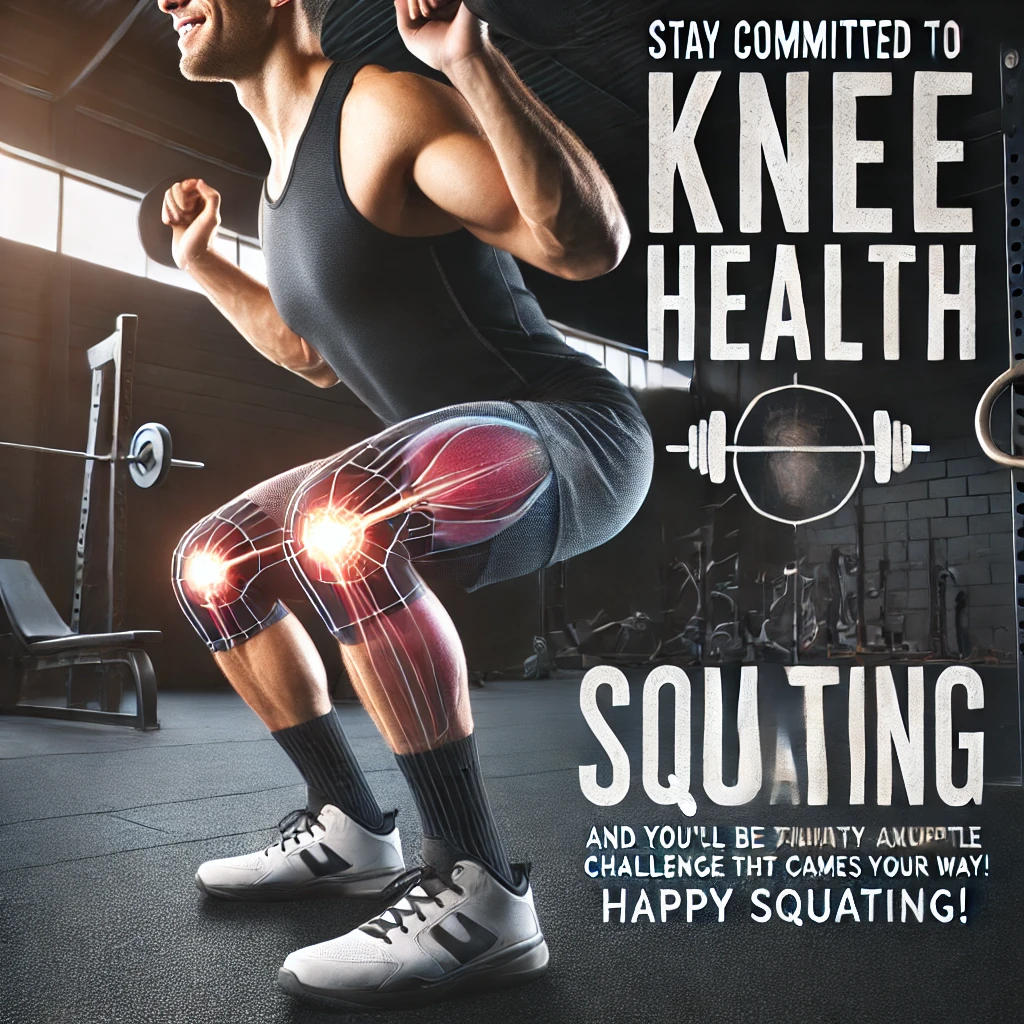


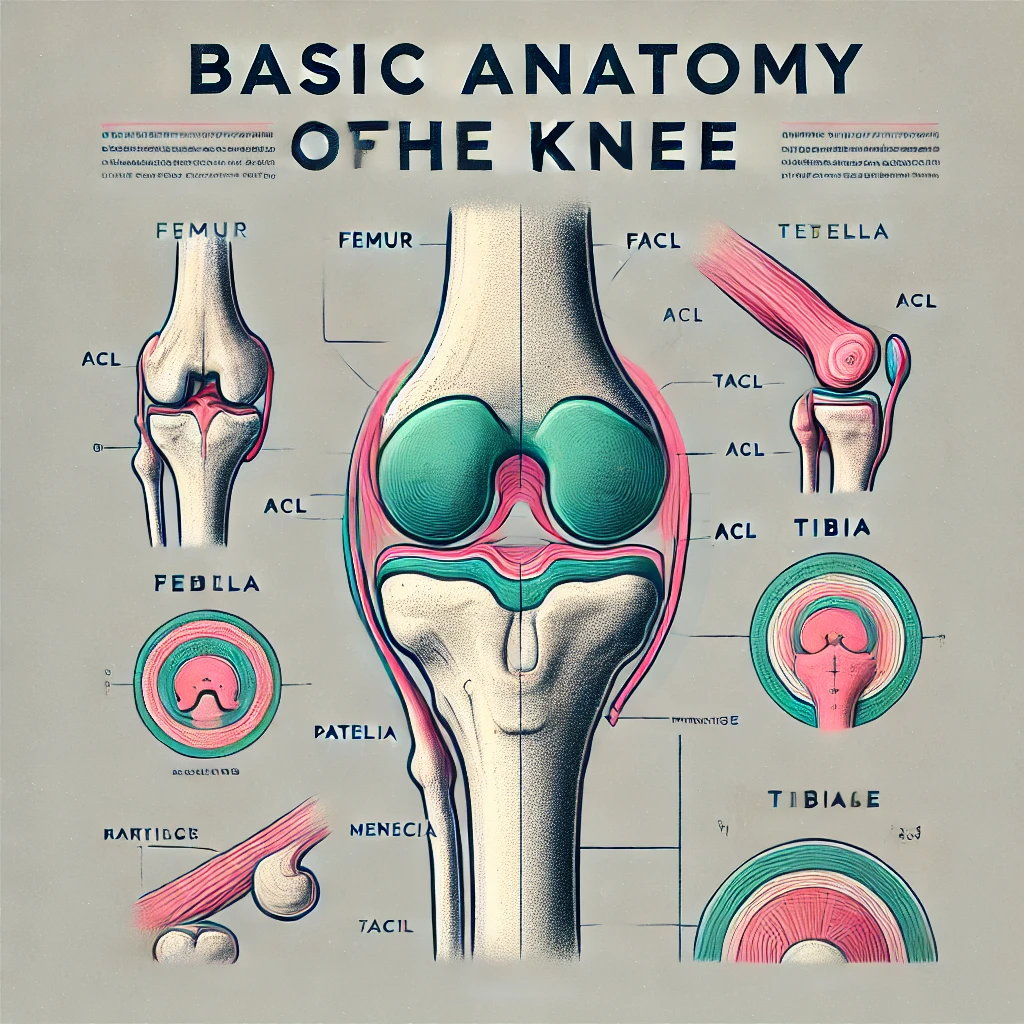
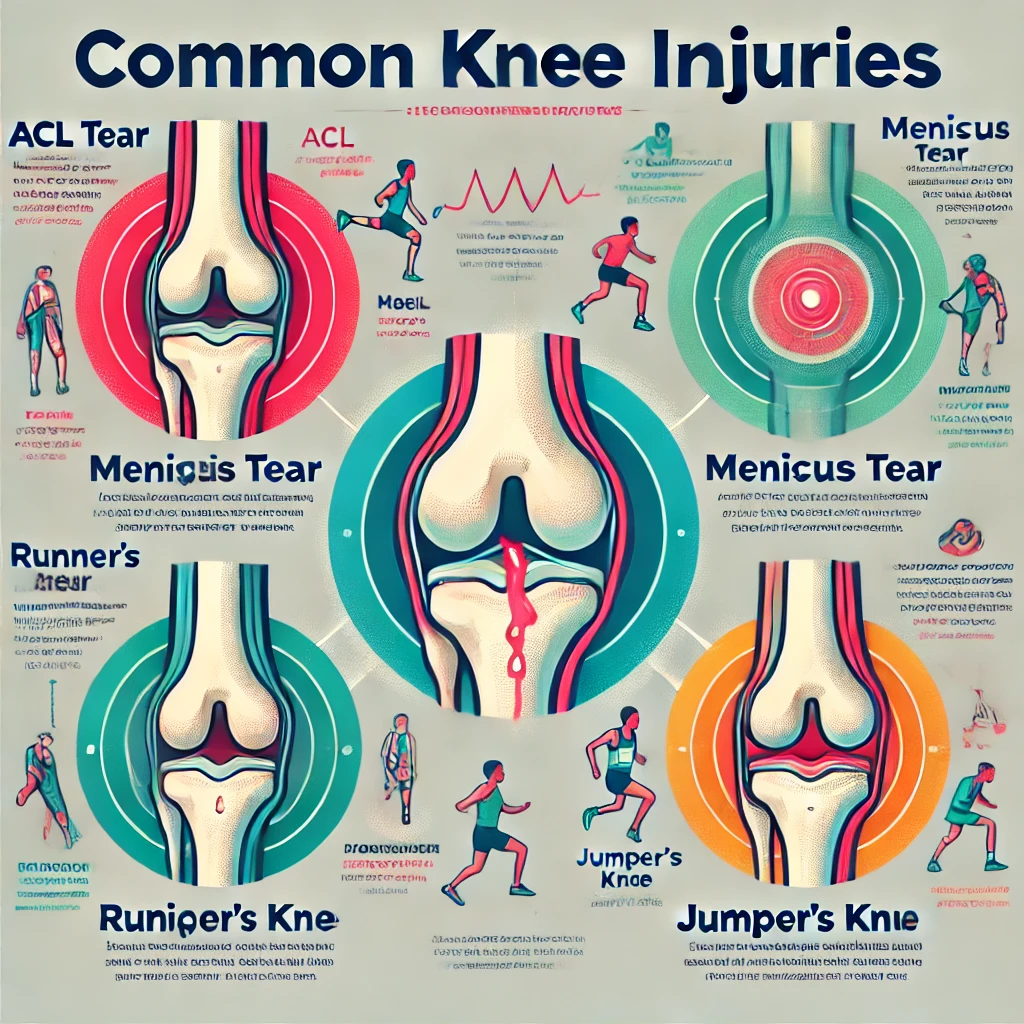


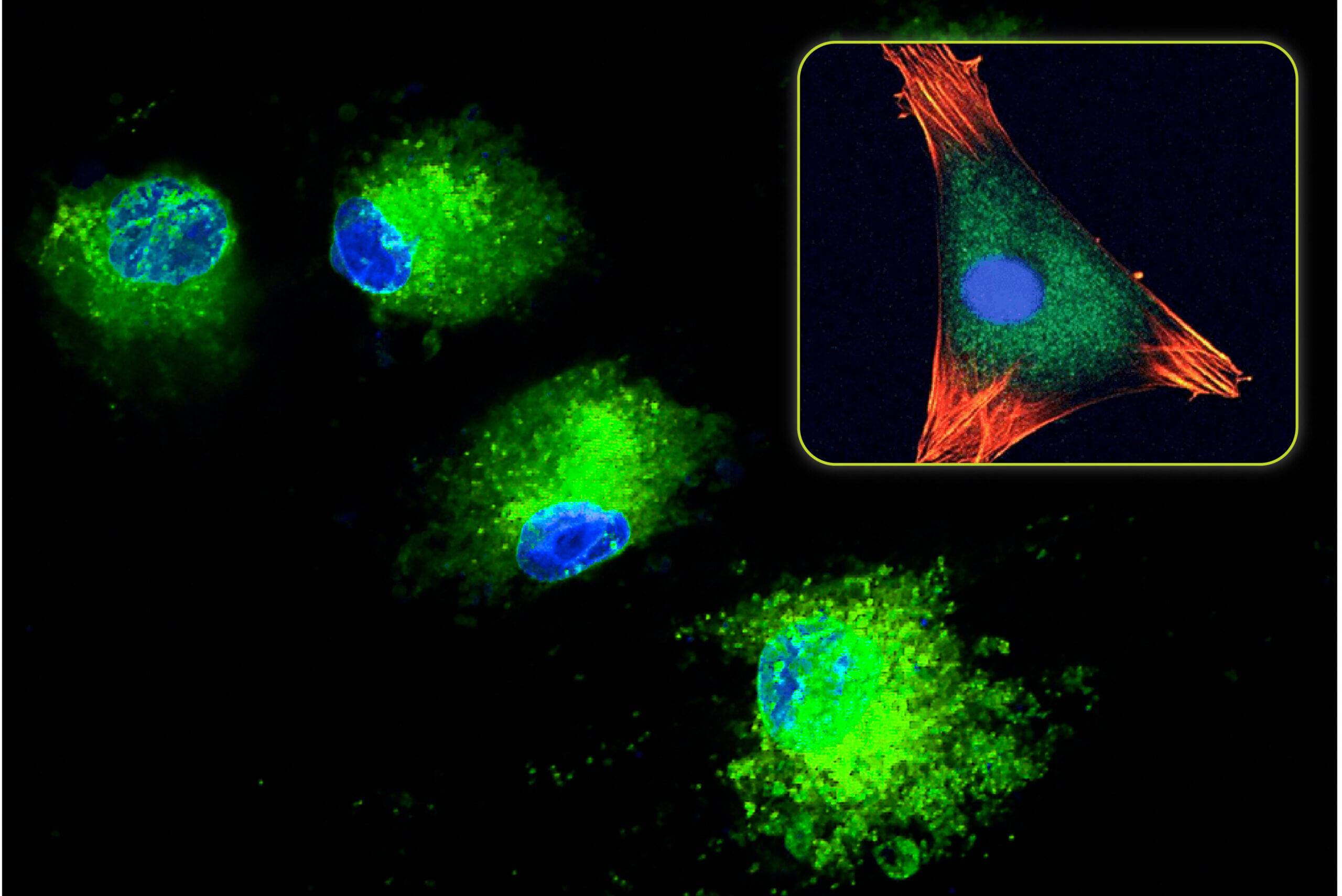




 Now that summer has arrived, it’s time to take advantage of the free vitamin D that the sun offers. Sun exposure is the ideal way to help us reach the minimum vitamin D level of 32 ng/mL, with an optimum of 50 to 60 ng/mL.
 I am Dr. Susan E. BrownI am a clinical nutritionist, medical anthropologist, writer and motivational speaker speakerLearn my proven 6-step natural approach to healthy bones in my online courses.