

Why Do I Feel Pain on the Side of My Knee When I Walk?
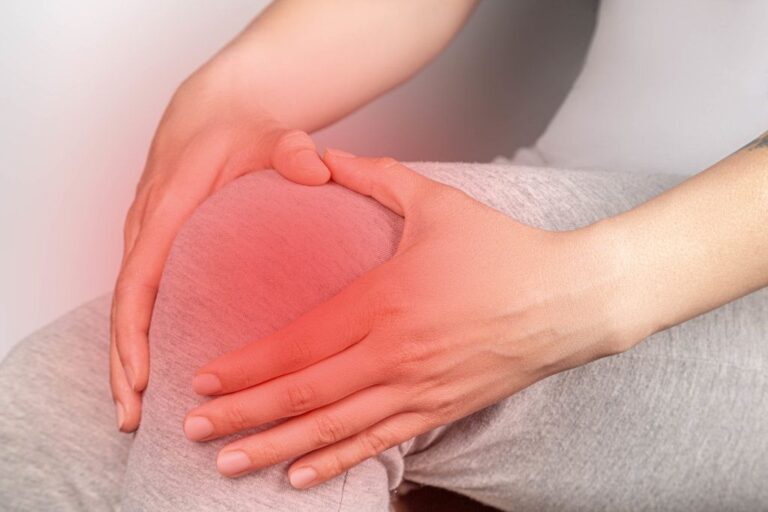
Knee pain can be a real problem, especially when it happens on the side of your knee while walking. This kind of pain can stop you from enjoying everyday activities and might make you worry about your health. Understanding the reasons behind this pain can help you find the right way to treat it and prevent it from coming back.
Key Takeaways
- Side knee pain while walking can be caused by different issues like Iliotibial Band Syndrome, Lateral Meniscus Tear, or ligament injuries.
- Look out for symptoms like sharp or dull pain, swelling, stiffness, and pain during certain activities.
- Doctors use physical exams and imaging tests to figure out what’s causing your knee pain.
- Treatment can include rest, physical therapy, medications, injections, or even surgery in some cases.
- Wearing the right shoes, doing strengthening exercises, and stretching can help prevent knee pain.
Common Causes of Pain on the Side of the Knee
Iliotibial Band Syndrome
Iliotibial Band Syndrome (ITBS) happens when the iliotibial band, a thick band of tissue running from your hip to your shin, gets irritated. This can cause pain on the outer side of the knee, especially during activities like running or cycling. Rest and stretching can help ease the discomfort.
Lateral Meniscus Tear
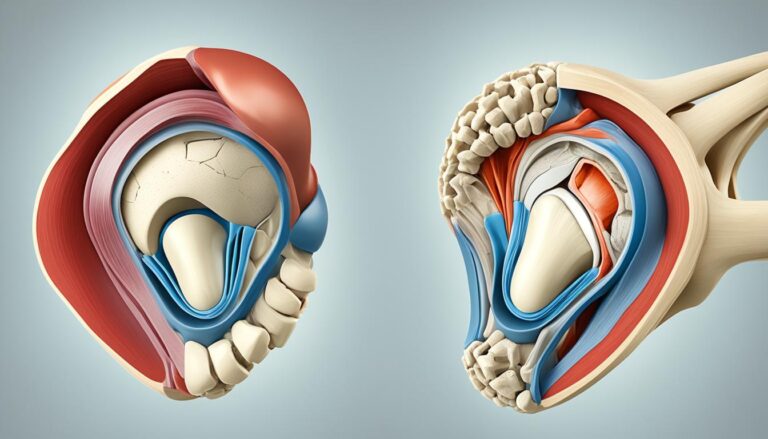
A lateral meniscus tear is a common injury where the cartilage on the outer side of your knee gets torn. This can happen due to sudden twists or heavy lifting. Symptoms include pain, swelling, and difficulty moving the knee. Sometimes, you might even hear a popping sound when the injury occurs.
Ligament Injuries
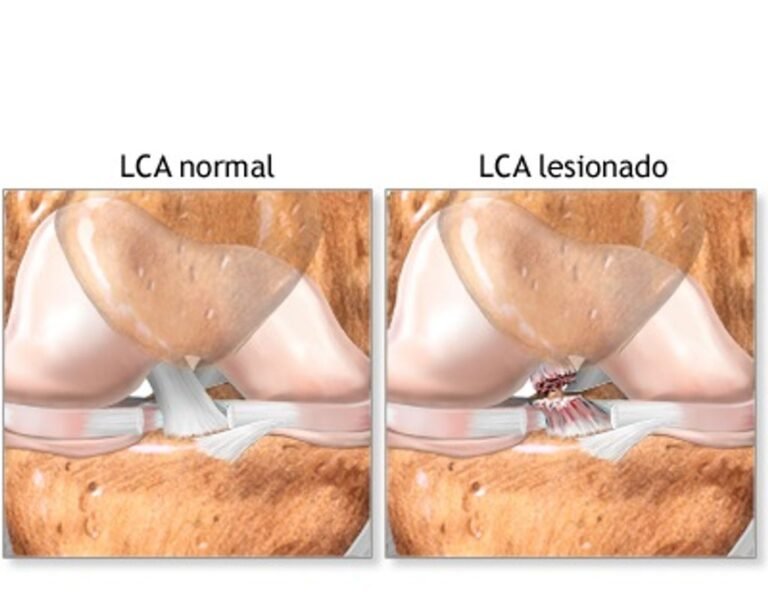
Ligament injuries, such as a sprain or tear, can also cause pain on the side of the knee. These injuries often happen during sports or accidents. The pain can be sharp and intense, and you might notice swelling and instability in the knee. Proper diagnosis and treatment are crucial for recovery.
Symptoms to Watch For
Sharp vs. Dull Pain
When you feel pain on the side of your knee, it can be either sharp or dull. Sharp pain often means a sudden injury, while dull pain might be from overuse or a chronic issue. Pay attention to the type of pain you feel, as it can help in understanding the cause.
Swelling and Stiffness
Swelling and stiffness are common signs of knee problems. If your knee looks bigger than usual or feels tight, it could be a sign of an injury or inflammation. Swelling can make it hard to move your knee and might need medical attention.
Pain During Specific Activities
Notice if the pain gets worse during certain activities like walking, running, or climbing stairs. This can give clues about what might be wrong. For example, pain while walking might be linked to overuse or improper footwear.
If you experience any of these symptoms, it’s important to monitor them closely. Early detection can help in managing the condition better.
Diagnosis and Medical Evaluation
Physical Examination
When you visit a doctor for knee pain, they will start with a physical examination. This involves checking your knee for swelling, tenderness, and range of motion. The doctor may also ask you to walk or perform certain movements to see how your knee responds.
Imaging Tests
If the physical exam doesn’t provide enough information, your doctor might order imaging tests. Common tests include X-rays, MRI, or ultrasound. These tests help to get a clearer picture of the inside of your knee, showing any damage to bones, ligaments, or soft tissues.
When to See a Doctor
It’s important to know when to seek medical help. If you experience persistent pain, swelling, or if your knee pain impacts your daily life, it’s time to see a doctor. Additionally, if you notice any signs of complications, such as redness or warmth around the knee, you should get medical attention right away.
Early diagnosis and treatment can prevent further damage and help you get back to your normal activities sooner.
Treatment Options for Knee Pain
Rest and Physical Therapy
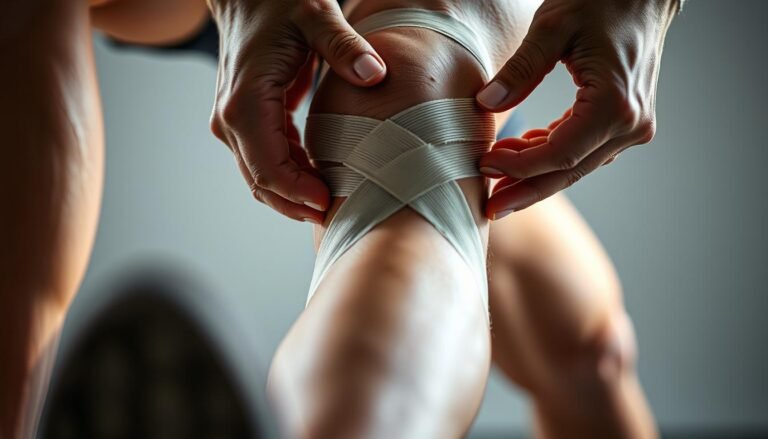
One of the first steps in treating knee pain is to rest the affected area. This helps reduce inflammation and allows the knee to heal. Physical therapy can also be very helpful. A therapist will guide you through exercises that strengthen the muscles around your knee, improving stability and reducing pain.
Medications and Injections
Over-the-counter pain relievers like ibuprofen can help manage knee pain. In some cases, doctors may recommend injections, such as corticosteroids, to reduce inflammation. These treatments can provide quick relief but are usually part of a broader treatment plan.
Surgical Interventions
When other treatments don’t work, surgery might be an option. Procedures can range from minimally invasive arthroscopy to more complex operations like knee replacement. Surgery is usually considered a last resort when other methods have failed to relieve pain.
If you experience persistent knee pain, it’s important to consult a healthcare professional for a proper diagnosis and treatment plan.
Preventing Knee Pain While Walking
Proper Footwear
Wearing the right shoes is crucial. Proper footwear provides the necessary support and cushioning to reduce stress on your knees. Make sure your shoes fit well and are designed for walking.
Strengthening Exercises
Strengthening the muscles around your knee can help prevent pain. Focus on exercises that target your quadriceps, hamstrings, and calves. These exercises can make your knees more stable and less prone to injury.
Stretching Techniques
Incorporate stretching into your routine to keep your muscles flexible. Stretching your legs before and after walking can help reduce the risk of knee pain. Pay special attention to your hamstrings and calves.
Consistent stretching and strengthening can make a big difference in preventing knee pain. Make these activities a regular part of your routine to keep your knees healthy.
Lifestyle Changes to Manage Knee Pain
Weight Management
Maintaining a healthy weight is crucial for reducing knee pain. Extra weight puts more stress on your knees, which can make the pain worse. Losing even a small amount of weight can make a big difference in how your knees feel.
Diet and Nutrition
Eating a balanced diet helps keep your joints healthy. Foods rich in omega-3 fatty acids, like fish and nuts, can help reduce inflammation. Make sure to drink plenty of water to keep your joints lubricated.
Activity Modification
Sometimes, you need to change the way you do certain activities to avoid knee pain. For example, if running hurts your knees, try swimming or biking instead. These activities are easier on your joints and can help you stay active without causing pain.
Making small changes in your daily routine can have a big impact on managing knee pain. Simple adjustments can lead to significant relief over time.
When to Seek Professional Help

Persistent Pain
If you have knee pain that doesn’t go away after a few days of rest and home care, it might be time to see a doctor. Pain that sticks around can be a sign of a more serious problem that needs medical attention.
Impact on Daily Life
When knee pain starts to mess with your everyday activities, like walking, climbing stairs, or even sleeping, it’s important to get it checked out. You shouldn’t have to change your life because of knee pain.
Signs of Complications
Look out for signs that something more serious might be going on. These can include severe swelling, redness, or a knee that feels hot to the touch. If you notice any of these, see a doctor right away.
Don’t ignore knee pain that affects your daily life or shows signs of complications. Getting help early can make a big difference in your recovery.
Conclusion
Feeling pain on the side of your knee when you walk can be worrying, but understanding the possible causes can help you find the right solution. Whether it’s due to an injury, overuse, or a medical condition, knowing what’s behind your pain is the first step to getting better. Always listen to your body and don’t ignore the pain. If it doesn’t go away or gets worse, it’s important to see a doctor. Taking care of your knees now can help you stay active and healthy in the long run.
Frequently Asked Questions
What can cause pain on the side of my knee when I walk?
Pain on the side of the knee can be caused by conditions like Iliotibial Band Syndrome, a lateral meniscus tear, or ligament injuries.
How do I know if my knee pain is serious?
If your knee pain is sharp, causes swelling, or affects your daily activities, it’s a good idea to see a doctor.
What are some common symptoms of knee pain?
Common symptoms include sharp or dull pain, swelling, stiffness, and pain during certain activities like walking or running.
How is knee pain diagnosed?
Doctors usually do a physical exam and may order imaging tests like X-rays or MRIs to find out what’s causing the pain.
What treatments are available for knee pain?
Treatment options can include rest, physical therapy, medications, injections, and in some cases, surgery.
How can I prevent knee pain when walking?
Wearing proper footwear, doing strengthening exercises, and stretching can help prevent knee pain while walking.


One Comment