Blog

  • Cold laser therapy for knee osteoarthritis

    Cold laser therapy for knee osteoarthritis

    Millions of Americans suffer from knee osteoarthritis, a degenerative joint condition that causes pain and limits mobility. As the search for non-invasive, drug-free treatments continues, low-level laser therapy has emerged as a promising option. This therapy involves exposing the affected tissue to low levels of red and near-infrared light, which can penetrate deep into the tissue to stimulate healing.

    We will explore how this innovative treatment uses specific wavelengths of light to potentially reduce inflammation, improve circulation, and promote healing in damaged knee tissues. By examining the scientific principles behind this therapy and the typical treatment protocols, we aim to provide a comprehensive understanding of its benefits and effectiveness for knee osteoarthritis management.

    Key Takeaways

    • Low-level laser therapy is a non-invasive treatment option for knee osteoarthritis.
    • It uses specific wavelengths of light to penetrate deep into the tissue.
    • The therapy aims to reduce inflammation, improve circulation, and promote healing.
    • We will examine the scientific principles and typical treatment protocols.
    • The goal is to provide a comprehensive understanding of its benefits and effectiveness.

    Understanding Knee Osteoarthritis and Its Impact

    Understanding the complexities of knee osteoarthritis is crucial for managing its impact on daily life. Knee osteoarthritis (KOA) is a degenerative, inflammatory condition that affects the knee joint, leading to discomfort, impairment, and a lower quality of life.

    What Happens in Knee Osteoarthritis

    In KOA, the cartilage that cushions the joints deteriorates, causing bone-on-bone contact. This results in pain and stiffness, particularly after periods of rest or inactivity. The condition is also characterized by swelling and a decreased range of motion, making everyday activities challenging.

    The degenerative nature of KOA means that its symptoms can progress over time, from occasional discomfort during activity to persistent knee pain that significantly limits mobility and independence.

    Common Symptoms and Their Effect on Quality of Life

    The symptoms of KOA can have a profound impact on an individual’s life, affecting not just physical capabilities but also psychological well-being. Common symptoms include pain, stiffness, swelling, and a distinctive “creaking” or “grinding” sensation in the knee.

    As KOA progresses, it can limit basic activities like walking and climbing stairs, as well as more complex activities such as exercise, work performance, and social engagement. The chronic nature of the condition can also lead to anxiety, depression, and sleep disturbances, further compounding the physical challenges.

    By understanding the full spectrum of how KOA affects daily functioning, we can better appreciate the importance of finding effective management strategies that address both the physical symptoms and their broader life impacts.

    What Is Cold Laser Therapy for Knee Osteoarthritis

    Cold laser therapy, also known as low-level laser therapy (LLLT), is a non-invasive treatment that has gained attention for its potential in managing knee osteoarthritis. This therapy involves the application of low-intensity laser or light-emitting diodes to the affected area.

    Definition and Alternative Names

    Low-level laser therapy (LLLT) is characterized by the electronic level absorption of laser light without the production of heat in the visible to near-infrared spectral spectrum (390-1,100 nm). It’s also known as photobiomodulation or low-intensity laser therapy. LLLT is used for various medical conditions, including pain relief, wound healing, and inflammation reduction in knee osteoarthritis.

    How It Differs from Other Laser Treatments

    Cold laser therapy differs significantly from other laser treatments used in medicine, primarily in its power output, wavelength, and therapeutic mechanisms. Unlike high-power lasers used for surgical procedures, cold lasers operate at power levels typically below 500 milliwatts. The therapeutic effects of cold lasers are achieved through photobiomodulation, a process involving light-induced photochemical reactions rather than thermal effects.

    The key differences between cold laser therapy and other laser-based treatments can be summarized as follows:

    • Power output: Cold lasers operate at lower power levels compared to surgical lasers.
    • Wavelength: Specific wavelength ranges (typically 600-1000 nm) are used for treating knee osteoarthritis due to their optimal tissue penetration properties.
    • Therapeutic mechanisms: Cold laser therapy relies on photobiomodulation, distinguishing it from other laser treatments that may cause tissue destruction or ablation.

    By understanding these distinctions, we can appreciate why cold laser therapy represents a unique approach to treating knee osteoarthritis.

    The Science Behind Cold Laser Therapy

    The therapeutic effects of cold laser therapy on knee osteoarthritis are rooted in its ability to stimulate cellular processes at the molecular level. This non-invasive treatment modality utilizes specific wavelengths of light to induce beneficial changes in tissue, promoting healing and regeneration.

    Wavelengths and Their Importance

    The effectiveness of cold laser therapy is significantly influenced by the wavelengths used. Typically, red and near-infrared wavelengths are employed because they can penetrate deep into tissue. These wavelengths are absorbed by cellular components, particularly cytochrome c oxidase in the mitochondria, triggering a cascade of biochemical reactions. The choice of wavelength is critical as it determines the depth of penetration and the specific biological effects that are elicited.

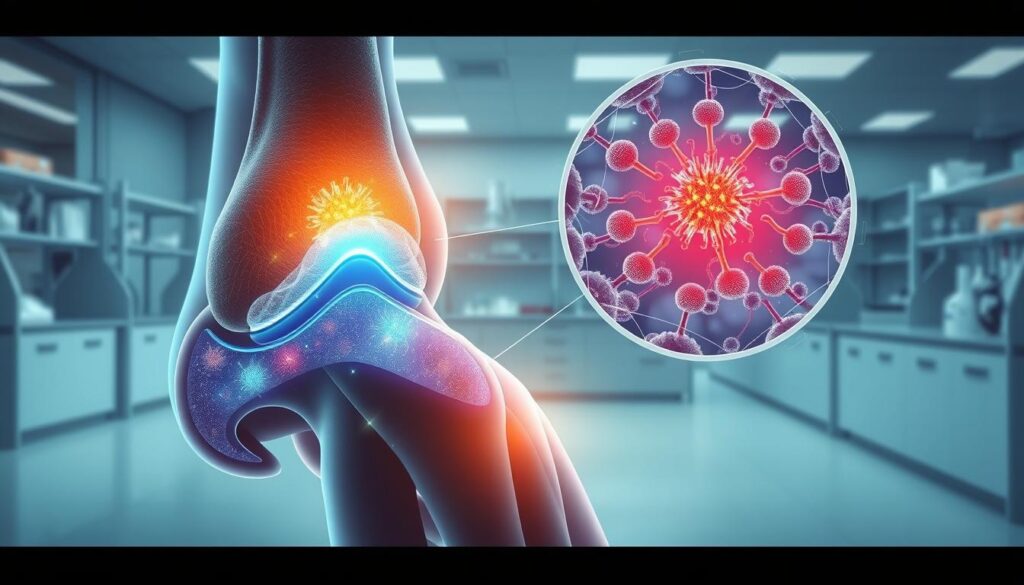
    A detailed diagram showcasing the distinct wavelengths of cold laser therapy, with a crisp, scientific aesthetic. In the foreground, a focused beam of blue-violet light (650-850nm) emanates from a sleek, metallic medical device, casting a soft glow. The middle ground features a spectrum of colored laser beams, each representing a specific therapeutic wavelength, neatly arranged and labeled. The background depicts a minimalist, white laboratory setting, with clean lines and subtle shadows, emphasizing the precision and clinical nature of the technology. The overall scene conveys a sense of technological sophistication and medical innovation, perfectly suited to illustrate the science behind cold laser therapy.

    Photobiomodulation Process Explained

    The process by which cold laser therapy exerts its effects is known as photobiomodulation (PBM). PBM involves the absorption of light energy by cells, leading to enhanced mitochondrial ATP production, improved cell signaling, and increased synthesis of growth factors. This results in multiple beneficial effects, including reduced inflammation, enhanced protein synthesis, and accelerated tissue repair. By modulating oxidative stress and inflammatory cytokine production, cold laser therapy addresses some of the underlying pathological processes in knee osteoarthritis, potentially offering benefits beyond mere pain relief.

    Through the photobiomodulation process, cold laser therapy promotes regeneration and healing in damaged knee joint structures. By understanding these mechanisms, we gain insight into the therapeutic potential of cold laser therapy for knee osteoarthritis.

    The Cold Laser Therapy Procedure

    When considering cold laser therapy for knee osteoarthritis, understanding the procedure is crucial for setting realistic expectations. Cold laser therapy, also known as low-level laser therapy (LLLT) or photobiomodulation (PBM), is a non-invasive treatment that has been studied for its potential to reduce pain and inflammation in the knee.

    What to Expect During Treatment

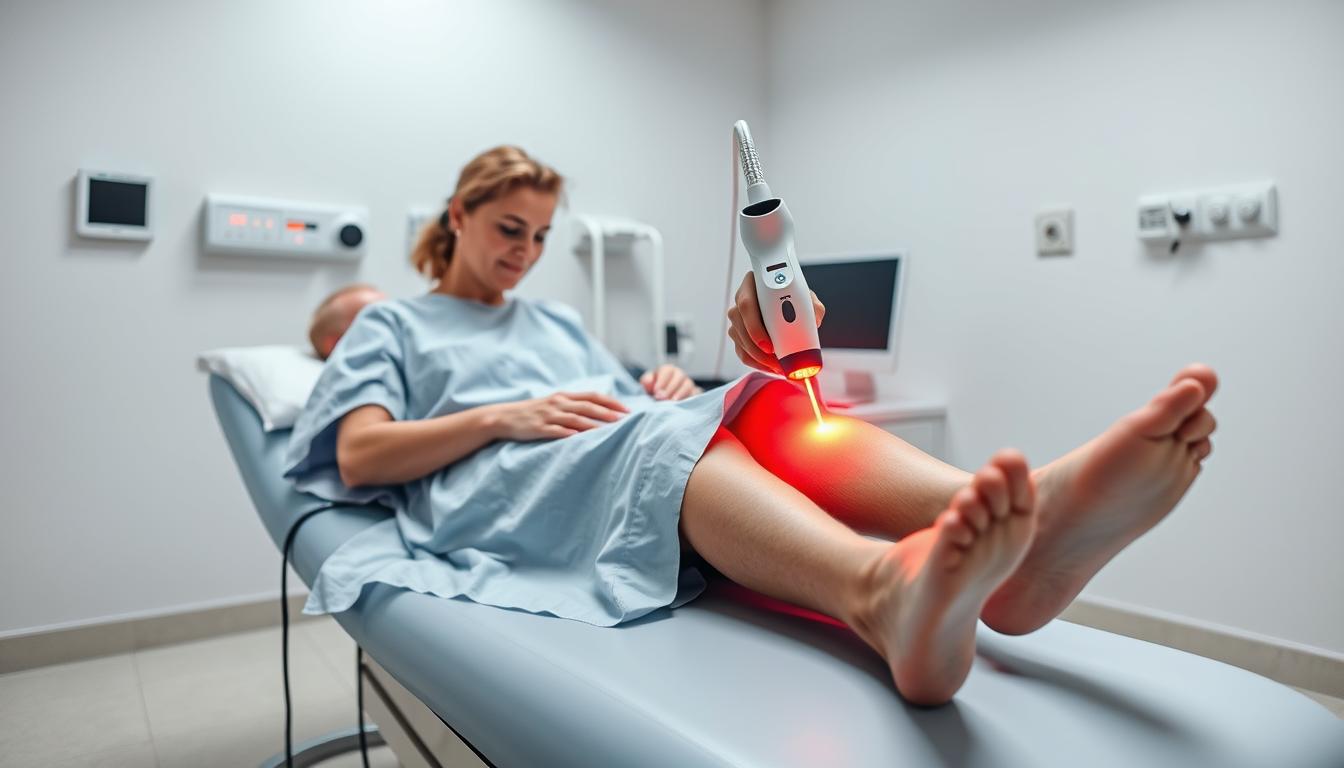
    During a cold laser therapy session, a healthcare professional will position the laser device over the affected knee area. The treatment is typically painless, with some patients possibly experiencing a warm or tingling sensation. The laser emits a specific wavelength of light that penetrates the skin to stimulate cellular processes, promoting healing and reducing inflammation.

    Treatment Duration and Frequency

    The duration and frequency of cold laser therapy treatments can vary based on the severity of knee osteoarthritis and individual patient response. Generally, a treatment session lasts between 5 to 15 minutes per knee. Treatments are often administered 2-3 times per week initially, with the frequency adjusted based on patient progress.

    Treatment Aspect Typical Protocol
    Session Duration 5-15 minutes per knee
    Initial Frequency 2-3 times per week
    Total Sessions 8-12 sessions or more

    Cold laser therapy is a cumulative treatment, meaning that its effects build up over multiple sessions. Patients typically need to undergo several treatments before noticing significant improvement. The total number of treatments required can range from a few weeks to several months, depending on the condition’s severity and the patient’s response to therapy.

    Benefits of Cold Laser Therapy for Knee Pain

    Cold laser therapy offers a multifaceted approach to managing knee pain by addressing both the symptoms and underlying causes. This treatment modality has gained attention for its potential to provide relief and promote healing in patients suffering from knee osteoarthritis.

    Pain Reduction Mechanisms

    One of the primary benefits of cold laser therapy is its ability to reduce pain. The therapy achieves this through several mechanisms. The light energy emitted during treatment helps to lessen inflammation and promote regeneration of damaged tissue.

    Studies have shown that this can lead to a significant reduction in pain experienced by patients. For instance, a study observed that during the treatment period, weekly thermograms showed increasing temperature in previously cold areas, indicating improved circulation and reduced inflammation. The pain reduction effect is further supported by the observation that at follow-up measurements 2 months after treatment, thermographic changes remained elevated, suggesting sustained benefits.

    Improved Circulation and Healing

    Cold laser therapy also enhances circulation to the knee joint, which is vital for healing. The photobiomodulation effect stimulates vasodilation and the formation of new capillaries in the treated tissues. As a result, improved microcirculation brings more oxygen and nutrients to damaged knee structures while facilitating the removal of metabolic waste products and inflammatory mediators that can impede healing.

    The enhanced circulation and subsequent healing processes contribute to the repair of damaged cartilage, synovial membrane, and other knee joint structures affected by osteoarthritis. Furthermore, cold laser therapy may influence the activity of chondrocytes and synoviocytes, potentially slowing the degenerative processes characteristic of knee osteoarthritis.

    By addressing the underlying tissue damage, cold laser therapy offers benefits that extend beyond symptomatic relief. By understanding these mechanisms, patients and healthcare providers can better appreciate the potential of cold laser therapy as a valuable treatment option for knee osteoarthritis.

    Clinical Evidence and Research Findings

    A comprehensive understanding of cold laser therapy’s impact on knee osteoarthritis requires an examination of the latest clinical evidence and research findings. The therapy’s effectiveness is supported by a growing body of research, including systematic reviews and meta-analyses that evaluate its efficacy in treating knee osteoarthritis.

    Key Studies and Their Results

    Numerous studies have investigated the effects of cold laser therapy on knee osteoarthritis. A notable systematic review and meta-analysis of randomized placebo-controlled trials, involving a total sample of 1063 patients, demonstrated that low-level laser therapy (LLLT) at specific wavelengths (785-860 nm and 904 nm) significantly reduced pain and disability in patients with knee osteoarthritis.

    Therapeutic Effects of Cold Laser Therapy

    Wavelength (nm) Dosage (J) Effects on KOA Patients
    785-860 4-8 Significant pain reduction
    904 1-3 Improved functional ability

    However, it’s crucial to note that not all studies are without criticism. For instance, a systematic review by Huang et al. (2015) was later criticized by Stausholm et al. (2017) for methodological deficiencies and type-II errors in their meta-analysis.

    What the Systematic Reviews Tell Us

    Systematic reviews have played a pivotal role in assessing the collective evidence for cold laser therapy in treating knee osteoarthritis. These reviews have addressed the variability in treatment parameters across individual studies, such as wavelength, dosage, and frequency, and their implications for interpreting the overall evidence.

    The quality of evidence has evolved over time, from earlier reviews indicating limited support to more recent analyses showing consistent positive effects for specific laser parameters and treatment protocols. Nonetheless, methodological challenges persist, including issues with blinding, standardization of treatment parameters, and the selection of appropriate outcome measures.

    By examining the systematic evidence, we can better understand the current scientific consensus on cold laser therapy for knee osteoarthritis and identify areas requiring further research.

    Potential Side Effects and Limitations

    The safety profile of cold laser therapy for knee osteoarthritis is generally favorable, but certain precautions and contraindications need to be considered.

    Safety Profile of Cold Laser Therapy

    Cold laser therapy is typically well-tolerated, with few side effects reported. Most patients experience no adverse effects, and the treatment is considered safe when performed by a qualified healthcare professional.

    Common side effects, if any, are usually mild and temporary. Some patients may experience slight discomfort or warmth at the laser therapy site, but these effects generally resolve quickly.

    When Cold Laser Therapy Isn’t Recommended

    Despite its safety profile, cold laser therapy is not suitable for everyone. Certain conditions may contraindicate its use, such as the presence of cancerous lesions, as laser therapy could potentially stimulate tumor growth.

    • Application directly over the thyroid gland or eyes is contraindicated.
    • Pregnant women should avoid cold laser therapy due to the lack of research on its effects on the fetus.
    • Patients with undiagnosed knee pain should not receive laser therapy until a proper diagnosis is made.

    It’s crucial for patients to consult with their healthcare provider to determine if cold laser therapy is appropriate for their specific condition.

    Ideal Candidates for Cold Laser Therapy

    As with any medical treatment, cold laser therapy is not suitable for everyone, and careful patient selection is crucial for its success. We need to consider various factors to determine whether a patient can benefit from this therapy.

    Medical Conditions That Respond Well

    Cold laser therapy has shown promise in treating various conditions, particularly those involving pain and inflammation. Knee osteoarthritis is one such condition where this therapy has demonstrated potential benefits. Studies have indicated that cold laser therapy can help reduce knee pain and improve functional ability in patients with osteoarthritis. Other conditions that may respond well to cold laser therapy include chronic pain syndromes and inflammatory disorders.

    Contraindications and Precautions

    While cold laser therapy is generally considered safe, there are certain contraindications and precautions to be aware of. For instance, it’s not recommended for patients with cancerous lesions, as it may potentially stimulate tumor growth. Additionally, cold laser therapy should not be applied directly over the eyes or thyroid gland. Pregnant women are also advised to avoid this therapy due to the lack of research on its effects on the developing fetus. Patients with photosensitivity disorders or those taking photosensitizing medications require special precautions.

    Proper diagnosis is essential before initiating cold laser therapy to ensure that the treatment is appropriate for the patient’s condition. This involves ruling out underlying serious conditions that may require different interventions. By carefully evaluating patients and considering these factors, healthcare providers can make informed decisions about the suitability of cold laser therapy for their patients.

    Cold Laser Devices for Home Use

    Cold laser therapy devices designed for home use offer a convenient and potentially effective solution for managing knee arthritis.

    Image of a person using a cold laser device on their knee at home.

    Learn More

    Features to Look For

    When selecting a cold laser device for home use, several features are crucial to ensure safety and effectiveness. Optimal wavelength and adjustable intensity are key factors, as they allow for personalized treatment based on individual needs and comfort levels.

    Additionally, the device should be user-friendly, with clear instructions and possibly pre-set treatment protocols for knee osteoarthritis. It’s also beneficial to look for devices with multiple treatment heads or adjustable applicators to target different areas around the knee.

    Professional Guidance

    Before initiating home-based cold laser therapy, it’s crucial to consult with a healthcare professional to confirm the diagnosis and discuss the suitability of this treatment for your specific condition.

    A healthcare provider can offer valuable guidance on treatment parameters, including the optimal locations to treat around the knee, session duration, frequency, and the total number of treatments. They can also advise on how to integrate cold laser therapy into a comprehensive management plan that may include exercise, weight management, and conventional medical treatments.

    By following professional guidance, individuals can maximize the safety and effectiveness of home-based cold laser therapy, ensuring it complements other treatments for optimal knee osteoarthritis management.

    Comparing Cold Laser Therapy to Other Treatment Options

    As patients explore treatment options for knee osteoarthritis, comparing the efficacy, safety, and convenience of cold laser therapy with other approaches becomes increasingly important. Knee osteoarthritis management can involve a range of strategies, from conservative treatments to surgical interventions.

    Medication-Based Approaches

    Medication-based approaches for knee osteoarthritis often include oral analgesics, NSAIDs, and corticosteroid injections. While these can provide symptom relief, they may have side effects and don’t address the underlying condition. In contrast, cold laser therapy is a non-pharmacological treatment that can reduce pain and inflammation without the risk of systemic side effects.

    Physical and Occupational Therapy

    Physical and occupational therapy play a crucial role in managing knee osteoarthritis by improving joint mobility, strengthening surrounding muscles, and enhancing functional ability. Cold laser therapy can complement these therapies by reducing pain and inflammation, potentially improving the effectiveness of exercise programs.

    Surgical Interventions

    Surgical options for knee osteoarthritis range from arthroscopic procedures to partial or total knee replacement. While surgery can be effective for advanced cases, it carries risks and requires significant recovery time. Cold laser therapy offers a non-invasive alternative that may delay or avoid the need for surgery in some patients.

    Treatment Option Invasiveness Recovery Time
    Cold Laser Therapy Non-invasive Minimal to none
    Medication-Based Approaches Varies (oral to injections) Varies
    Surgical Interventions Invasive Significant

    Cost Considerations and Insurance Coverage

    When considering cold laser therapy for knee osteoarthritis, understanding the financial implications is crucial. As with any medical treatment, the costs associated with cold laser therapy can vary widely depending on several factors.

    Typical Treatment Costs

    The cost of cold laser therapy sessions can differ based on the provider, location, and the number of sessions required. On average, a single session can range from $50 to $200. A typical treatment plan may involve multiple sessions over several weeks or months.

    According to a study published in a reputable medical journal, the total cost for a full course of cold laser therapy can range from $500 to $2,000 or more, depending on the complexity of the case and the time required for treatment.

    Navigating Insurance for Cold Laser Therapy

    Insurance coverage for cold laser therapy is often limited because it is considered an alternative medicine approach by many providers. As stated in this article, “It’s a form of alternative medicine and considered unproven by many doctors and insurance providers. So, your treatments may not be covered through your health insurance.”

    To navigate this complex landscape, patients should first check their insurance coverage before starting treatment. Some providers may cover cold laser therapy under specific circumstances, such as when it is deemed medically necessary.

    Strategies for maximizing insurance coverage include obtaining proper referrals from healthcare providers, documenting medical necessity, and appealing denied claims with supporting clinical evidence. When insurance coverage is not available, alternative payment options such as flexible spending accounts (FSAs), health savings accounts (HSAs), and payment plans can help make cold laser therapy more accessible.

    Taking the Next Step with Cold Laser Therapy

    If you’re considering cold laser therapy for your knee osteoarthritis, understanding the process and what to expect is crucial. Cold laser therapy may provide temporary pain relief for osteoarthritis of the knee, but its effectiveness can vary from person to person. As an alternative medicine approach, more research is needed to fully determine its efficacy.

    When exploring cold laser therapy, finding a qualified provider is essential. We recommend asking potential providers about their experience with cold laser therapy, the type of equipment they use, their treatment protocols, and the expected outcomes based on their clinical experience. This information will help you make an informed decision about your care.

    Before starting therapy, establishing baseline measurements and clear treatment goals is vital. This enables an objective assessment of your progress and the treatment’s effectiveness. By setting clear goals, you and your healthcare provider can work together to optimize your treatment plan.

    Cold laser therapy can be a valuable component of a comprehensive knee osteoarthritis management plan. This plan may include exercise, weight management, appropriate medications, and lifestyle modifications. By combining these approaches, you can potentially achieve better outcomes and improve your quality of life.

    It’s also important to maintain realistic expectations and engage in ongoing communication with your healthcare providers. This ensures that your treatment plan is tailored to your needs and adjusted as necessary. By taking an active role in your care and staying informed, you can make the most of cold laser therapy and other treatments for knee osteoarthritis.

    In conclusion, while cold laser therapy is not a one-size-fits-all solution, it may offer pain relief and improved function for some individuals with knee osteoarthritis. By understanding the benefits and limitations of this treatment and working closely with your healthcare team, you can make informed decisions about your care and take a proactive approach to managing your condition.

    FAQ

    What is the mechanism behind low-level laser therapy (LLLT) for knee pain relief?

    We use specific wavelengths of light to stimulate cellular processes, promoting pain relief and healing. This process is known as photobiomodulation.

    How long does a typical cold laser treatment session last?

    A: Treatment sessions are relatively short, usually lasting between 10 to 30 minutes, depending on the severity of the condition and the treatment area.

    Are there any side effects associated with cold laser therapy for osteoarthritis?

    We have found that cold laser therapy is generally well-tolerated, with minimal risk of adverse effects. Some patients may experience temporary discomfort or skin sensitivity.

    Can cold laser therapy be used in conjunction with other treatments for knee osteoarthritis?

    Yes, we often recommend combining cold laser therapy with other treatments, such as physical therapy or exercise, to enhance its effectiveness.

    How many treatments are typically required to experience significant pain relief?

    The number of treatments needed can vary depending on the individual and the severity of their condition. On average, patients may require multiple sessions spaced over several weeks.

    Is cold laser therapy covered by insurance?

    Coverage varies depending on the insurance provider and policy. We recommend checking with your insurance company to determine the extent of coverage for cold laser therapy.

    Can I use a cold laser device at home for knee pain relief?

    Yes, there are cold laser devices available for home use. However, we advise consulting with a healthcare professional to ensure proper use and to discuss the most effective treatment plan.

  • Compression socks vs. knee sleeves

    Compression socks vs. knee sleeves

    When it comes to choosing the right gear for athletic performance or managing health concerns, many of us are torn between compression socks and knee sleeves. Both are popular compression garments designed to provide support and improve blood flow, but they serve distinct purposes.

    While compression socks are known for boosting peripheral circulation and supporting lower leg muscles and joints, knee sleeves focus on offering joint support and stability, covering the area between the ankles and knees.

    Understanding the fundamental differences between these two garments is crucial for making an informed decision about which one is right for your specific needs.

    Key Takeaways

    • Compression socks and knee sleeves serve different purposes and target different areas of the leg.
    • Compression socks aid in peripheral circulation and support lower leg muscles and joints.
    • Knee sleeves offer joint support and stability, covering the area between the ankles and knees.
    • The choice between compression socks and knee sleeves depends on specific health concerns or athletic performance goals.
    • Understanding the design, function, and application of each garment is essential for making the right choice.

    What Are Compression Socks and Knee Sleeves?

    To appreciate the benefits of compression socks and knee sleeves, it’s essential to understand what they are and how they work. Both are types of compression garments designed to provide support and improve performance, but they serve different purposes and are used in different contexts.

    Compression Socks Explained

    Compression socks are specialized garments that apply graduated pressure to the feet, ankles, and lower legs. They are designed to be tighter at the ankle and gradually decrease in pressure as they move up the leg, promoting upward blood flow. Key characteristics include:

    • Coverage from the foot to just below the knee
    • Graduated compression to enhance blood circulation
    • Typically made from elastic materials like nylon or spandex

    Knee Sleeves Explained

    Knee sleeves, on the other hand, are cylindrical compression garments that cover the knee joint and portions of the thigh and calf. They are primarily designed to provide joint stability and support rather than focusing on circulatory benefits. Key features include:

    • Made from materials like neoprene for warmth and compression
    • Provide targeted support to the knee area
    • Help in reducing pain and improving joint function

    The Science Behind Compression Garments

    Understanding the science behind compression garments reveals how they improve blood flow and overall health. Compression garments apply pressure to the body, which helps improve blood circulation. This is achieved through the principle of graduated compression, where the pressure is highest at the extremities and gradually decreases as it moves up the limb.

    How Compression Technology Works

    Compression technology works by applying controlled pressure to the surface of the skin. This external pressure helps reduce the diameter of major blood vessels, thereby increasing the velocity of blood flow. As noted by a study, “External compression can significantly enhance venous blood flow towards the heart, reducing venous pressure and improving circulation.”

    The application of compression also affects lymphatic drainage, helping to reduce swelling and remove metabolic waste from tissues. This is particularly beneficial for individuals with venous conditions or those who engage in strenuous physical activities.

    Benefits of Graduated Compression

    Graduated compression creates a pressure gradient that’s highest at the ankles and gradually decreases as it moves up the legs. This design helps fight against gravity to move blood back toward the heart, enhancing circulation and reducing the risk of blood pooling in the legs. As a result, individuals can experience improved overall circulation and reduced fatigue in their legs.

    “The use of graduated compression has been shown to be effective in improving venous blood flow and reducing the symptoms of venous insufficiency,” as supported by various research studies. By understanding how graduated compression works, individuals can make informed decisions about their use of compression garments.

    Key Differences: Compression Socks vs. Knee Sleeves

    While both compression socks and knee sleeves provide compression, their differences in coverage area, primary functions, and construction materials set them apart.

    Coverage Area and Design

    The most noticeable difference between compression socks and knee sleeves is their coverage area. Compression socks typically extend from the foot to just below the knee, providing graduated compression that aids in improving blood circulation. In contrast, knee sleeves focus specifically on the knee joint area, offering uniform compression around the knee.

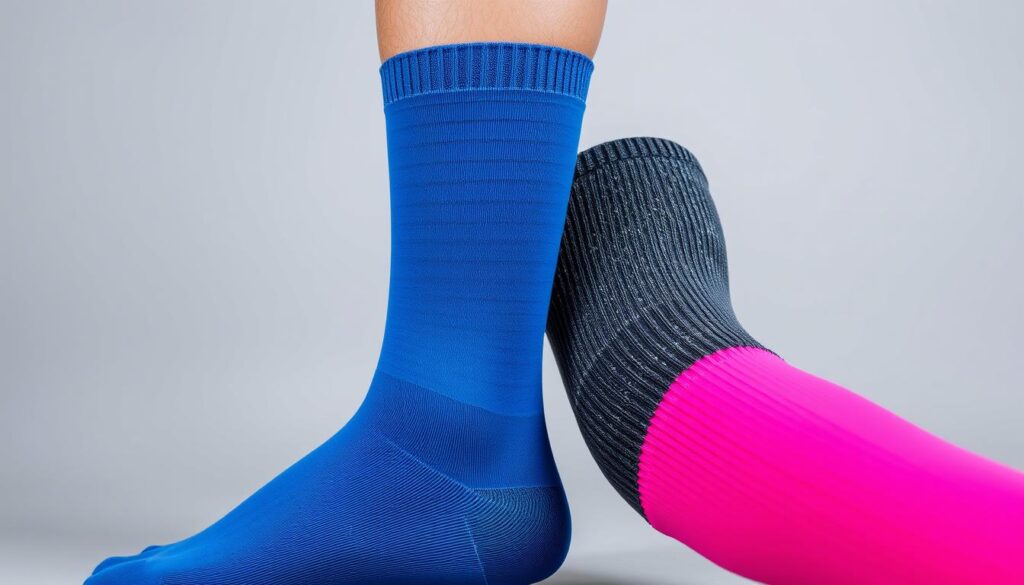
    A close-up comparison of compression socks and knee sleeves, set against a neutral gray background. The compression socks are shown in a vibrant, solid color, while the knee sleeves have a more textured, knitted appearance. The lighting is soft and even, highlighting the subtle differences in fabric and construction between the two products. The perspective is slightly angled, giving a sense of depth and dimensionality to the scene. The overall mood is clean, clinical, and focused, allowing the viewer to closely examine the key features that distinguish compression socks from knee sleeves.

    Primary Functions and Benefits

    The primary function of compression socks is to improve circulation and reduce swelling in the lower extremities. On the other hand, knee sleeves are designed to provide joint stability and support during movement. This fundamental difference in their intended use influences their design and the benefits they offer to users.

    Materials and Construction

    Compression socks are typically made from blends of nylon, cotton, or wool, which provide the necessary elasticity and comfort. In contrast, knee sleeves are often constructed from neoprene or similar elasticized materials that offer the required support and stability for the knee joint. The difference in materials affects the durability, comfort, and specific applications of each garment type.

    Benefits of Compression Socks

    By applying graduated pressure, compression socks significantly enhance blood circulation in the lower extremities, offering numerous health benefits. This is achieved through a compression mechanism that is strongest at the ankle and gradually decreases as it moves up the leg.

    Improved Blood Circulation

    Compression socks improve blood flow by applying graduated compression, which helps push blood back towards the heart. This is particularly beneficial for individuals who spend long periods standing or sitting.

    • Enhances venous circulation
    • Reduces blood pooling in the feet and ankles
    • Boosts overall circulatory health

    Reduced Swelling and Edema

    Improved circulation leads to reduced swelling and edema. This makes compression socks particularly beneficial for people with jobs that involve long periods of standing or sitting.

    Prevention of Deep Vein Thrombosis

    One of the critical benefits of knee-high compression socks is the prevention of deep vein thrombosis (DVT), especially during long-haul flights or periods of immobility. Graduated compression helps stimulate blood flow, reducing the risk of dangerous blood clots.

    Benefits of Knee Sleeves

    Knee sleeves offer numerous benefits for individuals engaging in various physical activities. They are designed to provide support and stability to the knee joint, making them an essential accessory for athletes and fitness enthusiasts.

    Joint Support and Stability

    Knee sleeves provide crucial joint support and stability by compressing the knee area. This compression helps maintain proper tracking of the patella (kneecap) during movement, which is particularly beneficial during activities that place stress on the knee joint, such as weightlifting or running.

    Injury Prevention During Exercise

    By keeping the joint warm, knee sleeves help prevent injuries like strains and sprains. Increased blood flow to the area keeps the surrounding tissues more pliable and less prone to tears or strains, making them ideal for high-impact exercise routines.

    Pain Relief and Recovery

    Knee sleeves also offer pain relief benefits by reducing inflammation and providing proprioceptive feedback that helps users maintain better form during exercise. Additionally, they aid in recovery after workouts by reducing swelling and providing continued support to the joint as it repairs itself.

    When to Choose Compression Socks

    Compression socks are designed to provide graduated compression, which can be beneficial for individuals with certain medical conditions or those who engage in strenuous activities. The graduated compression helps improve blood flow, reducing the risk of various circulatory problems.

    Medical Conditions

    For individuals with medical conditions such as varicose veins, edema, lymphedema, and deep vein thrombosis, compression socks can be particularly beneficial. They help alleviate symptoms by improving circulation and reducing swelling. Knee-high compression socks are often recommended for these conditions as they provide the necessary support and compression.

    Travel and Long Periods of Standing

    Travelers, especially those on long-haul flights or road trips, can benefit from wearing compression socks to prevent swelling and reduce the risk of blood clots. Similarly, professionals who stand for long periods, such as nurses and retail workers, can wear compression socks to reduce leg fatigue and prevent circulatory issues. The compression helps improve blood flow, making it easier to stay comfortable during extended periods of immobility or standing.

    Athletic Performance and Recovery

    Athletes, particularly runners and endurance athletes, can enhance their performance and accelerate recovery by wearing compression socks. The improved blood flow to working muscles can enhance performance, while the reduction in post-exercise swelling can aid in recovery. Additionally, compression socks can be beneficial during travel and for individuals with medical conditions that affect circulation.

    Benefit Description
    Improved Circulation Enhances blood flow to reduce swelling and fatigue
    Reduced Swelling Helps alleviate edema and other circulatory issues
    Enhanced Performance Improves blood flow to working muscles for better athletic performance

    When to Choose Knee Sleeves

    Whether you’re an athlete or just looking for knee support, understanding when to choose knee sleeves is crucial. Knee sleeves are designed to provide support and stability to the knee joint, making them an excellent option for various scenarios.

    Weightlifting and High-Impact Sports

    Knee sleeves are particularly beneficial for weightlifters and athletes involved in high-impact sports such as basketball, volleyball, and running. They help absorb shock and reduce stress on the knee joint during intense activities like jumping, landing, and quick directional changes. This not only enhances performance but also reduces the risk of injury.

    Knee Injury Prevention and Recovery

    For individuals recovering from minor knee injuries, knee sleeves can be a valuable asset. They provide warmth and compression, promoting healing while still allowing for movement. This can be particularly beneficial during the recovery process, helping to prevent further injury and support the knee as it heals.

    Daily Support for Joint Issues

    Individuals with chronic joint issues such as mild arthritis or patellofemoral pain syndrome can also benefit from using knee sleeves daily. They provide comfort and support for everyday activities, helping to alleviate pain and improve mobility.

    Here’s a summary of when to choose knee sleeves:

    Activity/Condition Benefit of Knee Sleeves
    Weightlifting and High-Impact Sports Shock absorption and reduced stress on the knee joint
    Knee Injury Prevention and Recovery Warmth, compression, and support during healing
    Daily Support for Joint Issues Comfort and support for everyday activities

    By understanding the benefits of knee sleeves, individuals can make informed decisions about their use, whether for athletic performance, injury recovery, or daily comfort.

    Choosing the Right Compression Level

    Compression garments are available in various compression levels, making it essential to understand how to choose the right one. The effectiveness of these garments is largely dependent on the compression level selected.

    Understanding mmHg Ratings

    The mmHg (millimeters of mercury) rating system measures the pressure exerted by compression garments. The levels range from mild compression (8-15 mmHg) to extra-firm compression (30-40+ mmHg).

    Matching Compression to Your Needs

    To choose the right compression level, consider your specific needs. For instance, individuals with medical conditions such as deep vein thrombosis or severe varicose veins may require higher levels of compression, typically above 30 mmHg, and should consult a healthcare professional. Knee-high compression socks with firm compression (20-30 mmHg) can be beneficial for those with moderate varicose veins or post-surgical recovery.

    Common Misconceptions About Compression Garments

    The world of compression garments is filled with myths and misconceptions that need to be addressed to help individuals make informed choices. We often encounter misconceptions that can deter people from benefiting from these garments.

    To clarify the benefits and proper use of compression garments, we’ll address some common myths.

    Compression Socks Myths Debunked

    One common myth is that compression socks are only for elderly people or those with medical conditions. However, they benefit people of all ages and activity levels by improving blood circulation. Another misconception is that tighter compression is always better; in reality, the right level of compression depends on individual needs.

    Knee Sleeve Misconceptions

    Many believe that knee sleeves and knee braces serve the same purpose. However, knee sleeves are designed for fitness professionals’ routine use, providing support and stability, whereas knee braces are post-injury supportive garments.

    Feature Compression Socks Knee Sleeves
    Purpose Improve blood circulation, reduce swelling Provide knee support, stability
    Target Users Athletes, individuals with circulation issues Fitness professionals, individuals with knee issues
    Benefits Enhanced recovery, reduced muscle soreness Knee stability, injury prevention

    By understanding the facts and dispelling common misconceptions about compression garments, individuals can make more informed decisions about their use. Whether you’re an athlete looking to improve performance or someone seeking relief from discomfort, knowing the truth about compression socks and knee sleeves can be incredibly beneficial.

    Making the Right Choice for Your Needs

    Your specific needs and health conditions will dictate whether compression socks or knee sleeves are the better choice. We provide a practical framework for deciding between these two based on your goals and health conditions. For circulation issues, swelling, or venous health, compression socks are likely the better option. If you need joint stability, knee support during exercise, or recovery from knee issues, knee sleeves are more suitable.

    In some cases, having both types of compression garments can be beneficial, such as for athletes needing circulation support during recovery and joint support during training. It’s also crucial to consult with healthcare professionals, especially if you have existing medical conditions or are recovering from injuries or surgery. When purchasing, consider material, fit, and durability to maximize the benefits of your investment in compression garments.

    FAQ

    What is the main difference between compression socks and knee sleeves?

    The primary difference lies in their design and coverage area. Compression socks provide graduated pressure to our legs, improving blood flow and reducing swelling, while knee sleeves offer support and stability to our knee joint.

    How do I choose the right compression level for my needs?

    We need to understand the mmHg ratings to match the compression to our specific requirements. Generally, mild compression (8-15 mmHg) is suitable for daily wear, while higher levels (20-30 mmHg or more) are recommended for medical conditions or intense athletic activities.

    Can compression garments help with injury recovery?

    Yes, they can. By improving blood circulation and reducing inflammation, compression garments can aid in the recovery process after exercise or surgery.

    Are knee sleeves only for athletes?

    No, they are not. While they are popular among athletes, particularly those involved in weightlifting and high-impact sports, knee sleeves can also provide daily support for individuals with joint issues.

    Can I wear open-toe compression socks?

    Yes, you can. Open-toe compression styles are available and can be a good option for those who prefer them or need to wear them with certain types of footwear.

    Do compression socks prevent deep vein thrombosis?

    According to the Cochrane Database Systematic Reviews, wearing compression socks can help reduce the risk of deep vein thrombosis during long periods of immobility, such as travel or post-surgery.

    How do I care for my compression garments?

    To maintain their effectiveness, we recommend washing compression garments in cold water and allowing them to air dry. Avoid using fabric softeners or bleach, as they can damage the material.

  • Post-yoga knee soreness remedies

    Post-yoga knee soreness remedies

    Many of us enjoy the benefits of yoga, but some may experience knee pain afterward. Knee discomfort is a common issue, especially after intense sessions or when certain poses are performed incorrectly.

    Understanding the connection between yoga practice and knee health is crucial for maintaining joint integrity. We will explore effective remedies for knee soreness, addressing both immediate relief strategies and long-term prevention methods to help you continue enjoying the benefits of yoga without the discomfort of pain or inflammation in your body.

    Key Takeaways

    • Effective remedies for knee soreness after yoga
    • Immediate relief strategies for acute knee pain
    • Long-term prevention methods to strengthen knees
    • Importance of understanding yoga’s impact on knee health
    • Actionable solutions for managing knee discomfort

    Understanding Post-Yoga Knee Pain

    Post-yoga knee pain is a frequent complaint among yoga enthusiasts, often resulting from misalignments or overexertion during practice. To address this issue effectively, it’s crucial to understand the underlying causes and how certain yoga poses can impact the knee joints.

    Common Causes of Knee Discomfort After Yoga

    Several factors contribute to knee discomfort after yoga. Improper alignment in poses such as Warrior positions can put undue stress on the knee joint. Additionally, excessive pressure during lunges and repetitive stress from transitioning between poses can also cause strain.

    • Tight hips can lead to knee strain as limited hip mobility forces the knees to compensate.
    • Previous injuries, anatomical variations, and flexibility limitations can predispose practitioners to knee pain.

    How Yoga Poses Can Impact Knee Joints

    Yoga poses can significantly impact knee joints, particularly when proper alignment is not maintained or when practitioners push beyond their natural flexibility limits. The biomechanical stress on knee joints during certain poses can lead to discomfort or pain.

    Understanding the difference between normal muscle soreness and potentially harmful joint pain is crucial for determining appropriate remedies and preventing long-term damage.

    Immediate Post-Yoga Knee Soreness Remedies

    Immediate relief from post-yoga knee soreness is achievable with proper care. When knee pain strikes after a yoga session, it’s essential to address it promptly to prevent further discomfort.

    The RICE Method for Acute Knee Pain

    The RICE method, standing for Rest, Ice, Compression, and Elevation, is a widely recognized approach for treating acute knee pain. Rest the affected knee to avoid further strain. Apply ice for 20 minutes, several times a day, to reduce swelling. Use compression bandages to provide support and reduce swelling. Finally, elevate your leg above heart level to minimize swelling.

    Heat vs. Cold Therapy: When to Use Each

    Cold therapy is ideal for acute injuries, as it helps reduce inflammation and numb the pain. Apply ice packs for the first 48 hours after the injury. On the other hand, heat therapy is better suited for chronic pain and stiffness, as it promotes blood flow and relaxation. Switch to heat therapy after the initial 48 hours if the pain persists.

    Gentle Stretches for Immediate Relief

    Gentle stretches can help alleviate knee tension. Try the leg stretch: stand with one hand against a wall for balance, bend one knee, and grab your foot with your hand. Gently pull your heel towards your buttocks until you feel a stretch in the front of your leg. For more information on relieving knee pain, visit https://kneehurt.com/how-to-relieve-knee-pain-without-medicine/.

    Some effective stretches include:

    • Gentle leg swings to loosen the knee joint
    • Wall squats to strengthen the surrounding muscles
    • Straight leg raises to improve flexibility

    A serene, dimly lit scene showcasing various natural remedies for knee pain relief. In the foreground, a soothing herbal compress rests on a muscular knee, the steam gently rising. In the middle ground, a bottle of therapeutic essential oil and a roll of elastic bandage are neatly arranged. The background features a tranquil landscape, with soft lighting filtering through the window, creating a calming atmosphere. The composition emphasizes the simplicity and effectiveness of these natural treatments for post-yoga knee soreness.

    Strengthening Exercises to Support Knee Recovery

    A well-structured strengthening routine is vital for supporting knee health and recovery after yoga. Strengthening the muscles around the knee, particularly the quadriceps and hamstring muscles, can help protect the knee joint and reduce soreness.

    Quadriceps and Hamstring Strengthening

    Strengthening the upper leg muscles—the quadriceps and hamstrings—through exercise can help protect the knee joint. These muscles are crucial for knee stability. Simple exercises like straightening and raising a leg while lying or sitting down can be effective. For example, step-ups involve placing one foot up on a step, then the other, and stepping down again, repeating the process. This exercise strengthens the quadriceps and helps improve knee function.

    Hip and Core Exercises for Knee Support

    The stability of the hips and the strength of the core muscles play a significant role in maintaining proper knee alignment during yoga. Exercises that strengthen the hip abductors and external rotators can help prevent knee misalignment. Additionally, a strong core helps maintain proper alignment throughout the kinetic chain, reducing strain on the knees. Engaging in core strengthening routines can improve overall stability and form during yoga practice.

    Low-Impact Activities During Recovery

    During knee recovery, it’s essential to maintain fitness without putting excessive strain on the knee. Low-impact activities such as swimming, walking, and modified cycling are recommended. These activities help maintain the range of motion and strengthen the surrounding muscles without exacerbating knee soreness. They are ideal for continuing fitness routines while allowing the knees to recover.

    Proper Posture and Alignment Techniques

    To avoid knee discomfort, it’s vital to focus on proper posture and alignment techniques in yoga. Maintaining correct alignment is crucial for preventing unnecessary strain on the knee joint.

    One of the key factors in preventing knee pain is understanding how to correctly align your body in various yoga poses. Misalignment can lead to uneven distribution of pressure, potentially causing pain and injury.

    Correcting Common Yoga Alignment Mistakes

    Common alignment mistakes, such as improper tracking of the knee over the ankle in lunges and warrior poses, can lead to significant knee strain. We identify and demonstrate corrections for these mistakes to help minimize knee pain.

    Tight muscles in other areas of the body, particularly the hips and ankles, can also force the knees into compromised positions. Addressing these underlying issues is crucial for maintaining healthy knee alignment.

    Using Props and Modifications for Knee Protection

    Using yoga props like blocks, straps, and bolsters can help modify challenging poses and reduce pressure on the knee. These props enable practitioners to maintain the benefits of the practice while protecting their knees.

    Specific alignment principles for problematic poses like Virasana (Hero Pose), Lotus, and deep lunges will be explained with clear visual cues for proper positioning. Honoring your body’s limitations and progressing gradually is key to preventing yoga-related joint pain.

    Pose Common Alignment Mistake Correction
    Lunge Knee extending past ankle Align knee with ankle
    Warrior Knee collapsing inward Keep knee over ankle
    Virasana (Hero Pose) Strain on knee joint Use block or strap for support

    Natural Anti-Inflammatory Remedies

    Natural anti-inflammatory remedies offer a promising solution for those experiencing knee pain following yoga practice. These remedies can help reduce inflammation and alleviate pain without the need for pharmaceuticals.

    Image of a person enjoying a healthy meal with anti-inflammatory foods

    Learn More

    Anti-Inflammatory Foods and Supplements

    Incorporating anti-inflammatory foods and supplements into your diet can significantly help reduce knee pain. Foods rich in Omega-3 fatty acids, such as salmon and mackerel, are excellent for reducing inflammation. Additionally, fruits like berries and cherries, and leafy greens like kale and spinach, provide essential antioxidants and calcium that support joint health.

    Nuts and seeds, including almonds, walnuts, and flaxseeds, are also beneficial. Supplements like turmeric/curcumin and omega-3 fatty acids have been shown to decrease inflammation and support joint health.

    Topical Treatments and Herbal Remedies

    For localized relief, topical treatments and herbal remedies can be highly effective. Essential oils, such as arnica oil, and herbal salves can be applied directly to the affected area to reduce pain and inflammation. Natural liniments made from ingredients like ginger and capsaicin also offer relief.

    These topical treatments work by reducing inflammation at the site of pain, providing quick and effective relief from knee pain after yoga.

    When to Seek Professional Help

    Recognizing the signs that indicate the need for professional help for post-yoga knee pain is essential for effective recovery. While some discomfort is normal, especially after challenging poses, certain symptoms warrant medical attention to prevent further injury or complications.

    Warning Signs That Require Medical Attention

    If you experience any of the following symptoms, it’s crucial to seek medical help: severe pain and swelling, deformity or severe bruising, symptoms in other parts of the body, or if your symptoms persist longer than a few days or worsen over time. Additionally, if you have other health conditions that could complicate healing or signs of infection such as a fever, you should consult your doctor immediately.

    Physical Therapy Options for Persistent Pain

    For persistent knee pain, physical therapy can be highly beneficial. A physical therapist will conduct a thorough evaluation to identify the cause of your pain and develop a personalized treatment plan. This may include exercises to strengthen the muscles around the knee, improve flexibility, and enhance joint mobility. Physical therapy can also help in addressing any biomechanical issues that may be contributing to your pain.

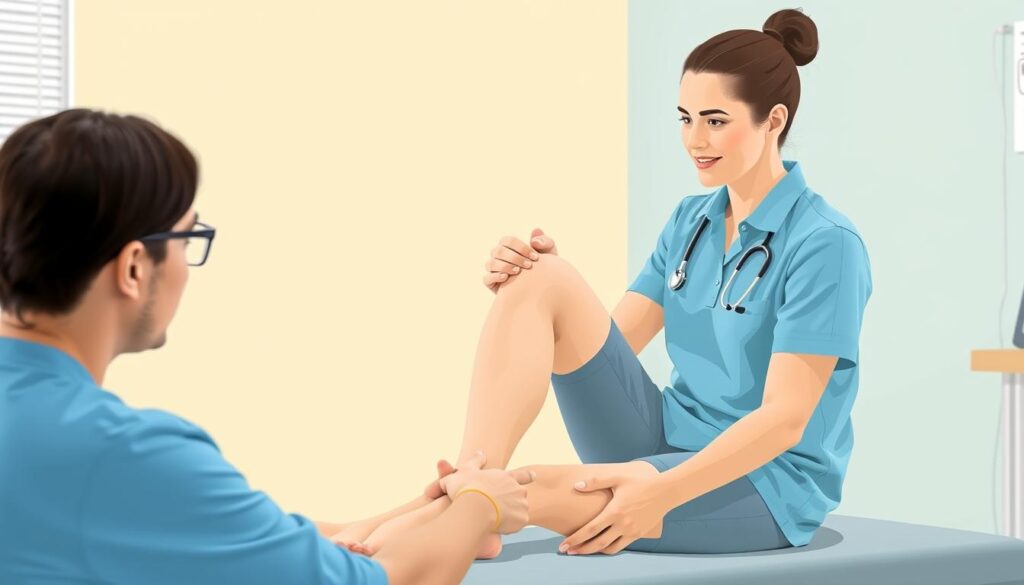
    Image of a physical therapist working with a patient on knee exercises

    Contact Us

    Preventing Future Yoga-Related Knee Soreness

    To prevent future yoga-related knee soreness, it’s essential to adopt a multi-faceted approach that includes proper warm-up routines, mindful practice progression, and lifestyle adjustments. We will outline a comprehensive plan to help you maintain healthy knees and enjoy a pain-free yoga practice.

    First, a thorough pre-yoga warm-up is crucial. This should include exercises that prepare the knees and supporting muscles for the demands of yoga, thereby reducing the risk of soreness.

    Progressing safely in your yoga practice is also vital. This involves understanding your current limitations and gradually advancing to more challenging poses without overtaxing your knees.

    Additionally, the importance of proper footwear and practice surfaces cannot be overstated. These factors significantly impact knee alignment and stress during standing poses. Ensuring that you practice on appropriate surfaces and wear suitable footwear can help mitigate unnecessary strain on your knees.

    A balanced cross-training program that complements your yoga practice is another key component. This should focus on strengthening the muscles that support your knees and improving overall joint stability.

    Lastly, lifestyle factors such as maintaining a healthy weight, staying hydrated, and allowing adequate rest between intense practices play a significant role in knee health maintenance. By incorporating these elements into your daily routine, you can significantly reduce the risk of knee soreness and enjoy a more sustainable yoga practice.

    By following these guidelines and being mindful of your body’s needs, you can minimize the risk of knee pain and maintain optimal knee health.

    FAQ

    What causes knee pain after yoga?

    We often experience knee pain after yoga due to overstretching or misalignment in certain poses, which can put pressure on our knee joints and surrounding muscles. Tight muscles in our thighs and hips can also contribute to knee discomfort.

    How can I relieve knee pain immediately after yoga?

    We can try the RICE method – rest, ice, compression, and elevation – to alleviate acute knee pain. Applying ice or heat, depending on the type of pain, and gentle stretches can also provide immediate relief.

    Are there any exercises that can help support knee recovery?

    Yes, we can strengthen our quadriceps and hamstrings to support our knee joints. Exercises that target our hips and core can also help maintain proper alignment and reduce pressure on our knees.

    Can certain foods or supplements help reduce inflammation and alleviate knee pain?

    We can incorporate anti-inflammatory foods and supplements into our diet to help reduce inflammation. Topical treatments and herbal remedies can also provide relief from knee pain and inflammation.

    When should I seek medical attention for knee pain?

    We should seek medical attention if we experience severe pain, swelling, or instability in our knee joint. If our knee pain persists or worsens over time, we should consult a healthcare professional for proper evaluation and treatment.

    How can I prevent future yoga-related knee soreness?

    We can take steps to prevent knee soreness by maintaining proper posture and alignment during yoga, using props and modifications when needed, and strengthening our surrounding muscles to support our knee joints.

  • Patella LIFT Procedure: A Comprehensive Guide to Recovery, Benefits, and Risks

    For individuals struggling with chronic knee pain or recurrent patellar dislocations, finding the right treatment can be life-changing. The Patella LIFT (Ligament Innovation for Fixed Tracking) Procedure has emerged as a groundbreaking solution in orthopedic medicine, offering hope to those who have exhausted traditional treatment options. This comprehensive guide will walk you through everything you need to know about this innovative procedure.

    Understanding the Patella LIFT Procedure

    The Patella LIFT Procedure represents a significant advancement in treating patellar instability. Unlike traditional surgical approaches that often require extensive tissue manipulation, this minimally invasive technique focuses on precise ligament reconstruction to restore proper knee function.

    [Insert Image 1: Normal vs Unstable Patella Comparison]

    The procedure primarily addresses the medial patellofemoral ligament (MPFL), which plays a crucial role in maintaining proper patellar tracking. When this ligament becomes damaged or stretched, it can lead to various complications:

    – Chronic patellar instability
    – Recurring dislocations
    – Anterior knee pain
    – Difficulty with daily activities
    – Decreased confidence in knee stability

    During the procedure, surgeons use advanced arthroscopic techniques to create a new ligament pathway, effectively restoring the natural tracking mechanism of the kneecap. This innovative approach minimizes tissue trauma while maximizing therapeutic outcomes.

    The Science Behind the Success

    Understanding why the Patella LIFT Procedure works requires a closer look at knee biomechanics. The patella (kneecap) normally glides smoothly within the trochlear groove of the femur during knee movement. However, when the MPFL is compromised, this tracking becomes disrupted.

    [Insert Infographic 1: Knee Biomechanics]

    The procedure works through three key mechanisms:

    1. **Ligament Reconstruction**: Using either autograft or allograft tissue, surgeons create a new MPFL that mimics the original ligament’s function.

    2. **Anatomical Positioning**: Advanced imaging helps ensure precise tunnel placement for optimal ligament function.

    3. **Tension Optimization**: Careful calibration of the new ligament ensures proper tracking without overconstrained movement.

    Benefits of Choosing the Patella LIFT Procedure

    The advantages of this innovative approach extend beyond simple stability improvement:

    ### Minimally Invasive Approach

    – Smaller incisions reduce scarring
    – Less post-operative pain
    – Faster initial recovery
    – Reduced risk of complications

    ### Improved Functional Outcomes

    – Better range of motion
    – More natural knee movement
    – Reduced risk of arthritis
    – Higher return-to-sport rates

    [Insert Image 2: Surgical Approach Comparison]

    Long-term Success
    Recent studies have shown impressive outcomes

    – 92% patient satisfaction rate
    – 85% return to previous activity levels
    – Significant reduction in re-dislocation rates
    – Improved quality of life scores

    Managing Risks and Expectations

    While the Patella LIFT Procedure offers numerous benefits, it’s essential to understand potential risks and considerations:

    Potential Complications

    – Infection (less than 1% of cases)
    – Stiffness during initial recovery
    – Temporary numbness around incision sites
    – Rare cases of continued instability

    [Insert Image 3: Risk Factors Visual Guide]

    Ideal Candidate Profile

    The best candidates typically share certain characteristics:
    – Recurrent patellar instability
    – Failed conservative treatment
    – Good bone quality
    – Appropriate anatomical alignment
    – Commitment to rehabilitation

    Recovery Timeline and Rehabilitation

    Success depends heavily on following a structured recovery protocol:

    [Insert Infographic 2: Recovery Timeline]

    Phase 1: Initial Recovery (Weeks 1-2)

    – Protected weight-bearing
    – Cryotherapy for swelling control
    – Range of motion exercises
    – Pain management

    ### Phase 2: Progressive Strengthening (Weeks 3-6)
    – Increased weight-bearing
    – Focused quadriceps strengthening
    – Balance training
    – Gait normalization

    ### Phase 3: Advanced Rehabilitation (Weeks 7-12)

    – Sport-specific training
    – Agility exercises
    – Plyometric activities
    – Return-to-activity testing

    [Insert Image 4: Rehabilitation Exercises]

    Preparing for Success

    To maximize your outcomes with the Patella LIFT Procedure, consider these preparation tips:

    1. **Pre-operative Strengthening**
       – Work with a physical therapist
       – Focus on quadriceps and hip strength
       – Maintain flexibility
       – Practice post-op exercises

    2. **Lifestyle Modifications**
       – Optimize nutrition
       – Stop smoking
       – Arrange support for recovery period
       – Prepare your home environment

    3. **Mental Preparation**
       – Set realistic expectations
       – Develop a positive mindset
       – Create a recovery timeline
       – Build a support network

    Moving Forward with Confidence

    The Patella LIFT Procedure represents a significant advancement in treating patellar instability. Its combination of minimally invasive techniques, precise anatomical reconstruction, and proven outcomes makes it an excellent choice for many patients struggling with knee instability.

    Before proceeding with any surgical intervention, consult with a qualified orthopedic surgeon who can evaluate your specific case and determine if the Patella LIFT Procedure is right for you. They can provide personalized advice based on your unique anatomy, lifestyle, and

    Ready to Take the Next Step?

    Schedule a consultation with a qualified orthopedic surgeon to discuss whether the Patella LIFT Procedure could be the solution you’ve been looking for. Your journey to better knee health and improved quality of life could begin with this innovative procedure.


    Contact a specialized orthopedic team today at inyour area to schedule your consultation and learn more about how the Patella LIFT Procedure could help you return to an active, pain-free lifestyle.

    *[Disclaimer]*
    This article is for informational purposes only and should not be considered medical advice. Always consult with a qualified healthcare provider for personalized medical recommendations.: A Comprehensive Guide to Recovery, Benefits, and Risks

    For individuals struggling with chronic knee pain or recurrent patellar dislocations, finding the right treatment can be life-changing. The Patella LIFT (Ligament Innovation for Fixed Tracking) Procedure has emerged as a groundbreaking solution in orthopedic medicine, offering hope to those who have exhausted traditional treatment options. This comprehensive guide will walk you through everything you need to know about this innovative procedure.

    Understanding the Patella LIFT Procedure

    The Patella LIFT Procedure represents a significant advancement in treating patellar instability. Unlike traditional surgical approaches that often require extensive tissue manipulation, this minimally invasive technique focuses on precise ligament reconstruction to restore proper knee function.

    [Insert Image 1: Normal vs Unstable Patella Comparison]

    The procedure primarily addresses the medial patellofemoral ligament (MPFL), which plays a crucial role in maintaining proper patellar tracking. When this ligament becomes damaged or stretched, it can lead to various complications:

    – Chronic patellar instability
    – Recurring dislocations
    – Anterior knee pain
    – Difficulty with daily activities
    – Decreased confidence in knee stability

    During the procedure, surgeons use advanced arthroscopic techniques to create a new ligament pathway, effectively restoring the natural tracking mechanism of the kneecap. This innovative approach minimizes tissue trauma while maximizing therapeutic outcomes.

    The Science Behind the Success

    Understanding why the Patella LIFT Procedure works requires a closer look at knee biomechanics. The patella (kneecap) normally glides smoothly within the trochlear groove of the femur during knee movement. However, when the MPFL is compromised, this tracking becomes disrupted.

    [Insert Infographic 1: Knee Biomechanics]

    The procedure works through three key mechanisms:

    1. **Ligament Reconstruction**: Using either autograft or allograft tissue, surgeons create a new MPFL that mimics the original ligament’s function.

    2. **Anatomical Positioning**: Advanced imaging helps ensure precise tunnel placement for optimal ligament function.

    3. **Tension Optimization**: Careful calibration of the new ligament ensures proper tracking without over constrained movement.

    ## Benefits of Choosing the Patella LIFT Procedure

    The advantages of this innovative approach extend beyond simple stability improvement:

    Minimally Invasive Approach

    – Smaller incisions reduce scarring
    – Less postoperative pain
    – Faster initial recovery
    – Reduced risk of complications

    ### Improved Functional Outcomes

    – Better range of motion
    – More natural knee movement
    – Reduced risk of arthritis
    – Higher return-to-sport rates

    [Insert Image 2: Surgical Approach Comparison]

    ### Long-term Success

    Recent studies have shown impressive outcomes:
    – 92% patient satisfaction rate
    – 85% return to previous activity levels
    – Significant reduction in re-dislocation rates
    – Improved quality of life scores

    Managing Risks and Expectations

    While the Patella LIFT Procedure offers numerous benefits, it’s essential to understand potential risks and considerations:Potential Complications
    – Infection (less than 1% of cases)
    – Stiffness during initial recovery
    – Temporary numbness around incision sites
    – Rare cases of continued instability

    [Insert Image 3: Risk Factors Visual Guide]

    Ideal Candidate Profile

    The best candidates typically share certain characteristics:
    – Recurrent patellar instability
    – Failed conservative treatment
    – Good bone quality
    – Appropriate anatomical alignment
    – Commitment to rehabilitation

    Recovery Timeline and Rehabilitation

    Success depends heavily on following a structured recovery protocol:


    Phase 1: Initial Recovery (Weeks 1-2)

    – Protected weight-bearing
    – Cryotherapy for swelling control
    – Range of motion exercises
    – Pain management

    Phase 2: Progressive Strengthening (Weeks 3-6)

    – Increased weight-bearing
    – Focused quadriceps strengthening
    – Balance training
    – Gait normalization

    Phase 3: Advanced Rehabilitation (Weeks 7-12)

    – Sport-specific training
    – Agility exercises
    – Plyometric activities
    – Return-to-activity testing

    download exercices 1

    Preparing for Success

    To maximize your outcomes with the Patella LIFT Procedure, consider these preparation tips:

    1. **Pre-operative Strengthening**
       – Work with a physical therapist
       – Focus on quadriceps and hip strength
       – Maintain flexibility
       – Practice post-op exercises

    2. **Lifestyle Modifications**
       – Optimize nutrition
       – Stop smoking
       – Arrange support for recovery period
       – Prepare your home environment

    3. **Mental Preparation**
       – Set realistic expectations
       – Develop a positive mindset
       – Create a recovery timeline
       – Build a support network

    Moving Forward with Confidence

    The Patella LIFT Procedure represents a significant advancement in treating patellar instability. Its combination of minimally invasive techniques, precise anatomical reconstruction, and proven outcomes makes it an excellent choice for many patients struggling with knee instability.

    Before proceeding with any surgical intervention, consult with a qualified orthopedic surgeon who can evaluate your specific case and determine if the Patella LIFT Procedure is right for you. They can provide personalized advice based on your unique anatomy, lifestyle, and goals.

    Ready to Take the Next Step?

    Schedule a consultation with a qualified orthopedic surgeon to discuss whether the Patella LIFT Procedure could be the solution you’ve been looking for. Your journey to better knee health and improved quality of life could begin with this innovative procedure.

    *call hospital close to you*
    Contact our specialized orthopedic team today at (XXX) XXX-XXXX to schedule your consultation and learn more about how the Patella LIFT Procedure could help you return to an active, pain-free lifestyle.

  • Knee hyperextension in dancers

    Knee hyperextension in dancers

    Can a physical attribute be both a dancer’s greatest asset and a potential liability? For many dancers, particularly those in the world of ballet, knee hyperextension is a characteristic that embodies this paradox.

    Hyperextension occurs when a dancer’s straightened knee is pushed backward, creating a distinctive curved line in the legs. This trait is often celebrated for the elegant aesthetic it brings to a dancer’s position, especially in first position and the tightly closed fifth position.

    However, this coveted trait also raises concerns regarding its impact on a dancer’s health and longevity in their career. As we explore the complexities of knee hyperextension, we will examine its effects on dancers and the dance community.

    Key Takeaways

    • Understanding the concept of knee hyperextension and its implications for dancers.
    • The dual perception of hyperextension as both an aesthetic asset and a potential health risk.
    • The importance of distinguishing between natural anatomical hyperextension and forced positioning.
    • Managing hyperextended knees for aesthetic achievement and physical longevity.
    • Educational resources for dancers, teachers, and parents on knee hyperextension.

    Understanding Knee Hyperextension in Dance

    Knee hyperextension, a condition where the knee joint extends beyond its normal range, is a significant concern for dancers. It affects not only their technique but also their overall knee health and stability.

    What Is Knee Hyperextension?

    Knee hyperextension occurs when the knee joint extends too far backward, often resulting in an altered center of gravity. This condition can lead to challenges in maintaining proper alignment, particularly during movements that require balance and turns.

    When a dancer has hyperextended knees, their weight distribution changes. Instead of their weight being evenly distributed through the leg, it shifts forward, putting additional stress on the anterior portion of the knee joint.

    The Biomechanics Behind Hyperextended Knees

    The biomechanics of knee hyperextension involve complex interactions between various anatomical structures, including ligaments and bones. The Posterior Cruciate Ligament (PCL) plays a crucial role in stabilizing the knee joint, especially when it is hyperextended.

    To understand the impact of hyperextension, let’s examine how it affects the body’s alignment and movement:

    Alignment Aspect Normal Alignment Hyperextended Alignment
    Center of Gravity Aligned with hips Shifted forward
    Weight Distribution Evenly distributed through the leg Concentrated on the anterior knee joint
    Movement Impact Stable turns and balances Challenged balance and stability

    Detailed anatomical illustration of a human knee joint, featuring precise alignment of the femur, patella, and tibia. Depicted in high-resolution, photorealistic style with a clean, clinical aesthetic. Lit from the side to accentuate the contours and structures, using soft, directional lighting. Captured at a neutral, slightly elevated angle to provide a clear, unobstructed view of the knee's mechanics. The background is a plain, neutral backdrop, allowing the subject to be the sole focus. The overall tone is one of informative clarity, designed to effectively convey the essential details of knee hyperextension for a dance-focused medical article.

    The practice of knee hyperextension in dance is a complex issue, bringing both visual appeal and potential harm to the dancer’sbody. On one hand, it can enhance the aesthetic quality of a performance; on the other, it poses significant risks to the dancer’s health.

    Aesthetic Benefits in Dance Performance

    Knee hyperextension can create a visually appealing line in dance, making the legs appear longer and more elegant. This can be particularly beneficial in styles that emphasize grace and fluid movement. Dancers with hyperextended knees may appear to have more controlled and precise movements, which can be an asset in certain choreographies.

    Physical Risks and Potential Injuries

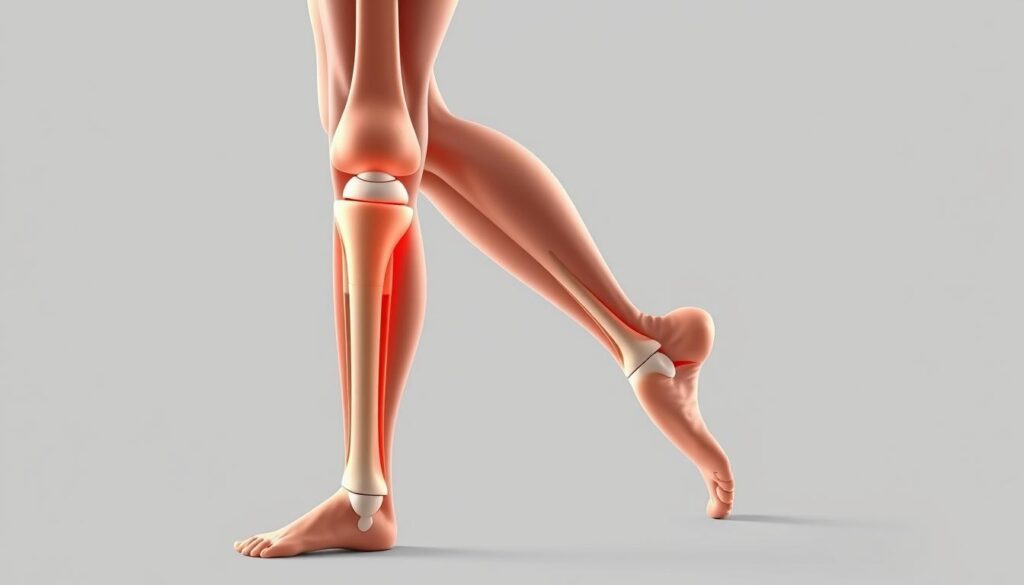
    However, hyperextension causes you to push yourkneestoo far back, which can overstretch and even weaken yourkneesand ligaments. As a result, the wrong areas of yourlegare at work, potentially leading toinjury. Some common issues associated with knee hyperextension include shin splints, patella displacement, and tibial stress fractures. Over time, continued inactivation of the quadriceps can lead to quad weakness and ligament laxity or tears.

    Injury Type Description Potential Long-term Effect
    Shin Splints Medial tibial stress syndrome causing pain in the lower leg Chronic pain, potential for stress fractures
    Patella Displacement Abnormal tracking of the kneecap Knee pain, potential for chronic instability
    Tibial Stress Fractures Small cracks in the tibia Prolonged recovery, risk of complete fracture

    By understanding the risks and benefits,dancersand instructors can work together to minimize the negative impacts of knee hyperextension while maintaining its aesthetic benefits.

    Managing Hyperextended Knees Safely

    Hyperextended knees can be both an asset and a liability for dancers, necessitating a balanced approach to their management. Effective management involves understanding the importance of proper alignment and weight distribution, as well as implementing strengthening exercises to enhance stability.

    Proper Alignment and Weight Distribution

    Proper alignment and weight distribution are critical in managing hyperextended knees. When a dancer’s knees are hyperextended, their leg muscles are engaged to absorb pressure, often leading to an overreliance on calf musculature. This can result in issues such as Achilles tendonitis and knee instability. To mitigate these risks, dancers should focus on maintaining proper alignment, ensuring that their weight is evenly distributed across their feet and legs.

    By doing so, dancers can reduce the strain on their knee joints and surrounding muscles. This involves developing awareness of their body positioning and making adjustments as necessary to maintain optimal alignment.

    Strengthening Exercises for Stability

    Strengthening exercises play a vital role in enhancing the stability of hyperextended knees. Targeted exercises that focus on the quadriceps, hamstrings, and core can help dancers maintain the aesthetic benefits of hyperextension while reducing the risk of injury. Examples of beneficial exercises include squats, lunges, and leg press, which strengthen the muscles around the knee joint.

    Additionally, exercises that improve proprioception and joint position sense can help dancers develop better awareness of when they are hyperextending versus maintaining proper alignment. This can be achieved through balance training and other functional exercises that challenge the dancer’s ability to control their movements.

    Training Approaches for Long-Term Knee Health

    To ensure long-term knee health, dancers must prioritize comprehensive training methods that address hyperextension. As a dancer who is slightly hyperextended, I have had to be rather careful, and in return, my knees are no longer overworked but at ease and free of tension.

    We believe that a well-rounded training approach is crucial for dancers to maintain healthy knees and achieve their full potential. This involves adapting teaching methods to accommodate students with varying degrees of hyperextension without compromising technique or aesthetics.

    Effective dance training also requires addressing the psychological aspects of hyperextension management, including body image concerns and the pressure to achieve certain aesthetic ideals. By doing so, dancers can develop a more positive body image and reduce the risk of injury.

    To achieve this, dance educators can incorporate hyperextension awareness into regular dance classes without singling out specific students. This can be done by emphasizing proper alignment, weight distribution, and strengthening exercises for stability.

    Ultimately, each dancer’s body is unique and requires personalized strategies for optimal performance and health. By adopting a comprehensive and individualized approach to training, dancers can reduce the risk of knee injuries and maintain a long and healthy career.

    As the dance world continues to evolve, there is a growing emphasis on sustainable technique rather than extreme aesthetics. By prioritizing long-term knee health, dancers can enjoy a successful and injury-free career.

    FAQ

    What causes ligament strain when a dancer’s knee is hyperextended?

    When our knee is hyperextended, the ligaments surrounding the knee joint are stretched beyond their normal range, potentially leading to strain or injury, particularly on the back of the leg.

    How can dancers maintain proper leg alignment to prevent hyperextension?

    We can prevent hyperextension by ensuring our weight is evenly distributed on both feet and maintaining a correct position with our legs, engaging our core and keeping our body aligned.

    Are there specific ballet classes or exercises that can help strengthen the muscles around the knee to prevent hyperextension?

    Yes, certain exercises and dance classes focus on strengthening the muscles around the knee, such as those that target the surrounding ligaments and improve overall leg strength.

    Can hyperextended knees affect a dancer’s overall dance performance or line?

    Hyperextended knees can impact our overall movement and line, as it can alter the aesthetic of our dance and potentially cause discomfort or pain, affecting our ability to perform at our best.

    How can dancers modify their foot and leg position to reduce the risk of hyperextension?

    By being mindful of our foot placement and ensuring our legs are properly aligned, we can reduce the risk of hyperextension and maintain a safe, healthy dance practice.

  • Knee pain in cold weather remedies

    Knee pain in cold weather remedies

    Have you ever wondered why your knee pain seems to intensify during the cold winter months? You’re not alone. Many people experience increased discomfort in their knees as the temperature drops.

    We will explore the connection between cold weather and joint pain, and provide effective remedies to help you manage this common condition. Understanding the science behind why your knees ache more in winter is crucial for developing a strategy to alleviate the discomfort.

    Our comprehensive guide covers both the reasons behind knee pain in cold weather and practical solutions you can implement at home, including the use of ice packs for knee pain relief. By the end of this article, you’ll be equipped with the knowledge to maintain your mobility and comfort throughout the winter.

    Key Takeaways

    • Understand the link between cold temperatures and increased knee discomfort.
    • Discover effective home remedies to alleviate knee pain during winter.
    • Learn about various treatment options, from simple remedies to medical interventions.
    • Find out how to maintain knee health and mobility throughout the cold weather.
    • Explore the benefits of using ice packs for knee pain relief.

    Why Cold Weather Worsens Knee Pain

    The relationship between cold weather and increased knee pain is complex, involving changes in joint mechanics, pressure, and body responses to lower temperatures. As we explore this topic, it becomes clear that several factors contribute to the worsening of knee pain during winter months.

    Physical Changes in Joints During Winter

    During winter, the cold weather causes the soft tissues surrounding the knee joint to constrict, reducing flexibility and increasing tension. This constriction, combined with the thickening of the synovial fluid that lubricates the joint, results in stiffness and reduced mobility. The cold-induced changes can particularly affect individuals with pre-existing knee conditions or those who have suffered previous knee injuries.

    Impact of Barometric Pressure Changes

    Cold weather is also associated with changes in barometric pressure, which can cause expansion and contraction of tendons, leading to heightened pain sensitivity. This effect is especially pronounced in individuals with exposed nerve endings due to cartilage wear and tear. As a result, even minor changes in weather can trigger significant knee pain.

    • Cold temperatures cause muscles and tissues around the knee to contract and stiffen.
    • The thickening of synovial fluid during winter months reduces joint mobility.
    • Barometric pressure changes affect joint capsules and trigger pain responses.

    Understanding Symptoms of Cold Weather Knee Pain

    Cold weather can exacerbate knee pain, making it essential to understand the symptoms associated with this condition. Knee pain during winter is often characterized by increased stiffness, particularly in the morning or after periods of inactivity.

    Common Signs to Watch For

    Common symptoms include swelling and redness around the knee, a warm sensation, and difficulty moving or bearing weight on the knee. Stiffness is a prevalent complaint, especially after waking up or sitting for extended periods.

    A close-up view of a person's knee, showing the characteristic symptoms of cold weather knee pain. The knee is swollen, slightly reddened, and the person is gently touching it with their hand, indicative of tenderness and discomfort. The lighting is soft and flattering, providing clear details of the knee's appearance. The background is blurred, keeping the focus on the knee. The overall mood is one of concern and a desire to understand the underlying causes of the pain. The image should convey a sense of empathy and a need to address the issue effectively.

    Differentiating from Other Knee Conditions

    It’s crucial to differentiate between knee pain caused by cold weather and other knee conditions. Cold weather-related knee pain often follows a specific pattern, worsening with temperature drops and improving in warmer environments. Understanding these distinctions helps in determining the appropriate treatment approach.

    Effective Knee Pain in Cold Weather Remedies

    Cold weather can exacerbate knee pain, but there are several effective remedies available. Managing knee pain during winter involves a combination of self-care techniques, over-the-counter treatments, and professional advice.

    Heat Therapy Applications

    Applying heat to the affected knee can help alleviate discomfort and improve flexibility. Heat therapy works by increasing blood flow to the area, promoting healing and reducing pain. Various heat application methods can be used, including heating pads, warm towels, heated knee wraps, and warm baths or showers.

    Anti-Inflammatory Medications

    Over-the-counter anti-inflammatory medications, such as ibuprofen, can help reduce swelling and alleviate pain associated with cold weather-related knee discomfort. Some orthopedic physicians even recommend Turmeric capsules as a natural anti-inflammatory treatment. However, it’s essential to consult a healthcare professional before using any medication.

    Topical Pain Relief Options

    Topical pain relief options, such as menthol-based creams, capsaicin products, and CBD-infused balms, can provide targeted relief. These products can be applied directly to the skin, offering a localized treatment approach.

    By incorporating these remedies into your daily routine, you can better manage knee pain during the winter months.

    Preventative Strategies for Winter Joint Health

    Protecting our joints during the cold winter months requires a combination of the right clothing, indoor habits, and lifestyle choices. As we navigate through the winter season, it’s crucial to adopt strategies that help maintain joint health and reduce the likelihood of knee pain.

    Proper Winter Clothing for Joint Protection

    Wearing appropriate clothing is vital to keeping our knee joints warm. Thermal knee sleeves or thermal leggings can help retain heat and reduce the impact of cold weather on knee pain. Dressing in layers, along with wearing gloves, warm socks, a weather-suited coat, and a winter hat, can keep us warm when venturing out into the cold.

    Maintaining Indoor Warmth

    Maintaining optimal indoor temperatures and humidity levels is essential for creating a joint-friendly home environment during winter. A warm and cozy indoor space can significantly reduce joint stiffness and pain. We should ensure our homes are well-insulated and consider using humidifiers to maintain a comfortable humidity level.

    Weight Management Considerations

    Excess body weight can put additional pressure on the knees, exacerbating any existing pain. By maintaining a healthy weight through a balanced diet and regular exercise, we can reduce the strain on our knees and minimize the impact of cold weather on knee health. Practical weight management approaches, such as low-impact exercises and healthy eating habits, are crucial during winter months when activity levels often decrease.

    Beneficial Exercises for Cold Weather Knee Pain

    As we dive into the winter season, it’s essential to incorporate exercises that can help alleviate knee pain caused by cold weather. Regular physical activity not only strengthens the muscles around the knee but also improves joint mobility and reduces stiffness.

    Low-Impact Indoor Workouts

    Engaging in low-impact indoor exercises is an excellent way to maintain knee strength without putting excessive stress on the joints. Activities such asswimming,stationary cycling, andelliptical trainingare highly recommended. These exercises help strengthen the muscles around the knees, offering better support and reducing the likelihood of pain during cold weather.

    Warm-Up Routines Before Outdoor Activities

    Before engaging in outdoor activities during winter, it’s crucial to warm up properly. Taking five minutes to perform dynamic movements can significantly boost your cardiovascular system by increasing blood flow to your muscles and raising your body temperature. This simple routine can reduce joint stiffness and prevent injuries.

    Strengthening Exercises for Knee Support

    Specific strengthening exercises targeting the quadriceps, hamstrings, and supporting muscles around the knee are vital for knee health. Examples include squats, lunges, and leg press exercises. These exercises should be done with proper form to avoid causing additional stress on the knee joint.

    Exercise Benefits Tips
    Swimming Low-impact, strengthens knee muscles Focus on different strokes to vary the workout
    Stationary Cycling Improves knee mobility and strength Adjust resistance to challenge your knees
    Leg Press Strengthens quadriceps and hamstrings Use proper form and start with manageable weights

    By incorporating these exercises into your routine, you can improve circulation, enhance joint lubrication, and maintain better overall knee health throughout the winter months.

    Dietary Approaches to Reduce Inflammation

    Dietary approaches can significantly impact inflammation and knee pain, especially during the winter months. Our diet plays a crucial role in maintaining knee health and managing inflammation.

    Certain foods have natural anti-inflammatory properties that can help alleviate knee pain. For instance, Omega-3 fatty acid-rich foods like fish and walnuts are known for their anti-inflammatory effects. Additionally, incorporating turmeric, ginger, and green tea into your diet can help lessen joint pain and swelling.

    Anti-Inflammatory Foods and Supplements

    Specific anti-inflammatory foods can be beneficial, including fatty fish rich in omega-3s, colorful fruits and vegetables, nuts, seeds, and olive oil. Supplements like turmeric/curcumin, ginger, and glucosamine/chondroitin have scientific evidence supporting their use in managing knee pain and inflammation.

    Hydration Importance in Winter Months

    Staying hydrated is crucial, especially in winter when thirst signals are often masked by the cold weather. Dehydration can worsen joint stiffness and pain. Consuming warm soups and herbal teas can help maintain hydration levels while also providing warmth.

    By making informed dietary choices and staying hydrated, we can help reduce knee pain and inflammation during the winter months.

    When to Seek Professional Help for Winter Knee Pain

    Knee pain in cold weather can be debilitating; recognizing when to seek help from a healthcare provider is vital for effective management. For some, winter weather-related joint pain is a minor annoyance. For others, it can make everyday activities unbearable. If you’re in the latter group, exploring treatment options with an experienced physician is crucial.

    Warning signs that indicate the need for professional medical attention include severe pain, significant swelling, instability, or an inability to bear weight. If your pain persists and doesn’t respond to home remedies within a reasonable timeframe, it’s time to consult a healthcare professional.

    Various healthcare providers specialize in knee pain, including primary care physicians, orthopedic specialists, rheumatologists, and physical therapists. They can provide a range of treatments from prescription medications to specialized physical therapy and surgical interventions when necessary.

    FAQ

    What causes joint stiffness during the winter months?

    We experience increased joint stiffness in cold weather due to the thickening of fluid in our joints, making them less mobile. This condition is often associated with inflammation and can be managed with proper exercise and heat therapy.

    How can we alleviate swelling and discomfort in our knees during winter?

    To reduce swelling, we recommend using anti-inflammatory medications and applying topical pain relief creams or ointments directly to the affected area. Maintaining a healthy weight also reduces pressure on our knees.

    Are there specific exercises that can help manage knee pain in cold weather?

    Yes, we suggest engaging in low-impact indoor workouts and strengthening exercises to support our knee health. These activities improve mobility and reduce the risk of injuries.

    Can dietary changes help reduce inflammation associated with knee pain?

    Absolutely, incorporating anti-inflammatory foods and staying hydrated are crucial dietary approaches to managing inflammation. Foods rich in omega-3 fatty acids and antioxidants can be particularly beneficial.

    When should we seek professional help for persistent knee pain during winter?

    If our knee pain persists or worsens, it’s essential to consult a healthcare professional for proper diagnosis and treatment. They can help us develop a personalized management plan to address underlying conditions.

  • Knee-friendly yoga poses for seniors

    Knee-friendly yoga poses for seniors

    Are you or a loved one struggling with knee pain as you age? You’re not alone. Knee pain is a common issue among seniors, often hindering their ability to stay active and maintain independence.

    We explore how yoga can be a beneficial practice for seniors experiencing knee discomfort. By strengthening the muscle groups that support the knee joint, yoga can help reduce or eliminate pain. There are various ways to modify yoga poses to make them accessible even with knee sensitivity.

    Our guide will introduce gentle, modified yoga poses designed to accommodate the needs of older adults with knee concerns, helping to strengthen supporting muscles, improve flexibility, and enhance stability around the knee joint.

    Key Takeaways

    • Yoga can help strengthen the muscles that support the knee joint, reducing pain.
    • Modified yoga poses can be adapted to various mobility levels and knee sensitivity.
    • Regular practice of knee-friendly yoga poses can improve flexibility and stability.
    • Using props like blocks, bolsters, or chairs can provide support and reduce pressure on the knees.
    • Our guide focuses on safety and accessibility for seniors practicing yoga.

    Understanding Knee Health in Seniors

    The health of our knees plays a vital role in maintaining independence and mobility as we grow older. As we age, our knees undergo natural wear and tear, which can lead to pain and decreased mobility.

    Common Causes of Knee Pain in Older Adults

    Knee pain in older adults is often caused by a combination of factors, including osteoarthritis, previous injuries, and the natural aging process. As cartilage wears down over time, many seniors experience osteoarthritis, a condition that affects the knee joint. “Osteoarthritis is a leading cause of disability among older adults, significantly impacting their quality of life,” as noted by health experts. Previous injuries can also contribute to knee pain later in life as supporting tissues weaken.

    The Importance of Maintaining Knee Mobility

    Maintaining knee mobility is crucial for seniors to remain active and independent. Regular movement helps deliver nutrients to the cartilage and prevents stiffness, reducing the risk of further injury. By keeping the knee joint flexible, seniors can continue to perform everyday activities without significant discomfort. As knee pain can create a cycle of decreased activity leading to muscle weakness and more knee strain, proactive knee care is essential.

    How Yoga Benefits Aging Knees

    For seniors, incorporating yoga into their routine can lead to improved knee function and reduced pain. Yoga strengthens the muscles around the knee joints, improves flexibility, and boosts alignment, all while reducing pain and stiffness. This makes it a fantastic, low-impact exercise for older adults with knee issues.

    Strengthening Supporting Muscles

    Yoga poses for knee pain focus on the knees’ supporting muscles, such as the quadriceps, hamstrings, and calf muscles. Stronger muscles provide better joint support and reduce knee stress. By targeting these areas, yoga helps to stabilize the knee joint and improve overall knee health.

    Improving Flexibility and Range of Motion

    Yoga also improves flexibility and gradually increases the range of motion in stiff joints, reducing discomfort. Regular practice can help maintain or even improve knee mobility, making daily activities easier for seniors.

    Enhancing Balance and Stability

    Furthermore, yoga’s focus on balance training helps seniors maintain proper alignment during movement, reducing the risk of falls that could damage knees. By enhancing balance and stability, yoga practice contributes to overall physical confidence and mobility.

    Benefits of Yoga for Knee Health Description
    Strengthening Supporting Muscles Yoga targets quadriceps, hamstrings, and calf muscles to support knee joints.
    Improving Flexibility Yoga increases range of motion and reduces stiffness in the knees.
    Enhancing Balance Yoga’s balance training reduces the risk of falls and improves overall stability.

    Key Muscle Groups That Support Healthy Knees

    The health of our knees is significantly influenced by the strength and coordination of surrounding muscle groups. Three major muscle groups play a crucial role in maintaining knee health: the quadriceps, hamstrings, and gluteal muscles.

    Quadriceps: The Main Drivers of Knee Stability

    The quadriceps, or quads, are the main drivers of the knee joint. Located on the front of the thigh, they run from the hip to the knee, straightening the knee from a bent position and helping maintain proper patella alignment. Weakness in the quads can create instability in the knees.

    Hamstrings: Critical for Knee Movement

    The hamstrings are critically important for moving and stabilizing the knees. They enable the knee to bend safely and effectively. When tight, the hamstrings can create an imbalance in the forces across the knee, potentially leading to pain and instability.

    Glutes: The Foundation for Proper Knee Alignment

    The gluteal muscles are the largest muscle group in the body and are essential for everyday movements. They provide the foundation for proper leg alignment. Weak glutes can allow the thigh to rotate inward, resulting in knock knees and excessive stress on the knee joint.

    Understanding the role of these muscle groups is crucial for maintaining healthy knees. A balanced strength between the front and back of the thigh, along with strong glutes, helps prevent uneven forces on the knee joint, reducing the risk of pain and injury.

    Knee-friendly yoga poses for seniors

    Yoga offers a variety of poses that are particularly beneficial for seniors, focusing on knee health and stability. These poses can help strengthen the muscles around the knee, improve flexibility, and enhance balance.

    Warrior II Pose (Virabhadrasana II)

    Warrior II Pose works multiple muscle groups, including the abductor muscles of the outer hip. To practice, stand with your feet about four feet apart, turn your right foot out, and bend your right knee so it’s over your ankle. Extend your arms at shoulder height and hold for three breaths.

    Bridge Pose (Setu Bandha Sarvangasana)

    Bridge Pose strengthens the glutes and inner thighs. Lie on your back with knees bent and feet hip-distance apart. Press into your feet to lift your hips, squeezing the glutes.

    Chair-Supported Poses

    Chair-supported poses provide stability for those with balance concerns. Using a chair allows seniors to practice with confidence, building knee strength without full weight-bearing on the joints.

    Reclined Leg Exercises

    Reclined leg exercises, like Staff Pose Leg Lifts, help strengthen the quadriceps for better knee alignment without putting pressure on the knees.

    Gentle Seated Yoga Poses for Knee Health

    Seated yoga poses offer a gentle and effective way to support knee health in seniors. These poses can be practiced either on the floor or in a chair, making them accessible for individuals with varying mobility levels. We will explore several seated yoga poses that are beneficial for knee health, along with modifications to accommodate different needs.

    A serene senior woman sitting cross-legged on a plush, textured cushion, her back straight and shoulders relaxed. Her hands rest gently on her knees, palms facing upwards in a meditative posture. Soft natural lighting filters through a large window, casting a warm, soothing glow on her face. The background is a cozy, minimalist living room with wooden accents, creating a sense of tranquility and comfort. The overall atmosphere evokes a feeling of calm, rejuvenation, and gentle movement.

    Staff Pose Variations (Dandasana)

    Staff Pose, or Dandasana, is a foundational seated pose that helps to stretch tight hamstrings and strengthen core muscles. To practice, sit with your back against a wall, legs straight in front of you, and feet flexed. This pose builds core strength that supports proper knee alignment. For those who cannot get down on the floor, chair versions can be practiced by sitting on the edge of a chair with feet flat on the floor or on a block, engaging the core, and keeping the spine long.

    • Modification for Tight Hamstrings: If you find it challenging to keep your legs straight due to tight hamstrings, you can sit on a folded blanket or cushion to elevate your hips.
    • Engaging Core: Ensure that you engage your core muscles to support your lower back and maintain proper posture.

    Seated Forward Bends with Modifications

    Seated Forward Bends can be beneficial for stretching the hamstrings and calves. However, it’s crucial to modify the pose to protect the knees. If your knee is lifted off the ground and you feel strain in your hip, knee, or groin, consider placing a support such as a blanket or block under your thigh. This adjustment helps to maintain proper alignment and reduces strain on the knee joint.

    To practice a modified Seated Forward Bend, bend from the hips rather than rounding the spine. This technique ensures that the movement is distributed evenly and doesn’t put undue stress on the knees.

    Gentle Seated Twists

    Gentle seated twists are another excellent way to maintain flexibility without putting torque on the knee joints. It’s essential to rotate from the spine rather than twisting the knee. The knee is a hinge joint primarily designed for flexion and extension, so avoiding unnecessary rotation is crucial.

    To practice a gentle seated twist, sit with your feet flat on the floor if using a chair, or cross-legged on the floor. Twist your torso gently, keeping your hips facing forward, and use your arms to support the twist. Be mindful of your knee position and adjust as necessary to avoid any discomfort.

    Essential Modifications for Knee Protection

    When practicing yoga, especially for seniors, modifying poses to protect the knees is crucial for a safe and beneficial practice. As we age, our knees become more susceptible to strain and injury, making it essential to adapt our yoga practice to support knee health.

    Finding the Right Degree of Knee Bend

    For individuals with knee issues, the degree of knee bend can significantly impact comfort and safety. Experimenting with different depths of knee bends in poses like Warrior I and II can help determine the optimal position for individual needs. A 90-degree bend is often cited as a goal, but this may not be suitable for everyone. It’s crucial to listen to your body and adjust accordingly.

    Proper Alignment Techniques

    Proper alignment is vital for preventing unnecessary stress on the knees. Tracking the knee in line with the second toe helps maintain proper alignment and reduces the risk of lateral stress on the joint. Common alignment mistakes, such as letting the knee extend past the toes, can be corrected by being mindful of the knee’s position relative to the foot.

    Using Props for Support and Stability

    Props can play a significant role in supporting knee-friendly yoga practices. Using blocks, blankets, straps, and chairs can help reduce strain on the knees while maintaining the benefits of various poses. For example, placing padding under the shins in kneeling poses can keep the patellae free from ground contact, reducing discomfort.

    Prop Usage Benefit
    Blocks Support hands or feet Reduces strain on knees
    Blankets Padding under shins Protects patellae
    Straps Assists in maintaining alignment Prevents overstretching

    Poses to Avoid or Modify with Knee Sensitivity

    Knee sensitivity requires careful consideration when practicing yoga, as some poses can worsen the condition. The knee is a hinge joint, primarily designed for flexion and extension, making certain movements potentially detrimental if not performed correctly.

    Deep Knee Flexion Poses

    Deep knee flexion poses, such as full squats and hero pose (Virasana), can compress sensitive structures within the knee joint, leading to discomfort or pain. Alternatives like chair squats or supported squats can offer similar benefits without the extreme flexion.

    Poses That Twist the Knee

    Poses that involve twisting or torqueing the knee, such as lotus pose (Padmasana) or Bharadvajasana, can overstretch the ligaments around the knee. Modifications or alternatives that keep the rotation in the hip joint instead can help mitigate this risk.

    Weight-Bearing Positions

    Weight-bearing positions, including kneeling poses and lunges, place significant pressure on the knees. Using props or alternative positions that distribute weight differently can help reduce the strain.

    Integrating Knee-Friendly Yoga Into Your Wellness Routine

    The journey to healthier knees through yoga involves more than just the poses; it’s about creating a balanced routine that works for you. To achieve this, we recommend starting with a consistent yoga practice that focuses on knee-friendly poses, which can help alleviate knee pain and improve overall mobility.

    Begin by incorporating gentle yoga poses into your daily routine, ideally 2-3 times a week, and gradually increase frequency as your body adapts. It’s also beneficial to combine yoga with other low-impact exercises like walking or swimming to maintain a well-rounded fitness regimen. Always warm up your body before practicing yoga to prepare your knees.

    Consult with a healthcare provider or a qualified yoga therapist to tailor a practice that suits your knee health needs, and don’t hesitate to communicate your limitations to your yoga instructor to ensure appropriate modifications.

    FAQ

    What are the benefits of practicing knee-friendly yoga poses?

    Practicing knee-friendly yoga poses helps us strengthen the muscles around our knees, improve flexibility, and maintain proper alignment, reducing the risk of knee pain and injury.

    How can I modify my yoga practice to accommodate knee sensitivity?

    We can modify our yoga practice by avoiding deep knee flexion and twisting poses, using props for support, and focusing on gentle, low-impact movements that promote knee mobility and strength.

    Are there specific yoga poses that can help alleviate knee pain?

    Yes, certain yoga poses like Warrior II, Bridge Pose, and gentle seated twists can help alleviate knee pain by strengthening the surrounding muscles and improving flexibility.

    Can yoga help improve balance and stability in older adults?

    Absolutely, incorporating yoga into our routine can significantly enhance our balance and stability by strengthening our core and improving overall mobility.

    How often should I practice knee-friendly yoga poses?

    We recommend practicing knee-friendly yoga poses regularly, ideally 2-3 times a week, to experience noticeable improvements in knee health and overall well-being.

    What role do quadriceps and hamstrings play in knee health?

    The quadriceps and hamstrings are crucial for knee stability and movement. Strengthening these muscles through targeted exercises and yoga poses can help support healthy knees.

  • Smart Knee Implants with Sensors

    Smart Knee Implants with Sensors

    Can advancements in knee implant technology significantly improve patient outcomes after surgery?

    The field of Biomechanical Engineering has given rise to innovative solutions like smart knee implants, merging mechanical principles with biological systems to address medical challenges. These advancements are revolutionizing knee replacement surgery.

    By integrating sensors into knee implants, surgeons can now monitor and adjust to the patient’s recovery more effectively. This technology is a significant leap forward in orthopedic care.

    Key Takeaways

    • Smart knee implants are revolutionizing orthopedic technology.
    • Biomechanical Engineering plays a crucial role in developing these implants.
    • The integration of sensors enhances patient recovery and outcomes.
    • These implants offer a more personalized approach to knee replacement surgery.
    • Advancements in knee implant technology are improving surgical success rates.

    What Are Smart Knee Implants?

    Sensor-equipped knee implants are changing the landscape of knee replacement surgery, providing real-time data and improved surgical precision. These advanced devices are designed to enhance patient outcomes by offering more accurate and responsive knee functionality.

    Definition and Overview

    Smart knee implants are sophisticated orthopedic devices that integrate sensor technology to monitor and improve knee function. They are designed for patients undergoing knee replacement surgery, providing surgeons with valuable data to optimize the surgical process.

    The ROSA Knee System is an example of a smart knee implant technology that provides objective soft tissue feedback and accurate bone resections, enhancing the precision of knee replacement surgery.

    Key Features

    Smart knee implants come equipped with several key features that distinguish them from traditional knee replacement devices. These include:

    • Real-time Monitoring: Sensors within the implant monitor knee function in real-time, providing valuable data on patient movement and joint stability.
    • Enhanced Precision: Advanced technology enables more accurate bone resections and soft tissue balancing, leading to better surgical outcomes.
    • Personalized Feedback: Data collected by the sensors can be used to tailor rehabilitation programs to individual patient needs.

    Types of Smart Knee Implants

    There are various types of smart knee implants available, each with unique features and benefits. The choice of implant depends on the patient’s specific needs and the surgeon’s professional judgment.

    Type of Implant Key Features Benefits
    Sensor-Equipped Implants Real-time monitoring, precise data collection Enhanced surgical precision, personalized rehabilitation
    Customizable Implants Adjustable components, tailored to patient anatomy Better fit, improved patient satisfaction
    Advanced Material Implants Durable materials, enhanced biocompatibility Longer implant lifespan, reduced risk of complications

    The development and use of smart knee implants represent a significant step forward in orthopedic surgery, offering patients and surgeons advanced tools to improve outcomes and enhance the quality of life.

    How Do Sensors Enhance Knee Implants?

    Cutting-edge knee implant sensors are revolutionizing the field of orthopedic surgery. These advanced sensors are integrated into knee implants to provide real-time data on the implant’s performance and the patient’s recovery progress.

    cutting-edge knee implant sensors

    Functionality of Sensors

    The sensors embedded in knee implants are designed to monitor various parameters, including movement, load, and wear on the implant. This information is crucial for understanding how the implant is functioning and identifying any potential issues early on.

    According to recent studies, sensor-based measurement can be used for advanced monitoring and early detection of polyethylene (PE) wear in total knee arthroplasties. This capability can significantly enhance patient care by allowing for timely interventions.

    Types of Sensors Used

    Various types of sensors are utilized in knee implants, including piezoelectric sensors, strain gauges, and accelerometers. Each type of sensor provides unique data that can be used to assess different aspects of the implant’s performance.

    • Piezoelectric sensors measure the electrical charge generated by mechanical stress, providing insights into the load and stress on the implant.
    • Strain gauges measure the deformation or strain on the implant, helping to understand its mechanical integrity.
    • Accelerometers measure the acceleration or movement of the implant, offering data on the patient’s activity levels and movement patterns.

    Benefits of Sensor Technology

    The integration of sensor technology into knee implants offers numerous benefits, including improved patient outcomes and enhanced implant longevity. As noted by experts, “Sensor-enabled knee replacement devices are providing patients with improved outcomes and better quality of life.”

    The use of sensors in knee implants enables healthcare providers to monitor patients remotely and make data-driven decisions regarding their care. This can lead to more effective rehabilitation protocols and better overall patient satisfaction.

    Who Can Benefit from Smart Knee Implants?

    Innovative knee surgery technology is changing the landscape of orthopedic care, providing benefits for a wide range of patients. Smart knee implants are designed to improve the quality of life for individuals with severe joint damage, offering enhanced mobility and reduced pain.

    Candidates for the Technology

    Smart orthopedic implants are particularly beneficial for individuals who require joint replacements due to severe joint damage. According to recent data, joint replacements restore mobility and reduce pain for patients with such conditions.

    Patients with Active Lifestyles

    For patients with active lifestyles, smart knee implants offer the advantage of being able to monitor and manage their recovery more effectively. For instance, WiFi-enabled smart knee implants can track recovery progress, providing valuable insights for both patients and healthcare providers.

    The key benefits for active patients include:

    • Enhanced monitoring of recovery progress
    • Improved mobility and reduced pain
    • Better management of post-surgery rehabilitation

    Older Adults and Mobility Concerns

    Older adults with mobility concerns also stand to benefit significantly from smart knee implants. These implants can help improve their quality of life by enhancing mobility and reducing the risk of complications associated with traditional knee replacement surgeries.

    Some of the advantages for older adults include:

    • Improved joint functionality
    • Reduced risk of post-surgery complications
    • Enhanced overall mobility

    The Technology Behind Smart Knee Implants

    The technology behind smart knee implants is revolutionizing the field of orthopedic surgery. These next-generation knee implants are designed to provide patients with a more natural and comfortable knee replacement experience.

    One of the key factors contributing to the success of smart knee implants is the materials used in their construction. Advanced materials such as titanium and ceramic are commonly used due to their durability and compatibility with the human body.

    Materials Used

    The choice of materials for smart knee implants is critical to their performance and longevity. Manufacturers often use a combination of materials to achieve the desired balance between strength, durability, and wear resistance.

    Some of the materials used include:

    • Titanium alloys for their high strength-to-weight ratio and corrosion resistance
    • Ceramic components for their wear resistance and ability to reduce friction
    • Advanced polymers for their flexibility and compatibility with the body

    next-generation knee implants

    Advanced Engineering Techniques

    The development of smart knee implants also relies on advanced engineering techniques. Techniques such as 3D printing and computer-aided design (CAD) enable manufacturers to create complex geometries and customized implants that match the patient’s anatomy.

    Technologies like ROSA Knee support leading knee brands and deliver highly accurate resections and limb alignment, further enhancing the performance of smart knee implants.

    The combination of advanced materials and engineering techniques has enabled the creation of advanced knee replacement devices that are more durable, reliable, and effective.

    Successful Case Studies

    The integration of sensors into knee implants has marked a significant milestone in orthopedic technology, with compelling case studies highlighting their efficacy.

    Real-Life Testimonials

    Patients who have undergone knee replacement surgery using smart knee implants with sensors have reported significant improvements in their quality of life. For instance, a study published in a reputable medical journal highlighted the case of a 65-year-old patient who regained full mobility and experienced reduced pain after receiving a smart knee implant equipped with advanced sensors.

    Such real-life testimonials underscore the potential of smart knee implants to transform the lives of individuals suffering from knee-related ailments. The ability of these implants to provide real-time feedback and monitor patient progress has been particularly beneficial.

    Comparative Studies

    Comparative studies have been conducted to evaluate the effectiveness of smart knee implants against traditional knee implants. A notable study compared the outcomes of patients who received smart knee implants with those who received conventional implants. The results showed that patients with smart knee implants experienced:

    • Faster recovery times
    • Improved range of motion
    • Reduced complications

    These findings suggest that smart knee implant technology offers substantial benefits over traditional methods, potentially revolutionizing the field of orthopedic surgery.

    Further research and data analysis from such comparative studies will be crucial in fully understanding the advantages and potential limitations of smart knee implants with sensors.

    Potential Challenges and Considerations

    Sensor-equipped knee implants are transforming patient outcomes, but their success depends on overcoming specific obstacles. As with any advanced medical technology, there are several factors to consider when evaluating the viability and effectiveness of these innovative implants.

    Risks and Limitations

    One of the primary concerns with smart knee implants is ensuring their biocompatibility and durability. According to recent studies, challenges include preventing infection and managing mechanical stress on the implant (Source). The integration of sensors within the implant can potentially increase the risk of complications, making it crucial to carefully assess these risks.

    Key risks associated with smart knee implants include:

    • Infection
    • Mechanical failure
    • Adverse reactions to materials
    • Sensor malfunction

    Cost Factors

    The cost of sensor-equipped knee implants can be significantly higher than traditional knee replacement options. This increased cost is due to the advanced technology and materials used in their manufacture. Patients and healthcare providers must weigh the benefits of these implants against the additional expense.

    cost of smart knee implants

    User Acceptance

    User acceptance is another critical factor in the success of smart knee implants. Patients must be comfortable with the idea of having a device with sensors implanted in their body. Education and counseling can play a significant role in improving user acceptance by addressing concerns and highlighting the benefits of this innovative knee surgery technology.

    Ultimately, the successful adoption of sensor-equipped knee implants depends on addressing these challenges and considerations. By understanding the potential risks, cost factors, and user concerns, healthcare providers can better support patients in making informed decisions about their treatment options.

    The Future of Smart Knee Implants

    The next generation of smart knee implants is on the horizon, promising to revolutionize the field of orthopedic surgery. This future lies in the integration of advanced materials, smart technologies, and personalized medicine, ultimately enhancing patient outcomes and improving quality of life.

    Emerging Trends in Technology

    Several emerging trends are expected to shape the future of smart knee implants. These include the development of cutting-edge knee implant sensors that can monitor a wider range of parameters, such as implant wear, joint pressure, and patient activity levels. Additionally, advancements in materials science are likely to introduce new implant materials that are more durable, compatible, and conducive to better integration with the body.

    The integration of artificial intelligence (AI) and machine learning (ML) algorithms is another significant trend. These technologies can analyze data from sensors to predict potential complications, optimize implant performance, and provide personalized rehabilitation plans.

    • Advanced sensor technologies for real-time monitoring
    • Integration of AI and ML for predictive analytics
    • Development of new materials for enhanced durability and compatibility
    • Personalized medicine approaches tailored to individual patient needs

    Predictions for Development

    Looking ahead, the development of smart knee implants is expected to continue at a rapid pace. Future implants may incorporate even more sophisticated sensors, enabling real-time monitoring of a patient’s condition and immediate adjustments to treatment plans as needed.

    Furthermore, the use of 3D printing technology is anticipated to become more prevalent, allowing for the creation of customized implants that perfectly match a patient’s anatomy. This could lead to better implant longevity and reduced recovery times.

    As these technologies mature, we can expect to see significant improvements in patient outcomes, including reduced recovery times, improved joint function, and enhanced overall quality of life. The future of smart knee implants holds much promise, and ongoing research and development are likely to yield exciting breakthroughs in the years to come.

    How to Choose the Right Smart Knee Implant

    Selecting the appropriate smart knee implant is a crucial decision that requires careful consideration and professional guidance. With the advancements in smart orthopedic implants, patients have various options to consider for their knee replacement needs.

    Consulting with Healthcare Providers

    The first step in choosing the right advanced knee replacement devices is to consult with healthcare providers. They can offer insights into the most suitable options based on the patient’s medical history, lifestyle, and specific needs.

    During the consultation, patients should discuss their expectations, concerns, and any questions they may have about the implants. This dialogue is crucial for determining the best course of action.

    Factors to Consider

    Several factors come into play when selecting a smart orthopedic implant. These include the material used, the device’s functionality, and its compatibility with the patient’s anatomy.

    Additionally, the implant’s durability, the surgeon’s experience with the device, and the potential for future adjustments or repairs are important considerations.

    Factor Description Importance Level
    Material Used The type of material (e.g., metal, ceramic, plastic) used in the implant. High
    Device Functionality How well the implant mimics the natural movement of the knee. High
    Surgeon’s Experience The surgeon’s experience with the specific implant device. Medium

    Questions to Ask

    Patients should prepare a list of questions to ask their healthcare provider about advanced knee replacement devices. These questions may include inquiries about the benefits and risks associated with the implant, the surgical procedure, and post-operative care.

    Understanding the potential outcomes and any necessary follow-up care is essential for making an informed decision.

    The Role of Rehabilitation with Smart Knee Implants

    Effective rehabilitation is crucial for maximizing the benefits of sensor-enabled knee replacement devices. Rehabilitation is a critical component of the recovery process, enabling patients to regain strength, mobility, and function after surgery. The integration of sensors in knee implants allows for real-time monitoring of the rehabilitation progress, facilitating a more personalized and effective recovery plan.

    Importance of Physical Therapy

    Physical therapy is a cornerstone of rehabilitation for patients with smart knee implants. It helps in restoring knee function, improving range of motion, and strengthening the surrounding muscles. A well-structured physical therapy program can significantly enhance the overall outcome of the surgery.

    Monitoring Progress with Sensors

    The sensors embedded in smart knee implants play a pivotal role in monitoring the patient’s progress during rehabilitation. These sensors can track various parameters such as knee flexion, extension, and weight-bearing activities, providing valuable data to healthcare providers. This information enables them to adjust the rehabilitation plan as needed, ensuring optimal recovery.

    Rehabilitation Outcome With Sensor-Enabled Implants Without Sensor-Enabled Implants
    Average Recovery Time 6 weeks 8 weeks
    Knee Flexion at 6 Weeks 120 degrees 90 degrees
    Complication Rate 5% 10%

    In conclusion, rehabilitation plays a vital role in the success of smart knee implants. The combination of physical therapy and sensor technology enhances the recovery process, leading to better patient outcomes. By understanding the importance of rehabilitation and leveraging the data provided by sensor-enabled implants, healthcare providers can offer more effective and personalized care.

    Conclusion: The Impact of Smart Knee Implants

    Smart knee implants with sensors are transforming the landscape of knee replacement surgery, offering patients a more personalized and responsive recovery experience. By integrating advanced knee implant technology, these implants provide real-time data that can significantly improve patient outcomes and quality of life.

    Revolutionizing Patient Care

    The benefits of smart knee implants are multifaceted, ranging from enhanced functionality to improved patient satisfaction. Studies have shown that these implants can lead to better clinical outcomes, reduced complications, and increased patient mobility.

    Embracing the Future

    As knee implant technology continues to evolve, prospective users are encouraged to explore the possibilities that smart knee implants offer. By consulting with healthcare providers and understanding the available options, individuals can make informed decisions about their care. With the potential to significantly improve patient outcomes, smart knee implants are poised to revolutionize the field of orthopedic surgery.

    FAQ

    What are smart knee implants with sensors?

    Smart knee implants with sensors are advanced knee replacement devices that incorporate sensor technology to monitor and improve patient outcomes. These implants are designed to provide real-time data on the knee’s condition, enabling healthcare providers to make informed decisions about patient care.

    How do sensors in knee implants work?

    Sensors in knee implants are designed to track various parameters such as movement, pressure, and temperature. This data is used to monitor the implant’s performance, detect potential issues, and optimize patient rehabilitation.

    What are the benefits of using sensor-equipped knee implants?

    Sensor-equipped knee implants offer several benefits, including improved patient outcomes, enhanced implant longevity, and reduced risk of complications. They also enable healthcare providers to monitor patient progress remotely and make data-driven decisions.

    Who is a good candidate for smart knee implants?

    Individuals with active lifestyles, older adults with mobility concerns, and patients who require knee replacement surgery may be good candidates for smart knee implants. It’s essential to consult with a healthcare provider to determine the best course of treatment.

    What are the risks and limitations associated with smart knee implants?

    As with any surgical procedure, there are risks associated with smart knee implants, including infection, implant failure, and adverse reactions to materials. Additionally, the cost of these implants may be higher than traditional knee replacement devices.

    How do I choose the right smart knee implant?

    Choosing the right smart knee implant involves consulting with a healthcare provider, considering factors such as implant design and materials, and discussing questions and concerns with your healthcare team.

    What is the role of rehabilitation with smart knee implants?

    Rehabilitation plays a crucial role in the recovery process for patients with smart knee implants. Physical therapy is essential to ensure proper healing, and sensors in the implant can be used to monitor progress and optimize rehabilitation.

    Are smart knee implants covered by insurance?

    Coverage for smart knee implants varies depending on the insurance provider and policy. It’s essential to check with your insurance provider to determine the extent of coverage.

    What is the future of smart knee implants?

    The future of smart knee implants is promising, with emerging trends in technology and predictions for continued development. Advancements in materials, engineering techniques, and sensor technology are expected to improve the performance and longevity of these implants.

    Can smart knee implants be used in conjunction with other orthopedic devices?

    Yes, smart knee implants can be used in conjunction with other orthopedic devices, such as advanced knee replacement devices and sensor-enabled orthopedic implants, to provide comprehensive care for patients.

  • Non-surgical meniscus tear recovery

    Non-surgical meniscus tear recovery

    Are you one of the millions of people suffering from a meniscus tear, wondering if surgery is the only way to find relief? We understand that a meniscus injury can be debilitating, affecting not just your knee but your overall quality of life.

    Fortunately, there are alternative approaches to managing and recovering from a meniscus tear without resorting to surgery. Our focus is on exploring these non-invasive methods that can help alleviate pain and restore knee function.

    We will delve into the various treatment options available, providing insights into effective recovery strategies.

    Key Takeaways

    • Understanding meniscus tears and their impact
    • Exploring non-surgical treatment options
    • The role of physical therapy in recovery
    • Managing pain without surgery
    • Rehabilitation strategies for optimal recovery

    Understanding Meniscus Tears and Their Impact

    To address meniscus tears effectively, it’s vital to understand their causes and implications. Meniscus tears are a prevalent knee injury that can significantly impact an individual’s quality of life.

    What Is the Meniscus and How Does It Function?

    The meniscus is a piece of cartilage in the knee that cushions and stabilizes the joint. It acts as a shock absorber between the bones, facilitating smooth movement and reducing friction. A healthy meniscus is crucial for maintaining knee health and preventing conditions such as osteoarthritis.

    The meniscus is a semilunar cartilage structure in the knee joint. There are two menisci in each knee, one medial (inner aspect) and one lateral (outer aspect). They are crucial for load transmission, shock absorption, and stability of the knee. The meniscus also plays a role in proprioception (the sense of the relative position of neighboring parts of the body).

    A close-up view of a human knee joint, revealing the delicate structure of the meniscus cartilage. The meniscus appears slightly torn, with a subtle discoloration and irregular shape. The surrounding tissues are depicted with anatomical precision, showcasing the complex interplay of ligaments, tendons, and bone. The image is captured in a soft, diffused lighting, creating a sense of serenity and introspection. The focus is on the meniscus, allowing the viewer to appreciate the nuances of this essential joint component and its role in facilitating smooth, pain-free movement.

    Common Causes of Meniscus Tears

    Meniscus tears can occur due to various reasons. Traumatic injuries, such as sudden twists or bends, are common causes. Degenerative changes over time, especially in older adults, can also lead to meniscus tears. Other factors include sports injuries, poor knee alignment, and repetitive strain on the knee joint.

    Some common causes include:

    • A sudden twist or bend
    • Degenerative changes over time
    • Sports injuries

    Types of Meniscus Tears and Their Severity

    Meniscus tears can be classified based on their location, size, and pattern. Vertical, horizontal, and complex tears are some of the types. The severity of the tear can impact the treatment approach and recovery time. Understanding the type and severity is crucial for determining the best course of action.

    Type of Tear Description Typical Treatment
    Vertical Tear A tear that occurs vertically in the meniscus Often treated with conservative management or arthroscopic surgery
    Horizontal Tear A tear that occurs horizontally, often due to degenerative changes May be treated with conservative management or surgery, depending on symptoms
    Complex Tear A combination of different tear patterns Often requires surgical intervention

    “The meniscus plays a vital role in knee health, and injuries to it can have significant implications for mobility and quality of life.”

    Orthopedic Specialist

    Recognizing Symptoms and Getting Diagnosed

    Meniscus tears often present with distinct symptoms that necessitate a thorough diagnosis. We will explore the key signs that may indicate a meniscus tear and the diagnostic processes involved.

    Key Signs You May Have a Meniscus Tear

    A meniscus tear can cause several noticeable symptoms. Common signs include pain, especially when twisting or rotating the knee, swelling, and stiffness. Some people may also experience a locking or catching sensation in the knee.

    Other indicators can be a feeling of instability or weakness in the knee, making it difficult to perform daily activities or sports. If you’re experiencing any of these symptoms, it’s essential to consider the possibility of a meniscus tear.

    Diagnostic Process and Tests

    Diagnosing a meniscus tear typically involves a combination of physical examination and imaging tests. A healthcare professional may perform tests such as the McMurray test to assess knee function and pain response.

    Imaging tests like MRI (Magnetic Resonance Imaging) are commonly used to confirm the diagnosis by providing detailed images of the knee structures.

    When to Seek Medical Attention

    If you’re experiencing persistent knee pain, swelling, or limited mobility, it’s crucial to seek medical attention. Early diagnosis and treatment can significantly improve recovery outcomes.

    For more detailed information on meniscus injuries, you can refer to our comprehensive guide on medial and lateral meniscus injuries.

    Symptom Description
    Pain Especially when twisting or rotating the knee
    Swelling Inflammation around the knee area
    Stiffness Reduced mobility or flexibility in the knee

    7. Non-surgical Meniscus Tear Recovery Options

    Meniscus tear recovery doesn’t always require surgery; several non-surgical methods can be effective. We will explore these options in detail, providing insights into how they can aid in the recovery process.

    The RICE Method: Rest, Ice, Compression, and Elevation

    The RICE method is a widely recognized approach for managing injuries such as meniscus tears. It involves giving the knee rest to prevent further injury, applying ice to reduce pain and inflammation, using compression to help reduce swelling, and keeping the knee in an elevated position to improve blood flow.

    By following the RICE method, individuals can significantly alleviate the initial symptoms of a meniscus tear. It’s a simple yet effective first step in the recovery process.

    Medications for Pain and Inflammation Management

    For managing pain and inflammation associated with meniscus tears, various medications can be prescribed or recommended over-the-counter. These include nonsteroidal anti-inflammatory drugs (NSAIDs) like ibuprofen, which can help reduce both pain and inflammation.

    It’s essential to consult with a healthcare professional before starting any medication regimen to ensure the chosen medication is appropriate and safe for individual use. For more detailed information on treatment options, you can visit https://kneehurt.com/treatment-options-for-traumatic-knee-injury-a-professional-overview/.

    Supportive Devices and Mobility Aids

    Supportive devices and mobility aids play a crucial role in the non-surgical recovery process for meniscus tears. These can include knee braces to provide stability, crutches to reduce weight-bearing stress on the knee, and orthotics to correct any biomechanical issues that may have contributed to the injury.

    By utilizing these devices, individuals can protect the knee during the healing process, reduce pain, and improve mobility. It’s advisable to consult with a healthcare professional to determine the most appropriate devices for individual needs.

    Physical Therapy and Rehabilitation Exercises

    A well-structured physical therapy program is vital for effective non-surgical meniscus tear recovery, incorporating various exercises tailored to individual needs. This comprehensive approach ensures that the knee regains its strength, flexibility, and range of motion.

    Strengthening the Muscles Around Your Knee

    Strengthening the muscles around the knee is crucial for supporting the joint and enhancing its stability. Exercises such as squats, lunges, and leg press are commonly recommended. It’s essential to start with low-intensity exercises and gradually increase the intensity to avoid further injury.

    We can also incorporate specific exercises like straight leg raises and hamstring curls to target the muscles around the knee without putting excessive strain on the meniscus.

    Improving Flexibility and Range of Motion

    Improving flexibility and range of motion is another critical aspect of rehabilitation. Gentle stretching exercises can help maintain or improve knee mobility. Regular practice of these exercises can significantly reduce stiffness and improve overall knee function.

    Activities such as cycling on a stationary bike or using an elliptical machine can also be beneficial, as they promote knee movement without high-impact stress.

    Gradual Return to Normal Activities

    A gradual return to normal activities is advised to prevent re-injury and ensure that the knee is adequately prepared for more demanding tasks. This involves a phased approach, starting with low-impact activities like walking or swimming.

    As the knee becomes more stable and less painful, we can gradually introduce more strenuous activities, including running or jumping, under the guidance of a healthcare professional.

    Here’s a summary of a typical rehabilitation program:

    Phase Goals Exercises/Activities
    1 Reduce pain and inflammation Rest, ice, compression, elevation (RICE)
    2 Improve knee strength and flexibility Squats, lunges, leg press, straight leg raises
    3 Enhance range of motion and return to activities Cycling, elliptical trainer, gradual introduction to running or jumping

    Moving Forward: Recovery Timeline and When Surgery Might Be Necessary

    Recovering from a meniscus tear without surgery requires patience, the right treatment approach, and an understanding of when surgical intervention might be necessary. The recovery timeline can vary significantly depending on the severity of the tear, the effectiveness of the chosen non-surgical treatments, and individual factors such as overall health and adherence to rehabilitation protocols.

    Generally, individuals can expect to see improvement within 6 to 8 weeks with non-surgical treatments. However, some may recover more quickly, while others may require more time. It’s essential to work closely with healthcare providers to monitor progress and adjust treatment plans as necessary.

    Factors influencing the decision to proceed with surgery include the persistence of symptoms despite non-surgical treatments, the extent of the meniscus tear, and the impact on daily activities and quality of life. Understanding these factors and maintaining open communication with healthcare providers can help individuals make informed decisions about their care.

    By combining the right non-surgical treatments with a well-structured rehabilitation program, many individuals can achieve significant recovery and return to their normal activities. However, being aware of the potential need for surgical intervention is also crucial for long-term knee health.

    FAQ

    What is the typical recovery time for a meniscus tear without surgery?

    We typically see knee pain subsiding and knee function improving within 6-8 weeks with proper physical therapy and rehabilitation exercises. However, this timeframe may vary depending on the severity of the meniscal tear and individual factors.

    Will a meniscus tear heal on its own without any treatment?

    While some minor tears may heal with rest and conservative management, more severe tears often require some form of treatment, such as physical therapy or surgery, to alleviate pain and restore knee function.

    Can osteoarthritis be a result of a meniscus tear?

    Yes, a meniscus tear can increase the risk of developing osteoarthritis in the affected knee joint over time, especially if left untreated or not properly managed. This is because the meniscus plays a crucial role in absorbing shock and distributing pressure within the joint.

    How can I strengthen my quadriceps to support my knee after a meniscus tear?

    We recommend a series of exercises that target the quadriceps and other surrounding muscles, such as squats, lunges, and leg press, to improve knee stability and reduce pain. A physical therapist can help you develop a personalized exercise program.

    Are there any supportive devices that can help with meniscus tear recovery?

    Yes, supportive devices such as knee braces, crutches, or a cane can help alleviate pain and improve mobility during the recovery process. These devices can also help reduce stress on the affected knee joint.

    Can I still walk with a meniscus tear?

    While it’s possible to walk with a meniscus tear, it’s essential to avoid putting excessive stress on the affected knee joint to prevent further injury. We recommend using supportive devices and following a physical therapy program to improve knee function and reduce pain.

  • CRISPR and Knee Cartilage Regeneration

    CRISPR and Knee Cartilage Regeneration

    Can a revolutionary gene-editing tool hold the key to repairing damaged knee cartilage? Cartilage damage, often resulting from trauma or degenerative conditions, poses a significant clinical challenge due to its limited regenerative capacity.

    Current treatments often lead to the formation of fibrocartilage, which lacks the mechanical properties of native hyaline cartilage. The advent of CRISPR technology has opened new avenues for treating various medical conditions, including knee cartilage regeneration.

    The potential of gene editing for knee injuries is vast, offering new hope for patients suffering from cartilage damage.

    Key Takeaways

    • Cartilage damage is a significant clinical challenge.
    • Current treatments have limitations, leading to fibrocartilage formation.
    • CRISPR technology offers a new approach for knee cartilage regeneration.
    • Gene editing has the potential to treat knee injuries effectively.
    • CRISPR may provide a breakthrough in regenerative medicine.

    Introduction to CRISPR Technology

    CRISPR-Cas9 gene editing has emerged as a groundbreaking tool in molecular biology, with significant implications for regenerative medicine. This technology has the potential to treat a wide range of genetic diseases and injuries, including those affecting the knee cartilage.

    What is CRISPR?

    CRISPR-Cas9 is a gene-editing tool that allows for precise modifications to the genome. According to recent studies, such as those found on PubMed Central, CRISPR-Cas9 has revolutionized the field of genetics by providing a relatively simple and efficient method for editing genes.

    The CRISPR-Cas9 system consists of two main components: the Cas9 enzyme, which cuts the DNA, and a guide RNA, which directs Cas9 to the specific location in the genome where the edit is to be made. This precision editing capability is what makes CRISPR-Cas9 so powerful.

    How Does CRISPR Work?

    The process of gene editing with CRISPR-Cas9 involves several key steps:

    • Designing a guide RNA that is complementary to the target DNA sequence.
    • Introducing the Cas9 enzyme and guide RNA into the cell.
    • The Cas9 enzyme cuts the DNA at the targeted location.
    • The cell’s natural repair machinery is activated, allowing for the introduction of edits or corrections to the gene.

    This technology has far-reaching implications for gene editing for knee injuries and other orthopedic conditions. By enabling precise edits to genes involved in cartilage health and regeneration, CRISPR-Cas9 could potentially be used to develop new treatments for cartilage damage.

    As researchers continue to explore the capabilities of CRISPR-Cas9, we can expect to see significant advancements in the field of regenerative medicine for joints. The potential applications of this technology are vast, ranging from the treatment of genetic disorders to the regeneration of damaged tissues.

    Understanding Knee Cartilage and Its Importance

    Understanding the complexities of knee cartilage is essential for appreciating its significance in joint health. Knee cartilage plays a crucial role in maintaining the integrity and function of the knee joint.

    It is responsible for several key functions that impact overall mobility and quality of life. Damage to this cartilage can lead to conditions such as osteoarthritis, significantly affecting an individual’s ability to perform daily activities.

    Anatomy of Knee Cartilage

    Knee cartilage is composed of several types, including articular cartilage, which covers the ends of bones, and meniscal cartilage, found between the bones. Articular cartilage facilitates smooth movement by reducing friction between the bones.

    The structure of knee cartilage is designed to absorb shock, distribute loads, and enable frictionless movement. It is made up of water, collagen, and cells called chondrocytes.

    Functions of Knee Cartilage

    The primary functions of knee cartilage include:

    • Providing lubrication to reduce friction between bones
    • Absorbing shock to cushion the joint during movement
    • Facilitating smooth movement by ensuring a smooth gliding surface

    These functions are critical for maintaining healthy joint function and preventing degenerative conditions like knee osteoarthritis. Effective cartilage repair techniques are being researched to address cartilage damage and promote knee cartilage regeneration.

    knee cartilage regeneration

    In summary, knee cartilage is vital for joint health, and understanding its anatomy and functions is crucial for appreciating the importance of knee cartilage regeneration and cartilage repair techniques in treating conditions like knee osteoarthritis.

    The Problem of Cartilage Damage

    Damage to knee cartilage is a significant health concern, often resulting in pain, limited mobility, and potentially leading to osteoarthritis. Cartilage damage can significantly impact an individual’s quality of life, making everyday activities challenging.

    Causes of Knee Cartilage Damage

    Knee cartilage damage can result from various factors, including trauma, degenerative conditions, and genetic predispositions. Traumatic injuries, such as those sustained during sports, can cause immediate damage. Degenerative conditions, like osteoarthritis, gradually wear down the cartilage over time.

    • Trauma or injury
    • Osteoarthritis
    • Genetic predispositions
    • Age-related wear and tear

    Symptoms of Cartilage Degradation

    The symptoms of cartilage degradation can vary but often include pain, dyskinesia (difficulty with movement), and loss of function. As cartilage deteriorates, individuals may experience increased stiffness and reduced mobility in the affected knee.

    Cause Symptoms Potential Treatment
    Trauma/Injury Pain, swelling, limited mobility Physical therapy, cartilage repair techniques
    Osteoarthritis Gradual pain, stiffness, loss of function Knee osteoarthritis treatment, stem cell therapy for knee cartilage
    Genetic Predispositions Early onset of osteoarthritis symptoms Monitoring, early intervention with cartilage repair techniques

    Understanding the causes and symptoms of cartilage damage is crucial for developing effective cartilage repair techniques and knee osteoarthritis treatment plans. Advances in medical technology, including stem cell therapy for knee cartilage, offer promising solutions for patients suffering from cartilage damage.

    Current Treatments for Cartilage Damage

    The management of cartilage damage involves a range of approaches, from conservative to surgical interventions. Current treatments aim to alleviate symptoms, improve function, and potentially regenerate damaged cartilage.

    Physical Therapy

    Physical therapy is often the first line of treatment for cartilage damage. It focuses on strengthening the muscles around the knee, improving flexibility, and reducing pain. A physical therapist can create a personalized exercise program to help patients regain knee function and mobility.

    Surgical Options

    When conservative management fails, surgical options may be considered. These include cartilage repair techniques such as microfracture, autologous chondrocyte implantation (ACI), and osteochondral autograft transplantation (OAT). Stem cell therapy for knee cartilage is also being explored as a potential treatment, aiming to promote cartilage regeneration.

    Surgical interventions for cartilage damage can be effective but vary in their outcomes and suitability for individual patients.

    Surgical Technique Description Indications
    Microfracture A procedure that stimulates cartilage growth by creating small fractures in the underlying bone. Small cartilage defects
    Autologous Chondrocyte Implantation (ACI) A two-step surgery involving the implantation of cultured chondrocytes into the cartilage defect. Large cartilage defects
    Osteochondral Autograft Transplantation (OAT) A procedure that involves transplanting healthy cartilage and bone from one part of the knee to the damaged area. Small to medium-sized cartilage defects

    Limitations of Traditional Treatments

    While current treatments for cartilage damage can provide relief and improve function, they have limitations. Knee osteoarthritis treatment often focuses on managing symptoms rather than addressing the underlying cause. Surgical complications and variable efficacy are also concerns.


    Understanding these limitations highlights the need for innovative and more effective treatments, such as those potentially offered by CRISPR technology.

    The Role of CRISPR in Regenerative Medicine

    Regenerative medicine is on the cusp of a breakthrough, thanks to CRISPR’s ability to edit genes with unprecedented precision. This technology has the potential to revolutionize the treatment of various medical conditions, including knee cartilage damage.

    The precision of CRISPR allows for targeted gene editing, which can be used to repair or regenerate damaged tissues. By leveraging this capability, researchers are exploring new approaches to addressing cartilage degradation and other joint-related issues.

    Gene Editing for Tissue Repair

    CRISPR’s gene-editing capabilities enable scientists to modify genes responsible for tissue damage or degeneration. This can lead to the development of novel therapies that promote tissue repair and regeneration.

    For instance, researchers can use CRISPR to edit genes involved in the inflammatory response, potentially reducing cartilage degradation and promoting a more favorable environment for cartilage regeneration.

    Potential Applications in Cartilage Regeneration

    The application of CRISPR in cartilage regeneration holds significant promise. By enabling the precise editing of genes involved in cartilage health, CRISPR can facilitate the development of new treatments for cartilage damage.

    • Enhanced cartilage repair through gene editing
    • Potential for regenerative therapies that address the root causes of cartilage degradation
    • New avenues for treating knee injuries and degenerative joint diseases

    As research continues to advance, the integration of CRISPR technology into regenerative medicine is likely to open up new possibilities for treating knee cartilage damage and other joint-related conditions.

    Research Advancements in CRISPR and Cartilage

    CRISPR technology is revolutionizing the field of regenerative medicine, particularly in knee cartilage regeneration. Recent studies have explored the potential of CRISPR in treating cartilage damage, showing promising results.

    Recent Studies and Findings

    Several recent studies have investigated the efficacy of CRISPR technology in knee cartilage regeneration. These studies have shown that CRISPR can be used to edit genes responsible for cartilage degradation, potentially halting or reversing the damage.

    For instance, a study published in a reputable scientific journal demonstrated the successful use of CRISPR-Cas9 in editing out genes that contribute to osteoarthritis.

    CRISPR knee cartilage regeneration

    Case Studies in Regeneration

    Case studies have further elucidated the potential of CRISPR in cartilage regeneration. One notable case involved the use of CRISPR to treat a patient with significant knee cartilage damage.

    The treatment resulted in noticeable improvements in the patient’s condition, with follow-up examinations showing regeneration of cartilage tissue.

    These advancements underscore the potential of CRISPR technology in knee cartilage regeneration and highlight the need for continued research in this area.

    Challenges Facing CRISPR Technology

    CRISPR technology, while promising, faces significant hurdles in the realm of regenerative medicine. As researchers explore its potential for gene editing for knee injuries and regenerative medicine for joints, several challenges come to the forefront.

    Ethical Considerations

    The application of CRISPR-Cas9 technology in humans raises several ethical concerns. One of the primary issues is the potential for off-target effects, where unintended parts of the genome are edited. This could lead to unforeseen consequences, including the introduction of new mutations or the disruption of vital gene functions.

    Another ethical consideration is the possibility of germline editing, where changes made to an individual’s genome could be passed on to future generations. This raises questions about the long-term impacts and the need for careful consideration and regulation.

    • Potential for off-target effects
    • Risk of germline editing
    • Need for transparent regulation

    Technical Limitations

    From a technical standpoint, CRISPR-Cas9 technology faces several limitations. One of the main challenges is the efficiency and specificity of the CRISPR system. Ensuring that the CRISPR-Cas9 complex accurately targets the desired gene without affecting other parts of the genome is crucial.

    Additionally, the delivery mechanism of CRISPR-Cas9 into cells is another significant technical hurdle. Researchers are exploring various methods, including viral vectors and nanoparticles, to improve delivery efficiency and reduce potential side effects.

    Technical Challenge Description
    Efficiency and Specificity Ensuring accurate targeting without off-target effects
    Delivery Mechanism Improving the method of delivering CRISPR-Cas9 into cells

    Future Prospects of CRISPR in Knee Regeneration

    Emerging innovations in CRISPR are expected to significantly enhance its potential in regenerating knee cartilage. As researchers continue to advance the capabilities of CRISPR technology, the prospects for its application in orthopedic medicine are becoming increasingly promising.

    Innovations on the Horizon

    Several innovations are on the horizon that could further bolster the role of CRISPR in knee cartilage regeneration. These include improvements in gene editing precision, which could reduce off-target effects and enhance the safety profile of CRISPR-based treatments.

    According to recent studies, advancements in CRISPR technology are not only improving the efficacy of gene editing but also expanding its potential applications in regenerative medicine. As noted by experts, “the precision and efficiency of CRISPR/Cas9 systems are critical for their therapeutic applications”

    “The precision and efficiency of CRISPR/Cas9 systems are critical for their therapeutic applications, including the regeneration of damaged cartilage.”

    • Enhanced specificity of gene editing tools
    • Development of novel delivery mechanisms
    • Integration of CRISPR with other regenerative technologies

    These advancements are expected to play a crucial role in overcoming current limitations and unlocking the full potential of CRISPR in knee cartilage regeneration.

    Long-term Impacts on Joint Health

    The long-term impacts of CRISPR technology on joint health could be transformative. By enabling the regeneration of healthy cartilage, CRISPR has the potential to reduce the incidence of osteoarthritis and other degenerative joint diseases.

    Potential Benefits Description
    Regeneration of Healthy Cartilage CRISPR enables the precise editing of genes responsible for cartilage health, potentially leading to the regeneration of healthy cartilage.
    Reduction in Osteoarthritis Incidence By regenerating cartilage, CRISPR could reduce the incidence of osteoarthritis, a common degenerative joint disease.
    Improved Joint Function Successful cartilage regeneration could lead to improved joint function and reduced pain for patients.

    As CRISPR technology continues to evolve, its impact on joint health is likely to be significant, offering new hope for patients suffering from cartilage damage and related conditions.

    Patient Perspectives on CRISPR Treatments

    As CRISPR technology advances towards clinical applications, patient perspectives on its potential benefits and risks are becoming increasingly important. The prospect of using gene editing for knee injuries to regenerate damaged cartilage is particularly exciting for individuals suffering from chronic knee pain or degenerative joint diseases.

    Patients who have undergone traditional treatments for knee cartilage damage often report limited success and a significant recovery time. In contrast, the potential for regenerative medicine for joints using CRISPR technology offers a promising alternative that could revolutionize treatment outcomes.

    Success Stories

    There are already early indications of success in using CRISPR and related gene editing technologies for treating various medical conditions. For knee cartilage regeneration, stem cell therapy for knee cartilage has shown potential in preliminary studies, offering hope for patients with severe cartilage damage.

    • Patients with significant cartilage loss have reported improvements in joint function and reductions in pain after undergoing experimental stem cell therapies.
    • Advances in gene editing technologies like CRISPR are expected to further enhance the efficacy and safety of these treatments.

    Concerns and Misconceptions

    Despite the promising outlook, there are several concerns and misconceptions about CRISPR treatments that need to be addressed. Some patients worry about the ethical implications of gene editing or fear unintended consequences of such powerful technology.

    1. Ethical concerns: The use of CRISPR raises questions about the ethics of altering human genes, particularly for non-life-threatening conditions.
    2. Misconceptions about the technology: There’s a need for clear, accurate information to dispel myths and misunderstandings about how CRISPR works and its potential applications.

    By understanding patient perspectives on CRISPR treatments, healthcare providers can better address these concerns, offering more personalized and informed care. As research continues to advance, it’s likely that CRISPR will play an increasingly significant role in regenerative medicine for joints, potentially transforming the treatment landscape for knee cartilage damage.

    Regulatory Landscape for CRISPR Applications

    As CRISPR technology advances, regulatory guidelines are being developed to ensure safe applications. The regulatory landscape for CRISPR-Cas9 technology is complex and varies globally. Regulatory frameworks, including FDA guidelines, play a crucial role in the approval and implementation of CRISPR technologies.

    FDA Guidelines

    The FDA has been actively involved in shaping the regulatory environment for gene therapies, including CRISPR-based treatments. Recent guidelines have clarified the approval process, emphasizing safety and efficacy.

    “The FDA’s guidance on gene therapy products is intended to help ensure that these products are safe and effective, and that they meet the FDA’s standards for approval.”

    The guidelines cover various aspects, including:

    • Preclinical testing requirements
    • Clinical trial design
    • Manufacturing standards

    Global Comparisons

    Regulatory approaches to CRISPR technology vary significantly across different regions.

    Region Regulatory Body Approach to CRISPR
    United States FDA Stringent guidelines for gene therapies
    European Union EMA Emphasis on risk assessment and public consultation
    China NMPA Rapid approval process with a focus on innovation

    Conclusion: The Future of CRISPR and Knee Cartilage

    With ongoing advancements in CRISPR, the future of knee cartilage regeneration looks increasingly hopeful. The potential of CRISPR technology in improving outcomes for knee cartilage damage is significant, with ongoing research aiming to translate these advancements into clinical practice.

    Recap of Key Points

    The article has explored the vast landscape of CRISPR technology and its application in regenerative medicine, particularly in knee cartilage regeneration. Key points include the mechanism of CRISPR, its role in gene editing for tissue repair, and the current state of research in this field.

    • The precision of CRISPR in editing genes offers a promising solution for cartilage repair.
    • Ongoing research is focused on overcoming the technical and ethical challenges associated with CRISPR technology.
    • The potential long-term impacts of CRISPR on joint health are substantial, offering new hope for the treatment of cartilage-related disorders.

    The Potential for Better Outcomes

    As CRISPR technology continues to evolve, it is likely to lead to significant improvements in knee cartilage regeneration. By enabling precise gene editing, CRISPR holds the potential to revolutionize the treatment of cartilage damage, moving beyond current limitations in regenerative medicine.

    Continued research and investment in CRISPR technology are crucial for realizing its full potential in improving patient outcomes. As we move forward, the integration of CRISPR into clinical practice could mark a significant shift in the management of knee cartilage disorders.

    Call to Action

    As research into CRISPR technology and its applications in knee cartilage regeneration continues to advance, staying informed about the latest developments is crucial. Gene editing for knee injuries is becoming a promising area of study, with biotechnology for joint health playing a significant role.

    Staying Informed About CRISPR Developments

    To stay updated, individuals can follow reputable scientific journals and research institutions that publish studies on CRISPR and its medical applications. Engaging with online forums and attending conferences related to gene editing and regenerative medicine can also provide valuable insights.

    Engaging with Research Communities

    Engaging with research communities is vital for both professionals and patients. By participating in discussions and sharing information, individuals can contribute to a better understanding of CRISPR technology and its potential benefits for knee cartilage regeneration.

    FAQ

    What is CRISPR-Cas9 technology and how does it work?

    CRISPR-Cas9 is a gene editing tool that enables precise modifications to the genome by targeting specific DNA sequences. It works by using a guide RNA to locate the target sequence, and then the Cas9 enzyme cuts the DNA, allowing for editing or repair.

    How can CRISPR technology be used for knee cartilage regeneration?

    CRISPR can be used to edit genes involved in cartilage development and maintenance, potentially leading to new approaches for regenerating damaged cartilage. By modifying genes that contribute to cartilage health, CRISPR may help to repair or replace damaged tissue.

    What are the current treatments for cartilage damage, and what are their limitations?

    Current treatments for cartilage damage include physical therapy, microfracture, and autologous chondrocyte implantation. However, these treatments often result in the formation of fibrocartilage, which can deteriorate over time, highlighting the need for more effective regenerative therapies.

    What are the potential benefits of using CRISPR for cartilage regeneration?

    The potential benefits of using CRISPR for cartilage regeneration include the ability to precisely edit genes involved in cartilage health, potentially leading to more effective and durable repairs. CRISPR may also enable the development of new therapies that can be tailored to individual patients.

    What are the challenges facing CRISPR technology in the context of cartilage regeneration?

    Challenges facing CRISPR technology include technical limitations, such as off-target effects, and ethical considerations, such as the potential for unintended consequences. Additionally, the regulatory landscape for CRISPR applications is still evolving and may impact the development of new therapies.

    How is CRISPR technology being used in research related to cartilage regeneration?

    Researchers are using CRISPR to study the genetic mechanisms underlying cartilage development and maintenance, and to explore new approaches for regenerating damaged cartilage. Recent studies have shown promising results in using CRISPR to edit genes involved in cartilage health.

    What are the potential long-term impacts of CRISPR technology on joint health?

    The potential long-term impacts of CRISPR technology on joint health include the possibility of more effective and durable treatments for cartilage damage and osteoarthritis. CRISPR may also enable the development of new therapies that can be used to prevent or treat a range of joint-related disorders.

    What is the current regulatory landscape for CRISPR applications in the United States?

    The FDA has established guidelines for the use of CRISPR technology in humans, and is working to clarify the regulatory framework for CRISPR-based therapies. The regulatory landscape is still evolving, and may impact the development of new therapies.

    How can patients stay informed about the latest developments in CRISPR technology and its applications in cartilage regeneration?

    Patients can stay informed by engaging with research communities, following reputable sources of information, and discussing their options with healthcare professionals. By staying informed, patients can make more informed decisions about their care and potentially benefit from new therapies as they become available.