
Relieve Knee Pain Without Medicine: Natural Tips
If you’re experiencing knee pain, you don’t always have to rely on medication for relief. There are several natural remedies and alternative treatments that can help alleviate knee pain and improve your quality of life.
One of the first steps you can take to relieve knee pain is to practice the RICE method. Rest, ice, compression, and elevation can be beneficial for strains and sprains, providing relief and reducing inflammation. Additionally, incorporating mind-body exercises like tai chi into your routine can help manage osteoarthritis symptoms and increase flexibility.
Regular exercise is crucial for maintaining strong muscles and mobility. Low-impact activities such as cycling and walking can be gentle on your knees while still providing the necessary physical activity. An exercise regimen tailored to your specific needs and preferences can be designed with the help of a doctor or physical therapist.
Weight management is another important aspect of knee pain relief. Excess weight puts additional pressure on your knee joints, leading to increased pain and inflammation. By following a balanced diet that is rich in fruits, vegetables, and fiber, and low in meat and animal fat, you can achieve a healthy weight and reduce knee discomfort.
Heat and cold therapy can also provide effective relief for knee pain. Applying a heating pad or using ice packs alternately can reduce pain and inflammation in the affected area. However, it’s essential to follow the recommended application duration and consult a healthcare professional before starting any therapy.
Key Takeaways:
- Rest, ice, compression, and elevation (RICE) can help relieve knee pain
- Tai chi and other mind-body exercises can improve flexibility and manage osteoarthritis symptoms
- Regular low-impact exercise like cycling and walking can maintain muscle strength and mobility
- Weight management through a balanced diet and exercise can alleviate knee pain
- Heat and cold therapy can provide relief, but it’s important to follow guidelines and consult a healthcare professional
Exercises for Knee Pain Relief
Daily exercise plays a crucial role in alleviating knee pain and improving overall knee health. Engaging in regular physical activity helps strengthen the muscles around the knee joint and maintain mobility. Incorporating low-impact exercises into your routine can be highly beneficial for individuals experiencing knee pain.
Here are some non-medical exercises that can help ease knee pain:
- Cycling: Riding a bicycle is a low-impact exercise that offers excellent cardiovascular benefits while putting minimal stress on the knees.
- Walking: Taking regular walks is a simple and effective way to maintain joint mobility and strengthen the muscles supporting the knee.
- Swimming: Swimming is a fantastic exercise option for individuals with knee pain as the water’s buoyancy reduces the pressure placed on the joints.
- Tai Chi: This ancient Chinese martial art combines slow, flowing movements with deep breathing techniques. Tai Chi has been shown to enhance balance, flexibility, and reduce knee pain in individuals with osteoarthritis.
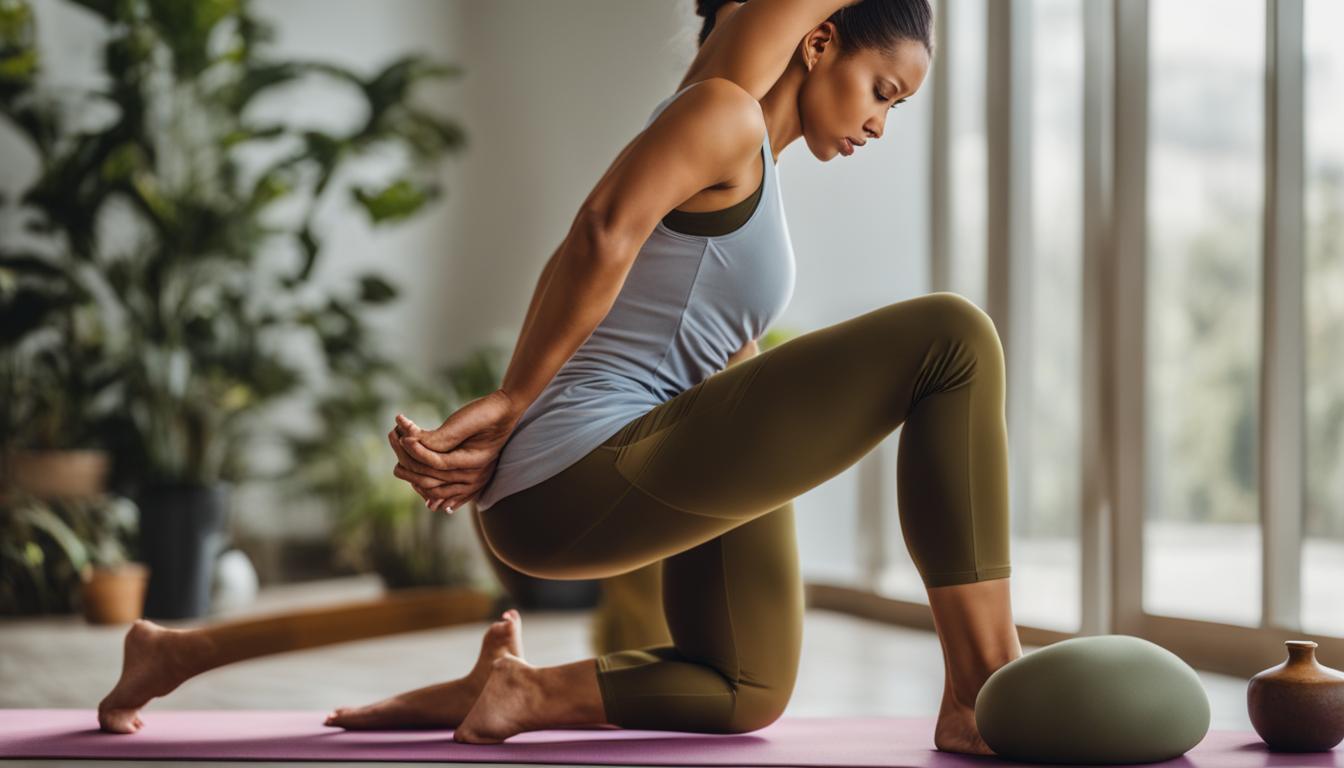
- Yoga: Practicing gentle yoga poses can help improve flexibility, muscle strength, and relieve knee pain. It is essential to choose yoga poses that are suitable for your condition and avoid any movements that may cause discomfort.
It is beneficial to exercise with a partner or join a fitness class to stay motivated and ensure proper form. Find an activity that you enjoy, as this will increase adherence and make the experience more enjoyable.
However, it’s crucial to recognize when to rest from exercise. If you have an injury, experience severe knee pain, or notice a flare-up of symptoms, it’s necessary to take a break and let your knee heal. Consulting with a doctor or physical therapist is highly recommended to design an exercise program tailored to your specific needs and condition.
Benefits of Exercise for Knee Pain Relief
Engaging in regular exercise for knee pain relief offers several significant benefits:
| Benefits | Description |
|---|---|
| Strengthens Muscles | Exercise helps strengthen the muscles surrounding the knee joint, providing better support and stability. |
| Maintains Joint Mobility | Moving the knee joint through its full range of motion prevents stiffness and preserves flexibility. |
| Reduces Inflammation | Regular exercise can reduce inflammation in the knee joint and alleviate pain associated with conditions such as osteoarthritis. |
| Improves Overall Health | Engaging in physical activity promotes cardiovascular health, weight management, and boosts mood and mental well-being. |
By incorporating these exercises into your daily routine, you can experience improved knee function, reduced pain, and enhanced overall well-being.
Weight Management for Knee Pain Relief
Maintaining a healthy weight is crucial for managing knee pain. Excess weight can put additional pressure on the knee joints and increase inflammation. To alleviate discomfort and reduce knee pain, it is recommended to incorporate weight management strategies into your lifestyle.
1. Follow a Balanced Diet
One of the key components of weight management is maintaining a balanced diet. Focus on incorporating fruits, vegetables, and fiber-rich foods into your meals. These nutrient-dense options provide essential vitamins and minerals while keeping your calorie intake in check. Additionally, reducing the consumption of meat and animal fat can help alleviate knee discomfort caused by inflammation.
2. Regular Exercise
Engaging in regular exercise is crucial for weight management and overall joint health. Low-impact activities like swimming, cycling, and yoga are particularly beneficial for individuals with knee pain. These exercises help strengthen the muscles surrounding the knee joint while minimizing impact. Implementing a well-rounded exercise routine can aid in weight loss and alleviate knee pain naturally.
3. Seek Professional Guidance
Consulting with a healthcare professional or a registered dietitian can provide personalized guidance for managing your weight and reducing knee pain. They can help you set a target weight based on your individual circumstances and create a suitable plan. Having the support and expertise of a professional can increase the effectiveness of your weight management efforts.

“Maintaining a healthy weight is essential for managing knee pain and reducing inflammation. It’s important to incorporate dietary changes and regular exercise into your lifestyle to alleviate discomfort naturally.” – Dr. Emily Thompson
Incorporating weight management strategies into your routine is a natural and effective way to alleviate knee discomfort. By following a balanced diet, engaging in regular exercise, and seeking professional guidance, you can reduce knee pain and improve your overall quality of life.
Heat and Cold Therapy for Knee Pain Relief
Heat and cold therapy are natural and effective home remedies for relieving knee pain. These non-pharmaceutical methods provide relief by reducing inflammation and soothing discomfort. By using heat and cold therapy appropriately, you can alleviate knee pain without relying on medications.
Heat Therapy
Applying heat to your knee can help soothe pain and relax tense muscles. Heat promotes blood flow to the area, which can speed up the healing process. Here are a few ways to use heat therapy for knee pain relief:
- Use a heating pad or hot water bottle on a low or medium setting and apply it to the affected knee for about 15-20 minutes at a time.
- Take a warm bath or shower, allowing the water to gently flow over your knee joint.
- Try paraffin wax treatment, which provides deep heat therapy for the knee. Dip your knee into melted paraffin wax and let it solidify before removing.
Cold Therapy
Cold therapy can effectively reduce inflammation and numb the affected area, providing temporary pain relief. Here’s how you can use cold therapy to alleviate knee discomfort:
- Apply an ice pack wrapped in a thin cloth or towel to your knee for about 15-20 minutes. Make sure to avoid placing ice directly on the skin to prevent ice burns.
- You can also use a bag of frozen vegetables if you don’t have an ice pack.
- Consider using an over-the-counter cold gel pack that can conform to the shape of your knee.
Remember to always alternate between heat and cold therapy. A general rule of thumb is to apply heat before engaging in activities and cold therapy after exercise or physical exertion. However, it’s important to note that heat and cold therapy should not be used if the knee joint is warm during a flare-up as it may exacerbate the condition.
If you’re unsure about using heat or cold therapy, consult with a healthcare professional to ensure proper application and to determine if these methods are suitable for your specific condition.
It’s also important to check the temperature of a heat pad or the duration of cold therapy to avoid injury. If you experience persistent or severe knee pain, it’s advisable to seek medical attention for a thorough evaluation.
Conclusion
Knee pain can be effectively managed without relying on medication. There are several natural remedies and alternative treatments that can provide relief and improve mobility.
Home remedies such as rest, ice, compression, and elevation (RICE) can be helpful for strains and sprains. Exercise, such as cycling, walking, and tai chi, can strengthen muscles and maintain mobility. Weight management is crucial as excess weight can put additional pressure on the knee joints. Heat and cold therapy, including herbal ointments and ginger extract, can also provide relief.
However, it’s important to consult with a healthcare professional before trying any alternative treatments. They can help determine the most suitable options for your specific condition. Additionally, if the pain is severe or persists, it’s important to seek medical attention. Listen to your body, rest when needed, and incorporate these natural remedies into your daily routine for long-term relief from knee pain.
FAQ
What are some natural remedies for knee pain?
Rest, ice, compression, and elevation (RICE) can be helpful for strains and sprains. Tai chi, a mind-body exercise, has been found to be beneficial for people with osteoarthritis. Regular exercise, such as cycling or walking, can help keep your muscles strong and maintain mobility. Heat and cold therapy, herbal ointments, and ginger extract are some other natural remedies that may provide relief. However, it’s important to consult with a doctor before trying any alternative treatments.
What exercises can help relieve knee pain?
Low-impact activities like cycling, walking, swimming, tai chi, and yoga are recommended for people with knee pain. It’s also beneficial to exercise with another person and to find an activity that you enjoy. However, it’s important to rest from exercise if you have an injury, severe knee pain, or a flare-up of symptoms. Consulting with a doctor or physical therapist to design a suitable exercise program is recommended.
How can weight management help with knee pain relief?
Maintaining a healthy weight is crucial for managing knee pain. Excess weight can put additional pressure on the knee joints and increase inflammation. A weight management plan that includes dietary changes and exercise can help relieve symptoms. Following a balanced diet that is high in fruits, vegetables, and fiber, and low in meat and animal fat is recommended. Consulting with a doctor or dietitian to set a target weight and create a suitable plan is advised.
How can heat and cold therapy provide knee pain relief?
Heat and cold therapy can provide relief for knee pain. Applying a heating pad to the knee while resting can help relieve pain. Cold treatment, such as using ice packs, can help reduce inflammation. It’s important to alternate between heat and cold, and to apply them for specific durations. Heat and cold therapy should not be used if the joint is warm during a flare. It’s also important to avoid applying ice directly to the skin and to check the temperature of a heat pad before applying it. There are also other methods of applying heat and cold, such as paraffin and ointments containing capsaicin.
Can knee pain be managed without medication?
Knee pain can be effectively managed without relying on medication. Home remedies such as RICE, tai chi, exercise, weight management, heat and cold therapy, and herbal ointments can provide relief and improve mobility. However, it’s important to consult with a healthcare professional before trying any alternative treatments and to seek medical attention if the pain is severe or persists. Remember to listen to your body and rest when needed, and to incorporate these natural remedies into your daily routine for long-term relief from knee pain.




2 Comments