
How to Increase Glutathione to Protect Your Bones and Improve Your Health
Antioxidants play a crucial role in protecting our cells from damage. That includes the cells responsible for healthy bone remodeling.
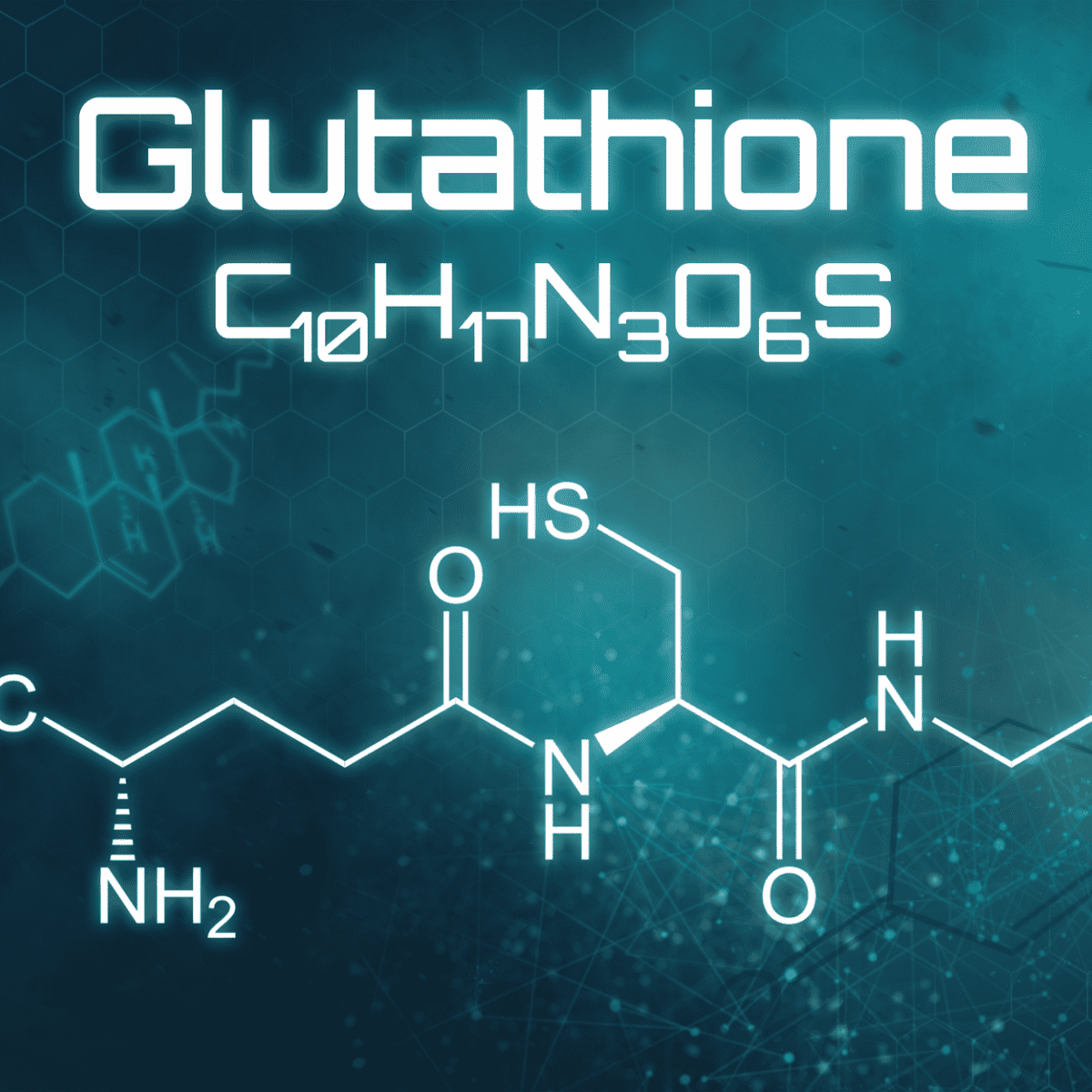
Today we’ll take a closer look at the Master Antioxidant known as glutathione. As the impressive title suggests, glutathione is a uniquely powerful antioxidant.
The studies we will review have shown that it also offers special benefits for building and maintaining strong and healthy bones. You will learn how to increase your glutathione levels and why it is so important to prevent breakages.
Glutathione: the master antioxidant
Glutathione was first accurately described in 1935, but it wasn’t until the 1980s that research into the molecule’s function began to reveal its incredible abilities. At the molecular level, glutathione is a tripeptide, meaning it is composed of three amino acids – glutamate, cysteine and glycine – linked by peptide bonds.
These components combine to form a unique molecule that helps maintain cellular homeostasis or balance. It supports cell homeostasis largely by protecting against oxidative damage. This protective property makes glutathione exceptionally powerful.
Many diseases and conditions are associated with decreased glutathione levels, including Alzheimer’s disease, cancer, chronic liver disease, cognitive disorders, diabetes, Parkinson’s disease, bone loss and more.1
Since glutathione protects cells throughout the body, it makes sense that a deficiency could be linked to several health problems.
Short content
Glutathione is a molecule consisting of three amino acids: glutamate, cysteine and glycine. Combined, they form a molecule that helps maintain cell homeostasis throughout the body. Low glutathione levels have been linked to a wide variety of diseases and conditions.
Where glutathione comes from
Maintaining optimal glutathione levels is essential for good health. Fortunately, every cell has the ability to produce glutathione in a cellular fluid called cytosol, provided it has access to the required precursor amino acids: glutamic acid (glutamate), cysteine and glycine.
The process occurs in two steps and requires special enzymes to complete. Glutathione is then pumped into the mitochondria, the organelles that create the energy that fuels every cell in our body. Glutathione protects the mitochondria against oxidative damage caused by radical oxygen species.
Your body naturally knows how much glutathione is needed to ward off oxidative damage to your cells. But certain obstacles may prevent her from achieving that production.
Without the building blocks of glutathione and the enzymes that enable its production, your body cannot maintain healthy levels of this powerful antioxidant.
Short content
Glutathione, synthesized from its constituent amino acids in a cellular fluid known as cytosol, is then transported to the mitochondria, the energy-producing organelles of the cell. Glutathione protects the mitochondria against oxidative damage.
How to increase glutathione levels
In order for our cells to function optimally and prevent oxidative damage, it is imperative to ensure an ample supply of glutathione in our body. The antioxidant effect directly benefits the health and quality of our bones and our bone remodeling process.
Recent research indicates that glutathione plays an even broader role by maintaining a balanced relationship between osteoclasts and osteoblast cells responsible for bone resorption and formation respectively – mainly by inhibiting osteoclast production. This action naturally increases bone mass.2
These strategies can help us maintain healthy levels of the Master Antioxidant.
- Eat sulfur-rich vegetables – Glutathione production requires sulfur, which is found in plant foods such as broccoli, Brussels sprouts, kale, cauliflower, watercress and mustard greens. Studies have linked a diet high in cruciferous vegetables to reduced oxidative stress and increased glutathione levels.
- Eat glutathione-rich foods – Foods naturally rich in glutathione, such as spinach, avocados, asparagus and okra, all reduce oxidative stress. Our digestive system is not adept at absorbing glutathione from food, so the glutathione in these foods is not likely to get into our cells. However, because they reduce oxidative stress, they help keep glutathione levels high.
- Increase vitamin C – Vitamin C has a similar effect as the glutathione-rich foods mentioned above. It’s a powerful antioxidant itself, so an abundance of vitamin C takes the pressure off glutathione, keeping levels robust. Additionally, studies have shown that vitamin C helps replenish glutathione molecules.3
- Eat selenium-rich foods – Glutathione needs selenium to function. Include selenium-rich foods in your diet, such as chicken, fish, brown rice and Brazil nuts. Selenium is a basic supplement in the Osteoporosis Reversal Program.
- Include foods high in cysteine – Cysteine, one of the three amino acids that make up glutathione, is found in foods such as whey protein, tuna, lean chicken, lentils, oatmeal, yogurt, carrots, shiitake mushrooms, almond butter and sunflower seeds. Using this building block allows your body to generate more of the master antioxidant.3
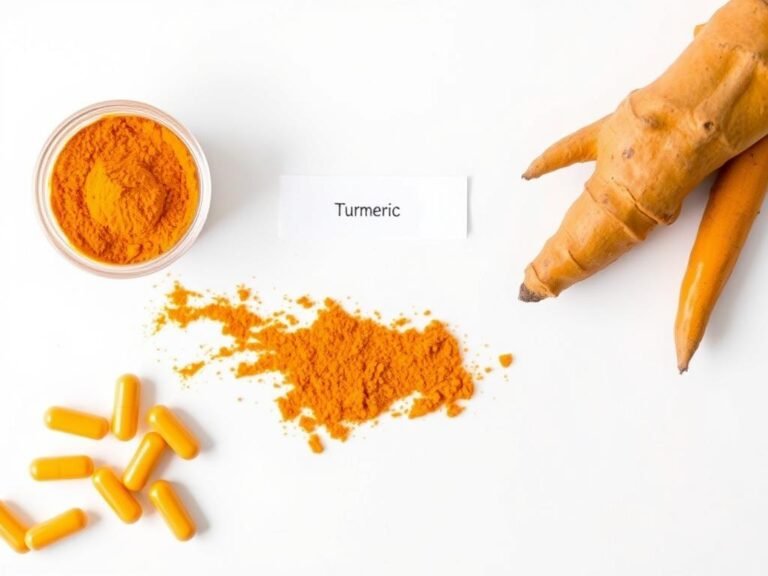
- Turmeric extract curcumin Curcumin is an extract of the spice turmeric. Studies in animals have shown that curcumin has the ability to increase glutathione levels. Curcumin can be found in a supplement form.4
- Take milk thistle – Milk thistle is a plant that contains a collection of compounds called silymarin. Silymarin is known for its antioxidant properties and studies have shown that it increases glutathione levels. 5
- Get high-quality sleep – Glutathione, like all antioxidants, fights oxidative stress. Poor sleep quality can increase oxidative stress, making it harder for glutathione to be produced. Prioritize consistent, high-quality sleep to increase and maintain healthy glutathione levels.6
- Regular exercise – Exercise helps our body maintain and increase antioxidant levels. Research has shown that combining cardio training with strength training has the most beneficial effect on glutathione levels. 7
Short content
Keep glutathione levels high to protect your bone remodeling process. See the list of strategies above, which includes dietary changes, supplements, sleep quality, and regular exercise.
What this means for you
You have the ability to equip your body with the essentials to protect itself from oxidative damage. Every cell in your body is ready and able to produce the Master Antioxidant if you provide the right materials and conditions.
For tips on incorporating foods rich in sulfur, selenium, vitamin C and glutathione into your diet, try Bone Appétit, the Save Institute’s pH-balanced cookbook and meal planner. For help building a regular exercise routine you love, try SaveTrainer, the Save Institute’s online video training platform.
You’re not the only one making healthy changes to improve your health. Find the support you need, in whatever form it takes, and celebrate that you have the wisdom to use the resources available to you!
References
1 https://www.ncbi.nlm.nih.gov/pmc/articles/PMC6770193/
2 https://www.sciencedirect.com/science/article/pii/S0753332220304972
3 https://www.ncbi.nlm.nih.gov/pubmed/12499341
4 https://pubmed.ncbi.nlm.nih.gov/29484396/
5 https://pubmed.ncbi.nlm.nih.gov/2353930/
6 https://www.ncbi.nlm.nih.gov/pubmed/25945148
7 https://pubmed.ncbi.nlm.nih.gov/17925621/




6 Comments