
Knee Hurt to Bend
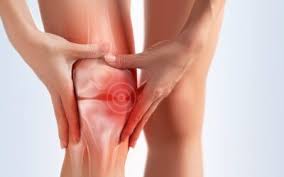
Knee pain when bending can be a common problem that affects people of all ages. It can be caused by a variety of factors, ranging from an injury or overuse to a chronic condition like arthritis. The pain can range from mild to severe, and it can affect one or both knees.

Understanding the causes and symptoms of knee pain when bending is important for proper diagnosis and treatment. Some common causes of knee pain when bending include meniscus tears, ligament sprains, and patellar tendinitis. Symptoms can include pain, swelling, stiffness, and difficulty moving the knee joint. A thorough evaluation by a healthcare provider is necessary to determine the underlying cause of the knee pain and develop an appropriate treatment plan.
Key Takeaways
- Knee pain when bending can be caused by a variety of factors, ranging from an injury or overuse to a chronic condition like arthritis.
- Symptoms can include pain, swelling, stiffness, and difficulty moving the knee joint.
- A thorough evaluation by a healthcare provider is necessary to determine the underlying cause of the knee pain and develop an appropriate treatment plan.
Understanding Knee Pain
Knee pain is a common complaint that affects people of all ages. The knee joint is a complex structure that is vulnerable to injury due to its range of motion and the weight that is often distributed through the joint. Knee pain can be caused by a variety of factors, including injury, medical conditions, and overuse.
Injury to the knee joint can cause pain when bending the knee. A ruptured ligament or torn cartilage can result in knee pain that is localized to the affected area. Depending on the severity of the injury, knee pain can range from mild discomfort to severe pain that limits mobility.
Medical conditions such as arthritis, gout, and infections can also cause knee pain. Arthritis is a common cause of knee pain, particularly in older adults. Gout is a type of arthritis that is caused by a buildup of uric acid crystals in the joints. Infections can also cause knee pain, and can be serious if left untreated.
Overuse can also cause knee pain. Repetitive activities such as running or jumping can put a strain on the knee joint, causing pain and discomfort. In some cases, overuse can result in a condition known as patellofemoral pain syndrome, which causes pain in the front of the knee.
If you are experiencing knee pain when bending your leg, it is important to seek medical attention. Your doctor can perform a physical exam and order imaging tests to determine the underlying cause of your knee pain. Treatment options may include rest, ice, compression, and elevation, as well as physical therapy or surgery in some cases.
In summary, knee pain when bending can be caused by a variety of factors, including injury, medical conditions, and overuse. If you are experiencing knee pain, it is important to seek medical attention to determine the underlying cause and receive appropriate treatment.
Causes of Knee Pain
Knee pain can be caused by various factors, including injury, arthritis, overuse, and wear and tear. In this section, we will discuss the most common causes of knee pain.
Injury and Trauma
Knee injuries are a common cause of knee pain, especially in athletes and people who engage in physical activities that involve running, jumping, and twisting. Knee injuries can include ligament sprains or tears, meniscus tears, and fractures. Knee injuries can occur due to a sudden impact, such as a fall or a collision, or due to repetitive stress on the knee joint.
Arthritis Related Knee Pain
Arthritis is another common cause of knee pain, especially in older adults. Osteoarthritis is the most common type of arthritis that affects the knee joint. It occurs when the protective cartilage that cushions the ends of the bones in the knee joint wears down over time. Rheumatoid arthritis is another type of arthritis that can affect the knee joint. It is an autoimmune disorder that causes inflammation in the joint lining, which can lead to pain, swelling, and stiffness.
Overuse and Wear and Tear
Overuse and wear and tear can cause knee pain, especially in people who engage in physical activities that involve repetitive motions, such as running, cycling, and jumping. Overuse can cause inflammation in the knee joint, which can lead to pain and swelling. Wear and tear can cause the cartilage in the knee joint to deteriorate over time, which can lead to pain and stiffness.
In summary, knee pain can be caused by injury, arthritis, overuse, and wear and tear. It can affect people of all ages, but it is more common in older adults and people who are overweight. If you are experiencing knee pain, it is important to seek medical attention to determine the underlying cause and receive appropriate treatment.
Symptoms of Knee Pain
If you experience knee pain when bending your leg, it could be due to a variety of causes. Some common symptoms of knee pain include:
Swelling and Redness
Swelling and redness are common symptoms of knee pain. If you notice that your knee is swollen or feels warm to the touch, it could be a sign of inflammation. Inflammation can be caused by a variety of factors, including injury, overuse, or an underlying medical condition. If you experience swelling or redness in your knee, it’s important to see a doctor to determine the underlying cause.
Stiffness and Reduced Range of Motion
Stiffness and reduced range of motion are also common symptoms of knee pain. If you find that you are unable to fully extend or flex your knee, or if you experience a popping or crunching noise when you move your knee, it could be a sign of a more serious injury. In some cases, stiffness and reduced range of motion can be caused by arthritis, which is a condition that causes inflammation in the joints.
It’s important to note that not all knee pain requires medical attention. In some cases, knee pain can be treated with self-care measures, such as rest, ice, compression, and elevation. However, if your knee pain is severe or persistent, or if you experience fever or other symptoms, it’s important to see a doctor to determine the underlying cause and receive appropriate treatment.
Diagnosis of Knee Pain

When you experience knee pain, it’s important to get a proper diagnosis from a doctor. A physical examination and imaging tests can help determine the underlying cause of your knee pain.
Physical Examination
During a physical examination, a doctor will check your knee for swelling, tenderness, and range of motion. They may also ask you to perform certain movements to assess the stability of your knee joint. This can help them identify any injuries or conditions that may be causing your knee pain.
Imaging Tests
Imaging tests such as X-rays and MRI scans can provide a more detailed view of your knee joint. X-rays can detect bone fractures and degenerative joint disease, while MRI scans can show soft tissue damage such as ligament or cartilage tears. Your doctor may recommend one or both of these tests to help diagnose the underlying cause of your knee pain.
It’s important to note that imaging tests alone may not provide a definitive diagnosis. Your doctor will also take into account your medical history, symptoms, and physical examination results to determine the most appropriate course of treatment.
In summary, if you are experiencing knee pain, it’s important to see a doctor for a proper diagnosis. A physical examination and imaging tests such as X-rays and MRI scans can help determine the underlying cause of your knee pain.
Treatment for Knee Pain
If your knee hurts when you bend it, there are several treatment options available. The treatment plan will depend on the underlying cause of the pain and the severity of the injury. Some of the common treatments for knee pain are:
Medication and Self-Care
For minor knee pain, self-care and over-the-counter medications may be enough to manage the pain. Rest, ice, compression, and elevation (RICE method) can help reduce swelling and pain. You can also take medications such as ibuprofen or other nonsteroidal anti-inflammatory drugs (NSAIDs) to relieve pain and inflammation.
Physical Therapy and Exercises
Physical therapy can help strengthen the muscles around the knee and improve flexibility. Your physical therapist may recommend exercises such as stretching and strengthening exercises to help reduce pain and improve knee function. Strengthening exercises can help prevent knee injuries in the future.
Surgery and Other Procedures
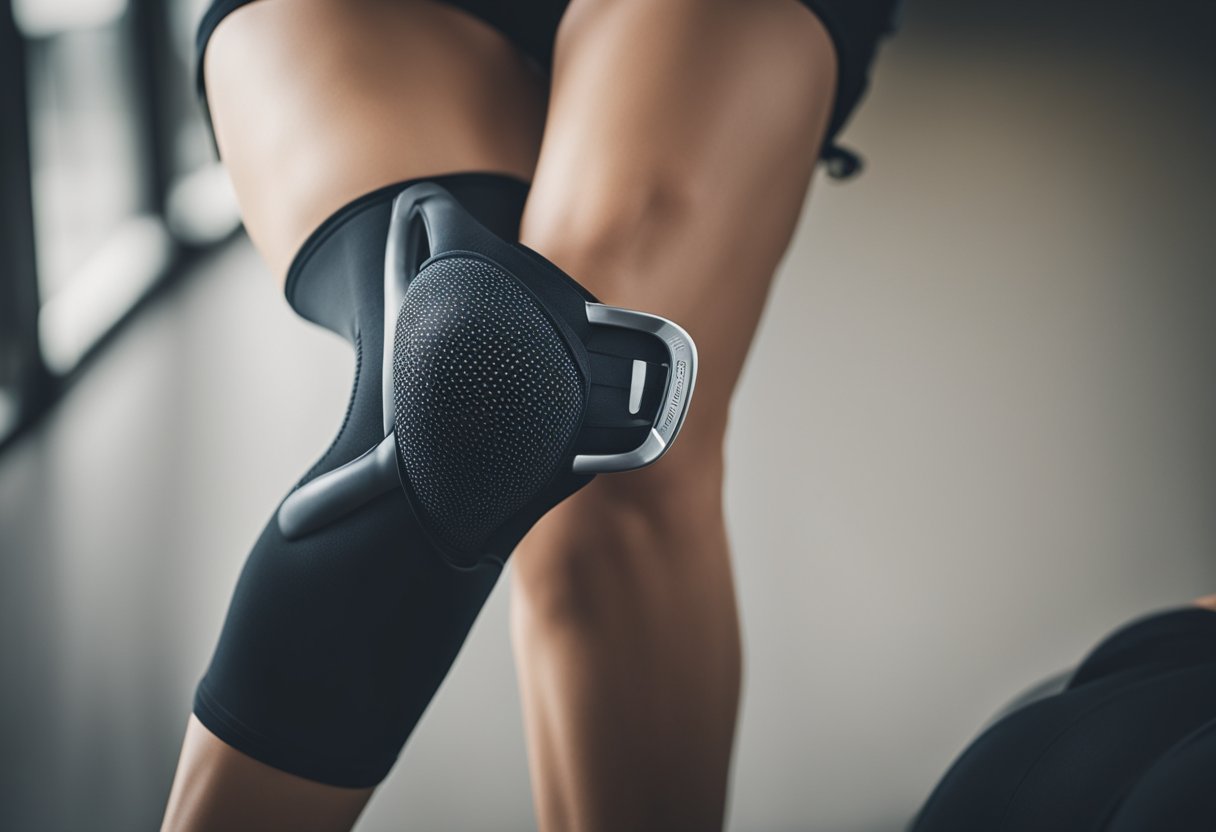
In more severe cases, surgery or other procedures may be necessary to treat knee pain. For example, a meniscus tear or torn ligament may require surgery to repair the damage. Braces or other supportive devices may also be recommended to help stabilize the knee and prevent further injury.
Recovery time will vary depending on the severity of the injury and the type of treatment used. It is important to follow your doctor’s instructions and attend all physical therapy sessions to ensure a full recovery.
In summary, there are several treatment options available for knee pain, including medication, self-care, physical therapy, and surgery. The best treatment plan will depend on the underlying cause of the pain and the severity of the injury. It is important to seek medical attention if you experience persistent or severe knee pain.
Preventing Knee Pain
Preventing knee pain is essential for maintaining an active and healthy lifestyle. Here are some tips to help prevent knee pain:
Form
Proper form is crucial when exercising or performing any physical activity. Poor form can put unnecessary strain on your knee joint, leading to pain and injury. Make sure to use proper form when performing exercises such as squats, lunges, and leg presses. If you are unsure about proper form, consider hiring a personal trainer to help you.
Stability
Strengthening the muscles that support your knee can help prevent injury by increasing overall stability and providing extra cushioning for the joint. Exercises such as leg curls, leg extensions, and calf raises can help strengthen your knee muscles.
Flexibility
Maintaining flexibility in your knee joint can help prevent injury. Incorporate stretching exercises into your daily routine to keep your knee joint flexible. Stretching exercises such as quad stretches, hamstring stretches, and calf stretches can help improve flexibility in your knee joint.
Active Lifestyle
Maintaining an active lifestyle can help prevent knee pain. Regular exercise can help strengthen your knee muscles and improve flexibility in your knee joint. Consider incorporating low-impact exercises such as swimming, cycling, or yoga into your routine.
Athletes and Contact Sports
Athletes and individuals who participate in contact sports are at a higher risk for knee injuries. To prevent knee injuries, make sure to wear proper protective gear such as knee pads and braces. Additionally, make sure to warm up properly before participating in any physical activity.
Weakness
Weakness in your knee muscles can lead to injury and pain. Strengthening exercises such as leg curls, leg extensions, and calf raises can help improve the strength of your knee muscles. If you are experiencing weakness in your knee, consider consulting with a physical therapist to develop a personalized strengthening program.
By following these tips, we can help prevent knee pain and maintain an active and healthy lifestyle.
Complications and Long-Term Effects
When knee pain is left untreated or not managed properly, it can lead to complications and long-term effects. These can include joint damage, medical conditions, and infections.
One of the most common complications of knee pain is joint damage. This can occur when the underlying condition causing the pain is not addressed, leading to wear and tear of the joint over time. Joint damage can also occur as a result of injury, such as a torn ligament or cartilage. If left untreated, joint damage can lead to arthritis and other chronic conditions that can affect mobility and quality of life.
In addition to joint damage, knee pain can also be a symptom of other medical conditions. For example, gout, rheumatoid arthritis, and lupus can all cause knee pain. These conditions require proper diagnosis and treatment to manage the underlying cause of the pain and prevent further complications.
Another potential complication of knee pain is infection. Infections can occur as a result of injury, surgery, or other medical procedures involving the knee. If left untreated, infections can spread and cause serious damage to the joint, requiring more extensive treatment and potentially leading to long-term complications.
It is important to seek medical attention if you are experiencing knee pain, especially if it is severe or persistent. Proper diagnosis and treatment can help prevent complications and long-term effects, and can improve your overall quality of life.
Frequently Asked Questions
Why does my knee pop when I bend it?
Knee popping is a common condition that can occur when you bend your knee. The popping sound is caused by the release of gas bubbles in the synovial fluid that lubricates the joint. This is usually not a cause for concern unless it is accompanied by pain or swelling. In some cases, knee popping can be a sign of an injury or underlying condition, such as a torn meniscus or arthritis.
What causes inner knee pain when bending?
Inner knee pain when bending can be caused by a variety of factors, including overuse, injury, or underlying medical conditions. One common cause is a torn meniscus, which can occur when the knee is twisted or turned suddenly. Other causes of inner knee pain include arthritis, bursitis, and tendonitis.
What are the common causes of knee pain when bending?
Knee pain when bending can be caused by several factors, including injury, overuse, or underlying medical conditions. Common causes of knee pain when bending include patellar tendinitis, arthritis, meniscus tears, and bursitis. In some cases, knee pain when bending can be a sign of a more serious condition, such as a ligament tear or a fracture.
How can I relieve side knee pain when bending?
There are several ways to relieve side knee pain when bending, including rest, ice, compression, and elevation. Over-the-counter pain relievers such as ibuprofen or acetaminophen can also help reduce pain and swelling. Physical therapy and knee braces may also be recommended to help support the knee and reduce pain.
What are the symptoms of a swollen knee that can’t bend?
A swollen knee that can’t bend may be a sign of a serious injury or underlying medical condition. Symptoms of a swollen knee may include pain, stiffness, redness, and warmth around the knee joint. In some cases, the knee may also feel unstable or give way when you try to walk or bend it.
What are some effective treatments for knee pain when bending?
Effective treatments for knee pain when bending depend on the underlying cause of the pain. In some cases, rest, ice, and compression may be enough to relieve pain and swelling. Over-the-counter pain relievers such as ibuprofen or acetaminophen can also help reduce pain and inflammation. Physical therapy, knee braces, and surgery may be recommended for more severe cases of knee pain when bending.





One Comment