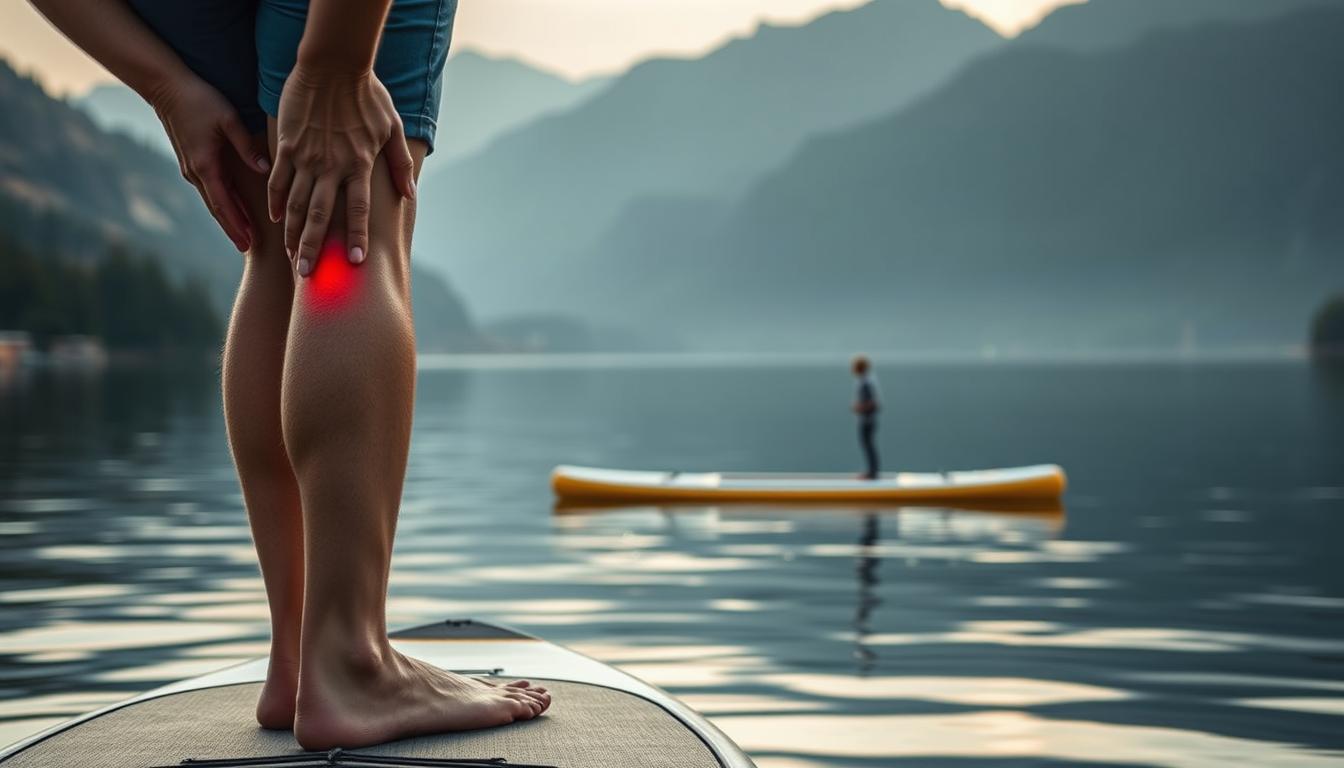
Stand-up paddleboarding (SUP) has become a favorite among water sports enthusiasts, offering a great way to enjoy the outdoors while improving balance and core strength. As its popularity grows, so does the concern about potential injuries, particularly knee pain after paddling.
Despite its many health benefits, SUP can sometimes lead to knee discomfort, especially after long sessions or when proper technique is not followed. We will explore why knee issues occur during paddleboarding and provide guidance on identifying, preventing, and treating these problems.
With the right knowledge and precautions, paddleboarders can minimize the risk of knee pain and enjoy this activity to its fullest.
Key Takeaways
- Understanding the causes of knee pain during SUP
- Identifying different types of knee issues related to paddleboarding
- Learning preventive measures to avoid knee discomfort
- Discovering treatment options for knee pain
- Enjoying paddleboarding with minimized risk of knee injuries
Understanding Paddleboarding and Its Impact on the Knees
Understanding the biomechanics of paddleboarding is crucial to grasping why it can lead to knee pain. Stand-up paddleboarding (SUP) is a water sport that involves standing on a large, stable board and using a paddle to propel through calm or rough waters. As this activity gains popularity, it’s essential to examine its effects on the body, particularly the knees.
The Biomechanics of Paddleboarding
Paddleboarding involves a unique combination of stance, balance, and paddling motion that creates distinct stresses on the body. The stance requires standing with feet parallel to each other, engaging the core and leg muscles to maintain balance. The paddling motion involves rotating the torso, which in turn, engages the entire kinetic chain, including the knees. The constant micro-adjustments needed to maintain balance on the board engage the knees, making them crucial for stability.
The paddling motion also involves bending and straightening of the knees to some extent, depending on the type of paddleboarding (flat water or waves). This repetitive motion can lead to strain on the knee joint and surrounding structures.
Why Knees Are Vulnerable During SUP
The knees are particularly vulnerable during SUP due to several factors. Firstly, the typical SUP stance places the knees in a slightly flexed position for extended periods, leading to strain over time. Secondly, the knees act as shock absorbers, especially when navigating choppy waters or waves, which can lead to increased stress on the knee joint. The combination of rotation, weight-bearing, and stabilization demands during paddleboarding makes the knees susceptible to both acute injuries and overuse problems.
Different paddleboarding environments, such as flat water versus waves, create varying levels of stress on the knee joints and surrounding structures. Understanding these factors is crucial for mitigating the risk of knee pain and injuries during SUP activities.
Common Causes of Knee Pain After Paddleboarding
Understanding the causes of knee pain after paddleboarding is crucial for enthusiasts to enjoy the sport without discomfort. Knee pain can arise from various factors related to the activity, including how one stands on the board, the technique used for paddling, and the risk of accidents.
Improper Stance and Technique
One of the primary causes of knee pain during paddleboarding is an improper stance and technique. Standing with feet too far apart or too close together can put unnecessary stress on the knee joint. Improper stance width and alignment can place excessive stress on the medial or lateral aspects of the knee joint. Moreover, paddling with a technique that relies heavily on the upper body without engaging the lower body can lead to compensatory strain on the knees.
Poor paddling technique can also lead to knee strain. When paddlers generate power primarily from their upper body without proper engagement of their lower body, it can result in overuse and strain on the knee. Ensuring a proper stance and paddling technique is essential to minimize the risk of knee pain.
Overuse and Repetitive Strain
Overuse and repetitive strain are common issues in paddleboarding, particularly among enthusiastic beginners or competitive paddlers. Repetitive paddling motions without adequate rest or variation can lead to overuse injuries affecting the knee’s supporting structures. Prolonged sessions can exceed the knee’s tolerance threshold, resulting in inflammation and pain.
- Repetitive strain on the knee’s supporting structures can lead to overuse injuries.
- Prolonged paddleboarding sessions increase the risk of knee inflammation.
- Adequate rest and variation in paddling technique can help mitigate these risks.
Acute Injuries from Falls or Collisions
Acute injuries from falls or collisions with the paddleboard or other objects are another significant cause of knee pain. Twisting injuries when dismounting or maneuvering the board can damage knee ligaments. According to injury data, twisting off the board is a common mechanism for knee injuries, often resulting in ligament sprains.
Understanding these causes can help paddleboarders take preventive measures and manage knee pain effectively. By being aware of the risks associated with improper stance, overuse, and accidents, paddlers can enjoy their sport while minimizing the risk of knee pain.
Identifying Different Types of Knee Pain from SUP
Identifying the source of knee pain after paddleboarding is essential for targeted treatment and prevention. When engaging in SUP, various factors can contribute to knee discomfort, ranging from acute injuries to overuse syndromes.
Muscle and Tendon Injuries
Muscle and tendon injuries are prevalent in paddleboarding, accounting for 50.4% of all injuries. Strains to the quadriceps and hamstring muscles are common, presenting as aching pain that intensifies with specific movements. These injuries often result from overexertion or improper technique.
Ligament Sprains and Joint Issues
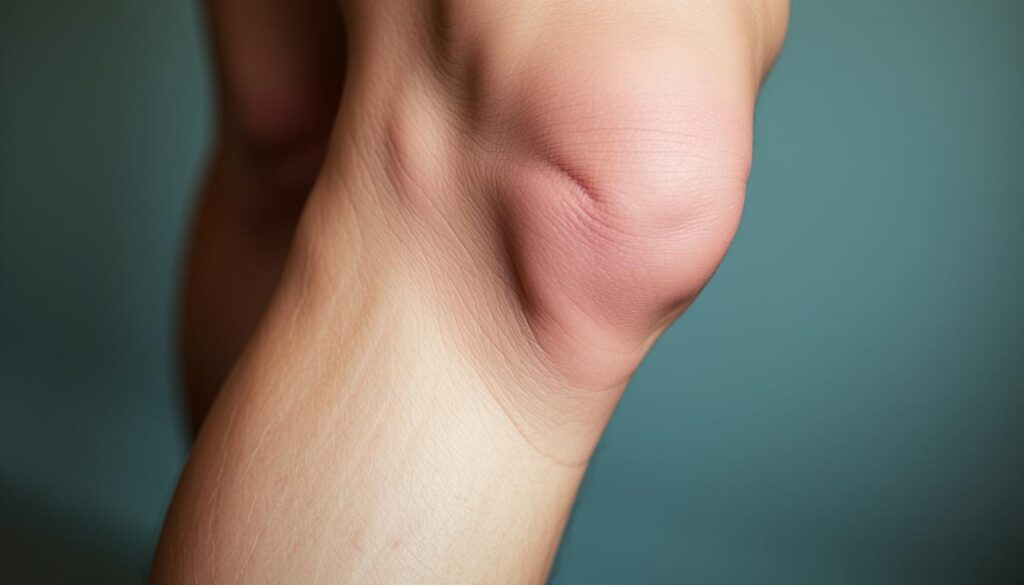
Ligament sprains, particularly to the medial collateral ligament (MCL) and lateral collateral ligament (LCL), can occur due to twisting motions on the board. These injuries manifest as sharp, localized pain and potential instability. Joint-related issues, such as patellofemoral pain syndrome, typically present as pain around or behind the kneecap during and after paddleboarding. If you’re experiencing persistent knee pain, it may be helpful to consult a specialist, such as those found through finding the best knee pain doctor near.
Inflammation and Overuse Syndromes
Inflammatory conditions like bursitis and tendinitis develop gradually, presenting as localized warmth, swelling, and pain that increases with continued activity. These overuse syndromes are often a result of repetitive strain without adequate recovery time. Understanding the difference between normal muscle fatigue and actual injury symptoms is crucial for preventing further damage.
By recognizing the specific characteristics of each type of knee pain, paddleboarders can take appropriate measures to address their injuries and prevent future occurrences.
Risk Factors That Increase Chances of Knee Pain
Several key factors contribute to the increased risk of knee pain among paddleboarders. Understanding these risk factors is essential for mitigating the likelihood of injuries and ensuring a safe paddleboarding experience.
Research has identified several risk factors that make certain paddleboarders more susceptible to knee pain and injuries. These factors can be broadly categorized into personal and activity-related factors.
Age and Physical Condition
Age plays a significant role in knee vulnerability, with older paddleboarders (particularly those over 46) experiencing significantly more injuries than their younger counterparts, with mean ages of 46.7 vs 41.6 years. Physical conditioning is also crucial, as deconditioned individuals face higher risks of knee strain during paddleboarding due to reduced fitness levels and potentially weaker muscles around the knee.
Experience Level and Paddling Duration
The experience level of paddleboarders correlates with injury rates, with competitive paddlers sustaining more injuries than recreational riders. This is largely due to the increased exposure time spent on the water, with competitive paddlers averaging 253 hours per year compared to 112 hours for recreational riders. While beginners may struggle with poor technique, the overall injury risk is higher among those who paddle more frequently.
Pre-existing Knee Problems
Paddleboarders with pre-existing knee conditions such as osteoarthritis, previous surgeries, or old injuries are at a higher risk of exacerbating these issues due to the demands of paddleboarding. It’s essential for individuals with such conditions to take extra precautions and possibly consult with a healthcare professional before engaging in SUP activities.
By understanding these risk factors, paddleboarders can take proactive steps to minimize their risk of knee pain and injuries, ensuring a safer and more enjoyable experience on the water.
Knee Pain After Paddleboarding: Prevention Strategies
To minimize the risk of knee pain while paddleboarding, it’s essential to adopt preventive measures. By focusing on proper technique, appropriate equipment, and thorough preparation, paddleboarders can significantly reduce their risk of injury.
Proper Paddleboarding Technique
One of the most effective ways to prevent knee pain is by maintaining proper paddleboarding technique. This includes standing with a stance that is shoulder-width apart, keeping the knees slightly bent, and distributing weight evenly on both feet. Efficient paddling techniques that engage the core and larger muscle groups can also reduce compensatory stress on the knees.
Efficient Paddling Techniques:
- Keep your back straight and core engaged
- Use your legs to help stabilize and power your strokes
- Avoid twisting or jerking motions that can put unnecessary strain on your knees
Equipment Considerations
The right equipment can also play a crucial role in preventing knee pain. Choosing a board that is the right size for your body and paddling style can help reduce strain on your knees. Additionally, using a paddle of appropriate length and considering knee pads or supports if you have existing knee issues can be beneficial.
| Equipment | Considerations |
|---|---|
| Board Size | Choose a size that matches your body and paddling style |
| Paddle Length | Ensure it’s appropriate for your height and paddling technique |
| Knee Supports | Consider using knee pads or supports if you have pre-existing knee issues |
Pre-Paddling Warm-up Routines
Less than half of SUP users reported performing a warm-up before paddleboarding, which is a crucial step in preventing injuries. Engaging in dynamic stretches and mobility exercises can prepare the knees and supporting muscles for the demands of paddleboarding.
Recommended Warm-up Exercises:
- Leg swings and lunges to loosen the hip and knee joints
- Calf raises to strengthen the lower leg muscles
- Knee bends and straightens to prepare the knee joint
By incorporating these prevention strategies into your paddleboarding routine, you can significantly reduce the risk of knee pain and enjoy your time on the water.
Effective Stretches and Exercises for Paddleboarders
To minimize the risk of knee pain and injuries, paddleboarders can benefit from a targeted exercise program. Such a program should focus on strengthening the muscles around the knee, improving flexibility, and enhancing overall stability on the board.
Knee Strengthening
Strengthening the muscles around the knee is crucial for paddleboarders. Exercises such as wall squats, step-ups, and leg extensions target the quadriceps, hamstrings, and stabilizing muscles around the knee. For example, wall squats can be performed by standing with your back against a wall and sliding down into a seated position, holding for 10-15 seconds and repeating 3 sets.
| Exercise | Repetitions | Sets |
|---|---|---|
| Wall Squats | 10-15 seconds | 3 |
| Step-Ups | 10-12 | 3 |
| Leg Extensions | 12-15 | 3 |
Flexibility and Mobility
Flexibility exercises are also vital for maintaining optimal knee function. The iliotibial band stretch is particularly beneficial. To perform this stretch, cross one leg in front of the other and bend down to touch your toes. You can move your hands across the floor toward the front leg to feel more stretch on the outside of your thigh. Hold for 15-30 seconds and repeat 3 times on each leg.
https://www.youtube.com/watch?v=ryGVUdrucxs
Core Strengthening
Core strengthening exercises improve overall stability on the board, reducing the need for excessive knee stabilization. Incorporating exercises that target the core muscles can help paddleboarders maintain better balance and reduce the risk of knee injuries.
By incorporating these exercises into their routine 2-3 times a week, paddleboarders can build resilience against knee pain and injuries, enhancing their overall paddling experience.
Immediate Relief for Knee Pain After SUP Sessions
Immediate relief from knee pain after a SUP session is crucial for paddleboarders to avoid further discomfort. When knee pain strikes after paddling, it’s essential to address it promptly to prevent it from becoming a more significant issue.
R.I.C.E. Method Application
The R.I.C.E. method is a widely recognized approach for managing acute injuries, including knee pain from SUP. It involves Rest, Ice, Compression, and Elevation. Resting the affected knee is the first step, followed by applying ice to reduce inflammation. Compression helps to further reduce swelling, while elevation assists in minimizing blood flow to the area.
For optimal results, ice should be applied for 15-20 minutes at a time, with a 30-minute break in between applications. Compression can be achieved using an elastic bandage, but be cautious not to wrap it too tightly, which could cut off circulation.
Appropriate Pain Management
Over-the-counter pain management options can provide relief for knee pain after paddling. However, it’s crucial to follow the recommended dosage and be aware of any potential side effects. Nonsteroidal anti-inflammatory drugs (NSAIDs) are commonly used to reduce both pain and inflammation.
It’s essential to distinguish between pain that can be self-managed and symptoms that require professional medical attention. Severe pain, significant swelling, or instability in the knee are indicators that medical help is necessary.
Recovery Techniques
Effective recovery techniques include gentle movement to maintain knee mobility, hydration to flush out toxins, and nutrition strategies that support tissue healing. Gentle exercises can help prevent stiffness, while adequate hydration and a balanced diet rich in anti-inflammatory foods can aid in the recovery process.
Listening to your body and not pushing through significant knee pain is vital. Ignoring severe pain can transform a minor issue into a serious injury, potentially keeping you out of the water for an extended period.
Long-Term Management of Paddleboarding-Related Knee Issues
Long-term management of knee issues related to paddleboarding involves a combination of training modifications, cross-training options, and gradual return to paddling. Effective management requires understanding the causes of knee pain and implementing strategies to mitigate it.
One key aspect is modifying training routines to reduce stress on the knee joint. This can include altering stance width, reducing session duration, and refining paddling technique to minimize repetitive strain.
Training Modifications for Chronic Pain
For paddleboarders experiencing chronic knee pain, adjusting their training regimen is crucial. This may involve reducing the frequency or duration of paddling sessions, or modifying their stance to alleviate pressure on the knee joint. Technique refinements can also play a significant role in minimizing knee stress.
- Adjust stance width to reduce knee strain
- Reduce paddling session duration
- Refine paddling technique
Cross-Training Options
Engaging in cross-training activities can help maintain overall fitness while giving knees time to recover. Low-impact exercises such as swimming and strength training are excellent alternatives that can complement paddleboarding without exacerbating knee issues.
Gradual Return to Paddleboarding
When returning to paddleboarding after a knee injury, it’s essential to follow a gradual progression based on pain levels and functional capacity. This may involve starting with short sessions on calm waters and gradually increasing duration and intensity.
By incorporating these strategies, paddleboarders can effectively manage knee issues and continue to enjoy their sport while minimizing the risk of further injury.
When to Seek Professional Medical Help
Understanding when knee pain after paddleboarding warrants a doctor’s visit is essential for preventing further injury. We recommend seeking medical help if you experience severe pain, significant swelling, or inability to bear weight on your knee. A medical professional will conduct a physical examination and may order imaging studies to diagnose the issue. Specialized care from sports medicine physicians or orthopedists may be beneficial for paddleboarding-related knee issues. Early intervention often leads to better outcomes and a faster return to paddleboarding activities.
Leave a Reply