Common Knee Sports Injuries
Patellar Dislocations
The kneecap can be dislocated by a direct blow or forceful twist. Dislocation causes intense pain. Attempting to walk or bend the knee increases discomfort. Prompt relocation by a doctor is needed. Physical therapy focuses on realigning the kneecap through VMO strengthening and flexibility. Surgery may reconstruct damaged tissue preventing normal tracking.
Patellofemoral Syndrome
Overuse from running sports often causes diffuse patellofemoral pain at the knee joint. It results from muscle imbalance pulling the kneecap out of position. Rest, icing, tapingCopy
Preventing Knee Pain in Sports
Neuromuscular Training
Programs focusing on balance, agility, and coordination strengthen muscles while reinforcing proper movement patterns. Activities like sideways shuffling, cariocas, and balance board work improve body control and knee stability during sports motions. This reduces injury risk.
Rest and Recovery
Scheduling adequate rest days between intense workouts allows the body to recover and regenerate. Muscles repair microtears and regain strength. Overtraining increases injury risk. Build easy cross-training and complete rest days into your program. Know the signs of overtraining like fatigue, poor performance, and muscle soreness.
Treating Knee Pain for Athletes
Physical Therapy
Physical therapists evaluate areas of weakness and imbalance contributing to knee pain in athletes. They develop programs targeting muscles and movements needed for specific sports to relieve pain and teach proper biomechanics. Therapeutic modalities like electrical stimulation, ultrasound, and taping may also be incorporated.
Bracing
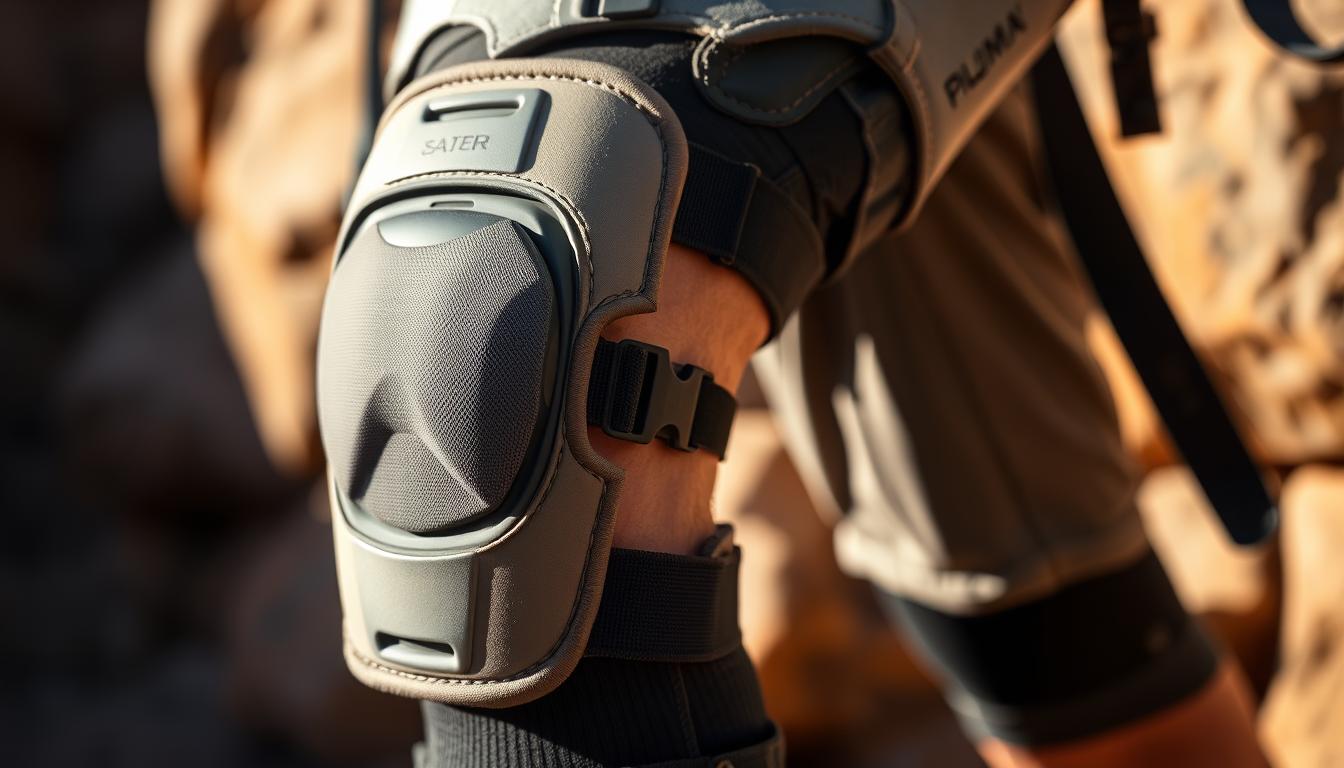
Sports medicine braces provide stabilization and improve alignment during activity after knee injuries. Prophylactic braces protect vulnerable knees from direct blows in contact sports. Patellofemoral braces help reposition a misaligned kneecap. Functional ACL/PCL braces limit destabilizing motions. Unloader braces treat compartment osteoarthritis.
Rehabilitation Exercises
Flexibility Training
Tight muscles like the quadriceps, hamstrings, hip flexors, and calves increase injury risk and knee joint forces. Their opposites must be stretched too. Dynamic warm-ups before activity help. Yoga promotes flexibility. Foam rolling reduces muscle tightness. Maintaining optimal lower body flexibility protects knees.
Agility Drills
Lateral shuffles, zig-zags, box drills, and ladder patterns improve multidirectional knee control. Quick accelerations and decelerations in different planes train supporting muscles and reactive balance. Sport-specific agilities fine-tune biomechanics. Mastering body control and changing directions prevents knee injuries.
Leave a Reply