Knee Sore When Going Down Stairs? Find Relief!
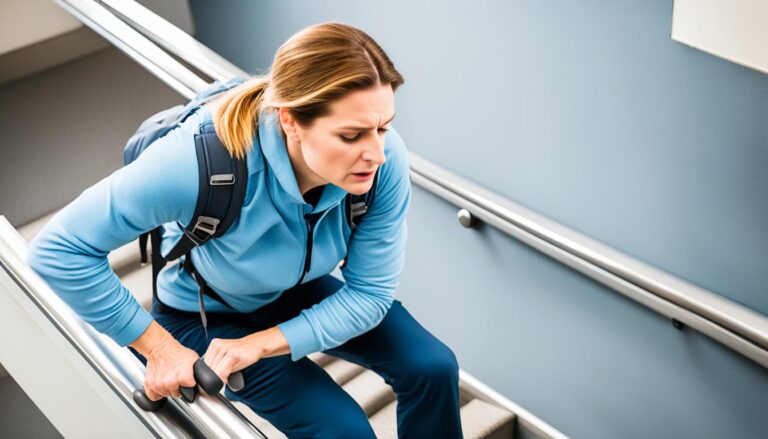
One of the most common complaints associated with knee pain is the discomfort experienced when climbing up and down stairs. The act of going up and down stairs places a significant amount of stress on the knees, particularly when going down. This can result in aching, soreness, and general discomfort. The root cause of knee pain when descending stairs is often damaged cartilage, which leads to the misalignment of the kneecap and subsequent pain.
Going down stairs exerts more pressure on the knees compared to going up, with the force on the kneecap being 3.5 times a person’s body weight. Several factors can contribute to knee pain on stairs, including knee osteoarthritis, patellofemoral pain syndrome, muscle strain, IT band syndrome, ligament injury, and compensation injury.
Addressing the underlying causes and implementing proper techniques can help alleviate knee pain on stairs. Some effective techniques include stepping with the whole foot and pushing off from the outer heel. These actions help distribute the force evenly and minimize strain on the knee joints.
Various treatment options are available for individuals experiencing knee pain on stairs. These can include the application of the RICE method (rest, ice, compression, elevation), over-the-counter medications, weight management, exercise, and physical therapy, supportive aids such as braces or sleeves, biomechanical devices, and prescription medications. Consulting with a healthcare professional is crucial to determine the underlying cause and develop an appropriate treatment plan.
With the right interventions, individuals can effectively manage knee pain on stairs, allowing them to continue their daily activities with less discomfort.
Key Takeaways:
- Knee pain when going down stairs is often caused by damaged cartilage and misalignment of the kneecap.
- Factors contributing to knee pain on stairs include knee osteoarthritis, patellofemoral pain syndrome, muscle strain, IT band syndrome, ligament injury, and compensation injury.
- Proper techniques, such as stepping with the whole foot and pushing off from the outer heel, can help alleviate knee pain on stairs.
- Treatment options for knee pain on stairs include rest, ice, compression, elevation (RICE), over-the-counter medications, weight management, exercise and physical therapy, supportive aids, biomechanical devices, and prescription medications.
- Consultation with a healthcare professional is crucial for accurate diagnosis and appropriate treatment.
Knee Osteoarthritis and Knee Sore When Going Down Stairs
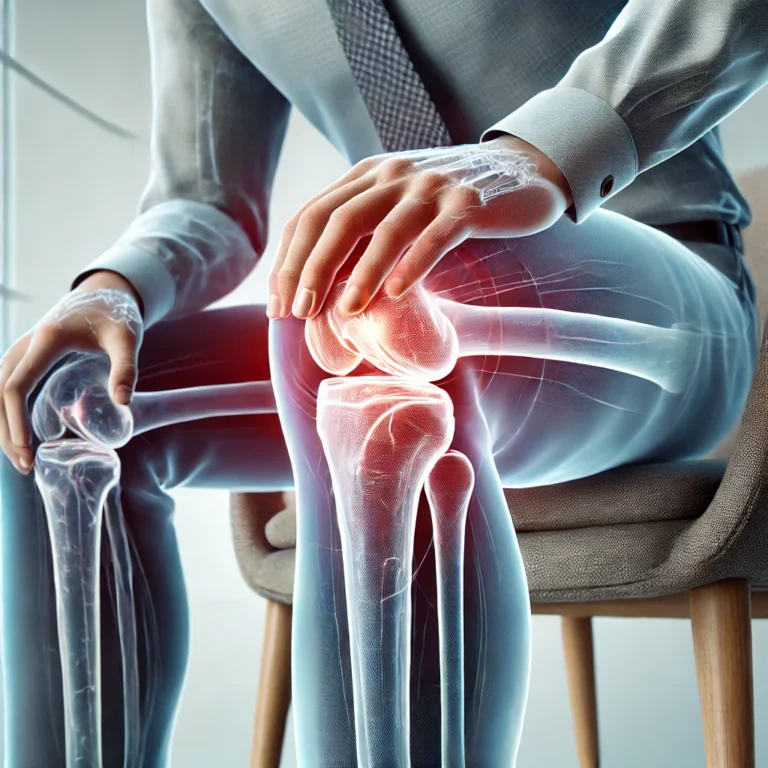
Knee osteoarthritis is a common cause of knee pain when going up or down stairs. In fact, it accounts for more than 80% of cases of osteoarthritis. This condition occurs when the cartilage that supports the knee breaks down, resulting in irregular movement of the bones and inadequate cushioning. As a result, individuals experience grinding or clicking sensations in the knee, inflammation, pain, and stiffness.
“Knee osteoarthritis is a degenerative condition that can greatly impact daily activities, especially when it comes to navigating stairs,” explains Dr. Sarah Thompson, a leading orthopedic specialist.
Unfortunately, knee osteoarthritis cannot be cured. However, there are non-invasive treatments available to help address the symptoms and improve knee health. One such treatment is AposHealth, an innovative therapy that utilizes a personalized, wearable device to provide targeted rehabilitation. By retraining the muscles and promoting better joint alignment, AposHealth can alleviate knee discomfort and enhance overall function.
Benefits of AposHealth for Knee Osteoarthritis
- Improved pain management
- Increased stability and balance
- Enhanced mobility and range of motion
- Reduced reliance on pain medications
- Minimal disruption to daily activities
With AposHealth, individuals can take a proactive approach to managing knee pain and regaining control of their lives. This non-surgical treatment option has shown promising results in clinical studies, providing patients with an effective and convenient solution for knee osteoarthritis symptoms.
If you’re experiencing knee soreness when going down stairs, consult with a healthcare professional to determine if knee osteoarthritis is the underlying cause. They can evaluate your condition and recommend the most suitable treatment options to help you find relief.
| Treatment Options for Knee Osteoarthritis | Benefits |
|---|---|
| Physical therapy and exercise | Promotes strength, flexibility, and joint stability |
| Weight management | Reduces stress on the knee joints |
| Over-the-counter medication | Provides temporary pain relief |
| Support aids (braces, sleeves, etc.) | Improves stability and reduces strain on the knee |
| Biomechanical devices | Corrects gait abnormalities and promotes proper alignment |
| Prescription medication | Targets inflammation and pain |
Patellofemoral Pain Syndrome and Knee Sore When Going Down Stairs
Patellofemoral pain syndrome, also known as jumper’s or runner’s knee, can cause pain around or under the kneecap, making it difficult to walk down stairs. This condition is often a result of irregular movement of the patella, leading to damage in the soft tissues surrounding the knee joint.
There are several factors that can contribute to the development of patellofemoral pain syndrome. These include weak thigh muscles, tight hamstrings, poor foot support, anatomical abnormalities, and muscle weakness. This condition can affect individuals of all ages and may require physical therapy and other treatments to manage the symptoms.
“Patellofemoral pain syndrome causes pain around or under the kneecap, often affecting activities such as walking downstairs.”
Managing patellofemoral pain syndrome involves addressing the underlying causes and implementing appropriate treatments. Physical therapy can help strengthen the thigh muscles and improve knee alignment, reducing pain and discomfort when going down stairs. In some cases, supportive aids such as braces or orthotics may be recommended to provide additional support to the knee.
Tips for Managing Patellofemoral Pain Syndrome:
- Engage in regular exercises to strengthen thigh muscles and improve knee stability.
- Avoid high-impact activities that exacerbate knee pain.
- Use proper footwear with adequate arch support.
- Apply ice packs to the affected area to reduce inflammation.
- Consider using knee braces or straps for added knee support.
To better understand the impacts of patellofemoral pain syndrome, refer to the table below:
| Impact of Patellofemoral Pain Syndrome | Possible Symptoms |
|---|---|
| Difficulty walking downstairs | Pain around or under the kneecap |
| Reduced knee stability | Clicking or grinding sensation in the knee |
| Decreased range of motion | Stiffness in the knee joint |
By understanding the causes and implementing proper management techniques, individuals with patellofemoral pain syndrome can find relief and resume their daily activities without discomfort when going down stairs.
Muscle Strain and Knee Sore When Going Down Stairs
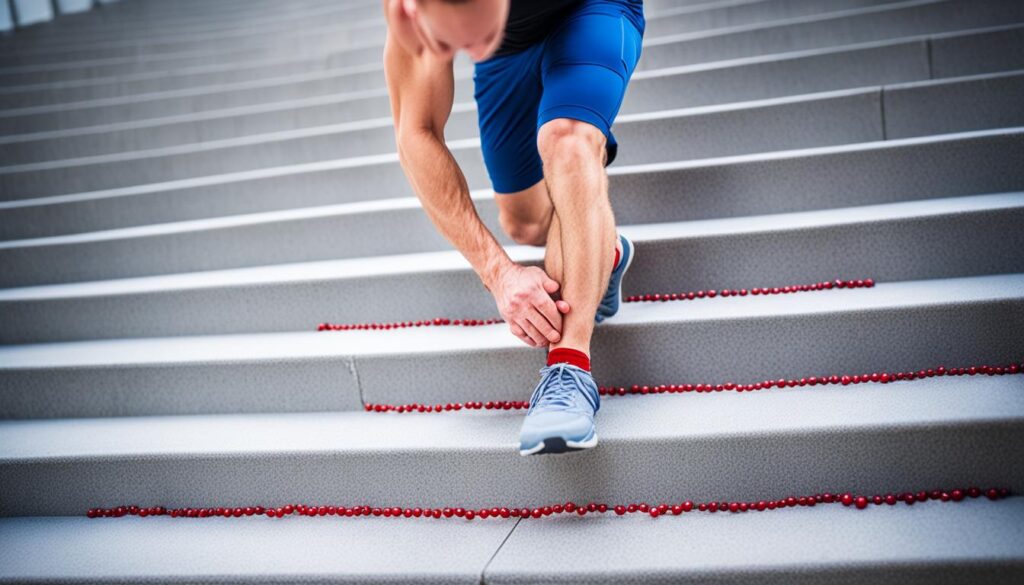
Minor muscle strains around the knee can cause pain when going down stairs. These strains can result from overexertion, improper form during exercise, or sudden movements that strain the muscles. When the affected muscles are around the knee, it can lead to discomfort and pain, making it challenging to navigate stairs.
Rest and proper treatment are essential for relieving the pain caused by muscle strain. Applying ice to the affected area can help reduce inflammation, while compression and elevation can promote healing. Additionally, gentle stretching and strengthening exercises under the guidance of a physical therapist can aid in the recovery process.
It is important to listen to your body and avoid activities that exacerbate the pain. Engaging in low-impact exercises, such as swimming or cycling, can help maintain your fitness level while protecting the injured muscles. Taking the time to recover fully will allow you to resume your daily activities without the burden of knee pain when going downstairs.
“Rest and proper treatment are essential for relieving the pain caused by muscle strain.”
IT Band Syndrome and Knee Sore When Going Down Stairs
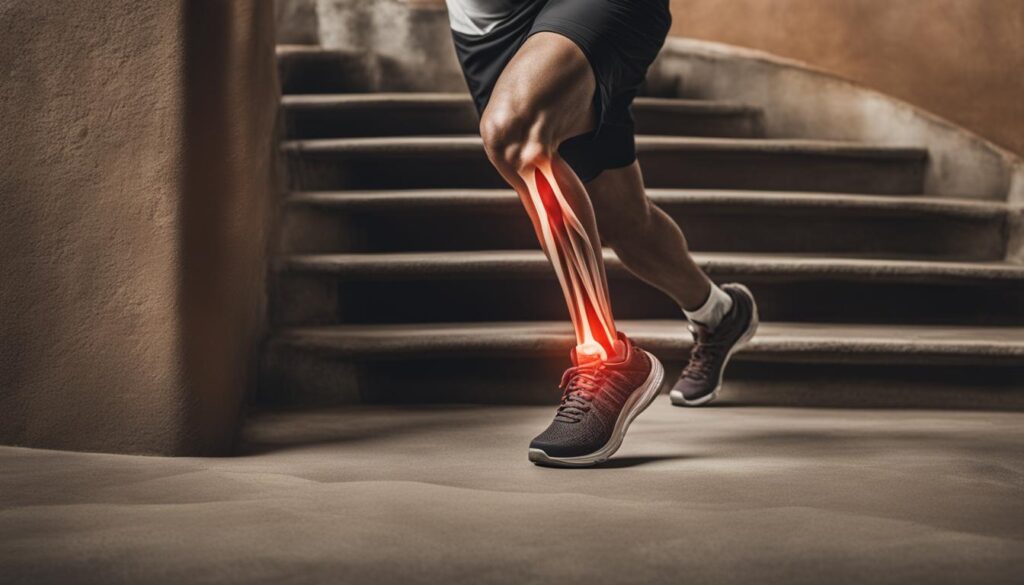
Inflammation of the IT band can lead to severe knee pain when climbing stairs. Known as IT band syndrome, this condition often occurs as a result of repetitive knee-bending activities like running, biking, or hiking. The iliotibial (IT) band runs from the pelvis to the top of the shin and across the side of the knee, playing a crucial role in stabilizing the joint and facilitating movement.
When the IT band becomes inflamed, it can cause discomfort and soreness, particularly when walking down stairs. The repetitive bending motion puts additional strain on the already irritated IT band, exacerbating the pain in the knee. The discomfort may be accompanied by swelling and tenderness along the outer side of the knee.
Proper treatment and management strategies can help individuals with IT band syndrome alleviate knee soreness when going down stairs. Here are some recommendations to consider:
- Rest: Allow the IT band and knee joint to recover by avoiding activities that aggravate the condition. Resting the affected area can help reduce inflammation and alleviate pain.
- Ice: Applying ice packs to the painful knee can help reduce swelling and provide temporary relief. Remember to wrap the ice pack in a cloth to protect the skin and apply it for 15-20 minutes at a time, allowing the skin to recover in between.
- Compression: Wearing a compression bandage or knee brace can provide support and stabilize the knee joint, reducing discomfort when walking down stairs.
- Elevation: Elevating the leg at or above heart level can help reduce swelling and improve blood flow.
- Physical therapy: A physical therapist can assist in developing an exercise program to strengthen the muscles around the knee and promote proper alignment. They may incorporate stretches, massages, and other therapeutic techniques to relieve tension and improve mobility.
With proper treatment and rest, individuals with IT band syndrome can find relief from knee pain when descending stairs. By implementing these strategies and making appropriate modifications to their physical activities, individuals can manage and minimize the impact of IT band syndrome on their daily lives.
| Treatment Strategies for IT Band Syndrome | Benefits |
|---|---|
| Rest | Allows the IT band and knee joint to recover |
| Ice | Reduces swelling and provides temporary relief |
| Compression | Provides support and stabilizes the knee joint |
| Elevation | Reduces swelling and improves blood flow |
| Physical therapy | Strengthens muscles and improves mobility |
Ligament Injury and Knee Sore When Going Down Stairs
Injuries to the ligaments such as the ACL and MCL can cause pain when climbing stairs. Ligaments are tough bands of tissue that connect bones and help stabilize joints. When these ligaments in the knee are sprained or torn, it can lead to discomfort and make it painful to go downstairs. Ligament injuries are often the result of sudden twists or impacts to the knee, such as during sports activities or accidents.
If you have experienced a ligament injury, it is essential to seek proper diagnosis and treatment. Mild sprains may heal with rest, ice, compression, and elevation (RICE) and physical therapy to regain strength and mobility. However, severe tears may require surgical intervention to repair or reconstruct the damaged ligament.
Managing knee pain caused by ligament injuries involves a comprehensive approach, including pain management, physical therapy, and rehabilitative exercises to restore function and prevent further injury. It is crucial to work closely with medical professionals, such as orthopedic specialists and physical therapists, to develop an individualized treatment plan tailored to your specific injury and needs.
Prevention Tips for Ligament Injuries:
- Avoid activities that put excessive stress on the knees, such as sudden pivots or quick direction changes.
- Wear appropriate protective gear, such as knee braces or pads, during high-risk activities.
- Warm up before exercising or participating in sports to prepare the muscles and ligaments for activity.
- Strengthen the muscles surrounding the knee, as stronger muscles provide better support and stability.
Proper diagnosis, timely treatment, and preventive measures are crucial in managing ligament injuries and reducing knee pain when going downstairs.
| Ligament Injury Grades | Description |
|---|---|
| Grade 1 | Mild sprain with microscopic tearing and minimal joint instability |
| Grade 2 | Moderate sprain with partial tearing and noticeable joint instability |
| Grade 3 | Severe sprain with complete ligament tear and significant joint instability |
Conclusion: Tips and Treatment for Knee Sore When Going Down Stairs
When it comes to dealing with knee discomfort when going up or down stairs, there are several effective tips and treatment options that can help alleviate the pain and soreness. To reduce the strain on your knees, try stepping with the whole foot and pushing off from the outer heel. This can help distribute the weight more evenly and minimize discomfort.
In addition to proper technique, there are various treatment options available. One commonly recommended approach is the RICE method, which stands for rest, ice, compression, and elevation. Taking over-the-counter medication for pain relief can also be beneficial.
Managing your weight is another crucial factor in alleviating knee discomfort. Maintaining a healthy weight reduces the pressure and strain on your knees, leading to less pain when going downstairs. Incorporating regular exercise, such as walking or swimming, can help strengthen the muscles around the knee and provide additional support.
For more severe cases or when self-care measures aren’t sufficient, it’s essential to consult with a healthcare professional to determine the underlying cause of your knee pain and receive appropriate treatment. Depending on the diagnosis, your healthcare provider may recommend physical therapy, supportive aids such as knee braces, biomechanical devices, or even prescription medication to alleviate your knee discomfort and enable you to continue your daily activities with less pain.
FAQ
What causes knee pain when going up or down stairs?
Knee pain when climbing or descending stairs is often caused by damaged cartilage that allows the kneecap to slide out of position, resulting in pain and discomfort. Other factors that can contribute to knee pain on stairs include knee osteoarthritis, patellofemoral pain syndrome, muscle strain, IT band syndrome, ligament injury, and compensation injury.
How does knee osteoarthritis contribute to knee pain when going up or down stairs?
Knee osteoarthritis occurs when the cartilage supporting the knee breaks down, leading to bones moving irregularly and inadequate cushioning. Knee osteoarthritis is a common cause of knee pain when going up or down stairs, accounting for more than 80% of cases of osteoarthritis.
What is patellofemoral pain syndrome and how does it cause knee pain when going down stairs?
Patellofemoral pain syndrome, also known as jumper’s or runner’s knee, can cause pain around or under the kneecap, making it difficult to walk down stairs. It is often caused by irregular movement of the patella, resulting in damage to the soft tissues around the knee joint.
How does muscle strain contribute to knee pain when descending stairs?
Minor muscle strains around the knee can cause pain when going down stairs. Strained muscles can heal with time, but if the affected muscles are around the knee, it can lead to discomfort and pain.
What is IT band syndrome and how does it cause knee pain when walking down stairs?
IT band syndrome is often caused by repetitive knee-bending activities like running, biking, or hiking. Inflammation of the IT band can result in severe knee pain when climbing stairs.
How do ligament injuries contribute to knee pain when going up or down stairs?
Injuries to the ligaments such as the ACL and MCL can cause pain when climbing stairs. Sprained or torn ligaments in the knee can lead to discomfort and may require surgical intervention.
What are some tips and treatment options for alleviating knee pain when going up or down stairs?
Techniques such as stepping with the whole foot, pushing off from the outer heel, and ensuring proper knee alignment can reduce the strain on the knee. Treatment options include RICE (rest, ice, compression, elevation), over-the-counter medication, weight management, exercise and physical therapy, supportive aids, biomechanical devices, and prescription medication.