• |

    Failed knee replacement symptoms

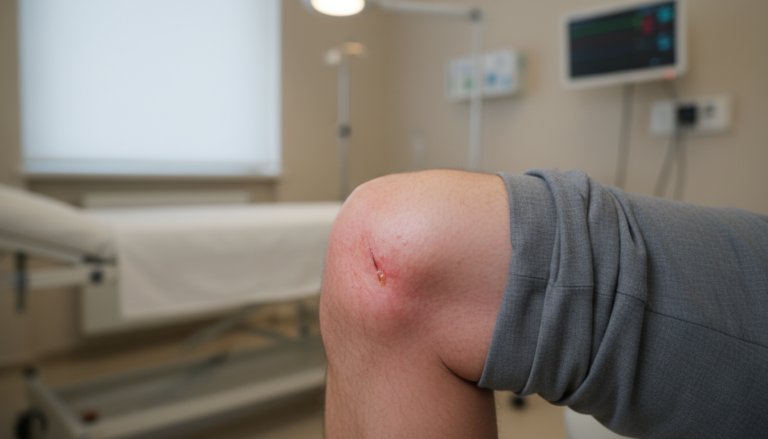
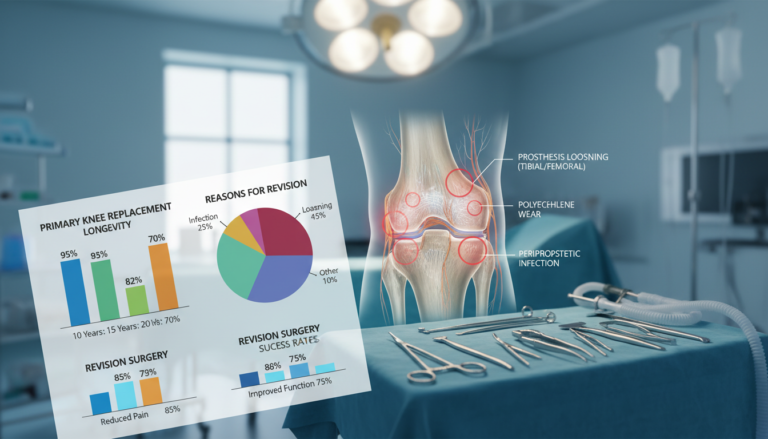
    What if the relief you expected after your joint procedure never arrives? This unsettling question faces a small percentage of individuals each year. While statistics show that 85% to 90% of patients enjoy successful outcomes for 15 to 20 years after their initial knee replacement surgery, some do not. failed knee replacement symptoms We understand that persistent discomfort following this major operation can be a source of deep frustration. It can severely limit your mobility and daily life. Our guide is here to shed light on the various signs that may indicate your implant is not performing as designed. Identifying these indicators early is critically important. It ensures you get the right medical attention and potential intervention from a qualified specialist. If you experience persistent pain and stiffness, understanding the next steps is vital. We will walk you through common warning signs, the diagnostic process, and the treatment paths available to restore your comfort and movement. Key Takeaways Most knee replacement procedures are highly successful for many years. Recognizing early warning signs of a problem is crucial for your health. Specialized care models, like the one at University of Utah Hospital, combine expert teams for complex cases. Persistent pain, swelling, or instability after recovery should not be ignored. Several effective treatment options exist to address implant issues. Early consultation with an orthopedic surgeon can lead to better outcomes. Your long-term mobility and quality of life are the ultimate goals. Understanding Knee Replacement Surgery Modern orthopedic medicine offers a reliable solution for severe joint damage through artificial joint implantation. This procedure aims to restore comfortable movement when natural cartilage wears down. knee replacement surgery components How Knee Replacements Work During this operation, surgeons remove damaged joint surfaces. They replace them with precisely engineered metal and plastic components. These artificial parts are designed to glide smoothly. They mimic your joint’s natural motion, reducing discomfort. Fixation Method How It Works Key Consideration Cemented Fixation Special bone cement bonds the implant directly to your bone. Provides immediate, strong stability after the operation. Biologic Fixation The bone grows into a porous coating on the device over time. Creates a durable, long-term bond without cement. Surgeon’s Choice The method is selected based on your bone quality and age. Each technique has specific advantages for different situations. Long-Term Expectations and Implant Lifespan Most modern devices are engineered for durability. A typical lifespan ranges from 15 to 20 years. “The longevity of a joint implant depends on multiple factors, including the patient’s activity level and overall bone health.” We emphasize that these components are not indestructible. They experience natural wear from daily use over time. Regular monitoring helps ensure your artificial joint functions well for as long as possible. Your activity choices and general health play significant roles. Recognizing Failed Knee Replacement Symptoms When an artificial joint doesn’t function as intended, your body sends distinct signals that demand attention. Learning to identify these signs is crucial for your long-term health and mobility. Persistent Pain and Swelling Persistent pain in the knee joint that lingers long after the typical recovery period is a primary indicator. This pain isn’t normal soreness. It often presents as a deep, constant ache. Swelling around the knee joint that refuses to fade with rest is another red flag. Persistent pain and swelling are common companions. They can suggest underlying issues like inflammation or component loosening. Instability and Changes in Joint Function A feeling of instability, where your leg might buckle, is alarming. This instability often feels like the joint is giving way when you put weight on it. You might also notice a noticeable decline in how well it moves. Stiffness, developing a limp, or hearing odd popping noises are critical functional changes. We encourage you to monitor these signs closely. They are the primary indicators that your implant may require further clinical assessment. Common Causes of Knee Replacement Failure…

  • |

    Best knee massager (Nooro, Comfier)

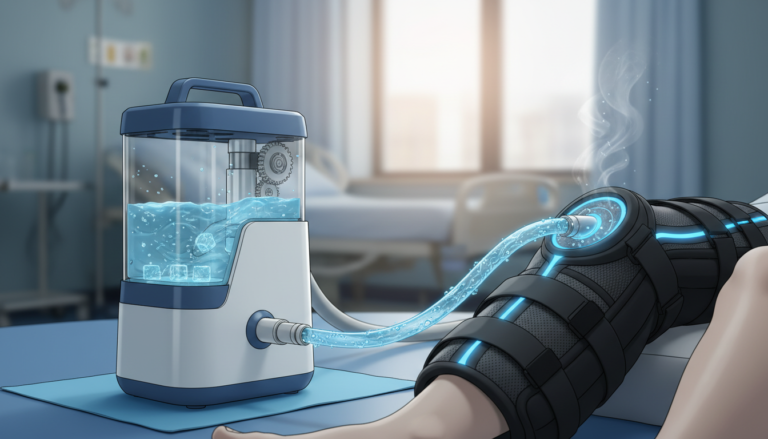
    What if the key to managing daily discomfort wasn’t another pill, but a device you could use at home? Joint issues are incredibly common. Millions of Americans, from active athletes to aging adults, deal with this challenge every day. For many, it’s a barrier to an active and fulfilling life. The search for non-invasive, drug-free solutions is more urgent than ever. This has fueled rapid growth in home-based therapeutic technology. People want effective tools that fit into their daily routine. We created this guide to cut through the noise. Our goal is to help you find a supportive device that addresses your specific situation. Whether it’s chronic arthritis or post-operative recovery, the right technology can make a significant difference. knee pain relief device Key Takeaways Knee discomfort is a widespread issue affecting a diverse group, including seniors and sports enthusiasts. There is a strong and growing demand for at-home, non-pharmaceutical solutions for joint health. Modern therapeutic devices are designed to provide targeted support for various types of joint-related challenges. Choosing the correct tool requires understanding your individual needs and recovery goals. This analysis offers an objective look at popular models to help you make a confident, informed decision. Overview of the Nooro Knee Massager and Its Features Imagine a compact, therapeutic tool that wraps around your joint, delivering soothing relief exactly where you need it. This unit is engineered for those dealing with stiffness, soreness, or circulation challenges. Its lightweight and portable design makes it simple to use at home or on the go. The product combines three distinct modalities—heat, red light, and vibration—in one integrated system. “Having multiple therapies in a single, easy-to-use device transforms daily joint care from a chore into a simple routine.” Users appreciate the adjustable straps that secure the unit for a customized fit. An intuitive LED touchscreen provides clear control over various intensity levels. This focus on personalized settings allows individuals to tailor each session to their specific comfort and therapeutic needs. Safety and convenience are paramount, with a built-in rechargeable battery and an automatic shutoff timer. Attribute Description Therapy Modes Heat, Red Light, Vibration Control Interface LED Touchscreen Power Source Rechargeable Lithium Battery Safety Feature Automatic Timer Shutoff Portability Lightweight, Adjustable Straps This device designed for home use addresses a wide range of discomforts. Its thoughtful features promote consistent use for managing joint health. Understanding the Technology Behind the Massager Understanding how a therapeutic device works can help users maximize its benefits for joint health. This unit combines three distinct modalities into one seamless system. Each technology targets a different aspect of discomfort. Together, they create a comprehensive approach to relief. Red Light and Infrared Technology Benefits This therapy uses both red and near-infrared light. It penetrates the skin to stimulate cellular repair at a deep level. The process helps reduce inflammation and supports overall joint health. It’s a non-invasive way to encourage the body’s natural healing. Heat Therapy and Vibration Mechanisms Heat therapy provides deep, soothing warmth to the area. It relaxes tight muscles and improves local blood flow. The vibration function targets the surrounding muscle tissue. It helps relieve tension and reduce feelings of stiffness. “The combination of heat, light, and vibration addresses discomfort from multiple angles, which is far more effective than any single method alone.” Therapy Type Primary Benefit Key Mechanism Red Light & Infrared Reduces Inflammation Stimulates Cellular Repair Heat Therapy Improves Circulation Provides Deep Muscular Warmth Vibration Massage Relieves Muscle Tension Targets Surrounding Tissue…

  • |

    Foods to avoid with knee arthritis

    What if the key to managing your joint pain isn’t found in a medicine cabinet, but in your kitchen? Recent health data shows about 1 in 5 adults in the United States live with arthritis. This chronic condition affects daily life in profound ways. Dr. Ajul Shah, a board-certified surgeon, notes that arthritis can make simple tasks like climbing stairs a significant challenge for patients. We believe the connection between what you eat and how you feel is powerful. Your daily diet directly impacts your overall health and long-term quality of life. knee arthritis diet Managing your nutrition is a foundational step for anyone seeking better joint function and comfort. This guide provides actionable information. Our goal is to help you make smarter nutritional choices to support your mobility. Key Takeaways Arthritis is a common condition that significantly impacts daily activities and mobility. Diet plays a crucial role in managing inflammation and joint health. Simple daily tasks can become challenging for people with chronic joint pain. Proactive nutritional choices are a key part of improving long-term quality of life. Understanding which dietary items may worsen symptoms is an empowering step for patients. A targeted approach to eating can help regain control over physical comfort. Introduction The journey to easing joint stiffness often begins with a closer look at what’s on your plate. We see nutrition as a foundational element for managing chronic conditions. Dr. Ajul Shah, a board-certified surgeon, provides a key insight. While there is no cure for most types of arthritis, diet remains a powerful tool for managing symptoms. This perspective shifts the focus. It empowers individuals to take an active role in their comfort. Overview of Joint Pain and Diet What you consume directly influences the pain and stiffness many people experience. Specific items can trigger inflammatory responses in the body. Understanding this link is essential. It allows for smarter daily choices that minimize discomfort. overview of joint pain and diet connection Our approach examines how certain selections can either worsen or soothe persistent joint issues. Small, consistent changes in your routine lead to significant improvements in well-being. The table below outlines common dietary factors and their general effects. Dietary Factor Potential Impact on Joints Practical Management Tip Highly Processed Foods May increase systemic inflammation Opt for whole, single-ingredient items Sugary Snacks and Drinks Can promote stiffness and swelling Choose fruits for natural sweetness High-Fat Dairy Products Might aggravate pain for some individuals Experiment with plant-based alternatives We provide insights into turning knowledge into action. The goal is better mobility and a higher quality of life through informed eating. Understanding Knee Arthritis and Inflammation Think of inflammation not just as swelling, but as a key biological signal that directly dictates your mobility and comfort. Dr. Ajul Shah notes this process is a primary factor in joint damage and the resulting pain for many patients. understanding knee arthritis and inflammation Chronic inflammation within the body acts like a constant alarm. It restricts movement and can accelerate the progression of this joint disease. How Inflammation Affects Joint Mobility Your immune system’s response to certain triggers leads to swelling and stiffness. This is a hallmark of arthritis symptoms….

  • |

    Knee replacement complications

    What if the key to a successful recovery isn’t just about the surgery itself, but what you know beforehand? Every year, over 790,000 people in the United States choose this medical procedure to regain their mobility. It’s a major step toward a life with less pain. knee replacement complications We recognize that while this operation is common, understanding what can happen after is vital. This knowledge transforms a patient from a passive recipient into an active partner in their own care. Our goal is to provide clear, empowering information about the possible risks. This helps you approach your healing journey with eyes wide open and confidence high. Modern advancements have made this intervention safer and more effective than ever. Still, being informed allows you to spot any warning signs early and seek help promptly. This guide is your comprehensive resource. We aim to support you in taking charge of your long-term joint health and overall well-being. Key Takeaways Over three-quarters of a million knee replacement surgeries are performed annually in the U.S. Being informed about potential issues is a crucial part of patient preparation and empowerment. Knowledge of risks helps in early identification of any post-operative warning signs. Modern surgical techniques and care have significantly improved the safety profile of this procedure. An active understanding of your care plan contributes greatly to a successful long-term outcome. This information is designed to build confidence as you move forward with your medical decision. Understanding Knee Replacement Surgery Before diving into the details, let’s build a clear picture of what this surgical process entails. Over 790,000 of these operations happen each year in the United States alone. understanding knee replacement surgery What Is a Knee Replacement? This common operation replaces all three compartments of a damaged joint. Surgeons remove worn bone and cartilage. They then fit precise metal and plastic implants. This creates a new, smooth gliding surface. Aspect Detail Primary Goal Relieve chronic pain and restore joint function Artificial Components Metal and medical-grade plastic Typical Anesthesia General or spinal Average Hospital Stay 1 to 3 days Initial Recovery Period 6 to 12 weeks The Overall Procedure and Its Benefits This intervention is designed to help people regain independence. Most patients report a major improvement in their quality of life. The main benefit is lasting relief from persistent pain. Many return to daily activities and hobbies they love. Understanding the mechanics helps set realistic expectations for recovery and long-term performance. Key Knee Replacement Complications Statistics offer great comfort, but a complete picture includes understanding what could go wrong, even if it’s unlikely. Research confirms a very high success rate for this operation. Over 95% of people recover without any major issues. This statistic highlights the overall safety of the procedure. key knee replacement complications Overview of Common Risks Every medical intervention carries some inherent risks. These can include infection, blood clots, or stiffness. Your surgical team is trained to both prevent and manage these known challenges. They are a standard part of the pre-operative discussion. Why Awareness Matters We believe knowledge is power. Understanding potential warning signs allows you to partner with your care team. You can seek help promptly if something doesn’t feel right. This proactive approach helps prevent minor concerns from becoming serious problems. It’s crucial to discuss your personal health history with your doctor. This conversation helps assess your individual risk profile before surgery….

  • |

    Driving after knee surgery

    What’s the one thing nearly 1.5 million Americans who had a procedure in 2022 desperately want to know? For most, it’s about reclaiming their independence and getting back to their normal routine. We recognize that a total joint replacement is a major event. It significantly impacts your daily mobility and overall sense of freedom. It’s completely natural to look forward to resuming all your regular activities once the operation is complete. driving after knee surgery Our goal is to equip you with clear, reliable information to navigate your healing journey safely. Understanding your personal recovery timeline is not just about convenience—it’s crucial for ensuring the safety of everyone on the road. We will explore the critical physical and mental factors that determine true readiness. This knowledge helps you make informed decisions alongside your medical team. Key Takeaways Regaining the ability to operate a vehicle is a common and important milestone after a major orthopedic procedure. Safety for yourself and others is the paramount concern when considering a return to this activity. Your specific recovery timeline is unique and depends on multiple factors, including which leg was operated on. Medication use, muscle strength, and pain levels are all critical indicators of your readiness. Consulting with your surgeon for a personalized assessment is an essential step before you resume. Being patient with your body during the healing process leads to better long-term outcomes. Planning for assistance with transportation in the initial weeks post-procedure is highly recommended. Understanding Knee Replacement and Recovery Robotically assisted surgery is revolutionizing how patients recover from joint procedures. Specialists like Dr. Jacob in Oklahoma City utilize these minimally invasive, rapid recovery techniques. Their goal is to help individuals return to their daily activities with less discomfort. What Is a Knee Replacement? A total knee replacement, or arthroplasty, is a highly successful procedure. It involves removing damaged tissue and bone from the joint. Surgeons then replace them with durable artificial components. This replacement surgery is typically performed when arthritis or injury severely limits natural mobility. The artificial joint restores smooth movement and alleviates pain. For many, it’s a life-changing operation. knee replacement surgery Overview of the Recovery Process The rehabilitation phase after a knee replacement requires patience. Patients often experience temporary weakness and a limited range of motion initially. This is a normal part of healing from the invasive surgery. Most people find this replacement surgery significantly improves their function. It allows them to eventually return to the activities they enjoy. We emphasize that a personalized recovery plan is key. Recovery Phase Primary Focus Typical Timeline Early (Weeks 1-2) Pain management, basic mobility, wound healing 1-2 weeks post-op Middle (Weeks 3-6) Building strength, improving range of motion 3-6 weeks post-op Late (Months 2-6+) Returning to normal activities, endurance building 2 months and beyond Understanding these phases helps set realistic expectations. Modern techniques aim to accelerate this recovery timeline. Working closely with your care team ensures the best outcome from your knee replacement surgery. Driving after knee surgery: Key Considerations Resuming control behind the wheel is a major milestone that hinges on two critical factors: medication management and physical rehabilitation. Your personal safety and the safety of others depend on an honest evaluation of both. pain medication and physical therapy for driving readiness We cannot overstate the importance of this dual assessment. It forms the foundation for a confident and secure return to operating a vehicle. Impact of Pain Medication on Driving Narcotic pain medication is a standard part of post-operative care. However, these drugs significantly dull mental alertness and slow reaction times. It is both illegal and dangerous to get behind the wheel while under their influence. Your ability to focus on complex traffic situations is compromised. You must be completely off such pain medication before considering any trip. Even lingering pain can be a dangerous distraction if it’s severe….