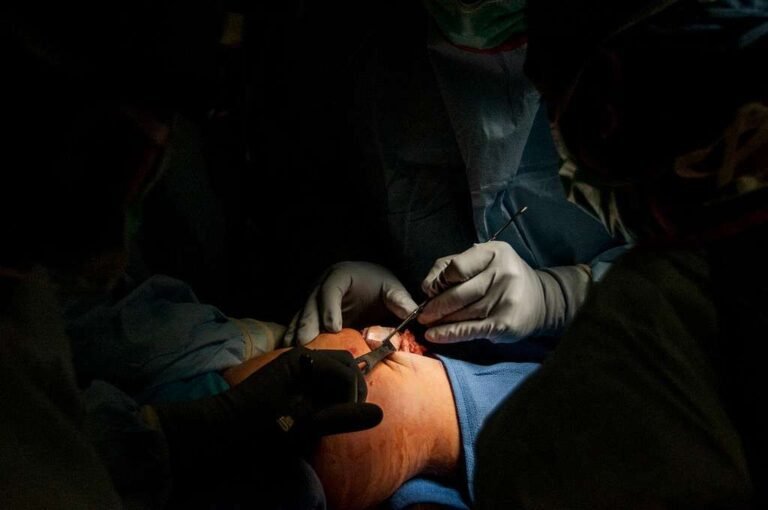
Understanding Pain in Right Knee While Walking: Causes and Solutions
Experiencing pain in your right knee while walking can be frustrating and limit your daily activities. Understanding the causes and solutions for this pain is important for finding relief and getting back to your regular routine. This article will explore common reasons for right knee pain, how doctors diagnose it, and both non-surgical and surgical treatments. We’ll also cover ways to prevent knee pain and when it’s time to see a doctor.
Key Takeaways
- Right knee pain while walking can be due to various causes like osteoarthritis, meniscus tears, or ligament injuries.
- Doctors use medical history, physical exams, and tests like X-rays and MRIs to diagnose knee pain.
- Non-surgical treatments include physical therapy, medications, and changes in lifestyle.
- Surgical options are available for severe cases and include procedures like arthroscopy and knee replacements.
- Preventing knee pain involves exercises to strengthen the knee, wearing proper shoes, and managing weight.
Common Causes of Pain in Right Knee While Walking
Osteoarthritis
Osteoarthritis is a common reason for knee pain. It happens when the cartilage in the knee wears down over time. This can make the knee feel stiff and sore, especially when walking. Pain often gets worse with activity and improves with rest.
Meniscus Tears
A meniscus tear is another cause of knee pain. The meniscus is a piece of cartilage that acts like a cushion between your thigh bone and shin bone. When it tears, it can cause pain, swelling, and trouble moving the knee. This injury often happens during sports or activities that involve twisting the knee.
Ligament Injuries
Ligament injuries, like a torn ACL, can also lead to knee pain. Ligaments are bands of tissue that connect bones. When they get injured, it can cause severe pain and make it hard to walk. These injuries often need medical attention and sometimes surgery.
If you experience knee pain that doesn’t go away, it’s important to see a doctor. The [johns hopkins medicine website](https://www.hopkinsmedicine.org/) offers medical services, research, and pediatric care. They can help diagnose and treat your knee pain.
Diagnosing Right Knee Pain
Medical History and Physical Examination
The first step in diagnosing right knee pain is a thorough medical history and physical examination. Your doctor will ask about your symptoms, any previous injuries, and your activity level. This helps to identify potential causes and rule out other conditions. During the physical exam, the doctor will check for swelling, tenderness, and range of motion in your knee.
Imaging Tests
Imaging tests are often used to get a clearer picture of what’s happening inside your knee. Common imaging tests include X-rays, MRI scans, and CT scans. These tests can help identify issues like bone fractures, ligament injuries, or cartilage damage.
Laboratory Tests
In some cases, laboratory tests may be needed to diagnose the cause of knee pain. Blood tests can help detect infections or autoimmune conditions that might be causing your symptoms. Sometimes, a sample of the fluid from your knee joint may be taken to check for signs of infection or inflammation.
Early diagnosis and treatment can prevent further damage and improve your quality of life.
Non-Surgical Treatments for Right Knee Pain
Physical Therapy
Physical therapy is a common way to help with knee pain. It involves exercises that make the muscles around the knee stronger. This can help reduce pain and improve movement. Sometimes, therapists use special tools or methods to help with healing.
Medications
Medications can also help manage knee pain. Over-the-counter pain relievers like ibuprofen or acetaminophen are often used. In some cases, doctors may prescribe stronger medications. Always follow your doctor’s advice when taking any medication.
Lifestyle Modifications
Making changes in your daily life can also help with knee pain. Losing weight can reduce the stress on your knee. Wearing proper footwear can provide better support. Simple changes like these can make a big difference in how you feel.
Sometimes, small changes in your daily routine can lead to big improvements in knee pain. Don’t underestimate the power of simple lifestyle adjustments.
Surgical Options for Severe Right Knee Pain

Arthroscopy
Arthroscopy is a minimally invasive surgery where a small camera is inserted into the knee joint. This allows the surgeon to see inside the knee and fix any problems. This procedure often results in quicker recovery times compared to traditional surgery.
Partial Knee Replacement
In a partial knee replacement, only the damaged part of the knee is replaced with a metal or plastic implant. This option is less invasive than a total knee replacement and can help maintain more of the knee’s natural movement.
Total Knee Replacement
Total knee replacement involves replacing the entire knee joint with an artificial one. This is usually recommended for severe cases where other treatments have failed. While recovery can take longer, it often provides significant pain relief and improved function.
For those suffering from severe knee pain, surgical options can offer a new lease on life, helping them return to daily activities with less discomfort.
Preventing Pain in Right Knee While Walking
Strengthening Exercises
Strengthening the muscles around your knee can help support the joint and reduce pain. Focus on exercises that target the quadriceps, hamstrings, and calves. Regular exercise can make a big difference in keeping your knee healthy.
Proper Footwear
Wearing the right shoes is crucial. Choose footwear that provides good arch support and cushioning. Avoid high heels and shoes with poor support, as they can strain your knee.
Weight Management
Maintaining a healthy weight is important for reducing stress on your knee. Extra weight can put more pressure on your joints, leading to pain. Eating a balanced diet and staying active can help you manage your weight effectively.
Taking care of your knee now can prevent problems later. Simple changes in your daily routine can make a big difference in keeping your knee pain-free.
When to See a Doctor for Right Knee Pain
Persistent Pain
If your right knee pain doesn’t go away after a few days of rest and home care, it’s time to see a doctor. Persistent pain can be a sign of a more serious problem that needs medical attention.
Swelling and Redness
When your knee is swollen or red, it could mean there’s an infection or inflammation. This is especially true if the swelling and redness don’t go away or get worse over time. Don’t ignore these signs; see a doctor to find out what’s wrong.
Difficulty Walking
If you find it hard to walk or put weight on your right knee, you should see a doctor. This could be a sign of a serious injury or condition that needs treatment. Difficulty walking can affect your daily life, so it’s important to get it checked out.
It’s always better to be safe and get your knee checked by a doctor if you’re unsure. Early diagnosis can help prevent more serious problems later on.
Conclusion
In summary, experiencing pain in your right knee while walking can be due to various reasons, from minor injuries to more serious conditions. It’s important to listen to your body and not ignore the pain. Simple solutions like rest, ice, and over-the-counter pain relievers can help in many cases. However, if the pain persists or worsens, it’s best to see a doctor. They can provide a proper diagnosis and treatment plan. Taking care of your knees now can prevent bigger problems in the future. Always remember, your health is important, so don’t hesitate to seek help when needed.
Frequently Asked Questions
What are the common causes of pain in the right knee while walking?
Pain in the right knee while walking can be caused by conditions like osteoarthritis, meniscus tears, and ligament injuries.
How is right knee pain diagnosed?
Doctors diagnose right knee pain by checking your medical history, doing a physical exam, and sometimes using imaging tests like X-rays or MRIs.
What non-surgical treatments are available for right knee pain?
Non-surgical treatments include physical therapy, medications, and lifestyle changes such as exercise and weight management.
What surgical options are there for severe right knee pain?
For severe cases, doctors might suggest surgeries like arthroscopy, partial knee replacement, or total knee replacement.
How can I prevent pain in my right knee while walking?
You can help prevent knee pain by doing strengthening exercises, wearing proper footwear, and maintaining a healthy weight.
When should I see a doctor for right knee pain?
You should see a doctor if you have persistent pain, swelling and redness, or difficulty walking.