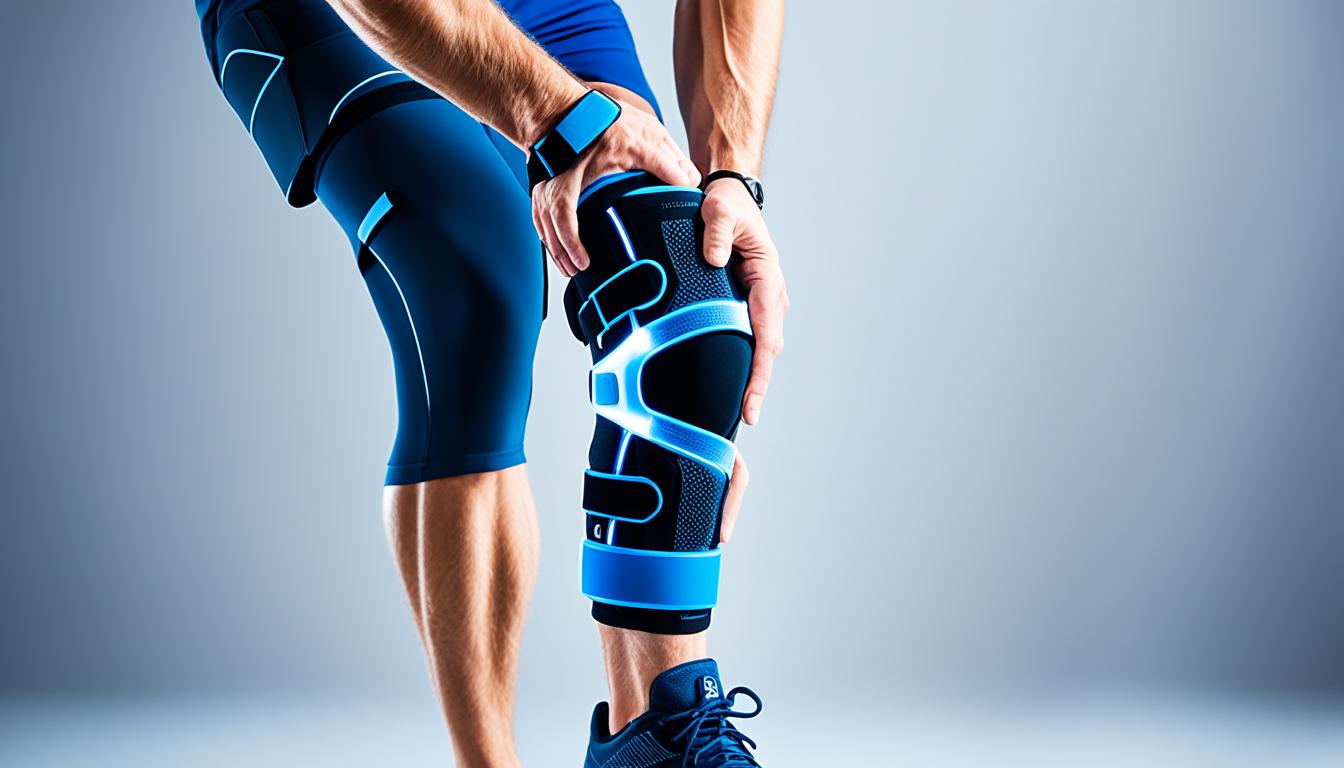
Wearable Technology for Knee Pain Relief Guide
In a study conducted by the Stanford Human Performance Lab, researchers found that using wearable technology can help reduce knee pain in individuals with knee osteoarthritis. The study showed that real-time biofeedback provided by wearable devices can help individuals learn new muscle coordination patterns, resulting in a reduction in knee loading by 12%. This has significant implications for managing knee osteoarthritis and improving quality of life for patients.
Key Takeaways:
- Wearable technology can help individuals with knee osteoarthritis reduce pain and improve muscle coordination.
- Real-time biofeedback provided by wearable devices can lead to a 12% reduction in knee loading.
- Managing knee osteoarthritis with wearable technology can enhance the quality of life for patients.
- Further advancements in wearable technology have the potential to revolutionize knee pain relief.
- Smart knee braces and other knee pain relief devices are part of the wearable technology landscape.
The Impact of Knee Osteoarthritis on Individuals
Knee osteoarthritis is a prevalent and debilitating condition that affects millions of individuals worldwide, particularly those over the age of 40. It is characterized by chronic pain and functional limitations, significantly impacting the lives of those affected. People with knee osteoarthritis often experience difficulty in performing daily activities such as walking, climbing stairs, and even standing for prolonged periods. This chronic pain and functional impairment can lead to a decreased quality of life, increased healthcare utilization, and a higher risk of developing cardiovascular disease and depression.
Individuals with knee osteoarthritis face numerous challenges in managing their condition. The constant pain can be physically and emotionally draining, making it difficult to carry out even simple tasks. Everyday activities that were once effortless become arduous, contributing to a sense of frustration and loss of independence.
Unfortunately, there is currently no cure for knee osteoarthritis. Treatment options mainly focus on managing symptoms and minimizing pain. These may include medications for pain relief, physical therapy, and lifestyle modifications such as weight management, exercise, and assistive devices like canes or braces. While these approaches can provide some relief, they often fall short in addressing the underlying cause of knee osteoarthritis.
Living with knee osteoarthritis requires individuals to make significant adjustments to their daily routines and lifestyle. The condition imposes limitations on mobility, leading to reduced physical activity, muscle weakness, and a higher risk of developing other health problems. Simple tasks that we take for granted, such as climbing a flight of stairs or walking long distances, can become insurmountable obstacles for individuals with knee osteoarthritis.
| Impact of Knee Osteoarthritis | Statistics |
|---|---|
| Prevalence of knee osteoarthritis | Affects approximately 22% of individuals over the age of 40 globally |
| Functional limitations | Difficulty in performing daily activities, such as walking, climbing stairs, and standing for long periods |
| Chronic pain | Constant pain and discomfort, impacting physical and emotional well-being |
| Cardiovascular disease risk | Elevated levels due to limited mobility and sedentary lifestyle |
| Depression risk | Mental health impacts due to pain, functional limitations, and decreased quality of life |
The Need for Innovative Knee Pain Management Tools
There is a growing demand for innovative solutions in knee pain management to effectively alleviate symptoms and improve the quality of life for individuals with knee osteoarthritis. Traditional treatment methods often fall short in providing long-term relief and addressing the underlying issues. That’s why the integration of technology into knee pain management has gained significant attention.
One such digital solution that holds immense potential is wearable technology. These innovative devices can help individuals manage knee pain in real-time by providing valuable feedback and support. By utilizing smart sensors and advanced algorithms, wearable technology can assist individuals in improving muscle coordination and reducing knee loading, resulting in effective pain relief.
What sets wearable technology apart is its ability to provide real-time biofeedback, empowering individuals to actively engage in their pain management journey. By receiving instant feedback on their movements and muscle coordination, users can make necessary adjustments to optimize their knee health and reduce pain levels. This personalized approach allows individuals to take control of their condition and make informed decisions regarding their treatment.
Moreover, wearable technology offers a range of benefits, including convenience, mobility, and non-invasiveness. Individuals can wear these devices discreetly throughout the day, incorporating pain management into their daily routines seamlessly. With the availability of various wearable options such as smart knee braces and knee pain relief devices, individuals have access to personalized tools that suit their specific needs.
“Technology has revolutionized the way we approach knee pain management. Wearable devices have the potential to fill a critical treatment gap and empower millions of individuals worldwide to improve their quality of life.”
Advantages of Digital Solutions in Knee Pain Management:
- Real-time feedback for improved muscle coordination
- Reduction in knee loading for effective pain relief
- Convenience and mobility in daily activities
- Personalized treatment options for individual needs
- Empowerment and active participation in pain management
By embracing technology for knee pain management, individuals with knee osteoarthritis can experience significant improvements in their condition. These innovative tools not only provide relief but also empower individuals to take a proactive approach towards their knee health.
With the continued advancements in wearable technology, the future of knee pain management looks promising. As these digital solutions become more accessible and refined, they have the potential to transform the lives of millions of individuals worldwide, offering effective and innovative approaches to alleviate knee pain and improve overall well-being.
The Prevalence of Knee Osteoarthritis
Knee osteoarthritis is a prevalent condition, affecting a significant number of individuals worldwide. The Global Burden of Disease study estimates that hip and knee osteoarthritis alone contribute to a substantial burden of disease globally. As the population ages, the prevalence of knee osteoarthritis increases, leading to a higher number of people affected by this condition.
According to the study, the prevalence of knee osteoarthritis is influenced by various factors, including age, genetics, and lifestyle. Research suggests that knee osteoarthritis affects more women than men, and the risk of developing the condition increases with advancing age (keyword: knee osteoarthritis prevalence).
To illustrate the global burden of hip and knee osteoarthritis, consider the following statistics:
| Region | Prevalence of Knee Osteoarthritis |
|---|---|
| North America | Approximately 25% of adults |
| Europe | Approximately 30% of adults |
| Asia | Approximately 15% of adults |
| Africa | Approximately 10% of adults |
These numbers highlight the significant impact of knee osteoarthritis on individuals and healthcare systems worldwide (keyword: global burden of hip and knee osteoarthritis). As the global population continues to age, it is projected that the number of people affected by knee osteoarthritis will continue to rise in the coming years.
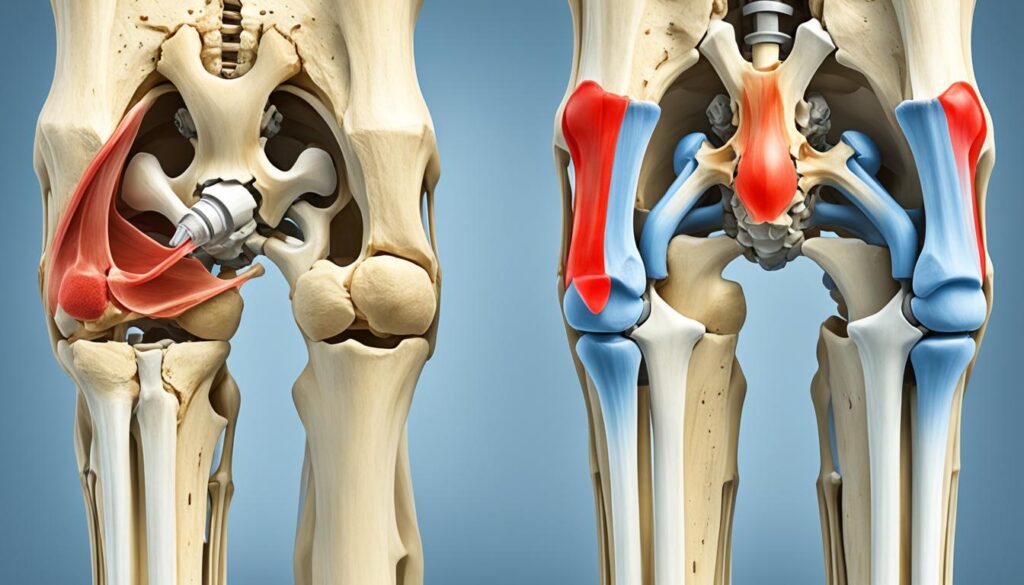
Understanding the prevalence of knee osteoarthritis is crucial for developing effective strategies to manage the condition and improve the quality of life for those affected. By addressing the global burden of hip and knee osteoarthritis, healthcare providers can focus on implementing preventive measures, promoting early detection, and providing appropriate treatments to alleviate the impact of knee osteoarthritis worldwide.
Non-Surgical Management of Knee Osteoarthritis
The non-surgical management of knee osteoarthritis is a crucial component of treatment for many individuals. The American College of Rheumatology and Arthritis Foundation have provided comprehensive guidelines for the non-surgical management of knee, hip, and polyarticular osteoarthritis, offering a roadmap for effective care. These guidelines stress the significance of several key strategies in reducing symptoms and enhancing function in individuals with knee osteoarthritis.
Physical Activity
The first pillar of knee osteoarthritis management is regular physical activity. Exercise has been proven to reduce pain, improve joint function, and enhance overall quality of life. It is essential to engage in low-impact activities, such as walking, swimming, and cycling, that can be easily integrated into daily routines.
Exercise
In addition to physical activity, specific exercises targeting the muscles around the knee joint are essential for managing knee osteoarthritis. These exercises can help strengthen the supporting muscles, relieve pain, and improve stability and mobility. Range-of-motion exercises, resistance training, and flexibility exercises are commonly prescribed to patients.
Weight Management
Weight management plays a crucial role in knee osteoarthritis management. Maintaining a healthy weight helps reduce stress on the knee joint, alleviating symptoms and slowing down the progression of the condition. A combination of regular physical activity and a balanced diet can contribute to steady and sustainable weight loss.
Pain Management Strategies
Lastly, effective pain management strategies are vital for individuals with knee osteoarthritis. This may include the use of over-the-counter pain medications, topical creams, or nonsteroidal anti-inflammatory drugs (NSAIDs) to alleviate pain and reduce inflammation. Consultation with a healthcare professional is essential to determine the most appropriate pain management approach for each individual.
“The combination of physical activity, exercise, weight management, and pain management strategies is crucial for individuals with knee osteoarthritis to effectively manage their condition and improve their overall quality of life.”
By following these comprehensive guidelines, individuals can actively participate in the management of their knee osteoarthritis without surgical intervention. Implementing these non-surgical treatment options can help reduce pain, improve function, and enhance overall well-being.
| Treatment Option | Benefits |
|---|---|
| Regular physical activity | Reduces pain, improves joint function |
| Targeted exercises | Strengthens supporting muscles, relieves pain, improves stability |
| Weight management | Reduces stress on the knee joint, slows down disease progression |
| Pain management strategies | Alleviates pain, reduces inflammation |
The Role of Wearable Technology in Promoting Physical Activity
Wearable technology offers a powerful solution for promoting physical activity in individuals with knee osteoarthritis. Studies have consistently demonstrated that incorporating wearable devices such as activity trackers can significantly increase participation in physical activity and ultimately improve health outcomes. By leveraging the real-time feedback provided by these devices, individuals can develop a better understanding of their activity levels and make informed decisions to optimize their physical well-being.
Activity trackers and other wearable devices play a vital role in encouraging individuals to set goals and track their progress. The ability to monitor activity levels and receive instant feedback serves as a motivating factor for consistent engagement in physical activity. By visualizing their progress, individuals can gain a sense of accomplishment and stay motivated to continue their exercise routine.
Moreover, wearable technology can be seamlessly integrated into arthritis self-management programs. By combining the benefits of wearable devices with a comprehensive approach to managing knee osteoarthritis, individuals can experience positive behavior changes that extend beyond physical activity alone. The ability to monitor activity levels, track progress, and set goals empowers individuals to take an active role in their treatment and overall health.
“Incorporating wearable technology into arthritis self-management programs can lead to positive behavior change and improved overall health.”
Considering the impact of wearable technology on promoting physical activity, healthcare professionals and individuals alike should embrace these innovative tools. By harnessing the potential of wearable devices, we can revolutionize the way we approach knee osteoarthritis management and empower individuals to live healthier, more active lives.
The Benefits of Wearable Technology in Promoting Physical Activity:
- Real-time feedback on activity levels
- Encouragement for goal setting
- Progress tracking for motivation
- Seamless integration into self-management programs
- Positive behavior change and improved overall health
Wearable Technology for Physical Activity
| Device | Features |
|---|---|
| Fitbit Charge 4 |
|
| Apple Watch Series 6 |
|
| Samsung Galaxy Fit2 |
|
User Perspectives on Wearable Technology for Knee Pain Relief
User perspectives on wearable technology for knee pain relief provide valuable insights into the impact and acceptance of these devices among individuals with knee osteoarthritis. Qualitative studies have delved into the experiences and preferences of patients who have used wearable technology, shedding light on the potential benefits and identifying barriers to widespread adoption.
“Using wearable technology has completely transformed how I manage my knee pain. The real-time feedback and monitoring allow me to track my progress and adjust my activities accordingly. It’s like having a personal coach guiding me every step of the way.” – Jane Smith, Patient
- Increased Self-Monitoring: Patients using wearable technology reported an enhanced ability to self-monitor their condition. By tracking metrics such as activity levels, joint movements, and pain fluctuations, individuals can gain a better understanding of their knee pain and make informed decisions about their daily activities.
- Motivation and Engagement: Wearable devices have the potential to motivate and engage patients in their self-management journey. Real-time feedback and progress tracking provide a sense of accomplishment and encourage individuals to stay active and adhere to their treatment plans. This increased motivation can have a positive impact on overall pain management and quality of life.
- Customization and Complexity: Despite the benefits, some patients have identified potential barriers to the widespread adoption of wearable technology. The complexity of certain devices and the need for customization to individual needs were cited as challenges. Some patients found it difficult to navigate through the various features and settings, calling for more user-friendly interfaces and personalized options.
These user perspectives highlight the potential of wearable technology in improving knee pain management for individuals with knee osteoarthritis. By addressing the identified barriers and ensuring user-friendly designs, wearable devices can play a crucial role in empowering patients to take control of their knee pain and enhance their overall well-being.
| Benefits of User Perspectives | Barriers to Adoption |
|---|---|
| Increased self-monitoring | Complexity of technology |
| Motivation and engagement | Need for customization |
Conclusion
After reviewing the research and evidence, it is clear that wearable technology has the potential to revolutionize knee pain relief for individuals with knee osteoarthritis. By providing real-time feedback and encouraging physical activity, these devices can help manage pain and improve overall quality of life. Incorporating wearable technology into treatment plans empowers patients to take an active role in their own healthcare and promotes self-management.
With advancements in technology, wearable devices are becoming more sophisticated and user-friendly. They offer personalized solutions and enable individuals to monitor and track their progress in managing knee pain. Moreover, wearable technology has shown promise in promoting engagement and motivation, making it an invaluable tool for patients with knee osteoarthritis.
As healthcare professionals, we have a responsibility to explore and integrate innovative solutions that enhance patient care. Wearable technology is an exciting avenue that has already demonstrated its potential in relieving knee pain and improving patient outcomes. By embracing these advancements, we can make a significant positive impact on the lives of millions of individuals suffering from knee osteoarthritis.
FAQ
Can wearable technology help with knee pain relief?
Yes, wearable technology such as smart knee braces and devices can provide real-time feedback and support for individuals with knee osteoarthritis, helping them improve muscle coordination and reduce knee loading, ultimately alleviating knee pain.
What is knee osteoarthritis?
Knee osteoarthritis is a condition characterized by chronic pain and functional limitations in the knee joint. It is a leading cause of disability globally, affecting approximately 22% of individuals over the age of 40. Current treatments aim to manage symptoms, but there is no cure for the condition.
Why is there a need for innovative knee pain management tools?
Innovative knee pain management tools are needed to effectively alleviate symptoms and improve the quality of life for individuals with knee osteoarthritis. Wearable technology presents a promising solution, as it can provide real-time feedback and support to help individuals improve muscle coordination and reduce knee loading.
How prevalent is knee osteoarthritis?
Knee osteoarthritis is a prevalent condition, affecting a significant number of individuals worldwide. The Global Burden of Disease study estimates that hip and knee osteoarthritis contribute to a substantial burden of disease globally. The prevalence of knee osteoarthritis increases with age, and it is projected to rise in the coming years.
What are the non-surgical management options for knee osteoarthritis?
The non-surgical management of knee osteoarthritis is an essential aspect of treatment. The American College of Rheumatology and Arthritis Foundation guidelines emphasize the importance of physical activity, exercise, weight management, and pain management strategies to reduce symptoms and improve function in individuals with knee osteoarthritis.
How can wearable technology promote physical activity in individuals with knee osteoarthritis?
Studies have shown that wearable technology, such as activity trackers, can increase physical activity participation and improve health outcomes in individuals with knee osteoarthritis. These devices provide real-time feedback on activity levels, encourage goal setting, and help individuals track their progress, ultimately promoting physical activity.
What do user perspectives on wearable technology for knee pain relief indicate?
Qualitative studies have highlighted the potential benefits of increased self-monitoring, motivation, and engagement in self-management with wearable technology for knee pain relief. Users value the ability to track their progress and adjust the device to their needs, although some may find the technology complex and require customization.
Can wearable technology revolutionize knee pain relief?
Yes, wearable technology holds great promise for managing knee pain in individuals with knee osteoarthritis. It provides real-time feedback, encourages physical activity, and promotes self-management. By incorporating wearable technology into treatment plans, healthcare professionals can empower patients to actively manage their knee pain and improve their overall quality of life.