Tag: ACL Strong

  • Understanding Inverted Knees and How to Manage Them

    Understanding Inverted Knees and How to Manage Them

    Inverted knees, also known as knee inversion, is a condition where the knees turn inward, affecting the alignment and movement of the lower extremities. Understanding the causes, effects, and management of inverted knees is crucial for individuals dealing with this condition. In this article, we will explore the anatomy of inverted knees, methods for diagnosis, treatment options, and preventive measures to help manage and improve the condition.

    Key Takeaways

    • Understanding the anatomy of inverted knees helps in identifying the structural issues that contribute to knee inversion.
    • Diagnosing inverted knees involves physical examination and imaging techniques such as X-rays and MRI scans.
    • Treatment options for inverted knees include physical therapy, orthotic devices, bracing, and surgical interventions, depending on the severity of the condition.
    • Preventive measures and lifestyle modifications, such as specific exercises, proper footwear, and avoiding aggravating activities, can help in managing and preventing knee inversion.
    • Consulting a healthcare professional is essential for accurate diagnosis and personalized treatment plans for inverted knees.

    Understanding the Anatomy of Inverted Knees
    thumbnail

    The Structure of the Knee Joint

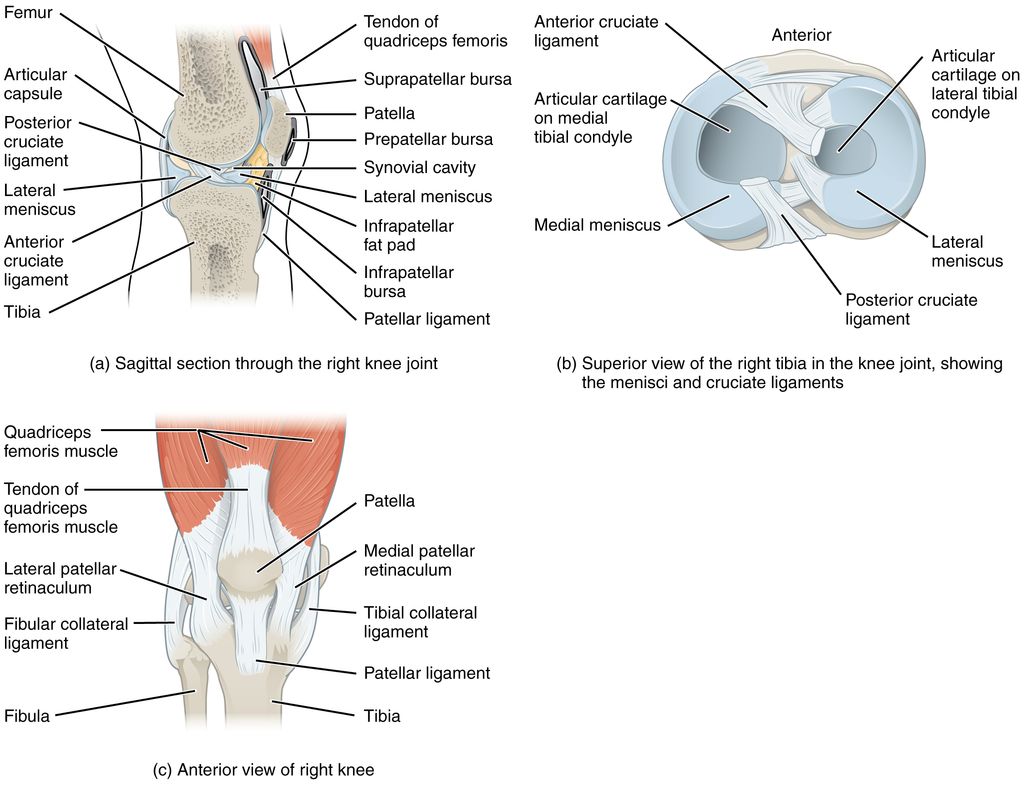
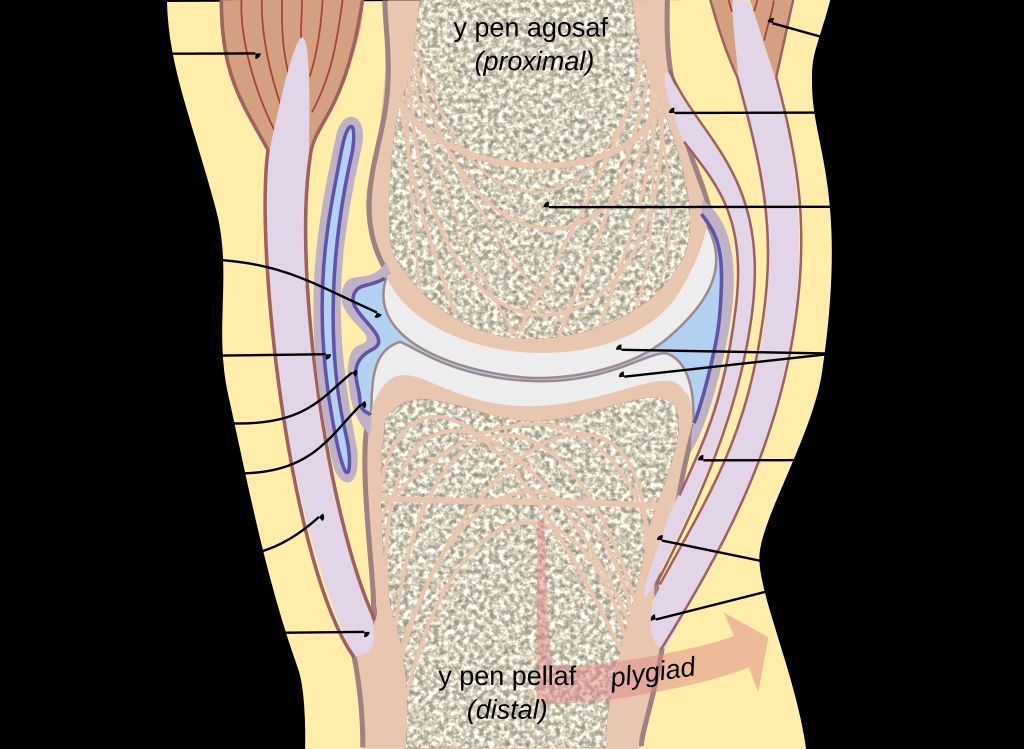
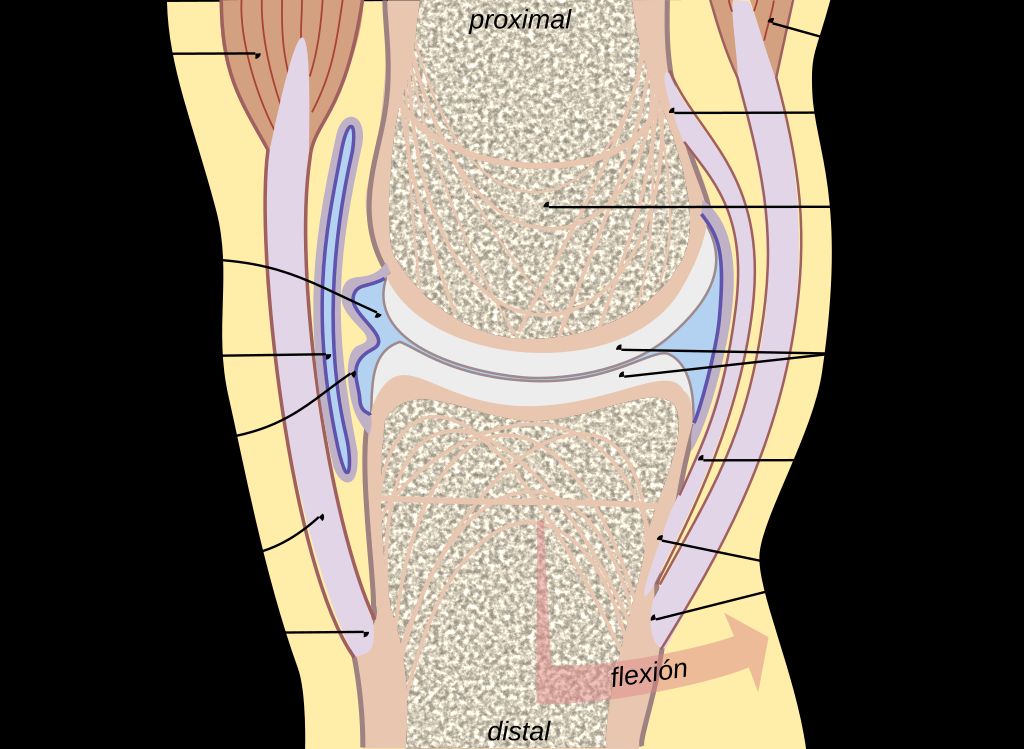
    When we explore the anatomy of the knee joint, we delve into a complex structure pivotal for movement. The knee joint is primarily composed of three bones: the femur, tibia, and patella. These bones are connected by ligaments that provide stability and tendons that attach muscles to the bones, allowing for movement.

    The knee joint’s stability is largely due to four key ligaments: the anterior cruciate ligament (ACL), posterior cruciate ligament (PCL), medial collateral ligament (MCL), and lateral collateral ligament (LCL). Each plays a vital role in maintaining knee alignment and preventing excessive movement that could lead to injury.

    Cartilage within the knee, including the menisci and articular cartilage, acts as a cushion and allows for smooth motion. However, when the knee is inverted, or the tibia is abnormally rotated inward, the stress distribution across these structures changes, which can lead to discomfort or injury over time.

    Tip: Regularly engaging in exercises that strengthen the muscles around the knee can help maintain proper alignment and prevent the development of inverted knees.

    Understanding the intricate workings of the knee joint is essential for recognizing the implications of knee inversion and the importance of seeking appropriate treatment to manage this condition.

    Causes of Knee Inversion

    In understanding the causes of knee inversion, it is essential to consider the structural aspects of the knee joint. The alignment of the bones, ligaments, and tendons plays a crucial role in maintaining stability and preventing excessive inward rotation of the knee. Misalignment of these structures can lead to increased stress on the joint and contribute to the development of inverted knees. Additionally, factors such as muscle weakness and imbalances can further exacerbate the risk of knee inversion. Understanding these structural and biomechanical aspects is fundamental in addressing and managing inverted knees effectively.

    Effects of Inverted Knees on Movement

    The structure of the knee joint is crucial in understanding the complexities of knee inversion. It involves the interaction of bones, ligaments, and tendons, with the patella playing a significant role in stabilizing the joint. Additionally, the alignment of the femur and tibia is a key factor in determining the degree of knee inversion. Understanding these structural components is essential for effective management of inverted knees.

    Furthermore, the causes of knee inversion can vary, including genetic predisposition, muscle imbalances, and improper biomechanics. These factors contribute to the misalignment of the knee joint, leading to increased stress on specific structures. Identifying the underlying cause is crucial for developing targeted treatment strategies.

    The effects of inverted knees on movement can be profound, impacting activities such as walking, running, and even standing. Individuals with inverted knees may experience instability and reduced range of motion, affecting their overall mobility and quality of life. It is important to address these movement limitations through targeted interventions and lifestyle modifications.

    Diagnosing Inverted Knees
    thumbnail

    Physical Examination

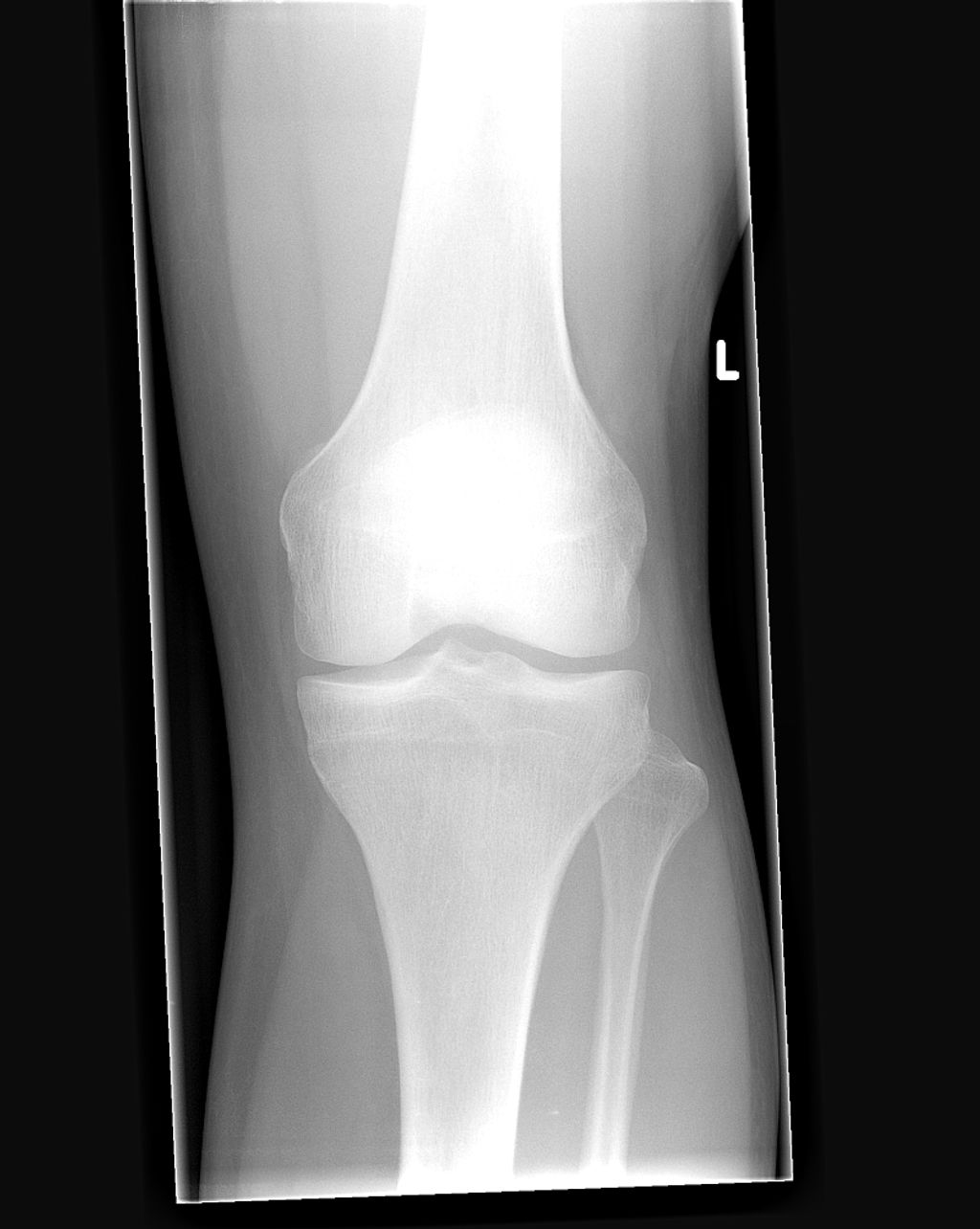
    Upon conducting a thorough physical examination, we carefully assess the alignment, range of motion, and stability of the knee joint. We pay close attention to any signs of discomfort, swelling, or abnormal movement patterns. Additionally, we may perform specialized tests to evaluate the strength and function of the muscles surrounding the knee. These assessments provide valuable insights into the extent of knee inversion and guide further diagnostic decisions. In some cases, imaging techniques, such as X-rays or MRI scans, are employed to visualize the internal structures of the knee and confirm the diagnosis.

    Imaging Techniques for Diagnosis

    When we suspect inverted knees, we often turn to imaging techniques to confirm the diagnosis. These methods provide us with a detailed view of the knee’s structure, allowing us to assess the extent of inversion and any associated conditions. The most common imaging techniques include X-rays, MRI (Magnetic Resonance Imaging), and CT (Computed Tomography) scans.

    • X-rays are typically the first step, offering a clear image of bone alignment and joint space.
    • MRI scans provide a more detailed image, showing soft tissues such as ligaments and cartilage.
    • CT scans combine X-rays from different angles to create cross-sectional images of the knee, which can be particularly useful in complex cases.

    Tip: It’s essential to choose the most appropriate imaging technique based on the individual’s symptoms and physical examination findings to ensure an accurate diagnosis.

    Treatment Options for Inverted Knees
    thumbnail

    Physical Therapy and Rehabilitation

    In our approach to managing inverted knees, we emphasize the role of physical therapy and rehabilitation. This non-invasive treatment plan is tailored to each individual’s needs, focusing on strengthening the muscles around the knee to improve stability and correct alignment.

    Physical therapists often recommend a series of exercises that target the quadriceps, hamstrings, and calf muscles. These exercises not only help in realigning the knee joint but also contribute to overall leg strength and balance. It’s crucial to follow the prescribed regimen diligently for the best outcomes.

    Consistency in performing therapeutic exercises is key to managing knee inversion effectively.

    We also incorporate proprioceptive training into the rehabilitation program. This involves exercises that enhance the body’s awareness of joint position, which is vital for maintaining knee stability during movement. Below is a list of common exercises included in a typical rehabilitation program:

    • Straight leg raises
    • Hamstring curls
    • Calf stretches
    • Step-ups
    • Balance exercises, such as single-leg stands

    Orthotic Devices and Bracing

    Orthotic devices and bracing play a crucial role in providing support and stability for individuals with inverted knees. Custom orthotic devices are designed to address specific alignment issues and provide comfort during daily activities. Bracing, on the other hand, offers external support to the knee joint, reducing the risk of injury during physical movements. It’s important to consult with a healthcare professional to determine the most suitable orthotic device or brace based on individual needs and lifestyle. Additionally, proper fitting and regular maintenance of these devices are essential for long-term effectiveness and comfort.

    Surgical Interventions

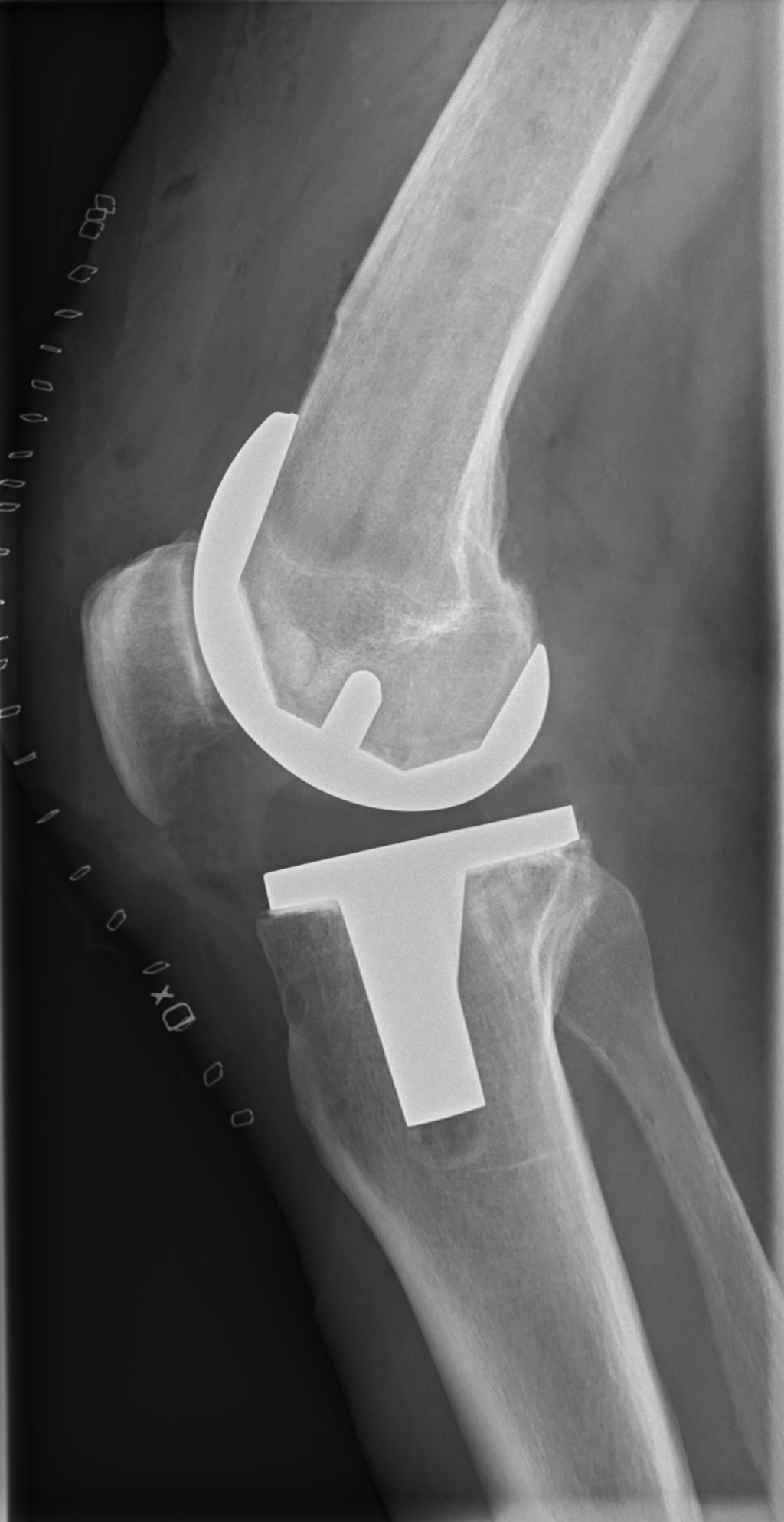
    In cases where physical therapy and orthotic devices are insufficient to correct inverted knees, we may consider surgical interventions. These procedures are typically reserved for severe deformities or when the condition leads to persistent pain and functional impairment. Surgical options vary depending on the underlying cause and severity of the knee inversion.

    The most common surgeries include realignment osteotomies, where the bone is cut and repositioned, and ligament reconstructions to stabilize the knee joint. It’s essential to understand that surgery is followed by a period of rehabilitation to ensure the best possible outcome.

    • Post-operative care is critical and includes: *
    • Pain management
    • Physical therapy
    • Gradual return to activities

    Remember, the goal of surgery is not only to correct the anatomical issue but also to restore function and alleviate discomfort. It’s a decision that should be made with careful consideration of all potential risks and benefits.

    Preventive Measures and Lifestyle Modifications
    thumbnail

    Exercises to Improve Knee Alignment

    We understand that managing inverted knees involves a proactive approach to improving knee alignment. One of the most effective strategies is engaging in a series of targeted exercises. These exercises are designed to strengthen the muscles around the knee, enhance joint stability, and promote proper alignment.

    • Quadriceps strengthening: Essential for supporting the front of the knee joint.
    • Hamstring curls: Improve the strength of the muscles at the back of the thigh.
    • Calf raises: Enhance the stability of the lower leg and support knee alignment.
    • Hip abductor and adductor exercises: Balance the muscles on the inner and outer thigh to assist in knee positioning.

    Consistency in performing these exercises is key to seeing improvements. It is advisable to start with lower intensity and gradually increase as your muscles adapt.

    It’s also important to incorporate exercises that focus on balance and proprioception, such as single-leg stands, to further support knee alignment. We recommend consulting with a physical therapist to tailor an exercise program that is specific to your needs and condition.

    Footwear and Foot Support

    When it comes to managing inverted knees, footwear and foot support play a crucial role in maintaining proper alignment and reducing stress on the knee joint. Our choice of footwear can either support or exacerbate knee inversion, so it’s important to select shoes that provide adequate arch support and stability. Additionally, using orthotic inserts can further enhance the alignment of the feet and ankles, which in turn positively impacts knee positioning. It’s advisable to consult with a podiatrist or orthopedic specialist to determine the most suitable footwear and support options for individual needs.


    Tip: When choosing footwear, prioritize comfort and support over style. Look for shoes with good arch support and cushioning to help maintain proper alignment and reduce the risk of knee inversion.

    Avoiding Activities that Aggravate Knee Inversion

    It is crucial to be mindful of our movements and activities to prevent exacerbating knee inversion. Engaging in high-impact sports or activities that involve sudden changes in direction can put unnecessary strain on the knees. Additionally, wearing improper footwear with inadequate support can further contribute to knee misalignment. Choosing supportive footwear and being mindful of the impact of certain activities on knee alignment is essential for managing knee inversion effectively.

    Conclusion

    In conclusion, understanding the complexities of inverted knees is crucial for effective management and treatment. By addressing the underlying causes and implementing targeted interventions, individuals with inverted knees can experience improved mobility and reduced discomfort. Further research and clinical studies are needed to enhance our understanding of this condition and develop more tailored approaches for management. Empowering individuals with knowledge about their condition is essential for promoting proactive self-care and optimizing long-term outcomes.

    Frequently Asked Questions

    What are the common symptoms of inverted knees?

    Common symptoms of inverted knees include knee pain, instability, and difficulty with activities that involve weight-bearing on the knees.

    Can inverted knees be corrected without surgery?

    In some cases, physical therapy, orthotic devices, and lifestyle modifications can help improve knee alignment and manage the symptoms of inverted knees without the need for surgery.

    Are there specific exercises that can help improve knee alignment?

    Yes, exercises such as leg strengthening, stretching, and balance training can help improve knee alignment and stability.

    How can footwear and foot support affect knee inversion?

    Proper footwear and foot support can help distribute weight evenly and provide stability, which can reduce the risk of knee inversion and improve overall knee alignment.

    What activities should be avoided to prevent aggravating knee inversion?

    Activities that involve excessive twisting, pivoting, or sudden changes in direction should be avoided to prevent aggravating knee inversion.

    What are the potential long-term effects of untreated inverted knees?

    Untreated inverted knees may lead to chronic knee pain, increased risk of knee injuries, and altered gait patterns, which can impact overall mobility and quality of life.

  • Iliotibial Syndrome: Causes and Treatment

    Iliotibial syndrome, also known as IT band syndrome, is a common overuse injury that affects the iliotibial band, a thick band of fascia running along the outside of the thigh. This article explores the anatomy and function of the iliotibial band, the causes of iliotibial syndrome, diagnosis methods, and treatment options.

    Key Takeaways

    • Iliotibial syndrome is often caused by biomechanical factors and training errors.
    • Clinical evaluation is an important diagnostic tool for identifying iliotibial syndrome.
    • Conservative management, including rest, stretching, and physical therapy, is the primary treatment approach for iliotibial syndrome.
    • Surgical interventions may be considered for severe or persistent cases of iliotibial syndrome.
    • Prevention strategies, such as proper warm-up, cross-training, and gradual progression of activity, can help reduce the risk of developing iliotibial syndrome.

    Anatomy and Function of the Iliotibial Band

    thumbnail

    Structure of the Iliotibial Band

    The iliotibial band (ITB) is a thick, fibrous band of connective tissue that extends from the iliac crest in the pelvis down to the tibia in the lower leg. Its primary composition is fascial tissue, which is dense and fibrous, providing both flexibility and tensile strength. The ITB plays a crucial role in the stabilization of the knee, especially during activities that involve running or cycling.

    Anatomically, the ITB is not a discrete structure but rather a thickening of the tensor fasciae latae muscle’s fascia. This integration with muscle tissue is what allows the ITB to assist in hip abduction, flexion, and rotation. The distal portion of the ITB also contributes to lateral knee stabilization by attaching to the Gerdy’s tubercle on the tibia.

    • The ITB originates from the iliac crest.
    • It is comprised of fascial tissue.
    • It attaches to the Gerdy’s tubercle on the tibia.

    Tip: A well-balanced strength and flexibility training program can help maintain the proper function of the ITB and prevent overuse injuries.

    Function of the Iliotibial Band

    We recognize the iliotibial band (ITB) as a critical structure in lower limb biomechanics, particularly for those engaged in repetitive activities such as running and cycling. Its primary function is to stabilize the knee during gait, working in concert with other muscles around the hip and thigh.

    Stabilization is not the ITB’s only role; it also assists in the abduction of the hip, which is essential for maintaining pelvic balance during single-leg support phases of walking or running. This secondary function underscores the ITB’s importance in coordinated movement and injury prevention.

    • The ITB contributes to lateral knee stabilization.
    • It aids in hip abduction.
    • The band plays a role in shock absorption, reducing the impact on the knee joint.

    Tip: A well-conditioned ITB is less susceptible to overuse injuries, emphasizing the need for targeted strength and flexibility exercises in preventative care.

    Causes of Iliotibial Syndrome

    thumbnail

    Biomechanical Factors

    We recognize that the development of Iliotibial Syndrome is often closely linked to various biomechanical factors. These factors can include abnormalities in leg length, muscle imbalances, and foot structure, which may contribute to the stress on the iliotibial band during activity. For instance, a discrepancy in leg length can lead to an uneven gait, placing more strain on one side of the body.

    • Overpronation of the foot, where the foot rolls inward excessively when walking or running, can also increase tension in the iliotibial band. Similarly, weak hip abductor muscles may fail to stabilize the pelvis, resulting in increased movement and stress on the IT band. It’s essential to identify and address these biomechanical issues to prevent or alleviate symptoms.

    Here is a list of common biomechanical factors that may lead to Iliotibial Syndrome:

    • Leg length discrepancy
    • Muscle imbalances
    • Overpronation of the foot
    • Weak hip abductor muscles

    Tip: Regular strength training and stretching exercises targeting the hip abductors can help in correcting muscle imbalances and reducing the risk of Iliotibial Syndrome.

    Training Errors

    Training errors, such as overtraining or sudden increases in training intensity, can contribute to the development of iliotibial syndrome. It is important to gradually increase training volume and intensity to prevent overuse injuries. Additionally, improper footwear and running on uneven surfaces can also exacerbate the condition. Here’s a list of common training errors that may lead to iliotibial syndrome:

    1. Overtraining
    2. Sudden increases in training intensity
    3. Improper footwear
    4. Running on uneven surfaces

    It is crucial to address these training errors to reduce the risk of developing iliotibial syndrome. As a reminder, proper training techniques and gradual progression are key to preventing this condition.

    Diagnosis of Iliotibial Syndrome

    thumbnail

    Clinical Evaluation

    Following the initial consultation, we conduct a thorough clinical evaluation to diagnose Iliotibial Syndrome. This involves a detailed history taking to understand the onset and progression of symptoms. We pay close attention to the patient’s activity level and any recent changes in training routines or equipment.

    Physical examination is pivotal. We assess for tenderness along the iliotibial band, especially at its insertion on the lateral epicondyle of the knee. The Ober test, which evaluates the tightness of the iliotibial band, is a key component of our assessment. Additionally, we may perform the Noble compression test to provoke symptoms and confirm the diagnosis.

    It’s essential to rule out other conditions that can mimic Iliotibial Syndrome. Therefore, we consider the differential diagnosis carefully. Here’s a simplified list of conditions we consider:

    • Lateral meniscus tear
    • Lateral collateral ligament injury
    • Popliteal tendonitis
    • Bursitis

    Tip: A comprehensive clinical evaluation is crucial for an accurate diagnosis. It’s important not to rush this process and to consider all potential contributing factors.

    Imaging Studies

    Following a thorough clinical evaluation, we often turn to imaging studies to confirm the diagnosis of iliotibial syndrome. While MRI scans are not routinely used, they can be particularly helpful in visualizing the soft tissue structures and any associated inflammation of the iliotibial band. Ultrasound imaging is another tool at our disposal, offering the advantage of dynamic assessment while the joint is in motion.

    Typically, imaging is reserved for cases where the diagnosis is uncertain or if there is a lack of response to conservative treatment. In such scenarios, imaging can provide valuable insights into the extent of the injury and rule out other potential causes of lateral knee pain.

    Remember, imaging should complement, not replace, a comprehensive clinical evaluation.

    When interpreting imaging results, it’s crucial to correlate findings with the patient’s symptoms and physical exam results. This ensures a holistic approach to diagnosis and subsequent treatment planning.

    Treatment Options for Iliotibial Syndrome

    thumbnail

    Conservative Management

    After exploring various conservative management techniques, we have found that rest and stretching are crucial components of recovery. Additionally, we recommend incorporating strength training exercises to address muscle imbalances. Below is a table summarizing the recommended exercises and their frequency:

    Exercise Frequency
    Stretching Daily
    Strength Training 3 times a week

    We advise patients to gradually increase activity levels and to avoid overtraining, as this can exacerbate symptoms. It is important to monitor progress and adjust the treatment plan accordingly. We emphasize the significance of a comprehensive approach that addresses both the symptoms and underlying causes of the syndrome.

    Surgical Interventions

    After considering the various conservative management approaches, surgical interventions may be recommended for individuals with severe and persistent symptoms. These interventions typically involve the release or lengthening of the iliotibial band to alleviate tension and reduce friction. In some cases, a table summarizing the success rates and potential risks of surgical procedures may aid in decision-making. It’s important to note that surgical interventions should be considered as a last resort and only after thorough evaluation and discussion with a healthcare professional. Post-surgery, a comprehensive rehabilitation program is essential for optimal recovery and long-term success.

    Conclusion

    In conclusion, Iliotibial Syndrome is a complex condition that can be caused by a variety of factors, including overuse and biomechanical issues. Treatment typically involves a combination of physical therapy, rest, and targeted exercises to address muscle imbalances. It is important for individuals suffering from this syndrome to seek professional medical advice and adhere to a comprehensive treatment plan in order to achieve long-term relief and prevent recurrence.

    Frequently Asked Questions

    What are the common symptoms of Iliotibial Syndrome?

    Common symptoms include pain on the outside of the knee, swelling, and a clicking sensation during movement.

    Can Iliotibial Syndrome be prevented?

    Yes, it can be prevented by avoiding sudden increases in physical activity, maintaining proper running form, and using proper footwear.

    Is stretching helpful for Iliotibial Syndrome?

    Yes, stretching the iliotibial band and surrounding muscles can help reduce tension and alleviate symptoms.

    What are the risk factors for developing Iliotibial Syndrome?

    Risk factors include overuse, excessive running or cycling, improper footwear, and muscle imbalances.

    Can I continue physical activity if I have Iliotibial Syndrome?

    It is recommended to modify physical activity to avoid exacerbating symptoms, and to consult with a healthcare professional for personalized recommendations.

    How long does it take to recover from Iliotibial Syndrome?

    Recovery time varies depending on the severity of the condition and individual factors, but with proper treatment, most individuals can recover within a few weeks to a few months.

  • What you need to know so they don’t hold you back – ACL Strong

    What you need to know so they don’t hold you back – ACL Strong


    Do you know how many people walk around with a torn meniscus without knowing they have a tear?

    💥About 5% of young people and up to 67% of older people have asymptomatic (non-painful) meniscus tears! 💥

    How is that possible?

    Depending on the type of injury and how it is treated, the symptoms of a meniscus tear may resolve within days to weeks or months; and you may not even know the tear exists!

    The initial injury may not even have been severe enough to warrant a visit to an orthopedist or ordering an X-ray or MRI, especially if the knee only hurt for a few days before the pain went away.

    Here’s what you need to know about meniscus injuries so they don’t hinder your favorite activities…

    Where is the meniscus?

    R6hmleXC6W0ny8ioxXQ1WJJ5 gBBz5pid7oXKzkdZjLCm j1pOMJVgGzlhelt2i2WWk4oBI10 viL69qw0Df1BHeXuhdytd k68eVv e9FM5ZebGSOte1IlG Z2oKmfmp4NUqpmdwZtgUbOInWzTjs

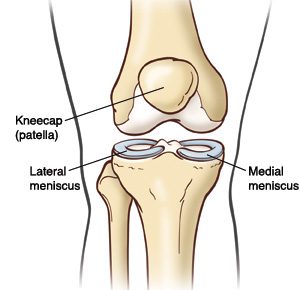
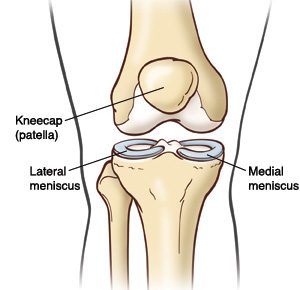
    The meniscus is a “C”-shaped disk made of cartilage that is located in the knee, between the shin bone and the femur. It sits on the weight-bearing surface of the tibia, or tibia, in the joint capsule.

    There are two menisci, one on the lateral (outside) of the knee and one on the medial (inside). A healthy meniscus provides space, cushion and lubrication to the joint so that the knee can bend, straighten and bear weight comfortably.

    The meniscus is located deep in the knee, along with the anterior cruciate ligament (ACL) and the posterior cruciate ligament (PCL). Due to their deep location, the menisci do not have a very good blood supply, so certain areas are not likely to heal from an injury.

    💥 🤯 However, the fact that the meniscus does not heal properly on its own does not mean that a tear always needs to be repaired!

    What does the meniscus do and why is it so important?

    Shock absorption: The meniscus acts as a shock absorber for shocks that occur during daily activities, such as walking, running, jumping and sports. As we move, force travels through the foot and through the shin bone to the knee, where the meniscus absorbs and disperses that force through the knee, so the impact is spread out and not concentrated in one area.

    Stability: The meniscus also acts as a wedge that supports the front and back of your knee, keeping the knee from going beyond a certain range of motion, such as hyperextension, which puts you at risk for other injuries.

    How does the meniscus become injured?

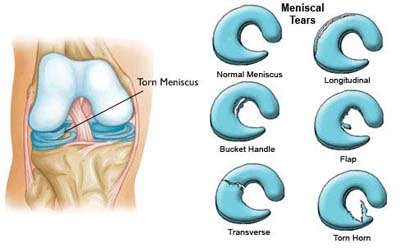
    The meniscus is most commonly injured during twisting of the knee when the foot is planted on the ground. Rotational stress or “shearing” can cause the femur and tibia to rotate beyond what the meniscus can handle, resulting in a tear in the cartilage.

    Meniscal tears are common in athletes who exert a large amount of force on one leg and twist their body in a different direction, such as football 🏈, soccer ⚽️, lacrosse 🥍, tennis 🎾, or basketball 🏀. Field and field athletes often put their feet down to stop and change direction; and in a split second the knee rotates with enough force to cause a meniscus tear.

    Snow sports, such as skiing ⛷ and snowboarding 🏂, also carry a high risk of meniscus injuries. The edge of a ski or board can unexpectedly hit the snow, causing a sudden rotation of the leg. The long lever arm can quickly generate a high-speed rotational force, strong enough to cause meniscus injury.

    Meniscal tears occur in people of all ages, including athletes and non-athletes. In middle-aged and older adults, meniscus tears can occur due to wear and tear on the knee joint. As the body ages, degeneration of the cartilage tissue occurs as the joints are exposed to force for years.

    Osteoarthritis, a condition in which cartilage wears away over time, is common in older adults and is often accompanied by a torn meniscus. A meniscus tear earlier in life can also make the knee more susceptible to earlier-onset osteoarthritis. That’s why it’s so important to learn the right moves and exercises to protect your knees!

    I have a meniscus tear. What now?

    image

    Depending on the type of meniscus tear, you may experience symptoms such as pain, swelling, locking, or locking of the knee. Although a meniscal injury cannot be detected on X-rays, it can be diagnosed through a careful examination or an MRI.

    Most meniscal tears are initially treated conservatively (without surgery); although an orthopedic doctor may recommend surgery if symptoms persist and daily activities are limited.

    Meniscectomy: The most common surgery for a meniscus tear is called a menisectomy, in which the surgeon removes the torn piece of cartilage and cleans up the surrounding ragged tissue. Although it is a surgical procedure, recovery after a meniscectomy is relatively short. Most people can resume daily activities within a few weeks and exercise within a few months.

    It is important to add that everyone responds to surgery differently; and a ‘minor’ surgery for one person may be a more stressful experience and longer rehabilitation for someone else.

    Meniscus repair: An alternative surgery is a meniscus repair, which is performed when the orthopedic surgeon believes the torn cartilage structure can be sewn together, saving cartilage to prevent osteoarthritis in the future. This procedure is typically performed more in younger people to preserve the cartilage rather than remove it. Recovery from a meniscus repair takes longer than a menisectomy and involves close monitoring of range of motion, weight bearing, and activity progression during rehabilitation.

    Non-surgical treatment A meniscus tear is very common and results in great results in most cases! A diagnosis of a meniscus tear does NOT mean that surgery is always necessary!

    Although a meniscus tear will not heal itself, you can strengthen the knee and improve movement patterns to disperse forces and reduce stress at the site of the tear, which will help resolve symptoms.

    💪 With the right exercises and learning to move properly, most meniscus tears can be treated conservatively WITHOUT surgical intervention.

    💥It’s important to remember that you are not your MRI result; and a meniscus tear should not determine the rest of your life.

    How can you treat a meniscus injury without surgery?

    A meniscus injury must be properly guided through the healing phases. Pain and inflammation are likely to be early symptoms, while stiffness and weakness may be the main complaints after a few weeks. Dealing with injuries with “PEACE & LOVE” is a good reference for dealing with acute injuries.

    To return to normal activities, follow the guidance of your physical therapist, who will develop a care plan for strengthening, balance training, improving mobility, and returning to exercise.

    👉Doing the right exercises with good form and consistency will significantly increase your ability to recover from a meniscus tear and prevent future injuries.

    If you’re ready to start strengthening at home, ACL Strong has courses that include all the necessary components of exercise and movement to train your body and brain to protect your knees now and for the long term.

    Whether you have a torn meniscus or not, doing the right exercises the right way will keep your knees strong and stable, so you’ll be less prone to further injury and better equipped to maintain an active lifestyle for as long as you want. to lead!

    You can LIVE with a torn meniscus….

    And you can also PREVENT them!

    Source link

  • Clearing up a confusing diagnosis – ACL Strong

    Clearing up a confusing diagnosis – ACL Strong

    Osteoarthritis is the most common joint disease in the United States and can cause pain, stiffness, and limitation in daily activities. Unfortunately, many people feel forced to give up their favorite sport or lifestyle as a result of being labeled “osteoarthritis.”

    A diagnosis of ‘osteoarthritis’ can be confusing.

    What does it mean? Does this mean that you cannot cycle, walk, hike or exercise without pain? How should you treat it and what can you do to prevent it from getting worse?

    What is osteoarthritis?

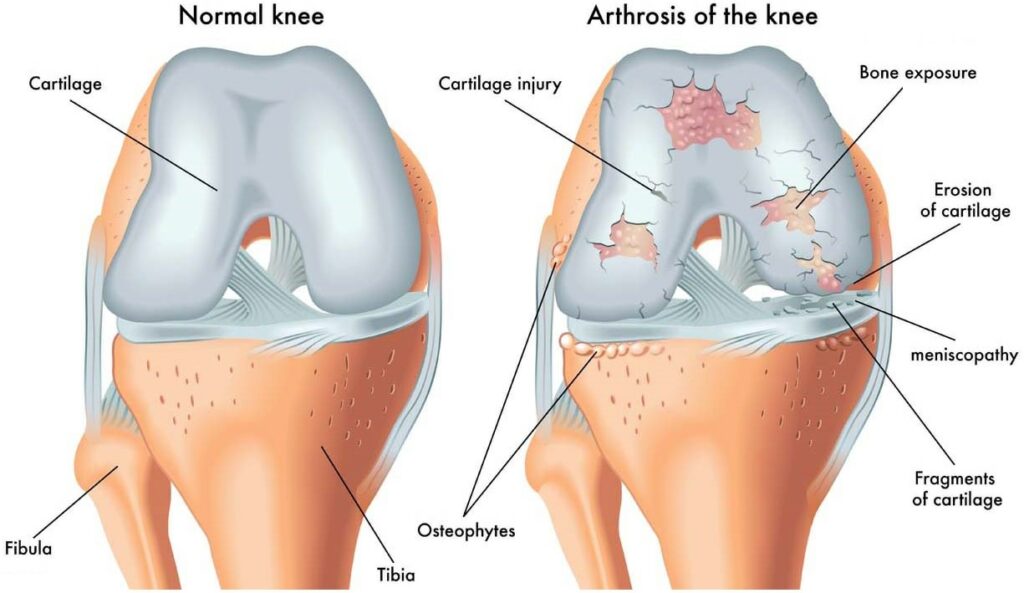
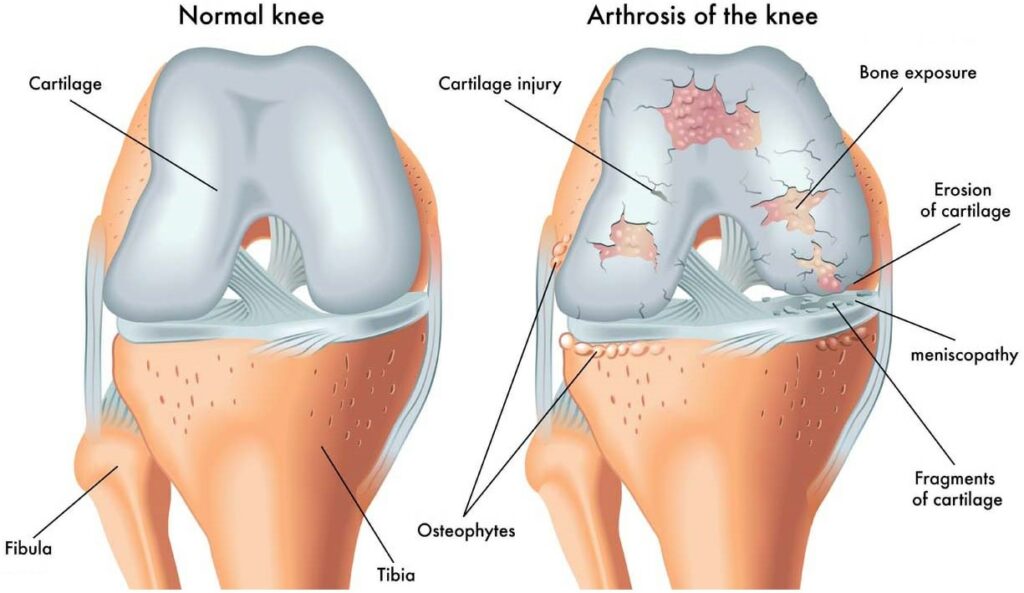
    Osteoarthritis, also known as degenerative joint disease, occurs when the cartilage that covers the ends of the bones in your joints gradually deteriorates. The degenerative process, which typically affects weight-bearing joints such as the knees, hips and hands, causes thinning of the cartilage, narrowing of joint spaces and reduced cushioning between the bones. This breakdown process puts more pressure on the sensitive surface of the bones in the joint, causing inflammation, pain, bone spurs and further wear and tear of the joint.

    knee arthrosis

    Being diagnosed with osteoarthritis does NOT mean that you cannot or should not have an active lifestyle. On the contrary, activity can actually improve the symptoms of osteoarthritis and slow or stop its progression. Many people with osteoarthritis lead an active, healthy lifestyle, without restrictions.

    How is osteoarthritis diagnosed?

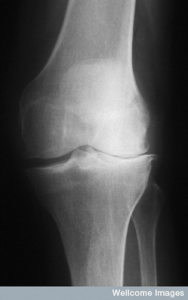
    Osteoarthritis affects more than 32.5 million Americans and is usually diagnosed by physical examination and an X-ray. Based on the X-ray images, doctors will look for a smaller distance between the bones in the joint and for signs of inflammation. They will look at how much cartilage there is in the joint to protect the underlying bone from further wear and tear. They will also look for bone fragments or ‘spurs’ that are sticking into the joint and could cause more pain.

    unnamed

    X-ray findings should be compared with a physical examination to assess actual loss of range of motion, stiffness, weakness, and activity limitations before determining a treatment plan.

    Did you know that there are people with osteoarthritis who are NOT symptomatic? They have no pain, stiffness, swelling, or disability associated with the condition. In fact, they may not even know they have it!

    Evidence of degenerative joint changes can be seen in young adults to older adults, but the risk of developing osteoarthritis increases with age.

    Some of the risk factors that contribute to the development of osteoarthritis include:

    • Age (over 60 years)
    • Genetics
    • Being a woman
    • Being overweight
    • Have a pre-existing knee injury
    • Overuse of the knee or hip joint
    • Muscle weakness around the joint

    Does osteoarthritis always get worse?

    Osteoarthritis is a progressive condition that keeps getting worse if nothing is done to reduce pressure and wear on the joint.

    Joint wear and tear that causes inflammation, swelling and stiffness leads to more weakness, further breakdown, more stiffness and more disability. The cycle continues if no change is made to break the cycle.

    Although there is no cure for osteoarthritis, it is possible to slow or stop the progression of osteoarthritis through appropriate interventions…and most people don’t realize this!

    Someone with osteoarthritis may experience periods of ‘flare-ups’, where the joint suddenly becomes swollen, stiff and/or painful. There may also be periods when symptoms disappear, range of motion is restored, and the joint feels relatively normal.

    Controlling the “controllable factors” is an important tactic in managing osteoarthritis so that flare-ups don’t become worse than they need to be. Knowing what to do to calm a flare-up is an important step in long-term management and will help you continue doing the activities and sports you love.

    Normal range of motion (ROM) helps spread the forces on the joint; Good STRENGTH helps support the joint; and good MOVEMENT PATTERNS help reduce abnormal forces on the joint. These concepts form the basis of what will SLOW or STOP the worsening of degenerative joint disease.

    Losing weight if you are overweight, strengthening the muscles around the hip and knee, maintaining mobility and flexibility, and controlling inflammation and pain are important strategies to prevent osteoarthritis from worsening.

    Common treatments for osteoarthritis

    Activity

    While it may seem like activity may initially cause more pain and swelling, physical activity has actually been proven to reduce symptoms and improve the quality of life for people with degenerative joint disease. Exercise promotes circulation and can lead to more pain-free days. Of course, you need to make sure you choose the right activity, progress the right way, and listen to your body.

    A great place to start is by improving mobility and flexibility with simple stretching exercises.

    Screen Shot 2018 07 22 at 9.49.16 AM
    Heel slides

    Physiotherapy

    Physical therapy has been proven to relieve symptoms, increase activity tolerance and improve the quality of life for people with osteoarthritis using a structured approach to restore range of motion, functional strength and balance.
    If you want to live an active lifestyle, exercise and enjoy the outdoors, ACL STRONG provides an expert training progression to strengthen your legs and core, improve balance and body control, and learn how to benefit your body and lifestyle in the long term. can protect. This is an online program and an excellent option if you want the convenience and freedom of exercising independently at home, while still receiving expert guidance and support.

    Monster Walk zig zag side2
    Skaters 1

    Injectable products

    Your doctor may be willing to try hyaluronic acid which can be injected into the affected arthritic joint. This fluid is similar in makeup to your body’s synovial fluid, which is like oil in your car. An injectable can lubricate affected bone and joint tissue to reduce the symptoms of osteoarthritis, making you feel more comfortable and delaying the need for surgery.

    Arthroscopy

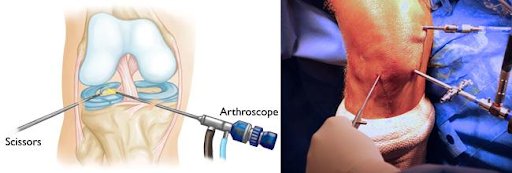
    Arthroscopic surgery is an option when an orthopedic surgeon is confident that symptoms can be reduced by clearing out the surface tissue in the affected joint. Arthroscopic surgery is performed by placing small incisions in the joint to remove damaged tissue and create a smoother surface. The surgery will facilitate increased blood flow to the joint, which can help ‘restart’ the healing process and reduce the symptoms of osteoarthritis.

    Arthroscopy

    Joint replacement surgery

    In cases where more conservative treatments have failed to relieve symptoms and improve quality of life, joint replacement surgery may become the best option. Replacing the degenerated joint surface with mechanical components can give you the recovery you need to be as active as you want.

    Recovery from joint replacement surgery will involve several months of activity progression and physical therapy. Although the timeline varies for everyone, most patients return to normal activities and exercise, such as walking, biking, golfing, tennis, weight lifting, housework, and yard work. With hard work, dedication and consistency, many can return to their previous sports and activities at a higher level.

    Osteoarthritis should NOT be daunting or intimidating. Receiving a diagnosis of osteoarthritis does not have to be confusing.

    👉 How you deal with your condition is up to you. You CAN lead an active, healthy and sporty lifestyle, with the presence of degenerative joint diseases. Manage it with exercise, nutrition, making good choices and expert support, and you can continue living the lifestyle you choose. 💪

    Source link