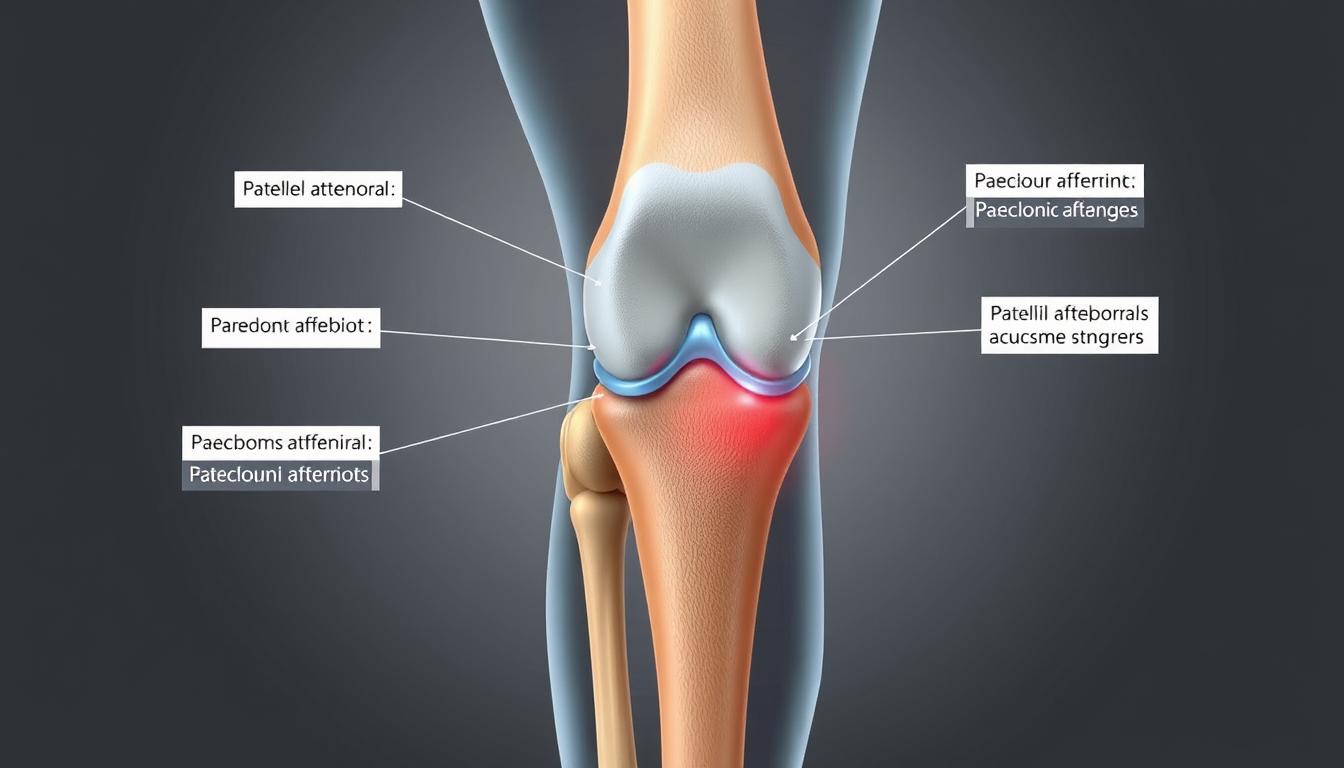
The knee joint is a complex structure that plays a crucial role in supporting the body and facilitating movement. Understanding the anatomy of the knee joint, including its bones and surrounding structures, is essential for both medical professionals and individuals seeking to maintain optimal joint health. In this article, we will explore the structure of the knee joint, focusing on the femur and tibia bones, the patella bone, the ligaments and tendons, and the articular cartilage.
Key Takeaways
The femur and tibia bones form the major weight-bearing components of the knee joint.
The patella bone acts as a protective shield for the knee joint and assists in the extension of the leg.
Ligaments and tendons provide stability and support to the knee joint, enabling various movements and preventing excessive strain.
Articular cartilage helps in reducing friction and providing smooth movement within the knee joint.
Understanding the anatomy of the knee joint is crucial for diagnosing and treating knee-related injuries and conditions.
The Structure of the Knee Joint
The Femur and Tibia Bones
The femur and tibia bones are the primary bones that form the knee joint. These bones play a crucial role in supporting the body’s weight and facilitating movement. The femur is the longest and strongest bone in the body, while the tibia is the second longest and provides stability to the knee joint. The interaction between these two bones is essential for the proper functioning of the knee joint.
The femur and tibia bones form the major weight-bearing structure of the knee joint.
The alignment and articulation of these bones are critical for stability and mobility.
Proper care and attention to these bones are essential for maintaining overall knee health.
The Patella Bone
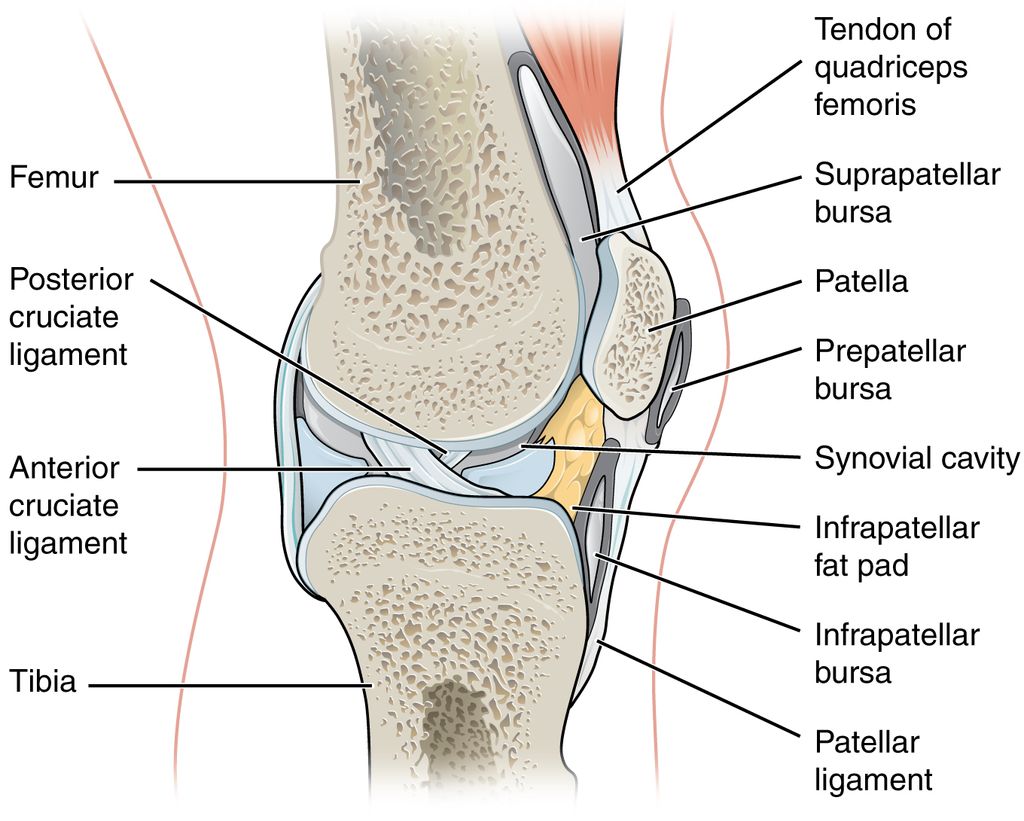
Moving beyond the femur and tibia, we encounter the patella, or kneecap, which plays a crucial role in the knee joint’s function. The patella is a small, triangular bone that protects the knee joint and improves the leverage of the thigh muscles, which are essential for walking, running, and jumping.
The patella’s posterior surface is lined with articular cartilage, which aids in smooth movement against the femur. This cartilage is vital for absorbing stress and reducing friction during knee motion.
The patella increases the leverage of the thigh muscles.
It serves as a protective shield for the knee joint.
Articular cartilage on the patella’s surface helps in smooth knee movements.
Remember, the health of the patella’s articular cartilage is key to maintaining knee mobility and reducing the risk of injury.
The Ligaments and Tendons
After discussing the ligaments and tendons, we must emphasize the importance of proper treatment for common knee injuries. Common knee injuries requiring surgery include ACL tears, fractures in the kneecap, torn meniscus, and patellar tendonitis. Proper treatment is crucial to avoid chronic pain and complications. It is essential to consult a healthcare professional for accurate diagnosis and personalized treatment plans. Additionally, rehabilitation and physical therapy play a vital role in the recovery process. We cannot stress enough the significance of early intervention and adherence to the prescribed treatment regimen. We must prioritize the long-term health and functionality of the knee joint.
The Articular Cartilage
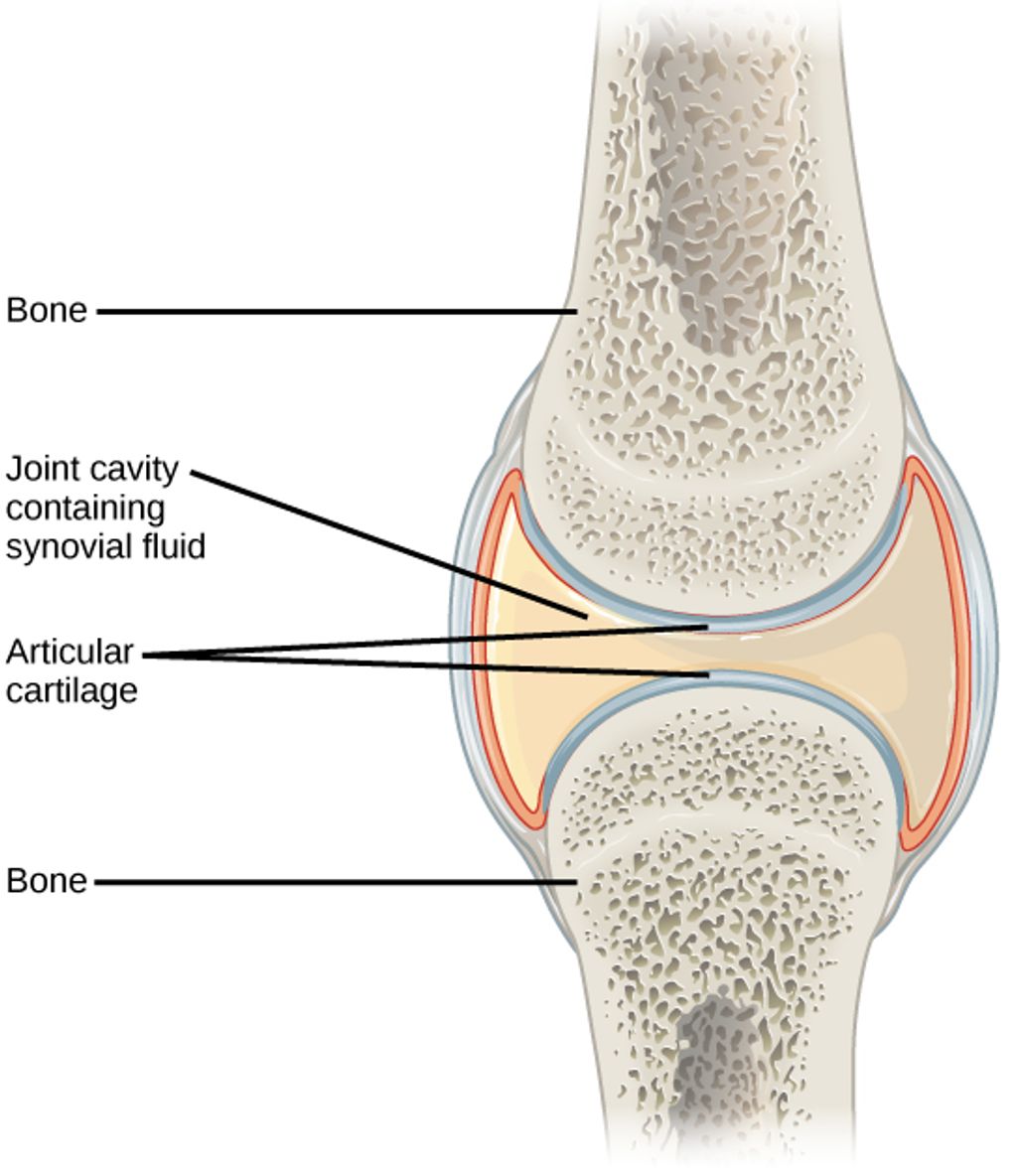
As we delve deeper into the knee joint’s anatomy, we encounter the articular cartilage, a pivotal element in facilitating smooth joint movement. This specialized structure coats the surfaces of the bones within the joint, notably the femur, tibia, and patella, providing a slick, frictionless interface that aids in the effortless bending and extending of the knee.
The health of the articular cartilage is crucial for maintaining knee function. Over time, it can wear down or become damaged, leading to conditions such as osteoarthritis. To preserve the integrity of this cartilage, it is essential to understand its composition and the factors that affect its well-being.
Hyaline cartilage, the most common type found in the knee
In our comprehensive guide to knee anatomy, we also explore the morphology and function of the knee joint, as well as common issues that can arise. Effective management of knee health includes understanding over-the-counter solutions for knee pain and adopting strategies for managing discomfort during activities such as running and walking.
Conclusion
In conclusion, the anatomy of the knee joint bones is a complex and intricate system that plays a crucial role in human mobility and stability. Understanding the structure and function of these bones is essential for medical professionals, researchers, and individuals seeking to maintain optimal joint health. Further exploration of the interplay between the various components of the knee joint bones holds promise for advancements in orthopedic medicine and the treatment of musculoskeletal conditions.
Frequently Asked Questions
What is the function of the femur and tibia bones in the knee joint?
The femur and tibia bones form the major weight-bearing structure of the knee joint and are responsible for stability and movement.
What is the purpose of the patella bone in the knee joint?
The patella bone acts as a protective covering for the knee joint and provides leverage for the quadriceps muscles.
What are ligaments and tendons in the context of the knee joint?
Ligaments are tough bands of tissue that connect bones to each other, providing stability to the knee joint. Tendons are fibrous cords that attach muscles to bones, allowing movement of the joint.
What is the role of articular cartilage in the knee joint?
Articular cartilage covers the ends of the bones in the knee joint, providing a smooth and low-friction surface for movement and absorbing shock during weight-bearing activities.
How does the knee joint support the body during various activities?
Hot knees can be a source of discomfort and frustration, impacting daily activities and mobility. Understanding the causes and remedies for hot knees is essential for managing this issue effectively. In this article, we will delve into the anatomy of the knee, identify the causes of hot knees, assess their impact on daily activities, and explore non-invasive remedies to provide relief and improve knee health.
Key Takeaways
Hot knees can result from inflammation, overuse, or underlying medical conditions.
Mobility and physical activities may be affected by hot knees, leading to challenges in daily life.
The psychological impact of hot knees should not be overlooked, as it can affect mental well-being.
Non-invasive remedies such as RICE therapy, physical therapy, and knee braces can help alleviate hot knee symptoms.
Seeking professional medical advice is crucial for understanding and addressing the root cause of hot knees.
Understanding the Anatomy of the Knee
The Structure of the Knee Joint
In our exploration of knee health, we must first understand the complex structure that is the knee joint. It’s a pivotal hinge that connects the femur, tibia, and patella, stabilized by ligaments and tendons. The knee joint is encapsulated in a synovial membrane, which secretes fluid for lubrication, reducing friction during movement.
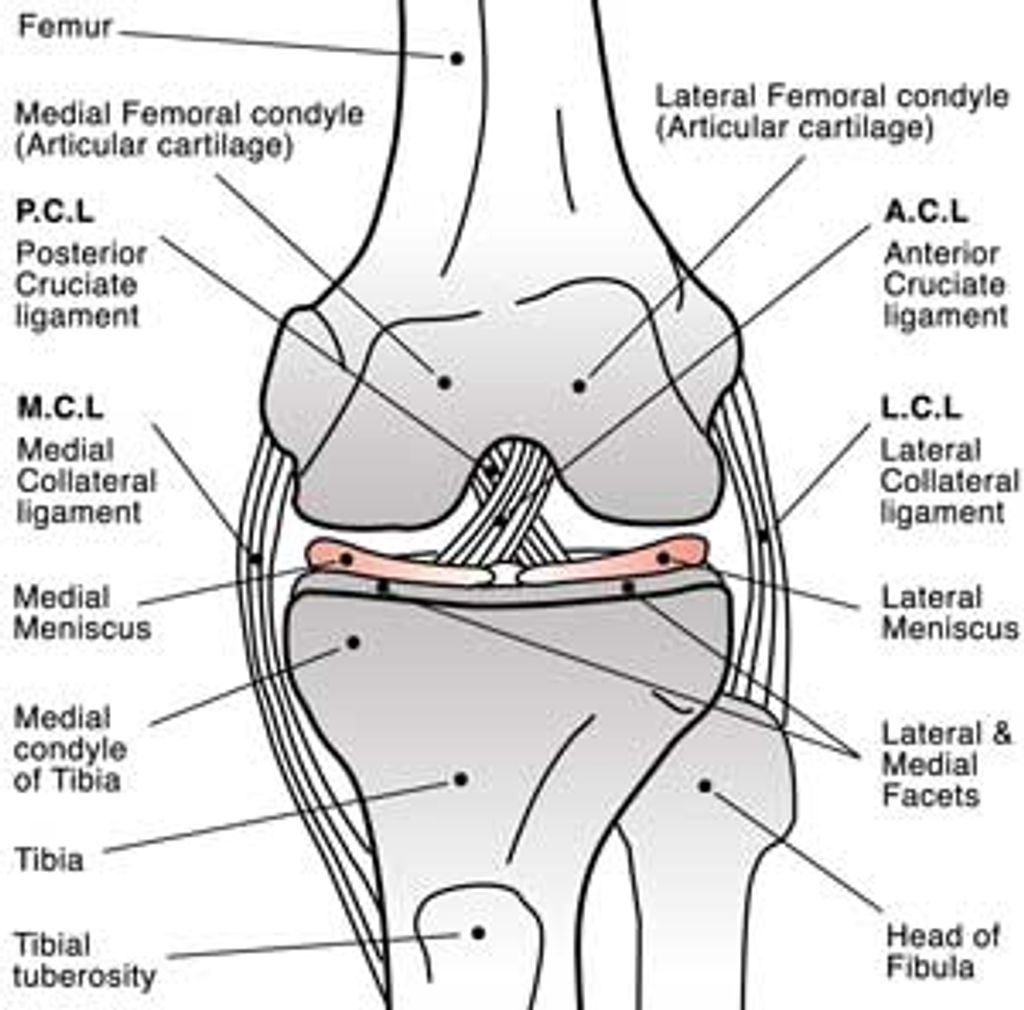
The knee’s stability is owed to four primary ligaments: the anterior cruciate ligament (ACL), posterior cruciate ligament (PCL), medial collateral ligament (MCL), and lateral collateral ligament (LCL). These ligaments work in concert to manage the knee’s range of motion and maintain its alignment.
Menisci, two C-shaped cartilages, act as shock absorbers between the femur and tibia.
The quadriceps and hamstring muscle groups are crucial for knee extension and flexion.
Tip: Regularly engaging in exercises that strengthen the quadriceps and hamstrings can significantly enhance knee stability and prevent injuries.
Functions of the Knee
We often take for granted the complex role our knees play in our daily lives. The knee is not just a simple hinge; it’s a sophisticated system that allows for a range of movements including flexion, extension, and slight rotation. This enables us to perform basic actions such as walking, running, and jumping with ease.
The knee also bears the body’s weight, acting as a vital shock absorber during activities that impact the lower body. It’s the interplay of bones, cartilage, ligaments, and tendons that work in harmony to maintain stability and mobility. Here’s a quick overview of the knee’s functions:
Support: Bearing the body’s weight in an upright position and during movement.
Flexibility: Allowing the leg to bend and straighten, facilitating motion.
Stability: Keeping the leg steady when standing and during dynamic activities.
Shock Absorption: Reducing the impact on the leg and spine during activities like walking or jumping.
Remember, maintaining knee health is crucial for overall mobility and quality of life. Regular exercise and proper care can help preserve knee function and prevent discomfort.
Common Knee Problems
The Structure of the Knee Joint, Functions of the Knee, Common Knee Problems
Identifying the Causes of Hot Knees
Inflammation and Swelling
Inflammation and swelling are common indicators of knee distress. When the knee experiences inflammation, it becomes warm to the touch and may appear red and swollen. This can be a sign of an underlying issue that requires attention. Swelling can also restrict movement and cause discomfort, impacting daily activities. It’s important to monitor these symptoms closely and seek appropriate care when necessary.
Overuse and Strain
We often underestimate the stress we put on our knees through daily activities and exercise. Overuse and strain can lead to a condition commonly referred to as hot knees, where the knee feels warm to the touch and is often accompanied by pain. This is typically a result of repetitive movements or prolonged pressure that exceeds the knee joint’s capacity for stress.
Prevention is better than cure, and this is particularly true for knee health. To avoid overuse and strain, we should adhere to proper exercise techniques and ensure we do not exceed our physical limits. Here’s a simple list of preventative measures:
Gradually increase the intensity of workouts
Incorporate rest days into exercise routines
Wear appropriate footwear for activities
Strengthen surrounding muscles to support the knee joint
Tip: Always listen to your body’s signals. If you experience persistent knee warmth or pain, it’s crucial to rest and, if necessary, seek medical advice.
While overuse is a common cause of hot knees, it’s important to recognize when the symptoms may indicate a more serious underlying condition. In such cases, professional medical evaluation is essential.
Underlying Medical Conditions
We must acknowledge that sometimes, hot knees are a manifestation of underlying medical conditions. Osteoarthritis is a prime example, characterized by the degeneration of joint cartilage and the underlying bone, most common in middle-aged and older adults. This condition can lead to a sensation of warmth in the affected joints due to increased blood flow as the body attempts to repair joint damage.
Other medical conditions that may cause hot knees include rheumatoid arthritis, gout, and infections like septic arthritis. Each of these conditions has distinct characteristics and implications for knee health:
Rheumatoid arthritis: An autoimmune disorder causing chronic inflammation.
Gout: Caused by uric acid crystal accumulation in the joint.
Septic arthritis: An infection that can lead to joint damage if not treated promptly.
Tip: Early diagnosis and management of these conditions are crucial to prevent further joint damage and alleviate the sensation of heat in the knees. It’s essential to consult a healthcare professional if you suspect your hot knees are due to an underlying medical condition.
Assessing the Impact of Hot Knees on Daily Activities
Effect on Mobility
Hot knees can significantly affect our daily activities, limiting our mobility and causing discomfort during movement. This can lead to a decrease in our overall physical activity levels, impacting our quality of life. It’s important to address these challenges and find effective remedies to regain our mobility and comfort.
Challenges in Physical Activities
We often underestimate the impact that hot knees can have on our engagement in physical activities. The discomfort and pain can significantly reduce our ability to participate in sports, exercise, and even simple tasks like walking or climbing stairs. For instance, a jogger with hot knees may find their running regimen severely compromised.
The intensity and duration of physical activities are often the first to be adjusted when dealing with hot knees. Here’s a brief overview of how we might modify our routines:
Reduce high-impact activities like running or jumping
Incorporate low-impact exercises such as swimming or cycling
Shorten workout sessions to prevent exacerbating knee pain
Tip: Always listen to your body’s signals. If an activity causes pain in your knees, it’s crucial to stop and rest. Ignoring these warnings can lead to further injury.
We must also consider the psychological toll that these limitations can impose. The frustration of not being able to perform at one’s best can be disheartening. It’s important to acknowledge these feelings and seek support when needed.
Psychological Impact
Hot knees can have a significant impact on our daily lives, affecting our mobility and ability to engage in physical activities. The psychological impact of hot knees should not be overlooked, as it can lead to feelings of frustration and limitation. It’s important to address these psychological effects in addition to the physical symptoms.
When dealing with hot knees, it’s crucial to maintain a positive mindset and seek support from healthcare professionals. Engaging in activities that promote mental well-being, such as meditation or relaxation techniques, can also be beneficial in managing the psychological impact of hot knees.
It’s essential to remember that addressing the psychological impact of hot knees is an integral part of comprehensive care.
Exploring Non-Invasive Remedies for Hot Knees
RICE Therapy
After implementing the RICE Therapy, rest is crucial for allowing the knee to heal. It’s important to avoid putting excessive weight on the affected knee and to refrain from activities that may exacerbate the condition. Additionally, gentle stretching exercises can help improve flexibility and reduce stiffness in the knee. Here’s a simple table to summarize the recommended non-invasive remedies:
Remedy
Description
RICE Therapy
Rest, Ice, Compression, Elevation
Physical Therapy
Customized exercises to strengthen and stabilize
Use of Knee Braces
Provides support and stability for the knee joint
Lastly, it’s advisable to seek professional advice before starting any new treatment regimen. As a general rule, it’s essential to listen to our bodies and give them the care they need to recover.
Physical Therapy
After completing a course of physical therapy, we can consider implementing a personalized exercise routine to maintain knee strength and flexibility. Additionally, we should focus on low-impact activities such as swimming or cycling to minimize stress on the knees. It’s important to consult with a healthcare professional to determine the most suitable exercises for our specific condition. Here are some key exercises that we can incorporate into our routine:
Quadriceps strengthening exercises
Hamstring stretching exercises
Calf raises
It’s essential to perform these exercises under the guidance of a qualified physical therapist to ensure proper form and technique. Remember, consistency is key in maintaining the benefits of physical therapy and exercise. As the saying goes, “Use it or lose it!”
Use of Knee Braces
After considering the use of knee braces, physical therapy emerges as a crucial non-invasive remedy for hot knees. This therapy focuses on strengthening the muscles around the knee joint and improving flexibility, which can alleviate discomfort and enhance mobility. Additionally, RICE therapy (Rest, Ice, Compression, Elevation) is an effective approach to reduce inflammation and provide relief. When considering non-invasive remedies, it’s important to consult a healthcare professional to determine the most suitable treatment plan for individual needs. Here’s a brief overview of the benefits of physical therapy and RICE therapy:
Conclusion
In conclusion, hot knees can be caused by a variety of factors, including overuse, injury, and underlying medical conditions. It is important to seek medical advice if you experience persistent hot knees, as this could be a sign of a more serious issue. Additionally, implementing rest, ice therapy, and gentle exercise may provide relief for mild cases of hot knees. By understanding the causes and implementing appropriate remedies, individuals can effectively manage and alleviate the discomfort associated with hot knees.
Frequently Asked Questions
What are the common causes of hot knees?
Hot knees can be caused by inflammation, overuse, strain, or underlying medical conditions such as arthritis or gout.
How can I relieve hot knees at home?
You can use RICE therapy (rest, ice, compression, elevation), perform gentle exercises recommended by a physical therapist, and use knee braces for support.
When should I seek medical attention for hot knees?
If hot knees are accompanied by severe pain, redness, or persistent swelling, it’s important to consult a healthcare professional for proper diagnosis and treatment.
Can hot knees affect my ability to exercise?
Yes, hot knees can cause challenges in physical activities and may limit mobility, making it important to modify exercise routines and seek appropriate guidance.
Are hot knees a sign of a serious medical condition?
In some cases, hot knees can be a symptom of an underlying medical condition such as arthritis, gout, or an infection. It’s important to get a proper diagnosis to address any potential health concerns.
What lifestyle changes can help prevent hot knees?
Maintaining a healthy weight, incorporating low-impact exercises, wearing supportive footwear, and practicing proper body mechanics can help reduce the risk of developing hot knees.
Knee injuries can be debilitating, affecting mobility and overall quality of life. Effective knee therapy techniques are essential for recovery and rehabilitation. In this article, we will explore the anatomy and function of the knee joint, common knee injuries and their causes, diagnostic techniques for knee injuries, non-surgical knee therapy approaches, and surgical options for knee recovery. Understanding these aspects is crucial for implementing the most effective therapy techniques for knee recovery.
Key Takeaways
Proper diagnosis is essential for developing an effective knee therapy plan.
Physical therapy plays a crucial role in knee recovery and rehabilitation.
Bracing and supportive devices can aid in the healing process of knee injuries.
Arthroscopic surgery is a minimally invasive surgical option for certain knee injuries.
Total knee replacement may be necessary for severe cases of knee degeneration.
Understanding Knee Anatomy and Function
Structure of the Knee Joint
In our exploration of knee therapy, it’s crucial to grasp the complex structure of the knee joint. This hinge-like joint is pivotal for movement, bearing the body’s weight during activities such as walking, running, and jumping. The knee comprises bones, cartilage, ligaments, and tendons that work in harmony.
The femur (thigh bone), tibia (shin bone), and patella (kneecap) are the primary bony structures that form the knee joint. These bones are connected by a network of ligaments that provide stability, while the tendons attach muscles to the bones, facilitating movement. The menisci, two C-shaped pieces of cartilage, act as shock absorbers and ensure smooth motion.
Prevention of injury to the knee joint begins with understanding its vulnerability and the importance of maintaining strength and flexibility. Regular exercise and proper technique can help safeguard the knee’s intricate architecture.
Tip: Always warm up before engaging in physical activity to prepare the knee joint for the stress of exercise and reduce the risk of injury.
Function of the Knee Joint
We must appreciate the knee joint’s critical role in our daily activities to understand its function fully. As the largest and one of the most complex joints in the body, the knee enables a range of movements such as flexion, extension, and slight rotation. It is essential for weight-bearing activities like standing, walking, and running, and also plays a pivotal role in maintaining balance and stability.
The knee joint works in concert with muscles, ligaments, and tendons to execute these movements smoothly. Here’s a simple breakdown of the knee’s functional capabilities:
Flexion: Bending the knee to move the heel towards the buttocks
Extension: Straightening the knee to return the leg to a standing position
Rotation: Twisting movement, though limited, aids in pivoting
Tip: Regular exercise and maintaining a healthy weight can significantly reduce the strain on your knees, enhancing their function and longevity.
Understanding these functions is vital for anyone undergoing knee therapy, as the goal is to restore these capabilities post-injury or surgery. We’ll explore how various knee therapy techniques can aid in this recovery process in the subsequent sections of our comprehensive guide.
Common Knee Injuries and Causes
Types of Knee Injuries
Common knee injuries can result from various causes, including sports-related activities, accidents, and degenerative conditions. These injuries can range from minor strains to severe ligament tears, affecting the stability and function of the knee joint. Understanding the specific type of injury is crucial for developing an effective treatment plan. Information on traumatic knee injuries, ACL tears, knee pain causes, and management techniques for knee pain can provide valuable insights into the nature and severity of the injury. It is important to consider both the acute symptoms and the long-term implications of the injury when determining the most suitable course of action.
Causes of Knee Injuries
In our exploration of knee injuries, we recognize that the causes are as varied as the activities we engage in daily. Osteoarthritis is a prevalent condition that we often encounter, characterized by the degeneration of joint cartilage and underlying bone, most common in middle-aged and older adults. It’s not just about wear and tear; injuries can also stem from acute trauma such as falls, direct blows, or sudden movements that strain the knee beyond its normal range of motion.
Repetitive stress on the knee joint from activities like running, jumping, or cycling can lead to overuse injuries. These are particularly common among athletes but can affect anyone who is active. Factors such as improper technique, inadequate stretching, or poor conditioning can exacerbate the risk of injury. Additionally, obesity is a significant contributor, as the extra weight puts additional pressure on the knee joints, potentially accelerating the wear and tear process.
Tip: To minimize the risk of knee injuries, it’s crucial to maintain a healthy weight, engage in regular conditioning and flexibility exercises, and use proper techniques during physical activities.
Understanding the causes of knee injuries is imperative for prevention and effective treatment. Here’s a list of common causes:
Acute trauma (e.g., falls, collisions)
Repetitive stress from certain sports or activities
Improper sports techniques or equipment
Obesity and overweight
Genetic predisposition to joint conditions
Age-related wear and tear
Diagnostic Techniques for Knee Injuries
Physical Examination
After conducting the physical examination, we gather valuable data that informs our treatment plan. This includes assessing the range of motion, stability, and any signs of inflammation. We also take into account the patient’s medical history and previous injuries to gain a comprehensive understanding of the condition. Additionally, we may use imaging studies such as X-rays and MRI scans to visualize the internal structures of the knee and identify any abnormalities or damage.
Imaging Studies
After conducting the Imaging Studies, we analyze the results to identify any abnormalities or damage to the knee joint. This analysis helps us develop a personalized treatment plan tailored to the patient’s specific condition. In some cases, the use of MRI imaging provides detailed information about soft tissue injuries, which is crucial for accurate diagnosis and treatment planning.
The table below summarizes the key diagnostic techniques for knee injuries:
Diagnostic Technique
Description
Physical Examination
Assessment of range of motion and stability of the knee joint.
Imaging Studies
Utilization of X-rays, MRI, or CT scans to visualize the internal structures of the knee.
It is important to note that a thorough physical examination combined with imaging studies is essential for a comprehensive understanding of the knee injury and the development of an effective treatment strategy.
Non-Surgical Knee Therapy Approaches
Physical Therapy
In our pursuit of effective knee recovery, we recognize physical therapy as a cornerstone of non-surgical treatment. It is a misconception that physical therapy is solely for athletes or that it is invariably painful. On the contrary, we tailor treatments to accommodate individuals of all ages and conditions, debunking common myths about its scope and nature.
Physical therapy encompasses a range of exercises and techniques aimed at restoring knee function, improving mobility, and alleviating pain. The regimen typically progresses through stages, starting with gentle range-of-motion exercises and advancing to strength-building activities. Here is an example of a progressive physical therapy program:
Initial Assessment
Pain Management Techniques
Range-of-Motion Exercises
Strengthening Exercises
Functional Training
Tip: Consistency and adherence to the prescribed physical therapy program are crucial for optimal recovery. It is important to maintain open communication with your therapist to adjust the program as needed based on your progress and feedback.
Bracing and Supportive Devices
After discussing the use of bracing and supportive devices, we can explore the role of physical therapy in knee recovery. Physical therapy plays a crucial role in strengthening the muscles around the knee joint and improving flexibility and range of motion. Additionally, it focuses on reducing pain and swelling, allowing for a smoother recovery process. Customized exercise programs are tailored to each individual’s specific needs and may include a combination of stretching, strengthening, and balance exercises. These programs are designed to gradually improve knee function and promote long-term recovery. In some cases, physical therapy may also involve the use of modalities such as heat, ice, or electrical stimulation to alleviate discomfort and aid in the healing process. It is important to consult a qualified healthcare professional to determine the most suitable physical therapy approach for your condition.
Surgical Options for Knee Recovery
Arthroscopic Surgery
After undergoing Arthroscopic Surgery, it is important to follow a structured rehabilitation program to ensure optimal recovery. This may include a combination of physical therapy, low-impact exercises, and gradual increase in activity levels. It is crucial to adhere to the guidance of healthcare professionals and to communicate any concerns or setbacks during the recovery process.
Additionally, maintaining a balanced diet and proper hydration can support the body’s healing process. Adequate rest and sleep are also essential for the body to recover effectively. It is important to monitor for any signs of infection or unusual pain and to report these to the healthcare team promptly.
For a more detailed overview of the post-surgery rehabilitation program, refer to the following table:
Rehabilitation Program Components
Description
Physical Therapy
Customized exercises and stretches
Low-Impact Exercises
Walking, swimming, cycling
Gradual Activity Increase
Incremental increase in intensity
In addition to the rehabilitation program, it is important to remember that recovery is a gradual process. Patience and perseverance are key, and it is normal to experience fluctuations in progress. It is essential to stay motivated and focused on the long-term goal of regaining full function and mobility in the knee.
Tip: Keep a journal to track progress, challenges, and achievements throughout the recovery journey. This can provide valuable insight and motivation during the rehabilitation process.
Total Knee Replacement
After undergoing a Total Knee Replacement, it is important to follow a structured rehabilitation program to regain strength and mobility. This program typically involves a combination of physical therapy and exercise routines tailored to the individual’s needs. Additionally, maintaining a healthy diet and managing weight are crucial for successful recovery. It is essential to adhere to the guidance provided by healthcare professionals and to communicate any concerns or challenges encountered during the recovery process. Our team at the rehabilitation center is dedicated to supporting patients through every step of their recovery journey.
Conclusion
In conclusion, the effective knee therapy techniques discussed in this article provide valuable insights into the rehabilitation and recovery process for individuals with knee injuries. By emphasizing the importance of early intervention and personalized treatment plans, healthcare professionals can optimize the outcomes for their patients. It is evident that a comprehensive approach, including physical therapy, strength training, and pain management, plays a crucial role in promoting long-term recovery and restoring functionality. As advancements in medical research continue to evolve, the integration of innovative therapies and evidence-based practices will further enhance the efficacy of knee rehabilitation methods. This article serves as a foundation for further exploration and application of cutting-edge knee therapy techniques in clinical settings.
Frequently Asked Questions
What are the most common knee injuries?
The most common knee injuries include ligament tears, meniscus tears, tendonitis, and patellar dislocation.
How can physical therapy help with knee recovery?
Physical therapy can improve strength, flexibility, and range of motion in the knee, as well as reduce pain and swelling.
What is the recovery time for arthroscopic knee surgery?
The recovery time for arthroscopic knee surgery varies, but most patients can expect to resume normal activities within 6-8 weeks.
Are there any alternative treatments for knee injuries besides surgery?
Yes, alternative treatments such as acupuncture, chiropractic care, and regenerative medicine can be effective for certain knee injuries.
What are the risk factors for knee injuries?
Risk factors for knee injuries include overuse, improper training techniques, previous injuries, and obesity.
What is the success rate of total knee replacement surgery?
Total knee replacement surgery has a high success rate, with more than 90% of patients experiencing significant improvement in pain and function.
Double knee replacement surgery is a complex procedure that offers significant benefits to individuals with severe knee joint issues. This surgery involves replacing both knee joints with artificial implants, providing relief from pain, improved mobility, and enhanced quality of life. Understanding the key takeaways from this surgery is essential for patients and their families to make informed decisions about the procedure and its potential outcomes.
Key Takeaways
Double knee replacement surgery offers significant improvement in mobility and function.
Patients experience substantial pain relief and enjoy an enhanced quality of life after the surgery.
The long-term success rates of double knee replacement surgery are promising, leading to improved joint function and reduced disability.
Preoperative preparation plays a crucial role in ensuring a successful outcome of the surgery.
Recovery and rehabilitation are vital aspects of the postoperative care, contributing to the overall success of double knee replacement surgery.
Understanding Double Knee Replacement Surgery
The Anatomy of the Knee Joint
Double knee replacement surgery, also known as bilateral knee arthroplasty, is a complex procedure that involves the replacement of both knee joints with artificial implants. This surgery is typically recommended for individuals who experience severe pain and limited mobility in both knees, often due to advanced osteoarthritis or other degenerative joint conditions. The decision to undergo double knee replacement surgery is carefully evaluated based on the patient’s overall health, lifestyle, and the extent of joint damage. It is important to consider the potential risks and benefits of this procedure before making a decision.
Indications for Double Knee Replacement Surgery
Double knee replacement surgery is indicated for severe osteoarthritis that affects both knees, leading to significant pain and limited mobility. It is also recommended for individuals who have not experienced relief from conservative treatments such as medication and physical therapy. In addition, patients with deformities in both knees that interfere with daily activities may be candidates for this procedure. Here are the common indications for double knee replacement surgery:
Severe pain and stiffness in both knees
Difficulty in performing routine activities
Limited range of motion
Failure of non-surgical treatments to provide relief
Deformities in both knees
It is important to consult with a qualified orthopedic surgeon to determine if double knee replacement surgery is the most suitable option for your condition.
Risks and Complications
After undergoing double knee replacement surgery, we may experience some common risks and complications. These may include infection, blood clots, and implant loosening. It’s important to note that these risks are carefully managed by the medical team to ensure the best possible outcomes. Additionally, we will receive detailed guidance on postoperative care and rehabilitation to minimize these risks and promote a successful recovery.
In some cases, the risk of complications can be quantified. Here’s a brief overview of the potential risks:
Complication
Risk Percentage
Infection
1-2%
Blood Clots
2-3%
Implant Loosening
1-2%
We should keep in mind that these percentages are general estimates and may vary based on individual health factors and surgical techniques. It’s essential to follow the postoperative care instructions provided by the medical team to minimize these risks and achieve a successful recovery.
We are encouraged to communicate any concerns or unusual symptoms to the healthcare professionals promptly. Early detection and intervention can significantly reduce the impact of potential complications and contribute to a positive outcome.
Recovery and Rehabilitation
After completing the recovery and rehabilitation process, we can expect significant improvements in mobility and function. Additionally, patients often experience a notable reduction in pain and an overall enhancement in quality of life. The long-term success rates of this procedure are quite promising, with a high percentage of patients reporting sustained benefits over time.
Benefits
Outcomes
Improved mobility and function
Significant improvement
Pain relief and quality of life
Notable reduction in pain and enhanced quality of life
Long-term success rates
High percentage of sustained benefits
It is important to maintain a consistent rehabilitation routine to maximize the benefits of the surgery and ensure long-term success.
The Surgical Procedure
Preoperative Preparation
After completing the preoperative preparation, we are ready to move forward with the surgical techniques. This involves the careful removal of damaged knee joint surfaces and the precise placement of the prosthetic components. The surgical team will work diligently to ensure the success of the procedure, aiming for optimal outcomes and minimal complications.
We understand the importance of this phase and are committed to providing the best care possible for our patients.
Surgical Techniques
Here is a brief overview of the surgical techniques involved in double knee replacement surgery:
Technique
Description
Total Knee Replacement
Involves replacing the entire knee joint with prosthetic components to restore function.
Partial Knee Replacement
Targets only the damaged portion of the knee joint, preserving healthy tissue.
We are dedicated to ensuring a smooth transition to the postoperative care phase, where we will continue to monitor and support our patients as they begin their journey towards recovery and rehabilitation.
Surgical Techniques
After the surgical techniques are completed, careful monitoring and postoperative care are crucial for a successful recovery. This involves regular check-ups, physical therapy sessions, and adherence to prescribed medications. Additionally, maintaining a healthy diet and following the recommended exercise regimen can significantly contribute to the overall outcome of the surgery. It’s important to note that each patient’s post-surgery recovery progress, setbacks, and strategies for overcoming setbacks may vary.
Postoperative Care
After the surgical procedure, careful monitoring and management of pain and inflammation are crucial for a successful recovery. Our team will provide personalized guidance on physical therapy exercises and assistive devices to support your rehabilitation journey. Additionally, a comprehensive plan for medication management and wound care will be tailored to your specific needs. It’s important to follow the prescribed postoperative care regimen to optimize your healing process and achieve the best possible outcomes.
Benefits and Outcomes
Improvement in Mobility and Function
Following double knee replacement surgery, we’ve observed a significant improvement in patients’ mobility and function. The ability to perform everyday activities with ease, which was once hindered by severe knee pain, is often restored. This enhanced mobility can profoundly impact one’s independence and overall well-being.
Patients typically experience:
A noticeable reduction in joint stiffness
Increased range of motion
Improvement in walking gait
Enhanced ability to climb stairs and rise from a seated position
It is crucial to adhere to a prescribed physical therapy regimen post-surgery to maximize improvements in mobility and function.
The journey to regain full function can vary from person to person, but the collective goal remains the same: to return to a more active and pain-free lifestyle. We encourage our patients to set incremental goals and celebrate each milestone achieved on the path to recovery.
Pain Relief and Quality of Life
Double knee replacement surgery offers significant improvements in pain relief and quality of life. Patients experience a reduction in chronic pain and an increase in overall comfort and mobility. Studies have shown that the procedure leads to enhanced physical function and a greater sense of well-being. Additionally, the surgery has been associated with improved mental health and emotional well-being, contributing to a more fulfilling and active lifestyle. These positive outcomes are supported by a high success rate and long-term patient satisfaction.
Implement a table for presenting structured, quantitative data. Ensure it’s succinct and formatted correctly in Markdown.
Use a bulleted or numbered list for less structured content, like steps, qualitative points, or a series of related items.
Long-Term Success Rates
After undergoing double knee replacement surgery, we can expect to experience a significant improvement in mobility and function. This includes the ability to engage in daily activities with greater ease and comfort. Additionally, we can anticipate substantial pain relief, leading to an overall enhancement in our quality of life. The long-term success rates of this procedure are promising, with a high percentage of patients reporting satisfaction and improved outcomes. For a detailed overview of the success rates, refer to the following table:
Time Frame
Success Rate
1 Year
90%
5 Years
85%
10 Years
80%
It is important to note that consistent follow-up care and adherence to postoperative guidelines are crucial for maximizing the benefits of double knee replacement surgery. We should prioritize regular check-ups and communicate any concerns with our healthcare professionals to ensure a successful recovery.
Conclusion
In conclusion, double knee replacement surgery offers a multitude of benefits for individuals suffering from severe knee joint issues. The procedure provides significant improvements in mobility, pain relief, and overall quality of life. With advancements in medical technology and surgical techniques, the success rates and recovery times for double knee replacement surgeries have continued to improve. As a result, patients can experience a more active and fulfilling lifestyle, free from the limitations imposed by debilitating knee conditions. The decision to undergo double knee replacement surgery should be carefully considered in consultation with medical professionals, taking into account individual health circumstances and long-term goals. Overall, the positive outcomes and enhanced well-being associated with double knee replacement surgery underscore its significance as a viable treatment option for those in need.
Frequently Asked Questions
What is the recovery time for double knee replacement surgery?
The recovery time for double knee replacement surgery varies for each individual, but most patients can expect to regain mobility and function within a few weeks to a few months after surgery.
Are both knees replaced at the same time during double knee replacement surgery?
Yes, in double knee replacement surgery, both knees are typically replaced in the same surgical procedure.
What are the potential risks of double knee replacement surgery?
Some potential risks of double knee replacement surgery include infection, blood clots, implant failure, and nerve damage. However, these risks are minimized with proper preoperative evaluation and postoperative care.
How long do the benefits of double knee replacement surgery last?
The benefits of double knee replacement surgery can last for many years, with most patients experiencing long-term improvement in mobility, function, and pain relief.
What is the success rate of double knee replacement surgery?
The success rate of double knee replacement surgery is generally high, with the majority of patients experiencing significant improvement in quality of life and functionality after surgery.
What activities can I engage in after double knee replacement surgery?
After double knee replacement surgery, patients can engage in low-impact activities such as walking, swimming, and cycling. However, high-impact activities and sports that place excessive stress on the knees should be avoided to protect the longevity of the implants.
Knee pain can significantly impact an individual’s quality of life, affecting mobility and overall well-being. In this article, we will explore a comprehensive approach to managing knee pain, encompassing both non-surgical and surgical interventions. By understanding the anatomy and physiology of the knee, diagnostic techniques, and various treatment options, individuals can make informed decisions about their knee health.
Key Takeaways
Understanding the structure of the knee joint is crucial for effective pain management.
Physical examination, imaging modalities, and range of motion assessment are essential for accurate diagnosis of knee pain.
Non-surgical treatment options such as physical therapy, pain management strategies, and lifestyle interventions play a key role in managing knee pain.
Different types of knee surgery, post-surgery rehabilitation, and potential risks should be carefully considered when exploring surgical interventions for knee pain.
A holistic approach to knee therapy involves addressing not only the physical aspects but also the nutritional and lifestyle factors that contribute to knee health.
Understanding Knee Pain: Anatomy and Physiology
Structure of the Knee Joint
We recognize the knee joint as a complex hinge that allows for motion such as bending, straightening, and bearing weight. Its stability and movement are made possible by its unique structure, which includes bones, cartilage, ligaments, and tendons. The femur, tibia, and patella are the primary bones that form the knee joint, with the fibula also playing a supportive role.
The cartilage within the knee includes two types: the menisci, which act as shock absorbers, and the articular cartilage, which reduces friction. These components work in unison to ensure smooth and pain-free knee function.
Menisci: Two C-shaped pieces of tough, rubbery cartilage.
Articular Cartilage: Smooth, white tissue covering the ends of bones.
Ligaments: Bands of tissue connecting bones.
Tendons: Tissues attaching muscles to bones.
Tip: Maintaining strong muscles around the knee joint is crucial for its stability and can prevent injury. Regular exercise and weight management are key components of knee health.
Functions of Knee Ligaments and Tendons
In our exploration of knee pain, we recognize the critical role that ligaments and tendons play in the joint’s function. Ligaments are tough, elastic bands of tissue that connect bones to each other, providing stability and guiding the joint through proper movement. Tendons, on the other hand, attach muscles to bones, facilitating the transmission of forces that allow us to walk, run, and jump.
The knee joint is stabilized by a series of ligaments, including the anterior cruciate ligament (ACL) and the posterior cruciate ligament (PCL), which prevent the femur from sliding forward or backward on the tibia. The medial collateral ligament (MCL) and the lateral collateral ligament (LCL) provide stability against sideways motion. Tendons such as the patellar tendon play a pivotal role in knee extension, a necessary action for many daily activities.
Understanding the specific functions of each ligament and tendon can significantly enhance our approach to knee therapy. Here is a list of the primary knee ligaments and tendons along with their specific roles:
Anterior Cruciate Ligament (ACL): Prevents forward sliding of the femur
Posterior Cruciate Ligament (PCL): Prevents backward sliding of the femur
Medial Collateral Ligament (MCL): Resists forces that would push the knee inward
Lateral Collateral Ligament (LCL): Resists forces that would push the knee outward
Patellar Tendon: Connects the patella to the tibia and enables knee extension
Tip: Regularly engaging in exercises that strengthen the muscles around the knee can help maintain the integrity of ligaments and tendons, potentially reducing the risk of injury.
Role of Muscles in Knee Stability
After understanding the role of muscles in knee stability, it is crucial to emphasize the importance of targeted strength training. This can help improve overall knee function and reduce the risk of injury. Additionally, proper nutrition plays a vital role in supporting muscle health and promoting recovery. A balanced diet rich in protein, vitamins, and minerals is essential for muscle repair and maintenance.
Furthermore, it is important to note that muscle imbalances can contribute to knee pain and instability. Addressing these imbalances through targeted exercises and physical therapy can help restore proper muscle function and improve overall knee stability.
Tip: Incorporating a variety of exercises that target different muscle groups can help achieve a well-rounded approach to muscle strength and stability.
Diagnostic Techniques for Knee Pain Assessment
Physical Examination of the Knee
In our comprehensive approach to knee therapy, we place significant emphasis on the physical examination of the knee. This initial assessment is crucial in identifying the underlying causes of knee pain and determining the appropriate course of treatment.
During the examination, we systematically evaluate the knee’s structure, looking for signs of swelling, redness, warmth, and deformities. We palpate the joint to pinpoint areas of tenderness and assess the integrity of the ligaments and tendons.
Range of motion tests are performed to assess the knee’s flexibility and strength. We ask patients to perform specific movements while we observe for any limitations or discomfort that may indicate joint or muscular issues.
Remember, a thorough physical examination can often provide valuable insights that imaging alone cannot reveal.
The following list outlines the key components of a knee examination:
Inspection for visual abnormalities
Palpation to identify areas of pain or swelling
Assessment of ligament stability
Evaluation of meniscal integrity
Measurement of range of motion and muscle strength
Imaging Modalities for Knee Evaluation
After conducting a thorough physical examination and considering the patient’s medical history, we utilize a variety of imaging modalities to further assess the condition of the knee. These modalities include X-rays, MRI scans, and CT scans. Each modality provides unique insights into the structural integrity and soft tissue health of the knee joint. We have found that MRI scans are particularly useful for evaluating ligament and meniscal injuries, while X-rays are valuable for assessing bone density and alignment. CT scans are employed when a more detailed view of bone structures is required. We prioritize the use of these imaging techniques to ensure a comprehensive understanding of the patient’s knee condition, guiding our treatment approach effectively.
Assessment of Range of Motion and Flexibility
After completing the physical examination of the knee, we move on to the assessment of range of motion and flexibility. This step is crucial in determining the extent of mobility and flexibility in the knee joint. We carefully measure the range of motion in different planes, including flexion, extension, and rotation. Additionally, we assess the flexibility of the surrounding muscles and ligaments to understand their ability to support the knee joint.
In our assessments, we use a combination of quantitative measurements and qualitative observations to gain a comprehensive understanding of the knee’s functional capabilities. This approach allows us to identify any limitations or abnormalities in the knee’s range of motion and flexibility.
For a more structured presentation of our findings, we utilize a table to document the quantitative measurements of range of motion in various planes. This table provides a clear overview of the knee’s mobility and helps in tracking changes over time, guiding our treatment plans effectively.
Non-Surgical Treatment Options for Knee Pain
Physical Therapy and Rehabilitation
After undergoing a thorough assessment, physical therapy and rehabilitation play a crucial role in our comprehensive approach to knee pain management. We focus on strengthening and flexibility exercises tailored to each individual’s needs, promoting optimal recovery and function. Additionally, we emphasize the importance of nutrition and lifestyle modifications to support the healing process.
Implement a table for presenting structured, quantitative data. Ensure it’s succinct and formatted correctly in Markdown.
Use a bulleted or numbered list for less structured content, like steps, qualitative points, or a series of related items.
It’s essential to adhere to the prescribed exercise regimen and lifestyle modifications to achieve the best outcomes and long-term relief from knee pain.
Pain Management Strategies
Pain management strategies are crucial in addressing knee pain. We emphasize a multidisciplinary approach that combines physical therapy, medication, and lifestyle modifications. Exercise is a cornerstone of our approach, focusing on strengthening and flexibility exercises to improve knee function. Additionally, we advocate for the use of non-steroidal anti-inflammatory drugs (NSAIDs) to alleviate pain and reduce inflammation. Our holistic approach also includes nutritional guidance, emphasizing a diet rich in anti-inflammatory foods such as fruits, vegetables, and omega-3 fatty acids.
Furthermore, we encourage patients to maintain a healthy weight, as excess weight can exacerbate knee pain. We believe that a balanced and sustainable approach to pain management is essential for long-term relief and improved quality of life. It is important for patients to actively participate in their pain management plan, and we provide ongoing support and education to empower them in their journey to better knee health.
Nutritional and Lifestyle Interventions
In our journey to alleviate knee pain, we recognize the profound impact of nutritional and lifestyle interventions. A balanced diet rich in anti-inflammatory foods can significantly reduce joint inflammation and pain. We encourage the inclusion of omega-3 fatty acids, found in fish and flaxseeds, and antioxidants from fruits and vegetables. Adequate hydration is also crucial for joint health.
Exercise is a cornerstone of a healthy lifestyle and is particularly beneficial for those suffering from knee pain. Low-impact activities such as swimming, cycling, and walking can strengthen the muscles around the knee, improving stability and flexibility without exacerbating pain.
We must not overlook the importance of maintaining a healthy weight. Excess body weight puts additional stress on knee joints, which can aggravate pain and hinder recovery. Here’s a simple guideline to follow:
Maintain a balanced diet with a focus on anti-inflammatory foods
Engage in regular low-impact exercise
Stay hydrated
Aim for a healthy body weight
Tip: Consistency in these interventions is key to long-term pain management and joint health.
Surgical Interventions for Knee Pain Management
Types of Knee Surgery
When we consider surgical interventions for knee pain management, it’s essential to recognize the variety of procedures available. Arthroscopy is a minimally invasive technique that allows us to address issues within the joint with precision. For more severe cases, total knee arthroplasty, or knee replacement surgery, may be the most effective option to restore function and alleviate pain.
The choice of surgery is highly dependent on the individual’s condition and needs. Here’s a brief overview of common surgical procedures:
Arthroscopy: Used for diagnosing and treating joint problems.
Osteotomy: Alters bone structure to relieve pressure.
Remember, the goal of surgery is not only to relieve pain but also to improve mobility and quality of life. Each procedure carries its own set of potential benefits and risks, which should be thoroughly discussed with a healthcare provider.
Rehabilitation Following Knee Surgery
After knee surgery, rehabilitation is crucial for a successful recovery. Our team focuses on personalized treatment plans tailored to each patient’s needs. We emphasize progressive exercises to improve strength, flexibility, and range of motion. Additionally, we provide education on proper body mechanics and gait training to promote optimal function. Our comprehensive approach includes a combination of manual therapy, therapeutic modalities, and functional training.
For a structured overview of the rehabilitation process, refer to the following table:
Rehabilitation Components
Description
Progressive Exercises
Gradually increasing intensity and difficulty to promote recovery and function.
Education and Training
Providing guidance on proper movement patterns and functional activities.
Manual Therapy
Hands-on techniques to improve joint mobility, reduce pain, and enhance function.
Therapeutic Modalities
Application of modalities such as heat, cold, and electrical stimulation for pain management and tissue healing.
Functional Training
Focusing on activities of daily living and functional movements to restore independence and mobility.
Our approach to rehabilitation is centered on empowering patients to actively participate in their recovery journey. We encourage open communication and collaboration to ensure the best possible outcomes. As part of our commitment to excellence, we prioritize patient education and support throughout the rehabilitation process.
Potential Risks and Complications
After undergoing knee surgery, we must be vigilant in monitoring for potential risks and complications. These can range from the more common, such as infections or blood clots, to the less frequent but serious issues like nerve damage or implant failure. It’s imperative to understand that every surgical procedure carries inherent risks, and knee surgeries are no exception.
Rehabilitation is a critical phase where patients must adhere to prescribed protocols to minimize the risk of complications. For instance, failure to properly rehabilitate can lead to stiffness, decreased range of motion, or even chronic pain, which could negate the benefits of the surgery.
Tip: Always follow your surgeon’s post-operative instructions and attend all follow-up appointments to ensure the best possible outcome.
While we strive to achieve a successful surgical outcome, we must also prepare for the possibility of revision surgery. This is particularly true in cases where the initial procedure does not yield the desired results or when complications arise that necessitate further intervention.
Conclusion
In conclusion, a comprehensive approach to knee therapy is essential for effective pain management. By addressing the physical, emotional, and lifestyle factors that contribute to knee pain, patients can experience holistic healing and long-term relief. This holistic approach emphasizes the importance of personalized care and a multidisciplinary treatment plan, ultimately leading to improved patient outcomes and quality of life. As the field of knee therapy continues to evolve, it is imperative to prioritize a holistic approach that considers the whole person, not just the symptoms. Embracing this approach can pave the way for advancements in pain management and overall well-being for individuals with knee-related concerns.
The recovery process involves rehabilitation, physical therapy, and gradual return to normal activities, with a focus on reducing pain and restoring function.
What are the potential risks of knee surgery?
Potential risks include infection, blood clots, nerve damage, and prolonged recovery time, among others. Your surgeon will discuss these risks with you before the procedure.
How can I prevent knee pain and injuries?
Preventive measures include maintaining a healthy weight, staying active, using proper footwear, and practicing good posture and body mechanics during physical activities.
Robotic knee replacement surgery has revolutionized the field of orthopedic surgery, offering advanced technological solutions to improve patient outcomes. This article explores the evolution, benefits, challenges, and limitations of robotic knee replacement surgery, shedding light on the innovative advancements and their impact on surgical procedures.
Key Takeaways
Robotic knee replacement surgery has a rich historical background, from its early developments to the current state-of-the-art technology.
The technological advancements in robotic knee replacement surgery have significantly improved precision and accuracy in surgical procedures.
The benefits of robotic knee replacement surgery include faster recovery times for patients, leading to improved post-operative outcomes.
Challenges such as cost considerations, training, and expertise are important factors to consider when implementing robotic knee replacement surgery.
Patient selection criteria play a crucial role in the success of robotic knee replacement surgery, ensuring optimal outcomes for individuals undergoing the procedure.
The Evolution of Robotic Knee Replacement Surgery
Historical Background
We have witnessed a remarkable journey in the field of knee replacement surgery. From the early days of manual procedures, reliant on the surgeon’s skill and experience, to the advent of robotic assistance, the evolution has been significant. The initial foray into robotic knee surgery was met with skepticism, but over time, it has proven to be a game-changer.
The timeline below encapsulates key milestones:
The first successful knee replacement: 1968
Introduction of computer-assisted surgery (CAS): late 1990s
Robotic-assisted knee replacement debut: 2000s
Each step in this timeline represents a leap forward in our ability to offer patients better outcomes. It’s important to note that the integration of robotics into knee surgery didn’t happen overnight. It was the culmination of years of research, development, and refinement.
Embrace the change in surgical technology, but remember that the value of human expertise remains irreplaceable.
Technological Advancements
In our exploration of robotic knee replacement surgery, we have witnessed a remarkable journey of technological advancements. The integration of robotics into surgical procedures has been a game-changer, enhancing the capabilities of surgeons with unprecedented precision. These advancements include the development of sophisticated software algorithms, high-definition imaging techniques, and robotic arms that can execute complex movements with a level of accuracy that is beyond human capability.
One of the pivotal innovations is the use of real-time feedback mechanisms. Surgeons can now make intraoperative adjustments with the aid of sensors and 3D models, ensuring that the implant is positioned optimally. This is critical, as even a minor misalignment can lead to discomfort or the need for revision surgery.
Tip: Always verify the compatibility of the robotic system with the preoperative surgical plan to maximize the benefits of these technological advancements.
The table below encapsulates the evolution of key components in robotic knee surgery:
Year
Innovation
Impact
2000
First robotic arm
Enhanced precision
2010
Advanced imaging
Improved planning
2020
AI integration
Personalized surgery
As we continue to embrace these innovations, we are not only refining surgical techniques but also setting new standards for patient care in orthopedics.
Impact on Surgical Procedures
Robotic knee replacement surgery has revolutionized the way surgical procedures are performed. The use of advanced technology and precise instrumentation has transformed the approach to knee replacement. This has led to improved accuracy and alignment, resulting in better patient outcomes. Additionally, the integration of robotics has streamlined the surgical process, reducing the overall operative time and enhancing the efficiency of the procedure. These advancements have significantly elevated the standard of care for knee replacement surgeries.
Benefits of Robotic Knee Replacement Surgery
Improved Precision
We have witnessed a significant leap forward in the realm of knee replacement surgery with the introduction of robotic assistance. The precision of these robotic systems is unparalleled, allowing us to achieve a level of accuracy that was previously unattainable. This is particularly evident in the alignment of the knee implant, which is critical for the successful outcome of the surgery.
Robotic knee replacement surgery enables us to customize the procedure to the individual’s unique anatomy. By doing so, we ensure that each patient receives a personalized surgical experience, tailored to their specific needs. Here are some of the key precision improvements we’ve observed:
Tip: Always discuss with your surgeon the potential benefits of robotic surgery for your individual case to understand how precision can impact your recovery and long-term results.
Faster Recovery
We’ve observed that one of the most significant advantages of robotic knee replacement surgery is the faster recovery times experienced by patients. This is largely due to the precision with which the surgery can be performed, minimizing tissue trauma and leading to less postoperative pain.
Robotic-assisted surgery allows for more accurate implant positioning, which is crucial for the knee to function properly post-surgery. A well-aligned knee replacement typically means a smoother and quicker rehabilitation process. Patients can often begin physical therapy sooner, which is vital for regaining strength and mobility.
Here’s a brief overview of the recovery timeline compared to traditional methods:
Postoperative Milestone
Robotic-Assisted
Traditional
Initial Weight-Bearing
1-2 days
3-4 days
Full Weight-Bearing
2 weeks
3-4 weeks
Return to Normal Activities
4-6 weeks
6-8 weeks
Remember, individual recovery can vary, but the goal is always to get patients back to their daily activities as safely and quickly as possible.
Reduced Complications
In robotic knee replacement surgery, our team focuses on ensuring meticulous precision and careful planning to minimize the risk of complications. By leveraging advanced technology, we aim to achieve superior outcomes with a lower incidence of postoperative issues. Our commitment to patient safety and well-being drives our continuous efforts to refine our techniques and protocols. To illustrate, the table below summarizes the comparative complication rates between traditional and robotic-assisted knee replacement surgeries:
Complication Type
Traditional Surgery (%)
Robotic Surgery (%)
Infection
2.5
1.2
Implant Loosening
3.1
1.5
Blood Clots
2.8
1.4
These figures underscore the significant reduction in complications associated with robotic knee replacement procedures. Our experience and expertise in this field enable us to navigate the challenges and deliver optimal outcomes for our patients. As we continue to refine our approach, we remain dedicated to upholding the highest standards of care and innovation in robotic knee replacement surgery.
Challenges and Limitations
Cost Considerations
When considering the Cost Considerations of robotic knee replacement surgery, it is important to analyze the financial implications for both healthcare institutions and patients. Affordability is a key factor that influences the accessibility of this advanced surgical technique. To illustrate this, a comparison of the average costs of traditional knee replacement surgery and robotic knee replacement surgery can be presented in a table format. This comparison can highlight the potential cost savings and long-term benefits of the robotic approach. Additionally, a bulleted list can be used to outline the key factors that contribute to the overall cost, such as equipment maintenance, training, and surgical expertise. It is essential to carefully weigh these factors when making decisions about the adoption of robotic knee replacement surgery. As we navigate the challenges related to cost, it is crucial to seek innovative solutions that enhance the value and affordability of this groundbreaking technology.
Training and Expertise
Robotic knee replacement surgery requires a high level of expertise and specialized training to ensure optimal patient outcomes. Our team is dedicated to continuous learning and skill development to stay at the forefront of this rapidly evolving field. Additionally, ongoing collaboration with other healthcare professionals is essential for sharing knowledge and best practices. This multidisciplinary approach enhances our ability to provide comprehensive care and support to our patients. As part of our commitment to excellence, we regularly participate in advanced training programs and educational workshops to refine our skills and stay updated on the latest advancements in robotic-assisted surgical techniques.
Patient Selection Criteria
In our pursuit of advancing knee replacement surgery, we must acknowledge that not all patients are suitable candidates for robotic-assisted procedures. The selection criteria are paramount to ensure both the safety of the patient and the efficacy of the surgery. We have identified several key factors that influence patient eligibility:
Age and general health status
Severity and complexity of the knee condition
Bone quality and density
Patient’s weight and body mass index (BMI)
Previous surgeries or underlying health conditions
It is crucial to conduct a thorough preoperative evaluation to determine if robotic knee replacement is the most beneficial approach for a patient. This evaluation often includes a detailed medical history, physical examination, and imaging studies.
Tip: Always consider the patient’s individual needs and expectations when discussing potential surgical options.
We strive to personalize treatment plans to maximize outcomes while minimizing risks. However, it is essential to communicate that robotic surgery, despite its benefits, may not be the optimal choice for every individual.
Conclusion
In conclusion, the advancements in robotic knee replacement surgery have revolutionized the field of orthopedic medicine. The integration of robotic technology has significantly improved surgical precision and patient outcomes, leading to enhanced recovery and long-term success. As this technology continues to evolve, it holds great promise for the future of orthopedic surgery, offering new possibilities for improved patient care and quality of life.
Frequently Asked Questions
What is robotic knee replacement surgery?
Robotic knee replacement surgery is a minimally invasive procedure that utilizes robotic technology to assist surgeons in performing precise and accurate knee replacement procedures.
How does robotic knee replacement surgery differ from traditional surgery?
Robotic knee replacement surgery allows for greater precision and accuracy in the placement of the knee implant, resulting in improved outcomes and faster recovery compared to traditional surgery.
Is robotic knee replacement surgery suitable for all patients?
Robotic knee replacement surgery is suitable for many patients, but individual suitability depends on various factors such as the severity of the knee condition, overall health, and specific anatomical considerations.
What are the potential benefits of robotic knee replacement surgery?
The potential benefits include improved precision in implant placement, faster recovery, reduced risk of complications, and enhanced long-term outcomes.
Are there any risks associated with robotic knee replacement surgery?
As with any surgical procedure, there are potential risks, although robotic knee replacement surgery is designed to minimize these risks through precise planning and execution.
How long does it take to recover from robotic knee replacement surgery?
Recovery time can vary, but many patients experience a faster recovery compared to traditional surgery, with some returning to normal activities within a few weeks.
Sore knees can be a debilitating condition that affects daily activities and quality of life. In this comprehensive guide, we will explore the anatomy of the knee joint, common causes of knee pain, holistic approaches to alleviating knee pain, and the incorporation of exercise into knee pain management. By understanding these aspects, individuals can gain valuable insights into holistic treatment options for sore knees.
Key Takeaways
Understanding the structure and function of the knee joint is crucial for effective treatment and management of knee pain.
Degenerative conditions such as osteoarthritis and inflammatory conditions like rheumatoid arthritis are common causes of knee pain that require holistic treatment approaches.
Nutritional therapy, physical therapy, and mind-body techniques play a significant role in alleviating knee pain and promoting overall well-being.
Incorporating low-impact exercises, strength training, and flexibility exercises is essential for managing knee pain and improving knee function.
A holistic approach to knee pain management involves addressing the physical, emotional, and mental aspects of the condition for comprehensive relief and long-term wellness.
Understanding the Anatomy of the Knee Joint
Structure of the Knee Joint
When we consider the knee joint, it’s essential to recognize it as a complex hinge that connects the thigh bone (femur) to the shin bone (tibia). The patella, or kneecap, glides over the joint, providing protection and aiding in movement.
Ligaments and tendons play crucial roles in maintaining stability and facilitating motion. The menisci, two C-shaped pieces of cartilage, act as shock absorbers, cushioning the joint during activities such as walking, running, and jumping.
Remember: Keeping the knee joint’s supporting structures healthy is key to preventing pain and injury.
The knee joint’s ability to withstand considerable forces is remarkable, yet it remains vulnerable to injury. Here’s a quick overview of its components:
Bones: Femur, Tibia, Patella
Ligaments: Anterior Cruciate Ligament (ACL), Posterior Cruciate Ligament (PCL), Medial and Lateral Collateral Ligaments (MCL and LCL)
Tendons: Quadriceps Tendon, Patellar Tendon
Cartilage: Menisci, Articular Cartilage
Understanding these elements helps us appreciate the intricacies of knee function and the importance of holistic approaches to treatment.
Function of the Knee Joint
We must appreciate the knee joint’s remarkable capacity for facilitating movement and bearing weight. As the largest and one of the most complex joints in the body, it plays a pivotal role in enabling us to perform a wide range of activities, from walking and running to squatting and jumping.
The knee joint functions through a coordinated effort between bones, ligaments, tendons, and muscles. This synergy allows for not only movement but also stability. The knee’s stability is crucial in maintaining balance and providing the control necessary for precise movements. It’s the interplay of these elements that allows for the knee’s impressive range of motion.
Flexion (bending) and extension (straightening) are the primary movements at the knee joint, with a limited degree of rotation and gliding also possible. Here’s a simple breakdown of the knee’s functional movements:
Flexion: Bending the knee, as in sitting down on a chair
Extension: Straightening the knee, as in standing up
Rotation: Twisting movement, generally more restricted
Gliding: Slight translational movement between the joint surfaces
Tip: To maintain knee joint function, regular exercise and avoiding excessive strain are key. Engaging in activities that enhance flexibility and strength can help preserve the knee’s capabilities and prevent injury.
Common Causes of Knee Pain
Degenerative Conditions
Degenerative conditions such as osteoarthritis and cartilage degeneration are often the result of wear and tear on the knee joint. Inflammatory conditions, on the other hand, involve the body’s immune response and can lead to swelling and pain. It’s important to understand the distinction between these two types of conditions when considering holistic treatment options. Here’s a brief comparison:
Condition
Description
Degenerative
Results from gradual wear and tear on the knee joint, leading to cartilage breakdown.
Inflammatory
Involves the body’s immune response, leading to swelling, redness, and pain in the knee joint.
It’s crucial to address these conditions differently when developing a holistic treatment plan. Nutritional therapy, physical therapy, and mind-body techniques can be tailored to address the specific needs of each condition. As we explore holistic approaches, it’s essential to consider the unique requirements of degenerative and inflammatory knee conditions. Understanding the underlying causes is key to effective holistic treatment.
Inflammatory Conditions
Inflammatory conditions such as rheumatoid arthritis can cause significant discomfort and swelling in the knee joint. Managing inflammation through proper nutrition and lifestyle adjustments is crucial for alleviating pain and improving mobility. Additionally, it’s important to consult with a healthcare professional to explore suitable treatment options. Here’s a brief overview of the information on osteoarthritis:
Holistic Approaches to Alleviating Knee Pain
Nutritional Therapy
In our exploration of holistic treatments for sore knees, we recognize the pivotal role of nutrition in managing and alleviating knee pain. A balanced diet rich in anti-inflammatory foods can significantly reduce the discomfort associated with knee conditions. We advocate for the inclusion of omega-3 fatty acids, found in fish like salmon and mackerel, as they are known for their anti-inflammatory properties.
Fruits and vegetables, especially those rich in antioxidants like berries and leafy greens, should be a staple in the diet. These foods help combat oxidative stress, which can exacerbate knee pain. Additionally, ensuring adequate intake of vitamins and minerals, particularly vitamin D and calcium, is crucial for maintaining healthy bones and joints.
Here’s a simple list of dietary recommendations we suggest:
Incorporate fatty fish into your meals 2-3 times a week
Snack on a variety of nuts and seeds
Choose whole grains over refined carbohydrates
Stay hydrated with water and herbal teas
Tip: Remember, moderation is key. Overindulgence in certain foods, even healthy ones, can lead to weight gain, which puts additional stress on the knees.
Physical Therapy
In our pursuit of holistic treatment for sore knees, we recognize the pivotal role of physical therapy. This modality not only aims to alleviate pain but also to restore knee function and prevent future injuries. Physical therapists employ a variety of techniques tailored to individual needs, which may include manual therapy, therapeutic exercises, and the use of modalities such as heat or cold therapy.
Manual therapy techniques, such as massage and mobilization, can help reduce pain and improve circulation. Therapeutic exercises are designed to strengthen the muscles around the knee, enhancing stability and flexibility. It’s important to note that these exercises should be performed under the guidance of a professional to ensure they are done safely and effectively.
Here’s a simple list of potential physical therapy interventions:
Assessment and diagnosis
Pain management strategies
Personalized exercise programs
Education on knee care and injury prevention
Tip: Consistency in performing prescribed exercises is key to achieving the best outcomes in physical therapy. Patience and persistence are essential, as improvements in knee function may take time.
Mind-Body Techniques
In our journey to alleviate knee pain, we recognize the power of the mind-body connection. Techniques such as meditation, guided imagery, and deep breathing exercises can play a crucial role in pain management. By focusing on relaxation and mindfulness, we can help reduce the stress and tension that often exacerbate knee discomfort.
Mindfulness has been shown to alter our perception of pain. Engaging in regular practice can lead to significant improvements in pain levels and overall well-being. Here’s a simple list to get started with mind-body techniques:
Begin with 5 minutes of deep breathing to center your thoughts.
Progress to guided imagery, visualizing a pain-free state.
Incorporate daily meditation, gradually increasing the duration as you become more comfortable.
Remember: Consistency is key. Regular practice of these techniques can enhance their effectiveness and provide greater relief over time.
Incorporating Exercise into Knee Pain Management
Low-Impact Exercises
Incorporating low-impact exercises into our knee pain management routine is crucial for maintaining strength and flexibility in the knee joint. These exercises are designed to minimize stress on the joint while still providing the necessary movement to prevent stiffness and improve circulation. It is important to start with gentle exercises and gradually increase intensity and duration. Here is a simple table to illustrate the recommended frequency and duration of low-impact exercises:
Exercise Type
Frequency
Duration
Walking
3-5 times a week
20-30 mins
Swimming
2-3 times a week
20-30 mins
Cycling
2-3 times a week
20-30 mins
Remember to consult with a healthcare professional before starting any new exercise program.
Strength Training
After completing the low-impact exercises, we move on to strength training. This phase focuses on building muscle strength and stability around the knee joint. It is important to start with light weights and gradually increase the intensity to avoid overexertion. Proper form and controlled movements are crucial to prevent injury. Here’s a simple table to illustrate a sample strength training routine:
Exercise
Sets
Reps
Squats
3
12-15
Lunges
3
10-12
Leg Press
3
12-15
Additionally, a few key points to keep in mind during strength training:
Always warm up before starting the routine
Focus on the quadriceps, hamstrings, and calf muscles
Listen to your body and avoid pushing through pain
Remember, consistency and gradual progression are key to reaping the benefits of strength training.
Flexibility and Range of Motion Exercises
In our pursuit of holistic treatment for sore knees, we recognize the critical role of enhancing flexibility and range of motion. These exercises are not just about stretching; they are about maintaining the knee’s ability to function optimally in our daily activities.
Flexibility exercises should be performed gently and without forcing the knee into painful positions. It’s essential to listen to our bodies and avoid overexertion. Here’s a simple routine to start with:
Begin with a warm-up to increase blood flow to the knee area.
Proceed with gentle static stretches, holding each for 15-30 seconds.
Incorporate dynamic stretches that mimic real-life movements.
Cool down with light activity to gradually reduce heart rate.
Tip: Always ensure that stretches are done symmetrically to maintain balance in the knee’s musculature.
By integrating these exercises into our daily regimen, we can help alleviate knee pain and prevent future injuries. It’s important to remember that consistency is key; a few minutes each day can lead to significant improvements over time.
Conclusion
In conclusion, the holistic approach to treating sore knees offers a comprehensive and effective solution for individuals seeking natural remedies. By addressing the physical, mental, and emotional aspects of knee pain, holistic treatments provide a well-rounded approach that promotes overall well-being. Embracing a combination of alternative therapies, lifestyle adjustments, and mindful practices can significantly alleviate discomfort and improve the quality of life for those with sore knees. As research in holistic medicine continues to evolve, it is essential to consider the potential benefits of integrating holistic treatments into conventional care for optimal outcomes.
Frequently Asked Questions
What are the most common causes of knee pain?
The most common causes of knee pain include degenerative conditions such as osteoarthritis and inflammatory conditions such as rheumatoid arthritis.
How can nutritional therapy help alleviate knee pain?
Nutritional therapy can help alleviate knee pain by reducing inflammation, promoting tissue repair, and supporting overall joint health through the intake of anti-inflammatory foods and essential nutrients.
What are some low-impact exercises that are beneficial for sore knees?
Low-impact exercises such as swimming, cycling, and using an elliptical machine can help strengthen the muscles around the knee joint without putting excessive stress on the joint itself.
Is physical therapy effective for managing knee pain?
Yes, physical therapy can be highly effective for managing knee pain by improving strength, flexibility, and mobility, as well as addressing any underlying biomechanical issues that may contribute to the pain.
How can mind-body techniques help in alleviating knee pain?
Mind-body techniques such as meditation, deep breathing exercises, and guided imagery can help reduce stress, improve relaxation, and promote a sense of well-being, which can in turn help alleviate knee pain.
What role does strength training play in knee pain management?
Strength training plays a crucial role in knee pain management by improving muscle support and stability around the knee joint, which can help reduce pain and prevent future injuries.
Knee and hip pain on one side can significantly impact daily activities and quality of life. Understanding the causes, treatment options, and lifestyle modifications is essential for managing this type of pain effectively. In this comprehensive guide, we will explore the anatomy of the knee and hip joints, the various causes of knee and hip pain, as well as non-surgical and surgical treatment options. Additionally, we will discuss lifestyle modifications that can help alleviate knee and hip pain and improve overall well-being.
Key Takeaways
Understanding the anatomy of the knee and hip joints is crucial for identifying the source of pain.
Non-surgical treatment options such as physical therapy and medication can effectively manage knee and hip pain.
Surgical interventions may be necessary for severe cases of knee and hip pain.
Diet and nutrition play a key role in managing knee and hip pain.
Ergonomic considerations, such as proper posture and workspace setup, can reduce strain on the knee and hip joints.
Understanding Knee and Hip Pain
Anatomy of the Knee and Hip Joints
In our exploration of knee and hip pain, we must first understand the complex structures that comprise these pivotal joints. The knee joint is primarily formed by the femur, tibia, and patella, with the hip joint being a ball-and-socket articulation between the femur and the acetabulum of the pelvis.
The knee is stabilized by a network of ligaments and tendons, with the menisci serving as cushions that absorb shock and reduce friction. The hip joint, on the other hand, relies on the labrum and surrounding muscles to maintain its stability and range of motion.
Tip: Maintaining flexibility and strength in the muscles supporting the knee and hip joints can significantly reduce the risk of pain and injury.
Understanding these anatomical details is crucial as we delve into the causes and management of pain in these areas. It’s important to recognize that each structure plays a significant role in the overall function and health of the knee and hip joints.
Causes of Knee and Hip Pain
Anatomy of the Knee and Hip Joints
The complex structure of the knee and hip joints plays a crucial role in our mobility and overall well-being. Understanding the intricate interplay of bones, cartilage, ligaments, and tendons is essential for comprehending the causes and management of knee and hip pain.
Causes of Knee and Hip Pain
In our research, we have identified a wide range of factors that contribute to knee and hip pain. These include age-related degeneration, overuse injuries, trauma, and inflammatory conditions. It is important to note that each individual may experience pain differently, and a comprehensive evaluation is necessary to determine the specific cause of discomfort.
Diagnosing Knee and Hip Pain
Accurate diagnosis is fundamental in developing an effective treatment plan. Through a combination of medical history, physical examination, and imaging studies such as X-rays and MRI scans, healthcare professionals can pinpoint the underlying issues causing knee and hip pain.
Causes of Knee and Hip Pain
Percentage of Cases
Age-related degeneration
35%
Overuse injuries
25%
Trauma
20%
Inflammatory conditions
20%
It is important to consult a healthcare professional for personalized evaluation and treatment.
Diagnosing Knee and Hip Pain
Once we suspect knee or hip pain, our next step is to establish a definitive diagnosis. This involves a combination of clinical evaluation and imaging techniques. We begin with a thorough patient history and physical examination, focusing on the onset, duration, and characteristics of the pain.
Diagnostic imaging is crucial in our assessment. The following table outlines common imaging modalities we use:
Note: While these tools are invaluable, they must be interpreted in the context of the patient’s clinical presentation. For instance, an X-ray might show changes consistent with arthritis, but the degree of pain experienced by the patient may not correlate with the findings.
We also consider less common causes of pain, such as infections or tumors, which may require additional tests. In cases where the diagnosis remains uncertain, we may opt for more advanced diagnostic procedures, such as arthroscopy, to directly visualize the joint’s interior.
Tip: Always communicate openly with your healthcare provider about your symptoms and concerns. Accurate diagnosis often hinges on the details you provide.
Managing Knee and Hip Pain
Non-Surgical Treatment Options
When we confront knee and hip pain on one side, our approach to management often begins with non-surgical treatment options. These methods aim to alleviate pain, improve joint function, and enhance quality of life without the need for invasive procedures.
Medication is a cornerstone of non-surgical treatment, with over-the-counter pain relievers like ibuprofen and acetaminophen being commonly recommended. In cases of more severe pain or inflammation, prescription medications may be necessary. It’s important to follow a healthcare provider’s guidance when using these medications to avoid potential side effects.
In addition to pharmacological interventions, we also recommend a variety of therapeutic modalities. These may include:
Heat or cold therapy to reduce pain and swelling
Ultrasound or electrical stimulation to promote tissue healing
Joint injections with corticosteroids or hyaluronic acid to decrease inflammation and lubricate the joint
Tip: Consistency in applying non-surgical treatments is key to achieving the best outcomes. Regularly scheduled therapies and adherence to medication regimens can significantly improve symptoms over time.
We must not overlook the role of lifestyle adjustments in managing pain. Simple changes such as weight management and the use of supportive devices like braces or orthotics can make a substantial difference in daily comfort and mobility.
Surgical Interventions
Following the exploration of non-surgical treatments, we often find ourselves considering surgical interventions for managing knee and hip pain on one side. These procedures range from minimally invasive arthroscopic surgeries to more complex operations such as total knee or hip replacements. It’s crucial to understand that surgery is typically recommended when other treatments have not provided sufficient relief or when the joint damage is severe.
Total Knee Replacement (TKR) and Total Hip Replacement (THR) are the most common surgeries for severe arthritis and joint damage. The decision to undergo surgery should be made after a thorough discussion with your healthcare provider, considering factors such as age, activity level, and overall health.
Tip: Always seek a second opinion before committing to surgery, as it can help ensure that all non-surgical options have been exhausted and that the chosen surgical approach is the best fit for your specific condition.
The recovery process post-surgery is equally important and involves a structured rehabilitation program to regain strength and mobility. It’s essential to adhere to the prescribed physical therapy regimen and follow-up appointments to monitor progress and prevent complications.
Physical Therapy and Rehabilitation
Physical therapy and rehabilitation are crucial components of our treatment plan. We focus on personalized exercises to improve strength, flexibility, and range of motion in the affected knee and hip. Additionally, we emphasize the importance of proper body mechanics and posture to prevent further strain on the joints.
In our rehabilitation program, we also incorporate a variety of modalities, including electrical stimulation and ultrasound therapy, to alleviate pain and promote healing. Our goal is to optimize functional mobility and enhance overall quality of life for individuals experiencing knee and hip pain.
Table: Progress Tracking
Week
Range of Motion (Degrees)
Pain Level (1-10)
1
45-60
6
2
60-75
4
3
75-90
2
It’s important to adhere to the prescribed exercises and follow the guidance of our physical therapists to achieve the best outcomes. Consistency and dedication to the rehabilitation program are key factors in successful recovery.
Lifestyle Modifications for Knee and Hip Pain
Diet and Nutrition
When it comes to diet and nutrition, our approach is to focus on consuming a balanced and nutrient-rich diet. This includes incorporating a variety of fruits, vegetables, lean proteins, and whole grains into our meals. Additionally, we emphasize the importance of staying hydrated by drinking an adequate amount of water throughout the day. A well-rounded diet can contribute to overall health and may play a role in managing knee and hip pain effectively.
In addition to dietary considerations, we also recognize the significance of exercise and activity modification in alleviating knee and hip pain. Engaging in low-impact exercises, such as swimming or cycling, can help improve joint mobility and reduce discomfort. It’s important to strike a balance between staying active and avoiding activities that exacerbate pain. Finding the right level of physical activity is key to maintaining joint health.
Furthermore, ergonomic considerations are crucial for individuals experiencing knee and hip pain. This involves optimizing workspaces, seating arrangements, and daily activities to minimize strain on the affected joints. Simple adjustments, such as using supportive footwear and ergonomic chairs, can make a notable difference in reducing discomfort and promoting better posture.
It’s essential to remember that small lifestyle modifications can have a significant impact on managing knee and hip pain. By prioritizing a balanced diet, appropriate physical activity, and ergonomic adjustments, individuals can take proactive steps toward improving their quality of life and reducing discomfort.
Exercise and Activity Modification
When it comes to managing knee and hip pain, exercise and activity modification play a crucial role in our overall treatment plan. We understand the importance of staying active while also being mindful of our body’s limitations. It’s essential to strike a balance between maintaining mobility and preventing further strain on the affected joints. To achieve this, we focus on incorporating low-impact exercises, such as swimming and cycling, into our daily routine. These activities help improve flexibility and strength without causing excessive stress on the knees and hips. Additionally, we prioritize avoiding high-impact activities like running and jumping, which can exacerbate discomfort and inflammation. By making these adjustments, we can effectively manage our pain and promote long-term joint health.
Ergonomic Considerations
When addressing knee and hip pain, ergonomic considerations play a crucial role in optimizing our daily activities. It’s important to create an environment that supports proper posture and reduces strain on the affected joints. This may involve adjusting the height of chairs and work surfaces, using supportive cushions, and maintaining a neutral spine position while sitting. Additionally, incorporating regular movement breaks and gentle stretching exercises can help alleviate discomfort and prevent stiffness.
Furthermore, a balanced and nutritious diet is essential for managing knee and hip pain. Consuming foods rich in anti-inflammatory properties, such as omega-3 fatty acids and antioxidants, can contribute to reducing inflammation and promoting joint health. It’s also beneficial to maintain a healthy weight to minimize stress on the lower body joints.
Incorporating these lifestyle modifications can significantly improve our overall well-being and enhance our ability to manage knee and hip pain effectively.
Conclusion
In conclusion, the management of knee and hip pain on one side is a complex and multifaceted process that requires a comprehensive approach. By addressing the underlying causes, implementing targeted therapies, and promoting lifestyle modifications, individuals can experience significant relief and improved quality of life. It is imperative for healthcare professionals to remain vigilant in their assessment and treatment of asymmetrical musculoskeletal conditions, and for patients to actively participate in their own care. With a thorough understanding of the factors contributing to unilateral knee and hip pain, both healthcare providers and patients can work together to achieve optimal outcomes. Empowering individuals with the knowledge and tools to manage their condition is essential for long-term success.
Frequently Asked Questions
What are the common causes of knee and hip pain on one side?
Common causes include osteoarthritis, muscle strain, ligament sprain, bursitis, and tendonitis.
How is knee and hip pain diagnosed?
Diagnosis involves a physical examination, imaging tests such as X-rays and MRI, and sometimes blood tests.
What are the non-surgical treatment options for knee and hip pain?
Non-surgical options include medication, physical therapy, corticosteroid injections, and lifestyle modifications.
What are the surgical interventions for knee and hip pain?
Surgical options include arthroscopic surgery, joint replacement, and osteotomy.
How can diet and nutrition help manage knee and hip pain?
A balanced diet rich in anti-inflammatory foods can help reduce inflammation and manage pain.
What types of exercises are recommended for knee and hip pain?
Low-impact exercises such as swimming, cycling, and gentle stretching can help improve joint flexibility and strength.
Sore knees can significantly impact daily activities and quality of life. Understanding the anatomy of the knee joint, diagnosing the root cause of knee pain, and exploring treatment options are essential for effective management. This article covers non-surgical and surgical interventions, along with key takeaways to help individuals make informed decisions about their knee health.
Key Takeaways
Regular exercise and physical therapy can help strengthen the muscles around the knee joint, providing support and reducing pain.
Effective pain management strategies, such as ice therapy and over-the-counter medications, can provide relief from sore knees.
Assistive devices, such as knee braces or orthotic inserts, can help alleviate pressure on the knee joint and improve mobility.
Surgical interventions, such as arthroscopic surgery and knee replacement, may be necessary for severe cases of knee pain.
Rehabilitation and physical therapy are crucial for recovery after knee surgery, helping to restore functionality and mobility.
Understanding the Anatomy of the Knee Joint
Structure and Function of the Knee Joint
We often take for granted the intricate structure of the knee joint, which is pivotal for our mobility. The knee is a complex hinge joint that connects the thigh bone (femur) to the shin bone (tibia). This connection is cushioned by two crescent-shaped cartilage pieces known as the menisci, which absorb shock and reduce friction during movement.
The knee joint is stabilized by a network of ligaments and tendons. Ligaments connect bone to bone and provide stability, while tendons connect muscle to bone, facilitating movement. The primary ligaments in the knee are the Anterior Cruciate Ligament (ACL), Posterior Cruciate Ligament (PCL), Medial Collateral Ligament (MCL), and Lateral Collateral Ligament (LCL).
The ACL prevents the femur from sliding backward on the tibia.
The PCL prevents the femur from sliding forward.
The MCL resists widening of the inside of the joint.
The LCL resists widening of the outside of the joint.
Tip: Maintaining strong and flexible muscles around the knee joint is crucial for its stability and function. Regular exercise and stretching can help prevent injuries and alleviate minor knee pain.
Common Causes of Knee Pain
We often encounter patients who are uncertain about the origins of their knee discomfort. The causes of knee pain are varied and can range from acute injuries to complications of medical conditions. Osteoarthritis is a common culprit, particularly in older adults, as the cartilage within the knee joint wears down over time. Other prevalent causes include ligament injuries, such as an ACL tear, meniscus tears, and tendonitis.
Inflammatory conditions like rheumatoid arthritis or gout can also lead to knee pain, as can infections within the joint. It’s crucial to recognize that knee pain is not just a symptom; it can be a sign of underlying issues that require attention. For instance, repetitive motion injuries are common among athletes and those with certain occupations.
Tip: Maintaining a healthy weight and regular exercise can help prevent knee pain by reducing stress on the joint.
Understanding the specific cause of knee pain is essential for effective treatment. Here is a list of common causes:
Each of these conditions requires a tailored approach to treatment, which is why a thorough diagnosis is imperative.
Impact of Knee Pain on Daily Activities
We often underestimate the extent to which knee pain can disrupt our daily lives. From the moment we wake up, activities that were once performed with ease can become challenging. Simple tasks such as walking, climbing stairs, or even sitting for prolonged periods can be affected, leading to a decrease in overall quality of life.
Mobility and independence* are crucial for maintaining a healthy lifestyle, yet knee pain can significantly impair these aspects. It can lead to a reliance on others for help with basic needs and reduce the ability to participate in enjoyable activities.
Here are some common daily activities affected by knee pain:
Walking and ambulation
Climbing stairs
Sitting and standing
Engaging in exercise or sports
Performing household chores
Tip: To manage knee pain, consider incorporating gentle exercises and over-the-counter solutions into your routine. If pain persists, it is important to seek medical help.
Understanding the impact of knee pain is essential for recognizing the need for effective treatment. By addressing knee pain promptly, we can improve our daily function and regain the quality of life we deserve.
Diagnosing Sore Knees
Physical Examination and Medical History
Upon completion of the physical examination and medical history, we carefully analyze the gathered information to form a comprehensive understanding of the patient’s condition. This analysis guides our selection of appropriate diagnostic tests, which may include imaging studies such as X-rays and MRI scans, as well as joint fluid analysis and arthroscopy. The results of these tests enable us to accurately identify the underlying knee conditions and tailor the treatment plan to address the specific needs of each patient. Our approach emphasizes the integration of clinical expertise with advanced diagnostic tools to ensure precise and effective diagnosis.
Diagnostic Tests for Identifying Knee Conditions
Once we have conducted a thorough physical examination and reviewed the medical history, we often turn to diagnostic tests to pinpoint the exact cause of knee pain. These tests can range from simple X-rays to more advanced imaging techniques like MRI or CT scans. Imaging tests help us visualize the internal structure of the knee, revealing issues such as arthritis, fractures, or soft tissue damage.
In some cases, we may also recommend a joint aspiration, which involves removing fluid from the knee joint for analysis. This can help identify infections or gout. Additionally, blood tests might be conducted to rule out systemic conditions that could be contributing to knee pain.
Remember: The choice of diagnostic test will depend on the suspected condition and the individual’s specific symptoms.
Here is a list of common diagnostic tests used for knee conditions:
X-ray
MRI (Magnetic Resonance Imaging)
CT (Computed Tomography) Scan
Ultrasound
Joint Aspiration (Arthrocentesis)
Blood Tests
Non-Surgical Treatment Options
Physical Therapy and Exercise Programs
After discussing the benefits of physical therapy and exercise programs, we can see that these non-surgical approaches play a crucial role in the management of knee pain. Strengthening the muscles around the knee joint and improving flexibility are key components of these programs. Additionally, low-impact exercises such as swimming and cycling can help reduce pain and improve mobility. It’s important to note that these programs are tailored to each individual’s specific condition and may involve a combination of exercises, stretches, and manual therapy techniques. Here’s a brief overview of the components of an effective physical therapy and exercise program:
Strengthening Exercises: Targeting the quadriceps, hamstrings, and calf muscles.
Flexibility Training: Including stretches for the quadriceps, hamstrings, and IT band.
Low-Impact Cardio: Incorporating activities like swimming, cycling, and elliptical training.
In addition to these components, it’s essential to maintain consistency and follow the guidance of a qualified physical therapist to achieve optimal results. As a tip, individuals should communicate any discomfort or concerns during the program to ensure adjustments can be made for their comfort and progress.
Pain Management Strategies
In our pursuit of alleviating knee pain, we recognize the importance of effective pain management strategies. These strategies are crucial in improving the quality of life for individuals suffering from sore knees. We advocate for a multimodal approach to pain management, which includes a combination of medication, lifestyle modifications, and alternative therapies.
Medications play a pivotal role in managing knee pain. Over-the-counter (OTC) pain relievers, such as acetaminophen and nonsteroidal anti-inflammatory drugs (NSAIDs), are commonly used. For more severe pain, prescription medications may be necessary. It is essential to use these medications judiciously to avoid potential side effects.
Lifestyle modifications can also significantly impact pain levels. Maintaining a healthy weight reduces the stress on knee joints, and avoiding activities that exacerbate pain is key. Incorporating low-impact exercises can help maintain joint mobility and strength without causing further injury.
Alternative therapies, such as acupuncture or massage, may provide additional relief. While the efficacy of these treatments can vary from person to person, they offer a non-pharmacological option that many find beneficial.
Tip: Always consult with a healthcare professional before starting any new pain management regimen to ensure it is safe and appropriate for your specific condition.
Use of Assistive Devices for Knee Support
When considering the use of assistive devices for knee support, it is important to carefully assess the specific needs of the individual. Custom-fit braces can provide targeted support and stability, while compression sleeves may offer more general support. It’s crucial to consult with a qualified healthcare professional to determine the most suitable device for your unique condition and lifestyle.
Additionally, a structured exercise program tailored to your needs can complement the use of assistive devices. This may include exercises to improve strength, flexibility, and balance, all of which contribute to better knee function and reduced discomfort. Remember, the combination of assistive devices and targeted exercise can significantly enhance your overall knee health and mobility.
For a quick reference, here’s a table summarizing the key features of custom-fit braces and compression sleeves:
Device Type
Targeted Support
General Support
Custom-fit Braces
Yes
No
Compression Sleeves
No
Yes
Lastly, it’s important to note that while assistive devices can provide valuable support, they should be used in conjunction with professional guidance and a comprehensive treatment plan. As always, seek advice from a healthcare provider for personalized recommendations and ongoing care.
Surgical Interventions for Severe Knee Pain
Types of Knee Surgery
When we consider surgical interventions for severe knee pain, we must understand the various types of knee surgery available. These procedures range from minimally invasive arthroscopic surgeries to more complex total knee replacements.
Arthroscopic surgery* involves small incisions and the use of a camera to diagnose and repair knee damage. It’s often used for meniscal tears or ligament repairs. Total knee replacement, on the other hand, involves replacing the knee joint with artificial components and is typically reserved for severe osteoarthritis or damage.
Partial knee replacement is another option, which replaces only the damaged part of the knee, preserving as much of the natural joint as possible. This can be beneficial for patients with damage confined to a single area of the knee.
Tip: Always discuss the potential risks and benefits of each surgical option with your surgeon to determine the best course of action for your specific condition.
The decision for surgery should be made after careful consideration of all non-surgical treatments and the impact of knee pain on one’s quality of life. We strive to ensure that patients are well-informed and comfortable with their treatment plan.
Rehabilitation and Recovery Process
After undergoing knee surgery, rehabilitation and recovery are crucial for restoring strength and mobility. Our physical therapy program focuses on improving range of motion, muscle strength, and flexibility. Additionally, we follow a personalized exercise regimen to enhance stability and balance. Our rehabilitation process involves a combination of exercises, including:
Quadriceps strengthening
Hamstring stretching
Balance and proprioception training
It is important to adhere to the prescribed rehabilitation plan and attend all scheduled therapy sessions to achieve optimal outcomes. Consistent effort and dedication to the rehabilitation process are key to successful recovery.
Conclusion
In conclusion, the effective treatment for sore knees is a multifaceted approach that combines physical therapy, exercise, and proper nutrition. By addressing the underlying causes of knee pain and implementing a comprehensive treatment plan, individuals can experience significant improvement in their knee health and overall quality of life.
Frequently Asked Questions
What are the common causes of knee pain?
Common causes of knee pain include osteoarthritis, ligament injuries, meniscus tears, and overuse injuries.
How does knee pain affect daily activities?
Knee pain can limit mobility, make it difficult to climb stairs, and interfere with activities such as walking, running, and sports.
What are the benefits of physical therapy for knee pain?
Physical therapy can improve strength, flexibility, and range of motion in the knee, as well as reduce pain and promote healing.
What types of knee surgery are available for severe knee pain?
Common types of knee surgery include arthroscopic surgery, partial knee replacement, and total knee replacement.
What is the recovery process after knee surgery?
Rehabilitation after knee surgery involves physical therapy, exercises, and gradual return to normal activities, with a focus on regaining strength and mobility.
How can assistive devices help with knee support?
Assistive devices such as knee braces and crutches provide stability and support to the knee, helping to reduce pain and prevent further injury.
Knee pain can be a common issue, especially as we age or engage in physical activities. Understanding the anatomy of the knee and the causes of knee pain can help us address and manage discomfort. In this article, we will explore effective exercises and lifestyle modifications that can help soothe sore knees and promote knee health.
Key Takeaways
Perform low-impact aerobic exercises such as swimming or cycling to strengthen the muscles around the knee without adding stress.
Incorporate strength training exercises to improve knee stability and support.
Engage in flexibility and range of motion exercises to maintain joint mobility and reduce stiffness.
Maintain a healthy weight through proper nutrition and regular exercise to reduce pressure on the knees.
Wear appropriate footwear and consider orthotics to provide proper support and alignment for the knees.
Understanding Knee Anatomy
Structure of the knee joint
The knee joint is a complex structure that plays a crucial role in our mobility and stability. It consists of several components, including the femur, tibia, and patella. These bones are connected by strong ligaments that provide support and stability. Additionally, the knee joint is cushioned by a layer of cartilage that helps to reduce friction and absorb shock during movement. Understanding the intricate anatomy of the knee joint is essential for addressing and preventing knee pain and injuries.
Component
Function
Femur
Articulates with tibia
Tibia
Supports body weight
Patella
Protects knee joint
Functions of the knee ligaments
We often overlook the critical role that the ligaments of the knee play in our daily activities. These fibrous bands are essential for stabilizing the knee joint, enabling us to walk, run, and jump with confidence. The primary ligaments in the knee include the Anterior Cruciate Ligament (ACL), Posterior Cruciate Ligament (PCL), Medial Collateral Ligament (MCL), and Lateral Collateral Ligament (LCL).
Each ligament has a specific function:
The ACL prevents the tibia from sliding out in front of the femur and provides rotational stability.
The PCL prevents the tibia from sliding backward under the femur.
The MCL resists forces that would push the knee inward.
The LCL resists forces that would push the knee outward.
It’s crucial to maintain the strength and flexibility of these ligaments to prevent injury. A sudden twist or turn can strain or tear a ligament, leading to pain and instability. Regular exercise and proper technique during physical activities can help protect these vital structures.
Tip: Always warm up before engaging in sports or high-impact activities to prepare your knee ligaments for the stress ahead.
Importance of knee cartilage
We often overlook the critical role that cartilage plays in the overall health and function of our knees. This resilient, rubbery tissue serves as a shock absorber, reducing the impact on our joints as we move. Without the cushioning effect of cartilage, our bones would rub against each other, leading to pain and inflammation.
Cartilage also enables smooth joint movement, allowing us to perform a wide range of activities with ease. Unfortunately, once damaged, cartilage does not heal easily due to its lack of blood supply. This is why we emphasize the importance of protecting our knee cartilage through preventive measures and exercises.
Remember, maintaining healthy knee cartilage is not just about avoiding injury; it’s also about preserving mobility and quality of life as we age. Engaging in low-impact exercises and maintaining a healthy weight can significantly contribute to the longevity of our knee cartilage.
Common Causes of Knee Pain
Degenerative joint diseases
Degenerative joint diseases, such as osteoarthritis, are a common cause of knee pain. Inflammation and gradual wear and tear of the cartilage are key factors in these conditions. It’s important to understand the impact of these diseases on knee function and mobility. Here’s a brief overview of the prevalence of degenerative joint diseases in the population:
Disease
Prevalence
Osteoarthritis
27 million affected individuals
Rheumatoid Arthritis
1.3 million affected individuals
These numbers highlight the widespread nature of degenerative joint diseases and emphasize the need for effective management strategies. Maintaining a healthy weight and engaging in appropriate exercises can help alleviate the symptoms and slow the progression of these conditions. As a first step, it’s crucial to recognize the impact of degenerative joint diseases on knee health and take proactive measures to address them.
Injuries and trauma
Injuries and trauma are common causes of knee pain. Traumatic injuries such as fractures, dislocations, and ligament tears can result in acute knee pain. Overuse injuries from repetitive stress or strain can lead to chronic knee pain. It’s important to seek medical attention for any knee injury to prevent further damage and promote proper healing. Additionally, implementing proper rehabilitation exercises and techniques can aid in the recovery process.
Overuse and repetitive stress
Overuse and repetitive stress on the knee joint can lead to chronic pain and discomfort. This type of stress is often the result of repetitive movements or activities that put excessive strain on the knee, such as prolonged standing or frequent bending. Maintaining proper form and using supportive footwear can help reduce the impact of repetitive stress on the knees. Additionally, incorporating regular rest periods and gentle stretching into daily routines can alleviate the strain caused by overuse. It’s important to be mindful of our daily activities and make adjustments to prevent overuse and repetitive stress on the knees.
Effective Exercises for Knee Pain Relief
Low-impact aerobic exercises
After incorporating low-impact aerobic exercises into our routine, we can further enhance knee stability and strength through targeted strength training. This includes exercises that focus on the quadriceps, hamstrings, and calf muscles. Additionally, flexibility and range of motion exercises are crucial for maintaining joint mobility and preventing stiffness. Here’s a brief overview of the recommended exercises:
Exercise Type
Description
Quadriceps Strengthening
Straight leg raises, wall sits
Hamstring Strengthening
Hamstring curls, bridges
Calf Strengthening
Calf raises, heel drops
It’s important to start with light weights and gradually increase resistance to avoid strain and injury. Remember to consult a healthcare professional before starting any new exercise program.
Strength training for knee stability
We understand that maintaining knee stability is crucial for overall joint health. Strength training exercises specifically target the muscles surrounding the knee, such as the quadriceps, hamstrings, and calf muscles. By strengthening these key muscle groups, we can provide better support for the knee joint and potentially reduce the risk of injury.
Consistency is key when incorporating strength training into your routine. We recommend starting with exercises that do not overload the knee. For example:
Leg presses with a light weight
Seated or lying leg curls
Step-ups using a low platform
As you progress, gradually increase the intensity and weight to continue challenging your muscles while still prioritizing safety.
Tip: Always listen to your body and avoid any exercises that cause pain beyond normal muscle fatigue. It’s essential to differentiate between the discomfort of a workout and the pain that can signal harm to the knee.
Remember, while strength training is beneficial, it should be balanced with other forms of exercise and lifestyle modifications for optimal knee health.
Flexibility and range of motion exercises
After completing the low-impact aerobic exercises and strength training for knee stability, flexibility and range of motion exercises are crucial for maintaining joint mobility and preventing stiffness. These exercises focus on improving the flexibility of the muscles and tendons around the knee joint, enhancing the range of motion and reducing the risk of injury.
It’s important to perform these exercises with proper form and technique to maximize their benefits. Here’s a simple table summarizing the recommended flexibility and range of motion exercises:
Exercise Type
Description
Quadriceps Stretch
Standing or lying down, holding onto a support
Hamstring Stretch
Seated or standing, reaching for toes
Calf Stretch
Using a wall or step to stretch the calf muscles
Knee Flexion and Extension
Sitting or lying down, bending and straightening
Remember to consult a healthcare professional before starting any new exercise routine, especially if you have existing knee issues or concerns about your knee health.
Lifestyle Modifications for Knee Health
Nutrition and weight management
Nutrition and weight management play a crucial role in maintaining healthy knees. Balanced nutrition supports the repair and maintenance of knee tissues, while weight management reduces the load on the knee joint, alleviating stress and strain. It’s important to focus on a diet rich in antioxidants, omega-3 fatty acids, and vitamin D to promote joint health.
When it comes to weight management, maintaining a healthy body weight can significantly reduce the risk of knee pain and injury. Here’s a simple table to illustrate the recommended body mass index (BMI) ranges for optimal knee health:
BMI Range
Health Status
18.5-24.9
Normal Weight
25-29.9
Overweight
30 or above
Obese
In addition to nutrition and weight management, proper footwear and orthotics are essential for providing adequate support and alignment for the knees. Posture and body mechanics also play a significant role in knee health. Remember to maintain good posture and practice proper body mechanics to reduce the risk of knee strain and injury.
Tip: When choosing footwear, look for shoes with good arch support and cushioning to minimize impact on the knees during physical activities.
Proper footwear and orthotics
We often underestimate the impact that our footwear can have on knee health. The right shoes can provide the necessary support to alleviate stress on the knee joint, while the wrong ones can exacerbate pain and lead to further injury. Orthotics, or custom insoles, can be particularly beneficial for those with specific foot conditions that affect knee alignment and function.
When selecting footwear, consider the following points:
Ensure the shoes offer adequate cushioning and support for the arches of your feet.
Look for a comfortable fit that doesn’t pinch or restrict movement.
Consider the activity you’ll be using them for; different activities require different types of support.
Tip: Regularly replace your shoes, especially if you lead an active lifestyle, to maintain optimal support and cushioning.
Orthotics should be chosen with care and, ideally, with the guidance of a healthcare professional. They can correct abnormal walking patterns, distribute weight more evenly, and reduce the strain on your knees.
Posture and body mechanics
When it comes to maintaining good posture and body mechanics, awareness and conscious effort are key. We must be mindful of our body alignment and movement patterns throughout the day. This includes sitting, standing, and walking. Additionally, incorporating ergonomic adjustments in our work and home environments can greatly benefit our knee health. For example, using a supportive chair with proper lumbar support and adjusting the height of our computer monitor to eye level can help reduce strain on the knees and promote better posture. It’s important to remember that small changes in our daily habits can have a significant impact on our knee health and overall well-being.
Conclusion
In conclusion, the exercises outlined in this article offer a comprehensive approach to soothing sore knees. By incorporating these exercises into your daily routine, you can significantly improve knee strength and flexibility, leading to reduced discomfort and enhanced mobility. Remember to consult with a healthcare professional before beginning any new exercise regimen, especially if you have pre-existing knee conditions. With dedication and consistency, you can take proactive steps to support your knee health and overall well-being.
Frequently Asked Questions
What are the best low-impact aerobic exercises for knee pain relief?
Some of the best low-impact aerobic exercises for knee pain relief include swimming, cycling, and using an elliptical machine. These exercises help improve cardiovascular health and strengthen the muscles around the knee without putting excessive stress on the joint.
Is it safe to perform strength training exercises for knee stability if I have knee pain?
It is important to consult with a healthcare professional before starting any strength training exercises for knee stability, especially if you have knee pain. Proper guidance and modifications can help ensure that the exercises are safe and beneficial for your specific condition.
How can flexibility and range of motion exercises help with knee pain relief?
Flexibility and range of motion exercises help improve the flexibility of the muscles and tendons around the knee joint, which can reduce stiffness and discomfort. These exercises also promote better joint mobility and function, contributing to overall knee pain relief.
What role does nutrition play in managing knee pain?
Nutrition plays a crucial role in managing knee pain, as a balanced diet rich in nutrients such as omega-3 fatty acids, vitamin C, and antioxidants can help reduce inflammation and support joint health. Maintaining a healthy weight through proper nutrition also reduces the load on the knee joint, alleviating pain and discomfort.
Are there specific footwear and orthotics that can help with knee pain?
Choosing supportive footwear and orthotics designed to provide cushioning and stability can help reduce knee pain by improving alignment and reducing impact during daily activities. It is important to select footwear and orthotics that are suitable for your specific foot structure and gait pattern.
How can posture and body mechanics affect knee health?
Maintaining good posture and using proper body mechanics can help reduce strain on the knees and prevent unnecessary stress on the joint. Correct posture and body alignment contribute to better weight distribution, reducing the risk of developing knee pain and related issues.