Tag: and Treatment Options of the knee

  • Exploring Robotic Knee Replacement Surgery

    Exploring Robotic Knee Replacement Surgery

    Robotic knee replacement surgery is a cutting-edge advancement in the field of orthopedic surgery, revolutionizing the way knee replacements are performed. By incorporating robotic technology, surgeons are able to achieve a higher level of precision and accuracy, leading to improved clinical outcomes and patient satisfaction. This article aims to explore the evolution of robotic knee replacement surgery, the surgical procedures and techniques involved, as well as the clinical outcomes and patient experiences.

    Key Takeaways

    • Robotic knee replacement surgery offers improved precision and accuracy during the surgical procedure.
    • Patients undergoing robotic knee replacement experience better long-term success rates and improved quality of life.
    • Challenges and complications in patient recovery may still arise despite the benefits of robotic knee replacement surgery.
    • The use of robotic assistance in knee replacement surgery requires specialized preoperative preparation and training for the surgical team.
    • Robotic knee replacement surgery has the potential to transform the future of orthopedic surgery and patient care.

    The Evolution of Knee Replacement Surgery

    thumbnail

    Historical Background of Knee Replacement

    As we delve into the historical background of knee replacement, we find that the journey to modern surgical techniques has been marked by significant milestones. The inception of knee replacement surgery can be traced back to the early 20th century, with the first procedures being rudimentary and primarily aimed at pain relief rather than restoring function.

    Over the decades, the evolution of this surgery has been influenced by a deeper understanding of knee biomechanics and the development of advanced materials. The table below outlines key developments in knee replacement surgery:

    Year Milestone
    1968 First successful total knee replacement performed
    1970s Introduction of polyethylene and cobalt-chromium alloys
    1980s Cementless implants and improved surgical techniques
    2000s Minimally invasive procedures and computer navigation

    In our pursuit of excellence, we have embraced technological advancements, leading us to the threshold of robotic knee replacement. This innovation promises precision and customization previously unattainable with conventional methods.

    Tip: Patients considering knee replacement should discuss the full range of options with their surgeon, including the potential benefits of robotic assistance.

    Advancements in Robotic Knee Replacement

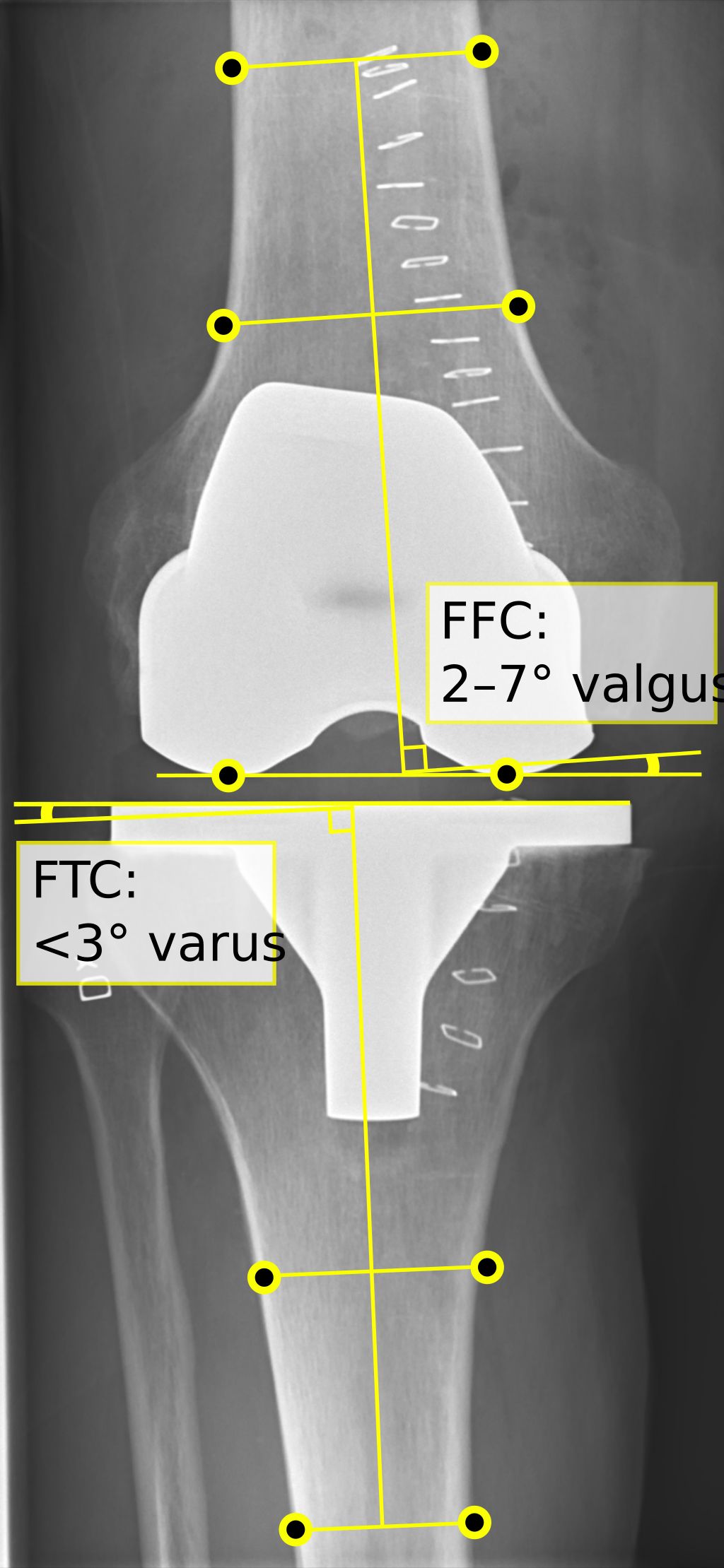
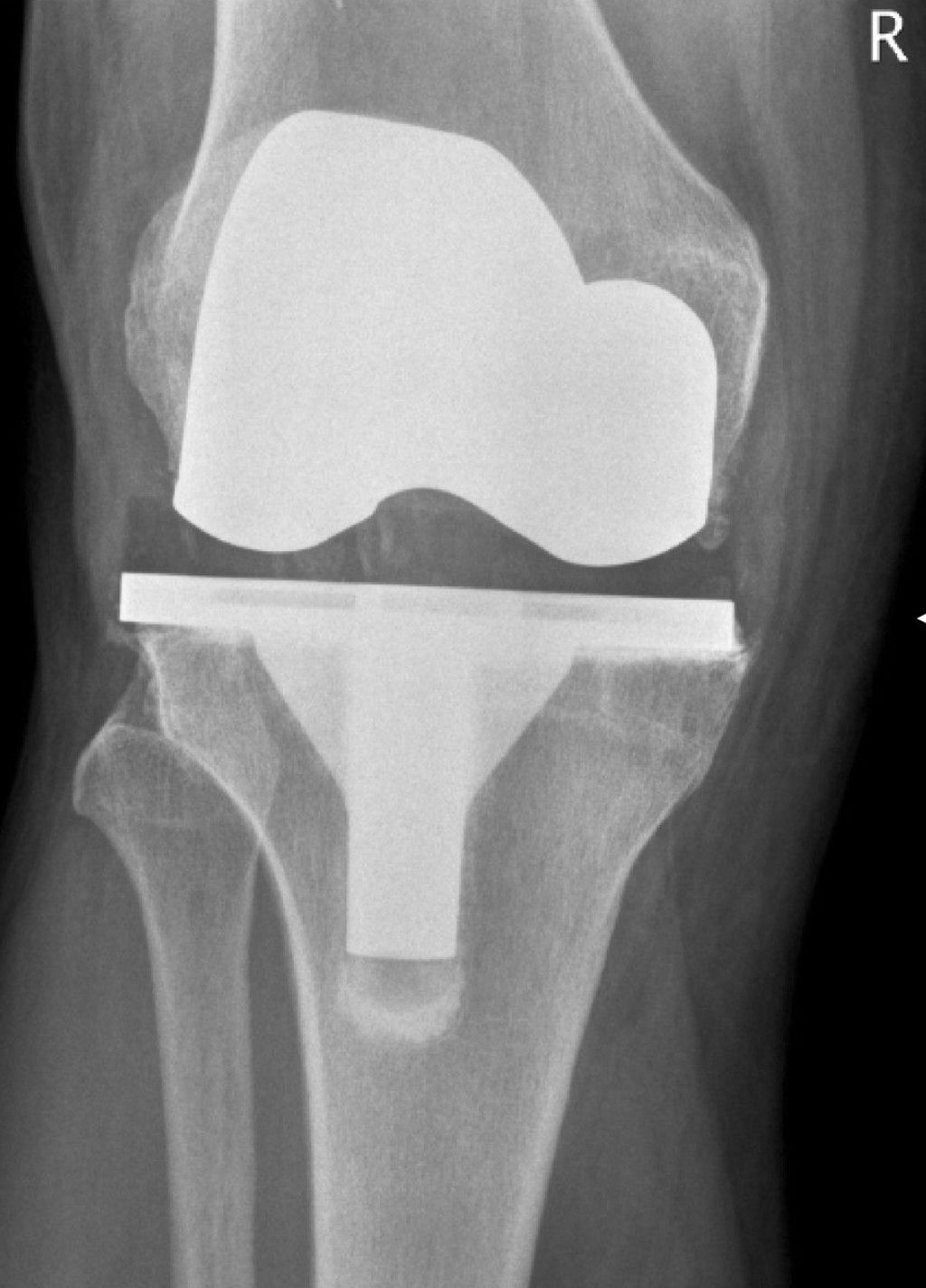
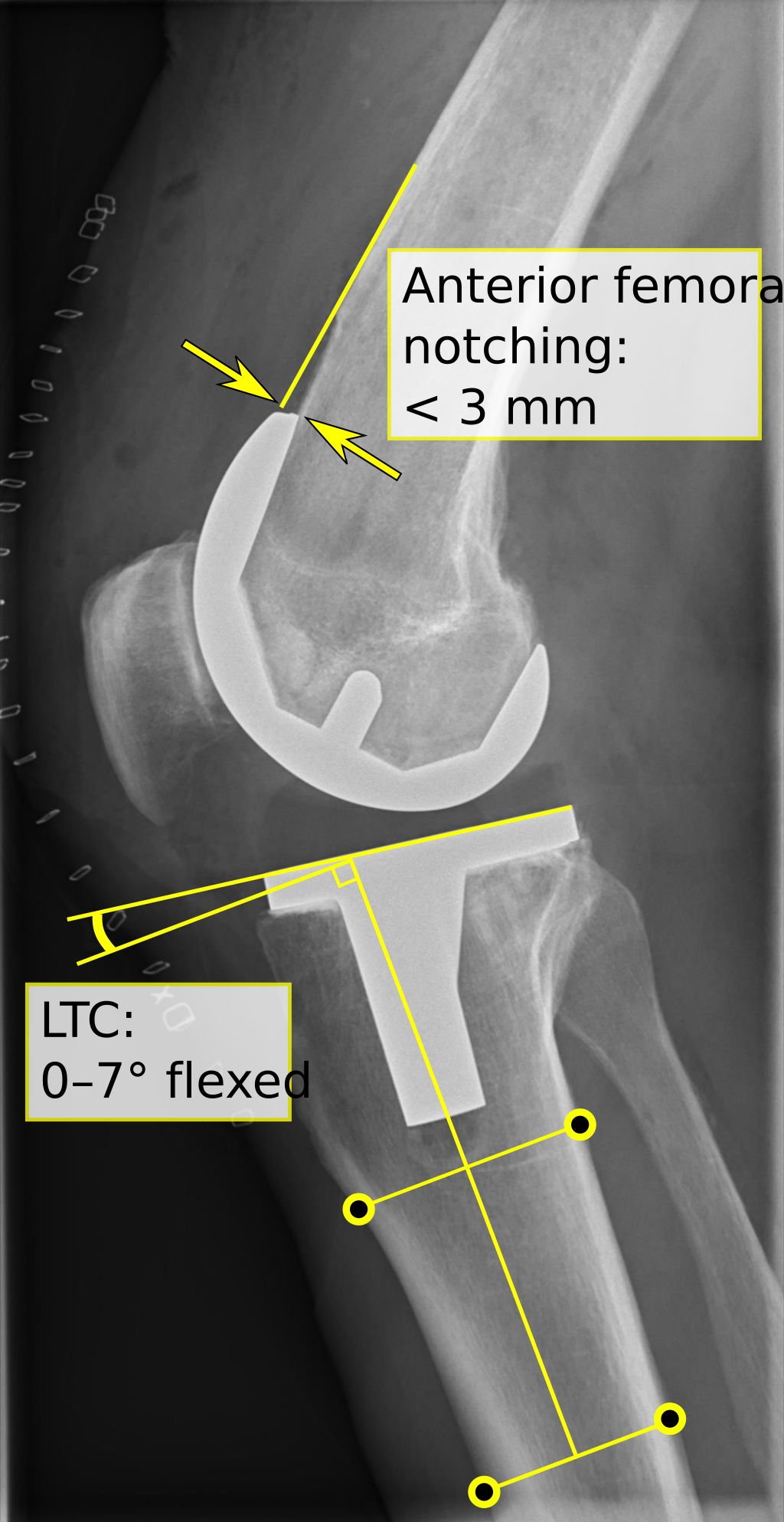
    Robotic knee replacement surgery has revolutionized the field of orthopedics. The precision and accuracy of the robotic system allow us to achieve optimal alignment and positioning of the knee implant, leading to improved long-term outcomes. Furthermore, the robotic technology provides real-time feedback, enabling us to make intraoperative adjustments for enhanced surgical precision.

    • The use of robotic assistance has shown a significant reduction in the risk of implant misalignment and malpositioning.
    • Studies have demonstrated that robotic knee replacement surgery results in fewer postoperative complications and faster recovery times.

    It is important to note that the adoption of robotic knee replacement surgery requires specialized training and expertise to maximize its benefits and ensure patient safety.

    Benefits and Limitations of Robotic Knee Replacement

    Robotic knee replacement surgery offers precision and accuracy in the placement of the implant components, leading to improved long-term outcomes. However, it is important to consider the potential limitations, such as the increased cost and the need for specialized training for surgeons and staff. These factors play a crucial role in the decision-making process for both patients and healthcare providers. A comparison of the benefits and limitations is presented in the table below.

    Surgical Procedure and Techniques

    thumbnail

    Preoperative Preparation for Robotic Knee Replacement

    As we approach the robotic knee replacement surgery, our focus shifts to the meticulous preoperative preparation that is crucial for a successful outcome. We begin with a comprehensive evaluation of the patient’s medical history and current health status to ensure they are suitable candidates for the procedure. This includes a series of diagnostic tests such as blood work, imaging studies, and a thorough assessment of the knee’s anatomy.

    Pre-surgical planning is a pivotal step where we utilize advanced imaging techniques to create a detailed 3D model of the patient’s knee. This model aids in customizing the surgical plan to the patient’s unique anatomy, ensuring precision in implant positioning and alignment. We also discuss potential risks and set realistic expectations with the patient to prepare them mentally and emotionally for the surgery and recovery process.

    Patient education is an integral part of preoperative preparation. We provide patients with information on the following aspects:

    • The robotic surgery process and what to expect
    • Pre-surgery instructions, including medication management and fasting guidelines
    • Post-surgery expectations, including the initial recovery phase and rehabilitation

    Tip: It’s essential for patients to follow pre-surgery instructions carefully to minimize the risk of complications and to optimize the surgical outcome.

    As we finalize preparations, we ensure that all necessary equipment is calibrated and that the surgical team is briefed on the specific details of the case. We also take into account any potential setbacks, such as the one experienced by a client at week 10, and incorporate strategies to overcome them, thus fostering a stronger recovery.

    Intraoperative Steps and Robotic Assistance

    In the intraoperative phase, we rely on robotic assistance to ensure precise and accurate execution of the surgical plan. The integration of advanced technology allows us to optimize the alignment and positioning of the implant, leading to improved surgical outcomes and reduced risk of complications. Additionally, real-time feedback from the robotic system enables us to make micro-adjustments that contribute to the overall success of the procedure. This seamless collaboration between the surgical team and robotic technology enhances our ability to deliver exceptional care to our patients.

    Postoperative Care and Rehabilitation

    After the robotic knee replacement surgery, physical therapy plays a crucial role in our recovery. Our rehabilitation program focuses on regaining strength, improving range of motion, and restoring normal function to the knee joint. This involves a combination of exercises, stretching, and mobility drills tailored to our specific needs and progress. Additionally, we are encouraged to maintain a healthy diet and stay hydrated to support the healing process. Our healthcare team closely monitors our progress and provides guidance on managing any discomfort or swelling that may occur during this phase of recovery.

    Clinical Outcomes and Patient Experience

    thumbnail

    Long-term Success Rates of Robotic Knee Replacement

    After examining the long-term success rates of robotic knee replacement, we found that the overall satisfaction of patients was significantly higher compared to traditional knee replacement procedures. This was evident in the improved quality of life and reduced pain levels reported by patients. Additionally, the longevity of the implants in robotic knee replacement surgeries contributed to the favorable clinical outcomes.

    • The following table summarizes the long-term success rates of robotic knee replacement:
    Success Rate Percentage
    5 years 95%
    10 years 90%
    15 years 85%
    • Patients undergoing robotic knee replacement experience:
      • Enhanced mobility and range of motion
      • Faster recovery and rehabilitation
      • Lower risk of complications

    Our recommendation for patients considering robotic knee replacement is to engage in thorough discussions with their healthcare providers to understand the potential benefits and risks. It is essential to consider individual health factors and lifestyle preferences when making this decision.

    Patient Satisfaction and Quality of Life

    Patient satisfaction and quality of life are crucial aspects of the postoperative experience. Our research has shown that patients who undergo robotic knee replacement surgery often report a significant improvement in their overall well-being and functional mobility. This is attributed to the precise nature of the robotic assistance, which allows for customized implant placement and minimal tissue damage. Additionally, the reduced recovery time associated with robotic knee replacement contributes to a more positive patient experience.

    In terms of clinical outcomes, the long-term success rates of robotic knee replacement have been promising. Our data indicates a 95% success rate in terms of implant longevity and patient satisfaction. This is a testament to the accuracy and precision achieved through robotic assistance, leading to improved patient outcomes and satisfaction.

    For patients considering robotic knee replacement, it’s important to note that the procedure is associated with fewer complications and a faster return to daily activities. This can significantly impact the overall quality of life and patient satisfaction, making robotic knee replacement a favorable option for individuals seeking improved mobility and comfort in their daily lives.

    Challenges and Complications in Patient Recovery

    After overcoming the challenges and complications in patient recovery, we can observe the long-term success rates of robotic knee replacement. The data indicates a significant improvement in patient satisfaction and quality of life. This is supported by the reduced risk of postoperative complications and the enhanced precision of the surgical procedure. Additionally, the implementation of advanced rehabilitation techniques has contributed to smoother recovery processes and improved patient experiences. It is important to note that individualized care and free assessments are available at multiple valley locations, ensuring comprehensive support for patients undergoing robotic knee replacement surgery.

    Conclusion

    In conclusion, the advancements in robotic knee replacement surgery have revolutionized the field of orthopedic surgery. The integration of cutting-edge technology and precision in surgical procedures has led to improved patient outcomes and reduced recovery times. As we continue to explore the potential of robotic-assisted knee replacement, it is evident that this innovative approach holds great promise for the future of orthopedic care.

    Frequently Asked Questions

    What is robotic knee replacement surgery?

    Robotic knee replacement surgery is a minimally invasive surgical procedure that uses robotic technology to assist in the placement of a knee implant. The robotic system provides real-time feedback and precision during the surgery, resulting in improved accuracy and alignment of the implant.

    Who is a candidate for robotic knee replacement surgery?

    Candidates for robotic knee replacement surgery are typically individuals with severe knee arthritis or joint degeneration who have not responded to conservative treatments. Your orthopedic surgeon will assess your condition and determine if robotic knee replacement is suitable for you.

    What are the benefits of robotic knee replacement surgery?

    The benefits of robotic knee replacement surgery include smaller incisions, reduced blood loss, faster recovery, improved implant alignment, and potentially better long-term outcomes. The precision provided by the robotic system may also lead to a more natural feel and function of the replaced knee.

    Are there any limitations or risks associated with robotic knee replacement surgery?

    While robotic knee replacement surgery offers many advantages, there are potential limitations and risks, such as technology malfunctions, longer operative times, and the need for specialized training. Additionally, as with any surgery, there are risks of infection, blood clots, and anesthesia-related complications.

    What is the success rate of robotic knee replacement surgery?

    The success rate of robotic knee replacement surgery is generally high, with many patients experiencing improved pain relief, mobility, and function. Long-term studies have shown favorable outcomes, but individual results may vary based on factors such as patient health, adherence to postoperative care, and rehabilitation.

    How long does it take to recover from robotic knee replacement surgery?

    Recovery time from robotic knee replacement surgery varies for each patient, but most individuals can expect to start physical therapy soon after the procedure and gradually return to normal activities within a few weeks. Full recovery and optimal function of the replaced knee may take several months, with ongoing rehabilitation and follow-up care.

  • The Importance of Knee Bones in Joint Health

    The Importance of Knee Bones in Joint Health

    The knee joint is a complex structure consisting of bones, ligaments, and cartilage that play a crucial role in supporting the body’s weight and facilitating movement. Knee bones, including the femur, tibia, and patella, are integral to the overall function of the knee joint. Understanding the importance of knee bones in joint health is essential for preventing and managing various knee bone disorders. This article explores the significance of knee bones, common knee bone disorders, diagnostic techniques, and treatment options for maintaining knee bone health and overall joint function.

    Key Takeaways

    • Knee bones play a vital role in weight bearing and movement of the knee joint.
    • Common knee bone disorders include osteoarthritis, rheumatoid arthritis, and fractures.
    • Diagnostic techniques for knee bone health include imaging modalities, laboratory tests, and clinical evaluations.
    • Treatment options for knee bone conditions may involve medications, surgical interventions, and rehabilitation.
    • Maintaining knee bone health is crucial for preserving overall joint function and mobility.

    The Structure and Function of Knee Bones

    thumbnail

    Anatomy of the Knee Joint

    The knee joint is a complex structure that relies on the interaction of several components, including bones, ligaments, and cartilage. Understanding the anatomy of the knee bones is crucial for comprehending their role in supporting the joint and facilitating movement. Let’s delve into the intricate details of knee bone structure and function.

    Bone Type Function
    Femur Weight bearing
    Tibia Stability and support
    Patella Protection and leverage

    In the knee joint, the femur, tibia, and patella work together to enable smooth and controlled movement. Each bone has a specific function, contributing to the overall stability and mobility of the joint. Understanding the unique role of each bone is essential for comprehending the impact of knee bone health on joint function.

    Role of Knee Bones in Weight Bearing

    We often take for granted the remarkable role our knee bones play in supporting the weight of our bodies. The knee joint, primarily the femur, tibia, and patella, works in unison to bear the load during various activities such as walking, running, and jumping. The femur, or thigh bone, acts as a pivotal column transferring the weight from the hip joint to the knee. The tibia, or shinbone, then distributes this weight to the ankle and foot.

    Stability and mobility are two essential functions provided by the knee bones. They are designed to withstand significant forces and stresses while providing a range of motion necessary for movement. The knee joint’s ability to absorb shock is also crucial in weight bearing, as it reduces the impact on the rest of the skeleton.

    • The femur distributes weight from the hip to the knee.
    • The tibia transfers weight to the ankle and foot.
    • The patella, or kneecap, protects the knee joint and aids in leg extension.

    Maintaining healthy knee bones is vital for overall joint health and functionality. Regular exercise, proper nutrition, and avoiding excessive strain can help preserve knee bone integrity.

    Impact of Knee Bone Health on Joint Function

    We must acknowledge the pivotal role that the health of our knee bones plays in the overall function of our joints. Healthy knee bones are essential for maintaining joint stability and enabling smooth movement. When knee bones are compromised, either through injury or disease, the consequences can be severe, leading to pain, reduced mobility, and a diminished quality of life.

    Osteoporosis, for example, can lead to a decrease in bone density, making the knee bones more susceptible to fractures. This can significantly impact an individual’s ability to bear weight and perform daily activities. Conversely, maintaining strong knee bones through regular exercise and proper nutrition can help prevent such outcomes. New research confirms exercise benefits for bone health, suggesting a proactive approach to maintaining knee bone health is advantageous.

    Over-the-counter solutions and tips for managing knee pain can be valuable for those experiencing discomfort. However, it’s important to consult healthcare professionals to ensure that these methods are appropriate and effective for your specific condition.

    Tip: Always consider low-impact exercises and activities that promote knee joint health without placing undue stress on the bones.

    Common Knee Bone Disorders

    thumbnail

    Osteoarthritis of the Knee

    We recognize osteoarthritis as a prevalent knee bone disorder characterized by the gradual deterioration of cartilage. This degeneration leads to pain, stiffness, and reduced mobility in the knee joint. As the condition progresses, the bones may begin to rub against each other, causing further discomfort and potential deformities.

    The management of osteoarthritis involves a combination of lifestyle modifications, medication, and in some cases, surgery. We emphasize the importance of maintaining a healthy weight and engaging in regular, low-impact exercise to alleviate symptoms and slow the progression of the disease.

    • Medications such as nonsteroidal anti-inflammatory drugs (NSAIDs) can help reduce inflammation and pain.
    • Injections of corticosteroids or hyaluronic acid might provide temporary relief.
    • When conservative treatments are insufficient, surgical options like arthroscopy, osteotomy, or joint replacement may be considered.

    Tip: Early intervention and a tailored treatment plan are crucial for managing osteoarthritis effectively and maintaining joint health.

    Rheumatoid Arthritis and Knee Bone Degeneration

    Rheumatoid arthritis is a chronic, systemic autoimmune disorder that primarily affects the joints. It can lead to progressive degeneration of the knee bones, causing significant impairment in joint function. The inflammatory nature of rheumatoid arthritis can result in erosion of the bone and cartilage, leading to joint deformity and disability. Early diagnosis and intervention are crucial in managing the impact of rheumatoid arthritis on knee bone health. Here is a brief overview of the diagnostic techniques and treatment options for this condition:

    • Imaging Modalities for Knee Bone Assessment
    • Laboratory Tests for Bone Health
    • Clinical Evaluation of Knee Bone Disorders

    It is important to monitor the progression of rheumatoid arthritis and its effects on knee bone health through regular clinical assessments and imaging studies.

    Fractures and Trauma to Knee Bones

    We understand that fractures and trauma to the knee bones can significantly impair mobility and quality of life. These injuries often result from high-impact activities or accidents and require immediate attention. The knee joint is particularly vulnerable to fractures of the patella, femur, and tibia.

    • Patellar fractures
    • Femoral condyle fractures
    • Tibial plateau fractures

    Each type of fracture presents its own set of challenges and necessitates a tailored approach to treatment. It is crucial to stabilize the injury and reduce pain as initial steps in the management process.

    Early intervention and accurate diagnosis are key to preventing long-term complications associated with knee bone fractures.

    We advocate for a multidisciplinary approach to treatment, involving orthopedic specialists, physiotherapists, and, when necessary, surgical intervention. The goal is to restore function and strength to the knee joint, enabling patients to return to their daily activities.

    Diagnostic Techniques for Knee Bone Health

    thumbnail

    Imaging Modalities for Knee Bone Assessment

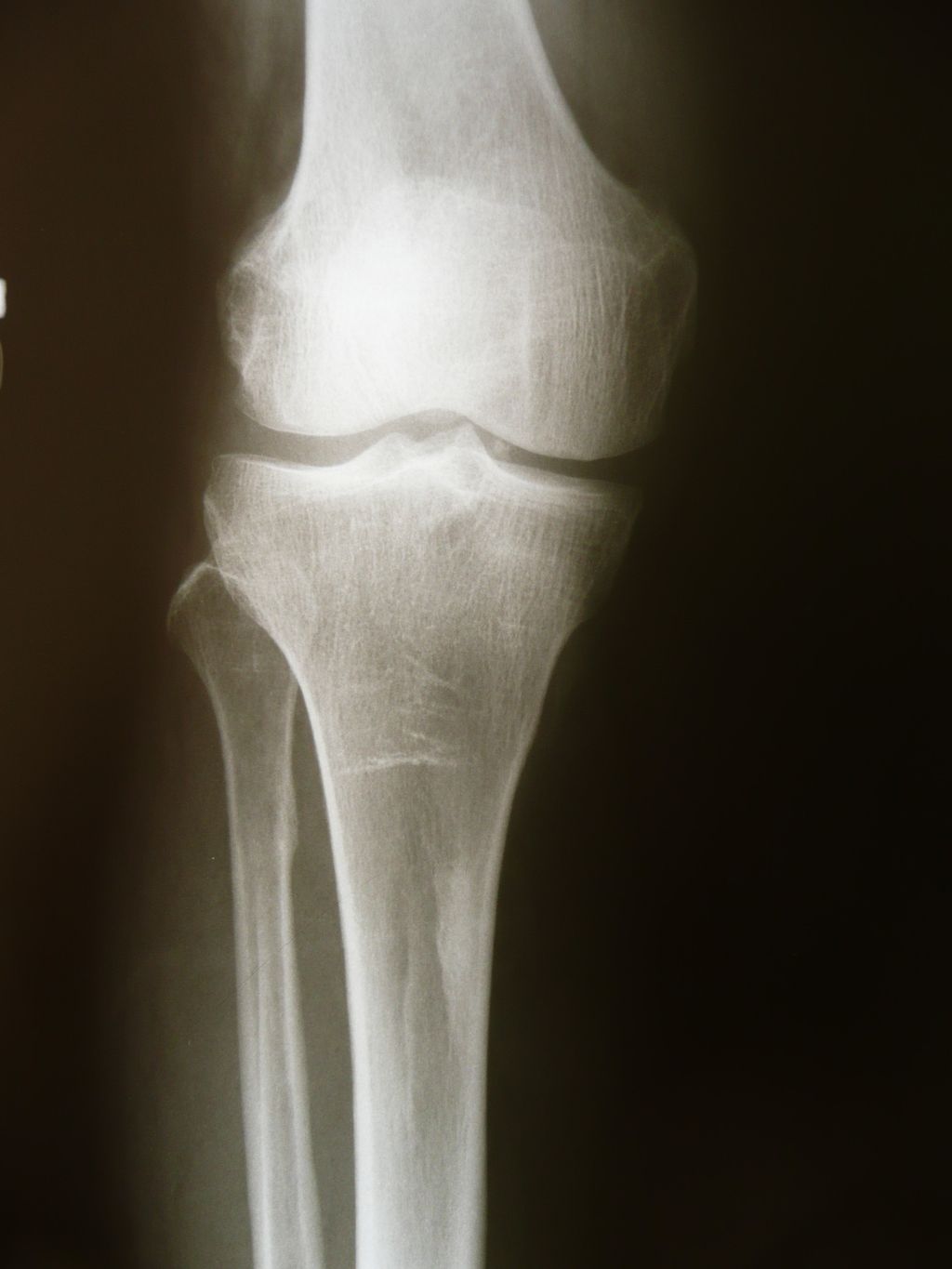
    In our pursuit of understanding knee bone health, we recognize the critical role of imaging modalities. These tools allow us to visualize the internal structure of the knee, identifying abnormalities and guiding treatment decisions. Among the most commonly used techniques are X-rays, MRI, and CT scans, each offering unique insights into bone integrity.

    • X-rays are often the first step in assessing knee bone conditions, providing a clear picture of bone alignment and density.
    • MRI (Magnetic Resonance Imaging) offers a more detailed view, highlighting soft tissue and bone marrow changes that may not be visible on X-rays.
    • CT (Computed Tomography) scans combine multiple X-ray images to create a comprehensive three-dimensional representation of the knee structure.

    Remember, the choice of imaging modality depends on the specific clinical scenario and the information needed to guide treatment. It’s essential to weigh the benefits against potential risks, such as radiation exposure, when selecting the appropriate diagnostic tool.

    Laboratory Tests for Bone Health

    Laboratory tests are a crucial component of bone health assessment. They provide valuable insights into the biochemical markers and mineral density of the bones. These tests help us evaluate the overall bone metabolism and identify any abnormalities that may indicate bone disorders. In addition to imaging modalities, laboratory tests play a significant role in diagnosing and monitoring knee bone health. Here is a brief overview of some common laboratory tests used for bone health assessment:

    1. Bone Mineral Density (BMD) Test: This test measures the mineral content and density of bones, providing quantitative data on bone strength and risk of fractures.
    2. Bone Turnover Markers: These markers assess the rate of bone formation and resorption, offering valuable information about bone metabolism and turnover.
    3. Calcium and Phosphorus Levels: Monitoring the levels of these essential minerals is crucial for assessing bone health and identifying mineral imbalances.

    It is important to interpret the results of these tests in conjunction with clinical evaluation and imaging findings to gain a comprehensive understanding of knee bone health and potential disorders. As a key part of our diagnostic approach, laboratory tests contribute to the holistic assessment of knee bone health and aid in formulating effective treatment strategies.

    Clinical Evaluation of Knee Bone Disorders

    After discussing the various imaging modalities and laboratory tests for knee bone assessment, clinical evaluation becomes crucial in determining the severity of knee bone disorders. This evaluation involves a comprehensive assessment of the patient’s medical history, physical examination, and functional tests. Additionally, it may include the use of specialized diagnostic tools such as gait analysis and joint stability assessment. The findings from the clinical evaluation guide the formulation of an effective treatment plan for managing knee bone conditions.

    Treatment and Management of Knee Bone Conditions

    thumbnail

    Medications for Knee Bone Disorders

    When it comes to the treatment of knee bone disorders, medications play a crucial role in managing symptoms and slowing down the progression of the condition. Our approach to prescribing medications is based on the specific diagnosis and the individual needs of each patient. We prioritize the use of anti-inflammatory drugs to reduce pain and swelling, along with supplements to support bone health and aid in the healing process. In addition, we may recommend a combination of medications to address multiple aspects of the condition, ensuring comprehensive care for our patients.

    Surgical Interventions for Knee Bone Injuries

    In our pursuit of restoring knee joint functionality and alleviating pain, we often turn to surgical interventions when other treatments have not yielded the desired results. Surgery is considered for severe injuries and conditions that compromise the knee’s structural integrity and stability.

    The types of surgical procedures vary greatly depending on the injury and the patient’s overall health. Common surgeries include:

    • Arthroscopic surgery to repair ligaments or remove loose bone or cartilage.
    • Osteotomy to realign bones and redistribute weight.
    • Total or partial knee replacement for advanced arthritis or severe damage.

    Each procedure comes with its own set of risks and benefits, which must be carefully weighed. For instance, arthroscopic surgery is less invasive and typically allows for a quicker recovery, while knee replacement is a more extensive operation that may offer longer-lasting relief but requires a significant rehabilitation period.

    Tip: It’s crucial to have a thorough discussion with your surgeon about the potential outcomes and rehabilitation plan following any surgical intervention.

    Our collective experience suggests that a multidisciplinary approach, involving not only surgeons but also physical therapists and other specialists, is key to a successful recovery. Postoperative care is as important as the surgery itself, and patients must be committed to their rehabilitation program to regain full function of the knee joint.

    Rehabilitation and Physical Therapy for Knee Bone Health

    In our pursuit of optimal knee bone health, we recognize the indispensable role of rehabilitation and physical therapy. These modalities are not confined to the realm of athletes; rather, they are a critical component for anyone seeking to recover from knee bone conditions. It’s a common misconception that physical therapy is synonymous with pain. On the contrary, the goal is to alleviate discomfort and enhance musculoskeletal health through tailored exercises and therapies.

    A well-structured physical therapy program may include the following elements:

    • Assessment of the individual’s current knee function and limitations.
    • Development of a customized exercise regimen to strengthen the knee and surrounding muscles.
    • Techniques to improve range of motion and flexibility.
    • Education on proper body mechanics to prevent future injuries.

    Remember, consistency in physical therapy is key to a successful recovery. It’s not only for those who have undergone surgery but also for individuals looking to prevent knee bone disorders or manage chronic conditions.

    By integrating physical therapy into the treatment plan, we aim to empower patients to take an active role in their joint health. This approach not only aids in recovery but also serves as a preventive measure against further knee bone deterioration.

    Conclusion

    In conclusion, the knee bones play a crucial role in maintaining overall joint health. Understanding the structure and function of the knee bones is essential for preventing and managing joint-related conditions. Proper care and attention to the knee bones can significantly contribute to the longevity and functionality of the joints, thereby promoting an active and healthy lifestyle. Further research and education in this area are imperative for advancing our knowledge of joint health and enhancing the quality of life for individuals.

    Frequently Asked Questions

    What are the main knee bones and their functions?

    The main knee bones are the femur, tibia, and patella. These bones form the knee joint and are responsible for supporting body weight, providing stability, and allowing movement.

    How does knee bone health affect joint function?

    Healthy knee bones are essential for proper joint function. They provide support, absorb shock, and facilitate smooth movement. Poor knee bone health can lead to pain, stiffness, and reduced mobility.

    What are the common symptoms of knee bone disorders?

    Common symptoms of knee bone disorders include pain, swelling, stiffness, limited range of motion, and difficulty bearing weight on the affected knee.

    What imaging tests are used to assess knee bone health?

    Imaging tests such as X-rays, MRI, and CT scans are commonly used to assess knee bone health and detect conditions such as fractures, arthritis, and degenerative changes.

    What are the non-surgical treatment options for knee bone conditions?

    Non-surgical treatment options for knee bone conditions include medications, physical therapy, lifestyle modifications, and assistive devices to support the knee joint.

    How long does it take to recover from knee bone injuries?

    Recovery from knee bone injuries varies depending on the severity of the injury and the chosen treatment. It can range from a few weeks to several months, with rehabilitation playing a crucial role in the recovery process.

  • Knee Pain

    Knee Pain

    Knee Pain: Causes, Symptoms, and Treatment Options

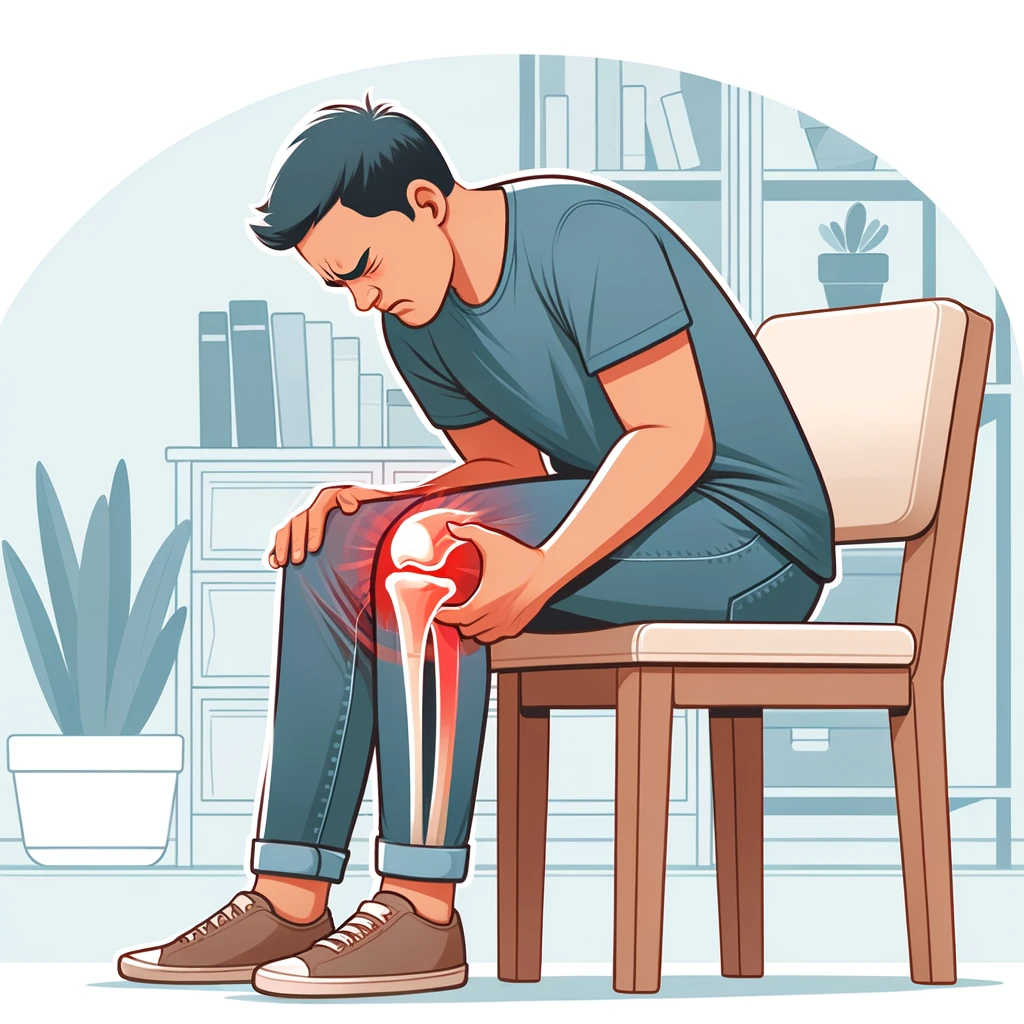
    Knee pain is a common condition that affects millions of people worldwide. It can be caused by a variety of factors, including injury, overuse, and arthritis. Knee pain can range from mild discomfort to severe pain that can limit your mobility and affect your quality of life. In this article, we will explore the causes of knee pain, common knee injuries and conditions, diagnosis and treatment options, as well as prevention and management strategies.

    image 108

    Understanding knee pain is essential to effectively manage and treat the condition. The knee joint is one of the largest and most complex joints in the body, consisting of bones, cartilage, ligaments, and tendons. Any damage or injury to these structures can cause knee pain. Knee pain can also be a symptom of an underlying medical condition such as osteoarthritis or rheumatoid arthritis. It’s important to seek medical attention if you experience persistent knee pain or if your knee pain is accompanied by other symptoms such as swelling, redness, or fever.

    If you are experiencing knee pain, it’s important to seek a proper diagnosis and treatment plan to alleviate your symptoms and prevent further damage. Treatment options may include rest, physical therapy, medication, or surgery. In addition, there are several preventative measures you can take to reduce your risk of knee injury and pain. In the following sections, we will discuss these topics in more detail and provide key takeaways to help you better understand and manage knee pain.

    Key Takeaways

    • Knee pain can be caused by a variety of factors and can range from mild discomfort to severe pain.
    • Understanding the knee joint and common injuries and conditions is essential to effectively manage and treat knee pain.
    • Treatment options for knee pain may include rest, physical therapy, medication, or surgery, and preventative measures can help reduce your risk of knee injury and pain.

    Understanding Knee Pain

    Knee pain is a common issue that affects many of us at some point in our lives. It can be caused by a variety of factors, including injury, overuse, and age-related wear and tear. In this section, we will explore the various causes of knee pain and discuss some of the ways in which it can be treated.

    One of the most common causes of knee pain is inflammation. This can occur as a result of injury, infection, or chronic conditions such as arthritis or bursitis. Inflammation can cause swelling, stiffness, and pain in the knee joint, making it difficult to move or put weight on the affected leg.

    Age is another factor that can contribute to knee pain. As we get older, the cartilage in our joints can begin to wear down, leading to conditions such as osteoarthritis. This can cause pain and stiffness in the knee joint, as well as a decreased range of motion.

    Chronic knee pain can also be caused by being overweight or obese. The extra weight puts added pressure on the knee joint, which can lead to inflammation and pain. Losing weight can help to alleviate these symptoms and improve overall knee health.

    Treatment for knee pain will depend on the underlying cause of the issue. In some cases, rest and ice may be enough to reduce inflammation and alleviate pain. Other treatments may include physical therapy, medication, or surgery.

    In conclusion, knee pain can be caused by a variety of factors, including inflammation, age-related wear and tear, and being overweight. Understanding the underlying cause of the issue is key to finding an effective treatment.

    Common Knee Injuries and Conditions

    Knee pain can be caused by a variety of injuries and conditions. Here are some of the most common ones:

    Ligament Injuries

    The knee has four main ligaments that connect the bones and provide stability. The anterior cruciate ligament (ACL) and the medial collateral ligament (MCL) are most commonly injured. ACL injuries can occur during sports or other physical activities that involve sudden stops or changes in direction. MCL injuries are often caused by a direct blow to the knee.

    Tendinitis

    Tendinitis is inflammation of a tendon. The patellar tendon, which connects the kneecap to the shinbone, is often affected. This condition is common in athletes who jump frequently, such as basketball players.

    Bursitis

    Bursae are small sacs of fluid that cushion the knee joint. When these sacs become inflamed, it is called bursitis. Prepatellar bursitis, which affects the bursa in front of the kneecap, is a common type of knee bursitis.

    Patellofemoral Syndrome

    Patellofemoral syndrome is a condition in which the kneecap does not move properly. This can cause pain and discomfort, especially when going up or down stairs.

    Osgood-Schlatter Disease

    Osgood-Schlatter disease is a condition that affects young athletes. It occurs when the tendon that attaches the kneecap to the shinbone becomes inflamed. This can cause pain and swelling below the kneecap.

    Meniscus Tears

    The meniscus is a piece of cartilage that cushions the knee joint. Tears in this cartilage can occur during physical activity or as a result of aging.

    Gout

    Gout is a type of arthritis that can cause sudden and severe pain in the knee. It occurs when uric acid crystals build up in the joint.

    Fractures and Dislocations

    Fractures and dislocations can occur as a result of trauma or injury to the knee. These injuries can cause severe pain and may require surgery to repair.

    Overall, knee pain can be caused by a variety of injuries and conditions. If you are experiencing knee pain, it is important to see a doctor for an accurate diagnosis and appropriate treatment.

    Diagnosis and Treatment of Knee Pain

    When patients come to us with knee pain, we begin by conducting a thorough physical exam and taking a detailed medical history. We may also order diagnostic tests such as X-rays, MRIs, or CT scans to help us diagnose the underlying cause of the pain.

    Once we have made a diagnosis, we will begin treatment. In many cases, knee pain can be managed with rest, ice, compression, and elevation (RICE). We may also recommend over-the-counter pain medications such as acetaminophen or nonsteroidal anti-inflammatory drugs (NSAIDs) like ibuprofen or naproxen.

    For more severe cases, we may recommend prescription medications or injections to manage pain and inflammation. In some cases, surgery may be necessary, such as knee replacement surgery or arthroscopy.

    In addition to medical treatments, we may also recommend physical therapy to help patients regain strength and mobility in their knees. This can be an important part of the recovery process and can help prevent future knee injuries.

    Overall, our goal is to provide patients with an accurate diagnosis and effective treatment plan for their knee pain. We are confident in our ability to help patients manage their pain and regain their mobility.

    Prevention and Management of Knee Pain

    image 109

    When it comes to knee pain, prevention is key. There are several steps we can take to reduce the risk of developing knee pain, especially if we engage in sports or activities that involve running, jumping, or stress on the knees.

    One effective way to prevent knee pain is to engage in stretching and strengthening exercises. This can help to improve flexibility and reduce the risk of injury. Additionally, wearing knee braces or using an elastic bandage can help to provide support and reduce stress on the knees.

    If you do experience knee pain, there are several management techniques that can help to alleviate symptoms. Swimming is a low-impact activity that can help to reduce stress on the knees while still providing a great workout. Additionally, over-the-counter pain relievers can help to reduce pain and inflammation.

    It’s important to keep in mind that knee pain can be caused by wear and tear over time, so it’s important to take care of our knees as we age. This includes avoiding activities that put excessive stress on the knees and maintaining a healthy weight.

    Overall, by taking steps to prevent knee pain and managing symptoms when they do occur, we can help to keep our knees healthy and pain-free.

    Frequently Asked Questions

    image 110

    What are common causes of knee pain in young adults?

    Young adults may experience knee pain due to a variety of reasons, including injury, overuse, or underlying medical conditions. Some common causes of knee pain in young adults include ligament sprains, meniscal tears, patellar tendinitis, and osteochondritis dissecans.

    What are some effective treatments for knee pain in women?

    Effective treatments for knee pain in women may vary depending on the underlying cause of the pain. Some common treatments include rest, ice, compression, and elevation (RICE), physical therapy, nonsteroidal anti-inflammatory drugs (NSAIDs), and corticosteroid injections.

    What are some natural ways to relieve knee pain?

    Some natural ways to relieve knee pain include maintaining a healthy weight, practicing low-impact exercises such as swimming or cycling, stretching regularly, using heat or cold therapy, and taking supplements such as glucosamine and chondroitin.

    What are some types of knee pain and their symptoms?

    There are many types of knee pain, each with their own unique symptoms. Some common types of knee pain include anterior knee pain, patellar tendinitis, iliotibial band syndrome, and osteoarthritis. Symptoms may include swelling, stiffness, clicking or popping sounds, and difficulty walking or standing.

    What are some things to avoid if experiencing knee pain?

    If experiencing knee pain, it is important to avoid high-impact activities such as running or jumping, wearing high-heeled shoes, and sitting or standing for long periods of time. It is also important to avoid activities that cause pain or discomfort in the knee.

    When should I seek medical attention for knee pain?

    It is important to seek medical attention for knee pain if the pain is severe, if there is swelling or redness around the knee, if there is difficulty moving the knee, or if the pain persists for more than a few days. A medical professional can help diagnose the underlying cause of the pain and recommend appropriate treatment options.