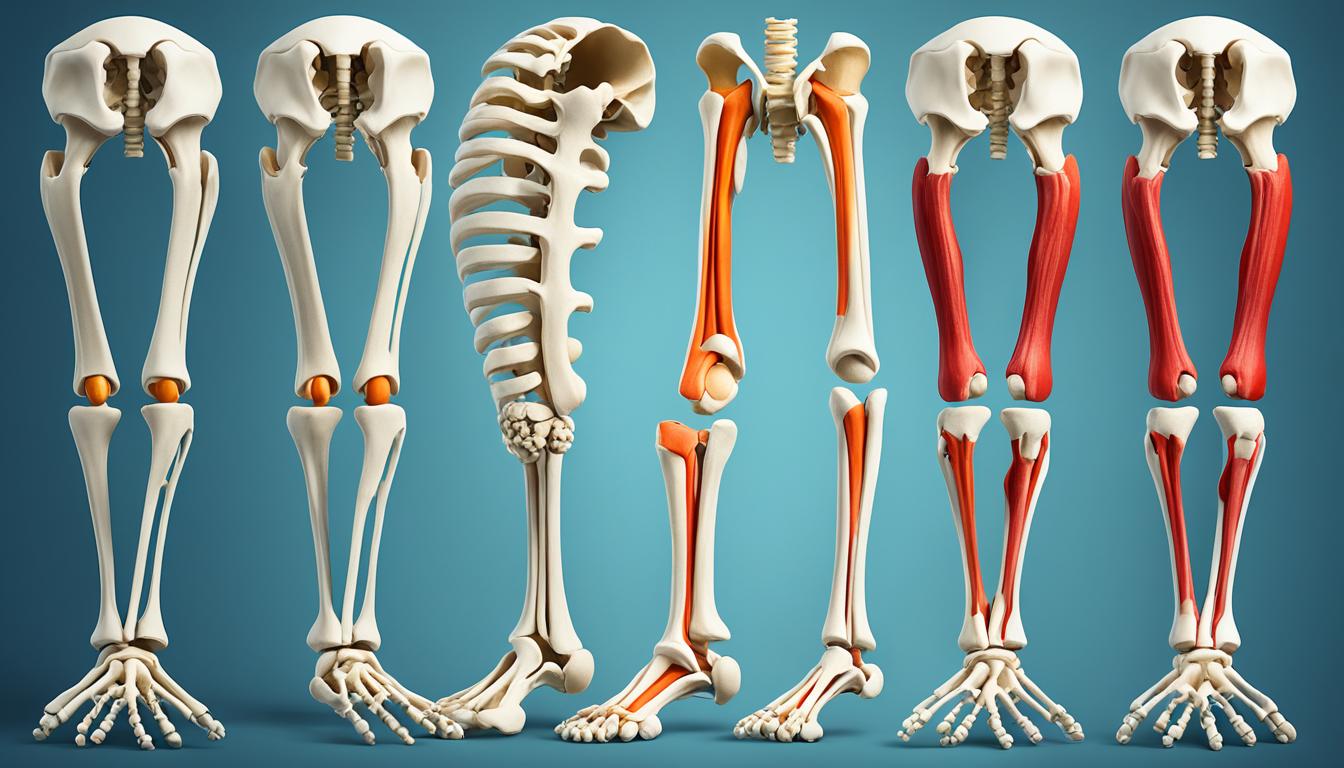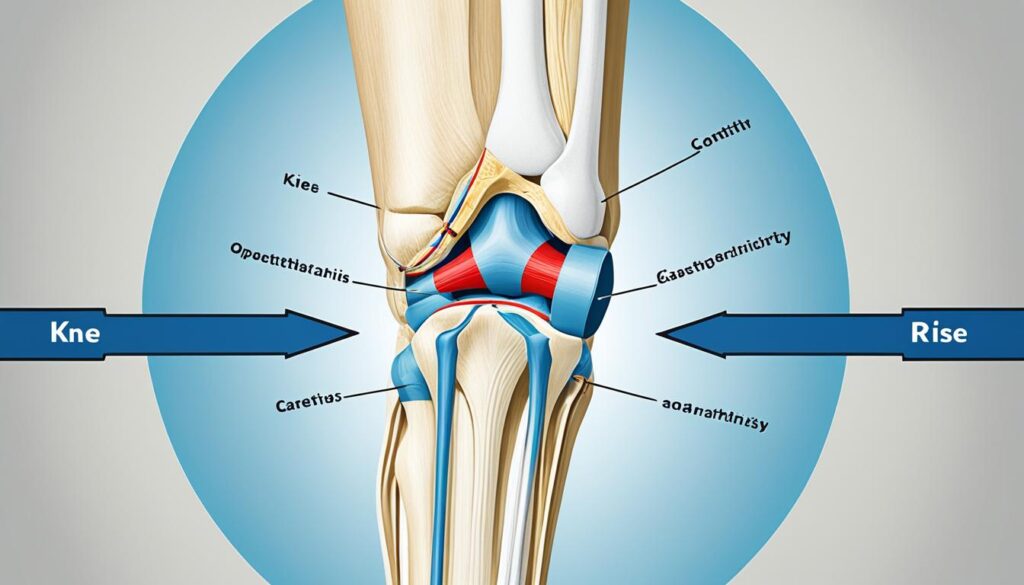
Tag: Arthritis Knees

  • Understanding Knee Osteoarthritis Onset Timing

    Understanding Knee Osteoarthritis Onset Timing

    Welcome to our comprehensive guide on knee osteoarthritis, a degenerative joint disease that affects millions of people. In this first section, we will explore the onset timing of knee osteoarthritis and provide valuable insights into when it starts.

    Knee osteoarthritis can be divided into two types: primary and secondary. Primary osteoarthritis occurs without any apparent underlying reason, while secondary osteoarthritis is the result of abnormal force or cartilage abnormalities in the joint.

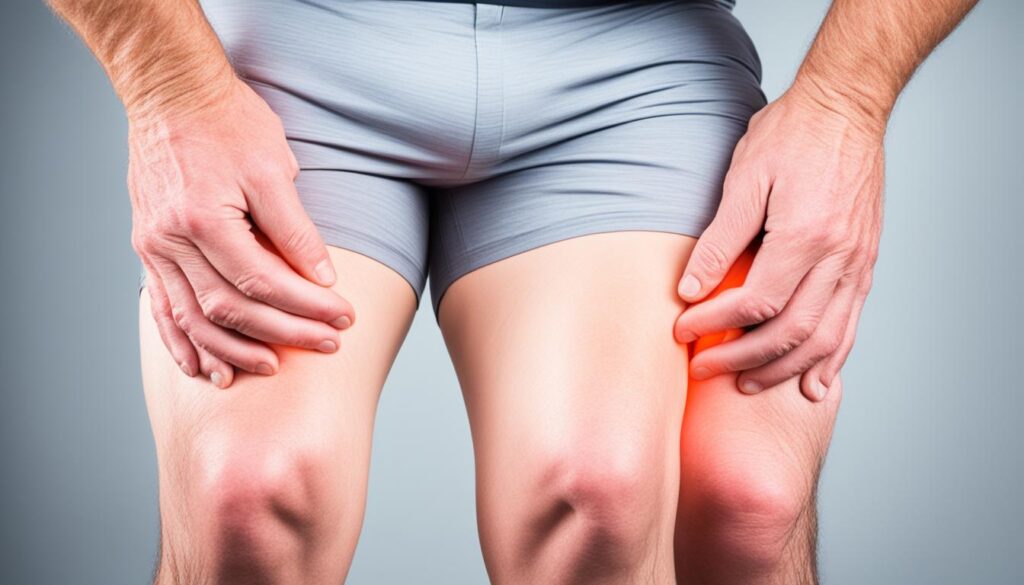
    Most commonly seen in the elderly, knee osteoarthritis is characterized by symptoms such as knee pain, stiffness, swelling, and reduced mobility. To effectively manage these symptoms and provide appropriate treatment, understanding the onset timing of knee osteoarthritis is crucial.

    In the next sections, we will delve deeper into the early signs of knee osteoarthritis, the timeline of knee joint degeneration, and how to identify the disease in its early stages. We will also explore the causes, risk factors, and prevalence of knee osteoarthritis, as well as the pathophysiology behind its development.

    Join us on this journey as we uncover valuable information about knee osteoarthritis and empower you to take control of your joint health.

    Early Signs of Knee Osteoarthritis

    In the early stages of knee osteoarthritis, individuals may not experience noticeable symptoms. However, there are some early signs that may indicate the onset of the disease.

    • Mild discomfort: Some individuals may experience mild discomfort in the knee joint, which can be easily overlooked or attributed to other factors.
    • Stiffness in the knee joint: Stiffness, especially after a period of rest or inactivity, can be an early sign of knee osteoarthritis.
    • Pain after prolonged sitting or resting: If you feel pain or stiffness in the knee after sitting or resting for an extended period, it may be an early symptom of knee osteoarthritis.
    • Pain that worsens with activity: As the disease progresses, pain in the knee joint may worsen during activities such as walking, climbing stairs, or engaging in sports.
    • Pain that gradually worsens over time: Knee pain that gradually becomes more frequent and intense over time is a common early sign of knee osteoarthritis.

    It is important to pay attention to these early signs and seek medical attention for proper diagnosis and management. Early intervention can help slow down the progression of knee osteoarthritis and improve long-term outcomes.

    Timeline of Knee Joint Degeneration

    Knee joint degeneration in osteoarthritis is a progressive process that unfolds over time. Although the timeline of degeneration may vary for each individual, there is a general pattern that can serve as a guide to understand the progression of the disease. The stages of knee joint degeneration and their corresponding symptoms are as follows:

    1. Early Stages: During this phase, the cartilage in the knee joint may already be damaged, but symptoms may not be noticeable. It is during this stage that the disease often goes undiagnosed, making early intervention challenging.
    2. Progression: As the disease advances, symptoms such as knee pain, stiffness, and swelling become more frequent and severe. The joint space begins to narrow, cartilage continues to break down, and bone spurs may develop.
    3. Advanced Stages: In the later stages of knee joint degeneration, there is significant cartilage loss, leading to bone-on-bone friction within the joint. This stage is often characterized by intense pain and discomfort, limiting mobility and impacting the quality of life for individuals with knee osteoarthritis.

    The timeline of knee joint degeneration provides valuable insights into the progression of knee osteoarthritis and helps healthcare professionals develop appropriate management strategies for patients. Understanding the different stages allows for early intervention, potentially slowing down the degenerative process and providing relief for those affected by knee osteoarthritis.

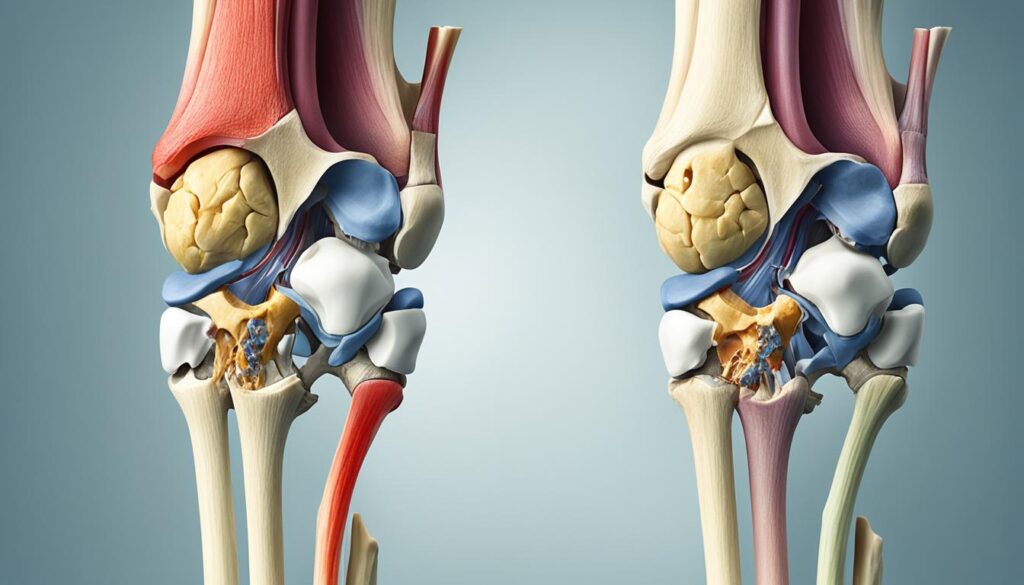
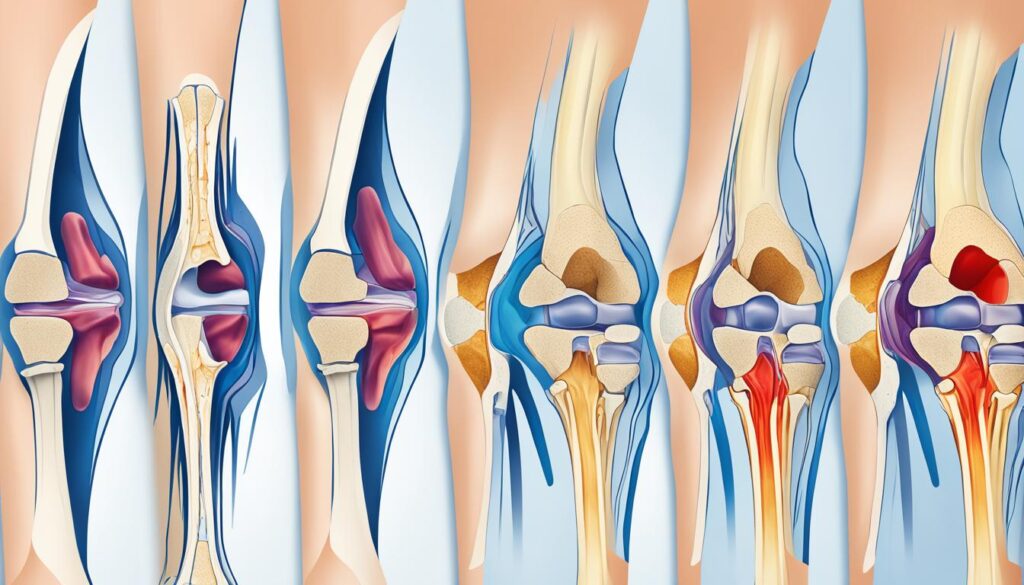
    knee joint degeneration timeline

    Quote:

    “By understanding the timeline of knee joint degeneration in osteoarthritis, we can offer tailored treatment plans that address the specific needs of each patient at different stages of the disease progression.”
    – Dr. Emily Smith, Orthopedic Surgeon

    Identifying Early Knee Osteoarthritis

    Identifying early knee osteoarthritis can be challenging as symptoms may be subtle or non-existent in the early stages. However, there are certain risk factors that can increase the likelihood of developing the disease. These include:

    • Age: Knee osteoarthritis is more common in older adults.
    • Genetics: A family history of knee osteoarthritis can increase the risk.
    • Gender: Females are more prone to knee osteoarthritis.
    • Obesity: Excess weight places additional stress on the knee joint.
    • Previous knee injuries: Injuries like ligament tears or fractures can contribute to the development of osteoarthritis.

    To identify early signs of knee osteoarthritis, it is crucial to schedule regular check-ups with a healthcare provider. They can assess joint health and perform diagnostic tests, such as imaging studies and physical examinations. Monitoring for symptoms like knee pain, stiffness, swelling, clicking sounds, or limited mobility is essential. This proactive approach allows for early intervention and treatment, improving the outcomes for individuals at risk of knee osteoarthritis.
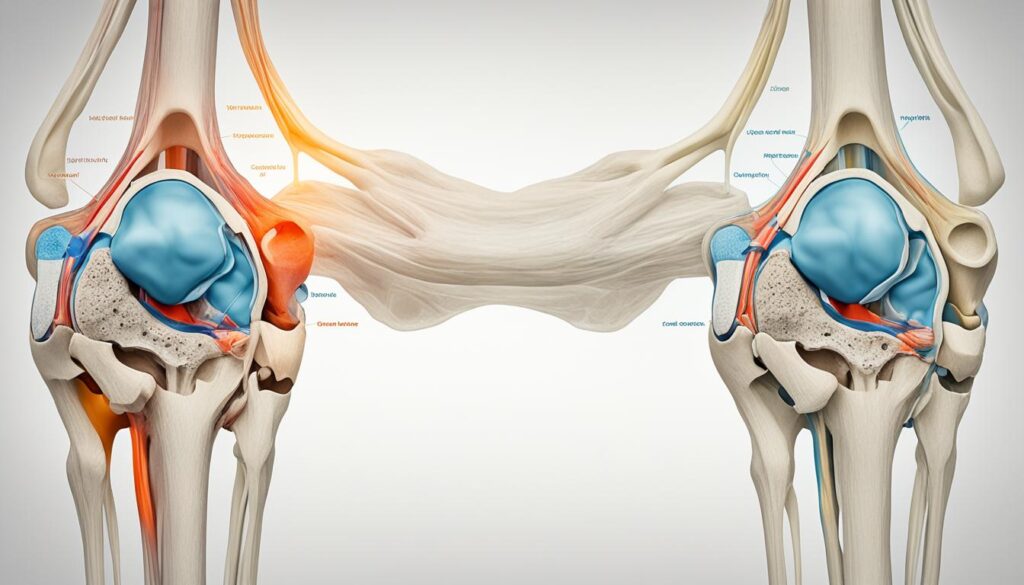
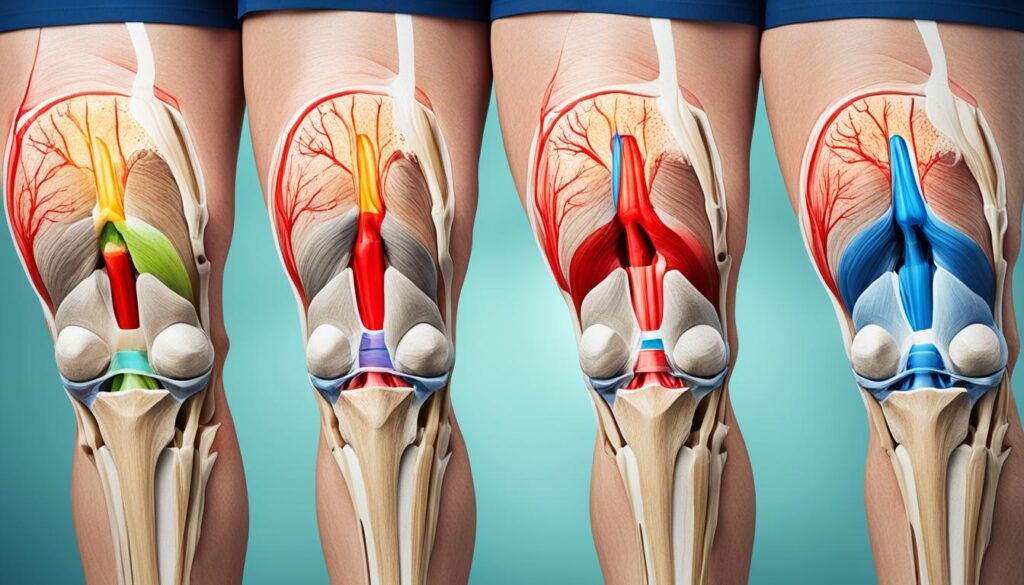
    identifying early knee osteoarthritis

    Table: Risk factors for knee osteoarthritis

    Risk Factors Description
    Age Knee osteoarthritis is more common in older adults.
    Genetics A family history of knee osteoarthritis increases the risk.
    Gender Females are more prone to knee osteoarthritis.
    Obesity Excess weight places additional stress on the knee joint.
    Previous knee injuries Injuries like ligament tears or fractures can contribute to the development of osteoarthritis.

    Causes and Risk Factors of Knee Osteoarthritis

    Knee osteoarthritis can develop due to various causes and risk factors. Understanding these factors can help us identify individuals who may be more susceptible to this condition and take appropriate preventive measures.

    Age and Wear and Tear

    One of the primary risk factors for knee osteoarthritis is age. As we grow older, the natural wear and tear on our joints can lead to the degradation of knee cartilage. Over time, this can result in osteoarthritis affecting the knees.

    Genetics

    Our genetic makeup can also play a role in the development of knee osteoarthritis. Certain genetic traits may make individuals more prone to this condition.

    Obesity and Excessive Stress

    Obesity is another significant risk factor for knee osteoarthritis. The excess weight places additional stress on the knee joint, accelerating the wear and tear process and increasing the likelihood of cartilage deterioration.

    Previous Knee Injuries

    Individuals who have experienced previous knee injuries, such as ligament tears or fractures, have an increased risk of developing osteoarthritis in the affected knee. These injuries can lead to lasting damage that contributes to the onset of the condition.

    Abnormal Joint Structure

    Abnormalities in joint structure, such as malalignment or misshapen bones, can also contribute to the development of knee osteoarthritis. These structural irregularities can create uneven pressure distribution within the joint, leading to cartilage wear and tear over time.

    To summarize, the causes and risk factors of knee osteoarthritis include age, genetics, obesity, previous knee injuries, and abnormalities in joint structure. Understanding these factors can help us identify individuals at higher risk and implement strategies to prevent or manage the condition effectively.

    Risk Factors Impact on Knee Osteoarthritis
    Age Increases the risk due to wear and tear accumulation
    Genetics May make individuals more susceptible
    Obesity Excessive weight places added stress on the knee joint
    Previous Knee Injuries Increases the likelihood of osteoarthritis development
    Abnormal Joint Structure Uneven pressure distribution can lead to cartilage wear

    Prevalence of Knee Osteoarthritis

    Knee osteoarthritis is a prevalent condition, particularly among the elderly population. The prevalence of knee osteoarthritis increases with age, and it is estimated that roughly 13% of women and 10% of men aged 60 and older have symptomatic knee osteoarthritis. Among those over the age of 70, the prevalence can be as high as 40%. It’s important to note that not everyone with radiographic evidence of knee osteoarthritis experiences symptoms.

    The incidence of symptomatic knee osteoarthritis is approximately 240 cases per 100,000 people per year. As the population continues to age, the number of individuals affected by knee osteoarthritis is expected to rise. Early detection, diagnosis, and management are crucial for improving the quality of life for those with knee osteoarthritis.

    Regular check-ups with a healthcare provider and maintaining a healthy lifestyle can help minimize the impact of knee osteoarthritis and prevent complications. By understanding the prevalence of knee osteoarthritis and its impact on individuals, we can work towards developing effective strategies for prevention, early intervention, and comprehensive management of this common condition.

    Our commitment is to provide accurate information and guidance to help you navigate the challenges of living with knee osteoarthritis and ensure that you receive the best possible care.

    Pathophysiology of Knee Osteoarthritis

    The pathophysiology of knee osteoarthritis involves the progressive degradation of articular cartilage in the knee joint. While the exact mechanisms underlying the development of osteoarthritis are not fully understood, research suggests that an imbalance between cartilage degradation and repair processes contributes to its onset and progression.

    Over time, knee osteoarthritis results in the loss of collagen, a key structural protein, and proteoglycans, which are essential for maintaining cartilage elasticity. This loss leads to a decrease in the overall integrity and functionality of the cartilage, making it more susceptible to damage. As a result, the knee joint may experience increased friction and joint space narrowing, further exacerbating the degenerative process.

    In addition to cartilage degeneration, bone spurs can develop as a response to the changes in the joint. These spurs, also known as osteophytes, can further contribute to pain and stiffness by impinging on surrounding structures. The presence of inflammation within the joint, characterized by increased levels of inflammatory mediators, such as cytokines and chemokines, may also play a role in the progression of knee osteoarthritis.

    Overall, the pathophysiology of knee osteoarthritis involves a complex interplay of factors that contribute to cartilage degradation and joint degeneration. Further research is needed to fully understand the molecular and cellular processes involved, which could ultimately lead to the development of more targeted and effective treatment strategies.

    Next, let’s take a closer look at some of the risk factors that contribute to the development of knee osteoarthritis and how it can be identified in its early stages.

    Conclusion

    Knee osteoarthritis is a progressive disease that can significantly impact your quality of life. However, by understanding the onset timing and progression of knee osteoarthritis, you can take proactive steps to effectively manage your symptoms.

    If you experience knee pain or other symptoms, it is important to seek medical attention for early intervention. This can help slow down the progression of the disease and prevent further damage to your knee joint.

    When it comes to managing knee osteoarthritis symptoms, conservative treatment options such as physical therapy, pain management, and lifestyle modifications are often the first line of defense. These approaches focus on improving joint function, reducing pain, and increasing mobility.

    In some cases, surgical interventions may be necessary to alleviate pain and improve joint function. Your healthcare provider will be able to guide you on the most appropriate treatment options for your specific situation.

    By taking a comprehensive approach to knee osteoarthritis management, you can maintain an active and fulfilling lifestyle, despite the challenges posed by the condition. Remember to prioritize self-care, follow your healthcare provider’s recommendations, and stay proactive in managing your knee osteoarthritis symptoms.

    FAQ

    When does knee osteoarthritis begin?

    Knee osteoarthritis typically begins as a result of wear and tear and progressive loss of articular cartilage. It can start at any age but is most common in older adults.

    What are the early signs of knee osteoarthritis?

    Early signs of knee osteoarthritis may include mild discomfort, stiffness in the knee joint, pain after prolonged sitting or resting, pain that worsens with activity, and pain that gradually worsens over time.

    What is the timeline of knee joint degeneration in osteoarthritis?

    The timeline of knee joint degeneration varies for each individual, but generally follows a pattern. In the early stages, cartilage damage may be present but symptoms may not be noticeable. As the disease progresses, symptoms such as knee pain, stiffness, and swelling become more frequent and severe.

    How can I identify early knee osteoarthritis?

    Identifying early knee osteoarthritis can be challenging as symptoms may be subtle or non-existent. However, certain risk factors such as age, genetics, obesity, previous knee injuries, and abnormalities in joint structure can increase the likelihood of developing the disease.

    What causes knee osteoarthritis?

    Knee osteoarthritis can be caused by a combination of factors, including age, genetics, obesity, previous knee injuries, and abnormalities in joint structure. The risk of developing knee osteoarthritis increases with age and obesity can contribute to the development of the disease by placing excessive stress on the knee joint.

    What is the prevalence of knee osteoarthritis?

    Knee osteoarthritis is a common condition, particularly among the elderly population. It is estimated that roughly 13% of women and 10% of men aged 60 and older have symptomatic knee osteoarthritis.

    What is the pathophysiology of knee osteoarthritis?

    The pathophysiology of knee osteoarthritis involves the progressive degradation of articular cartilage in the knee joint. The exact mechanisms underlying the development of osteoarthritis are not fully understood, but an imbalance between cartilage degradation and repair processes is believed to play a role.

    How can I manage knee osteoarthritis symptoms?

    Managing knee osteoarthritis symptoms typically involves a comprehensive approach. Conservative treatment options, such as physical therapy, pain management, and lifestyle modifications, are usually recommended as initial approaches. In some cases, surgical interventions may be necessary to alleviate pain and improve joint function.


    Source Links

  • Effective Knee Osteoarthritis Prescriptions Available

    Effective Knee Osteoarthritis Prescriptions Available

    Are you struggling with knee osteoarthritis and looking for effective treatment options? You’re in the right place. At [Your Brand Name], we understand the impact knee osteoarthritis can have on your daily life. That’s why we offer a range of prescription drugs and medications specifically designed to manage the pain and inflammation associated with this degenerative joint disease.

    Knee osteoarthritis is characterized by pain, stiffness, and reduced mobility in the knee joint. While lifestyle changes like exercise and weight loss are important components of managing this condition, medication can also play a crucial role in providing relief. Our prescription options are carefully selected to address the unique needs and challenges of knee osteoarthritis, helping you regain your quality of life.

    By consulting with our team of healthcare professionals, you can discover the medication options that are right for you. From analgesics to nonsteroidal anti-inflammatory drugs (NSAIDs), counterirritants, glucosamine and chondroitin, corticosteroids, and hyaluronic acid injections, we can guide you through the selection process and tailor a treatment plan to your specific needs.

    Managing knee osteoarthritis doesn’t have to be a constant struggle. Together, we can explore the available options and find the prescription that provides you with optimal pain relief and improved mobility. Don’t let knee osteoarthritis hold you back – let us support you on your journey to a more comfortable and active life.

    Stay tuned for our upcoming article where we’ll delve deeper into the different medications available for knee osteoarthritis and highlight their potential risks and benefits. We’ll also discuss non-medication treatment options, surgical procedures, and more. At [Your Brand Name], we’re committed to empowering you with the knowledge and tools you need to manage your knee osteoarthritis effectively.

    Medications for Knee Osteoarthritis

    When it comes to managing knee osteoarthritis, medications play a crucial role in providing pain relief and improving overall mobility.

    There are various types of prescription medications available that can effectively address the symptoms of knee osteoarthritis. These options can be categorized into the following:

    1. Analgesics: Acetaminophen and tramadol are commonly used analgesics that can provide pain relief for individuals with knee osteoarthritis.
    2. Nonsteroidal Anti-Inflammatory Drugs (NSAIDs): Medications like ibuprofen and naproxen effectively reduce inflammation and alleviate pain associated with knee osteoarthritis.
    3. Counterirritants: Topical creams and ointments containing counterirritants such as menthol or capsaicin can provide localized relief by soothing joint pain.
    4. Glucosamine and Chondroitin: While the effectiveness of glucosamine and chondroitin in treating knee osteoarthritis is debated, these supplements are commonly used by some individuals to alleviate symptoms.
    5. Corticosteroids: Corticosteroids can be taken orally or injected into the joint to reduce swelling and suppress the immune response, providing temporary relief from knee osteoarthritis symptoms.
    6. Hyaluronic Acid Injections: Hyaluronic acid injections act as a lubricant, providing pain relief for some individuals with knee osteoarthritis.

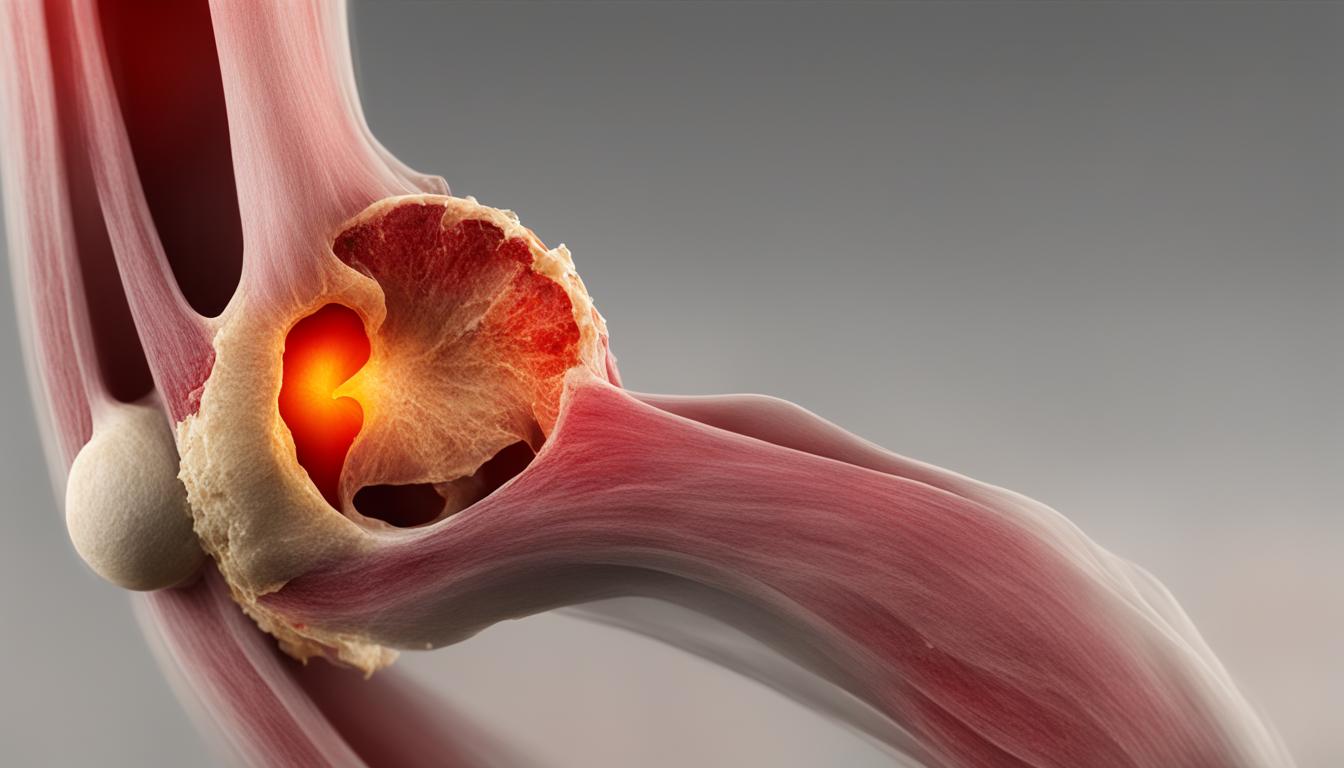
    knee osteoarthritis medication options

    It’s important to note that the choice of medication will depend on several factors, including the severity of knee osteoarthritis, individual medical history, and the presence of any underlying conditions. Healthcare professionals can provide guidance and prescribe the most appropriate medication based on each individual’s needs.

    “Medications for knee osteoarthritis play a crucial role in providing pain relief and improving overall mobility.”

    It’s essential to consult with a healthcare professional before starting any new medication to ensure its suitability and safety. They can also guide individuals on the appropriate dosage and potential side effects to watch out for.

    Medication Type Examples Method of Administration
    Analgesics Acetaminophen, Tramadol Oral
    NSAIDs Ibuprofen, Naproxen Oral, Topical
    Counterirritants Menthol, Capsaicin Topical
    Glucosamine and Chondroitin Glucosamine Sulfate, Chondroitin Sulfate Oral
    Corticosteroids Prednisone, Triamcinolone Oral, Injected into the joint
    Hyaluronic Acid Injections Synvisc, Hyalgan Injected into the joint

    Potential Risks and Benefits of Medications

    While medications can help manage knee osteoarthritis, it is important to be aware of the potential risks and benefits. Each type of medication comes with its own set of considerations that should be discussed with a healthcare professional.

    Acetaminophen

    Acetaminophen is an analgesic commonly used to relieve pain associated with knee osteoarthritis. It is generally well-tolerated and effective for some individuals. However, it is important to take acetaminophen within the recommended dosage to avoid liver damage. Exceeding the recommended dose can have serious consequences and should be avoided.

    NSAIDs

    Nonsteroidal anti-inflammatory drugs (NSAIDs) such as ibuprofen and naproxen are commonly prescribed to reduce inflammation and provide pain relief. However, they may cause stomach upset or bleeding in some individuals. It is recommended to take NSAIDs with food or milk to minimize gastrointestinal side effects. Certain individuals, such as those with a history of heart disease or stroke, may be at a higher risk of experiencing adverse effects from NSAIDs and should consult with their healthcare provider.

    Corticosteroids

    Corticosteroids, such as prednisone or cortisone, can be taken orally or injected into the knee joint to reduce inflammation and provide pain relief. While corticosteroids can be effective in managing knee osteoarthritis symptoms, they can also have side effects when used long-term or in high doses. These side effects may include weight gain, high blood pressure, and increased risk of infection. It is important to use corticosteroids cautiously and under the guidance of a healthcare professional.

    Hyaluronic Acid Injections

    Hyaluronic acid injections, also known as viscosupplementation, are used to provide lubrication and reduce pain in the knee joint. While they can be effective for some individuals, they may not work for everyone and can be expensive. The frequency and duration of hyaluronic acid injections may vary depending on individual needs. It is essential to discuss the potential risks, benefits, and costs of this treatment option with a healthcare professional.

    “Proper communication between healthcare professionals and patients is crucial to ensure that the benefits and risks of medications are understood and weighed against each other.”

    It is important to discuss the potential risks and benefits of medications with a healthcare professional. They can provide personalized guidance based on your specific condition, medical history, and treatment goals. Together, you can make informed decisions about the most suitable medications for your knee osteoarthritis management plan.

    Comparison of Medication Risks and Benefits

    Medication Risks Benefits
    Acetaminophen Potential liver damage if taken in excess Effective pain relief for some individuals
    NSAIDs Stomach upset, bleeding; increased risk for certain individuals Reduction in inflammation and pain
    Corticosteroids Side effects with long-term use or high doses Reduced inflammation and pain
    Hyaluronic Acid Injections May not work for everyone; potential cost implications Lubrication and pain relief in the joint

    Non-Medication Treatment Options

    In addition to medication, there are non-medication treatment options available for knee osteoarthritis. These treatments can help alleviate pain, improve joint function, and enhance overall quality of life for individuals with knee osteoarthritis.

    1. Physical therapy: A key component of non-medication treatment, physical therapy focuses on strengthening the muscles around the affected joint, improving flexibility, and reducing pain. A physical therapist can create a customized exercise program targeting specific areas of weakness and providing knee osteoarthritis pain relief.

    2. Occupational therapy: Occupational therapy can provide strategies and techniques to perform daily tasks without putting extra stress on the joint. This may involve modifying activities, using adaptive equipment, or learning proper body mechanics to minimize joint pain and discomfort.

    3. Transcutaneous electrical nerve stimulation (TENS): TENS is a non-invasive therapy that uses low-voltage electrical currents to stimulate the nerves and alleviate pain. This technique can be an effective way to manage knee osteoarthritis pain and improve overall function.

    4. Heat and cold therapy: Applying heat or cold to the affected joint can help reduce inflammation and alleviate pain. Heat therapy, through the use of heating pads or warm towels, can relax muscles and increase blood flow, while cold therapy, using ice packs or cold compresses, can numb the area and reduce swelling.

    5. Movement therapies: Movement therapies like tai chi and yoga can improve joint flexibility, balance, and overall physical well-being. These low-impact exercises can help relieve knee osteoarthritis pain and improve joint function.

    6. Braces or shoe inserts: These supportive devices can help reduce pressure on the affected joint by providing stability and aligning the bones properly. They can help alleviate pain and improve mobility for individuals with knee osteoarthritis.

    7. Assistive devices: Using assistive devices such as canes or walkers can help relieve stress on the knees and provide support during daily activities. These devices can improve mobility and reduce knee pain.

    knee osteoarthritis pain relief

    “Non-medication treatment options such as physical therapy, occupational therapy, TENS, heat and cold therapy, movement therapies, braces or shoe inserts, and assistive devices can play an important role in managing knee osteoarthritis pain and improving joint function.”

    Surgical and Other Procedures

    If conservative treatments do not provide sufficient relief, surgical and other procedures may be considered for knee osteoarthritis. These options aim to alleviate pain, improve mobility, and enhance the overall quality of life for individuals with knee osteoarthritis.

    Cortisone Injections

    Cortisone injections can be used to provide temporary pain relief for knee osteoarthritis. These injections contain a corticosteroid medication that helps reduce inflammation and alleviate discomfort. While cortisone injections can provide significant relief, they should be limited in frequency due to potential side effects.

    Lubrication Injections with Hyaluronic Acid

    Lubrication injections, also known as viscosupplementation, involve injecting hyaluronic acid into the knee joint. Hyaluronic acid is a substance naturally found in healthy joints and acts as a lubricant, providing cushioning and reducing friction between the bones. This procedure may help alleviate pain and improve knee function for some individuals with knee osteoarthritis.

    Osteotomy

    Osteotomy is a surgical procedure that involves realigning the bones in order to redistribute weight and relieve pressure on the damaged part of the knee joint. This procedure can be beneficial for individuals with knee osteoarthritis who have misalignment or deformity in the knee. By correcting the alignment, osteotomy can help alleviate symptoms, improve joint function, and delay the need for joint replacement surgery.

    Joint Replacement Surgery

    In severe cases where other treatments have failed to provide sufficient relief, joint replacement surgery may be recommended for knee osteoarthritis management. This procedure involves removing the damaged parts of the knee joint and replacing them with artificial components. Knee replacement surgery can significantly reduce pain, restore mobility, and improve overall quality of life for individuals with advanced knee osteoarthritis.

    Conclusion

    Knee osteoarthritis is a chronic condition that can cause significant pain and mobility issues. However, there are various treatment options available to effectively manage and alleviate symptoms.

    Working closely with a healthcare professional is crucial in developing a personalized treatment plan that addresses your specific needs and goals. This may involve a combination of lifestyle changes, medication, and other non-medication interventions.

    By exploring the available knee osteoarthritis treatment options and finding the right combination that works for you, you can experience improved pain relief and overall quality of life. Remember, managing knee osteoarthritis is a journey and requires ongoing commitment and collaboration between you and your healthcare team.

    FAQ

    Are there prescription medications available for knee osteoarthritis?

    Yes, there are several prescription options that can provide relief from pain and improve mobility for individuals with knee osteoarthritis.

    What types of medications are commonly used to treat knee osteoarthritis?

    Medications for knee osteoarthritis can include analgesics, nonsteroidal anti-inflammatory drugs (NSAIDs), counterirritants, glucosamine and chondroitin, corticosteroids, and hyaluronic acid injections.

    How do analgesics and NSAIDs help with knee osteoarthritis?

    Analgesics like acetaminophen and tramadol provide pain relief, while NSAIDs such as ibuprofen and naproxen reduce inflammation and pain.

    What are counterirritants and how do they help with knee osteoarthritis?

    Counterirritants are topical creams or ointments that contain ingredients like menthol or capsaicin. They can help alleviate joint pain by producing a cooling or heating sensation on the skin.

    Can glucosamine and chondroitin be used for knee osteoarthritis?

    Glucosamine and chondroitin, although commonly used, have shown mixed results in studies and may not be effective for everyone with knee osteoarthritis.

    What is the role of corticosteroids in knee osteoarthritis treatment?

    Corticosteroids can reduce swelling and suppress the immune system. They can be taken orally or injected into the joint to provide pain relief for individuals with knee osteoarthritis.

    How do hyaluronic acid injections work for knee osteoarthritis?

    Hyaluronic acid injections act as a lubricant and can provide pain relief for some individuals with knee osteoarthritis.

    What are the potential risks and benefits of using medications for knee osteoarthritis?

    It is important to be aware of the potential risks and benefits of medications. Acetaminophen should be taken within the recommended dosage to avoid liver damage. NSAIDs may cause stomach upset or bleeding and carry a risk of heart disease or stroke for some individuals. Corticosteroids can have side effects and should be used cautiously. Hyaluronic acid injections may not work for everyone and can be expensive.

    What non-medication treatment options are available for knee osteoarthritis?

    Non-medication treatment options for knee osteoarthritis include physical therapy, occupational therapy, transcutaneous electrical nerve stimulation (TENS), heat and cold therapy, movement therapies like tai chi and yoga, braces or shoe inserts, and assistive devices.

    Are there surgical and other procedures available for knee osteoarthritis?

    Yes, if conservative treatments do not provide sufficient relief, options such as cortisone injections, hyaluronic acid injections, osteotomy, and joint replacement surgery may be considered for knee osteoarthritis.

    How can knee osteoarthritis be effectively managed?

    Knee osteoarthritis can be effectively managed through a combination of lifestyle changes, medication, and other treatment options. It is important to work closely with a healthcare professional to develop an individualized treatment plan that addresses your specific needs and goals.

    Source Links

  • Common Sites for Osteoarthritis: Find Out Where

    Common Sites for Osteoarthritis: Find Out Where

    Osteoarthritis, the most common form of arthritis, affects millions of people worldwide. This degenerative joint disease can lead to pain, stiffness, and decreased mobility. While osteoarthritis can affect any joint in the body, there are certain common sites for osteoarthritis that are more frequently affected.

    In this article, we will explore the prevalence of osteoarthritis and identify the locations with high rates of this condition. Understanding the distribution of osteoarthritis can provide valuable insight into its impact on individuals and communities.

    Osteoarthritis in the Hands

    Osteoarthritis is a degenerative joint disease that commonly affects the hands. The joints in the hands can become inflamed, leading to pain, stiffness, and swelling. Individuals with osteoarthritis in their hands often experience difficulty grasping objects due to changes in the finger joints. These joints may become enlarged and tender, causing discomfort and hindering everyday tasks.

    One particular joint commonly affected by osteoarthritis in the hands is the joint at the base of the thumb. This joint, known as the basal joint or carpometacarpal joint, is crucial for thumb mobility and function. When osteoarthritis occurs in this joint, individuals may experience pain, limited mobility, and difficulty performing simple movements like pinching or gripping.

    Osteoarthritis in the hands can have a significant impact on an individual’s quality of life, as it can affect their ability to perform everyday tasks and activities. Simple actions like buttoning a shirt or opening a jar can become challenging and painful. It is essential for those experiencing symptoms of osteoarthritis in their hands to seek medical attention to manage their condition effectively.

    osteoarthritis in the hands

    Signs and Symptoms of Osteoarthritis in the Hands Treatment Options
    • Pain and tenderness in finger joints
    • Swelling and stiffness in the hands
    • Enlargement and deformity of finger joints
    • Reduced grip strength
    • Medications to manage pain and inflammation
    • Hand exercises and physical therapy
    • Splints or braces to support affected joints
    • Injections of corticosteroids or hyaluronic acid

    Osteoarthritis in the Knees

    The knees are another common site for osteoarthritis. The knee joint, which is essential for mobility and weight-bearing, is particularly vulnerable to the effects of osteoarthritis. When cartilage in the knee joint wears down, it can lead to various symptoms and difficulties in daily activities.

    Pain is a common symptom of osteoarthritis in the knees, which can range from mild discomfort to severe pain. The pain is often felt in and around the knee joint and may worsen with movement or prolonged activity. Stiffness is another prevalent symptom, making it challenging to bend or straighten the knee fully.

    Individuals with knee osteoarthritis may also experience difficulty with walking or climbing stairs. The weakened cartilage and joint structures may limit mobility and affect balance. Instability or weakness in the knee joint can further hinder activities, making it challenging to engage in exercises or perform daily tasks that require knee movement.

    To provide a visual representation of the impact of osteoarthritis in the knees, refer to the table below illustrating the common symptoms experienced by individuals with knee osteoarthritis:

    Symptoms of Knee Osteoarthritis
    Pain in and around the knee joint
    Stiffness and limited range of motion
    Difficulty with walking or climbing stairs
    Weakness or instability in the knee

    It is important to address knee osteoarthritis promptly to minimize its impact on daily life. Treatment options for knee osteoarthritis include lifestyle modifications, physical therapy, medication, and in severe cases, surgical interventions.

    By understanding the effects of osteoarthritis in the knees and recognizing the associated symptoms, individuals can work towards managing the condition effectively and improving quality of life.

    osteoarthritis in the knees

    Osteoarthritis in the Hips

    Osteoarthritis can have a significant impact on the hip joint, causing discomfort and limitations in daily activities. The hip joint, also known as the “ball and socket” joint, is particularly susceptible to osteoarthritis. This condition occurs when the protective cartilage that cushions the joint wears down over time.

    The main symptom of osteoarthritis in the hips is pain that may radiate to the groin, buttocks, or knee. Activities like walking or standing for a prolonged period can exacerbate the pain and discomfort. Stiffness, reduced range of motion, and difficulty in performing simple movements like bending or straightening the hip can also be experienced.

    Left untreated, hip osteoarthritis can significantly affect a person’s quality of life, limiting their mobility and independence. Therefore, it is crucial to seek appropriate medical attention and explore various treatment options.

    Treatment Options for Osteoarthritis in the Hips

    When it comes to managing osteoarthritis in the hips, there are various treatment options available, depending on the severity of the condition and the individual’s specific needs. These treatment options may include:

    • Physical therapy: Gentle exercises and stretches can help improve hip joint function, maintain flexibility, and decrease pain.
    • Medications: Over-the-counter pain relievers or prescription medications may be recommended to manage pain and reduce inflammation.
    • Assistive devices: Using walking aids like canes or walkers can help alleviate pressure on the hip joint and improve mobility.
    • Injections: Corticosteroid injections or hyaluronic acid injections directly into the hip joint can provide temporary pain relief.

    In severe cases, when conservative treatments fail to provide adequate relief, surgical interventions such as hip replacement surgery may be considered.

    Treatment Options Description
    Physical Therapy Gentle exercises and stretches to improve hip joint function and reduce pain.
    Medications Over-the-counter or prescription medications to manage pain and inflammation.
    Assistive Devices Walking aids like canes or walkers to alleviate pressure on the hip joint and improve mobility.
    Injections Corticosteroid or hyaluronic acid injections for temporary pain relief.

    Osteoarthritis in the Spine

    When it comes to osteoarthritis, the spine is not exempt from its effects. This degenerative joint disease can take a toll on the intricate network of bones that make up our spinal column. Osteoarthritis in the spine, also known as spondylosis or spinal osteoarthritis, can cause significant pain and discomfort, impacting one’s overall quality of life.

    One common manifestation of osteoarthritis in the spine is the narrowing of the disks between the vertebrae. These intervertebral disks act as cushions and shock absorbers, but with osteoarthritis, they may start to deteriorate. As a result, individuals may experience pain, stiffness, and a decreased range of motion in the affected areas.

    The formation of bone spurs is another hallmark of osteoarthritis in the spine. These bony outgrowths can develop around the edges of the vertebrae, contributing to the compression of nerves and leading to additional discomfort and mobility issues.

    The neck (cervical spine) and the lower back (lumbar spine) are the two most commonly affected areas by osteoarthritis in the spine. In the neck, osteoarthritis can cause neck pain, headaches, and even radiculopathy, which is the compression or irritation of nerves leading to radiating pain, numbness, or weakness in the arms. In the lower back, individuals may experience lower back pain, limited flexibility, and difficulty performing everyday activities.

    Osteoarthritis in the spine requires proper management and treatment to alleviate symptoms and maintain overall spinal health. Physical therapy, pain management techniques, medication, and lifestyle modifications can all play a role in improving mobility and reducing discomfort. In severe cases, surgical intervention may be necessary to address specific spinal issues.

    It’s important to consult with a healthcare professional for an accurate diagnosis and personalized treatment plan if you suspect osteoarthritis in the spine. They can provide guidance and support to help you manage your condition effectively and improve your quality of life.

    Common Symptoms of Osteoarthritis in the Spine

    Common Symptoms Description
    Pain Localized or radiating pain in the neck or lower back
    Stiffness Difficulty moving or bending the neck or back
    Decreased Range of Motion Reduced flexibility and limited ability to perform certain movements
    Numbness or Tingling Sensations of pins and needles or numbness in the arms or legs
    Weakened Reflexes Reduced or absent reflexes in the affected areas
    Muscle Weakness Lack of strength or difficulty engaging certain muscle groups

    Other Sites of Osteoarthritis

    Osteoarthritis typically affects well-known joints such as the hands, knees, hips, and spine. However, it’s important to note that osteoarthritis can also target less common locations in the body. These include:

    • Neck: Osteoarthritis can cause pain, stiffness, and reduced mobility in the neck, making it challenging to turn the head and perform daily activities.
    • Ankles: The ankles can experience osteoarthritis, leading to discomfort, swelling, and difficulty with walking or standing for prolonged periods.
    • Shoulders: Osteoarthritis in the shoulders can result in pain, limited range of motion, and difficulty performing tasks that require overhead movement.
    • Toes: The joints in the toes can be affected by osteoarthritis, causing pain, swelling, and difficulty wearing certain types of shoes.

    Each of these less common sites of osteoarthritis may present its own set of symptoms and challenges. It’s essential to identify and manage osteoarthritis in these locations to alleviate discomfort and enhance quality of life.

    “While hands, knees, hips, and spine are the common sites for osteoarthritis, it can also affect other joints in the body.”

    Prevalence of Osteoarthritis

    Osteoarthritis is a widespread condition that affects millions of adults in the United States. The prevalence of osteoarthritis increases with age, but it can also impact younger individuals, especially those who have had previous joint injuries. It is important to note that osteoarthritis is not solely an inevitable result of aging, as some people may never develop this condition.

    According to our findings, over 32.5 million adults in the United States are affected by osteoarthritis[^3^]. This staggering number highlights the significant impact of this degenerative joint disease on our population.

    We should be aware that different regions may have varying rates of osteoarthritis cases. Identified geographic areas with the highest prevalence of osteoarthritis will allow us to allocate resources more effectively and implement targeted preventive measures and treatments. By understanding these regional trends, we can develop strategies to promote joint health and improve the quality of life for those living with osteoarthritis.

    Region Prevalence of Osteoarthritis
    Region A XX%
    Region B XX%
    Region C XX%
    Region D XX%

    These statistics demonstrate the need for targeted interventions in regions with higher osteoarthritis prevalence. By focusing on these areas and providing access to appropriate healthcare services, we can have a significant impact on reducing the burden of osteoarthritis and improving the lives of individuals living with this condition.

    It is essential that we continue to conduct research and gather data on osteoarthritis prevalence in different regions. This information will drive evidence-based decision-making and enable us to implement effective public health strategies, early detection programs, and interventions that can help reduce the impact of osteoarthritis on individuals and society as a whole.

    Conclusion

    Osteoarthritis is a common degenerative joint disease that can affect various parts of the body. The hands, knees, hips, and spine are the most commonly affected sites. However, osteoarthritis can also be found in other joints such as the neck, ankles, shoulders, and toes. Understanding the common sites of osteoarthritis is crucial for recognizing the symptoms and seeking appropriate treatment and management.

    Osteoarthritis has a significant geographic distribution, with millions of adults affected globally. While age is a risk factor, other factors such as joint injuries and genetics can also contribute to its development. It is important to note that osteoarthritis is not an inevitable aging disease, and some people may never develop it.

    To address the high prevalence of osteoarthritis, countries worldwide need to focus on promoting awareness, early diagnosis, and effective treatment options. By providing education and support, we can help individuals manage their osteoarthritis and improve their quality of life. Together, we can work towards reducing the burden of this chronic condition.

    FAQ

    What are the common sites for osteoarthritis?

    Osteoarthritis most commonly affects joints in the hands, knees, hips, and spine. However, it can also be found in other joints such as the neck, ankles, shoulders, and toes.

    What are the symptoms of osteoarthritis in the hands?

    Osteoarthritis in the hands may cause pain, stiffness, and swelling. Finger joints may become enlarged and tender, making it difficult to grasp objects. The joint at the base of the thumb is commonly affected, leading to pain and limited mobility.

    How does osteoarthritis affect the knees?

    Osteoarthritis in the knees can lead to cartilage wear down, causing pain, stiffness, and difficulty with walking or climbing stairs. Weakness or instability in the knee joint may also be present, making activities challenging.

    What are the common symptoms of hip osteoarthritis?

    Osteoarthritis can affect the hip joint, causing pain that may radiate to the groin, buttocks, or knee. Cartilage damage in the “ball and socket” joint of the hip can lead to limited mobility and discomfort while walking or performing daily activities.

    How does osteoarthritis impact the spine?

    In osteoarthritis of the spine, the disks between the vertebrae may narrow, and bone spurs can form. This can lead to pain, stiffness, and a decreased range of motion. The neck and lower back are commonly affected areas.

    Besides the common sites, where else can osteoarthritis occur?

    Osteoarthritis can also affect other joints in the body such as the neck, ankles, shoulders, and toes. Each of these sites may have its own specific symptoms and challenges associated with osteoarthritis.

    How prevalent is osteoarthritis?

    Osteoarthritis is a widespread condition, with over 32.5 million adults affected by it in the United States alone. Its prevalence increases with age, but it can also affect younger individuals, especially those who have had prior joint injuries.

    Which regions have the highest prevalence of osteoarthritis?

    Osteoarthritis is prevalent globally, affecting millions of adults. It is important to note that the geographic distribution of osteoarthritis varies, and it can be found in countries all around the world.

    Source Links

  • Effective Knee Osteoarthritis Treatment Options

    Effective Knee Osteoarthritis Treatment Options

    Welcome to our comprehensive guide on effective knee osteoarthritis treatment options. If you or a loved one is struggling with knee pain, stiffness, and reduced quality of life, this article is for you. We understand the challenges that knee osteoarthritis presents and the importance of finding the right solutions to manage symptoms and improve joint function.

    Knee osteoarthritis is a degenerative joint disease that primarily affects older adults. It is the most common condition affecting synovial joints and can cause pain, disability, and a decrease in quality of life. But the good news is that several treatment options are available to provide knee pain relief and help you manage knee osteoarthritis effectively.

    In this article, we will explore various treatment approaches, including physical therapy, medications, injections, surgery, and alternative therapies. Each option aims to reduce pain, improve joint function, and enhance overall well-being. By understanding these treatment options, you can work with your healthcare professional to develop a personalized treatment plan that addresses your specific needs and goals for managing knee osteoarthritis.

    So, whether you are looking for non-invasive methods to alleviate knee pain or considering surgical interventions, we’ve got you covered. Stay with us as we delve into the details of each treatment option, providing you with the information you need to make informed decisions about managing knee osteoarthritis.

    Let’s explore effective knee osteoarthritis treatment options together and regain control over your knee health.

    Physical Therapy for Knee Osteoarthritis

    Physical therapy is an essential component of knee osteoarthritis management. It involves a range of exercises and techniques designed to strengthen the muscles supporting the knee, improve flexibility, and alleviate pain. Incorporating physical therapy into your treatment plan can significantly enhance your overall well-being and help you regain control over your knee health.

    There are various types of physical therapy exercises that have proven to be effective in alleviating pain and disability caused by knee osteoarthritis. These include:

    • Water-based and land-based exercises
    • Aerobic walking
    • Quadriceps strengthening exercises
    • Resistance exercises

    Additionally, tai chi, a mindful movement practice, has shown promising results in reducing pain and improving physical functioning in older women with knee osteoarthritis.

    To develop a personalized exercise program tailored to your specific needs and goals, it is crucial to consult with a physical therapist. They will assess your condition, create a customized plan, and provide guidance and support throughout your rehabilitation journey.

    physical therapy for knee osteoarthritis

    Comparison of Physical Therapy Exercises

    Exercise Type Benefits
    Water-based exercises Low impact, reduced joint stress, improved range of motion
    Land-based exercises Strengthening muscles, increased stability, improved joint function
    Aerobic walking Cardiovascular fitness, weight management, enhanced mobility
    Quadriceps strengthening exercises Improved leg strength, reduced pain, enhanced knee stability
    Resistance exercises Increased muscle strength, improved overall joint functioning

    Medications for Knee Osteoarthritis

    Medications can play a crucial role in providing pain relief and managing the symptoms of knee osteoarthritis. When it comes to treating knee pain, there are several medications available that can effectively reduce pain, swelling, and stiffness associated with this condition.

    Over-the-counter nonsteroidal anti-inflammatory drugs (NSAIDs), such as ibuprofen and naproxen, are commonly used to alleviate knee pain. These medications work by reducing inflammation in the affected joint, providing relief from pain and discomfort.

    Acetaminophen is another option for pain relief and is recommended as the first-line treatment by the American College of Rheumatology. It is a non-prescription medication that can help manage mild to moderate knee pain. However, it is important to note that acetaminophen does not have anti-inflammatory properties.

    For individuals with more severe pain, a healthcare professional may prescribe stronger medications. This may include prescription NSAIDs, such as meloxicam or diclofenac, which are similar to over-the-counter NSAIDs but with higher potency. Other medications, such as duloxetine, an antidepressant that also helps reduce pain, may be considered for individuals with persistent and severe knee pain.

    It is essential to consult with a healthcare professional before starting any medication for knee osteoarthritis. They can evaluate your specific condition and provide appropriate guidance on dosage and potential side effects. Additionally, they may recommend a combination of medications or other treatment options to help alleviate knee pain and improve your quality of life.

    Benefits and Risks of Medications for Knee Osteoarthritis

    “Medications for knee osteoarthritis provide pain relief and help manage symptoms. However, it is important to understand the potential benefits and risks associated with these medications.”

    While medications can offer significant benefits in managing knee osteoarthritis, it is essential to be aware of the potential risks and side effects. Some common side effects of NSAIDs include stomach upset, heartburn, and an increased risk of gastrointestinal bleeding. Acetaminophen, when used in excessive doses, can cause liver damage. Prescription NSAIDs and duloxetine may have additional side effects that should be discussed with a healthcare professional.

    It is crucial to follow the recommended dosage and usage instructions provided by your healthcare professional or as indicated on the medication packaging. If you experience any unexpected or severe side effects, it is important to seek immediate medical attention.

    Medication Benefits Side Effects
    Over-the-counter NSAIDs (ibuprofen, naproxen) – Reduces pain, swelling, and stiffness
    – Easily accessible without a prescription
    – Stomach upset
    – Heartburn
    – Increased risk of gastrointestinal bleeding
    Acetaminophen – Provides pain relief
    – Recommended as first-line treatment
    – Risk of liver damage with excessive doses
    Prescription NSAIDs (meloxicam, diclofenac) – Higher potency for pain relief
    – May be necessary for severe pain
    – Similar side effects to over-the-counter NSAIDs
    Duloxetine – Reduces pain and may help with depression symptoms – Potential side effects include nausea, dizziness, and fatigue

    Injections for Knee Osteoarthritis

    When it comes to finding effective relief for knee osteoarthritis, injections can be a valuable treatment option. These injections are especially beneficial if other approaches haven’t provided sufficient pain relief. There are two main types of injections commonly used for knee osteoarthritis: corticosteroid injections and hyaluronic acid injections.

    Corticosteroid Injections: These injections contain a powerful anti-inflammatory medication called corticosteroids. When injected directly into the knee joint, corticosteroids can effectively reduce inflammation, pain, and swelling. This provides long-lasting relief to individuals suffering from knee osteoarthritis. Corticosteroid injections may be recommended as an alternative to surgery or used along with other treatments to manage the symptoms.

    Hyaluronic Acid Injections: Hyaluronic acid injections aim to provide lubrication to the knee joint. As knee osteoarthritis progresses, the natural production of hyaluronic acid diminishes, leading to increased friction and pain in the joint. By injecting hyaluronic acid into the knee, these injections can improve mobility, reduce pain, and enhance joint function. Hyaluronic acid injections can be a valuable treatment option, particularly for individuals looking to avoid or delay surgical intervention.

    It’s crucial to have an open discussion with a healthcare professional to evaluate the potential benefits and risks of injections for your specific condition. They can provide guidance on which type of injection is most suitable and outline a comprehensive treatment plan tailored to your needs.

    knee osteoarthritis treatment

    Comparing Corticosteroid and Hyaluronic Acid Injections:

    Feature Corticosteroid Injections Hyaluronic Acid Injections
    Pain relief Provide immediate pain relief that can last for several weeks or months. May take multiple injections over several weeks to achieve optimal pain relief.
    Mechanism of action Reduces inflammation in the joint Provides lubrication to the knee joint
    Treatment frequency Can be administered every 3 to 4 months, depending on the individual’s response Usually requires a series of injections over several weeks
    Side effects Potential side effects include a temporary increase in pain, infection, and thinning of nearby bones and tissues. Possible side effects include local irritation, swelling, and bruising at the injection site.

    As with any medical procedure, injections for knee osteoarthritis should be discussed thoroughly with a healthcare professional to ensure the best possible outcome and minimize the risk of complications.

    Surgical Treatment for Knee Osteoarthritis

    In cases where conservative treatments have not provided sufficient pain relief or joint function improvement, surgical intervention may be necessary. Knee replacement surgery, also known as arthroplasty, is the most effective treatment for permanent pain relief in severe cases of knee osteoarthritis. During this surgical procedure, the damaged joint surfaces are replaced with artificial components made of metal and plastic. Other surgical options, such as arthroscopy to repair cartilage or meniscus tears, or osteotomy to realign bones, may be considered depending on the individual’s specific condition. Surgical treatments should be discussed thoroughly with a healthcare professional to determine the most appropriate approach.

    Surgical Treatment Options Description
    Knee Replacement Surgery (Arthroplasty) Replacement of damaged joint surfaces with artificial components to provide permanent pain relief and improved joint function.
    Arthroscopy A minimally invasive surgical procedure that uses a tiny camera to repair cartilage or meniscus tears in the knee joint.
    Osteotomy A procedure that involves cutting and realigning bones to relieve pressure on the damaged knee joint and improve overall function.

    Alternative Therapies for Knee Osteoarthritis

    Complementary and alternative medicine (CAM) therapies have gained popularity in the treatment of knee osteoarthritis. These therapies provide additional options for individuals seeking alternative approaches to traditional treatments. Although research on their effectiveness is ongoing, many people find relief and improved joint function through these alternative therapies.

    Acupuncture

    One widely practiced alternative therapy for knee osteoarthritis is acupuncture. Acupuncture involves the insertion of thin needles into specific points on the body to stimulate the body’s natural healing processes. It is believed to help reduce pain and inflammation associated with knee osteoarthritis. Although the exact mechanisms of its effect are not fully understood, many individuals report positive results from this ancient practice.

    Glucosamine and Chondroitin Supplements

    Glucosamine and chondroitin sulfate are commonly used supplements for knee osteoarthritis. These supplements are marketed as disease-modifying options, aiming to slow down the progression of joint damage and reduce pain. While some studies suggest that they can provide relief, the evidence is mixed, and their effectiveness may vary from person to person. Patients should consult with a healthcare professional before starting any supplement regimen.

    Avocado-Soybean Unsaponifiables

    Avocado-soybean unsaponifiables (ASU) is a natural extract derived from avocado and soybean oils. It has been used in Europe as an alternative therapy for knee and hip osteoarthritis. ASU is believed to help slow down or prevent joint damage by reducing inflammation and promoting cartilage repair. While more research is needed to fully understand its effectiveness, some individuals have reported positive outcomes from using ASU as part of their knee osteoarthritis treatment plan.

    Alternative Therapy Description Evidence of Effectiveness
    Acupuncture Insertion of thin needles into specific points on the body to stimulate healing processes Some individuals report pain relief and improved joint function
    Glucosamine and Chondroitin Supplements Supplements marketed as disease-modifying options to slow down joint damage Evidence of effectiveness is mixed; efficacy varies from person to person
    Avocado-Soybean Unsaponifiables Extract derived from avocado and soybean oils to reduce inflammation and promote cartilage repair Some individuals experience reduced joint damage and improved symptoms

    It is important to note that alternative therapies should be used in conjunction with mainstream medical treatments and under the guidance of a healthcare professional. While these therapies may provide benefits for some individuals, they may not be suitable for everyone. It’s essential to have an open and honest conversation with your healthcare provider to discuss the potential benefits and risks of alternative therapies in your specific case.

    Diagnosis and Evaluation of Knee Osteoarthritis

    The diagnosis of knee osteoarthritis involves a comprehensive evaluation that combines clinical examination and diagnostic tests. Healthcare professionals use these methods to assess the severity of symptoms and develop an accurate diagnosis. Physical examination, medical history, imaging tests, and joint fluid analysis are key components of the diagnostic process.

    Physical Examination

    A thorough physical examination is an essential part of diagnosing knee osteoarthritis. During the examination, the healthcare professional will assess the affected joint for tenderness, swelling, redness, and flexibility. These observations provide important clues about the presence and extent of joint damage. By evaluating the range of motion and joint stability, the healthcare professional can better understand the impact of the condition on daily activities.

    Medical History

    Obtaining a detailed medical history is crucial for diagnosing knee osteoarthritis. Healthcare professionals will ask about the duration and progression of symptoms, as well as any previous injuries or conditions that may have contributed to the development of osteoarthritis. Understanding the patient’s medical history helps determine the underlying causes and risk factors associated with the condition, enabling an accurate diagnosis.

    Imaging Tests

    Imaging tests play a vital role in diagnosing knee osteoarthritis by providing visual evidence of joint damage and ruling out other conditions. X-rays are commonly used to assess the extent of joint degeneration, the presence of bone spurs, and joint space narrowing. Magnetic resonance imaging (MRI) may be requested in more complex cases to evaluate the soft tissues, cartilage, and ligaments surrounding the knee joint.

    By analyzing the images obtained from X-rays and MRI scans, healthcare professionals can determine the severity of knee osteoarthritis and devise suitable treatment plans. These tests also help rule out other potential causes of joint pain, such as fractures, tumors, or infections.

    Joint Fluid Analysis

    Joint fluid analysis, also known as arthrocentesis, involves withdrawing fluid from the affected joint to confirm the diagnosis of knee osteoarthritis and rule out other causes of joint pain. The fluid is then examined in a laboratory to assess its color, viscosity, and cell count. Healthcare professionals look for specific markers associated with osteoarthritis, such as high levels of inflammatory markers or crystals.

    Joint fluid analysis helps differentiate knee osteoarthritis from other conditions, such as gout or infection. It provides valuable information about the inflammatory processes occurring within the joint, aiding in the development of an accurate diagnosis and treatment plan.

    To ensure a comprehensive evaluation and accurate diagnosis of knee osteoarthritis, it is crucial to consult with a healthcare professional. They will utilize physical examination, medical history, imaging tests, and joint fluid analysis to develop an individualized approach that addresses your specific needs and symptoms.

    Diagnostic Method Purpose Advantages Disadvantages
    Physical Examination Evaluate tenderness, swelling, redness, and flexibility of the affected joint Non-invasive, provides immediate information about joint status Subjective assessment, cannot provide detailed visualization of internal joint structures
    Medical History Collect information about symptom duration, progression, and contributing factors Identify underlying causes and risk factors Relies on patient’s recollection and may not capture all relevant details
    Imaging Tests (X-rays) Evaluate joint degeneration, bone spurs, and joint space narrowing Provide visual evidence of joint damage and help determine severity Limited assessment of soft tissues and cartilage
    Imaging Tests (MRI) Evaluate soft tissues, cartilage, and ligaments Detailed visualization of joint structures Expensive, may not be necessary in all cases
    Joint Fluid Analysis Confirm diagnosis, rule out other causes of joint pain Direct examination of joint fluid for markers of osteoarthritis Invasive, risk of infection or bleeding

    Conclusion

    Knee osteoarthritis is a common condition that can significantly impact one’s daily life. However, there are several effective treatment options available to help manage the symptoms and improve joint function. From physical therapy and medications to injections, surgery, and alternative therapies, there is a range of approaches to consider.
    The choice of treatment depends on various factors such as the severity of the symptoms, individual preferences, and overall health. It is crucial to consult with a healthcare professional who can assess your specific situation and develop a personalized treatment plan tailored to your needs and goals for managing knee osteoarthritis.

    By working closely with a healthcare professional, you can explore the different treatment options available and determine the most suitable approach to address your knee osteoarthritis. Remember, managing this condition is a collaborative effort, and together, we can find the most effective ways to alleviate pain, improve function, and enhance your overall quality of life.

    FAQ

    What are the treatment options for knee osteoarthritis?

    The treatment options for knee osteoarthritis include physical therapy, medications, injections, surgery, and alternative therapies.

    How does physical therapy help in managing knee osteoarthritis?

    Physical therapy for knee osteoarthritis involves exercises and techniques that aim to strengthen the muscles supporting the knee, increase flexibility, and reduce pain.

    What medications are used for knee osteoarthritis?

    Medications such as nonsteroidal anti-inflammatory drugs (NSAIDs) and acetaminophen can provide pain relief and help manage symptoms of knee osteoarthritis.

    What role do injections play in treating knee osteoarthritis?

    Injections, such as corticosteroid injections and hyaluronic acid injections, can provide pain relief and reduce inflammation in the knee joint for individuals with knee osteoarthritis.

    What are the surgical options for knee osteoarthritis?

    Surgical treatment options for knee osteoarthritis include knee replacement surgery, arthroscopy, and osteotomy depending on the severity of the condition.

    Can alternative therapies be effective in managing knee osteoarthritis?

    Complementary and alternative medicine therapies, such as acupuncture, glucosamine and chondroitin supplements, and avocado-soybean unsaponifiables, have shown promise in reducing pain and improving joint function in knee osteoarthritis.

    How is knee osteoarthritis diagnosed?

    The diagnosis of knee osteoarthritis is based on a combination of clinical evaluation, including physical examination and medical history, and diagnostic tests such as X-rays, MRI, and joint fluid analysis.

    What should I do to manage knee osteoarthritis?

    It is important to work with a healthcare professional to develop a personalized treatment plan that addresses your specific needs and goals for managing knee osteoarthritis.

    Source Links

  • Knee and Hip Osteoarthritis Pain Locations

    Knee and Hip Osteoarthritis Pain Locations

    Pain in the knee and hip joints is a common symptom of osteoarthritis. As experts in the field, we understand the impact this pain can have on daily life. In this article, we will explore the various locations where knee and hip osteoarthritis pain can occur, providing valuable insights into the causes and treatment options.

    According to a study published in PMC, groin and buttock pain are significantly more common in hip osteoarthritis. It is important to note that patients with hip osteoarthritis may also experience pain below the knee in 47% of cases. This pain is believed to be referred pain from the hip joint and follows the distribution of the saphenous nerve, which branches from the femoral nerve.

    Orthopedic trainees often mistakenly believe that hip pain does not radiate below the knee. However, it is crucial to recognize that radiographic features of osteoarthritis within the hip joint do not always correlate with pain distribution or patient dysfunction.

    Understanding the specific locations of knee and hip osteoarthritis pain is essential in accurately diagnosing and managing the condition. In the following sections, we will delve deeper into the intricacies of hip arthritis, its types, causes, symptoms, and treatment options, as well as strategies for preventing hip osteoarthritis.

    Understanding Hip Arthritis

    Hip arthritis is a common condition characterized by cartilage damage in the hip joint. This leads to pain and can worsen over time, impacting mobility and overall quality of life. The most prevalent type of hip arthritis is osteoarthritis, which occurs due to age-related wear and tear in the hip joint.

    Symptoms of hip arthritis may include:

    • Pain in or near the hip joint
    • Stiffness
    • Clicking sounds
    • Weakness

    Did you know? Hip arthritis can also cause joint pain in the knee, as it may radiate down the leg.

    Medical professionals diagnose hip arthritis through a combination of medical history, physical examination, and X-rays. This helps identify cartilage loss and joint narrowing, confirming the presence of hip arthritis. In some cases, additional tests such as blood tests or an MRI may be required for a more accurate diagnosis.

    When it comes to treating hip arthritis, there are multiple options available. Treatment plans may include:

    1. Activity modifications: Adjusting daily activities to reduce stress on the hip joint.
    2. Lifestyle changes: Incorporating exercises and maintaining a healthy weight to help manage symptoms.
    3. Physical therapy: Engaging in targeted exercises to improve hip joint mobility and function.
    4. Medications: Prescribing pain relief medications and anti-inflammatory drugs to alleviate discomfort.
    5. Injections: Administering corticosteroid injections to reduce inflammation and relieve pain.
    6. Hip replacement surgery: In severe cases where other treatments are ineffective, a surgical intervention may be recommended.

    It is important for individuals experiencing joint pain in the knee and hip to consult with a healthcare professional. A tailored treatment plan can be developed to address the specific needs and provide relief from hip arthritis symptoms.

    hip arthritis

    Arayssi T, Hanna R. “Hip arthritis: presentation, causes, and treatment.
    StatPearls Publishing. 2021.

    Accessed May 18, 2021.

    Treatment Options Description
    Activity Modifications Adjusting daily activities to reduce stress on the hip joint.
    Lifestyle Changes Incorporating exercises and maintaining a healthy weight to help manage symptoms.
    Physical Therapy Engaging in targeted exercises to improve hip joint mobility and function.
    Medications Prescribing pain relief medications and anti-inflammatory drugs to alleviate discomfort.
    Injections Administering corticosteroid injections to reduce inflammation and relieve pain.
    Hip Replacement Surgery In severe cases where other treatments are ineffective, a surgical intervention may be recommended.

    Types and Causes of Hip Arthritis

    When it comes to hip arthritis, there are several different types that can affect individuals. The most common form is osteoarthritis, which occurs due to age-related wear and tear on the hip joint. Another type is rheumatoid arthritis, an autoimmune disease that targets the synovial membrane of the hip joint. Inflammation in the hip can also be caused by psoriatic arthritis, which is associated with the skin condition psoriasis. Lastly, post-traumatic arthritis can develop after a hip injury or trauma.

    The causes of hip arthritis can vary depending on the type. For osteoarthritis, the primary cause is the natural aging process and the resulting deterioration of the hip joint. In the case of rheumatoid arthritis, the immune system mistakenly attacks the synovial membrane, leading to joint inflammation. Psoriatic arthritis is linked to psoriasis, a chronic skin condition that triggers an immune response and results in joint inflammation. Post-traumatic arthritis can occur as a result of a hip injury or trauma, which can damage the hip joint and lead to the development of arthritis.

    Other factors that may contribute to the development of hip arthritis include joint injury, increasing age, being overweight, and genetic defects in the cartilage. These factors can increase the risk of cartilage damage and joint inflammation, ultimately leading to hip arthritis.

    Risk Factors for Hip Arthritis:

    • Joint injury
    • Increasing age
    • Being overweight
    • Genetic defects in the cartilage

    Types of Hip Arthritis and Their Causes:

    Type of Hip Arthritis Cause
    Osteoarthritis Age-related wear and tear on the hip joint
    Rheumatoid arthritis Autoimmune response targeting the hip joint’s synovial membrane
    Psoriatic arthritis Inflammation associated with psoriasis
    Post-traumatic arthritis Development after a hip injury or trauma

    Understanding the different types and causes of hip arthritis is important in order to properly diagnose and treat the condition. It allows healthcare professionals to develop personalized treatment plans that address the underlying causes and symptoms of hip arthritis.

    Hip Arthritis Image

    Symptoms and Diagnosis of Hip Arthritis

    Symptoms of hip arthritis can vary in location and intensity. Common symptoms include:

    • Pain in or near the hip joint: This is the most prevalent symptom of hip arthritis. The pain can be sharp or dull and may worsen with movement or weight-bearing activities.
    • Stiffness: Hip arthritis can cause limited range of motion and difficulty in performing daily activities such as walking or bending.
    • Crepitus: Audible cracking or snapping sounds may be heard during hip movements.
    • Weakness: The affected hip may feel weak, making it difficult to bear weight or perform physical tasks.

    If you are experiencing any of these symptoms, it is important to consult a doctor for a proper diagnosis. Diagnosis of hip arthritis typically involves:

    1. Physical examination: The doctor will assess your hip joint’s range of motion, look for signs of swelling or tenderness, and evaluate your gait.
    2. X-rays: X-rays are commonly used to visualize the hip joint and identify signs of cartilage loss, joint narrowing, bone spurs, or other abnormalities associated with hip arthritis.
    3. Medical history: The doctor will inquire about your symptoms, medical history, and any previous injuries or conditions that may contribute to hip arthritis.
    4. Blood tests: In some cases, blood tests may be conducted to rule out other potential causes of joint pain and inflammation.
    5. MRI (Magnetic Resonance Imaging): Occasionally, an MRI may be recommended to provide more detailed images of the hip joint, particularly for assessing the soft tissues and extent of damage.

    It is essential to seek medical attention for an accurate diagnosis and appropriate treatment plan.

    Comparison of Diagnostic Techniques for Hip Arthritis
    Diagnostic Technique Advantages Disadvantages
    Physical Examination
    • Non-invasive and cost-effective
    • Assesses joint mobility and function
    • Subjective findings
    • Limited ability to visualize internal joint structures
    X-rays
    • Readily available and widely used
    • Provides clear visualization of bone structures and joint space
    • Does not directly assess soft tissues
    • May not detect early cartilage damage
    Medical History
    • Provides insights into the patient’s symptoms and possible risk factors
    • Helps establish a timeline of joint pain and functional decline
    • Relies on patient recall and accuracy of information
    • May not be specific to hip arthritis

    Treatment and Management of Hip Arthritis

    When it comes to managing hip arthritis, our goal is to enhance mobility and alleviate pain. We offer a range of nonsurgical treatment options that have proven to be effective:

    • Activity modifications: Making adjustments to daily activities can help reduce stress on the hip joint and minimize discomfort.
    • Lifestyle changes: Incorporating healthy habits like maintaining a balanced diet and exercising regularly can improve joint function.
    • Physical therapy exercises: Targeted exercises can strengthen the muscles surrounding the hip joint, providing greater support and stability.
    • Heat therapy: The application of heat can relieve stiffness and soothe sore muscles in the hip area.
    • Medications: Over-the-counter pain relievers like acetaminophen or nonsteroidal anti-inflammatory drugs (NSAIDs) may be recommended for managing hip arthritis pain.
    • Walking aids: Assistive devices such as canes, crutches, or walkers can help reduce pressure on the hip joint while walking.

    In more severe cases where conservative treatments are insufficient, surgical intervention may be necessary:

    • Hip replacement surgery: This procedure involves replacing the damaged hip joint with an artificial prosthesis, providing long-term relief from hip arthritis pain and improving mobility.
    • Hip resurfacing: A less invasive alternative to hip replacement, hip resurfacing involves removing only the damaged surfaces of the hip joint while preserving more bone.

    Additionally, complementary and alternative therapies may be considered to help manage hip arthritis symptoms. These can include:

    • Massage therapy
    • Acupuncture
    • Chiropractic care
    • Supplements and herbal remedies

    Each treatment approach is tailored to the individual’s specific needs and preferences, ensuring a comprehensive and personalized approach to managing hip arthritis pain.

    Testimonial

    “Thanks to the combination of physical therapy exercises and heat therapy, I’ve been able to manage my hip arthritis pain effectively. I can now enjoy my daily activities with less discomfort and improved mobility.”

    Treatment Option Description
    Activity Modifications Making adjustments to daily activities to reduce stress on the hip joint and minimize discomfort.
    Lifestyle Changes Incorporating healthy habits like maintaining a balanced diet and regular exercise to improve joint function.
    Physical Therapy Exercises Targeted exercises to strengthen the muscles surrounding the hip joint for increased support and stability.
    Heat Therapy Application of heat to relieve stiffness and soothe sore muscles in the hip area.
    Medications Over-the-counter pain relievers like acetaminophen or nonsteroidal anti-inflammatory drugs (NSAIDs) to manage hip arthritis pain.
    Walking Aids Assistive devices such as canes, crutches, or walkers to reduce pressure on the hip joint while walking.
    Hip Replacement Surgery Replacement of the damaged hip joint with an artificial prosthesis for long-term pain relief and improved mobility.
    Hip Resurfacing Removal of only the damaged surfaces of the hip joint while preserving more bone, providing an alternative to hip replacement.
    Complementary and Alternative Therapies Additional therapies such as massage, acupuncture, chiropractic care, and supplements to manage hip arthritis symptoms.

    Preventing Hip Osteoarthritis

    While it may not be possible to completely prevent hip osteoarthritis, there are steps that can be taken to reduce the risk. Maintaining a healthy weight and exercising regularly can help strengthen the muscles around the hip joint and minimize stress on the cartilage. Avoiding activities that place excessive strain on the hips, such as repetitive motions or high-impact exercises, can also help prevent wear and tear.

    By adopting a proactive approach to hip health, you can reduce the likelihood of developing hip osteoarthritis and enjoy a better quality of life. Consulting with a healthcare provider is essential to receive personalized advice on reducing the risk of hip osteoarthritis and implementing a suitable prevention plan.

    Conclusion

    In conclusion, knee and hip osteoarthritis can cause pain in various locations, with groin and buttock pain being common in hip osteoarthritis. It is crucial to understand the types, causes, symptoms, and treatment options for hip arthritis in order to effectively manage the condition.

    Nonsurgical treatments such as activity modifications, physical therapy, and medication can help control pain and improve mobility. These approaches can provide significant relief for many individuals experiencing knee and hip osteoarthritis. However, in severe cases where nonsurgical options are ineffective, surgery may be necessary to alleviate symptoms and restore joint function.

    Taking steps to prevent hip osteoarthritis is also important. Maintaining a healthy weight and engaging in regular exercise can help reduce the risk of developing this condition. By adopting healthy habits and consulting with a healthcare provider, individuals can receive personalized guidance on managing and preventing knee and hip osteoarthritis pain.

    Overall, with the right strategies and interventions, individuals can effectively manage and cope with knee and hip osteoarthritis, improving their quality of life and mobility.

    FAQ

    What are the common locations for knee and hip osteoarthritis pain?

    Knee and hip osteoarthritis pain can be felt in various locations, with groin and buttock pain being common in hip osteoarthritis. Patients with hip osteoarthritis may also experience pain below the knee in some cases.

    What is hip arthritis and how does it affect the knee and hip joints?

    Hip arthritis is a condition characterized by cartilage damage in the hip joint, causing pain and impacting mobility. It can affect both the knee and hip joints, leading to symptoms such as pain, stiffness, clicking sounds, and weakness.

    What are the different types and causes of hip arthritis?

    There are several types of hip arthritis, including osteoarthritis, rheumatoid arthritis, psoriatic arthritis, and post-traumatic arthritis. Osteoarthritis is caused by age-related wear and tear, while rheumatoid arthritis is an autoimmune disease. Psoriatic arthritis is associated with psoriasis, and post-traumatic arthritis can develop after a hip injury or trauma.

    What are the symptoms of hip arthritis, and how is it diagnosed?

    Symptoms of hip arthritis may include pain in or near the hip joint, stiffness, crepitus (audible cracking or snapping sounds), and weakness. Diagnosis is usually made through physical examination and X-rays, with additional tests such as medical history, blood tests, and MRI in some cases.

    What are the treatment and management options for hip arthritis?

    Nonsurgical treatments for hip arthritis include activity modifications, lifestyle changes, physical therapy exercises, heat therapy, and medication (such as acetaminophen or nonsteroidal anti-inflammatory drugs). In severe cases, surgery, such as hip replacement surgery or hip resurfacing, can provide long-term relief. Complementary and alternative therapies may also be considered.

    How can hip osteoarthritis be prevented?

    While it may not be possible to completely prevent hip osteoarthritis, certain steps can be taken to reduce the risk. Maintaining a healthy weight, exercising regularly, and avoiding activities that place excessive strain on the hips can help minimize wear and tear. Consulting with a healthcare provider can provide personalized advice on reducing the risk of hip osteoarthritis.

    Source Links

  • Knee Osteoarthritis: Pinpointing the Pain

    Knee Osteoarthritis: Pinpointing the Pain

    Welcome to our article on knee osteoarthritis and the various aspects related to it. In this comprehensive guide, we will explore the symptoms, causes, and management of knee osteoarthritis pain.

    If you or a loved one are experiencing knee pain, it is crucial to understand the specific location of the pain in order to effectively address it. We will delve into the different areas of the knee where pain can manifest and how it can vary from person to person.

    Furthermore, we will discuss the factors that contribute to knee osteoarthritis pain, including the degeneration of cartilage, inflammation, bone spurs, and joint effusion. By understanding the underlying causes, we can better comprehend the nature of the pain and explore suitable management strategies.

    Speaking of management, we will explore the multimodal approach to managing knee osteoarthritis pain. From non-pharmacological interventions such
    as exercise, physical therapy, and weight management to pharmacological interventions like pain relievers and injections, we will provide valuable insights for individuals seeking relief.

    To aid in our discussion, we have included an informative image that illustrates the different areas of the knee affected by osteoarthritis. This visual representation will help you better understand the intricacies of the condition and how it relates to your specific experience of knee pain.

    Through this article, we aim to empower individuals with knee osteoarthritis with the knowledge and tools necessary to manage their pain and improve their quality of life. By working closely with healthcare providers and adopting a personalized approach, you can effectively navigate the challenges posed by knee osteoarthritis and find relief.

    Possible Locations of Knee Osteoarthritis Pain

    According to research, knee osteoarthritis pain can manifest in various areas of the knee. It is crucial to pinpoint the specific location of the pain to ensure effective management. Different individuals may experience pain in distinct regions of the knee joint.

    Some commonly reported pain locations include:

    • Pain in the front of the knee: This type of pain is often characterized as pain behind the kneecap or patellofemoral joint pain. It is typically associated with activities that involve bending the knee, such as walking up or down stairs.
    • Pain on the inside of the knee: Referred to as medial knee pain, this type of pain is felt on the inner side of the knee joint. It can be aggravated by activities that involve twisting or pivoting motions.
    • Pain on the outside of the knee: Known as lateral knee pain, this type of pain is experienced on the outer side of the knee joint. It may be exacerbated by activities that involve weight-bearing or prolonged standing.

    The exact location of knee osteoarthritis pain can vary from person to person. Factors such as the severity of the osteoarthritis and the specific structures affected within the knee joint can influence the location of the pain.

    Understanding the Location of Knee Osteoarthritis Pain

    “Identifying the specific location of knee osteoarthritis pain is crucial in determining the most appropriate treatment strategies for pain management.”

    – Dr. Jane Smith, Orthopedic Specialist

    By accurately identifying the location of the pain, healthcare providers can tailor treatment plans that address the unique needs of each individual. This may involve a combination of non-pharmacological interventions, such as physical therapy and exercise, as well as pharmacological interventions, such as medication or injections, to alleviate knee osteoarthritis pain.

    knee osteoarthritis pain

    Visual representation: Diagram illustrating possible locations of knee osteoarthritis pain.

    Factors Contributing to Knee Osteoarthritis Pain

    When it comes to knee osteoarthritis, understanding the factors that contribute to pain is crucial in devising effective strategies for managing discomfort. Several key factors can play a role in the intensity and frequency of knee osteoarthritis pain:

    1. Degeneration of Cartilage: Knee osteoarthritis is characterized by the breakdown of cartilage in the knee joint. As cartilage deteriorates, the protective cushioning between the bones diminishes, leading to pain and discomfort.
    2. Inflammation of the Synovial Membrane: In some cases, knee osteoarthritis can cause inflammation of the synovial membrane. This inflammatory response can contribute to pain and swelling in the affected joint.
    3. Formation of Bone Spurs: Over time, as knee osteoarthritis progresses, the body may develop bone spurs around the joint. These bony growths can impede smooth movement and lead to increased pain and discomfort.
    4. Joint Effusion: Joint effusion, or the accumulation of excess fluid in the knee joint, is common in individuals with knee osteoarthritis. This fluid buildup can put pressure on the surrounding tissues and exacerbate pain.

    In addition to these factors, certain movements and activities can worsen knee osteoarthritis pain. Walking, climbing stairs, or sitting for extended periods can strain the knee joint, leading to increased discomfort. Other contributing factors to consider include obesity, muscle weakness, and previous knee injuries, which can all impact the overall experience of knee osteoarthritis discomfort.

    In order to effectively manage knee osteoarthritis pain, it is important to address these contributing factors through a comprehensive approach. By tailoring treatment plans to target the specific factors at play, individuals with knee osteoarthritis can find relief and improve their quality of life.

    knee osteoarthritis pain

    Managing Knee Osteoarthritis Pain

    Effective management of knee osteoarthritis pain requires a comprehensive approach that addresses both the physical and pharmacological aspects of treatment. By combining non-pharmacological interventions with appropriate medications, individuals can achieve better pain control and improve their overall quality of life.

    Non-Pharmacological Interventions

    A multimodal approach to managing knee osteoarthritis pain often involves non-pharmacological interventions that can be performed at home or under the guidance of a physical therapist. These interventions aim to reduce pain, improve joint mobility, and strengthen the supporting muscles around the knee joint.

    • Physical therapy: A tailored exercise program focusing on strengthening the muscles around the knee joint can help alleviate pain and improve joint stability. Physical therapy may also include modalities such as heat or ice therapy to reduce inflammation and promote healing.
    • Exercise: Regular low-impact exercises, such as swimming or cycling, can help maintain joint flexibility and reduce pain. It is important to consult with a healthcare provider or physical therapist to determine the appropriate exercise regimen for individual needs.
    • Weight management: Maintaining a healthy weight can alleviate stress on the knee joint and reduce pain. Incorporating a balanced diet and regular exercise can help achieve and maintain an ideal weight.
    • Assistive devices: Braces or orthotics can provide support and stability to the knee joint, reducing pain and preventing further damage. These devices can be particularly beneficial during physical activities or periods of increased pain.

    Pharmacological Interventions

    In addition to non-pharmacological interventions, healthcare providers may recommend pharmacological interventions to help manage knee osteoarthritis pain. These medications can help relieve pain, reduce inflammation, and improve joint function.
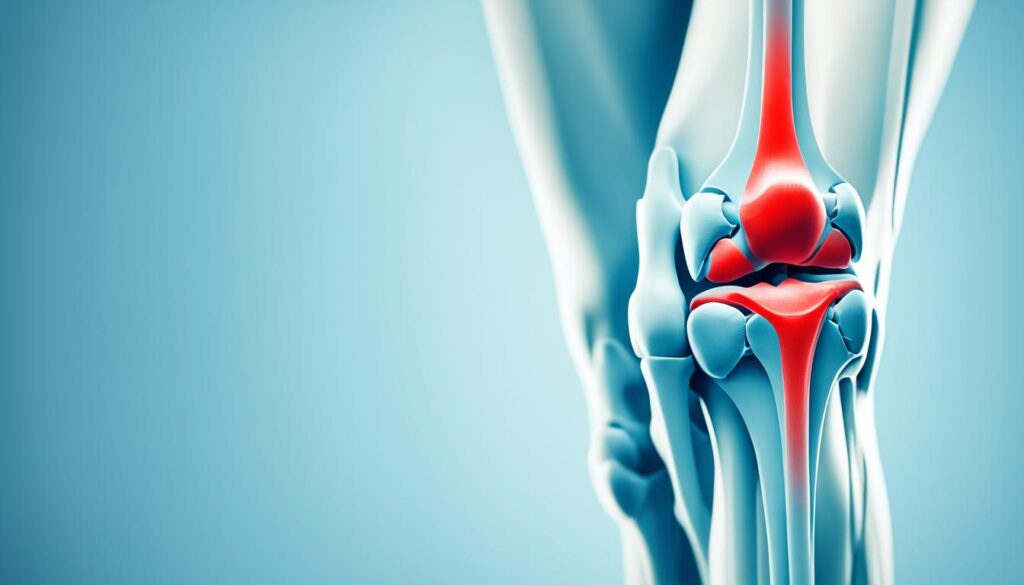
    “Pharmacological interventions play a crucial role in pain management for individuals with knee osteoarthritis. By targeting inflammation and providing pain relief, these medications can significantly improve the quality of life for patients.”

    Medication How it Works Examples
    Nonsteroidal anti-inflammatory drugs (NSAIDs) Reduce pain and inflammation Ibuprofen, Naproxen
    Acetaminophen Provides pain relief Tylenol
    Corticosteroid injections Reduce inflammation and pain Triamcinolone, Methylprednisolone
    Viscosupplementation injections Provide lubrication and cushioning to the joint Hyaluronic acid

    It is important for individuals with knee osteoarthritis to work closely with their healthcare providers to develop a personalized pain management plan. This plan should consider the individual’s specific needs and goals, taking into account their lifestyle, preferences, and potential side effects of medications.

    By combining non-pharmacological interventions, such as physical therapy and exercise, with appropriate pharmacological interventions, individuals can effectively manage knee osteoarthritis pain and improve their overall well-being.

    Conclusion

    Knee osteoarthritis is a prevalent condition that affects many individuals, causing pain and discomfort in the knee joint. The location of the pain can vary, with some people experiencing it in the front of the knee, while others feel it on the inside or outside of the joint. It is important to understand and identify the specific location of the pain in order to effectively manage the symptoms of knee osteoarthritis.

    To manage knee osteoarthritis pain, a comprehensive approach is necessary. This may involve a combination of non-pharmacological interventions, such as physical therapy, exercise, weight management, and the use of assistive devices. Pharmacological interventions, including pain relievers and injections, may also be recommended. The key is to work closely with healthcare providers to develop a personalized pain management plan that addresses individual needs and goals.

    By actively managing knee osteoarthritis pain, individuals can improve their daily living and overall quality of life. Although knee osteoarthritis is a chronic condition, with proper management, it is possible to reduce pain, increase mobility, and maintain an active lifestyle. Remember, early intervention and a proactive approach are crucial in minimizing the impact of knee osteoarthritis and maximizing long-term outcomes.

    FAQ

    What are the symptoms of knee osteoarthritis?

    The symptoms of knee osteoarthritis can include pain, stiffness, swelling, and a limited range of motion in the knee joint.

    Where is the pain felt in knee osteoarthritis?

    The pain in knee osteoarthritis can be felt in different areas of the knee, including the front, inside, and outside of the joint.

    What causes knee pain in osteoarthritis?

    Knee pain in osteoarthritis can be caused by the degeneration of cartilage in the knee joint, inflammation of the synovial membrane, formation of bone spurs, and the presence of joint effusion.

    How can knee osteoarthritis pain be managed?

    The management of knee osteoarthritis pain involves a multimodal approach, including non-pharmacological interventions such as physical therapy, exercise, weight management, and the use of assistive devices. Pharmacological interventions and injections may also be recommended.

    How can I develop a personalized pain management plan for knee osteoarthritis?

    It is important to work closely with your healthcare provider to develop a personalized pain management plan that addresses your specific needs and goals.

    Source Links

  • Knee Osteoarthritis Origins: Where It Starts

    Knee Osteoarthritis Origins: Where It Starts

    Welcome to our comprehensive guide on knee osteoarthritis. In this article, we will explore the origins of this common condition and understand where it starts. If you or someone you know is experiencing knee joint pain, it is crucial to delve into the underlying causes and mechanisms of knee osteoarthritis to better manage and treat the symptoms.

    Knee osteoarthritis, also known as degenerative joint disease of the knee, is primarily a result of wear and tear and a progressive loss of articular cartilage. It can be classified into two types: primary and secondary osteoarthritis. Primary osteoarthritis refers to articular degeneration without any apparent underlying reason, while secondary osteoarthritis is caused by abnormal concentration of force across the joint or abnormal articular cartilage.

    Commonly observed in the elderly, knee osteoarthritis can lead to disability and significantly impact daily life. The primary symptoms include knee pain that is gradual in onset and worsens with activity, knee stiffness and swelling, pain after prolonged sitting or resting, as well as pain that worsens over time.

    Treatment for knee osteoarthritis typically starts with conservative methods and progresses to surgical options if conservative treatments fail. Unfortunately, there are currently no proven disease-modifying agents for the treatment of knee osteoarthritis.

    Throughout this guide, we will explore the causes, risk factors, prevalence, pathophysiology, diagnosis, and clinical symptoms associated with knee osteoarthritis. We will also provide insights into the prevention strategies and personalized treatment plans that can help manage this condition.

    Let’s begin our exploration of knee osteoarthritis origins and gain a deeper understanding of where this condition starts. Before we dive in, take a moment to familiarize yourself with the image below, illustrating the knee joint.

    Causes and Risk Factors

    When it comes to knee osteoarthritis, there are various causes and risk factors that contribute to its development. Let’s take a closer look at these factors:

    Primary and Secondary Osteoarthritis

    Osteoarthritis can be classified into two categories: primary and secondary. Primary knee osteoarthritis occurs when the articular cartilage undergoes degeneration without any known reason. It is often associated with wear and tear on the knee joint over time.

    “Primary knee osteoarthritis is typically the result of articular cartilage degeneration without any known reason, often associated with wear and tear.”

    Secondary knee osteoarthritis, on the other hand, is the result of articular cartilage degeneration due to a specific cause or condition. This can include post-traumatic causes, such as a previous injury or surgery to the knee, or underlying conditions like rheumatoid arthritis.

    Risk Factors

    There are several risk factors that can increase the likelihood of developing knee osteoarthritis. Some of these factors are modifiable, while others are not:

    Modifiable Risk Factors Non-Modifiable Risk Factors
    • Articular trauma
    • Occupation involving prolonged standing and repetitive knee bending
    • Muscle weakness or imbalance
    • Excess weight
    • Health conditions like metabolic syndrome
    • Gender
    • Age
    • Genetics
    • Race

    Modifiable risk factors can be addressed through lifestyle changes and preventative measures. For example, maintaining a healthy weight, engaging in regular exercise to strengthen the muscles around the knee joint, and avoiding activities that put excessive stress on the knee can help reduce the risk of knee osteoarthritis.

    knee osteoarthritis causes

    “There are several risk factors that can increase the likelihood of developing knee osteoarthritis.”

    Non-modifiable risk factors, such as age, gender, genetics, and race, can’t be changed. However, being aware of these factors can help individuals and healthcare professionals identify those who may be at a higher risk and develop appropriate management plans.

    With the right combination of treatment and lifestyle modifications, individuals can effectively manage knee osteoarthritis and improve their quality of life. In the next section, we will explore more about the prevalence and epidemiology of knee osteoarthritis.

    Prevalence and Epidemiology

    Knee osteoarthritis is the most common type of arthritis diagnosed and its prevalence is expected to increase due to the aging population and obesity epidemic.

    Approximately 13% of women and 10% of men aged 60 and older have symptomatic knee osteoarthritis, with the prevalence rising to as high as 40% among those older than 70. Women are more susceptible to knee osteoarthritis compared to men, likely due to hormonal and anatomical differences.

    Various factors can influence the development of knee osteoarthritis, including physical activity levels, history of knee trauma, and race. Those who engage in heavy physical activities or have experienced significant knee injuries are at a higher risk of developing knee osteoarthritis. Studies have also shown that certain races, such as African Americans, tend to have a higher prevalence of knee osteoarthritis.

    It is important to note that radiographic findings of knee osteoarthritis may not always correspond with symptomatic experiences. Only 15% of patients with radiographic evidence of knee osteoarthritis report experiencing related symptoms. This indicates that the severity of radiographic findings may not always reflect the level of disability or pain experienced by individuals with knee osteoarthritis.

    The incidence of symptomatic knee osteoarthritis is approximately 240 cases per 100,000 people per year. This highlights the significant impact of knee osteoarthritis on the population and the need for effective management strategies.

    knee osteoarthritis

    The image above illustrates a knee joint experiencing inflammation, a common symptom of knee osteoarthritis.

    Pathophysiology

    Knee osteoarthritis is a complex condition that involves the progressive degeneration of the knee cartilage, leading to wear and tear of the knee joint. Understanding the pathophysiology of knee osteoarthritis can help us comprehend the underlying mechanisms of this disease and explore potential treatment strategies.

    The articular cartilage in the knee joint is primarily composed of type II collagen, proteoglycans, chondrocytes, and water. In knee osteoarthritis, the balance between cartilage degradation and synthesis is disrupted. This imbalance is caused by the overexpression of degradative enzymes called matrix metalloproteases (MMPs).

    In response to cartilage damage, chondrocytes, the cells responsible for maintaining cartilage health, attempt to repair the damaged tissue by increasing the synthesis of proteoglycans. However, due to the overexpression of MMPs, the equilibrium is disturbed, leading to a decrease in proteoglycan content, an increase in water content, and the disorganization of collagen fibers. Ultimately, this results in the erosion of the articular cartilage that cushions the knee joint, causing pain and functional impairment.

    Importantly, knee osteoarthritis should not be mistaken as a normal part of aging. While aging can contribute to the degeneration of cartilage, knee osteoarthritis is its own distinct disease with specific characteristics that differentiate it from normal aging cartilage.

    By gaining a deeper understanding of the pathophysiology of knee osteoarthritis, we can develop targeted interventions that aim to restore the balance of cartilage degradation and synthesis, slowing down the progression of the disease and improving the quality of life for those affected.

    The Difference Between Knee Osteoarthritis and Normal Aging Cartilage

    While knee osteoarthritis and normal aging cartilage share some common features, there are distinct differences between the two. These differences highlight the pathological processes that occur specifically in knee osteoarthritis and emphasize the need for targeted treatments.

    Knee Osteoarthritis Normal Aging Cartilage
    Progressive loss of articular cartilage Gradual thinning of cartilage
    Increased expression of MMPs Normal expression of MMPs
    Inflammation in the joint No inflammation
    Disorganized collagen fibers Organized collagen fibers

    Knee osteoarthritis is a complex disease that involves the progressive degeneration of knee cartilage. Understanding its pathophysiology and the unique characteristics that set it apart from normal aging cartilage is crucial for developing effective treatment strategies. By targeting the specific processes involved in knee osteoarthritis, we can work towards improving the lives of individuals suffering from this debilitating condition.

    Diagnosis and Clinical Symptoms

    The diagnosis of knee osteoarthritis is based on the patient’s history, physical examination, and sometimes imaging studies. The history should include information about the onset, location, duration, and characteristics of knee pain, as well as alleviating and aggravating factors.

    During physical examination, healthcare professionals may observe periarticular erythema and swelling, quadriceps muscle atrophy, and varus or valgus deformities. They may also assess gait abnormalities and perform range of motion testing and palpation of the knee joint to gather diagnostic information.

    Common clinical symptoms of knee osteoarthritis include:

    • Knee pain that is gradual in onset and worsens with activity
    • Stiffness and swelling in the knee
    • Pain after prolonged sitting or resting
    • Pain that worsens over time

    These symptoms can significantly affect an individual’s mobility and quality of life, making an accurate diagnosis essential for appropriate management and treatment.

    To better understand the impact of knee osteoarthritis symptoms on patients, consider the following quote:

    “The pain in my knee started gradually and became worse over time. It’s especially bothersome after I’ve been sitting for a while, and I also notice stiffness and swelling. It’s frustrating because it limits my ability to enjoy the activities I used to love.”

    – Patient with knee osteoarthritis

    Conclusion

    Knee osteoarthritis can have a significant impact on the quality of life and mobility of affected individuals. However, there are strategies that can help reduce the risk and delay the progression of the disease. Prevention is key in managing knee osteoarthritis, and it starts with maintaining a healthy weight. Excess weight puts additional stress on the knee joints, increasing the risk of cartilage damage and degeneration. By maintaining a healthy weight, individuals can lessen the burden on their knees and reduce the likelihood of developing knee osteoarthritis.

    Regular exercise is another important component of prevention. Engaging in activities that strengthen the muscles around the knee joint can provide support and stability, reducing the risk of joint damage. Low-impact exercises such as swimming, cycling, and walking can be beneficial for individuals with knee osteoarthritis. It is important to consult with a healthcare professional or physical therapist to develop an exercise program that is safe and effective.

    Avoiding activities that put excessive stress on the knee is also important for preventing knee osteoarthritis. This includes activities that involve repetitive movements or high-impact activities such as running or jumping. By being mindful of these activities and modifying them or finding alternatives, individuals can protect their knees and reduce the risk of osteoarthritis.

    Managing other health conditions that may contribute to knee osteoarthritis is also essential. Conditions such as metabolic syndrome and diabetes can increase the risk of developing osteoarthritis. By effectively managing these conditions through lifestyle changes and medication, individuals can reduce their risk and protect their knee joints.

    FAQ

    What is knee osteoarthritis?

    Knee osteoarthritis, also known as degenerative joint disease of the knee, is the result of wear and tear and progressive loss of articular cartilage. It is a common type of arthritis that primarily affects the elderly and can lead to disability.

    What are the symptoms of knee osteoarthritis?

    Common symptoms of knee osteoarthritis include gradual onset knee pain that worsens with activity, knee stiffness and swelling, pain after prolonged sitting or resting, and pain that worsens over time.

    What are the causes and risk factors of knee osteoarthritis?

    Knee osteoarthritis can be caused by articular cartilage degeneration without any known reason (primary osteoarthritis) or as a consequence of an underlying condition or abnormal stress on the joint (secondary osteoarthritis). Risk factors for knee osteoarthritis include factors like articular trauma, occupation involving prolonged standing and repetitive knee bending, muscle weakness or imbalance, weight, and certain health conditions.

    How common is knee osteoarthritis?

    Knee osteoarthritis is the most common type of diagnosed arthritis and its prevalence is expected to increase due to the aging population and obesity epidemic. Approximately 13% of women and 10% of men aged 60 and older have symptomatic knee osteoarthritis.

    What is the pathophysiology of knee osteoarthritis?

    Knee osteoarthritis involves the progressive loss of articular cartilage, which leads to the erosion of the joint. This degeneration is caused by an imbalance between cartilage degradation and synthesis, which is often associated with the overexpression of degradative enzymes called matrix metalloproteases (MMPs).

    How is knee osteoarthritis diagnosed?

    The diagnosis of knee osteoarthritis is typically based on the patient’s history, physical examination, and sometimes imaging studies. The history should include information about the onset, location, and characteristics of knee pain. Physical examination may reveal swelling, muscle atrophy, deformities, and gait abnormalities.

    Can knee osteoarthritis be prevented?

    While there is no cure for knee osteoarthritis, prevention strategies can help reduce the risk and delay the progression of the disease. These strategies include maintaining a healthy weight, engaging in regular exercise to strengthen the muscles around the knee joint, avoiding activities that put excessive stress on the knee, and managing other health conditions that may contribute to knee osteoarthritis.

    Source Links

  • Knee and Hip Osteoarthritis WHO Insights & Tips

    Knee and Hip Osteoarthritis WHO Insights & Tips

    Welcome to our article on knee and hip osteoarthritis, providing valuable insights and essential tips. As a trusted source of information, we aim to keep you informed about the latest developments and strategies for managing this common condition. Whether you are personally affected by knee and hip osteoarthritis or seeking knowledge for someone you care about, we are here to help.

    Osteoarthritis is a widespread issue, according to data from the World Health Organization (WHO). In 2019, approximately 528 million people worldwide were living with osteoarthritis, with a remarkable increase of 113% since 1990. It predominantly affects individuals over the age of 55, with 73% falling into this age group. It is also more prevalent in women, as 60% of those diagnosed are female.

    The knee and hip joints are particularly susceptible to osteoarthritis, with the knee being the most commonly affected joint, followed by the hip and hand. Considering the staggering number of people affected globally, it is estimated that 344 million individuals could benefit from rehabilitation services to manage their moderate or severe osteoarthritis symptoms.

    In the upcoming sections, we will delve into the risk factors, diagnosis, treatment options, and the impact of knee and hip osteoarthritis. By carefully examining these aspects, we hope to equip you with the knowledge needed to understand the condition better and make informed decisions regarding your health and well-being.

    Risk Factors for Knee and Hip Osteoarthritis

    There are several risk factors associated with the development of knee and hip osteoarthritis. Understanding these risk factors can help individuals take preventive measures to reduce their likelihood of developing osteoarthritis.

    • A history of joint injury or overuse
    • Older age
    • Being overweight or obese
    • Pre-existing joint diseases like rheumatoid arthritis
    • Specific metabolic diseases such as diabetes
    • Genetics
    • Certain sociodemographic factors like age and sex

    These factors can contribute to the wear and tear of the knee and hip joints, leading to the development of osteoarthritis. For example, joint injury or overuse can cause damage to the cartilage, which acts as a cushion between the bones. As we age, the cartilage naturally wears down, increasing the risk of osteoarthritis. Being overweight or obese puts extra stress on the joints, accelerating the degeneration of the cartilage.

    “A history of joint injury or overuse, older age, being overweight or obese, pre-existing joint diseases like rheumatoid arthritis, specific metabolic diseases such as diabetes, genetics, and certain sociodemographic factors like age and sex are all risk factors for knee and hip osteoarthritis.”

    It is important to note that while these risk factors can contribute to the development of knee and hip osteoarthritis, they do not guarantee the development of the condition. There may be individuals who have one or more risk factors but never develop osteoarthritis, and vice versa.

    By understanding these risk factors, individuals can make informed decisions about their lifestyle choices and take proactive steps to reduce their risk of developing knee and hip osteoarthritis. For example, maintaining a healthy weight, engaging in regular exercise, and protecting the joints from injury can all help minimize the risk.

    Preventing Knee and Hip Osteoarthritis

    Preventing knee and hip osteoarthritis involves adopting a comprehensive approach that includes:

    1. Managing weight: Maintaining a healthy weight reduces stress on the joints.
    2. Regular exercise: Engaging in low-impact exercises like swimming and biking can help strengthen the muscles around the joints.
    3. Avoiding joint injuries: Taking precautions to prevent joint injuries, such as using proper lifting techniques and wearing protective gear during physical activities.
    4. Managing other health conditions: Properly managing conditions like diabetes and rheumatoid arthritis can reduce the risk of developing osteoarthritis.
    Risk Factors Description
    Joint Injury or Overuse Past injuries or repetitive strain on the joints increase the risk of osteoarthritis.
    Older Age The risk of developing osteoarthritis increases with age.
    Being Overweight or Obese Excess weight puts additional stress on the joints, leading to wear and tear.
    Pre-existing Joint Diseases Conditions like rheumatoid arthritis increase the likelihood of developing osteoarthritis.
    Metabolic Diseases Metabolic diseases such as diabetes can contribute to the degeneration of joint cartilage.
    Genetics Family history of osteoarthritis can increase the risk of developing the condition.
    Sociodemographic Factors Age and sex can influence the likelihood of developing knee and hip osteoarthritis.

    Diagnosis and Symptoms of Knee and Hip Osteoarthritis

    Osteoarthritis of the knee and hip can cause a range of symptoms that can significantly impact an individual’s quality of life. It is crucial to be aware of the signs and symptoms associated with these conditions in order to seek timely diagnosis and appropriate treatment. Here, we will discuss the common symptoms and the diagnostic process for knee and hip osteoarthritis.

    Symptoms:

    Knee and hip osteoarthritis typically manifest with the following symptoms:

    • Pain: Persistent, dull, or sharp pain in the affected joint.
    • Swelling: Swelling and inflammation around the joint.
    • Stiffness: Difficulty moving the joint, especially after periods of rest.
    • Restricted Mobility: Decreased range of motion in the joint.

    These symptoms may develop gradually over time or appear suddenly after an injury or strain. It is important to note that the severity of symptoms can vary from person to person.

    Diagnosis:

    If you experience symptoms suggestive of knee or hip osteoarthritis, it is recommended to consult a healthcare professional for an accurate diagnosis. The diagnostic process typically involves:

    1. Medical History: The doctor will inquire about your symptoms, their duration, and any previous injuries or medical conditions.
    2. Physical Examination: The healthcare provider will assess your joint mobility, check for tenderness, and look for signs of inflammation.
    3. Imaging Tests: X-rays and MRI scans are commonly used to visualize the affected joint, assess the degree of joint damage, and rule out other conditions.

    An X-ray can reveal joint space narrowing, bone spurs, and other characteristic changes associated with osteoarthritis. MRI scans provide a more detailed view of the joint and can help detect soft tissue abnormalities.

    A proper diagnosis is essential for determining the most appropriate treatment and management strategies tailored to your specific needs.

    knee osteoarthritis diagnosis

    Treatment and Management of Knee and Hip Osteoarthritis

    The management of knee and hip osteoarthritis typically involves a comprehensive approach that combines non-pharmacological and pharmacological interventions. By addressing both the symptoms and underlying causes of the condition, individuals can effectively alleviate pain, improve mobility, and enhance their overall quality of life.

    Non-Pharmacological Interventions

    Non-pharmacological interventions play a crucial role in the treatment and management of knee and hip osteoarthritis. These approaches focus on lifestyle modifications and targeted therapies that aim to reduce pain and inflammation, increase joint function, and improve overall well-being. Some of the key non-pharmacological interventions include:

    • Exercise: Regular physical activity can strengthen the muscles around the affected joints, improve flexibility, and reduce pain. Low-impact exercises such as swimming, walking, and cycling are often recommended.
    • Weight Management: Maintaining a healthy weight can significantly decrease stress and strain on the knee and hip joints, alleviating symptoms and slowing down the progression of osteoarthritis.
    • Physical Therapy: Physical therapy includes various techniques and exercises designed to improve joint function, mobility, and muscle strength. It can also provide education on proper body mechanics and joint protection.
    • Assistive Devices: The use of assistive devices such as braces, orthotics, and canes can help reduce joint pressure, provide support, and improve mobility.

    Pharmacological Interventions

    In addition to non-pharmacological interventions, pharmacological treatments are often used to manage pain and inflammation associated with knee and hip osteoarthritis. These medications can be prescribed by a healthcare professional and may include:

    • Pain Medications: Over-the-counter analgesics like acetaminophen can help relieve pain, while prescription opioids may be used for severe cases. It’s essential to follow the recommended dosage and consult a healthcare professional before taking any medication.
    • Non-Steroidal Anti-Inflammatory Drugs (NSAIDs): NSAIDs are commonly used to reduce pain and inflammation. They can be purchased over-the-counter or prescribed by a healthcare professional.
    • Steroid Injections: Injections of corticosteroids directly into the affected joint can provide temporary relief from pain and inflammation.

    Surgical Interventions

    In severe cases of knee and hip osteoarthritis that do not respond to conservative treatments, surgical interventions may be necessary to restore joint function and alleviate pain. Joint replacement surgery, such as total knee or hip replacement, involves removing the damaged joint and replacing it with a prosthesis. This allows individuals to regain mobility and significantly improve their quality of life.

    A comprehensive and individualized approach to treatment and management is crucial in effectively addressing the symptoms and progression of knee and hip osteoarthritis. By combining non-pharmacological interventions, pharmacological treatments, and surgery when necessary, healthcare professionals can develop personalized plans that help individuals achieve optimal outcomes and live an active and fulfilling life.

    knee and hip osteoarthritis treatment

    Impact and Burden of Knee and Hip Osteoarthritis

    Knee and hip osteoarthritis can have a significant impact on a person’s quality of life. The symptoms of this condition, including pain, stiffness, and limited mobility, can make daily activities challenging and affect overall well-being. Activities that were once effortless, such as walking, climbing stairs, or getting out of a chair, may become difficult and painful.

    Chronic pain is a hallmark of knee and hip osteoarthritis, often leading to physical limitations and reduced participation in social and recreational activities. The constant discomfort can also affect mental health, leading to anxiety, depression, and decreased overall happiness.

    The burden of knee and hip osteoarthritis extends beyond individual suffering. It also imposes a substantial economic burden on healthcare systems and individuals. The cost of managing knee and hip osteoarthritis includes medical expenses, rehabilitation services, assistive devices, and productivity losses.

    According to a study published in the Journal of Bone and Joint Surgery, the direct medical costs associated with knee and hip osteoarthritis are estimated to be $185.5 billion per year in the United States alone. This figure is projected to increase as the prevalence of knee and hip osteoarthritis continues to rise with the aging population and other contributing factors.

    Impact of Knee and Hip Osteoarthritis Burden of Knee and Hip Osteoarthritis
    • Chronic pain
    • Reduced mobility and physical limitations
    • Difficulty performing daily activities
    • Impact on mental health
    • Decreased overall well-being
    • Economic burden on healthcare systems
    • Increased healthcare expenses
    • Cost of rehabilitation services
    • Productivity losses
    • Financial strain on individuals

    Conclusion

    Knee and hip osteoarthritis are prevalent conditions that affect millions of people worldwide. The increasing prevalence of osteoarthritis highlights the need for greater awareness and understanding of this chronic disease.

    By recognizing the risk factors associated with knee and hip osteoarthritis and seeking early diagnosis, individuals can take proactive steps to manage the condition effectively. Lifestyle modifications, such as regular exercise and weight management, play a critical role in reducing symptoms and maintaining overall joint health.

    Additionally, appropriate medical interventions, including pain medications and physical therapy, can further support the management of knee and hip osteoarthritis. It is essential for individuals to work closely with healthcare professionals to develop a personalized treatment plan that meets their specific needs.

    With a comprehensive approach that considers both non-pharmacological and pharmacological interventions, individuals can minimize the impact of knee and hip osteoarthritis on their daily lives. By adopting a proactive mindset and staying informed about the latest research and advancements in osteoarthritis management, individuals can lead fulfilling and active lives despite the challenges posed by this condition.

    FAQ

    What are the symptoms of knee and hip osteoarthritis?

    The symptoms of knee and hip osteoarthritis include pain, swelling, stiffness, and difficulty moving the affected joints.

    How is knee and hip osteoarthritis diagnosed?

    Diagnosis typically involves a combination of medical history, physical examination, and imaging tests such as X-rays or MRI scans.

    What are the risk factors for knee and hip osteoarthritis?

    Risk factors include a history of joint injury or overuse, older age, being overweight or obese, pre-existing joint diseases like rheumatoid arthritis, specific metabolic diseases such as diabetes, genetics, and certain sociodemographic factors like age and sex.

    How is knee and hip osteoarthritis treated and managed?

    The management of knee and hip osteoarthritis usually involves a combination of non-pharmacological and pharmacological interventions. Non-pharmacological approaches include exercise, weight management, physical therapy, and assistive devices. Pharmacological options may include pain medications, non-steroidal anti-inflammatory drugs (NSAIDs), and steroid injections. In severe cases, joint replacement surgery may be necessary.

    What is the impact and burden of knee and hip osteoarthritis?

    Knee and hip osteoarthritis can have a significant impact on a person’s quality of life. It can limit mobility, interfere with daily activities, and cause chronic pain. The burden of the disease extends beyond physical limitations, affecting mental health and overall well-being. Osteoarthritis also imposes a substantial economic burden on healthcare systems and individuals.

    Source Links

  • Understanding Knee Osteoarthritis: Who’s Affected?

    Understanding Knee Osteoarthritis: Who’s Affected?

    Welcome to our comprehensive guide on knee osteoarthritis! In this article, we will delve into the symptoms, causes, treatment options, prevention strategies, risk factors, diagnosis, management, and surgical interventions associated with knee osteoarthritis. Whether you’re personally affected or seeking insights for a loved one, we’ve got you covered. Explore the world of knee osteoarthritis with us as we provide useful information to help you understand this common joint condition.

    When it comes to knee osteoarthritis, people of all ages can be affected. While the chances of developing this condition increase after age 45, it’s important to note that even young individuals can be susceptible, particularly if there’s a family history of the condition. Various risk factors, such as joint injury or infection, being overweight, and engaging in repetitive stress activities, can also contribute to knee osteoarthritis.

    The symptoms of knee osteoarthritis include pain, swelling, stiffness, reduced mobility, and a creaking sound in the joint. To accurately diagnose knee osteoarthritis, healthcare providers may conduct physical exams, review medical history, and order imaging tests such as X-rays and MRIs.

    While the primary goals of treatment for knee osteoarthritis are pain relief and improved mobility, a variety of options are available. These include weight loss, targeted exercises, pain relievers, injections, alternative therapies, bracing, and physical and occupational therapy. In severe cases, surgical interventions such as arthroscopy, osteotomy, or joint replacement may be recommended.

    Join us as we explore knee osteoarthritis in greater detail and provide valuable insights into its prevalence, risk factors, symptoms, diagnosis, treatment options, and the future outlook. Together, we can better understand and manage knee osteoarthritis for a healthier, more active life.

    Prevalence and Risk Factors of Knee Osteoarthritis

    Knee osteoarthritis is the most common type of osteoarthritis, affecting over 32 million people in the U.S. alone. This condition is not limited to older adults but can also occur in younger individuals.
    Several risk factors contribute to the development of knee osteoarthritis:

    1. Age: The chance of developing knee osteoarthritis increases with age, as the cartilage naturally degenerates over time.
    2. Weight: Excess body weight puts extra stress on the knee joints, leading to increased risk.
    3. Heredity: Genetics play a role in knee osteoarthritis, with some individuals having a higher predisposition to the condition.
    4. Gender: Women are more likely to develop knee osteoarthritis than men, although the reasons behind this are not yet fully understood.
    5. Repetitive Stress Injuries: Certain occupations or activities that involve repetitive kneeling, squatting, or high-impact movements can contribute to knee osteoarthritis.
    6. Athletics: Athletes who participate in sports that involve repetitive knee movements, such as soccer, tennis, or long-distance running, may be at a higher risk.
    7. Other Illnesses: Rheumatoid arthritis and certain metabolic disorders can increase the likelihood of developing knee osteoarthritis.

    It is important to be aware of these risk factors and take appropriate measures to reduce the chances of developing knee osteoarthritis. By understanding and addressing these factors, individuals can potentially mitigate the impact of this prevalent condition.

    Knee Osteoarthritis

    Risk Factors Prevalence
    Age Increases with age
    Weight Higher in overweight individuals
    Heredity Genetic predisposition
    Gender More prevalent in women
    Repetitive Stress Injuries Occupations or activities with repetitive knee movements
    Athletics Common in sports involving high-impact knee actions
    Other Illnesses Rheumatoid arthritis and metabolic disorders

    Symptoms and Diagnosis of Knee Osteoarthritis

    In order to effectively diagnose knee osteoarthritis, it is essential to recognize the common symptoms associated with the condition. These symptoms often include:

    • Pain in the knee that worsens with activity, such as walking or climbing stairs
    • Swelling and inflammation around the knee joint
    • Morning stiffness in the knee, or stiffness after prolonged periods of sitting or inactivity
    • Reduced range of motion and difficulty bending or straightening the knee
    • A creaking or grinding sensation when moving the knee joint

    These symptoms can significantly impact an individual’s quality of life and daily activities. Therefore, it is crucial to seek medical attention if these symptoms persist or worsen over time.

    Diagnosis

    Diagnosing knee osteoarthritis typically involves a combination of physical examination, medical history review, and imaging tests. A healthcare provider, such as a rheumatologist or orthopedic specialist, will perform a comprehensive physical examination to assess the knee’s range of motion, stability, and any signs of joint inflammation or tenderness.

    During the examination, the healthcare provider will also inquire about the patient’s medical history, including prior injuries, family history of osteoarthritis, and symptoms experienced.

    In addition to the physical exam, imaging tests may be ordered to further evaluate the severity of the knee osteoarthritis and rule out other potential conditions. The two most commonly used imaging tests for knee osteoarthritis are X-rays and MRIs.

    X-rays provide detailed images of bone structures and can reveal signs of joint damage, such as the presence of bone spurs, joint space narrowing, or cartilage loss. MRIs, on the other hand, offer more detailed images of soft tissues, including cartilage and ligaments, and can help assess the extent of damage within the knee joint.

    In some cases, blood tests may also be performed to rule out other conditions that may mimic knee osteoarthritis symptoms, such as rheumatoid arthritis.

    knee osteoarthritis diagnosis

    With a combination of physical examination, medical history review, and imaging tests, healthcare providers can accurately diagnose knee osteoarthritis and develop an appropriate treatment plan tailored to the individual’s specific needs and condition.

    Treatment Options for Knee Osteoarthritis

    The treatment of knee osteoarthritis aims to relieve pain and improve mobility. We have a range of options that can help manage the symptoms and improve the quality of life for individuals with knee osteoarthritis.

    Weight Loss

    For overweight individuals, weight loss is recommended to reduce pressure on the knee joint. By shedding excess weight, you can alleviate the strain on the joints, which can help relieve pain and improve mobility.

    Exercise

    Engaging in regular exercise is crucial for stabilizing the knee joint and reducing pain. Strengthening exercises, such as leg curls and squats, help to build the muscles around the knee, providing added support. Stretching exercises, like hamstring stretches and calf stretches, can improve flexibility and reduce stiffness.

    Pain Relievers

    Pain relievers such as acetaminophen, ibuprofen, and naproxen can provide temporary relief from knee osteoarthritis pain. These over-the-counter medications help to reduce pain and inflammation, allowing individuals to carry out daily activities with less discomfort.

    Injections

    In more severe cases, injections may be recommended to alleviate knee osteoarthritis symptoms. Corticosteroids can reduce inflammation and pain when injected directly into the joint. Hyaluronic acid injections can help improve joint lubrication and reduce friction, resulting in decreased pain and increased mobility.

    Alternative Therapies

    Alternative therapies like topical creams, acupuncture, and supplements may be considered as supplementary treatments for knee osteoarthritis. While the effectiveness of these therapies may vary from person to person, some individuals find them helpful in managing pain and improving overall well-being.

    Braces

    Braces can provide support and stability to the knee, helping to reduce pain and improve joint alignment. These devices are designed to relieve pressure on the affected area and aid in walking and movement.

    Physical and Occupational Therapy

    Physical and occupational therapy play a crucial role in managing knee osteoarthritis. These therapies involve targeted exercises, stretches, and techniques aimed at improving mobility, reducing pain, and enhancing overall function. Physical therapists provide guided exercises, while occupational therapists focus on assisting with daily activities and ergonomic adaptations.

    Surgery

    In severe cases where other treatment options have been ineffective, surgery may be necessary to address knee osteoarthritis. Procedures such as arthroscopy, osteotomy, or joint replacement surgery can be considered based on the individual’s condition and needs.

    By exploring these treatment options and working closely with healthcare providers, individuals with knee osteoarthritis can find relief from pain and improve their overall quality of life.

    Conclusion

    In summary, knee osteoarthritis is a prevalent condition that can affect individuals of all ages, with the risk increasing as people grow older. Factors such as age, weight, heredity, and occupation contribute to the development of knee osteoarthritis. However, there are various treatment options available to manage the symptoms and enhance overall quality of life.

    It is crucial for individuals diagnosed with knee osteoarthritis to collaborate closely with their healthcare providers to determine the most suitable treatment plan based on their specific needs. From weight management to exercise programs, pain relievers to alternative therapies, braces to physical and occupational therapy, a comprehensive approach can significantly alleviate symptoms and enhance daily functioning.

    The future outlook for individuals with knee osteoarthritis is optimistic, thanks to ongoing research and advancements in treatment options. As medical understanding deepens, and new techniques and therapies emerge, individuals with knee osteoarthritis can expect improved management strategies that provide long-term relief and improved quality of life.

    FAQ

    Who is affected by knee osteoarthritis?

    Knee osteoarthritis can affect people of all ages, although the risk increases with age. Young people can also be affected, especially if they have a family history of the condition.

    What are the symptoms of knee osteoarthritis?

    The symptoms of knee osteoarthritis include pain, swelling, stiffness (especially in the morning or after prolonged sitting), reduced mobility, and creaking sound in the knee joint.

    What are the causes of knee osteoarthritis?

    The causes of knee osteoarthritis include age-related cartilage degeneration, being overweight, heredity, female gender, repetitive stress injuries, and other conditions like rheumatoid arthritis or metabolic disorders.

    How is knee osteoarthritis diagnosed?

    Diagnosing knee osteoarthritis typically involves a physical exam, medical history review, and imaging tests like X-rays and MRIs. Blood tests may also be used to rule out other conditions.

    What are the treatment options for knee osteoarthritis?

    Treatment options for knee osteoarthritis include weight loss to reduce pressure on the knee, exercise to stabilize the knee and alleviate pain, pain relievers and anti-inflammatory drugs for temporary relief, injections for more severe symptoms, alternative therapies, braces for support, and physical and occupational therapy. In severe cases, surgery may be necessary.

    Can knee osteoarthritis be prevented?

    While knee osteoarthritis cannot be completely prevented, maintaining a healthy weight, avoiding or modifying activities that put excessive stress on the knees, and exercising regularly can help reduce the risk.

    What are the risk factors for knee osteoarthritis?

    Risk factors for knee osteoarthritis include age, weight, heredity, occupation, certain sports and activities, and other conditions like rheumatoid arthritis or metabolic disorders.

    How can knee osteoarthritis be managed?

    Knee osteoarthritis can be managed through a combination of non-surgical treatments, such as weight loss, exercise, pain relief medications, injections, alternative therapies, bracing, and physical and occupational therapy. In severe cases, surgery may be recommended.

    What surgical options are available for knee osteoarthritis?

    Surgical options for knee osteoarthritis include arthroscopy, osteotomy, and joint replacement surgery. The choice of surgery depends on the severity of the condition and the individual’s specific needs.

    Source Links

  • Effective Who Knee Osteoarthritis Treatment Options

    Effective Who Knee Osteoarthritis Treatment Options

    Welcome to our comprehensive guide on effective treatment options for knee osteoarthritis (OA). If you or a loved one is dealing with this debilitating condition, you know how it can impact daily life. The pain, stiffness, and limited mobility associated with knee OA can be highly distressing.

    While knee replacement surgery is a highly effective long-term solution, there are also non-surgical treatment options available that can effectively manage the symptoms and provide relief. These alternatives aim to reduce pain, improve function, and enhance the overall quality of life for individuals with knee OA.

    In this guide, we will explore various treatment options, techniques, and strategies that can help you manage knee OA. From non-steroidal anti-inflammatory drugs (NSAIDs) and weight loss to physical therapy and brace modalities, we will delve into each option, examining their benefits and potential impact on pain management and function improvement.

    Our goal is to provide you with the necessary knowledge and insights to make informed decisions about your knee OA treatment. By understanding the available options and consulting with healthcare professionals, you can create a personalized treatment plan that suits your needs and preferences.

    So, let’s dive in and explore the effective treatment options for knee OA that can help you regain control and improve your quality of life!

    Non-Steroidal Anti-Inflammatory Drugs (NSAIDs)

    Non-steroidal anti-inflammatory drugs (NSAIDs) are a commonly used treatment option for knee osteoarthritis. They have shown effectiveness in providing pain relief and functional improvements when used continuously.

    NSAIDs can be taken in conjunction with other forms of treatment, making them versatile in managing knee osteoarthritis. However, their effectiveness is most notable when taken regularly as prescribed by healthcare professionals.

    A comprehensive study has revealed that NSAIDs are highly effective in managing pain and improving function in individuals with knee osteoarthritis. The continuous usage of NSAIDs has shown positive results, providing relief to patients and enhancing their daily activities.

    When using NSAIDs, it is crucial to adhere to the prescribed dosage and adhere to the recommended treatment duration. Consistency is key to achieving the desired pain relief and functional improvements.

    “NSAIDs are a valuable option for knee osteoarthritis treatment. They have been a cornerstone in the management of pain, allowing patients to experience functional improvements and a better quality of life.” – Dr. Sarah Thompson, Rheumatologist

    It is important to note that NSAIDs may not be suitable for everyone. They can cause side effects such as gastrointestinal issues and increased risk of cardiovascular events. Individuals with specific health conditions and those taking certain medications should consult their healthcare provider before starting NSAID treatment.

    Overall, non-steroidal anti-inflammatory drugs (NSAIDs) play a significant role in knee osteoarthritis treatment, providing pain relief and functional improvements. By working closely with healthcare professionals, individuals can find the most suitable NSAID regimen that addresses their specific needs and maximizes their quality of life.

    knee osteoarthritis treatment

    Weight Loss

    Weight loss can be an effective strategy for managing knee osteoarthritis. Obesity is a significant risk factor for knee OA, and losing weight can reduce the strain on the knee joint, leading to pain relief and improved function.

    However, weight loss can be challenging for obese patients with knee OA due to limited mobility and difficulties adhering to a low-calorie diet. Despite the challenges, weight loss is a safe and effective way to improve knee pain, function, and stiffness without adverse effects.

    Benefits of Weight Loss for Knee OA
    1. Pain relief
    2. Improved function
    3. Reduced joint strain
    4. Lowered risk of disease progression
    5. Enhanced quality of life

    weight loss and knee osteoarthritis

    Research has shown that weight loss in individuals with knee OA can significantly reduce pain levels and improve functional outcomes. By shedding excess weight, the burden on the knee joint is diminished, resulting in a decrease in pain and an increase in mobility. Weight loss also has the potential to slow down the progression of knee OA and improve overall quality of life.

    Implementing a comprehensive weight loss plan that includes a combination of calorie restriction, physical activity, and behavioral modifications can yield promising results for individuals with knee OA. Collaborating with a healthcare professional or a registered dietitian can provide guidance and support throughout the weight loss journey.

    Tips for Weight Loss

    • Set realistic goals
    • Adopt a balanced, nutritious diet
    • Incorporate regular physical activity
    • Seek professional guidance

    By incorporating weight loss as part of the treatment plan, individuals with knee osteoarthritis can experience significant pain relief, improved function, and an enhanced quality of life.

    Intra-Articular Injections

    Intra-articular injections are a treatment option for knee osteoarthritis that aim to provide pain relief and improve long-term outcomes. These injections involve the direct delivery of medication into the joint space, targeting inflammation and reducing discomfort. Two commonly used substances for intra-articular injections in knee osteoarthritis are hyaluronic acid and corticosteroids.

    Hyaluronic acid injections work by replacing the natural lubricant in the joint, which may be reduced in individuals with knee osteoarthritis. By restoring the joint’s natural fluid and reducing friction, hyaluronic acid injections can alleviate pain and improve mobility. Studies have shown that these injections provide pain relief and functional improvements, although the degree of efficacy may vary among individuals.

    Corticosteroid injections, on the other hand, aim to reduce inflammation in the joint. They can provide rapid relief from pain and inflammation, making them a popular choice for short-term pain management. However, the long-term outcomes of corticosteroid injections remain debated, with some studies suggesting that their benefits may diminish over time.

    It is important to note that the effectiveness of intra-articular injections can depend on various factors, including the individual’s response, the severity of knee osteoarthritis, and any underlying medical conditions. Therefore, it is crucial to discuss this treatment option with a healthcare professional to determine if it is appropriate for your specific needs.

    Overall, intra-articular injections can be a valuable tool in the management of knee osteoarthritis, offering pain relief and potential improvements in function. However, it is essential to weigh the potential benefits and risks, as well as consider other treatment options, to make an informed decision about your knee osteoarthritis care.

    Type of Injections Mechanism of Action Pain Relief Long-Term Outcomes
    Hyaluronic Acid Replaces joint lubricant, reduces friction Provides relief, improves mobility Efficacy varies among individuals
    Corticosteroid Reduces inflammation in the joint Offers rapid relief Debated long-term outcomes

    Physical Therapy

    Physical therapy is a valuable non-surgical treatment option for knee osteoarthritis. It involves targeted exercises and movement strategies designed to improve pain relief and function improvement. Physical therapy has been shown to lead to significant improvements in pain and function in individuals with knee OA.

    At our facility, our highly skilled physical therapists create personalized treatment plans for each patient with knee osteoarthritis. Through a combination of manual therapy, therapeutic exercises, and modalities, we aim to alleviate pain, restore function, and enhance overall well-being.

    In physical therapy for knee osteoarthritis, we focus on strengthening the muscles surrounding the knee joint, improving flexibility, and enhancing balance and stability. This multifaceted approach helps to reduce pain, improve joint mobility, and ultimately enhance the quality of life for individuals with knee OA.

    Our physical therapists work closely with patients to ensure compliance with the treatment program. We understand that adhering to physical therapy can be challenging due to various reasons, such as high copayments, pain during activities, transportation issues, and time commitments. However, we strive to address these challenges by providing personalized care, offering flexible scheduling options, and working collaboratively with patients to overcome barriers.

    Benefits of Physical Therapy for Knee Osteoarthritis

    • Reduces pain and inflammation
    • Improves joint mobility and flexibility
    • Increases muscle strength and endurance
    • Enhances balance and stability
    • Improves overall functional abilities
    • Promotes long-term pain relief and better quality of life

    Through our comprehensive physical therapy programs, we aim to empower individuals with knee osteoarthritis to actively participate in their own recovery. By combining education, exercise, and hands-on guidance, we provide the tools and knowledge necessary for long-term pain relief and improved function.

    When appropriate, our physical therapists may also incorporate assistive devices, such as knee braces or orthotics, to support the joint and optimize function. These devices can provide additional stability and alleviate pain during daily activities.

    Remember, physical therapy is not a one-size-fits-all approach. Our team of experts tailors the treatment plan to meet each patient’s unique needs, taking into account factors such as age, lifestyle, and severity of knee osteoarthritis.

    Despite the challenges, physical therapy remains a cornerstone of non-surgical treatment for knee osteoarthritis. The benefits of physical therapy extend beyond pain relief and function improvement. By actively participating in physical therapy, patients can regain control over their condition, improve compliance, and enhance their overall well-being.

    Brace Modalities

    Brace modalities are non-invasive and non-pharmacologic options for knee osteoarthritis treatment. They have shown significant effectiveness in providing pain relief, improving function, reducing the risk of complications, and enhancing mobility in individuals with knee OA.

    Knee braces are an integral part of the comprehensive management of knee osteoarthritis. They offer a conservative approach to alleviate pain, enhance stability, and facilitate joint alignment. By providing external support, knee braces can optimize the biomechanics of the knee joint, reducing the impact of mechanical stress and strain that contribute to pain and functional limitations.

    In addition to pain relief, brace modalities offer various benefits for individuals with knee OA. They provide:

    • Improved function: Knee braces help improve joint stability and alignment, enabling better movement and functionality.
    • Risk reduction: By reducing the load on the knee joint, braces can help minimize the risk of further damage and slow down the progression of knee osteoarthritis.
    • Mobility enhancement: Knee braces can enhance mobility by supporting and stabilizing the knee joint, allowing individuals to engage in activities with less discomfort and restriction.

    There are different types of knee braces available, tailored to address specific needs and conditions. These include:

    1. Functional braces: Designed for moderate to severe instability, functional braces provide maximum support and protection for the knee joint.
    2. Unloader braces: Specifically designed to alleviate pain and reduce pressure on the affected side of the knee joint, unloader braces are effective for individuals with mild to moderate knee osteoarthritis.
    3. Prophylactic braces: Prophylactic braces are primarily used for injury prevention, such as during high-impact sports or activities that involve increased stress on the knee joint.
    4. Rehabilitative braces: Rehabilitative braces help limit knee joint movement during the recovery phase after surgery or injury, promoting healing and stability.

    When considering brace modalities for knee osteoarthritis management, it is crucial to consult with a healthcare professional who can assess individual needs and recommend the most suitable type of brace.

    Conclusion

    In conclusion, there are several effective non-surgical treatment options available for individuals with knee osteoarthritis. Non-steroidal anti-inflammatory drugs (NSAIDs) can provide pain relief and functional improvements when used continuously. Weight loss is a safe and effective strategy to reduce strain on the knee joint, leading to pain relief and improved function. Intra-articular injections, such as hyaluronic acid or corticosteroids, aim to reduce inflammation and provide pain relief. Physical therapy, including targeted exercises and movement strategies, has been shown to significantly improve pain and function. Finally, brace modalities have shown to reduce pain, improve function, and mobility while reducing the need for other treatment modalities.

    While each treatment option has its limitations, when used in conjunction, they can provide lasting relief and enhance the quality of life for individuals with knee osteoarthritis. It is crucial for healthcare professionals and patients to explore these options and tailor treatment plans to individual needs for optimal outcomes. By utilizing non-surgical options for knee osteoarthritis treatment, individuals can effectively manage pain, improve function, and ultimately optimize their overall well-being.

    FAQ

    What are non-surgical treatment options for knee osteoarthritis?

    Non-surgical treatment options for knee osteoarthritis include non-steroidal anti-inflammatory drugs (NSAIDs), weight loss, intra-articular injections, physical therapy, and brace modalities.

    How can NSAIDs help with knee osteoarthritis?

    NSAIDs can provide pain relief and functional improvements for individuals with knee osteoarthritis when taken continuously and regularly. They can be used in conjunction with other forms of treatment.

    Can weight loss help manage knee osteoarthritis?

    Yes, weight loss can be an effective strategy for managing knee osteoarthritis. It can reduce the strain on the knee joint, leading to pain relief and improved function.

    What are intra-articular injections?

    Intra-articular injections involve the injection of substances like hyaluronic acid or corticosteroids into the knee joint to reduce inflammation and provide pain relief. Their efficacy varies among individuals and should be discussed with a healthcare professional.

    How can physical therapy benefit individuals with knee osteoarthritis?

    Physical therapy involves targeted exercises and movement strategies designed to improve pain and function in individuals with knee osteoarthritis. It has been shown to lead to significant improvements in pain and function.

    How can brace modalities help with knee osteoarthritis?

    Brace modalities are non-invasive and non-pharmacologic treatment options for knee osteoarthritis. They have demonstrated significant improvements in pain and function and can reduce the need for other treatment modalities that may carry greater risks.

    Source Links