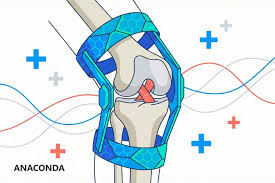
Recovering from a knee injury can feel uncertain, especially when timelines and expectations don’t match your progress.
We break down the difference between criteria-based recovery and the traditional 9-month rule so you can better understand what your knee truly needs in 2026.
Key Takeaways
| Question | Answer |
|---|---|
| What is the 9-month rule for knee recovery? | A time-based guideline suggesting return to sport after 9 months, regardless of strength or function. |
| What is criteria-based recovery? | A personalized approach using strength, stability, and movement tests to decide readiness. |
| Which approach is safer for knee pain? | Criteria-based recovery reduces reinjury risk by focusing on function instead of time. |
| Can knee injuries vary in recovery time? | Yes, injuries like torn meniscus recovery or ligament knee injuries differ significantly. |
| What if my knee still hurts after 9 months? | Ongoing knee pain means your knee may not meet functional criteria yet. |
| Where can I learn more about recovery? | Visit our complete knee pain guide for detailed support. |
What Is the 9-Month Rule for Knee Recovery?
The 9-month rule became popular as a simple guideline after ACL surgery. It suggests that most people can safely return to sport after nine months.
While easy to follow, it does not account for how your knee actually feels or performs. Two people at nine months can have very different strength and stability levels.
This is where confusion starts. Many patients assume time equals healing, but that is not always true.


What Is Criteria-Based Recovery?
Criteria-based recovery focuses on what your knee can do, not how much time has passed. It uses measurable benchmarks like strength, balance, and movement quality.
Instead of asking “Has it been 9 months?”, we ask “Is your knee ready?”. This approach reflects how rehabilitation has evolved in 2026.
It is especially helpful for people dealing with ongoing knee pain or uneven recovery progress.


Why Time Alone Is Not Enough for Knee Healing
Healing is not linear. Some knees regain strength quickly, while others lag behind despite the same timeline.
If your knee hurt during rehab, that is often a sign something is not fully ready. Ignoring this and returning too soon increases reinjury risk.
Research trends in 2026 show that relying only on time leads to higher rates of second injuries, especially in athletes.
A side-by-side comparison of Criteria-Based Recovery vs. the 9-Month Rule. It highlights key differences in timelines and decision criteria.
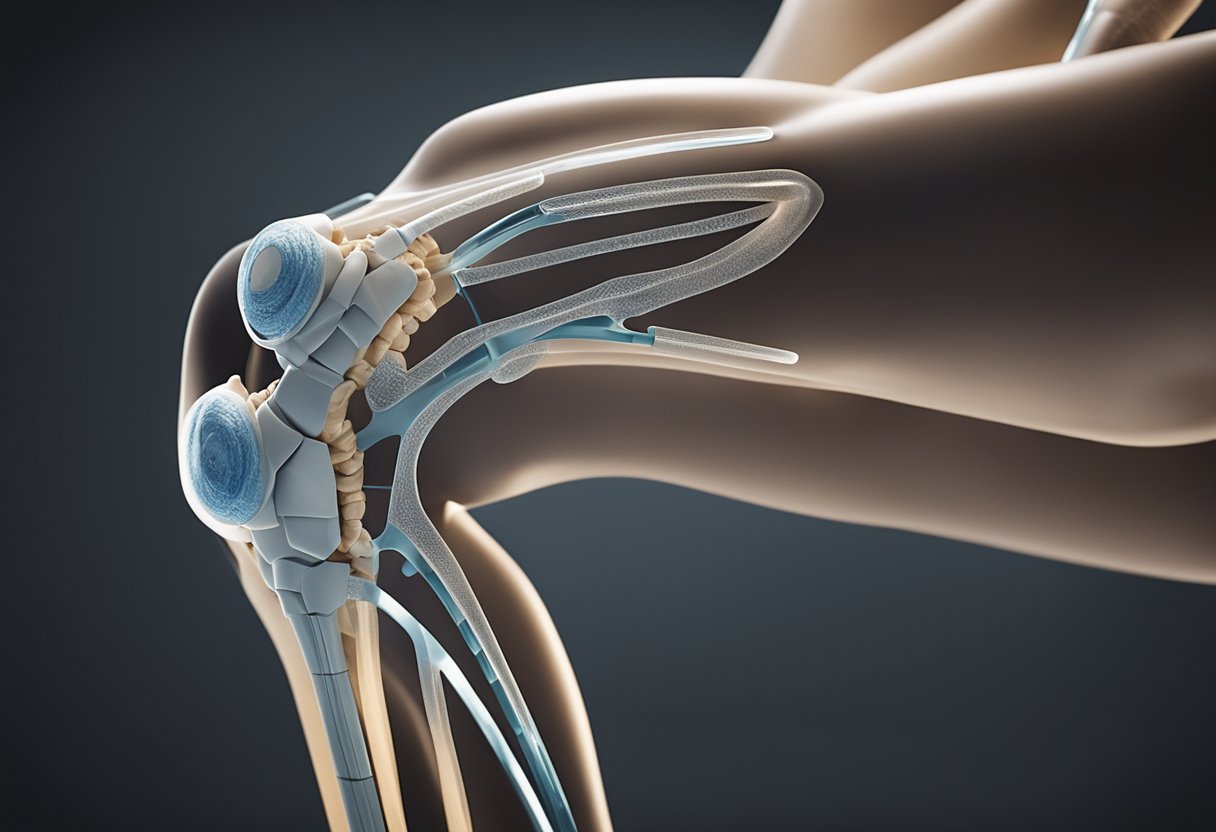

Key Criteria Used to Assess Knee Readiness
Criteria-based recovery uses objective tests to evaluate your knee. These tests help determine whether your knee is truly ready for higher loads.
-
Strength symmetry: Injured vs non-injured leg comparison
-
Hop tests: Distance, control, and landing quality
-
Range of motion: Full extension and flexion
-
Pain levels: No significant knee pain during activity
-
Movement quality: No instability or compensations
These benchmarks provide a clearer picture than time alone.


Comparing Criteria-Based Recovery vs. The 9-Month Rule
Both approaches aim to guide safe return to activity, but they differ in execution.
| Factor | 9-Month Rule | Criteria-Based Recovery |
|---|---|---|
| Focus | Time | Function |
| Personalization | Low | High |
| Risk of reinjury | Higher | Lower |
| Adaptability | Fixed timeline | Progress-based |
Most modern rehab programs in 2026 combine both, but lean heavily toward criteria-based decisions.
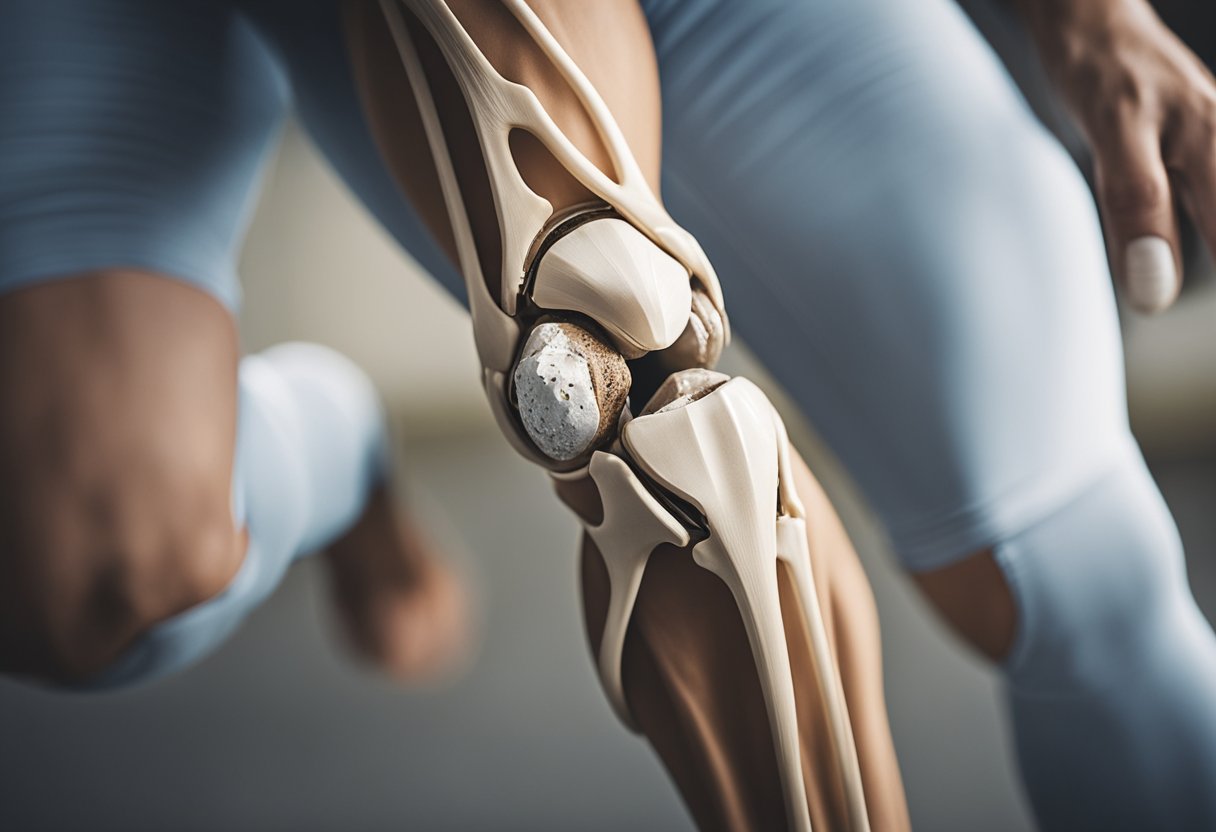

Common Knee Injuries and Recovery Differences
Not all knee injuries follow the same recovery timeline. A traumatic knee injury behaves very differently from cartilage wear or ligament reconstruction.
For example, ACL injuries often require longer neuromuscular retraining, while meniscus injuries may recover faster but still need careful loading.
Understanding your specific injury helps set realistic expectations.


Signs Your Knee Is Not Ready Yet
Your knee often gives clear signals when it is not fully recovered. Ignoring these signs can delay healing.
-
Persistent swelling after activity
-
Sharp or lingering knee pain
-
Instability or “giving way” sensation
-
Uneven strength between legs
Every time you push through knee pain, you risk restarting the inflammation cycle.
Listening to your body is a key part of criteria-based recovery.


How Rehabilitation Has Changed in 2026
Modern rehab focuses more on data and individual progress. Wearable tech and strength testing tools now help track recovery more accurately.
Programs increasingly adapt week by week, rather than following rigid timelines. This shift supports safer outcomes and better long-term knee health.
We now see fewer setbacks when patients follow criteria instead of calendar dates.
When the 9-Month Rule Still Makes Sense
The 9-month rule is not useless. It provides a general safety buffer, especially in early recovery phases.
For some patients, it acts as a minimum timeframe before higher-risk activities. However, it should never be the only deciding factor.
Think of it as a checkpoint, not a finish line.
Practical Steps to Follow a Criteria-Based Approach
Shifting to criteria-based recovery does not have to be complicated. It starts with tracking how your knee performs, not just how long it has been.
-
Work with a physical therapist for testing
-
Track strength and symmetry regularly
-
Progress exercises gradually
-
Avoid pushing through knee pain
-
Reassess before returning to sport
Consistency matters more than speed when rebuilding knee function.
Conclusion
The difference between criteria-based recovery and the 9-month rule comes down to one thing, personalization. Time alone cannot fully measure whether your knee is ready.
By focusing on strength, movement, and symptoms, we reduce risk and support long-term recovery. If your knee hurt during rehab or still shows weakness, it deserves more attention before returning to full activity.
In 2026, the most effective recovery plans combine time awareness with clear functional criteria. Your knee will tell you when it is ready, if you know what to look for.