Criteria-Based Recovery vs. The 9-Month Rule: What Actually Determines When Your Knee Is Ready?

Criteria-Based Recovery vs. The 9-Month Rule: What Actually Determines When Your Knee Is Ready?

Recovering from a knee injury can feel uncertain, especially when timelines and expectations don’t match your progress.

We break down the difference between criteria-based recovery and the traditional 9-month rule so you can better understand what your knee truly needs in 2026.

Blog illustration

Key Takeaways

Question Answer
What is the 9-month rule for knee recovery? A time-based guideline suggesting return to sport after 9 months, regardless of strength or function.
What is criteria-based recovery? A personalized approach using strength, stability, and movement tests to decide readiness.
Which approach is safer for knee pain? Criteria-based recovery reduces reinjury risk by focusing on function instead of time.
Can knee injuries vary in recovery time? Yes, injuries like torn meniscus recovery or ligament knee injuries differ significantly.
What if my knee still hurts after 9 months? Ongoing knee pain means your knee may not meet functional criteria yet.
Where can I learn more about recovery? Visit our complete knee pain guide for detailed support.

What Is the 9-Month Rule for Knee Recovery?

The 9-month rule became popular as a simple guideline after ACL surgery. It suggests that most people can safely return to sport after nine months.

While easy to follow, it does not account for how your knee actually feels or performs. Two people at nine months can have very different strength and stability levels.

This is where confusion starts. Many patients assume time equals healing, but that is not always true.


 

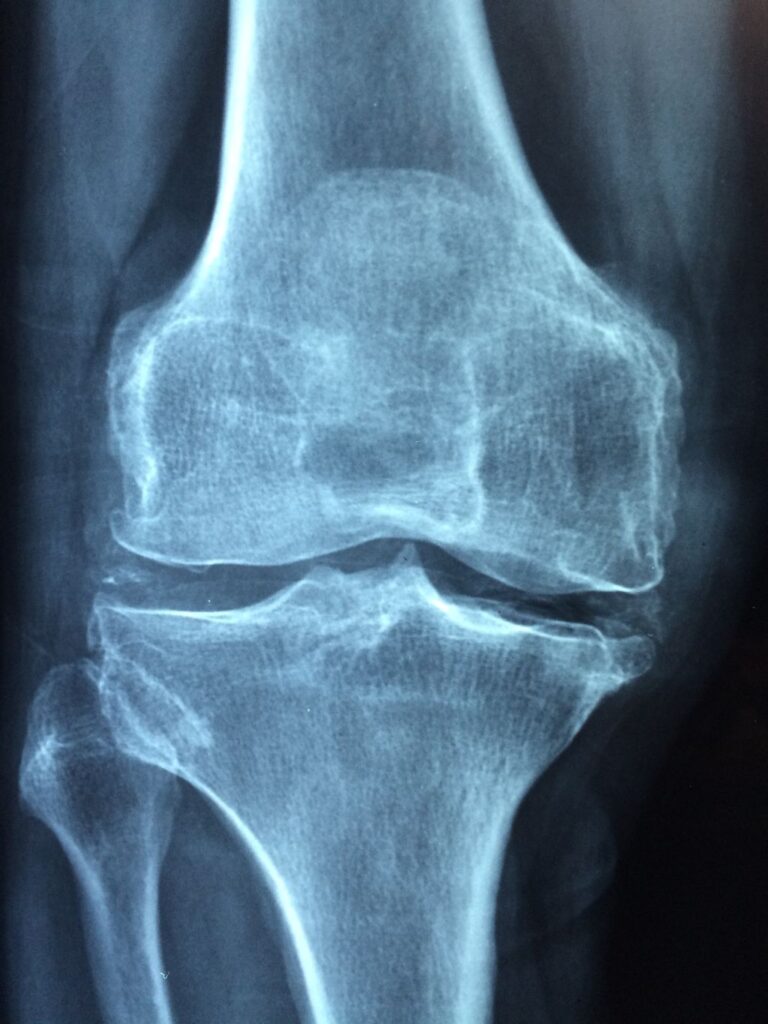
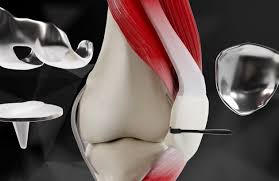
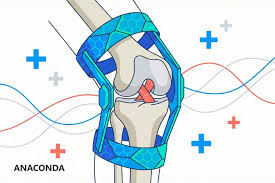
Anterior Cruciate LigamentACL brace support


Blog illustration

What Is Criteria-Based Recovery?

Criteria-based recovery focuses on what your knee can do, not how much time has passed. It uses measurable benchmarks like strength, balance, and movement quality.

Instead of asking “Has it been 9 months?”, we ask “Is your knee ready?”. This approach reflects how rehabilitation has evolved in 2026.

It is especially helpful for people dealing with ongoing knee pain or uneven recovery progress.

 

Chondromalacia kneeKnee cartilage condition


Why Time Alone Is Not Enough for Knee Healing

Healing is not linear. Some knees regain strength quickly, while others lag behind despite the same timeline.

If your knee hurt during rehab, that is often a sign something is not fully ready. Ignoring this and returning too soon increases reinjury risk.

Research trends in 2026 show that relying only on time leads to higher rates of second injuries, especially in athletes.

Infographic comparing criteria-based recovery to the 9-month rule, highlighting differences in approach and timelines.

A side-by-side comparison of Criteria-Based Recovery vs. the 9-Month Rule. It highlights key differences in timelines and decision criteria.
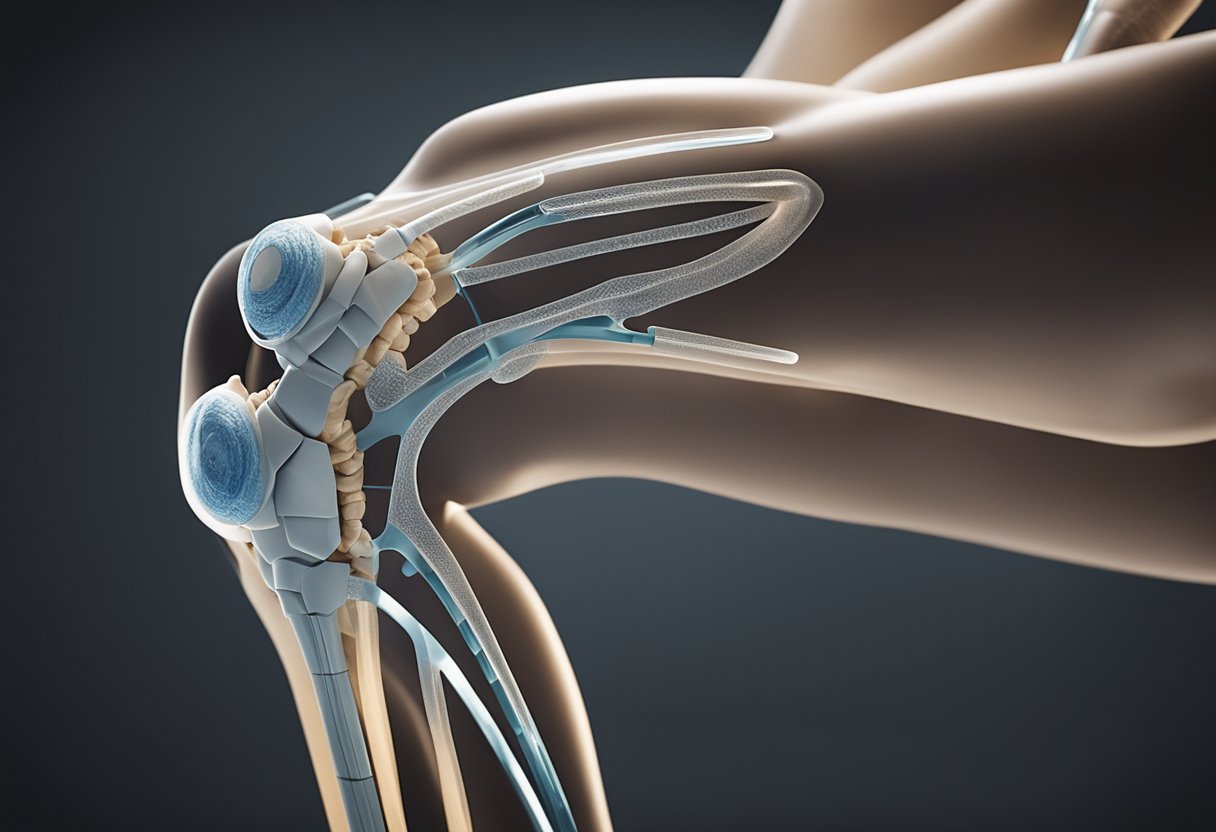

 

Ligament injury kneeKnee ligament damage


Blog illustration

Key Criteria Used to Assess Knee Readiness

Criteria-based recovery uses objective tests to evaluate your knee. These tests help determine whether your knee is truly ready for higher loads.

  • Strength symmetry: Injured vs non-injured leg comparison

  • Hop tests: Distance, control, and landing quality

  • Range of motion: Full extension and flexion

  • Pain levels: No significant knee pain during activity

  • Movement quality: No instability or compensations

These benchmarks provide a clearer picture than time alone.

 

PCL injury kneePosterior ligament knee


Comparing Criteria-Based Recovery vs. The 9-Month Rule

Both approaches aim to guide safe return to activity, but they differ in execution.

Factor 9-Month Rule Criteria-Based Recovery
Focus Time Function
Personalization Low High
Risk of reinjury Higher Lower
Adaptability Fixed timeline Progress-based

Most modern rehab programs in 2026 combine both, but lean heavily toward criteria-based decisions.
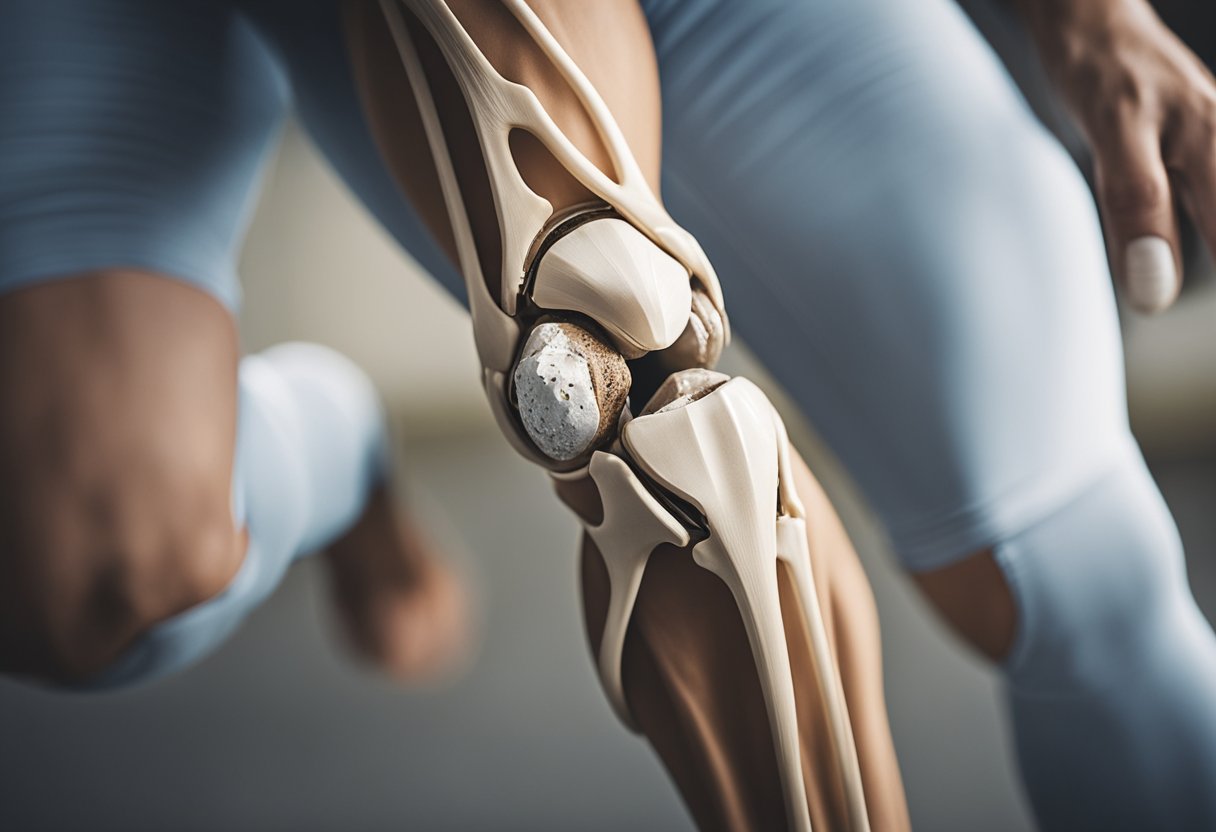

 

Meniscus tear kneeKnee meniscus injury


Blog illustration

Common Knee Injuries and Recovery Differences

Not all knee injuries follow the same recovery timeline. A traumatic knee injury behaves very differently from cartilage wear or ligament reconstruction.

For example, ACL injuries often require longer neuromuscular retraining, while meniscus injuries may recover faster but still need careful loading.

Understanding your specific injury helps set realistic expectations.

 

Traumatic knee injuryKnee trauma recovery


Signs Your Knee Is Not Ready Yet

Your knee often gives clear signals when it is not fully recovered. Ignoring these signs can delay healing.

  • Persistent swelling after activity

  • Sharp or lingering knee pain

  • Instability or “giving way” sensation

  • Uneven strength between legs

Every time you push through knee pain, you risk restarting the inflammation cycle.

Listening to your body is a key part of criteria-based recovery.


Runner knee painKnee strengthening exercise


Blog illustration

How Rehabilitation Has Changed in 2026

Modern rehab focuses more on data and individual progress. Wearable tech and strength testing tools now help track recovery more accurately.

Programs increasingly adapt week by week, rather than following rigid timelines. This shift supports safer outcomes and better long-term knee health.

We now see fewer setbacks when patients follow criteria instead of calendar dates.
 

knee rehab progress


When the 9-Month Rule Still Makes Sense

The 9-month rule is not useless. It provides a general safety buffer, especially in early recovery phases.

For some patients, it acts as a minimum timeframe before higher-risk activities. However, it should never be the only deciding factor.

Think of it as a checkpoint, not a finish line.


Blog illustration

Practical Steps to Follow a Criteria-Based Approach

Shifting to criteria-based recovery does not have to be complicated. It starts with tracking how your knee performs, not just how long it has been.

  1. Work with a physical therapist for testing

  2. Track strength and symmetry regularly

  3. Progress exercises gradually

  4. Avoid pushing through knee pain

  5. Reassess before returning to sport

Consistency matters more than speed when rebuilding knee function.


Conclusion

The difference between criteria-based recovery and the 9-month rule comes down to one thing, personalization. Time alone cannot fully measure whether your knee is ready.

By focusing on strength, movement, and symptoms, we reduce risk and support long-term recovery. If your knee hurt during rehab or still shows weakness, it deserves more attention before returning to full activity.

In 2026, the most effective recovery plans combine time awareness with clear functional criteria. Your knee will tell you when it is ready, if you know what to look for.

Similar Posts

  • Safeguarding Sports Medicine Intellectual Property

    Did you know that the sports medicine industry loses an estimated $150 billion annually due to intellectual property (IP) infringement? Protecting Intellectual Property in Sports Medicine is crucial for innovation and industry growth. In this article, we will explore the importance of safeguarding IP rights in sports medicine and the enforcement measures necessary to preserve…

  • |

    Soothing Sore Knees from Running: Top Tips

    Are you experiencing sore knees from running? If so, you’re not alone. Knee pain is a common issue among runners, often known as patellofemoral pain syndrome or runner’s knee. It can be frustrating and hinder your running performance. However, there are steps you can take to find relief and keep running pain-free. One of the…

  • Knee Pain Descending Stairs: Causes And Relief

    Are you experiencing knee pain when descending stairs? You’re not alone. Many individuals struggle with knee discomfort while going down stairs, which can significantly impact their daily activities. In this article, we will explore the causes of knee pain when descending stairs and provide strategies for finding relief. There are various factors that can contribute…

  • |

    Sleeping after knee replacement

    What if the key to a faster recovery isn’t just what you do during the day, but how you rest at night? We understand that getting proper rest following an operation can be a major hurdle. In fact, research shows about half of all patients report significant discomfort when trying to find a comfortable position. sleeping after knee replacement This cycle of fatigue and increased sensitivity can slow down your progress. That’s why quality rest is not a luxury—it’s a critical part of the healing process, as emphasized by Christynne Helfrich, PT, DPT at Hinge Health. Our guide is designed to break this cycle. We provide expert-backed strategies for managing discomfort and improving your overall rest quality. This includes proven positions and techniques for the crucial first weeks. By addressing the root causes of post-operative disturbances, we aim to help you achieve the restorative rest your body needs. For a comprehensive plan, explore our detailed resource on how to sleep after knee replacement. Key Takeaways Quality rest is a powerful, non-negotiable part of the healing journey after surgery. Many individuals experience increased pain at night or struggle to find a comfortable sleep position. Targeted exercises and proper sleep hygiene can significantly improve your comfort and rest quality. Effective pain management, including techniques like icing, is crucial for uninterrupted sleep. Guidance from your physical therapist and surgical team is essential for a safe and effective recovery. Patience and consistency with your nightly routine are key to long-term success. Understanding Knee Replacement Recovery Your body begins a detailed repair process immediately after joint surgery. A nerve block often provides comfort for the first 18 to 30 hours post-procedure. This offers a valuable window before typical sensations begin. knee replacement recovery Post-Surgery Healing and Body Changes Significant changes occur as you heal from this operation. Natural inflammation and swelling around the new joint are common. Your system is working hard to integrate the artificial components. We note that many individuals report increased difficulty starting around day four. Challenges can persist for up to ten weeks in some cases. Discomfort may also travel to areas like the shin or hip at night. This is a normal part of the adjustment process. Your body is adapting to its new mechanics. How Sleep Supports Recovery Quality rest is vital for repair. Your body focuses on mending the joint and surrounding muscle tissue during deep rest. This is when the most intensive healing occurs. As healing progresses, your sleep quality should gradually improve. Research shows most people see significant progress by the three-month mark. The first month is often the most difficult. We encourage you to stay active during the day. Gentle movement promotes blood flow and prevents stiffness. This daily activity supports better rest at night. Understanding that your body is working hard post-operatively helps manage expectations. Consistency with your routine is key for long-term success. Common Sleep Challenges After Knee Replacement The quiet of the night often amplifies the physical sensations that accompany post-operative healing. We see that nearly half of all individuals report severe disturbances during this critical time. This makes addressing these hurdles a top priority. common sleep challenges after knee replacement Nighttime Pain and Discomfort Without daytime distractions, you may become more aware of persistent sensations. This heightened awareness can make falling asleep difficult. Anxiety about your new joint is also common. Worrying about movement can further disrupt your rest cycles. Dealing with Swelling and Stiffness Inflammation is a natural response to an operation. It often increases when you are lying down for extended periods. Limited mobility prevents natural position shifts. This lack of movement allows stiffness to set in by morning. Challenge Primary Cause Typical Effect Nighttime Pain Increased sensory awareness Difficulty initiating sleep Swelling Post-surgery inflammation Discomfort in bed Joint Stiffness Immobility during rest…

  • |

    Conquering Knee Pain Naturally: The Complete Guide to Non-Surgical Solutions

    Detailed anatomy of the knee joint showing the meniscus, ligaments, and cartilage that may be affected in knee injuries. Introduction: The Journey Beyond Surgery Have you ever experienced that unmistakable twinge in your knee—that catching, clicking, or persistent throbbing that refuses to disappear? If you’re nodding right now, you’re not alone. Millions of people worldwide…

  • |

    Failed knee replacement symptoms

    What if the relief you expected after your joint procedure never arrives? This unsettling question faces a small percentage of individuals each year. While statistics show that 85% to 90% of patients enjoy successful outcomes for 15 to 20 years after their initial knee replacement surgery, some do not. failed knee replacement symptoms We understand that persistent discomfort following this major operation can be a source of deep frustration. It can severely limit your mobility and daily life. Our guide is here to shed light on the various signs that may indicate your implant is not performing as designed. Identifying these indicators early is critically important. It ensures you get the right medical attention and potential intervention from a qualified specialist. If you experience persistent pain and stiffness, understanding the next steps is vital. We will walk you through common warning signs, the diagnostic process, and the treatment paths available to restore your comfort and movement. Key Takeaways Most knee replacement procedures are highly successful for many years. Recognizing early warning signs of a problem is crucial for your health. Specialized care models, like the one at University of Utah Hospital, combine expert teams for complex cases. Persistent pain, swelling, or instability after recovery should not be ignored. Several effective treatment options exist to address implant issues. Early consultation with an orthopedic surgeon can lead to better outcomes. Your long-term mobility and quality of life are the ultimate goals. Understanding Knee Replacement Surgery Modern orthopedic medicine offers a reliable solution for severe joint damage through artificial joint implantation. This procedure aims to restore comfortable movement when natural cartilage wears down. knee replacement surgery components How Knee Replacements Work During this operation, surgeons remove damaged joint surfaces. They replace them with precisely engineered metal and plastic components. These artificial parts are designed to glide smoothly. They mimic your joint’s natural motion, reducing discomfort. Fixation Method How It Works Key Consideration Cemented Fixation Special bone cement bonds the implant directly to your bone. Provides immediate, strong stability after the operation. Biologic Fixation The bone grows into a porous coating on the device over time. Creates a durable, long-term bond without cement. Surgeon’s Choice The method is selected based on your bone quality and age. Each technique has specific advantages for different situations. Long-Term Expectations and Implant Lifespan Most modern devices are engineered for durability. A typical lifespan ranges from 15 to 20 years. “The longevity of a joint implant depends on multiple factors, including the patient’s activity level and overall bone health.” We emphasize that these components are not indestructible. They experience natural wear from daily use over time. Regular monitoring helps ensure your artificial joint functions well for as long as possible. Your activity choices and general health play significant roles. Recognizing Failed Knee Replacement Symptoms When an artificial joint doesn’t function as intended, your body sends distinct signals that demand attention. Learning to identify these signs is crucial for your long-term health and mobility. Persistent Pain and Swelling Persistent pain in the knee joint that lingers long after the typical recovery period is a primary indicator. This pain isn’t normal soreness. It often presents as a deep, constant ache. Swelling around the knee joint that refuses to fade with rest is another red flag. Persistent pain and swelling are common companions. They can suggest underlying issues like inflammation or component loosening. Instability and Changes in Joint Function A feeling of instability, where your leg might buckle, is alarming. This instability often feels like the joint is giving way when you put weight on it. You might also notice a noticeable decline in how well it moves. Stiffness, developing a limp, or hearing odd popping noises are critical functional changes. We encourage you to monitor these signs closely. They are the primary indicators that your implant may require further clinical assessment. Common Causes of Knee Replacement Failure…

Leave a Reply

Your email address will not be published. Required fields are marked *