Did you know that structured programs using GLP-1 therapies are reporting an average of 18.5% weight loss within one year in 2026? This level of change directly affects joint loading, especially in the knee, where even small weight reductions can significantly reduce knee pain.
Key Takeaways
| What is GLP-1 joint offloading? | It refers to reducing stress on the knee joint through medically supported weight loss and mobility strategies. |
| Can GLP-1 help knee pain? | Yes, weight loss reduces pressure on joints, helping relieve knee pain. |
| Who benefits most? | People with obesity, arthritis, or prior injuries like torn meniscus or ligament damage. |
| Is it better than surgery? | In many cases, it delays or reduces the need for invasive procedures. |
| What conditions are linked? | Includes chondromalacia patella and ligament knee injuries. |
| What about severe trauma? | Integrated care supports recovery from traumatic knee injuries. |
| Where to start? | Begin with a full plan like this comprehensive knee pain guide. |
Understanding GLP-1 and Joint Offloading in 2026
GLP-1 therapies are reshaping how we approach knee pain by addressing one of the biggest drivers of joint stress, excess body weight.
When body weight decreases, the load on the knee joint drops significantly, often improving mobility and reducing discomfort.

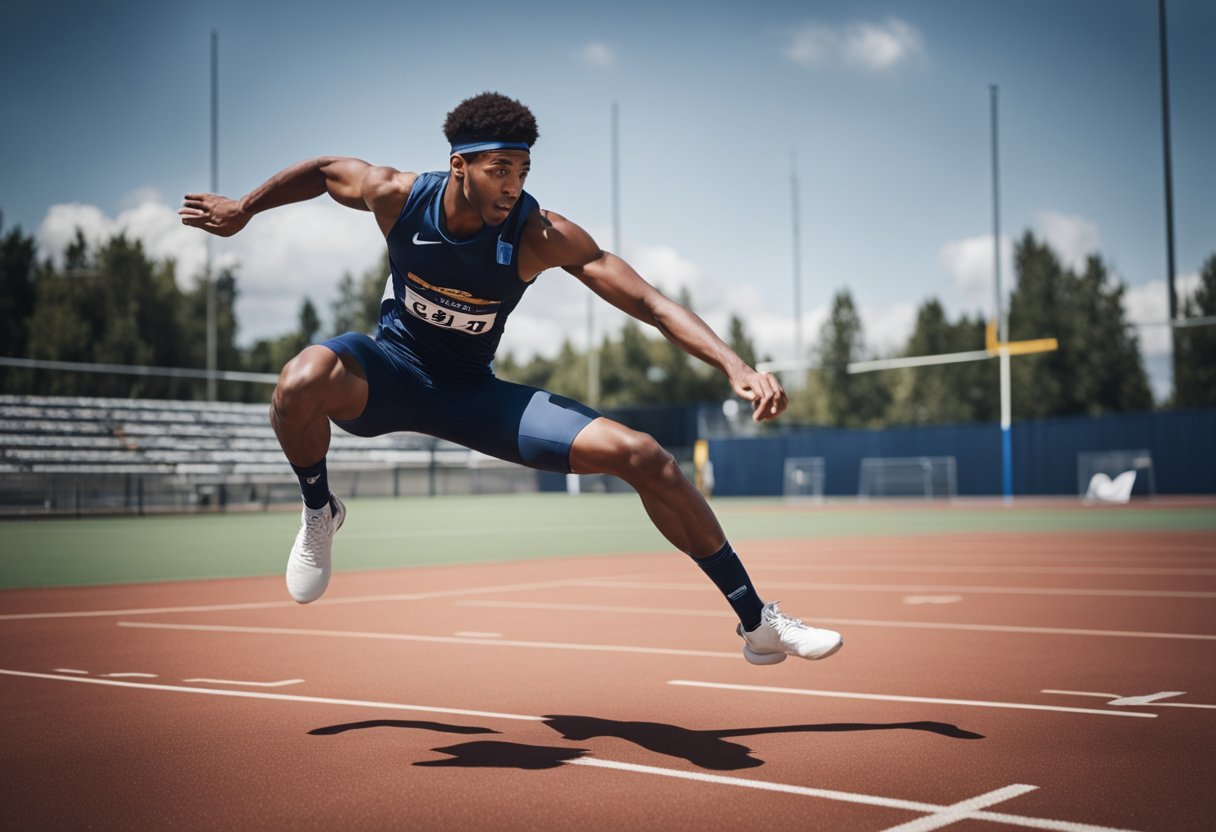
Why Weight Loss Directly Impacts Knee Pain
The knee absorbs forces multiple times your body weight during walking, climbing, or running.
This means even modest weight loss can lead to noticeable reductions in knee pain and improved daily function.
-
1 pound lost can reduce knee load by up to 4 pounds
-
Less inflammation improves joint comfort
-
Mobility becomes easier and safer
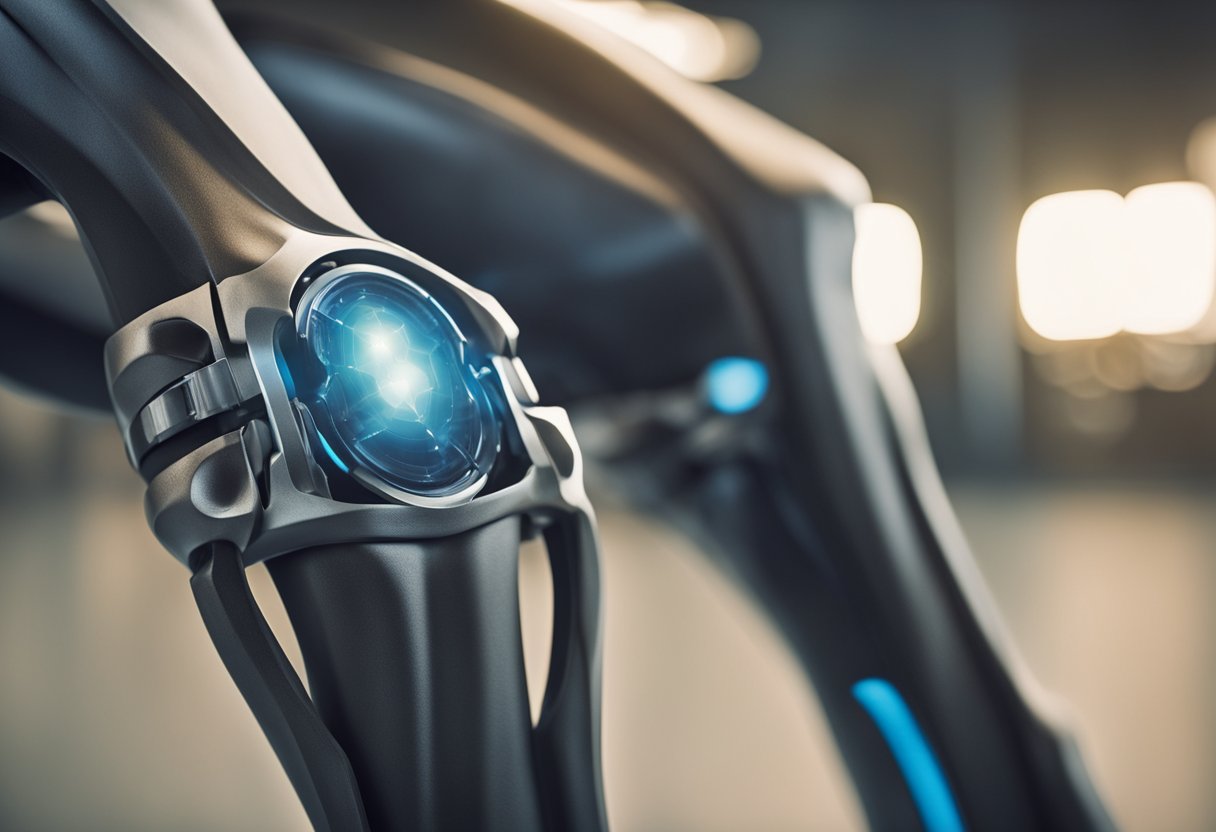

GLP-1 Mobility Pathways Explained
Mobility pathways combine medication, movement, and rehabilitation into a structured plan.
In 2026, these pathways focus on gradual progression to protect the knee while restoring strength.
-
Weight reduction phase
-
Controlled mobility and strengthening
-
Long-term joint protection
An infographic illustrating a 3-step GLP-1 mediated joint offloading and mobility pathway for 2026.


Did You Know?
Wegovy (7.2 mg) is associated with about 21% weight loss in clinical studies.
Source: CVS Caremark GLP-1 Outlook 2026
Injury-Specific Considerations in GLP-1 Pathways
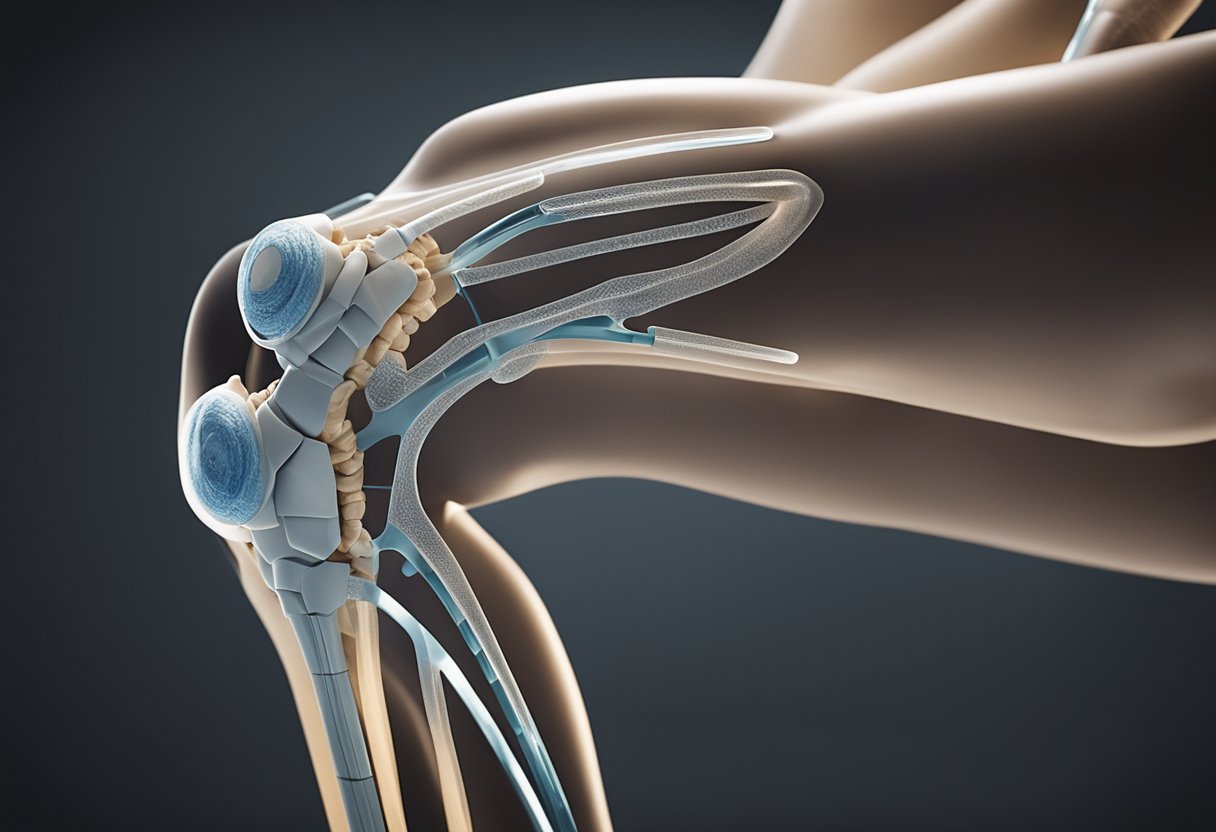
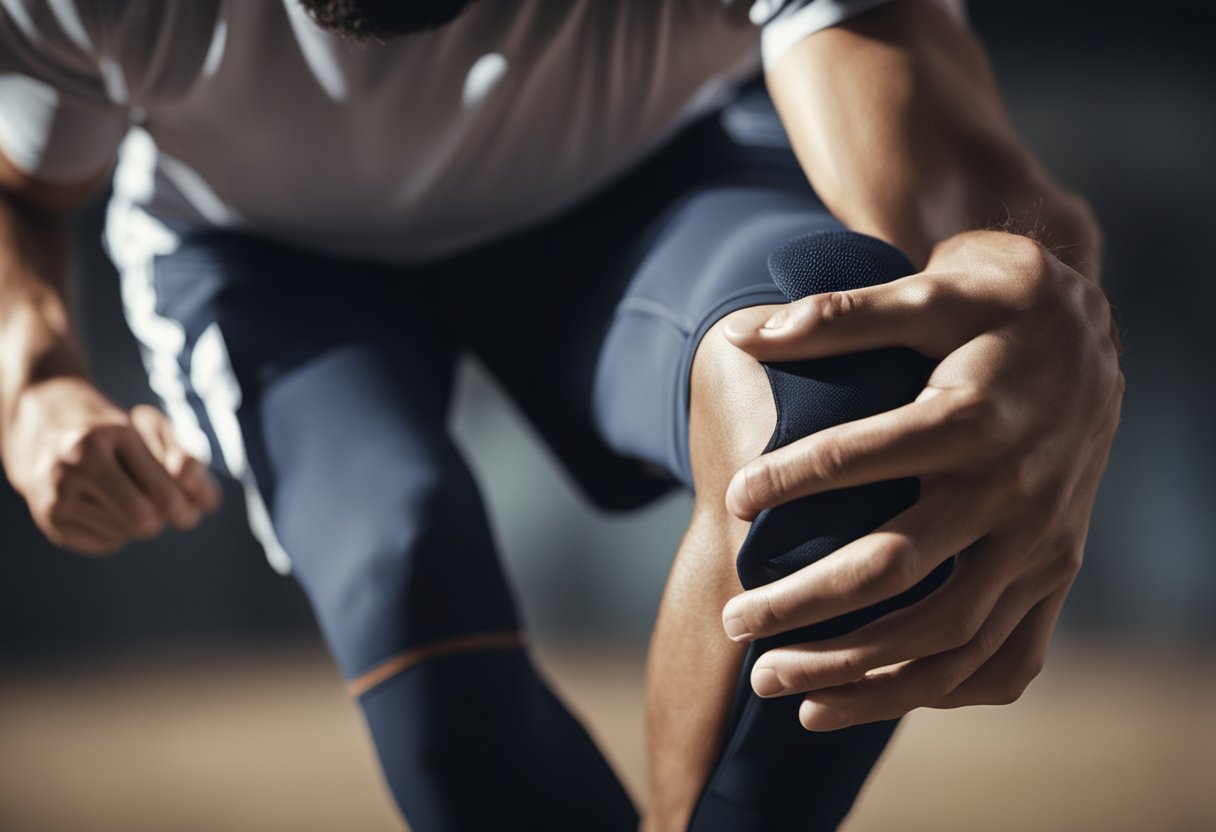
Not all knee pain is the same, and prior injuries change how we approach mobility.
Conditions like PCL injuries or ACL tears require modified loading strategies.
Role of Physical Therapy in Offloading the Knee
Physical therapy is often the missing link in GLP-1 mobility pathways.
It ensures that weight loss translates into better movement patterns, not instability.


Meniscus and Cartilage Health During Weight Loss
Rapid improvements in mobility can stress vulnerable structures like the meniscus.
We recommend gradual loading to protect cartilage and avoid setbacks.
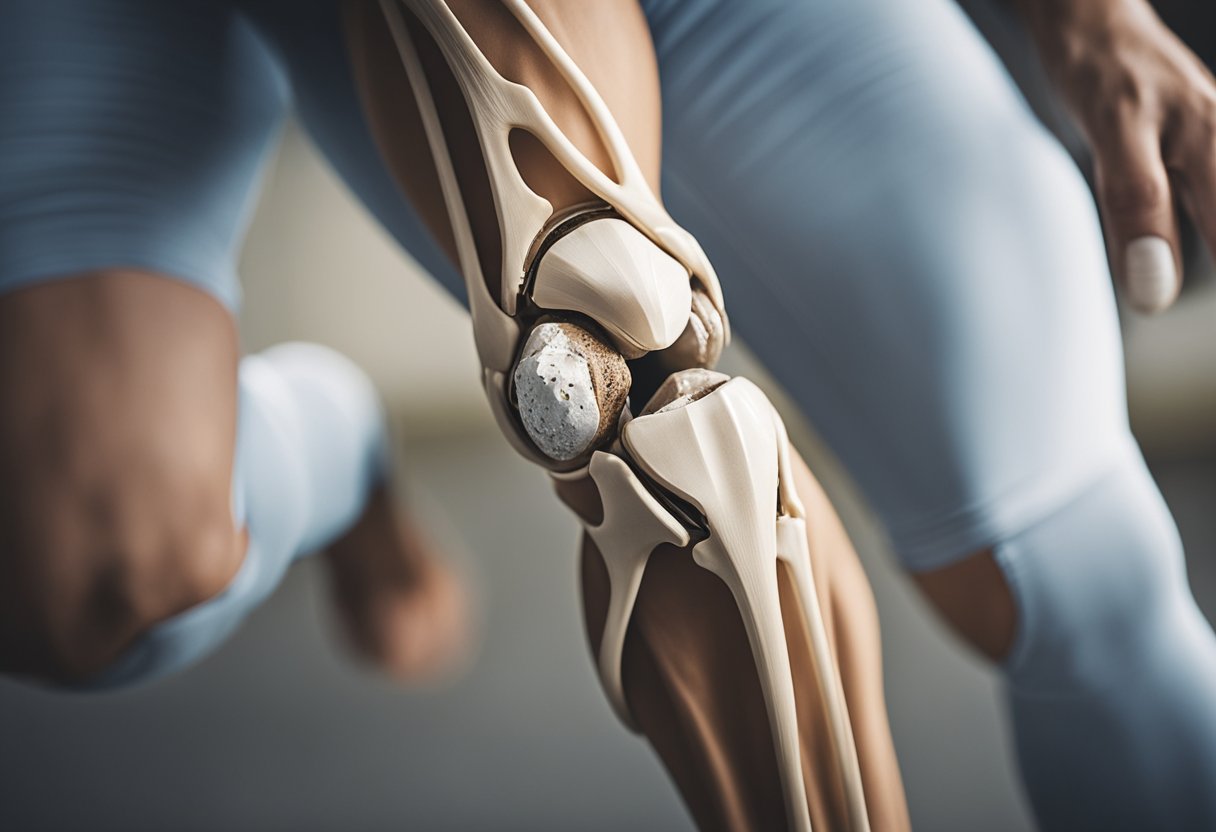

Trauma Recovery and GLP-1 Integration
Patients recovering from acute injury benefit from reduced joint loading during healing.
GLP-1 pathways support safer return to activity after trauma.

Did You Know?
Projected GLP-1 utilization growth is حوالي 25% in 2026, expanding access to joint offloading strategies.
Source: CVS Caremark GLP-1 Outlook 2026
Movement Strategies That Protect the Knee
Low-impact exercises are central to mobility pathways.
They build strength without overloading sensitive joints.
-
Walking on flat surfaces
-
Cycling
-
Swimming


Strength Training and Stability Progressions
Strengthening the muscles around the knee improves joint stability.
Focus on controlled, guided movements to avoid strain.


Long-Term Mobility and Maintenance in 2026
Sustaining results is just as important as achieving them.
Consistency in movement and weight management keeps knee pain under control.


Conclusion
GLP-1 joint offloading pathways in 2026 represent a practical shift in how we manage knee pain.
By combining weight loss, structured mobility, and targeted rehabilitation, we can reduce stress on the knee and improve long-term function without relying solely on surgery.
The key is consistency, personalization, and gradual progression to keep your knee strong, stable, and pain-free.