Tag: injuries

  • Knee Pain Who to See? Find the Right Specialist

    Knee Pain Who to See? Find the Right Specialist

    Knee pain is a common issue that affects millions of people worldwide. Did you know that more than 100 million Americans suffer from knee pain at some point in their lives? It is a staggering statistic that highlights the widespread impact of this condition. If you are experiencing knee pain, finding the right specialist is crucial for accurate diagnosis and effective treatment.

    At the Noyes Knee Institute, we understand the importance of finding the right medical professional to address your knee pain. Our team consists of experts in the field, including orthopedic knee surgeons, sports medicine specialists, and physical therapists. We are dedicated to providing the highest level of care and helping you find relief from knee pain.

    So, who should you see for your knee pain? The answer depends on the severity and underlying cause of your condition. General practitioners are often the first doctors to visit for knee pain. They can conduct a thorough examination, order necessary tests, and provide conservative treatments.

    General Practitioner

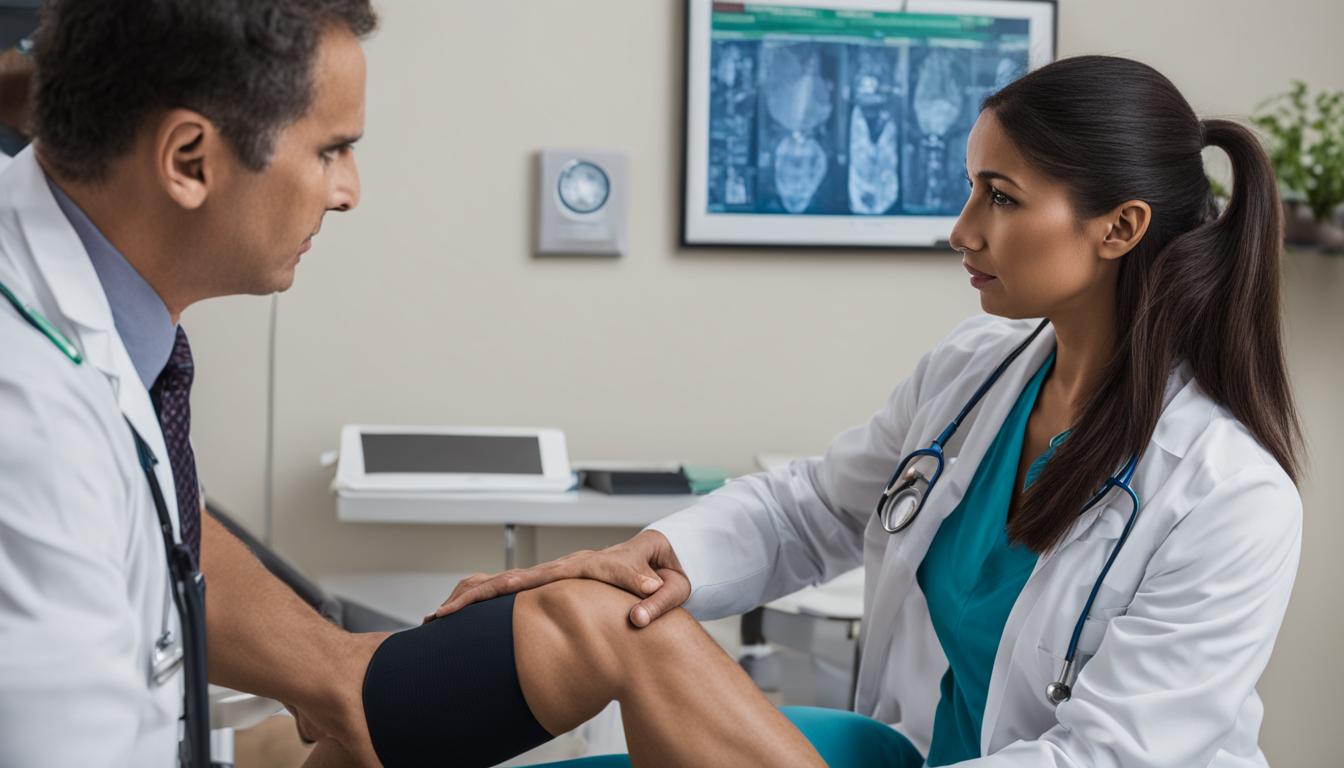
    When experiencing knee pain, the first healthcare professional to consult is a general practitioner, also known as a family doctor or primary care physician. These doctors are equipped to assess and provide initial care for a wide range of health concerns, including knee pain.

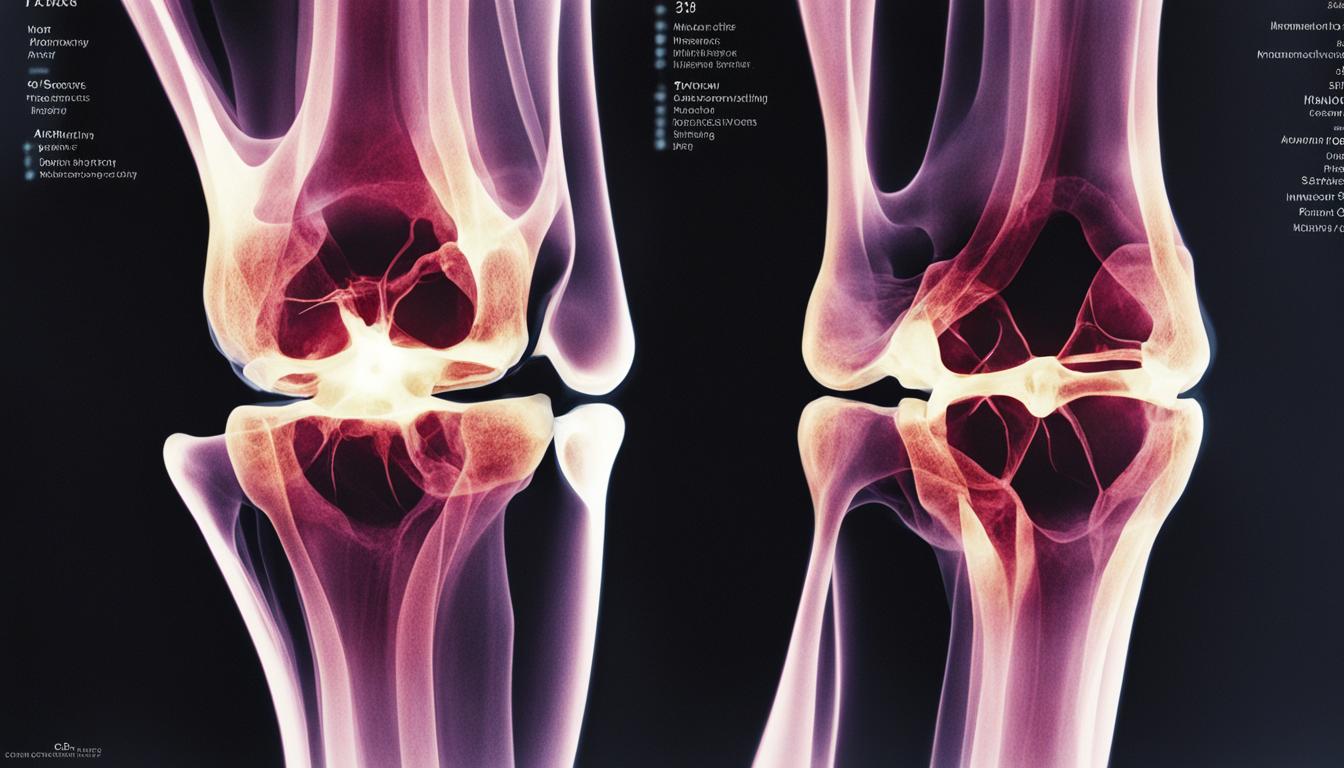
    During your appointment with a general practitioner, they will conduct a thorough medical history and physical examination to diagnose the underlying cause of your knee pain. In some cases, they may also order diagnostic tests such as X-rays or MRIs to confirm the diagnosis or rule out other potential causes.

    General practitioners often recommend conservative treatments for knee pain, which focus on relieving symptoms and promoting healing without surgical intervention. These conservative treatments may include:

    • Rest: Taking a break from activities that aggravate the knee, allowing it time to heal.
    • Ice: Applying ice packs to the affected area to reduce pain and inflammation.
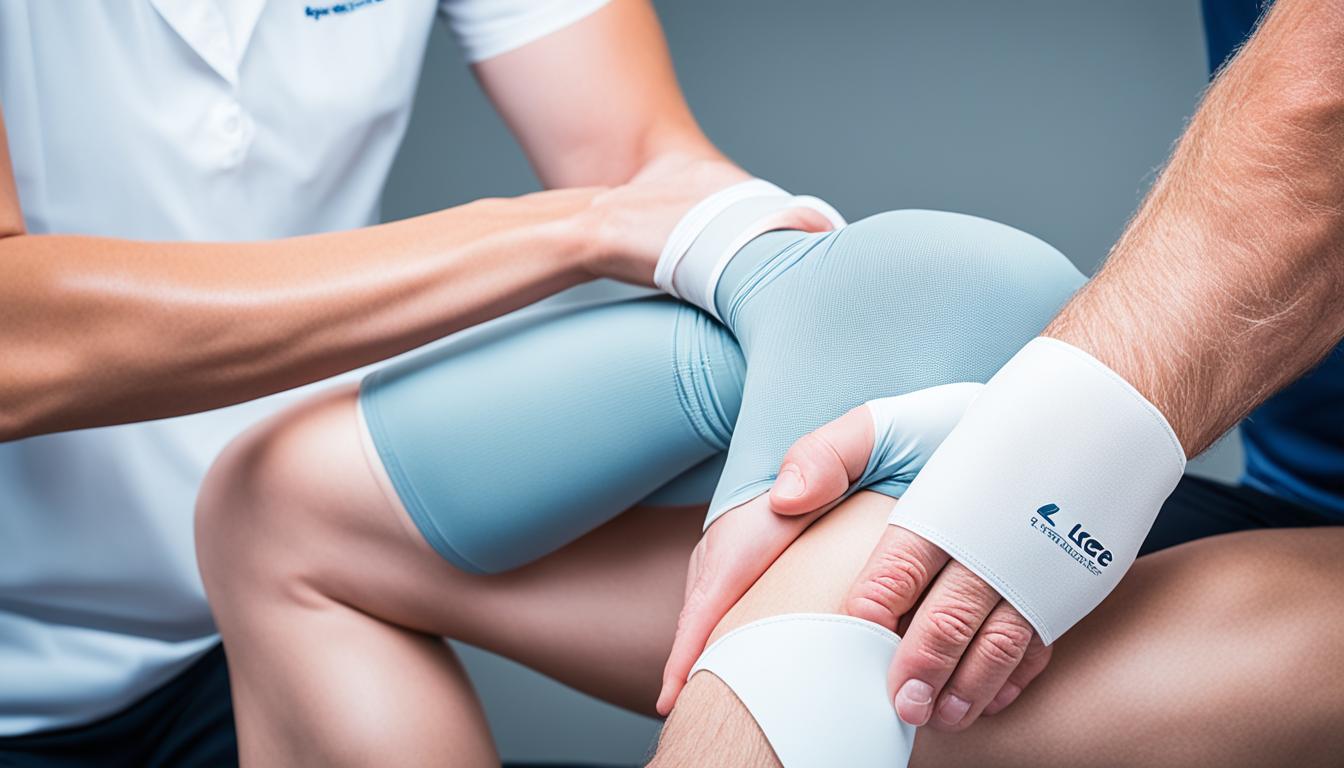
    • Compression: Using compression bandages or knee sleeves to provide support and reduce swelling.
    • Elevation: Keeping the affected leg elevated to reduce swelling.
    • Nonsteroidal anti-inflammatory drugs (NSAIDs): Medications like ibuprofen or naproxen to alleviate pain and reduce inflammation.
    • Physical therapy exercises: Engaging in specific exercises designed to strengthen the muscles around the knee and improve flexibility and range of motion.

    In addition to these conservative treatments, general practitioners may also provide lifestyle recommendations to support knee health. For instance, if excess weight is contributing to knee pain, they may suggest a weight loss plan to alleviate stress on the knee joint.

    While general practitioners play a crucial role in the initial diagnosis and treatment of knee pain, there may be instances where more specialized care is necessary. If the knee pain is severe, does not respond to conservative treatments, or requires further evaluation, your general practitioner may refer you to a knee pain specialist for more specialized care.

    “General practitioners are often the first point of contact for patients with knee pain. Their comprehensive approach to diagnosis and conservative treatment options can help many individuals find relief and start the path to recovery.”

    knee pain diagnosis

    Sports Medicine Specialist

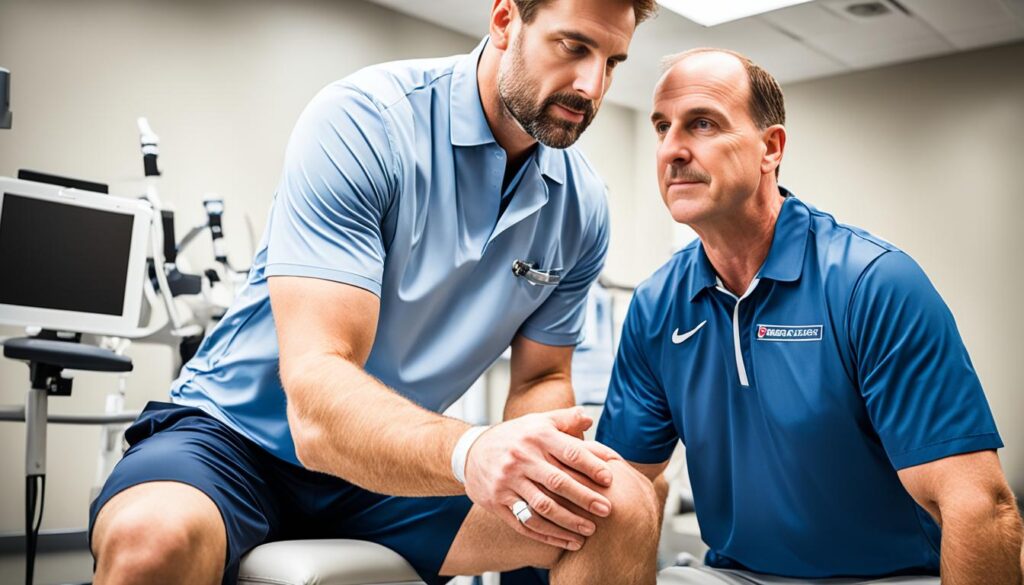
    Sports medicine specialists play a crucial role in the diagnosis, treatment, and prevention of knee injuries related to sports and exercise. At the Noyes Knee Institute, our team of sports medicine experts is dedicated to providing customized care to athletes and individuals with active lifestyles.

    When it comes to knee injuries, our specialists have extensive knowledge and experience in developing personalized treatment plans tailored to each patient’s needs. From amateur athletes to professional sportspeople, we understand the unique demands placed on the knee joint and the importance of a comprehensive approach to recovery.

    Whether it’s a sprained ligament, a torn meniscus, or a stress fracture, our sports medicine specialists are equipped to handle a wide range of knee injuries. We utilize the latest diagnostic tools and techniques to accurately assess the extent of the injury and create an effective treatment plan.

    In addition to providing top-notch medical care, our sports medicine specialists also emphasize injury prevention. We work closely with athletes to develop customized training programs that focus on strengthening the knee joint, improving flexibility, and enhancing overall performance. We provide guidance on proper nutrition, rest, and recovery techniques to reduce the risk of future injuries.

    Our goal is to help you recover from knee injuries and get back to your favorite sports and activities as quickly and safely as possible.
    sports medicine

    Benefits of Seeing a Sports Medicine Specialist:

    • Expertise in diagnosing and treating knee injuries related to sports and exercise
    • Customized treatment plans tailored to individual needs
    • Access to the latest medical advancements and diagnostic tools
    • Comprehensive approach to injury prevention
    • Collaboration with other healthcare professionals to ensure holistic care

    Testimonial:

    “After suffering a knee injury while playing soccer, I was referred to a sports medicine specialist at the Noyes Knee Institute. Their expertise in treating knee injuries and their personalized treatment plan helped me recover quickly. Thanks to them, I’m back on the field doing what I love!” – Emily, recreational soccer player

    Physical Therapist

    Physical therapists are highly trained professionals who specialize in improving, maintaining, or restoring knee function and mobility. At Noyes Knee Institute, our team of experienced physical therapists is dedicated to providing personalized care and treatment plans tailored to each patient’s unique needs.

    When you visit our clinic, our physical therapists will conduct a comprehensive evaluation to assess your knee condition and identify any underlying issues. This evaluation may include a range of assessments, such as assessing your range of motion, strength, and balance.

    Based on the evaluation results, our physical therapists will develop a personalized treatment plan to address your specific goals and challenges. This plan may include a combination of therapeutic exercises, manual therapy techniques, and other modalities to reduce pain, swelling, and inflammation. Our physical therapists will guide you through each step of your treatment and monitor your progress closely.

    Physical therapy plays a crucial role in the post-surgery rehabilitation of patients with knee pain. Our physical therapists work closely with our orthopedic knee surgeons to develop comprehensive rehabilitation programs designed to optimize your recovery and restore your knee function.

    In addition to rehabilitation, our physical therapists also focus on educating patients on proper techniques for activities such as walking, running, and other movement patterns. They provide guidance on proper body mechanics and posture to reduce the risk of further injury or aggravation of the knee.

    At Noyes Knee Institute, we are committed to providing the highest level of care and expertise to help you regain your knee function, mobility, and overall quality of life. Our physical therapists are an integral part of our multidisciplinary team, working together with our orthopedic knee surgeons and other specialists to ensure you receive personalized, evidence-based treatment.

    Orthopedic Knee Surgeon

    Orthopedic knee surgeons are specialized doctors who diagnose and treat musculoskeletal conditions, focusing specifically on injuries and diseases of the knee. Our team of orthopedic knee surgeons at the Noyes Knee Institute has extensive training and experience in diagnosing and managing various knee problems, providing comprehensive care for individuals suffering from knee pain.

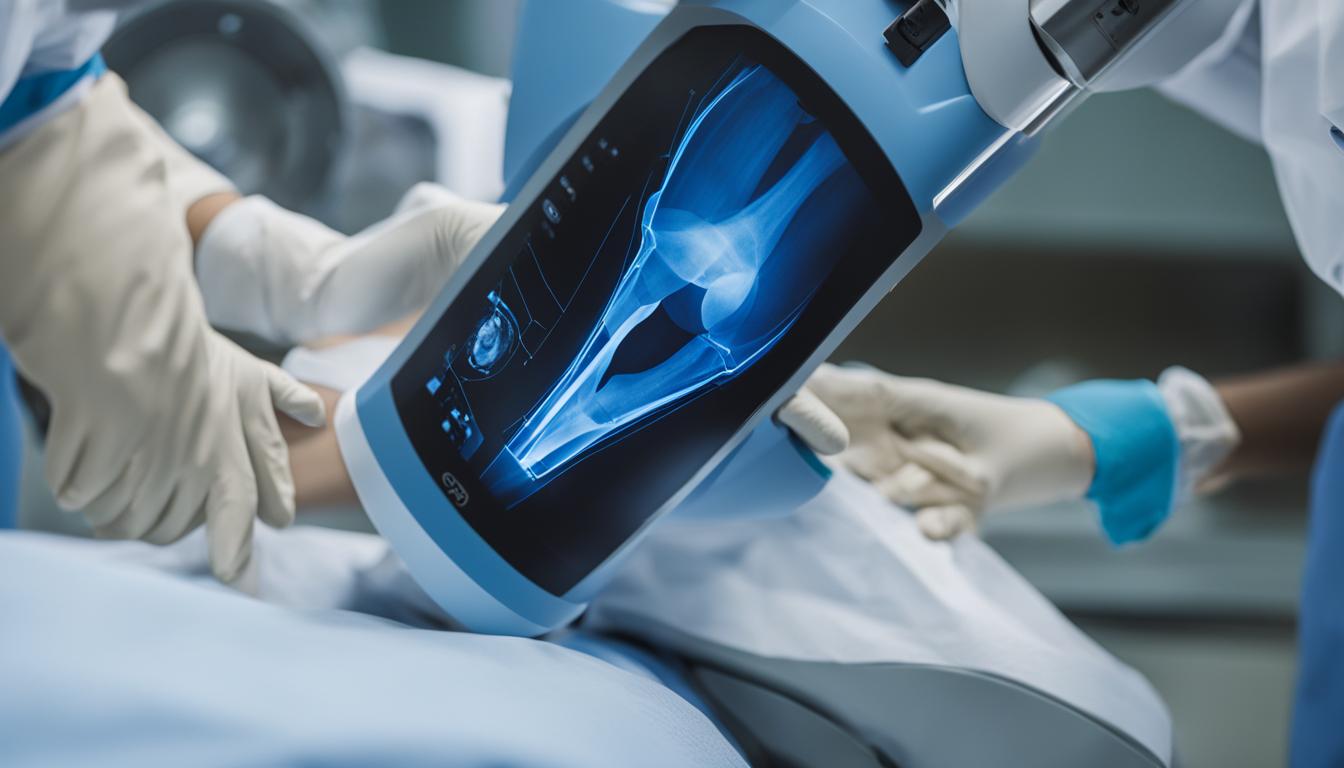
    In order to accurately evaluate the condition of the knee joint, our orthopedic knee surgeons utilize advanced diagnostic imaging techniques such as X-rays and MRIs. These imaging tools allow us to obtain detailed information about the structures and tissues within the knee, aiding in the precise diagnosis of musculoskeletal conditions.

    At the Noyes Knee Institute, we believe in personalized treatment plans that cater to the unique needs of each patient. Depending on the nature and severity of the knee condition, our orthopedic knee surgeons may recommend non-surgical interventions, such as physical therapy, medication, or injections. These approaches aim to alleviate pain, reduce inflammation, and improve knee function without the need for invasive procedures. However, in cases where surgery is necessary, our skilled orthopedic surgeons are proficient in a range of surgical procedures, including arthroscopic surgery and joint replacement surgery, to repair or reconstruct damaged knee structures.

    With our expertise and dedication, we are equipped to provide specialized care for even the most complex knee conditions. Whether you are dealing with chronic knee pain, an acute injury, or a degenerative knee disease, our orthopedic knee surgeons are committed to helping you regain your mobility, alleviate pain, and improve your quality of life.

    FAQ

    Who should I see for knee pain?

    Depending on the severity and underlying cause of your knee pain, you may consider visiting a general practitioner, sports medicine specialist, physical therapist, or orthopedic knee surgeon. They can provide accurate diagnosis and appropriate treatment based on your specific condition.

    What can a general practitioner do for knee pain?

    General practitioners, also known as family doctors or primary care physicians, can conduct a thorough medical history and physical examination to diagnose knee pain. They may order diagnostic tests such as X-rays or MRIs. Treatment options may include conservative measures such as rest, ice, compression, elevation (RICE), nonsteroidal anti-inflammatory drugs (NSAIDs), or physical therapy exercises. Lifestyle recommendations such as weight loss to reduce stress on the knee joint may also be provided.

    How can a sports medicine specialist help with knee pain?

    Sports medicine specialists are trained in treating and preventing sports-related injuries, including knee pain. They develop customized treatment plans to help patients recover and return to their activities safely. Additionally, they focus on injury prevention, developing personalized training programs and providing guidance on nutrition, rest, and recovery techniques to minimize the risk of future knee injuries.

    What can a physical therapist do to alleviate knee pain?

    Physical therapists specialize in improving knee function and mobility. They develop personalized treatment plans based on a comprehensive evaluation. Treatment may include exercises, manual therapy, and other modalities to reduce pain, swelling, and inflammation. Physical therapists also provide post-surgery rehabilitation and educate patients on proper techniques for daily activities to prevent further knee injury or aggravation.

    How can an orthopedic knee surgeon treat my knee pain?

    Orthopedic knee surgeons diagnose and treat musculoskeletal conditions, including knee injuries and diseases. They utilize diagnostic imaging such as X-rays or MRIs to evaluate the knee joint. Treatment plans are tailored to the patient’s needs and may include non-surgical interventions such as physical therapy, medication, or injections. If necessary, orthopedic surgeons can perform various surgical procedures to repair or reconstruct damaged knee structures, including arthroscopic surgery or joint replacement surgery.

    Source Links

  • Knee Injury Which: Your Guide to Recovery

    Knee Injury Which: Your Guide to Recovery

    A surprising statistic: Did you know that knee injuries are a common occurrence, with over 6 million people seeking medical treatment for knee pain and injuries every year in the United States alone?

    Common Knee Injuries and Their Causes

    Knee injuries can occur for various reasons. Common causes of knee injuries include:

    • Overuse and repetitive strain
    • Muscle imbalances
    • Biomechanical issues
    • Flat feet or high arches
    • Improper footwear
    • Sudden increase in intensity or volume of activity
    • Trauma or injury
    • Faulty running technique
    • Tight muscles and lack of flexibility
    • Genetics
    • Previous injuries

    Specific knee injuries and their causes include:

    1. Anterior cruciate ligament (ACL) injuries often occur in athletes who participate in cutting and pivoting sports.
    2. Posterior cruciate ligament (PCL) injuries are often caused by a blow to the front of the knee.
    3. Collateral ligament injuries are usually caused by a force that pushes the knee sideways.
    4. Meniscal tears can happen during sports or as a result of arthritis or aging.
    5. Tendon tears can be caused by sudden movements or direct force to the knee.
    6. Fractures can occur from high energy trauma.
    7. Dislocations can be the result of abnormal knee structure or high energy trauma.

    If you’re experiencing knee pain or suspect a knee injury, it’s important to consult a medical professional for an accurate diagnosis and appropriate treatment. Understanding the common causes of knee injuries can help you take preventive measures and engage in activities with caution, reducing the risk of further damage.

    It’s crucial to note that self-diagnosis or self-treatment may worsen the condition and delay recovery. Seek medical attention promptly to receive proper care and advice tailored to your specific situation. In the next section, we will explore various treatment and recovery strategies you can consider for knee injuries.

    Treatment and Recovery Strategies for Knee Injuries

    When it comes to treating knee injuries, there are various options depending on the severity of the injury. Nonsurgical treatment options include immobilization with a brace or cast, physical therapy to restore function and strengthen the knee, and the use of nonsteroidal anti-inflammatory drugs (NSAIDs) to reduce pain and swelling. In some cases, surgical treatment may be necessary, such as in the case of fractures or severe ligament tears.

    Recovery from a knee injury often involves a combination of rest, icing, compression, and elevation (RICE protocol), as well as rehabilitation exercises to restore strength and flexibility. These exercises may include range-of-motion exercises, strengthening exercises, and balance and stability exercises. Physical therapy can play a crucial role in the recovery process, helping individuals regain mobility and function in their knees.

    Prevention strategies for knee injuries are equally important. To prevent knee injuries, it is essential to maintain proper form and technique during physical activities. Wearing appropriate footwear that provides adequate support and cushioning is also crucial. Gradually increasing the intensity and volume of activity can help prevent overuse injuries. It is also important to address any muscle imbalances or biomechanical issues that may contribute to knee injuries. Consulting with a healthcare professional or a physical therapist can provide valuable guidance in this regard.

    If you experience a knee injury, it is important to seek prompt treatment. Severe pain, inability to move the knee, or swelling at the injury site may indicate a more serious problem that requires medical attention. With proper treatment, rehabilitation, and adherence to prevention strategies, most individuals can recover from knee injuries, regain mobility and strength, and continue to enjoy an active lifestyle.

    FAQ

    What are the common types of knee injuries?

    Common knee injuries include sprains, ligament tears, fractures, and dislocations.

    What are the main components of the knee joint?

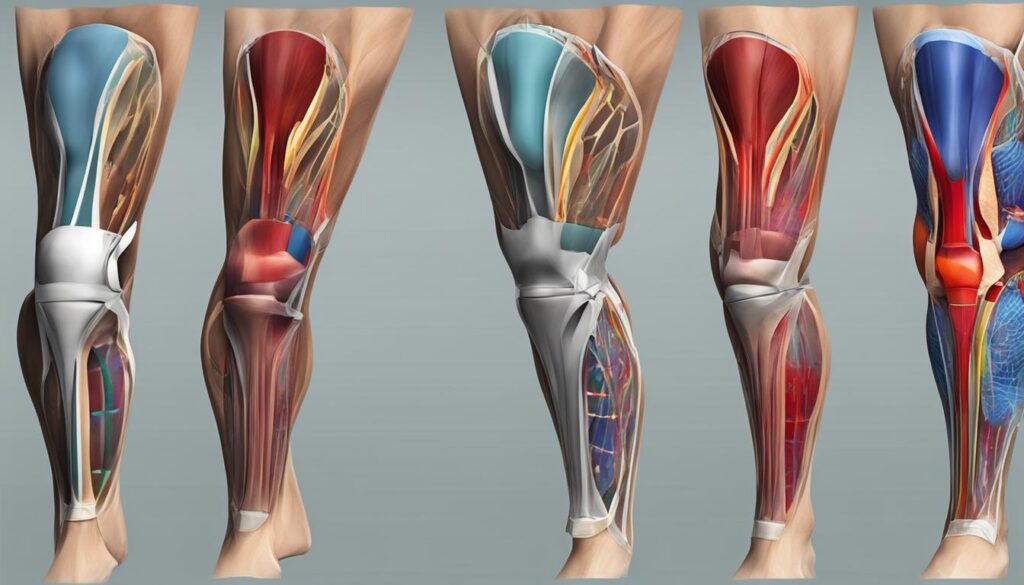
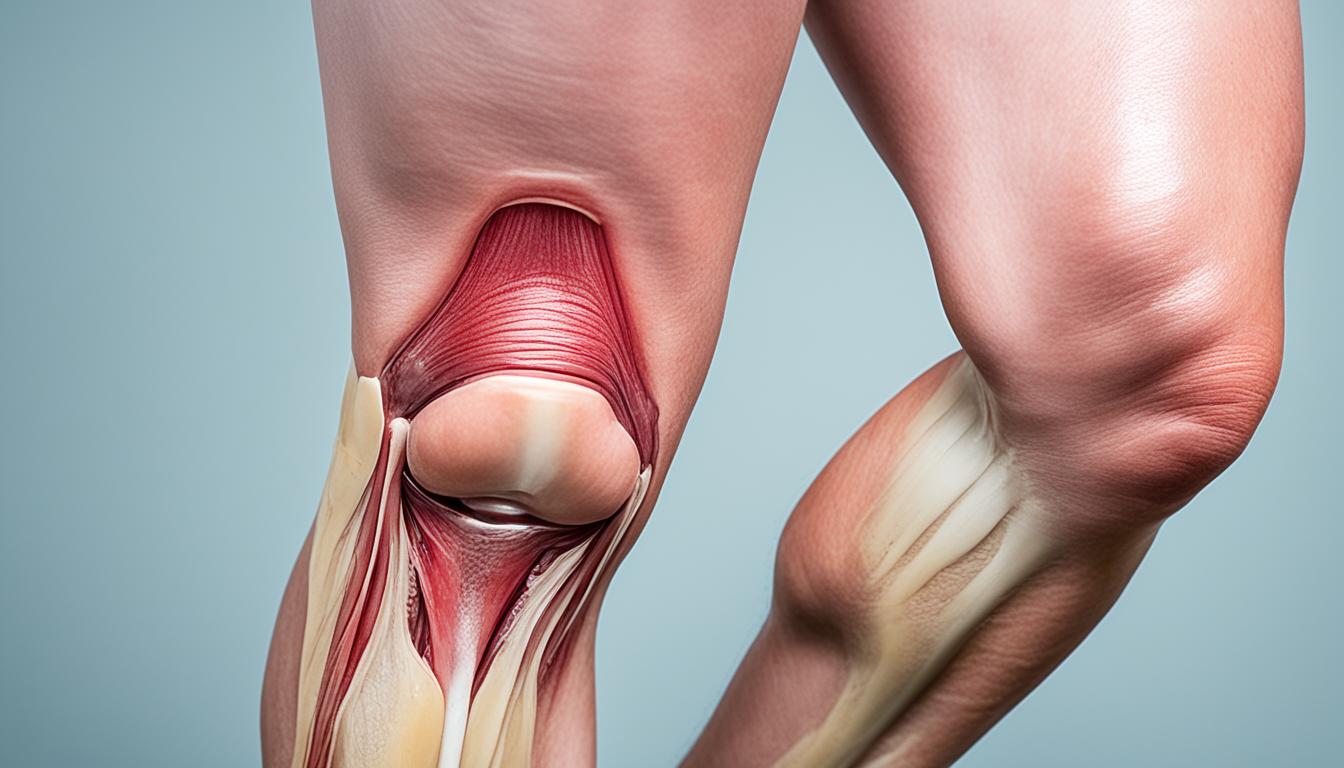
    The knee joint is composed of bones (femur, tibia, and patella), cartilage (articular cartilage and meniscus), ligaments (collateral and cruciate ligaments), and tendons (quadriceps tendon and patellar tendon).

    What causes knee injuries?

    Knee injuries can be caused by overuse, muscle imbalances, biomechanical issues, improper footwear, sudden increase in activity, trauma, faulty running technique, tight muscles, lack of flexibility, genetics, and previous injuries.

    What are some specific knee injuries and their causes?

    Specific knee injuries include anterior cruciate ligament (ACL) injuries (common in cutting and pivoting sports), posterior cruciate ligament (PCL) injuries (caused by a blow to the front of the knee), collateral ligament injuries (resulting from a sideways force), meniscal tears (from sports or arthritis/aging), tendon tears (due to sudden movements or direct force), fractures (from high energy trauma), and dislocations (related to abnormal knee structure or trauma).

    How are knee injuries treated?

    Treatment for knee injuries can include immobilization with a brace or cast, physical therapy, nonsteroidal anti-inflammatory drugs (NSAIDs), and in some cases, surgery.

    What are some recovery strategies for knee injuries?

    Recovery from a knee injury involves rest, icing, compression, and elevation (RICE protocol), as well as rehabilitation exercises to restore strength and flexibility.

    How can knee injuries be prevented?

    Preventive measures include maintaining proper form and technique, wearing appropriate footwear, gradually increasing activity intensity, addressing muscle imbalances or biomechanical issues, and seeking prompt treatment for knee injuries.

    Source Links

  • Knee Injury Whole Leg Swollen: Causes & Care

    Knee Injury Whole Leg Swollen: Causes & Care

    A swollen knee occurs when excess fluid collects in or around the knee joint, resulting in leg swelling. This condition, known as an effusion, can be caused by various factors, including trauma, overuse injuries, and underlying diseases.

    When you experience a knee injury, such as torn ligaments, cartilage tears, or bone fractures, it can lead to leg swelling. In addition, conditions like osteoarthritis, rheumatoid arthritis, gout, and bursitis can also cause swelling in the knee and the entire leg.

    If left untreated, the swelling can cause pain, stiffness, and limited mobility. To alleviate these symptoms, it’s crucial to seek treatment and care for the underlying cause of the leg swelling.

    In the upcoming sections, we will explore the risk factors, complications, treatment options, and prevention strategies for leg swelling after a knee injury. Whether you’re an athlete, someone recovering from an accident, or simply seeking information on this topic, we’ve got you covered.

    Risk Factors and Complications of Knee Injury Leg Swelling

    When it comes to leg swelling after a knee injury, there are several risk factors that can contribute to its development. Understanding these factors can help individuals better manage their symptoms and take preventative measures to mitigate the risk of swelling. Additionally, it’s essential to be aware of potential complications that can arise from a swollen knee, as they may require additional medical attention.

    Risk Factors for Leg Swelling after a Knee Injury

    Several factors can increase the likelihood of experiencing leg swelling after a knee injury:

    • Age: Older individuals may be more susceptible to leg swelling as a result of decreased joint elasticity and slowed healing processes.
    • Sports participation: Engaging in sports that involve frequent twisting and pivoting movements, such as basketball or soccer, can put extra strain on the knee joint and lead to swelling.
    • Obesity: Carrying excess weight puts added pressure on the knee joints, increasing the risk of injury and subsequent swelling.

    By identifying these risk factors, individuals can take proactive steps to minimize the chances of experiencing leg swelling after a knee injury. Implementing preventative measures helps maintain overall knee health and reduce the likelihood of complications.

    Complications of a Swollen Knee

    If left unaddressed, a swollen knee can lead to various complications:

    1. Muscle loss: Prolonged swelling can result in muscle atrophy, weakening the surrounding muscles and potentially affecting overall knee stability and function.
    2. Formation of a Baker cyst: A Baker cyst, also known as a popliteal cyst, can develop at the back of the knee due to excess fluid accumulation. This fluid-filled sac can cause discomfort, stiffness, and limited range of motion.

    Recognizing these complications underscores the importance of seeking appropriate treatment for leg swelling after a knee injury. Prompt medical attention and proper management can help minimize the risk of these complications and promote recovery.

    Risk Factors Complications
    • Age
    • Sports participation
    • Obesity
    1. Muscle loss
    2. Formation of a Baker cyst

    Treatment and Prevention of Leg Swelling from Knee Injury

    Treatment for leg swelling from a knee injury depends on the underlying cause and may include various approaches to alleviate symptoms and promote healing.

    If the leg swelling is caused by inflammation and fluid accumulation, it is important to rest the affected knee, applying ice packs periodically to reduce swelling and discomfort. Elevating the leg above heart level and wearing compression garments can also aid in reducing swelling. In some cases, physical therapy may be prescribed to help strengthen the knee and improve mobility.

    For more severe cases or when conservative treatments do not yield satisfactory results, medications or surgical interventions may be necessary. Medications such as nonsteroidal anti-inflammatory drugs (NSAIDs) can help relieve pain and reduce inflammation, while surgical procedures can address underlying issues like torn ligaments or cartilage damage that contribute to leg swelling.

    Preventing leg swelling after a knee injury is essential for long-term recovery. To reduce the risk of leg swelling, proper self-care measures should be followed. This includes regularly engaging in exercises that target the muscles around the knee, such as gentle stretching and low-impact activities like swimming or cycling. Maintaining a healthy weight can also ease strain on the knee and minimize the chances of injury. It is also crucial to wear appropriate protective gear, such as knee braces or supportive shoes, during physical activities and to practice proper techniques to avoid excessive strain or sudden movements that can lead to knee injuries and subsequent leg swelling.

    FAQ

    What causes leg swelling after a knee injury?

    Leg swelling after a knee injury can be caused by torn ligaments, cartilage tears, overuse irritation, broken bones, osteoarthritis, rheumatoid arthritis, infection, gout, pseudogout, bursitis, cysts, and tumors.

    What are the symptoms of a swollen leg after a knee injury?

    Symptoms of a swollen leg after a knee injury may include pain, swelling, redness, warmth, stiffness, difficulty moving the knee, and difficulty bearing weight on the leg.

    When should I seek medical attention for leg swelling after a knee injury?

    It is important to seek medical attention if self-care measures don’t improve symptoms or if there are signs of infection within the joint, such as increased pain, worsening swelling, fever, or chills.

    What are the risk factors for leg swelling after a knee injury?

    Risk factors for leg swelling after a knee injury include age, sports participation that involves twisting the knee, and obesity.

    What complications can occur with a swollen knee?

    Complications of a swollen knee can include muscle loss and the formation of a fluid-filled sac called a Baker cyst in the back of the knee.

    How can I reduce leg swelling from a knee injury?

    To reduce leg swelling from a knee injury, you can try resting the leg, applying ice, elevating the leg, using compression wraps, and undergoing physical therapy. In some cases, medications or surgery may be necessary.

    How can I prevent leg swelling after a knee injury?

    To prevent leg swelling after a knee injury, it is important to strengthen the muscles around the knee, engage in low-impact exercise, maintain a healthy weight, wear appropriate protective gear, and use proper techniques during physical activities.

    Source Links

  • Knee Injury Who to See – Find the Right Expert

    Knee Injury Who to See – Find the Right Expert

    Did you know that almost half of adults over 50 experience knee pain in a one-year period?

    When you find yourself struggling with a knee injury, it is crucial to seek the expertise of the right specialist who can provide an accurate diagnosis and tailored treatment plan. At the Noyes Knee Institute, we understand the impact knee injuries can have on your daily life and overall well-being.

    Types of Doctors for Knee Pain

    When seeking treatment for knee pain, you may come across several types of doctors who can provide the expert care you need. One of the first healthcare professionals you may see is a general practitioner, also known as a family doctor or primary care physician. These doctors are often the initial point of contact for patients experiencing knee pain. They are skilled in conducting evaluations, ordering diagnostic tests, and recommending conservative treatments.

    If your knee pain is severe, does not respond to conservative treatments, or requires specialized care, your general practitioner may refer you to a knee specialist or an orthopedic knee surgeon. These specialists have extensive training in diagnosing and treating various knee conditions, including injuries and degenerative diseases like osteoarthritis. They can provide both non-surgical interventions such as physical therapy and medications, as well as perform procedures like arthroscopic surgery or joint replacement when necessary.

    Specialists in knee injuries often work in dedicated knee injury clinics such as the Noyes Knee Institute. These clinics focus on providing specialized care for patients with knee pain and offer a team of experts who are well-versed in treating a range of knee injuries and conditions.

    If you have a knee injury that is related to sports or exercise, you may also consider consulting a sports medicine physician. These healthcare professionals specialize in treating and preventing sports-related injuries and can create customized treatment plans to help you recover and safely return to your activities. Additionally, physical therapists play a vital role in treating knee injuries by improving function and mobility. They can assess your knee pain, develop personalized treatment plans, and utilize various modalities such as exercise and manual therapy to reduce pain, swelling, and inflammation.

    Here is an overview of the different types of doctors who can help with knee pain:

    • General Practitioner
    • Knee Specialist
    • Orthopedic Knee Surgeon
    • Sports Medicine Physician
    • Physical Therapist

    If you’re unsure about which type of doctor to see for your knee pain, it’s always best to consult with your general practitioner as they can guide you toward the most appropriate specialist based on your specific needs. Regardless of the type of doctor you see, they will assess your condition, order diagnostic tests if needed, and develop a customized treatment plan tailored to your individual circumstances.

    knee specialist image

    The Role of Sports Medicine Physicians and Physical Therapists

    For individuals with knee injuries related to sports or exercise, a sports medicine physician is an excellent choice. They are trained in treating and preventing sports-related injuries and can develop customized treatment plans to help patients recover and safely return to their activities. Sports medicine physicians may also provide guidance on proper nutrition and rest to reduce the risk of future injuries.

    Physical therapists, on the other hand, specialize in improving the function and mobility of the body. They can assess knee pain, develop personalized treatment plans, and use various modalities like exercise and manual therapy to reduce pain, swelling, and inflammation. Physical therapists often work closely with orthopedic knee surgeons for post-surgery rehabilitation and can educate patients on proper techniques for activities to prevent further injury.

    Conclusion

    When it comes to knee injuries, finding the right expert is crucial for proper diagnosis and treatment. At the Noyes Knee Institute, our team of orthopedic knee surgeons specializes in providing top-quality care for patients with knee pain. Our experts understand the complexity of knee injuries and are equipped with the knowledge and skills to develop personalized treatment plans tailored to each patient’s unique needs.

    In addition to orthopedic knee surgeons, other specialists such as sports medicine physicians and physical therapists play vital roles in the treatment and recovery process. Our sports medicine physicians are well-versed in the prevention and treatment of sports-related knee injuries, offering comprehensive care to help patients safely return to their activities. Our skilled physical therapists work closely with orthopedic knee surgeons to provide rehabilitation services and educate patients on proper techniques to prevent further injury.

    Regardless of the type of doctor you see, rest assured that they will assess your condition, order any necessary diagnostic tests, and design a customized treatment plan to address your specific needs. It’s important not to ignore knee pain or assume it’s a normal part of aging. Seek medical attention from a knee injury expert to uncover the underlying cause of your pain and find effective relief.

    FAQ

    What kind of doctor should I see for a knee injury?

    Depending on the severity of your knee injury, you may need to see different specialists. Common options include orthopedic doctors, sports medicine physicians, and physical therapists.

    What can an orthopedic doctor do for my knee injury?

    Orthopedic doctors specialize in diagnosing and treating musculoskeletal conditions, including knee injuries. They can provide non-surgical treatments and perform surgical procedures if necessary.

    How can a sports medicine physician help with my knee pain?

    Sports medicine physicians have expertise in diagnosing and treating sports-related injuries, including knee pain. They can provide customized treatment plans to help you recover and safely return to your activities.

    What is the role of a physical therapist in knee injury treatment?

    Physical therapists specialize in improving the function and mobility of the body. They can assess your knee pain, develop personalized treatment plans, and use various modalities like exercise and manual therapy to reduce pain and inflammation.

    Should I seek medical attention for knee pain?

    Yes, it’s important to seek medical attention for knee pain to address the underlying cause and find relief. Ignoring knee pain can lead to further damage and potentially long-term complications.

    Source Links

  • Understanding Knee Injury Which Symptoms Matter

    Understanding Knee Injury Which Symptoms Matter

    Did you know that knee injuries are one of the most common musculoskeletal problems worldwide?

    With more than 100 million cases reported each year, knee injuries affect people of all ages and can have a significant impact on their daily lives.

    Whether you’re an athlete, an active individual, or simply going about your daily activities, understanding knee pain causes, and effective knee pain management strategies is crucial for maintaining your overall health and mobility.

    In this article, we will explore the various symptoms of knee injuries and highlight which ones matter the most. We will also delve into the diagnosis and treatment options available, as well as discuss preventive measures and recovery strategies to help you minimize the risk of knee injuries and enhance your overall well-being.

    Knee Injury Diagnosis and Treatment

    When it comes to knee injuries, accurate diagnosis and appropriate treatment are essential for effective recovery and pain relief. Healthcare providers employ various methods to diagnose knee injuries, including:

    • Physical examinations: A comprehensive examination helps assess the extent of the injury, identify specific symptoms, and determine the range of motion and stability of the knee.
    • Imaging tests: X-rays, MRIs, or CT scans provide detailed images of the knee, allowing healthcare professionals to identify fractures, ligament tears, meniscus tears, or other structural abnormalities.
    • Joint aspiration or arthroscopy: In some cases, fluid may be extracted from the knee joint for analysis or an arthroscopy procedure may be performed to visualize the internal structures of the knee.

    Regarding the treatment of knee injuries, the approach depends on the type and severity of the injury. Common treatment options include:

    “Proper diagnosis and prompt treatment are crucial for successful recovery from knee injuries.”

    • Rest, ice, compression, and elevation (RICE): These basic measures help reduce inflammation, alleviate pain, and facilitate the healing process.
    • Pain medication: Over-the-counter or prescription pain relievers can provide temporary relief from knee pain.
    • Physical therapy: Tailored exercises and therapies help restore strength, flexibility, and mobility to the knee. Physical therapists play a vital role in designing individualized rehabilitation programs to suit the patient’s specific needs.
    • Braces or splints: These supportive devices help provide stability and protect the knee during physical activities.
    • Surgical interventions: In severe cases, surgical procedures such as ACL reconstruction, meniscus repair, or total knee replacement may be required to restore optimal function and alleviate persistent pain.

    Rehabilitation and exercises are integral to the recovery process. They help strengthen the muscles surrounding the knee, improve joint stability, and enhance overall functionality. Additionally, following a healthcare provider’s guidance and adhering to the prescribed rehabilitation plan are essential for successful recovery.

    Pain Management for Knee Injuries

    Pain management strategies form a crucial part of knee injury treatment. Effective pain relief measures may include:

    • Over-the-counter or prescription pain medications: These can help provide temporary relief from moderate to severe knee pain. It’s important to follow the recommended dosage and consult with a healthcare professional.
    • Physical therapy: Targeted exercises and manual techniques employed by physical therapists can alleviate pain and facilitate healing.
    • Hot or cold therapy: Applying heat or cold to the affected knee can reduce pain, swelling, and inflammation.
    • Lifestyle modifications: Adopting a healthy lifestyle, maintaining a balanced diet, engaging in low-impact activities, and avoiding excessive stress on the knee can contribute to long-term pain management and overall joint health.

    By implementing appropriate diagnosis, comprehensive treatment plans, and effective pain management strategies, individuals with knee injuries can experience relief, improved mobility, and a faster path to recovery.

    Knee Injury Prevention and Recovery

    To prevent knee injuries, it is crucial to implement several preventive measures. First and foremost, maintaining a healthy weight is essential, as excess weight puts additional stress on the knees. Proper training and warm-up exercises are also vital in preparing the muscles and joints for physical activities. Additionally, using the correct equipment and protective gear, such as supportive shoes or knee pads, can help minimize the risk of injury.

    Knee injury prevention exercises play a significant role in keeping the knees strong and flexible. Incorporating stretching exercises into your routine can improve joint mobility and reduce the likelihood of strain. Strengthening exercises, like squats and lunges, target the muscles around the knee, providing stability and support. Balance exercises further enhance stability, while low-impact aerobic exercises, such as swimming or cycling, offer cardiovascular benefits without excessive stress on the knees.

    Recovery from knee injuries varies depending on the severity and type of injury. In most cases, a comprehensive approach involving rest, physical therapy, exercises, and following a healthcare provider’s recommendations is crucial. Adhering to the prescribed rehabilitation plan is essential to facilitate a successful recovery. Gradually returning to physical activities and sports while using proper techniques and protective gear helps prevent reinjury and ensures a safe and effective recovery process.

    FAQ

    What are the symptoms of a knee injury?

    Symptoms of a knee injury may include pain, swelling, difficulty moving the knee, catching or locking of the knee, stiffness, warmth to the touch, inability to fully straighten the knee, and knee instability.

    What can cause knee injuries?

    Knee injuries can be caused by fractures, dislocations, ligament tears (such as the ACL), meniscus tears, tendonitis, and sprains.

    What are the risk factors for knee injuries?

    Risk factors for knee injuries include participation in high-impact sports, being overweight, and lack of muscle strength or flexibility.

    How can knee injuries be prevented?

    Preventive measures for knee injuries include maintaining a healthy weight, practicing correct form during sports and exercise, conditioning to stay strong and flexible, and considering low-impact sports.

    How are knee injuries diagnosed and treated?

    Knee injuries can be diagnosed by a healthcare provider through physical examinations, imaging tests (such as X-rays, MRIs, or CT scans), and sometimes joint aspiration or arthroscopy. Treatment options depend on the type and severity of the injury and may include rest, ice, compression, elevation (RICE), pain medication, physical therapy, braces or splints, and in some cases, surgical interventions.

    What exercises can aid in the recovery of knee injuries?

    Rehabilitation and exercises are often recommended to aid in the recovery of knee injuries and to improve strength, flexibility, and stability.

    How can knee pain be managed?

    Pain management strategies for knee injuries may include over-the-counter or prescription pain medications, physical therapy, hot or cold therapy, and lifestyle modifications.

    What can be done to prevent knee injuries?

    To prevent knee injuries, it is important to maintain a healthy weight, engage in proper training and warm-up exercises, use proper equipment and protective gear, and avoid activities that put excessive stress on the knees.

    What exercises can help prevent knee injuries?

    Knee injury prevention exercises may include stretching, strengthening exercises (such as squats and lunges), balance exercises, and low-impact aerobic exercises.

    How long does it take to recover from a knee injury?

    Recovery from a knee injury can vary depending on the severity and type of injury but often involves a combination of rest, physical therapy, exercises, and following a healthcare provider’s recommendations.

    How can reinjury be prevented after a knee injury?

    It is important to adhere to the prescribed rehabilitation plan and take steps to prevent reinjury, such as gradually returning to physical activities and using proper techniques and protective gear.

    Source Links

  • Knee Surgery Explained: Understanding the Basics

    Knee Surgery Explained: Understanding the Basics

    Did you know that knee surgery, also known as knee arthroplasty or total knee replacement, is a surgical procedure performed around 600,000 times each year in the United States alone? That’s a staggering number, highlighting the widespread prevalence of knee conditions that require surgical intervention.

    So, what exactly is knee surgery? It is a procedure designed to resurface a knee joint that has been damaged by arthritis or injury. This innovative surgery involves capping the ends of the bones in the knee joint and the kneecap with metal and plastic components. It is typically recommended for individuals who experience severe arthritis or have suffered a severe knee injury, aiming to relieve pain and improve joint function that cannot be effectively managed by non-surgical treatments.

    There are different types of knee surgery depending on the specific condition and needs of the patient, including knee replacement surgery, knee arthroscopy, and knee ligament repair. Each type of surgery serves a unique purpose in addressing various knee-related issues.

    In this article, we will delve deeper into knee surgery, exploring its different types, the surgical procedure, the recovery process, and the potential risks and benefits involved. By understanding the basics of knee surgery, you’ll become better equipped to make informed decisions about your knee health and explore potential treatment options.

    Types of Knee Surgery

    When it comes to knee surgery, there are various types of procedures that can be performed based on the specific condition and patient’s needs. Let’s take a closer look at three common knee surgeries: knee replacement surgery, knee arthroscopy, and knee ligament repair.

    Knee Replacement Surgery (Knee Arthroplasty)

    This is the most common type of knee surgery. It involves replacing a damaged knee joint with artificial components made of metal and plastic. Knee replacement surgery is typically recommended for individuals with severe arthritis or significant knee injury. The procedure aims to relieve pain and restore joint function, allowing patients to enjoy improved mobility and quality of life.

    Knee Arthroscopy

    Knee arthroscopy is a minimally invasive surgical procedure that utilizes a small camera and specialized instruments to diagnose and treat various knee conditions. It is commonly used to address issues like meniscal tears, cartilage damage, and ligament repairs. This procedure offers the advantages of smaller incisions, reduced scarring, and quicker recovery time compared to traditional open surgeries.

    Knee Ligament Repair

    Knee ligament repair is a surgical procedure designed to fix or reconstruct damaged ligaments in the knee, such as the anterior cruciate ligament (ACL) or the medial collateral ligament (MCL). This type of surgery is often recommended for individuals who have experienced ligament tears or instability in the knee joint. The goal is to restore stability and function to the knee, allowing patients to return to their normal activities.

    Each type of knee surgery serves a specific purpose and is tailored to address different knee conditions. The choice of procedure will depend on the individual’s unique situation and treatment goals. Consultation with a qualified orthopedic surgeon is essential to determine the most appropriate surgical approach.

    Knee Surgery Type Description
    Knee Replacement Surgery (Knee Arthroplasty) Replaces a damaged knee joint with artificial components made of metal and plastic.
    Knee Arthroscopy Minimally invasive procedure using a camera and surgical instruments to diagnose and treat knee conditions.
    Knee Ligament Repair Surgical procedure to repair or reconstruct damaged knee ligaments.

    Knowing the types of knee surgery available can empower individuals to make informed decisions about their treatment options. Understanding the benefits and potential risks of each procedure, along with the guidance of a qualified medical professional, can help patients achieve the best outcomes for their knee health.

    knee surgery types

    Knee Surgery Procedure and Recovery

    The knee surgery procedure involves several steps to address knee joint damage caused by arthritis or injury. First, the damaged cartilage and bone in the knee joint are carefully removed. This step prepares the joint for the insertion of prosthetic components that will replace the damaged parts.

    The knee surgery procedure is typically performed under general anesthesia. Throughout the surgery, the patient’s vital signs and well-being are closely monitored by a skilled surgical team. This ensures that the procedure is safe and effective for the patient.

    After the surgery, the patient will usually spend a few days in the hospital for recovery and rehabilitation. During this time, pain management and physical therapy are essential components of the recovery process. The patient will work closely with physiotherapists to gradually regain strength and mobility in the knee joint.

    It is crucial to understand that like any surgery, knee surgery carries certain risks and potential complications. These can include bleeding, infection, blood clots, loosening or wearing out of the prosthetic joint, fracture, and continued pain or stiffness. However, it’s important to note that with proper care, follow-up appointments, and adherence to the post-operative guidelines, the majority of patients experience successful outcomes and significant improvement in their knee function and quality of life.

    “Recovery from knee surgery requires patience, commitment to physical therapy, and proper post-operative care. However, with diligence and the guidance of healthcare professionals, patients can experience remarkable improvements in their knee function and restore their quality of life.”

    It is essential for patients undergoing knee surgery to have a thorough understanding of the procedure, including the potential risks and complications. Consultation with a qualified orthopedic surgeon is crucial in determining the suitability of knee surgery and discussing the specific risks and benefits for each individual. By making informed decisions and following the recommended guidelines, patients can attain successful outcomes and regain their mobility and well-being.

    Conclusion

    Knee surgery offers a multitude of benefits for those who suffer from severe knee pain and disability. This life-changing procedure can provide significant pain relief, improve mobility, and enhance overall quality of life for patients. The outcomes of knee surgery are often successful, allowing individuals to regain their ability to perform daily activities with reduced pain and improved joint function.

    The benefits of knee surgery are numerous. Patients typically experience reduced pain levels, which greatly improves their overall comfort and well-being. The surgery also increases joint function, enabling individuals to move more freely and comfortably. As a result, patients can enjoy an enhanced quality of life, with the ability to engage in activities they may have previously been unable to partake in.

    While knee surgery does carry potential risks and complications, the majority of patients experience positive results and are able to resume their regular activities with improved knee function and reduced pain. However, it is crucial for individuals considering knee surgery to consult with a qualified orthopedic surgeon to determine their eligibility and fully understand the potential benefits and risks associated with the procedure.

    FAQ

    What is knee surgery?

    Knee surgery, also known as knee arthroplasty or total knee replacement, is a surgical procedure performed to resurface a knee joint that has been damaged by arthritis or injury.

    What are the types of knee surgery?

    There are different types of knee surgeries, including knee replacement surgery, knee arthroscopy, and knee ligament repair.

    How is knee surgery performed?

    The knee surgery procedure involves removing damaged cartilage and bone and replacing them with prosthetic components. It is typically performed under general anesthesia.

    What is the recovery process like after knee surgery?

    After knee surgery, the patient will spend a few days in the hospital for recovery and rehabilitation. Physical therapy will be an important part of the recovery process to help regain strength and mobility in the knee joint.

    What are the risks and complications associated with knee surgery?

    Knee surgery carries risks and potential complications, including bleeding, infection, blood clots, prosthetic joint loosening or wearing out, fracture, and continued pain or stiffness.

    What are the benefits of knee surgery?

    Knee surgery can provide significant pain relief, improve joint function, and enhance the overall quality of life for patients. It can reduce pain, increase joint function, improve the ability to perform daily activities, and enhance overall well-being.

    What are the outcomes of knee surgery?

    The majority of patients experience successful outcomes and significant improvement in their knee function and quality of life after knee surgery. They are often able to resume their regular activities with reduced pain and improved joint function.

    Who is eligible for knee surgery?

    Eligibility for knee surgery depends on the specific condition and the goals of treatment. It is important to consult with a qualified orthopedic surgeon to determine eligibility and discuss the potential benefits and risks of the procedure.

    Source Links

  • Expert Advice: Knee Pain? What Doctor to Consult

    Expert Advice: Knee Pain? What Doctor to Consult

    Did you know that knee pain affects approximately 25% of adults over the age of 50? That’s a significant number of individuals who experience daily discomfort and limitations in their mobility due to knee pain.

    When you find yourself dealing with knee pain, it’s important to seek the right medical expertise for diagnosis and treatment. Knowing which type of doctor to consult can make a world of difference in managing your knee pain effectively.

    In this article, we will guide you through the different types of doctors you may consider seeing for knee pain, discuss the common types of knee pain and their possible causes, and provide insights on finding relief for this debilitating condition.

    Stay tuned as we highlight the best course of action to alleviate your knee pain and regain your freedom of movement. Let’s dive in!

    Types of Knee Pain and Possible Causes

    Knee pain can have various causes, and understanding the underlying condition is crucial for effective treatment. Here are some common types of knee pain and their possible causes:

    Type of Knee Pain Possible Causes
    Patellofemoral Pain Syndrome Overuse, muscle imbalances, poor alignment of the kneecap
    Knee Osteoarthritis Wear and tear of knee joint cartilage, aging, previous knee injuries
    ACL Tear Sudden twisting or pivoting, direct blow to the knee, sports injuries
    Meniscus Tear Sudden twisting, deep knee bends, degenerative changes in the knee
    IT Band Syndrome Overuse, tightness or inflammation of the iliotibial band

    It’s important to note that these are just a few examples of knee pain conditions and their possible causes. Consulting with an orthopedic doctor specialized in knee pain management is crucial for accurate diagnosis and appropriate treatment.

    When experiencing knee pain, it’s essential to recognize the specific type of pain and its underlying causes. This knowledge enables healthcare professionals to develop a targeted treatment plan, focused on providing relief and improving overall knee function.

    Conclusion: Finding Relief for Knee Pain

    Knee pain can significantly impact your daily life and activities. It’s crucial to consult with the right medical professional to accurately diagnose the cause of your knee pain and provide effective treatment options.

    When seeking relief for knee pain, there are various types of doctors you can consider consulting. A general practitioner is a good starting point as they can evaluate your symptoms, order necessary tests, and potentially provide initial treatment. They may also refer you to a specialist based on their assessment.

    If your knee pain is severe or has been persistent, visiting an orthopedic knee surgeon may be beneficial. These specialists have expertise in diagnosing and treating knee conditions, including fractures, ligament tears, and degenerative diseases. They can recommend surgical interventions, such as knee replacements, if necessary.

    Another option is to see a sports medicine specialist who specializes in treating and preventing musculoskeletal issues related to sports and physical activities. They have in-depth knowledge of knee injuries and non-surgical treatment modalities, such as physical therapy, rehabilitation exercises, and orthotics.

    Physical therapists are also essential in the management of knee pain. They can provide targeted exercises and stretches to strengthen the knee muscles, improve flexibility, and reduce pain. Their expertise extends to balance training and gait analysis, crucial components for knee pain relief.

    Regardless of the medical professional you consult, you can expect them to work closely with you to develop a personalized treatment plan tailored to your specific needs. Remember, finding relief for knee pain is possible with the right doctor by your side.

    FAQ

    What type of doctor should I consult for knee pain?

    When experiencing knee pain, you may consider consulting with a general practitioner, orthopedic knee surgeon, sports medicine specialist, or physical therapist. They have the expertise to diagnose and treat different types of knee pain.

    What are some common types of knee pain and their possible causes?

    Some common types of knee pain include osteoarthritis, tendinitis, bursitis, ligament injuries, and meniscus tears. Osteoarthritis can be caused by wear and tear, tendinitis may result from overuse or repetitive movements, bursitis can be due to inflammation of the bursae, ligament injuries may occur during sports or accidents, and meniscus tears can happen from sudden twisting or impact.

    How can I find relief for my knee pain?

    Finding relief for knee pain depends on the underlying cause. Treatment options may include medications, physical therapy, corticosteroid injections, exercise and stretching, weight management, and in severe cases, surgery. Consult with a medical professional to accurately diagnose your knee pain and develop a personalized treatment plan.

    Source Links

  • Knee Pain Relief: Best Stretches to Soothe Aches

    Knee Pain Relief: Best Stretches to Soothe Aches

    Did you know that knee pain affects millions of people worldwide, with athletes and individuals who lead a sedentary lifestyle being particularly susceptible? Whether you’re a professional athlete or spend long hours sitting at a desk, knee pain can significantly hamper your daily activities. But here’s the good news: incorporating the right stretches into your routine can provide much-needed relief and help you regain control of your life.

    In this article, we will discuss the most effective stretches and exercises to alleviate knee pain, target muscular imbalances, and enhance flexibility and mobility in your knee joint. From simple side leg raises to hamstring stretches and quadriceps stretches, we’ll cover it all.

    If you’re ready to bid farewell to knee pain, keep reading to discover the best stretches that can soothe those aching knees and get you back on track.

    Stretches and Exercises to Help with Knee Pain

    When it comes to alleviating knee pain and promoting overall knee health, incorporating a stretching routine into your exercise regimen is essential. Stretching not only helps improve flexibility but also targets specific muscles that support the knee joint, reducing the likelihood of injury and pain. Here, we present a selection of effective exercises to stretch the knee muscles and promote knee pain relief.

    1. Side Leg Raises: Start by lying flat on your side with legs straight. Lift the top leg to a comfortable height, then lower it back down without touching the bottom leg. Repeat on both sides, aiming for 10 to 15 repetitions.

    2. Single-Leg Lifts: Stand upright, holding onto a sturdy surface for support. Lift one leg forward, keeping it straight, then lower it back down. Repeat with the other leg. Perform 10 to 15 repetitions for each leg.

    3. Hamstring Stretches: Sit on the edge of a chair or bench with one leg extended straight in front of you. Lean forward from the hips, reaching towards your toes until a gentle stretch is felt in the back of the leg. Hold for 20 to 30 seconds, then switch legs and repeat.

    4. Quadriceps Stretches: Stand upright, holding onto a sturdy surface for support. Bend one knee, reaching back to grab your foot or ankle, and gently pull your heel towards your buttock until a mild stretch is felt in the front of the thigh. Hold for 20 to 30 seconds, then switch legs and repeat.

    exercises to stretch knee muscles

    Remember, it’s essential to perform these exercises correctly to avoid strain or injury. If you have any underlying medical conditions or are unsure about the appropriateness of these exercises for your specific situation, consult with a healthcare professional or physical therapist before starting a knee pain stretching routine.

    When to See a Doctor for Knee Pain

    While stretching and strengthening exercises can alleviate most cases of knee pain, there are instances when it may be necessary to seek medical help. Sudden or sharp knee pain without any recent strenuous activity, mobility limitations, or weight-bearing difficulties are signs to consult a medical professional. If conservative methods like rest, icing, and pain medication do not provide relief, it’s advisable to see a doctor. Symptoms such as clicking or popping in the knee or knee buckling warrant further attention.

    When in doubt, it’s always better to err on the side of caution and seek professional advice. A healthcare provider can assess your condition and recommend appropriate diagnostic tests or treatments. Remember, early intervention can often lead to better outcomes.

    “Persistent knee pain that significantly affects your daily activities warrants medical evaluation. Seeking medical attention is essential to accurately diagnose the underlying cause and determine the most suitable treatment options.”

    – Dr. Jennifer Smith, Orthopedic Surgeon

    When Should You See a Doctor for Knee Pain?

    • If you experience severe knee pain that persists for more than a few days
    • If your knee pain is accompanied by swelling, redness, or warmth in the joint
    • If you are unable to bear weight on your affected leg
    • If you have a history of knee problems or previous knee surgeries
    • If your knee pain interferes with your ability to perform daily activities

    Remember, everyone’s situation is unique, and it’s important to consult a healthcare professional for personalized advice.

    Signs to Seek Medical Attention Signs that may Indicate a Serious Condition
    Sudden or sharp knee pain without strenuous activity Severe swelling or redness in the knee joint
    Inability to bear weight on the affected leg Limited mobility and difficulty walking
    Failure to find relief with rest, icing, and pain medication Knee pain accompanied by fever or chills
    Clicking or popping sensations in the knee Significant knee instability or buckling

    Conclusion

    Incorporating stretching and strengthening exercises into your routine can provide relief and prevention for knee pain. By focusing on strengthening the core and gluteal muscles, along with regular stretching, you can improve knee stability and flexibility. Remember to listen to your body and seek medical help if knee pain persists or worsens, as a healthcare professional can provide tailored advice and treatment options.

    In addition to exercises, maintaining a healthy lifestyle can also contribute to overall knee health. A well-balanced diet, rich in essential nutrients and antioxidants, can support the strength and resilience of your joints. Staying hydrated is crucial for joint lubrication and can help reduce inflammation. Finally, it’s important to avoid prolonged sitting, as it puts unnecessary strain on the knees. Incorporating regular movement and walking breaks throughout the day can alleviate stress on the knee joints.

    Implementing these knee pain stretching tips and exercises can improve your overall well-being and help manage knee pain. Remember to always consult with a healthcare professional or physical therapist before starting any new exercise routine, especially if you have pre-existing conditions or chronic knee pain. With dedication and proper guidance, you can find relief from knee pain and enhance your quality of life.

    FAQ

    What are some effective stretches and exercises for knee pain relief?

    Some effective stretches and exercises for knee pain relief include side leg raises, single-leg lifts, hamstring stretches, and quadriceps stretches. These exercises can help address muscular imbalances, increase flexibility, and improve mobility in the knee joint.

    How can stretching and strengthening exercises help with knee pain?

    Stretching and strengthening exercises can help with knee pain by targeting the muscles connected to the knee joint. These exercises can improve flexibility, increase strength around the knee, and enhance knee stability, reducing the likelihood of injury and pain.

    When should I seek medical help for knee pain?

    It is advisable to seek medical help for knee pain in the following situations: sudden or sharp knee pain without any recent strenuous activity, mobility limitations, weight-bearing difficulties, clicking or popping in the knee, or knee buckling. Consulting a medical professional is recommended if conservative methods like rest, icing, and pain medication do not provide relief.

    Can stretching and strengthening exercises alone fix all cases of knee pain?

    While stretching and strengthening exercises can alleviate most cases of knee pain, there may be instances when it is necessary to seek medical help. It is important to listen to your body and seek further attention if knee pain persists or worsens despite incorporating these exercises into your routine.

    What other factors contribute to knee health besides stretching and exercise?

    Besides stretching and exercise, maintaining a healthy diet, staying hydrated, and avoiding prolonged sitting can contribute to overall knee health. These lifestyle factors can help support the muscles and joints in the knee and prevent further pain or injury.

    Source Links

  • Knee Pain What to Avoid – Top Dos & Don’ts

    Knee Pain What to Avoid – Top Dos & Don’ts

    Did you know that approximately 20% of adults experience knee pain? Whether it’s caused by injury, arthritis, or overuse, knee pain can significantly impact daily activities and hinder mobility. If you’re looking for ways to manage and alleviate knee pain, you’ve come to the right place. In this article, we will explore the top dos and don’ts when it comes to knee pain relief, remedies, and exercises. By following these expert tips and strategies, you can take control of your knee health and enjoy a pain-free lifestyle.

    Tips for Knee Pain Prevention

    Preventing knee pain requires proactive measures to reduce stress on the knee joints and promote overall joint health. By implementing these tips, you can minimize the risk of developing knee pain or aggravating existing conditions.

    1. Avoid jarring exercises and activities that put excessive stress on the knees. Opt for low-impact exercises like swimming, cycling, or using an elliptical machine.
    2. Practice regular stretching to maintain flexibility and prevent muscle tightness. Focus on the quadriceps, hamstrings, and calves.
    3. Use hot or cold treatments as needed for pain relief and to reduce inflammation. Apply cold packs to the knees for acute injuries, and use heat therapy for chronic pain.
    4. Improve home safety by ensuring adequate lighting, especially on stairs, and using handrails or grab bars for support.
    5. Maintain a healthy weight to reduce the strain on your knees. Excess weight puts added pressure on the joints and increases the risk of developing knee pain or arthritis.
    6. Use proper body mechanics and avoid repetitive movements that strain the knee joints. When lifting heavy objects, always bend your knees and avoid twisting motions.
    7. Support weak or sore knees with braces, sleeves, or tape. These can provide additional stability and reduce strain on the joints during physical activities.
    8. Invest in supportive footwear with good tread and arch support. Shoes with cushioning and shock absorption can help reduce the impact on your knees.
    9. Replace worn-out shoes to provide proper foot and ankle support. Over time, shoes lose their cushioning and support, which can result in increased strain on the knees.
    10. Consult with a healthcare professional for personalized guidance on preventing knee pain. They can assess your individual needs and provide recommendations tailored to your specific condition.

    By implementing these knee pain prevention tips, you can take proactive steps to protect your knees and reduce the risk of developing knee pain. Remember, maintaining a healthy lifestyle, avoiding excessive strain on the knees, and seeking professional advice when needed are crucial for long-term knee health.

    Conclusion

    Knee pain is a common condition that affects many individuals. However, with the right strategies and lifestyle changes, it is possible to manage and find relief from knee pain. Regular exercise, including cardio and strength training, can help to strengthen the muscles surrounding the knees and improve overall joint health.

    Avoiding excessive rest and maintaining a healthy weight are also crucial factors in preventing knee pain. The RICE method (Rest, Ice, Compression, Elevation), temperature therapy, and appropriate walking aids can be utilized to manage pain and reduce further damage. Additionally, wearing proper footwear, implementing home safety measures, and seeking expert advice contribute to effective knee pain management.

    Consulting with a healthcare professional is essential to determine the underlying causes of knee pain and develop a personalized treatment plan. By working closely with a specialist, individuals can receive the appropriate knee pain relief, management, and treatment required for their specific circumstances. Remember, taking proactive steps and seeking professional guidance are key to overcoming knee pain and improving overall quality of life.

    FAQ

    What exercises should I avoid if I have knee pain?

    It is best to avoid high-impact exercises such as running, jumping, and deep squats as they can put a lot of stress on the knees. Instead, opt for low-impact exercises like swimming or cycling, which are gentle on the joints.

    What can I do at home to relieve knee pain?

    You can try using the RICE method (Rest, Ice, Compression, Elevation) to manage knee pain caused by minor injuries or arthritis flares. Applying ice packs, wearing compression bandages, and elevating your leg can help reduce pain and swelling.

    How can I prevent knee pain?

    To prevent knee pain, it is important to maintain a healthy weight as excess weight can put additional stress on the knees. Regular exercise, including cardio exercises and weight training, can help strengthen the muscles and improve overall stability. Additionally, wearing appropriate footwear with cushioned insoles and practicing regular stretching to maintain flexibility can also help prevent knee pain.

    When should I seek medical advice for my knee pain?

    If you experience severe pain, swelling, or have difficulty bearing weight on your knee, it is advisable to seek medical advice. A healthcare professional can properly diagnose the underlying causes of your knee pain and develop a personalized treatment plan for you.

    Are there any alternative treatments for knee pain relief?

    Yes, some individuals find relief from knee pain through alternative treatments like acupuncture. Acupuncture involves the insertion of thin needles into specific points on the body to stimulate the release of endorphins and promote pain relief. However, it is important to consult with a trained and licensed acupuncturist for proper treatment.

    How does maintaining a healthy weight help with knee pain prevention?

    Maintaining a healthy weight is crucial for knee pain prevention as it helps reduce the stress and strain on the knee joints. Excess weight can lead to increased pressure on the knees, which can contribute to the development or worsening of knee pain and arthritis.

    What should I do if I have weak or sore knees?

    If you have weak or sore knees, using braces, sleeves, or tape can provide added support and stability. These aids can help alleviate pain and reduce the risk of further injury or strain on the knee joints.

    How can I improve home safety to prevent knee pain?

    To improve home safety and reduce the risk of knee pain, ensure that your living space is well-lit to avoid tripping hazards. Install handrails on staircases and use non-slip rugs or mats to prevent falls. Taking these measures can help protect your knees from unnecessary injuries.

    What role does proper footwear play in knee pain prevention?

    Wearing supportive footwear with good tread and arch support is essential for knee pain prevention. Proper shoes can help reduce the impact on the knees during everyday activities and provide adequate support to the foot and ankle, promoting overall joint health.

    When should I replace my shoes to prevent knee pain?

    It is important to replace worn-out shoes to provide proper foot and ankle support. Generally, shoes should be replaced every 300-500 miles or every 6 months, depending on usage. Worn-out shoes may lack the cushioning and support necessary to prevent knee pain.

    Can knee pain be managed and relieved?

    Yes, knee pain can be managed and relieved through various strategies and lifestyle changes. These may include exercises to strengthen the muscles surrounding the knees, using temperature therapy (such as cold packs or heat therapy) for pain relief and inflammation reduction, and using appropriate walking aids for added support and stability.

    How can I effectively manage knee pain?

    To effectively manage knee pain, it is important to seek expert advice from a doctor or physical therapist to diagnose the underlying causes and develop a personalized treatment plan. This may involve a combination of exercises, pain-relief techniques, and lifestyle modifications tailored to your specific needs.

    Source Links

  • Knee Pain Explained: Causes, Relief & Prevention

    Knee Pain Explained: Causes, Relief & Prevention

    Did you know that knee pain affects approximately 25% of adults at some point in their lives? Whether you’re a young athlete, an active adult, or an elderly individual, knee pain can significantly impact your daily life. Understanding the causes, symptoms, and treatment options for knee pain is crucial for finding relief and restoring your mobility.

    In this comprehensive guide, we will dive into the world of knee pain, exploring its various causes, and providing you with effective strategies for prevention and management. From common injuries to medical conditions, we’ll uncover the factors that contribute to knee pain. We’ll also share expert tips on seeking medical help and finding relief through treatments, exercises, and remedies.

    Whether you’re dealing with occasional knee discomfort or chronic pain, we’ve got you covered. Let’s embark on this journey to understand knee pain better and discover practical solutions for a healthier and more active life!

    Common Causes and Risk Factors of Knee Pain

    Knee pain can be caused by various factors and understanding the common causes and risk factors can help in its prevention and management. Here are some key factors that contribute to knee pain:

    1. Injuries: Injuries such as ACL tears, torn meniscus, fractures, and knee bursitis can lead to knee pain. These injuries can occur due to sports activities, accidents, or overuse of the knee joint.
    2. Medical Conditions: Several medical conditions can cause knee pain, including:
    • Osteoarthritis, a degenerative joint disease that affects the cartilage in the knee.
    • Rheumatoid arthritis, an autoimmune disease that causes inflammation and pain in the knee joint.
    • Gout, a form of arthritis caused by the buildup of uric acid crystals in the joint.
    • Pseudogout, a similar condition to gout, but caused by calcium pyrophosphate crystals.
  • Mechanical Problems: Mechanical issues in the knee joint can also contribute to knee pain. These include:
    • Loose bodies, which are fragments of broken cartilage or bone that float in the joint space.
    • Iliotibial band syndrome, a common overuse injury that causes pain on the outer side of the knee.
    • Dislocated kneecap, where the patella (kneecap) slips out of its normal position.
    • Foot or hip pain, which can alter the biomechanics of the knee joint and cause pain.
  • Risk Factors: Certain risk factors increase the likelihood of developing knee problems, including:
    • Excess weight, as it puts additional strain on the knee joint.
    • Lack of muscle flexibility or strength, which can affect the stability and support of the knee.
    • Participation in certain sports or occupations that involve repetitive knee movements, pivoting motions, or kneeling.
    • Previous knee injuries, which can weaken the knee joint and increase the risk of future problems.

    By understanding these causes and risk factors, we can take steps to prevent knee pain and maintain optimal knee health. Taking preventative measures such as maintaining a healthy weight, exercising regularly, using proper techniques during physical activities, and ensuring muscle strength and flexibility can help reduce the risk of knee pain and keep our knees strong and pain-free.

    Common Causes and Risk Factors of Knee Pain

    Causes Risk Factors
    Injuries Excess weight
    Medical Conditions Lack of muscle flexibility or strength
    Mechanical Problems Participation in certain sports or occupations
    Previous knee injuries

    Managing Knee Pain and Seeking Medical Help

    When it comes to knee pain, effective management and timely medical intervention are crucial. There are various strategies you can employ to alleviate knee pain and find relief. One of the initial steps is self-care, which involves rest and the application of PRICE (Protection, Rest, Ice, Compression, Elevation) principles. These measures can help reduce pain and swelling, promoting the healing process.

    In addition to self-care, over-the-counter pain medications like nonsteroidal anti-inflammatory drugs (NSAIDs) can provide relief from pain and reduce inflammation. It is important to follow the recommended dosage and consult a healthcare professional if you have any underlying medical conditions or concerns.

    Physical therapy is another effective approach for managing knee pain. A qualified physical therapist can design a tailored exercise program to improve joint mobility, strengthen muscles, and enhance overall knee function. Knee braces can also provide additional support and stability, reducing discomfort and helping with pain management.

    While many cases of knee pain can be effectively managed with self-care measures and conservative treatments, there are instances where surgical intervention may be necessary. If you experience severe knee pain, are unable to bear weight on your knee, notice visible deformity or swelling, or have accompanying symptoms like fever or redness, it is imperative to seek medical help promptly. A healthcare professional can accurately diagnose the underlying cause of your knee pain and recommend appropriate treatment options, including surgical interventions if required.

    FAQ

    What causes knee pain?

    Knee pain can be caused by various factors, including injuries, medical conditions, and mechanical problems. Some common causes of knee pain include ruptured ligaments, torn cartilage, arthritis, gout, infections, and mechanical issues like loose bodies or iliotibial band syndrome.

    What are the symptoms of knee pain?

    Symptoms of knee pain can vary, but they may include swelling, stiffness, redness, weakness, and instability.

    When should I see a doctor for knee pain?

    It is important to see a doctor if you experience severe knee pain, inability to bear weight on your knee, marked swelling, or any obvious deformity.

    How is knee pain treated?

    Treatment options for knee pain can range from self-care measures and physical therapy to surgical repair in some cases.

    How can I prevent knee pain?

    To prevent knee pain, it is important to maintain a healthy weight, stay active, practice proper exercise techniques, and ensure muscle strength and flexibility.

    What are some self-care measures for knee pain relief?

    Self-care measures like rest, ice, compression, and elevation (PRICE) can help reduce pain and swelling.

    Can over-the-counter medications help with knee pain?

    Over-the-counter pain medications like nonsteroidal anti-inflammatory drugs (NSAIDs) can be used for pain and inflammation relief.

    How can physical therapy and knee braces help manage knee pain?

    Physical therapy and knee braces can provide additional support and aid in pain management.

    When is surgery needed for knee pain?

    In some cases, surgical interventions may be necessary to repair the knee. Your doctor can assess your condition and determine if surgery is the right option for you.

    What should I do if I have severe knee pain?

    If you experience severe knee pain, are unable to bear weight on your knee, have visible deformity or swelling, or have accompanying symptoms like fever or redness, it is important to seek medical help promptly.

    Source Links