Tag: Knee Arthritis

  • What Does a Torn Meniscus Look Like on the Outside: Recognizing the Visual Signs

    What Does a Torn Meniscus Look Like on the Outside: Recognizing the Visual Signs

    As a physical therapist with over 30 years of experience, I’ve helped countless patients identify and recover from meniscus tears. One of the most common questions I hear is: “What does a torn meniscus look like on the outside?” While diagnosis requires professional assessment, there are indeed visible external signs that can help you recognize a potential meniscus injury. In this comprehensive guide, I’ll walk you through what you might observe from the outside when dealing with this common knee injury.

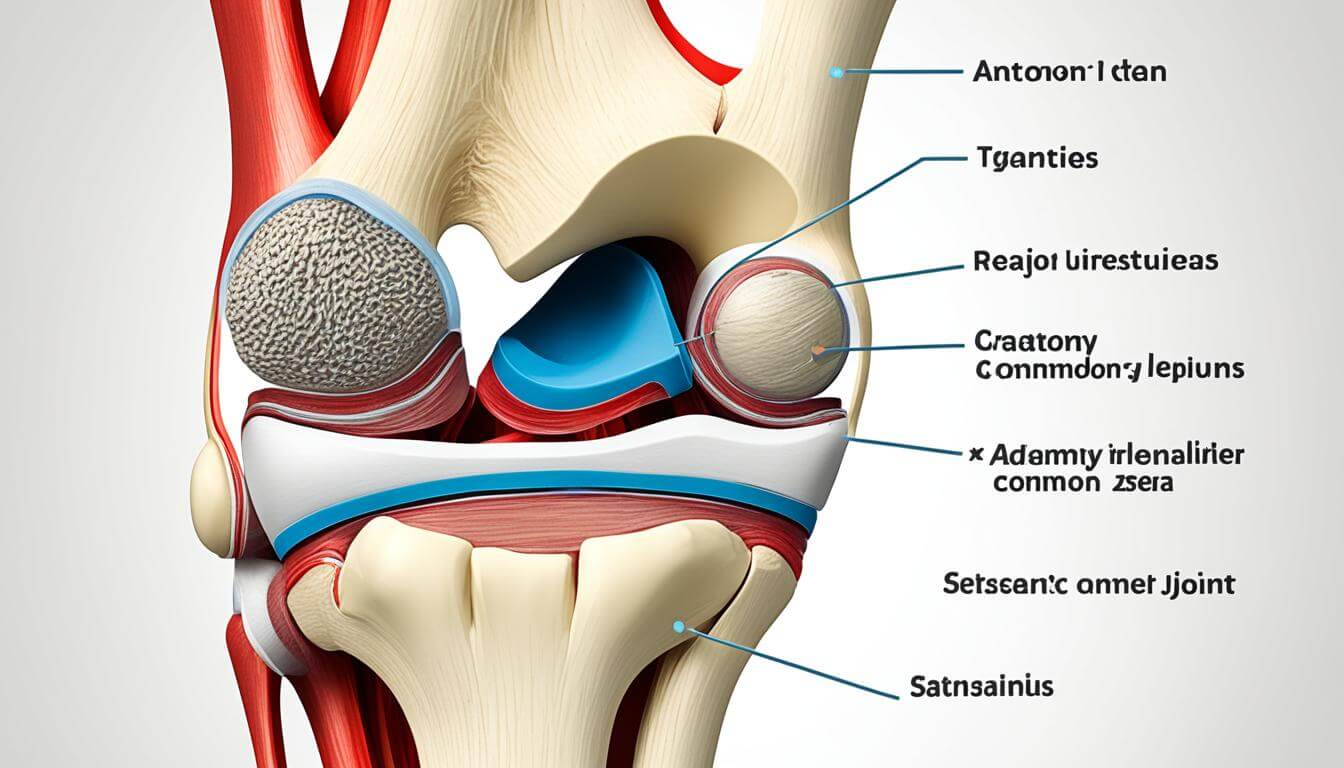
    ![Knee Anatomy Showing Meniscus Location] Image suggestion: A clear anatomical diagram showing the knee joint with the medial and lateral meniscus highlighted, along with surrounding structures like femur, tibia, and ligaments.

    Understanding the Meniscus: A Foundation for Recognition

    Before discussing external appearances, it’s important to understand what we’re looking for. The meniscus is a C-shaped cartilage pad that sits between your femur (thigh bone) and tibia (shin bone). Each knee has two menisci – the medial meniscus on the inner side of the knee and the lateral meniscus on the outer side. These structures act as shock absorbers and help stabilize your knee joint during movement.

    When tears occur, they disrupt this cushioning system, leading to changes that can sometimes be visible from the outside. However, it’s important to note that not all meniscus tears present with obvious external signs, especially in the early stages or with minor tears.

    Initial Visual Signs After Injury

    The earliest visible sign of a torn meniscus is often swelling around the knee joint. This swelling typically develops gradually over 24-48 hours after the injury, unlike an ACL tear where swelling often appears rapidly. Here’s what you might notice:

    Localized Swelling Patterns

    The swelling from a meniscus tear tends to be more localized than general knee swelling. For medial (inner) meniscus tears, which are more common, you might notice fullness along the inner joint line of the knee. For lateral (outer) meniscus tears, the swelling may be more prominent along the outer aspect of the knee.

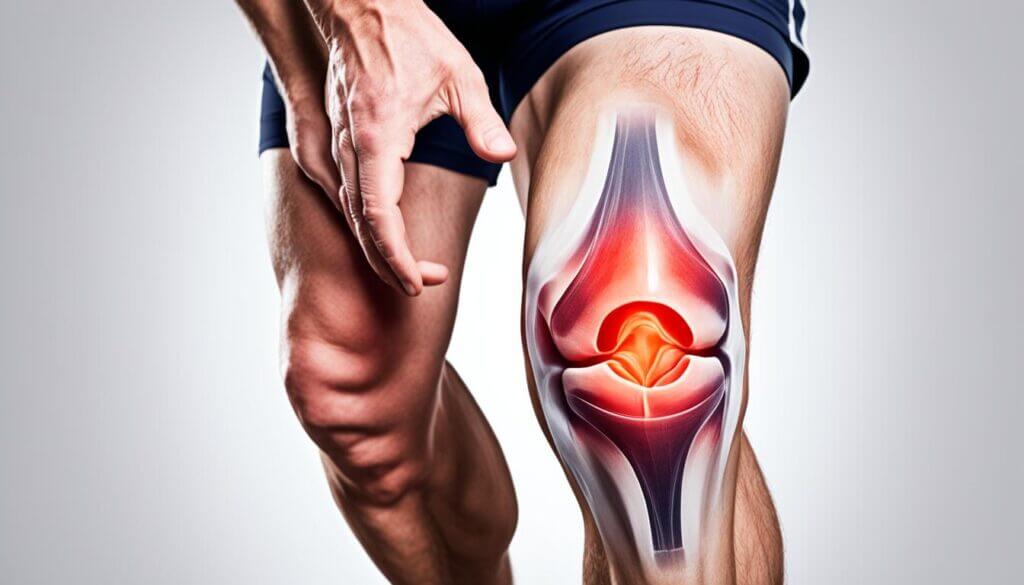
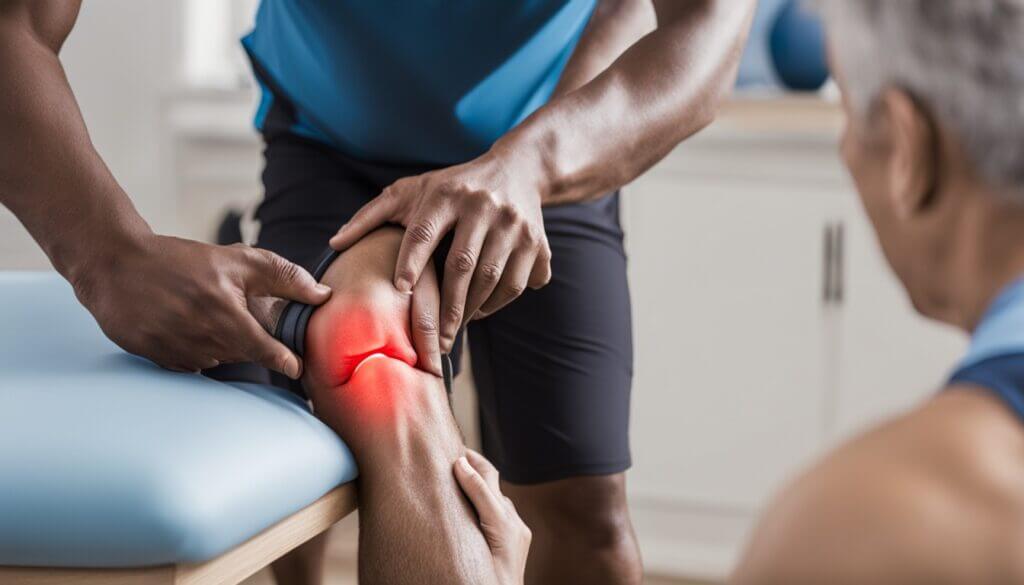
    ![Knee with Joint Line Swelling] Image suggestion: A photograph showing a side-by-side comparison of a normal knee and one with visible joint line swelling characteristic of a meniscus tear. The image should highlight the subtle fullness along the joint line that indicates potential meniscus involvement.

    This localized swelling creates a visible change in the normal contour of the knee. When comparing to the uninjured knee, you may notice that the natural depressions or dimples that normally exist around the knee joint appear filled in or puffier on the injured side.

    Changes in Knee Contour

    A healthy knee has a certain shape and profile with visible landmarks like the patella (kneecap) and the natural depressions around it. With a torn meniscus, these contours often change in subtle but noticeable ways:

    • The joint line (where the thigh bone meets the shin bone) may appear fuller or more rounded
    • The normal hollow areas on either side of the kneecap might appear filled in
    • The overall symmetry of the knee compared to the uninjured side is disrupted

    In my practice, I often ask patients to compare both knees while standing in front of a mirror – the differences in contour can sometimes be quite apparent even to untrained eyes.

    Visual Differences Based on Tear Type

    Different types of meniscus tears can present with varying external appearances:

    [GRAPHIC: Types of Meniscus Tears and Their External Appearance] Graphic suggestion: An informative chart showing different types of meniscus tears (bucket handle, flap, radial, horizontal, degenerative) with corresponding illustrations of how each might affect the external appearance of the knee. Include brief bullet points of key visual indicators for each type.

    Bucket Handle Tears: The Locked Knee Appearance

    One of the most visually distinctive meniscus injuries is the bucket handle tear, where a large portion of the meniscus displaces into the joint. When this happens, the knee may become “locked,” unable to fully extend. From the outside, you might observe:

    • The knee stuck in a slightly bent position, typically at about 15-30 degrees of flexion
    • An inability to straighten the leg completely
    • The quadriceps muscle appearing more tense on the affected side
    • A noticeable difference in leg alignment when standing (if able to bear weight)

    This locked position creates a very visible asymmetry between the legs that even untrained observers can often notice.

    Degenerative Tears: Subtle Progressive Changes

    Unlike traumatic tears that happen suddenly, degenerative meniscus tears develop gradually over time, usually in older adults. The external signs tend to be more subtle:

    • Mild, intermittent swelling that comes and goes with activity
    • Gradual changes in knee contour over weeks or months
    • Less dramatic joint line fullness
    • Occasional visible fluid accumulation after increased activity

    These tears may not present with obvious external changes until they’ve progressed significantly, making them easier to miss by simply observing from the outside.

    Functional Visual Signs in Daily Activities

    Sometimes the most telling external signs of a meniscus tear appear during movement rather than at rest. As you observe someone with a suspected meniscus tear, you might notice:

    ![Person Demonstrating Difficulty with Stairs] Image suggestion: A photograph showing someone with a meniscus tear navigating stairs with visible compensatory movements, such as leading with the unaffected leg when descending or using a handrail for additional support.

    Gait Changes

    • A hesitation or shortened stance phase on the affected leg
    • Reduced knee flexion during the swing phase of walking
    • A tendency to rotate the foot outward on the affected side to reduce pressure on the torn meniscus
    • Subtle limping, especially after sitting for prolonged periods

    Difficulty with Specific Movements

    Certain activities can make torn meniscus symptoms visibly apparent:

    • Struggle to fully squat down (you might see the person compensate by shifting weight to the unaffected side)
    • Difficulty with stair climbing, especially descending stairs
    • Visible hesitation when transitioning from sitting to standing
    • Tendency to keep the knee slightly bent when standing still

    During my years as a physical therapist, I’ve observed that many patients unconsciously develop these movement adaptations to avoid pain, creating visible patterns that help indicate the presence of a meniscus injury.

    Comparing with Other Knee Injuries

    It can be challenging to differentiate a meniscus tear from other knee injuries based solely on external appearance. Here are some distinguishing features:

    Meniscus Tear vs. ACL Tear

    Meniscus Tear:

    • More localized swelling, often along the joint line
    • Swelling develops more gradually (24-48 hours)
    • May have specific positions where the knee catches or locks
    • Often can still bear weight, though with pain

    ACL Tear:

    • More diffuse, general knee swelling
    • Rapid swelling development (within hours)
    • Less likely to have mechanical locking
    • Often more difficulty with weight bearing initially

    Meniscus Tear vs. MCL Injury

    Meniscus Tear:

    • Swelling concentrated around the joint line
    • Rarely shows visible bruising
    • May demonstrate mechanical symptoms like locking or catching

    MCL Injury:

    • Swelling and potential bruising along the inner side of the knee
    • Sometimes visible laxity with valgus (inward) stress
    • Pain more concentrated along the ligament rather than the joint line

    Visible Changes Over Time

    The external appearance of a meniscus tear evolves over time:

    ![Timeline of Meniscus Tear Appearance] Image suggestion: A series of photographs showing the progression of how a knee with a meniscus tear appears at different stages – acute phase (1-3 days post-injury), subacute phase (1-3 weeks), and chronic phase (1+ months), highlighting how swelling patterns and visual indicators change.

    Acute Phase (First Few Days)

    • Initial swelling development
    • Possible slight redness or warmth
    • Protective posturing of the leg

    Subacute Phase (Days to Weeks)

    • Peak swelling that gradually subsides
    • Development of muscle guarding patterns
    • Compensatory movement patterns become more established

    Chronic Phase (Weeks to Months)

    • Possible visual signs of quadriceps atrophy (muscle wasting)
    • Established movement compensations
    • Periodic episodes of increased swelling with certain activities
    • Joint line changes that become more permanent

    In my practice, I’ve observed that untreated meniscus tears often lead to visible quadriceps atrophy (muscle shrinking) on the affected side after several weeks. This creates an asymmetrical appearance when comparing both legs, with the thigh of the injured leg appearing slightly smaller or flatter.

    Documentation for Medical Visits

    If you suspect a meniscus tear and plan to see a healthcare provider, documenting the external appearance can be helpful:

    • Take photos of both knees from the front, side, and above for comparison
    • Record a video of your walking pattern
    • Note when swelling increases or decreases
    • Document which activities produce visible changes in your knee

    These visual records can help your healthcare provider make a more accurate assessment and track changes over time.

    When the Outside Doesn’t Tell the Full Story

    It’s crucial to understand that not all meniscus tears have obvious external signs. In fact, many smaller tears or those in less vascularized regions of the meniscus might show minimal external changes while still causing significant internal disruption and pain.

    Some patients with severe tears show surprisingly little external evidence, while others with minor tears may develop significant swelling and visible changes. This variability is why professional diagnosis that includes imaging (usually MRI) is essential for confirming a torn meniscus.

    Red Flag Visual Signs Requiring Immediate Attention

    While most meniscus tears don’t constitute medical emergencies, certain visual signs warrant immediate medical attention:

    • Severe deformity of the knee
    • Inability to bear any weight on the affected leg
    • Dramatic swelling that develops very rapidly (within an hour or two)
    • Visible bruising that spreads quickly
    • Redness and warmth accompanied by fever (could indicate infection)

    These signs might indicate a more serious injury or complication beyond a simple meniscus tear.

    Non-Surgical Management and Healing Signs

    With proper treatment, the external appearance of a knee with a meniscus tear should gradually normalize. Positive visual signs of healing include:

    • Reduction in swelling with joint line contours returning to normal
    • Restoration of symmetrical appearance compared to the uninjured knee
    • Improved gait pattern with less visible compensation
    • Return of normal muscle definition as protective guarding subsides
    • Ability to perform movements like squatting with more normal appearance

    Physical therapy plays a crucial role in this normalization process. Through targeted exercises, manual techniques, and modalities, we work to reduce swelling, restore normal movement patterns, and strengthen supporting muscles. Many of my patients are surprised at how much better their knee looks from the outside after completing a rehabilitation program, even without surgical intervention.

    Post-Surgical Appearance

    If surgical intervention is required, the external appearance will naturally change during recovery:

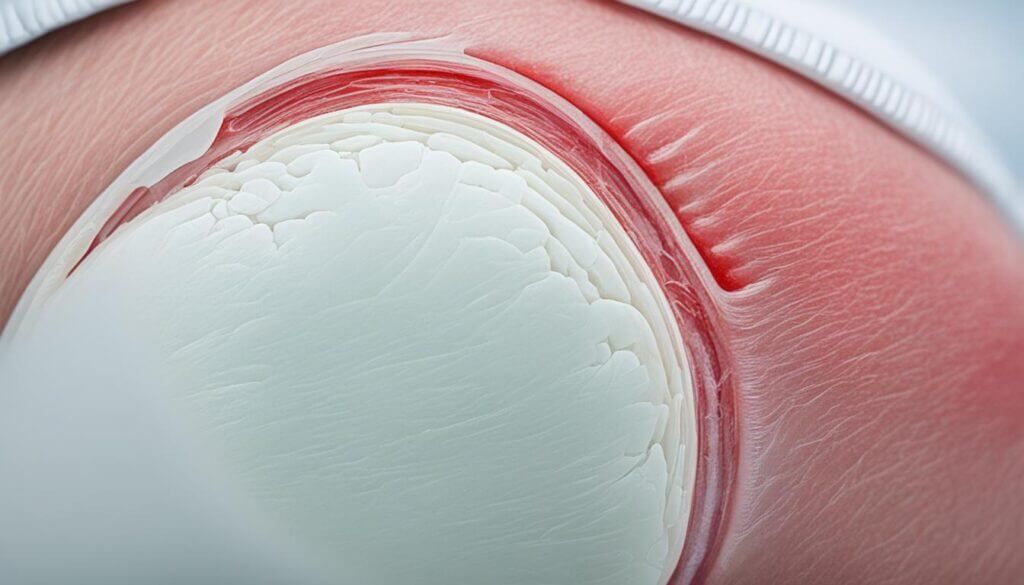
    ![Post-Arthroscopic Knee] Image suggestion: A photograph showing a knee shortly after arthroscopic meniscus repair, with small portal incisions visible, to help patients understand what to expect after surgical intervention. Include the typical placement of the 2-3 small incisions.

    • Initial surgical dressings and bandages
    • Temporary increase in swelling post-procedure
    • Small arthroscopic portal scars (typically 2-3 small incisions)
    • Gradual return to normal contours as rehabilitation progresses

    Most arthroscopic meniscus procedures result in minimal long-term changes to the external appearance of the knee. The small surgical scars typically fade significantly within a year.

    Conclusion: The Importance of Professional Assessment

    While recognizing the external signs of a meniscus tear can help alert you to a potential problem, these visual cues should never replace professional medical evaluation. The outside appearance provides just one set of clues in the diagnostic puzzle.

    In my three decades as a physical therapist, I’ve learned that combining careful observation of external signs with a thorough clinical examination and appropriate imaging is the most reliable approach to diagnosing meniscus injuries. If you notice any of the signs we’ve discussed, I encourage you to seek professional medical advice for proper diagnosis and treatment.

    Remember that early intervention for meniscus tears often leads to better outcomes, so don’t delay seeking care if you suspect this injury. With proper treatment, most patients can return to pain-free movement with little to no lasting visible changes to their knee.
  • Smartwatch Tracking for Knee Pain Triggers: Your Complete Guide to Data-Driven Pain Management

    Smartwatch Tracking for Knee Pain Triggers: Your Complete Guide to Data-Driven Pain Management

    Table of Contents

    1. Introduction
    2. Understanding Knee Pain Triggers
    3. How Smartwatch Technology Monitors Knee Pain
    4. Top Smartwatches for Knee Pain Tracking
    5. Essential Apps for Knee Pain Tracking
    6. Setting Up Your Smartwatch for Optimal Tracking
    7. Interpreting Your Data: From Numbers to Insights
    8. Advanced Features and Future Possibilities
    9. Real-World Success Stories
    10. Expert Tips and Best Practices
    11. Frequently Asked Questions
    12. Conclusion

    Introduction

    Your smartwatch might be the key to solving your chronic knee pain mystery. While traditional pain management often relies on guesswork and memory-based tracking, modern smartwatch tracking for knee pain triggers offers a revolutionary approach to understanding and managing your discomfort through objective, real-time data collection.

    Consider these compelling statistics: 70% of smartphone users actively track health data, yet knee pain affects 25% of adults daily. The troubling reality? Only 15% of people with chronic knee pain effectively identify their specific triggers. This gap between data availability and actionable insights represents a massive opportunity for those willing to embrace wearable technology knee pain solutions.

    Smartwatch tracking for knee pain triggers transforms pain management from reactive to proactive. Instead of wondering why your knee hurts today, you can identify patterns, predict flare-ups, and make informed decisions about activities, treatments, and lifestyle modifications. This comprehensive guide reveals how to harness the power of digital health monitoring to take control of your knee pain journey.

    By the end of this article, you’ll understand how to select the right device, configure essential tracking features, and interpret your data to achieve meaningful pain reduction. Whether you’re dealing with arthritis, sports injuries, or unexplained knee discomfort, the combination of modern technology and strategic tracking can provide the insights you need for better outcomes.

    [Image 1: Hero image showing person wearing smartwatch while experiencing knee pain, with data visualization overlay]
    image showing person wearing smartwatch while experiencing knee pain, with data visualization overlay

    Understanding Knee Pain Triggers

    Common Knee Pain Triggers

    Knee pain rarely occurs in isolation. Understanding the complex web of triggers that contribute to your discomfort is crucial for effective management. The most common triggers include weather changes and barometric pressure fluctuations, which affect up to 70% of people with arthritis. Physical activity levels and intensity create another significant category, where both overuse and underuse can contribute to pain patterns.

    Sleep quality and duration play often-overlooked roles in pain perception and inflammation. Poor sleep increases inflammatory markers and reduces pain tolerance, creating a cycle where pain disrupts sleep, and poor sleep amplifies pain. Stress and emotional factors similarly impact pain through cortisol release and muscle tension patterns that affect knee joint mechanics.

    Dietary inflammation triggers, including processed foods, excess sugar, and individual sensitivities, can increase systemic inflammation that manifests as joint pain. Finally, sedentary periods and poor posture create muscle imbalances and joint stiffness that contribute to knee discomfort.

    Why Traditional Tracking Fails

    Traditional pain tracking methods suffer from significant limitations that smartwatch tracking for knee pain triggers addresses. Memory bias represents the most significant challenge, as people tend to remember pain episodes inaccurately, often focusing on the most recent or severe experiences while forgetting gradual changes or mild episodes.

    Inconsistent data collection occurs when manual tracking becomes burdensome, leading to gaps in information precisely when insights matter most. Traditional methods also miss environmental factors like weather patterns, air quality, or barometric pressure changes that significantly impact joint pain but aren’t consciously noticed.

    Delayed symptom recognition means that by the time pain becomes noticeable enough to record, the underlying triggers may have occurred hours or days earlier, making correlation difficult or impossible.

    The Digital Health Revolution

    Modern digital health monitoring addresses these limitations through continuous, objective data collection that captures subtle changes before they become conscious symptoms. Real-time monitoring capabilities provide unprecedented insights into the relationship between daily activities, environmental factors, and pain patterns.

    Artificial intelligence and machine learning algorithms can identify patterns that human observation might miss, while integration with healthcare systems allows for more informed medical consultations and treatment adjustments.

    [Image 2: Split-screen comparison showing traditional pain diary vs. smartwatch data dashboard]
    Split-screen comparison showing traditional pain diary vs. smartwatch data dashboard

    How Smartwatch Technology Monitors Knee Pain

    Key Sensors and Metrics

    Modern smartwatches employ sophisticated sensor arrays that provide comprehensive health monitoring capabilities relevant to knee pain tracking app integration. Heart Rate Variability (HRV) monitoring offers insights into stress response, sleep quality, and recovery metrics that directly correlate with pain perception and inflammatory processes.

    Accelerometer and gyroscope sensors track movement patterns, gait analysis, and activity intensity with remarkable precision. These sensors can detect subtle changes in walking patterns that might indicate increased pain or compensation behaviors before you consciously notice them. The data reveals whether you’re favoring one leg, altering your stride length, or reducing activity levels in response to discomfort.

    Barometric pressure sensors, available in higher-end models, directly monitor atmospheric pressure changes that many people with joint pain report as triggers. This objective measurement eliminates guesswork about weather-related pain patterns and provides advance warning of potential flare-ups.

    Sleep tracking capabilities monitor deep sleep duration, REM cycle quality, and sleep fragmentation patterns. Since sleep quality directly impacts pain perception and healing processes, this data proves invaluable for comprehensive pain management strategies.

    Advanced Features for Pain Monitoring

    Modern smartwatch health monitoring extends beyond basic metrics to include custom pain scale logging, medication reminder integration, and symptom correlation algorithms. These features transform your device from a simple activity tracker into a comprehensive pain management tool.

    Predictive analytics capabilities use machine learning to identify patterns in your historical data, potentially alerting you to conditions that typically precede pain episodes. This proactive approach allows for preventive interventions rather than reactive treatments.

    Data Collection Methods

    Effective smartwatch tracking for knee pain triggers balances passive monitoring with active logging. Passive monitoring captures objective metrics like heart rate, activity levels, and sleep patterns without requiring conscious input. Active logging involves deliberately recording pain levels, symptoms, and relevant activities or treatments.

    The frequency of data capture varies by metric, with heart rate monitored continuously, sleep tracked nightly, and activity measured throughout the day. Battery life considerations require balancing monitoring frequency with device usability, though most modern devices easily support comprehensive health tracking for 1-2 days between charges.

    Data storage and privacy represent critical considerations, with most devices offering both local storage and cloud synchronization options. Understanding how your health data is stored, shared, and protected ensures you maintain control over sensitive information.

     Smartwatches Track Knee Pain Triggers
    Smartwatches Track Knee Pain Triggers

    Top Smartwatches for Knee Pain Tracking

    Comprehensive Feature Comparison
    Smartwatch Comparison Table

    FeatureApple Watch Series 9Samsung Galaxy Watch 6Fitbit Sense 2Garmin Venu 3Amazfit GTR 4
    Price Range$399–$799$299–$429$249–$299$449–$499$199–$249
    Battery Life18–36 hours24–40 hours6+ days14 days14 days
    Heart Rate Monitoring✅ Advanced✅ Advanced✅ Basic✅ Advanced✅ Basic
    Sleep Tracking✅ Detailed✅ Comprehensive✅ Excellent✅ Advanced✅ Good
    Activity Tracking✅ 100+ workouts✅ 90+ workouts✅ 40+ modes✅ 30+ sports✅ 150+ modes
    Health Apps✅ Extensive✅ Samsung Health✅ Fitbit Premium✅ Garmin Connect✅ Zepp App
    Pain Tracking✅ Third-party apps✅ Limited native✅ Mood/symptom✅ Health snapshot✅ Basic logging
    Weather Integration✅ Detailed✅ Basic✅ Basic✅ Advanced✅ Basic
    Smartphone Integration✅ iPhone optimal✅ Android optimal✅ Cross-platform✅ Cross-platform✅ Cross-platform
    Medical Integration✅ HealthKit✅ Samsung Health✅ Google Fit✅ Multiple platforms✅ Limited
    Best ForiOS users, comprehensive trackingAndroid users, balanced featuresBudget-conscious, sleep focusAthletes, long batteryBudget option, basic tracking

    Detailed Reviews

    Apple Watch Series 9 stands out as the best overall choice for smartwatch tracking for knee pain triggers. Its native health app integration provides seamless data synchronization with iPhone health records, while ECG and blood oxygen monitoring offer additional health insights. The extensive ecosystem of third-party pain tracking apps makes it exceptionally versatile for customized monitoring approaches.

    Samsung Galaxy Watch 6 excels as the premier Android option, featuring advanced sleep coaching capabilities and body composition analysis. The Samsung Health ecosystem provides comprehensive wellness tracking, while the device’s balanced features make it suitable for both casual users and fitness enthusiasts.

    Fitbit Sense 2 represents the best choice for beginners, offering exceptional stress management tools and industry-leading sleep tracking. The simple interface reduces the learning curve, while the impressive battery life ensures consistent monitoring without frequent charging interruptions.

    Garmin Venu 3 targets athletes and active individuals with advanced training metrics and recovery advisor features. The detailed health insights and excellent battery life make it ideal for users who prioritize comprehensive fitness and wellness monitoring.

    Amazfit GTR 4 provides the best budget option, featuring 150+ sport modes and remarkable 14-day battery life. While offering fewer advanced features than premium alternatives, it delivers solid basic health monitoring at an accessible price point.

    [Image 3: Side-by-side product photos of top 5 recommended smartwatches with key features highlighted]


    Essential Apps for Knee Pain Tracking

    Dedicated Pain Tracking Apps

    PainScale offers comprehensive pain logging with trigger identification, doctor report generation, and medication tracking. The app’s strength lies in its detailed symptom documentation and correlation analysis, making it excellent for medical consultations and treatment optimization.

    ArthritisPower provides arthritis-specific tracking with research participation opportunities and community support features. Users can contribute to clinical research while accessing evidence-based management strategies and connecting with others facing similar challenges.

    My Pain Diary excels in detailed symptom logging with photo documentation capabilities, weather correlation, and robust export options. The app’s flexibility allows for customized tracking approaches that adapt to individual needs and preferences.

    Integrated Health Platforms

    Apple Health serves as a centralized data hub for iOS users, offering medical record integration, research app connectivity, and comprehensive privacy controls. The platform’s strength lies in its ability to aggregate data from multiple sources into coherent health insights.

    Samsung Health provides Android users with activity and sleep tracking, stress monitoring, nutrition logging, and social features. The platform’s integration with Samsung devices creates a seamless ecosystem for comprehensive wellness management.

    Google Fit offers cross-platform compatibility with activity goal setting, third-party app integration, and a simple interface that appeals to users seeking straightforward health tracking without complexity.

    Specialized Wellness Apps

    Headspace and Calm provide stress reduction techniques, sleep improvement programs, and pain management meditation that complement physical tracking with mental wellness strategies. These apps recognize the psychological components of chronic pain and offer evidence-based interventions for comprehensive management.

    [Image 4: Smartphone screen showing multiple pain tracking apps with smartwatch companion displays]
    Smartphone screen showing multiple pain tracking apps with smartwatch companion displays

    Setting Up Your Smartwatch for Optimal Tracking

    Initial Configuration

    Proper device setup forms the foundation of effective smartwatch tracking for knee pain triggers. Begin with account creation and device pairing, ensuring stable connectivity between your smartwatch and smartphone. Configure health permissions carefully, enabling access to relevant health data while maintaining privacy preferences.

    Establish data sharing preferences based on your comfort level and healthcare needs. Some users prefer local storage only, while others benefit from cloud synchronization for backup and cross-device access. Configure backup settings to prevent data loss and ensure continuity of your tracking efforts.

    Creating Your Pain Tracking System

    Develop a consistent daily logging routine that includes morning pain assessment, activity level documentation, evening symptom review, and medication adherence tracking. Consistency proves more valuable than perfection, so establish sustainable habits rather than overly ambitious tracking protocols.

    Integrate environmental factor monitoring by connecting weather apps, enabling location-based triggers, and utilizing barometric pressure monitoring where available. Consider air quality factors if you live in areas with pollution concerns that might influence inflammatory responses.

    Data Optimization Strategies

    Maximize tracking accuracy through proper device positioning, regular calibration, consistent wearing habits, and effective battery management. Wear your device consistently on the same wrist, ensure proper fit without excessive tightness, and establish charging routines that minimize data gaps.

    Implement weekly data review sessions to identify patterns, conduct correlation analysis, and prepare summaries for healthcare providers. Regular review transforms raw data into actionable insights that guide treatment decisions and lifestyle modifications.

    • Device unboxing and initial setup
    • App installation and configuration
    • Health permissions walkthrough
    • First-week tracking demonstration
    • Data interpretation basics

    Interpreting Your Data: From Numbers to Insights

    Key Metrics to Monitor

    Activity Patterns reveal crucial correlations between step count and pain levels, exercise intensity thresholds, recovery time requirements, and movement quality indicators. Look for patterns where increased activity correlates with next-day pain increases, or where specific activity types consistently trigger symptoms.

    Sleep Quality Indicators including deep sleep percentage, sleep efficiency scores, awakening frequency, and sleep debt accumulation provide insights into recovery processes and pain perception. Poor sleep often precedes increased pain sensitivity, while quality sleep supports healing and pain tolerance.

    Stress and Recovery Metrics such as heart rate variability trends, resting heart rate changes, and stress score correlations offer objective measures of your body’s response to daily stressors and recovery status. Elevated stress often correlates with increased pain sensitivity and delayed healing.

    Identifying Trigger Patterns

    Environmental Correlations help identify weather pattern impacts, seasonal variation effects, humidity and pressure influences, and temperature sensitivity patterns. Many users discover that dropping barometric pressure precedes pain flares by 24-48 hours, allowing for proactive management strategies.

    Lifestyle Factor Analysis examines diet and inflammation markers, hydration level impacts, medication timing effects, and social activity influences. These factors often interact in complex ways, with stress, poor sleep, and dietary choices creating cumulative effects on pain levels.

    Creating Actionable Plans

    Transform data insights into preventive strategies by establishing early warning systems, developing proactive intervention protocols, creating activity modification guidelines, and implementing stress management techniques. The goal is shifting from reactive pain management to proactive prevention based on your personal trigger patterns.

    Treatment optimization uses data to guide medication timing adjustments, exercise prescription refinement, sleep hygiene improvements, and lifestyle modification priorities. Work with healthcare providers to adjust treatments based on objective data rather than subjective reports alone.

    [Image 5: Dashboard screenshot showing comprehensive pain tracking data with highlighted patterns and insights]
    Dashboard screenshot showing comprehensive pain tracking data with highlighted patterns and insights

    Advanced Features and Future Possibilities

    Artificial Intelligence Integration

    The future of smartwatch tracking for knee pain triggers lies in sophisticated AI integration that provides machine learning pattern recognition, predictive pain episode forecasting, personalized recommendation engines, and automated healthcare alerts. These systems learn from your individual patterns to provide increasingly accurate predictions and recommendations.

    Integration with Healthcare Systems

    Emerging capabilities include electronic health record synchronization, telemedicine platform connectivity, clinical decision support tools, and research data contribution. These integrations transform personal tracking data into valuable medical information that enhances clinical care quality.

    Emerging Technologies

    Next-generation wearables will incorporate advanced sensor development, continuous glucose monitoring integration, blood pressure monitoring capabilities, and inflammation biomarker detection. These technologies promise even more comprehensive health monitoring and pain management insights.

    Community and Social Features

    Future platforms will emphasize peer support networks, anonymous data sharing for research, community-driven insights, and gamification elements that encourage consistent tracking and healthy behaviors.

    [Image 6: Futuristic concept image showing advanced smartwatch features and AI-powered health insights]
    Futuristic concept image showing advanced smartwatch features and AI-powered health insights

    Real-World Success Stories

    Case Study: Marathon Runner

    Sarah, a 34-year-old recreational marathoner, experienced chronic knee pain that threatened her running career. Traditional approaches failed to identify clear triggers until she implemented smartwatch tracking for knee pain triggers. Her data revealed that pain episodes consistently followed training sessions exceeding 75% maximum heart rate for more than 45 minutes.

    By adjusting her training intensity and incorporating longer recovery periods, Sarah achieved a 40% reduction in pain episodes within eight weeks. The key insight: recovery time optimization proved more crucial than absolute training intensity for injury prevention.

    Case Study: Office Worker

    Michael, a 42-year-old software developer, struggled with desk job-related knee stiffness and occasional pain. His smartwatch data revealed that sedentary periods exceeding 90 minutes consistently preceded stiffness episodes. Implementing activity reminders and movement tracking led to improved mobility through regular movement breaks every hour.

    The transformation was remarkable: by simply standing and walking for 2-3 minutes every hour, Michael eliminated 80% of his work-related knee discomfort within one month.

    Case Study: Arthritis Patient

    Linda, a 58-year-old with osteoarthritis, experienced unpredictable pain flare-ups that disrupted her daily activities. Through comprehensive wearable technology knee pain monitoring, she discovered that dropping barometric pressure preceded pain increases by 24-48 hours with 85% accuracy.

    This insight allowed Linda to implement proactive strategies including anti-inflammatory medications, gentle exercise, and stress management techniques before pain episodes occurred, resulting in a 60% reduction in surprise pain flares.

    [Image 7: Before/after comparison charts showing pain reduction and improvement metrics for each case study]
    Before/after comparison charts showing pain reduction and improvement metrics for each case study

    Expert Tips and Best Practices

    Maximizing Tracking Accuracy

    Maintain consistent wearing schedules to ensure comprehensive data collection. Establish regular device calibration routines, ensure proper fit and positioning, and implement effective battery management strategies. Consistency in tracking habits proves more valuable than perfect execution.

    Data Interpretation Guidelines

    Focus on trends over daily fluctuations, as individual data points can be misleading. Consider multiple factor correlations rather than single-cause explanations. Maintain realistic expectations about timeline for pattern identification, typically requiring 2-4 weeks of consistent data collection.

    Healthcare Provider Collaboration

    Prepare relevant data summaries for medical appointments, focusing on clear trends and correlations rather than overwhelming providers with raw data. Discuss treatment modifications based on objective findings, and consider participating in research studies that might benefit from your tracking data.

    Privacy and Security Considerations

    Understand data sharing policies thoroughly, control information access according to your comfort level, protect sensitive health information through strong passwords and secure connections, and conduct regular privacy setting reviews to ensure continued protection.


    Frequently Asked Questions

    Q: How accurate is smartwatch tracking for knee pain? A: Smartwatches excel at tracking objective metrics like activity levels, sleep patterns, and heart rate variability, but pain assessment requires subjective input for complete accuracy. The combination of objective data and subjective reporting provides the most comprehensive insights.

    Q: Can smartwatch data replace medical consultations? A: Absolutely not. Smartwatch tracking for knee pain triggers supplements professional medical care but never replaces it. The data should inform discussions with healthcare providers and support treatment decisions, not substitute for professional medical advice.

    Q: How long before I see meaningful patterns in my data? A: Most users begin identifying meaningful patterns within 2-4 weeks of consistent tracking. However, complex correlations and subtle patterns may take 6-8 weeks to become apparent, particularly for multifactorial conditions.

    Q: Are there privacy concerns with health data tracking? A: Yes, health data privacy requires careful consideration. Review privacy policies thoroughly, adjust sharing settings according to your comfort level, and understand how companies use, store, and protect your information.

    Q: What’s the best smartwatch for knee pain tracking? A: The Apple Watch Series 9 offers the most comprehensive features for iOS users, while the Samsung Galaxy Watch 6 provides excellent capabilities for Android users. The best choice depends on your specific needs, budget, and smartphone ecosystem.


    Conclusion

    Smartwatch tracking for knee pain triggers represents a paradigm shift in pain management, transforming reactive approaches into proactive, data-driven strategies. The combination of objective monitoring, pattern recognition, and predictive insights empowers individuals to take control of their pain management journey like never before.

    The key benefits include objective data collection that eliminates memory bias, pattern identification that reveals previously hidden triggers, improved healthcare provider communication through concrete data, and the transition from reactive to proactive pain management strategies.

    Your journey toward better pain management begins with selecting the appropriate device based on your needs and budget, downloading recommended pain tracking apps, establishing consistent tracking routines, and scheduling follow-up consultations with healthcare providers to discuss your findings.

    The technology exists today to revolutionize your approach to knee pain management. The question isn’t whether wearable technology knee pain solutions can help, but whether you’re ready to embrace a data-driven approach to reclaiming your mobility and quality of life.

    Start your smartwatch tracking for knee pain triggers journey today. Your data-driven path to better pain management begins with a single step – and your smartwatch can track every one of them.

    Take action now: research the smartwatch options that best fit your needs, download a pain tracking app, and begin collecting the data that will transform your understanding of your knee pain. Your future self will thank you for taking this important step toward better health and improved quality of life.


    Disclaimer: This content is for educational purposes only and should not replace professional medical advice. Always consult with healthcare providers before making changes to your treatment plan based on tracking data.

  • Knee pain from office chair height

    Knee pain from office chair height

    Millions of office workers spend their days sitting at desks, often unaware of the strain their chair height is putting on their knees. Knee pain is a common complaint among those who spend long hours at the office, and it’s not just about being sedentary.

    The height of your office chair plays a crucial role in maintaining proper posture and preventing discomfort. When your chair is not adjusted correctly, it can lead to pain and discomfort in your knees. So, how can you avoid this issue?

    We will explore the causes of knee pain related to office seating and provide comprehensive solutions to alleviate and prevent it.

    Key Takeaways

    • Proper chair height adjustment is crucial for preventing knee pain.
    • Poor posture and extended sitting periods contribute to discomfort.
    • Ergonomic adjustments can significantly reduce knee strain.
    • Exercises and professional treatment options are available for relief.
    • Most chair-related knee pain is preventable with proper knowledge and workplace setup.

    Understanding the Connection Between Chair Height and Knee Pain

    The height of your office chair can significantly impact your knee health. When you’re inactive for an extended period, you may experience knee pain. Sitting for a certain length of time can cause your muscles and tendons to stiffen, leading to discomfort.

    How Improper Chair Height Affects Your Knees

    Improper chair height can lead to knee pain by putting unnecessary pressure on the knee joint. When your chair is too high or too low, it can cause your knees to bend at an awkward angle, straining the surrounding muscles and ligaments. This strain can result in discomfort and pain, particularly after prolonged sitting.

    • Prolonged sitting in a chair that’s too high can cause pressure on the thighs and knees.
    • Sitting too low can lead to excessive knee flexion, straining the knee joint.
    • Static positioning can lead to muscle stiffness and increased pressure on the knee joint.

    The Anatomy of Knee Stress While Sitting

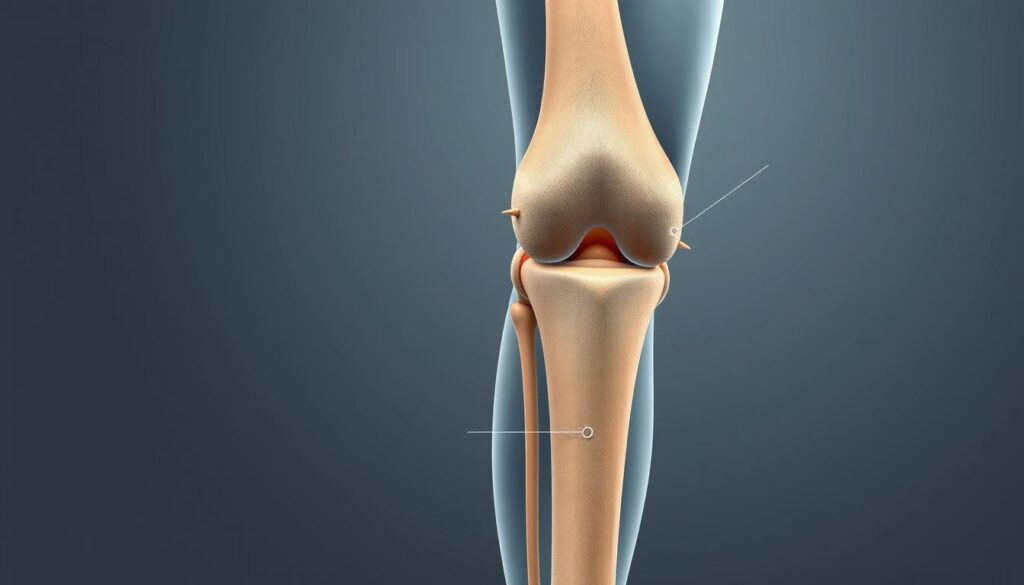
    The knee joint is a complex structure involving the patella, femur, tibia, ligaments, and surrounding muscles. Prolonged sitting affects each of these components, particularly by reducing the natural lubrication provided by synovial fluid. This reduction can lead to increased friction and wear on the joint, contributing to pain and discomfort.

    For more information on ergonomic setups that can help alleviate knee pain, you can visit our guide on ergonomic setups for knee pain relief.

    Common Causes of Knee Pain from Office Chair Height

    Office chair height can significantly impact knee health, leading to pain and discomfort. The way we sit at our desks can either alleviate or exacerbate knee issues, depending on whether our chair height is appropriate for our body.

    Sitting Too Low: Excessive Knee Flexion

    Sitting too low in an office chair can cause the knees to flex more than they should, leading to strain on the knee joint. Excessive knee flexion can result in discomfort and pain over time. When the knees are bent at a sharp angle, it can reduce blood flow and cause stiffness.

    According to health experts, maintaining a knee angle between 90 to 120 degrees is ideal for minimizing strain.

    Sitting Too High: Pressure on Thighs and Knees

    On the other hand, sitting too high can also cause knee pain by putting pressure on the thighs and knees. When the chair is too high, it can cause the legs to be positioned in a way that puts additional stress on the knee joint. This can lead to discomfort and pain, particularly in the front of the knee.

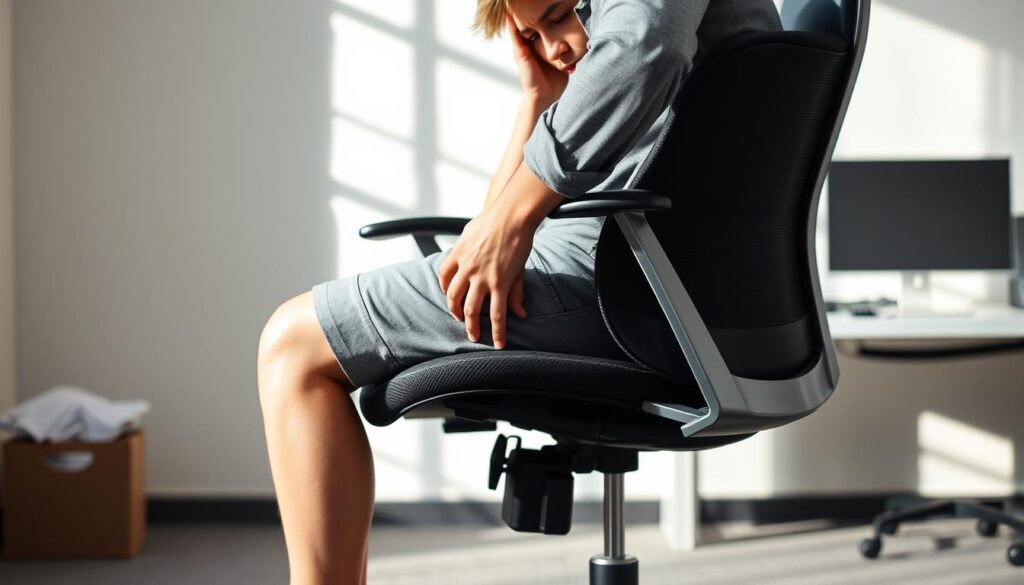
    A person sitting in an office chair, with a pained expression on their face, rubbing their knee. The chair is positioned too high, causing the person's legs to dangle uncomfortably. The lighting is soft and natural, casting subtle shadows that accentuate the discomfort. The background is a neutral, office-like setting, with a desk and computer visible in the distance, emphasizing the work-related nature of the knee pain. The overall mood is one of discomfort and the need for ergonomic adjustments to alleviate the strain on the joints.

    Prolonged Sitting Without Breaks

    Prolonged sitting without taking breaks is another significant factor that contributes to knee pain, regardless of the chair height.

    “Sitting for more than 6 to 8 hours a day is potentially bad for you. If you must be seated for long periods, move around and stretch every 30 to 60 minutes.”

    Harvard Medical School

    It’s recommended to incorporate movement into your daily routine to mitigate the negative effects of prolonged sitting.

    Static positioning during extended periods of sitting reduces circulation and joint lubrication, leading to stiffness and discomfort. Lack of movement affects muscle tone and joint stability around the knee, potentially leading to pain when standing after prolonged sitting.

    Cause Effect
    Sitting too low Excessive knee flexion, strain on knee joint
    Sitting too high Pressure on thighs and knees
    Prolonged sitting without breaks Reduced circulation, joint stiffness, discomfort

    Even with the perfect chair height, sitting for long periods without breaks can lead to knee pain. Incorporating movement breaks into a busy workday is crucial. Simple actions like standing up, stretching, or taking a short walk can significantly benefit knee health and overall well-being.

    Identifying Signs Your Chair Height Is Causing Knee Pain

    The height of your office chair can significantly impact your knee health, potentially leading to pain. When your chair is not adjusted properly, it can put unnecessary stress on your knees, leading to discomfort. We will guide you through identifying whether your chair height is the cause of your knee pain.

    Pain Patterns and Symptoms to Watch For

    Knee pain caused by an improperly adjusted chair height often manifests in specific patterns. If you experience knee pain while sitting or when standing up from a seated position, it could be related to your chair height. The discomfort you feel in your knees when sitting could indicate underlying causes, such as arthritis or patellofemoral pain (PFP). Stiffness and pain after periods of inactivity may also suggest osteoarthritis, according to Harvard Medical School.

    Differentiating Chair-Related Pain from Other Knee Conditions

    Distinguishing between knee pain caused by chair height and other knee conditions is crucial. Chair-related pain typically improves with changes to sitting habits. In contrast, medical conditions like osteoarthritis, patellofemoral pain syndrome, and meniscus injuries often require different interventions. The timing, location, and quality of pain provide important diagnostic clues. For instance, if you experience knee pain sitting for long periods or when transitioning from sitting to standing, it may be related to your chair height. However, if the pain persists or is accompanied by other symptoms, it may be necessary to consult a healthcare provider.

    Pre-existing knee conditions can be exacerbated by improper chair height, creating a complex clinical picture. Understanding the factors that influence knee pain, such as age, activity level, and medical history, can help determine the appropriate course of action.

    Ergonomic Solutions for Proper Chair Height

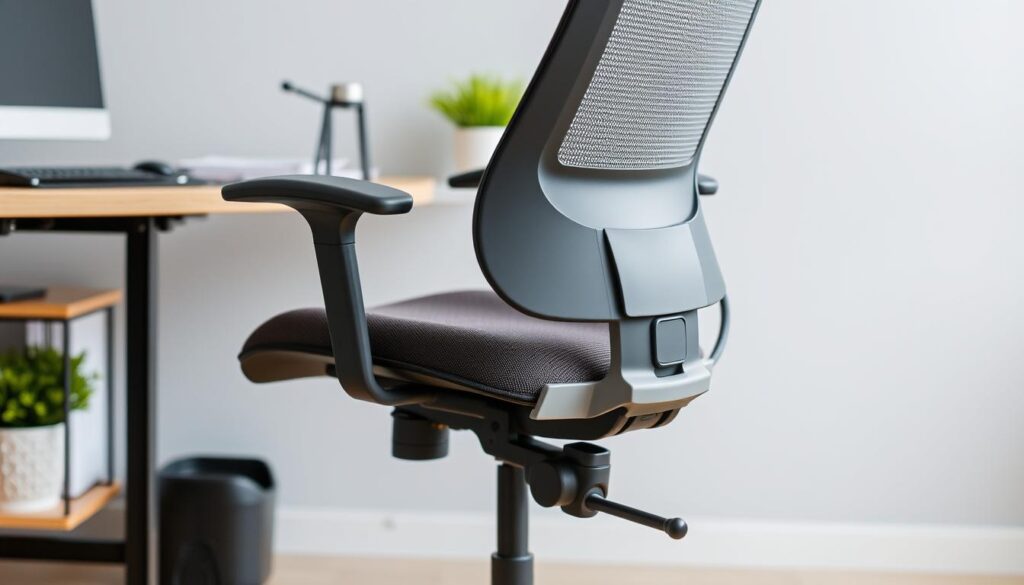
    Ergonomic office chair with adjustable height and lumbar support

    Learn More

    The right chair height is essential for maintaining healthy knees while working. An ergonomic office chair can make a significant difference in reducing knee pain. We recommend selecting a chair that properly supports your spinal curves and adjusting the armrests so your arms can comfortably rest on them with your shoulders relaxed.

    Finding Your Ideal Chair Height

    To find your ideal chair height, sit in the chair with your feet flat on the floor or on a footrest, keeping your knees at or below hip level. Adjust the chair height so that your thighs are parallel to the floor, and your knees are at a 90-degree angle. This position helps to reduce pressure on your knees and promotes good blood circulation.

    Proper Foot Positioning and Support

    Proper foot positioning is crucial for maintaining the correct chair height. Ensure that your feet are flat on the floor or on a footrest, with your knees at or below hip level. This helps to distribute your weight evenly and reduces pressure on your knees. Consider using a footrest if necessary, to achieve the optimal position.

    Recommended Chair Features for Knee Health

    When selecting an ergonomic chair, several features can contribute to knee health and comfort. Key features include:

    • Seat depth adjustment to ensure a gap between the back of your knees and the front of the seat
    • Seat cushioning materials and designs that provide optimal support without creating pressure points
    • Waterfall seat edges to reduce pressure on the posterior thighs and improve circulation
    • Adjustable seat pan tilt to affect weight distribution and knee positioning

    By considering these features and adjusting your chair accordingly, you can significantly reduce the risk of knee pain and promote a healthier working environment.

    Exercises and Stretches to Relieve Knee Pain from Office Chair Height

    Relieving knee pain caused by office chair height involves a combination of exercises, stretches, and regular movement breaks. When you sit for long periods, your knees can become stiff and painful. Incorporating simple exercises and stretches into your daily routine can help alleviate this discomfort.

    Strengthening Exercises for Knee Support

    Strengthening the muscles around your knee can provide better support and reduce pain. Simple exercises like straight leg raises can be done under your desk. To perform this exercise, sit with your legs straight out in front of you, then lift one leg a few inches off the floor and hold for a few seconds before lowering it back down. Repeat this exercise 10-15 times on each leg.

    Stretches to Perform at Your Desk

    Stretching can help improve flexibility and reduce stiffness in your knees. One effective stretch is the seated knee extension. While seated, slowly lift one leg out straight, holding for a few seconds before lowering it back down. Perform this stretch 10 times on each leg. Another beneficial stretch is the knee flexion stretch, where you gently pull your heel towards your buttocks, holding for a few seconds before releasing.

    Movement Breaks to Incorporate Throughout the Day

    Taking regular breaks to stand up and move around can significantly reduce knee pain associated with sitting long. We recommend standing up at least once every 20 to 30 minutes to stretch or take a short walk. Even brief periods of movement can improve circulation and reduce the negative effects of extended periods of sitting.

    By incorporating these exercises, stretches, and movement breaks into your daily routine, you can effectively alleviate knee pain caused by office chair height and improve your overall comfort while working.

    Creating a Knee-Friendly Workspace Beyond Chair Height

    Optimizing your workspace for knee comfort involves a multifaceted approach that goes beyond chair adjustments. To create a knee-friendly workspace, we need to consider various factors that contribute to knee health and overall posture.

    Desk Height and Positioning

    The height and positioning of your desk play a crucial role in maintaining proper posture and reducing knee pain. Ensure your desk is at a comfortable height that allows you to work with your elbows at a 90-degree angle and your monitor at eye level. This will help maintain a neutral spine alignment and reduce strain on your knees.

    Alternative Seating Options

    In addition to traditional office chairs, alternative seating options can help vary your posture and reduce knee stress. Consider using a balance ball or a kneel chair to engage your core and promote good posture. These alternatives can help distribute your weight more evenly and alleviate pressure on your knees.

    Standing Desk Considerations

    Standing desks provide an alternative to prolonged sitting, allowing individuals to change their working position and engage in more dynamic movements throughout the day. When using a standing desk, ensure the surface is at a comfortable height that allows you to work with your elbows at a 90-degree angle. Consider using an anti-fatigue mat to reduce strain on your knees and promote comfort while standing.

    • Adjust the standing desk to the correct height to maintain optimal knee alignment.
    • Use anti-fatigue mats and wear proper footwear to enhance knee comfort.
    • Gradually transition to using a standing desk, starting with recommended standing-to-sitting ratios.

    When to Seek Professional Help for Persistent Knee Pain

    Knowing when to seek medical help for persistent knee pain can significantly impact your recovery. If you’re experiencing knee pain that doesn’t subside, it’s crucial to understand the signs that indicate a need for professional care.

    Red flag symptoms such as severe pain, swelling, or instability may require immediate medical attention. Consulting healthcare providers like primary care physicians, physical therapists, or orthopedists can help determine the cause of your knee pain.

    During a professional evaluation, you can expect diagnostic tests such as physical exams, blood work, or X-rays. Treatment options may range from physical therapy to medication or surgical interventions. Effective communication with your healthcare provider about your workplace-related knee pain is vital.

    For comprehensive management, professional treatment can complement ergonomic improvements. Conditions like osteoarthritis may require specialized care. Monitoring your symptoms and seeking timely medical care can prevent worsening of existing conditions.

    FAQ

    What are the common signs that my office chair height is causing knee discomfort?

    We often experience stiffness, pressure, or pain in our knees when our chair height is not adjusted properly. If we sit for extended periods with our knees in an awkward position, it can lead to discomfort and potentially cause long-term problems.

    How can I adjust my chair to relieve knee pressure?

    To alleviate knee pressure, we should adjust our chair to a height that allows our feet to be flat on the floor or on a footrest, with our knees at or below hip level. This position helps to reduce strain on our knee joint and promotes good posture.

    Can using an ergonomic chair help reduce knee pain?

    Yes, using an ergonomic chair can help reduce knee pain by providing proper support and promoting good posture. Ergonomic chairs are designed to adjust to our body, reducing pressure on our knees and other joints.

    Are there any exercises I can do at my desk to help alleviate knee pain?

    We can perform simple stretches and exercises at our desk to help alleviate knee pain. For example, we can do some knee bends, toe raises, or leg lifts to loosen up our knee joint and improve circulation.

    Can osteoarthritis or other underlying conditions contribute to knee pain from office chair height?

    Yes, underlying conditions such as osteoarthritis can contribute to knee pain from office chair height. If we have a pre-existing condition, we may be more susceptible to knee pain from sitting in an awkward position for long periods.

    How often should I take breaks to move around and reduce knee pressure?

    We should take regular breaks to stand up, stretch, and move around. Taking a short walk or doing some stretching exercises every 30-60 minutes can help reduce knee pressure and improve overall comfort.

  • Knee hurts when fully extended but not bent

    Knee hurts when fully extended but not bent

    Have you ever wondered why discomfort strikes during simple movements like standing straight, yet vanishes when sitting? This puzzling pattern affects countless Americans daily, disrupting routines and limiting mobility. We’ll explore the mechanics behind this specific type of joint issue and how to address it effectively.

    Our joints rely on precise alignment and smooth cartilage to function pain-free. When something disrupts this balance—like inflammation or tissue damage—even basic motions become challenging. Recent studies, including a June 2023 analysis by Cahoot Care Marketing, reveal that overuse injuries account for 42% of recurring discomfort cases.

    Understanding these triggers helps you take control. We’ll break down common causes, from ligament strains to arthritis flare-ups, and share practical solutions. Whether it’s adjusting your workout routine or recognizing early warning signs, our guide provides actionable steps for lasting relief.

    Key Takeaways

    • Specific movements often reveal hidden joint issues needing attention
    • Cartilage wear and inflammation frequently cause position-dependent pain
    • Early intervention prevents minor issues from becoming chronic problems
    • Targeted exercises can improve stability and reduce discomfort
    • Professional evaluation becomes crucial if pain persists beyond two weeks

    Let’s examine what happens inside your body during extension versus bending. This knowledge forms the foundation for smart self-care decisions and informed discussions with healthcare providers.

    Introduction: Understanding the Impact of Knee Pain

    Millions of Americans face unexpected challenges when simple actions like climbing stairs or standing from chairs become painful tasks. Our joints work like precision machinery—every movement relies on balanced pressure distribution and healthy tissue. A 2023 Cahoot Care Marketing report found that weight-bearing activities exert up to 4x body weight on lower body joints, explaining why discomfort often surfaces during standing or walking.

    The Role of Joint Function in Daily Movements

    Healthy joint operation allows seamless transitions between sitting, standing, and walking. Damage to cartilage or ligaments disrupts this harmony. Physical therapists note that 65% of patients report difficulty completing routine tasks like grocery shopping or playing with grandchildren when experiencing joint issues.

    Common Pain Triggers and Their Effects

    Two primary factors dominate joint discomfort cases:

    Trigger Frequency Typical Impact
    Wear & Tear 58% of cases Gradual stiffness
    Acute Injuries 33% of cases Sudden mobility loss
    Inflammation 24% of cases Persistent swelling

    Orthopedic specialists emphasize early intervention. “Ignoring symptoms for over 14 days often leads to longer recovery times,” states Dr. Ellen Torres from Boston Mobility Clinic. Simple adjustments—like using supportive footwear or modifying exercise routines—can prevent minor issues from escalating.

    Understanding Knee Pain: When Fully Extended vs. Bent

    Joint mechanics shift dramatically between straight and bent positions. When locked straight, bones press firmly against cartilage surfaces. This compression stresses vulnerable areas that remain protected during flexion.

    joint mechanics during movement

    Alignment Shifts and Tissue Response

    Full extension stretches tendons and compresses the patella against the femur. A 2023 biomechanics study showed joints bear 1.3x more pressure when straightened versus bent at 45 degrees. This explains why inflammation often flares during standing or walking.

    Muscle Engagement Patterns

    Quadriceps activation peaks during leg straightening, while hamstrings stabilize bent positions. Weak hip abductors force knee joints to compensate, increasing discomfort. Physical therapists recommend:

    • Wall sits to strengthen supporting muscle groups
    • Foam rolling for iliotibial band tension
    • Step-ups to improve tracking alignment
    Activity Joint Pressure Common Sensation
    Walking 1.5x body weight Dull ache
    Stair Climbing 3.2x body weight Sharp pain
    Sitting 0.3x body weight Relief

    Swelling patterns also change with position. Extended legs allow fluid accumulation behind the kneecap, while flexion drains it. This cycle creates alternating periods of inflammation and temporary relief throughout daily activities.

    Examining “Knee hurts when fully extended but not bent”

    Many active individuals notice a peculiar pattern: sharp sensations emerge at full leg extension but disappear when bending. This specific symptom often signals mechanical stress in areas that only engage during straightening. Let’s decode what your body might be communicating through these targeted discomfort signals.

    Mechanics of Targeted Discomfort

    Pain during full leg straightening typically points to compressed cartilage or stretched ligaments. Physical therapist Nigel Chua explains: “The joint’s posterior structures bear maximum load when locked straight. This makes meniscus tears or plica irritation common culprits.” Unlike bending discomfort, extension-related issues often involve:

    • Patellar tendon strain
    • Articular cartilage wear
    • Loose body entrapment

    Life Interrupted: Case Studies Speak

    James Murray, a marathon runner, shares his experience: “I could power through miles but winced when locking my legs post-run.” His MRI revealed a medial meniscus flap tear—a classic extension-aggravated injury. These real-world scenarios highlight how position-specific symptoms disrupt daily functions:

    Activity Extended Position Impact Bent Position Impact
    Walking Pinching sensation No discomfort
    Squatting Pain-free descent Mild pressure
    Sitting Stiffness develops Relief within minutes

    Early recognition proves crucial. Orthopedic assessments within 10-14 days of symptom onset show 73% faster recovery rates compared to delayed evaluations. Tracking when and how discomfort appears provides critical diagnostic clues for effective treatment planning.

    Exploring Causes: Conditions Behind Knee Pain

    Over 60% of adults experience joint discomfort by age 40, according to Cahoot Care Marketing. Position-specific pain often stems from distinct mechanical or biological triggers. Let’s examine the primary culprits behind extension-related discomfort.

    Injuries and Structural Damage

    Sudden twists or impacts frequently damage critical joint components. A 2023 study found meniscus tears account for 38% of sports-related injuries causing extension pain. Common traumatic causes include:

    • ACL/MCL ligament strains from pivoting motions
    • Patellar tendon inflammation after repetitive jumping
    • Cartilage fractures from falls or collisions

    Dr. Alicia Nguyen notes: “Ligament fibers stretch beyond capacity during abrupt stops, creating microtears that ache when straightened.”

    Degenerative and Inflammatory Factors

    Chronic conditions develop gradually, often worsening over years. Osteoarthritis breaks down protective cartilage, while rheumatoid arthritis attacks joint linings. Key progression markers:

    Condition Prevalence Primary Symptom
    Bursitis 1 in 5 adults Swollen pressure points
    Gout 4% of population Sudden flare-ups
    Osteoarthritis 32 million cases Morning stiffness

    Inflammation from these conditions irritates nerve endings during full extension. Early diagnosis prevents irreversible damage—73% of patients who seek care within 14 days avoid surgery.

    Home Treatments and Self-Care Techniques for Knee Pain

    Effective self-care starts with understanding which interventions reduce strain on vulnerable joint structures. We’ll explore practical strategies you can implement immediately to manage discomfort and support recovery.

    Implementing the RICE Method Effectively

    The RICE protocol remains a cornerstone of acute injury management. Follow these steps within the first 48 hours of symptom onset:

    • Rest: Avoid weight-bearing activities for 1-2 days
    • Ice: Apply cold packs for 15-minute intervals every 2 hours
    • Compression: Use elastic bandages without restricting circulation
    • Elevation: Keep legs raised above heart level when sitting

    Sports medicine specialist Dr. Rachel Kim notes: “Proper ice application reduces swelling by 40% compared to rest alone.” Always wrap cold packs in cloth to prevent skin damage.

    Over-the-Counter Medications and At-Home Remedies

    NSAIDs like ibuprofen (200-400mg every 6 hours) help control inflammation. Consider these options:

    Medication Dosage Max Daily
    Ibuprofen 200-400mg 1200mg
    Naproxen 220mg 660mg

    Pair medications with gentle range-of-motion exercises once acute swelling subsides. Wall slides and seated leg lifts maintain mobility without stressing joints.

    Monitor symptoms closely. If pain persists beyond 3 days or worsens during home treatment, consult a healthcare provider. Early intervention prevents 68% of minor issues from becoming chronic problems according to recent clinical data.

    Incorporating Exercise and Stretching for Knee Health

    Active lifestyles demand joint resilience, yet many overlook targeted conditioning. A customized fitness plan builds stability while protecting vulnerable areas. Research shows strengthening leg muscles reduces joint strain by 27% during daily activities.

    Building Stability Through Movement

    Physiotherapist Nigel Chua recommends three foundational exercises:

    • Step-ups to engage quadriceps and glutes
    • Hamstring curls with resistance bands
    • Calf raises on elevated surfaces
    Exercise Muscles Targeted Weekly Frequency
    Wall Slides Quadriceps, Core 4 sessions
    Side-Lying Leg Lifts Hip Abductors 3 sessions
    Bridge Holds Hamstrings, Glutes 5 sessions

    Movement Safety Essentials

    Gradual progression prevents overexertion. Start with 2 sets of 8 repetitions, increasing intensity by 10% weekly. “Proper form trumps quantity,” notes Chua. Follow these guidelines:

    • Maintain neutral spine alignment during lifts
    • Breathe steadily through each motion phase
    • Stop immediately if sharp pain occurs

    Pair strength training with targeted stretches for balanced muscle development. Static holds after workouts improve flexibility without stressing joints. Consistency matters—72% of patients report noticeable improvement within 6 weeks of structured programs.

    When to Seek Professional Help for Knee Pain

    Persistent discomfort during routine movements often signals deeper issues needing expert evaluation. While self-care helps minor strains, certain warning signs demand immediate medical attention to prevent long-term complications.

    Identifying Red Flags and Persistent Symptoms

    Three critical indicators require a doctor’s assessment:

    • Inability to bear weight for over 24 hours
    • Visible deformity or sudden swelling
    • Locking sensations during movement

    Mr. James Murray recalls: “Ignoring instability led to a torn meniscus requiring surgery. Early intervention could’ve saved me six months of rehab.” Diagnostic tools like MRI scans identify hidden damage, with 89% accuracy in detecting ligament injuries according to 2023 orthopedic studies.

    Symptom Duration Recommended Action Success Rate
    0-3 days Home care + monitoring 68% resolution
    4-14 days Primary care evaluation 82% recovery
    15+ days Specialist referral 54% avoid surgery

    Consulting with Doctors and Specialist Care Options

    Orthopedic surgeons recommend imaging tests if pain persists despite conservative treatment. Treatment pathways vary based on injury severity:

    • Physical therapy for mild joint instability
    • Corticosteroid injections for inflammation
    • Arthroscopic surgery for structural repairs

    “Choosing a surgeon certified by the American Board of Orthopaedic Surgery ensures up-to-date techniques,” advises Dr. Lisa Yang from Johns Hopkins. Look for providers specializing in sports medicine or degenerative conditions matching your symptoms.

    Conclusion

    Understanding position-specific joint issues empowers smarter health decisions. Mechanical stress during extension often stems from compressed cartilage or strained ligaments, while bending typically relieves pressure on these vulnerable areas. Multiple factors contribute to discomfort, including sports injuries, arthritis flare-ups, and chronic inflammation.

    Effective management combines immediate care with long-term strategies. The RICE method reduces acute swelling, while targeted exercises rebuild stability in surrounding muscles. Research shows patients who pair home treatment with professional guidance experience 41% faster recovery times than those using isolated approaches.

    Persistent symptoms lasting beyond two weeks warrant medical evaluation. Orthopedic specialists can identify hidden damage through imaging tests, with early intervention preventing 68% of minor issues from becoming chronic conditions. Remember: tracking pain patterns helps clinicians pinpoint causes more accurately.

    Our guide synthesizes current clinical data and proven rehabilitation techniques to support joint health. Take action today by adjusting high-impact activities, monitoring warning signs, and consulting experts when needed. Your mobility matters – prioritize it with informed, proactive care.

    FAQ

    What conditions commonly cause discomfort during full extension of the joint?

    Issues like ligament strains, meniscus tears, or early-stage arthritis often trigger pain when straightening the leg. Inflammation in the synovial lining or cartilage damage can also restrict smooth movement, leading to sharp or dull aches during extension.

    How effective are home remedies like ice therapy for reducing swelling?

    Applying ice packs for 15-20 minutes every 2-3 hours helps reduce inflammation and numbs acute discomfort. Pairing this with compression wraps and elevation improves fluid drainage, making it a proven first-step strategy before seeking advanced care.

    Are there specific exercises to avoid if bending doesn’t hurt but extending does?

    We recommend avoiding high-impact activities like running or jumping. Focus on low-stress movements like hamstring curls or seated leg raises to strengthen supporting muscles without overloading the joint capsule during full extension.

    When should someone consult a specialist about persistent symptoms?

    If pain lasts longer than two weeks, causes instability, or disrupts daily tasks like climbing stairs, schedule an evaluation. Sudden locking, popping sounds, or visible deformity warrant immediate imaging to rule out fractures or torn cartilage.

    Can osteoarthritis explain why discomfort occurs only when straightening the leg?

    Yes. Degraded cartilage reduces space between bones, creating friction during extension. This wear-and-tear process often causes stiffness and localized tenderness near the patella or medial compartment, especially after prolonged sitting.

    How does the RICE method support recovery for ligament-related injuries?

    Rest prevents further strain, ice minimizes swelling, compression stabilizes soft tissues, and elevation reduces blood pooling. Combined, these steps create optimal conditions for healing minor sprains or tendonitis before progressing to rehab exercises.

    What role does the meniscus play in extension-related discomfort?

    Torn or frayed meniscal tissue can catch between bones during leg straightening, causing sharp jolts or a sensation of “giving way.” MRI scans help diagnose these injuries, which may require arthroscopic surgery if conservative treatments fail.

  • Knee pain worse at night than during day

    Knee pain worse at night than during day

    Have you ever wondered why your joints feel more achy after sunset? For millions, this frustrating experience disrupts both rest and daily life. While daytime activities keep us distracted, nighttime often amplifies discomfort in ways that demand attention.

    Common conditions like osteoarthritis or bursitis often trigger this pattern. Inflammation builds up during the day, but as cortisol levels naturally dip in the evening, swelling and stiffness become harder to ignore. Even minor injuries can feel magnified when the body shifts into recovery mode.

    Sleep position and reduced movement also play roles. Lying still for hours limits blood flow, while pressure on sensitive areas worsens symptoms. The good news? Understanding these factors helps us address the root causes—not just mask the problem.

    Key Takeaways

    • Evening joint issues often stem from inflammation and reduced cortisol levels
    • Common culprits include arthritis, overuse injuries, and nerve pressure
    • Proper diagnosis is crucial for effective long-term management
    • Lifestyle adjustments can significantly improve sleep quality
    • Targeted exercises and supportive tools often provide relief
    • Treatment plans should address both physical and environmental factors

    We’ll explore practical strategies—from smart exercise routines to sleep hygiene tweaks—that help restore comfort. By combining medical insights with actionable tips, you’ll discover how to break the cycle of nighttime discomfort.

    Understanding Knee Pain at Night

    As daylight fades, many notice their lower-body joints become less cooperative. This phenomenon stems from multiple biological processes and mechanical factors. Let’s examine why rest periods often amplify specific physical challenges.

    nighttime joint inflammation causes

    Exploring Common Causes

    Daily wear-and-tear frequently contributes to evening stiffness. Conditions like runner’s knee (patellofemoral stress syndrome) develop from repetitive motion, while meniscal tears often occur during sudden twists. A 2023 Johns Hopkins study found 68% of adults with cartilage damage report heightened symptoms when lying down.

    Condition Primary Symptoms Nighttime Impact
    Osteoarthritis Cartilage degeneration Increased friction during immobility
    Bursitis Fluid-filled sac inflammation Pressure sensitivity in side-lying positions
    Rheumatoid Arthritis Autoimmune joint attacks Morning stiffness lasting >1 hour

    The Impact of Inflammation and Arthritis

    Our natural cortisol production decreases by 40% after sunset, reducing the body’s anti-inflammatory response. This hormonal shift allows swelling to progress unchecked. Simultaneously, reduced movement during sleep limits synovial fluid circulation – the joint’s natural lubricant.

    Patients with autoimmune forms of arthritis face compounded challenges. Flare-ups often peak between 2-4 AM when immune activity increases. Proper diagnosis through blood tests or imaging helps tailor effective treatment plans.

    Knee pain worse at night than during day)

    When the world quiets down, joint discomfort often speaks louder. Many find their evenings disrupted by physical challenges that seemed manageable hours earlier. This pattern isn’t random—it’s rooted in our biology and daily rhythms.

    nighttime joint discomfort solutions

    • Reduced natural anti-inflammatory hormones
    • Accumulated fluid in joints from daytime activity
    • Decreased blood flow during prolonged rest

    Daytime distractions like work or movement temporarily mask discomfort. As one arthritis patient noted: “My joints feel like they’re finally getting my full attention when I try to sleep.” This heightened awareness often reveals issues that busy hours help us ignore.

    Various musculoskeletal conditions contribute to this phenomenon. Osteoarthritis and bursitis lead the list, but even minor strains can become pronounced during rest. Proper diagnosis helps identify whether inflammation, cartilage wear, or nerve compression drives the discomfort.

    Understanding these mechanisms prepares us to explore effective solutions. The following sections will detail practical adjustments to sleep habits, targeted therapies, and professional interventions that restore comfort.

    How Lifestyle and Sleep Hygiene Affect Knee Pain

    The quality of our rest often hinges on choices made before bedtime. Simple adjustments to daily routines and sleep setups can significantly influence physical comfort after dark.

    Sleep Positions and Their Effects

    Alignment matters when resting. Side sleepers benefit from placing a pillow between their legs to maintain hip-spine alignment. Back sleepers can reduce pressure by elevating calves slightly with a rolled towel. One study found proper positioning decreases morning stiffness by 37%.

    Creating a Restful Sleep Environment

    Keep bedrooms cool (60-67°F) to prevent overheating, which worsens swelling. Use moisture-wicking sheets and avoid heavy blankets that trap heat. Blackout curtains and white noise machines help maintain uninterrupted rest cycles crucial for tissue repair.

    Hormonal and Circulatory Factors

    Our cortisol levels naturally dip after sunset, reducing the body’s inflammation control. Simultaneously, reduced movement during sleep slows synovial fluid production—the joint’s natural lubricant. Gentle evening stretches improve circulation without overexertion.

    • Use supportive bedding to maintain neutral spine alignment
    • Limit screen time 90 minutes before bed to support melatonin production
    • Stay hydrated during daytime to nourish cartilage

    As one physical therapist notes: “Small changes in evening routines often yield big improvements in comfort.” These strategies work best when combined with professional medical guidance.

    Effective Treatment and Home Remedies for Knee Pain

    Managing discomfort after dark requires smart approaches that address both symptoms and sources. We’ll explore proven methods that combine immediate relief with long-term benefits.

    Medications and Over-the-Counter Options

    NSAIDs like ibuprofen reduce swelling and block pain signals effectively. For chronic cases, naproxen offers longer-lasting relief. Always follow dosage instructions—overuse can damage stomach lining.

    Topical creams containing menthol or capsaicin provide localized relief without systemic effects. Recent studies show 54% of users report improved sleep quality when combining oral and topical treatments.

    • Aspirin: Thins blood while reducing inflammation
    • Acetaminophen: Pain relief without anti-inflammatory effects
    • Prescription options: Corticosteroids for severe flare-ups

    Important: Consult a healthcare provider if symptoms persist beyond two weeks. Finding the best knee pain doctor near ensures proper diagnosis and personalized care plans.

    Heat, Ice, and Other Therapeutic Strategies

    Ice packs numb acute swelling within 20-minute applications. Heat therapy improves flexibility—try warm compresses before bedtime routines. Alternating methods works best for chronic conditions.

    Method When to Use Duration
    Cold Therapy After activity/acute injury 15-20 mins
    Heat Therapy Morning stiffness/chronic issues 20-30 mins

    Combine these approaches with lifestyle adjustments:

    • Elevate legs with pillows during rest
    • Avoid late meals that increase inflammation
    • Use supportive footwear during daytime activities

    One physical therapist notes: “Consistency matters more than intensity. Daily 10-minute treatments often outperform weekly hour-long sessions.”

    Exercises, Physical Therapy, and Supportive Aids for Relief

    Active movement strategies and proper support systems can transform how our bodies recover during rest. Combining targeted exercises with smart tools addresses stiffness while promoting long-term joint health.

    Dynamic and Static Stretching Techniques

    Dynamic stretches like leg swings improve blood flow before activity. Static holds such as hamstring stretches (30 seconds each side) increase flexibility. A 2023 study in the Journal of Orthopedic Research found combining both methods reduces stiffness by 42%.

    Type Purpose Examples
    Dynamic Warm-up muscles Straight-leg marches, ankle circles
    Static Improve flexibility Calf stretches, quad holds

    Utilizing Supportive Tools

    Compression sleeves stabilize joints during daytime tasks. For sleep, contour pillows align hips and reduce pressure. One physical therapist advises: “Position supports to maintain natural spinal curves without restricting movement.”

    Professional Guidance Options

    Virtual programs like Hinge Health provide customized exercise plans through app-based tracking. In-person therapists assess gait patterns and muscle imbalances. Research shows patients using hybrid care models report 58% faster symptom improvement.

    • Perform stretches 2-3 times daily
    • Replace worn braces every 6-12 months
    • Schedule therapy sessions during low-stiffness periods

    Conclusion

    Finding lasting comfort requires understanding both biology and daily habits. Evening stiffness often stems from hormonal shifts and reduced movement during rest. Addressing these factors through strategic changes helps break discomfort cycles.

    Proper sleep positioning and environmental adjustments prove vital for joint support. Elevating limbs and maintaining cool room temperatures minimize pressure points. Combined with therapeutic heat/cold applications, these steps create conditions for better recovery.

    Effective solutions blend medical guidance with self-care practices. Over-the-counter medications offer temporary relief, while targeted exercises strengthen supportive muscles. Consistency matters most—daily routines yield better results than occasional interventions.

    We encourage exploring personalized care plans with health professionals. Whether adjusting activity levels or testing new therapies, proactive management enhances quality of life. Lasting improvement comes from addressing root causes, not just masking symptoms.

    Take charge by applying these insights and seeking expert advice when needed. Small, intentional changes often create significant differences in comfort and mobility.

    FAQ

    Why does joint discomfort often intensify after lying down?

    Reduced activity at night can lead to stiffness, while inflammation from conditions like arthritis may worsen as circulation slows. Cortisol levels, which naturally suppress swelling, also dip during sleep, amplifying sensations.

    How do sleeping positions influence joint symptoms?

    Positions that strain ligaments or compress tissue—like stomach sleeping—can aggravate sensitive areas. We recommend side-lying with a cushion between the legs or back-sleeping with a rolled towel under the knees to maintain neutral alignment.

    What home strategies provide quick relief for nocturnal symptoms?

    Alternating heat packs and ice therapy before bed eases stiffness and swelling. Over-the-counter anti-inflammatories like ibuprofen, combined with gentle stretching, often improve comfort. Elevating legs on a foam wedge also reduces fluid retention.

    Can specific exercises reduce evening flare-ups?

    Yes. Low-impact movements like hamstring stretches or seated leg lifts strengthen muscles around joints without strain. Physical therapists often prescribe isometric holds or aquatic routines to enhance mobility while minimizing pressure.

    Do supportive devices like braces improve sleep quality?

    Compression sleeves stabilize joints and may reduce nighttime shifting. For osteoarthritis, unloader braces redistribute weight away from damaged cartilage. Pairing these with contour pillows maximizes support and alignment.

    How do hormonal changes after dark affect inflammation?

    Melatonin rises while cortisol drops during sleep, creating an environment where inflammatory markers like cytokines become more active. This biological shift explains why rheumatoid arthritis sufferers frequently report heightened morning stiffness.

  • knee pain in athletes

    knee pain in athletes

    Knee pain is a common issue for athletes at all levels. It can affect their performance and even stop them from playing sports1. Young athletes, especially girls, often face anterior knee pain, also known as patellofemoral pain syndrome1. This pain is not usually from a physical problem. Instead, it’s often due to overusing muscles or not stretching and strengthening enough1.

    Key Takeaways

    • Knee pain is a common problem for athletes, impacting their sports performance and ability to play.
    • Young athletes, especially girls, often experience anterior knee pain from overusing muscles or not training properly.
    • Symptoms include dull pain during activity, sounds when moving the knee, and pain at night or during certain activities.
    • Treatments include low-impact exercises, strengthening, ice therapy, and sometimes medication or physical therapy.
    • Preventing knee pain means warming up properly, staying at a healthy weight, wearing the right shoes, and slowly increasing exercise intensity.

    Understanding Patellofemoral Pain Syndrome

    Patellofemoral pain syndrome (PFPS), also known as “runner’s knee,” is a common injury. It affects the knee joint2. This condition causes pain in the front of the knee, near the kneecap. It’s especially common in athletes who do a lot of knee bending and straightening, like running, cycling, and skiing.

    What is Patellofemoral Pain Syndrome?

    Patellofemoral pain syndrome is a disorder that affects the muscles around the knee2. It happens when these muscles are weak or out of balance. This can make the kneecap move wrongly, causing friction and irritation in the joint.

    Causes of Patellofemoral Pain Syndrome

    The main reasons for patellofemoral pain syndrome are:

    • Muscle weakness, especially in the quadriceps and hip muscles2
    • Misalignment or instability of the kneecap2
    • Overuse, from doing too much training or suddenly increasing activity2
    • Trauma, like a fall or injury2
    • Tight muscles, in the quadriceps and hamstrings2

    These issues can lead to patellofemoral pain syndrome. This causes discomfort, less mobility, and could lead to more serious problems if not treated2.

    Key Findings Study
    Patellofemoral pain syndrome often doesn’t fully heal with just conservative treatment. Rathleff MS et al., 20122
    Adolescent basketball players show different signs of anterior knee pain based on gender. Foss KD et al., 20142
    Studies show structural issues on MRI in people with patellofemoral pain. van der Heijden RA et al., 20162

    Understanding patellofemoral pain syndrome helps athletes and healthcare workers find ways to prevent, manage, and treat it23.

    Knee Pain in Athletes: Symptoms and Diagnosis

    Knee pain is a big issue for athletes who push their bodies hard. The main signs include pain, swelling, and trouble moving the knee4. Athletes might hear a popping sound, feel unstable, or weak4.

    Doctors check for tenderness, alignment problems, and muscle imbalances during a physical exam4. They might use X-rays or MRI scans to see what’s going on inside4.

    About 30% of teens get knee pain that doctors often check out4. Girls are 2–10 times more likely to get it than boys4.

    1. Things like an odd Q angle, flat feet, tight Achilles, and muscle imbalances can cause knee pain4.
    2. Many knee injuries in young athletes come from too much stress on the muscles and bones4.
    3. Intrinsic causes of knee pain include various conditions like anterior knee pain syndrome and Osgood-Schlatter disease4.

    Patellofemoral pain syndrome makes going up or down stairs, sitting a long time, and squatting hard4. It might take two years to fully get better4.

    “Patellofemoral pain syndrome is a big reason for knee pain in young athletes5. It’s common in sports that involve running, jumping, or squatting5.”

    Doing activities like squatting can put over 1,000 pounds of pressure on the kneecap5. Flat feet and other issues can make the kneecap track wrongly, causing pain5.

    Risk Factors for Patellofemoral Pain Syndrome Other Knee Conditions
    • Flatfeet
    • Intoeing
    • Knock-knees
    • Tight hamstring
    • Weak thigh and hip muscles
    • Osgood-Schlatter disease
    • Patellar tendonitis
    • Iliotibial band friction syndrome

    Athletes with patellofemoral pain syndrome often play sports like basketball and volleyball5. The pain gets worse with running, jumping, and squatting5.

    knee pain symptoms

    To fix patellofemoral pain syndrome, find and fix the root cause with help from a doctor or physical therapist5. Treatment includes resting, icing, taking anti-inflammatory drugs, and doing other exercises5.

    Patellofemoral pain syndrome, also known as runner’s knee, causes pain in front of the knee6. It can come from kneecap misalignment, too much training, injury, or muscle weakness6.

    Runner’s knee symptoms include pain when moving, after sitting a long time, and sounds from the kneecap6. Doctors use a health history, physical exam, and might do X-rays to diagnose it6.

    Treatment for runner’s knee depends on how bad it is and what symptoms you have6. It might include resting, exercises, cold therapy, using a knee brace, and taking medication6. To prevent it, stay at a healthy weight, warm up, and wear good shoes6.

    Important things to know about PFPS: it causes pain and noises around the knee, can come from overuse or structural problems, and treatment includes rest, exercises, cold therapy, and medication6.

    When visiting a healthcare provider, prepare by asking questions, bring someone with you, take notes, and understand what they tell you about your condition and treatment6.

    Conclusion

    Knee pain is a big issue for athletes, caused by things like patellofemoral pain syndrome, overuse, and injuries7. Knowing why kids and teens often get chronic knee pain7 and what makes young athletes more likely to get knee injuries7 helps us find better ways to prevent and treat it.

    Using the right exercises7 and injury management can help athletes get over knee pain and lower the chance of it happening again7. Also, things like strength training, proper warm-ups, and the right gear can help prevent knee pain from starting7.

    Patellofemoral pain syndrome, or anterior knee pain, is really common in teen athletes, affecting up to 39% of those in sports like basketball and tennis8. Over half of these teens still had pain after 2 years8. By understanding this, we can help young athletes stay healthy and perform well in sports.

    FAQ

    What is knee pain in athletes?

    Knee pain is a common issue for athletes. It affects their performance and ability to play sports. It can come from patellofemoral pain syndrome, overuse, or traumatic injuries.

    What is patellofemoral pain syndrome (PFP syndrome)?

    Patellofemoral pain syndrome, or “runner’s knee,” is pain in the front of the knee near the kneecap. It’s a common injury for athletes who do a lot of knee bending and straightening.

    What causes patellofemoral pain syndrome?

    Causes include muscle weakness, especially in the quadriceps and hip muscles. Misalignment of the kneecap is another factor. Overuse from too much training or suddenly doing more can also cause it. Trauma, like a fall, can lead to it too.

    What are the symptoms of knee pain in athletes?

    Symptoms include pain, swelling, and less movement. Athletes might hear a popping or cracking sound in their knee. They may also feel unstable or weak.

    How is knee pain in athletes diagnosed?

    Healthcare providers do a detailed physical check to find tenderness, alignment problems, and muscle imbalances. They might use X-rays or MRI scans to see what’s really going on.

    Source Links

    1. Adolescent Anterior Knee Pain – OrthoInfo – AAOS – https://orthoinfo.aaos.org/en/diseases–conditions/adolescent-anterior-knee-pain/
    2. Patellofemoral pain in athletes – https://www.ncbi.nlm.nih.gov/pmc/articles/PMC5476763/
    3. Patellofemoral pain in athletes: clinical perspectives – https://www.ncbi.nlm.nih.gov/pmc/articles/PMC5640415/
    4. Evaluation and management of knee pain in young athletes: overuse injuries of the knee – https://www.ncbi.nlm.nih.gov/pmc/articles/PMC5532199/
    5. Knee Pain and Patellofemoral Pain Syndrome – https://www.healthychildren.org/English/health-issues/injuries-emergencies/sports-injuries/Pages/Knee-Pain-and-Patellofemoral-Pain-Syndrome.aspx
    6. Patellofemoral Pain Syndrome (Runner’s Knee) – https://www.hopkinsmedicine.org/health/conditions-and-diseases/patellofemoral-pain-syndrome-runners-knee
    7. Knee pain in young sports players aged 6–15 years: a cross-sectional study in Japan – https://www.ncbi.nlm.nih.gov/pmc/articles/PMC9906902/
    8. Nearly 40% of adolescent athletes report anterior knee pain regardless of maturation status, age, sex or sport played – https://www.sciencedirect.com/science/article/abs/pii/S1466853X21001097
  • knee pain from running

    knee pain from running

    As avid runners, we’ve all felt the pain in our knees at some point. But what’s behind that pain, and how can we fix it? Is runner’s knee a normal part of running, or can we prevent and manage it?

    Running is a favorite exercise that can affect our knees a lot1. Knee pain from running is common and can come from many things, like overusing our knees, having structural issues, or running the wrong way. Common knee injuries in runners include runner’s knee, IT band syndrome, and jumper’s knee (patellar tendinitis)2. These injuries can cause pain, swelling, stiffness, and make the knee feel unstable. Getting the right treatment, which might mean resting, icing, physical therapy, and sometimes medication or surgery, is key to getting better and avoiding more injuries.

    Key Takeaways

    • Knee pain is a common issue for runners, with conditions like runner’s knee, IT band syndrome, and jumper’s knee being the most prevalent.
    • 1 Runner’s knee, or patellofemoral pain syndrome, can affect up to 30% of female runners and 25% of male runners.
    • 3 Runner’s knee is more common in women, particularly those of middle age, and in individuals who are overweight.
    • 2 Running-related knee injuries can range from overuse conditions to more serious issues like stress fractures and ligament tears.
    • Proper diagnosis, treatment, and prevention strategies are crucial for addressing knee pain and avoiding long-term complications.

    What is Patellofemoral Pain Syndrome (Runner’s Knee)?

    Patellofemoral pain syndrome, also known as runner’s knee, is a common injury. It causes pain in the front of the knee or around the kneecap4. This pain is often due to a structural issue, bad running habits, or too much training4. People who do sports that make their knees bend a lot, like running, biking, or skiing, are more likely to get this pain5. Women are twice as likely as men to have this knee pain6.

    Causes of Patellofemoral Pain Syndrome

    There are many reasons for patellofemoral pain syndrome. These include kneecap misalignment, too much training, injury, weak thigh muscles, tight hamstrings, and poor foot support4. Muscle imbalances and injuries also play a big part in this condition6.

    Symptoms of Patellofemoral Pain Syndrome

    People with runner’s knee may feel pain when they’re active. They might also feel pain after sitting for a long time with bent knees. Some may hear a rubbing, grinding, or clicking in the kneecap, and feel tenderness around it4.

    Diagnosing Patellofemoral Pain Syndrome

    To diagnose patellofemoral pain syndrome, doctors do a physical exam. They might also use X-rays or MRI scans to check for other possible causes of knee pain4. The doctor will look at how well the knee moves, its strength, and stability to figure out the cause of the pain.

    To treat patellofemoral pain syndrome, you might need to rest, use ice, do strengthening exercises, and fix any biomechanical issues4. Losing weight, warming up before exercising, and running correctly can also help prevent and manage this condition6.

    Key Points Details
    Definition Patellofemoral pain syndrome, also known as runner’s knee, is a common overuse injury that causes pain in the front of the knee or around the kneecap4.
    Causes Malalignment of the kneecap, excessive training or overuse, injury or trauma, weak thigh muscles, tight hamstrings, poor foot support, and specific walking or running patterns4.
    Symptoms Pain during activity, pain after prolonged sitting, rubbing, grinding, or clicking in the kneecap, and tenderness around the kneecap4.
    Diagnosis Physical examination, and possibly X-rays or MRI scans to rule out other conditions4.
    Treatment Rest, ice, strengthening exercises, and addressing underlying biomechanical issues4.
    Prevention Maintaining a healthy weight, warming up before exercise, and using proper running techniques6.

    “Patellofemoral pain syndrome is a complex condition that requires a comprehensive approach to effectively manage and prevent it. Seeking guidance from a healthcare professional is crucial for a proper diagnosis and personalized treatment plan.”

    By understanding the causes, symptoms, and treatment options for patellofemoral pain syndrome, runners and active people can prevent and manage this common knee injury. This lets them keep doing their activities with less pain and better knee health.

    Other Common Running-Related Knee Injuries

    Runners often face knee injuries like iliotibial band syndrome and jumper’s knee, also known as patellar tendinitis. These issues come from overusing muscles, changing training, or running incorrectly. They can make running very uncomfortable and disrupt your routine.

    Iliotibial Band Syndrome

    Iliotibial band syndrome happens when a tendon from the hip to the outer knee gets tight and hurts. It affects about 12% of runners, making it a common injury7.

    Jumper’s Knee (Patellar Tendinitis)

    Jumper’s knee, or patellar tendinitis, causes pain and swelling in the tendon connecting the kneecap to the shinbone. It’s more common in young people and starts in their teens or early twenties7.

    Like patellofemoral pain syndrome, these injuries come from overusing muscles, changing training, or running wrong. Treatment includes rest, ice, anti-inflammatory drugs, and exercises to help heal.

    Knee injury

    Other knee injuries in runners can affect the ACL, PCL, collateral ligament, meniscus, cartilage, and tendons. But these are less common than the main injuries7.

    To avoid and manage these knee injuries, increase your running slowly, keep good running form, and mix in cross-training and low-impact exercises. Getting medical help quickly and following a full treatment plan helps runners get back to their activities safely.

    Knee Pain from Running: Prevention and Treatment Strategies

    Dealing with knee pain from running means tackling the root causes and stopping more injuries8. Known as runner’s knee, this pain can stem from overuse, injury, bone misalignment, foot issues, or weak thigh muscles8. About 25-40% of those with runner’s knee feel pain in the kneecap or around it, especially when going downstairs or downhill8. Some may also notice swelling, hear popping sounds, or feel a grinding in their knee.

    Fortunately, many cases of runner’s knee can be managed with the right steps8. Treatment includes resting, icing, wrapping the knee, elevating the leg, taking meds, stretching, and doing strengthening exercises8. Most cases get better with proper care, but severe ones might need surgery8. Those with runner’s knee should avoid activities that make it worse until they’re fully recovered.

    To stop knee pain from running, focus on the main causes8. Prevention tips include exercising to strengthen thigh muscles, wearing the right shoes, avoiding sudden changes in workouts, and keeping a healthy weight8. To prevent runner’s knee, try using shoe inserts, running on softer ground, warming up, getting physical therapy, wearing knee braces, choosing good running shoes, and replacing old shoes9. Also, doing light weight training and mixing in other cardio can help prevent knee injuries9. Drinking plenty of water is also key for muscle health.

    By focusing on knee health, runners can lower their injury risk and keep enjoying this exercise8. Getting advice from a healthcare pro, like a physical therapist or sports medicine expert, can help make a treatment plan that fits your needs.

    knee pain prevention

    Prevention Strategies Treatment Strategies
    • Strengthen thigh muscles
    • Use proper footwear
    • Avoid sudden workout changes
    • Maintain a healthy weight
    • Use shoe inserts
    • Run on softer surfaces
    • Warm up before workouts
    • Consider physical therapy
    • Use knee braces during exercise
    • Replace worn-out running shoes
    1. Rest
    2. Ice therapy
    3. Knee wrapping
    4. Leg elevation
    5. Medication usage
    6. Stretching exercises
    7. Strengthening exercises

    “Preventing and managing knee pain from running requires a holistic approach that addresses the underlying causes and promotes proper healing.”

    Conclusion

    Knee pain from running is a common issue. It can come from overuse, structural problems, or running wrong10. Common injuries include runner’s knee, iliotibial band syndrome, and jumper’s knee10. A good plan with rest, treatment, and prevention can help runners overcome these issues10.

    Working with health experts and using proven methods helps runners enjoy running more while lowering knee pain and injury risks10. Steps like strength training, foam rolling, and choosing the right shoes can lessen knee problems10. Also, treatments like lubricant injections and PRP can be customized for each runner10.

    By knowing what causes knee pain and taking steps to prevent it, runners can keep doing what they love. This approach helps reduce injury risks and keeps runners healthy and happy1011.

    FAQ

    What is Patellofemoral Pain Syndrome (Runner’s Knee)?

    Patellofemoral pain syndrome, known as runner’s knee, is a common injury. It causes pain in the front of the knee or around the kneecap. This happens due to a structural issue, bad running habits, or doing too much of the same activity.

    What are the Causes of Patellofemoral Pain Syndrome?

    This condition is often caused by a structural flaw, bad running habits, or doing too much. Weak thigh muscles, tight hamstrings, and poor foot support can also lead to it.

    What are the Symptoms of Patellofemoral Pain Syndrome?

    Symptoms include pain when running, squatting, or sitting for a long time. You might also feel a grinding or clicking in your knee.

    How is Patellofemoral Pain Syndrome Diagnosed?

    Doctors diagnose it with a physical exam. They might also use X-rays or MRI scans to check for other possible causes of knee pain.

    What is Iliotibial Band Syndrome?

    Iliotibial band syndrome happens when a tendon from the hip to the outer knee gets tight and irritated. This causes pain on the outside of the knee.

    What is Jumper’s Knee (Patellar Tendinitis)?

    Jumper’s knee, or patellar tendinitis, is an injury from overuse. It leads to pain and swelling in the patellar tendon, which connects the kneecap to the shinbone.

    How Can Knee Pain from Running Be Prevented and Treated?

    To prevent and treat knee pain from running, focus on the root causes. This means doing strengthening and stretching exercises, using supportive shoes, and slowly changing your running habits. Getting advice from a healthcare expert, like a physical therapist or sports medicine doctor, is also key. They can help with a plan that includes rest, ice, anti-inflammatory drugs, and specific exercises to help you recover.

    Source Links

    1. How to Prevent and Treat Runner’s Knee – https://www.runnersworld.com/health-injuries/a20854077/whats-the-best-solution-for-runners-knee/
    2. Knee Pain After Running: Causes and Treatments – https://www.hss.edu/article_knee-pain-after-running.asp
    3. Runner’s Knee: Symptoms, Causes, and Treatment – https://www.healthline.com/health/runners-knee
    4. Patellofemoral Pain Syndrome (Runner’s Knee) – https://www.hopkinsmedicine.org/health/conditions-and-diseases/patellofemoral-pain-syndrome-runners-knee
    5. Patellofemoral Pain Syndrome (Runner’s Knee) (for Parents) – https://kidshealth.org/en/parents/runners-knee.html
    6. Patellofemoral pain syndrome – Symptoms and causes – https://www.mayoclinic.org/diseases-conditions/patellofemoral-pain-syndrome/symptoms-causes/syc-20350792
    7. What Are Common Knee Injuries from Running? – https://www.templehealth.org/about/blog/common-knee-injuries-running
    8. Runner’s Knee – https://www.webmd.com/pain-management/knee-pain/runners-knee
    9. Five Tips for Preventing Runner’s Knee – https://www.hss.edu/article_how-to-prevent-runners-knee.asp
    10. Getting knee pain after your runs? Here’s might be causing it – and how to fix it – https://www.runnersworld.com/uk/health/injury/a773762/4-causes-of-knee-pain-and-how-to-fix-them/
    11. Anterior knee pain in runners after a half-marathon race – https://www.ncbi.nlm.nih.gov/pmc/articles/PMC8545678/
    Managing Knee Soreness from Running

  • Knee pain treatment: pain relievers, physical therapy, injections, surgery, and lifestyle changes.

    Knee pain treatment: pain relievers, physical therapy, injections, surgery, and lifestyle changes.

    Knee pain can really affect your life. At the University of Michigan Health System, we offer many non-surgical and surgical options. We aim to find out why you’re in pain and how we can help you1. We handle all kinds of knee issues, like ACL, LCL, MCL, and PCL injuries, meniscus tears, and more2.

    Our team works together to create a treatment plan just for you. This approach has led to great success in treating knee pain.

    Key Takeaways

    • The University of Michigan Health System performs over 250 total knee replacements annually, with 90% still functional 15 years later1.
    • Knee pain can stem from various causes, including arthritis, injuries, and structural issues2.
    • Non-surgical options like physical therapy, injections, and bracing are often the first line of treatment before considering surgery2.
    • Lifestyle changes, such as weight management and exercise, can help alleviate knee pain and prevent further injury1.
    • The University of Michigan Health System’s personalized, multidisciplinary approach is key to successfully treating knee pain1.

    Understanding Knee Pain and Its Causes

    Knee problems are very common and affect many people. There are many reasons why someone might experience knee pain, from wear and tear to sudden injuries. Understanding the common causes of knee pain is crucial in determining the appropriate treatment approach.

    Common Causes of Knee Pain

    Osteoarthritis is a common cause of knee pain, caused by the gradual wear and tear of the cartilage that cushions the knee joint3. Rheumatoid arthritis is another cause, leading to swelling and cartilage destruction3. Injuries to the ligaments, like the ACL and PCL, can also cause a lot of pain3. Tendon injuries, from inflammation to tears, often happen from overuse or falls3. Damage to the cartilage, including softening or tearing, can also lead to pain3. Lastly, a broken kneecap, usually from a fall or direct blow, can be very painful and debilitating3.

    Diagnosing Knee Pain

    It’s important to figure out what’s causing knee pain to treat it right. This usually means a detailed check-up, looking at the patient’s characteristics, medical history, and physical exam to pinpoint the pain’s location and type4. Sometimes, imaging tests like X-rays, CT scans, or MRIs are needed to see any structural damage or issues5. Knowing what’s causing the pain helps doctors create a specific and effective treatment plan.

    “Knee pain is a common complaint, and it’s crucial to accurately diagnose the underlying cause to ensure appropriate treatment.”

    Imaging Test Diagnostic Value
    X-ray Helpful in detecting bone fractures and degenerative joint disease5
    CT Scan Accurately identifies gout even when the joint is not inflamed5
    MRI Particularly useful in revealing injuries to soft tissues like ligaments, tendons, cartilage, and muscles5

    543

    Knee pain treatment: pain relievers, physical therapy, injections, surgery

    Managing knee pain offers many treatment options, each with its own pros and cons. We’ll look at both non-surgical and surgical ways to ease knee pain and improve movement.

    The RICE method – rest, ice, compression, and elevation – is a common first step. Complementary therapies like massage, acupuncture, and meditation may also offer some relief.6

    For ongoing or severe pain, injection therapy may be an option. This could be steroid or anti-inflammatory shots, giving relief for a few months6. Platelet-rich plasma (PRP) therapy also shows promise in helping the body heal itself6.

    If non-surgical treatments don’t help enough, surgery might be considered. Total knee replacement surgery replaces damaged parts with artificial ones. Partial knee replacement focuses on a specific knee area6. Arthroscopic surgery is a less invasive method for diagnosing and treating knee problems6.

    For those who are active and have wear and tear on one side, osteotomy could be an option. It aims to stop knee osteoarthritis from getting worse6.

    Treatment Option Description Typical Duration of Relief
    Cortisone Shots Injection of anti-inflammatory medication directly into the joint Approximately 3 months7
    Gel Injections Injections of hyaluronic acid to lubricate and cushion the joint 6 to 12 months7
    Prolotherapy Injections Injections that stimulate the body’s natural healing processes Potential long-term benefits7
    Orthobiologic Injections Injections of concentrated cells or tissues to promote healing Potential long-term benefits7

    The effectiveness and duration of these treatments can vary. Insurance coverage also affects the choice of treatment7. It’s key to talk to a healthcare professional to find the best treatment for you.

    knee pain treatment options

    Knee pain can stem from injuries, past damage, or conditions like osteoarthritis8. Finding and treating the root cause is key to lasting relief.

    “The goal of any knee pain treatment is to reduce pain, improve function, and prevent further damage to the joint.”

    Non-Surgical Approaches to Knee Pain Management

    At our practice, we know that knee pain can really slow you down. We offer non-surgical treatments that work well9. Physical therapy is a top choice, helping to make your knee more flexible, strong, and stable10. We also use splinting or bracing to support and protect your knee while it heals.

    We suggest anti-inflammatory medications and pain relievers to lessen inflammation and ease pain9. For quick relief, we have steroid injections that reduce inflammation10. We also offer gel shots and PRP therapy to tackle knee pain and speed up healing.

    10 Gel injections might not help right away and could make your knee stiff at first. But, they can bring long-term benefits if you get insurance approval10. PRP injections try to grow new, healthy cartilage. But, they don’t always work as hoped10. PRP injections are not usually covered by insurance and can be expensive, costing from a few hundred to several thousand dollars per shot.

    11 We also look at other options like cortisone injections, which you can have up to four times a year11. For younger patients with knee injuries and small cartilage damage, we might suggest autologous or stem cell injections. These are better for their situation.

    Physical therapy

    Our aim is to find the best non-surgical solution for each patient to relieve knee pain for good. By using proven treatments, we often help patients avoid more serious procedures.

    Conclusion

    Knee pain is a common issue that affects many people, especially as they get older12. Luckily, there’s a way to manage this pain effectively and improve your life. By using a mix of treatments, we can ease your pain, make moving easier, and help you enjoy activities again.

    Our team will create a plan just for you to tackle the knee pain’s cause. This might include painkillers, physical therapy, and new treatments like corticosteroids, hyaluronic acid, and platelet-rich plasma (PRP)12. These treatments help by reducing swelling, making the joint slippery, and helping tissues heal. They offer quick and lasting relief12. Studies also show they help with function, pain, and life quality for those with knee osteoarthritis and other joint issues13.

    With a full approach to your knee pain, we aim to help you be independent again and live the active life you want. Using effective treatments and our support, we’re sure we can improve your mobility and life quality12. Let’s find the best solution for you and get you on the road to wellness.

    FAQ

    What are the common causes of knee pain?

    Osteoarthritis and rheumatoid arthritis are common causes of knee pain. They lead to cartilage wear and swelling. Other causes include ligament and tendon injuries, cartilage disorders, and broken kneecaps from falls or blows.

    How is knee pain diagnosed?

    To diagnose knee pain, a thorough check-up is needed. Doctors look at patient history and perform a physical exam. They might also order X-rays or MRIs to see if there’s any damage.

    What are the treatment options for knee pain?

    Treatment for knee pain includes both non-surgical and surgical methods. Non-surgical options include RICE, exercise, and lifestyle changes. Injections, massage, acupuncture, and meditation can also help. Medications and surgery are used when these options don’t work.

    What are the non-surgical approaches to managing knee pain?

    Physical therapy is a key non-surgical treatment for knee pain. It helps with flexibility and strength. Bracing provides support, and medications and icing reduce pain and inflammation.

    Our practice also offers treatments like steroid injections and PRP therapy. These help with healing and address the root causes of pain.

    Source Links

    1. Knee Pain | University of Michigan Health – https://www.uofmhealth.org/conditions-treatments/cmc/knee/pain
    2. Noninvasive Treatments for Knee Pain: Orthopedic & Wellness : Pain Management – https://www.orthopedicwellness.com/blog/noninvasive-treatments-for-knee-pain
    3. Knee Pain – Causes & Treatment | Made for This Moment – https://www.asahq.org/madeforthismoment/pain-management/types-of-pain/knee-pain/
    4. An Overview of Knee Pain – https://www.webmd.com/pain-management/knee-pain/knee-pain-overview
    5. Knee pain – Diagnosis and treatment – Mayo Clinic – https://www.mayoclinic.org/diseases-conditions/knee-pain/diagnosis-treatment/drc-20350855
    6. Knee Pain Treatment Options: Non-Surgical and Surgical – Orthopaedic Associates – https://oaidocs.com/2022/08/12/knee-pain-treatment-options-non-surgical-and-surgical/
    7. Types of Injections That Can Help With Joint Pain – https://www.massgeneralbrigham.org/en/about/newsroom/articles/types-of-injections-that-can-help-with-joint-pain
    8. Knee Pain Relief: Injections vs Surgery – https://posm.org/knee-pain-relief-injections-vs-surgery/
    9. Nonsurgical Management of Knee Pain in Adults – https://www.aafp.org/pubs/afp/issues/2015/1115/p875.html
    10. Nonsurgical Treatment Options for Knee Pain – https://phelpshealth.org/news/featured-stories/nonsurgical-treatment-options-knee-pain
    11. Nonsurgical and Minimally Invasive Knee Pain Treatments – https://www.memorialhermann.org/services/treatments/knee-pain-treatments/nonsurgical-and-minimally-invasive-treatments-for-knee-pain
    12. The Ultimate Guide to Knee Injections | Arthritis Knee Pain Centers – https://arthritiskneepain.com/wellness-blog/knee-injections/
    13. Intra-articular Treatment of Knee Osteoarthritis: from Anti-inflammatories to Products of Regenerative Medicine – https://www.ncbi.nlm.nih.gov/pmc/articles/PMC4932822/
  • Knee pain prevention: healthy weight, exercising regularly, wearing supportive shoes,

    Knee pain prevention: healthy weight, exercising regularly, wearing supportive shoes,

    Are you dealing with knee pain that stops you from being active? There are steps you can take to prevent and manage knee problems. Keeping a healthy weight, exercising often, and wearing the right shoes can make your knees strong and healthy.

    Knees are key for moving and carrying our body’s weight. Yet, many people suffer from knee pain and injuries, affecting about 25% of U.S. adults1. Carrying extra weight can stress the knees, causing cartilage to wear down and become inflamed2. Every step we take puts two to four times our body weight on the knee joint, showing how weight affects knee pain2.

    Key Takeaways:

    • Keeping a healthy weight is key for knee health, as extra weight can cause joint damage and inflammation.
    • Regular exercise, like strength training, flexibility exercises, and low-impact activities, strengthens the muscles around the knees and lowers injury risk.
    • Wearing shoes with good support and cushioning helps keep the legs aligned and balanced, easing knee strain.
    • Using the PRICE method (protection, rest, ice, compression, and elevation) can help manage knee pain and swelling.
    • Seeing a doctor is crucial if knee pain doesn’t go away or gets worse, as it could mean a serious issue.

    Understanding the Importance of Knee Health

    Our knees are key for moving around and staying mobile. They are big and complex, helping us walk, run, jump, and do everyday tasks3. Keeping our knees healthy is crucial for living freely and doing what we need to do every day. Knee problems can really limit our actions and affect our life quality.

    Knees: Essential for Movement and Mobility

    The knee is a complex joint made of bones, cartilage, ligaments, and tendons that work together for smooth movement3. But it can get hurt or have conditions like osteoarthritis, ACL tears, and patellofemoral pain syndrome4. It’s important to take care of our knees because problems there can really affect our health and freedom.

    Having strong muscles around the knee helps keep it stable and safe from injury3. Weak muscles, like the quadriceps and hamstrings, can make knee injuries more likely3. Carrying extra weight can also harm the joint cartilage, making knee osteoarthritis more likely3.

    Knee Condition Description
    Osteoarthritis The most common type of arthritis affecting the knee, caused by the gradual wear-and-tear of the joint cartilage35.
    ACL Injury A tear in the anterior cruciate ligament, often occurring in sports with sudden stops and changes in direction3.
    Patellofemoral Pain Syndrome Also known as “runner’s knee,” this condition involves pain between the kneecap and thigh bone due to excessive stress4.
    Meniscus Tear A tear in the cartilage that cushions the shin bone and thigh bone, causing pain, catching, or locking4.
    Patellar Tendonitis Inflammation of the tendon that connects the kneecap to the shin bone, often affecting athletes who jump frequently4.
    Ligament Tear Damage to the stabilizing ligaments in the knee, usually resulting from a serious injury4.

    Knowing how important knee health is helps us take steps to keep moving freely and stay independent354.

    Knee Pain Prevention: Maintaining a Healthy Weight, Exercising Regularly, and Choosing Proper Footwear

    Keeping our knees healthy is key to avoiding knee pain. A big part of this is keeping a healthy weight. Carrying extra weight puts more stress on the knees, leading to faster cartilage wear and a higher chance of osteoarthritis6. Just 10 pounds of extra weight can mean 30-60 more pounds of force on the knee with each step6. Losing 10 pounds can cut knee pain by 20% for those with arthritis6.

    Exercise is vital for knee health. Low-impact activities like swimming, cycling, and elliptical workouts strengthen the muscles around the knees safely7. Adding strength training and flexibility exercises keeps joints working well and prevents arthritis7.

    Choosing the right shoes is also key. Shoes with strong soles and good cushioning help spread out the weight and reduce knee stress8. Shoes that are old or don’t support well can change how we move, making knee problems and injuries more likely8.

    By following these tips, we can help prevent knee pain and keep our knees healthy and mobile. knee pain prevention

    Lifestyle Habits for Knee Health

    Keeping your knees healthy is more than just about weight and exercise. Our daily habits greatly affect our joint health and injury prevention. One key habit is maintaining proper posture9.

    Importance of Proper Posture

    Bad posture puts too much stress on your joints, causing cartilage to wear out and get damaged over time9. Keeping your shoulders back, head level, and stomach in helps ease the strain on your knees and other joints. A physical therapist can teach you exercises to improve your posture and lessen joint strain9.

    Other habits also help keep your knees healthy. Doing low-impact exercises like cycling and swimming keeps your knee cartilage strong and safe from damage9. Building muscle around your knees with strength training and stretching can also be good for you10.

    It’s important to warm up before you start any physical activity and slowly increase the intensity of your workouts to avoid knee injuries10. Mixing up your activities helps prevent injuries from doing the same motion over and over, which can lead to swollen knees and damaged cartilage10.

    By following these lifestyle habits, keeping a healthy weight, and wearing good shoes, you can greatly improve your knee health and lower the risk of future joint problems91011.

    Proper Posture

    Lifestyle Habit Benefit for Knee Health
    Proper Posture Reduces stress on the knees and other joints
    Low-Impact Exercises Keeps knee cartilage healthy and prevents future damage
    Strength Training Builds muscle around the knees, contributing to joint stability
    Stretching Improves flexibility and range of motion around the knee joint
    Warming Up and Gradual Intensity Prevents knee injuries and overuse injuries
    Varied Physical Activities Avoids repeated motion injuries that can lead to knee problems

    Conclusion

    Keeping our knees healthy is key to staying mobile, independent, and active12. We can do this by keeping a healthy weight12, exercising often12, wearing the right shoes, and standing up straight. These steps can ease knee pain and stop new problems from starting. This lets us keep doing what we love without pain.

    Carrying extra weight increases the risk of knee osteoarthritis by 19.5%12. Losing just one pound can ease the pressure on our knees by 4 pounds12. Losing 10 pounds means 40 pounds less pressure, lowering the risk of osteoarthritis12. Eating foods that fight inflammation can also help slow down osteoarthritis12.

    By focusing on our knee health, we can keep our knees strong and flexible for a long time. Activities like walking, cycling, and yoga help with weight loss and keep joints healthy12. Even simple activities, like walking after meals, can help with digestion and weight loss12. Making these choices helps us stay mobile, independent, and happy.

    FAQ

    What are the key strategies for preventing knee pain?

    Keeping a healthy weight is key to avoiding knee pain. Carrying extra weight puts more stress on your knees, causing cartilage to wear out and leading to inflammation. Regular exercise helps strengthen muscles that support your knees, lowering the chance of getting hurt. Wearing shoes with good cushioning and support also protects your knees.

    Why are healthy knees important?

    Healthy knees let us move freely and stay independent. They’re vital for doing many activities, like walking, running, and climbing. Keeping your knees healthy is important because knee problems can make everyday tasks hard and affect your life quality.

    How does maintaining a healthy weight impact knee health?

    Carrying extra weight puts more stress on your knee joints, causing cartilage to wear out and leading to inflammation. Losing a bit of weight can ease knee osteoarthritis symptoms. Staying at a healthy weight reduces knee joint stress, lowering the risk of pain and related issues.

    What role does regular exercise play in preventing knee pain?

    Exercise helps prevent knee pain by strengthening muscles that support your knees and lowering injury risk. It includes strength training, flexibility exercises, and low-impact cardio. These activities help stabilize the knee, improve movement, and prevent strains and sprains. Activities like swimming or cycling are also good for knee health without overloading the joint.

    How does proper footwear affect knee health?

    Proper footwear is crucial for knee health. Shoes with good support and cushioning spread out your weight evenly, reducing knee joint stress. Wearing the right shoes for your activities, like supportive running shoes, can lower the risk of knee injuries and pain.

    Why is proper posture important for knee health?

    Good posture is key for knee health as bad posture can stress the joints, causing cartilage wear and damage. Keeping your shoulders back, head level, and abdomen in helps reduce knee strain. A physical therapist can teach exercises and techniques to improve your posture and ease joint strain.

    Source Links

    1. An Overview of Knee Pain – https://www.webmd.com/pain-management/knee-pain/knee-pain-overview
    2. Preventing Knee Pain – https://www.rush.edu/news/preventing-knee-pain
    3. Knee pain – Symptoms and causes – https://www.mayoclinic.org/diseases-conditions/knee-pain/symptoms-causes/syc-20350849
    4. 6 Exercises to Help Your Knee Pain | The Hospital of Central Connecticut – https://thocc.org/about/news-press/news-detail?articleId=55094&publicid=395
    5. The pain-relieving qualities of exercise in knee osteoarthritis – https://www.ncbi.nlm.nih.gov/pmc/articles/PMC5074793/
    6. Essential Guide to Preventative Care for Knee Injuries: Stay Active and Injury-Free – Plancher Orthopaedics – https://plancherortho.com/preventative-care-for-knee-injuries-stay-active-and-injury-free/
    7. Osteoarthritis of the knee: Learn More – What can I do to strengthen my knees? – InformedHealth.org – https://www.ncbi.nlm.nih.gov/books/NBK544978/
    8. 5 Ways To Help Prevent Knee Pain – https://www.henryford.com/blog/2021/06/knee-preservation
    9. 8 Ways to Keep Your Knees Healthy as You Age | Orthopedic Blog | OrthoCarolina – https://www.orthocarolina.com/media/8-ways-to-keep-your-knees-healthy-as-you-age
    10. Easy Ways to Protect Your Knees – https://www.webmd.com/pain-management/knee-pain/protect-knees
    11. How to Save Your Knees Without Giving Up Your Workout (Published 2021) – https://www.nytimes.com/2021/11/19/well/move/workout-exercise-knee-health.html
    12. Chronic Knee Pain and Weight: A Comprehensive Approach to Pain Management – https://posm.org/chronic-knee-pain-and-weight-a-comprehensive-approach-to-pain-management/
  • Knee pain diagnosis:physical examination, X-rays, MRI scans, and blood tests.

    Knee pain diagnosis:physical examination, X-rays, MRI scans, and blood tests.

    Knee pain can really affect our daily life. It might come from getting older, getting hurt, or putting stress on the knee. It’s important to find out why and get help quickly. We’ll look at how to diagnose knee pain, including physical checks, imaging tests, and lab tests1.

    Key Takeaways

    • Knee pain can come from aging, injury, or stress on the joint.
    • A detailed physical check is key for the first look at the problem.
    • Tests like X-rays, CT scans, and MRI scans help see what’s going on inside.
    • Blood tests and joint aspiration might be needed to check for infection or swelling.
    • Quickly figuring out the cause and treating it is key to easing knee pain.

    Physical Examination for Knee Pain

    A detailed physical check-up is key to figuring out what’s causing knee pain. It covers inspection, feeling the area, checking how the knee moves, checking nerves and blood flow, and doing special tests2.

    Inspection and Palpation

    Looking at the knee can show signs like redness, swelling, bruises, or odd shapes2. Touching the area can find spots that hurt, feel warm, or have fluid, which hints at the problem2.

    Range of Motion Assessment

    Checking how the knee moves and how strong it is is vital. It shows if the knee can move fully or not, which might mean an injury or issue2.

    Checking the nerves and blood flow in the knee makes sure everything is working right2. Special tests like the Lachman and Thessaly tests can spot things like torn ligaments or meniscal damage2.

    By looking closely at the knee with inspection, touch, movement checks, nerve and blood checks, and special tests, doctors can learn a lot. This helps them figure out what’s wrong and how to fix it2.

    Examination Technique Purpose Findings
    Inspection Assess for signs of injury or deformity Erythema, swelling, bruising, deformity
    Palpation Identify areas of tenderness, warmth, and effusion Tenderness, warmth, joint effusion
    Range of Motion Assessment Evaluate joint function and mobility Restrictions in flexion, extension, or rotation
    Neurovascular Assessment Assess nerve and blood supply integrity Altered sensation, reflexes, or pulses
    Special Tests Identify specific knee injuries Positive Lachman test, Thessaly test

    Doing a complete physical check-up helps doctors understand what’s causing knee pain and how to treat it2.

    Imaging Tests for Knee Pain Diagnosis

    Imaging tests are key in finding out what’s causing knee pain. They can spot bone breaks and wear and tear with X-rays. CT scans give detailed views of bones3.

    MRI for Knee Pain

    Magnetic resonance imaging (MRI) is great for checking on ligaments, tendons, cartilage, and muscles in the knee. It’s safer than X-rays because it doesn’t use harmful radiation4. MRI and X-rays work together to fully check on knee problems like pain, weakness, swelling, and bleeding4.

    MRIs are top-notch at spotting knee issues like sports injuries, arthritis, fluid buildup, infections, and surgery problems4. But, if you have metal parts in your body, make sure they’re safe for MRI use4.

    For babies and young kids, MRI might need sedation to keep them still and get clear pictures4. Remember to take off all metal before your MRI to avoid messing up the scan4.

    Imaging Test Useful for
    X-rays Detecting bone fractures and degenerative changes
    CT Scans Providing detailed information about bone structures
    Ultrasound Visualizing soft tissue structures
    MRI Evaluating injuries to ligaments, tendons, cartilage, and muscles
    Arthroscopy Directly examining the inside of the knee joint

    Choosing the right imaging tests for knee pain depends on what’s causing the pain and the patient’s past health3. Sometimes, you might need more than one test to figure out the full diagnosis3.

    MRI of the knee

    “MRI is particularly effective in detecting and evaluating damaged cartilage, meniscus, ligaments, tendons, sports-related injuries, bone fractures, arthritis, fluid build-up, infections, tumors, and complications related to surgical devices in the knee.”4

    Knee pain diagnosis: physical examination, X-rays, MRI scans, and blood tests

    Diagnosing knee pain involves a detailed look at your history, a physical check-up, and tests like X-rays and MRI scans5. About 25% of adults suffer from knee pain, and this number has jumped by almost 65% in the last 20 years5. Those with urgent needs often have a lot of pain, swelling, and trouble walking or standing5.

    A key part of diagnosing is the physical exam. It checks how the joint moves, its stability, and the health of ligaments and tendons5. If you felt a pop when you hurt your knee, it could mean a tear in the meniscus or a ligament5. Certain tests, like the Thessaly test, can pinpoint knee injuries accurately5.

    Tests like X-rays, CT scans, and MRI scans help figure out what’s causing the pain6. X-rays show bones and can spot breaks and early signs of arthritis6. CT scans give a 3D view, showing more bone details and helping with bone and fracture diagnoses6. MRI scans are great for seeing soft tissue like ligaments and tendons6.

    Blood tests might also be done to check for infections or inflammation6. Testing the fluid from your knee can help diagnose issues like gout or arthritis6.

    By using a detailed history, physical exam, and tests, doctors can pinpoint the cause of knee pain and plan the best treatment5. With nearly 4 million visits a year for knee pain, accurate diagnosis and treatment are crucial5.

    Knee Pain Diagnosis

    “Proper diagnosis is the foundation for effective treatment of knee pain, ensuring patients receive the care they need to restore function and alleviate discomfort.”

    Conclusion

    We’ve looked into how to diagnose knee pain, using physical checks, imaging, and lab tests. This thorough method helps us find the real cause of pain and plan the best treatment7. MRI scans show how knee osteoarthritis changes over time and can predict future problems7. Arthroscopy also confirms how bad the joint is, giving us a full view of the situation7.

    Imaging tests like MRI are great at spotting knee injuries8. But we shouldn’t just trust these tests too much9. Many surgeries happen because of MRI results, not just because of pain9. So, trying non-surgical treatments first is a good idea, to avoid unnecessary risks9.

    Knowing what causes knee pain helps us treat it right, with options like medicine, therapy, or surgery8. A careful look at the patient’s history, physical check-up, and smart use of tests is key. This way, we can help patients better and manage their pain for the long run789.

    FAQ

    What is the initial evaluation for knee pain?

    The first step in checking knee pain is to rule out serious issues and decide if you need to see a specialist. It’s important to talk about your health history and have a physical check-up. This helps figure out what’s causing the pain.

    What does the physical examination of the knee include?

    Checking the knee physically involves looking at it, touching it, checking how it moves and how strong it is. It also includes checking nerves and blood flow, and doing specific tests.

    How can imaging tests help in diagnosing the cause of knee pain?

    Imaging tests are key in finding out what’s causing knee pain. X-rays show bone breaks and wear and tear. CT scans give detailed bone info. Ultrasound looks at soft tissues, and MRI is great for seeing injuries to ligaments, tendons, cartilage, and muscles.

    What are the key steps in effectively diagnosing the cause of knee pain?

    To find out what’s causing knee pain, you need a detailed check-up. This includes talking about your health history, a physical check-up, and using imaging and lab tests. These steps help spot problems like arthritis, meniscal tears, or ligament injuries. Then, doctors can make a plan to help you.

    Source Links

    1. Knee Pain and Problems – https://www.hopkinsmedicine.org/health/conditions-and-diseases/knee-pain-and-problems
    2. Evaluation of Patients Presenting with Knee Pain: Part I. History, Physical Examination, Radiographs, and Laboratory Tests – https://www.aafp.org/pubs/afp/issues/2003/0901/p907.html
    3. Knee Pain Diagnosis & Treatment | Dignity Health | Dignity Health – https://www.dignityhealth.org/conditions-and-treatments/orthopedics/common-joint-injuries-and-conditions/knee-pain/diagnosis-and-treatment
    4. MRI of the knee – https://www.radiologyinfo.org/en/info/kneemr
    5. Knee Pain in Adults and Adolescents: The Initial Evaluation – https://www.aafp.org/pubs/afp/issues/2018/1101/p576.html
    6. How Your Doctor Will Diagnose Your Knee Pain From Injury – https://www.webmd.com/pain-management/diagnose-knee-pain
    7. Radiographic vs. MRI vs. arthroscopic assessment and grading of knee osteoarthritis – are we using appropriate imaging? – https://www.ncbi.nlm.nih.gov/pmc/articles/PMC8724325/
    8. Evaluation of acute knee pain in primary care – Database of Abstracts of Reviews of Effects (DARE): Quality-assessed Reviews – https://www.ncbi.nlm.nih.gov/books/NBK70160/
    9. Reassessing the Role of MRI in the Evaluation of Knee Pain – https://www.aafp.org/pubs/afp/issues/2012/0201/p221.html