Tag: Knee Arthritis

  • Understanding Knee Osteoarthritis Causes

    Understanding Knee Osteoarthritis Causes

    At some point in our lives, many of us may experience knee pain or discomfort. This can be attributed to various factors, one of which is knee osteoarthritis. Understanding the causes of knee osteoarthritis is crucial in order to better manage and prevent its progression.

    Knee osteoarthritis is primarily caused by the degeneration of the knee joint, specifically the articular cartilage. This degeneration happens gradually and is often characterized by wear and tear. It can be further divided into two types: primary and secondary knee osteoarthritis.

    Primary knee osteoarthritis refers to articular degeneration without any known underlying reason. On the other hand, secondary knee osteoarthritis is caused by factors such as abnormal concentration of force across the knee joint or abnormal articular cartilage, which can be seen in conditions like rheumatoid arthritis.

    The contributing factors of knee osteoarthritis can vary from individual to individual. However, some common risk factors include knee cartilage wear and tear, previous injuries or trauma to the knee, joint deformities, and certain metabolic diseases. Additionally, age, genetics, and gender can also contribute to the development of knee osteoarthritis.

    Identifying these risk factors and understanding the triggers and contributing factors of knee osteoarthritis can help us make informed decisions about prevention, management, and treatment options. It is important to note that while there are no proven disease-modifying agents for knee osteoarthritis, various conservative measures and surgical interventions are available to alleviate symptoms and improve quality of life for those affected.

    In the following sections, we will delve deeper into the etiology, risk factors, pathophysiology, epidemiology, and clinical symptoms of knee osteoarthritis, providing a comprehensive understanding of this common degenerative joint disease.

    Etiology of Knee Osteoarthritis

    Knee osteoarthritis, a prevalent degenerative joint disease, can be categorized into two types: primary and secondary. Primary knee osteoarthritis occurs when articular cartilage degenerates without a known cause. It is commonly associated with age-related wear and tear on the knee joint. On the other hand, secondary knee osteoarthritis is caused by specific factors such as post-traumatic injuries, congenital or limb malformations, abnormal joint forces, or certain diseases like rheumatoid arthritis. Understanding the etiology of knee osteoarthritis is crucial for developing effective management strategies.

    Primary knee osteoarthritis is characterized by articular cartilage degeneration without any apparent underlying reason. It is often associated with factors such as advancing age, obesity, and genetic predisposition. The gradual breakdown of cartilage results in joint pain, stiffness, and limited mobility.

    Secondary knee osteoarthritis, on the other hand, is caused by identifiable factors that contribute to the deterioration of the knee joint. These factors include trauma, such as sports injuries or accidents, congenital or limb malformations, abnormal forces exerted on the joint, and certain chronic conditions like rheumatoid arthritis.

    Regardless of the type, knee osteoarthritis leads to articular cartilage degradation and eventually affects the overall function of the knee joint. By understanding the etiology of knee osteoarthritis, healthcare professionals can tailor treatment plans and interventions to address the specific underlying causes and improve patient outcomes.
    knee osteoarthritis

    Risk Factors for Knee Osteoarthritis

    Various risk factors contribute to the development of knee osteoarthritis. It’s important to understand these risk factors to prevent and intervene early in the progression of the disease.

    Modifiable Risk Factors

    • Articular Trauma: Injuries to the knee joint, such as ligament tears or fractures, can increase the risk of developing knee osteoarthritis later in life.
    • Occupation-related Factors: Prolonged standing and repetitive knee bending, which are common in occupations that require heavy physical labor, can contribute to knee joint degeneration.
    • Muscle Weakness or Imbalance: Weak or imbalanced muscles around the knee can lead to abnormal joint forces and increased stress on the knee joint, increasing the risk of osteoarthritis.
    • Weight: Excess weight puts additional stress on the knee joint, accelerating the wear and tear of articular cartilage and increasing the risk of knee osteoarthritis.
    • Metabolic Syndrome: Conditions such as obesity, high blood pressure, insulin resistance, and abnormal blood lipid levels that make up metabolic syndrome can contribute to the development of knee osteoarthritis.

    Non-modifiable Risk Factors

    • Gender: Females are more commonly affected by knee osteoarthritis compared to males.
    • Age: Advanced age increases the risk of knee osteoarthritis due to the natural wear and tear of articular cartilage over time.
    • Genetics: Certain genetic factors can predispose individuals to develop knee osteoarthritis, including inherited abnormalities in the structure of the joint or cartilage.
    • Race: Some ethnicities, such as African Americans, have a higher prevalence of knee osteoarthritis compared to other populations.

    In addition to these risk factors, factors such as previous joint injuries, repeated stress on the joint, bone deformities, and certain metabolic diseases can also increase the risk of knee osteoarthritis. By identifying and understanding these risk factors, healthcare professionals can implement preventive measures and early intervention strategies to minimize the impact of knee osteoarthritis.

    knee osteoarthritis risk factors

    Epidemiology of Knee Osteoarthritis

    Knee osteoarthritis is a highly prevalent condition, making it the most common type of arthritis affecting individuals worldwide. With the global population aging and increasing rates of obesity, the prevalence of knee osteoarthritis is expected to rise in the coming years.

    Demographically, the prevalence of symptomatic knee osteoarthritis is influenced by both gender and age. Studies have shown that approximately 13% of women and 10% of men aged 60 and older experience symptomatic knee osteoarthritis. Among individuals older than 70, the prevalence can be as high as 40%. These statistics highlight the significant impact of knee osteoarthritis in the older population.

    In terms of incidence, knee osteoarthritis affects a considerable number of individuals each year. The incidence of symptomatic knee osteoarthritis is estimated to be around 240 cases per 100,000 people annually. However, it is important to note that not all individuals with radiographic evidence of knee osteoarthritis will experience symptomatic manifestations of the disease.

    Understanding the epidemiology of knee osteoarthritis is crucial for healthcare professionals in terms of resource allocation, management strategies, and public health interventions. By comprehending the prevalence, incidence, and demographics of knee osteoarthritis, we can better address the needs of individuals affected by this condition and work towards improving their quality of life.

    Pathophysiology of Knee Osteoarthritis

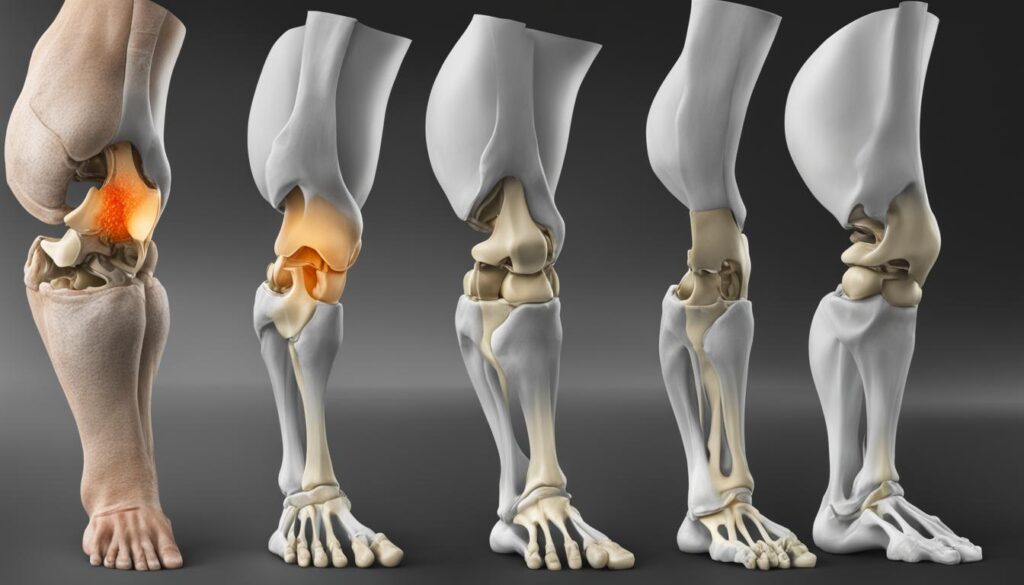
    The pathophysiology of knee osteoarthritis involves the progressive degradation of articular cartilage. In healthy cartilage, there is a delicate balance between collagen, proteoglycans, and chondrocytes. However, in osteoarthritis, this equilibrium is disrupted, leading to the loss of cartilage integrity.

    Matrix metalloproteases (MMPs) play a crucial role in the degradation of the cartilage matrix. These enzymes are overexpressed in osteoarthritis, resulting in the breakdown of collagen and proteoglycans. As a result, the cartilage becomes thinner and less resistant to mechanical stress.

    In response to the cartilage damage, chondrocytes, the cells responsible for maintaining and repairing cartilage, attempt to counteract the matrix degradation. They secrete tissue inhibitors of MMPs (TIMPs) to inhibit the activity of MMPs, and they increase the synthesis of proteoglycans. However, these reparative processes are insufficient to fully restore the damaged cartilage.

    The progressive degradation of articular cartilage in knee osteoarthritis ultimately leads to the development of fissures, cracks, and erosion. The loss of cartilage cushioning between the bones results in increased friction and can cause pain, stiffness, and swelling in the knee joint.

    While knee osteoarthritis is commonly associated with aging, it is important to recognize that it is a distinct disease characterized by specific biochemical changes in the cartilage. Understanding the pathophysiology of knee osteoarthritis is essential for developing targeted treatments and interventions that can slow down or prevent the progression of the disease.

    Clinical Symptoms of Knee Osteoarthritis

    The clinical symptoms of knee osteoarthritis can vary among individuals, but they typically include:

    1. Gradual onset knee pain: Many individuals with knee osteoarthritis experience gradual onset pain, which may start as a mild discomfort and progress over time.
    2. Increased pain with activity: Knee pain often worsens with activities such as walking, climbing stairs, or prolonged standing.
    3. Knee stiffness: Stiffness is a common symptom of knee osteoarthritis, especially after periods of rest or inactivity.
    4. Knee swelling: Some individuals may notice swelling around the knee joint, which can be accompanied by warmth or redness.
    5. Pain after prolonged periods of sitting or resting: After sitting or resting for an extended period, individuals with knee osteoarthritis may experience pain or stiffness when they first stand up and start moving.
    6. Pain that worsens over time: The pain associated with knee osteoarthritis tends to progress gradually, worsening over time if left untreated.

    These clinical symptoms can significantly impact an individual’s functional capacity and quality of life. Recognizing and understanding the symptoms of knee osteoarthritis is crucial for timely diagnosis and appropriate management.

    Symptoms Description
    Gradual onset knee pain Slowly developing pain in the knee joint
    Increased pain with activity Pain worsens during movement or weight-bearing activities
    Knee stiffness Feeling of tightness or limited range of motion in the knee
    Knee swelling Swelling or fluid accumulation around the knee joint
    Pain after prolonged periods of sitting or resting Pain or stiffness when standing up after periods of inactivity
    Pain that worsens over time Pain becomes more severe and persistent as knee osteoarthritis progresses

    Conclusion

    Knee osteoarthritis is a prevalent degenerative joint disease characterized by the progressive loss of articular cartilage. The causes of knee osteoarthritis can be classified into primary and secondary factors, with wear and tear playing a significant role. Various risk factors, both modifiable and non-modifiable, contribute to the development of knee osteoarthritis. Understanding these factors is crucial for implementing appropriate prevention and early intervention strategies.

    The pathophysiology of knee osteoarthritis involves the disruption of cartilage equilibrium, leading to the degradation of collagen and proteoglycans. This process occurs due to the overexpression of matrix metalloproteases, resulting in cracking, fissuring, and erosion of the articular cartilage. Clinically, knee osteoarthritis presents with symptoms such as knee pain, stiffness, swelling, and functional limitations. Recognizing and understanding these symptoms is essential for timely diagnosis and effective management.

    In conclusion, knee osteoarthritis is a complex condition influenced by various causes, risk factors, and pathophysiological changes in the joint. By comprehending the underlying factors and recognizing the clinical manifestations, healthcare professionals can develop targeted treatment plans to enhance patients’ quality of life. Continuous research and education in the field of knee osteoarthritis are crucial for advancing the understanding and management of this prevalent joint disease.

    FAQ

    What are the causes of knee osteoarthritis?

    Knee osteoarthritis is primarily caused by wear and tear and progressive loss of articular cartilage. It can be categorized into primary, which has no known underlying cause, and secondary, which is caused by factors like abnormal joint forces or diseases.

    What are the risk factors for knee osteoarthritis?

    Risk factors for knee osteoarthritis include modifiable factors like articular trauma, occupation-related factors, muscle weakness or imbalance, weight, and metabolic syndrome. Non-modifiable factors include gender, age, genetics, race, joint injuries, repeated stress on the joint, bone deformities, and certain metabolic diseases.

    What is the prevalence of knee osteoarthritis?

    The prevalence of symptomatic knee osteoarthritis varies by gender and age. Approximately 13% of women and 10% of men aged 60 and older experience symptomatic knee osteoarthritis. Among individuals older than 70, the prevalence can be as high as 40%. The incidence of symptomatic knee osteoarthritis is around 240 cases per 100,000 people per year.

    What is the pathophysiology of knee osteoarthritis?

    Knee osteoarthritis is characterized by the progressive degradation of articular cartilage. The equilibrium between collagen, proteoglycans, and chondrocytes is disrupted, leading to the overexpression of matrix metalloproteases (MMPs) and the loss of collagen and proteoglycans. Chondrocytes attempt to repair the damage but are unable to fully restore the cartilage, resulting in its degradation.

    What are the clinical symptoms of knee osteoarthritis?

    Clinical symptoms of knee osteoarthritis include gradual onset knee pain, increased pain with activity, knee stiffness, knee swelling, pain after prolonged periods of sitting or resting, and pain that worsens over time.

    Source Links

  • Knee Osteoarthritis: What Age Does It Affect?

    Knee Osteoarthritis: What Age Does It Affect?

    Welcome to our comprehensive guide on knee osteoarthritis. In this article, we will delve into the impact of age on this degenerative joint condition, exploring the age range at which it commonly occurs and discussing the onset of knee osteoarthritis. If you’re curious about knee osteoarthritis and want to understand how age plays a role, you’re in the right place.

    Knee osteoarthritis is a prevalent condition that affects millions around the world. As of 2019, approximately 528 million individuals globally were living with osteoarthritis, making it a significant health concern. While knee osteoarthritis is commonly associated with aging, it is important to note that it can also impact younger individuals, particularly those who have experienced joint injury or trauma.

    In this article, we will explore the prevalence of knee osteoarthritis by age, highlighting the age groups that are most commonly affected. We will also delve into the demographics of knee osteoarthritis and the various signs and symptoms associated with this condition. Additionally, we will discuss the causes and risk factors that contribute to the development of knee osteoarthritis.

    Finally, we will provide insights into the prevention and management of knee osteoarthritis, offering practical tips and strategies to reduce the risk and improve the overall quality of life for individuals living with this condition.

    Join us as we explore the complexities of knee osteoarthritis and gain a deeper understanding of how age impacts this common joint condition.

    The Prevalence of Knee Osteoarthritis by Age

    When it comes to knee osteoarthritis, age plays a significant role. While the condition can occur at younger ages, it typically starts to develop in the late 40s to mid-50s. Studies have shown that the prevalence of knee osteoarthritis tends to increase with age, with a higher incidence observed in individuals between 60 and 69 years old compared to those in their 40s. These findings highlight the importance of age as a risk factor for knee osteoarthritis.

    However, it’s important to note that knee osteoarthritis is influenced by various factors, not just age. Genetics, obesity, joint injury, and metabolic diseases such as diabetes can all contribute to the development of knee osteoarthritis. Understanding these risk factors is crucial in identifying individuals who may be more susceptible to the condition.

    To visualize the distribution of knee osteoarthritis by age, we have created a table showcasing the prevalence in different age groups:

    Age Group Osteoarthritis Prevalence (%)
    40s 10%
    50s 20%
    60s 30%
    70s 40%

    This table clearly demonstrates how the prevalence of knee osteoarthritis increases with age. Individuals in their 70s are four times more likely to have knee osteoarthritis compared to those in their 40s. These statistics emphasize the need for effective preventive measures and early intervention strategies for older adults who are at higher risk of developing knee osteoarthritis.

    It is worth mentioning that age-related knee osteoarthritis is a complex condition that requires further research to fully understand its underlying mechanisms and develop targeted treatments. By considering age alongside other risk factors, healthcare professionals can better identify those who are at greater risk and provide tailored interventions to manage knee osteoarthritis.

    knee osteoarthritis by age

    Knee Osteoarthritis Demographics

    Knee osteoarthritis affects a significant proportion of the population, with certain demographic factors playing a role. Around 60% of individuals living with knee osteoarthritis are female. The prevalence of knee osteoarthritis is also influenced by sociodemographic factors such as age, with the majority of cases occurring in individuals over 55 years old. Furthermore, obesity has been identified as a risk factor for knee osteoarthritis, particularly in the hip and knee joints.

    Other demographic factors such as race and ethnicity may also have an impact on knee osteoarthritis prevalence, although further research is needed to fully understand these associations.

    Demographic Factors Impact on Knee Osteoarthritis Prevalence
    Gender Higher prevalence in females
    Age Majority of cases occur in individuals over 55 years old
    Obesity Increased risk, particularly in the hip and knee joints
    Race and Ethnicity Potential impact, further research needed for conclusive evidence

    Knee Osteoarthritis Demographics

    Understanding the demographic factors associated with knee osteoarthritis can help healthcare professionals and researchers tailor prevention strategies and treatment approaches. By addressing these factors, we can work towards reducing the burden of knee osteoarthritis and improving the overall quality of life for individuals affected by this condition.

    Signs and Symptoms of Knee Osteoarthritis

    Knee osteoarthritis is a chronic condition that manifests through a range of signs and symptoms, causing discomfort and limitations in daily life. It is important to recognize these indicators to seek proper diagnosis and management.

    Pain

    One of the primary manifestations of knee osteoarthritis is pain. Individuals with this condition often experience pain during physical activity, after prolonged periods of exercise, or at the end of the day. The pain may vary in intensity, ranging from mild discomfort to severe and debilitating.

    Swelling

    Inflammation and swelling are common in knee osteoarthritis. The affected joint may appear swollen, causing visible changes in size and shape. Swelling can contribute to stiffness and difficulty in mobility.

    Stiffness

    Stiffness is a typical symptom of knee osteoarthritis, often felt in the morning or after prolonged periods of rest. Individuals may experience difficulty bending or straightening the knee, limiting their range of motion.

    Decreased Range of Motion

    Knee osteoarthritis can lead to a decreased range of motion in the affected joint. Activities that involve activities such as squatting, climbing stairs, or kneeling may become challenging due to the limited movement ability of the knee.

    Clicking or Popping Sound

    Some individuals may notice a clicking or popping sound when they move their knee joint. This may occur due to the roughening and wearing down of the cartilage, resulting in friction and abnormalities in the joint.

    Muscle Weakness

    Knee osteoarthritis can cause muscle weakness around the knee joint. This may affect the stability and support provided by the surrounding muscles, leading to difficulties in maintaining balance and overall joint stability.

    Joint Instability

    Individuals with knee osteoarthritis may experience a sense of joint instability. The knee joint may feel wobbly, making it challenging to bear weight or engage in activities that require balance.

    Knee osteoarthritis symptoms can significantly impact an individual’s quality of life, making movement painful and difficult. If you are experiencing any of these signs or symptoms, consult a healthcare professional for an accurate diagnosis and appropriate management.

    Causes and Risk Factors of Knee Osteoarthritis

    When it comes to knee osteoarthritis, several factors can contribute to its development. Understanding these causes and risk factors is crucial in order to effectively manage and potentially prevent the condition. Here, we explore the various factors that play a role in knee osteoarthritis.

    Joint Injuries

    Joint injuries, such as fractures or strains, can significantly increase the risk of developing knee osteoarthritis. The trauma to the joint can lead to the breakdown of cartilage and subsequent joint degeneration. It is important to seek appropriate medical attention and engage in proper rehabilitation following joint injuries to minimize the risk.

    Pre-Existing Joint Diseases

    Individuals with pre-existing joint diseases, such as rheumatoid arthritis or gout, have an increased likelihood of developing knee osteoarthritis. These conditions can contribute to joint inflammation and damage over time, leading to the onset of osteoarthritis. Managing and treating underlying joint diseases is essential in reducing the risk of knee osteoarthritis.

    Obesity

    Obesity is a significant risk factor for knee osteoarthritis. Excess weight places additional stress on the joints, particularly the knees, leading to accelerated wear and tear of the cartilage. Furthermore, obesity is often associated with metabolic abnormalities and systemic inflammation, which further contribute to the development and progression of knee osteoarthritis.

    Genetic Factors

    Genetics can also play a role in the risk of developing knee osteoarthritis. Certain genetic variations may predispose individuals to cartilage breakdown and joint degeneration. While genetics cannot be changed, understanding the presence of these factors can help individuals make informed decisions about their lifestyle and healthcare habits.

    Sociodemographic Factors

    Several sociodemographic factors have been associated with an increased risk of knee osteoarthritis. Age is a significant factor, with older individuals being more susceptible to developing the condition. Additionally, being female has been shown to increase the risk of knee osteoarthritis, although the exact reasons for this are still being studied.

    In summary, knee osteoarthritis can arise from various causes and risk factors, including joint injuries, pre-existing joint diseases, obesity, genetic factors, and sociodemographic factors. These factors can interact with each other, further influencing an individual’s risk of developing knee osteoarthritis. By understanding these underlying causes, individuals can take proactive steps to manage the condition and potentially reduce the risk of its occurrence.

    Prevention and Management of Knee Osteoarthritis

    While it may not be possible to completely prevent the development of knee osteoarthritis, there are measures that can be taken to reduce the risk and manage the condition.

    Prevention strategies include:

    • Avoiding overuse of joints
    • Maintaining a healthy lifestyle with regular physical activity
    • Maintaining a normal body weight

    For individuals already diagnosed with knee osteoarthritis, management often involves a multidisciplinary approach. This may include:

    • Exercise to strengthen the affected muscles
    • Physical therapies
    • Assistive devices such as braces
    • Medications to control pain and inflammation

    In severe cases, joint replacement surgery may be recommended to improve mobility and reduce pain. It is crucial for individuals with knee osteoarthritis to engage in self-care practices, including maintaining a healthy weight, managing symptoms, and following a tailored care plan.

    Image:

    Conclusion

    Knee osteoarthritis is a prevalent joint condition that affects individuals primarily over the age of 55, although it can also occur in younger individuals. The development and progression of knee osteoarthritis are influenced by various factors, including age, gender, obesity, and joint injuries. Understanding these factors is essential in the early diagnosis, prevention, and effective management of knee osteoarthritis.

    By diagnosing knee osteoarthritis early, healthcare professionals can implement personalized prevention strategies to reduce the risk of further joint deterioration. These strategies may include lifestyle modifications, such as maintaining a healthy weight and engaging in regular physical activity, as well as avoiding overuse of the affected joint.

    For individuals already diagnosed with knee osteoarthritis, effective management is crucial in minimizing pain, improving mobility, and enhancing overall quality of life. This may involve a multidisciplinary approach, including exercise programs to strengthen muscles surrounding the knee joint, physical therapies, assistive devices, and medications to control pain and inflammation. In severe cases, joint replacement surgery may be recommended.

    While significant progress has been made in understanding knee osteoarthritis, further research is still needed to comprehensively identify and comprehend the complex factors contributing to the condition. Continued efforts in research will allow for the development of more targeted interventions and treatments to prevent and manage knee osteoarthritis effectively.

    FAQ

    At what age does knee osteoarthritis typically occur?

    The onset of knee osteoarthritis typically occurs in the late 40s to mid-50s, although it can occur at younger ages as well.

    What is the prevalence of knee osteoarthritis by age?

    The majority of individuals affected by knee osteoarthritis are over the age of 55, with a higher prevalence observed in individuals between 60 and 69 years old compared to those in their 40s.

    What are the demographics of knee osteoarthritis?

    Knee osteoarthritis affects a significant proportion of the population, with around 60% of individuals with knee osteoarthritis being female. The majority of cases occur in individuals over 55 years old.

    What are the signs and symptoms of knee osteoarthritis?

    The signs and symptoms of knee osteoarthritis include pain, swelling, stiffness, decreased range of motion, muscle weakness around the knee, and joint instability.

    What are the causes and risk factors of knee osteoarthritis?

    The causes and risk factors of knee osteoarthritis include joint injuries, pre-existing joint diseases, obesity, genetics, age, and female sex.

    How can knee osteoarthritis be prevented and managed?

    While it may not be possible to completely prevent knee osteoarthritis, measures can be taken to reduce the risk and manage the condition. This includes avoiding overuse of joints, maintaining a healthy lifestyle with regular physical activity, maintaining a normal body weight, and engaging in exercise, physical therapies, and medication for pain and inflammation.

    What is the conclusion regarding knee osteoarthritis?

    Knee osteoarthritis is a common joint condition that primarily affects individuals over the age of 55, although it can also occur in younger individuals. Prevention strategies, early diagnosis, and effective management can help individuals maintain their mobility, reduce pain, and improve their overall quality of life.

    Source Links

  • Knee Osteoarthritis: Understanding the Condition

    Knee Osteoarthritis: Understanding the Condition

    Welcome to our comprehensive guide on knee osteoarthritis. In this article, we will delve into the details of this common condition, exploring what it is and how it affects the knee joint. Whether you are personally dealing with knee osteoarthritis or seeking knowledge to support a loved one, we are here to provide you with valuable insights.

    Knee osteoarthritis, also known as degenerative joint disease of the knee, is a condition characterized by the gradual loss of articular cartilage in the knee joint. This wear and tear over time can lead to pain, stiffness, and decreased mobility. Understanding the causes, symptoms, and treatment options for knee osteoarthritis is vital for managing the condition effectively.

    So, what exactly is knee osteoarthritis? It is a form of joint disease that affects millions of people worldwide, particularly those over the age of 50. The knee joint is one of the most commonly affected joints due to its weight-bearing nature and constant use.

    In the following sections, we will explore the causes and risk factors of knee osteoarthritis, the symptoms to watch out for, the diagnostic methods used by healthcare professionals, and the various treatment and management options available. This guide aims to provide you with a comprehensive understanding of knee osteoarthritis, empowering you to make informed decisions regarding your joint health.

    Continue reading to discover everything you need to know about knee osteoarthritis and how to effectively manage this degenerative joint disease.

    Causes and Risk Factors of Knee Osteoarthritis

    Knee osteoarthritis is a complex condition that can have various underlying causes and risk factors. Understanding these factors can help us better comprehend the development and progression of this debilitating condition.

    Primary Knee Osteoarthritis

    Primary knee osteoarthritis refers to the degeneration of articular cartilage without any discernible reason. It is commonly associated with age and the natural wear and tear our joints experience over time. As we age, the protective cartilage that cushions our joints gradually diminishes, leading to the onset of osteoarthritis in the knee. While primary knee osteoarthritis is a natural consequence of aging, certain risk factors can exacerbate its development.

    Secondary Knee Osteoarthritis

    Secondary knee osteoarthritis is characterized by specific causative factors that contribute to its occurrence. These factors include:

    1. Post-Traumatic Causes: Injuries to the knee joint, such as fractures or ligament tears, can lead to secondary osteoarthritis.
    2. Abnormal Articular Cartilage: Structural abnormalities in the cartilage, such as uneven thickness or defects, can increase the risk of developing osteoarthritis.
    3. Underlying Conditions: Certain medical conditions, such as rheumatoid arthritis or infectious arthritis, can predispose individuals to secondary knee osteoarthritis.

    Risk Factors

    In addition to the causes mentioned above, several risk factors can increase the likelihood of developing knee osteoarthritis. These risk factors include:

    • Articular Trauma: Previous knee injuries, particularly those involving direct impact or repeated trauma, can accelerate the degenerative process in the knee joint.
    • Occupation: Professions that involve prolonged standing or repetitive knee bending put individuals at a higher risk of developing knee osteoarthritis.
    • Muscle Weakness or Imbalance: Weakness or dysfunction in the muscles surrounding the knee joint can contribute to increased stress on the joint, leading to osteoarthritis.
    • Weight: Excess body weight places additional strain on the knee joint, increasing the risk of developing osteoarthritis.
    • Health Conditions: Conditions like metabolic syndrome, which includes factors such as obesity, high blood pressure, and abnormal cholesterol levels, can further predispose individuals to knee osteoarthritis.

    By recognizing the various causes and risk factors associated with knee osteoarthritis, we can adopt preventive measures and targeted interventions to mitigate its impact on individuals’ lives.

    Cause Description
    Primary Knee Osteoarthritis Degeneration of articular cartilage associated with aging and wear and tear.
    Post-Traumatic Causes Injuries to the knee joint, such as fractures or ligament tears.
    Abnormal Articular Cartilage Structural abnormalities in the cartilage, such as uneven thickness or defects.
    Underlying Conditions Medical conditions like rheumatoid arthritis or infectious arthritis.
    Articular Trauma Previous knee injuries, particularly involving direct impact or repeated trauma.
    Occupation Professions involving prolonged standing or repetitive knee bending.
    Muscle Weakness or Imbalance Weakness or dysfunction in the muscles surrounding the knee joint.
    Weight Excess body weight placing strain on the knee joint.
    Health Conditions Conditions like metabolic syndrome, including obesity, high blood pressure, and abnormal cholesterol levels.

    Symptoms of Knee Osteoarthritis

    Knee osteoarthritis is characterized by a variety of symptoms that can significantly impact an individual’s daily life. Recognizing and understanding these symptoms is key to seeking appropriate treatment and management strategies. The most common symptoms of knee osteoarthritis include:

    1. Knee pain: Gradual onset of knee pain that worsens with activity is a hallmark symptom of knee osteoarthritis. The pain is often described as a dull ache or throbbing sensation in the knee joint.
    2. Knee stiffness and swelling: Individuals with knee osteoarthritis may experience stiffness and swelling in the affected knee. This can make it difficult to fully extend or bend the knee.
    3. Pain after prolonged sitting or resting: After a period of inactivity, such as sitting or resting, individuals with knee osteoarthritis may experience pain and stiffness in the knee joint when attempting to stand up or move.
    4. Pain that worsens over time: Knee osteoarthritis is a progressive condition, and over time, the pain may become more intense and persistent.
    5. Decreased ambulatory capacity: Knee osteoarthritis can cause a decrease in an individual’s ability to walk or move comfortably. Daily activities like walking, climbing stairs, or participating in physical activities may become challenging.
    6. Morning stiffness and gelling: Many individuals with knee osteoarthritis experience morning stiffness, where the knee joint feels stiff and difficult to move after periods of inactivity. This stiffness often improves with movement throughout the day.

    It’s important to note that the severity and combination of symptoms may vary from person to person. Consulting a healthcare professional is crucial for an accurate diagnosis and personalized treatment plan.

    “Knee osteoarthritis is a complex condition that manifests through various symptoms, such as knee pain, stiffness, and decreased mobility. Identifying these symptoms early on can help individuals seek appropriate care and improve their quality of life.”

    symptoms of knee osteoarthritis

    Symptom Description
    Knee pain Gradual onset of knee pain that worsens with activity.
    Knee stiffness and swelling Stiffness and swelling in the affected knee joint.
    Pain after prolonged sitting or resting Pain and stiffness in the knee when moving after a period of inactivity.
    Pain that worsens over time Progressive increase in the intensity and persistence of knee pain.
    Decreased ambulatory capacity Difficulty walking, climbing stairs, or engaging in physical activities.
    Morning stiffness and gelling Stiffness in the knee joint after periods of inactivity, improving with movement.

    Diagnosis of Knee Osteoarthritis

    The diagnosis of knee osteoarthritis involves a comprehensive evaluation that combines a detailed history, physical examination, laboratory tests, and imaging features. By considering these factors, healthcare professionals can accurately diagnose and differentiate knee osteoarthritis from other conditions.

    During the diagnostic process, obtaining a detailed history is crucial. We assess the onset and duration of symptoms, the specific location and characteristics of pain, any factors that worsen or alleviate the pain, and the impact on functional activities. This information helps us gain a better understanding of the patient’s symptoms and aids in making an accurate diagnosis.

    Physical examination plays a vital role in diagnosing knee osteoarthritis. Through visual inspection, range of motion testing, and palpation of the knee joint, we can assess the joint for signs such as swelling, tenderness, and limited mobility. These findings contribute to the overall diagnostic process.

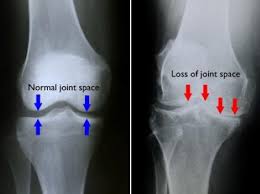
    To further support the diagnosis, imaging tests are often utilized. X-rays are commonly used to visualize the joint and confirm the presence of osteoarthritic changes, such as joint space narrowing, osteophyte formation, and subchondral sclerosis. Additionally, laboratory tests may be performed to rule out other conditions that may present with similar symptoms.

    It is important to note that a diagnosis of knee osteoarthritis cannot be made solely based on imaging findings. The clinical presentation and patient history must align with the imaging results to establish a definitive diagnosis.diagnosis of knee osteoarthritis

    Diagnostic Methods Description
    Detailed history Gathering information on symptoms, pain characteristics, and functional impact
    Physical examination Visual inspection, range of motion testing, and palpation of the knee joint
    X-rays Visualizing the joint for osteoarthritic changes
    Laboratory tests Ruling out other conditions with similar symptoms

    By utilizing these diagnostic approaches, healthcare professionals can accurately diagnose knee osteoarthritis and develop a personalized treatment plan tailored to the patient’s needs.

    Treatment for Knee Osteoarthritis

    When it comes to knee osteoarthritis, finding an effective treatment plan is crucial for managing symptoms and improving overall joint health. Treatment typically begins with conservative methods and may progress to surgical options if conservative measures prove ineffective.

    Lifestyle changes play a significant role in the treatment of knee osteoarthritis. This includes maintaining a healthy weight through diet and exercise, which can help alleviate stress on the affected joint. Physical therapy is also a key component, as it aims to strengthen the muscles around the knee, improve mobility, and reduce pain.

    Pain management is an integral part of knee osteoarthritis treatment. Nonsteroidal anti-inflammatory drugs (NSAIDs) and acetaminophen are commonly prescribed to help manage pain and reduce inflammation. The use of assistive devices like braces or orthotics can provide additional support and help alleviate discomfort.

    If conservative measures fail to provide adequate relief, surgical options may be considered. These can include arthroscopic debridement, a minimally invasive procedure to remove damaged tissue, osteotomy, which involves reshaping the bone to reduce stress on the joint, or joint replacement surgery, where the damaged joint is replaced with an artificial one.

    Overall, the goal of treatment for knee osteoarthritis is to reduce pain, improve function, and enhance the quality of life for individuals living with this condition.

    As always, it is important to consult with a healthcare professional for an accurate diagnosis and personalized treatment plan that addresses your specific needs and goals. With the right approach, treatment for knee osteoarthritis can make a significant difference in managing symptoms and maintaining joint health.

    Management of Knee Osteoarthritis

    The management of knee osteoarthritis requires a comprehensive and integrated approach that combines non-pharmacologic interventions, medications, exercise, and assistive devices. By addressing multiple aspects of the condition, we can effectively manage symptoms and improve the overall quality of life for individuals with knee osteoarthritis.

    Non-pharmacologic Interventions

    Non-pharmacologic interventions play a crucial role in the management of knee osteoarthritis. These interventions focus on lifestyle modifications and self-care strategies to reduce pain and improve joint function. Key non-pharmacologic interventions include:

    • Weight Management: Maintaining a healthy weight can help alleviate stress on the knee joints, reducing pain and slowing down the progression of osteoarthritis. A combination of regular exercise and a balanced diet can support weight loss.
    • Physical Therapy: Working with a physical therapist can provide personalized exercise programs and techniques to improve joint mobility, strengthen muscles around the knee, and enhance overall stability. Physical therapy may involve a combination of stretching, strengthening, and range of motion exercises.
    • Assistive Devices: Braces, shoe inserts, or assistive devices such as canes or walkers can help reduce pressure on the affected knee joint, provide stability, and alleviate pain during weight-bearing activities.

    Medications

    In some cases, medications may be prescribed to manage pain and inflammation associated with knee osteoarthritis. Common medications include:

    • Nonsteroidal Anti-inflammatory Drugs (NSAIDs): These medications help reduce pain and inflammation in the knee joint. NSAIDs are available over-the-counter or may be prescribed by a healthcare professional.
    • Acetaminophen: Acetaminophen can be used to relieve pain, but it does not have the anti-inflammatory effects of NSAIDs. It is often recommended as a first-line treatment for individuals who cannot take NSAIDs or have mild to moderate pain.

    Exercise Programs

    Regular exercise is an essential component of managing knee osteoarthritis. Exercise can improve joint function, reduce pain, increase flexibility, and strengthen the muscles that support the knee joint. Recommended exercises for knee osteoarthritis include:

    • Strengthening Exercises: These exercises target the muscles around the knee joint, helping to provide support and stability. Examples include leg presses, squats, and lunges.
    • Aerobic Exercises: Low-impact activities such as walking, swimming, or cycling can help improve cardiovascular fitness while minimizing stress on the knee joints.

    It is important to consult with a healthcare professional or a physical therapist to develop an exercise program that suits individual abilities and needs. Starting slowly and gradually increasing the intensity and duration of exercises can help prevent injury and optimize the benefits.

    Complementary Therapies

    In addition to non-pharmacologic interventions, some individuals with knee osteoarthritis may consider complementary therapies for symptom management. These include:

    • Acupuncture: This technique involves the insertion of thin needles into specific points on the body to alleviate pain and promote healing. Acupuncture may provide temporary pain relief for some individuals with knee osteoarthritis.
    • Massage: Massage therapy can help improve circulation, reduce muscle tension, and provide temporary pain relief. It may be used as a complementary therapy alongside other treatments for knee osteoarthritis.

    It is important to note that while complementary therapies may offer symptom relief for some individuals, scientific evidence supporting their efficacy for knee osteoarthritis is limited. Consulting with a healthcare professional before trying any complementary therapy is advisable.

    Exercise Description Benefits
    Hamstring Stretch Lie on your back with one leg extended. Lift the other leg and gently pull it towards your chest, feeling a stretch in the back of the thigh. – Increases flexibility
    – Relieves muscle tension
    – Improves range of motion
    Quad Set Sit or lie down with your legs extended. Tighten the muscles on the front of your thigh and hold for a few seconds. Relax and repeat. – Strengthens the quadriceps muscles
    – Improves knee stability
    – Enhances joint support
    Water Aerobics Participate in low-impact aerobic exercises in a pool, such as water walking or water aerobics classes. – Provides cardiovascular exercise
    – Reduces joint stress
    – Enhances overall fitness

    Conclusion

    Knee osteoarthritis is a degenerative joint disease that primarily affects the knee joint, leading to symptoms such as pain, stiffness, and reduced joint function. This condition is commonly caused by the wear and tear of the joint’s articular cartilage over time. Although there is no cure for knee osteoarthritis, various treatment options are available to manage symptoms and improve joint health.

    Conservative approaches form the initial line of treatment, including lifestyle modifications such as weight loss, exercise, and pain management. These measures aim to relieve pain and maintain joint flexibility. In cases where conservative methods prove ineffective, surgical options may be considered, such as arthroscopic debridement, osteotomy, or joint replacement surgery.

    Individuals diagnosed with knee osteoarthritis should actively collaborate with their healthcare team to develop a personalized treatment plan tailored to their specific needs and goals. By adhering to the recommended treatment strategies, patients can potentially enhance their joint health and overall quality of life.

    FAQ

    What is knee osteoarthritis?

    Knee osteoarthritis, also known as degenerative joint disease of the knee, is the result of wear and tear and progressive loss of articular cartilage. It is a degenerative joint disease that affects the knee joint and can lead to pain, stiffness, and decreased joint function.

    What are the causes and risk factors of knee osteoarthritis?

    Knee osteoarthritis can be classified as primary or secondary. Primary osteoarthritis occurs without any apparent underlying reason, usually associated with age and wear and tear. Secondary osteoarthritis is caused by factors such as post-traumatic causes, abnormal articular cartilage, or underlying conditions like rheumatoid arthritis or infectious arthritis. Risk factors include articular trauma, occupation involving prolonged standing and repetitive knee bending, muscle weakness or imbalance, weight, and health conditions like metabolic syndrome.

    What are the symptoms of knee osteoarthritis?

    The common symptoms of knee osteoarthritis include gradual onset knee pain that worsens with activity, knee stiffness and swelling, pain after prolonged sitting or resting, and pain that worsens over time. Patients may also experience decreased ambulatory capacity and may have difficulty walking, climbing stairs, or performing daily activities. Morning stiffness and gelling, where the knee joint becomes stiff after periods of inactivity, are also common symptoms.
    How is knee osteoarthritis diagnosed?

    The diagnosis of knee osteoarthritis is based on a combination of history, physical examination findings, laboratory tests, and imaging features. A detailed history should be obtained, including the onset of symptoms, specific location of pain, duration of pain and symptoms, characteristics of the pain, aggravating and alleviating factors, and functional activity impact. Physical examination may include visual inspection, range of motion testing, and palpation of the knee joint. X-rays are commonly used to confirm the diagnosis, and laboratory tests may be done to rule out other diagnoses.

    What are the treatment options for knee osteoarthritis?

    Treatment for knee osteoarthritis begins with conservative methods and progresses to surgical options when conservative treatment fails. Conservative treatment methods include lifestyle changes such as weight loss and exercise, physical therapy, pain management with medications like nonsteroidal anti-inflammatory drugs (NSAIDs) or acetaminophen, and the use of assistive devices like braces or orthotics. In cases where conservative measures are not effective, surgical options such as arthroscopic debridement, osteotomy, or joint replacement surgery may be considered.

    How is knee osteoarthritis managed?

    The management of knee osteoarthritis involves a multidisciplinary approach and includes the use of non-pharmacologic interventions, medications, exercise, and assistive devices. Non-pharmacologic interventions may include weight management, physical therapy, and the use of assistive devices like braces or shoe inserts. Medications such as nonsteroidal anti-inflammatory drugs (NSAIDs) or acetaminophen may be prescribed for pain management. Exercise programs, including strengthening and aerobic exercises, are recommended to improve joint function and reduce pain. Patients may also benefit from complementary therapies such as acupuncture or massage.

    Are there any proven disease-modifying agents for knee osteoarthritis?

    Currently, there are no proven disease-modifying agents for the treatment of knee osteoarthritis.

    Source Links

  • How Knee Arthritis is Diagnosed: Professional Insights

    How Knee Arthritis is Diagnosed: Professional Insights

    Knee arthritis is a common condition that affects millions of people worldwide. It occurs when the cartilage in the knee joint wears down, leading to pain, stiffness, and swelling. While knee arthritis can be a debilitating condition, early diagnosis and treatment can help manage symptoms and prevent further damage to the joint.

    v2 3hkaq ak2lb

    Diagnosing knee arthritis can be challenging, as the symptoms can be similar to other conditions such as gout or rheumatoid arthritis. However, there are several diagnostic tools that doctors use to determine if a patient has knee arthritis. These may include X-rays, MRIs, and blood tests. X-rays are often the first diagnostic tool used and can show signs of joint damage such as bone spurs or narrowing of the joint space. MRIs can provide a more detailed view of the joint and help doctors identify soft tissue damage. Blood tests can help rule out other conditions that may cause joint pain and swelling.

    If you are experiencing knee pain, stiffness, or swelling, it is important to see a doctor for an accurate diagnosis. Early diagnosis and treatment can help manage symptoms, prevent further joint damage, and improve your quality of life. With the right treatment plan, many people with knee arthritis can continue to lead active and fulfilling lives.

    Diagnosis of Knee Arthritis

    Diagnosing knee arthritis involves a comprehensive evaluation of the patient’s medical history and physical examination, followed by imaging and laboratory tests, physical therapy assessment, specialist evaluation, and supplementary assessment methods. In this section, we will discuss the various methods used for diagnosing knee arthritis.

    Medical History and Physical Examination

    Medical history and physical examination are the first steps towards diagnosing knee arthritis. During the physical examination, the doctor will look for signs of inflammation, tenderness, and mobility issues. They will also check for stiffness and joint pain in the knee. The doctor may ask about the patient’s symptoms, such as swelling, stiffness, and pain in the knee. They may also ask about the patient’s family history of arthritis.

    Imaging Tests

    Imaging tests are used to diagnose knee arthritis. X-rays are the most common imaging test used to diagnose knee arthritis. X-rays can show bone spurs, cartilage loss, and damaged cartilage. Magnetic resonance imaging (MRI) is another imaging test that can be used to diagnose knee arthritis. MRI can show the joint space and the condition of the cartilage.

    Laboratory Tests

    Laboratory tests can help diagnose knee arthritis. Blood tests can be used to check for infection, gout, and rheumatoid arthritis. In some cases, a procedure called arthrocentesis, in which a small amount of fluid is removed from within the knee joint with a needle and sent to a laboratory for analysis, may be recommended.

    Physical Therapy Assessment

    Physical therapy assessment can help diagnose knee arthritis. A physical therapist can evaluate the patient’s exercise routine, flexibility, strength, and joint mobility. They can also evaluate the patient’s walking and other activities of daily living. Physical therapy can help reduce pain and improve mobility in patients with knee arthritis.

    Specialist Evaluation

    A specialist evaluation may be recommended for patients with knee arthritis. A rheumatologist can help diagnose and treat knee arthritis. They can also provide information about the various treatment options available for knee arthritis.

    Supplementary Assessment Methods

    Supplementary assessment methods can help diagnose knee arthritis. These methods include joint replacement, arthroscopy, meniscus repair, ligament repair, and tendon repair. These methods are used when other methods have failed to provide relief from knee arthritis.

    Differential Diagnosis

    Differential diagnosis is the process of ruling out other conditions that may cause similar symptoms. In the case of knee arthritis, differential diagnosis may include other types of arthritis, such as rheumatoid arthritis or post-traumatic arthritis.

    Home and Self-Assessment

    Home and self-assessment can help diagnose knee arthritis. Patients can track their symptoms and activities of daily living to help identify triggers for knee pain and stiffness. They can also make lifestyle changes, such as losing weight or reducing stress, to help reduce knee pain and stiffness.

    Risk Factor Analysis

    Risk factor analysis can help diagnose knee arthritis. Risk factors for knee arthritis include age, weight, sports injuries, family history, and lifestyle factors such as stress.

    Treatment Response Evaluation

    Treatment response evaluation is the process of evaluating the effectiveness of treatment. Patients with knee arthritis may need to try several treatment options before finding the one that works best for them. Treatment options include medications, therapy, injections, exercise, weight loss, and surgery.

    Advanced Diagnostic Techniques

    Advanced diagnostic techniques can help diagnose knee arthritis. These techniques include magnetic resonance imaging (MRI), which can show the joint space and the condition of the cartilage, and imaging tests, which can show bone spurs, cartilage loss, and damaged cartilage.

    In conclusion, diagnosing knee arthritis involves a comprehensive evaluation of the patient’s medical history and physical examination, followed by imaging and laboratory tests, physical therapy assessment, specialist evaluation, and supplementary assessment methods. By using these methods, doctors can accurately diagnose knee arthritis and recommend the appropriate treatment options for their patients.

    Treatment and Management of Knee Arthritis

    When it comes to treating knee arthritis, there are various options available that can help manage the condition and alleviate symptoms. Treatment plans may vary depending on the severity of the condition, the patient’s age, overall health, and other factors. Here are some of the most common treatment and management options for knee arthritis:

    Non-Pharmacological Therapies

    Non-pharmacological therapies are often recommended as a first-line treatment for knee arthritis. These therapies include:

    • Exercise: Regular exercise can help improve joint mobility and strengthen the muscles around the knee joint, which can help reduce pain and improve function.
    • Weight loss: Losing weight can help reduce the load on the knee joint, which can help alleviate pain and slow down the progression of the condition.
    • Physical therapy: Physical therapy can help improve joint flexibility, muscle strength, and overall function.
    • Ice and heat therapy: Applying ice or heat to the affected knee can help reduce pain and inflammation.
    • Rest: Resting the affected knee can help reduce pain and allow the joint to heal.
    • Braces: Knee braces can help support the joint and reduce pain during activities.

    Medications and Pharmacotherapy

    Medications and pharmacotherapy can also be used to manage knee arthritis symptoms. Some common medications used to treat knee arthritis include:

    • Acetaminophen: Acetaminophen is a pain reliever that can help reduce mild to moderate knee pain.
    • Nonsteroidal anti-inflammatory drugs (NSAIDs): NSAIDs can help reduce pain and inflammation in the knee joint.
    • Corticosteroids: Corticosteroids are powerful anti-inflammatory drugs that can be injected directly into the knee joint to reduce pain and inflammation.
    • Hyaluronic acid: Hyaluronic acid injections can help lubricate the knee joint and reduce pain.

    Surgical and Invasive Procedures

    In some cases, surgical and invasive procedures may be necessary to treat knee arthritis. Some common procedures include:

    • Knee replacement surgery: Knee replacement surgery involves replacing the damaged knee joint with an artificial joint.
    • Knee osteotomy: Knee osteotomy involves cutting and reshaping the bones around the knee joint to shift the weight away from the damaged area.
    • Arthroscopy: Arthroscopy involves using a small camera and surgical tools to repair or remove damaged tissue in the knee joint.

    Rehabilitation and Physical Therapy

    Rehabilitation and physical therapy are an important part of knee arthritis treatment and management. These therapies can help improve joint mobility, muscle strength, and overall function.

    Lifestyle and Supportive Measures

    Making lifestyle changes and using supportive measures can also help manage knee arthritis symptoms. Some common lifestyle and supportive measures include:

    • Braces: Knee braces can help support the joint and reduce pain during activities.
    • Walking aids: Using a cane or walker can help reduce the load on the knee joint and improve mobility.
    • Stress management: Managing stress can help reduce pain and improve overall well-being.

    Emerging Treatments and Research

    There are several emerging treatments and research studies being conducted to find new and innovative ways to treat knee arthritis.

    Long-Term Management and Prognosis

    Long-term management and prognosis for knee arthritis depend on several factors, including the severity of the condition, the patient’s age, overall health, and other factors.

    Patient Education and Self-Care

    Patient education and self-care are important aspects of knee arthritis treatment and management. Patients should be educated on the condition, its symptoms, and how to manage it through lifestyle changes and other treatments.

    Monitoring and Follow-Up

    Monitoring and follow-up appointments are important to ensure that the treatment plan is working effectively and to make any necessary adjustments.

    Pain Management Strategies

    Pain management strategies can help reduce pain and improve overall well-being. These strategies may include medication, physical therapy, and lifestyle changes.

    Alternative and Complementary Therapies

    Alternative and complementary therapies, such as acupuncture and capsaicin, may also be used to manage knee arthritis symptoms.

    Nutritional Considerations and Supplements

    Nutritional considerations and supplements, such as omega-3 fatty acids and glucosamine, may also be helpful in managing knee arthritis symptoms.

    Assistive Devices and Orthotics

    Assistive devices and orthotics, such as knee braces and shoe inserts, can help support the knee joint and improve mobility.

    Psychological Support and Coping

    Psychological support and coping strategies can help patients manage the emotional toll of knee arthritis.

    Surgical Outcomes and Recovery

    Surgical outcomes and recovery time depend on several factors, including the type of surgery performed and the patient’s overall health.

    Complications and Risk Management

    Complications and risk management are important considerations for patients undergoing surgery or other invasive treatments for knee arthritis.

    Advancements in Surgical Techniques

    Advancements in surgical techniques are making knee arthritis treatment and management more effective and less invasive than ever before.

    Frequently Asked Questions

    v2 3hkbk zy0if

    What are the initial signs of arthritis in the knee?

    The initial signs of knee arthritis include pain, stiffness, and swelling in the knee joint. You may also experience a grinding or popping sensation when you move your knee. These symptoms may be mild at first but can worsen over time.

    Can knee arthritis be effectively treated without surgery?

    Yes, knee arthritis can be effectively treated without surgery. Non-surgical treatments for knee arthritis include physical therapy, weight loss, and medications such as nonsteroidal anti-inflammatory drugs (NSAIDs) and corticosteroids. Additionally, lifestyle changes such as avoiding high-impact activities and using assistive devices can help manage symptoms.

    What exercises are recommended for someone with knee osteoarthritis?

    Low-impact exercises such as walking, cycling, and swimming are recommended for someone with knee osteoarthritis. Strengthening exercises that target the muscles around the knee joint can also help reduce pain and improve mobility. It is important to consult with a physical therapist or healthcare provider before starting any exercise program.

    What are the most effective non-surgical treatments for knee arthritis?

    The most effective non-surgical treatments for knee arthritis include physical therapy, weight loss, and medications such as NSAIDs and corticosteroids. Additionally, assistive devices such as knee braces and shoe inserts can help manage symptoms. In some cases, injections of hyaluronic acid or platelet-rich plasma may also be recommended.

    How can rheumatoid arthritis in the knees be identified?

    Rheumatoid arthritis in the knees can be identified through a combination of physical examination, medical history, and diagnostic tests such as blood tests and imaging studies. Symptoms of rheumatoid arthritis in the knees may include pain, swelling, stiffness, and limited range of motion.

    Is walking beneficial for managing knee arthritis symptoms?

    Yes, walking can be beneficial for managing knee arthritis symptoms. Low-impact aerobic exercise such as walking can help improve joint mobility and reduce pain. It is important to wear appropriate footwear and to start with short distances and gradually increase the duration and intensity of the exercise.

  • Various Forms of Knee Arthritis

    Various Forms of Knee Arthritis

    What is Knee Arthritis?

    If you’ve been experiencing chronic knee pain and stiffness, you may be wondering if arthritis is to blame. There are various forms of knee arthritis, each with their own causes, symptoms, and treatments. Understanding the differences is key to obtaining an accurate diagnosis and effective relief. This comprehensive guide provides an overview of the most common types of knee arthritis, so you can work with your doctor on the best care plan for your joint health.

    • Arthritis is inflammation affecting the joints. In a healthy knee, the bones are cushioned by smooth cartilage and lubricated by fluid that allows flexible movement. Arthritis damages this cartilage over time, causing pain, swelling, and stiffness.

    Typical blood test findings for different types of knee arthritis:

    Type of Knee Arthritis Common Blood Test Findings
    Osteoarthritis Normal white blood cell count, ESR, CRP. No presence of rheumatoid factor or anti-CCP antibodies.
    Rheumatoid Arthritis Increased white blood cell count, elevated ESR and CRP indicating inflammation. Presence of rheumatoid factor and anti-CCP antibodies.
    Post-traumatic Arthritis Normal white blood cell count, ESR, CRP unless complicated by infection. No autoantibodies present.
    Gout Increased uric acid level. Presence of monosodium urate crystals in synovial fluid. Raised white blood cell count during acute flares.
    Pseudogout Normal serum uric acid. Presence of calcium pyrophosphate crystals in synovial fluid. Elevated white blood cell count during flares.
    Psoriatic Arthritis Normal uric acid level. Possible mild increase in ESR and CRP. No distinct blood markers but associated with psoriasis skin condition.
    Infectious Arthritis Significantly elevated white blood cell count, ESR, CRP indicating active infection. Positive culture from synovial fluid confirms bacteria or virus.

    Key: ESR = erythrocyte sedimentation rate CRP = C-reactive protein

    Let me know if you need any clarification or have additional questions!

    The knee is a complex joint containing the femur (thigh bone), tibia (shin bone), fibula, and patella (kneecap). Multiple joints and connective tissues provide stability for standing, walking, running, and other activities. Like other joints, the knees are vulnerable to various forms of arthritis.

    General symptoms of knee arthritis include:

    • Joint stiffness, especially in the morning or after sitting
    • Pain and aching during or after movement
    • Swelling around the knee joint
    • Reduced flexibility and range of motion
    • Tenderness when pressure is applied
    • Crackling/popping sounds during movement
    • Feeling that the knee will “give out”

    Osteoarthritis (OA) of the Knee

    Osteoarthritis is the most common type of knee arthritis, affecting over 14 million Americans. It occurs when protective cartilage in the joint gradually wears down over time, allowing painful bone-on-bone friction.

    OA can be primary (idiopathic) with no known cause, or secondary due to injury, obesity, overuse, or other joint stressors. As cartilage erodes, movement becomes stiff and painful. Fluid-filled cysts and bony growths may also develop around the joint.

    Common OA symptoms include:

    • Aching pain during activity that worsens over time
    • Morning joint stiffness lasting under 30 minutes
    • Tenderness, swelling, or inflammation around the knee cap
    • Hard lumps (bone spurs) around the joint
    • Gradual loss of flexibility and range of motion
    • Grating sensation when moving the knee

    Risk factors like age, female gender, genetics, and previous joint injury make OA more likely. Treatment focuses on pain relief, anti-inflammatories, physical therapy, weight loss, braces, and if necessary knee replacement surgery. Lifestyle changes are key to preserving joint function.

    Rheumatoid Arthritis (RA) in the Knee

    Rheumatoid arthritis is an autoimmune disease causing chronic inflammation of the joints and other body tissues. With RA, the immune system attacks the synovial membrane lining the joint. This leads to pain, swelling, and eventual cartilage and bone damage if untreated.

    RA typically begins in smaller upper body joints, but knees and other lower extremity joints can be affected as it progresses. Distinct symptoms of knee RA include:

    • Symmetrical pain in both knees rather than just one
    • Morning stiffness lasting over 30 minutes
    • Systemic symptoms like fatigue and fever along with joint pain
    • More severe pain with movement than at rest
    • Limping, difficulty walking or standing from kneeling
    • Joint deformity over time if inflammation isn’t controlled

    Medications like DMARDs and biologics aim to stop RA progression and preserve joint health. Low-impact exercise and splints can also help reduce knee symptoms.

    Post-Traumatic Arthritis of the Knee

    Post-traumatic arthritis develops after an injury damages structures inside the knee joint. Injuries like anterior cruciate ligament (ACL) tears, meniscus tears, or fractures commonly lead to post-traumatic arthritis over time. The initial injury causes instability and extra wear that degrades cartilage and leads to osteoarthritic changes.

    Symptoms of post-traumatic knee arthritis may include:

    • Pain that increases with activity
    • Recurring swelling and inflammation
    • Reduced knee extension and flexion
    • Tenderness along the joint line
    • Knee buckling or giving way

    X-rays, MRIs, and physical examination of the knee help diagnose post-traumatic arthritis. Treatments like icing, immobilization braces, medications, hyaluronic acid injections, and physical therapy can help manage pain in early stages. But if conservative treatment fails, knee replacement surgery may be necessary.

    Gout and Pseudogout in the Knee

    Gout and pseudogout are inflammatory types of arthritis caused by uric acid crystals and calcium pyrophosphate crystals depositing in joints. This triggers sudden pain, swelling, and stiffness, often in a single joint like the knee.

    Gout arises when excess uric acid in the blood crystallizes. Issues like kidney disease, certain cancers, genetics, diet, and some medications can increase uric acid levels. Pseudogout occurs due to abnormal calcium pyrophosphate crystal formation related to aging, joint injury, or metabolic factors.

    Flare-ups in the knee joint are excruciatingly painful. Other symptoms include:

    • Rapid joint swelling, redness, and heat
    • Extreme tenderness to touch
    • Decreased range of motion
    • Fever and chills if infection occurs
    • Shiny, tense skin over the joint area

    Gout and pseudogout require careful diagnosis and management of underlying causes. Typical treatments include NSAIDs, steroids, colchicine, and dietary changes. Draining fluid from the joint may relieve pressure.

    Psoriatic Arthritis Affecting the Knee

    Up to 30% of people with the autoimmune skin condition psoriasis develop psoriatic arthritis – an inflammatory arthritis distinct from rheumatoid arthritis. The knees are a common location for psoriatic arthritis flare-ups.

    Psoriatic arthritis affects joints asymmetrically, often striking just one knee rather than both sides equally. Symptoms include:

    • Joint pain, swelling, and stiffness
    • Reduced range of motion, difficulty bending the knee
    • Pitted, crumbling nails or nail separation from the nail bed
    • Eye inflammation (uveitis)
    • Fatigue and loss of appetite when flaring
    • Sausage-like swelling of fingers or toes

    Treatment involves NSAIDs, DMARDs, biologics, and other immunosuppressants to relieve knee inflammation and prevent joint damage. Gentle stretching and exercise is also beneficial once flare-ups subside.

    Infectious Arthritis of the Knee

    Infectious arthritis, also called septic arthritis, occurs when bacteria, viruses, or fungi enter the joint space and trigger inflammation. Without prompt antibiotic treatment, infectious arthritis can rapidly destroy knee cartilage and surrounding tissue.

    Infectious knee arthritis may arise from:

    • Bacterial spread from infection elsewhere in the body
    • Penetrating injury introducing pathogens into the joint
    • Surgery complications
    • Joint injections with improperly sterilized equipment

    Distinct symptoms signaling a possible knee joint infection include:

    • Sudden onset of severe knee pain
    • Fever and chills
    • Shaking and weakness
    • Extreme joint swellling, redness, and warmth
    • Inability to walk or bend the knee at all

    Prompt medical attention is crucial to avoid permanent joint damage. Treatment involves strong antibiotics, draining the infected fluid, and sometimes surgery to fully clean out the joint space.

    Managing Knee Arthritis

    Whether you have osteoarthritis, rheumatoid arthritis, or another form, there are many ways to ease knee arthritis symptoms and improve function:

    • Losing weight to reduce joint stress
    • Wearing a knee brace for support and stability
    • Using heat/ice therapy to relieve pain and stiffness
    • Doing gentle knee stretches and low-impact exercises like swimming or cycling
    • Physical therapy to improve flexibility and strength
    • Over-the-counter pain relievers like acetaminophen or NSAIDs
    • Mind-body practices like yoga, tai chi, and meditation to help cope with chronic pain
    • Viscosupplementation injections to replenish knee joint fluid
    • Surgery like arthroscopy, osteotomy, or knee replacement if other therapies fail

    Consulting an orthopedist, rheumatologist, or physical therapist can help determine the safest, most effective treatment plan. Don’t resign yourself to living with constant knee pain – explore the many options available to get you moving comfortably again.

    Conclusion

    Knee arthritis can negatively impact mobility and quality of life. But while there are various types of knee arthritis, there are also a multitude of ways to manage symptoms. Understanding the differences between osteoarthritis, rheumatoid arthritis, and other forms helps you obtain an accurate diagnosis. Work closely with your doctor to find the optimal combination of lifestyle changes, medications, therapies, and possibly surgery to relieve your knee pain and restore function. The more informed you are about your specific type of knee arthritis, the better equipped you’ll be to gain control and get back to healthy, active living.