
Various Forms of Knee Arthritis
What is Knee Arthritis?
If you’ve been experiencing chronic knee pain and stiffness, you may be wondering if arthritis is to blame. There are various forms of knee arthritis, each with their own causes, symptoms, and treatments. Understanding the differences is key to obtaining an accurate diagnosis and effective relief. This comprehensive guide provides an overview of the most common types of knee arthritis, so you can work with your doctor on the best care plan for your joint health.
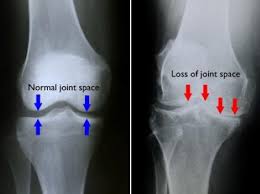
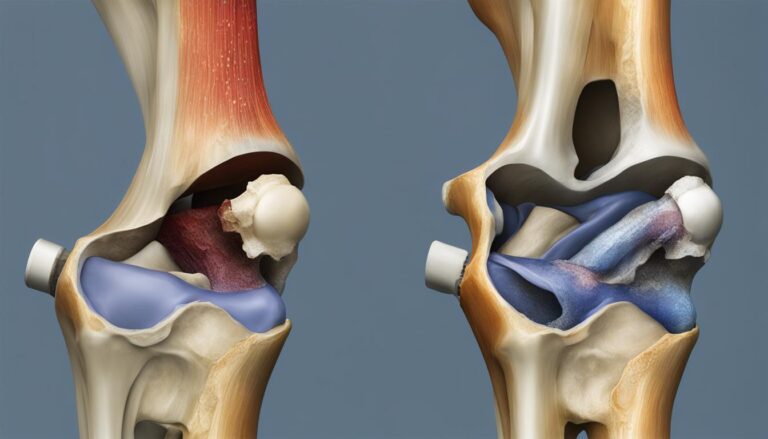
- Arthritis is inflammation affecting the joints. In a healthy knee, the bones are cushioned by smooth cartilage and lubricated by fluid that allows flexible movement. Arthritis damages this cartilage over time, causing pain, swelling, and stiffness.
Typical blood test findings for different types of knee arthritis:
| Type of Knee Arthritis | Common Blood Test Findings |
|---|---|
| Osteoarthritis | Normal white blood cell count, ESR, CRP. No presence of rheumatoid factor or anti-CCP antibodies. |
| Rheumatoid Arthritis | Increased white blood cell count, elevated ESR and CRP indicating inflammation. Presence of rheumatoid factor and anti-CCP antibodies. |
| Post-traumatic Arthritis | Normal white blood cell count, ESR, CRP unless complicated by infection. No autoantibodies present. |
| Gout | Increased uric acid level. Presence of monosodium urate crystals in synovial fluid. Raised white blood cell count during acute flares. |
| Pseudogout | Normal serum uric acid. Presence of calcium pyrophosphate crystals in synovial fluid. Elevated white blood cell count during flares. |
| Psoriatic Arthritis | Normal uric acid level. Possible mild increase in ESR and CRP. No distinct blood markers but associated with psoriasis skin condition. |
| Infectious Arthritis | Significantly elevated white blood cell count, ESR, CRP indicating active infection. Positive culture from synovial fluid confirms bacteria or virus. |
Key: ESR = erythrocyte sedimentation rate CRP = C-reactive protein
Let me know if you need any clarification or have additional questions!
The knee is a complex joint containing the femur (thigh bone), tibia (shin bone), fibula, and patella (kneecap). Multiple joints and connective tissues provide stability for standing, walking, running, and other activities. Like other joints, the knees are vulnerable to various forms of arthritis.
General symptoms of knee arthritis include:
- Joint stiffness, especially in the morning or after sitting
- Pain and aching during or after movement
- Swelling around the knee joint
- Reduced flexibility and range of motion
- Tenderness when pressure is applied
- Crackling/popping sounds during movement
- Feeling that the knee will “give out”
Osteoarthritis (OA) of the Knee
Osteoarthritis is the most common type of knee arthritis, affecting over 14 million Americans. It occurs when protective cartilage in the joint gradually wears down over time, allowing painful bone-on-bone friction.
OA can be primary (idiopathic) with no known cause, or secondary due to injury, obesity, overuse, or other joint stressors. As cartilage erodes, movement becomes stiff and painful. Fluid-filled cysts and bony growths may also develop around the joint.
Common OA symptoms include:
- Aching pain during activity that worsens over time
- Morning joint stiffness lasting under 30 minutes
- Tenderness, swelling, or inflammation around the knee cap
- Hard lumps (bone spurs) around the joint
- Gradual loss of flexibility and range of motion
- Grating sensation when moving the knee
Risk factors like age, female gender, genetics, and previous joint injury make OA more likely. Treatment focuses on pain relief, anti-inflammatories, physical therapy, weight loss, braces, and if necessary knee replacement surgery. Lifestyle changes are key to preserving joint function.
Rheumatoid Arthritis (RA) in the Knee
Rheumatoid arthritis is an autoimmune disease causing chronic inflammation of the joints and other body tissues. With RA, the immune system attacks the synovial membrane lining the joint. This leads to pain, swelling, and eventual cartilage and bone damage if untreated.
RA typically begins in smaller upper body joints, but knees and other lower extremity joints can be affected as it progresses. Distinct symptoms of knee RA include:
- Symmetrical pain in both knees rather than just one
- Morning stiffness lasting over 30 minutes
- Systemic symptoms like fatigue and fever along with joint pain
- More severe pain with movement than at rest
- Limping, difficulty walking or standing from kneeling
- Joint deformity over time if inflammation isn’t controlled
Medications like DMARDs and biologics aim to stop RA progression and preserve joint health. Low-impact exercise and splints can also help reduce knee symptoms.
Post-Traumatic Arthritis of the Knee
Post-traumatic arthritis develops after an injury damages structures inside the knee joint. Injuries like anterior cruciate ligament (ACL) tears, meniscus tears, or fractures commonly lead to post-traumatic arthritis over time. The initial injury causes instability and extra wear that degrades cartilage and leads to osteoarthritic changes.
Symptoms of post-traumatic knee arthritis may include:
- Pain that increases with activity
- Recurring swelling and inflammation
- Reduced knee extension and flexion
- Tenderness along the joint line
- Knee buckling or giving way
X-rays, MRIs, and physical examination of the knee help diagnose post-traumatic arthritis. Treatments like icing, immobilization braces, medications, hyaluronic acid injections, and physical therapy can help manage pain in early stages. But if conservative treatment fails, knee replacement surgery may be necessary.
Gout and Pseudogout in the Knee
Gout and pseudogout are inflammatory types of arthritis caused by uric acid crystals and calcium pyrophosphate crystals depositing in joints. This triggers sudden pain, swelling, and stiffness, often in a single joint like the knee.
Gout arises when excess uric acid in the blood crystallizes. Issues like kidney disease, certain cancers, genetics, diet, and some medications can increase uric acid levels. Pseudogout occurs due to abnormal calcium pyrophosphate crystal formation related to aging, joint injury, or metabolic factors.
Flare-ups in the knee joint are excruciatingly painful. Other symptoms include:
- Rapid joint swelling, redness, and heat
- Extreme tenderness to touch
- Decreased range of motion
- Fever and chills if infection occurs
- Shiny, tense skin over the joint area
Gout and pseudogout require careful diagnosis and management of underlying causes. Typical treatments include NSAIDs, steroids, colchicine, and dietary changes. Draining fluid from the joint may relieve pressure.
Psoriatic Arthritis Affecting the Knee
Up to 30% of people with the autoimmune skin condition psoriasis develop psoriatic arthritis – an inflammatory arthritis distinct from rheumatoid arthritis. The knees are a common location for psoriatic arthritis flare-ups.
Psoriatic arthritis affects joints asymmetrically, often striking just one knee rather than both sides equally. Symptoms include:
- Joint pain, swelling, and stiffness
- Reduced range of motion, difficulty bending the knee
- Pitted, crumbling nails or nail separation from the nail bed
- Eye inflammation (uveitis)
- Fatigue and loss of appetite when flaring
- Sausage-like swelling of fingers or toes
Treatment involves NSAIDs, DMARDs, biologics, and other immunosuppressants to relieve knee inflammation and prevent joint damage. Gentle stretching and exercise is also beneficial once flare-ups subside.
Infectious Arthritis of the Knee
Infectious arthritis, also called septic arthritis, occurs when bacteria, viruses, or fungi enter the joint space and trigger inflammation. Without prompt antibiotic treatment, infectious arthritis can rapidly destroy knee cartilage and surrounding tissue.
Infectious knee arthritis may arise from:
- Bacterial spread from infection elsewhere in the body
- Penetrating injury introducing pathogens into the joint
- Surgery complications
- Joint injections with improperly sterilized equipment
Distinct symptoms signaling a possible knee joint infection include:
- Sudden onset of severe knee pain
- Fever and chills
- Shaking and weakness
- Extreme joint swellling, redness, and warmth
- Inability to walk or bend the knee at all
Prompt medical attention is crucial to avoid permanent joint damage. Treatment involves strong antibiotics, draining the infected fluid, and sometimes surgery to fully clean out the joint space.
Managing Knee Arthritis
Whether you have osteoarthritis, rheumatoid arthritis, or another form, there are many ways to ease knee arthritis symptoms and improve function:
- Losing weight to reduce joint stress
- Wearing a knee brace for support and stability
- Using heat/ice therapy to relieve pain and stiffness
- Doing gentle knee stretches and low-impact exercises like swimming or cycling
- Physical therapy to improve flexibility and strength
- Over-the-counter pain relievers like acetaminophen or NSAIDs
- Mind-body practices like yoga, tai chi, and meditation to help cope with chronic pain
- Viscosupplementation injections to replenish knee joint fluid
- Surgery like arthroscopy, osteotomy, or knee replacement if other therapies fail
Consulting an orthopedist, rheumatologist, or physical therapist can help determine the safest, most effective treatment plan. Don’t resign yourself to living with constant knee pain – explore the many options available to get you moving comfortably again.
Conclusion
Knee arthritis can negatively impact mobility and quality of life. But while there are various types of knee arthritis, there are also a multitude of ways to manage symptoms. Understanding the differences between osteoarthritis, rheumatoid arthritis, and other forms helps you obtain an accurate diagnosis. Work closely with your doctor to find the optimal combination of lifestyle changes, medications, therapies, and possibly surgery to relieve your knee pain and restore function. The more informed you are about your specific type of knee arthritis, the better equipped you’ll be to gain control and get back to healthy, active living.




2 Comments