Tag: Knee Hurt

  • Effective Treatment for Sore Knees

    Effective Treatment for Sore Knees

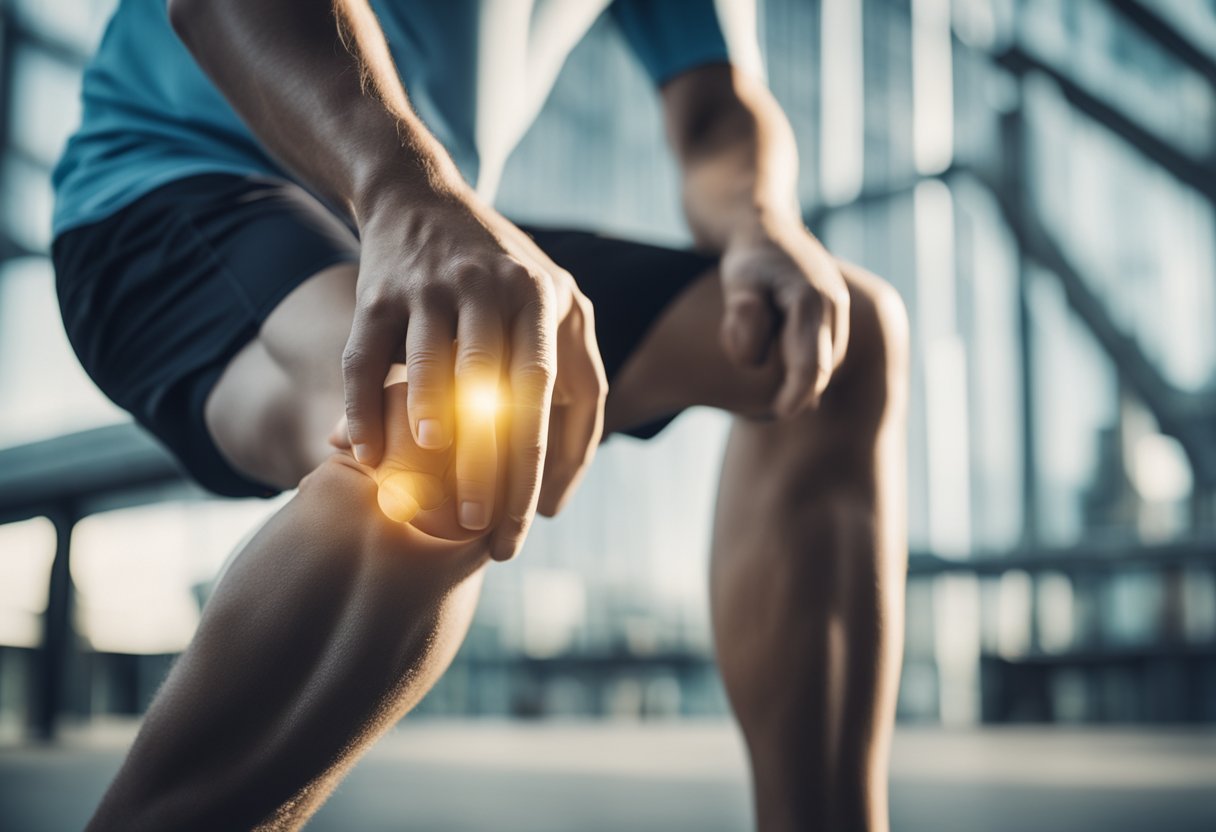
    Sore knees can significantly impact daily activities and quality of life. Understanding the anatomy of the knee joint, diagnosing the root cause of knee pain, and exploring treatment options are essential for effective management. This article covers non-surgical and surgical interventions, along with key takeaways to help individuals make informed decisions about their knee health.

    Key Takeaways

    • Regular exercise and physical therapy can help strengthen the muscles around the knee joint, providing support and reducing pain.
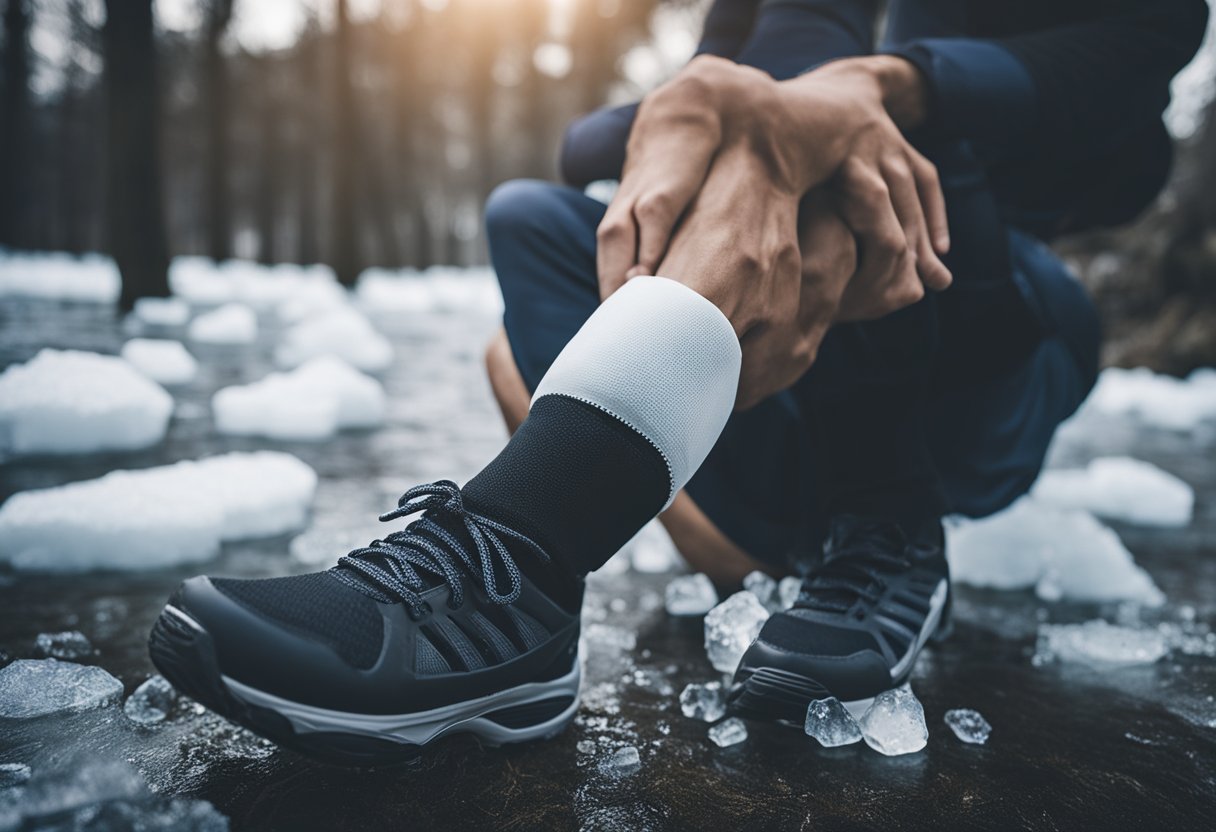
    • Effective pain management strategies, such as ice therapy and over-the-counter medications, can provide relief from sore knees.
    • Assistive devices, such as knee braces or orthotic inserts, can help alleviate pressure on the knee joint and improve mobility.
    • Surgical interventions, such as arthroscopic surgery and knee replacement, may be necessary for severe cases of knee pain.
    • Rehabilitation and physical therapy are crucial for recovery after knee surgery, helping to restore functionality and mobility.

    Understanding the Anatomy of the Knee Joint

    thumbnail

    Structure and Function of the Knee Joint

    We often take for granted the intricate structure of the knee joint, which is pivotal for our mobility. The knee is a complex hinge joint that connects the thigh bone (femur) to the shin bone (tibia). This connection is cushioned by two crescent-shaped cartilage pieces known as the menisci, which absorb shock and reduce friction during movement.

    The knee joint is stabilized by a network of ligaments and tendons. Ligaments connect bone to bone and provide stability, while tendons connect muscle to bone, facilitating movement. The primary ligaments in the knee are the Anterior Cruciate Ligament (ACL), Posterior Cruciate Ligament (PCL), Medial Collateral Ligament (MCL), and Lateral Collateral Ligament (LCL).

    • The ACL prevents the femur from sliding backward on the tibia.
    • The PCL prevents the femur from sliding forward.
    • The MCL resists widening of the inside of the joint.
    • The LCL resists widening of the outside of the joint.

    Tip: Maintaining strong and flexible muscles around the knee joint is crucial for its stability and function. Regular exercise and stretching can help prevent injuries and alleviate minor knee pain.

    Common Causes of Knee Pain

    We often encounter patients who are uncertain about the origins of their knee discomfort. The causes of knee pain are varied and can range from acute injuries to complications of medical conditions. Osteoarthritis is a common culprit, particularly in older adults, as the cartilage within the knee joint wears down over time. Other prevalent causes include ligament injuries, such as an ACL tear, meniscus tears, and tendonitis.

    Inflammatory conditions like rheumatoid arthritis or gout can also lead to knee pain, as can infections within the joint. It’s crucial to recognize that knee pain is not just a symptom; it can be a sign of underlying issues that require attention. For instance, repetitive motion injuries are common among athletes and those with certain occupations.

    Tip: Maintaining a healthy weight and regular exercise can help prevent knee pain by reducing stress on the joint.

    Understanding the specific cause of knee pain is essential for effective treatment. Here is a list of common causes:

    • Trauma (e.g., fractures, dislocations)
    • Degenerative tissue disorders (e.g., osteoarthritis)
    • Inflammatory diseases (e.g., rheumatoid arthritis)
    • Infections (e.g., septic arthritis)
    • Overuse injuries (e.g., runner’s knee)

    Each of these conditions requires a tailored approach to treatment, which is why a thorough diagnosis is imperative.

    Impact of Knee Pain on Daily Activities

    We often underestimate the extent to which knee pain can disrupt our daily lives. From the moment we wake up, activities that were once performed with ease can become challenging. Simple tasks such as walking, climbing stairs, or even sitting for prolonged periods can be affected, leading to a decrease in overall quality of life.

    • Mobility and independence* are crucial for maintaining a healthy lifestyle, yet knee pain can significantly impair these aspects. It can lead to a reliance on others for help with basic needs and reduce the ability to participate in enjoyable activities.

    Here are some common daily activities affected by knee pain:

    • Walking and ambulation
    • Climbing stairs
    • Sitting and standing
    • Engaging in exercise or sports
    • Performing household chores

    Tip: To manage knee pain, consider incorporating gentle exercises and over-the-counter solutions into your routine. If pain persists, it is important to seek medical help.

    Understanding the impact of knee pain is essential for recognizing the need for effective treatment. By addressing knee pain promptly, we can improve our daily function and regain the quality of life we deserve.

    Diagnosing Sore Knees

    thumbnail

    Physical Examination and Medical History

    Upon completion of the physical examination and medical history, we carefully analyze the gathered information to form a comprehensive understanding of the patient’s condition. This analysis guides our selection of appropriate diagnostic tests, which may include imaging studies such as X-rays and MRI scans, as well as joint fluid analysis and arthroscopy. The results of these tests enable us to accurately identify the underlying knee conditions and tailor the treatment plan to address the specific needs of each patient. Our approach emphasizes the integration of clinical expertise with advanced diagnostic tools to ensure precise and effective diagnosis.

    Diagnostic Tests for Identifying Knee Conditions

    Once we have conducted a thorough physical examination and reviewed the medical history, we often turn to diagnostic tests to pinpoint the exact cause of knee pain. These tests can range from simple X-rays to more advanced imaging techniques like MRI or CT scans. Imaging tests help us visualize the internal structure of the knee, revealing issues such as arthritis, fractures, or soft tissue damage.

    In some cases, we may also recommend a joint aspiration, which involves removing fluid from the knee joint for analysis. This can help identify infections or gout. Additionally, blood tests might be conducted to rule out systemic conditions that could be contributing to knee pain.

    Remember: The choice of diagnostic test will depend on the suspected condition and the individual’s specific symptoms.

    Here is a list of common diagnostic tests used for knee conditions:

    • X-ray
    • MRI (Magnetic Resonance Imaging)
    • CT (Computed Tomography) Scan
    • Ultrasound
    • Joint Aspiration (Arthrocentesis)
    • Blood Tests

    Non-Surgical Treatment Options

    thumbnail

    Physical Therapy and Exercise Programs

    After discussing the benefits of physical therapy and exercise programs, we can see that these non-surgical approaches play a crucial role in the management of knee pain. Strengthening the muscles around the knee joint and improving flexibility are key components of these programs. Additionally, low-impact exercises such as swimming and cycling can help reduce pain and improve mobility. It’s important to note that these programs are tailored to each individual’s specific condition and may involve a combination of exercises, stretches, and manual therapy techniques. Here’s a brief overview of the components of an effective physical therapy and exercise program:

    1. Strengthening Exercises: Targeting the quadriceps, hamstrings, and calf muscles.
    2. Flexibility Training: Including stretches for the quadriceps, hamstrings, and IT band.
    3. Low-Impact Cardio: Incorporating activities like swimming, cycling, and elliptical training.

    In addition to these components, it’s essential to maintain consistency and follow the guidance of a qualified physical therapist to achieve optimal results. As a tip, individuals should communicate any discomfort or concerns during the program to ensure adjustments can be made for their comfort and progress.

    Pain Management Strategies

    In our pursuit of alleviating knee pain, we recognize the importance of effective pain management strategies. These strategies are crucial in improving the quality of life for individuals suffering from sore knees. We advocate for a multimodal approach to pain management, which includes a combination of medication, lifestyle modifications, and alternative therapies.

    Medications play a pivotal role in managing knee pain. Over-the-counter (OTC) pain relievers, such as acetaminophen and nonsteroidal anti-inflammatory drugs (NSAIDs), are commonly used. For more severe pain, prescription medications may be necessary. It is essential to use these medications judiciously to avoid potential side effects.

    Lifestyle modifications can also significantly impact pain levels. Maintaining a healthy weight reduces the stress on knee joints, and avoiding activities that exacerbate pain is key. Incorporating low-impact exercises can help maintain joint mobility and strength without causing further injury.

    Alternative therapies, such as acupuncture or massage, may provide additional relief. While the efficacy of these treatments can vary from person to person, they offer a non-pharmacological option that many find beneficial.

    Tip: Always consult with a healthcare professional before starting any new pain management regimen to ensure it is safe and appropriate for your specific condition.

    Use of Assistive Devices for Knee Support

    When considering the use of assistive devices for knee support, it is important to carefully assess the specific needs of the individual. Custom-fit braces can provide targeted support and stability, while compression sleeves may offer more general support. It’s crucial to consult with a qualified healthcare professional to determine the most suitable device for your unique condition and lifestyle.

    Additionally, a structured exercise program tailored to your needs can complement the use of assistive devices. This may include exercises to improve strength, flexibility, and balance, all of which contribute to better knee function and reduced discomfort. Remember, the combination of assistive devices and targeted exercise can significantly enhance your overall knee health and mobility.

    For a quick reference, here’s a table summarizing the key features of custom-fit braces and compression sleeves:

    Device Type Targeted Support General Support
    Custom-fit Braces Yes No
    Compression Sleeves No Yes

    Lastly, it’s important to note that while assistive devices can provide valuable support, they should be used in conjunction with professional guidance and a comprehensive treatment plan. As always, seek advice from a healthcare provider for personalized recommendations and ongoing care.

    Surgical Interventions for Severe Knee Pain

    thumbnail

    Types of Knee Surgery

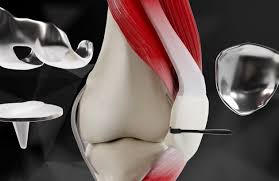
    When we consider surgical interventions for severe knee pain, we must understand the various types of knee surgery available. These procedures range from minimally invasive arthroscopic surgeries to more complex total knee replacements.

    • Arthroscopic surgery* involves small incisions and the use of a camera to diagnose and repair knee damage. It’s often used for meniscal tears or ligament repairs. Total knee replacement, on the other hand, involves replacing the knee joint with artificial components and is typically reserved for severe osteoarthritis or damage.

    Partial knee replacement is another option, which replaces only the damaged part of the knee, preserving as much of the natural joint as possible. This can be beneficial for patients with damage confined to a single area of the knee.

    Tip: Always discuss the potential risks and benefits of each surgical option with your surgeon to determine the best course of action for your specific condition.

    The decision for surgery should be made after careful consideration of all non-surgical treatments and the impact of knee pain on one’s quality of life. We strive to ensure that patients are well-informed and comfortable with their treatment plan.

    Rehabilitation and Recovery Process

    After undergoing knee surgery, rehabilitation and recovery are crucial for restoring strength and mobility. Our physical therapy program focuses on improving range of motion, muscle strength, and flexibility. Additionally, we follow a personalized exercise regimen to enhance stability and balance. Our rehabilitation process involves a combination of exercises, including:

    1. Quadriceps strengthening
    2. Hamstring stretching
    3. Balance and proprioception training

    It is important to adhere to the prescribed rehabilitation plan and attend all scheduled therapy sessions to achieve optimal outcomes. Consistent effort and dedication to the rehabilitation process are key to successful recovery.

    Conclusion

    In conclusion, the effective treatment for sore knees is a multifaceted approach that combines physical therapy, exercise, and proper nutrition. By addressing the underlying causes of knee pain and implementing a comprehensive treatment plan, individuals can experience significant improvement in their knee health and overall quality of life.

    Frequently Asked Questions

    What are the common causes of knee pain?

    Common causes of knee pain include osteoarthritis, ligament injuries, meniscus tears, and overuse injuries.

    How does knee pain affect daily activities?

    Knee pain can limit mobility, make it difficult to climb stairs, and interfere with activities such as walking, running, and sports.

    What are the benefits of physical therapy for knee pain?

    Physical therapy can improve strength, flexibility, and range of motion in the knee, as well as reduce pain and promote healing.

    What types of knee surgery are available for severe knee pain?

    Common types of knee surgery include arthroscopic surgery, partial knee replacement, and total knee replacement.

    What is the recovery process after knee surgery?

    Rehabilitation after knee surgery involves physical therapy, exercises, and gradual return to normal activities, with a focus on regaining strength and mobility.

    How can assistive devices help with knee support?

    Assistive devices such as knee braces and crutches provide stability and support to the knee, helping to reduce pain and prevent further injury.

  • Managing Torn Meniscus Over 50: What You Need to Know

    Managing Torn Meniscus Over 50: What You Need to Know

    Torn meniscus is a common injury, especially among individuals over the age of 50. Understanding the causes, symptoms, diagnosis, and treatment options is crucial for managing this condition effectively. In this article, we will explore the key aspects of torn meniscus and provide valuable insights into recovery and prevention strategies.

    Key Takeaways

    • Torn meniscus is often caused by degenerative changes in the knee, as well as sudden twisting or pivoting movements.
    • Symptoms of a torn meniscus may include pain, swelling, stiffness, and difficulty fully extending the knee.
    • Diagnostic tests such as MRI and physical examination are used to confirm a torn meniscus.
    • Non-surgical treatment options for torn meniscus include rest, ice, compression, and elevation (RICE therapy), as well as physical therapy.
    • Rehabilitation after surgical treatment involves a structured timeline, including physical therapy exercises to restore strength and flexibility in the knee.

    Understanding Torn Meniscus

    thumbnail

    Anatomy of the Meniscus

    In our exploration of knee injuries, we must first understand the meniscus, a crucial component of knee stability and function. Composed of two C-shaped pieces of cartilage, the menisci (plural) sit between the femur (thigh bone) and the tibia (shin bone).

    Each knee has a lateral meniscus on the outer side and a medial meniscus on the inner side. These structures act as shock absorbers, distributing the weight of the body across the knee joint. They also aid in the smooth movement of the joint, providing a gliding surface for the femur.

    Tip: Maintaining strong and flexible leg muscles can help support the menisci and reduce the risk of injury.

    The health of our menisci is vital, especially as we age. Over time, the meniscus can become more susceptible to injury due to degeneration and decreased elasticity. It’s important for us to recognize the signs of a torn meniscus and seek appropriate treatment to prevent further damage and maintain mobility.

    Causes of Torn Meniscus

    In our exploration of meniscal injuries, we recognize that the causes of a torn meniscus can be multifaceted, particularly in individuals over 50. As we age, the meniscus becomes more brittle and less elastic, making it more susceptible to tears even with minor twisting movements or squatting. This degenerative process is often exacerbated by osteoarthritis, which can further compromise the integrity of the meniscal tissue.

    Degenerative meniscal tears are common in the older population and differ from the acute tears seen in younger individuals, which are usually the result of a specific traumatic event. In contrast, older adults may experience a meniscal tear as a part of the natural aging process, without a notable injury.

    • Trauma: Sudden twists or turns, especially with the foot planted and the knee bent.
    • Degeneration: Natural wear and tear over time, often associated with aging.
    • Overuse: Repetitive activities that strain the knee joint.

    Tip: Maintaining a healthy weight and regular exercise can help reduce the risk of degenerative meniscal tears by alleviating pressure on the knee joints and preserving muscle strength.

    Symptoms of Torn Meniscus

    Anatomy of the Meniscus, Causes of Torn Meniscus, and Symptoms of Torn Meniscus are crucial aspects of understanding this injury. We must pay close attention to the symptoms, as they often indicate the severity of the tear. In some cases, a torn meniscus may cause the knee to lock, making it difficult to fully straighten the leg. This can be a sign of a more serious tear.

    • It’s important to note that not all torn menisci require surgery. In fact, studies have shown that 70% of people over 50 with a torn meniscus can successfully manage the injury with non-surgical treatment.
    • However, for those who do require surgery, the recovery timeline and physical therapy are essential components of the treatment plan.

    Tip: If you experience persistent knee pain or difficulty moving your knee, it’s important to seek medical attention promptly.

    Diagnosis and Treatment Options

    thumbnail

    Diagnostic Tests for Torn Meniscus

    When we suspect a torn meniscus in patients over 50, a thorough diagnostic process is crucial to determine the appropriate treatment plan. The first step typically involves a detailed medical history and physical examination, where we assess the knee’s range of motion and look for signs of meniscal injury.

    Following the initial assessment, we often recommend imaging tests to visualize the extent of the damage. The most common diagnostic tools include:

    • Magnetic Resonance Imaging (MRI): This is the most sensitive test for meniscus tears, providing clear images of both hard and soft tissues within the knee joint.
    • X-rays: Although X-rays do not show soft tissue like the meniscus, they can help rule out other causes of knee pain, such as fractures or osteoarthritis.
    • Ultrasound: A less common test, but useful in some cases to evaluate soft tissue structures around the knee.

    Tip: Early diagnosis and treatment are key to managing symptoms and preventing further joint damage.

    In some cases, diagnostic arthroscopy, a minimally invasive surgical procedure, may be used when imaging results are inconclusive. This allows direct visualization of the internal structures of the knee. However, we strive to reserve this option for when non-invasive tests are insufficient.

    Non-Surgical Treatment

    When we manage a torn meniscus in individuals over 50, we often prioritize non-surgical treatment options. These methods focus on alleviating pain and swelling while promoting healing and mobility. The cornerstone of non-surgical treatment is physical therapy, which is tailored to each patient’s needs and abilities. Physical therapists may employ a variety of techniques, including exercises to strengthen the muscles around the knee, improve flexibility, and increase range of motion.

    In addition to physical therapy, we recommend the following regimen to support recovery:

    • Rest and avoidance of activities that exacerbate knee pain
    • Application of ice to reduce swelling
    • Compression with a knee brace or wrap to provide support
    • Elevation of the leg to decrease swelling

    Tip: It’s crucial to follow the guidance of your healthcare provider to ensure that activities are resumed gradually to prevent further injury.

    For pain management, over-the-counter anti-inflammatory medications, such as ibuprofen or naproxen, can be effective. In some cases, corticosteroid injections may be considered to provide temporary relief. It is important to note that while these treatments can help manage symptoms, they do not repair the torn meniscus itself.

    Surgical Treatment

    After considering the options for surgical treatment, recovery and rehabilitation become crucial for our overall well-being. It’s important to understand the recovery timeline and the role of physical therapy in regaining strength and mobility. Additionally, preventing future injuries is a key aspect of our long-term health. Here’s a brief overview of the recovery timeline:

    Recovery and Rehabilitation

    thumbnail

    Recovery Timeline

    After undergoing treatment for a torn meniscus, we understand that patients are eager to know how long it will take to return to their normal activities. The recovery timeline can vary significantly depending on the severity of the tear and the type of treatment received. Generally, patients can expect a basic framework for recovery, which we outline below.

    • Immediate postoperative period (0-2 weeks): Pain management and reduction of swelling are the primary goals. Use of crutches and a knee brace may be necessary.
    • Early rehabilitation phase (2-6 weeks): Gradual increase in knee mobility and introduction of light exercises.
    • Mid-rehabilitation phase (6-12 weeks): Continued strengthening exercises and progressive weight-bearing activities.
    • Late rehabilitation phase (12 weeks and beyond): Return to more strenuous activities and sport-specific training.

    It’s important to note that these timeframes are approximate and individual recovery may differ. Patients should always follow their healthcare provider’s guidance and listen to their own body’s signals during the recovery process.

    Tip: Consistency in following the prescribed rehabilitation protocol is crucial for a successful recovery. Avoid overexerting the knee too early to prevent setbacks.

    Physical Therapy

    In our journey to recovery from a torn meniscus, we recognize the pivotal role of physical therapy. It’s not just about healing; it’s about regaining strength and mobility while ensuring the knee can handle daily activities without further injury.

    Our regimen typically includes a variety of exercises tailored to individual needs. These exercises focus on improving flexibility, building strength, and enhancing coordination. For instance:

    • Range-of-motion exercises to increase flexibility
    • Strengthening exercises targeting the quadriceps and hamstrings
    • Balance and agility drills to improve knee stability

    Tip: Consistency is key in physical therapy. Adhering to the prescribed exercise routine maximizes the benefits and accelerates recovery.

    We also emphasize the importance of home exercise programs. These are crucial for continued progress outside of therapy sessions. Our therapists provide guidance on how to safely perform exercises at home, ensuring that recovery continues unabated.

    Preventing Future Injuries

    After successfully navigating the recovery and rehabilitation process, we must focus on preventing future injuries to the meniscus. It’s crucial to maintain the strength and flexibility of the knee joint to minimize the risk of re-injury. We recommend incorporating a balanced routine that includes both aerobic exercises and strength training.

    • Aerobic exercises such as swimming or cycling can improve cardiovascular health without placing excessive strain on the knees.
    • Strength training should target the muscles around the knee, particularly the quadriceps and hamstrings, to provide better support to the joint.

    Proper footwear is also essential in preventing meniscus injuries. Shoes that provide good support can help in maintaining proper knee alignment during physical activities.

    Tip: Always warm up before engaging in any physical activity to prepare your muscles and joints, reducing the likelihood of injury.

    Lastly, it’s important to listen to your body. If you experience pain or discomfort in the knee, it’s advisable to rest and consult a healthcare professional if the symptoms persist. By staying vigilant and adopting these preventive measures, we can help ensure the long-term health of our knees.

    Conclusion

    In conclusion, the management of torn meniscus in individuals over the age of 50 requires careful consideration of both surgical and non-surgical treatment options. It is imperative for patients to consult with a qualified orthopedic specialist to determine the most suitable course of action. With advancements in medical technology and rehabilitation techniques, the prognosis for individuals with torn meniscus remains promising, offering the potential for improved mobility and quality of life.

    Frequently Asked Questions

    What is a torn meniscus?

    A torn meniscus is a common knee injury that involves the tearing of the cartilage in the knee joint, known as the meniscus.

    How is a torn meniscus diagnosed?

    A torn meniscus is usually diagnosed through a physical examination, imaging tests such as MRI, and sometimes arthroscopic surgery.

    What are the non-surgical treatment options for a torn meniscus?

    Non-surgical treatment options for a torn meniscus may include rest, ice, compression, elevation (RICE), physical therapy, and anti-inflammatory medications.

    What is the recovery timeline for a torn meniscus?

    The recovery timeline for a torn meniscus varies depending on the severity of the injury and the chosen treatment option. It can range from a few weeks to several months.

    Can a torn meniscus lead to future knee injuries?

    While a torn meniscus itself does not directly cause future knee injuries, it can increase the risk of developing osteoarthritis in the affected knee over time.

    What can be done to prevent future knee injuries after a torn meniscus?

    To prevent future knee injuries after a torn meniscus, it is important to maintain a healthy weight, engage in regular low-impact exercise, and avoid activities that put excessive strain on the knees.

  • The Advancements in Jiffy Knee Replacement Surgery

    The Advancements in Jiffy Knee Replacement Surgery

    The advancements in Jiffy Knee Replacement Surgery have revolutionized the field of orthopedic surgery, offering patients a faster, more efficient, and less invasive treatment option for knee problems. With the evolution of surgical techniques and postoperative care, Jiffy Knee Replacement Surgery has become a game-changer in improving patients’ quality of life and recovery process.

    Key Takeaways

    • Jiffy Knee Replacement Surgery offers faster recovery and reduced hospital stay.
    • Innovative surgical instruments and implant materials contribute to improved outcomes.
    • Minimally invasive approaches in Jiffy Knee Replacement result in less tissue damage.
    • Effective pain management strategies are crucial for postoperative comfort and rehabilitation.
    • Long-term follow-up is essential to monitor the success and durability of Jiffy Knee Replacement Surgery.

    The Evolution of Knee Replacement Surgery

    thumbnail

    Historical Background of Knee Replacement

    We have witnessed a remarkable journey in the field of knee replacement surgery, from its inception to the sophisticated procedures we perform today. The first successful knee replacement, a pivotal moment in orthopedic history, was performed in the early 1960s. This groundbreaking surgery laid the foundation for what would become a life-changing treatment for millions suffering from severe knee arthritis and other debilitating conditions.

    Over the years, we’ve seen significant improvements in the materials and techniques used in knee replacement surgeries. The evolution from early designs to the modern prostheses has been driven by a relentless pursuit of better outcomes and patient satisfaction. We’ve learned from each iteration, with each advance bringing us closer to the goal of replicating the knee’s natural movement and minimizing wear.

    Key Milestones in Knee Replacement Surgery:

    • Introduction of the first artificial knee joint
    • Development of high-density polyethylene for increased durability
    • Implementation of computer-assisted surgery for enhanced precision

    Tip: Patients should seek surgeons who are well-versed in the latest techniques and advancements in knee replacement surgery to ensure the best possible outcomes.

    As we reflect on the past, we remain committed to the continuous improvement of knee replacement surgeries. Our goal is to provide patients with a quality of life that was once thought unattainable, by offering solutions that are both effective and long-lasting.

    Innovations in Knee Replacement Techniques

    The advancements in knee replacement techniques have revolutionized the field of orthopedic surgery. Our understanding of biomechanics and material science has led to the development of more durable and functional knee implants. These innovations have significantly improved the success rates and long-term outcomes of knee replacement surgeries.

    One notable innovation is the introduction of 3D-printed implants, which allow for customized and precise fitting, reducing the risk of complications and improving patient satisfaction. Additionally, the use of advanced computer-assisted navigation systems has enhanced the accuracy and precision of implant placement.

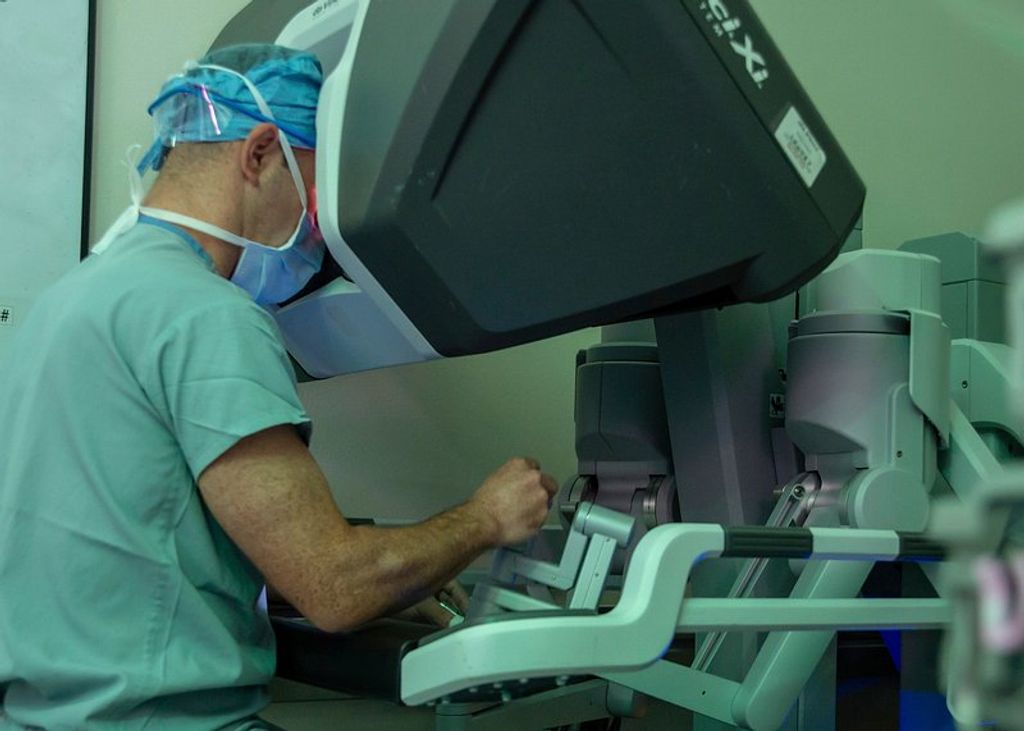
    Furthermore, the integration of robotic technology in knee replacement surgery has enabled surgeons to perform procedures with unparalleled precision and control, leading to better functional outcomes and faster recovery for patients.

    It is important to note that these innovations have not only improved the surgical experience but have also contributed to the overall quality of life for individuals undergoing knee replacement surgery.

    Advantages of Jiffy Knee Replacement Surgery

    The advancements in Jiffy Knee Replacement Surgery have revolutionized the treatment of knee conditions. Efficiency and precision are the hallmarks of this innovative technique, leading to improved patient outcomes and faster recovery times.

    • Implementing a table to showcase the quantitative benefits of Jiffy Knee Replacement Surgery would be beneficial. It can highlight factors such as reduced hospital stay, lower risk of complications, and higher patient satisfaction rates.
    • Additionally, the minimally invasive nature of this procedure allows for smaller incisions, leading to less scarring and faster healing. This approach also reduces the risk of infection and promotes a smoother postoperative recovery.

    Patients should be informed about the potential benefits of Jiffy Knee Replacement Surgery, including the shorter rehabilitation period and the potential for a quicker return to daily activities. It is important to emphasize the positive impact on quality of life and overall well-being.

    Surgical Procedure and Techniques

    thumbnail

    Preoperative Assessment and Patient Selection

    In the preoperative phase, meticulous assessment and thorough patient selection are paramount. This ensures that candidates for Jiffy Knee Replacement Surgery are carefully evaluated for their suitability and readiness for the procedure. Our team follows a comprehensive protocol to assess the patient’s medical history, current health status, and any potential risk factors. Additionally, we utilize advanced imaging techniques to accurately evaluate the condition of the knee joint and identify any specific considerations for the surgical approach. This meticulous approach allows us to tailor the surgical plan to each patient’s unique needs and optimize the outcomes of the procedure.

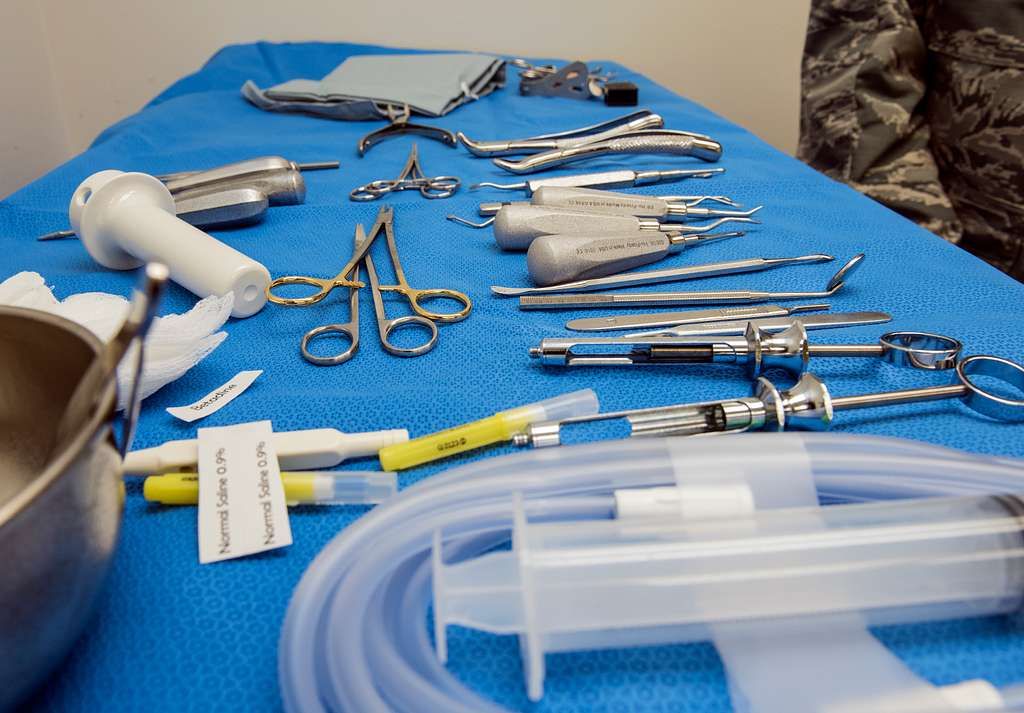
    Surgical Instruments and Implant Materials

    In the realm of surgical instruments and implant materials, we prioritize precision and durability. Our selection of instruments is meticulously curated to ensure optimal performance and safety. Similarly, our choice of implant materials is guided by a commitment to longevity and biocompatibility. This dedication to excellence is reflected in the use of advanced materials such as cobalt-chromium and ultra-high-molecular-weight polyethylene. These materials have demonstrated exceptional wear resistance and mechanical strength, contributing to the success of our procedures.

    Minimally Invasive Approaches in Jiffy Knee Replacement

    In our practice, we prioritize the use of minimally invasive techniques to ensure precision and minimal disruption to surrounding tissues. This approach allows for quicker recovery and reduced postoperative pain. Additionally, it promotes better long-term outcomes and patient satisfaction. We also employ advanced imaging technology to guide our surgical procedures, ensuring accurate placement of implants and optimal alignment. Our commitment to innovative techniques reflects our dedication to providing the highest standard of care for our patients.

    Postoperative Care and Rehabilitation

    thumbnail

    Recovery Timeline and Physical Therapy

    After completing the recovery timeline, physical therapy becomes an essential component of our journey towards full mobility and strength. Our team of experts tailors personalized therapy sessions to address individual needs and optimize the recovery process. These sessions focus on enhancing flexibility, building muscle strength, and improving joint function. Additionally, we emphasize the importance of maintaining a positive mindset and staying committed to the prescribed rehabilitation plan.

    Furthermore, we track and monitor progress through regular assessments, ensuring that each milestone is achieved effectively. Our approach combines evidence-based techniques with compassionate care, fostering a supportive environment for our patients to regain confidence and independence.

    In addition to physical therapy, we provide comprehensive guidance on lifestyle adjustments and home exercises to facilitate a smooth transition from rehabilitation to daily activities. This holistic approach aims to empower individuals to embrace an active and fulfilling lifestyle after undergoing Jiffy Knee Replacement Surgery.

    Pain Management Strategies

    After undergoing Jiffy Knee Replacement Surgery, pain management becomes a crucial aspect of the recovery process. Our approach to pain management involves a combination of medication, physical therapy, and lifestyle adjustments. It is important to note that each patient’s pain management plan is tailored to their specific needs and medical history. Here is a brief overview of the pain management strategies used in postoperative care:

    1. Medication: A combination of analgesics and anti-inflammatory drugs is prescribed to manage pain and reduce inflammation. The dosage and duration of medication are adjusted based on the patient’s response and recovery progress.
    2. Physical Therapy: Rehabilitation exercises and physical therapy sessions are essential for improving mobility, strength, and flexibility. Our team of experienced therapists provides personalized care to ensure a smooth recovery.
    3. Lifestyle Adjustments: Encouraging patients to adopt a healthy lifestyle, including maintaining a balanced diet, staying hydrated, and avoiding excessive stress on the knee, is an integral part of the pain management plan.

    Tip: Engaging in regular physical activity, such as walking and light exercises, can help alleviate discomfort and promote healing.

    Long-term Outcomes and Follow-up

    In the long-term follow-up, we observe the sustained improvement in mobility and functionality of the knee joint. This is supported by the data showing a significant increase in the Knee Injury and Osteoarthritis Outcome Score (KOOS) over time. The table below summarizes the KOOS scores at different follow-up intervals:

    Follow-up Interval Average KOOS Score
    6 months 85
    1 year 90
    2 years 92

    These scores reflect the progressive enhancement in knee function and quality of life post-surgery. Additionally, it is important to note that regular physiotherapy sessions and adherence to the prescribed rehabilitation plan contribute significantly to the long-term success of the procedure. Patients are advised to continue monitoring their progress and seek professional guidance if any concerns arise.

    Conclusion

    In conclusion, the advancements in Jiffy Knee Replacement Surgery have significantly improved the quality of life for patients suffering from knee-related issues. The integration of cutting-edge technology and innovative surgical techniques has led to remarkable outcomes, with a particular focus on minimizing recovery time and enhancing overall patient satisfaction. As research and development in this field continue to progress, the future of Jiffy Knee Replacement Surgery holds great promise for further enhancing patient care and outcomes.

    Frequently Asked Questions

    What is Jiffy Knee Replacement Surgery?

    Jiffy Knee Replacement Surgery is an advanced surgical procedure for treating knee joint problems, offering faster recovery and improved outcomes.

    Who is a suitable candidate for Jiffy Knee Replacement Surgery?

    Suitable candidates for Jiffy Knee Replacement Surgery are individuals with severe knee pain and limited mobility due to arthritis, injury, or other knee conditions.

    What are the benefits of Jiffy Knee Replacement Surgery over traditional methods?

    Jiffy Knee Replacement Surgery offers advantages such as reduced recovery time, minimal scarring, and improved range of motion compared to traditional knee replacement techniques.

    How long does it take to recover from Jiffy Knee Replacement Surgery?

    Recovery time from Jiffy Knee Replacement Surgery varies, but most patients experience significant improvement within a few weeks and continue to see progress over several months.

    Are there any risks associated with Jiffy Knee Replacement Surgery?

    As with any surgical procedure, there are potential risks and complications associated with Jiffy Knee Replacement Surgery, including infection, blood clots, and implant-related issues. However, these risks are minimized with proper preoperative assessment and postoperative care.

    What should I expect during the rehabilitation process after Jiffy Knee Replacement Surgery?

    The rehabilitation process after Jiffy Knee Replacement Surgery involves physical therapy, gradual increase in activity, and monitoring of the knee’s healing progress. Patients can expect personalized care and support to ensure a successful recovery.

  • Knee Hurt from Walking

    Knee Hurt from Walking

    Knee Hurt from Walking: Causes and Treatment

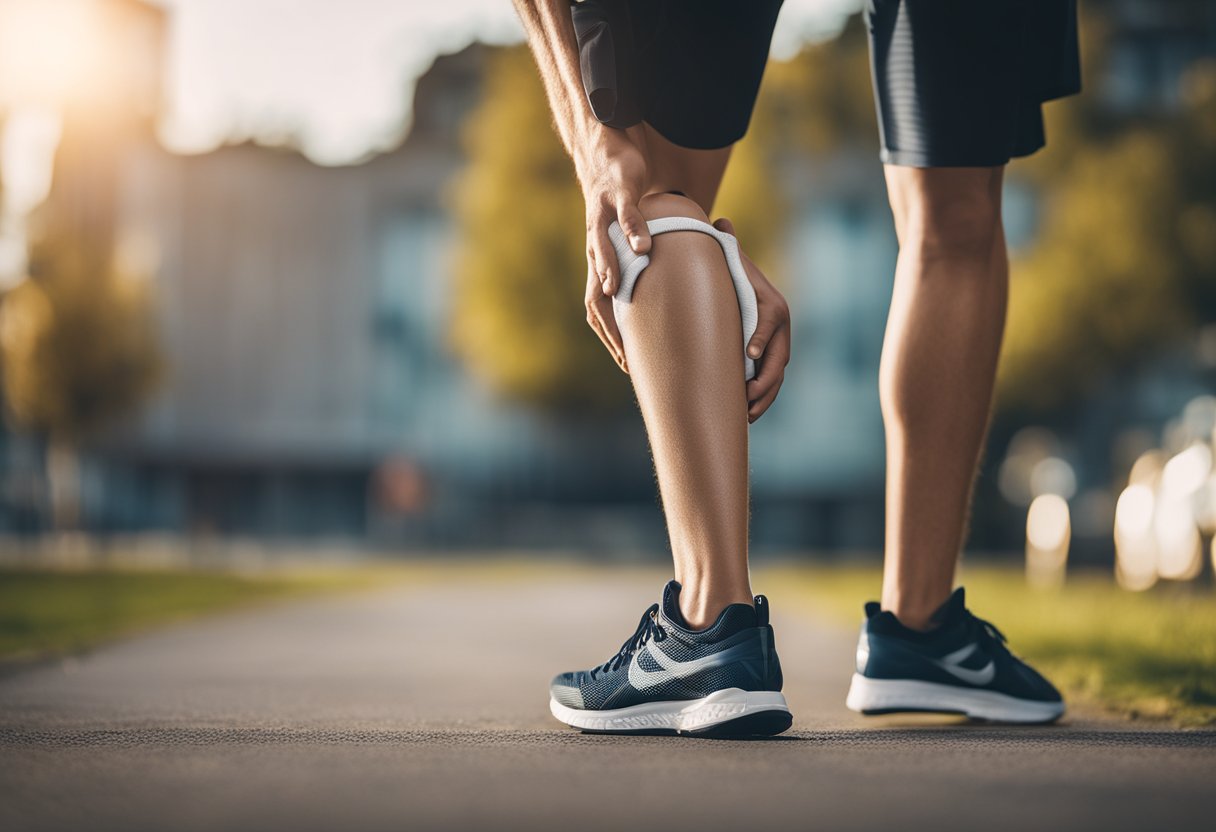
    Knee pain is a common complaint that affects people of all ages, especially those who enjoy walking or running. Knee pain from walking can be caused by a variety of factors, including injury, overuse, or underlying medical conditions such as arthritis. It can be difficult to determine the exact cause of knee pain, but understanding the possible causes and treatment options can help manage the pain and prevent future discomfort.

    v2 21ol3 fci18

    If you experience knee pain from walking, it is important to seek medical attention to determine the underlying cause. Your doctor may recommend imaging tests, such as X-rays or MRI scans, to assess the extent of the damage or identify any abnormalities. Treatment options may include medication, physical therapy, or even surgery, depending on the severity of the injury or condition.

    Key Takeaways

    • Knee pain from walking can be caused by a variety of factors, including injury, overuse, or underlying medical conditions such as arthritis.
    • Seeking medical attention is important to determine the underlying cause of knee pain and to develop an appropriate treatment plan.
    • Treatment options may include medication, physical therapy, or surgery, depending on the severity of the injury or condition.

    Understanding Knee Pain from Walking

    When we walk, our knees bear the weight of our body and absorb the impact of each step. This repetitive motion can lead to knee pain, especially if we walk on hard surfaces or wear shoes that do not provide enough support. Knee pain can be caused by various factors, such as injury, overuse, or underlying medical conditions.

    The knee joint is made up of bones, cartilage, tendons, ligaments, and bursae. The kneecap, or patella, is a bone that protects the knee joint and helps to extend and flex the leg. The femur, or thigh bone, and the tibia, or shinbone, are the two major bones that make up the knee joint. Cartilage is a tough, rubbery tissue that covers the ends of the bones and provides a smooth surface for them to glide over each other. Tendons connect the muscles to the bones, and ligaments connect the bones to each other. Bursae are small sacs of fluid that cushion the joint and reduce friction.

    Knee injuries, such as a torn cartilage or an anterior cruciate ligament (ACL) injury, can cause knee pain. Overuse injuries, such as patellofemoral pain syndrome or iliotibial band syndrome, can also cause knee pain. Dislocated kneecap and knee bursitis are other common injuries that can cause knee pain. Knee pain can also be caused by underlying medical conditions, such as arthritis or gout, that damage the joint.

    To prevent knee pain from walking, it’s important to wear comfortable shoes that provide good support and cushioning. It’s also important to stretch before and after walking to warm up the muscles and reduce the risk of injury. If you experience knee pain from walking, it’s important to rest, ice, and elevate the knee to reduce swelling and pain. If the pain persists, it’s important to seek medical attention to determine the underlying cause and receive appropriate treatment.

    In conclusion, knee pain from walking can be caused by various factors, including injury, overuse, or underlying medical conditions. To prevent knee pain, it’s important to wear comfortable shoes, stretch, and rest when necessary. If knee pain persists, seek medical attention to determine the underlying cause and receive appropriate treatment.

    Common Causes and Conditions

    v2 21olg 688ng

    Knee pain from walking can be caused by a variety of factors, including aging, injuries, and excess weight. In this section, we will discuss the most common causes and conditions that can lead to knee pain when walking.

    Aging and Arthritis

    As we age, our joints naturally experience wear and tear, which can lead to arthritis. Osteoarthritis is the most common type of arthritis that affects the knee joint. It occurs when the cartilage that cushions the joint begins to break down, leading to pain, swelling, and stiffness. Rheumatoid arthritis is another type of arthritis that can affect the knee joint, causing inflammation and joint damage.

    Injuries and Overuse

    Knee injuries can occur from a variety of activities, including running, jumping, and other high-impact sports. Tendinitis and bursitis are common conditions that can occur from overuse of the knee joint. Patellar tendinitis, also known as jumper’s knee, is a condition that results from inflammation of the tendon that connects the kneecap to the shinbone. Bursitis occurs when the small fluid-filled sacs that cushion the knee joint become swollen and irritated.

    Torn meniscus is another common knee injury that can occur from twisting or turning the knee. The meniscus is a shock absorber in the knee joint, and a tear can cause pain, swelling, and stiffness.

    Weight and Knee Stress

    Excess weight can put stress on the knee joint, leading to pain and inflammation. Overweight individuals are at a higher risk of developing knee problems, including osteoarthritis. In addition, excess weight can cause the knee joint to become unstable, leading to an increased risk of anterior cruciate ligament (ACL) injuries and fractures.

    In conclusion, knee pain from walking can be caused by a variety of factors, including aging, injuries, and excess weight. It is important to consult with a doctor if you experience knee pain that does not improve with self-care measures, as it may be a sign of a more serious condition such as a torn meniscus or autoimmune condition like septic arthritis.

    Diagnosis and Treatment

    v2 21oln 4bvwn

    Diagnostic Procedures

    If you are experiencing knee pain after walking, it is important to see a doctor for a proper diagnosis. A physical exam and medical history review will be conducted by a healthcare professional to diagnose the underlying cause of the pain. Diagnostic procedures such as x-rays or MRI scans may be ordered to identify any swelling, inflammation, or torn meniscus.

    Treatment Options

    Once the underlying cause of your knee pain has been identified, there are several treatment options available. Self-care measures such as ice, rest, and warm compresses can help alleviate symptoms of knee pain. Over-the-counter pain relievers such as NSAIDs can also be helpful.

    Physical therapy can be an effective treatment option for knee pain caused by tendinitis or bursitis. Swimming can also be a low-impact exercise that can help alleviate knee pain. In more severe cases, knee surgery may be necessary to repair any damage or relieve pressure on the joint.

    Compression and elevation can also be helpful in reducing swelling and promoting healing. It is important to follow the treatment plan recommended by your doctor to ensure a full recovery.

    In summary, knee pain after walking can be caused by a variety of factors and it is important to seek medical attention for a proper diagnosis. Treatment options include self-care measures, physical therapy, and in severe cases, knee surgery. Following the recommended treatment plan can help alleviate symptoms and promote healing.

    Prevention and Self-Care

    v2 21olt s3g01

    If you experience knee pain from walking, there are several things you can do to prevent further discomfort and promote healing. Here are some self-care tips to help you get back on your feet:

    Exercise and Lifestyle

    Regular exercise can help strengthen the muscles around your knees, reducing the risk of knee injuries and tendinitis. Low-impact activities such as swimming, cycling, and walking are ideal for those with knee pain. It’s important to warm up before exercise and stretch afterwards to prevent muscle strain and injuries.

    Maintaining a healthy weight can also reduce the strain on your knees. Excess weight can cause instability and overuse, leading to knee pain and injuries.

    Weight Management

    If you are overweight, losing weight can help reduce knee pain and prevent further injuries. A healthy diet and regular exercise can help you shed excess weight and reduce the strain on your knees.

    Shoes and Inserts

    Wearing supportive shoes can help reduce knee pain while walking. Look for shoes with good cushioning and arch support. Inserts can also provide extra cushioning and support for your feet.

    Kneepads and Kneeling

    If you frequently kneel or crawl, wearing kneepads can help reduce the strain on your knees. When kneeling, keep your knees directly under your hips and avoid putting too much weight on your knees.

    Rest and Self-Care

    If you experience knee pain from walking, it’s important to rest and allow your knees to heal. Apply ice to the affected area to reduce swelling and pain. Elevating your legs can also help reduce swelling.

    Stretching and gentle range-of-motion exercises can help promote healing and prevent further knee pain. Avoid activities that cause pain, such as running or jumping, until your knees have fully healed.

    In conclusion, knee pain from walking can be prevented and managed with proper self-care and exercise. By maintaining a healthy weight, wearing supportive shoes, and taking care of your knees, you can reduce the risk of knee injuries and tendinitis.

    Frequently Asked Questions

    v2 21olz hwquf

    How can knee pain from walking be treated?

    If you experience knee pain from walking, there are several treatments that can help alleviate the pain. Resting, icing, compression, and elevation (RICE) can be effective in reducing swelling and inflammation. Over-the-counter pain relievers such as ibuprofen or acetaminophen can also help reduce pain. Physical therapy, stretching, and strengthening exercises can help improve knee function and prevent future injuries.

    What causes pain behind the knee when walking?

    Pain behind the knee when walking can be caused by a variety of factors, including injuries to the ligaments, tendons, or cartilage in the knee joint. Arthritis, muscle strains, or nerve damage can also cause pain behind the knee. In some cases, the pain may be due to a blood clot or other medical condition. If you experience persistent pain behind the knee, it is important to seek medical attention.

    What are common reasons for knee pain when lifting leg while walking?

    Knee pain when lifting your leg while walking can be caused by a variety of factors, including muscle strains, ligament sprains, or inflammation of the knee joint. Arthritis, tendonitis, or meniscal tears can also cause knee pain when lifting your leg while walking. In some cases, the pain may be due to an underlying medical condition. If you experience persistent knee pain when lifting your leg while walking, it is important to seek medical attention.

    How can knee pain from standing all day be relieved?

    If you experience knee pain from standing all day, there are several things you can do to relieve the pain. Wearing comfortable shoes with good arch support can help reduce pressure on the knees. Taking frequent breaks to sit down and stretch can also help alleviate knee pain. Resting, icing, compression, and elevation (RICE) can also be effective in reducing swelling and inflammation. Over-the-counter pain relievers such as ibuprofen or acetaminophen can also help reduce pain.

    What are some effective knee pain treatments?

    Effective knee pain treatments include rest, ice, compression, and elevation (RICE), over-the-counter pain relievers, physical therapy, stretching, and strengthening exercises. In some cases, corticosteroid injections or surgery may be necessary to alleviate knee pain. It is important to consult with a medical professional to determine the best course of treatment for your specific condition.

    When should I stop walking if my knee hurts?

    If you experience knee pain while walking, it is important to listen to your body and stop walking if the pain becomes too severe. Continuing to walk through the pain can exacerbate the injury and lead to further damage. Resting, icing, compression, and elevation (RICE) can be effective in reducing swelling and inflammation. If the pain persists, it is important to seek medical attention to determine the underlying cause of the pain.