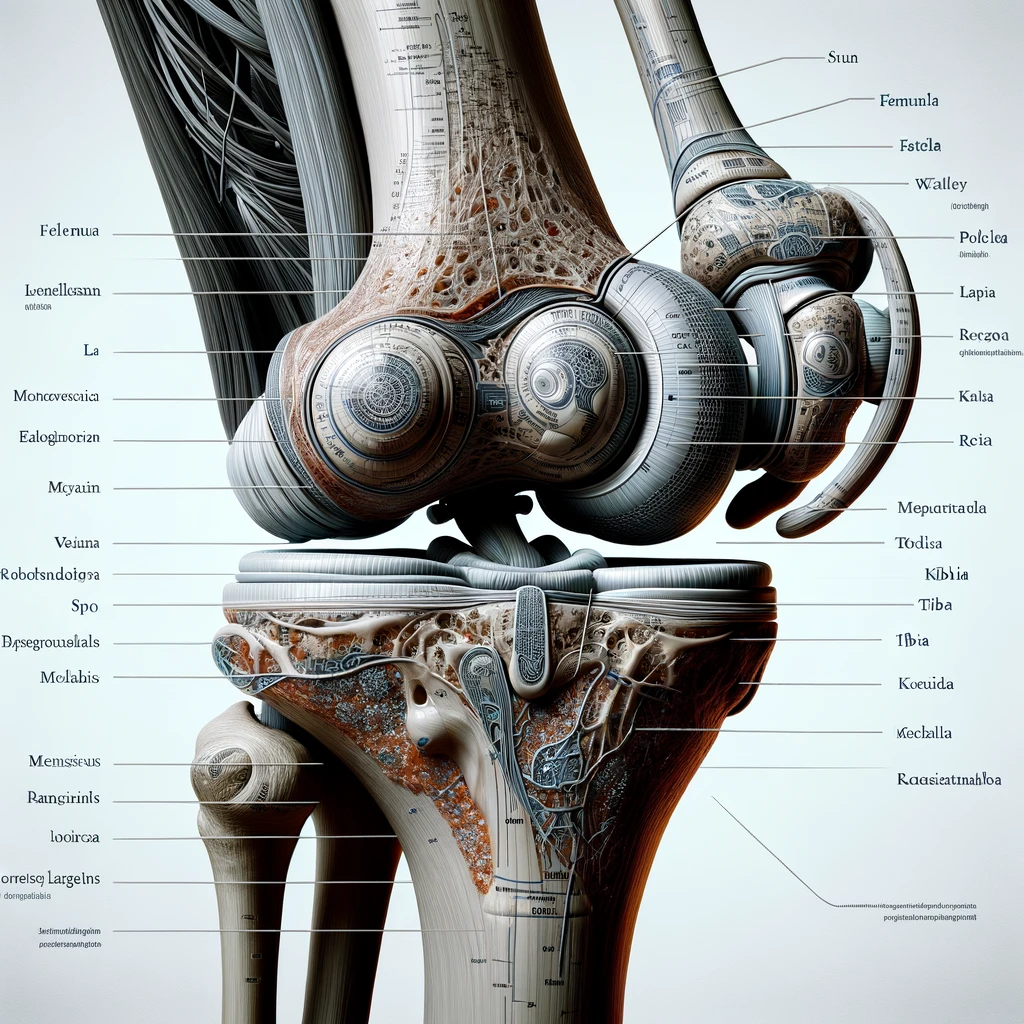
Types of Traumatic Knee Injuries: A Comprehensive Overview
Traumatic knee injuries are a common occurrence in sports medicine and can cause significant pain and discomfort. Knee injuries involve trauma to one or more tissues that make up the knee joint, including bones, ligaments, cartilage, meniscus, and tendons. In many cases, injuries involve more than one structure in the knee.

There are various types of traumatic knee injuries, and each injury requires a unique treatment approach. Some of the most common types of knee injuries include fractures, dislocations, tears of the anterior cruciate ligament (ACL), and tears of the meniscus. Knee injuries can occur due to a fall, forceful twisting of the knee, or high impact from a motor vehicle accident or another force.
In this article, we will discuss the different types of traumatic knee injuries, their causes, symptoms, and treatment options. We will also provide tips for preventing knee injuries and maintaining healthy knee joints. Understanding the different types of knee injuries can help you take the necessary steps to prevent them and seek appropriate medical care if you experience knee pain or discomfort.
Types of Knee Injuries
When it comes to knee injuries, there are several types of traumatic knee injuries that can occur. Here, we will discuss some of the most common types of knee injuries and their subtypes:
Ligament Injuries
The knee joint has four main ligaments: the anterior cruciate ligament (ACL), posterior cruciate ligament (PCL), medial collateral ligament (MCL), and lateral collateral ligament (LCL). These ligaments can be sprained or torn due to a fall, sports injury, or accident. Symptoms of a ligament injury may include pain, swelling, and instability in the knee joint.
Meniscus Injuries
The meniscus is a C-shaped piece of cartilage in the knee joint that acts as a shock absorber. Meniscal tears are a common type of knee injury that can happen due to a twisting motion or direct impact to the knee. Symptoms of a meniscal tear may include knee pain, swelling, and difficulty moving the knee joint.
Tendon Injuries
The knee joint also has two main tendons: the patellar tendon and the quadriceps tendon. These tendons can tear due to overuse or direct impact to the knee joint. Symptoms of a tendon tear may include inflammation, pain, and difficulty moving the knee joint.
Fractures
A knee fracture occurs when one or more of the bones that make up the knee joint (patella, femur, or tibia) break due to a fall, sports injury, or accident. Symptoms of a knee fracture may include severe pain, swelling, and difficulty moving the knee joint.
Dislocations
A knee dislocation occurs when the bones that make up the knee joint (patella, femur, or tibia) are forced out of their normal position. This can happen due to a fall, sports injury, or accident. Symptoms of a knee dislocation may include pain, swelling, and instability in the knee joint.
In conclusion, knee injuries can be painful and debilitating. If you experience any symptoms of a knee injury, it is important to seek medical attention right away. Treatment options may include rest, physical therapy, or surgery depending on the severity of the injury.
Diagnosis and Treatment
Clinical Assessment
When a patient presents with a traumatic knee injury, we first perform a clinical assessment to determine the extent and severity of the injury. This includes evaluating the patient’s medical history, performing a physical examination, and assessing the patient’s symptoms, such as swelling, pain, and stiffness.
Imaging Techniques
Imaging techniques, such as x-rays, MRI, and CT scans, may be used to further assess the injury and determine the appropriate treatment approach. X-rays are useful for evaluating bone fractures, while MRI and CT scans are better for assessing soft tissue injuries, such as ligament or cartilage tears.
Treatment Approaches
Treatment for traumatic knee injuries varies depending on the extent and severity of the injury. In some cases, rest, ice, compression, and elevation (RICE) may be sufficient to manage symptoms and promote healing. In more severe cases, surgery may be necessary to repair or reconstruct damaged ligaments, cartilage, or bones.
Rehabilitation and Recovery
Physical therapy is an important part of the recovery process for patients with traumatic knee injuries. Physical therapy can help reduce pain and swelling, improve range of motion, and strengthen the muscles around the knee joint. Patients may also benefit from exercises and stretching to improve flexibility and mobility.
In summary, diagnosis and treatment of traumatic knee injuries requires a comprehensive approach that includes clinical assessment, imaging techniques, and appropriate treatment approaches. Rehabilitation and recovery through physical therapy and exercise are also important for promoting healing and returning to normal activities.