Tag: Knee injury prevention

  • Knee Proprioception Drills for Athletes

    Knee Proprioception Drills for Athletes

    Can specific training exercises significantly reduce the risk of knee injuries in athletes? Knee injuries are a common issue faced by athletes, often resulting from poor training protocols or inadequate preparation.

    Athletes and fitness enthusiasts can benefit from evidence-based training that focuses on enhancing sports performance and preventing injuries. Implementing knee proprioception drills is a crucial aspect of athletic training, as it improves overall performance and reduces the risk of debilitating knee issues.

    Key Takeaways

    • Importance of knee proprioception in athletic performance
    • Role of evidence-based training in injury prevention
    • Benefits of incorporating proprioception drills into training routines
    • Enhancing sports performance through targeted exercises
    • Reducing the risk of knee injuries with specific training protocols

    What is Knee Proprioception?

    The concept of knee proprioception encompasses the complex sensory inputs that inform an athlete about their knee’s position and movement. This sensory information is crucial for effective movement and stability.

    Definition and Importance

    Knee proprioception is defined as the ability to sense the position, orientation, and movement of the knee joint. This ability is vital for athletes as it influences their performance and susceptibility to injury. Proprioceptive training is a method used to enhance this ability, thereby improving joint stability and reducing the risk of injuries.

    Research has shown that proprioceptive training can significantly stabilize joints and improve dynamic neuromuscular control in athletes. This is achieved through various balance drills and exercises designed to challenge and improve the proprioceptive system.

    Role in Athletic Performance

    In athletic performance, knee proprioception plays a pivotal role. It enables athletes to execute movements with precision and control, contributing to better overall performance. Athletes with superior knee proprioception can change direction quickly, jump higher, and maintain balance more effectively.

    The role of proprioception in athletic performance can be further understood by examining its impact on movement. Effective proprioception allows for more efficient and powerful movements, as the body can better coordinate muscle actions.

    Training Method Improvement in Proprioception Injury Risk Reduction
    Balance Drills High Significant
    Resistance Band Exercises Moderate Moderate
    Bosu Ball Training High Significant

    In conclusion, knee proprioception is a vital component of athletic performance and injury prevention. Through proprioceptive training and specific exercises like balance drills, athletes can significantly enhance their knee proprioception, leading to improved performance and reduced injury risk.

    Benefits of Improved Knee Proprioception

    The benefits of improved knee proprioception are multifaceted, impacting injury prevention, balance, and overall strength. By enhancing the body’s ability to sense the position and movement of the knee joint, athletes can significantly improve their overall athletic performance.
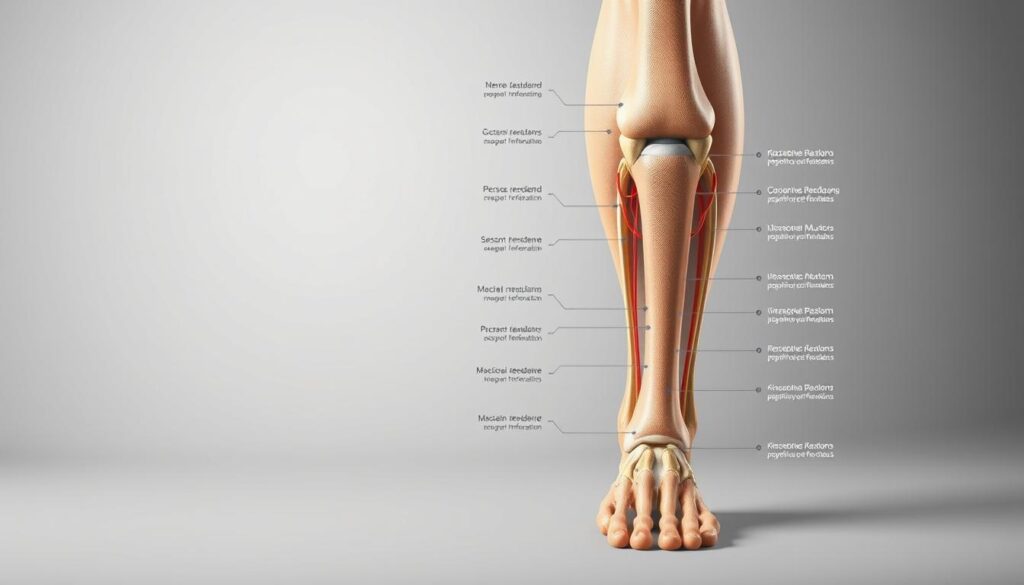
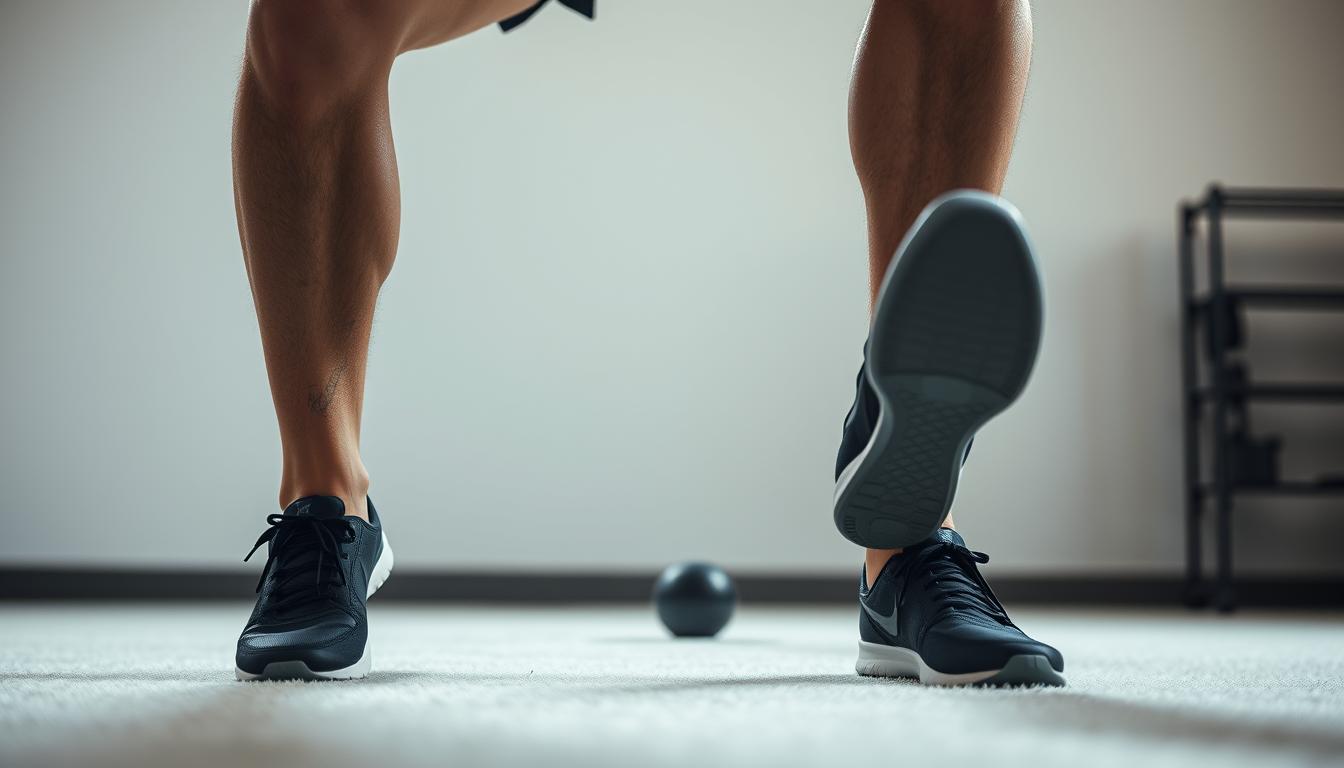
    knee proprioception benefits

    Injury Prevention

    One of the primary benefits of improved knee proprioception is injury prevention. Effective knee injury prevention programs incorporate a variety of training methods, including neuromuscular and proprioceptive training, dynamic stretching, strength exercises, plyometrics, and balance drills. These components work together to improve joint stability, muscle coordination, and proper movement patterns, thereby reducing the risk of knee injuries.

    As noted by sports medicine professionals, “A comprehensive training program that includes proprioceptive exercises can significantly reduce the incidence of knee injuries in athletes.”

    Enhanced Balance and Coordination

    Improved knee proprioception also leads to enhanced balance and coordination. By having a better sense of knee position and movement, athletes can maintain better balance during complex movements, reducing the likelihood of falls and missteps. This is particularly important in sports that require quick changes of direction or rapid movements.

    • Improved reaction times
    • Better overall athleticism
    • Enhanced ability to adapt to different terrains or surfaces

    Increased Strength and Stability

    Furthermore, enhanced knee proprioception contributes to increased strength and stability. When the body has a better sense of the knee joint’s position, it can more effectively recruit the necessary muscles to support and stabilize the joint during movement. This results in improved overall strength and reduced fatigue during prolonged activities.

    As athletes incorporate proprioception drills into their training, they can expect to see improvements in their strength and stability, leading to better overall sports performance.

    Essential Drills for Athletes

    Athletes seeking to enhance their performance and reduce the risk of injury should incorporate specific proprioception drills into their training regimen. These exercises are designed to improve knee stability and overall athletic capability.

    Single-Leg Balance Drills

    Single-leg balance drills are a fundamental component of proprioceptive training. These exercises challenge the knee joint, enhancing balance and stability. To perform a single-leg balance, stand on one leg, keeping the other foot lifted off the ground. Hold this position for 30 seconds to start, and gradually increase the duration as your balance improves.

    T-band Exercises for Knee Stability

    T-band exercises are another effective method for improving knee stability. By using resistance bands, athletes can strengthen the muscles around the knee, enhancing proprioception. For example, anchoring a T-band around a stable object and then looping the other end around the ankle allows for various leg movements that challenge knee stability.

    Bosu Ball Workouts

    Bosu ball workouts offer a dynamic way to improve proprioception. The unstable surface of the Bosu ball requires athletes to engage their stabilizer muscles, thereby enhancing knee stability and overall balance. Exercises such as squats, lunges, and single-leg stands on the Bosu ball are particularly effective.

    Drill Benefits Tips for Execution
    Single-Leg Balance Improves balance and stability Start with eyes open, progress to eyes closed
    T-band Exercises Enhances knee stability and strength Use appropriate resistance levels, focus on slow movements
    Bosu Ball Workouts Challenges stabilizer muscles, improves overall balance Begin with basic exercises, gradually increase difficulty

    For more comprehensive exercises that can help with knee health, athletes can refer to knee joint pain exercises, which provide additional training options.

    Advanced Proprioception Exercises

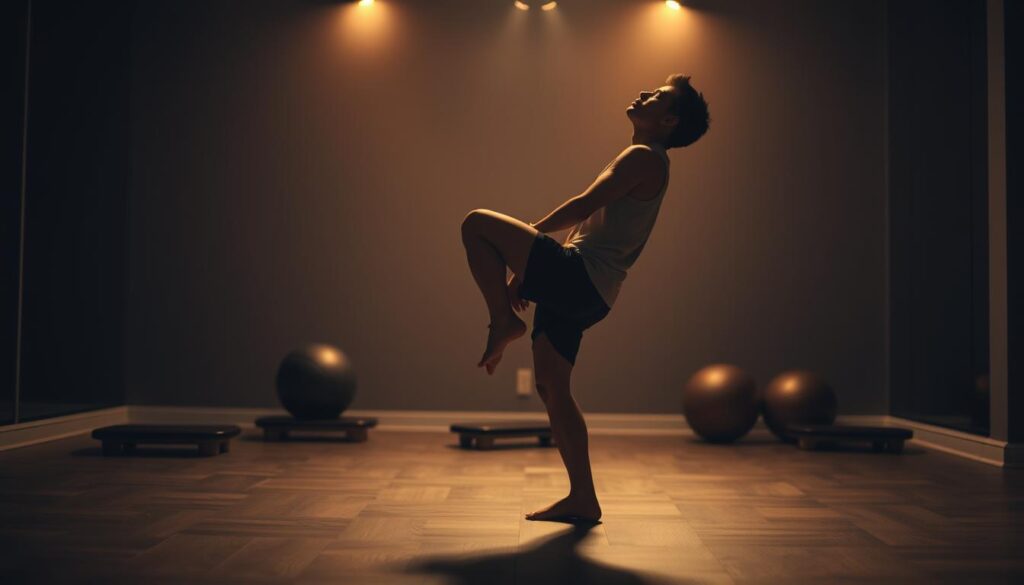
    Advanced proprioception exercises are crucial for athletes seeking to enhance their neuromuscular control and overall sports performance. These exercises are designed to challenge the athlete’s ability to sense the position and movement of their body, thereby improving their agility, reaction time, and overall athletic capability.

    Agility Ladder Drills

    Agility ladder drills are an effective way to improve foot speed, agility, and overall proprioception. These drills involve performing various footwork patterns through a ladder laid flat on the ground.

    • High knees
    • Carioca drills
    • Lateral shuffles
    • Ickey shuffle

    These drills not only enhance proprioception but also improve cardiovascular fitness and muscular endurance.
    advanced proprioception exercises

    Jumping and Landing Mechanics

    Proper jumping and landing mechanics are critical for athletes to prevent injuries and enhance performance. Drills under this category focus on teaching athletes how to jump and land safely and effectively.

    1. Box jumps
    2. Depth jumps
    3. Single-leg hops

    These exercises improve the athlete’s ability to absorb force and explosively generate power.

    Reaction-Based Challenges

    Reaction-based challenges are designed to improve an athlete’s reaction time and ability to respond to different stimuli.

    • Reaction sprints
    • Agility shuttle runs
    • Plyometric exercises with a reaction component

    These drills simulate the unpredictable nature of sports, preparing athletes to react quickly and effectively during competition.

    By incorporating these advanced proprioception exercises into their training regimen, athletes can significantly enhance their athletic performance and gain a competitive edge.

    Tools and Equipment for Training

    Proprioception training for athletes involves a range of equipment designed to challenge balance and strength. By incorporating these tools into their training regimen, athletes can significantly enhance their knee stability and overall athletic performance.

    Resistance Bands

    Resistance bands are a versatile and effective tool for improving knee proprioception. They provide a dynamic form of resistance that challenges the knee joint through various ranges of motion. Athletes can use resistance bands to perform joint stability exercises that strengthen the muscles around the knee, thereby enhancing overall knee stability.

    For example, resistance band exercises such as banded leg curls and banded leg presses can be particularly beneficial. These exercises not only improve strength but also enhance neuromuscular control, which is critical for athletic performance.

    Balance Boards

    Balance boards are another valuable tool for proprioception training. They challenge an athlete’s balance and stability, forcing the body to make subtle adjustments to maintain equilibrium. This is particularly useful for balance drills, as it improves an athlete’s ability to stabilize their knee during dynamic movements.

    A study on balance training highlighted that athletes who used balance boards showed significant improvements in knee stability and overall balance compared to those who did not.

    “Balance training is crucial for athletes, as it directly impacts their ability to perform complex movements with precision and control.”

    – Sports Medicine Journal

    Stability Balls

    Stability balls, also known as Swiss balls, are large inflatable balls that can be used for a variety of exercises, including those that target knee proprioception. They are particularly useful for strength and conditioning exercises, as they allow athletes to perform movements that challenge their strength, stability, and coordination simultaneously.

    Equipment Primary Benefit Example Exercises
    Resistance Bands Improved knee stability Banded leg curls, banded leg presses
    Balance Boards Enhanced balance and stability Single-leg stance, balance squats
    Stability Balls Increased strength and flexibility Ball squats, ball lunges

    Incorporating Proprioception Drills into Training

    To maximize the benefits of proprioceptive training, athletes must integrate it effectively into their overall athletic training regimen. This involves creating a structured plan that incorporates various drills to enhance knee proprioception.

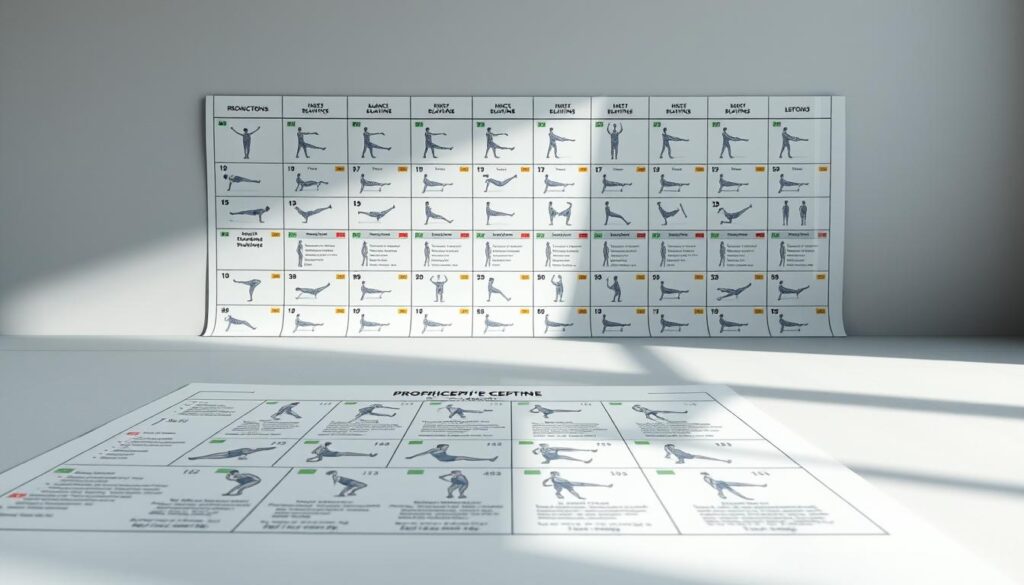
    Sample Weekly Training Schedule

    A well-structured training schedule is essential for effective proprioception training. Athletes should allocate specific days for proprioception drills, ensuring that these exercises are integrated with other training activities.

    • Monday: Single-leg balance drills
    • Wednesday: T-band exercises for knee stability
    • Friday: Bosu ball workouts

    By following this schedule, athletes can ensure consistent progress and improvement in their proprioceptive abilities.
    proprioceptive training schedule

    Setting Realistic Goals

    Setting realistic goals is crucial for maintaining motivation and tracking progress in proprioceptive training. Athletes should set specific, measurable, achievable, relevant, and time-bound (SMART) goals.

    1. Identify current proprioceptive capabilities
    2. Set specific improvement targets
    3. Develop a plan to achieve these targets

    By setting SMART goals, athletes can stay focused and motivated throughout their training.

    Monitoring Progress

    Monitoring progress is essential to understanding the effectiveness of proprioception training. Athletes should regularly assess their performance using various metrics, such as balance tests and functional movement assessments.

    • Regularly track balance and stability improvements
    • Adjust training plans based on progress
    • Celebrate achievements to maintain motivation

    By continuously monitoring progress, athletes can make informed adjustments to their training regimen, ensuring continued improvement in their proprioceptive abilities.

    Common Mistakes to Avoid

    To maximize the benefits of proprioception training, it’s crucial to identify and avoid mistakes that can negatively impact injury prevention and strength and conditioning. Athletes often overlook critical aspects of their training that can lead to suboptimal performance and increased risk of injury.

    One of the primary mistakes athletes make is neglecting proper form during exercises. This not only reduces the effectiveness of the training but also increases the risk of injury. Ensuring that each exercise is performed with correct technique is vital for achieving the desired outcomes in athletic training.

    Neglecting Form

    Neglecting proper form is a common mistake that can have significant consequences. When athletes fail to maintain correct form, they put unnecessary stress on their joints and muscles, leading to potential injuries. For instance, during single-leg balance drills, it’s essential to keep the core engaged and the knee aligned with the toes.

    Rushing Through Exercises

    Rushing through proprioception exercises is another mistake that athletes often make. This can lead to poor technique and reduced effectiveness of the training. It’s essential to focus on slow, controlled movements that challenge the proprioceptive system without compromising form.

    Ignoring Recovery Time

    Ignoring recovery time is a critical mistake that can undermine the benefits of proprioception training. Adequate recovery allows the body to repair and adapt, making it stronger and more resilient. Insufficient recovery can lead to overtraining, fatigue, and increased risk of injury.

    Common Mistake Consequence Correction
    Neglecting Form Increased risk of injury Focus on proper technique
    Rushing Through Exercises Poor technique and reduced effectiveness Slow, controlled movements
    Ignoring Recovery Time Overtraining and fatigue Adequate rest and recovery

    By being aware of these common mistakes and taking steps to avoid them, athletes can optimize their proprioception training, enhancing their overall strength and conditioning and reducing the risk of injury.

    Proprioception Drills for Specific Sports

    The unique demands of various sports necessitate customized proprioception exercises for optimal athletic performance. Different sports require athletes to have specific proprioceptive abilities to excel and minimize the risk of injury.

    Soccer Players

    Soccer players benefit from proprioception drills that enhance their ability to change direction quickly and maintain balance while kicking or heading the ball. Single-leg squats and balance exercises are particularly beneficial.

    Examples include:

    • Single-leg deadlifts to improve balance and strength
    • Heel-to-toe walks to enhance balance and coordination
    • Balance boards or BOSU ball training for stability

    Basketball Athletes

    Basketball athletes require proprioception drills that focus on jumping and landing mechanics as well as quick changes of direction on the court. Plyometric exercises and agility ladder drills are effective.

    Examples include:

    • Box jumps to improve explosive jumping ability
    • Agility ladder drills for quick footwork and direction changes
    • Single-leg hops to enhance strength and stability

    Runners

    Runners benefit from proprioception exercises that improve their running mechanics and reduce the risk of overuse injuries. Balance and strength exercises for the ankles and knees are particularly beneficial.

    Examples include:

    • Single-leg balance on a balance board or BOSU ball
    • Calf raises on a step to improve ankle strength
    • Step-ups to enhance knee strength and stability

    Below is a summary of the proprioception drills for different sports:

    Sport Drills Benefits
    Soccer Single-leg squats, balance exercises, single-leg deadlifts Improved balance, strength, and kicking stability
    Basketball Plyometric exercises, agility ladder drills, single-leg hops Enhanced jumping ability, quick direction changes
    Running Single-leg balance, calf raises, step-ups Improved running mechanics, reduced injury risk

    Staying Motivated in Training

    Maintaining motivation is a crucial aspect of a successful proprioception training program. Athletes need to stay engaged and committed to their training regimen to achieve optimal results in athletic training and sports performance.

    To help athletes stay on track, several strategies can be employed. One effective method is setting achievable milestones. By breaking down larger goals into smaller, manageable objectives, athletes can track their progress and stay motivated by celebrating their successes along the way.

    Setting Achievable Milestones

    Setting realistic and achievable milestones is essential for maintaining motivation. For instance, an athlete might set a goal to master a specific proprioceptive training exercise within a certain timeframe. Achieving these milestones not only boosts confidence but also reinforces the athlete’s commitment to their training program.

    For more exercises and tips on improving proprioception, athletes can refer to resources such as proprioception exercises on Healthline.

    Finding a Training Buddy

    Another strategy for staying motivated is finding a training buddy. Training with a partner or group can add a social element to workouts, making them more enjoyable and helping athletes stay accountable. This camaraderie can be a powerful motivator, as athletes encourage and support each other through challenging exercises.

    Rewarding Progress

    Rewarding progress is also a valuable strategy for maintaining motivation. Recognizing and rewarding achievements, no matter how small, can reinforce positive behaviors and motivate athletes to continue their training. Rewards can be simple, such as extra rest time or a favorite meal, and can be tailored to the individual athlete’s preferences.

    As emphasized by sports performance experts, “Consistency and patience are key to improving proprioception.” By incorporating these strategies into their training regimen, athletes can stay motivated and achieve their goals in sports performance and overall athletic development.

    Summary and Next Steps

    Athletes seeking to improve their knee proprioception can benefit from a well-structured training program that incorporates various drills and exercises. and techniques discussed in this article provide a solid foundation for enhancing proprioceptive abilities.

    Revisiting Goals

    Regularly revisiting and reassessing goals is crucial in proprioceptive training. Athletes should track their progress, identify areas for improvement, and adjust their training regimen accordingly. This process helps maintain focus and motivation in athletic training.

    Continuous Learning

    Staying up-to-date with the latest research and advancements in sports medicine is essential for athletes and coaches. Continuous learning enables individuals to refine their training methods and incorporate new techniques, such as those related to proprioceptive training, to optimize performance.

    Seeking Professional Guidance

    Working with experienced professionals, such as trainers or physical therapists, can provide athletes with personalized guidance and support. These experts can help athletes develop a tailored training program that addresses their specific needs and goals, ensuring effective athletic training.

    FAQ

    What is knee proprioception and why is it important for athletes?

    Knee proprioception refers to the ability to sense the position and movement of the knee joint. It is crucial for athletes as it enhances joint stability, reduces the risk of injuries, and improves overall athletic performance.

    How do proprioception drills help in injury prevention?

    Proprioception drills help in injury prevention by improving balance, coordination, and neuromuscular control. This enables athletes to better respond to changes in their environment, reducing the risk of knee injuries.

    What are some essential proprioception drills for athletes?

    Essential proprioception drills include single-leg balance drills, T-band exercises for knee stability, and Bosu ball workouts. These exercises improve knee stability, balance, and overall proprioception.

    How can athletes incorporate proprioception drills into their training regimen?

    Athletes can incorporate proprioception drills into their training by starting with basic exercises and gradually progressing to more advanced drills. A sample weekly training schedule can help athletes stay on track.

    What are some common mistakes to avoid in proprioception training?

    Common mistakes to avoid include neglecting proper form, rushing through exercises, and ignoring recovery time. Athletes should focus on careful and thoughtful training practices to maximize the benefits of proprioception exercises.

    How can athletes stay motivated in proprioception training?

    Athletes can stay motivated by setting achievable milestones, finding a training buddy, and rewarding progress. This helps maintain commitment to the training program and ensures ongoing progress.

    Are there specific proprioception drills for different sports?

    Yes, proprioception drills can be tailored to the unique demands of each sport. For example, soccer players, basketball athletes, and runners can benefit from sport-specific drills that address their specific needs.

    What tools and equipment are used for proprioception training?

    Tools and equipment used for proprioception training include resistance bands, balance boards, and stability balls. These tools create challenging and effective training programs that improve knee stability and overall athletic performance.

    How often should athletes perform proprioception drills?

    The frequency of proprioception drills depends on the individual athlete’s needs and goals. A well-structured training program should include proprioception exercises 2-3 times a week, with adequate recovery time in between.

    Can proprioception training improve athletic performance?

    Yes, proprioception training can improve athletic performance by enhancing neuromuscular control, balance, and coordination. This enables athletes to perform at a higher level and respond more effectively to the demands of their sport.
  • Knee pain after paddleboarding

    Knee pain after paddleboarding

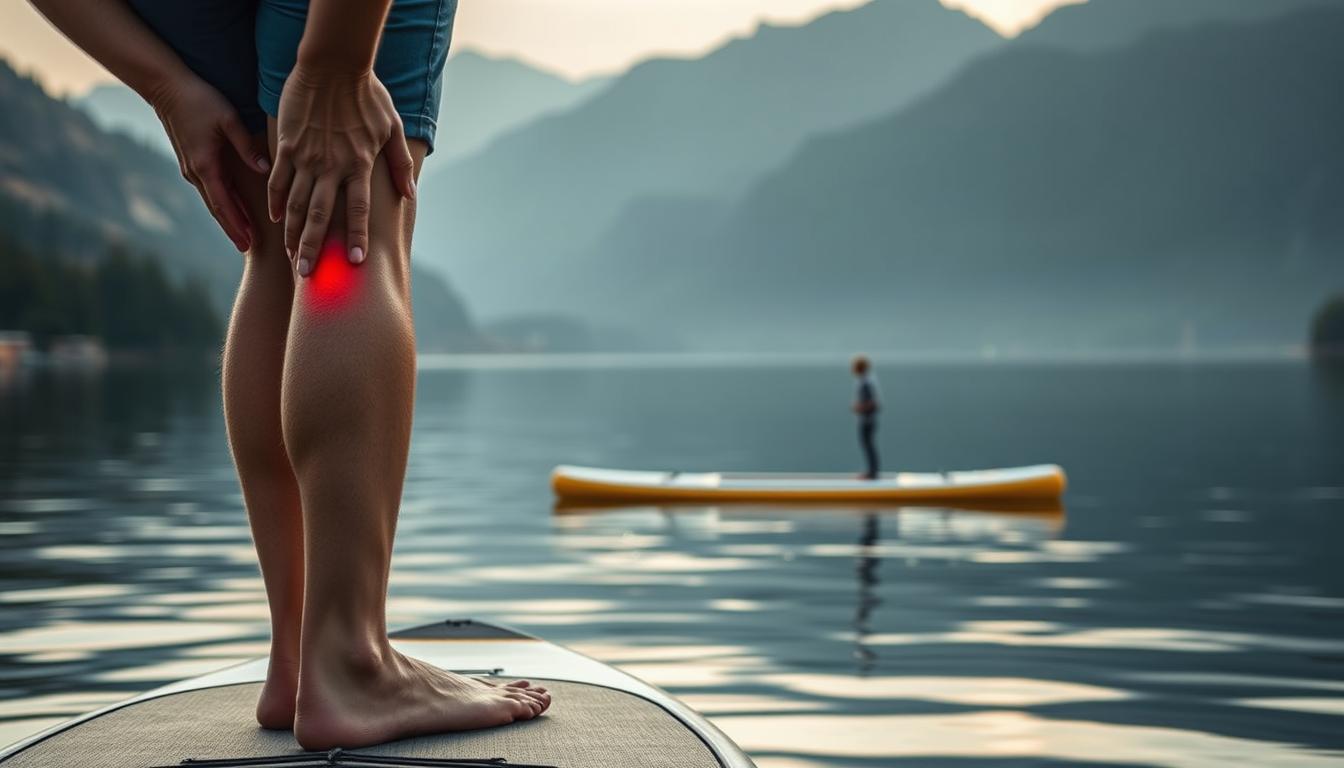
    Stand-up paddleboarding (SUP) has become a favorite among water sports enthusiasts, offering a great way to enjoy the outdoors while improving balance and core strength. As its popularity grows, so does the concern about potential injuries, particularly knee pain after paddling.

    Despite its many health benefits, SUP can sometimes lead to knee discomfort, especially after long sessions or when proper technique is not followed. We will explore why knee issues occur during paddleboarding and provide guidance on identifying, preventing, and treating these problems.

    With the right knowledge and precautions, paddleboarders can minimize the risk of knee pain and enjoy this activity to its fullest.

    Key Takeaways

    • Understanding the causes of knee pain during SUP
    • Identifying different types of knee issues related to paddleboarding
    • Learning preventive measures to avoid knee discomfort
    • Discovering treatment options for knee pain
    • Enjoying paddleboarding with minimized risk of knee injuries

    Understanding Paddleboarding and Its Impact on the Knees

    Understanding the biomechanics of paddleboarding is crucial to grasping why it can lead to knee pain. Stand-up paddleboarding (SUP) is a water sport that involves standing on a large, stable board and using a paddle to propel through calm or rough waters. As this activity gains popularity, it’s essential to examine its effects on the body, particularly the knees.

    The Biomechanics of Paddleboarding

    Paddleboarding involves a unique combination of stance, balance, and paddling motion that creates distinct stresses on the body. The stance requires standing with feet parallel to each other, engaging the core and leg muscles to maintain balance. The paddling motion involves rotating the torso, which in turn, engages the entire kinetic chain, including the knees. The constant micro-adjustments needed to maintain balance on the board engage the knees, making them crucial for stability.

    The paddling motion also involves bending and straightening of the knees to some extent, depending on the type of paddleboarding (flat water or waves). This repetitive motion can lead to strain on the knee joint and surrounding structures.

    Why Knees Are Vulnerable During SUP

    The knees are particularly vulnerable during SUP due to several factors. Firstly, the typical SUP stance places the knees in a slightly flexed position for extended periods, leading to strain over time. Secondly, the knees act as shock absorbers, especially when navigating choppy waters or waves, which can lead to increased stress on the knee joint. The combination of rotation, weight-bearing, and stabilization demands during paddleboarding makes the knees susceptible to both acute injuries and overuse problems.

    Different paddleboarding environments, such as flat water versus waves, create varying levels of stress on the knee joints and surrounding structures. Understanding these factors is crucial for mitigating the risk of knee pain and injuries during SUP activities.

    Common Causes of Knee Pain After Paddleboarding

    Understanding the causes of knee pain after paddleboarding is crucial for enthusiasts to enjoy the sport without discomfort. Knee pain can arise from various factors related to the activity, including how one stands on the board, the technique used for paddling, and the risk of accidents.

    Improper Stance and Technique

    One of the primary causes of knee pain during paddleboarding is an improper stance and technique. Standing with feet too far apart or too close together can put unnecessary stress on the knee joint. Improper stance width and alignment can place excessive stress on the medial or lateral aspects of the knee joint. Moreover, paddling with a technique that relies heavily on the upper body without engaging the lower body can lead to compensatory strain on the knees.

    Poor paddling technique can also lead to knee strain. When paddlers generate power primarily from their upper body without proper engagement of their lower body, it can result in overuse and strain on the knee. Ensuring a proper stance and paddling technique is essential to minimize the risk of knee pain.

    Overuse and Repetitive Strain

    Overuse and repetitive strain are common issues in paddleboarding, particularly among enthusiastic beginners or competitive paddlers. Repetitive paddling motions without adequate rest or variation can lead to overuse injuries affecting the knee’s supporting structures. Prolonged sessions can exceed the knee’s tolerance threshold, resulting in inflammation and pain.

    • Repetitive strain on the knee’s supporting structures can lead to overuse injuries.
    • Prolonged paddleboarding sessions increase the risk of knee inflammation.
    • Adequate rest and variation in paddling technique can help mitigate these risks.

    Acute Injuries from Falls or Collisions

    Acute injuries from falls or collisions with the paddleboard or other objects are another significant cause of knee pain. Twisting injuries when dismounting or maneuvering the board can damage knee ligaments. According to injury data, twisting off the board is a common mechanism for knee injuries, often resulting in ligament sprains.

    Understanding these causes can help paddleboarders take preventive measures and manage knee pain effectively. By being aware of the risks associated with improper stance, overuse, and accidents, paddlers can enjoy their sport while minimizing the risk of knee pain.

    Identifying Different Types of Knee Pain from SUP

    Identifying the source of knee pain after paddleboarding is essential for targeted treatment and prevention. When engaging in SUP, various factors can contribute to knee discomfort, ranging from acute injuries to overuse syndromes.

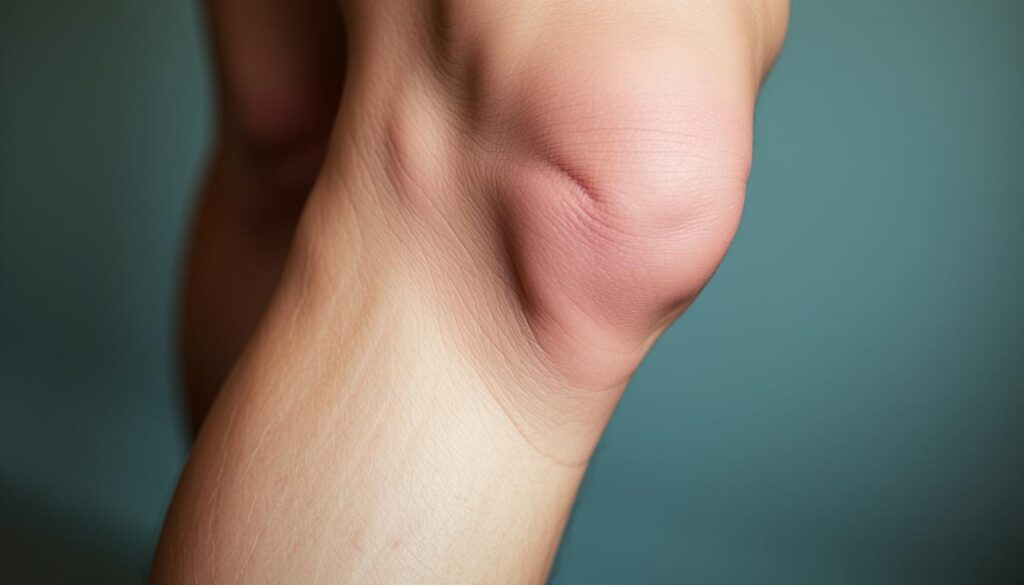
    A close-up view of a person's knee, showing the joint and the surrounding area. The skin is flushed and slightly swollen, indicating inflammation. Subtle discoloration and tension in the muscles and tendons around the kneecap suggest strain and irritation. The lighting is soft and diffused, casting gentle shadows that accentuate the contours of the joint. The background is blurred, keeping the focus on the knee and the signs of discomfort. The overall mood is one of mild distress and discomfort, reflecting the subject of knee pain from stand-up paddleboarding.

    Muscle and Tendon Injuries

    Muscle and tendon injuries are prevalent in paddleboarding, accounting for 50.4% of all injuries. Strains to the quadriceps and hamstring muscles are common, presenting as aching pain that intensifies with specific movements. These injuries often result from overexertion or improper technique.

    Ligament Sprains and Joint Issues

    Ligament sprains, particularly to the medial collateral ligament (MCL) and lateral collateral ligament (LCL), can occur due to twisting motions on the board. These injuries manifest as sharp, localized pain and potential instability. Joint-related issues, such as patellofemoral pain syndrome, typically present as pain around or behind the kneecap during and after paddleboarding. If you’re experiencing persistent knee pain, it may be helpful to consult a specialist, such as those found through finding the best knee pain doctor near.

    Inflammation and Overuse Syndromes

    Inflammatory conditions like bursitis and tendinitis develop gradually, presenting as localized warmth, swelling, and pain that increases with continued activity. These overuse syndromes are often a result of repetitive strain without adequate recovery time. Understanding the difference between normal muscle fatigue and actual injury symptoms is crucial for preventing further damage.

    By recognizing the specific characteristics of each type of knee pain, paddleboarders can take appropriate measures to address their injuries and prevent future occurrences.

    Risk Factors That Increase Chances of Knee Pain

    Several key factors contribute to the increased risk of knee pain among paddleboarders. Understanding these risk factors is essential for mitigating the likelihood of injuries and ensuring a safe paddleboarding experience.

    Research has identified several risk factors that make certain paddleboarders more susceptible to knee pain and injuries. These factors can be broadly categorized into personal and activity-related factors.

    Age and Physical Condition

    Age plays a significant role in knee vulnerability, with older paddleboarders (particularly those over 46) experiencing significantly more injuries than their younger counterparts, with mean ages of 46.7 vs 41.6 years. Physical conditioning is also crucial, as deconditioned individuals face higher risks of knee strain during paddleboarding due to reduced fitness levels and potentially weaker muscles around the knee.

    Experience Level and Paddling Duration

    The experience level of paddleboarders correlates with injury rates, with competitive paddlers sustaining more injuries than recreational riders. This is largely due to the increased exposure time spent on the water, with competitive paddlers averaging 253 hours per year compared to 112 hours for recreational riders. While beginners may struggle with poor technique, the overall injury risk is higher among those who paddle more frequently.

    Pre-existing Knee Problems

    Paddleboarders with pre-existing knee conditions such as osteoarthritis, previous surgeries, or old injuries are at a higher risk of exacerbating these issues due to the demands of paddleboarding. It’s essential for individuals with such conditions to take extra precautions and possibly consult with a healthcare professional before engaging in SUP activities.

    By understanding these risk factors, paddleboarders can take proactive steps to minimize their risk of knee pain and injuries, ensuring a safer and more enjoyable experience on the water.

    Knee Pain After Paddleboarding: Prevention Strategies

    To minimize the risk of knee pain while paddleboarding, it’s essential to adopt preventive measures. By focusing on proper technique, appropriate equipment, and thorough preparation, paddleboarders can significantly reduce their risk of injury.

    Proper Paddleboarding Technique

    One of the most effective ways to prevent knee pain is by maintaining proper paddleboarding technique. This includes standing with a stance that is shoulder-width apart, keeping the knees slightly bent, and distributing weight evenly on both feet. Efficient paddling techniques that engage the core and larger muscle groups can also reduce compensatory stress on the knees.

    Efficient Paddling Techniques:

    • Keep your back straight and core engaged
    • Use your legs to help stabilize and power your strokes
    • Avoid twisting or jerking motions that can put unnecessary strain on your knees

    Equipment Considerations

    The right equipment can also play a crucial role in preventing knee pain. Choosing a board that is the right size for your body and paddling style can help reduce strain on your knees. Additionally, using a paddle of appropriate length and considering knee pads or supports if you have existing knee issues can be beneficial.

    Equipment Considerations
    Board Size Choose a size that matches your body and paddling style
    Paddle Length Ensure it’s appropriate for your height and paddling technique
    Knee Supports Consider using knee pads or supports if you have pre-existing knee issues

    Pre-Paddling Warm-up Routines

    Less than half of SUP users reported performing a warm-up before paddleboarding, which is a crucial step in preventing injuries. Engaging in dynamic stretches and mobility exercises can prepare the knees and supporting muscles for the demands of paddleboarding.

    Recommended Warm-up Exercises:

    • Leg swings and lunges to loosen the hip and knee joints
    • Calf raises to strengthen the lower leg muscles
    • Knee bends and straightens to prepare the knee joint

    By incorporating these prevention strategies into your paddleboarding routine, you can significantly reduce the risk of knee pain and enjoy your time on the water.

    Effective Stretches and Exercises for Paddleboarders

    To minimize the risk of knee pain and injuries, paddleboarders can benefit from a targeted exercise program. Such a program should focus on strengthening the muscles around the knee, improving flexibility, and enhancing overall stability on the board.

    Knee Strengthening

    Strengthening the muscles around the knee is crucial for paddleboarders. Exercises such as wall squats, step-ups, and leg extensions target the quadriceps, hamstrings, and stabilizing muscles around the knee. For example, wall squats can be performed by standing with your back against a wall and sliding down into a seated position, holding for 10-15 seconds and repeating 3 sets.

    Exercise Repetitions Sets
    Wall Squats 10-15 seconds 3
    Step-Ups 10-12 3
    Leg Extensions 12-15 3

    Flexibility and Mobility

    Flexibility exercises are also vital for maintaining optimal knee function. The iliotibial band stretch is particularly beneficial. To perform this stretch, cross one leg in front of the other and bend down to touch your toes. You can move your hands across the floor toward the front leg to feel more stretch on the outside of your thigh. Hold for 15-30 seconds and repeat 3 times on each leg.

    https://www.youtube.com/watch?v=ryGVUdrucxs

    Core Strengthening

    Core strengthening exercises improve overall stability on the board, reducing the need for excessive knee stabilization. Incorporating exercises that target the core muscles can help paddleboarders maintain better balance and reduce the risk of knee injuries.

    By incorporating these exercises into their routine 2-3 times a week, paddleboarders can build resilience against knee pain and injuries, enhancing their overall paddling experience.

    Immediate Relief for Knee Pain After SUP Sessions

    Immediate relief from knee pain after a SUP session is crucial for paddleboarders to avoid further discomfort. When knee pain strikes after paddling, it’s essential to address it promptly to prevent it from becoming a more significant issue.

    R.I.C.E. Method Application

    The R.I.C.E. method is a widely recognized approach for managing acute injuries, including knee pain from SUP. It involves Rest, Ice, Compression, and Elevation. Resting the affected knee is the first step, followed by applying ice to reduce inflammation. Compression helps to further reduce swelling, while elevation assists in minimizing blood flow to the area.

    For optimal results, ice should be applied for 15-20 minutes at a time, with a 30-minute break in between applications. Compression can be achieved using an elastic bandage, but be cautious not to wrap it too tightly, which could cut off circulation.

    Appropriate Pain Management

    Over-the-counter pain management options can provide relief for knee pain after paddling. However, it’s crucial to follow the recommended dosage and be aware of any potential side effects. Nonsteroidal anti-inflammatory drugs (NSAIDs) are commonly used to reduce both pain and inflammation.

    It’s essential to distinguish between pain that can be self-managed and symptoms that require professional medical attention. Severe pain, significant swelling, or instability in the knee are indicators that medical help is necessary.

    Recovery Techniques

    Effective recovery techniques include gentle movement to maintain knee mobility, hydration to flush out toxins, and nutrition strategies that support tissue healing. Gentle exercises can help prevent stiffness, while adequate hydration and a balanced diet rich in anti-inflammatory foods can aid in the recovery process.

    Listening to your body and not pushing through significant knee pain is vital. Ignoring severe pain can transform a minor issue into a serious injury, potentially keeping you out of the water for an extended period.

    Long-Term Management of Paddleboarding-Related Knee Issues

    Long-term management of knee issues related to paddleboarding involves a combination of training modifications, cross-training options, and gradual return to paddling. Effective management requires understanding the causes of knee pain and implementing strategies to mitigate it.

    One key aspect is modifying training routines to reduce stress on the knee joint. This can include altering stance width, reducing session duration, and refining paddling technique to minimize repetitive strain.

    Training Modifications for Chronic Pain

    For paddleboarders experiencing chronic knee pain, adjusting their training regimen is crucial. This may involve reducing the frequency or duration of paddling sessions, or modifying their stance to alleviate pressure on the knee joint. Technique refinements can also play a significant role in minimizing knee stress.

    • Adjust stance width to reduce knee strain
    • Reduce paddling session duration
    • Refine paddling technique

    Cross-Training Options

    Engaging in cross-training activities can help maintain overall fitness while giving knees time to recover. Low-impact exercises such as swimming and strength training are excellent alternatives that can complement paddleboarding without exacerbating knee issues.

    Gradual Return to Paddleboarding

    When returning to paddleboarding after a knee injury, it’s essential to follow a gradual progression based on pain levels and functional capacity. This may involve starting with short sessions on calm waters and gradually increasing duration and intensity.

    By incorporating these strategies, paddleboarders can effectively manage knee issues and continue to enjoy their sport while minimizing the risk of further injury.

    When to Seek Professional Medical Help

    Understanding when knee pain after paddleboarding warrants a doctor’s visit is essential for preventing further injury. We recommend seeking medical help if you experience severe pain, significant swelling, or inability to bear weight on your knee. A medical professional will conduct a physical examination and may order imaging studies to diagnose the issue. Specialized care from sports medicine physicians or orthopedists may be beneficial for paddleboarding-related knee issues. Early intervention often leads to better outcomes and a faster return to paddleboarding activities.

    FAQ

    What are the most common injuries sustained while paddleboarding?

    We often see muscle strains, ligament sprains, and joint issues due to overuse or improper technique. Our knees, shoulders, and backs are particularly vulnerable to these types of injuries.

    How can I prevent knee pain while paddleboarding?

    To minimize the risk of knee pain, we recommend maintaining a proper stance and using correct paddling technique. Engaging in pre-paddling warm-up routines and incorporating knee-strengthening exercises into your fitness regimen can also help.

    What should I do if I experience knee pain after paddleboarding?

    If you experience knee pain, we suggest applying the R.I.C.E. method (Rest, Ice, Compression, Elevation) to alleviate discomfort. You can also try appropriate pain management techniques and modify your training to avoid exacerbating the issue.

    Can pre-existing knee problems increase the risk of injury while paddleboarding?

    Yes, pre-existing knee issues can make you more susceptible to injury. We advise taking extra precautions, such as wearing supportive gear and being mindful of your body position on the board.

    How can I strengthen my knees for paddleboarding?

    We recommend incorporating exercises that target the muscles around your knees, such as leg squats and lunges. Strengthening your core can also help improve overall stability and reduce the risk of knee pain.

    When should I seek medical attention for knee pain after paddleboarding?

    If your knee pain persists or worsens over time, we recommend consulting a medical professional for proper evaluation and treatment. They can help determine the underlying cause of your pain and provide guidance on the best course of action.

  • Preventing Knee Injuries in Soccer: A Step-by-Step Guide for Players

    Preventing Knee Injuries in Soccer: A Step-by-Step Guide for Players

    Soccer demands quick pivots, sudden stops, and explosive directional changes that put tremendous stress on your knees. With knee injuries sidelining players at all levels, understanding how to protect these crucial joints isn’t just about staying in the game—it’s about preserving your long-term health and athletic career. This comprehensive guide provides actionable strategies to help you minimize risk and maximize performance on the pitch.

    Common Knee Injuries in Soccer Players

    Understanding what you’re up against is the first step in prevention. Soccer players commonly face these knee injuries:

    Anterior Cruciate Ligament (ACL) Tears

    ACL tears are among the most devastating knee injuries in soccer. They typically occur during non-contact situations like sudden deceleration, landing awkwardly, or changing direction rapidly. Recovery often requires surgery and 6-9 months of rehabilitation.

    Meniscus Tears

    The meniscus is cartilage that cushions your knee joint. These tears commonly happen when players twist their knee while the foot is planted, often during quick turns or tackles. About 25-30% of soccer knee injuries involve meniscus damage.

    Collateral Ligament Sprains

    These account for approximately one-third of all knee injuries in soccer. The medial collateral ligament (MCL) and lateral collateral ligament (LCL) can be damaged during tackles or when the knee is forced sideways.

    Patellofemoral Pain Syndrome

    Often called “runner’s knee,” this condition causes pain around the kneecap and is common in sports requiring running and jumping. It develops gradually from overuse rather than from a single incident.

    Why Soccer Players Are Vulnerable to Knee Injuries

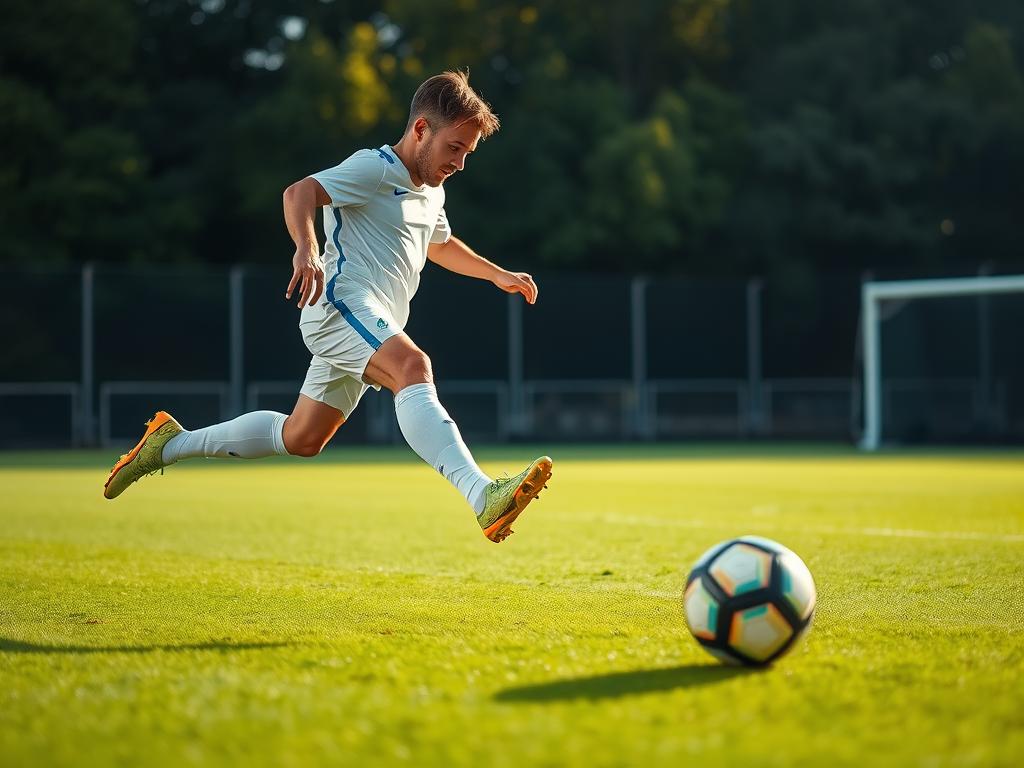
    Soccer player performing quick directional change on field

    Soccer places unique demands on your knees that increase injury risk:

    • Rapid pivoting and directional changes that stress ligaments
    • Sudden deceleration that creates shearing forces in the knee
    • Improper landing technique after jumps or headers
    • Player-to-player contact during tackles and challenges
    • Overtraining without adequate recovery time
    • Playing on uneven or hard surfaces
    • Muscle imbalances between quadriceps and hamstrings

    Dr. James Andrews, renowned sports medicine surgeon, notes: “The majority of soccer knee injuries occur not from contact but from the player’s own movement patterns and biomechanical issues that can be addressed through proper training.”

    Step-by-Step Prevention Strategies

    1. Strengthen Key Muscle Groups

    Soccer player performing squat exercise for knee strength

    Building strength in the muscles that support your knees is crucial for injury prevention. Focus on these exercises:

    Quadriceps Strengthening

    1. Bulgarian Split Squats: Place one foot on a bench behind you, bend your front leg until your thigh is parallel to the ground, then push back up. Do 3 sets of 10-12 reps per leg.
    2. Forward Lunges: Step forward into a lunge position, ensuring your knee doesn’t extend past your toes. Return to starting position and alternate legs. Complete 3 sets of 12 reps.
    3. Wall Sits: With your back against a wall, slide down until your thighs are parallel to the floor. Hold for 30-60 seconds, rest, and repeat 3 times.

    Hamstring Development

    1. Nordic Hamstring Curls: Kneel with someone holding your ankles. Lower your upper body toward the ground as slowly as possible, using your hamstrings to control the descent. Do 3 sets of 5-8 reps.
    2. Stability Ball Leg Curls: Lie on your back with heels on a stability ball. Lift your hips and pull the ball toward you by bending your knees. Do 3 sets of 12-15 reps.

    Hip Abductor Training

    Weak hip abductors can cause the thigh to rotate inward during running, placing stress on the knee joint. Try these exercises:

    1. Lateral Band Walks: Place a resistance band around your ankles. In a half-squat position, step sideways while maintaining tension in the band. Do 3 sets of 12-15 steps in each direction.
    2. Clamshells: Lie on your side with knees bent and a resistance band around your thighs. Keep feet together while opening your knees like a clamshell. Complete 3 sets of 15-20 reps on each side.

    2. Develop Proper Movement Patterns

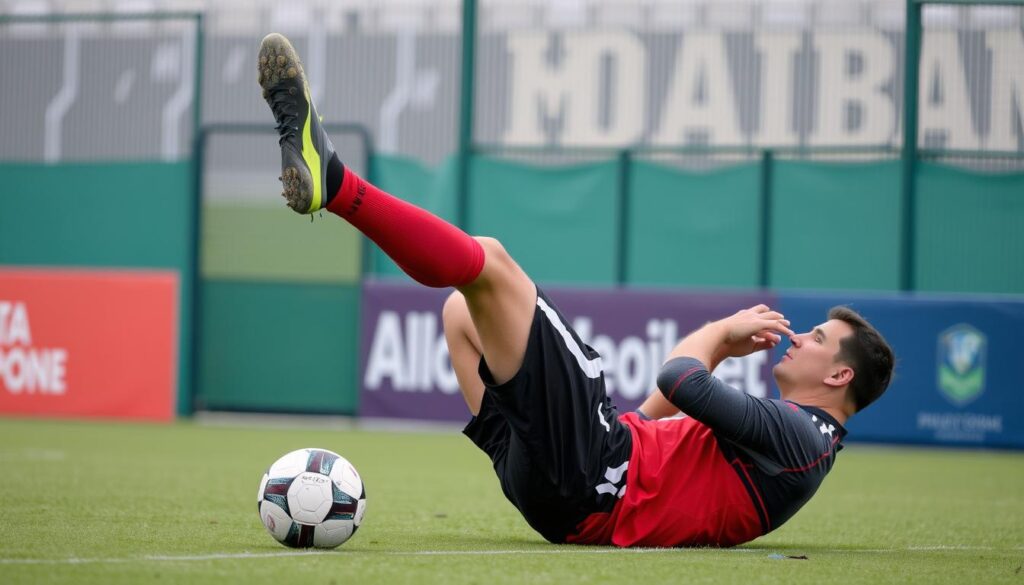
    Soccer player demonstrating proper landing technique

    How you move is just as important as how strong you are. Train your body to move safely with these techniques:

    Proprioceptive Training

    Proprioception is your body’s awareness of position and movement. Improving it helps prevent awkward movements that lead to injuries.

    1. Single-Leg Balance: Stand on one leg for 30 seconds. Progress by closing your eyes or standing on an unstable surface like a foam pad. Do 3 sets on each leg.
    2. Balance Board Exercises: Use a balance board to perform squats or passes with a soccer ball. Start with 30-second intervals and gradually increase duration.

    Landing Mechanics

    Many ACL tears occur during landing. Practice these techniques:

    1. Squat Jumps with Proper Landing: Jump vertically, focus on landing softly with knees bent and aligned with your toes. Do 3 sets of 10 jumps.
    2. Single-Leg Landings: Jump and land on one foot, focusing on knee stability and alignment. Perform 3 sets of 8 reps per leg.

    Deceleration Training

    Learning to slow down properly reduces knee strain:

    1. Three-Step Stops: Instead of stopping abruptly, practice decelerating over three steps with bent knees. Perform 10 repetitions at increasing speeds.
    2. Change-of-Direction Drills: Set up cones in a zigzag pattern. Practice cutting with proper technique: plant outside foot, bend knees, and pivot without letting knees collapse inward.

    3. Implement Effective Warm-Up and Cool-Down Routines

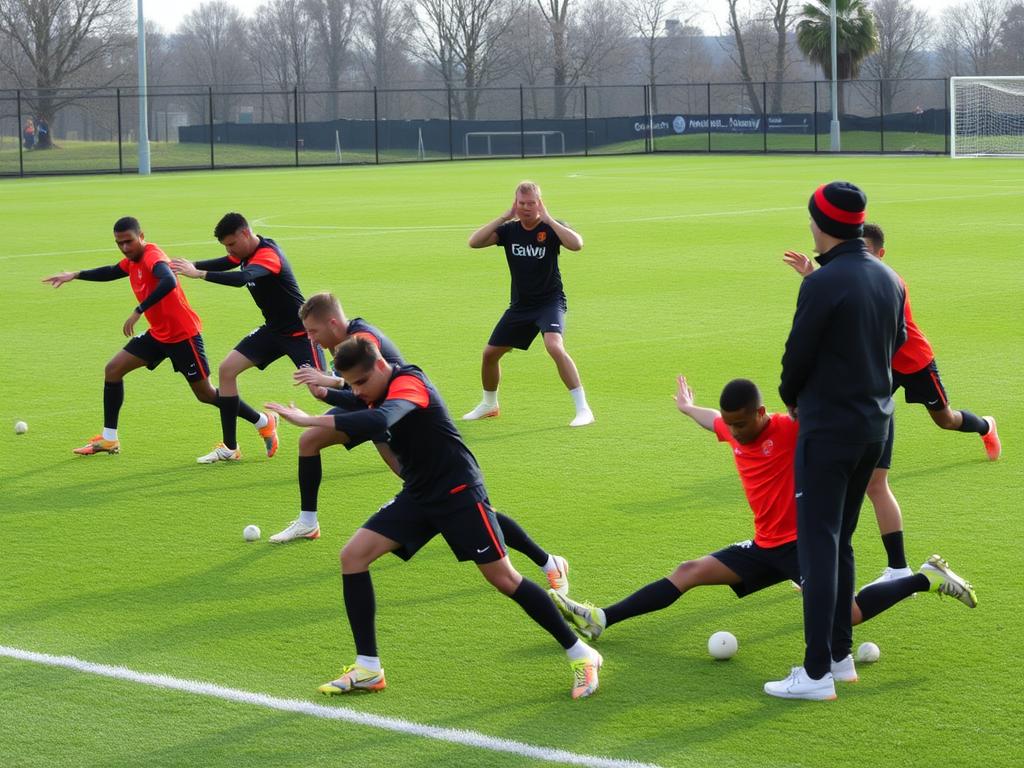
    Soccer team performing dynamic warm-up exercises

    A proper warm-up prepares your body for the demands of soccer while reducing injury risk:

    Dynamic Warm-Up (10-15 minutes)

    • Light jogging or skipping for 3-5 minutes to increase blood flow
    • Dynamic stretches: leg swings, walking lunges, high knees, butt kicks (8-10 reps each)
    • Sport-specific movements: side shuffles, carioca, acceleration/deceleration drills
    • Jumping exercises: small hops progressing to more explosive movements

    According to FIFA’s 11+ injury prevention program, teams that regularly perform structured warm-ups experience 30-50% fewer injuries.

    Post-Game Cool-Down (5-10 minutes)

    • Light jogging or walking to gradually reduce heart rate
    • Static stretching for major muscle groups (hold each stretch 20-30 seconds)
    • Focus on quadriceps, hamstrings, calves, and hip flexors
    • Self-myofascial release with foam rollers for tight areas

    4. Choose Proper Equipment and Playing Surfaces

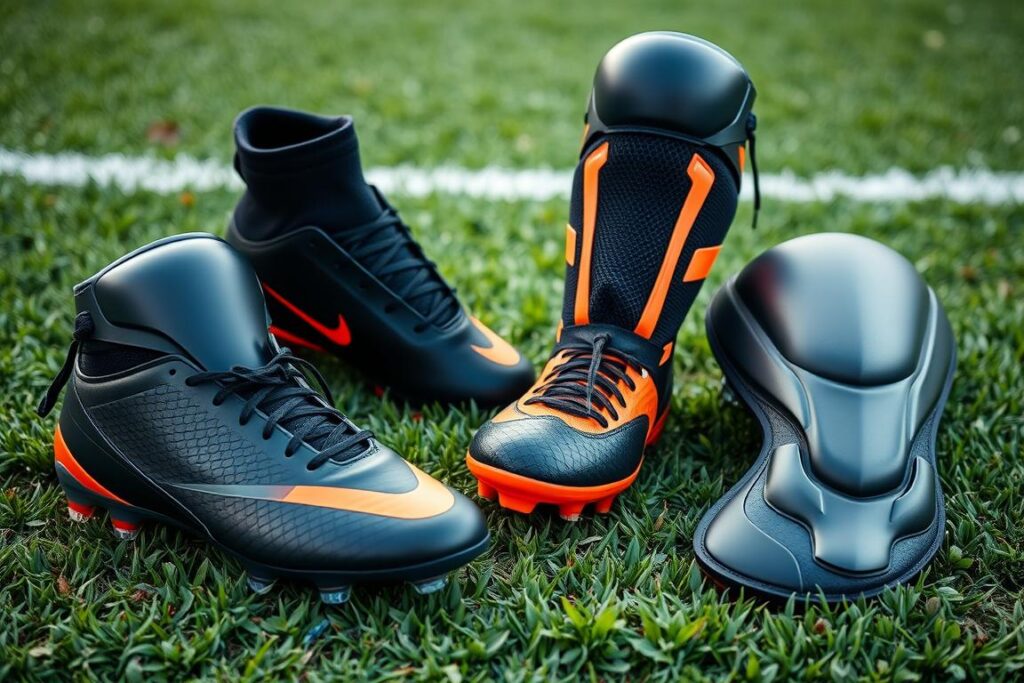
    Soccer cleats and protective knee gear on field

    Your gear and playing environment significantly impact knee safety:

    Footwear Selection

    • Choose cleats appropriate for your playing surface (firm ground, soft ground, artificial turf)
    • Ensure proper fit with adequate toe room and heel support
    • Replace worn cleats that no longer provide proper traction
    • Consider custom insoles if you have flat feet or high arches

    Protective Equipment

    • Knee braces can provide additional support for players with previous injuries
    • Compression sleeves improve proprioception and provide mild support
    • Proper shin guards that cover the lower leg adequately

    Surface Considerations

    Be mindful of playing surfaces and adjust accordingly:

    • Hard or uneven surfaces increase injury risk—modify play intensity when necessary
    • Artificial turf may increase friction and resistance during cuts and turns
    • Wet or muddy fields require adjusted footwear and more cautious movement

    Nutrition and Recovery for Knee Health

    Healthy meal prepared for athlete recovery

    What you put in your body and how you recover impacts knee resilience:

    Hydration and Diet

    • Stay well-hydrated—dehydrated muscles don’t function optimally
    • Consume anti-inflammatory foods like fatty fish, berries, and leafy greens
    • Ensure adequate protein intake for muscle repair (1.2-1.7g per kg of body weight)
    • Consider collagen supplements, which may support ligament and tendon health
    • Maintain adequate vitamin D and calcium levels for bone health

    Recovery Protocols

    • Follow the R.I.C.E. protocol (Rest, Ice, Compression, Elevation) for minor knee discomfort
    • Schedule adequate rest days between intense training sessions
    • Consider contrast therapy (alternating hot and cold) for recovery
    • Get 7-9 hours of quality sleep for optimal tissue repair
    • Gradually return to play after any injury, even minor ones

    Early Warning Signs and Injury Management

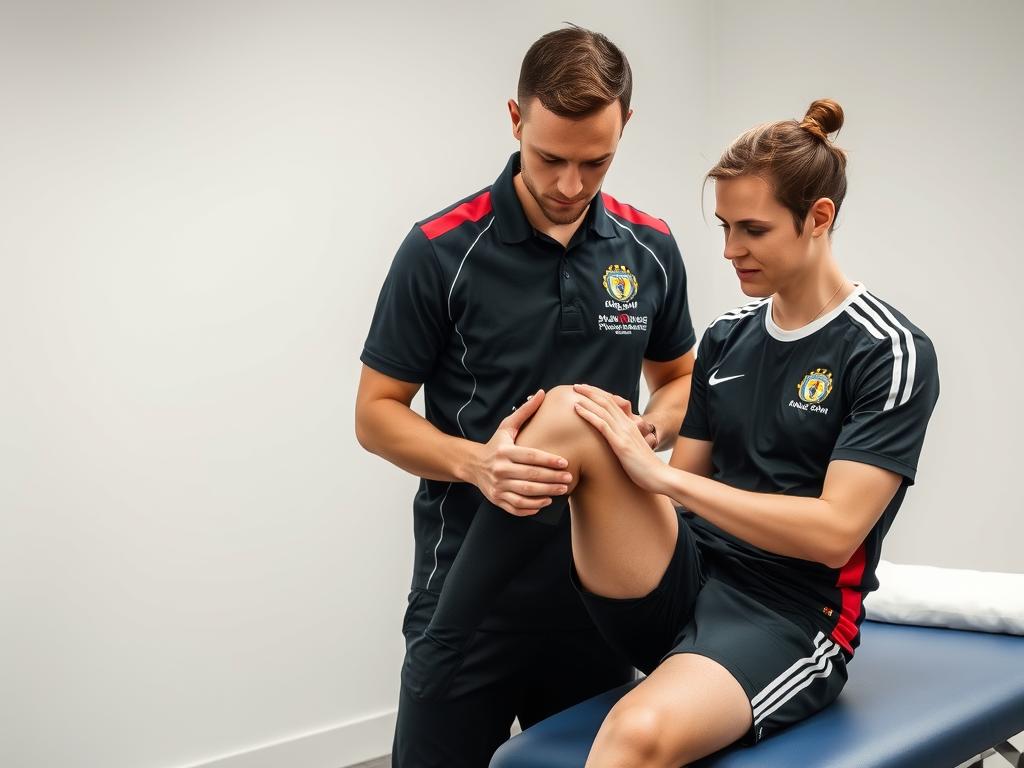
    Soccer player receiving knee assessment from physiotherapist

    Knowing when to seek help can prevent minor issues from becoming serious injuries:

    Warning Signs That Shouldn’t Be Ignored

    • Persistent pain that lasts more than 48 hours after playing
    • Swelling around the knee joint
    • Clicking, popping, or grinding sensations
    • Instability or feeling that the knee might “give way”
    • Limited range of motion or difficulty bearing weight

    When to Seek Professional Help

    Don’t hesitate to consult a healthcare provider if you experience:

    • Inability to complete a full training session due to knee discomfort
    • Pain that interferes with daily activities
    • Visible deformity or severe swelling
    • Symptoms that don’t improve with rest and basic care

    Physical therapist Sarah Johnson emphasizes: “Early intervention for knee issues can mean the difference between a quick return to play and a season-ending injury. Don’t try to push through significant pain.”

    Developing a Long-Term Prevention Plan

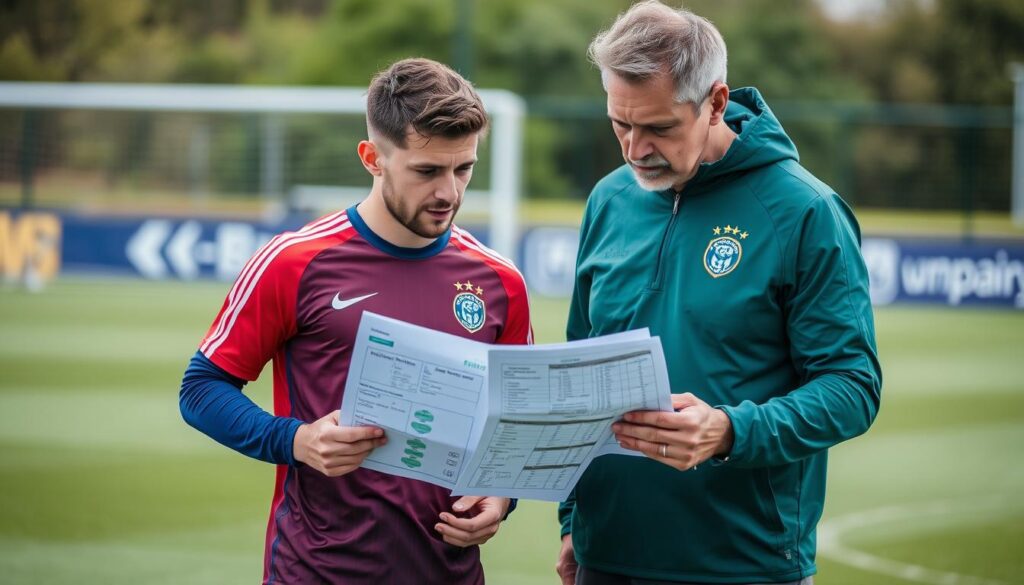
    Soccer player reviewing training plan with coach

    Injury prevention isn’t a one-time effort but a consistent approach:

    Periodization and Training Load

    • Gradually increase training intensity and volume (no more than 10% per week)
    • Schedule deload weeks to allow for recovery
    • Balance high-intensity sessions with adequate recovery
    • Monitor for signs of overtraining like persistent fatigue or decreased performance

    Seasonal Considerations

    • Pre-season: Focus on building strength and proper movement patterns
    • In-season: Maintain strength with less volume but consistent frequency
    • Off-season: Address imbalances and work on areas of weakness
    • Transition periods: Gradually ramp up intensity when returning after breaks

    Regular Assessments

    Consider scheduling:

    • Pre-season movement screenings to identify risk factors
    • Mid-season check-ins to address emerging issues
    • Post-season evaluations to guide off-season training

    Your Commitment to Knee Health

    Soccer player confidently training on field

    Preventing knee injuries in soccer requires consistent effort and awareness, but the rewards are substantial: longer playing careers, better performance, and fewer painful setbacks. By implementing the strategies in this guide, you’re taking control of your athletic future.

    Remember that small, consistent actions make the biggest difference. Start with one or two exercises from each section and gradually build your prevention routine. Your knees will thank you for years to come.

    As professional goalkeeper Hope Solo once said: “Taking care of your body isn’t just about being able to perform at your best today—it’s about being able to play the sport you love for as long as possible.”

    Protect Your Soccer Career

    Download our free 15-minute pre-game knee protection warm-up routine designed by professional sports physiotherapists.

    Get Your Free Warm-Up Guide

    Need Personalized Guidance?

    Book a free 15-minute consultation with a sports physical therapist specializing in soccer injuries. Get customized prevention strategies for your specific needs.

    Schedule Your Free Consultation

    Protect Your Soccer Future

    Download our complete knee injury prevention package including warm-up routines, strength training programs, and recovery protocols designed specifically for soccer players.

    Get Your Free Prevention Package