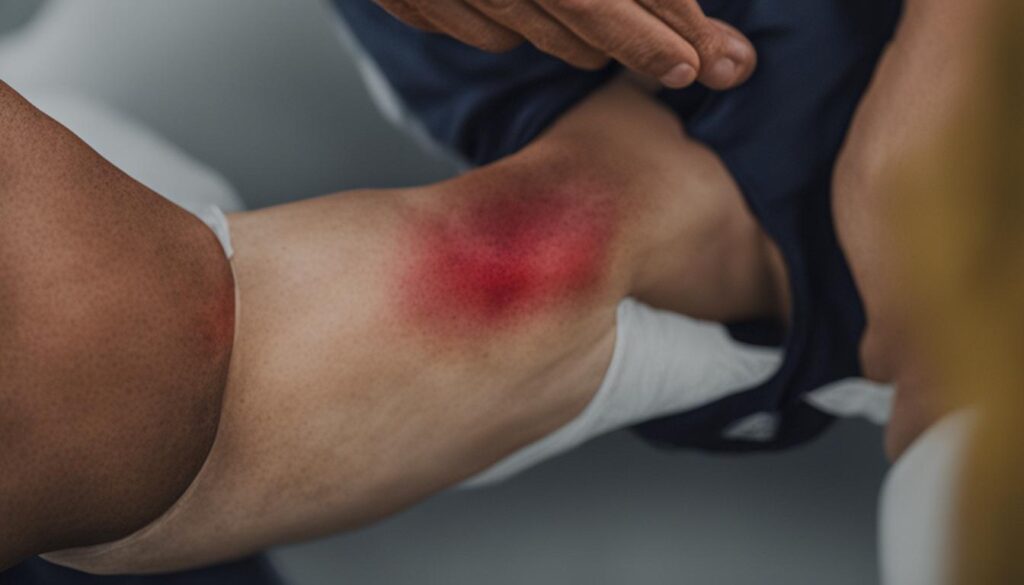
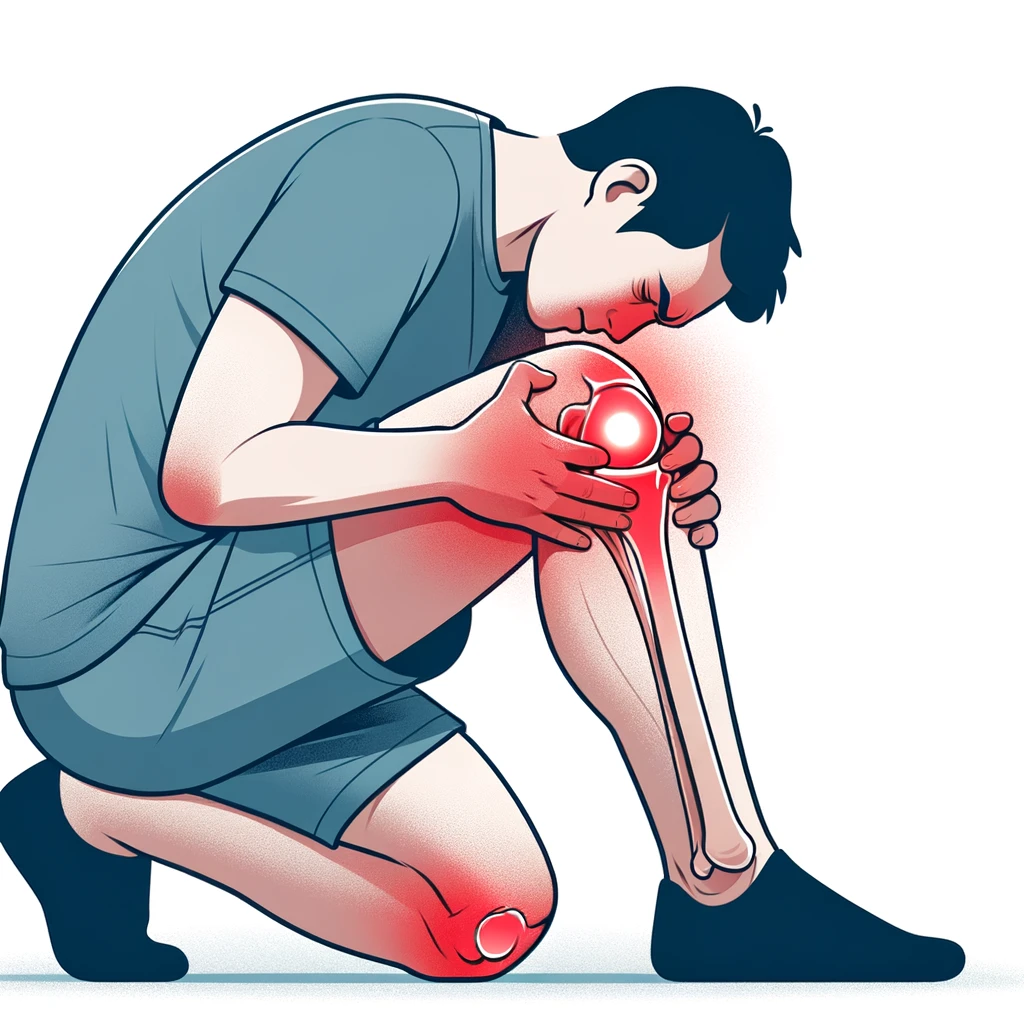
Tag: Knee Injury?

  • Knee Pain Culprits: What Injury is Behind It?

    Knee Pain Culprits: What Injury is Behind It?

    Did you know that knee pain affects approximately 25% of all adults at some point in their lives? That’s a staggering statistic that highlights just how prevalent this issue is. If you’ve ever experienced knee pain, you know how debilitating it can be, impacting your ability to perform daily activities and even walk comfortably.

    When it comes to knee pain, there are several potential culprits behind it. From osteoarthritis and ligament injuries to tendon injuries and cartilage disorders, the causes can vary widely. It’s essential to pinpoint the specific injury or condition responsible for your knee pain in order to receive the appropriate treatment and find relief.

    In this article, we will explore some common causes of pain behind the knee and discuss when it’s necessary to seek the expertise of a pain management specialist. By understanding the underlying reasons for knee pain and taking proactive steps, we can effectively manage and alleviate this common ailment.

    When to See a Pain Management Specialist for Knee Pain

    If you are experiencing knee pain behind the knee that has persisted for more than 90 days or has become chronic, it is essential to consult with a pain management specialist. These specialists are highly trained in evaluating and treating various types of knee pain, including those that occur behind the knee.

    Pain management specialists play a crucial role in providing a comprehensive evaluation of your knee pain. They will take a detailed medical history, perform a physical examination, and may order additional diagnostic tests such as imaging studies to accurately diagnose the underlying cause of your knee pain.

    Collaboration with other healthcare providers, including primary care physicians, orthopedists, rheumatologists, and physical therapists, is also common. This interdisciplinary approach ensures that you receive the most effective and personalized treatment plan.

    When you visit a pain management specialist for your knee pain, here’s what you can expect:

    Comprehensive Evaluation

    A pain management specialist will conduct a thorough evaluation to understand the specific causes and factors contributing to your knee pain. This evaluation may involve:

    • Reviewing your medical history
    • Performing a physical examination of your knee
    • Ordering imaging tests such as X-rays, MRI, or CT scans
    • Considering other relevant diagnostic tests, if necessary

    Tailored Treatment Plan

    After diagnosing the cause of your knee pain, the pain management specialist will develop a personalized treatment plan that addresses your unique needs. The goal of the treatment plan is to manage pain, promote healing, restore normal function, and improve your overall quality of life.

    The treatment options may include:

    • Medications to alleviate pain and reduce inflammation
    • Physical therapy exercises to strengthen the muscles around the knee and improve flexibility
    • Lifestyle modifications such as weight management and activity modifications
    • Injections to provide localized pain relief or reduce inflammation
    • Nerve blocks or radiofrequency ablation for targeted pain management
    • Surgical interventions, if necessary, to repair damaged structures or reconstruct the knee

    It is important to note that the treatment approach will vary depending on the specific cause of your knee pain and your individual circumstances. Your pain management specialist will guide you through the treatment process and provide ongoing support and adjustments to your treatment plan as needed.

    knee pain behind the knee causes

    Expertise in Pain Management

    Pain management specialists are highly skilled in various pain management techniques and have extensive knowledge of the latest advancements in the field. They are dedicated to helping you find relief from knee pain and improving your overall well-being.

    Remember, early intervention is key when it comes to managing knee pain. By consulting with a pain management specialist, you can receive the specialized care and treatment you need to alleviate your knee pain and regain your mobility.

    Common Causes of Pain behind the Knee

    Pain behind the knee can be attributed to various factors, including cartilage deterioration, injuries, and medical conditions. It is important to understand the underlying causes in order to effectively address and treat the pain. Some of the common causes of pain behind the knee are:

    1. Osteoarthritis: This degenerative joint disease can cause the cartilage in the knee to wear down over time, leading to pain and discomfort.
    2. Rheumatoid arthritis: An autoimmune disease that causes inflammation in the joints, including the knee, resulting in pain and stiffness.
    3. Ligament injuries: Tears or strains in the ligaments, such as the anterior cruciate ligament (ACL) or posterior cruciate ligament (PCL), can cause pain and instability in the knee.
    4. Tendon injuries: Injuries to the tendons, such as patellar tendinitis, can cause pain behind the knee.
    5. Cartilage injuries and disorders: Conditions like a torn meniscus or patellar dislocation can lead to pain behind the knee.
    6. Bursitis: Inflammation of the bursae, small fluid-filled sacs that cushion the knee joint, can cause pain behind the knee.
    7. Plica irritation: The plica is a fold in the knee lining that can become irritated and cause pain in the back of the knee.
    8. Knee contusions: A direct blow or impact to the knee can result in a contusion, causing pain and swelling behind the knee.

    Proper diagnosis of the specific cause of pain behind the knee is essential to determine the most effective treatment approach. Consultation with a pain management specialist or healthcare professional can help identify the underlying cause and develop an appropriate treatment plan.

    Conclusion

    Knee pain behind the knee can be a debilitating condition caused by a range of factors, including injuries and underlying medical conditions. Finding the right diagnosis and receiving appropriate treatment is essential for effectively managing and relieving knee pain. We understand the impact that knee pain can have on daily life and overall well-being.

    Pain management specialists play a crucial role in evaluating and treating knee pain. By utilizing a comprehensive approach, they can develop tailored treatment plans that may include a combination of conservative measures and more invasive interventions, depending on the individual’s needs.

    For individuals experiencing pain behind the knee, seeking proper medical attention is key. By addressing the underlying causes and following the recommended treatment plan, relief is possible. Whether it involves physical therapy, medication, lifestyle modifications, injections, or, in some cases, surgery, the goal is to improve the overall quality of life and restore mobility.

    If you or someone you know is dealing with knee pain behind the knee, don’t hesitate to consult with a pain management specialist. Take control of your health and find the relief you deserve.

    FAQ

    What are the common causes of knee pain?

    Common causes of knee pain include osteoarthritis, rheumatoid arthritis, ligament and tendon injuries, cartilage injuries and disorders, and broken kneecaps.

    When should I see a pain management specialist for knee pain?

    If your acute knee pain becomes chronic or persists for more than 90 days, it is recommended to consult with a pain management specialist.

    What can a pain management specialist do for knee pain?

    Pain management specialists can provide a comprehensive evaluation, develop a treatment plan, and work with other healthcare providers to determine the cause of knee pain and recommend appropriate treatments.

    What are the common causes of pain behind the knee?

    Pain behind the knee can be caused by factors such as cartilage deterioration, injuries (ligament, tendon, or cartilage), and medical conditions like osteoarthritis, rheumatoid arthritis, bursitis, plica irritation, and knee contusions.

    Source Links

  • Understanding Knee Injury Symbolism Explained

    Understanding Knee Injury Symbolism Explained

    Did you know that knee injuries can hold deeper meanings beyond just physical pain? In fact, knee injuries can symbolize various aspects of our lives and experiences, offering insights into our spiritual and metaphorical journeys.

    When we think about knee injuries, we often associate them with sports accidents or overexertion. However, the symbolic significance of knee injuries goes beyond the realm of physical trauma. Exploring the spiritual meaning of knee injuries can open up a whole new perspective on the challenges we face in life.

    The knees act as a connection point between our hips and ankles, functioning as a highway joint. This unique position within our body carries profound symbolism. Knee pain may indicate a conflict between where we want to go and where we currently are. It can represent the struggle between our desires and the limitations of our present reality.

    Beyond this physical and metaphorical conflict, knee issues can also be connected to the first chakra, also known as the root chakra. The first chakra is associated with physical wellness, safety, security, finances, and home life. Therefore, knee injuries may signify imbalances or challenges in these areas of our existence.

    Furthermore, knee injuries can symbolize the weight we carry, both physically and emotionally. They may represent feeling burdened with responsibilities or overwhelmed by the expectations placed upon us. Knee injuries can prompt us to address our boundaries, prioritize our well-being, and recognize the importance of self-care.

    By delving into the symbolic significance of knee injuries, we can gain a more holistic understanding of our experiences and work towards healing on multiple levels. In the following sections, we will explore the spiritual meaning of knee pain and the symbolic lessons offered by knee injuries.

    The Spiritual Meaning of Knee Pain

    Knee pain can have spiritual significance, revealing deeper aspects of our lives and experiences. It represents a disconnect or imbalance in our spiritual and energetic fields, reflecting the conflict between our desires and our current reality. By exploring the spiritual aspects of knee pain, we can gain valuable insights into our inner selves and work towards healing on multiple levels.

    The knees are energetically connected to the first chakra, also known as the root chakra. This chakra governs our physical wellness, safety, security, finances, and home life. When knee pain arises, it may indicate a conflict between the desires of our higher self and the limitations of our physical existence.

    Reflecting on the spiritual meaning of knee pain involves asking ourselves important questions. Are we satisfied with our current life? Do we feel comfortable and safe in our environment? Are we experiencing financial or emotional security? These inquiries help us understand the underlying messages our knee pain is conveying.

    Furthermore, knee pain can symbolize the need to release and let go of certain things in order to move forward in life. It encourages us to examine our attachments, whether they be physical, emotional, or mental, and assess if they are hindering our growth. By releasing these attachments, we can open ourselves to new possibilities and align our desires with our present reality.

    “Knee pain may represent a conflict between our desires and our current reality.”

    Understanding the spiritual meaning of knee pain enables us to address the energetic aspects contributing to our discomfort. By balancing and aligning our spiritual and physical selves, we can promote overall well-being and find harmony within. It reminds us to listen to our intuition, trust the process, and make necessary changes to live a more authentic and fulfilling life.

    spiritual meaning of knee pain

    Symptoms of Knee Pain with Spiritual Significance

    Below are some common symptoms of knee pain and their potential spiritual interpretations:

    • Sharp, stabbing pain: May symbolize deep emotional or spiritual wounds that need healing.
    • Chronic pain or inflammation: Could signify unresolved issues, prolonged resistance to change, or the need to address deep-rooted beliefs.
    • Instability or weakness: May point to a lack of self-confidence, trust, or an inability to stand firm in one’s convictions.
    • Restricted range of motion: Reflects resistance to growth or fear of embracing new opportunities.

    The spiritual meaning of knee pain invites us to delve into the energetic aspects of our being, addressing not only the physical discomfort but also the emotional, mental, and spiritual imbalances that contribute to it. By embarking on this healing journey, we can find deeper understanding, alignment, and wholeness.

    The Symbolic Significance of Knee Injuries

    Knee injuries hold a symbolic significance that goes beyond their physical manifestation. These injuries provide us with spiritual lessons and metaphysical insights into our lives. As the load-bearing joints responsible for supporting our weight, knees carry both emotional and physical weight. It is through the symbolic lens that we can uncover the hidden meanings behind knee injuries.

    Symbolically, knee injuries may represent the conflict between our desires and the circumstances we find ourselves in. They serve as a reminder that we may be carrying the weight of unfulfilled desires or feeling burdened with responsibilities. These injuries can be a wake-up call, urging us to set boundaries, say “no” when necessary, and prioritize our own well-being.

    Just as our knees support our physical weight, knee injuries may also highlight the emotional weight we carry. They prompt us to examine how we handle stress and whether we seek external validation or support. Knee injuries offer an opportunity for introspection and self-reflection, inviting us to explore our emotional resilience and coping mechanisms.

    Moreover, knee injuries provide spiritual lessons that encourage personal growth and inner transformation. They remind us to examine the conflict between our desires and the circumstances we find ourselves in, pushing us to seek alignment and harmony within ourselves. By understanding the symbolic significance of knee injuries, we can embark on a journey of self-discovery and make positive changes in our lives.

    “Knee injuries serve as a metaphor for the conflict between our desires and the circumstances we find ourselves in. They prompt us to explore the emotional and physical weight we carry, and offer valuable lessons for personal growth.”

    Lessons from Knee Injuries:

    • Conflict between Desires and Circumstances: Knee injuries remind us to reassess our desires and the context in which we pursue them. They encourage us to find alignment between our aspirations and the realities of our lives.
    • Carrying Emotional and Physical Weight: Knee injuries symbolize the burden we carry, both emotionally and physically. They urge us to examine our responsibilities and prioritize self-care to achieve balance.
    • Setting Boundaries and Prioritizing Well-being: Knee injuries call upon us to establish healthy boundaries and learn to say “no” when necessary. They emphasize the importance of prioritizing our own well-being.

    Understanding the symbolic significance of knee injuries allows us to delve deeper into our own experiences and gain a broader perspective. It equips us with the wisdom to navigate life’s challenges and embrace personal growth. By acknowledging the lessons embedded in knee injuries, we open ourselves to transformation and a more harmonious existence.

    Conclusion

    Knee injuries extend beyond physical pain, carrying with them profound spiritual and metaphorical significance. By exploring the symbolism behind knee injuries, we gain a deeper understanding of ourselves and the challenges we face. A knee injury can serve as a metaphor for the conflict between our desires and the reality we find ourselves in.

    Symbolically, the knees are associated with the first chakra, which encompasses our physical wellness, safety, security, finances, and home life. When we experience knee pain, it may indicate an imbalance in these crucial aspects of our lives. It is an invitation to examine where we may be feeling unsupported or overwhelmed with carrying the weight of responsibilities.

    Knee injuries also prompt us to consider how we handle stress and address our need for support and validation. They remind us to set boundaries, prioritize our well-being, and release any emotional or physical weight that no longer serves us. By listening to the spiritual meaning of knee injuries, we can embark on a transformative journey of healing on multiple levels.

    FAQ

    What does a knee injury symbolize?

    A knee injury can symbolize deeper meanings beyond just physical pain. It may represent conflicts between where we want to go and where we currently are, as well as a need for inner and outer balance.

    What are the spiritual and metaphorical meanings of knee injuries?

    Knee injuries can carry spiritual symbolism, indicating a disconnect or imbalance in our lives. They may also relate to the first chakra, representing physical wellness, safety, security, finances, and home life.

    What is the significance of knee pain?

    Knee pain can signify a conflict between our desires and our current reality. It may also suggest a need to release and let go of certain things in order to move forward in life.

    How can knee injuries symbolize carrying emotional weight?

    Knee injuries may symbolize feeling burdened with responsibilities or carrying the weight of others’ expectations. They can prompt us to examine how we handle stress and whether we are seeking external validation or support.

    What lessons can be learned from knee injuries?

    Knee injuries offer spiritual lessons, such as the importance of setting boundaries, saying “no,” and prioritizing our own well-being. They also encourage us to explore conflicts between our desires and the circumstances we find ourselves in.

    Source Links

  • Torn Meniscus Risk: Can It Cause Knee Collapse?

    Torn Meniscus Risk: Can It Cause Knee Collapse?

    Did you know that a torn meniscus can significantly increase the risk of knee collapse?

    When we hear about knee injuries, we often think of sprains or strains. However, a torn meniscus is a common knee injury that can have a profound impact on your knee stability and overall function.

    Whether it’s a sudden twist while playing sports or wear and tear from repetitive movements, a torn meniscus can cause debilitating symptoms like pain, swelling, and limited range of motion. But it’s not just the immediate effects that make a torn meniscus concerning.

    In fact, untreated or improperly managed torn meniscus can lead to long-term knee instability. This means that your knee may give out or buckle unexpectedly, potentially causing falls and further damage. The fear of losing control of your knee can be both physically and emotionally challenging.

    In this article, we will explore the relationship between a torn meniscus and knee collapse. We’ll delve into the role of the meniscus in knee stability, discuss the symptoms, diagnosis, and treatment options for a torn meniscus, and provide essential information to help you understand and manage this condition effectively.

    Understanding the Meniscus and Its Role in Knee Stability

    The meniscus is a crucial component of the knee joint, playing a significant role in providing stability and support. Positioned between the bones of the knee, the meniscus is a crescent-shaped disk made of strong connective tissue.

    Functioning as a shock absorber, the meniscus cushions the lower part of the leg from the weight of the body, distributing the forces experienced during activities such as walking, running, or jumping. It helps to minimize the impact on the bones and cartilage in the knee.

    When a meniscus tear occurs, this important shock absorber is damaged, affecting the knee’s ability to function normally. The tear creates an imbalance in the knee joint, leading to knee instability. As a result, individuals may experience symptoms such as weakness, buckling of the knee, and a sensation of the knee giving way.

    It is crucial to understand that knee instability and a torn meniscus are closely interlinked. A meniscus tear can directly contribute to knee instability, making it essential to address the torn meniscus promptly to restore stability and prevent further complications.

    torn meniscus knee instability

    “A torn meniscus can significantly impact knee stability, leading to symptoms such as weakness, buckling, and a sensation of the knee giving way.”

    Symptoms, Diagnosis, and Treatment of a Torn Meniscus

    If you suspect a torn meniscus, it is crucial to be aware of the symptoms associated with this condition. Common signs of a torn meniscus include:

    • Pain in the knee
    • Swelling and inflammation
    • Stiffness or limited range of motion
    • A catching or locking sensation in the knee

    If you experience any of these symptoms or notice that your knee feels weak or unstable, it is important to seek medical attention promptly. Your doctor will perform a thorough physical examination and may recommend additional diagnostic tests to confirm the presence of a torn meniscus.

    Diagnostic methods for a torn meniscus typically involve X-rays, magnetic resonance imaging (MRI), or arthroscopy. X-rays help rule out other potential causes of knee pain, while an MRI can provide detailed images of the meniscus to determine the extent and location of the tear. Arthroscopy is a minimally invasive surgical procedure that can not only diagnose a torn meniscus but also treat the condition.

    Once a torn meniscus is confirmed, the appropriate treatment plan can be determined based on the severity of the tear. Treatment options may include:

    • Ice therapy to reduce swelling and inflammation
    • Medications such as nonsteroidal anti-inflammatory drugs (NSAIDs) to manage pain
    • Physical therapy exercises to strengthen the surrounding muscles and improve knee stability
    • Surgery, such as arthroscopic meniscus repair or meniscectomy, depending on the location and severity of the tear

    It is essential to follow your doctor’s recommendations and undergo the prescribed treatment to ensure proper healing and reduce the risk of further knee instability. With early detection and appropriate interventions, individuals with a torn meniscus can expect to regain stability and resume their normal activities.

    Case Study: John’s Experience with a Torn Meniscus

    “I first noticed something was wrong with my knee when it started giving out, making it difficult for me to walk or engage in physical activities. The pain and swelling were unbearable at times. After consulting with my doctor, I learned that I had a torn meniscus. Through arthroscopy and post-surgical rehabilitation, I was able to regain the stability in my knee and get back to doing the things I love.”

    Conclusion

    A torn meniscus can have a significant impact on knee stability, causing symptoms such as weakness, buckling, and a sense of the knee giving way. If you experience these symptoms or suspect a torn meniscus, it is crucial to seek medical attention promptly.

    Early diagnosis and appropriate treatment are essential in managing a torn meniscus and preventing further complications. Treatment options may include exercises, medication, and in some cases, surgery. By addressing a torn meniscus promptly, you can improve overall knee function and minimize the risk of long-term knee instability.

    Remember, if you are dealing with knee instability or suspect a torn meniscus, don’t delay in seeking professional medical advice. By taking proactive steps and working with your healthcare provider, you can find the most suitable treatment approach and regain stability in your knee.

    FAQ

    Can a torn meniscus cause your knee to give out?

    Yes, a torn meniscus can potentially cause knee instability, leading to symptoms such as weakness, buckling, and a sensation of the knee giving way.

    Can a meniscus tear make your knee give way?

    Yes, a meniscus tear can cause knee instability, resulting in a feeling of the knee giving way.

    What are the symptoms of a torn meniscus?

    Symptoms of a torn meniscus may include pain, swelling, stiffness, and a catching or locking sensation in the knee.

    How is a torn meniscus diagnosed?

    Diagnosis of a torn meniscus may involve a physical examination, X-ray, MRI, or arthroscopy.

    What are the treatment options for a torn meniscus?

    Treatment options for a torn meniscus can vary depending on the severity of the tear and may include icing, medication, exercises, or surgery.

    How can I prevent knee instability from a torn meniscus?

    Early diagnosis and appropriate treatment of a torn meniscus can help prevent knee instability and improve overall knee function.

    Source Links

  • Understanding Knee Surgery: Reasons for the Procedure

    Understanding Knee Surgery: Reasons for the Procedure

    Did you know that knee replacement surgery is one of the most commonly performed orthopedic procedures in the United States? Approximately 600,000 knee replacement surgeries are performed each year, and the numbers continue to rise.

    Knee surgery, specifically knee replacement surgery, is a procedure performed to resurface a knee that has been damaged by arthritis or severe injury. It involves the use of metal and plastic parts to cap the ends of the bones in the knee joint. The goal of knee replacement surgery is to relieve pain and improve mobility in patients who have not found relief from other treatments.

    The most common reason for knee replacement surgery is osteoarthritis, a degenerative joint disease that causes the breakdown of joint cartilage. Other forms of arthritis, such as rheumatoid arthritis, as well as knee injuries, can also lead to the need for knee surgery.

    The benefits of the procedure include pain relief, improved mobility, and a better quality of life for many patients. However, there are also risks involved, such as bleeding, infection, blood clots, and complications with the prosthesis. Recovery from knee surgery can vary, but physical therapy and rehabilitation are typically part of the recovery process. The cost of knee surgery can also vary depending on factors such as the type of procedure and insurance coverage.

    Overall, knee surgery is a complex procedure with both benefits and risks. In the following sections, we will explore the different types of knee surgery, the procedure options available, and the risks and recovery involved.

    Types of Knee Surgery and Procedure Options

    When it comes to knee surgery, there are various types and procedure options available depending on the specific condition and needs of the patient. Understanding these options is crucial for patients and healthcare providers to make informed decisions about the most suitable treatment approach. Let’s explore the two common types of knee surgery and other procedure options:

    Knee Replacement Surgery

    Knee replacement surgery, also known as knee arthroplasty, is the most common type of knee surgery. This procedure involves replacing the damaged parts of the knee joint with artificial components made of metal and plastic. Knee replacement surgery is typically recommended for patients with severe arthritis or significant knee damage that causes chronic pain and limits mobility.

    With advancements in surgical techniques and implant design, knee replacement surgery has become a highly effective treatment option for relieving pain and restoring knee function. The procedure aims to improve the patient’s quality of life by enabling them to engage in daily activities with reduced discomfort and improved mobility.

    Arthroscopic Knee Surgery

    Arthroscopic knee surgery is a minimally invasive procedure that utilizes a small camera, called an arthroscope, and specialized surgical tools to diagnose and treat various knee conditions. This procedure is commonly performed to address issues such as meniscus tears, ligament injuries, and cartilage damage.

    The advantages of arthroscopic knee surgery include smaller incisions, reduced risk of infection, faster recovery time, and less post-operative pain compared to traditional open surgery. This technique allows for a more precise diagnosis and targeted treatment, minimizing trauma to the surrounding tissues.

    Other Surgical Options

    In addition to knee replacement and arthroscopic surgery, there are other surgical options available to address specific knee conditions. These may include procedures like cartilage repair or ligament reconstruction, which are tailored to the patient’s unique needs and circumstances.

    Orthopedic surgeons assess various factors, such as the severity of the knee condition, the patient’s overall health, and their lifestyle requirements, to determine the most appropriate surgical option. The goal is to achieve optimal outcomes and improve the patient’s quality of life through customized treatment plans.

    It’s crucial for patients to have open and honest discussions with their orthopedic surgeons about their knee surgery options. By understanding the benefits, risks, and expected outcomes of each procedure, patients can make well-informed decisions that align with their individual needs and goals.

    “The right surgical option depends on various factors, including the patient’s condition, overall health, and lifestyle requirements.”

    Risks and Recovery from Knee Surgery

    When considering knee surgery, it is essential to be aware of the potential risks and complications that may arise. These can include bleeding, infection, blood clots, loosening or wearing out of the prosthesis, fracture, continued pain or stiffness, and nerve or blood vessel injury. It is crucial for patients to have open and honest discussions with their healthcare providers, asking any questions and seeking clarification regarding these potential risks. Understanding the risks of knee surgery is an important step in making an informed decision about your treatment plan.

    Recovery from knee surgery can vary depending on several factors, including the type of procedure and the individual patient’s overall health condition. Physical therapy and rehabilitation are typically necessary components of the recovery process. Through these programs, patients can rebuild strength, regain mobility, and restore function to their knees. The recovery journey may include exercises, stretches, and other modalities designed to speed up the healing process and promote optimal outcomes. It is imperative to follow the guidance and recommendations provided by your healthcare team to ensure a successful recovery.

    Before undergoing knee surgery, it’s important to consider the financial implications of the procedure. The cost of knee surgery can vary based on factors such as the type of procedure, the location of the facility, and the extent of insurance coverage. To avoid any unexpected financial burdens, patients should have open and transparent conversations with their healthcare providers and insurance companies. Understanding the cost and exploring available options can help individuals make informed decisions about their treatment while minimizing the impact on their finances.

    FAQ

    Why is knee surgery performed?

    Knee surgery, specifically knee replacement surgery, is performed to resurface a knee that has been damaged by arthritis or severe injury. The goal of knee replacement surgery is to relieve pain and improve mobility in patients who have not found relief from other treatments.

    What are the benefits of knee surgery?

    The benefits of knee surgery include pain relief, improved mobility, and a better quality of life for many patients.

    What are the risks of knee surgery?

    The risks of knee surgery include bleeding, infection, blood clots, and complications with the prosthetic joint.

    How long does it take to recover from knee surgery?

    The recovery time from knee surgery can vary, but physical therapy and rehabilitation are typically part of the recovery process.

    What is knee replacement surgery?

    Knee replacement surgery is a common type of knee surgery where the damaged parts of the knee joint are replaced with artificial components made of metal and plastic.

    What is arthroscopic knee surgery?

    Arthroscopic knee surgery is a minimally invasive procedure that uses a small camera and specialized tools to diagnose and treat various knee conditions, such as meniscus tears or ligament injuries.

    What are the other surgical options for knee conditions?

    Other surgical options for knee conditions include cartilage repair or ligament reconstruction, which are chosen based on the specific condition and needs of the patient.

    What are some complications of knee surgery?

    Complications of knee surgery can include bleeding, infection, blood clots, loosening or wearing out of the prosthesis, fracture, continued pain or stiffness, and nerve or blood vessel injury.

    How much does knee surgery cost?

    The cost of knee surgery can vary depending on factors such as the type of procedure, the location, and the patient’s insurance coverage.

    Source Links

  • Understanding Knee Pain Causes – Get Answers Now

    Understanding Knee Pain Causes – Get Answers Now

    Did you know that knee pain affects millions of people worldwide? It is one of the most common musculoskeletal problems, causing discomfort and limiting daily activities for individuals of all ages.

    Whether you are an athlete, a senior, or simply someone who enjoys an active lifestyle, understanding the causes of knee pain is crucial for effective diagnosis and treatment. From physical trauma to tissue disorders, a variety of factors can contribute to knee pain.

    In this article, we will explore the different causes of knee pain, discuss possible treatment options, and provide insight into diagnosing and managing this common condition. By gaining a better understanding of knee pain, you can take control of your knee health and find relief from discomfort.

    Let’s dive in and explore the world of knee pain causes so that you can get the answers you need.

    Common Causes of Knee Pain

    When it comes to knee pain, there are several common causes that can contribute to discomfort and limited mobility. Understanding these causes can help you identify the underlying issue and explore appropriate treatment options for relief and prevention.

    1. Meniscus Tears

    Ameniscus tear is a common knee injury that can occur due to sudden twisting or impact to the knee joint. It often causes pain, swelling, and stiffness, limiting your ability to move freely.

    2. Ligament Tears (such as ACL)

    Tears in the ligaments, such as the Anterior Cruciate Ligament (ACL), can cause significant knee pain. These injuries are often a result of sudden stops or changes in direction during physical activities.

    3. Osteoarthritis (OA)

    Osteoarthritis is a degenerative joint disease that commonly affects the knees. It causes the protective cartilage in the knee joints to wear down, resulting in pain, stiffness, and swelling.

    4. Patellar Dislocation

    Patellar dislocation occurs when the kneecap slips out of its normal position, causing sharp pain and a sensation of instability in the knee. This can be caused by sudden twists or direct impact to the knee.

    5. Osteochondritis Dissecans (OCD)

    Osteochondritis dissecans is a condition in which a piece of cartilage and underlying bone become detached from the knee joint. It can cause knee pain, swelling, and difficulty with joint movement.

    6. Bursitis

    Bursitis refers to inflammation of the bursae, which are small sacs of fluid that cushion the knee joint. It can result from repetitive motions or direct trauma and causes pain and swelling around the knee.

    7. Baker’s Cyst

    A Baker’s cyst is a fluid-filled sac that forms at the back of the knee. It usually develops as a result of underlying knee conditions like arthritis or meniscal tears. The cyst can cause pain, swelling, and stiffness in the knee joint.

    These injuries and conditions can occur due to various factors, including traumatic injuries, repetitive motion, long-term wear and tear, or underlying tissue disorders. It is essential to consult with a healthcare professional to determine the specific cause of your knee pain and explore suitable treatment options.

    Treatment options for knee pain may include:

    • Medications
    • Physical therapy
    • Exercise programs
    • Arch supports
    • Braces
    • Injections (such as corticosteroids, hyaluronic acid, or platelet-rich plasma)
    • Surgery (such as arthroscopic surgery or knee replacement)

    By addressing the underlying cause of knee pain and following a comprehensive treatment plan, you can alleviate pain, improve knee function, and prevent future issues.

    knee pain treatment options

    Treatment Option Description
    Medications Prescribed to manage pain and reduce inflammation
    Physical therapy Involves targeted exercises and techniques to improve knee strength and flexibility
    Exercise programs Customized routines to strengthen the muscles around the knee and improve joint stability
    Arch supports Orthotic devices that provide additional support and alignment for the foot and knee
    Braces External supports that help stabilize the knee and provide pain relief
    Injections Injectable treatments to reduce pain and inflammation in the knee joint
    Surgery Medical procedures to repair or replace damaged structures in the knee

    Diagnosing and Treating Knee Pain

    The diagnosis of knee pain involves a physical examination by a medical professional to assess the extent of the injury or condition. Imaging tests such as X-rays, CT scans, ultrasound, and MRI may be recommended to evaluate the knee joint and surrounding structures. Lab tests, including blood tests and arthrocentesis (fluid extraction), may be used to check for infection or inflammation.

    Treatment options for knee pain vary depending on the underlying cause. Medications, such as pain relievers or disease-specific drugs, may be prescribed to provide knee pain relief. Physical therapy, exercises, braces, and other supportive measures can help manage knee pain and improve mobility. In some cases, injections of corticosteroids, hyaluronic acid, or platelet-rich plasma may be used to alleviate knee pain and promote healing.

    Surgery may be necessary for certain conditions that do not respond to conservative treatments. Arthroscopic procedures, which involve small incisions and the use of a camera to visualize and treat the joint, are commonly performed. Partial knee replacement, total knee replacement, or osteotomy may be recommended to replace or realign damaged knee joints and provide long-term relief.

    Taking Control of Your Knee Health

    Knee pain is a common complaint that can have a significant impact on your daily life. It is essential to understand the symptoms, seek proper diagnosis, and follow appropriate treatment strategies to effectively manage knee pain.

    Recognizing the symptoms of knee pain, such as swelling, stiffness, limited range of motion, or difficulty walking, is crucial. Once you have identified these symptoms, consult a healthcare professional who can provide a comprehensive diagnosis and create a personalized treatment plan.

    To prevent knee pain, it is important to understand the underlying causes. Traumatic injuries, repetitive motion injuries, long-term wear and tear, and tissue disorders can all contribute to knee pain. By implementing preventative measures such as maintaining a healthy weight, practicing proper body mechanics during physical activities, and engaging in regular low-impact exercises to strengthen the muscles around the knee, you can reduce the risk of developing knee pain.

    When it comes to relieving knee pain, there are various strategies that can be effective. These may include over-the-counter or prescription medications, physical therapy exercises, the use of supportive devices like braces, or injections to reduce inflammation. Following the recommended treatment plan and making necessary lifestyle adjustments can help minimize pain, prevent further damage, and improve overall knee function, allowing you to maintain an active and fulfilling lifestyle.

    FAQ

    Why do people experience knee pain?

    There are several reasons why people may experience knee pain, including physical trauma, infections, metabolic problems, and tissue disorders.

    What are some common causes of knee pain?

    Common causes of knee pain include meniscus tears, ligament tears (such as ACL), osteoarthritis (OA), patellar dislocation, osteochondritis dissecans (OCD), bursitis, and Baker’s cyst.

    How is knee pain diagnosed and treated?

    Knee pain can be diagnosed through a physical examination and imaging tests such as X-rays, CT scans, ultrasound, and MRI. Treatment options for knee pain may include medications, physical therapy, exercises, braces, and injections.

    How can I take control of my knee health?

    Taking control of your knee health involves recognizing the symptoms, seeking proper diagnosis and treatment strategies, and implementing prevention techniques such as exercise programs, braces, and injections.

    Source Links

  • Understanding Knee Injuries: Causes Explained

    Understanding Knee Injuries: Causes Explained

    Did you know that knee injuries are one of the most common musculoskeletal problems, affecting millions of people worldwide?

    From professional athletes to everyday individuals, knee injuries can occur due to a variety of reasons and impact people of all ages and activity levels. In this article, we will dive into the causes of knee injuries, explore common types of injuries, discuss symptoms, and highlight the importance of treatment and rehabilitation.

    Whether you have experienced a knee injury yourself or want to learn more about how to prevent them, our comprehensive guide will provide you with valuable insights and knowledge. Let’s get started!

    Common Knee Injuries and Symptoms

    When it comes to knee injuries, there are several common types that individuals may experience. These include sprains, ligament tears (such as ACL and PCL tears), fractures, dislocations, meniscal tears, and tendon tears. Each of these injuries can cause significant pain and discomfort, affecting a person’s mobility and overall quality of life.

    Knee injuries can manifest themselves through various symptoms. The most obvious symptom is knee pain, which can be sharp, dull, or throbbing depending on the injury. Swelling and stiffness are also common symptoms, making it difficult for individuals to fully bend or straighten their knees. Furthermore, knee injuries can result in instability, making it challenging to bear weight or engage in physical activities without discomfort.

    It’s important to note that knee injuries can present themselves differently depending on the specific type and location of the injury. For instance, a ligament tear may cause a popping sound at the time of injury, while a fracture may lead to visible deformity in the leg or knee. In some cases, knee injuries may also result in redness, warmth to the touch, weakness, or other abnormal sensations.

    If you experience severe pain, an inability to bear weight, difficulty fully moving your knee, or noticeable swelling at the site of the injury, it is essential to seek medical attention for a proper diagnosis and treatment. A healthcare professional will assess your symptoms, conduct a comprehensive examination, and may recommend additional tests or imaging to accurately diagnose your knee injury.

    Knee Injury Symptoms
    Sprains Pain, swelling, instability
    Ligament Tears (ACL/PCL) Pain, swelling, instability, popping sound
    Fractures Pain, swelling, visible deformity
    Dislocations Pain, swelling, instability
    Meniscal Tears Pain, swelling, difficulty bending knee
    Tendon Tears Pain, weakness, limited range of motion

    common knee injuries

    Case Study: ACL Tear

    “The ACL tear was a turning point in my athletic journey. The pain was excruciating, and I couldn’t even walk without support. It was a wake-up call about the importance of protecting my knees and taking care of my body.” – Sarah Thompson, former collegiate soccer player

    Treatment and Rehabilitation of Knee Injuries

    When it comes to knee injuries, the appropriate treatment and rehabilitation strategies can make a significant difference in the recovery process. The choice of treatment depends on the severity and specific type of injury.

    In cases where the injury is less severe, nonsurgical treatments are often the preferred approach. These treatments may include:

    • Rest: Allowing the injured knee to heal by minimizing weight-bearing activities.
    • Immobilization: Using a brace or cast to keep the knee stabilized and protected during the healing process.
    • Physical therapy: Engaging in exercises and stretching techniques to strengthen the muscles around the knee, improve flexibility, and restore normal range of motion.
    • Nonsteroidal anti-inflammatory drugs (NSAIDs): Taking medication to manage pain and reduce inflammation in the knee.

    However, in more severe cases, surgical intervention may be necessary. Fractures or complete ligament tears often require surgical treatment to restore stability and promote proper healing. Surgical options can vary depending on the specific injury and may include arthroscopic procedures or open surgery.

    Regardless of the chosen treatment path, rehabilitation plays a critical role in the recovery process. Through a structured rehabilitation program, the muscles around the knee are targeted for strengthening, flexibility and range of motion are improved, and activity levels are gradually increased.

    It is essential to follow the recommendations of healthcare professionals and diligently complete the prescribed rehabilitation program. Consistency and adherence to the program are key to proper healing and preventing future knee problems.

    Treatment Benefits
    Nonsurgical treatments
    • Promotes healing
    • Reduces pain and swelling
    • Restores functionality
    Surgical treatments
    • Addresses severe injuries
    • Restores stability
    • Promotes proper healing
    Rehabilitation
    • Strengthens knee muscles
    • Improves flexibility and range of motion
    • Prevents future knee problems

    Conclusion

    Knee injuries can occur due to various factors, including trauma, participation in sports activities, and underlying medical conditions. Understanding the causes of knee injuries is essential for taking preventive measures and reducing the risk of such injuries. By maintaining a healthy weight, engaging in proper conditioning and strength training, and using correct techniques during physical activities, individuals can significantly lower their chances of experiencing knee injuries.

    Prompt medical attention and appropriate treatment are critical in the management and recovery of knee injuries. It is important to consult with healthcare professionals to develop an effective treatment plan tailored to the specific injury. Following their recommendations and adhering to prescribed rehabilitation programs are vital for restoring knee function and preventing future knee problems.

    Rehabilitation plays a crucial role in the recovery process of knee injuries. Through targeted exercises and therapy, rehabilitation helps strengthen the muscles around the knee, improves flexibility and range of motion, and gradually increases activity levels. Adhering to the prescribed rehabilitation programs not only aids in proper healing but also reduces the risk of future knee complications.

    In conclusion, understanding the risk factors for knee injuries, seeking prompt medical attention, and diligently following recommended treatment and rehabilitation programs are essential for minimizing the impact of knee injuries. By taking proactive steps to prevent knee injuries and focusing on proper care and rehabilitation, individuals can maintain optimal knee health and overall well-being.

    FAQ

    Why are knee injuries so common?

    The knee is a complex joint, making it vulnerable to various injuries such as sprains, ligament tears, fractures, and dislocations. Factors such as trauma, forceful twisting, high-impact accidents, and sports-related activities contribute to the high occurrence of knee injuries.

    What are the common causes of knee injuries?

    Knee injuries can be caused by trauma from falls, forceful twisting of the knee, high-impact accidents, and participation in sports-related activities. Other contributing factors include excess weight, lack of muscle flexibility and strength, prior knee injuries, participation in high-risk sports, and certain medical conditions.

    How can knee injuries be prevented?

    Many knee injuries can be prevented by proper conditioning, strength training, using proper techniques during physical activities, and maintaining a healthy weight. It is important to engage in exercises that improve leg strength and flexibility while avoiding excessive stress on the knee joint.

    What are the common knee injuries and their symptoms?

    Common knee injuries include sprains, ligament tears (such as ACL and PCL tears), fractures, dislocations, meniscal tears, and tendon tears. Symptoms of knee injuries may include pain, swelling, stiffness, instability, popping or crunching noises, and an inability to fully straighten the knee. The location and severity of knee pain may vary depending on the specific injury, and in some cases, knee injuries may also cause redness, warmth to the touch, weakness, and a visible deformity in the leg or knee.

    When should I seek medical attention for a knee injury?

    It is important to seek medical attention if you experience severe pain, an inability to bear weight or fully move the knee, or if there is significant swelling at the injury site. These symptoms may indicate a more serious knee injury that requires professional evaluation and treatment.

    How are knee injuries diagnosed and treated?

    Diagnosis of knee injuries typically involves a physical examination, medical history review, and imaging tests such as X-rays, MRI, or CT scans. Treatment for knee injuries depends on the severity and specific type of injury. Nonsurgical options may include rest, immobilization with a brace or cast, physical therapy, and the use of nonsteroidal anti-inflammatory drugs (NSAIDs) to reduce pain and swelling. Surgical treatment may be required for more severe injuries, such as fractures or complete ligament tears, and can involve arthroscopic procedures or open surgery depending on the specific injury.

    How important is rehabilitation in the recovery process?

    Rehabilitation plays a crucial role in the recovery process for knee injuries. It focuses on strengthening the muscles around the knee, improving flexibility and range of motion, and gradually increasing activity levels. Following the recommendations of healthcare professionals and completing the prescribed rehabilitation program is essential for proper healing and preventing future knee problems.

    Can knee injuries be caused by factors other than physical trauma?

    While physical trauma is a common cause of knee injuries, underlying medical conditions and repetitive stress on the knee joint can also contribute to knee injuries. Conditions such as arthritis and tendinitis can weaken the knee joint and increase the risk of injury.

    What are the risk factors for knee injuries?

    Risk factors for knee injuries include excess weight, lack of muscle flexibility and strength, participation in high-risk sports or activities that involve repetitive knee movements, previous knee injuries, and certain medical conditions. Understanding these risk factors can help individuals take preventive measures to reduce their chances of sustaining a knee injury.

    Are knee injuries preventable?

    While it may not be possible to completely eliminate the risk of knee injuries, many can be prevented with proper conditioning, strength training, using correct techniques during physical activities, and maintaining a healthy weight. By addressing the risk factors and adopting preventive measures, individuals can reduce their susceptibility to knee injuries.

    Source Links

  • Prevent Common Knee Injuries When Running

    Prevent Common Knee Injuries When Running

    Did you know that knee injuries are one of the most common ailments among runners? Whether you’re a seasoned marathoner or just starting your couch to 5K journey, the impact on your knees while running can lead to pain and injuries. It’s estimated that up to 42% of running injuries involve the knee, making it a significant concern for athletes and fitness enthusiasts alike.

    From runner’s knee to patellar tendinitis, there are various conditions that can cause knee pain while running. The good news is that with the right preventive measures, you can significantly reduce your risk of these injuries and enjoy pain-free runs.

    In this article, we’ll explore the causes of knee pain when running and provide you with practical tips to prevent common knee injuries. Whether you’re a casual jogger or a dedicated marathoner, these strategies will help you keep your knees healthy and strong so that you can continue running with confidence.

    Causes of Knee Pain When Running

    Knee pain when running can have several potential causes. It is important to understand these causes in order to effectively prevent knee injuries and pain while running.

    Knee Bursitis

    Knee bursitis is a common cause of knee pain in runners. It occurs when the small sacs in the front of the kneecap become inflamed. This inflammation can result from repetitive running and overuse of the knee joint.

    Patellar Tendinitis

    Patellar tendinitis is an injury to the tendon that connects the patella (kneecap) to the shinbone. This condition typically occurs due to repetitive stress on the knee, such as repetitive running or jumping.

    Iliotibial Band Syndrome

    Iliotibial band syndrome is another common running-related knee injury. It involves swelling and irritation of the tendon on the outside of the leg. This condition often occurs due to overuse and improper form while running.

    Torn Meniscus

    A torn meniscus is a damage to the cartilage between the shinbone and thighbone. It can be caused by a sudden twisting or bending motion, which commonly occurs in sports activities like running. Aging and degenerative changes in the knee can also contribute to a torn meniscus.

    Muscle Weakness

    Muscle weakness in the quadriceps and hamstrings can lead to imbalances in the knee joint, resulting in knee pain. Strengthening these muscles through targeted exercises can help prevent running-related knee injuries.

    Osteoarthritis

    Osteoarthritis, a degenerative joint disease, can also cause knee pain while running. This condition occurs when the protective cartilage in the joints gradually wears down over time. Repetitive running and high-impact activities can exacerbate osteoarthritis symptoms.

    To prevent knee pain when running, it is important to address these potential causes and take proactive measures to protect the knees. This includes proper warm-up and cool-down exercises, wearing appropriate footwear, strengthening the relevant muscles, and incorporating other forms of cardio to reduce repetitive strain on the knees.

    Cause Description
    Knee Bursitis Inflammation of the small sacs in the front of the kneecap
    Patellar Tendinitis Injury to the tendon that connects the patella to the shinbone
    Iliotibial Band Syndrome Swelling and irritation of the tendon on the outside of the leg
    Torn Meniscus Damage to the cartilage between the shinbone and thighbone
    Muscle Weakness Weakness in the quadriceps and hamstrings
    Osteoarthritis Degenerative joint disease that affects the knee

    Tips for Preventing Knee Pain When Running

    When it comes to running, preventing knee pain is essential for an enjoyable and injury-free experience. Here are some tips to keep in mind to protect your knees:

    1. Hydrate: Staying properly hydrated is crucial for maintaining joint health. Be sure to drink plenty of water before, during, and after your runs to keep your knees lubricated and functioning optimally.

    2. Stretch: Before and after your runs, take the time to stretch your muscles. Dynamic stretches, such as leg swings and high knees, help warm up the muscles, while static stretches, like quad and hamstring stretches, target specific muscle groups.

    3. Strengthen: Building strength in your legs and core can provide stability and support for your knees. Incorporate exercises like squats, lunges, and planks into your routine to help prevent knee injuries.

    4. Pace Yourself: Gradually increase your mileage and intensity to avoid overloading your knee joints. Pushing too hard, too soon can lead to strain and injury. Listen to your body and give yourself time to adapt.

    5. Choose the Right Shoes: Wearing proper running shoes that provide appropriate support is essential. Invest in a pair of shoes that are designed for your specific foot type and replace them regularly to ensure optimal cushioning and stability.

    Remember, if you experience persistent or worsening knee pain while running, it’s important to consult a healthcare provider for further evaluation and treatment options. Taking care of your knees is crucial for long-term injury prevention and enjoying the sport you love!

    FAQ

    What is runner’s knee and how is it caused?

    Runner’s knee, also known as patellofemoral pain syndrome, is characterized by pain in the front of the knee. It is often caused by weakness in the core and hips, which leads to improper alignment of the kneecap during running.

    What are some common causes of knee pain when running?

    Some common causes of knee pain when running include knee bursitis, patellar tendinitis, iliotibial band syndrome, torn meniscus, muscle weakness in the quads and hamstrings, and osteoarthritis.

    How can I prevent knee pain when running?

    To prevent knee pain when running, it’s important to stay hydrated, stretch before and after running, engage in strengthening exercises for the legs and core, pace yourself and gradually increase mileage, choose the right running shoes, and seek medical attention if knee pain persists or worsens.

    What can I do to prevent common knee injuries while jogging?

    To prevent common knee injuries while jogging, it’s recommended to stretch the muscles around your knees, strengthen your leg muscles and core, use cold therapy on sore knees, mix in other forms of cardio to give your knees a break, and stay well-hydrated.

    Source Links

  • Knee Injury Concerns: Hurts When I Bend It

    Knee Injury Concerns: Hurts When I Bend It

    Did you know that knee injuries affecting the ability to bend are incredibly common? Many individuals experience knee pain when bending, which can significantly impact their daily activities and quality of life. Whether it’s a sharp, shooting pain or a dull, constant discomfort, knee pain when bending can be debilitating and restrict mobility.

    There are numerous causes for knee pain when bending, ranging from osteoarthritis and ligament strain to fractures and infections in the joint. It’s essential to understand the underlying cause and seek appropriate treatment to alleviate the pain and prevent further complications.

    In this article, we will explore the various causes of knee pain when bending and provide valuable insights into prevention techniques and exercises to manage this discomfort. By equipping yourself with knowledge and taking proactive measures, you can regain control over your knee health and continue leading an active lifestyle.

    Causes of Knee Pain When Bending

    Knee pain when bending can be a frustrating and debilitating experience. It can limit your mobility and interfere with daily activities. Understanding the causes of knee pain when bending is essential for effective treatment and prevention. Here are some common factors that can contribute to knee pain during flexion:

    1. Osteoarthritis: This degenerative joint condition can cause wear and tear on the knee, leading to pain and stiffness when bending.
    2. Meniscus tears: A tear in the cartilage of the knee can result from sudden twisting or direct impact, causing pain and discomfort with movement.
    3. Bursitis: Inflammation of the fluid-filled sacs in the knee joint, known as bursae, can lead to pain and swelling when bending.
    4. Ligament strain: Straining or tearing the ligaments in the knee, such as the ACL or MCL, can cause instability and pain when bending.
    5. Tendonitis: Inflammation of the tendons around the knee joint can cause pain and discomfort, especially during flexion.
    6. Bone fractures: Fractures in the bones of the knee can cause severe pain and inability to bend properly.
    7. Infections in the joint: In rare cases, infections can affect the knee joint, leading to pain, swelling, and difficulty bending.
    8. Obesity: Excessive weight can put extra pressure on the knee joint, leading to pain and discomfort when bending.
    9. Misalignment of the hips: Poor hip alignment can affect the distribution of weight on the knee joint, potentially causing pain when bending.

    Additionally, overuse or sudden increase in physical activity without proper conditioning can strain the knee joint and result in pain when bending.

    Identifying the specific cause of your knee pain when bending is crucial for appropriate diagnosis and treatment. If you experience persistent or worsening pain, it is recommended to consult a healthcare professional for an accurate assessment and personalized care plan.

    causes of knee pain when bending

    Prevention and Exercises to Manage Knee Pain When Bending

    Proper bending form is crucial in preventing knee pain when bending. Keeping the knees aligned with the feet and avoiding twisting or turning while lifting heavy objects can help reduce stress on the joint.

    Strengthening the muscles that support the knee through exercises like squats and lunges can provide stability and cushioning.

    Stretching exercises are also beneficial for improving flexibility and reducing knee pain. Try incorporating the following exercises into your routine:

    • Lunges
    • Squats
    • Hip extensions
    • Knee circles
    • Side leg lifts

    By regularly performing these exercises, you can enhance your flexibility and range of motion, allowing you to bend your knees more comfortably without experiencing pain.

    Remember, it’s important to warm up before exercising and to cool down afterward. This helps prepare your muscles for activity and prevent injury. Consulting with a healthcare professional or a physical therapist can provide you with specific exercises tailored to your needs and goals.

    Adding these exercises to your routine and practicing proper bending techniques can help manage knee pain when bending and improve your overall knee health.

    Conclusion

    Knee pain when bending is a common issue that affects many individuals. Whether it’s caused by a knee injury, osteoarthritis, or other factors, it’s important to seek proper diagnosis and treatment from a healthcare professional.

    To manage knee pain when bending, there are preventive measures that can be taken. Maintaining proper bending form, such as keeping the knees aligned with the feet and avoiding twisting or turning, can help reduce stress on the knee joint. Strengthening the muscles that support the knee through targeted exercises, like squats and lunges, can provide stability and cushioning.

    Additionally, incorporating exercises that improve flexibility and range of motion, such as lunges, hip extensions, knee circles, and side leg lifts, can help reduce knee discomfort when bending. Regular exercise, along with warm-up and cool-down periods, can also contribute to preventing knee pain during flexion.

    By being proactive and seeking appropriate medical care, individuals can find relief from knee pain and maintain an active lifestyle. Remember, if knee pain persists or is accompanied by redness or swelling, it’s crucial to consult with a healthcare professional for an accurate diagnosis and personalized treatment plan.

    FAQ

    What are common causes of knee pain when bending?

    Common causes of knee pain when bending include osteoarthritis, meniscus tears, bursitis, ligament strain, tendonitis, bone fractures, infections in the joint, obesity, and misalignment of the hips.

    How can I prevent knee pain when bending?

    To prevent knee pain when bending, it is essential to maintain proper bending form, avoid twisting or turning while lifting heavy objects, and engage in exercises to strengthen the muscles that support the knee. Improving flexibility and range of motion through stretching exercises can also help prevent knee pain.

    What exercises can help manage knee pain when bending?

    Exercises such as squats, lunges, hip extensions, knee circles, and side leg lifts can help strengthen the knee muscles and improve stability. These exercises, along with regular physical activity and incorporating warm-up and cool-down periods, can help manage knee pain when bending.

    When should I see a doctor for knee pain when bending?

    If knee pain persists or is accompanied by redness or swelling, it is essential to see a doctor for a proper diagnosis and treatment. A medical professional can accurately identify the underlying cause of knee pain and provide appropriate care.

    Source Links

  • Recovering When Knee Injury Occurs: Tips & Care

    Recovering When Knee Injury Occurs: Tips & Care

    Did you know that approximately 2.5 million Americans visit their healthcare practitioners each year for knee injuries? Knee injuries can be debilitating, affecting your mobility and interrupting your daily activities. Whether it’s a sprain, strain, tear, or other form of injury, understanding the proper care and recovery strategies is crucial for getting back on your feet.

    In this comprehensive guide, we will provide you with practical tips and expert advice on recovering from a knee injury. From recognizing the symptoms and seeking a diagnosis to exploring treatment options and preventive measures, we are here to help you navigate the journey to recovery seamlessly.

    When it comes to knee injuries, knowledge is power. Understanding the symptoms, diagnosis, and proper management of knee injuries can make a significant difference in your recovery. So, let’s dive in and discover how you can regain strength, mobility, and overall knee health.

    Common Symptoms and Diagnosis of Knee Injuries

    When a knee injury occurs, it is crucial to recognize the symptoms and seek proper diagnosis as soon as possible. Identifying the symptoms and understanding the severity of the injury can guide the appropriate treatment plan and aid in the recovery process.

    Common Symptoms of Knee Injuries

    If you suspect you have a knee injury, watch out for the following symptoms:

    • Stiffness: The knee feels tight and difficult to move.
    • Swelling: The knee becomes swollen, often accompanied by pain and tenderness.
    • Redness: The knee may appear red or warm to the touch.
    • Abnormal Sounds: Popping, crunching, or grinding noises may be heard when moving the knee.

    If you experience any of these symptoms or are unable to bear weight on your knee, it is crucial to consult a healthcare practitioner for an accurate diagnosis and appropriate treatment.

    Diagnosing Knee Injuries

    A proper diagnosis is essential for determining the specific knee injury and developing an effective treatment plan. Healthcare practitioners employ various methods to diagnose knee injuries, including:

    1. X-ray: This imaging technique provides detailed images of the bones in the knee, helping to identify fractures, dislocations, or abnormal bone growth.
    2. MRI (Magnetic Resonance Imaging): This non-invasive procedure uses magnetic fields and radio waves to create detailed images of the knee’s soft tissues, including ligaments, tendons, and cartilage.
    3. CT scan (Computed Tomography): Similar to an MRI, a CT scan produces cross-sectional images of the knee but can provide clearer images of the bones and joints.
    4. Ultrasound: This imaging technique uses sound waves to visualize the structures within the knee, including tendons and ligaments.

    By using these diagnostic tools, healthcare practitioners can accurately identify the type and severity of the knee injury, facilitating appropriate treatment and management strategies.

    knee injury symptoms

    Treatment and Recovery for Knee Injuries

    The treatment and recovery process for knee injuries can vary depending on the severity and type of injury. Minor knee injuries may heal on their own with rest and conservative care, while more severe injuries may require surgery and a longer recovery period. It is important to follow a care plan prescribed by a healthcare professional to ensure a successful recovery and return to your active lifestyle.

    For minor knee injuries, rest is crucial in allowing the body to heal. This includes avoiding activities that put excessive strain on the knee joint, such as running or jumping. Applying ice to the injured area can help reduce swelling and alleviate pain. Compression and elevation of the knee can also aid in the healing process.

    In cases where the knee injury is more severe, medical intervention may be necessary. This can include surgical procedures to repair damaged ligaments or tissues. After surgery, a comprehensive rehabilitation program will be prescribed to help restore strength, flexibility, and stability to the knee. Physical therapy exercises, such as range-of-motion exercises and strengthening exercises, will be an integral part of the recovery process.

    Pain management is an important aspect of knee injury treatment and recovery. This can involve the use of pain medication prescribed by a healthcare professional to alleviate discomfort during the healing process. Additionally, non-pharmacological pain relief methods, such as heat therapy or transcutaneous electrical nerve stimulation (TENS), may be recommended to manage pain.

    It is crucial to closely follow the instructions and recommendations of your healthcare provider throughout the treatment and recovery process. Compliance with prescribed treatments, including physical therapy sessions and any necessary assistive devices, is essential for optimal recovery.

    Throughout the recovery period, it is important to monitor the progress of healing and adjust the treatment plan accordingly. Regular check-ups with healthcare professionals will ensure that any potential issues or complications are identified and addressed promptly.

    By diligently following the treatment plan and rehabilitation exercises, individuals can significantly improve their chances of a successful recovery from a knee injury. It is important to be patient and allow the healing process to take its course. With proper care and commitment, individuals can regain strength, mobility, and functionality in their knee, enabling them to return to their normal activities.

    You can refer to the table below for a summary of the treatment and recovery options for knee injuries:

    Treatment Options Recovery Techniques
    Rest Physical therapy exercises
    Ice application Range-of-motion exercises
    Compression Strengthening exercises
    Elevation Pain management techniques
    Surgical intervention Rehabilitation program

    Prevention and Management of Knee Injuries

    Preventing knee injuries is crucial for maintaining the overall health of our knees. By consistently implementing a few key strategies, we can reduce the risk of knee injuries and ensure long-term knee health.

    To begin, targeted exercises that strengthen the muscles around the knee are essential. These exercises, such as squats, lunges, and leg presses, help improve the stability and support of the knee joint, reducing the chance of injury during physical activities.

    In addition to exercise, using proper techniques during physical activities is vital. This includes maintaining correct posture, avoiding sudden impacts or twisting motions, and engaging in regular warm-up and cool-down routines. These measures help to minimize stress on the knee joint and reduce the likelihood of injury.

    Wearing appropriate footwear that provides adequate support and cushioning is another important aspect of knee injury prevention. Properly fitted shoes, especially those designed for specific activities such as running or basketball, can help absorb shock and protect the knee from excessive strain.

    Lastly, stretching before exercise is crucial for preparing the muscles and tendons for physical activity. Stretching helps improve flexibility, enhances joint mobility, and reduces muscle tension, all of which contribute to preventing knee injuries.

    Understanding the causes of knee injuries is equally important for effective management. Sports-related activities, such as jumping, twisting, or sudden stops, can put excessive strain on the knees and lead to injuries. Additionally, age-related factors, such as degeneration of the cartilage and weakening of the ligaments, can contribute to knee problems. Overuse, repetitive motions, and excessive weight-bearing activities can also increase the risk of knee injuries.

    By adopting a proactive approach to knee injury prevention and management, we can safeguard our knee health and minimize the risk of future injuries. Incorporating targeted exercises, using proper techniques, wearing appropriate footwear, and stretching regularly are key strategies for maintaining strong and healthy knees. By understanding the causes of knee injuries, we can make informed choices and take necessary precautions to protect our knees from harm.

    FAQ

    What are the common symptoms of a knee injury?

    Common symptoms of a knee injury include stiffness, swelling, redness, and abnormal sounds such as popping or crunching.

    When should I seek a diagnosis for a knee injury?

    If you experience symptoms such as stiffness, swelling, redness, or are unable to bear weight on your knee, it is important to see a healthcare practitioner for a diagnosis.

    How is a knee injury diagnosed?

    Diagnosis methods for knee injuries may include X-ray, MRI, CT scan, or ultrasound.

    What are the treatment options for knee injuries?

    Treatment options for knee injuries can vary depending on the severity and type of injury. They may include physical therapy, pain management, and in some cases, surgical intervention.

    How long does it take to recover from a knee injury?

    The recovery period for a knee injury can vary depending on the severity of the injury and the treatment plan. Minor injuries may heal on their own with rest and conservative care, while more severe injuries may require surgery and a longer recovery period.

    How can I prevent knee injuries?

    Preventing knee injuries involves strengthening the knees with targeted exercises, using proper techniques during physical activities, wearing appropriate footwear, and stretching before exercise.

    What are some causes of knee injuries?

    Causes of knee injuries can include sports-related activities, age-related factors, and overuse.

    Source Links

  • Knee Injuries When Falling: Prevention & Care

    Knee Injuries When Falling: Prevention & Care

    Did you know that knee injuries from falling are alarmingly common? Whether it’s a slip, a trip, or a stumble, falling can lead to a range of knee injuries, from mild sprains to severe fractures and dislocations. These injuries can have a significant impact on daily activities and quality of life.

    When we think of falls, we often associate them with older adults. However, knee injuries from falling can happen to people of all ages and fitness levels. No one is immune to the potential dangers of a fall, especially when it comes to our knees.

    The consequences of knee injuries from falling can be far-reaching. Ligament injuries, such as anterior cruciate ligament (ACL) tears, medial collateral ligament (MCL) tears, and posterior cruciate ligament (PCL) tears, are particularly common. Meniscus injuries, fractures, dislocations, and bursitis are also prevalent in cases of falling.

    Seeking medical attention is crucial after sustaining a knee injury from a fall. A healthcare professional can provide an accurate diagnosis and recommend the appropriate course of treatment. Options may include rest, ice, compression, physical therapy, medication, or, in more severe cases, surgery.

    While accidents happen, there are preventive measures we can take to reduce the risk of knee injuries when falling. Wearing proper footwear, avoiding uneven surfaces, and incorporating strength training and low-impact exercises into our routine can all contribute to better knee health and minimize the chances of a fall-related injury.

    In this article, we will explore common knee injuries from falling, discuss treatment options, and provide valuable insights into preventing knee injuries when falling. Whether you have experienced a knee injury or want to protect yourself and your loved ones from potential harm, this article will equip you with the knowledge and tools to promote knee health and overall well-being.

    Common Knee Injuries from Falling

    Falling can result in a range of knee injuries, including ligament injuries, meniscus injuries, fractures, dislocation, and bursitis. Let’s take a closer look at each of these common knee injuries from falling:

    Ligament Injuries

    One of the most prevalent knee injuries from falling is damage to the ligaments, which are fibrous tissues that connect bones in the joint. Ligament injuries can include tears in the anterior cruciate ligament (ACL), medial collateral ligament (MCL), and posterior cruciate ligament (PCL). These injuries can cause pain, instability, and difficulty walking or running.

    Meniscus Injuries

    The meniscus is a piece of cartilage that acts as a cushion between the bones of the knee joint. Falling can lead to meniscus injuries, resulting in pain, swelling, and limited mobility. These injuries can make it challenging to bend or extend the knee fully.

    Fractures

    When you fall, the bones of the knee joint can suffer fractures or breaks. Common fractures from falling include those in the femur (thigh bone), tibia (shin bone), and patella (kneecap). Fractures can cause severe pain, swelling, and difficulty bearing weight on the affected leg.

    Dislocation

    Dislocation occurs when the bones of the knee joint are forced out of their normal position due to a fall. This can lead to intense pain, instability, swelling, and an inability to straighten or bend the knee. Prompt medical attention is vital to reduce the risk of further damage and restore proper joint alignment.

    Bursitis

    Bursitis is the inflammation of the bursae, which are fluid-filled sacs that cushion the knee joint. Trauma from a fall can result in bursitis, causing pain, swelling, and tenderness around the knee. This condition can limit movement and make it challenging to engage in regular daily activities.

    Proper diagnosis and treatment from a medical professional are essential for all of these knee injuries from falling. Seeking prompt medical attention ensures an accurate evaluation and appropriate treatment plan to facilitate healing and restore knee function.

    Treatment for Knee Injuries from Falling

    When it comes to treating knee injuries caused by falling, the approach depends on the specific injury and its severity. Here are some common treatment options:

    Rest and Ice

    Resting the injured knee is important to promote healing. Applying ice packs to the affected area can help reduce swelling and alleviate pain. This combination of rest and ice therapy is crucial during the initial stages of treatment.

    Compression and Support

    Using a compression bandage or knee brace can provide stability and support to the injured knee. This helps reduce further damage and aids in the healing process. It is important to ensure the compression is not too tight to avoid restricting blood flow.

    Physical Therapy

    Physical therapy plays a vital role in the treatment of knee injuries. A skilled therapist can design a personalized exercise program to improve range of motion, strengthen the muscles surrounding the knee, and enhance overall knee function. Physical therapy is essential for restoring mobility and preventing future injuries.

    Medication

    Medications may be recommended by your healthcare professional to manage pain and inflammation. Over-the-counter pain relievers, such as acetaminophen or nonsteroidal anti-inflammatory drugs (NSAIDs), can provide temporary relief. In some cases, prescription medications may be necessary for more severe pain or inflammation.

    Surgical Intervention

    Surgery may be required for more severe knee injuries that do not respond to conservative treatments. Procedures such as arthroscopy, ligament reconstruction, and cartilage repair may be performed to repair the damaged structures in the knee. Surgical intervention is typically considered as a last resort when other treatment options have been exhausted.

    Chiropractic Care

    In addition to traditional medical treatments, chiropractic care can be beneficial for individuals with knee injuries. Chiropractors can provide pain relief through manual adjustments, mobilization techniques, and therapeutic exercises. They focus on improving joint function and alignment, which can help alleviate knee pain and improve overall knee function.

    Preventive Measures

    Preventing future knee injuries is crucial for long-term knee health. Some preventive measures include wearing a knee brace or support during physical activities, practicing proper body mechanics to avoid falls, and maintaining a healthy weight to reduce stress on the knees.

    Overall, the treatment approach for knee injuries from falling involves a combination of rest, ice, compression, physical therapy, medication, and, in some instances, surgery. It is important to consult a healthcare professional for an accurate diagnosis and appropriate treatment plan. By following the recommended treatment protocol and taking preventive measures, individuals can recover effectively and reduce the risk of future knee injuries.

    Conclusion

    Knee injuries from falling can be a significant concern, but there are effective measures to prevent and treat them. By taking proactive steps, individuals can greatly reduce the risk of knee injuries when falling. Wearing appropriate and comfortable footwear is crucial in providing stability and support to the knees. Avoiding uneven surfaces or obstacles helps minimize the chances of tripping or stumbling, which can lead to painful knee injuries. Incorporating strength training exercises and low-impact activities, such as swimming or cycling, can help strengthen the muscles surrounding the knee joint, providing added protection.

    In the unfortunate event of a knee injury from falling, it is essential to seek prompt medical attention. A healthcare professional can accurately diagnose the injury and determine the best course of treatment. Depending on the severity, treatment options may include rest, ice, compression, and elevation (RICE method), which aids in reducing pain and swelling. Physical therapy may be recommended to restore function and improve mobility. Medications, such as nonsteroidal anti-inflammatory drugs (NSAIDs), can help manage pain and inflammation. In some cases, surgical intervention may be necessary to repair damaged ligaments, meniscus tears, or fractured bones.

    Following the recommended treatment plan and attending follow-up appointments is vital for proper healing and to prevent complications or long-term issues. It is important to take an active role in the recovery process, diligently adhering to any prescribed exercises or rehabilitation routines. By taking these steps, individuals can ensure a swift recovery and long-term knee health, minimizing the likelihood of future knee injuries when falling.

    FAQ

    What types of knee injuries can occur when falling?

    Knee injuries from falling can range from mild sprains to severe fractures and dislocations. Common knee injuries include ligament tears (such as ACL, MCL, and PCL tears), meniscus injuries, fractures, dislocations, and bursitis.

    What treatment options are available for knee injuries from falling?

    The treatment for knee injuries from falling depends on the specific injury and its severity. Options may include rest, ice, compression, physical therapy, medication, and in some cases, surgery. Chiropractic care may also be beneficial for pain relief and improved knee function.

    How can I prevent knee injuries when falling?

    To prevent knee injuries when falling, it is important to wear proper footwear, avoid uneven surfaces, and incorporate strength training and low-impact exercises into your routine. Using a knee brace or support can also help prevent future injuries.

    What should I do if I experience knee pain from falling?

    If you experience knee pain from falling, it is essential to seek medical attention for a proper diagnosis and treatment plan. Your healthcare provider will be able to determine the extent of the injury and recommend the appropriate course of action.

    How long does it take to recover from a knee injury from falling?

    The recovery time for a knee injury from falling can vary depending on the severity of the injury and the individual’s overall health. It is important to follow the recommended treatment plan and attend follow-up appointments to ensure proper healing and prevent complications.

    Can knee injuries from falling be prevented?

    While accidents can happen, there are preventive measures that can help reduce the risk of knee injuries when falling. Wearing proper footwear, avoiding uneven surfaces, and incorporating strength training and low-impact exercises can all contribute to minimizing the risk of knee injuries.

    Are there any long-term consequences of knee injuries from falling?

    The long-term consequences of knee injuries from falling can vary depending on the specific injury and its severity. Proper diagnosis, treatment, and rehabilitation can help minimize the risk of long-term complications. However, it is important to follow medical advice and attend follow-up appointments to ensure optimal knee health.

    Source Links