Recovering When Knee Injury Occurs: Tips & Care
Did you know that approximately 2.5 million Americans visit their healthcare practitioners each year for knee injuries? Knee injuries can be debilitating, affecting your mobility and interrupting your daily activities. Whether it’s a sprain, strain, tear, or other form of injury, understanding the proper care and recovery strategies is crucial for getting back on your feet.
In this comprehensive guide, we will provide you with practical tips and expert advice on recovering from a knee injury. From recognizing the symptoms and seeking a diagnosis to exploring treatment options and preventive measures, we are here to help you navigate the journey to recovery seamlessly.
When it comes to knee injuries, knowledge is power. Understanding the symptoms, diagnosis, and proper management of knee injuries can make a significant difference in your recovery. So, let’s dive in and discover how you can regain strength, mobility, and overall knee health.
Common Symptoms and Diagnosis of Knee Injuries
When a knee injury occurs, it is crucial to recognize the symptoms and seek proper diagnosis as soon as possible. Identifying the symptoms and understanding the severity of the injury can guide the appropriate treatment plan and aid in the recovery process.
Common Symptoms of Knee Injuries
If you suspect you have a knee injury, watch out for the following symptoms:
- Stiffness: The knee feels tight and difficult to move.
- Swelling: The knee becomes swollen, often accompanied by pain and tenderness.
- Redness: The knee may appear red or warm to the touch.
- Abnormal Sounds: Popping, crunching, or grinding noises may be heard when moving the knee.
If you experience any of these symptoms or are unable to bear weight on your knee, it is crucial to consult a healthcare practitioner for an accurate diagnosis and appropriate treatment.
Diagnosing Knee Injuries
A proper diagnosis is essential for determining the specific knee injury and developing an effective treatment plan. Healthcare practitioners employ various methods to diagnose knee injuries, including:
- X-ray: This imaging technique provides detailed images of the bones in the knee, helping to identify fractures, dislocations, or abnormal bone growth.
- MRI (Magnetic Resonance Imaging): This non-invasive procedure uses magnetic fields and radio waves to create detailed images of the knee’s soft tissues, including ligaments, tendons, and cartilage.
- CT scan (Computed Tomography): Similar to an MRI, a CT scan produces cross-sectional images of the knee but can provide clearer images of the bones and joints.
- Ultrasound: This imaging technique uses sound waves to visualize the structures within the knee, including tendons and ligaments.
By using these diagnostic tools, healthcare practitioners can accurately identify the type and severity of the knee injury, facilitating appropriate treatment and management strategies.

Treatment and Recovery for Knee Injuries
The treatment and recovery process for knee injuries can vary depending on the severity and type of injury. Minor knee injuries may heal on their own with rest and conservative care, while more severe injuries may require surgery and a longer recovery period. It is important to follow a care plan prescribed by a healthcare professional to ensure a successful recovery and return to your active lifestyle.
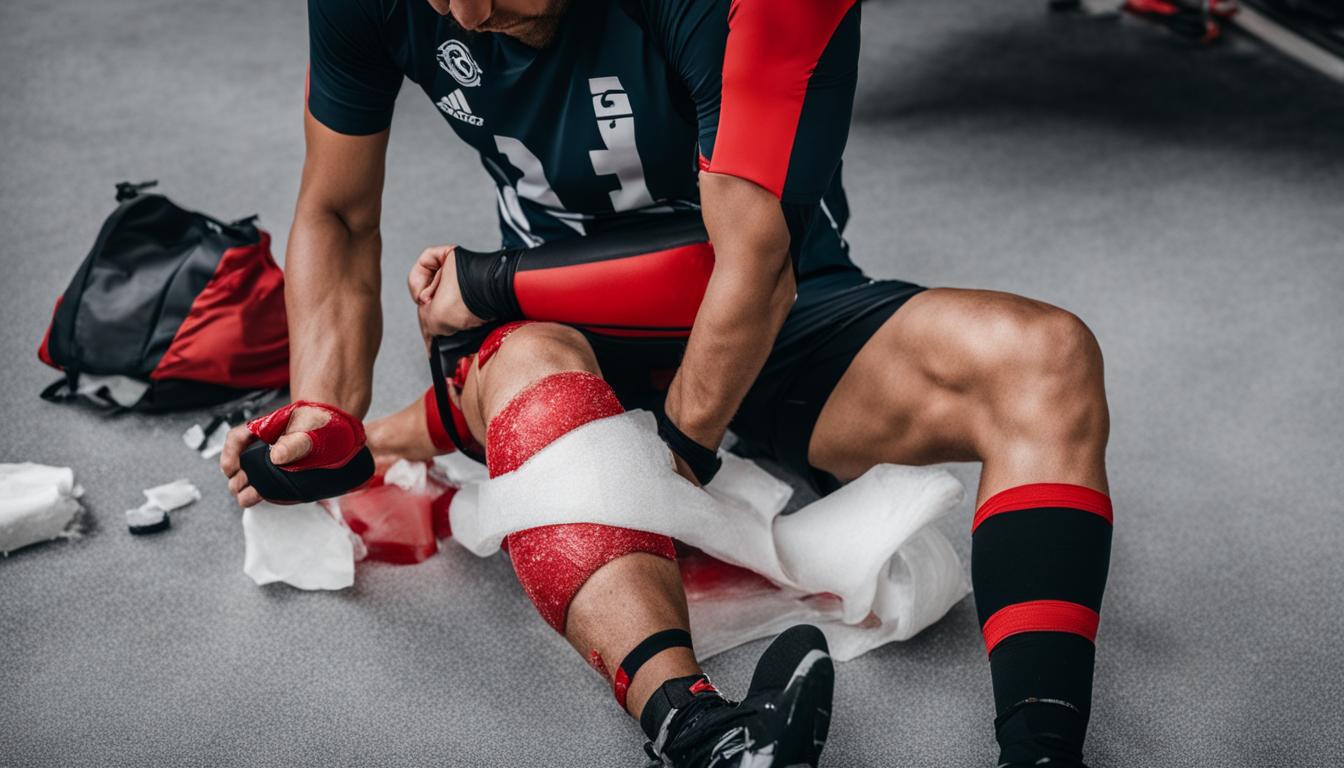
For minor knee injuries, rest is crucial in allowing the body to heal. This includes avoiding activities that put excessive strain on the knee joint, such as running or jumping. Applying ice to the injured area can help reduce swelling and alleviate pain. Compression and elevation of the knee can also aid in the healing process.
In cases where the knee injury is more severe, medical intervention may be necessary. This can include surgical procedures to repair damaged ligaments or tissues. After surgery, a comprehensive rehabilitation program will be prescribed to help restore strength, flexibility, and stability to the knee. Physical therapy exercises, such as range-of-motion exercises and strengthening exercises, will be an integral part of the recovery process.
Pain management is an important aspect of knee injury treatment and recovery. This can involve the use of pain medication prescribed by a healthcare professional to alleviate discomfort during the healing process. Additionally, non-pharmacological pain relief methods, such as heat therapy or transcutaneous electrical nerve stimulation (TENS), may be recommended to manage pain.
It is crucial to closely follow the instructions and recommendations of your healthcare provider throughout the treatment and recovery process. Compliance with prescribed treatments, including physical therapy sessions and any necessary assistive devices, is essential for optimal recovery.
Throughout the recovery period, it is important to monitor the progress of healing and adjust the treatment plan accordingly. Regular check-ups with healthcare professionals will ensure that any potential issues or complications are identified and addressed promptly.
By diligently following the treatment plan and rehabilitation exercises, individuals can significantly improve their chances of a successful recovery from a knee injury. It is important to be patient and allow the healing process to take its course. With proper care and commitment, individuals can regain strength, mobility, and functionality in their knee, enabling them to return to their normal activities.
You can refer to the table below for a summary of the treatment and recovery options for knee injuries:
| Treatment Options | Recovery Techniques |
|---|---|
| Rest | Physical therapy exercises |
| Ice application | Range-of-motion exercises |
| Compression | Strengthening exercises |
| Elevation | Pain management techniques |
| Surgical intervention | Rehabilitation program |
Prevention and Management of Knee Injuries
Preventing knee injuries is crucial for maintaining the overall health of our knees. By consistently implementing a few key strategies, we can reduce the risk of knee injuries and ensure long-term knee health.
To begin, targeted exercises that strengthen the muscles around the knee are essential. These exercises, such as squats, lunges, and leg presses, help improve the stability and support of the knee joint, reducing the chance of injury during physical activities.
In addition to exercise, using proper techniques during physical activities is vital. This includes maintaining correct posture, avoiding sudden impacts or twisting motions, and engaging in regular warm-up and cool-down routines. These measures help to minimize stress on the knee joint and reduce the likelihood of injury.
Wearing appropriate footwear that provides adequate support and cushioning is another important aspect of knee injury prevention. Properly fitted shoes, especially those designed for specific activities such as running or basketball, can help absorb shock and protect the knee from excessive strain.
Lastly, stretching before exercise is crucial for preparing the muscles and tendons for physical activity. Stretching helps improve flexibility, enhances joint mobility, and reduces muscle tension, all of which contribute to preventing knee injuries.
Understanding the causes of knee injuries is equally important for effective management. Sports-related activities, such as jumping, twisting, or sudden stops, can put excessive strain on the knees and lead to injuries. Additionally, age-related factors, such as degeneration of the cartilage and weakening of the ligaments, can contribute to knee problems. Overuse, repetitive motions, and excessive weight-bearing activities can also increase the risk of knee injuries.
By adopting a proactive approach to knee injury prevention and management, we can safeguard our knee health and minimize the risk of future injuries. Incorporating targeted exercises, using proper techniques, wearing appropriate footwear, and stretching regularly are key strategies for maintaining strong and healthy knees. By understanding the causes of knee injuries, we can make informed choices and take necessary precautions to protect our knees from harm.
FAQ
What are the common symptoms of a knee injury?
Common symptoms of a knee injury include stiffness, swelling, redness, and abnormal sounds such as popping or crunching.
When should I seek a diagnosis for a knee injury?
If you experience symptoms such as stiffness, swelling, redness, or are unable to bear weight on your knee, it is important to see a healthcare practitioner for a diagnosis.
How is a knee injury diagnosed?
Diagnosis methods for knee injuries may include X-ray, MRI, CT scan, or ultrasound.
What are the treatment options for knee injuries?
Treatment options for knee injuries can vary depending on the severity and type of injury. They may include physical therapy, pain management, and in some cases, surgical intervention.
How long does it take to recover from a knee injury?
The recovery period for a knee injury can vary depending on the severity of the injury and the treatment plan. Minor injuries may heal on their own with rest and conservative care, while more severe injuries may require surgery and a longer recovery period.
How can I prevent knee injuries?
Preventing knee injuries involves strengthening the knees with targeted exercises, using proper techniques during physical activities, wearing appropriate footwear, and stretching before exercise.
What are some causes of knee injuries?
Causes of knee injuries can include sports-related activities, age-related factors, and overuse.
Source Links
- https://www.betterhealth.vic.gov.au/health/conditionsandtreatments/knee-injuries
- https://www.portlandurgentcare.com/blog/how-to-treat-recover-from-knee-injuries
- https://www.sportsmedicineoregon.com/blog/life-after-a-knee-injury