Tag: Knee Ligament Injuries

  • Knee instability without swelling

    Knee instability without swelling

    Have you ever experienced a nagging knee pain that seems to come out of nowhere, without any visible signs of injury or swelling? You’re not alone. Many individuals face the challenge of knee instability or pain without the typical symptoms of inflammation.

    This phenomenon can be puzzling and concerning, especially when it affects your mobility and quality of life. Unlike typical knee injuries that present with obvious swelling, cases without accompanying inflammation require careful assessment to identify the underlying cause.

    We will explore the various factors that can lead to knee issues without swelling, from ligament injuries to chronic conditions and degenerative changes, and discuss the proper diagnosis and treatment options.

    Key Takeaways

    • Understanding knee instability without swelling is crucial for proper diagnosis.
    • Ligament injuries can cause knee pain without visible swelling.
    • Chronic conditions and degenerative changes can lead to knee instability.
    • Careful assessment is necessary to identify the underlying cause.
    • Various treatment options are available depending on the diagnosis.

    Understanding Knee Stability and Its Importance

    Knee stability, often taken for granted, is fundamental to our ability to move freely and maintain an active lifestyle. The knee joint is one of the most complex in the human body, relying on a delicate balance of structures to maintain proper stability and function. As we explore the intricacies of knee stability, it becomes clear that understanding its anatomy and importance is crucial for appreciating its role in our daily lives.

    The Anatomy of a Stable Knee

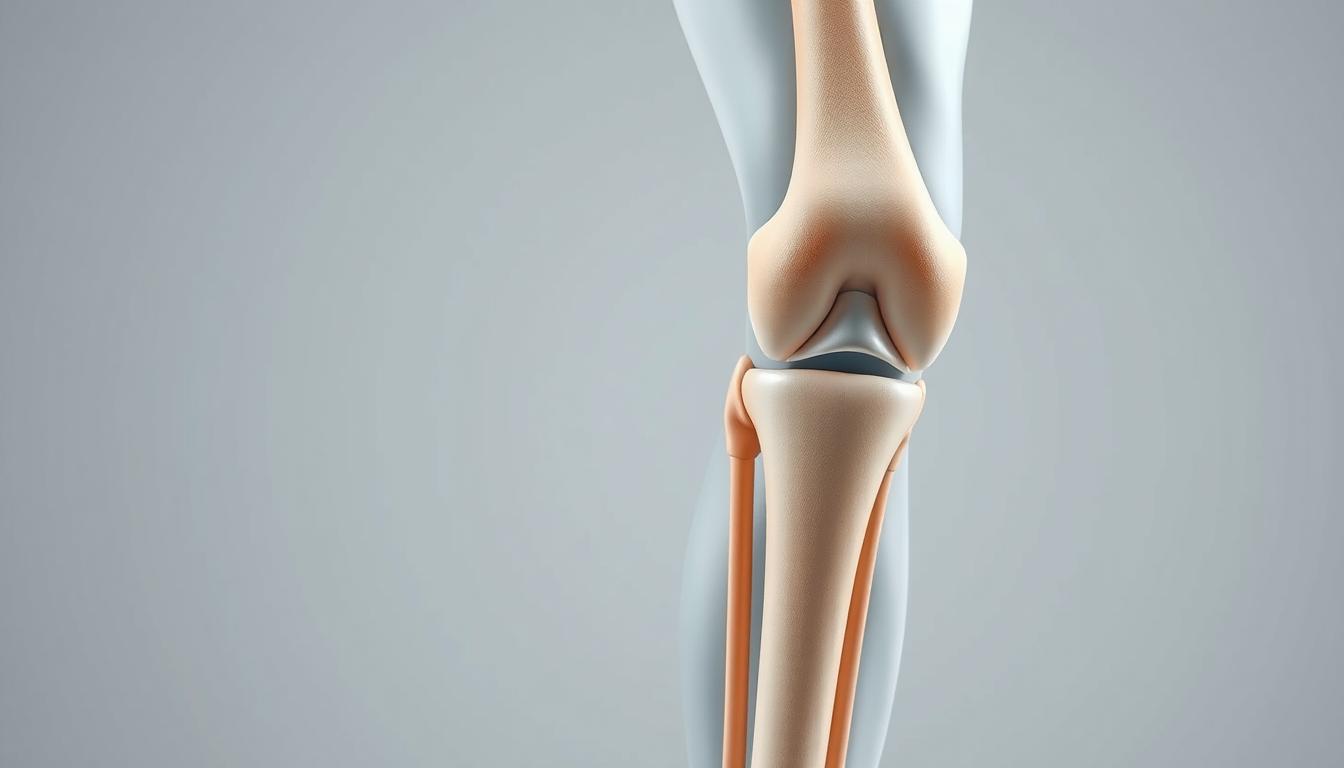
    The stability of the knee joint is maintained by a combination of its shape and various supporting structures. The four major ligaments – the anterior cruciate ligament (ACL), posterior cruciate ligament (PCL), medial collateral ligament (MCL), and lateral collateral ligament (LCL) – serve as primary stabilizers. Additionally, the shape of the femoral condyles and menisci contributes significantly to knee stability by creating a congruent surface that helps distribute weight and absorb shock during movement.

    Secondary stabilizers include the posteromedial and posterolateral capsular components, the iliotibial tract, and the surrounding musculature that provides dynamic support during activity. The intricate network of ligaments, tendons, muscles, and cartilage works in harmony to allow for smooth, pain-free movement.

    How Knee Stability Affects Daily Function

    Proper knee stability is crucial for everyday activities such as walking, climbing stairs, and sitting. Even minor instability can potentially lead to significant functional limitations and compensatory movement patterns. When the knee is functioning properly, these structures work together seamlessly, maintaining the joint’s integrity during various activities.

    As highlighted by experts, “Understanding the complex anatomy of the knee is essential for diagnosing the specific cause of instability when swelling is absent.” This knowledge is vital for addressing issues related to knee stability effectively.

    What Causes Knee Instability Without Swelling?

    Several factors contribute to knee instability without swelling, including ligament tears, muscle weakness, and chronic conditions. Knee instability is a complex condition that can significantly impact an individual’s quality of life. Understanding the underlying causes is crucial for developing effective treatment plans.

    Ligament Injuries and Tears

    Ligament injuries are a common cause of knee instability. These injuries can result from direct or indirect trauma, with “noncontact” mechanisms being the most frequent. Activities involving cutting, twisting, jumping, and sudden deceleration can place excessive stress on the knee ligaments, leading to tears or laxity. For instance, a sudden change in direction during sports can cause a ligament injury without immediate swelling.

    Muscle Weakness and Imbalances

    Muscle weakness, particularly in the quadriceps and hamstrings, can significantly contribute to knee instability. When these muscles are weak, they fail to provide adequate dynamic support to the knee joint during movement. Imbalances between muscle groups can also alter knee biomechanics, leading to instability even without acute injury or swelling.

    Chronic Conditions and Degenerative Changes

    Chronic conditions such as osteoarthritis can gradually erode the joint surfaces and compromise ligament integrity, resulting in progressive instability. Degenerative changes associated with aging or repetitive microtrauma can also affect the knee’s supporting structures, leading to worsening instability symptoms over time. These changes can occur without noticeable swelling, making diagnosis more challenging.

    Medial Collateral Ligament (MCL) Injuries

    The medial collateral ligament (MCL) plays a crucial role in maintaining knee stability, and injuries to this ligament can significantly impact knee function. The MCL is attached proximally to the medial femoral condyle and distally to the tibial metaphysis, 4 to 5 cm distal to the medial joint line beneath the pes anserinus insertion. Understanding MCL injuries is essential for diagnosing and treating knee instability effectively.
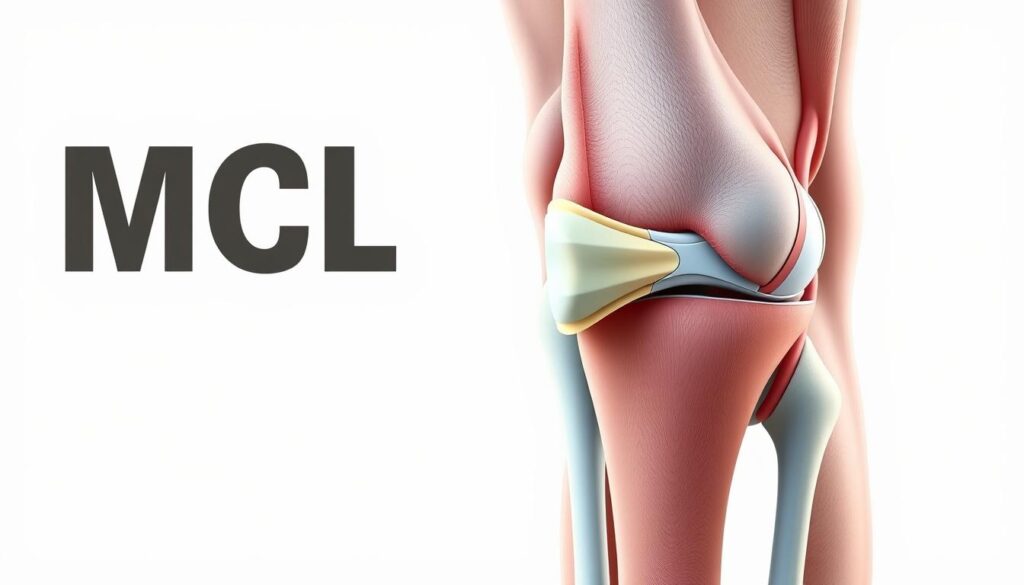
    A detailed anatomical illustration of the medial collateral ligament (MCL) in the human knee joint, rendered in highly realistic medical illustration style. The MCL is prominently featured in the center foreground, shown with its characteristic fan-like structure and attachments to the femur and tibia. The surrounding musculature, tendons, and bony landmarks are clearly visible, allowing for a comprehensive understanding of the MCL's anatomical context. The lighting is soft and directional, creating subtle shadows that enhance the three-dimensional form. The background is minimalist, with a plain, neutral color palette to avoid distractions and focus the viewer's attention on the MCL structure. The overall tone is educational and informative, suitable for use in a medical article on knee instability.

    How MCL Injuries Occur

    MCL injuries typically occur from a direct blow to the lateral (outside) aspect of the knee while it’s slightly flexed, creating a valgus force that stresses or tears the medial ligament complex. Isolated MCL injuries happen usually as a result of such direct trauma. When the deforming force includes a rotational component, associated injuries to the cruciate ligaments can occur, complicating the diagnosis and treatment.

    Diagnosing MCL Instability

    Diagnosis of MCL instability involves applying a gentle valgus force to the knee at 15-20 degrees of flexion and comparing the degree of medial joint opening to the uninjured knee. Even a small difference of 5mm in joint opening can indicate substantial structural damage to the MCL, though this may not always be accompanied by visible swelling or significant pain. This diagnostic approach helps in assessing the severity of the MCL injury.

    Treatment Options for MCL Injuries

    Treatment for MCL injuries is typically conservative, beginning with rest, ice, compression, and elevation (RICE) during the first 48 hours following injury. Physical therapy focusing on strengthening the muscles around the knee joint is crucial for recovery from MCL tears and preventing future instability. Most isolated MCL injuries heal well with conservative treatment, allowing patients to return to normal activities within approximately 6 weeks. However, chronic MCL insufficiency can occur, especially in conjunction with other ligament injuries, requiring a more comprehensive treatment approach.

    Anterior Cruciate Ligament (ACL) Damage

    Understanding ACL damage is crucial for diagnosing and treating knee instability, which can manifest without noticeable swelling. The ACL is a critical component of the knee joint, providing stability and support during various activities.

    The ACL is the primary restraint to anterior translation of the tibia on the femur and to hyperextension. It also functions as a secondary restraint to varus or valgus angulation at full extension and resists internal and external rotation at nearly full extension. Damage to this ligament can lead to significant knee pain and instability, affecting an individual’s ability to perform daily activities and participate in sports.

    Mechanisms of ACL Injury

    ACL injuries most commonly occur during non-contact situations involving sudden deceleration, pivoting, or landing from a jump with the knee in a vulnerable position. These movements can cause a sudden strain on the ACL, leading to tears or complete ruptures.

    Recognizing ACL Instability Without Swelling

    Unlike typical ACL tears that present with immediate swelling, some partial tears or chronic ACL insufficiency can manifest primarily as instability without significant effusion. Patients with ACL instability often describe a sensation of the knee “giving way” during pivoting activities. The Lachman test and pivot shift test are reliable clinical examinations for assessing ACL instability.

    Conservative vs. Surgical Management

    The management of ACL injuries depends on several factors, including the patient’s age, activity level, degree of instability, and willingness to modify activities. Conservative management focuses on strengthening the muscles around the knee, particularly the hamstrings. Surgical reconstruction is typically recommended for young, active patients and those who wish to return to high-demand activities.

    Treatment Approach Description Recommended For
    Conservative Management Strengthening muscles around the knee, particularly hamstrings Less active patients or those willing to modify activities
    Surgical Reconstruction Using autografts or allografts to reconstruct the ACL Young, active patients and those returning to high-demand activities

    In conclusion, ACL damage is a significant cause of knee instability, and its management requires a comprehensive approach considering the patient’s specific needs and activity level. By understanding the mechanisms of ACL injury and the available treatment options, healthcare providers can offer personalized care to patients suffering from ACL damage.

    Posterior Cruciate Ligament (PCL) Issues

    Understanding PCL issues is essential for addressing knee instability, particularly in cases where swelling is not a prominent symptom. The PCL is a critical ligament that originates from the medial femoral condyle and inserts into a depression between the posterior aspect of the two tibial plateaux.

    PCL Function and Injury

    The PCL is composed of two bundles, anterolateral and posteromedial, and serves as the primary restraint to posterior translation of the tibia relative to the femur, especially in the mid-range of knee flexion (40-120 degrees). PCL injuries account for approximately 15-20% of all knee ligament injuries and often result from direct trauma to the front of the tibia while the knee is flexed.

    • The PCL is crucial for knee stability, particularly during flexion.
    • PCL injuries can occur without significant swelling, making diagnosis challenging.
    • Direct trauma, such as dashboard injuries in car accidents, is a common cause of PCL tears.

    Treatment Approaches for PCL Instability

    Treatment for PCL injuries depends on the grade of the tear, associated ligament injuries, and the patient’s activity level and symptoms. Conservative management focuses on quadriceps strengthening to compensate for the lost ligament function, while surgical reconstruction may be necessary for high-grade tears or when conservative treatment fails.

    We consider several factors when determining the best treatment approach for PCL instability, including the severity of the injury and the patient’s overall health.

    Key treatment considerations include:

    1. Grade of the PCL tear
    2. Presence of associated ligament injuries
    3. Patient’s activity level and symptoms

    Lateral and Posterolateral Corner Injuries

    The knee joint’s stability is significantly influenced by the integrity of its lateral and posterolateral structures. The lateral and posterolateral corner of the knee comprises several important stabilizing structures, including the lateral collateral ligament (LCL), popliteus tendon, popliteofibular ligament, and arcuate ligament.

    Anatomy of the Lateral Knee

    The LCL originates on the lateral epicondyle of the femur and is attached distally on the fibular head. The posterolateral corner is a complex anatomic region consisting of the popliteus tendon, the popliteofibular ligament, the arcuate ligament, and the posterolateral joint capsule. Understanding this anatomy is crucial for diagnosing and treating injuries to this area.

    Diagnosis of Lateral Instability

    Diagnosing lateral instability involves a combination of clinical examination and sometimes additional diagnostic tests. The varus stress test at both full extension and 15 degrees of flexion is crucial for assessing lateral instability. Increased external rotation of the tibia relative to the femur at 30 degrees of knee flexion is characteristic of isolated posterolateral instability.

    Management Strategies

    Early surgical intervention is often recommended for posterolateral corner injuries, as these structures have limited healing capacity when treated conservatively. For chronic posterolateral instability, reconstruction rather than repair is typically necessary, using either autograft or allograft tissue to restore stability. Rehabilitation following surgery is typically more prolonged and cautious than for isolated cruciate ligament reconstructions.

    We recognize that managing lateral and posterolateral corner injuries requires a comprehensive approach, taking into account the specific nature of the injury and the patient’s overall condition. By understanding the anatomy, diagnosis, and appropriate management strategies, healthcare providers can offer effective treatment options for patients experiencing knee instability due to these injuries.

    Other Causes of Knee Instability Without Swelling

    The absence of swelling doesn’t rule out knee instability, which can be caused by multiple factors. We will explore some of these causes, including meniscal injuries, patellofemoral issues, and degenerative conditions like arthritis.

    Meniscal Injuries

    Meniscal tears can cause knee instability without significant swelling, particularly when the tear affects the meniscus’s role in joint congruity. The meniscus is cartilage that cushions the inner side of the knee joint. An injury to this area can lead to pain in the inner knee.

    Patients with meniscal injuries often report mechanical symptoms such as catching, locking, or giving way during specific movements. These symptoms can occur even when swelling is minimal or absent.

    Patellofemoral Issues

    Patellofemoral issues, including maltracking of the patella or patellofemoral pain syndrome, can create a sensation of instability, particularly when ascending or descending stairs. Weakness in the vastus medialis obliquus muscle can contribute to patellofemoral instability without causing visible swelling in the knee joint.

    Arthritis and Degenerative Conditions

    Osteoarthritis affects more than 32.5 million U.S. adults and can cause progressive joint instability as the articular cartilage deteriorates and joint surfaces become incongruent. Early-stage arthritis may cause instability without noticeable swelling, particularly during weight-bearing activities.

    Degenerative changes to the menisci that occur with aging can reduce their stabilizing function without triggering an inflammatory response or swelling. Loose bodies within the joint from cartilage or bone fragments can also cause intermittent locking and instability.

    Furthermore, neurological conditions affecting proprioception around the knee can create functional instability despite structurally intact ligaments and minimal inflammation. Understanding these various causes is crucial for proper diagnosis and treatment.

    Diagnosing Knee Instability When No Swelling Is Present

    Diagnosing knee instability without swelling requires a comprehensive approach. We must consider the patient’s history, physical examination findings, and results from diagnostic imaging. The absence of swelling can make diagnosis more challenging, but a thorough evaluation can help identify the underlying causes.

    Physical Examination Techniques

    A detailed physical examination is crucial in diagnosing knee instability. Special tests such as the Lachman test and pivot shift for ACL injuries, the posterior drawer test for PCL injuries, and varus/valgus stress tests for collateral ligament injuries are essential. Comparing the affected knee to the uninjured side helps detect subtle differences in laxity that might indicate ligament insufficiency.

    For instance, the Lachman test is particularly useful for assessing ACL integrity. It involves gently pulling the tibia forward while stabilizing the femur. A significant difference in translation between the two knees can indicate ACL damage.

    Imaging and Other Diagnostic Tools

    Advanced imaging techniques, particularly MRI, play a vital role in diagnosing ligament, meniscal, and cartilage injuries when swelling is absent. MRI provides detailed images of soft tissue structures, helping to identify tears or other damage. Stress radiographs can also quantify the degree of instability in collateral ligament injuries.

    Diagnostic Tool Use in Knee Instability Diagnosis
    MRI Detailed imaging of soft tissues, including ligaments and menisci
    Stress Radiographs Quantifying instability in collateral ligament injuries
    Arthroscopy Direct visualization of intra-articular structures and potential treatment

    When to Seek Medical Attention

    Patients should seek medical attention if they experience recurrent episodes of the knee “giving way,” inability to fully trust the knee during activities, or when instability interferes with daily function. For more information on related issues, you can visit https://kneehurt.com/causes-and-treatments-for-knee-pain-clicking/. Delayed diagnosis can lead to secondary injuries and accelerated joint degeneration, making timely medical evaluation crucial.

    Conservative Treatment Approaches

    The initial approach to treating knee instability without swelling typically involves conservative treatment methods. We focus on addressing the root causes of instability and improving knee function through non-surgical means.

    Strengthening and Rehabilitation

    Physical therapy forms the cornerstone of conservative treatment for knee instability. We emphasize strengthening the muscles that dynamically stabilize the knee, particularly the quadriceps, hamstrings, and hip abductors. Proprioceptive training is also essential for improving the body’s awareness of knee position and movement, helping to compensate for ligamentous instability through enhanced neuromuscular control.

    Rehabilitation protocols typically progress from basic range of motion exercises to closed-chain strengthening activities and eventually sport-specific training for those returning to athletic activities. This structured approach helps in restoring knee stability and function.

    Supportive Devices

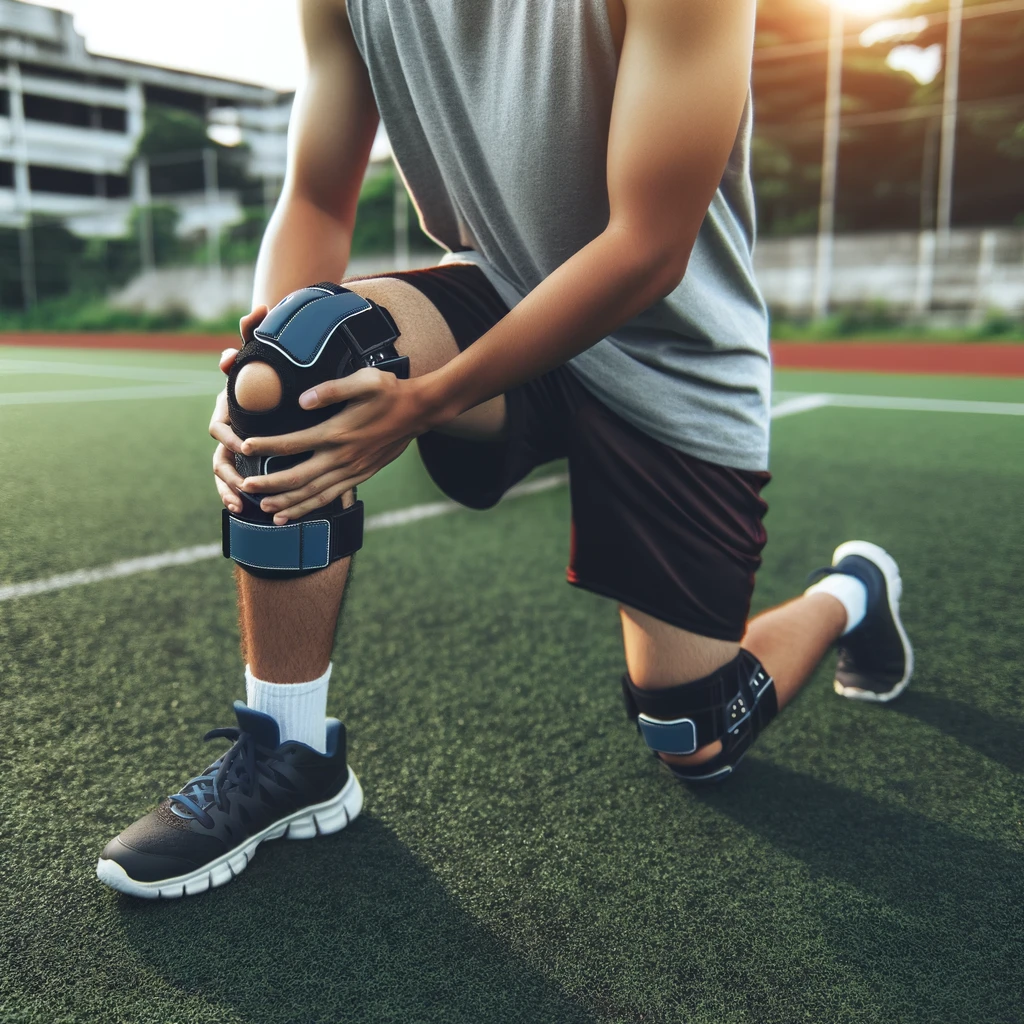
    Bracing and supportive devices can provide additional stability for knees experiencing instability. Functional knee braces may improve joint position sense and limit excessive movement, though their effectiveness can vary among patients and conditions. For patients with instability related to osteoarthritis, unloader braces can be particularly helpful by redistributing forces away from the affected compartment of the knee.

    Modifying Activities

    Activity modification is often necessary to prevent symptom exacerbation. We advise patients to avoid high-risk movements that trigger instability episodes. Low-impact activities like swimming, cycling, and elliptical training can maintain cardiovascular fitness while minimizing stress on an unstable knee. For patients with instability related to arthritis, weight management is crucial as each pound of weight loss reduces stress on the knee joint by approximately four pounds during walking.

    Conservative treatment success depends largely on patient compliance with home exercise programs and willingness to modify activities that provoke instability. By adopting these strategies, individuals can effectively manage knee instability without swelling and improve their overall knee health.

    Surgical Interventions for Persistent Knee Instability

    When knee instability persists despite conservative management, surgical intervention may be necessary to restore stability and function. Surgical techniques have evolved to address various causes of knee instability, offering patients a range of options tailored to their specific needs.

    Reconstructive Procedures

    Surgical reconstruction for knee instability often involves repairing or replacing damaged ligaments. Modern techniques primarily use autografts (the patient’s own tissue) or allografts (donor tissue) to replace damaged ligaments. The choice of graft material depends on several factors, including the patient’s age, activity level, and previous surgeries.

    • Autografts: Using the patient’s own tissue, such as the patellar tendon or hamstring tendons, for ligament reconstruction.
    • Allografts: Utilizing donor tissue for patients who may not be suitable for autografts or prefer this option.

    The surgical technique requires precise placement and tensioning of the graft, avoidance of impingement, and adequate fixation to ensure successful outcomes.

    Recovery and Rehabilitation

    Post-surgical rehabilitation is crucial for optimal outcomes. Rehabilitation typically begins with early range of motion exercises and progresses to strength training and sport-specific activities. The recovery process can vary based on the specific procedure and individual healing factors.

    Generally, full recovery and return to sports or demanding activities take 6-12 months following major ligament reconstruction. Patients should be prepared for a gradual return to their normal activities under the guidance of a healthcare professional.

    Expected Outcomes and Timeline

    Long-term success rates for ligament reconstruction surgeries range from 80-95% for restoring knee stability. However, outcomes can be influenced by factors such as age, activity level, and associated injuries. It’s essential for patients to have realistic expectations about surgical outcomes, understanding that while stability can be significantly improved, the knee may not return to its pre-injury state.

    By understanding the available surgical interventions and what to expect during recovery, patients can make informed decisions about their treatment options for knee instability.

    Preventing Future Episodes of Knee Instability

    A proactive approach to managing knee health involves addressing modifiable risk factors and adjusting activities to prevent instability episodes. Maintaining an optimal weight is crucial, as excess weight significantly increases stress on the knee joint. For every pound of weight lost, the knee joint forces are reduced by approximately four pounds during walking, thereby decreasing the risk of knee pain and instability.

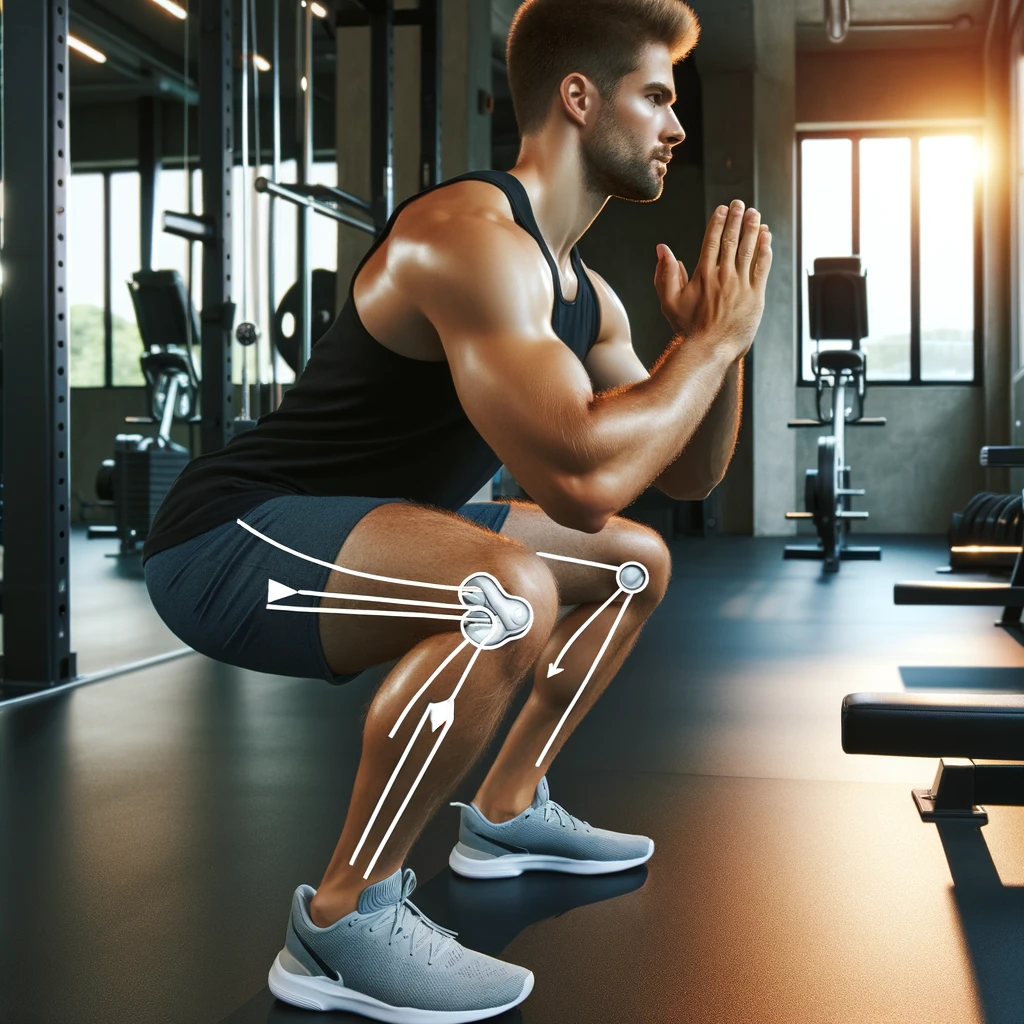
    Engaging in regular strength training that focuses on the quadriceps, hamstrings, and hip muscles is also vital. This training provides dynamic stability to the knee, compensating for any ligamentous laxity or degenerative changes. Furthermore, using proper technique during sports and exercise, especially for movements involving cutting, pivoting, jumping, and landing, can significantly reduce the risk of knee injury.

    Other preventive measures include wearing appropriate footwear with good support and proper fit, which can improve lower extremity alignment and reduce abnormal forces on the knee. For individuals with known ligament insufficiency, preventive bracing may be beneficial during high-risk activities. Additionally, incorporating low-impact activities like swimming and cycling into one’s fitness routine can help maintain fitness while reducing repetitive stress on the knee joint.

    Maintaining good flexibility through regular stretching and proper warm-up routines before activities can also reduce the risk of knee injury. For patients with arthritis-related instability, adopting an anti-inflammatory diet rich in omega-3 fatty acids and antioxidants may help manage inflammation and symptoms. Lastly, regular medical care and adherence to prescribed treatment regimens are essential for managing underlying conditions that contribute to knee instability.

    FAQ

    What are the common causes of knee pain and instability?

    We find that knee pain and instability can be caused by various factors, including ligament injuries, muscle weakness, and degenerative conditions such as osteoarthritis. Activities that put stress on the knee joint, like sports, can also contribute to these issues.

    How is knee instability diagnosed when there’s no swelling?

    Diagnosing knee instability without swelling involves a physical examination, imaging tests like X-rays or an MRI, and assessing the knee’s range of motion. We also consider the patient’s medical history and activity level to make an accurate diagnosis.

    Can knee instability be treated without surgery?

    Yes, we often recommend conservative treatment approaches, such as physical therapy, bracing, and modifying activities to alleviate knee instability. These methods can be effective in managing symptoms and improving knee function.

    What role do ligaments play in knee stability?

    Ligaments, including the ACL, PCL, MCL, and lateral ligaments, provide crucial support to the knee joint. Injuries to these ligaments can lead to knee instability, and we may recommend reconstructive surgery in severe cases.

    How can I prevent future episodes of knee instability?

    To prevent knee instability, we suggest maintaining a healthy weight, engaging in exercises that strengthen the surrounding muscles, and using proper techniques during sports and activities. Wearing supportive devices like knee braces can also help.

    What is the typical recovery time after knee surgery?

    The recovery time after knee surgery varies depending on the type of procedure and individual factors. Generally, we can expect several months of rehabilitation, during which we’ll guide you through a structured recovery program to restore knee function and strength.

    Can osteoarthritis cause knee instability?

    Yes, osteoarthritis can contribute to knee instability by causing degenerative changes in the joint, including cartilage loss and ligament laxity. We can help manage osteoarthritis symptoms and related knee instability through a combination of conservative and surgical treatments.

  • Managing Knee and Hip Pain on One Side: A Comprehensive Guide

    Managing Knee and Hip Pain on One Side: A Comprehensive Guide

    Knee and hip pain on one side can significantly impact daily activities and quality of life. Understanding the causes, treatment options, and lifestyle modifications is essential for managing this type of pain effectively. In this comprehensive guide, we will explore the anatomy of the knee and hip joints, the various causes of knee and hip pain, as well as non-surgical and surgical treatment options. Additionally, we will discuss lifestyle modifications that can help alleviate knee and hip pain and improve overall well-being.

    Key Takeaways

    • Understanding the anatomy of the knee and hip joints is crucial for identifying the source of pain.
    • Non-surgical treatment options such as physical therapy and medication can effectively manage knee and hip pain.
    • Surgical interventions may be necessary for severe cases of knee and hip pain.
    • Diet and nutrition play a key role in managing knee and hip pain.
    • Ergonomic considerations, such as proper posture and workspace setup, can reduce strain on the knee and hip joints.

    Understanding Knee and Hip Pain

    thumbnail

    Anatomy of the Knee and Hip Joints

    In our exploration of knee and hip pain, we must first understand the complex structures that comprise these pivotal joints. The knee joint is primarily formed by the femur, tibia, and patella, with the hip joint being a ball-and-socket articulation between the femur and the acetabulum of the pelvis.

    The knee is stabilized by a network of ligaments and tendons, with the menisci serving as cushions that absorb shock and reduce friction. The hip joint, on the other hand, relies on the labrum and surrounding muscles to maintain its stability and range of motion.

    Tip: Maintaining flexibility and strength in the muscles supporting the knee and hip joints can significantly reduce the risk of pain and injury.

    Understanding these anatomical details is crucial as we delve into the causes and management of pain in these areas. It’s important to recognize that each structure plays a significant role in the overall function and health of the knee and hip joints.

    Causes of Knee and Hip Pain

    Anatomy of the Knee and Hip Joints

    The complex structure of the knee and hip joints plays a crucial role in our mobility and overall well-being. Understanding the intricate interplay of bones, cartilage, ligaments, and tendons is essential for comprehending the causes and management of knee and hip pain.

    Causes of Knee and Hip Pain

    In our research, we have identified a wide range of factors that contribute to knee and hip pain. These include age-related degeneration, overuse injuries, trauma, and inflammatory conditions. It is important to note that each individual may experience pain differently, and a comprehensive evaluation is necessary to determine the specific cause of discomfort.

    Diagnosing Knee and Hip Pain

    Accurate diagnosis is fundamental in developing an effective treatment plan. Through a combination of medical history, physical examination, and imaging studies such as X-rays and MRI scans, healthcare professionals can pinpoint the underlying issues causing knee and hip pain.

    Causes of Knee and Hip Pain Percentage of Cases
    Age-related degeneration 35%
    Overuse injuries 25%
    Trauma 20%
    Inflammatory conditions 20%

    It is important to consult a healthcare professional for personalized evaluation and treatment.

    Diagnosing Knee and Hip Pain

    Once we suspect knee or hip pain, our next step is to establish a definitive diagnosis. This involves a combination of clinical evaluation and imaging techniques. We begin with a thorough patient history and physical examination, focusing on the onset, duration, and characteristics of the pain.

    Diagnostic imaging is crucial in our assessment. The following table outlines common imaging modalities we use:

    Modality Purpose
    X-ray Initial assessment of joint structure
    MRI Detailed view of soft tissues
    CT Scan Cross-sectional imaging of bone and soft tissue
    Ultrasound Assessment of soft tissue structures

    Note: While these tools are invaluable, they must be interpreted in the context of the patient’s clinical presentation. For instance, an X-ray might show changes consistent with arthritis, but the degree of pain experienced by the patient may not correlate with the findings.

    We also consider less common causes of pain, such as infections or tumors, which may require additional tests. In cases where the diagnosis remains uncertain, we may opt for more advanced diagnostic procedures, such as arthroscopy, to directly visualize the joint’s interior.

    Tip: Always communicate openly with your healthcare provider about your symptoms and concerns. Accurate diagnosis often hinges on the details you provide.

    Managing Knee and Hip Pain

    thumbnail

    Non-Surgical Treatment Options

    When we confront knee and hip pain on one side, our approach to management often begins with non-surgical treatment options. These methods aim to alleviate pain, improve joint function, and enhance quality of life without the need for invasive procedures.

    Medication is a cornerstone of non-surgical treatment, with over-the-counter pain relievers like ibuprofen and acetaminophen being commonly recommended. In cases of more severe pain or inflammation, prescription medications may be necessary. It’s important to follow a healthcare provider’s guidance when using these medications to avoid potential side effects.

    In addition to pharmacological interventions, we also recommend a variety of therapeutic modalities. These may include:

    • Heat or cold therapy to reduce pain and swelling
    • Ultrasound or electrical stimulation to promote tissue healing
    • Joint injections with corticosteroids or hyaluronic acid to decrease inflammation and lubricate the joint

    Tip: Consistency in applying non-surgical treatments is key to achieving the best outcomes. Regularly scheduled therapies and adherence to medication regimens can significantly improve symptoms over time.

    We must not overlook the role of lifestyle adjustments in managing pain. Simple changes such as weight management and the use of supportive devices like braces or orthotics can make a substantial difference in daily comfort and mobility.

    Surgical Interventions

    Following the exploration of non-surgical treatments, we often find ourselves considering surgical interventions for managing knee and hip pain on one side. These procedures range from minimally invasive arthroscopic surgeries to more complex operations such as total knee or hip replacements. It’s crucial to understand that surgery is typically recommended when other treatments have not provided sufficient relief or when the joint damage is severe.

    • Total Knee Replacement (TKR) and Total Hip Replacement (THR) are the most common surgeries for severe arthritis and joint damage. The decision to undergo surgery should be made after a thorough discussion with your healthcare provider, considering factors such as age, activity level, and overall health.

    Tip: Always seek a second opinion before committing to surgery, as it can help ensure that all non-surgical options have been exhausted and that the chosen surgical approach is the best fit for your specific condition.

    The recovery process post-surgery is equally important and involves a structured rehabilitation program to regain strength and mobility. It’s essential to adhere to the prescribed physical therapy regimen and follow-up appointments to monitor progress and prevent complications.

    Physical Therapy and Rehabilitation

    Physical therapy and rehabilitation are crucial components of our treatment plan. We focus on personalized exercises to improve strength, flexibility, and range of motion in the affected knee and hip. Additionally, we emphasize the importance of proper body mechanics and posture to prevent further strain on the joints.

    In our rehabilitation program, we also incorporate a variety of modalities, including electrical stimulation and ultrasound therapy, to alleviate pain and promote healing. Our goal is to optimize functional mobility and enhance overall quality of life for individuals experiencing knee and hip pain.

    Table: Progress Tracking

    Week Range of Motion (Degrees) Pain Level (1-10)
    1 45-60 6
    2 60-75 4
    3 75-90 2

    It’s important to adhere to the prescribed exercises and follow the guidance of our physical therapists to achieve the best outcomes. Consistency and dedication to the rehabilitation program are key factors in successful recovery.

    Lifestyle Modifications for Knee and Hip Pain

    thumbnail

    Diet and Nutrition

    When it comes to diet and nutrition, our approach is to focus on consuming a balanced and nutrient-rich diet. This includes incorporating a variety of fruits, vegetables, lean proteins, and whole grains into our meals. Additionally, we emphasize the importance of staying hydrated by drinking an adequate amount of water throughout the day. A well-rounded diet can contribute to overall health and may play a role in managing knee and hip pain effectively.

    In addition to dietary considerations, we also recognize the significance of exercise and activity modification in alleviating knee and hip pain. Engaging in low-impact exercises, such as swimming or cycling, can help improve joint mobility and reduce discomfort. It’s important to strike a balance between staying active and avoiding activities that exacerbate pain. Finding the right level of physical activity is key to maintaining joint health.

    Furthermore, ergonomic considerations are crucial for individuals experiencing knee and hip pain. This involves optimizing workspaces, seating arrangements, and daily activities to minimize strain on the affected joints. Simple adjustments, such as using supportive footwear and ergonomic chairs, can make a notable difference in reducing discomfort and promoting better posture.

    It’s essential to remember that small lifestyle modifications can have a significant impact on managing knee and hip pain. By prioritizing a balanced diet, appropriate physical activity, and ergonomic adjustments, individuals can take proactive steps toward improving their quality of life and reducing discomfort.

    Exercise and Activity Modification

    When it comes to managing knee and hip pain, exercise and activity modification play a crucial role in our overall treatment plan. We understand the importance of staying active while also being mindful of our body’s limitations. It’s essential to strike a balance between maintaining mobility and preventing further strain on the affected joints. To achieve this, we focus on incorporating low-impact exercises, such as swimming and cycling, into our daily routine. These activities help improve flexibility and strength without causing excessive stress on the knees and hips. Additionally, we prioritize avoiding high-impact activities like running and jumping, which can exacerbate discomfort and inflammation. By making these adjustments, we can effectively manage our pain and promote long-term joint health.

    Ergonomic Considerations

    When addressing knee and hip pain, ergonomic considerations play a crucial role in optimizing our daily activities. It’s important to create an environment that supports proper posture and reduces strain on the affected joints. This may involve adjusting the height of chairs and work surfaces, using supportive cushions, and maintaining a neutral spine position while sitting. Additionally, incorporating regular movement breaks and gentle stretching exercises can help alleviate discomfort and prevent stiffness.

    Furthermore, a balanced and nutritious diet is essential for managing knee and hip pain. Consuming foods rich in anti-inflammatory properties, such as omega-3 fatty acids and antioxidants, can contribute to reducing inflammation and promoting joint health. It’s also beneficial to maintain a healthy weight to minimize stress on the lower body joints.

    Incorporating these lifestyle modifications can significantly improve our overall well-being and enhance our ability to manage knee and hip pain effectively.

    Conclusion

    In conclusion, the management of knee and hip pain on one side is a complex and multifaceted process that requires a comprehensive approach. By addressing the underlying causes, implementing targeted therapies, and promoting lifestyle modifications, individuals can experience significant relief and improved quality of life. It is imperative for healthcare professionals to remain vigilant in their assessment and treatment of asymmetrical musculoskeletal conditions, and for patients to actively participate in their own care. With a thorough understanding of the factors contributing to unilateral knee and hip pain, both healthcare providers and patients can work together to achieve optimal outcomes. Empowering individuals with the knowledge and tools to manage their condition is essential for long-term success.

    Frequently Asked Questions

    What are the common causes of knee and hip pain on one side?

    Common causes include osteoarthritis, muscle strain, ligament sprain, bursitis, and tendonitis.

    How is knee and hip pain diagnosed?

    Diagnosis involves a physical examination, imaging tests such as X-rays and MRI, and sometimes blood tests.

    What are the non-surgical treatment options for knee and hip pain?

    Non-surgical options include medication, physical therapy, corticosteroid injections, and lifestyle modifications.

    What are the surgical interventions for knee and hip pain?

    Surgical options include arthroscopic surgery, joint replacement, and osteotomy.

    How can diet and nutrition help manage knee and hip pain?

    A balanced diet rich in anti-inflammatory foods can help reduce inflammation and manage pain.

    What types of exercises are recommended for knee and hip pain?

    Low-impact exercises such as swimming, cycling, and gentle stretching can help improve joint flexibility and strength.

  • Managing Torn Meniscus Over 50: What You Need to Know

    Managing Torn Meniscus Over 50: What You Need to Know

    Torn meniscus is a common injury, especially among individuals over the age of 50. Understanding the causes, symptoms, diagnosis, and treatment options is crucial for managing this condition effectively. In this article, we will explore the key aspects of torn meniscus and provide valuable insights into recovery and prevention strategies.

    Key Takeaways

    • Torn meniscus is often caused by degenerative changes in the knee, as well as sudden twisting or pivoting movements.
    • Symptoms of a torn meniscus may include pain, swelling, stiffness, and difficulty fully extending the knee.
    • Diagnostic tests such as MRI and physical examination are used to confirm a torn meniscus.
    • Non-surgical treatment options for torn meniscus include rest, ice, compression, and elevation (RICE therapy), as well as physical therapy.
    • Rehabilitation after surgical treatment involves a structured timeline, including physical therapy exercises to restore strength and flexibility in the knee.

    Understanding Torn Meniscus

    thumbnail

    Anatomy of the Meniscus

    In our exploration of knee injuries, we must first understand the meniscus, a crucial component of knee stability and function. Composed of two C-shaped pieces of cartilage, the menisci (plural) sit between the femur (thigh bone) and the tibia (shin bone).

    Each knee has a lateral meniscus on the outer side and a medial meniscus on the inner side. These structures act as shock absorbers, distributing the weight of the body across the knee joint. They also aid in the smooth movement of the joint, providing a gliding surface for the femur.

    Tip: Maintaining strong and flexible leg muscles can help support the menisci and reduce the risk of injury.

    The health of our menisci is vital, especially as we age. Over time, the meniscus can become more susceptible to injury due to degeneration and decreased elasticity. It’s important for us to recognize the signs of a torn meniscus and seek appropriate treatment to prevent further damage and maintain mobility.

    Causes of Torn Meniscus

    In our exploration of meniscal injuries, we recognize that the causes of a torn meniscus can be multifaceted, particularly in individuals over 50. As we age, the meniscus becomes more brittle and less elastic, making it more susceptible to tears even with minor twisting movements or squatting. This degenerative process is often exacerbated by osteoarthritis, which can further compromise the integrity of the meniscal tissue.

    Degenerative meniscal tears are common in the older population and differ from the acute tears seen in younger individuals, which are usually the result of a specific traumatic event. In contrast, older adults may experience a meniscal tear as a part of the natural aging process, without a notable injury.

    • Trauma: Sudden twists or turns, especially with the foot planted and the knee bent.
    • Degeneration: Natural wear and tear over time, often associated with aging.
    • Overuse: Repetitive activities that strain the knee joint.

    Tip: Maintaining a healthy weight and regular exercise can help reduce the risk of degenerative meniscal tears by alleviating pressure on the knee joints and preserving muscle strength.

    Symptoms of Torn Meniscus

    Anatomy of the Meniscus, Causes of Torn Meniscus, and Symptoms of Torn Meniscus are crucial aspects of understanding this injury. We must pay close attention to the symptoms, as they often indicate the severity of the tear. In some cases, a torn meniscus may cause the knee to lock, making it difficult to fully straighten the leg. This can be a sign of a more serious tear.

    • It’s important to note that not all torn menisci require surgery. In fact, studies have shown that 70% of people over 50 with a torn meniscus can successfully manage the injury with non-surgical treatment.
    • However, for those who do require surgery, the recovery timeline and physical therapy are essential components of the treatment plan.

    Tip: If you experience persistent knee pain or difficulty moving your knee, it’s important to seek medical attention promptly.

    Diagnosis and Treatment Options

    thumbnail

    Diagnostic Tests for Torn Meniscus

    When we suspect a torn meniscus in patients over 50, a thorough diagnostic process is crucial to determine the appropriate treatment plan. The first step typically involves a detailed medical history and physical examination, where we assess the knee’s range of motion and look for signs of meniscal injury.

    Following the initial assessment, we often recommend imaging tests to visualize the extent of the damage. The most common diagnostic tools include:

    • Magnetic Resonance Imaging (MRI): This is the most sensitive test for meniscus tears, providing clear images of both hard and soft tissues within the knee joint.
    • X-rays: Although X-rays do not show soft tissue like the meniscus, they can help rule out other causes of knee pain, such as fractures or osteoarthritis.
    • Ultrasound: A less common test, but useful in some cases to evaluate soft tissue structures around the knee.

    Tip: Early diagnosis and treatment are key to managing symptoms and preventing further joint damage.

    In some cases, diagnostic arthroscopy, a minimally invasive surgical procedure, may be used when imaging results are inconclusive. This allows direct visualization of the internal structures of the knee. However, we strive to reserve this option for when non-invasive tests are insufficient.

    Non-Surgical Treatment

    When we manage a torn meniscus in individuals over 50, we often prioritize non-surgical treatment options. These methods focus on alleviating pain and swelling while promoting healing and mobility. The cornerstone of non-surgical treatment is physical therapy, which is tailored to each patient’s needs and abilities. Physical therapists may employ a variety of techniques, including exercises to strengthen the muscles around the knee, improve flexibility, and increase range of motion.

    In addition to physical therapy, we recommend the following regimen to support recovery:

    • Rest and avoidance of activities that exacerbate knee pain
    • Application of ice to reduce swelling
    • Compression with a knee brace or wrap to provide support
    • Elevation of the leg to decrease swelling

    Tip: It’s crucial to follow the guidance of your healthcare provider to ensure that activities are resumed gradually to prevent further injury.

    For pain management, over-the-counter anti-inflammatory medications, such as ibuprofen or naproxen, can be effective. In some cases, corticosteroid injections may be considered to provide temporary relief. It is important to note that while these treatments can help manage symptoms, they do not repair the torn meniscus itself.

    Surgical Treatment

    After considering the options for surgical treatment, recovery and rehabilitation become crucial for our overall well-being. It’s important to understand the recovery timeline and the role of physical therapy in regaining strength and mobility. Additionally, preventing future injuries is a key aspect of our long-term health. Here’s a brief overview of the recovery timeline:

    Recovery and Rehabilitation

    thumbnail

    Recovery Timeline

    After undergoing treatment for a torn meniscus, we understand that patients are eager to know how long it will take to return to their normal activities. The recovery timeline can vary significantly depending on the severity of the tear and the type of treatment received. Generally, patients can expect a basic framework for recovery, which we outline below.

    • Immediate postoperative period (0-2 weeks): Pain management and reduction of swelling are the primary goals. Use of crutches and a knee brace may be necessary.
    • Early rehabilitation phase (2-6 weeks): Gradual increase in knee mobility and introduction of light exercises.
    • Mid-rehabilitation phase (6-12 weeks): Continued strengthening exercises and progressive weight-bearing activities.
    • Late rehabilitation phase (12 weeks and beyond): Return to more strenuous activities and sport-specific training.

    It’s important to note that these timeframes are approximate and individual recovery may differ. Patients should always follow their healthcare provider’s guidance and listen to their own body’s signals during the recovery process.

    Tip: Consistency in following the prescribed rehabilitation protocol is crucial for a successful recovery. Avoid overexerting the knee too early to prevent setbacks.

    Physical Therapy

    In our journey to recovery from a torn meniscus, we recognize the pivotal role of physical therapy. It’s not just about healing; it’s about regaining strength and mobility while ensuring the knee can handle daily activities without further injury.

    Our regimen typically includes a variety of exercises tailored to individual needs. These exercises focus on improving flexibility, building strength, and enhancing coordination. For instance:

    • Range-of-motion exercises to increase flexibility
    • Strengthening exercises targeting the quadriceps and hamstrings
    • Balance and agility drills to improve knee stability

    Tip: Consistency is key in physical therapy. Adhering to the prescribed exercise routine maximizes the benefits and accelerates recovery.

    We also emphasize the importance of home exercise programs. These are crucial for continued progress outside of therapy sessions. Our therapists provide guidance on how to safely perform exercises at home, ensuring that recovery continues unabated.

    Preventing Future Injuries

    After successfully navigating the recovery and rehabilitation process, we must focus on preventing future injuries to the meniscus. It’s crucial to maintain the strength and flexibility of the knee joint to minimize the risk of re-injury. We recommend incorporating a balanced routine that includes both aerobic exercises and strength training.

    • Aerobic exercises such as swimming or cycling can improve cardiovascular health without placing excessive strain on the knees.
    • Strength training should target the muscles around the knee, particularly the quadriceps and hamstrings, to provide better support to the joint.

    Proper footwear is also essential in preventing meniscus injuries. Shoes that provide good support can help in maintaining proper knee alignment during physical activities.

    Tip: Always warm up before engaging in any physical activity to prepare your muscles and joints, reducing the likelihood of injury.

    Lastly, it’s important to listen to your body. If you experience pain or discomfort in the knee, it’s advisable to rest and consult a healthcare professional if the symptoms persist. By staying vigilant and adopting these preventive measures, we can help ensure the long-term health of our knees.

    Conclusion

    In conclusion, the management of torn meniscus in individuals over the age of 50 requires careful consideration of both surgical and non-surgical treatment options. It is imperative for patients to consult with a qualified orthopedic specialist to determine the most suitable course of action. With advancements in medical technology and rehabilitation techniques, the prognosis for individuals with torn meniscus remains promising, offering the potential for improved mobility and quality of life.

    Frequently Asked Questions

    What is a torn meniscus?

    A torn meniscus is a common knee injury that involves the tearing of the cartilage in the knee joint, known as the meniscus.

    How is a torn meniscus diagnosed?

    A torn meniscus is usually diagnosed through a physical examination, imaging tests such as MRI, and sometimes arthroscopic surgery.

    What are the non-surgical treatment options for a torn meniscus?

    Non-surgical treatment options for a torn meniscus may include rest, ice, compression, elevation (RICE), physical therapy, and anti-inflammatory medications.

    What is the recovery timeline for a torn meniscus?

    The recovery timeline for a torn meniscus varies depending on the severity of the injury and the chosen treatment option. It can range from a few weeks to several months.

    Can a torn meniscus lead to future knee injuries?

    While a torn meniscus itself does not directly cause future knee injuries, it can increase the risk of developing osteoarthritis in the affected knee over time.

    What can be done to prevent future knee injuries after a torn meniscus?

    To prevent future knee injuries after a torn meniscus, it is important to maintain a healthy weight, engage in regular low-impact exercise, and avoid activities that put excessive strain on the knees.

  • Prevention Strategies for Knee Ligament Injuries

    Prevention Strategies for Knee Ligament Injuries

    Prevention Strategies for Knee Ligament Injuries: Professional Tips

    Knee ligament injuries are common among athletes and can be a frustrating setback for anyone who enjoys an active lifestyle. The knee joint is one of the largest and most complex joints in the body, making it vulnerable to various types of injuries. Understanding and identifying knee ligament injuries is crucial to prevent further damage and promote quick recovery.

    v2 32d9h 7v8oi

    The most common knee ligament injuries are the anterior cruciate ligament (ACL), medial collateral ligament (MCL), posterior cruciate ligament (PCL), and lateral collateral ligament (LCL). These injuries can occur due to direct trauma, such as contusions and strains, or from indirect trauma, such as sudden changes in direction. Symptoms of knee ligament injuries include pain, swelling, inflammation, and joint laxity. In this article, we will discuss five prevention strategies for knee ligament injuries to help maintain knee stability and prevent knee instability.

    professional tips for prevention strategies to help avoid knee ligament injuries:

    CategoryTips
    Strength & Flexibility Training– Emphasize hamstring, glute, quad, hip & core exercises<br>- Ensure muscle imbalances are addressed<br>- Use proper form/technique to prevent overstress
    Movement Control & Balance– Practice proper landing mechanics when jumping <br>- Enhance proprioception & body control<br>- Integrate deceleration drills
    Equipment & Environment– Wear supportive & appropriate footwear <br>- Tape or brace vulnerable knees if needed <br>- Ensure safe, even playing surfaces
    Loading & Recovery– Follow loading guidelines for ramping up intensity<br>- Avoid aggressive pivoting until tissues adapted<br>- Schedule adequate rest periods between sessions
    Body Composition & Nutrition– Prevent muscle loss during injury layoffs<br>- Maintain healthy BMI year-round<br>- Support exercise recovery nutritionally
    Mindset & Motivation– Foster positive, confident mentality<br>- Set smaller achievable goal steps <br>- Enlist social support structure

    The most effective ACL/knee ligament injury prevention programs take a comprehensive approach. Optimizing strength, movement mechanics, loading, and nutrition helps create resilience. Confidence in knee stability paired with caution towards unsafe mechanics allows for safer progression. Expert guidance tailoring programs is key for best injury deterrence.

    9c0fad6b da19 4bad 92cb dac1d9705c7d

    Key Takeaways

    • Understanding the anatomy of the knee joint and identifying knee ligament injuries can promote quick recovery.
    • Direct and indirect trauma can cause knee ligament injuries, leading to pain, swelling, inflammation, and joint laxity.
    • Five prevention strategies can help maintain knee stability and prevent knee instability, reducing the risk of knee ligament injuries.

    Understanding and Identifying Knee Ligament Injuries

    Knee ligament injuries are common among athletes and individuals who engage in physical activities that require jumping, pivoting, or sudden changes in direction. In this section, we will discuss the common types and causes of knee ligament injuries, how to identify symptoms and diagnose the injury, treatment and rehabilitation options, and the role of sex and age in knee ligament injuries.

    Common Types and Causes

    The most common types of knee ligament injuries are the anterior cruciate ligament (ACL) and medial collateral ligament (MCL) injuries. The ACL is usually injured during non-contact activities such as landing after a jump or sudden stops and changes in direction. On the other hand, the MCL is usually injured from a direct blow to the outer side of the knee, such as when playing football or hockey.

    Symptoms and Diagnosis

    The symptoms of knee ligament injuries include pain, swelling, bruising, and instability. The diagnosis of knee ligament injuries is usually made through a physical exam and imaging tests such as MRI or X-rays. It is important to seek medical attention if you experience any of these symptoms.

    Treatment and Rehabilitation

    The treatment and rehabilitation of knee ligament injuries depend on the severity of the injury. Treatment options include rest, ice, compression, and elevation (RICE), physical therapy, and surgery. Rehabilitation includes exercises to improve range of motion, strength, and mobility. It is important to follow the guidance of a physical therapist or orthopedic surgeon to ensure proper recovery.

    Role of Sex and Age

    Research shows that females are more prone to knee ligament injuries than males due to differences in anatomy, form, and hormones such as estrogen and relaxin. Additionally, age plays a role in knee ligament injuries, with individuals over 50 years old being at a higher risk due to decreased muscle strength and flexibility.

    Sports and Injuries

    Knee ligament injuries are common in sports that require sudden stops and changes in direction such as soccer, basketball, and football (soccer). Injury prevention programs that include warm-up, neuromuscular training, and proprioception exercises can reduce the frequency of knee ligament injuries by up to 50%. Coaches and athletes should also prioritize proper technique, posture, and fatigue management to prevent knee ligament injuries.

    In conclusion, knee ligament injuries are common among athletes and individuals who engage in physical activities. Understanding the common types and causes of knee ligament injuries, identifying symptoms and diagnosing the injury, and following proper treatment and rehabilitation options can help prevent long-term damage. Coaches, athletes, and individuals should prioritize injury prevention programs and proper technique to reduce the frequency of knee ligament injuries.

    Prevention Strategies for Knee Ligament Injuries

    When it comes to knee ligament injuries, prevention is key. Here are some effective strategies that we recommend:

    Strengthening and Conditioning

    Strengthening and conditioning exercises can help improve muscle strength and endurance, which can help reduce the risk of knee ligament injuries. Exercises that target the hips, ankles, and core can be particularly effective in improving stability and reducing the risk of injury.

    Injury Prevention Programs

    Injury prevention programs can be an effective way to reduce the risk of knee ligament injuries. These programs typically include a combination of warm-up exercises, neuromuscular training, and strength and conditioning exercises. They can be particularly effective for athletes who participate in high-risk sports, such as soccer, basketball, and football.

    Importance of Compliance and Frequency

    Injury prevention strategies are only effective if they are followed consistently and frequently. Compliance with injury prevention programs is essential for reducing the risk of knee ligament injuries. It is important to follow the program as prescribed and to make sure that exercises are performed correctly and with good form.

    In conclusion, preventing knee ligament injuries requires a combination of strategies that target strength, stability, and flexibility. Injury prevention programs that incorporate warm-up exercises, neuromuscular training, and strength and conditioning exercises can be particularly effective. However, compliance with these programs is essential for success. By following these strategies, we can help reduce the risk of knee ligament injuries and keep athletes healthy and active.