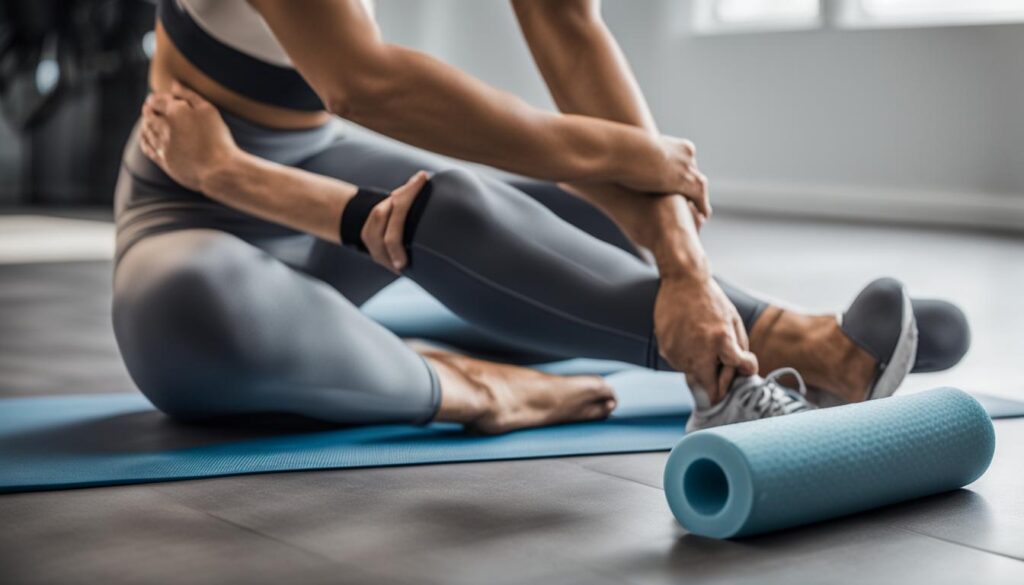
Tag: Knee Pain After Running: Causes And Relief Tips

  • Knee Pain After Running: Causes And Relief Tips

    Knee Pain After Running: Causes And Relief Tips

    Knee pain after running, also known as runner’s knee or patellofemoral pain syndrome, can be a frustrating and debilitating condition. It can occur due to various factors such as overuse of the knee joint, direct impact to the knee, malalignment of the bones, foot problems, and weak thigh muscles. The main symptom is pain in front of or around the kneecap, which worsens with activities like walking, running, and squatting.

    Fortunately, there are steps you can take to find relief from knee pain after running and prevent future occurrences. In this article, we will explore the causes of knee pain after running, effective treatment options, and valuable tips for prevention.

    Key Takeaways:

    • Common causes of knee pain after running include overuse injuries, weak muscles, foot problems, and misalignment.
    • Treatment options include rest, ice, compression, elevation, pain medication, exercises, and, in severe cases, surgery.
    • Prevention strategies involve maintaining strong thigh muscles, managing weight, warming up before exercise, choosing proper footwear, and gradually increasing workout intensity.
    • Consult with a healthcare provider for personalized advice on the appropriate treatment options for knee pain after running.
    • By understanding the causes and implementing prevention strategies, individuals can manage and reduce knee pain, allowing them to continue enjoying their favorite physical activities.

    What is Runner’s Knee?

    Runner’s knee, or patellofemoral pain syndrome, is a common knee condition that causes pain around or in front of the kneecap. It is a broad term used to describe the pain experienced in the knee due to various knee problems. The condition can be caused by overuse of the knee joint, direct impact to the knee, malalignment of the bones, foot problems, or weak thigh muscles.

    The main symptom of runner’s knee is pain in front of or around the kneecap, which worsens with activities that involve bending the knee, such as running, jumping, squatting, or climbing stairs. It can also cause a grinding or popping sensation in the knee.

    Diagnosing runner’s knee typically involves a physical examination by a healthcare professional, where they will assess the knee for any swelling, tenderness, or misalignment. In some cases, additional tests such as X-rays or MRI scans may be conducted to rule out other potential causes.

    Treatment for runner’s knee usually involves a combination of rest, addressing the underlying problem, pain management, and rehabilitation exercises to strengthen the surrounding muscles and improve knee stability. Resting the knee and avoiding activities that worsen the pain is important for healing. Pain management may include the use of over-the-counter pain medications or anti-inflammatory drugs. Physical therapy exercises, such as stretching and strengthening exercises, can help improve knee function and reduce pain.

    “Runner’s knee, or patellofemoral pain syndrome, is a common knee condition that causes pain around or in front of the kneecap.”

    In severe cases, where conservative treatment methods do not provide relief, surgical options such as arthroscopy may be considered. Arthroscopy involves using small incisions and a small camera to visualize and treat the affected knee joint.

    Prevention strategies can also help reduce the risk of developing runner’s knee. This may include maintaining proper form and technique when engaging in physical activities, ensuring appropriate footwear that provides adequate support and cushioning, gradually increasing the intensity and duration of workouts, and listening to the body’s cues to avoid overuse injuries.

    By understanding the causes and symptoms of runner’s knee and implementing appropriate treatment and prevention strategies, individuals can effectively manage and reduce knee pain, allowing them to continue enjoying their favorite activities without discomfort.

    Common Causes of Knee Pain After Running

    When it comes to knee pain after running, there are several common causes that individuals may experience. Understanding these causes is crucial in determining the appropriate treatment and prevention strategies.

    One of the primary causes is overuse injuries. Frequent running or jumping can put excessive strain on the knee joint, leading to pain and discomfort. Additionally, misalignment of the kneecap can contribute to knee pain. When the bones of the knee are not properly aligned, it can result in stress and friction, causing inflammation and pain.

    Weak muscles surrounding the knee can also be a contributing factor. The muscles in the thighs and calves play a significant role in supporting the knee joint. If these muscles are weak, they may not provide adequate stabilization, leading to knee pain after exercise.

    Poor foot support related to footwear is another common cause of knee pain. Shoes that do not provide proper arch support or cushioning can lead to an imbalance in the feet, causing stress on the knees. Likewise, walking or running with feet rolling inward, also known as overpronation, can put additional pressure on the knees and contribute to pain.

    Individual variations in anatomy or body types can also play a role in knee pain after running. Certain structural differences in the knees or legs can increase the risk of developing knee pain. For example, individuals with flat feet or high arches may be more prone to knee pain.

    Running on hard playing surfaces can also contribute to knee pain. The impact and shock absorption on hard surfaces like concrete or asphalt can be more stressful on the knees compared to running on softer surfaces like grass or earth.

    Furthermore, it’s important to note that knee pain can also be caused by a specific knee injury, such as tears or fractures. These injuries may result from trauma or accidents during physical activities.

    By identifying the specific cause of knee pain after running, individuals can better address and manage their symptoms. Whether it’s through targeted exercises, footwear adjustments, or other interventions, understanding the underlying cause is crucial for effective treatment and prevention of knee pain.

    Treating Knee Pain After Running

    Knee pain after running can often be managed effectively at home with the RICE method: rest, ice, compression, and elevation. These simple yet effective strategies can help relieve pain, reduce inflammation, and promote healing. Here’s a breakdown of each component:

    Rest

    Resting the knee and avoiding activities that worsen the pain is crucial for recovery. Taking a break from running and other high-impact activities allows the injured tissues in the knee to heal. It’s important not to push through the pain, as this can exacerbate the condition and delay the healing process.

    Ice

    Applying ice to the knee can provide significant pain relief and reduce swelling. Ice helps constrict blood vessels, numbing the area and reducing inflammation. Wrap an ice pack in a thin towel and apply it to the affected knee for 15-20 minutes every 2-3 hours for the first 48-72 hours following the onset of pain.

    Compression

    Using compression with an elastic bandage provides support to the knee and minimizes swelling. Wrap the bandage snugly around the knee, making sure it’s not too tight to impede circulation. Compression helps restrict excess fluid accumulation, reduces pain, and provides stability to the injured knee.

    Elevation

    Elevating the leg helps reduce swelling by draining excess fluid from the knee. Prop the leg up on a pillow or cushion, ensuring that the knee is higher than the heart. Elevating the leg for 15-20 minutes several times a day can aid in reducing inflammation and promoting healing.

    In addition to the RICE method, over-the-counter pain medications like nonsteroidal anti-inflammatory drugs (NSAIDs) can be used for temporary relief. It’s important to follow the recommended dosage and guidelines provided by the manufacturer.

    Furthermore, incorporating shoe inserts, such as orthotics or insoles, can provide additional support and stability to the foot and ankle, helping to prevent knee pain during running. These inserts can help correct foot alignment and reduce stress on the knee joints.

    While the RICE method and shoe inserts can be effective in managing knee pain after running, it’s crucial to consult with a healthcare provider for personalized advice and a proper diagnosis. They can recommend specific treatment options and provide guidance based on the underlying cause of the knee pain.

    Preventing Knee Pain After Running

    Preventing knee pain after running requires a proactive approach to ensure the health and stability of your knees. By incorporating the following strategies into your running routine, you can minimize the risk of developing knee pain and enjoy a pain-free running experience.

    1. Strengthen Your Quadriceps and Hip Abductor Muscles

    Strong quadriceps muscles help keep the knee joint stable and properly aligned during exercise. Incorporate exercises such as squats, lunges, and leg presses into your fitness routine to strengthen these muscles.

    Additionally, the hip abductor muscles play a crucial role in maintaining proper biomechanics and reducing stress on the knee. Include exercises like lateral leg lifts and clamshells in your workout regimen to target and strengthen these muscles.

    2. Maintain a Healthy Weight

    Excess weight puts additional stress on your knees, increasing the risk of knee pain and injury. Incorporating a balanced diet and regular exercise can help you achieve and maintain a healthy weight, reducing the strain on your knees during running.

    3. Warm-Up and Stretch Before Exercise

    A proper warm-up routine before running prepares your muscles and joints for the activity, reducing the risk of strain and injury. Begin with light aerobic exercises, such as brisk walking or jogging, and follow it with dynamic stretching to increase flexibility and improve circulation.

    Focus on stretching the muscles around your hips, thighs, and calves, as tightness in these areas can contribute to knee pain. Hold each stretch for 20-30 seconds and repeat them on both sides.

    4. Choose Proper Footwear

    Wearing the right footwear is essential for preventing knee pain after running. Invest in running shoes that provide adequate support, cushioning, and shock absorption. Look for shoes specifically designed for running, with features such as arch support, stability control, and cushioned soles.

    5. Gradually Progress Your Workouts

    Avoid sudden increases in workout intensity or mileage, as this can place excessive stress on your knees and lead to pain or injury. Instead, gradually progress your running routine by increasing the duration or intensity of your runs over time.

    Listen to your body and pay attention to any signs of discomfort. If you experience knee pain or discomfort during a run, take a break and allow your body to recover before resuming your exercise routine.

    By implementing these strategies, you can significantly reduce the risk of knee pain after running and maintain healthy knees for years to come.
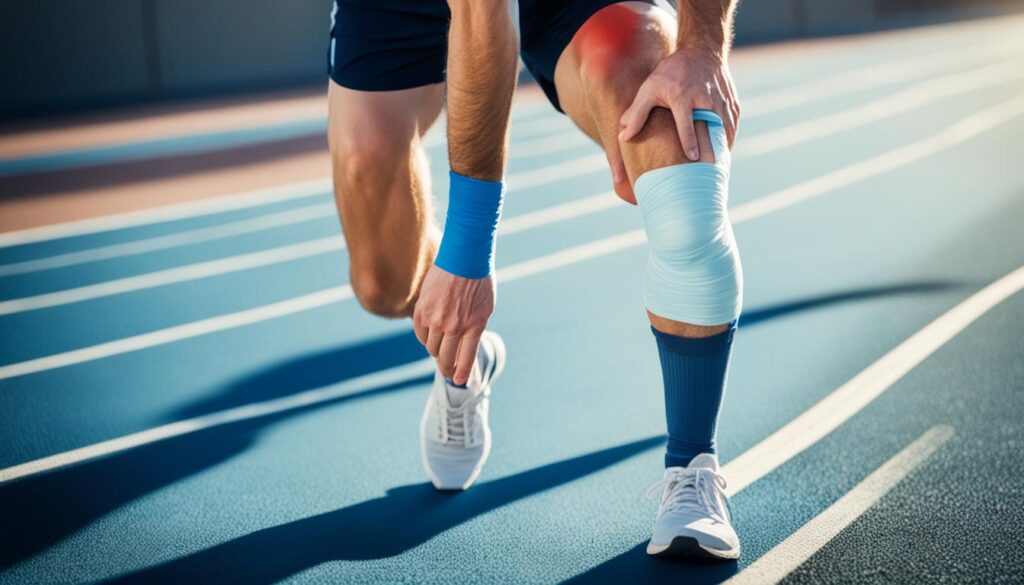
    Preventing Knee Pain After Running

    Conclusion

    Knee pain after running is a common issue that can have various causes, including overuse injuries, misalignment, weak muscles, and foot problems. It is essential to address the underlying factors and seek appropriate treatment to alleviate pain and prevent further complications.

    Treatment options for knee pain relief include rest, the application of ice, compression, elevation, and the use of pain medication. Additionally, exercises can be beneficial for strengthening the muscles around the knee and improving overall knee stability. In severe cases, surgery may be required to correct structural issues or repair damaged tissues.

    To prevent knee pain after running, it is crucial to prioritize knee pain management and adopt preventive strategies. This includes maintaining strong thigh muscles through targeted exercises, managing weight to reduce stress on the knees, warming up before exercise to prepare the joints, choosing proper footwear for optimal support, and gradually increasing the intensity of workouts to allow the body to adapt.

    By understanding the causes of knee pain, seeking appropriate treatment, and implementing preventive measures, individuals can effectively manage and reduce knee pain after running. This enables them to continue enjoying their favorite physical activities while minimizing the risk of further injury or discomfort.

    FAQ

    What is runner’s knee?

    Runner’s knee, also known as patellofemoral pain syndrome, is a broad term used to describe the pain experienced in the knee due to various knee problems. It can be caused by overuse of the knee joint, direct impact to the knee, malalignment of the bones, foot problems, or weak thigh muscles.

    What are the common causes of knee pain after running?

    Knee pain after running can be caused by overuse injuries from frequent running or jumping, kneecap alignment problems, weak muscles surrounding the knee, poor foot support related to footwear, walking or running with feet rolling inward, certain anatomy or body types, and running on hard surfaces. Injuries to the knee, such as tears or fractures, can also cause knee pain.

    How can knee pain after running be treated?

    Knee pain after running can often be treated at home using the RICE method: rest, ice, compression, and elevation. Resting the knee and avoiding activities that worsen the pain is important for healing. Applying ice to the knee can help reduce pain and swelling. Compression with an elastic bandage can provide support, and elevating the leg can help reduce swelling. Over-the-counter pain medication like NSAIDs may be used for pain relief.

    How can knee pain after running be prevented?

    Preventing knee pain after running involves several strategies. Strengthening the quadriceps and hip abductor muscles helps keep the knee balanced during exercise. Maintaining a healthy weight can reduce stress on the knees. Proper warm-up and stretching before exercise can help prevent injury. Choosing the right footwear that provides proper support and shock absorption is crucial. Gradually progressing the intensity of workouts and avoiding sudden changes can also help prevent knee pain.

    What should I do if I experience knee pain after running?

    If you experience knee pain after running, it is important to rest and avoid activities that worsen the pain. Applying ice to the knee and using over-the-counter pain medication may provide temporary relief. If the pain persists or worsens, it is recommended to consult with a healthcare provider for a proper diagnosis and treatment plan.
    Source Links

  • Knee Pain After Running: Causes And Relief Tips

    Knee Pain After Running: Causes And Relief Tips

    Welcome to our article on knee pain after running. If you’re a runner experiencing knee pain, you’re not alone. This common condition, known as runner’s knee or patellofemoral pain syndrome, can be frustrating and hinder your running progress. But fear not, we’re here to provide you with valuable information about the causes of knee pain after running and effective relief tips to help you get back on track.

    Key Takeaways:

    • Runner’s knee is not a specific injury, but a term used to describe knee pain after running caused by various factors.
    • Causes of knee pain after running include overuse, direct impact to the knee, malalignment of the bones, problems with the feet, and weak or unbalanced thigh muscles.
    • Common symptoms of knee pain after running include pain in front of the kneecap, swelling, and a grinding sensation.
    • Treatment options include resting the knee, using ice, wrapping the knee for support, elevating the leg, taking NSAIDs, doing stretching and strengthening exercises, trying arch supports or orthotics, and considering surgical intervention in severe cases.
    • Preventive measures include performing strengthening exercises, choosing the right footwear, warming up before running, avoiding hard surfaces, and maintaining overall fitness.

    Causes of Knee Pain After Running

    Several factors can contribute to knee pain after running. Overuse, malalignment, problems with the feet, and weak thigh muscles are common culprits.

    1. Overuse: Repetitive bending of the knee and engaging in high-stress exercises can cause irritation and inflammation of the knee tissues, leading to pain.
    2. Malalignment: When the bones, including the kneecap, are not properly aligned, excessive pressure is placed on certain spots. This can result in knee pain during and after running.
    3. Problems with the feet: Conditions such as hypermobile feet, fallen arches, or overpronation can alter the way you walk or run. This can increase the risk of knee pain as the abnormal foot mechanics can affect knee alignment and function.
    4. Weak thigh muscles: The quadriceps muscles, located at the front of the thigh, play a crucial role in knee stability. If these muscles are weak or imbalanced, they can affect the positioning of the kneecap and contribute to knee pain.

    To better understand the causes of knee pain after running, it’s important to examine each factor in detail and consider their effects on the knee joint.

    Symptoms of Knee Pain After Running

    Common symptoms of knee pain after running can include pain in front of the kneecap, discomfort felt around or behind the kneecap, and difficulty fully extending or bending the affected knee. These symptoms are typically experienced when performing activities such as walking, squatting, kneeling, running, or getting up from a chair.

    The pain may worsen when walking downstairs or downhill, and it can be aggravated by high-impact exercises or repetitive knee movements. In addition to pain, swelling around the knee joint may occur, along with a sensation of grinding or popping within the joint.

    If you are experiencing these symptoms after running, it is important to seek medical evaluation to determine the underlying cause of your knee pain. A healthcare professional can conduct a thorough examination, review your medical history, and recommend appropriate diagnostic tests to identify any underlying conditions or injuries contributing to your symptoms.

    In some cases, imaging tests such as X-rays or magnetic resonance imaging (MRI) may be necessary to assess the structures of the knee joint and rule out any structural abnormalities, such as fractures or cartilage damage.

    Taking prompt action and seeking medical attention can help diagnose and treat the underlying cause of your knee pain, which is crucial for long-term pain management and preventing further damage.

    Symptoms of Knee Pain After Running Possible Causes
    Pain in front of the kneecap Inflammation of the patellar tendon
    Pain around or behind the kneecap Damage to the cartilage or ligaments
    Difficulty fully extending or bending the knee Meniscal tears or patellar subluxation
    Swelling around the knee joint Inflammation or fluid accumulation
    Sensation of grinding or popping within the joint Cartilage damage or loose bodies

    symptoms of knee pain after running

    Treating Knee Pain After Running

    To treat knee pain after running, there are several effective approaches that can be taken. It is crucial to prioritize rest and avoid activities that worsen the pain, such as running or squatting. This allows the knee to recover and heal properly.

    One helpful technique is to apply ice to the knee for 20-30 minutes every 3-4 hours. This can help reduce pain and swelling, providing relief to the affected area. It is important to use an ice pack or wrap it in a cloth to avoid direct contact with the skin.

    Another way to provide support to the knee is by using an elastic bandage, patellar straps, or sleeves. These can help stabilize the knee joint and alleviate discomfort. It is essential to ensure that these supportive devices are used properly and not too tight, as improper use can cause additional problems.

    When resting, elevating the leg on a pillow when sitting or lying down can aid in pain relief. This reduces blood flow to the area, helping to minimize swelling and discomfort.

    If the pain persists, nonsteroidal anti-inflammatory drugs (NSAIDs) such as ibuprofen or naproxen can be taken to alleviate pain and swelling. However, it is important to follow the dosage instructions and use them with caution due to potential side effects.

    In addition to rest and medication, performing stretching and strengthening exercises can be beneficial in improving knee stability and function. These exercises, especially those targeting the quadriceps muscles, help to strengthen the surrounding muscles and reduce stress on the knee joint.

    It is advisable to consult with a healthcare professional or physical therapist for guidance on specific exercises that are appropriate for your condition. They can provide personalized recommendations and supervise your progress.

    Remember, treating knee pain after running involves a combination of rest, ice, compression, elevation, NSAIDs, and appropriate exercises. By taking these measures, you can effectively manage your knee pain and get back to your running routine with greater comfort and ease.

    treating knee pain after running

    Treatment Approach Summary
    Rest Avoid activities that worsen the pain
    Ice Apply ice for 20-30 minutes every 3-4 hours
    Compression Use an elastic bandage, patellar straps, or sleeves for extra support
    Elevation Elevate the leg on a pillow when sitting or lying down
    NSAIDs Take nonsteroidal anti-inflammatory drugs to alleviate pain and swelling
    Stretching and Strengthening Exercises Perform exercises to improve knee stability and function

    Preventing Knee Pain from Running

    Preventing knee pain is essential for maintaining a healthy running routine. By incorporating a few key strategies, you can reduce the risk of developing knee pain and ensure a more enjoyable running experience.

    Strengthening Exercises

    Regularly performing strengthening exercises for the quadriceps and hip abductor muscles is crucial for maintaining proper knee balance during running. Strong muscles around the knee provide stability and help absorb impact forces, reducing the strain on the knee joints. Consider exercises such as squats, lunges, and leg presses to target these muscle groups.

    Maintain a Healthy Weight

    Excess weight can place additional stress on the knees while running. By maintaining a healthy weight through regular exercise and a balanced diet, you can minimize the load on your knees and decrease the risk of knee pain. Losing even a small amount of weight can make a significant difference in relieving pressure on the knee joints.

    Warm-Up and Stretching

    Before starting your running session, it’s essential to warm up with light aerobic exercises, such as brisk walking or jogging, to increase blood flow and prepare your muscles for activity. Additionally, incorporating stretching exercises can improve flexibility and reduce the risk of injury. Focus on stretching the muscles surrounding the knee, including the quadriceps and hamstrings, before and after your runs.

    Proper Footwear

    Choosing the right footwear is crucial for preventing knee pain. Opt for running shoes that provide adequate support and cushioning to absorb the impact of each step. Look for shoes with features such as arch support and shock absorption to minimize stress on the knees. For individuals with specific foot conditions or imbalances, using shoe inserts or orthotics can provide additional support and promote proper alignment.

    Running Surface

    The surface you choose to run on can significantly impact the stress placed on your knees. Opt for softer surfaces like grass or well-maintained trails whenever possible. Running on these surfaces helps absorb shock and reduces the strain on your knees compared to harder surfaces like concrete or asphalt.

    Gradual Progression

    When it comes to running, gradual progression is key. Avoid pushing yourself too hard or increasing your mileage too quickly, as this can lead to overuse injuries, including knee pain. Gradually increase your running distance and intensity over time, allowing your body to adapt and strengthen. This approach helps prevent excessive strain on your knees and reduces the risk of injury.

    Stay in Shape

    Maintaining overall fitness is essential for preventing knee pain. Engage in regular cardiovascular exercise, such as cycling or swimming, to improve your endurance and cardiovascular health. Incorporate strength training exercises that target the lower body, including the thighs and glutes, to enhance overall knee stability and support.

    By following these preventive measures, you can significantly reduce the likelihood of experiencing knee pain while running. Remember to listen to your body and seek medical attention if persistent pain or discomfort occurs.

    Managing Knee Pain After Running

    If home remedies and preventive measures do not effectively manage knee pain after running, it may be necessary to seek further medical attention. Consulting with a physical therapist can provide valuable guidance on proper exercises and techniques to manage knee pain. Their expertise can help runners develop a personalized treatment plan to address their specific needs.

    In some cases, a knee brace may be recommended during exercise to provide additional support and stability to the knee joint. This can help reduce discomfort and prevent further injury. Additionally, using shoe inserts or custom orthotics can be beneficial in improving foot and knee alignment, which can alleviate pressure on the knee.

    However, managing knee pain after running goes beyond addressing external factors. It is equally important to focus on maintaining the strength and flexibility of the thigh muscles. Regular exercise, incorporating activities that target the quadriceps and other thigh muscles, can help support the knee joint and reduce pain. It is recommended to consult with a physical therapist or exercise professional to determine the appropriate exercises for your specific condition.

    By following a comprehensive management plan that includes proper exercises, utilizing supportive tools like knee braces and shoe inserts, and maintaining thigh muscle strength, runners can effectively manage knee pain and prevent further injury. Seeking professional guidance from healthcare professionals, such as physical therapists, is crucial to ensure appropriate and effective knee pain management.

    Conclusion

    Knee pain after running, often known as runner’s knee or patellofemoral pain syndrome, can be a frustrating condition for runners. However, there are various treatment and prevention strategies that can provide relief and allow runners to continue enjoying their favorite activity.

    Initial treatment methods for knee pain relief include resting the knee, applying ice to reduce inflammation, using compression or elevation techniques to alleviate swelling, and taking nonsteroidal anti-inflammatory drugs (NSAIDs) to manage pain. Additionally, incorporating stretching and strengthening exercises into a regular routine can help improve knee stability and reduce the risk of future pain.

    Wearing supportive shoes that provide cushioning and shock absorption is crucial for runners, as footwear issues can contribute to knee pain. Understanding the body’s signals to rest and avoiding overuse is also essential in managing knee discomfort. Seeking professional guidance from doctors and physical therapists can provide personalized treatment recommendations based on the individual’s specific condition and needs. By implementing these strategies and maintaining overall fitness, runners can reduce the risk of knee pain and continue enjoying a healthy running experience.

    FAQ

    What is runner’s knee?

    Runner’s knee, also known as patellofemoral pain syndrome, is a common condition that can cause knee pain after running. It is not a specific injury but rather a term used to describe the pain associated with several knee problems.

    What are the causes of knee pain after running?

    The causes of knee pain after running can include overuse, direct impact to the knee, malalignment of the bones, problems with the feet, and weak or unbalanced thigh muscles.

    What are the symptoms of knee pain after running?

    The symptoms of knee pain after running can include pain in front of the kneecap, swelling, and a grinding sensation. The pain is typically experienced when bending the knee to walk, squat, kneel, run, or get up from a chair.

    How can knee pain after running be treated?

    Knee pain after running can be treated by resting the knee, using ice, wrapping the knee for support, elevating the leg, taking NSAIDs, doing stretching and strengthening exercises, trying arch supports or orthotics, and considering surgical intervention in severe cases.

    How can knee pain from running be prevented?

    Knee pain from running can be prevented by regularly performing strengthening exercises for the quadriceps and hip abductor muscles, maintaining a healthy weight, warming up with light activity and incorporating stretching exercises before running, choosing the right footwear with support and shock absorption, avoiding running on hard surfaces, and gradually incorporating intense moves into the workout routine.

    How can knee pain after running be managed?

    Knee pain after running can be managed by consulting with a physical therapist, using a knee brace during exercise, using shoe inserts or custom orthotics for foot and knee alignment, and maintaining strength and flexibility in the thigh muscles through regular exercise.

    Source Links

  • Knee Pain After Running: Causes And Relief Tips

    Knee Pain After Running: Causes And Relief Tips

    Are you experiencing knee pain after running? You’re not alone. Many individuals, including runners, often encounter this issue known as runner’s knee or patellofemoral pain syndrome. It’s crucial to understand the causes of knee pain after running and how to manage and find relief from it.

    Knee pain after running can be triggered by various factors, such as overuse, direct impact, malalignment, problems with your feet, or weak thigh muscles. The pain is typically felt in the front of the knee and can worsen during activities like walking, squatting, or running downhill. It’s essential to diagnose and treat this condition properly to prevent further injury and promote recovery.

    Key Takeaways:

    • Runner’s knee, or knee pain after running, is a prevalent issue that can affect not only runners but also those who engage in high-stress exercises.
    • The pain is usually felt in the front of the knee and worsens during certain movements.
    • Diagnosing runner’s knee involves a physical examination and potentially imaging tests.
    • Treatment options include rest, ice, compression, elevation, over-the-counter pain medications, stretching and strengthening exercises, shoe inserts, and, in rare cases, surgery.
    • Prevention strategies include thigh muscle strengthening, weight management, warm-up exercises, proper footwear, selecting suitable running surfaces, and seeking guidance from a physical therapist.

    Common Causes of Knee Pain After Running

    Knee pain after running can be attributed to various factors. Identifying the underlying cause is essential for implementing effective treatment and prevention strategies. Some common causes of knee pain after running include:

    1. Overuse: Repetitive bending and engaging in high-stress exercises can lead to overuse of the knee joint, resulting in irritation of the tissues around the kneecap.
    2. Direct Impact: A direct hit to the knee, whether from a fall or blow, can cause immediate pain and discomfort.
    3. Malalignment: When bones from the hip to the ankle are not properly aligned, excessive pressure can be placed on specific spots, disrupting the smooth movement of the kneecap.
    4. Problems with Feet: Issues such as hypermobile feet, fallen arches, or overpronation can affect walking patterns and contribute to knee pain.
    5. Weak Thigh Muscles: Insufficient support from weak or unbalanced thigh muscles, especially the quadriceps, can lead to malalignment and discomfort during knee movement.

    By understanding these common causes, individuals can better manage and prevent knee pain after running. Treatment plans can be tailored to target specific causative factors, alleviating pain and promoting optimal knee health.

    Symptoms and Diagnosis of Runner’s Knee

    Runner’s knee, also known as patellofemoral pain syndrome, is characterized by pain in the front of the kneecap. However, the pain can also occur around or behind the kneecap, affecting various areas of the knee. The location of the pain can provide valuable insights into the underlying cause of the condition.

    This type of knee pain is typically aggravated by activities that involve bending the knee, such as walking, squatting, or running downhill. If you experience pain during these movements, it could be a sign of runner’s knee. Additionally, swelling around the knee may accompany the pain, indicating inflammation in the joint.

    Another possible symptom of runner’s knee is a popping or grinding sensation when moving the knee. This sensation may occur due to the irregular movement of the kneecap or rubbing between the bones and cartilage. If you feel or hear these noises, it’s essential to seek medical attention for further evaluation.

    Runner’s knee can also lead to difficulty performing certain movements. This can include activities that require knee flexibility or strength, such as climbing stairs or squatting. If you notice limitations in your range of motion or experience pain during specific movements, it could be a sign of runner’s knee.

    A thorough physical examination conducted by a healthcare professional is crucial for diagnosing runner’s knee. During the exam, the doctor will assess the knee for signs of tenderness, swelling, and abnormalities in the movement of the kneecap. They may also evaluate your gait, assessing how you walk or run to identify any biomechanical issues that could contribute to the condition.

    Imaging tests, such as X-rays or MRI scans, may be recommended to evaluate the structure of the knee joint. These tests can provide detailed images of the bones, cartilage, and soft tissues, helping to identify any underlying damage or abnormalities that may contribute to runner’s knee.

    Treatment and Management of Knee Pain After Running

    When it comes to addressing knee pain after running, a comprehensive approach combining conservative treatments and, in severe cases, surgical intervention is often necessary. Our goal is to provide relief, promote healing, and enhance the overall function of the knee joint. Here are some key treatment options and management strategies:

    Rest

    Resting the knee is essential for allowing the joint to heal. By avoiding activities that worsen the pain, we give the affected area the time it needs to recover properly.

    Ice and Compression

    Applying ice to the affected area can help reduce pain and swelling. Combining ice therapy with compression techniques, such as using an elastic bandage or knee sleeve, can further aid in alleviating discomfort and promoting healing.

    Elevation

    Elevating the leg when resting can help reduce inflammation by allowing excess fluid to drain away from the knee. Keeping the knee elevated above the level of the heart is ideal for maximizing the benefits of elevation.

    Pain Medications

    Over-the-counter pain medications such as ibuprofen or naproxen can provide temporary relief from knee pain. However, it is essential to follow the label instructions or consult a healthcare professional for proper usage to ensure safety and effectiveness.

    Stretching Exercises

    Engaging in targeted stretching exercises, particularly those that focus on strengthening the quadriceps muscles, can help improve knee stability and reduce pain. A physical therapist or qualified healthcare professional can guide you in designing a personalized stretching routine.

    Shoe Inserts

    Proper footwear plays a crucial role in managing knee pain after running. In some cases, shoe inserts or orthotics may be recommended to provide additional support and correct walking patterns. It is essential to choose inserts that are suitable for your specific needs and consult with a professional if necessary.

    Surgery

    In rare cases of severe runner’s knee, surgery may be necessary to address underlying issues such as damaged cartilage or misalignment of the kneecap. Surgical interventions aim to repair, replace, or realign the affected structures to restore proper joint function. Decisions regarding surgery should be made in consultation with a qualified orthopedic surgeon.

    By combining these treatment options, we can effectively manage knee pain after running and improve overall knee health. It is crucial to take a holistic approach and tailor the treatment plan to suit individual needs. Remember, proper rest, targeted interventions, and follow-up care are key to long-term recovery and injury prevention.

    knee pain after running

    Treatment Description
    Rest Avoid activities that exacerbate the pain and allow the knee to heal.
    Ice and Compression Apply ice to reduce pain and swelling, and use compression techniques to support the knee.
    Elevation Keep the knee elevated above the level of the heart to reduce inflammation.
    Pain Medications Use over-the-counter pain medications for temporary relief. Follow label instructions or consult a healthcare professional.
    Stretching Exercises Engage in targeted stretching exercises, particularly for the quadriceps muscles, to improve knee stability.
    Shoe Inserts Use inserts or orthotics to provide additional support and correct walking patterns.
    Surgery In severe cases, surgical intervention may be necessary to address underlying issues and restore joint function.

    Prevention and Tips for Avoiding Knee Pain After Running

    Preventing knee pain after running requires proactive measures to protect your knees and reduce the risk of injury. Incorporating the following strategies into your routine can help keep your knees healthy and pain-free:

    1. Thigh Muscle Strengthening

    Strong thigh muscles, particularly the quadriceps and hip abductor muscles, play a vital role in maintaining knee stability during exercise. Incorporate exercises like squats, lunges, and leg presses into your fitness routine to strengthen these muscles and provide added support to your knees.

    2. Weight Management

    Maintaining a healthy weight is crucial for reducing stress on your knee joints. Excess body weight puts additional pressure on your knees, making them more susceptible to pain and injury. Consult with a healthcare professional or nutritionist to develop a balanced diet and exercise plan that supports weight management.

    3. Warm-up Exercises

    Before starting any exercise or running session, it is essential to warm up your body with light aerobic activities. Engaging in dynamic stretching exercises, such as leg swings and high knees, will get your muscles ready for the workout and promote flexibility, reducing the risk of knee injuries.

    4. Proper Footwear

    Investing in appropriate running shoes is essential for preventing knee pain. Choose footwear that provides adequate support, cushioning, and stability. Look for shoes designed specifically for running that suit your foot type and running style.

    5. Running Surface

    The running surface you choose can impact the strain on your knees. Opt for surfaces with more shock absorption, such as grass or trails, as they help absorb some of the impact and reduce stress on your knees. Avoid concrete or uneven terrain whenever possible.

    6. Physical Therapist Consultation

    If you have a history of knee pain or are new to running, consider consulting with a physical therapist. They can assess your running technique, suggest proper form and technique adjustments, and provide personalized recommendations for injury prevention. A physical therapist can also help you develop a tailored exercise program to strengthen the muscles around your knees.

    By incorporating these preventive measures into your routine and listening to your body’s signals, you can reduce the risk of knee pain and enjoy pain-free running. Remember, taking care of your knees is crucial for long-term joint health and injury prevention.

    thigh muscle strengthening

    Prevention Tips Description
    Thigh Muscle Strengthening Perform exercises that target the quadriceps and hip abductor muscles to provide stability and support to your knees.
    Weight Management Maintain a healthy weight to reduce the stress and pressure on your knees.
    Warm-up Exercises Engage in dynamic stretching exercises and light aerobic activities to prepare your muscles and prevent knee injuries.
    Proper Footwear Invest in running shoes that offer proper support, cushioning, and stability to protect your knees during exercise.
    Running Surface Choose surfaces with more shock absorption, like grass or trails, to reduce the impact on your knees while running.
    Physical Therapist Consultation Consult with a physical therapist to assess your running technique and receive personalized recommendations for injury prevention.

    Conclusion

    Ensuring knee health and preserving joint function is crucial for runners and anyone engaging in high-stress exercises. By understanding the underlying causes of knee pain after running and adopting preventive measures, individuals can minimize the risk of injury and enjoy the benefits of this popular physical activity.

    The first step in maintaining knee health is listening to our bodies. Resting when needed and gradually returning to physical activities after an injury allows for proper healing and recovery. Incorporating proper stretching exercises into our routine helps to maintain flexibility and prevent muscle imbalances that can strain the knees.

    Safe running habits also include wearing appropriate footwear that provides adequate support and cushioning. Functionally strong thigh muscles, especially the quadriceps, play a significant role in stabilizing the knees during exercise. Lastly, managing our body weight helps reduce stress and pressure on the knee joints, further contributing to injury prevention.

    By prioritizing knee health and practicing injury prevention strategies, we can continue to engage in running and other physical activities without compromising joint function. Remember, prevention is always better than treatment, and taking proactive steps to protect our knees will ensure a lifetime of safe and enjoyable exercise.

    FAQ

    What is runner’s knee?

    Runner’s knee, also known as patellofemoral pain syndrome, refers to knee pain that occurs after running or engaging in high-stress exercises. It can also affect individuals with certain predisposing factors.

    What are the common causes of knee pain after running?

    Knee pain after running can be caused by overuse of the knee joint, direct impact to the knee, malalignment of the bones in the hip to ankle area, problems with the feet, or weak thigh muscles.

    What are the symptoms and how is runner’s knee diagnosed?

    The primary symptom is pain felt in the front of the kneecap. Other symptoms may include swelling, a popping or grinding sensation, and difficulty with certain movements. Diagnosis is usually made through a physical examination and potentially imaging tests.

    How is knee pain after running treated and managed?

    Treatment options typically include rest, ice, compression, elevation, over-the-counter pain medications, stretching exercises, shoe inserts, and, in rare cases, surgery.

    How can knee pain after running be prevented?

    Preventive measures include strengthening the thigh muscles, maintaining a healthy weight, warming up before exercise, wearing proper footwear, choosing running surfaces with more shock absorption, and consulting with a physical therapist for guidance.

    Why is it important to address knee pain after running?

    Addressing knee pain after running is crucial for knee health, preserving joint function, and preventing further injury.

    Source Links