Knee Pain After Running: Causes And Relief Tips
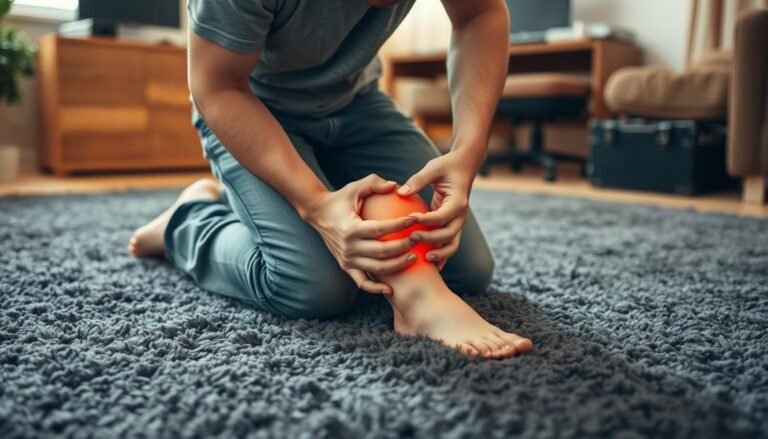
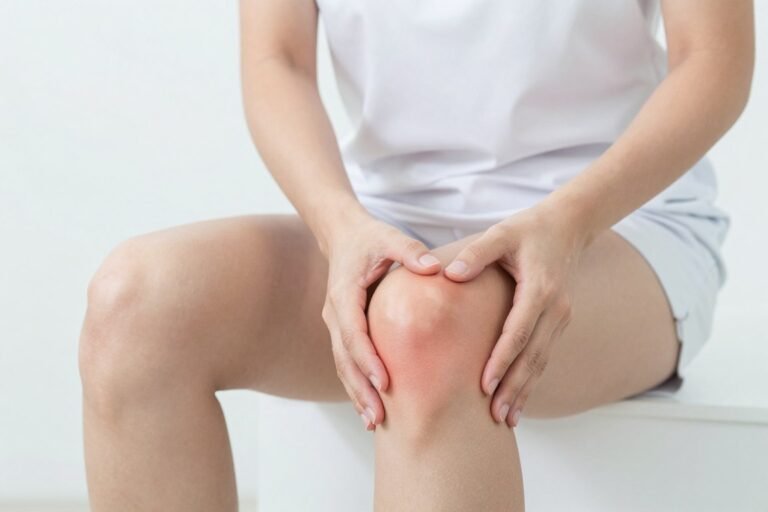
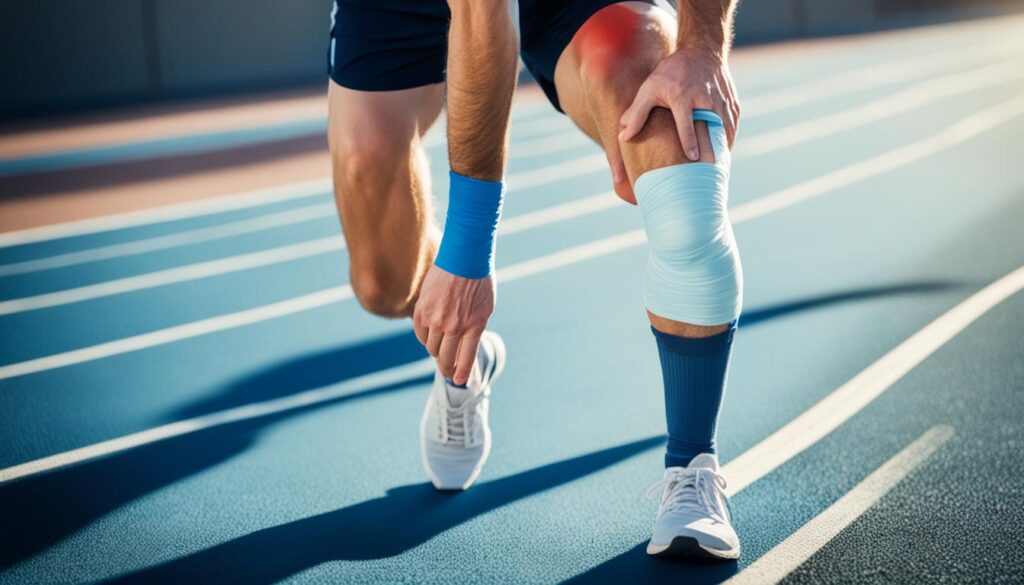
Knee pain after running, also known as runner’s knee or patellofemoral pain syndrome, can be a frustrating and debilitating condition. It can occur due to various factors such as overuse of the knee joint, direct impact to the knee, malalignment of the bones, foot problems, and weak thigh muscles. The main symptom is pain in front of or around the kneecap, which worsens with activities like walking, running, and squatting.
Fortunately, there are steps you can take to find relief from knee pain after running and prevent future occurrences. In this article, we will explore the causes of knee pain after running, effective treatment options, and valuable tips for prevention.
Key Takeaways:
- Common causes of knee pain after running include overuse injuries, weak muscles, foot problems, and misalignment.
- Treatment options include rest, ice, compression, elevation, pain medication, exercises, and, in severe cases, surgery.
- Prevention strategies involve maintaining strong thigh muscles, managing weight, warming up before exercise, choosing proper footwear, and gradually increasing workout intensity.
- Consult with a healthcare provider for personalized advice on the appropriate treatment options for knee pain after running.
- By understanding the causes and implementing prevention strategies, individuals can manage and reduce knee pain, allowing them to continue enjoying their favorite physical activities.
What is Runner’s Knee?
Runner’s knee, or patellofemoral pain syndrome, is a common knee condition that causes pain around or in front of the kneecap. It is a broad term used to describe the pain experienced in the knee due to various knee problems. The condition can be caused by overuse of the knee joint, direct impact to the knee, malalignment of the bones, foot problems, or weak thigh muscles.
The main symptom of runner’s knee is pain in front of or around the kneecap, which worsens with activities that involve bending the knee, such as running, jumping, squatting, or climbing stairs. It can also cause a grinding or popping sensation in the knee.
Diagnosing runner’s knee typically involves a physical examination by a healthcare professional, where they will assess the knee for any swelling, tenderness, or misalignment. In some cases, additional tests such as X-rays or MRI scans may be conducted to rule out other potential causes.
Treatment for runner’s knee usually involves a combination of rest, addressing the underlying problem, pain management, and rehabilitation exercises to strengthen the surrounding muscles and improve knee stability. Resting the knee and avoiding activities that worsen the pain is important for healing. Pain management may include the use of over-the-counter pain medications or anti-inflammatory drugs. Physical therapy exercises, such as stretching and strengthening exercises, can help improve knee function and reduce pain.
“Runner’s knee, or patellofemoral pain syndrome, is a common knee condition that causes pain around or in front of the kneecap.”
In severe cases, where conservative treatment methods do not provide relief, surgical options such as arthroscopy may be considered. Arthroscopy involves using small incisions and a small camera to visualize and treat the affected knee joint.
Prevention strategies can also help reduce the risk of developing runner’s knee. This may include maintaining proper form and technique when engaging in physical activities, ensuring appropriate footwear that provides adequate support and cushioning, gradually increasing the intensity and duration of workouts, and listening to the body’s cues to avoid overuse injuries.
By understanding the causes and symptoms of runner’s knee and implementing appropriate treatment and prevention strategies, individuals can effectively manage and reduce knee pain, allowing them to continue enjoying their favorite activities without discomfort.
Common Causes of Knee Pain After Running
When it comes to knee pain after running, there are several common causes that individuals may experience. Understanding these causes is crucial in determining the appropriate treatment and prevention strategies.
One of the primary causes is overuse injuries. Frequent running or jumping can put excessive strain on the knee joint, leading to pain and discomfort. Additionally, misalignment of the kneecap can contribute to knee pain. When the bones of the knee are not properly aligned, it can result in stress and friction, causing inflammation and pain.
Weak muscles surrounding the knee can also be a contributing factor. The muscles in the thighs and calves play a significant role in supporting the knee joint. If these muscles are weak, they may not provide adequate stabilization, leading to knee pain after exercise.
Poor foot support related to footwear is another common cause of knee pain. Shoes that do not provide proper arch support or cushioning can lead to an imbalance in the feet, causing stress on the knees. Likewise, walking or running with feet rolling inward, also known as overpronation, can put additional pressure on the knees and contribute to pain.
Individual variations in anatomy or body types can also play a role in knee pain after running. Certain structural differences in the knees or legs can increase the risk of developing knee pain. For example, individuals with flat feet or high arches may be more prone to knee pain.
Running on hard playing surfaces can also contribute to knee pain. The impact and shock absorption on hard surfaces like concrete or asphalt can be more stressful on the knees compared to running on softer surfaces like grass or earth.
Furthermore, it’s important to note that knee pain can also be caused by a specific knee injury, such as tears or fractures. These injuries may result from trauma or accidents during physical activities.
By identifying the specific cause of knee pain after running, individuals can better address and manage their symptoms. Whether it’s through targeted exercises, footwear adjustments, or other interventions, understanding the underlying cause is crucial for effective treatment and prevention of knee pain.
Treating Knee Pain After Running
Knee pain after running can often be managed effectively at home with the RICE method: rest, ice, compression, and elevation. These simple yet effective strategies can help relieve pain, reduce inflammation, and promote healing. Here’s a breakdown of each component:
Rest
Resting the knee and avoiding activities that worsen the pain is crucial for recovery. Taking a break from running and other high-impact activities allows the injured tissues in the knee to heal. It’s important not to push through the pain, as this can exacerbate the condition and delay the healing process.
Ice
Applying ice to the knee can provide significant pain relief and reduce swelling. Ice helps constrict blood vessels, numbing the area and reducing inflammation. Wrap an ice pack in a thin towel and apply it to the affected knee for 15-20 minutes every 2-3 hours for the first 48-72 hours following the onset of pain.
Compression
Using compression with an elastic bandage provides support to the knee and minimizes swelling. Wrap the bandage snugly around the knee, making sure it’s not too tight to impede circulation. Compression helps restrict excess fluid accumulation, reduces pain, and provides stability to the injured knee.
Elevation
Elevating the leg helps reduce swelling by draining excess fluid from the knee. Prop the leg up on a pillow or cushion, ensuring that the knee is higher than the heart. Elevating the leg for 15-20 minutes several times a day can aid in reducing inflammation and promoting healing.
In addition to the RICE method, over-the-counter pain medications like nonsteroidal anti-inflammatory drugs (NSAIDs) can be used for temporary relief. It’s important to follow the recommended dosage and guidelines provided by the manufacturer.
Furthermore, incorporating shoe inserts, such as orthotics or insoles, can provide additional support and stability to the foot and ankle, helping to prevent knee pain during running. These inserts can help correct foot alignment and reduce stress on the knee joints.
While the RICE method and shoe inserts can be effective in managing knee pain after running, it’s crucial to consult with a healthcare provider for personalized advice and a proper diagnosis. They can recommend specific treatment options and provide guidance based on the underlying cause of the knee pain.
Preventing Knee Pain After Running
Preventing knee pain after running requires a proactive approach to ensure the health and stability of your knees. By incorporating the following strategies into your running routine, you can minimize the risk of developing knee pain and enjoy a pain-free running experience.
1. Strengthen Your Quadriceps and Hip Abductor Muscles
Strong quadriceps muscles help keep the knee joint stable and properly aligned during exercise. Incorporate exercises such as squats, lunges, and leg presses into your fitness routine to strengthen these muscles.
Additionally, the hip abductor muscles play a crucial role in maintaining proper biomechanics and reducing stress on the knee. Include exercises like lateral leg lifts and clamshells in your workout regimen to target and strengthen these muscles.
2. Maintain a Healthy Weight
Excess weight puts additional stress on your knees, increasing the risk of knee pain and injury. Incorporating a balanced diet and regular exercise can help you achieve and maintain a healthy weight, reducing the strain on your knees during running.
3. Warm-Up and Stretch Before Exercise
A proper warm-up routine before running prepares your muscles and joints for the activity, reducing the risk of strain and injury. Begin with light aerobic exercises, such as brisk walking or jogging, and follow it with dynamic stretching to increase flexibility and improve circulation.
Focus on stretching the muscles around your hips, thighs, and calves, as tightness in these areas can contribute to knee pain. Hold each stretch for 20-30 seconds and repeat them on both sides.
4. Choose Proper Footwear
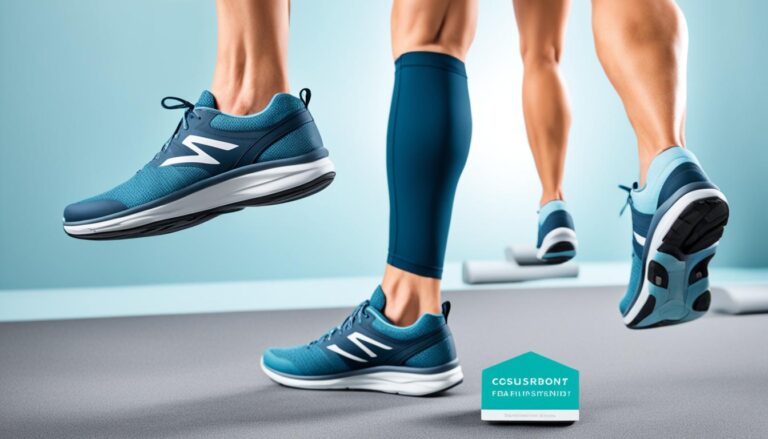
Wearing the right footwear is essential for preventing knee pain after running. Invest in running shoes that provide adequate support, cushioning, and shock absorption. Look for shoes specifically designed for running, with features such as arch support, stability control, and cushioned soles.
5. Gradually Progress Your Workouts
Avoid sudden increases in workout intensity or mileage, as this can place excessive stress on your knees and lead to pain or injury. Instead, gradually progress your running routine by increasing the duration or intensity of your runs over time.
Listen to your body and pay attention to any signs of discomfort. If you experience knee pain or discomfort during a run, take a break and allow your body to recover before resuming your exercise routine.
By implementing these strategies, you can significantly reduce the risk of knee pain after running and maintain healthy knees for years to come.
Conclusion
Knee pain after running is a common issue that can have various causes, including overuse injuries, misalignment, weak muscles, and foot problems. It is essential to address the underlying factors and seek appropriate treatment to alleviate pain and prevent further complications.
Treatment options for knee pain relief include rest, the application of ice, compression, elevation, and the use of pain medication. Additionally, exercises can be beneficial for strengthening the muscles around the knee and improving overall knee stability. In severe cases, surgery may be required to correct structural issues or repair damaged tissues.
To prevent knee pain after running, it is crucial to prioritize knee pain management and adopt preventive strategies. This includes maintaining strong thigh muscles through targeted exercises, managing weight to reduce stress on the knees, warming up before exercise to prepare the joints, choosing proper footwear for optimal support, and gradually increasing the intensity of workouts to allow the body to adapt.
By understanding the causes of knee pain, seeking appropriate treatment, and implementing preventive measures, individuals can effectively manage and reduce knee pain after running. This enables them to continue enjoying their favorite physical activities while minimizing the risk of further injury or discomfort.
FAQ
What is runner’s knee?
Runner’s knee, also known as patellofemoral pain syndrome, is a broad term used to describe the pain experienced in the knee due to various knee problems. It can be caused by overuse of the knee joint, direct impact to the knee, malalignment of the bones, foot problems, or weak thigh muscles.
What are the common causes of knee pain after running?
Knee pain after running can be caused by overuse injuries from frequent running or jumping, kneecap alignment problems, weak muscles surrounding the knee, poor foot support related to footwear, walking or running with feet rolling inward, certain anatomy or body types, and running on hard surfaces. Injuries to the knee, such as tears or fractures, can also cause knee pain.
How can knee pain after running be treated?
Knee pain after running can often be treated at home using the RICE method: rest, ice, compression, and elevation. Resting the knee and avoiding activities that worsen the pain is important for healing. Applying ice to the knee can help reduce pain and swelling. Compression with an elastic bandage can provide support, and elevating the leg can help reduce swelling. Over-the-counter pain medication like NSAIDs may be used for pain relief.
How can knee pain after running be prevented?
Preventing knee pain after running involves several strategies. Strengthening the quadriceps and hip abductor muscles helps keep the knee balanced during exercise. Maintaining a healthy weight can reduce stress on the knees. Proper warm-up and stretching before exercise can help prevent injury. Choosing the right footwear that provides proper support and shock absorption is crucial. Gradually progressing the intensity of workouts and avoiding sudden changes can also help prevent knee pain.
What should I do if I experience knee pain after running?
If you experience knee pain after running, it is important to rest and avoid activities that worsen the pain. Applying ice to the knee and using over-the-counter pain medication may provide temporary relief. If the pain persists or worsens, it is recommended to consult with a healthcare provider for a proper diagnosis and treatment plan.
Source Links
- https://www.webmd.com/pain-management/knee-pain/runners-knee
- https://www.bswhealth.com/blog/how-get-rid-knee-pain-after-running
- https://www.advil.com/symptoms-tips/pain/arthritis-and-joint/runners-knee/