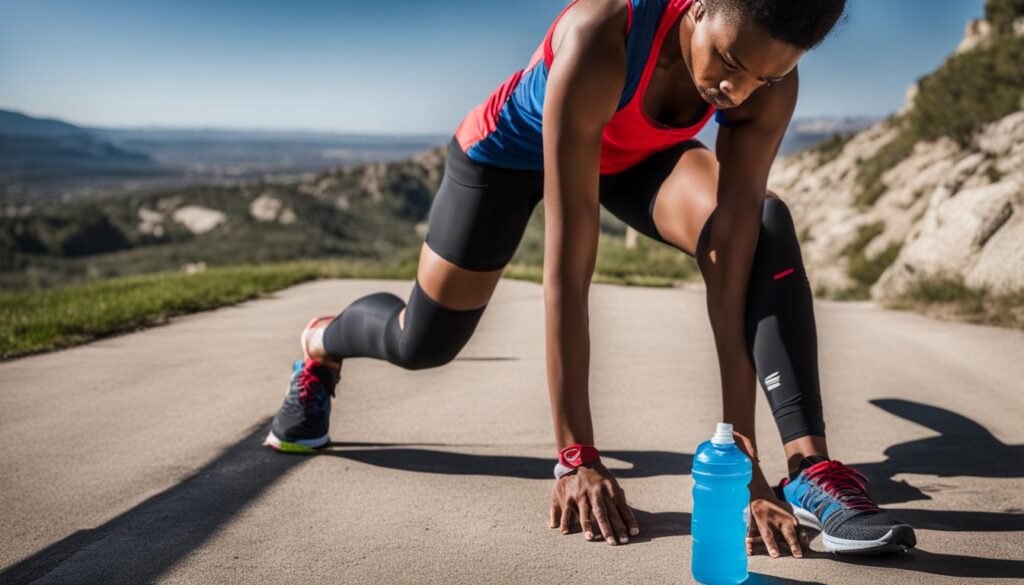
Welcome to our article on knee pain after running. If you’re a runner experiencing knee pain, you’re not alone. This common condition, known as runner’s knee or patellofemoral pain syndrome, can be frustrating and hinder your running progress. But fear not, we’re here to provide you with valuable information about the causes of knee pain after running and effective relief tips to help you get back on track.
Key Takeaways:
- Runner’s knee is not a specific injury, but a term used to describe knee pain after running caused by various factors.
- Causes of knee pain after running include overuse, direct impact to the knee, malalignment of the bones, problems with the feet, and weak or unbalanced thigh muscles.
- Common symptoms of knee pain after running include pain in front of the kneecap, swelling, and a grinding sensation.
- Treatment options include resting the knee, using ice, wrapping the knee for support, elevating the leg, taking NSAIDs, doing stretching and strengthening exercises, trying arch supports or orthotics, and considering surgical intervention in severe cases.
- Preventive measures include performing strengthening exercises, choosing the right footwear, warming up before running, avoiding hard surfaces, and maintaining overall fitness.
Causes of Knee Pain After Running
Several factors can contribute to knee pain after running. Overuse, malalignment, problems with the feet, and weak thigh muscles are common culprits.
- Overuse: Repetitive bending of the knee and engaging in high-stress exercises can cause irritation and inflammation of the knee tissues, leading to pain.
- Malalignment: When the bones, including the kneecap, are not properly aligned, excessive pressure is placed on certain spots. This can result in knee pain during and after running.
- Problems with the feet: Conditions such as hypermobile feet, fallen arches, or overpronation can alter the way you walk or run. This can increase the risk of knee pain as the abnormal foot mechanics can affect knee alignment and function.
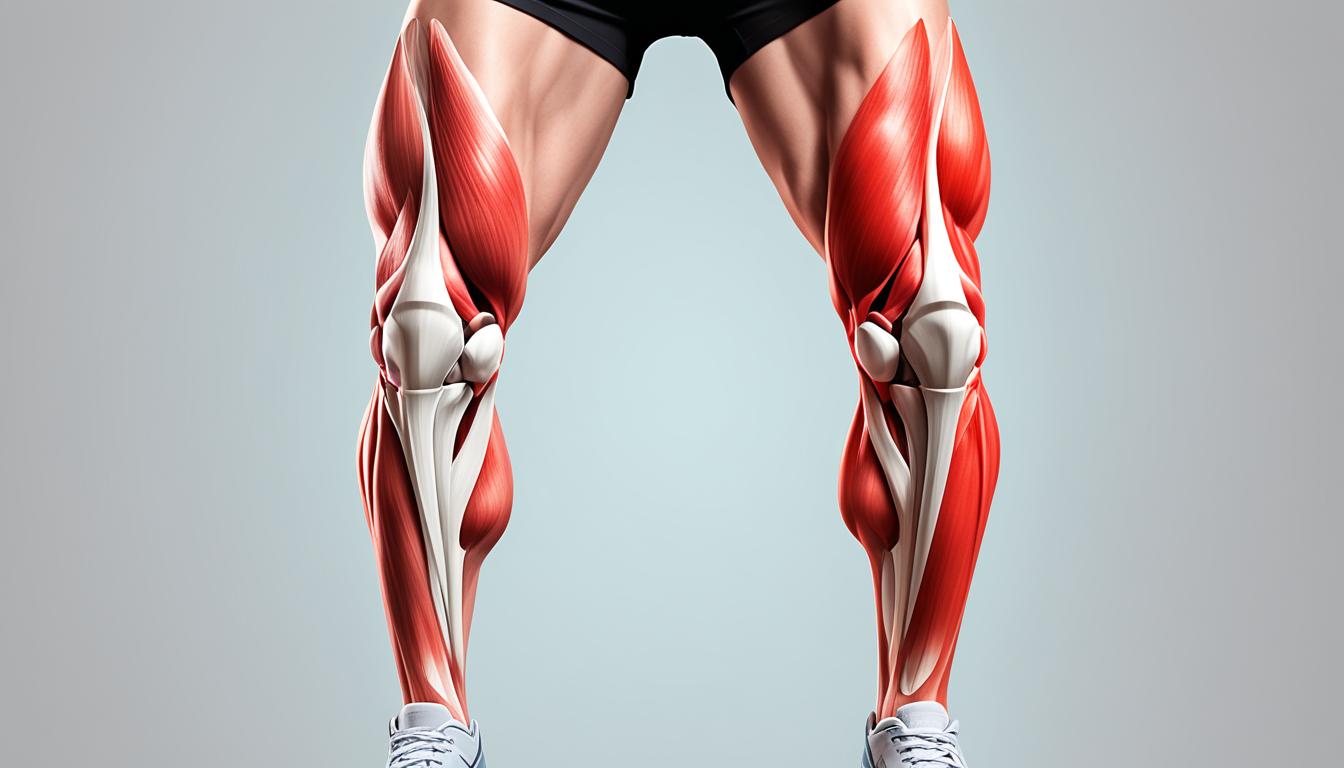
- Weak thigh muscles: The quadriceps muscles, located at the front of the thigh, play a crucial role in knee stability. If these muscles are weak or imbalanced, they can affect the positioning of the kneecap and contribute to knee pain.
To better understand the causes of knee pain after running, it’s important to examine each factor in detail and consider their effects on the knee joint.
Symptoms of Knee Pain After Running
Common symptoms of knee pain after running can include pain in front of the kneecap, discomfort felt around or behind the kneecap, and difficulty fully extending or bending the affected knee. These symptoms are typically experienced when performing activities such as walking, squatting, kneeling, running, or getting up from a chair.
The pain may worsen when walking downstairs or downhill, and it can be aggravated by high-impact exercises or repetitive knee movements. In addition to pain, swelling around the knee joint may occur, along with a sensation of grinding or popping within the joint.
If you are experiencing these symptoms after running, it is important to seek medical evaluation to determine the underlying cause of your knee pain. A healthcare professional can conduct a thorough examination, review your medical history, and recommend appropriate diagnostic tests to identify any underlying conditions or injuries contributing to your symptoms.
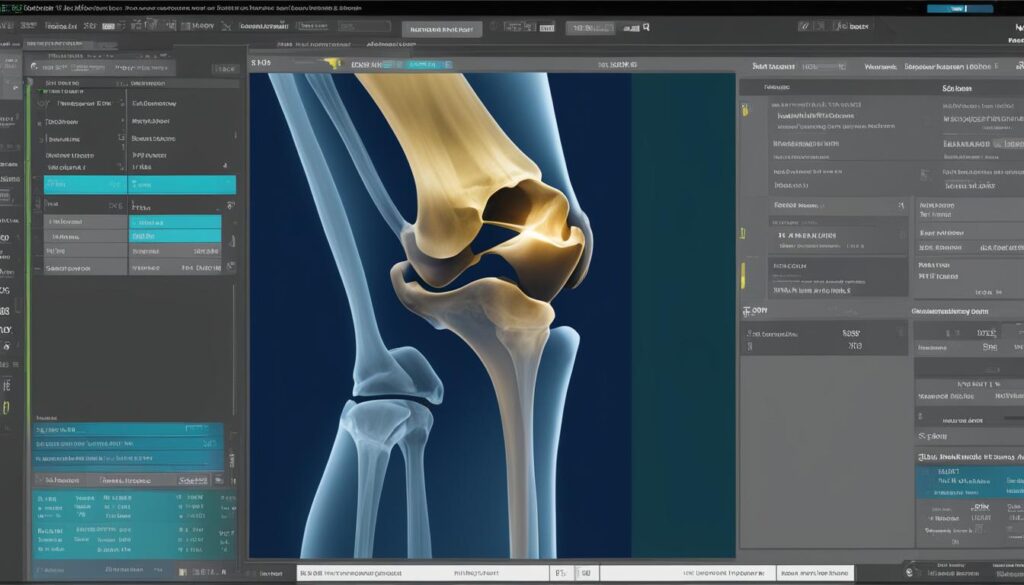
In some cases, imaging tests such as X-rays or magnetic resonance imaging (MRI) may be necessary to assess the structures of the knee joint and rule out any structural abnormalities, such as fractures or cartilage damage.
Taking prompt action and seeking medical attention can help diagnose and treat the underlying cause of your knee pain, which is crucial for long-term pain management and preventing further damage.
| Symptoms of Knee Pain After Running | Possible Causes |
|---|---|
| Pain in front of the kneecap | Inflammation of the patellar tendon |
| Pain around or behind the kneecap | Damage to the cartilage or ligaments |
| Difficulty fully extending or bending the knee | Meniscal tears or patellar subluxation |
| Swelling around the knee joint | Inflammation or fluid accumulation |
| Sensation of grinding or popping within the joint | Cartilage damage or loose bodies |

Treating Knee Pain After Running
To treat knee pain after running, there are several effective approaches that can be taken. It is crucial to prioritize rest and avoid activities that worsen the pain, such as running or squatting. This allows the knee to recover and heal properly.
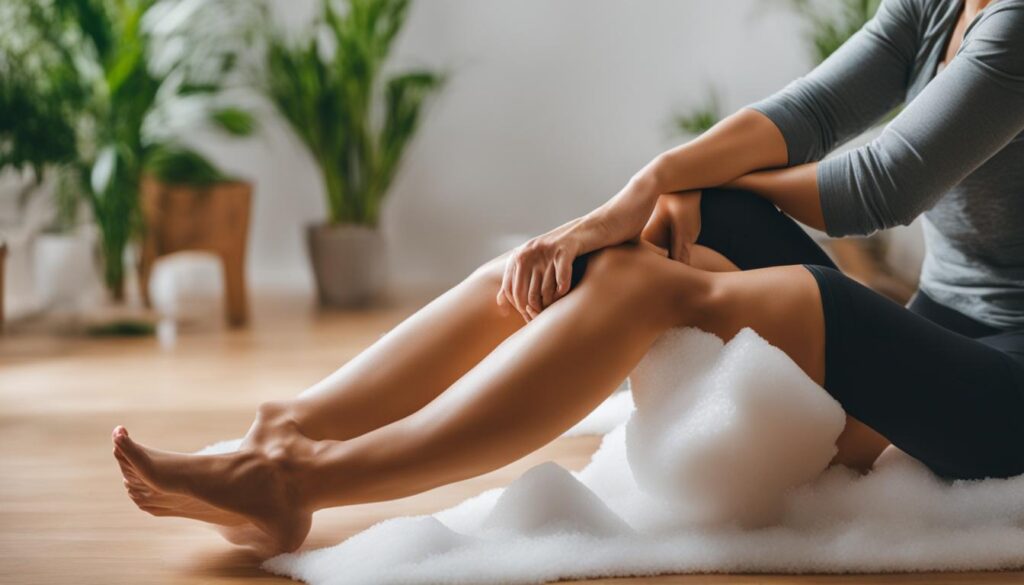
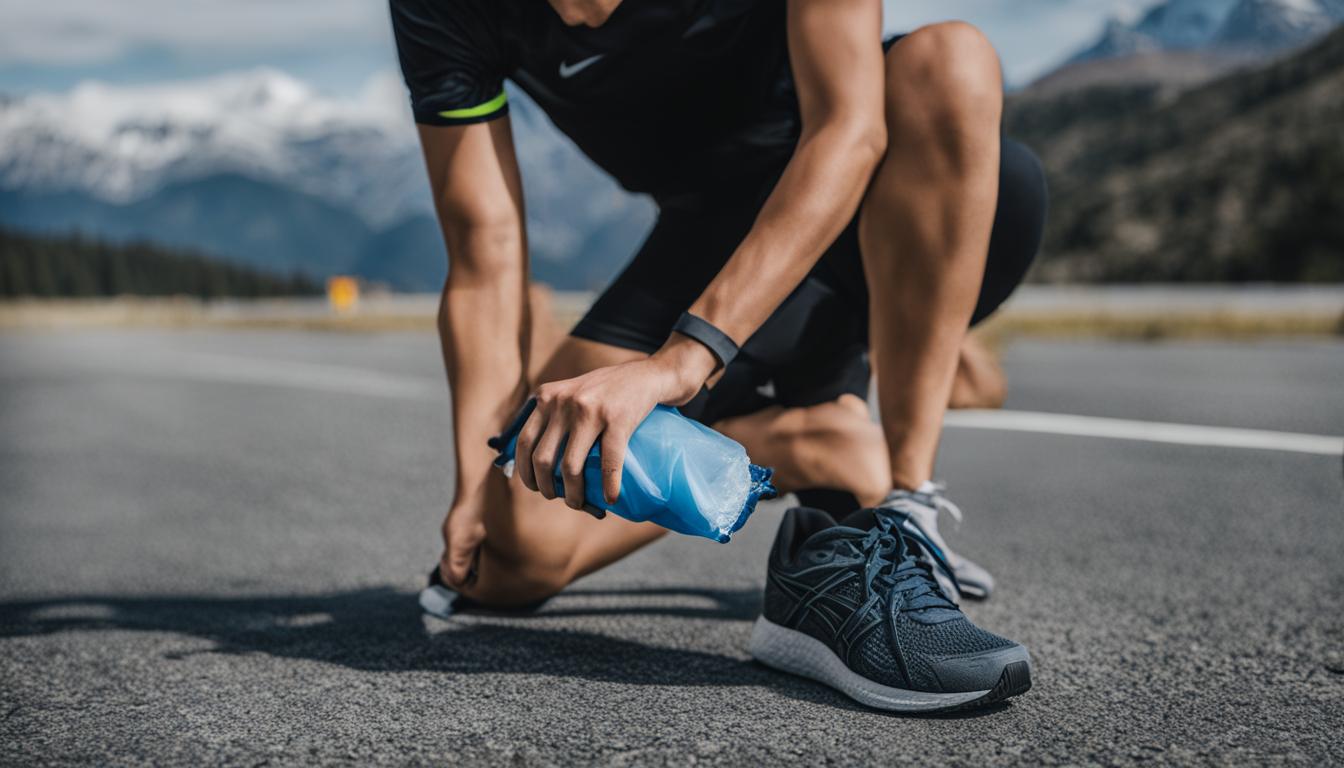
One helpful technique is to apply ice to the knee for 20-30 minutes every 3-4 hours. This can help reduce pain and swelling, providing relief to the affected area. It is important to use an ice pack or wrap it in a cloth to avoid direct contact with the skin.
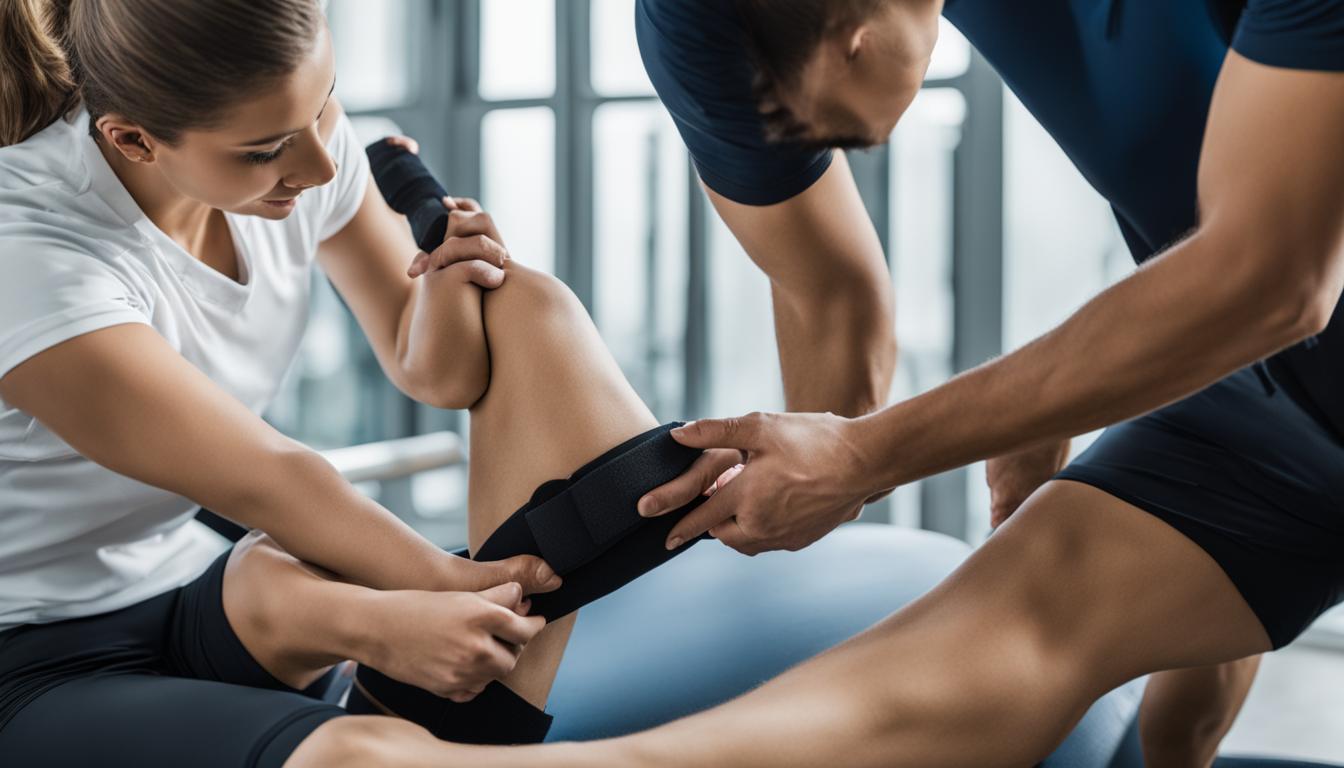
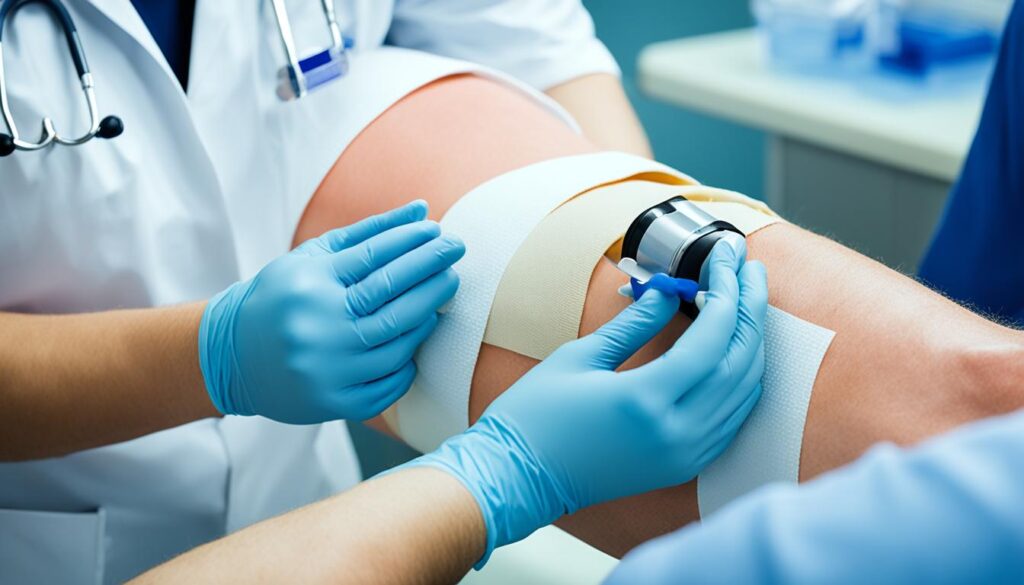
Another way to provide support to the knee is by using an elastic bandage, patellar straps, or sleeves. These can help stabilize the knee joint and alleviate discomfort. It is essential to ensure that these supportive devices are used properly and not too tight, as improper use can cause additional problems.
When resting, elevating the leg on a pillow when sitting or lying down can aid in pain relief. This reduces blood flow to the area, helping to minimize swelling and discomfort.
If the pain persists, nonsteroidal anti-inflammatory drugs (NSAIDs) such as ibuprofen or naproxen can be taken to alleviate pain and swelling. However, it is important to follow the dosage instructions and use them with caution due to potential side effects.
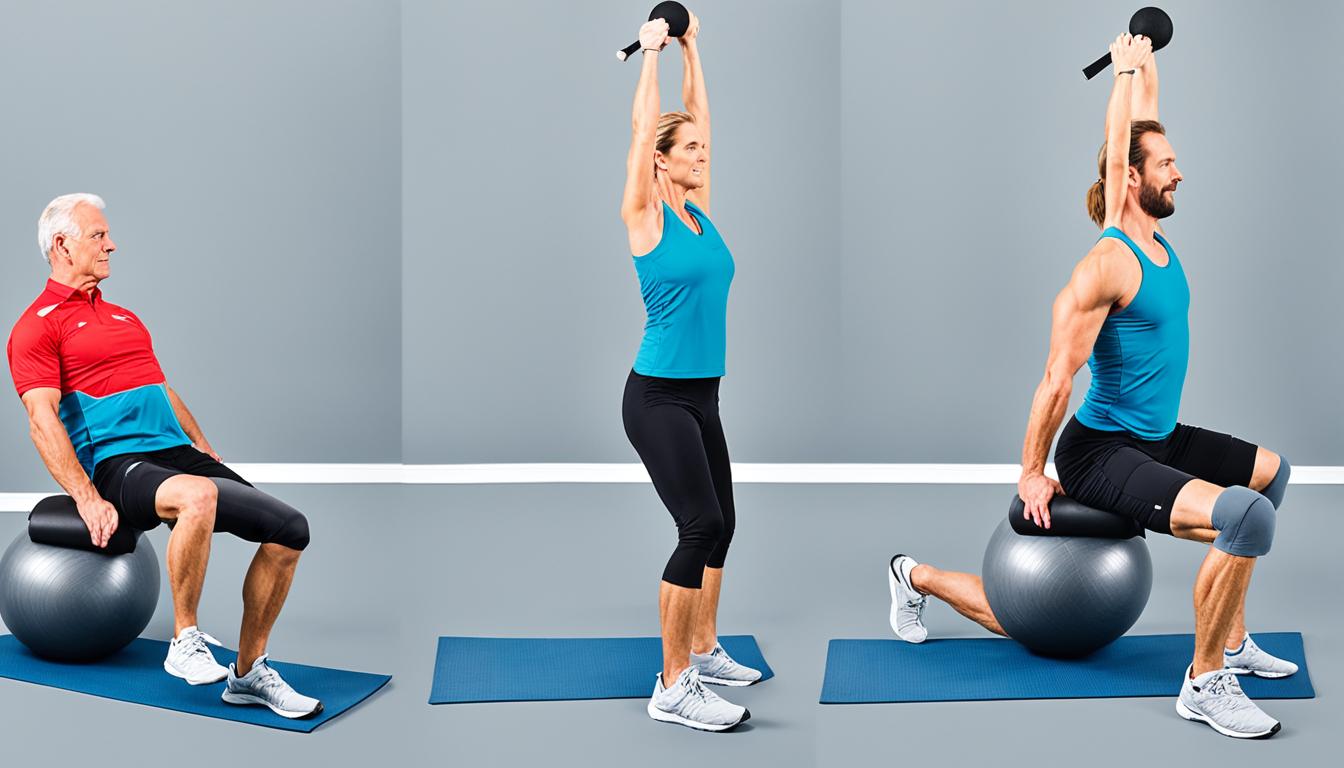
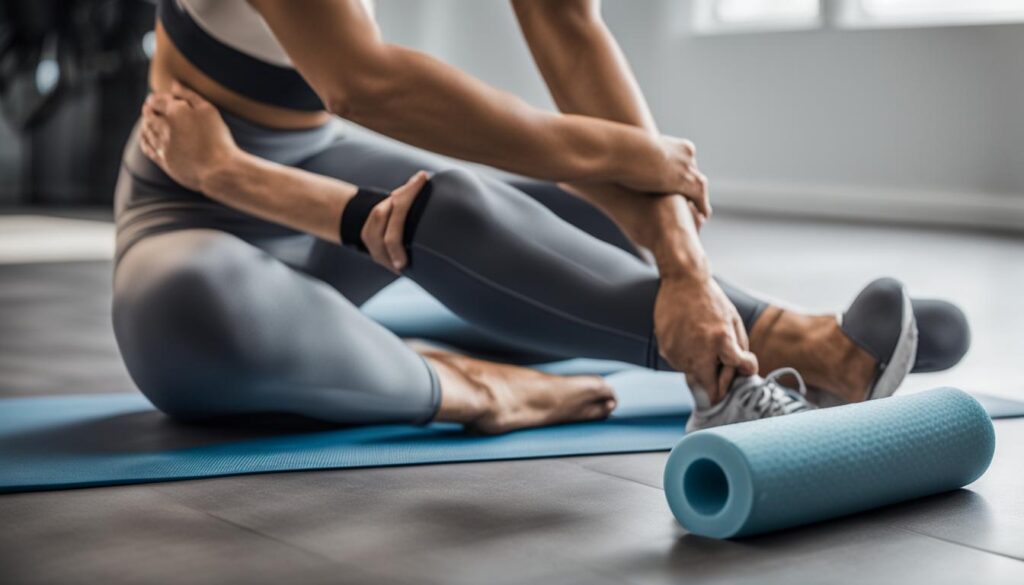
In addition to rest and medication, performing stretching and strengthening exercises can be beneficial in improving knee stability and function. These exercises, especially those targeting the quadriceps muscles, help to strengthen the surrounding muscles and reduce stress on the knee joint.
It is advisable to consult with a healthcare professional or physical therapist for guidance on specific exercises that are appropriate for your condition. They can provide personalized recommendations and supervise your progress.
Remember, treating knee pain after running involves a combination of rest, ice, compression, elevation, NSAIDs, and appropriate exercises. By taking these measures, you can effectively manage your knee pain and get back to your running routine with greater comfort and ease.
| Treatment Approach | Summary |
|---|---|
| Rest | Avoid activities that worsen the pain |
| Ice | Apply ice for 20-30 minutes every 3-4 hours |
| Compression | Use an elastic bandage, patellar straps, or sleeves for extra support |
| Elevation | Elevate the leg on a pillow when sitting or lying down |
| NSAIDs | Take nonsteroidal anti-inflammatory drugs to alleviate pain and swelling |
| Stretching and Strengthening Exercises | Perform exercises to improve knee stability and function |
Preventing Knee Pain from Running
Preventing knee pain is essential for maintaining a healthy running routine. By incorporating a few key strategies, you can reduce the risk of developing knee pain and ensure a more enjoyable running experience.
Strengthening Exercises
Regularly performing strengthening exercises for the quadriceps and hip abductor muscles is crucial for maintaining proper knee balance during running. Strong muscles around the knee provide stability and help absorb impact forces, reducing the strain on the knee joints. Consider exercises such as squats, lunges, and leg presses to target these muscle groups.
Maintain a Healthy Weight
Excess weight can place additional stress on the knees while running. By maintaining a healthy weight through regular exercise and a balanced diet, you can minimize the load on your knees and decrease the risk of knee pain. Losing even a small amount of weight can make a significant difference in relieving pressure on the knee joints.
Warm-Up and Stretching
Before starting your running session, it’s essential to warm up with light aerobic exercises, such as brisk walking or jogging, to increase blood flow and prepare your muscles for activity. Additionally, incorporating stretching exercises can improve flexibility and reduce the risk of injury. Focus on stretching the muscles surrounding the knee, including the quadriceps and hamstrings, before and after your runs.
Proper Footwear
Choosing the right footwear is crucial for preventing knee pain. Opt for running shoes that provide adequate support and cushioning to absorb the impact of each step. Look for shoes with features such as arch support and shock absorption to minimize stress on the knees. For individuals with specific foot conditions or imbalances, using shoe inserts or orthotics can provide additional support and promote proper alignment.
Running Surface
The surface you choose to run on can significantly impact the stress placed on your knees. Opt for softer surfaces like grass or well-maintained trails whenever possible. Running on these surfaces helps absorb shock and reduces the strain on your knees compared to harder surfaces like concrete or asphalt.
Gradual Progression
When it comes to running, gradual progression is key. Avoid pushing yourself too hard or increasing your mileage too quickly, as this can lead to overuse injuries, including knee pain. Gradually increase your running distance and intensity over time, allowing your body to adapt and strengthen. This approach helps prevent excessive strain on your knees and reduces the risk of injury.
Stay in Shape
Maintaining overall fitness is essential for preventing knee pain. Engage in regular cardiovascular exercise, such as cycling or swimming, to improve your endurance and cardiovascular health. Incorporate strength training exercises that target the lower body, including the thighs and glutes, to enhance overall knee stability and support.
By following these preventive measures, you can significantly reduce the likelihood of experiencing knee pain while running. Remember to listen to your body and seek medical attention if persistent pain or discomfort occurs.
Managing Knee Pain After Running
If home remedies and preventive measures do not effectively manage knee pain after running, it may be necessary to seek further medical attention. Consulting with a physical therapist can provide valuable guidance on proper exercises and techniques to manage knee pain. Their expertise can help runners develop a personalized treatment plan to address their specific needs.
In some cases, a knee brace may be recommended during exercise to provide additional support and stability to the knee joint. This can help reduce discomfort and prevent further injury. Additionally, using shoe inserts or custom orthotics can be beneficial in improving foot and knee alignment, which can alleviate pressure on the knee.
However, managing knee pain after running goes beyond addressing external factors. It is equally important to focus on maintaining the strength and flexibility of the thigh muscles. Regular exercise, incorporating activities that target the quadriceps and other thigh muscles, can help support the knee joint and reduce pain. It is recommended to consult with a physical therapist or exercise professional to determine the appropriate exercises for your specific condition.
By following a comprehensive management plan that includes proper exercises, utilizing supportive tools like knee braces and shoe inserts, and maintaining thigh muscle strength, runners can effectively manage knee pain and prevent further injury. Seeking professional guidance from healthcare professionals, such as physical therapists, is crucial to ensure appropriate and effective knee pain management.
Conclusion
Knee pain after running, often known as runner’s knee or patellofemoral pain syndrome, can be a frustrating condition for runners. However, there are various treatment and prevention strategies that can provide relief and allow runners to continue enjoying their favorite activity.
Initial treatment methods for knee pain relief include resting the knee, applying ice to reduce inflammation, using compression or elevation techniques to alleviate swelling, and taking nonsteroidal anti-inflammatory drugs (NSAIDs) to manage pain. Additionally, incorporating stretching and strengthening exercises into a regular routine can help improve knee stability and reduce the risk of future pain.
Wearing supportive shoes that provide cushioning and shock absorption is crucial for runners, as footwear issues can contribute to knee pain. Understanding the body’s signals to rest and avoiding overuse is also essential in managing knee discomfort. Seeking professional guidance from doctors and physical therapists can provide personalized treatment recommendations based on the individual’s specific condition and needs. By implementing these strategies and maintaining overall fitness, runners can reduce the risk of knee pain and continue enjoying a healthy running experience.
FAQ
What is runner’s knee?
Runner’s knee, also known as patellofemoral pain syndrome, is a common condition that can cause knee pain after running. It is not a specific injury but rather a term used to describe the pain associated with several knee problems.
What are the causes of knee pain after running?
The causes of knee pain after running can include overuse, direct impact to the knee, malalignment of the bones, problems with the feet, and weak or unbalanced thigh muscles.
What are the symptoms of knee pain after running?
The symptoms of knee pain after running can include pain in front of the kneecap, swelling, and a grinding sensation. The pain is typically experienced when bending the knee to walk, squat, kneel, run, or get up from a chair.
How can knee pain after running be treated?
Knee pain after running can be treated by resting the knee, using ice, wrapping the knee for support, elevating the leg, taking NSAIDs, doing stretching and strengthening exercises, trying arch supports or orthotics, and considering surgical intervention in severe cases.
How can knee pain from running be prevented?
Knee pain from running can be prevented by regularly performing strengthening exercises for the quadriceps and hip abductor muscles, maintaining a healthy weight, warming up with light activity and incorporating stretching exercises before running, choosing the right footwear with support and shock absorption, avoiding running on hard surfaces, and gradually incorporating intense moves into the workout routine.
How can knee pain after running be managed?
Knee pain after running can be managed by consulting with a physical therapist, using a knee brace during exercise, using shoe inserts or custom orthotics for foot and knee alignment, and maintaining strength and flexibility in the thigh muscles through regular exercise.