Tag: Knee Post-Traumatic Arthritis: Causes

  • Knee Post-Traumatic Arthritis

    Knee Post-Traumatic Arthritis

    Knee Post-Traumatic Arthritis: Causes, Symptoms, and Treatment Options

    Knee post-traumatic arthritis is a condition that can develop after an injury to the knee. It is a type of osteoarthritis that occurs when the cartilage in the knee joint wears down over time, leading to pain, stiffness, and swelling. This condition can be debilitating and significantly impact a person’s quality of life.
    v2 2idgv

    Understanding knee post-traumatic arthritis is essential for those who have experienced a knee injury or are at risk of developing this condition. Causes and risk factors can include previous knee injuries, such as fractures or ligament tears, as well as age and obesity. Early diagnosis and progression monitoring are crucial for effective treatment and management of knee post-traumatic arthritis.

    Key Takeaways

    • Knee post-traumatic arthritis is a type of osteoarthritis that can occur after a knee injury.
    • Causes and risk factors include previous knee injuries, age, and obesity.
    • Early diagnosis and progression monitoring are essential for effective treatment and management.

    Understanding Knee Post-Traumatic Arthritis

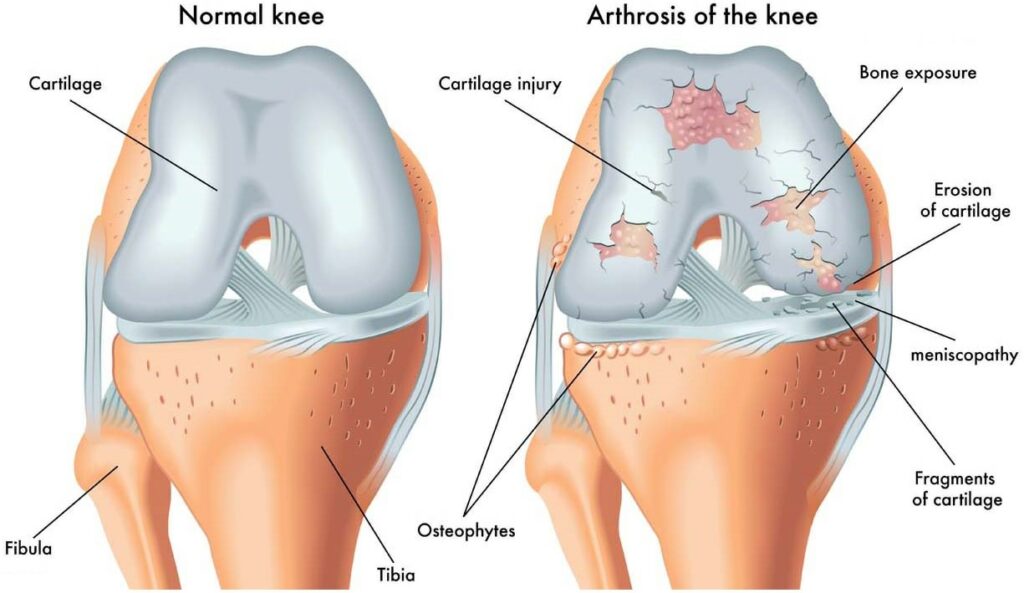
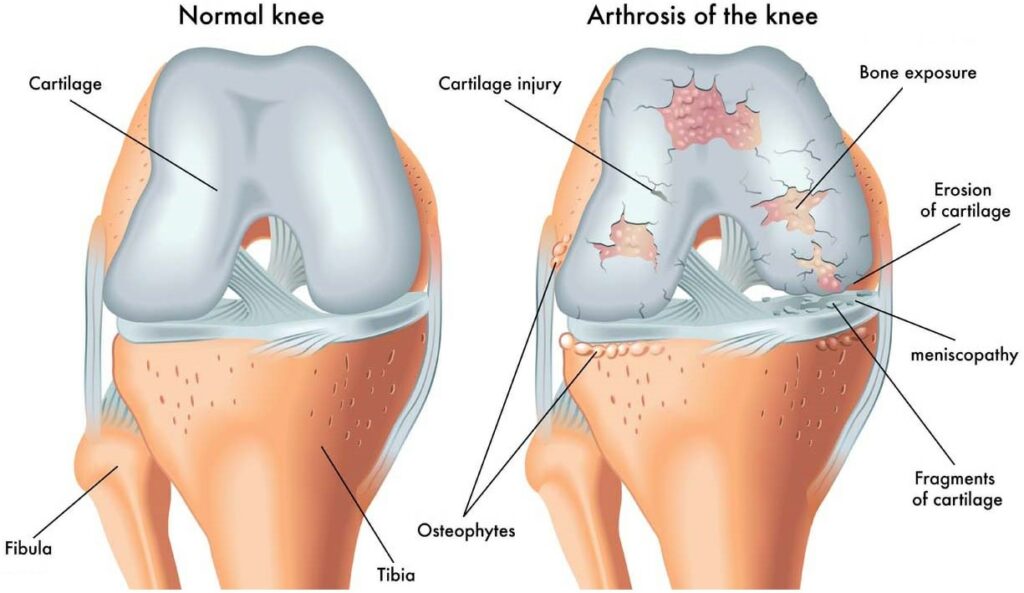
    Post-traumatic arthritis is a type of arthritis that occurs after an injury to a joint. When the knee joint is injured, it can lead to inflammation and damage to the articular cartilage, which is the smooth surface that covers the ends of the bones in the joint. If the cartilage is damaged, it can lead to chronic joint pain and inflammation, which can eventually lead to osteoarthritis.

    Knee post-traumatic arthritis is a common condition that can affect people of all ages. It is most often caused by a joint injury, such as a fracture, dislocation, or ligament tear. The severity of the injury can determine the risk of developing post-traumatic arthritis.

    The symptoms of post-traumatic arthritis can include joint pain, stiffness, and swelling. In some cases, the joint may feel unstable or give way. Over time, the joint may become more damaged, leading to cartilage loss and bone spurs.

    Treatment for knee post-traumatic arthritis depends on the severity of the condition. In some cases, conservative treatments such as rest, physical therapy, and medication may be enough to manage symptoms. In more severe cases, surgery may be necessary to repair or replace the damaged joint.

    In conclusion, knee post-traumatic arthritis is a chronic condition that can lead to joint pain and inflammation. If you have experienced a knee injury, it is important to seek medical attention to prevent or manage post-traumatic arthritis.

    Causes and Risk Factors

    Post-traumatic arthritis (PTA) of the knee is a type of arthritis that occurs after a severe injury or trauma to the knee joint. In this section, we will explore the causes and risk factors associated with PTA of the knee.

    Injury and Trauma

    Injury and trauma to the knee joint are the most common causes of PTA. This includes acute injuries such as bone fractures, dislocations, meniscus injuries, and ACL ruptures. Internal bleeding and joint instability can also contribute to the development of PTA.

    PTA can also develop as a result of chronic wear and tear on the knee joint. This is more common in older individuals and those who engage in activities that put a lot of stress on the knee joint, such as athletes.

    Other risk factors for PTA include aging, a history of joint injuries or surgeries, and certain medical conditions that affect the immune system. Women are also more likely to develop PTA than men.

    In summary, PTA of the knee is typically caused by injury or trauma to the knee joint, but can also develop as a result of chronic wear and tear or underlying medical conditions. Understanding the risk factors associated with PTA can help individuals take steps to prevent its development and seek appropriate treatment if necessary.

    Diagnosis and Progression

    v2 2idh6 81s1d

    When a patient presents with symptoms of knee pain, stiffness, and swelling, we consider the possibility of knee post-traumatic arthritis (PTA) as a potential diagnosis. To confirm the diagnosis, we typically perform a physical examination and imaging techniques.

    Physical Examination

    During the physical exam, we assess the patient’s knee for signs of synovial effusion, which is a buildup of fluid in the joint. We also evaluate the patient’s range of motion, looking for any limitations or stiffness. Additionally, we may ask the patient about their medical history and any previous knee injuries.

    Imaging Techniques

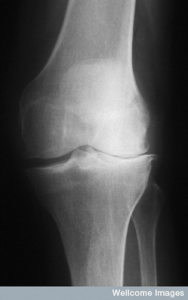
    Imaging techniques, such as x-rays, are also used to diagnose knee PTA. X-rays can show changes in the joint space, bone spurs, and other signs of osteoarthritis. MRI scans may also be used to evaluate the soft tissues of the knee.

    Once knee PTA has been diagnosed, we monitor the progression of the disease. The progression of knee PTA varies from patient to patient, but it generally worsens over time. Patients may experience increasing pain, stiffness, and limitations in mobility.

    In some cases, knee PTA can lead to knee osteoarthritis, which is a chronic condition that may require ongoing treatment. It is important to diagnose and manage knee PTA early to prevent further damage to the joint.

    Treatment and Management
    v2 2idh9 osyoo

    When it comes to treating knee post-traumatic arthritis, there are several options available to improve quality of life, function, and mobility. In this section, we will discuss the different treatments and management strategies available for this condition.

    Medications and Injections

    Medications and injections can help manage pain and inflammation associated with knee post-traumatic arthritis. Analgesics, such as acetaminophen and nonsteroidal anti-inflammatory drugs (NSAIDs), can be taken orally to help manage pain. Intra-articular injections, such as corticosteroids and hyaluronic acid, can also be administered to reduce inflammation and improve joint lubrication.

    Surgery

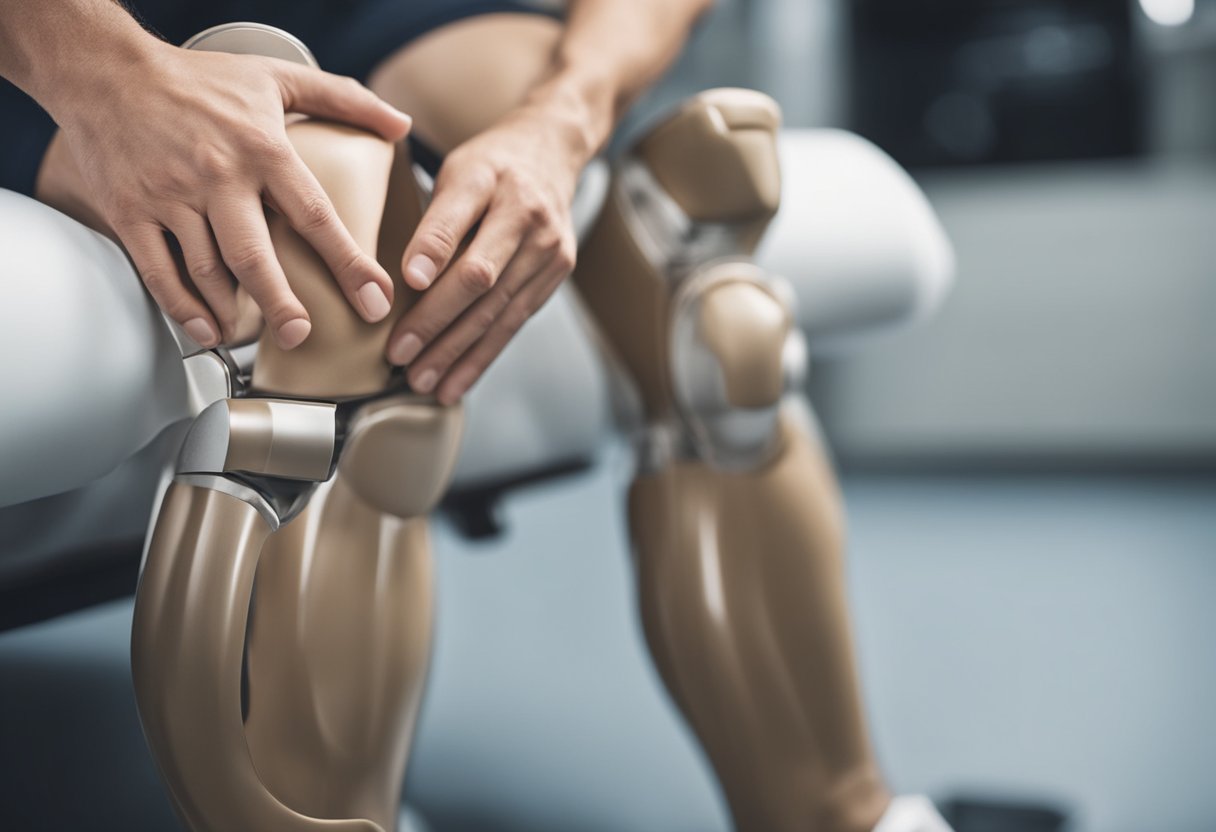
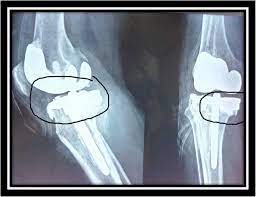
    In some cases, surgery may be necessary to treat knee post-traumatic arthritis. Joint replacement (arthroplasty) is a common surgical procedure that involves replacing the damaged joint with a prosthetic one. This can help improve mobility and reduce pain associated with the condition.

    Physical Therapy and Lifestyle Changes

    Exercise and physical therapy can help improve knee function and mobility in patients with knee post-traumatic arthritis. Low-impact exercises, such as swimming and cycling, can help improve joint flexibility and strength. Physical therapy can also help patients learn exercises to improve range of motion and reduce pain.

    Lifestyle changes, such as losing weight and avoiding high-impact activities, can also help manage knee post-traumatic arthritis. This can reduce stress on the knee joint and improve overall joint health.

    In conclusion, there are several treatment and management options available for knee post-traumatic arthritis. Medications and injections can help manage pain and inflammation, while surgery and physical therapy can improve knee function and mobility. Lifestyle changes, such as weight loss and avoiding high-impact activities, can also help manage the condition.

    Frequently Asked Questions

    What are the symptoms of post-traumatic arthritis in the knee?

    Symptoms of post-traumatic arthritis in the knee include pain, stiffness, swelling, and decreased range of motion. The pain may be worse with activity and may improve with rest. Some people may also experience a grinding or clicking sensation in the knee joint.

    What are the treatment options for post-traumatic arthritis in the knee?

    Treatment options for post-traumatic arthritis in the knee may include non-surgical treatments such as physical therapy, medications, and injections. In some cases, surgery may be necessary to repair or replace damaged joint tissues.

    Can post-traumatic arthritis in the knee be prevented?

    While it may not be possible to completely prevent post-traumatic arthritis in the knee, there are steps you can take to reduce your risk. These include maintaining a healthy weight, avoiding activities that put excessive strain on the knee joint, and wearing protective gear when participating in sports or other high-impact activities.

    How long does it take for post-traumatic arthritis to develop after a knee injury?

    Post-traumatic arthritis can develop at any time after a knee injury, but it may take several years for symptoms to appear. The risk of developing post-traumatic arthritis increases with the severity of the initial injury.

    Is post-traumatic arthritis in the knee permanent?

    Post-traumatic arthritis in the knee is a chronic condition that can be managed with appropriate treatment, but it is generally not curable. However, with proper care, many people with post-traumatic arthritis in the knee are able to maintain an active lifestyle.

    Can post-traumatic arthritis in the knee improve over time?

    While post-traumatic arthritis in the knee may not improve on its own, many people are able to find relief from their symptoms with appropriate treatment. With physical therapy, medications, and other interventions, it may be possible to improve joint function and reduce pain and stiffness.
  • Knee Hurts Fully Extended

    Knee Hurts Fully Extended

    Knee Hurts Fully Extended: Causes and Treatment Options

    When our knee hurts when fully extended, it can be a frustrating and painful experience. The knee joint is one of the largest and most complex joints in the body, and it is responsible for supporting our body weight and allowing us to move freely. When we experience pain in the knee, it can be a sign of an underlying issue that needs attention.

    v2 21p2z j0jvw

    Understanding Knee Pain When Fully Extended is the first step in finding relief and preventing further injury. Pain in the knee when fully extended can be caused by a variety of factors, including injury, overuse, and underlying medical conditions. Common symptoms include sharp pain, swelling, stiffness, and difficulty walking or bearing weight on the affected leg.

    If you are experiencing knee pain when fully extended, it is important to seek medical attention to determine the cause of your pain and develop an appropriate treatment plan. In this article, we will explore the common causes of knee pain when fully extended, treatment options, and prevention strategies to help you maintain healthy knees.

    Key Takeaways

    • Knee pain when fully extended can be caused by injury, overuse, or underlying medical conditions.
    • Common symptoms include sharp pain, swelling, stiffness, and difficulty walking or bearing weight on the affected leg.
    • Seeking medical attention, proper treatment, and prevention strategies can help alleviate knee pain and maintain healthy knees.

    Understanding Knee Pain When Fully Extended

    When our knee hurts when fully extended, it can be a sign of an underlying issue. The knee joint is made up of the femur, tibia, and patella, and is surrounded by muscles, tendons, and ligaments that help it move and provide support. Knee pain can occur due to various reasons, including injury, overuse, or medical conditions like arthritis.

    One of the most common causes of knee pain when fully extended is hyperextension. Hyperextension occurs when the knee joint is bent backward beyond its usual range of motion, causing strain on the connective tissues that hold it in place. This injury is common in sports that involve sudden stops and changes of direction, such as basketball and soccer.

    Another cause of knee pain when fully extended is patellar tendinitis, which is an inflammation of the tendon that connects the patella to the tibia. This condition is common in athletes who frequently jump and land on hard surfaces, such as basketball players.

    Location is also an important factor in understanding knee pain. Pain in the front of the knee, around the kneecap, is often caused by issues with the patella, while pain on the sides of the knee can be due to problems with the ligaments or meniscus. Pain in the back of the knee can be caused by issues with the hamstring muscles or the popliteal tendon.

    It is important to seek medical attention if knee pain persists or is severe, as it could be a sign of a more serious injury or medical condition. Treatment options for knee pain include rest, ice, compression, and elevation, as well as physical therapy and medication. In some cases, surgery may be necessary to repair damage to the knee joint or surrounding tissues.

    In summary, knee pain when fully extended can be caused by a range of issues, including hyperextension, patellar tendinitis, and problems with the ligaments or meniscus. It is important to seek medical attention if pain persists or is severe, and to follow recommended treatment options to prevent further injury or damage.

    Common Causes and Symptoms

    v2 21p3b

    When our knee hurts when fully extended, it can be due to a variety of causes. Injuries are a common cause of knee pain, especially in men. A sudden force or trauma to the knee joint can cause ligaments and tendons to tear, resulting in pain and swelling. A popping or twisting sensation in the knee can be a sign of a torn ACL (anterior cruciate ligament) or meniscus, which are common knee injuries.

    Age and wear and tear can also cause knee pain. Osteoarthritis is a common form of arthritis that affects the knee joint and can cause stiffness, weakness, and pain. Rheumatoid arthritis is another type of arthritis that can cause knee pain and swelling.

    Overuse and repetitive motions can also cause knee pain. Patellofemoral pain syndrome, also known as runner’s knee, is a common overuse injury that causes pain in the front of the knee. Tendonitis, which is inflammation of the tendons, can also cause knee pain.

    A hyperextended knee can also cause knee pain when fully extended. This occurs when the knee joint is forced beyond its normal range of motion, causing pain, swelling, and instability. Other symptoms of a hyperextended knee can include bruising, redness, and warmth in the leg.

    Knee bursitis and Baker’s cysts are other conditions that can cause knee pain. Knee bursitis is inflammation of the bursae, small fluid-filled sacs that cushion the knee joint. Baker’s cysts are fluid-filled sacs that form behind the knee and can cause pain and stiffness.

    If you experience knee pain, it is important to see a doctor to diagnose the underlying cause. Symptoms such as redness, fever, and swelling can be signs of a more serious condition and should be evaluated by a medical professional.

    Treatment and Recovery

    v2 21p3h ubhy2

    If you have a hyperextended knee and experience pain, swelling, or stiffness, there are several treatment options available. The most common approach is to follow the RICE protocol, which stands for Rest, Ice, Compression, and Elevation.

    Rest is essential to allow the injured knee to heal, and it is crucial to avoid activities that could further damage the knee. Ice can help reduce swelling and inflammation. Apply ice to the affected knee for 15 minutes several times a day. Wrap a towel or cloth around the ice pack to prevent direct contact with your skin.

    Compression can help reduce swelling and provide support for the knee. You can use an elastic bandage or knee brace to compress the knee. Make sure the compression is not too tight, as this can cause additional problems. Elevation can also help reduce swelling by allowing fluids to drain away from the knee.

    If the injury is severe, surgery may be necessary to repair damaged ligaments or cartilage. Physical therapy may also be recommended to help restore strength and range of motion to the knee. Recovery time will vary depending on the severity of the injury and the treatment approach.

    If you suspect a knee injury, it is essential to seek medical attention promptly. An X-ray or MRI may be necessary to determine the extent of the damage. Injuries to the anterior cruciate ligament (ACL) or posterior cruciate ligament (PCL) may require more intensive treatment and longer recovery times.

    In summary, treatment for a hyperextended knee typically involves rest, ice, compression, and elevation. Recovery time will depend on the severity of the injury and the treatment approach. Surgery and physical therapy may be necessary for more severe injuries. It is crucial to seek medical attention promptly to ensure proper diagnosis and treatment.

    Prevention and Maintenance

    v2 21p3n s4oig

    When it comes to preventing knee pain from fully extending, there are several steps we can take. First and foremost, maintaining a healthy weight can reduce the risk of knee injury. Being overweight puts extra stress on our knees, which can cause pain and inflammation.

    Athletes and those who engage in sports should take extra precautions to prevent knee injuries. Warming up before exercise is crucial for preventing sprains and strains. Proper technique and form can also help reduce the risk of injury, especially in contact sports like basketball, football, and soccer.

    Stretching is another important aspect of knee injury prevention. Incorporating stretching exercises into our daily routine can help improve flexibility and reduce the risk of knee pain. Swimming and other low-impact exercises can also be beneficial for maintaining knee health.

    Inflammation can also contribute to knee pain and injury. To help reduce inflammation, we can incorporate anti-inflammatory foods into our diet, such as fruits, vegetables, and whole grains. Additionally, taking breaks and avoiding overuse of the knees can help prevent inflammation and pain.

    Regular physical exams can also help identify any potential knee issues early on, allowing for prompt treatment and prevention of further injury. Using proper footwear and cushioning can also help reduce the impact on our knees during daily activities like walking and running.

    Overall, taking steps to prevent knee injury and maintain knee health can help us avoid the pain and discomfort of knee pain from fully extending. By incorporating stretching, warm-up exercises, proper technique, and healthy habits into our daily routine, we can keep our knees healthy and pain-free.

    Frequently Asked Questions

    v2 21p3t 54ioi

    What causes knee pain when straightening the leg after sitting?

    Knee pain when straightening the leg after sitting can be caused by a variety of factors such as overuse, injury, or underlying medical conditions like arthritis. It can also be caused by tight muscles or tendons around the knee joint.

    What are some treatments for knee pain when straightening the leg?

    Treatments for knee pain when straightening the leg include rest, ice, compression, and elevation (RICE), physical therapy, and medication. In some cases, surgery may be necessary. It is important to consult a healthcare professional to determine the best course of treatment.

    How can I relieve knee cap pain when straightening my leg?

    To relieve knee cap pain when straightening the leg, you can try exercises that strengthen the quadriceps muscles, such as straight leg raises. It is also important to stretch the muscles around the knee joint and use proper form during physical activity.

    What are some common reasons for knee pain when fully extending the leg?

    Common reasons for knee pain when fully extending the leg include ligament injuries, meniscus tears, patellar tendonitis, and arthritis. It is important to consult a healthcare professional for an accurate diagnosis and treatment plan.

    How can I prevent knee pain when straightening my leg?

    To prevent knee pain when straightening the leg, it is important to maintain proper form during physical activity, wear proper footwear, and gradually increase the intensity of physical activity. Stretching before and after exercise can also help prevent knee pain.

    What are some exercises to help with knee pain when straightening the leg?

    Exercises that can help with knee pain when straightening the leg include straight leg raises, hamstring curls, and leg presses. It is important to consult a healthcare professional or physical therapist to determine the best exercises for your specific condition.

  • Clearing up a confusing diagnosis – ACL Strong

    Clearing up a confusing diagnosis – ACL Strong

    Osteoarthritis is the most common joint disease in the United States and can cause pain, stiffness, and limitation in daily activities. Unfortunately, many people feel forced to give up their favorite sport or lifestyle as a result of being labeled “osteoarthritis.”

    A diagnosis of ‘osteoarthritis’ can be confusing.

    What does it mean? Does this mean that you cannot cycle, walk, hike or exercise without pain? How should you treat it and what can you do to prevent it from getting worse?

    What is osteoarthritis?

    Osteoarthritis, also known as degenerative joint disease, occurs when the cartilage that covers the ends of the bones in your joints gradually deteriorates. The degenerative process, which typically affects weight-bearing joints such as the knees, hips and hands, causes thinning of the cartilage, narrowing of joint spaces and reduced cushioning between the bones. This breakdown process puts more pressure on the sensitive surface of the bones in the joint, causing inflammation, pain, bone spurs and further wear and tear of the joint.

    knee arthrosis

    Being diagnosed with osteoarthritis does NOT mean that you cannot or should not have an active lifestyle. On the contrary, activity can actually improve the symptoms of osteoarthritis and slow or stop its progression. Many people with osteoarthritis lead an active, healthy lifestyle, without restrictions.

    How is osteoarthritis diagnosed?

    Osteoarthritis affects more than 32.5 million Americans and is usually diagnosed by physical examination and an X-ray. Based on the X-ray images, doctors will look for a smaller distance between the bones in the joint and for signs of inflammation. They will look at how much cartilage there is in the joint to protect the underlying bone from further wear and tear. They will also look for bone fragments or ‘spurs’ that are sticking into the joint and could cause more pain.

    unnamed

    X-ray findings should be compared with a physical examination to assess actual loss of range of motion, stiffness, weakness, and activity limitations before determining a treatment plan.

    Did you know that there are people with osteoarthritis who are NOT symptomatic? They have no pain, stiffness, swelling, or disability associated with the condition. In fact, they may not even know they have it!

    Evidence of degenerative joint changes can be seen in young adults to older adults, but the risk of developing osteoarthritis increases with age.

    Some of the risk factors that contribute to the development of osteoarthritis include:

    • Age (over 60 years)
    • Genetics
    • Being a woman
    • Being overweight
    • Have a pre-existing knee injury
    • Overuse of the knee or hip joint
    • Muscle weakness around the joint

    Does osteoarthritis always get worse?

    Osteoarthritis is a progressive condition that keeps getting worse if nothing is done to reduce pressure and wear on the joint.

    Joint wear and tear that causes inflammation, swelling and stiffness leads to more weakness, further breakdown, more stiffness and more disability. The cycle continues if no change is made to break the cycle.

    Although there is no cure for osteoarthritis, it is possible to slow or stop the progression of osteoarthritis through appropriate interventions…and most people don’t realize this!

    Someone with osteoarthritis may experience periods of ‘flare-ups’, where the joint suddenly becomes swollen, stiff and/or painful. There may also be periods when symptoms disappear, range of motion is restored, and the joint feels relatively normal.

    Controlling the “controllable factors” is an important tactic in managing osteoarthritis so that flare-ups don’t become worse than they need to be. Knowing what to do to calm a flare-up is an important step in long-term management and will help you continue doing the activities and sports you love.

    Normal range of motion (ROM) helps spread the forces on the joint; Good STRENGTH helps support the joint; and good MOVEMENT PATTERNS help reduce abnormal forces on the joint. These concepts form the basis of what will SLOW or STOP the worsening of degenerative joint disease.

    Losing weight if you are overweight, strengthening the muscles around the hip and knee, maintaining mobility and flexibility, and controlling inflammation and pain are important strategies to prevent osteoarthritis from worsening.

    Common treatments for osteoarthritis

    Activity

    While it may seem like activity may initially cause more pain and swelling, physical activity has actually been proven to reduce symptoms and improve the quality of life for people with degenerative joint disease. Exercise promotes circulation and can lead to more pain-free days. Of course, you need to make sure you choose the right activity, progress the right way, and listen to your body.

    A great place to start is by improving mobility and flexibility with simple stretching exercises.

    Screen Shot 2018 07 22 at 9.49.16 AM
    Heel slides

    Physiotherapy

    Physical therapy has been proven to relieve symptoms, increase activity tolerance and improve the quality of life for people with osteoarthritis using a structured approach to restore range of motion, functional strength and balance.
    If you want to live an active lifestyle, exercise and enjoy the outdoors, ACL STRONG provides an expert training progression to strengthen your legs and core, improve balance and body control, and learn how to benefit your body and lifestyle in the long term. can protect. This is an online program and an excellent option if you want the convenience and freedom of exercising independently at home, while still receiving expert guidance and support.

    Monster Walk zig zag side2
    Skaters 1

    Injectable products

    Your doctor may be willing to try hyaluronic acid which can be injected into the affected arthritic joint. This fluid is similar in makeup to your body’s synovial fluid, which is like oil in your car. An injectable can lubricate affected bone and joint tissue to reduce the symptoms of osteoarthritis, making you feel more comfortable and delaying the need for surgery.

    Arthroscopy

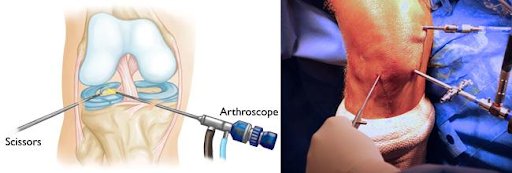
    Arthroscopic surgery is an option when an orthopedic surgeon is confident that symptoms can be reduced by clearing out the surface tissue in the affected joint. Arthroscopic surgery is performed by placing small incisions in the joint to remove damaged tissue and create a smoother surface. The surgery will facilitate increased blood flow to the joint, which can help ‘restart’ the healing process and reduce the symptoms of osteoarthritis.

    Arthroscopy

    Joint replacement surgery

    In cases where more conservative treatments have failed to relieve symptoms and improve quality of life, joint replacement surgery may become the best option. Replacing the degenerated joint surface with mechanical components can give you the recovery you need to be as active as you want.

    Recovery from joint replacement surgery will involve several months of activity progression and physical therapy. Although the timeline varies for everyone, most patients return to normal activities and exercise, such as walking, biking, golfing, tennis, weight lifting, housework, and yard work. With hard work, dedication and consistency, many can return to their previous sports and activities at a higher level.

    Osteoarthritis should NOT be daunting or intimidating. Receiving a diagnosis of osteoarthritis does not have to be confusing.

    👉 How you deal with your condition is up to you. You CAN lead an active, healthy and sporty lifestyle, with the presence of degenerative joint diseases. Manage it with exercise, nutrition, making good choices and expert support, and you can continue living the lifestyle you choose. 💪

    Source link