Knee Hurts Fully Extended
Knee Hurts Fully Extended: Causes and Treatment Options
When our knee hurts when fully extended, it can be a frustrating and painful experience. The knee joint is one of the largest and most complex joints in the body, and it is responsible for supporting our body weight and allowing us to move freely. When we experience pain in the knee, it can be a sign of an underlying issue that needs attention.
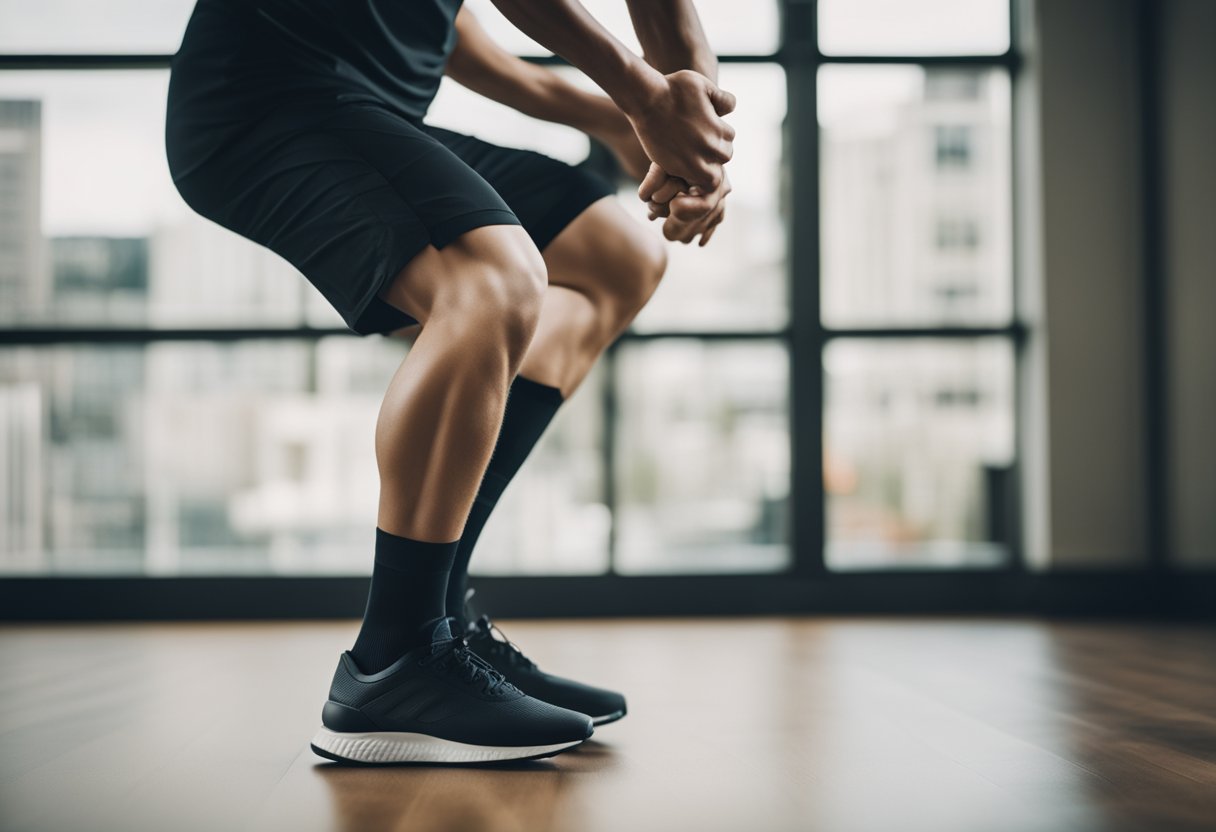
Understanding Knee Pain When Fully Extended is the first step in finding relief and preventing further injury. Pain in the knee when fully extended can be caused by a variety of factors, including injury, overuse, and underlying medical conditions. Common symptoms include sharp pain, swelling, stiffness, and difficulty walking or bearing weight on the affected leg.
If you are experiencing knee pain when fully extended, it is important to seek medical attention to determine the cause of your pain and develop an appropriate treatment plan. In this article, we will explore the common causes of knee pain when fully extended, treatment options, and prevention strategies to help you maintain healthy knees.
Key Takeaways
- Knee pain when fully extended can be caused by injury, overuse, or underlying medical conditions.
- Common symptoms include sharp pain, swelling, stiffness, and difficulty walking or bearing weight on the affected leg.
- Seeking medical attention, proper treatment, and prevention strategies can help alleviate knee pain and maintain healthy knees.
Understanding Knee Pain When Fully Extended
When our knee hurts when fully extended, it can be a sign of an underlying issue. The knee joint is made up of the femur, tibia, and patella, and is surrounded by muscles, tendons, and ligaments that help it move and provide support. Knee pain can occur due to various reasons, including injury, overuse, or medical conditions like arthritis.
One of the most common causes of knee pain when fully extended is hyperextension. Hyperextension occurs when the knee joint is bent backward beyond its usual range of motion, causing strain on the connective tissues that hold it in place. This injury is common in sports that involve sudden stops and changes of direction, such as basketball and soccer.
Another cause of knee pain when fully extended is patellar tendinitis, which is an inflammation of the tendon that connects the patella to the tibia. This condition is common in athletes who frequently jump and land on hard surfaces, such as basketball players.
Location is also an important factor in understanding knee pain. Pain in the front of the knee, around the kneecap, is often caused by issues with the patella, while pain on the sides of the knee can be due to problems with the ligaments or meniscus. Pain in the back of the knee can be caused by issues with the hamstring muscles or the popliteal tendon.
It is important to seek medical attention if knee pain persists or is severe, as it could be a sign of a more serious injury or medical condition. Treatment options for knee pain include rest, ice, compression, and elevation, as well as physical therapy and medication. In some cases, surgery may be necessary to repair damage to the knee joint or surrounding tissues.
In summary, knee pain when fully extended can be caused by a range of issues, including hyperextension, patellar tendinitis, and problems with the ligaments or meniscus. It is important to seek medical attention if pain persists or is severe, and to follow recommended treatment options to prevent further injury or damage.
Common Causes and Symptoms
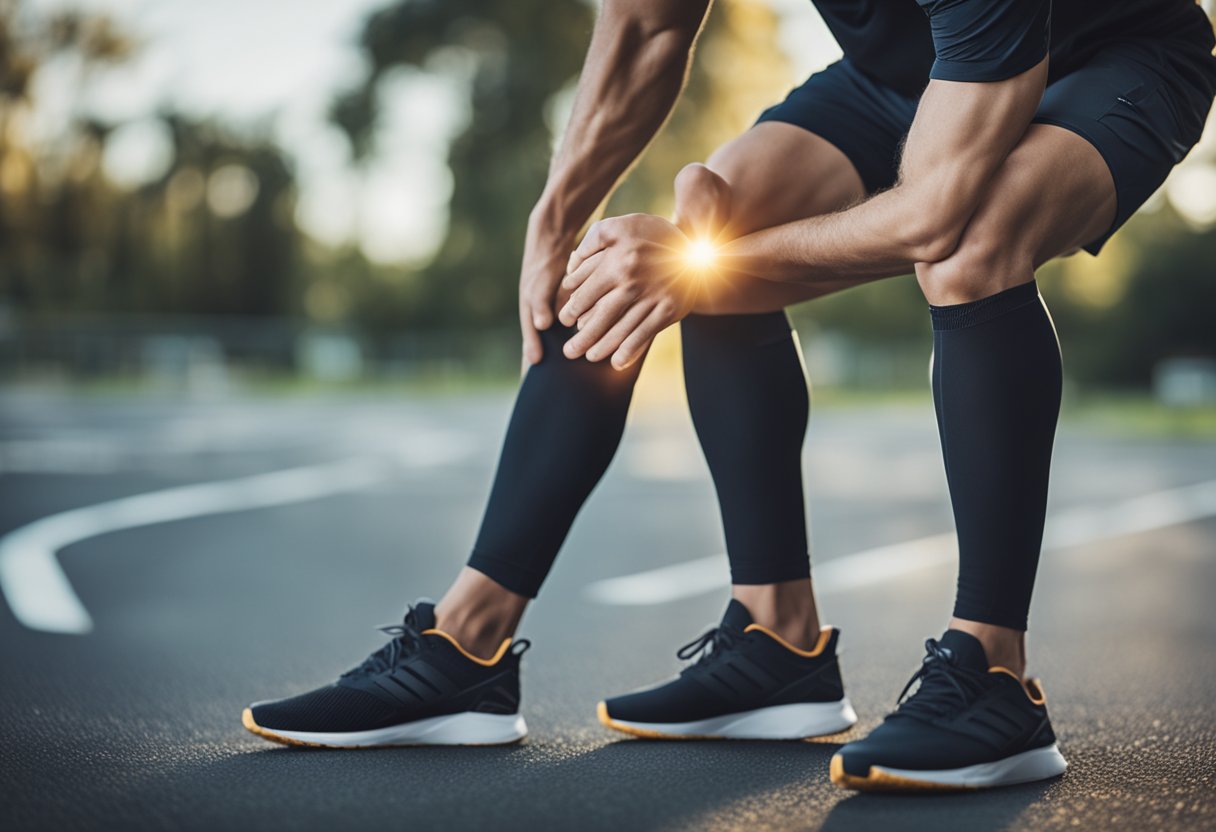
When our knee hurts when fully extended, it can be due to a variety of causes. Injuries are a common cause of knee pain, especially in men. A sudden force or trauma to the knee joint can cause ligaments and tendons to tear, resulting in pain and swelling. A popping or twisting sensation in the knee can be a sign of a torn ACL (anterior cruciate ligament) or meniscus, which are common knee injuries.
Age and wear and tear can also cause knee pain. Osteoarthritis is a common form of arthritis that affects the knee joint and can cause stiffness, weakness, and pain. Rheumatoid arthritis is another type of arthritis that can cause knee pain and swelling.
Overuse and repetitive motions can also cause knee pain. Patellofemoral pain syndrome, also known as runner’s knee, is a common overuse injury that causes pain in the front of the knee. Tendonitis, which is inflammation of the tendons, can also cause knee pain.
A hyperextended knee can also cause knee pain when fully extended. This occurs when the knee joint is forced beyond its normal range of motion, causing pain, swelling, and instability. Other symptoms of a hyperextended knee can include bruising, redness, and warmth in the leg.
Knee bursitis and Baker’s cysts are other conditions that can cause knee pain. Knee bursitis is inflammation of the bursae, small fluid-filled sacs that cushion the knee joint. Baker’s cysts are fluid-filled sacs that form behind the knee and can cause pain and stiffness.
If you experience knee pain, it is important to see a doctor to diagnose the underlying cause. Symptoms such as redness, fever, and swelling can be signs of a more serious condition and should be evaluated by a medical professional.
Treatment and Recovery
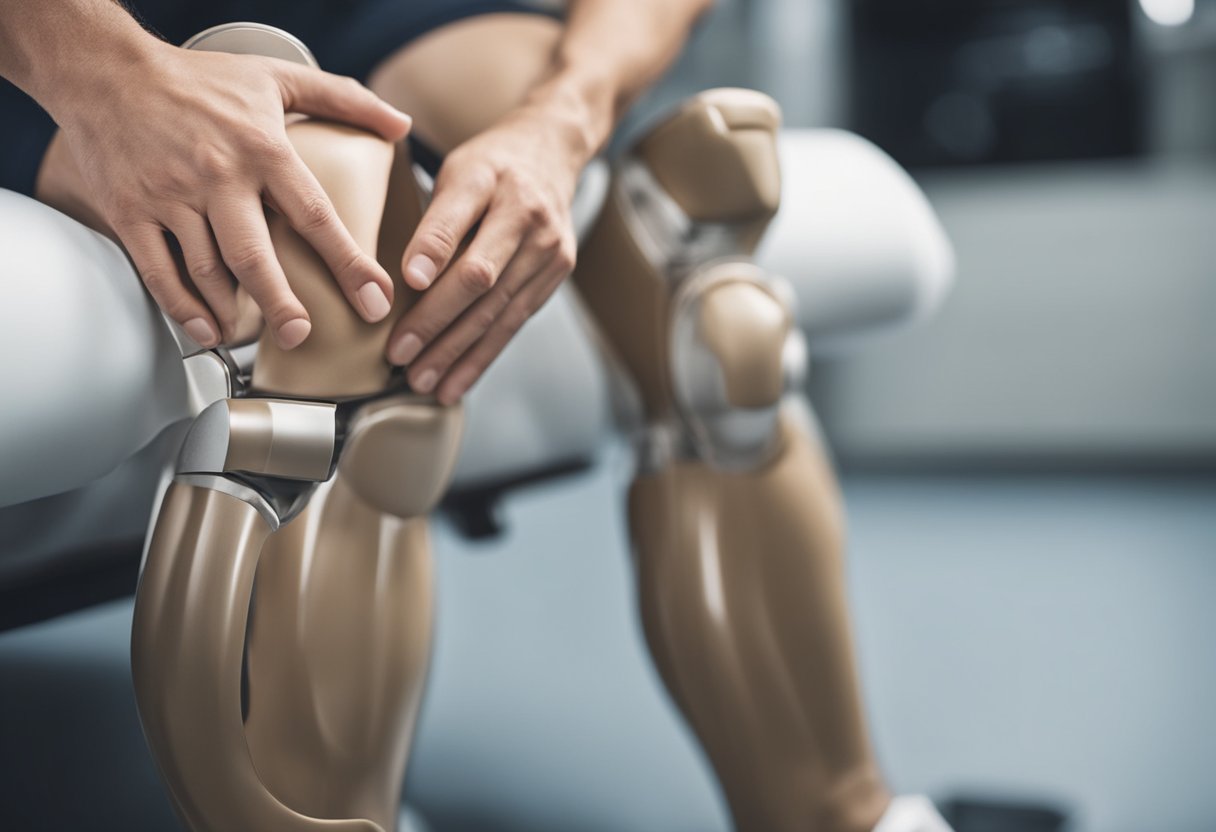
If you have a hyperextended knee and experience pain, swelling, or stiffness, there are several treatment options available. The most common approach is to follow the RICE protocol, which stands for Rest, Ice, Compression, and Elevation.
Rest is essential to allow the injured knee to heal, and it is crucial to avoid activities that could further damage the knee. Ice can help reduce swelling and inflammation. Apply ice to the affected knee for 15 minutes several times a day. Wrap a towel or cloth around the ice pack to prevent direct contact with your skin.
Compression can help reduce swelling and provide support for the knee. You can use an elastic bandage or knee brace to compress the knee. Make sure the compression is not too tight, as this can cause additional problems. Elevation can also help reduce swelling by allowing fluids to drain away from the knee.
If the injury is severe, surgery may be necessary to repair damaged ligaments or cartilage. Physical therapy may also be recommended to help restore strength and range of motion to the knee. Recovery time will vary depending on the severity of the injury and the treatment approach.
If you suspect a knee injury, it is essential to seek medical attention promptly. An X-ray or MRI may be necessary to determine the extent of the damage. Injuries to the anterior cruciate ligament (ACL) or posterior cruciate ligament (PCL) may require more intensive treatment and longer recovery times.
In summary, treatment for a hyperextended knee typically involves rest, ice, compression, and elevation. Recovery time will depend on the severity of the injury and the treatment approach. Surgery and physical therapy may be necessary for more severe injuries. It is crucial to seek medical attention promptly to ensure proper diagnosis and treatment.
Prevention and Maintenance
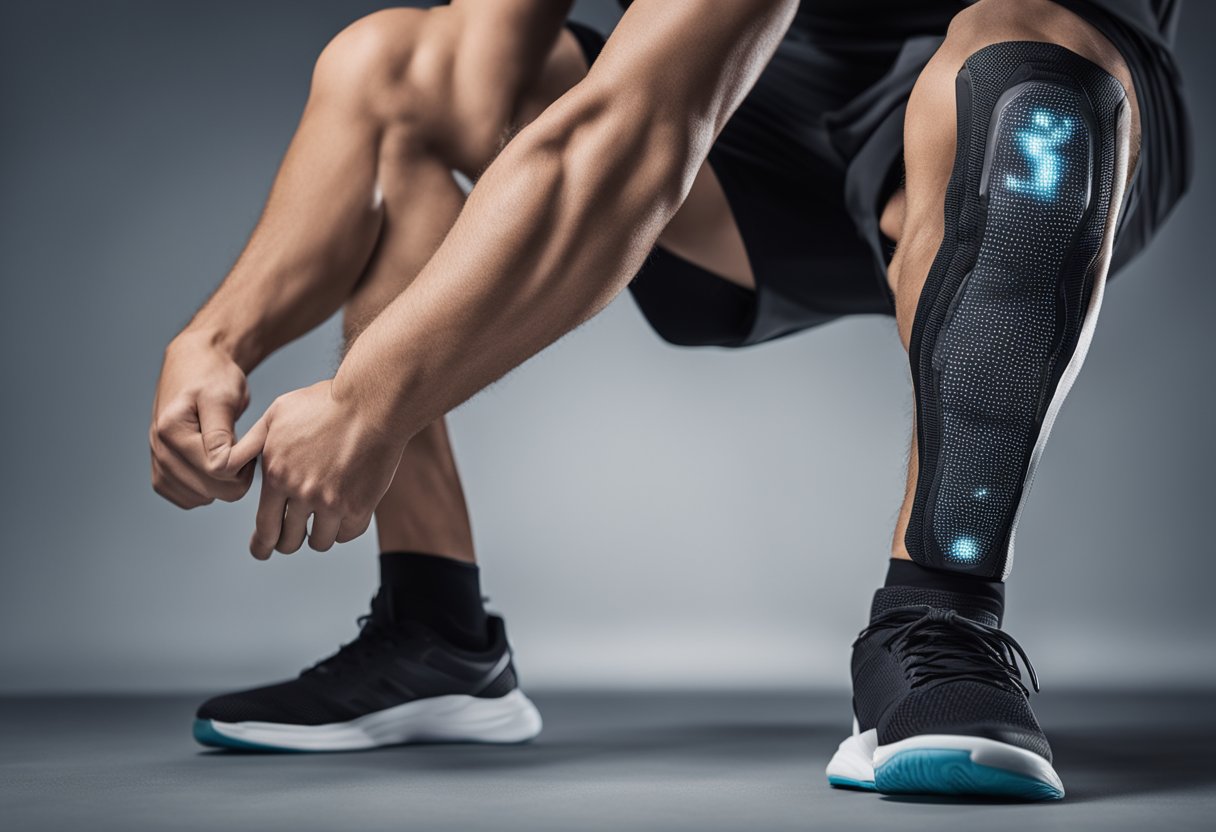
When it comes to preventing knee pain from fully extending, there are several steps we can take. First and foremost, maintaining a healthy weight can reduce the risk of knee injury. Being overweight puts extra stress on our knees, which can cause pain and inflammation.
Athletes and those who engage in sports should take extra precautions to prevent knee injuries. Warming up before exercise is crucial for preventing sprains and strains. Proper technique and form can also help reduce the risk of injury, especially in contact sports like basketball, football, and soccer.
Stretching is another important aspect of knee injury prevention. Incorporating stretching exercises into our daily routine can help improve flexibility and reduce the risk of knee pain. Swimming and other low-impact exercises can also be beneficial for maintaining knee health.
Inflammation can also contribute to knee pain and injury. To help reduce inflammation, we can incorporate anti-inflammatory foods into our diet, such as fruits, vegetables, and whole grains. Additionally, taking breaks and avoiding overuse of the knees can help prevent inflammation and pain.
Regular physical exams can also help identify any potential knee issues early on, allowing for prompt treatment and prevention of further injury. Using proper footwear and cushioning can also help reduce the impact on our knees during daily activities like walking and running.
Overall, taking steps to prevent knee injury and maintain knee health can help us avoid the pain and discomfort of knee pain from fully extending. By incorporating stretching, warm-up exercises, proper technique, and healthy habits into our daily routine, we can keep our knees healthy and pain-free.
Frequently Asked Questions
What causes knee pain when straightening the leg after sitting?
Knee pain when straightening the leg after sitting can be caused by a variety of factors such as overuse, injury, or underlying medical conditions like arthritis. It can also be caused by tight muscles or tendons around the knee joint.
What are some treatments for knee pain when straightening the leg?
Treatments for knee pain when straightening the leg include rest, ice, compression, and elevation (RICE), physical therapy, and medication. In some cases, surgery may be necessary. It is important to consult a healthcare professional to determine the best course of treatment.
How can I relieve knee cap pain when straightening my leg?
To relieve knee cap pain when straightening the leg, you can try exercises that strengthen the quadriceps muscles, such as straight leg raises. It is also important to stretch the muscles around the knee joint and use proper form during physical activity.
What are some common reasons for knee pain when fully extending the leg?
Common reasons for knee pain when fully extending the leg include ligament injuries, meniscus tears, patellar tendonitis, and arthritis. It is important to consult a healthcare professional for an accurate diagnosis and treatment plan.
How can I prevent knee pain when straightening my leg?
To prevent knee pain when straightening the leg, it is important to maintain proper form during physical activity, wear proper footwear, and gradually increase the intensity of physical activity. Stretching before and after exercise can also help prevent knee pain.
What are some exercises to help with knee pain when straightening the leg?
Exercises that can help with knee pain when straightening the leg include straight leg raises, hamstring curls, and leg presses. It is important to consult a healthcare professional or physical therapist to determine the best exercises for your specific condition.