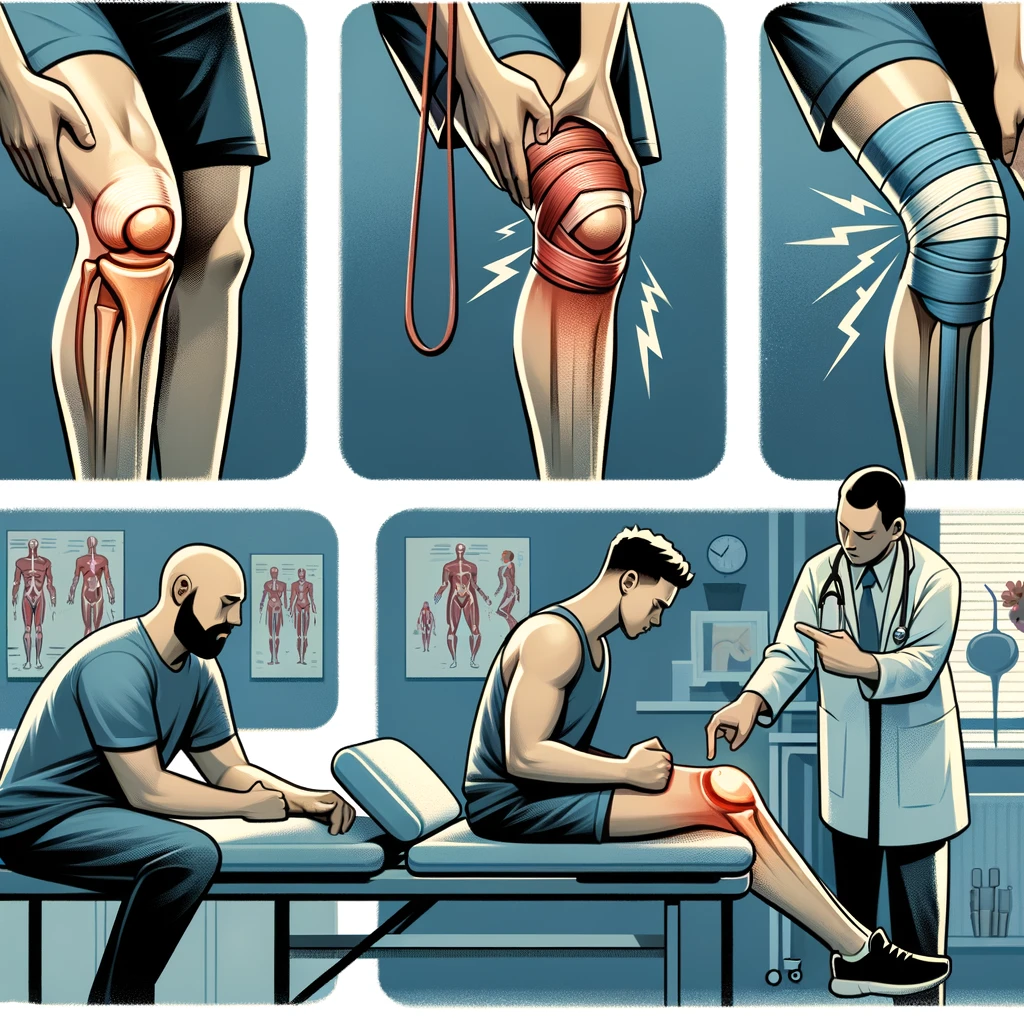
Tag: Managing Knee Pain

  • Knee Osteoarthritis and Weather Changes

    Knee Osteoarthritis and Weather Changes

    Can a change in the weather really affect the pain and discomfort associated with knee osteoarthritis? Many people suffering from this degenerative joint disease claim that weather changes exacerbate their symptoms. But is there any truth to this common belief?

    Knee osteoarthritis is a widespread condition that affects millions worldwide, causing pain, stiffness, and reduced mobility. Research has been conducted to understand the relationship between weather changes and the symptoms of knee osteoarthritis.

    Studies have shown that certain weather conditions can indeed impact the severity of symptoms experienced by individuals with knee osteoarthritis. Understanding this relationship can be crucial for managing knee osteoarthritis effectively.

    Key Takeaways

    • Weather changes can affect knee osteoarthritis symptoms.
    • Knee osteoarthritis is a degenerative joint disease affecting millions worldwide.
    • Research indicates a link between certain weather conditions and the severity of knee osteoarthritis symptoms.
    • Understanding this relationship is key to managing the condition.
    • Effective management of knee osteoarthritis can improve quality of life.
    • Healthy living strategies can help alleviate symptoms.

    Understanding Knee Osteoarthritis: An Overview

    Understanding knee osteoarthritis requires a comprehensive look at its causes, symptoms, and treatment options. Knee osteoarthritis is a degenerative joint disease that affects millions worldwide, causing significant discomfort and disability.

    What is Knee Osteoarthritis?

    Knee osteoarthritis is characterized by the gradual breakdown of cartilage in the knee joint. According to recent studies, this condition leads to symptoms such as pain, stiffness, and swelling. Dr. Armin Tehrany, a top New York orthopedic surgeon, explains that knee osteoarthritis is a result of the wear and tear of the joint cartilage.

    Symptoms and Diagnosis

    The symptoms of knee osteoarthritis can vary from person to person but typically include pain during movement, stiffness, especially after periods of rest, and swelling around the knee. Diagnosis involves a combination of physical examination, medical history, and imaging tests such as X-rays or MRI scans to assess the extent of cartilage damage and rule out other causes of knee pain.

    Early diagnosis is crucial for effective management of knee osteoarthritis, allowing for timely intervention to slow disease progression and improve quality of life.

    Treatment Options

    Treatment for knee osteoarthritis focuses on relieving symptoms, improving joint function, and enhancing quality of life. Options range from conservative management, including lifestyle modifications and physical therapy, to pharmacological interventions such as pain relievers and corticosteroid injections. In advanced cases, surgical options like knee replacement may be considered.

    • Lifestyle changes, including weight management and exercise
    • Physical therapy to improve joint mobility and strength
    • Medications for pain relief and inflammation reduction

    Understanding these treatment options is essential for individuals to make informed decisions about their care, in consultation with healthcare professionals.

    How Weather Affects Joint Pain

    Changes in weather have been observed to affect joint pain in many people, but the reasons behind this phenomenon are still not fully understood. Research suggests that there is a correlation between certain weather conditions and the severity of joint pain experienced by individuals with knee osteoarthritis.

    The Science Behind Weather Changes

    The exact mechanisms by which weather changes impact joint pain are complex and multifaceted. Several factors are believed to contribute to this phenomenon, including changes in temperature, humidity, and barometric pressure.

    Temperature fluctuations can cause the fluid within the joints to thicken or thin, potentially affecting the level of pain experienced. Humidity can also play a role, as high humidity may lead to increased inflammation, while low humidity can cause dryness and irritation in the joints.

    weather impact on knee pain

    Weather Condition Potential Impact on Joint Pain
    Cold Temperatures Increased pain due to thickening of joint fluid
    High Humidity Increased inflammation and pain
    Low Barometric Pressure Expansion of joint tissues, potentially causing pain

    Specific Weather Conditions That Impact Pain

    Different weather conditions can have varying effects on joint pain. Understanding these conditions can help individuals with knee osteoarthritis better manage their symptoms.

    • Cold weather: Cold temperatures can cause the muscles and tendons to contract, leading to increased pain and stiffness.
    • High humidity: High humidity can lead to increased inflammation and swelling in the joints, exacerbating pain.
    • Changes in barometric pressure: Drops in barometric pressure can cause the tissues in the joints to expand, potentially leading to pain and discomfort.

    By understanding the relationship between weather changes and joint pain, individuals with knee osteoarthritis can take proactive steps to manage their symptoms and improve their quality of life.

    Cold Weather and Its Implications

    For individuals living with knee osteoarthritis, cold weather can be more than just a seasonal discomfort. The cold can significantly impact the symptoms of knee osteoarthritis, making it essential to understand why this happens and how to manage it effectively.

    Why Cold Might Worsen Symptoms

    Cold weather is believed to worsen knee osteoarthritis symptoms due to several factors. One theory is that cold temperatures cause the fluid in the joints to thicken, making the joints stiffer and more painful. Additionally, cold weather can lead to increased inflammation and pain in the joints.

    Managing knee osteoarthritis during cold weather requires a proactive approach. This includes staying warm, exercising regularly, and using heat therapy to relieve pain and stiffness.

    Tips for Managing Cold-Weather Discomfort

    There are several strategies that can help alleviate knee osteoarthritis symptoms during cold weather. These include:

    • Staying warm by dressing in layers and using heating pads or warm baths to relax the muscles and increase blood flow.
    • Exercising regularly, such as through low-impact activities like swimming or cycling, to maintain joint mobility and strength.
    • Using natural remedies for arthritis, such as topical creams or supplements, to help manage pain and inflammation.

    By adopting these strategies, individuals with knee osteoarthritis can better manage their symptoms during cold weather and improve their overall quality of life.

    The Role of Humidity in Knee Osteoarthritis

    Many people with knee osteoarthritis report that their symptoms are affected by changes in humidity. Understanding this relationship can help individuals better manage their condition.

    High Humidity and Joint Pain

    Research suggests that high humidity may be associated with increased joint pain for some individuals. The exact mechanisms are not fully understood, but it’s believed that changes in humidity can affect the joints.

    Potential Effects of High Humidity:

    • Increased stiffness in the joints
    • Enhanced pain perception
    • Swelling due to changes in atmospheric pressure

    For those living with knee osteoarthritis, being aware of these potential effects can be the first step towards mitigating their impact.
    humidity and arthritis symptoms

    Strategies for Humid Days

    Managing knee osteoarthritis symptoms on humid days requires a combination of lifestyle adjustments and proactive measures. According to experts, staying hydrated is crucial, as it helps maintain joint health. For more information on managing pain, you can visit arthritis.org.

    Effective Strategies:

    Strategy Description Benefits
    Staying Hydrated Drinking plenty of water Maintains joint health, reduces stiffness
    Using Air Conditioning Keeping indoor humidity low Reduces discomfort, minimizes swelling
    Avoiding Strenuous Activities Limiting heavy exercise on humid days Prevents exacerbating pain, conserves energy

    By implementing these strategies, individuals with knee osteoarthritis can better cope with the challenges posed by high humidity.

    Barometric Pressure: The Hidden Factor

    Barometric pressure, or the pressure exerted by the weight of the atmosphere, has been linked to variations in knee osteoarthritis pain. This concept, though less commonly discussed than temperature or humidity, plays a significant role in understanding weather-related pain.

    Understanding Barometric Pressure

    Barometric pressure refers to the weight of the atmosphere on the Earth’s surface. It changes with weather conditions and altitude. Changes in barometric pressure have been associated with various health effects, including joint pain. Research into the exact mechanisms is ongoing, but it’s believed that changes in pressure may cause expansion or contraction of tissues, potentially irritating joints.

    Impact on Joints

    The exact way barometric pressure affects knee osteoarthritis is not fully understood, but several theories exist. One theory is that changes in pressure may cause the fluid within the joints to expand or contract, irritating the joint and causing pain. Another theory suggests that the nerves around the joint may be sensitive to pressure changes, leading to pain perception.

    “Some people with arthritis report that their symptoms worsen with changes in weather, particularly when there’s a drop in barometric pressure.”

    While individual responses to barometric pressure changes can vary, being aware of these changes can help individuals with knee osteoarthritis better manage their symptoms. Monitoring weather forecasts for changes in barometric pressure can be a useful strategy in anticipating and mitigating potential discomfort.

    The Impact of Seasonal Changes

    As the seasons change, individuals with knee osteoarthritis often notice fluctuations in their symptoms. This variation can be attributed to several factors, including changes in temperature, humidity, and barometric pressure. Understanding these changes is key to managing knee osteoarthritis effectively.

    Spring and Fall Variations

    During the spring, the transition from colder to warmer weather can bring about a mix of symptoms for those with knee osteoarthritis. Some may experience relief as the warmer weather sets in, while others might find that the changing atmospheric conditions exacerbate their pain. In the fall, the reverse occurs, with temperatures dropping and potentially leading to increased stiffness and discomfort.

    The spring season often brings blooming flora and increased outdoor activities, which can be beneficial for overall health but may also pose challenges for individuals with knee osteoarthritis. Increased activity levels can sometimes result in overexertion, potentially worsening symptoms. Conversely, the fall season’s cooler temperatures might necessitate adjustments in exercise routines and clothing to maintain comfort.

    How to Prepare for Seasonal Shifts

    Preparing for seasonal changes involves a combination of lifestyle adjustments and proactive management strategies. For instance, during the spring, individuals can take advantage of the warmer weather to engage in low-impact exercises like swimming or cycling, which can help maintain joint mobility without excessive strain.

    In the fall, as temperatures drop, it’s essential to maintain an active lifestyle while being mindful of the cold. Dressing warmly, using heating pads, or taking warm baths can help alleviate the stiffness associated with cooler weather. Additionally, reviewing and adjusting treatment plans with a healthcare provider can ensure that symptoms remain manageable throughout the seasonal transition.
    managing knee osteoarthritis during seasonal changes

    Coping Mechanisms for Weather-Related Pain

    For those suffering from knee osteoarthritis, understanding how to cope with weather-related pain is crucial. Weather changes can significantly impact the severity of knee osteoarthritis symptoms, making it essential to adopt effective management strategies.

    Exercise Strategies

    Engaging in regular exercise is a vital component of managing knee osteoarthritis symptoms. Low-impact exercises such as swimming, cycling, and yoga can help improve joint mobility and reduce pain without putting excessive strain on the joints.

    According to the Arthritis Foundation, “Exercise is a critical component of osteoarthritis management, helping to maintain joint mobility and reduce pain.”

    “Regular physical activity can help reduce pain and improve function in people with osteoarthritis.”

    • Swimming and water aerobics
    • Cycling and stationary bike exercises
    • Yoga and tai chi for flexibility and balance

    Dietary Considerations

    Dietary modifications can also play a significant role in managing knee osteoarthritis symptoms. Incorporating anti-inflammatory foods into one’s diet can help reduce inflammation and alleviate pain.

    Some beneficial dietary changes include:

    • Consuming foods rich in omega-3 fatty acids, such as salmon and walnuts
    • Eating antioxidant-rich foods like berries and leafy greens
    • Avoiding processed and high-sugar foods that can trigger inflammation

    As noted by health experts, maintaining a healthy weight through a balanced diet is also crucial in reducing the strain on knee joints.

    Seeking Professional Help

    Seeking professional help is a critical step in managing knee osteoarthritis. Effective management of the condition often requires a multifaceted approach that includes medical intervention, lifestyle changes, and sometimes alternative therapies. Understanding when to seek help and what options are available is crucial for individuals dealing with knee osteoarthritis.

    When to See a Doctor

    It’s essential to consult a healthcare professional if symptoms of knee osteoarthritis worsen or if there’s a significant impact on daily activities. A doctor can provide a thorough assessment and recommend appropriate treatment options, including those for arthritis pain relief. Early intervention can help in managing the condition more effectively.

    Regular check-ups with a healthcare provider can help monitor the progression of knee osteoarthritis and adjust treatment plans as necessary. This proactive approach is key to managing knee osteoarthritis effectively.

    Alternative Therapies

    In addition to conventional medical treatments, alternative therapies can offer relief for some individuals. These may include acupuncture, physical therapy, and certain dietary supplements. It’s crucial to discuss these options with a healthcare provider to determine their suitability and potential benefits for managing knee osteoarthritis.

    Some individuals find that a combination of conventional and alternative therapies provides the best arthritis pain relief. Always consult with a healthcare professional before starting any new therapy to ensure it’s safe and appropriate for your specific condition.

    Lifestyle Strategies for Weather Resilience

    Adopting a proactive approach to managing knee osteoarthritis involves understanding how lifestyle changes can enhance resilience to weather-related pain. By incorporating specific strategies into daily life, individuals can better manage their symptoms and improve their quality of life.

    Staying Active Year-Round

    Regular physical activity is crucial for maintaining healthy joints and reducing the impact of weather changes on knee osteoarthritis. Exercise helps strengthen the muscles around the knee, improves joint mobility, and can reduce pain.

    • Engage in low-impact activities such as swimming, cycling, or using an elliptical machine.
    • Incorporate strength training to build muscle around the knee.
    • Practice flexibility exercises like yoga or Pilates to maintain joint mobility.

    Staying active not only helps manage knee osteoarthritis symptoms but also contributes to overall health and well-being.

    Home Remedies for Joint Pain

    In addition to staying active, several home remedies can help alleviate joint pain associated with knee osteoarthritis. These remedies can be used in conjunction with other treatments to provide relief.

    Remedy Description Benefits
    Heat Therapy Applying heat to the affected area Relaxes muscles, increases blood flow
    Cold Therapy Applying cold packs to the affected area Reduces inflammation, numbs pain
    Topical Creams Using creams or ointments containing capsaicin or menthol Provides pain relief, counterirritant effect

    These home remedies offer simple, effective ways to manage knee osteoarthritis symptoms at home.

    By combining regular physical activity with home remedies and other lifestyle adjustments, individuals can develop a comprehensive approach to managing knee osteoarthritis and enhancing their resilience to weather-related pain.

    Conclusion: Living Well with Knee Osteoarthritis

    Living well with knee osteoarthritis requires a comprehensive approach that incorporates lifestyle modifications, treatment adherence, and a positive attitude. By understanding how weather changes impact knee osteoarthritis, individuals can better manage their condition and find relief from arthritis pain.

    Practical Long-Term Strategies

    Effective managing knee osteoarthritis involves a combination of exercise strategies, dietary considerations, and lifestyle adjustments. Staying active year-round and utilizing home remedies for joint pain can significantly improve quality of life. It’s essential to work with healthcare professionals to develop a personalized plan for arthritis pain relief.

    Staying Positive and Adapting to Change

    Embracing change and maintaining a positive outlook are crucial for individuals living with knee osteoarthritis. By staying informed about the condition and its management, individuals can take control of their health and make informed decisions about their care. With the right approach, it’s possible to minimize the impact of knee osteoarthritis and maintain an active, fulfilling lifestyle.

    FAQ

    What is knee osteoarthritis, and how does it affect the knee joint?

    Knee osteoarthritis is a degenerative joint disease that causes the cartilage in the knee joint to wear away, leading to pain, stiffness, and limited mobility. It affects the knee joint’s ability to function properly, making everyday activities challenging.

    How do weather changes impact knee osteoarthritis symptoms?

    Weather changes, such as cold weather, high humidity, and changes in barometric pressure, can exacerbate knee osteoarthritis symptoms, leading to increased pain and discomfort.

    What are some effective ways to manage knee osteoarthritis symptoms during cold weather?

    To manage knee osteoarthritis symptoms during cold weather, individuals can use warm clothing, maintain a healthy weight, stay active with low-impact exercises, and consider alternative therapies like acupuncture or physical therapy.

    Can high humidity worsen knee osteoarthritis symptoms?

    Yes, high humidity can worsen knee osteoarthritis symptoms by causing the joints to become inflamed and painful. Staying cool, hydrated, and using topical creams or ointments can help alleviate symptoms on humid days.

    What is barometric pressure, and how does it affect knee osteoarthritis?

    Barometric pressure refers to the pressure exerted by the weight of the atmosphere. Changes in barometric pressure can cause the joints to expand and contract, leading to pain and discomfort in individuals with knee osteoarthritis.

    How can I prepare for seasonal changes to manage knee osteoarthritis symptoms?

    To prepare for seasonal changes, individuals can adjust their exercise routine, maintain a healthy diet, and use alternative therapies to manage symptoms. Staying proactive and adapting to seasonal shifts can help alleviate knee osteoarthritis symptoms.

    What are some effective exercise strategies for managing weather-related knee osteoarthritis pain?

    Low-impact exercises like swimming, cycling, or yoga can help alleviate knee osteoarthritis pain. Staying active year-round and incorporating exercises that strengthen the surrounding muscles can also help manage symptoms.

    Are there any dietary considerations that can help alleviate knee osteoarthritis symptoms?

    Yes, a balanced diet rich in omega-3 fatty acids, antioxidants, and fiber can help alleviate knee osteoarthritis symptoms. Staying hydrated and maintaining a healthy weight can also contribute to overall joint health.

    When should I seek professional help for knee osteoarthritis?

    Individuals should seek professional help if their knee osteoarthritis symptoms worsen or become unmanageable. Consulting with a healthcare professional can help determine the best course of treatment and develop a comprehensive management plan.

    What are some alternative therapies that can help manage knee osteoarthritis symptoms?

    Alternative therapies like acupuncture, physical therapy, and massage can help alleviate knee osteoarthritis symptoms. These therapies can be used in conjunction with traditional treatments to provide relief and improve overall joint health.

  • Right Way For Managing Knee Pain: by Professional

    Right Way For Managing Knee Pain: by Professional

    Our knees are fundamental to our mobility and daily activities. Yet, knee pain is a widespread issue affecting millions worldwide. This comprehensive guide will delve into the causes, symptoms, and treatments for knee pain, providing you with the knowledge to better understand and manage this common condition.

    Introduction

    Knee pain is a pervasive problem that doesn’t discriminate by age or lifestyle. Whether you’re an athlete pushing your limits, an office worker with a sedentary job, or somewhere in between, knee pain can strike and significantly impact your quality of life. Understanding the complexities of knee pain is crucial for effective management and treatment.

    According to recent studies, approximately 25% of adults suffer from frequent knee pain. This staggering statistic underscores the importance of knee health education and proactive care.

    [Image: Anatomical diagram of a knee] Alt text: Detailed anatomical diagram showing the structure of a human knee joint

    Anatomy of the Knee

    To truly understand knee pain, we must first explore the intricate anatomy of the knee joint.

    Basic Structure

    The knee is one of the largest and most complex joints in the human body. It consists of:

    • Bones: The femur (thighbone), tibia (shinbone), and patella (kneecap)
    • Cartilage: Including the meniscus, which provides cushioning between bones
    • Ligaments: Connect bones and provide stability (e.g., ACL, PCL, MCL, LCL)
    • Tendons: Connect muscles to bones (e.g., patellar tendon)
    • Bursae: Small fluid-filled sacs that reduce friction between tissues

    Function of Each Component

    • Bones: Provide the structural framework and enable movement
    • Cartilage: Acts as a shock absorber, reducing friction between bones
    • Ligaments: Stabilize the joint and guide motion
    • Tendons: Allow muscles to move the joint
    • Bursae: Reduce friction and provide smooth movement

    The knee’s design allows for a range of motions, including flexion, extension, and a small degree of rotation. This complexity, while providing great functionality, also makes the knee susceptible to various types of injuries and conditions.

    [Image: Labeled diagram of knee anatomy] Alt text: Labeled anatomical diagram of a knee showing bones, cartilage, ligaments, and tendons

    Common Causes of Knee Pain

    Knee pain can result from a wide array of factors, ranging from acute injuries to chronic conditions. Understanding these causes is crucial for proper diagnosis and treatment.

    Injuries

    • Sprains and strains: Overstretching or tearing of ligaments or muscles
    • Meniscus tears: Damage to the cartilage that cushions the knee joint
    • Ligament tears: Such as ACL (Anterior Cruciate Ligament) or MCL (Medial Collateral Ligament) injuries
    • Fractures: Breaks in the kneecap, lower femur, or upper tibia

    Arthritis

    • Osteoarthritis: The most common form, caused by wear and tear of cartilage
    • Rheumatoid arthritis: An autoimmune condition that causes joint inflammation
    • Post-traumatic arthritis: Develops after an injury to the knee

    Overuse Conditions

    • Tendinitis: Inflammation of tendons, often due to repetitive activities
    • Bursitis: Inflammation of the bursae, frequently caused by prolonged kneeling
    • Patellofemoral pain syndrome: Pain around the kneecap, common in runners

    Other Causes

    • Gout: Build-up of uric acid crystals in the joint
    • Infections: Bacterial or viral infections in the joint or surrounding tissues
    • Osgood-Schlatter disease: Common in adolescents, causing pain below the kneecap
    • Iliotibial band syndrome: Common in runners, causing outer knee pain

    [Image: Infographic showing percentage breakdown of common knee pain causes] Alt text: Pie chart illustrating the percentage distribution of common causes of knee pain

    Statistics on Knee Pain Causes

    I have created a detailed table showing the prevalence of different causes of knee pain, including the age group most affected, common symptoms, and potential treatments. If you need any further modifications or additions, please let me know!

    These statistics highlight the significant role that degenerative conditions like osteoarthritis play in knee pain, while also showing the substantial impact of acute injuries.

    Symptoms Associated with Knee Pain

    Knee pain can manifest in various ways, and understanding these symptoms can help in early identification and treatment.

    Types of Pain

    • Sharp pain: Often associated with injuries or meniscus tears
    • Dull ache: Common in chronic conditions like arthritis
    • Burning pain: May indicate nerve issues or inflammation
    • Throbbing pain: Could be related to fluid buildup or inflammation

    Other Symptoms

    • Swelling: Indicates inflammation or injury
    • Stiffness: Common in arthritis or after periods of inactivity
    • Instability: Feeling like the knee might give way, often due to ligament issues
    • Locking: The knee gets stuck in one position, often due to a meniscus tear
    • Popping or crunching noises: May indicate cartilage wear or loose bodies in the joint

    Warning Signs

    • Severe pain or swelling
    • Inability to bear weight
    • Visible deformity
    • Fever accompanying knee pain
    • Redness and warmth around the joint

    It’s important to note that symptoms can vary greatly depending on the underlying cause. For instance, osteoarthritis pain often worsens with activity, while rheumatoid arthritis may cause more pain in the morning.

    [Image: Photo series showing visual symptoms like swelling] Alt text: Series of photos showing different visual symptoms of knee problems, including swelling and redness

    Diagnosis of Knee Pain

    Accurate diagnosis is crucial for effective treatment of knee pain. Healthcare providers use a combination of methods to determine the underlying cause.

    Physical Examination

    A thorough physical exam is often the first step in diagnosis. This may include:

    • Assessment of range of motion
    • Palpation for areas of tenderness
    • Stability tests to check ligament integrity
    • Gait analysis to observe walking patterns

    Imaging Tests

    Various imaging techniques can provide detailed views of the knee structures:

    • X-rays: Show bone structure and alignment, useful for diagnosing fractures or arthritis
    • MRI (Magnetic Resonance Imaging): Provides detailed images of soft tissues, excellent for diagnosing ligament or meniscus injuries
    • CT (Computed Tomography) scan: Offers cross-sectional images of the knee, useful for complex fractures
    • Ultrasound: Can show real-time images of tendons and ligaments in motion

    Other Diagnostic Procedures

    • Blood tests: To check for infections or inflammatory conditions
    • Arthroscopy: A minimally invasive surgical procedure to view inside the joint
    • Synovial fluid analysis: Examination of fluid from the joint to diagnose infection or gout

    The choice of diagnostic tools depends on the suspected condition and the information needed to make an accurate diagnosis.

    [Image: Doctor examining a patient’s knee] Alt text: Healthcare professional performing a physical examination of a patient’s knee.

    Treatment Options

    Treatment for knee pain varies widely depending on the underlying cause, severity of symptoms, and individual patient factors. Here’s an overview of common treatment approaches:

    Non-surgical Treatments

    1. Rest and activity modification
      • Avoiding activities that exacerbate pain
      • Using assistive devices like canes or crutches when necessary
    2. Physical therapy and exercises
      • Strengthening exercises for muscles supporting the knee
      • Flexibility exercises to improve range of motion
      • Balance and proprioception training
    3. Medications
      • Non-steroidal anti-inflammatory drugs (NSAIDs) for pain and inflammation
      • Acetaminophen for pain relief
      • Topical medications like creams or patches
      • Corticosteroid injections for severe inflammation
    4. Braces and supports
      • Knee sleeves for compression and support
      • Functional braces to support unstable knees
      • Unloader braces for arthritis
    5. Alternative therapies
      • Acupuncture
      • Massage therapy
      • Cold and heat therapy

    Surgical Treatments

    When non-surgical treatments fail to provide relief, surgical options may be considered:

    1. Arthroscopy
      • Minimally invasive procedure to repair damaged cartilage or ligaments
      • Remove loose bodies in the joint
    2. Knee replacement
      • Partial knee replacement: Replaces only the damaged part of the knee
      • Total knee replacement: Replaces the entire knee joint
    3. Other surgical procedures
      • Osteotomy: Realignment of the knee to relieve pressure
      • Cartilage grafting: To repair damaged cartilage
      • Synovectomy: Removal of inflamed synovial tissue

    The choice of treatment depends on various factors, including the patient’s age, activity level, overall health, and the specific condition causing the knee pain.

    [Image: Collage of various treatment methods] Alt text: Collage showing different knee pain treatment methods including medication, physical therapy, and surgery .

    Home Remedies and Self-Care

    Many knee pain issues can be effectively managed at home, especially in the early stages or for mild cases.

    RICE Method

    The RICE method is a well-established approach for managing acute knee injuries:

    • Rest: Avoid activities that aggravate pain
    • Ice: Apply cold packs for 15-20 minutes every 2-3 hours to reduce swelling
    • Compression: Use an elastic bandage to minimize swelling
    • Elevation: Raise the leg above heart level to reduce blood flow and swelling

    Gentle Exercises and Stretches

    • Low-impact activities like swimming or cycling to maintain fitness without stressing the knee
    • Stretching exercises to improve flexibility of muscles around the knee
    • Strengthening exercises for quadriceps, hamstrings, and calf muscles

    Proper Footwear and Posture

    • Wear shoes that provide good support and cushioning
    • Use orthotic inserts if recommended by a healthcare provider
    • Maintain good posture to reduce stress on knees

    <Weight Management

    Maintaining a healthy weight is crucial for knee health. Every pound of weight lost reduces the load on the knee by about 4 pounds during walking.

    Dietary Considerations

    • Consume anti-inflammatory foods like fish, nuts, and leafy greens
    • Stay hydrated to maintain joint lubrication
    • Consider supplements like glucosamine and chondroitin (consult with a doctor first)
    36332d02 750b 4cc1 adce de97b2ded648 1

    Prevention Strategies

    Preventing knee pain is often easier and more effective than treating it. Here are some strategies to maintain healthy knees:

    Maintain a Healthy Weight

    Excess weight puts additional stress on your knees. Losing weight if you’re overweight or maintaining a healthy weight can significantly reduce your risk of knee pain and osteoarthritis.

    Exercise Regularly

    • Engage in low-impact exercises like swimming, cycling, or elliptical training
    • Incorporate strength training to build muscles that support the knee
    • Practice flexibility exercises to maintain good range of motion

    Use Proper Technique

    • Always warm up before and cool down after exercise
    • Learn and use proper form during physical activities
    • Gradually increase the intensity and duration of your workouts

    Protect Your Knees

    • Wear appropriate protective gear during sports or high-risk activities
    • Use knee pads when kneeling for prolonged periods

    Listen to Your Body

    • Don’t ignore pain or discomfort in your knees
    • Take breaks and rest when needed
    • Modify activities that cause knee pain

    Maintain Good Overall Health

    • Stay hydrated to keep joints lubricated
    • Eat a balanced diet rich in nutrients that support joint health
    • Get enough sleep to allow your body to recover and repair

    [Image: Person demonstrating proper exercise form] Alt text: Individual demonstrating proper form for knee-strengthening exercises

    When to See a Doctor

    While many cases of knee pain can be managed at home, there are situations where professional medical attention is necessary. Seek medical care if you experience:

    • Severe pain or swelling
    • Inability to bear weight on the affected leg
    • Visible deformity of the knee or leg
    • Signs of infection (fever, redness, warmth around the knee)
    • Pain that persists for several days despite home care
    • Instability or giving way of the knee
    • Locking of the knee joint
    • Numbness or tingling around the knee

    Remember, early intervention can often prevent more serious problems from developing.

    [Image: Infographic of warning signs] Alt text: Infographic listing key warning signs that indicate when to seek medical attention for knee pain

    Living with Chronic Knee Pain

    For some individuals, knee pain becomes a chronic condition. Learning to live with ongoing knee issues requires a multifaceted approach:

    Lifestyle Adjustments

    • Modify your home or workplace to reduce stress on your knees
    • Use assistive devices when necessary (canes, walkers, raised toilet seats)
    • Adapt your activities to accommodate your knee condition

    Pain Management Techniques

    • Learn relaxation techniques like deep breathing or meditation
    • Consider cognitive behavioral therapy to manage pain perception
    • Explore alternative therapies like acupuncture or tai chi

    Emotional and Psychological Considerations

    • Recognize the emotional impact of chronic pain
    • Seek support from friends, family, or support groups
    • Consider counseling if you’re struggling with depression or anxiety related to your knee pain

    Stay Active

    • Work with a physical therapist to develop a safe exercise routine
    • Focus on low-impact activities that don’t exacerbate your knee pain
    • Maintain social activities and hobbies as much as possible

    Ongoing Medical Care

    • Attend regular check-ups with your healthcare provider
    • Be proactive about discussing new treatments or management strategies
    • Stay informed about advancements in knee pain treatment

    Living with chronic knee pain can be challenging, but with the right approach, many people can maintain a good quality of life and continue to engage in meaningful activities.

    [Image: Person using assistive devices] Alt text: Individual using a cane or walker to assist with mobility due to knee pain

    Conclusion

    Knee pain is a complex issue that affects millions of people worldwide. By understanding the anatomy of the knee, recognizing common causes and symptoms of knee pain, and familiarizing yourself with various treatment and prevention strategies, you can take proactive steps to maintain healthy knees and manage pain effectively when it occurs.

    Remember that each person’s experience with knee pain is unique, and what works for one individual may not work for another. It’s essential to work closely with healthcare professionals to develop a personalized approach to knee health and pain management.

    By implementing preventive measures, seeking timely medical attention when needed, and following appropriate treatment plans, you can optimize your knee health and maintain an active, fulfilling lifestyle. Your knees play a crucial role in your mobility and independence – taking care of them is an investment in your overall quality of life.

  • Knee Pain After ACL Surgery

    Knee Pain After ACL Surgery

    Managing Knee Pain After ACL Surgery

    Anterior cruciate ligament (ACL) reconstruction is a common surgical procedure for individuals who have suffered a torn ACL. While outcomes have improved dramatically, knee pain and re-injury continue to be concerns during the recovery process. Recent advances in rehabilitation protocols and biomechanical research are shedding light on optimal recovery strategies.

    9566c6af 8e44 4b28 9740 7d191e646e96

    Understanding Knee Pain After ACL Surgery

    Understanding Knee Pain after ACL Surgery

    Knee pain following ACL reconstruction arises due to multiple interrelated biomechanical and physiological factors. The initial trauma of surgery triggers an inflammatory response which can lead to fluid buildup, swelling, and stiffness, resulting in pain with movement. This acute inflammatory phase usually lasts 6-8 weeks. Concurrently, muscular imbalances around the knee joint develop, most notably quadriceps inhibition and weakness. The quadriceps muscles play a crucial role in stabilizing the knee joint. When weakened and inhibited after surgery, abnormal forces are transmitted through the joint, exacerbating pain and dysfunction. Finally, biomechanical alterations including asymmetric gait patterns and improper landing mechanics cause further pain. A careful evaluation of all these contributing trigger points through a full physical therapy examination is key to pinpointing the optimal treatment approach.

    Causes of Knee Pain

    Knee pain following ACL reconstruction arises due to multiple interrelated biomechanical and physiological factors. The initial trauma of surgery triggers an inflammatory response which can lead to fluid buildup, swelling, and stiffness, resulting in pain with movement.

    Inflammation

    This acute inflammatory phase usually lasts 6-8 weeks.

    A 2022 study found that altered walking biomechanics were present even 2 years after surgery, especially in females (Smith et al). These persistent abnormalities highlight the need for rehabilitation focused on normalizing movement patterns.

    1: Common Causes of Knee Pain after ACL Surgery

    CauseContributing Factors
    Inflammation– Surgical trauma<br>- Swelling<br>- Fluid buildup
    Muscle imbalances– Quadriceps inhibition<br>- Hamstring dominance<br>- Calcium deposits
    Biomechanical abnormalities– Gait asymmetries<br>- Improper landing mechanics<br>- Overpronation

    Managing Knee Pain

    Effective knee pain management requires a multifaceted rehabilitation program tailored to the individual’s specific deficits and dysfunctions. The priority initially is controlling inflammation through ice, compression, medication, and activity modification. Once pain and swelling have been reined in, restoring full knee mobility is essential for reducing stiffness and dysfunction. Gentle manual therapy techniques and range of motion exercises facilitate this process. As mobility improves, muscular imbalances must be addressed through targeted stretching and progressive strength training, focused especially on reactivating the quadriceps. Finally, movement pattern retraining helps ingrain proper mechanics. Areas to emphasize include squatting, lunging, walking gait, running, jumping and landing. The goal is to eliminate any asymmetries or compensations that could lead to abnormal forces through the joint. Throughout this process, communication with the care team is key to calibrate the program to avoid flare-ups while still stimulating progress.

    • Anti-inflammatory medications
    • Ice, compression, elevation
    • Restoring range of motion
    • Eliminating muscle imbalances
    • Normalizing movement patterns

    2: Rehabilitation Phases and Focus Areas

    PhaseTimingGoals
    Inflammation & Early ROM0-2 weeks– Manage swelling/pain<br>- Regain mobility
    Intermediate ROM & Early Strengthening3-6 weeks– Improve quad strength<br>- Single leg stability
    Advanced Strengthening & Neuromuscular Control6-12 weeks– Running mechanics<br>- Multi-plane agility
    Return to Sport4+ months– Sport-specific training<br>- Confidence in knee function

    Muscular Imbalances

    Concurrently, muscular imbalances around the knee joint develop, most notably quadriceps inhibition and weakness. The quadriceps muscles play a crucial role in stabilizing the knee joint. When weakened and inhibited after surgery, abnormal forces are transmitted through the joint, exacerbating pain and dysfunction.

    Biomechanical Changes

    Finally, biomechanical alterations including asymmetric gait patterns and improper landing mechanics cause further pain. A careful evaluation of all these contributing trigger points through a full physical therapy examination is key to pinpointing the optimal treatment approach.

    Managing Knee Pain

    Rehabilitation Program

    Effective knee pain management requires a multifaceted rehabilitation program tailored to the individual’s specific deficits and dysfunctions.

    Early Phase

    The priority initially is controlling inflammation through ice, compression, medication, and activity modification. Once pain and swelling have been reined in, restoring full knee mobility is essential for reducing stiffness and dysfunction. Gentle manual therapy techniques and range of motion exercises facilitate this process.

    Later Phase

    As mobility improves, muscular imbalances must be addressed through targeted stretching and progressive strength training, focused especially on reactivating the quadriceps.

    Movement Retraining

    Finally, movement pattern retraining helps ingrain proper mechanics. Areas to emphasize include squatting, lunging, walking gait, running, jumping and landing. The goal is to eliminate any asymmetries or compensations that could lead to abnormal forces through the joint. Throughout this process, communication with the care team is key to calibrate the program to avoid flare-ups while still stimulating progress.

    Optimizing Long-Term Outcomes

    Preventing Re-Injury

    Due to the high risk of retear after ACL reconstruction, prevention of re-injury is paramount during recovery. Gradually building up strength and then progressing activity in a controlled manner based on specific objective criteria allows tissues to heal while regaining function.

    Maintaining Stability

    Furthermore, consistently practicing ideal movement patterns and positioning trains the neuromuscular system to maintain knee stability. For example, focusing on knee alignment over toes during squats and engaging core muscles protects the ACL graft.

    Return to Sports

    As the graft incorporation stretches beyond 6 months, impact activities can be cautiously integrated. However, pivoting sports may need to wait 9 months or more. Maintaining quadriceps and core strength and allowing the full return of power and agility prior to discharge from therapy ensures the knee can withstand demands of sport. Sticking to activity guidelines, along with smart training periodization can optimize recovery even years after ACL surgery.

    Conclusion

    Knee pain and dysfunction after ACL surgery remain ongoing challenges. However, recent research into biomechanics and rehabilitation is improving long-term outcomes. An individualized, progressive recovery program focused on resolving muscle imbalances and normalizing movement is essential to optimizing recovery.